LONDON — Ireland will boycott the Eurovision Song Contest for a second year over Israel’s participation, the country’s national broadcaster said Thursday.
RTÉ said it will not send an act to the 2027 competition in Bulgaria and will not broadcast the show because of the “appalling and ongoing loss of lives in Gaza and the humanitarian crisis there which continues to put the lives of so many civilians at risk.”
Ireland was one of five countries — along with the Netherlands, Iceland, Slovenia and Spain — to skip Eurovision this year to protest Israel’s inclusion in the pan-continental music contest.
Eurovision Director Martin Green said organizers regretted RTÉ’s decision but “fully respect” it.
“All broadcasters decide on an annual basis to participate in the following year’s contest. We will remain in dialogue with RTÉ and hope to welcome them back to the contest in the future,” Green said.
Dutch broadcaster AVROTROS announced last month it will also boycott next year, calling Eurovision a “platform for division.”
“AVROTROS will not participate in the Eurovision Song Contest in 2027 because the event can no longer be considered neutral, with a participating country still involved in a large-scale military conflict,” it said.
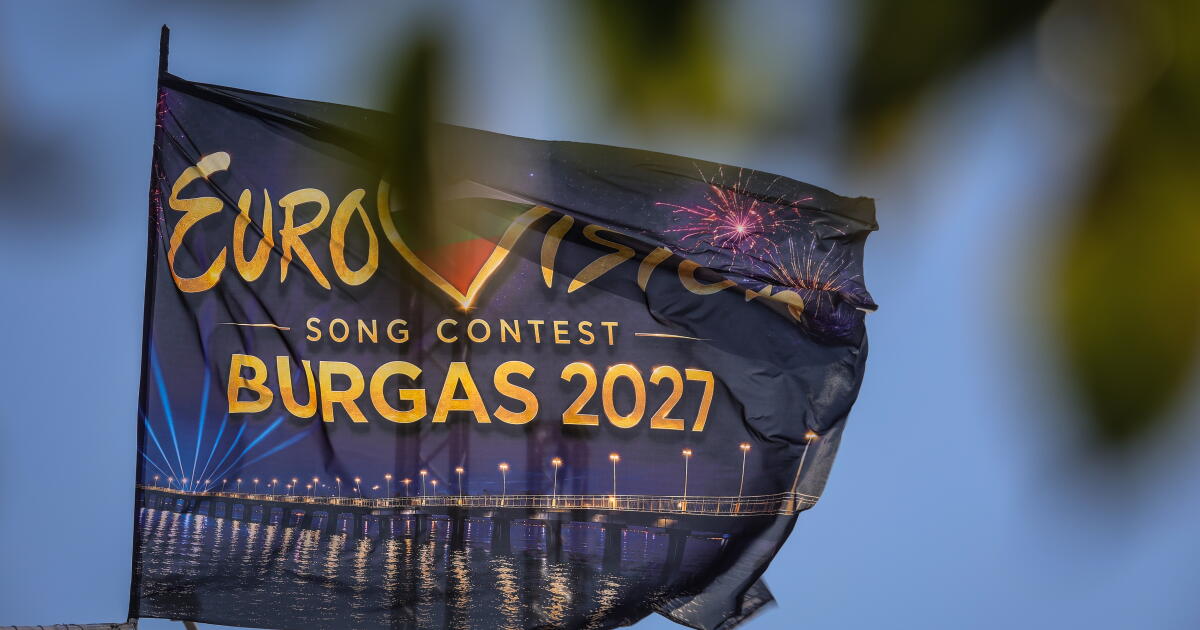
Next year’s competition is due to take place in Bulgaria’s Black Sea resort of Burgas in May, after Bulgarian singer Dara won the 2026 event with her infectious party anthem “Bangaranga.”
The contest was founded in 1956, in part to help unite a shattered continent after World War II. It pits acts from dozens of countries against one another for the continent’s musical crown.
Israel has taken part in Eurovision since 1973, one of a few non-European countries to compete. But calls for Israel to be kicked out have swelled over the conduct of Prime Minister Benjamin Netanyahu’s government in the Hamas-Israel war in Gaza.
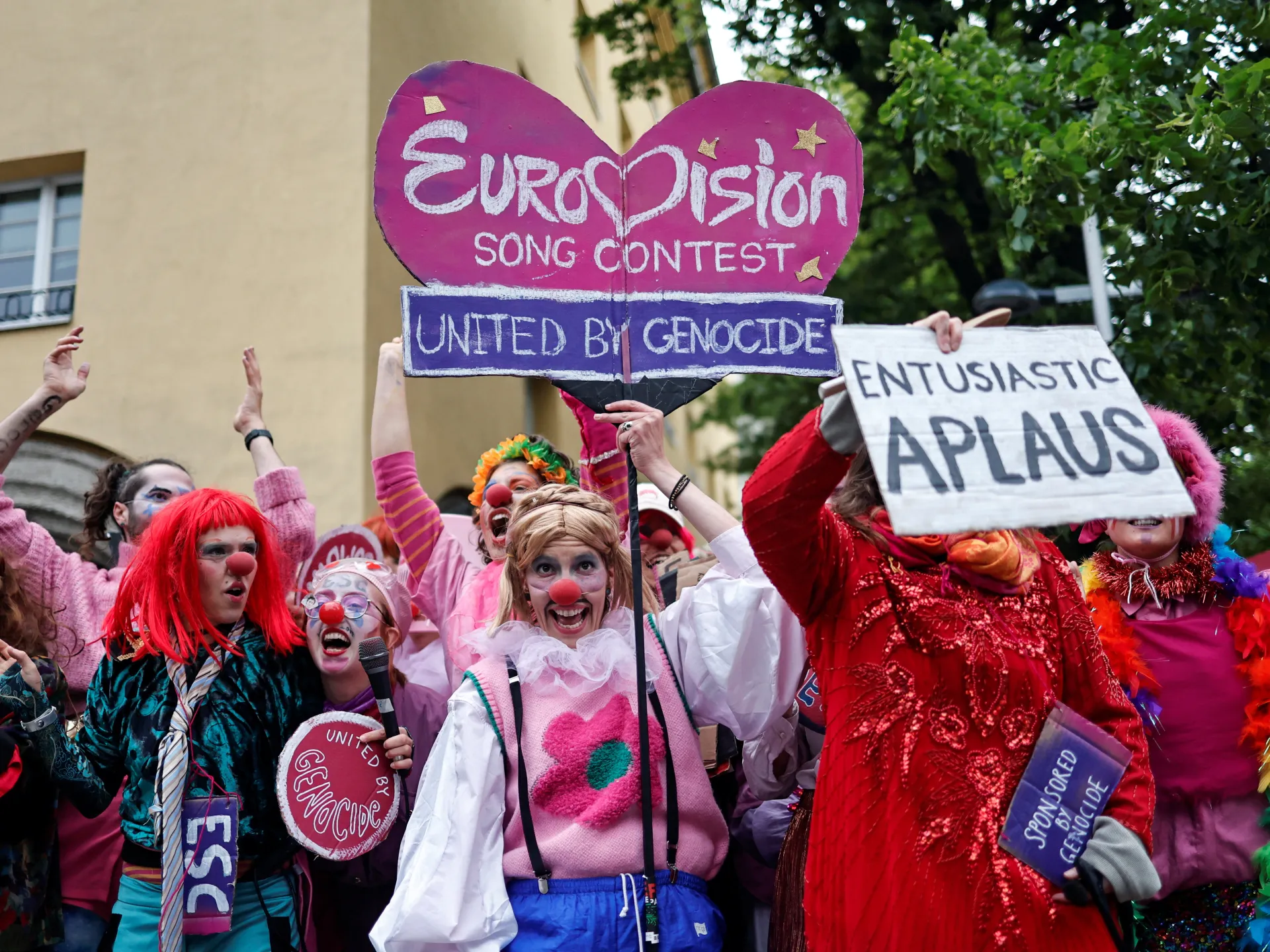
The 2024 Eurovision contest in Malmo, Sweden, the 2025 in Basel, Switzerland and this year’s contest in Vienna saw pro-Palestinian protests and heightened security.
Aug. 30 (UPI) — Icelandic voters rejected restarting talks about the Nordic island nation joining the European Union.
Referendum results announced Sunday showed that 53% of people voted against the talks while 47% said yes. Overall, 68,135 were cast with 82.4% voter turnout.
Iceland had discussed joining the bloc in 2013 shortly after a banking collapse in the country and the global economic crisis. Talks ended because Icelanders were concerned about keeping sovereign control over fisheries, the country’s top export.
Iceland would not have become an EU member automatically if voters had approved the talks. The country’s representatives would have had to negotiate with Brussels, and Icelandic voters would have had to approve EU membership in a second referendum.
“This is a good day,” Prime Minister Kristrún Frostadóttir said Saturday. “We have now reached the point where this is in the hands of the nation. Either we enter these negotiations, seek a good agreement and then see what happens, or we put the discussion about the European Union aside, at least for the time being.”
Frostadóttir last month said on the British podcast, The Rest is Politics, that Iceland currently follows 75% of EU rules.
“Joining it is not going to sink the country and joining it is also not fundamentally going to change every aspect of Icelandic, you know, economy,” she said at the time.
However, there was concern that the other 27 countries in the EU would drown out Iceland and the country would have to change its currency to the euro from the króna.
With almost all votes counted, the ‘no’ side was ahead by 52.5 percent to 47.5 percent, the national broadcaster says.
Published On 30 Aug 202630 Aug 2026
Voters in Iceland have rejected a proposal to resume negotiations on joining the European Union, dealing a setback to the government’s push for closer ties with the 27-country bloc.
With almost all votes counted, the “no” side was ahead by 52.5 percent to 47.5 percent, according to national broadcaster RUV. Official results have not been announced yet.
Recommended Stories
list of 3 itemsend of list
The result is not a vote on EU membership itself, but on whether Iceland should reopen accession negotiations that were suspended more than a decade ago.
The government had argued that renewed talks could help Iceland confront growing economic and geopolitical pressures, including tensions over Arctic security.
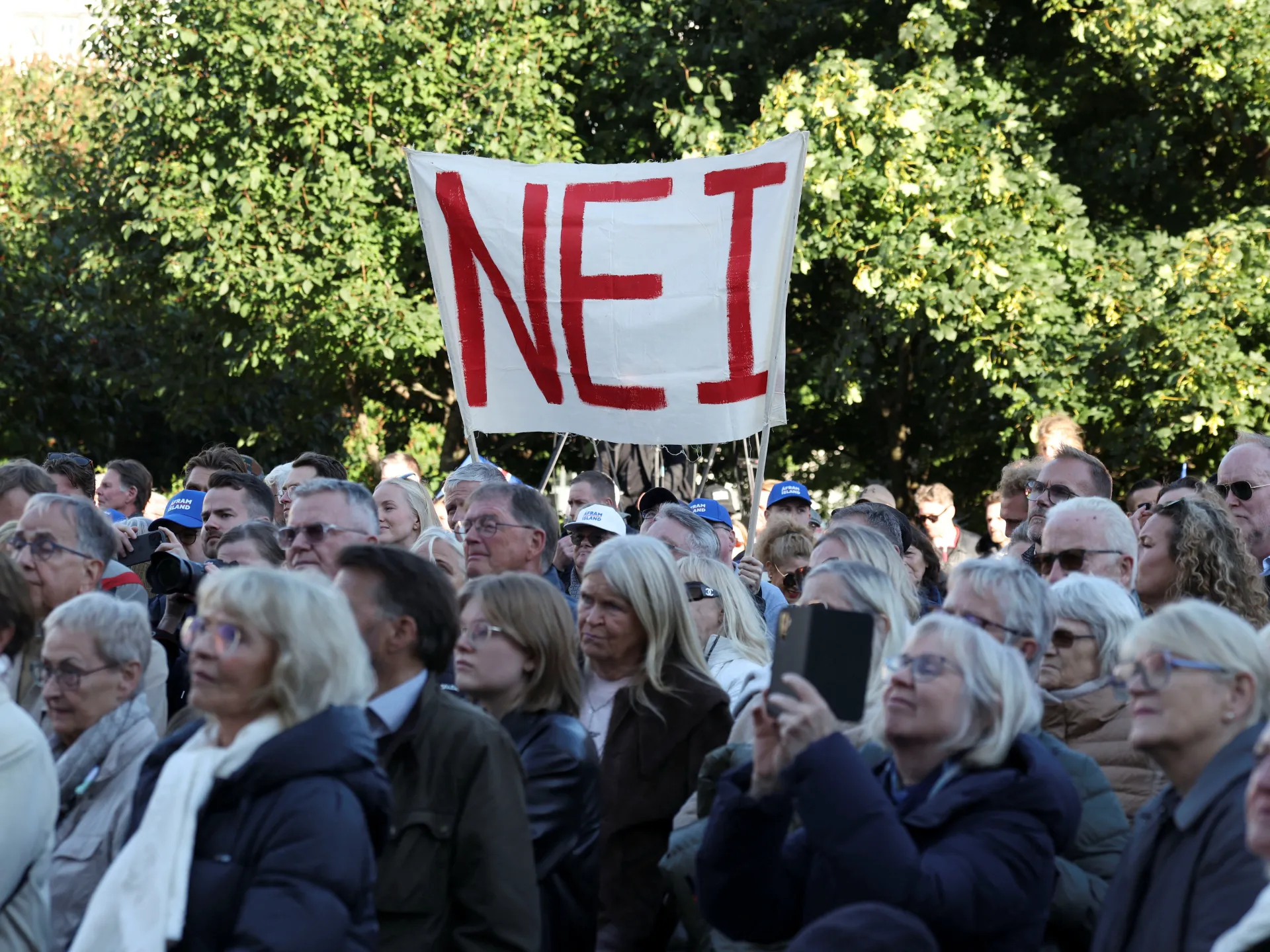
Opponents of accession instead focused on protecting Iceland’s fishing waters and general sovereignty-related issues that would arise if the country became part of the bloc.
Here is what you need to know:
What was the vote about?
The referendum asked Icelanders a simple question: Should Iceland resume accession negotiations with the European Union?
It was not a vote on whether Iceland should actually join the EU. A “yes” result would have allowed the government to restart negotiations with Brussels. Any eventual agreement on membership would then have been put to voters in another referendum.
In 2009, Iceland applied to join the EU, following a financial crisis that severely affected its economy. Negotiations were suspended in 2013 after a eurosceptic government came to power.
Technically, the referendum result is nonbinding, but the coalition government headed by Social Democratic Prime Minister Kristrun Frostadottir has vowed to respect the result.
What was the result of the vote?
The “no” side won, according to RUV, with 52.5 percent against 47.5 percent for “yes”. Some votes from one constituency were still pending, but they were not expected to change the result.
The outcome represents a setback for Frostadottir’s government, which had presented the referendum as a “now or never” moment for the EU debate.
What’s the debate in Iceland on joining the EU?
The debate has largely centred on the economy, fishing rights and the cost of living.
The most important argument put forward by opponents against membership was the fate of the country’s fishing industry, a major part of Iceland’s economy.
Gudrun Hafsteinsdottir, the opposition leader who campaigned for the “no” vote, rejected claims that Brussels could solve Iceland’s economic problems.
“These are not problems that Brussels will solve for us. These are problems that Icelandic politicians must solve,” she said.
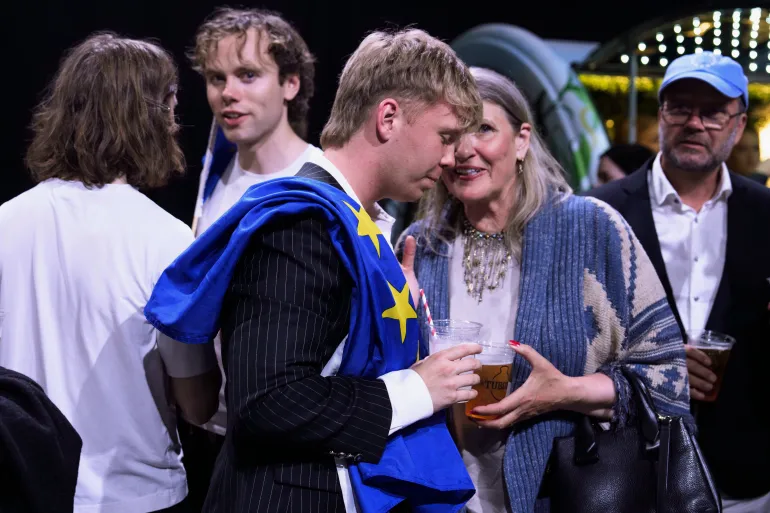
A supporter wearing a European Union flag attends an election-night gathering in Reykjavik, Iceland, Sunday, August 30, 2026 [Marco Di Marco/AP Photo]
Supporters, however, argued EU membership could help address Iceland’s high inflation and interest rates. Iceland’s central bank rate is eight percent, compared with 2.25 percent at the European Central Bank.
Some also saw adopting the euro as a potential source of economic stability. Nevertheless, Iceland already has close economic links with the EU.
It belongs to the European Economic Area and the Schengen free-travel zone, giving it access to the EU’s single market without being a member.
What triggered the referendum?
The EU debate gained urgency because of a changing geopolitical environment surrounding Arctic countries. Iceland is a NATO member, but has no military of its own and depends heavily on its allies for defence.
However, the country’s left-leaning coalition government, elected in 2024, moved up the EU referendum it had planned for next year after US President Donald Trump mistakenly named the country four times while speaking about his policy towards Greenland.
The government argued that closer ties with Europe could provide Iceland with greater protection and strengthen its position amid growing tensions in the region.
Frostadottir said the campaign had raised discussion about Iceland’s place in the world and its broader geopolitical position.
“We’ve been waiting for this for years to be able to have a vote,” Frostadottir said, adding that her government would continue its work regardless of the outcome.
What happens next?
It is unlikely that Iceland will resume EU accession negotiations during the current government’s term, which runs until 2028.
The government had already said it would respect a “no” vote. It is also expected to refer to parliament the question of whether Iceland should formally withdraw its EU membership application.
For now, Iceland will remain outside the EU while continuing its existing relationship with the bloc through the European Economic Area and Schengen.
Iceland has rejected the government’s proposal to hold accession talks with the European Union, public broadcaster RUV has reported, with only a small number of votes left to be counted.
Icelanders head to the polls on Saturday to decide whether their country should reenter negotiations to join the European Union, a vote that could have economic and security implications beyond the small Arctic country.
The election comes 13 years after Iceland, under a Eurosceptic government, paused the last EU accession talks, believing the country would fare better outside the bloc.
Recommended Stories
list of 3 itemsend of list
But much has changed since then.
Arctic security concerns have grown amid Russia’s war against Ukraine and United States President Donald Trump’s threats to invade neighbouring Greenland, the cost of living has climbed and Iceland’s currency has kept wavering.
Prime Minister Kristrun Frostadottir, whose Social Democrats party is pro-EU, said she will honour whatever choice the public makes.
If Icelanders vote “yes”, the country would likely start years of negotiations with Brussels to hammer out membership terms. It would then hold a second referendum on whether to formally become part of the EU.
Frostadottir has said a “yes” vote would see the nation “enter negotiations with our heads held high and stand together in seeking a good agreement”.
If the result is “no”, “all speculation about what [EU membership] might involve will be set aside”, she said.
Knife-edge vote
Recent surveys show Icelanders are almost evenly split on the proposal.
A Gallup opinion poll conducted this week found that 51.6 percent of respondents were against new EU membership talks, while 48.4 percent favoured them.
An earlier survey by Icelandic pollster Maskina showed a narrow majority of 51.3 percent of respondents backing new EU accession talks.
Gabriella Gricius, associate professor of strategy at the Norwegian Military Academy, said Iceland’s lack of armed forces has always left it “reliant on NATO and specifically the US for its security”.
“As the US has grown more unpredictable, and specifically, its rhetoric around Greenland has grown more concerning, it is not surprising that Iceland is seeking additional security guarantees through the EU,” Gricius told Al Jazeera.
Adam Fishwick, a lecturer in international relations at the University of Iceland, said the expected benefits of membership would be reduced inflation, a more stable currency and fewer customs barriers for consumers.
“There may also be opportunities for regional development in Iceland, which is an important issue here, with access to dedicated EU funds,” he told Al Jazeera.
However, the debate over EU accession remains “quite polarised”, he noted. Opponents fear the small nation of 395,000 people would “lose control over everyday policy decisions” and have limited sway in a bloc filled with larger European powers, Fishwick said.
Voters to weigh impact on inflation, currency
The benefits of EU membership for Iceland are not as obvious as for other potential candidates.
Iceland is a relatively wealthy country that, as a member of Schengen and the European Economic Area, already gets a lot of the single-market access that would come with EU membership.
However, the country has experienced growing economic pains in recent years, primarily regarding the cost of living. Consumer prices in 2025 exceeded those of any EU state and were 87 percent higher than the EU average.
Iceland’s currency, the krona, meanwhile, has been prone to exchange-rate swings that opponents say lower investment confidence and make it more costly to borrow money. Earlier this year, the Ministry of Finance and Economic Affairs concluded that the costs of maintaining Iceland’s own currency probably outweigh the benefits. Adopting the euro, it said in a report, may help reduce interest rates and transaction costs.
Joining the EU could help address both issues.
Iceland would become a part of the bloc’s customs union, in which goods move freely between members and face a common tariff when imported from non-member countries. It could also adopt the more stable euro as its currency.
Fishing industry concerns: ‘Backbone of the economy’
A major concern, though, is the impact on the country’s fishing industry, an economic pillar that in 2024 directly contributed about 8 percent of gross domestic product (GDP) and much more indirectly.
By joining the EU, Iceland would become subject to the EU’s Common Fisheries Policy, which governs European fishing fleets and fish stocks.
Iceland’s fishing industry fears this change could lead to new catch quotas, increased foreign competition and, more broadly, less control over local fishing policy.
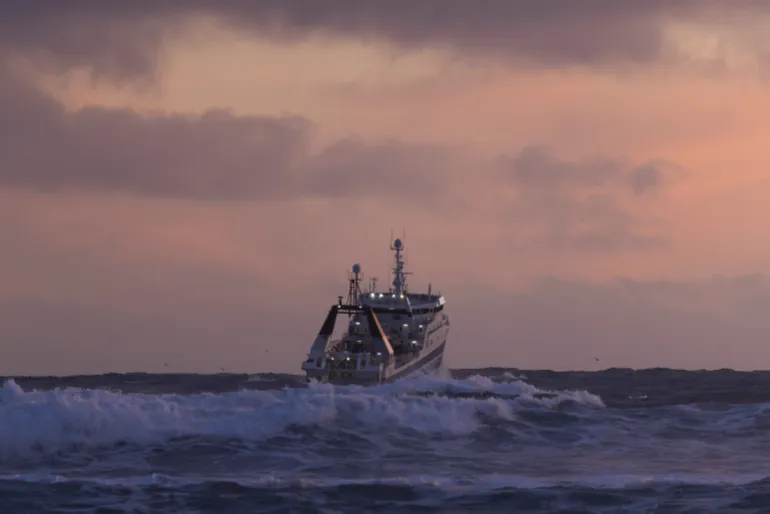
A fishing boat battles rough seas in Grindavik, Iceland [File: Brook Mitchell/Getty Images]
“The fundamental objection to EU membership is that Iceland would not retain full control over its fisheries – the traditional backbone of the economy,” Valur Ingimundarson, professor of contemporary history at the University of Iceland, told Al Jazeera.
Even if Icelanders vote “yes” to proceed with EU negotiations, the country is unlikely to go forward with EU membership unless it secures “ironclad” exemptions regarding its fishing industry, said Ingimundarson.
‘Additional security guarantees’
Mounting security pressures in the Arctic, coupled with uncertainty about US commitment to its traditional European partners, are also contributing to Iceland’s renewed interest in the EU, say analysts.
Though Iceland is a founding member of NATO and has a 75-year defence treaty with the US, it has no standing armed forces of its own and is located in a geopolitical hotspot that both Russia and the US have sought to project power in.
While Russia has expanded its military presence in the Arctic in recent years, President Trump has repeatedly threatened to use force to seize nearby Greenland.
Ingimundarson said pro-EU Icelanders see “the EU as a source of political and economic protection for a small state confronted by coercive great-power politics and uncertainty about the US as a reliable security partner”.
Iceland’s Foreign Minister Thorgerdur Gunnarsdottir has said membership would be “a valuable addition” for Iceland, even though NATO and the US would still be its core security partners.
In comments to Reuters, Gunnarsdottir said Iceland has been “disappointed” with the US’s “pressure campaign waged against both Greenlanders and Denmark”.
Russia poses a security threat “in our waters and nearby, in the North Atlantic”, said Gunnarsdottir.
For the EU, bringing Iceland into its orbit would expand EU territory much deeper into the North Atlantic, potentially deepening its strategic focus there, said Gricius, the professor.
“Icelandic membership in the EU wouldn’t necessarily change Arctic security dynamics, as Iceland is and will continue to be an Arctic state,” she said. “However, it may influence how the EU behaves in the Arctic, as the EU would then include four of the eight Arctic states – Iceland, Finland, Sweden and Denmark.”
AVROTROS says escalating international conflicts are undermining the event’s neutrality and fuelling divisions.
Published On 24 Aug 202624 Aug 2026
The public broadcaster in the Netherlands has announced it will not participate in next year’s Eurovision Song Contest because the event can “no longer be considered neutral” due to ongoing divisions over the war in Gaza.
“It is undeniable that international conflicts are increasingly affecting the Contest, undermining its neutral character. The Eurovision Song Contest has therefore become a platform for division,” said Taco Zimmerman, Director-General of AVROTROS, in a statement on Monday.
Recommended Stories
list of 3 itemsend of list
The widely-watched show has recently faced a series of boycotts over Israel’s participation. Organisers announced earlier this month that they would exclude any country involved in an armed conflict from hosting the competition.
“However, the recently announced changes… do not provide sufficient confidence that the independent and neutral character of the Eurovision Song Contest has been restored,” the AVROTROS statement added.
Israel finished second in the competition – the world’s largest live televised music event – in both 2025 and 2026.
Next year’s Eurovision is due to be held in Bulgaria’s Black Sea city of Burgas, after Bulgarian singer Darina Yotova, known as Dara, won this year’s contest in Vienna, Austria, with her catchy floor-filler ‘Bangaranga’. The contest on May 15 will be the first time the Balkan nation has hosted.
Since its launch in 1955, Eurovision has become the ultimate pop platform, catapulting Swedish icons ABBA to worldwide fame, while also boosting the careers of artists such as Celine Dion, Cliff Richard and Olivia Newton-John.
However, this year’s competition pulled in 131 million viewers, 35 million fewer than last year, after five countries boycotted over Israel’s participation. The Netherlands, Iceland, Spain, Ireland, and Slovenia all pulled out, with the latter three refusing to broadcast the show at all.
Denmark, Finland, Iceland, Norway, Sweden and the Faroe Islands back calls for Infantino’s resignation amid FIFA crisis.
Published On 23 Aug 202623 Aug 2026
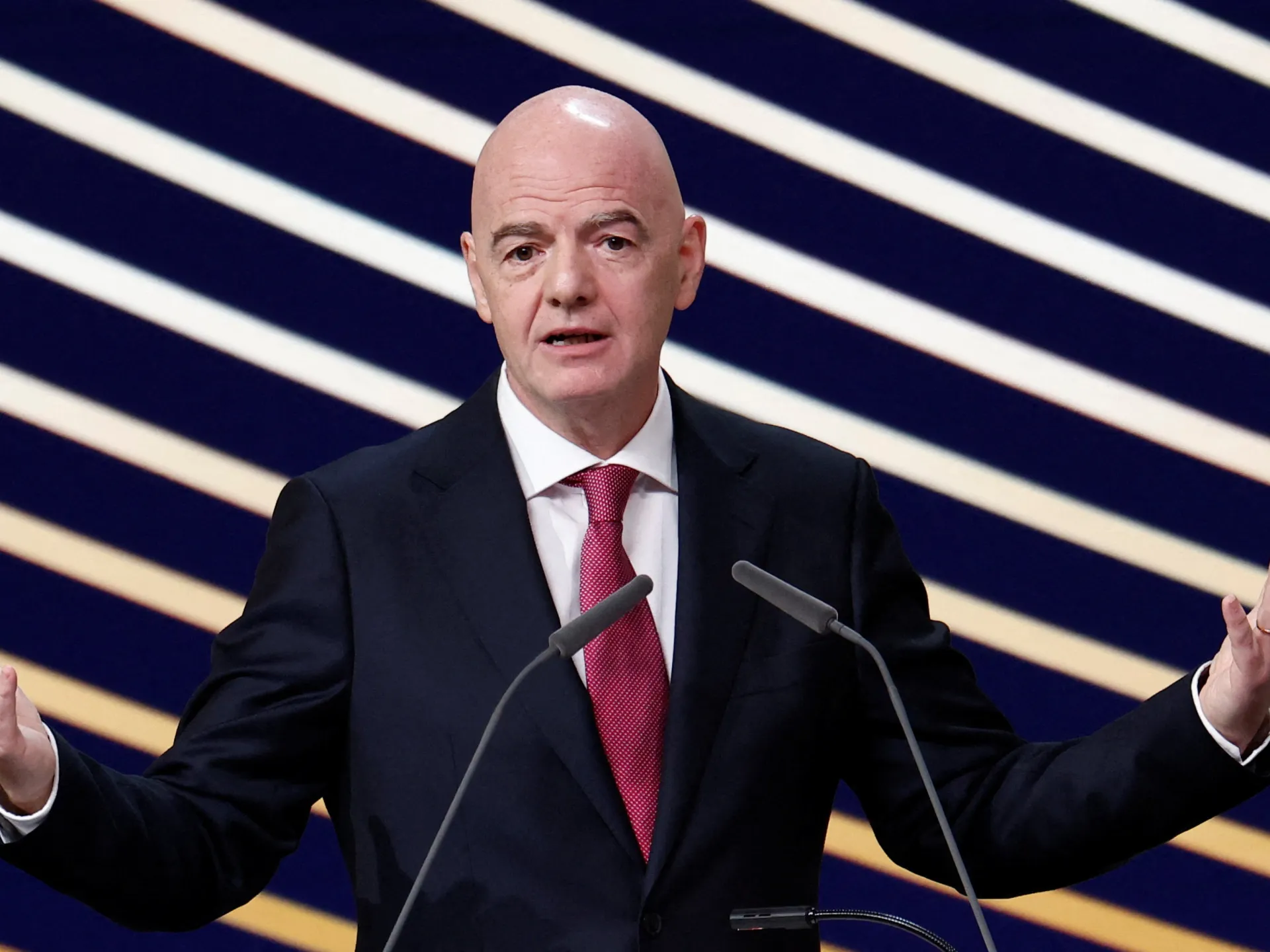
Six Nordic football associations have delivered a united blow to FIFA President Gianni Infantino, declaring they have lost confidence in his leadership while demanding sweeping governance reforms at world football’s governing body.
The six Nordic FIFA members – Denmark, Finland, Iceland, Norway, Sweden and the Faroe Islands – met in Helsinki and issued a rare joint statement on Sunday, backing calls for Infantino’s resignation from three major regional confederations.
They also supported demands for an independent investigation into his proposal to sell a stake in events like the World Cup to private equity investors, a plan that was quickly abandoned in the face of a global backlash.
“The six Nordic football associations have lost confidence in FIFA’s president and are concerned about the organisation’s governance and decision-making at the highest level,” they said in a statement.
“The Nordic football associations stand united with UEFA and support the measures that the organisation and its national member associations have jointly proposed.
“We expect FIFA to provide binding guarantees that the organisation’s governance or competitions will never again be opened up to private ownership.”
FIFA did not respond to Al Jazeera’s request for comment.
On Friday, Denmark’s football association pledged to find a credible alternative to Infantino in March’s presidential election.
Infantino is under pressure from three confederations to resign: UEFA, the AFC and CONCACAF.
The sport’s regional powerhouses in Europe, Asia, and North and Central America and the Caribbean have also discussed a potential vote of no confidence against the FIFA chief.
“We also support the demand made by AFC, CONCACAF and UEFA that a fully independent external investigation into the events surrounding the FIFA Forward Enterprise proposal be established,” the Nordic associations added.
“We also call on FIFA to initiate a comprehensive and independent review of its governance framework to determine whether it ensures the independence, checks and balances, transparency and accountability that were intended when FIFA adopted its reform programme in 2016.”
Infantino, who is seeking a fourth term until 2031 in next year’s election, is in the Dominican Republic this weekend, where he has met with officials of the Caribbean Football Union (CFU).
CONCACAF President Victor Montagliani had asked Infantino to stay away from a youth football tournament in the country, saying his presence would overshadow the event.
“This meeting of the presidents of CFU takes place in the environment of [an] under-14 youth tournament in the region, which actually is one of those tournaments that can take place thanks to the FIFA Forward programme,” Infantino said.
“So even more so a reason to be proud to be here and happy as well because it’s important to engage, to have a dialogue, to express views and opinions.”
Iceland will hold a referendum on August 29 on whether to reopen negotiations over joining the European Union, in a closely contested vote that could reshape the country’s economic and strategic direction.
The referendum, however, is not a vote on EU membership itself. Icelanders will only decide whether their government should begin accession negotiations with Brussels.
If voters approve the proposal, negotiations could last two or more years before Iceland holds a second referendum, potentially in 2028, on whether to actually join the bloc.
With opinion polls showing a near-dead heat between supporters and opponents, the vote has become an important test of Iceland’s relationship with Europe at a time of economic uncertainty and growing geopolitical competition in the Arctic.
Stay ahead of the geopolitical week.
MD Briefing delivers expert analysis across five global fronts — the Indo-Pacific, energy, geoeconomics, European security, and the Middle East — every Monday morning. Free.
Is Iceland Voting to Join the EU?
No.
The August 29 referendum only asks whether Iceland should begin negotiations with the European Union.
A “yes” vote would open a potentially lengthy accession process. Iceland would then negotiate the terms of membership with Brussels before citizens have another opportunity to accept or reject the final agreement.
That means the upcoming referendum is essentially a decision about whether to explore EU membership, rather than a final decision to join.
Prime Minister Kristrun Frostadottir’s government has nevertheless presented the vote as a potentially decisive moment.
What Happens If Iceland Votes No?
The government has described the referendum as a “now or never” opportunity.
Frostadottir has warned that rejecting negotiations would effectively put the EU question aside.
This makes the vote particularly important because Iceland has already attempted the accession process once.
Reykjavik applied to join the EU in 2009, but negotiations were abandoned in 2013 after a Eurosceptic government came to power.
A second rejection could therefore close the issue again for the foreseeable future.
Why Does Iceland Want to Reconsider EU Membership?
Economic concerns are among the strongest arguments for reopening negotiations.
Iceland has faced high living costs and economic volatility, while the country’s relatively small economy remains vulnerable to external shocks.
Supporters argue that closer integration with the EU could provide greater economic stability and strengthen Iceland’s position when dealing with larger trading partners.
EU membership could also eventually allow Iceland to adopt the euro, replacing the Icelandic krona.
Supporters say the euro could reduce currency volatility, help address inflation and potentially lower interest rates.
The country’s strategic environment has also changed since Iceland abandoned its previous accession negotiations.
The war in Ukraine and growing competition in the Arctic have encouraged Iceland to reconsider how closely it should align with European institutions.
What Would Iceland Gain From Joining the EU?
EU membership would provide Iceland with access to the bloc’s customs union and its wider internal market.
The customs union eliminates internal tariffs between member states while applying common external tariffs to goods entering the bloc.
Iceland would also gain a formal role in EU decision-making.
Its representatives would participate in institutions including the European Parliament, European Commission and European Council.
For supporters, this is important because Iceland would move from being closely connected to the EU economically to having a direct role in shaping policies that affect it.
The argument is particularly relevant for a small country dealing with much larger economic powers.
Why Do Icelanders Oppose EU Membership?
Opponents argue that membership would transfer too much political authority from Reykjavik to Brussels.
They also question whether joining the EU would substantially improve Iceland’s security.
The most sensitive issue, however, is fisheries.
Why Are Fisheries Central to the Debate?
Fishing is one of the pillars of Iceland’s economy and a major part of the country’s national identity.
Opponents fear that joining the EU would subject Iceland to the bloc’s Common Fisheries Policy and potentially weaken its control over fishing resources.
They worry that common European resource-management rules could eventually increase access for foreign vessels to Icelandic waters.
For a country surrounded by some of the world’s most important fishing grounds, that is not simply an economic concern. It is also a question of national sovereignty.
The fisheries debate therefore gives the opposition one of its strongest arguments against membership.
Why Does Iceland Want to Keep the Krona?
Iceland’s currency is another major dividing line.
Supporters of the euro argue that replacing the krona could reduce exchange-rate volatility and improve economic stability.
Opponents see the krona differently.
They argue that an independent currency provides Iceland with an important economic adjustment mechanism.
During a downturn, the krona can weaken against major currencies, potentially helping Iceland’s economy adjust. During periods of stronger growth, it can appreciate.
Giving up that flexibility in favour of the euro, opponents argue, could leave Iceland with fewer tools to respond to economic shocks.
Who Supports EU Membership?
The country’s centre-left government coalition has backed putting the issue to a referendum.
Vidreisn, Iceland’s most explicitly pro-EU political party, pushed for the vote.
Prime Minister Frostadottir’s Social Democrats also support EU membership, although they have taken a more cautious approach to campaigning.
The coalition’s third party, the People’s Party, opposes membership.
The political divide therefore does not fit neatly along government versus opposition lines.
Who Opposes EU Membership?
The opposition Independence Party, led by Gudrun Hafsteinsdottir, is campaigning against reopening accession talks.
Its argument centres on sovereignty, fisheries and economic independence.
Opponents believe Iceland can maintain its existing relationship with Europe without accepting the political obligations of EU membership.
The close polling suggests neither side has yet secured a decisive advantage.
Why Is the Arctic Important to the Vote?
The referendum is taking place against a backdrop of growing geopolitical competition in the Arctic.
Iceland occupies a strategically important position between North America and Europe.
It sits along the Greenland-Iceland-United Kingdom gap, commonly known as the GIUK gap, a critical North Atlantic maritime corridor.
The area has long been important for monitoring Russian naval movements between the Arctic and the North Atlantic.
Iceland is also a NATO member despite having no standing army of its own.
That makes its strategic location particularly important to the security architecture of the North Atlantic.
What Would Iceland Mean for the EU?
For the European Union, Iceland’s potential membership would have significance beyond economics.
It would expand the EU’s presence in the Arctic at a time when the region is becoming increasingly important to major powers.
Russia, the United States and other countries are paying greater attention to Arctic shipping routes, natural resources and military positioning.
Iceland could therefore give the EU a stronger institutional and geopolitical foothold in the North Atlantic and Arctic region.
Its accession could also be relatively straightforward compared with some other countries seeking EU membership.
Unlike Ukraine and several Western Balkan states, Iceland already has close economic and institutional links with Europe and would require fewer major reforms to align with EU rules.
Could Iceland Join the EU Quickly?
Potentially, but the process would still take years.
A “yes” vote would only begin negotiations.
Iceland would then have to negotiate the terms of membership before citizens could vote again on the final agreement.
The second referendum could potentially take place in 2028.
This means that even if Icelanders vote in favour of talks on August 29, actual EU membership would remain uncertain.
The referendum is therefore the beginning of a political process rather than its conclusion.
Analysis: Why Does Iceland’s EU Vote Matter?
Iceland’s referendum is ultimately about more than whether a small North Atlantic country should join a political and economic bloc.
It reflects a wider debate over sovereignty, economic resilience and strategic alignment in an increasingly contested Arctic.
For supporters, EU membership offers economic stability, greater influence over European decisions and closer integration with a bloc that could provide Iceland with additional leverage against larger powers.
For opponents, the same process represents a potential loss of national control over fisheries, monetary policy and important economic decisions.
The strategic dimension is becoming increasingly difficult to ignore.
Iceland’s location makes it disproportionately important to North Atlantic security despite its small population and lack of a conventional military. As competition involving Russia, the United States and European countries intensifies in the Arctic, Iceland’s relationship with the EU could acquire greater geopolitical significance.
The vote also highlights a fundamental dilemma facing smaller states: whether greater integration with a larger political bloc provides more security and economic strength than the sovereignty it requires them to surrender.
The August referendum will not answer that question definitively.
It will determine whether Icelanders are willing to begin the conversation.
If voters choose “yes,” Iceland could move toward its most significant geopolitical realignment in more than a decade. If they choose “no,” the country may once again put EU membership aside and preserve its distinctive position outside the bloc while remaining closely connected to Europe.