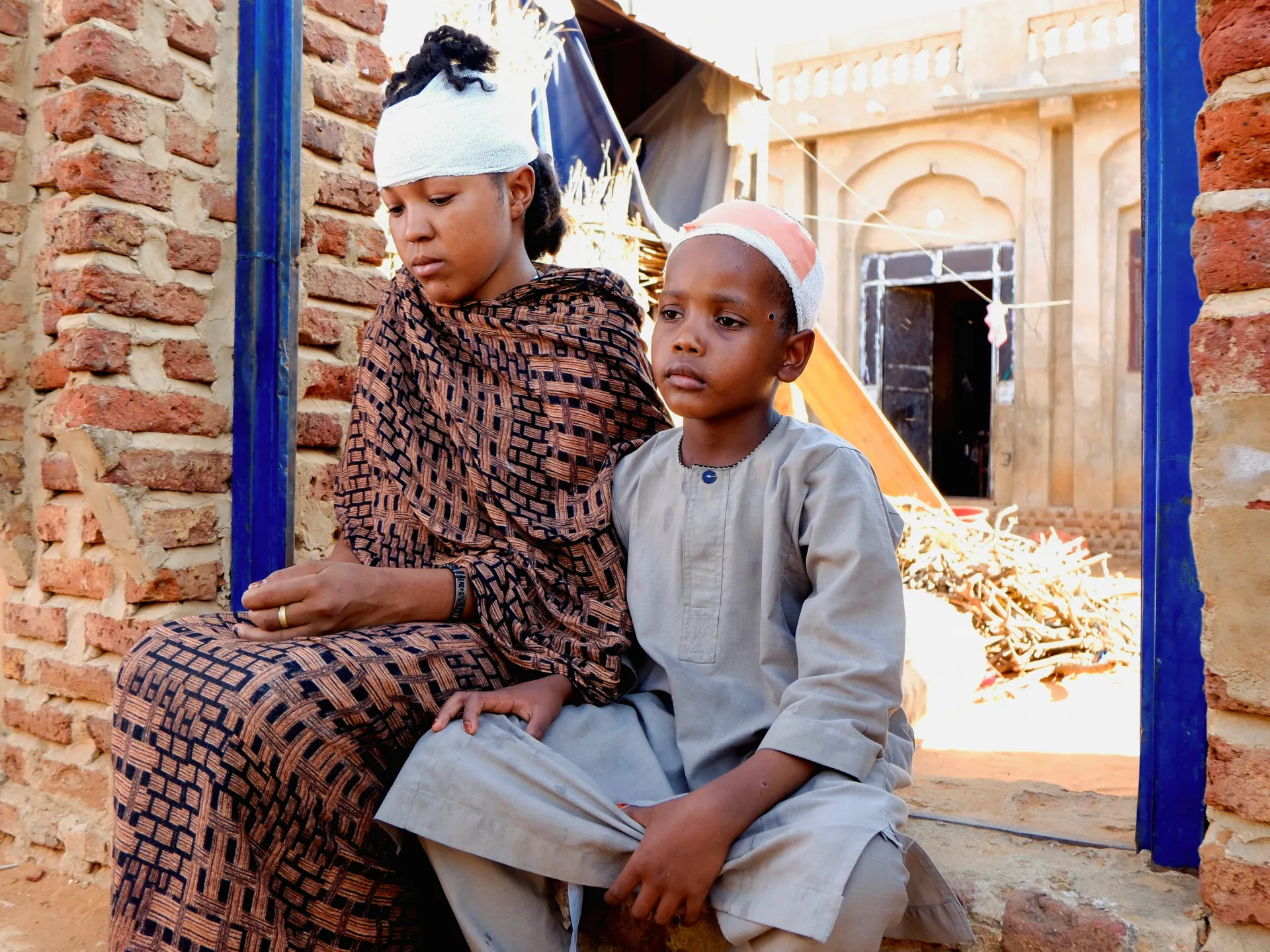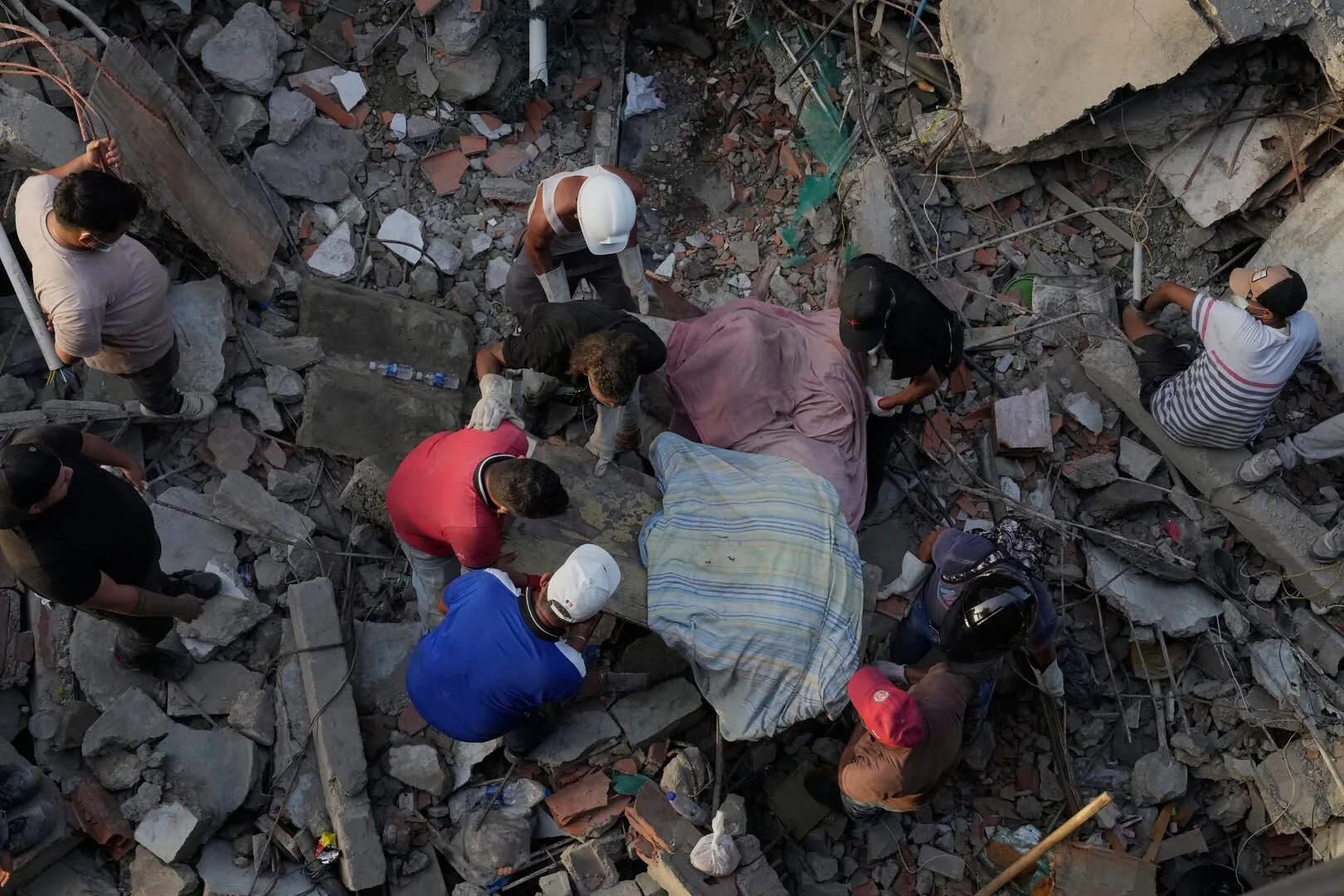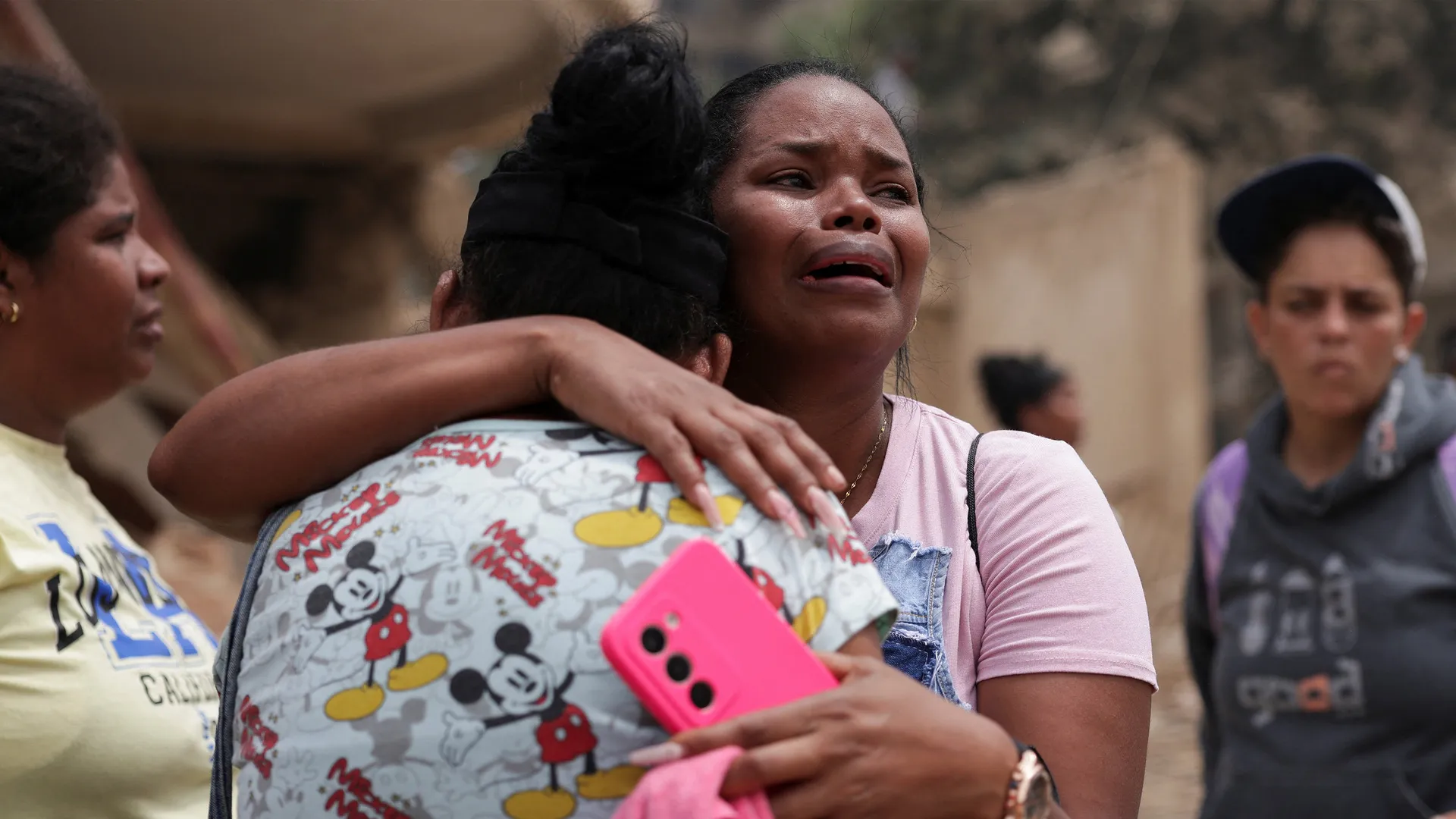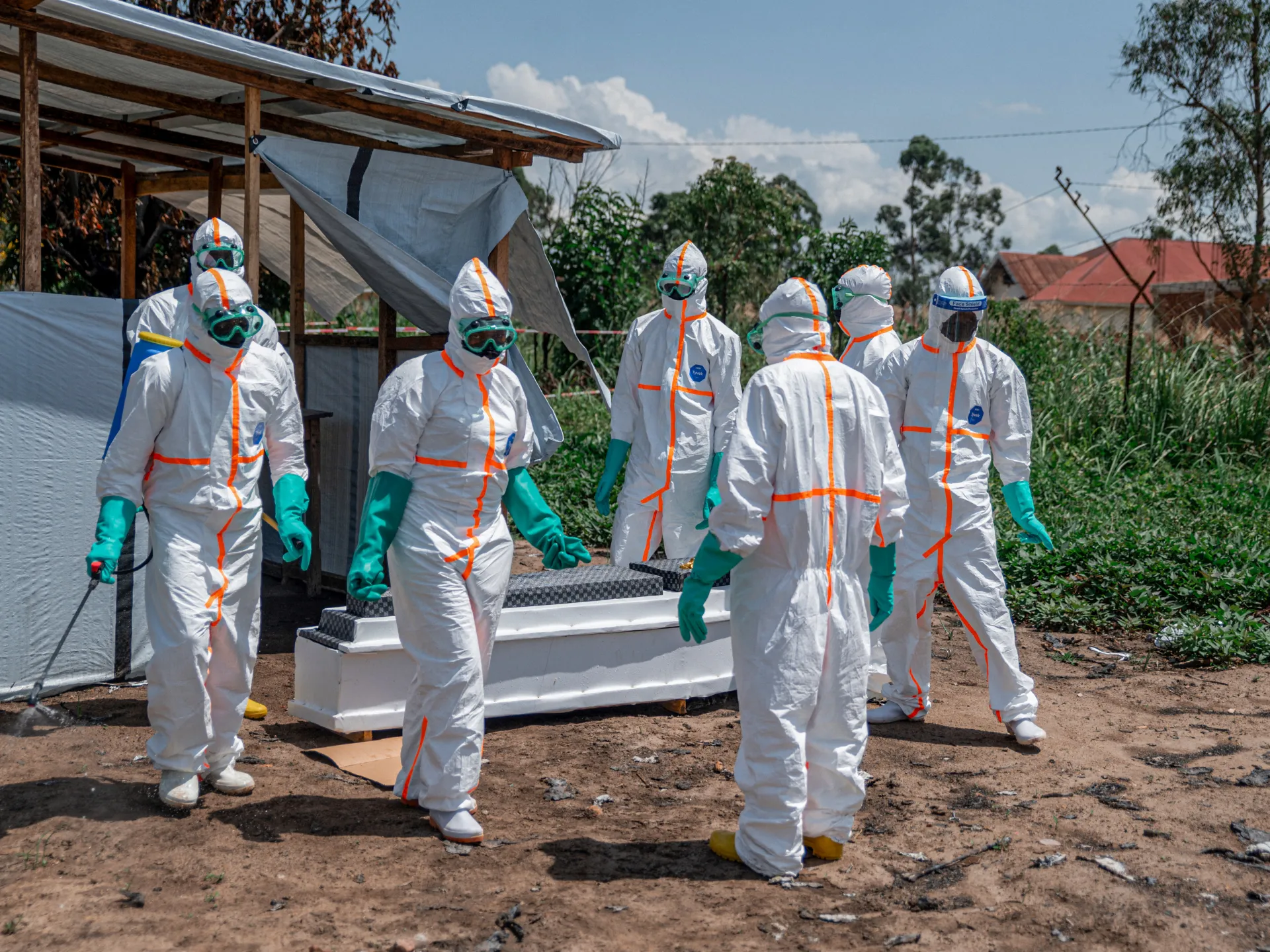
Humanitarian Crises

Cambodians struggle with displaced lives amid tense ceasefire with Thailand | Border Disputes News

Preah Vihear/Siem Reap provinces – When asked how she spends her day, 11-year-old Sokna rattled off a list of chores.

She first fetches water, then washes dishes and sweeps the leaves and dust from around the blue tarpaulin tent her family now calls home, in the grounds of a Buddhist pagoda in northwestern Cambodia.

Recommended Stories

list of 4 itemsend of list

Sokna and her sister have stopped attending school, their mother Puth Reen said, since moving to this camp for people displaced by the recent rounds of fighting between Thailand and Cambodia.

The two sisters are among more than 34,440 people who remain in displacement camps in Cambodia – 11,355 of whom are children – as of this month, according to the country’s Ministry of Interior.

“I tried to tell them to go to school, but they don’t go,” Puth Reen told Al Jazeera, explaining how precarious life had become since returning to live in Cambodia after fleeing neighbouring Thailand, where she had worked for many years, as the fighting started.

Like Puth Reen and her family, the future looks murky for the tens of thousands of Cambodians – including many schoolchildren – who are still in displacement camps, and their lives remain disrupted months after the last outbreak of fighting between Thailand and Cambodia.

Forced to flee their homes in areas where local troops are now stationed and on high alert, or in areas occupied by opposing Thai forces, Cambodia’s internally displaced say they are surviving off aid donations, while those more fortunate are transitioning from emergency tents into wooden stilted houses provided by the Cambodian government.

But with tension still evident between the leadership in Bangkok and Phnom Penh, the tenuous ceasefire along the Thai-Cambodia border means life cannot yet return to normality.

Some areas on the Cambodian border, such as the villages of Chouk Chey and Prey Chan in Banteay Meanchey province, have become rallying points for nationalists who post on social media about the Thai occupation of Cambodian territory. Their anger is directed at the large shipping containers and barbed wire that Thai forces have used to block access to villages once inhabited by Cambodians and occupied during fighting.

The Thai military-installed containers now form a sort of new frontier between the two countries.

The Cambodian military has also prevented people, such as local farmer Sun Reth, 67, from returning to their homes in front-line areas, which are still highly militarised zones, with troops ready at any moment for a new round of fighting.

“Now the Cambodian military base is just next to [my house],” Sun Reth said, adding that she was not allowed by authorities to sleep in her modest home or pick cashew nuts from her farm to sell for a little income.

Cambodian children more focused on ‘rumours’ of war

The long-held border dispute between Thailand and Cambodia erupted into two rounds of conflict last year, over five days in July and almost three weeks in December.

Dozens were reported killed on both sides, and hundreds of thousands of civilians fled their homes as both countries’ armed forces fired artillery, rockets, and, in the case of Thailand, conducted air strikes deep into Cambodian territory. Thailand has a modern air force, a military capability not possessed by its smaller neighbour.

Cambodian and Thai officials reached a ceasefire on December 27, but the situation remains tense five months on.

For families who fled the fighting, school continues for most children in the displacement camps, but parents say education is fragmented while their lives are still so unsettled.

Mothers at the Wat Bak Kam camp for the displaced in Preah Vihear province told Al Jazeera that primary school students can join classes at a local school, but high school students need to travel daily to the provincial capital, about 15km (9 miles) away.

(Danielle Keeton-Olsen/Al Jazeera)
Families living temporarily at the Wat Bak Kam internal displacement camp sit outside their tents, supplied by Chinese government aid [Roun Ry/Al Jazeera]

Now the rising cost of petrol, due to the US-Israel war on Iran, has made it even harder for teenaged students, who have access to motorcycles, to make the journey to school.

Kinmai Phum, technical lead for WorldVision’s education programme, which is providing support to the camps, said school dropout rates and children skipping classes have increased substantially among students from the displaced border regions.

Kinmai Phum said the situation is a perfect storm of problems: Displaced families have been forced to move around for shelters, schools and temporary learning spaces lack facilities, and some students have psychological trauma due to the conflict.

“Local authorities [are] concerned that many children may not return to school at all if displacement and economic hardship persist,” Kinmai Phum said.

(Danielle Keeton-Olsen/Al Jazeera)
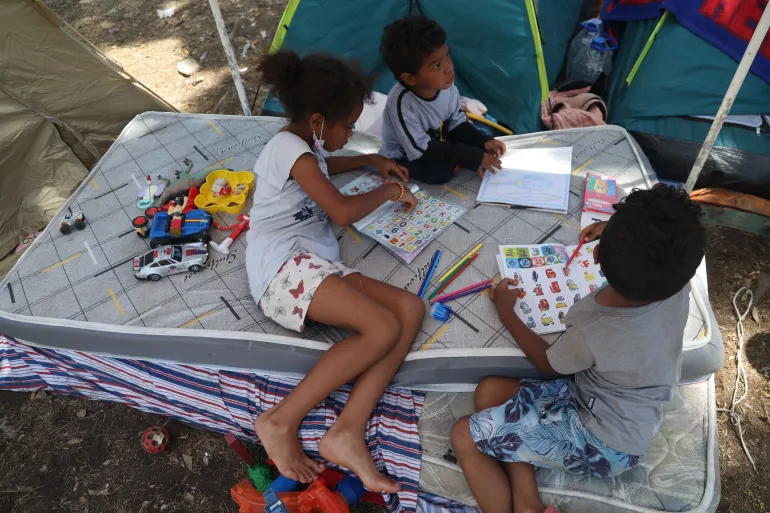
Puth Reen, left, and her three daughters sit inside their tent in a camp for the displaced at Wat Chroy Neang Ngourn in Siem Reap province [Roun Ry/Al Jazeera]

Yuon Phally, a mother of two, said she had noticed the impact of the war on her daughter and son, who are in their first and third years in primary school.

When they return from school, Yuon Phally said, they tell her about rumours they had heard about Cambodia and Thailand resuming fighting.

“Their feeling is not fully focused on school; they focus more on these rumours,” she said.

Her children’s world was more impacted by the conflict because their father is a soldier stationed in the Mom Bei area of the border.

During the fighting in December, Yuon Phally said she could not convince her children to go to school because they all waited to see if their father would call on a mobile phone from the front line.

“I couldn’t hold back my tears, and that added more pressure onto my kids,” she said.

“They would ask about their dad and how he is doing now. Then they told me to eat rice. They understood my feelings.”

She said her children’s focus on their studies only improved after their father returned from fighting to the camp where they are staying, to rest and recover from sickness and injuries sustained in battle.

(Danielle Keeton-Olsen/Al Jazeera)
Two construction workers transport corrugated metal sheeting between the newly constructed resettlement houses for displaced Cambodians in Preah Vihear province [Roun Ry/Al Jazeera]

‘Who doesn’t want to have peace?’

Soeum Sokhem, a deputy village chief, told Al Jazeera how his home is located in the militarised “danger zone” along the border, but he feels compelled to return every few days to check on his house, tend crops, sleep an occasional night, and check in with other neighbours doing the same.

“I can’t just stay here”, he said of camp life.

“I have to go back.”

When asked how he felt about the border war, Soeum Sokhem said he had experienced so much war in Cambodia that he did not know how to describe his “inner feeling like I really want to”.

He then listed off all the conflicts he had lived through in Cambodia since the 1960s: The spill over into Cambodia from the US war in neighbouring Vietnam; the US bombing campaign in Cambodia; the genocidal Khmer Rouge regime, and the civil war that followed after Vietnam’s intervention to topple the regime’s leader Pol Pot in 1979, and which lasted until the mid-1990s.

Then in the 2000s, sporadic border fights with Thailand began, he said.

(Danielle Keeton-Olsen/Al Jazeera)
Soeum Sokhem at the internal displacement camp at Wat Bak Kam [Roun Ry/Al Jazeera]

Cambodia’s contemporary history has been anything but peaceful, a fact which might explain why the current Cambodian government so often speaks of peace. Government buildings and billboards proclaim the government’s unofficial motto: “Thanks for peace.”

“But who doesn’t want to have peace?” Soeum Sokhem said, after charting his life and the many conflicts he had lived through.

Now the 67-year-old said he once again hears gunfire occasionally when he returns to check on his home on the front line.

“Before, when I walked there, it was normal,” he said.

“But nowadays, I walk with fear when going back there.”

Source link

Khartoum drone strike kills five in Sudan, NGO reports | Sudan war News

The attack, the second in a week, follows months of relative calm in the city after government forces regained control last year.

A drone strike carried out by the paramilitary Rapid Support Forces (RSF) has killed five civilians in Khartoum, according to an NGO.

The attack, which Emergency Lawyers, an independent legal group supporting victims of human rights violations in Sudan, reported on Saturday, is the second to take place in the capital within a week. It follows months of relative calm in the city after government forces regained control last year.

Recommended Stories

list of 3 itemsend of list

The NGO said it holds the RSF fully responsible for the strike, accusing the group of breaching international humanitarian law.

Emergency Lawyers said the incident forms part of an ongoing pattern of attacks on civilians. Nearly 700 civilians were killed in drone strikes in the first three months of this year, according to UN figures.

‘Completely free’

On Tuesday, a drone struck a hospital in the Jebel Awliya area, around 40 kilometres (25 miles) south of central Khartoum, a security source and eyewitnesses told the AFP news agency. It was the first such attack in the area in months.

The Sudanese army, which now enjoys a solid grip in the north and east, launched a rapid counteroffensive last year that pushed the paramilitary forces out of the capital.

Following intense fighting around the capital last year, Sudan’s military government declared the Khartoum region “completely free” of RSF.

Since then, the RSF has largely concentrated on expanding its control in its stronghold in the western Darfur region and pushing into neighbouring areas, capturing valuable oil-producing assets.

Violence has also spread to southeastern Blue Nile state near the border with Ethiopia, raising fears of a more prolonged and fragmented conflict.

The RSF carried out a series of drone strikes on Khartoum last year, largely targeting military sites, power stations and water infrastructure.

In recent months, however, the capital has seen relative calm. More than 1.8 million displaced residents have returned, and the airport has resumed domestic flights. That said, much of the city remains without electricity or basic services.

The conflict between the Sudanese government and the RSF – a former ally – began in April 2023. Since then, around 14 million people have been displaced and two-thirds of the population are in urgent need of humanitarian support, according to the United Nations.

Source link

‘Act of piracy’: World reacts to Israeli interception of Gaza aid flotilla | Israel-Palestine conflict News

World leaders condemn the interception of the boats bound for Gaza as violating international law.

Israel has intercepted 22 out of the 58 aid ships travelling through international waters and bound for the besieged Gaza Strip.

The ships make up part of a second Global Sumud Flotilla to try in recent months to break an Israeli blockade by carrying humanitarian aid to Palestinians in Gaza. They sailed from the Spanish port of Barcelona on April 12.

Recommended Stories

list of 3 itemsend of list

The vessels were seized by Israel late on Wednesday in international waters off Greece’s Peloponnese peninsula, hundreds of miles from Gaza, the flotilla’s organisers said on Thursday.

Israel “kidnapped” 211 of the 400 activists taking part in the flotilla, including a Paris city councillor, according to the flotilla’s organisers. Israel’s Foreign Ministry had earlier put the number of those detained at 175.

Here’s how world leaders have reacted to the news:

Italy

Italy called for the immediate release of Italian nationals on board the flotilla.

Italy “condemns the seizure of the Global Sumud Flotilla vessels… and calls on Israel to immediately release all the unlawfully detained Italians”, the government said in a statement.

Italy’s ANSA news agency cited sources among the organisers saying 24 Italians had been detained.

In its statement, the government also called for the “full respect of international law and guarantees on the physical safety of the people on board”.

It said it was “committed to continue supplying humanitarian aid to Gaza in the framework of our cooperation and in respect of international law”.

Germany

In a joint statement with Italy, Germany said it was following developments regarding the flotilla with “great concern” and called for international law to be respected and for “restraint from irresponsible actions.”

Spain

Spain’s Foreign Ministry said it “energetically condemns” Israel’s seizure of the flotilla, which is carrying Spanish nationals.

Madrid has summoned Israel’s charge d’affaires to convey its protest over the detention of the vessels, the ministry added in a statement.

Turkiye

Turkiye’s Foreign Ministry condemned Israel’s seizure of the boats in the flotilla as “an act of piracy.”

“By targeting the Global Sumud Flotilla, whose mission is to draw attention to the humanitarian catastrophe faced by the innocent people of Gaza, Israel has also violated humanitarian principles and international law,” the ministry said in a statement.

Hamas

In a post on Telegram, the Palestinian group Hamas condemned the interception, accusing Israel of committing a crime without accountability and calling for the release of those detained.

Global Sumud Flotilla organisers

The flotilla’s organisers condemned Israel’s seizure of its vessels.

“This is piracy,” they said in a statement. “This is the unlawful seizure of human beings on the open sea near Crete, an assertion that Israel can operate with total impunity, far beyond its own borders, with no consequences.”

“No state has the right to claim, police, or occupy international waters, but Israel has done that, extending its control outward to occupy the Mediterranean Sea off the coast of Europe,” the statement said.

Israel

Israel’s Foreign Ministry called the flotilla organisers “professional provocateurs” and said that its forces acted lawfully.

“Due to the large numbers of vessels participating in the flotilla and the risk of escalation, and the need to prevent the breach of a lawful blockade, an early action was required in accordance with international law,” the ministry said in a statement.

Source link

Joy and desire for change as Gaza’s Deir el-Balah holds elections | Elections News

Deir el-Balah, Gaza – Early this morning, Salama Badwan, his wife and daughter headed to a polling station in Deir el-Balah, central Gaza, to participate in the municipal elections, which are taking place for the first time since 2006.

The 43-year-old said he was delighted to be casting a vote after such a long absence, and overjoyed that his daughter, who recently turned 18, could vote for the first time in her life.

Recommended Stories

list of 3 itemsend of list

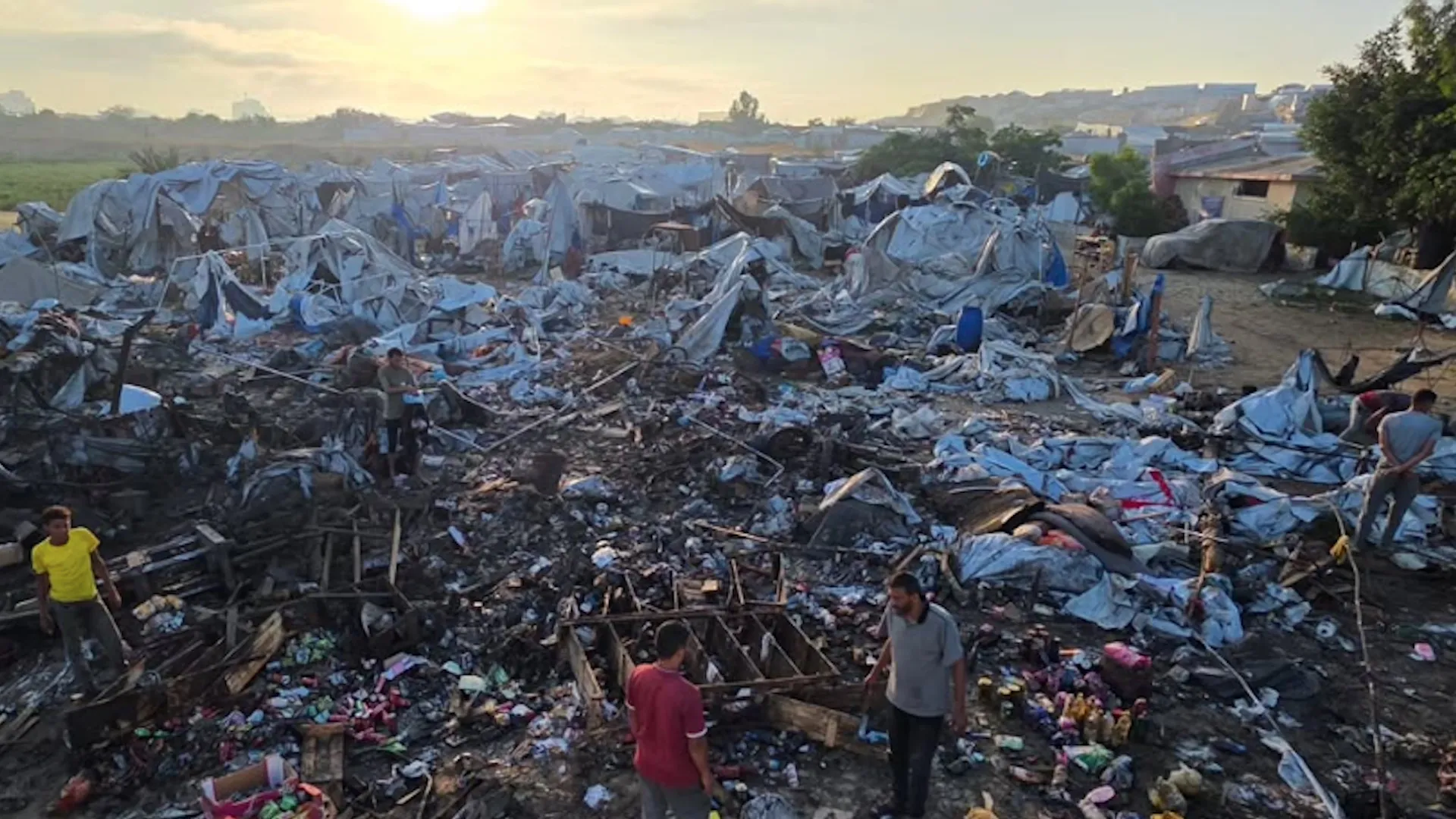
The vote is also the first since a “ceasefire” took effect in Israel’s genocidal war against Palestinians in the Gaza Strip. The war has affected all aspects of life, including the electoral process itself. With many of Deir el-Balah’s buildings damaged or destroyed during the war, polling stations have been set up in temporary fibreglass tents on open land.

“I am very happy today, because this is a truly Palestinian democratic celebration. Many generations have been deprived of it for more than 21 years, and today my daughter is voting for the first time,” Badwan told Al Jazeera.

For him, the importance of the elections is providing Palestinians in Gaza with a chance to achieve change through peaceful and democratic means.

“We must change everything through the ballot box … whoever wins, it is their right, but not through inheritance … change must be in the hands of the people.”

Dunia Salama, 18, came to vote in her first-ever election experience in Deir Al-Balah [Abdelhakim Abu Riash/ Al Jazeera]
Dunia Salama, 18, came to vote in her first-ever election experience in Deir el-Balah [Abdelhakim Abu Riash/ Al Jazeera]

But despite this enthusiasm, the reality in Deir el-Balah, in central Gaza, remains complex amid the ongoing “ceasefire”.

The city, which Badwan describes as “always calm,” has become a refuge for hundreds of thousands of displaced people from across Gaza, putting unprecedented pressure on its infrastructure.

“The city received large numbers of displaced people, each coming with different ideas, circumstances, and harsh suffering … This created enormous pressure on water networks, sewage systems, and waste management, and exhausted the previous municipality.”

Deir el-Balah was given the opportunity to hold elections because its infrastructure was less damaged than that of other cities in Gaza during the war.

Badwan places his hopes on a new municipal council capable of handling the scale of the crisis left by the war, away from the political divisions that have swept the Gaza Strip between Hamas and Fatah, the two main rival factions.

“We want a very strong municipal team that does not belong to any faction … one that can secure support from donor countries and meet people’s needs, because today Deir el-Balah is hosting all.”

On the street, he describes the atmosphere of the elections as “positive and enjoyable”, despite general frustration with the political class.

“People are fed up with politicians and unfulfilled promises,” he says, adding that he encouraged those around him to participate in the elections in the hope of creating change.

“I told my friends and children we must go and vote … we cannot just sit at home and wait for change.”

Awda Abu Baraka, 73, votes at a polling station center in Deir al-Balah [Abdelhakim Abu Riash/ Al Jazeera]
Awda Abu Baraka, 73, votes at a polling station centre in Deir el-Balah [Abdelhakim Abu Riash/ Al Jazeera]

‘I finally have a voice’

Standing beside her father, Dunia, Salama’s 18-year-old daughter, did not hide her joy at casting a vote, despite the exceptional circumstances surrounding her.

“I’m very happy that I can vote in my country and my city, Deir el-Balah … and that I, like others in my generation, can finally participate and have a voice,” said Dunia, a first-year nursing student at Al-Aqsa University.

“Honestly, I had never voted before and didn’t have a clear idea … but when the elections came, my father explained how things work and how our voices could help change the difficult reality we live in, even a little,” she said.

Around 70,000 voters are eligible to participate in the elections held in Deir al-Balah [Abdelhakim Abu Riash/ Al Jazeera]
Approximately 70,000 voters are eligible to participate in the elections held in Deir el-Balah [Abdelhakim Abu Riash/ Al Jazeera]

Like many of her peers, Dunia’s motivations are practical and directly tied to daily life, which has sharply deteriorated since Israel launched the war in October 2023. She chose a candidate list composed mostly of young people, describing them as “capable and experienced in their work,” reflecting her hope for a more efficient municipal administration.

“The reality the city is living after displacement is far from stable… the situation is tragic, especially cleanliness, public streets, healthcare, and even education … everything is in very bad condition.”

“I hope these elections help create a situation where students return to schools, and new housing alternatives and camps are provided for displaced people instead of using schools,” she said.

“We want things to go back to how they were … schools should return to students instead of being shelters, hospitals should improve, and streets should be cleaned,” she says.

A long-delayed moment

For Awda Abdel Karim Abu Baraka, 73, the elections represent an opportunity to choose those capable of “reviving society and institutions that have been stalled for years”.

He believes that the local elections could carry broader significance beyond Deir el-Balah. “They are part of a larger system … the West Bank and Gaza,” he explains.

“Holding elections today in Deir el-Balah shows the world that we are a democratic people, and we choose our representatives without imposition,” he adds, expressing hope that “the international community will support this path.”

He also stressed the need for the winners of the vote to respect the city’s residents who have suffered for years amid Israel’s war. “There must be real programmes, not high slogans that later fall … the citizens must be respected, and their dignity and humanity – violated by war – must be restored.”

Despite recognising the scale of challenges, he remains committed to gradual change. “We know the challenges are big and that change takes time … a long journey begins with a single step, and hopefully, this is the first step on the way.”

‘Born out of nothing’

Meanwhile, Mohammad Abu Nada, coordinator of the Deir el-Balah electoral district, moved between voters and staff inside tents set up in place of school polling stations, describing an electoral process that was “born out of nothing”.

He recalls greeting the initial announcement of the elections by the Central Elections Commission in the West Bank with a mix of surprise and a sense of responsibility.

“At first, the news was unexpected … there was joy that we were returning to work after two and a half years of suffering under war, but at the same time, there was a strong sense of responsibility.”

That feeling quickly collided with the complex logistical reality in a city suffering from widespread destruction and severe shortages of resources.

“Capabilities are extremely limited … even this place was just empty land. We relied on tents from international organisations to use as polling stations,” he says, noting that most schools have been turned into shelters for displaced people.

Mohammad Abu Nada, coordinator of the Deir al-Balah electoral district [Abdelhakim Abu Riash/ Al Jazeera]
Mohammad Abu Nada, coordinator of the Deir el-Balah electoral district [Abdelhakim Abu Riash/ Al Jazeera]

Despite these challenges, polling centres were set up across the city, in a task he describes as far from easy.

The difficulties did not stop there. Essential electoral materials, usually transported from Ramallah, were prevented from entering Gaza.

Abu Nada explains the challenges in securing logistical items such as ballot boxes, stamps, papers, and campaign materials.

“We had to rely on our local capabilities … ballot boxes were designed and manufactured here in Deir el-Balah, and they served the purpose fully.”

Even electoral ink was unavailable after being denied entry by Israeli authorities. “We used ink previously used by the World Health Organization during vaccination campaigns … we tested it, and it stays on the finger for days and worked well,” he explains.

Amid shortages and soaring prices – “multiplied 10 times” – work continued intensively.

“We worked day and night … everything was difficult, from papers to stamps, but in the end we managed,” he says, noting that approximately 70,000 voters are eligible in the city.

While turnout appeared to be limited in the early morning, it picked up later in the day, Abu Nada said, attributing the slow start to people’s focus on meeting basic needs.

“People are standing in lines for water and bread … but we expect turnout to increase.”

The choice of Deir el-Balah for holding elections was not random, but due to its relatively better conditions compared to other areas.

“It is impossible to hold elections in completely destroyed areas like northern Gaza or Khan Younis … so the decision was to start in an area with minimal capacity, hoping to expand later.”

Still, the challenges facing the upcoming municipal council remain significant.

“Deir el-Balah today is not what it was before the war … population pressure is huge, and expectations from the new municipality are high,” he says.

As for the campaign, Abu Nada explains it was conducted in record time and with intense efforts.

“We worked like a beehive … organised more than 20 awareness workshops, worked with local institutions and influencers, and distributed posters and materials explaining how to vote and encouraging participation.”

At the end of his remarks, he expresses a sense of achievement despite the difficulties.

“Today, in front of everyone, we are exercising our electoral right despite all conditions … and that in itself is a success,” he says.

“And hopefully, this is the first step on a longer road.”

Source link

More than 6 million Somalis face hunger amid climate shocks and conflict | Climate Crisis News

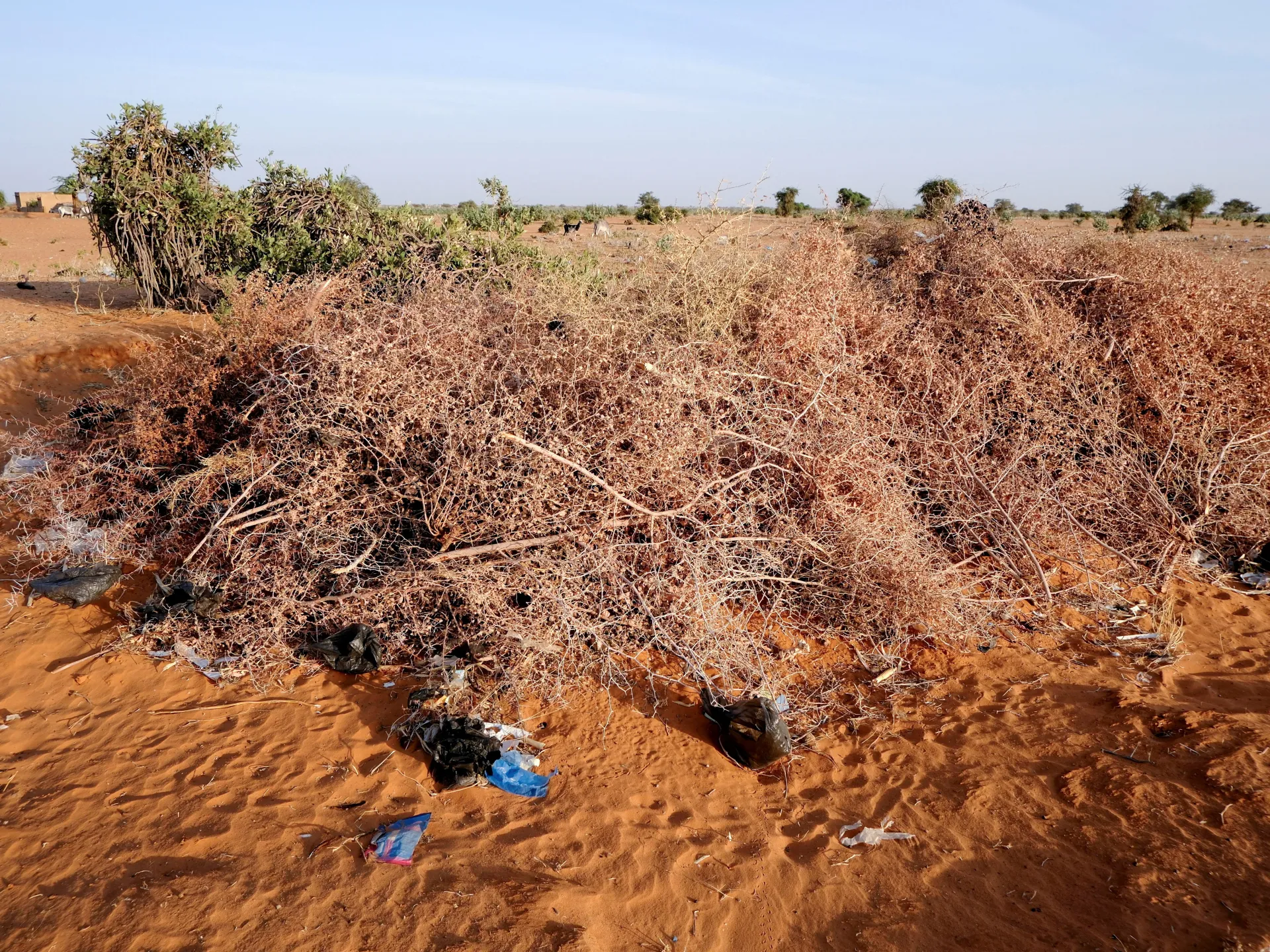
On the outskirts of Somalia’s southern port city, the land has become an open graveyard for cattle. Some are left where they fell, while others are buried in shallow graves after consecutive failed rainy seasons.

For many families here, pastoralists who rely on livestock for milk, meat, and income, animals were everything, but what was once a lifeline of food and income has now become a stark symbol of loss.

The impact is not just felt in Kismayo, but across the country, with 6.5 million people forced to skip meals and go hungry every day. Drought and rising costs only pushing the country deeper into crisis.

The humanitarian director at Save the Children, Francesca Sangiorgi, says the crisis is being driven by repeated climate shocks that are compounding over time. “We’re seeing multiple rainy seasons that have failed across the country,” she tells Al Jazeera, adding that even when rain arrives, it is often too uneven and too late to restore livelihoods that have already collapsed.

What’s the scale of the crisis?

The scale of Somalia’s hunger crisis is severe and rapidly worsening.

With a third of the population facing severe food insecurity (classified as IPC Phase 3 and above), many households are struggling to get enough food to meet their basic daily requirements (PDF) — and in some cases going without food altogether, leaving them more vulnerable to malnutrition and illnesses such as diarrhoea, measles, and other infections.

Of these, more than 2 million people are in the most critical conditions short of famine (IPC Phase 4 or emergency levels), where families are facing extreme shortages and are increasingly forced into displacement in search of basic needs, moving towards already overcrowded aid camps where resources are rapidly dwindling.

Children are among the most affected. According to the UN, an estimated 1.8 million children under five in Somalia are at risk of acute malnutrition, putting their survival in immediate danger.

Sangiorgi notes that the deterioration has been unfolding rapidly, its effects already evident.

“The situation of children across the country is extremely concerning,” she explains. “We’re seeing the spread of child illnesses across the country. Dropout rates are extremely high right now, and they continue to rise because of the drought. We want to make sure that children have a chance at life—access to the health and nutrition services they need, as well as education.”

According to Doctors Without Borders, known by its French initials MSF, more than 3.3 million people have been displaced, severely straining the already limited resources and basic services in these communities.

What does the crisis look like on the ground?

Near Kismayo, one of Somalia’s largest camps for displaced people has formed, sheltering families who have nothing to eat and have travelled from across Jubbaland.

One woman describes how her herd has fallen from 200 cattle to just four, ending her very livelihood.

Barwaqo Aden, a displaced Jamame resident in Lower Juba, arrived at the camp only recently, but her eight-month-old daughter is already in the local hospital with severe malnutrition due to the lack of resources.

Others arrive after exhausting journeys, fleeing areas controlled by the armed group al-Shabab. A displaced resident, Hodhan Mohamed, walked for days and crossed the River Juba by boat before reaching a crowded settlement, unsure what she would find. Like many new arrivals, she now waits for assistance that is limited and uncertain.

Sangiorgi explains that secondary displacement – when people who have already been forced from their homes are displaced again – is becoming increasingly frequent. “As services and commodities continue to shrink across the country, the prices of essential goods keep rising as well.”

More than 3.8 million Somalis are currently displaced, making up 22 percent of the population. Many have been uprooted multiple times, moving from one settlement to another as aid resources dwindle and access to support becomes more limited.

What’s driving the crisis?

At its core, the crisis is primarily driven by climate shocks.

Somalia has had three consecutive failed rainy seasons in recent years, drying out rivers, wells, and pasturelands.

For livestock-dependent communities, the impact has been immediate: animals are dying, and with them, livelihoods are disappearing.

As local production collapses, families are forced to buy from markets even as food, fuel, and water prices continue to rise. In rural areas, especially, incomes no longer stretch far enough to meet needs.

Insecurity caused by armed conflict adds further strain, displacing communities and limiting access for aid workers in some regions.

Beyond Somalia, the global economic crisis linked to the US–Israeli war on Iran has also played a role in constricting supply chains. A UN aid chief told the Reuters news agency in March that these disruptions are compounding costs and weakening the ability to deliver assistance, as humanitarian systems come under growing strain.

MSF reported last month that transport costs have risen by up to 50 percent in parts of Somalia, making it harder for people to reach health facilities and increasing the cost of delivering care as fuel prices climb.

The organisation also said more than 200 health and nutrition facilities have closed since early 2025 due to sharp funding cuts, leaving critical gaps in already overstretched health services.

What does the aid collapse look like?

As the need for aid rises, humanitarian funding and response capacities are only shrinking.

The UN response plan for Somalia is currently funded at just 20 percent of what is required — with $1.42bn needed but only $288m received. That discrepancy has forced major cuts, reducing the number of people targeted for assistance from 6 million to just 1.3 million.

For Somalia, which relies heavily on imported food and external assistance, the consequences are immediate. Fewer supplies are reaching ports, while the cost of delivering essentials continues to rise, testing an already fragile system.

As UN humanitarian chief Tom Fletcher told Reuters in March, “These [constraints] will damage our humanitarian supply chains, reduce ‌the ⁠humanitarian supplies we can get to people who need them, but they’ll also drive up energy costs and food costs across the region, this really is a perfect storm of factors right now, and I’m seriously worried,” he stated.

The humanitarian response has been cut by 75 percent, meaning millions of Somalis are no longer receiving assistance, even as the crisis deepens on the ground.

Source link

US-Israeli war on Iran will push 30 million back into poverty, UN warns | US-Israel war on Iran News

Disruption to fuel and fertiliser supplies due to the Strait of Hormuz closure will hit crop yields, UNDP chief warns.

The Iran war will push more than 30 million people back into poverty, with the knock-on effects of the conflict likely to increase food insecurity in the coming months, the United Nations has warned.

Disruption to fuel and fertiliser supplies due to the ongoing blocking of cargo vessels through the Strait of Hormuz has already lowered agricultural productivity and will hit crop yields later this year, the UN’s development chief said on Thursday.

Recommended Stories

list of 4 itemsend of list

“Even if the war would stop tomorrow, those effects, you already have them, and they will be pushing back more than 30 million people into poverty,” said Alexander De Croo, administrator of the United Nations Development Programme (UNDP).

He also warned of other fallouts of the United States-Israeli war on Iran, including energy shortages and falling remittances.

Much of the world’s fertiliser is produced in the Middle East, and one-third of global supplies passes through the Strait of Hormuz, where Iran and the US are jostling for control.

The UN’s Food and Agriculture Organization (FAO) last week warned that a prolonged crisis in the strait could lead to a global food “catastrophe”.

India, Bangladesh, Sri Lanka, Somalia, Sudan, Tanzania, Kenya, and Egypt are among the countries most at risk, according to the FAO.

“Food insecurity will be at its peak level in a few months – and there is not much that you can do about it,” De Croo said.

Straining humanitarian efforts

The knock-on effects of the Iran conflict have already wiped out 0.5 percent to 0.8 percent of global gross domestic product (GDP), according to De Croo, who noted, “Things that take decades to build up, it takes eight weeks of war to destroy them.”

De Croo, the former prime minister of Belgium, also warned that the Middle East crisis is straining humanitarian efforts in other parts of the world, with the sector already facing funding cuts.

The US-Israeli attacks on Iran, which began on February 28, have also choked up key humanitarian aid routes, delaying life-saving shipments to some of the world’s worst crises.

“We will have to say to certain people, really sorry, but we can’t help you,” De Croo said. “People who would be surviving on help will not have this, and will be pushed into even greater vulnerability.”

Source link

As world focuses on Iran, Israel ‘engineering starvation policy’ in Gaza | Gaza News

With the global attention fixated on the diplomatic efforts to end the war on Iran, Israel has systematically escalated its attacks on Gaza and choked off vital aid, plunging the besieged enclave into what economic experts are now calling an “engineered, compounded famine”.

The number of aid trucks entering Gaza has dropped drastically in violation of the October 2025 ceasefire with Hamas. Since then, the Government Media Office in Gaza has recorded 2,400 military violations by Israeli forces, resulting in the killing of more than 700 Palestinians.

Recommended Stories

list of 4 itemsend of list

On Tuesday, Israel’s military killed at least 11 Palestinians, including two children, in separate attacks across the war-torn Strip.

The intensity of these attacks spiked during peak regional tensions. Between February 28 and April 8, while Israel and the US were engaged in a bombing campaign against Iran, Israeli forces bombed Gaza on 36 out of those 40 days.

In the last five weeks alone, more than 100 people have been killed, including Al Jazeera journalist Mohammed Wishah. Israel has killed more than 72,336 people since launching the brutal military offensive on October 7, 2023.

Interactive_40Days_Gaza_US-ISRAEL-WAR-APRIL8_2026-FOOD_SECURITY

The ‘truck deception’

While Israel frequently claims it is allowing hundreds of aid trucks into Gaza, Palestinian officials and economic experts argue these figures are a deliberate mathematical deception.

According to the Government Media Office, only 41,714 aid and commercial trucks have entered Gaza over the past six months. This represents a mere 37 percent of the 110,400 trucks stipulated under the ceasefire agreement. The fuel situation is even more critical, with only 1,366 fuel trucks entering out of a promised 9,200 – an abysmal 14 percent compliance rate.

Recent daily logs highlight the severity of the bottleneck. On April 13, a total of only 102 aid trucks and 7 fuel trucks were allowed into the entire Strip, alongside 216 commercial trucks – a fraction of the more than 600 total trucks required daily under the “ceasefire” deal. By April 14, the numbers remained critically low with 122 aid trucks and 12 fuel trucks entering.

Crucially, Israeli authorities entirely shut down additional entry points like the Zikim and Kissufim crossings, which had processed dozens of commercial and aid trucks just a day prior, bottlenecking all limited traffic exclusively through Karem Abu Salem.

Mohammed Abu Jayyab, a Palestinian economic expert based in Gaza, told Al Jazeera that Israel utilises a “technical and commercial deception” to inflate these numbers.

“An Israeli truck carries up to 32 or 34 pallets… which are then unloaded into two or three smaller, dilapidated Palestinian trucks on the Gaza side,” Abu Jayyab explained. “Consequently, the UN and Israel count double or triple the actual number of Israeli trucks entering.” One pallet holds roughly 1 tonne of goods or food items.

Furthermore, Israel recently banned mixed-load shipments. If a merchant brings in 20 pallets of sugar, the remaining 12 pallet spaces on the truck must remain empty, yet it is still registered as a full commercial truck.

“The political agreement stipulated a ‘truck’ but did not specify quantities, weights, or the number of pallets,” Abu Jayyab noted, allowing Israel to weaponise logistics to restrict aid while appearing compliant.

Engineering starvation

This logistical strangulation is part of a broader strategy. Hassan Abu Riyala, undersecretary of the Ministry of National Economy in Gaza, stated in a meeting published on the ministry’s official Telegram channel that Israel is “engineering a policy of starvation”.

To ensure chaos in the local markets and sky-high prices, Israel has deliberately dismantled civil regulatory bodies. “The occupation targeted the majority of the crews that monitored prices, and assassinated the [former] undersecretary of the Ministry of Economy and five directors general during the war,” Abu Riyala said.

The results have been devastating, basic commodities have become scarce, and bread production has plummeted to 200 tonnes daily, far below the 450 tonnes required to feed the population.

“We manage this structural deficit under exceptional and coercive conditions,” Ismail Al-Thawabteh, director general of the Government Media Office, told Al Jazeera.

He described the ongoing reduction of supplies despite the truce as a “systematic restriction of basic supplies” that pushes the population towards dangerous levels of food insecurity. Fresh produce has skyrocketed, with 1kg (2.2lb) of tomatoes jumping from $1.50 to nearly $4 in a matter of weeks.

Moreover, the humanitarian catastrophe is being accelerated by the withdrawal of major aid groups. Al-Thawabteh noted that the scaling back or suspension of operations by key international institutions, most notably the World Food Programme (WFP), due to Israeli restrictions, represents a “highly dangerous development” that threatens the complete collapse of Gaza’s relief system.

“We issue an urgent appeal to the international community and the guarantors of the agreement to immediately pressure Israel to open the crossings… before reaching a point of no return and an imminent human explosion,” he said.

A ‘compounded famine’

The crisis has evolved beyond a simple lack of food; it is now a complete collapse of the Palestinian economy.

Abu Jayyab described the current situation as a “compounded famine”. With unemployment soaring to 80 percent and the destruction of more than 160,000 jobs across industrial, agricultural, and commercial sectors, the population has entirely lost its purchasing power.

“It has become illogical to link the entry of food supplies from the crossings to their availability to Palestinian citizens,” Abu Jayyab told Al Jazeera. Even when goods reach the market, between 70 to 80 percent of families simply cannot afford to buy them due to the total absence of income.

This extreme deprivation is forcing civilians into life-threatening alternatives. “The return of long queues for bakeries, and citizens resorting to burning plastic and waste in the absence of cooking gas, are dangerous field indicators of an unprecedented deterioration,” Al-Thawabteh warned, noting that government health facilities are currently struggling to treat respiratory and skin diseases resulting from this toxic pollution.

The medical blockade

Meanwhile, the stranglehold extends to Gaza’s most vulnerable patients. While the ceasefire agreement mandated the opening of the Rafah crossing for medical evacuations, Israel has kept the borders tightly restricted.

Over the past six months, only 2,703 people have been allowed to cross through Rafah out of an expected 36,800 – a compliance rate of just 7 percent. Consequently, only 8 percent of the severely wounded and chronically ill patients slated for urgent medical evacuation have been permitted to leave. According to the World Health Organization, roughly 18,000 people are still trapped in Gaza waiting for life-saving treatment abroad.

INTERACTIVE - Israel’s closure of the Rafah crossing - OCT 15, 2025 copy 2-1775738950
(Al Jazeera)

Source link