
The Government has selected the 100-hectare site as one of 12 new towns
Shania King-Soyza and Jennifer Pinto
03:00, 29 Jan 2026
The new town is expected to deliver thousands of new jobs(Image: BBC)
A significant new town could be on the horizon for southeast London, promising up to 15,000 homes plus a fresh Docklands Light Railway extension linking the area straight to the capital’s heart. The Government’s New Towns Taskforce report has named Thamesmead Waterfront among 12 locations across England being considered for new towns aimed at increasing housing supply.
The 100-hectare brownfield site is mainly owned by Peabody, which has partnered with Lendlease and The Crown Estate in a joint venture to reimagine the area as a thriving riverside neighbourhood featuring homes, employment opportunities and public amenities.
Thamesmead has been viewed for years as an area brimming with unrealised promise. Initially designated in the 1960s as a post-war development, earlier proposals were hindered by transport links, environmental constraints and planning difficulties.
In recent years, collaborative work between local authorities, the Mayor of London and Transport for London resulted in the 2020 adoption of the Thamesmead and Abbey Wood Opportunity Area Planning Framework, establishing the Waterfront site as a priority for redevelopment.
Local backing appears strong, with surveys suggesting 85% of residents support the extension. A new DLR extension is viewed as crucial for realising Thamesmead’s full potential.
The SE28 postcode presently lacks any train or tube station, making the proposed connection a vital catalyst for future growth.
Transport for London (TfL) has already pledged financial backing for the scheme, which is predicted to generate a massive economic boost estimated at £15.6 billion when accounting for residential and commercial expansion on both banks of the Thames.
The project is set to produce as many as 30,000 new properties across both sides of the river, spanning Thamesmead and Beckton, establishing thriving new neighbourhoods complete with housing, employment opportunities, and community areas.
John Lewis, executive director Sustainable Places at Peabody, previously said: “It’s great to see the New Towns Taskforce give their vote of confidence in Thamesmead Waterfront.
“This 100-hectare site offers one of the largest and most deliverable opportunities for housing and economic growth in the UK – with the potential to deliver up to 15,000 new homes, thousands of new jobs, a new and expanded town centre, and outstanding open spaces on the southern bank of the River Thames.
“The right transport infrastructure has to be in place to make this scheme a reality. We will continue to work with TfL, partners and stakeholders progress the business case to government for the Docklands Light Railway extension to Thamesmead – a link that would also unlock 10,000 homes north of the river. TfL estimates that this would have a total economic impact of around £15.6 billion.
“With certainty and partnerships in place, delivery at Thamesmead Waterfront can begin within this parliament. We look forward to working with the New Towns Taskforce to secure its future.”
Ed Mayes, executive director, Development, Lendlease, said: “At Thamesmead Waterfront we’re in the process of unlocking one of the UK’s largest regeneration projects, which will deliver thousands of new homes, jobs and community spaces for local people.
“We welcome this announcement from Government and look forward to working with all stakeholders to ensure that Thamesmead Waterfront meets its full potential.”
The theme of this unique motel will give many people anxiety, and its location next to a graveyard popular with ghost hunters doesn’t help. But if you love the kitsch and scary, it could be a night to remember
The hotel will trigger some guests’ phobias(Image: Josh Brasted/Getty Images)
Everyone has something they’re afraid of. It could be spiders, or flying, or, of course anatidaephobia (the fear that a duck is watching).
Whatever it might be, some people find that confronting a phobia head-on helps them manage the anxiety around it.
If you dislike being around clowns, then you aren’t alone. A study by psychologists found that among a group of 987 adults, 53.5%, had some degree of fear of clowns. In extreme cases, this can lead to coulrophobia, with even the mere mention of clowns causing anxiety and panic attacks.
It’s safe to say that most of the world’s population, coulrophobic or not, would rather give The Clown Motel a miss. However, for a small number of clown fans, horror movie lovers, and people who enjoy exploring haunted and just plain weird places, it’s the dream location.
There’s certainly no missing the place when you drive down the desert road of Tonopah, Nevada. You’ll either spot the huge Clown Motel sign, complete with a grinning cartoon, or the motel building covered in multicoloured polka dots. The exterior is covered in cartoons of clowns, from cheery, kid-friendly to downright creepy, resembling the character from IT that triggered many a clown phobia.
But the theme isn’t just on the outside of the building. Step inside and you’ll see floor-to-ceiling shelves covered in colourful clown dolls with rictus grins and various kitsch clown paintings. If you haven’t run away screaming by this point, you can explore the lobby’s clown museum, which includes items sent to the owner from around the world. There’s also a gift shop, should you wish to recreate the décor in your own home. As one reviewer said: “This place is clean, but it’s still kooky and strange”.
The rooms have various themes, some fairly standard with a few clown additions, while others go all out to create a colourful, sometimes horrifying nighttime experience. There are rooms themed around movies such as Friday the 13th and Halloween, while others, such as the Fear Unlimited room, go all out with creepy clown murals and bedsheets with fake blood stains.
The motel is reportedly haunted, with many reviewers sharing their odd experiences. One said: “At night around 3am there were really loud scratching sounds and something that sounded like a little child crying.” Another claimed: “We did hear some weird noises at 4am, such as ticking, scratching sounds and muffled talking.”
However, perhaps an even spookier site lies right next to the hotel. The Old Tonopah Cemetery dates back to 1901 and was the final resting place for many interesting characters from the Old West. Local legends claim that the victims of a mine fire haunt the grounds, and some people say they’ve spotted the ghost of a young girl.
Tonopah is about a three-hour drive from Las Vegas and the ideal stop on a desert road trip. Visit the Tonopah Historic Mining Park where you can see some of the old silver mines and learn about the town’s fascinating history. It’s also home to the Central Nevada Museum, a must-see for those who are interested in day-to-day life in the Old West.
Have a story you want to share? Email us at webtravel@reachplc.com
A British woman who relocated to Barcelona almost 10 years ago has witnessed locals becoming increasingly frustrated with the transformation of their neighbourhoods due to the influx of expats and tourists
Gemma Askham moved to Spain in 2017, and has noticed considerable changes in the years since(Image: Artur Debat via Getty Images)
A British woman who moved to Barcelona has told how residents are growing more and more fed up with how their communities are changing due to the influx of nomads. Gemma Askham made the move to the sought-after Spanish destination in 2017 when her half-Spanish husband’s career took them there, and she’s remained ever since.
With foreigners and holidaymakers flooding into Barcelona, the local economy has adapted to serve their tastes and needs, instead of the other way round. Gemma observed that this tension between expats and their new home escalated after the Covid-19 outbreak.
Writing in Grazia back in August 2025, at a time when brewing tensions were escalating between residents and tourists, Gemma explained: “In 2023, a street pedestrianisation project aimed at improving community life was completed. But there are now eight English-named brunch cafes within two blocks.”
Hiding the confusion this has caused among locals, Gemma shared how her 69-year-old neighbour, Toni Fontclara, can’t understand why people queue at 11 am for avocado on toast, “a dish not from the region, served at an unheard-of eating hour for the Spanish, with a menu in a language he doesn’t speak”.
Gemma’s not the only one spotting Barcelona’s transformation, with visitor numbers dropping after years of anti-tourism demonstrations. Another British resident, also living in Barcelona, previously disclosed that certain areas of the city have become noticeably quieter, with holidaymakers being put off from visiting.
Laura, who has been based in the city for around three years, took to social media last summer to post videos of empty streets, showing just how unusually quiet they had become during daylight hours. She said: “Day one of recording how quiet Barcelona is now, the tourists don’t feel welcome. The businesses must be feeling it. The streets are so quiet now. These businesses last year used to wake me up in the morning. One has just recently been renovated.”
Laura’s clips demonstrate just how effective some of the demonstrations have proved, although views remain divided on what they’re really trying to achieve. Whilst some protesters have been calling for tourists to stay away, others insist the demonstrations are rooted in a desire to protect local residents, rather than drive away visitors.
Professor Marina Novelli explained: “Places like Lisbon, Venice and Barcelona are increasingly reduced to lifestyle backdrops where locals feel like strangers. The SET movement is about cross-border solidarity. Ultimately, it’s not anti-tourist, it’s pro-resident.”
Do you have a story to share? Email me at julia.banim@reachplc.com
A MAJOR airline has confirmed it is axing all long-haul flights from a UK airport – starting next month.
The airline will cancel its long-haul transatlantic routes to the US and the Caribbeans.
Sign up for the Travel newsletter
Thank you!
Aer Lingus will cease all of its transatlantic flights from ManchesterCredit: Getty
Aer Lingus will stop flying from Manchester to New York JFK from February 23.
The operator will then cease its flights to Orlando and Barbados from March 31.
In order to re-accommodate impacted passengers who were scheduled to travel to the Caribbean island from Manchester, the airline will run a service from Dublin to Barbados in April and May.
The affected customers have already been contacted and given options for a refund or rebooking.
The airline said that the developments will not affect Aer Lingus or Aer Lingus Regional services betweenIrelandand Manchester.
A spokesperson told The Sun:
An airline spokesperson told The Sun: “Aer Lingus informed staff and their representatives at its Manchester base today that the airline’s Manchester transatlantic operations will fully cease as of and from 31st March 2026.
“Manchester-New York operations will cease from 23rd February 2026 and Aer Lingus plans to operate a service from Dublin to Barbados (subject to receipt of necessary approvals) during the months of April and May to reaccommodate affected customers.
“There is no impact to Aer Lingus or Aer Lingus Regional (Emerald Airlines) flights between Manchester and Ireland. Customers are being informed directly of the cancellation of flights and provided with reaccommodation and refund options.
“Aer Lingus will continue to engage with staff representative groups to discuss the phased reduction in operations, redeployment opportunities and the terms of a severance package at the Manchester Base.
“Aer Lingus acknowledges that this is a very difficult time for colleagues based in Manchester and will seek to ensure that colleagues are kept informed and supported as discussions evolve during the next phase of the consultation.”
In the past, the airline has said that its long-haul routes from Manchester had an operating margin that “significantly lags behind” that of Ireland.
About 200 employees at the base, which Aer Lingus launched in 2021, could be impacted if the closure goes ahead.
The club has become an Ibiza icon in recent years, and many celeb social media feeds have included pictures of the resort’s huge pool parties. This includes Katie Price who was seen posing on a sunbed last summer
The resort’s parties are often attended by celebs(Image: O Beach Ibiza)
Summer may seem like a long way off, but many of us are already making plans to visit warmer, more exciting destinations in the coming months.
One spot that Brits seem to return to year after year is Ibiza. While the party island has many iconic venues, one resort often hits the headlines during the summer season thanks to its decadent parties beloved by celebs. And you can already book a spot at its annual opening party.
O Beach Ibiza is owned by Wayne Lineker, who often posts poolside photos on his Instagram, and the resort can often be seen on social media feeds during the summer. From celebs to famous sports stars and influencers, it’s safe to say that you’re bound to see someone you recognise when you visit.
Last year, Katie Price enjoyed a well-documented trip to Ibiza, which included partying at O Beach in a tiny pink bikini. She reportedly danced with UFC-fighter Conor McGregor and posed for selfies with other celebrity pals.
The most famous part of O Beach is its day club, which opens at 1PM and generally closes by 11PM: perfect timing for those heading out to enjoy Ibiza’s nightlife. The official opening party for 2026 is on May 1, and the club opens nearly every day until mid-October, meaning visitors can make the most of the sunny Ibiza weather.
Guests can book a range of sofas, tables, or day beds to stake out their spot, and can either lie back and enjoy the sunshine while ordering cocktails and champagne, or join in the party. One option is to hire a daybed in the Sunset Garden area, which overlooks the pool and enjoys great views. This area also has its own bar for quicker service. Depending on when you visit, you can enjoy DJ sets, live music, or other poolside entertainment throughout the resort.
O Beach also has a restaurant where you can enjoy al fresco Mediterranean dining in the shade, or you can order poolside food to enjoy at your daybed.
While O Beach used to be just a day venue, last year it launched Bonito Ibiza by O Beach, taking over a hotel just across the road. This means guests are just steps from the party and can easily get back to their rooms in the evenings. The Bonito Ibiza has its own pool with more chilled vibes, and a stylish, neutral décor that’s Insta-perfect.
Staying in the area means you’re just steps from Playa de Sant Antoni, a sandy beach in a shallow bay with clear waters. It’s also just a short walk from San Antonio’s popular clubs, including Eden and Es Paradís, where the party can continue until the sun comes up.
The port town of San Antonio is also famous for its Sunset Strip, where you can watch the sun go down while enjoying its al fresco bars, which play chill music to create the perfect atmosphere. From the port, you can also hop onto a boat trip, whether it’s one exploring the coast or a party boat combining sightseeing with cocktails and unforgettable views.
Have a story you want to share? Email us at webtravel@reachplc.com
YOU can barely explore the Cotswolds without bumping into a famous face or two.
While not strictly true – the region stretches 800 square miles after all – it is certainly the spot outside of London which has the highest proportions of A-Listers.
Sign up for the Travel newsletter
Thank you!
Coates is the latest village to welcome a celebrityCredit: Alamy
The most popular place is Chipping Norton, with everyone from David Cameron to Jamie Oliver living nearby.
Yet many of them have chosen to live in the smaller villages to get away from any overzealous tourists wanting to catch them.
So here are some of the lesser-known villages which have welcomed famous faces over the years, as well as what to do in each destination.
Coates
Liam Gallagher is the latest celebrity to move to the Cotswolds, choosing Coates for his home.
The tiny village doesn’t have any pubs or shops, but there is the nearby Coates Roundhouse, one of the few remaining on the River Thames, as well as the Sapperton Canal Tunnel.
Otherwise you will have to head to the the nearest pub just down the road, the Thames Head Wharf, or to Cirencester which is a 10 minute drive.
Great Tew
The Beckham’s famously live near Chipping Norton, but they are in the village of Great Tew.
Here you’ll find the 16th century Falkland Arms pub, which also is a four-star hotel.
Most read in Best of British
And next door is the thatched roof Quince and Clover at Great Tew, for a tea and cake.
For other activities, just outside the village is everything from celeb-loved Soho Farmhouse, to clay pigeon shooting and flying schools.
Chadlington
Another member of the Chippy Crew, Jeremy Clarkson famously lives near Chipping Norton and the village of Chadlington.
It has the cosy Cafe de la Post, run by an Australian couple with freshly made pastries and breads, or The Tite Inn pub with a popular beer garden in the summer.
Pick up some bits from the local Chadlington Quality Foods deli, or hop down the road to Clarkson’s Diddly Squat.
Great Tew is small with just a farm shop, cafe and pubCredit: Alamy
Little Farringdon
Near Lechlade is the tiny village of Little Farringon – where model Kate Moss is said to love.
Due to its size, you won’t find much to do here. However, it is right by Horseshoe Lake, a massive water activity centre with everything from kayaking and sailing to swimming and paddleboarding.
For pubs, cafes and hotels, the town of Lechlade is a three minute drive – make sure to pop into the aptly named The Riverside pub for a pint and place to stay right by the water.
Bisley
Home of the former Rivals author Jilly Cooper until her death last year, Bisley is another small village off the beaten track.
The only thing to do in the village is head to the 17th century The Bear Inn pub, which has been praised for its old world vibes.
Time is right and you might stumble into their annual flower show, or annual music festival in the summer.
Little Farringdon is said to be the home of Kate MossCredit: Alamy
Chalford
The home of actor Jamie Dornan, the larger village of Chalford is to the west of the even bigger Cirencester.
Bizarrely, it has previously been compared to Switzerland due to its steep hills and alpine feel.
Otherwise there is RMC Retro, a technology museum with vintage consoles and arcades, as well as a number of art galleries.
Grab some fresh produce at the local Chalford Village Shop, before stopping for lunch at the Lavender Bakehouse & Coffee Shop.
Chalford has been compared to SwitzerlandCredit: Alamy
What you need to know about UK passports and travel rules
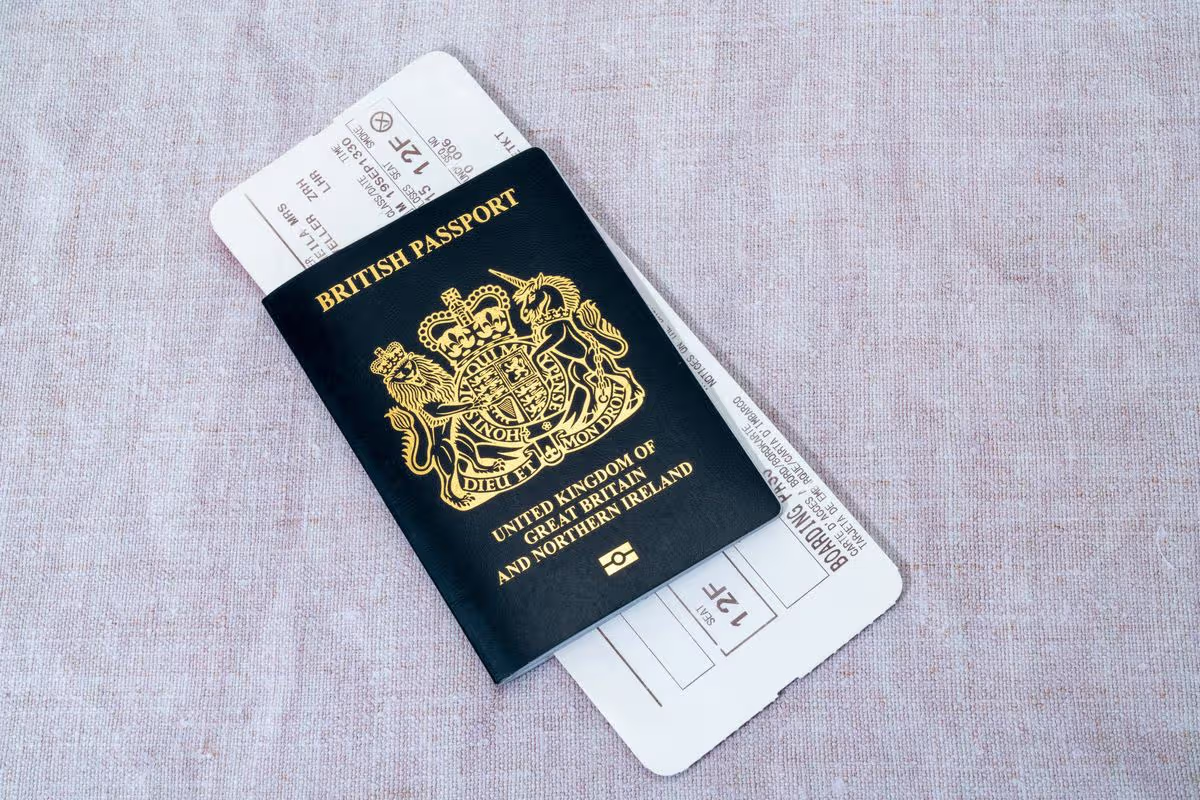
Failing to check this detail before your trip could put an end to your travel plans(Image: Getty)
Brits planning a holiday abroad are advised to check a particular detail on their passport or risk being denied boarding at the airport. Overlooking this vital step could potentially derail your travel plans.
There are many things to remember when preparing for a journey. From packing clothes and toiletries to arranging travel insurance and visas, it can seem like an overwhelming list of tasks to complete.
This is due to the fact that different nations have distinct rules regarding passport validity. The Post Office advises on its website: “Some countries might ask that your passport’s valid for your whole time away and even a bit longer, sometimes up to six months.
“If you don’t check these rules, you could run into problems, like not being able to board your flight or being denied entry when you land.” To err on the side of caution, ensure your passport has at least an additional six months remaining from the date of your holiday – as many destinations demand at least half a year’s buffer.
To locate your passport expiry date, you’ll need to refer to the document’s data page, which also includes your photograph, date of birth, and passport number.
Passport validity rules
Before embarking on your journey, verify the requirements for the destination you’re visiting. Here are some examples of the rules in different countries:
For those planning to travel to the United States, it’s crucial that your passport remains valid for the entire duration of your stay, although having an extra six months’ validity is advised to avoid potential complications
If you’re bound for Australia, ensure your passport is valid for at least six months from the date you enter the country
For travel to New Zealand, passports must be valid for at least three months beyond your planned departure date
Europe
In most European countries, the requirement is for three months of passport validity. However, additional regulations apply to British citizens visiting EU and Schengen countries, which specify that your passport cannot be older than 10 years.
The Post Office explains: “Passports issued after 2018 are valid for exactly 10 years. But if your passport was issued before September 2018, it might be valid for up to 10 years and nine months.
“This is because, before 2018, the passport office would add up to nine extra months from your old passport to your new one. This means some people have passports that haven’t officially expired and are still valid for travel worldwide.
“The exception is travel in Europe, where passports must be less than 10 years old.” To travel to Europe and Schengen countries, your passport must meet the following conditions:
Issued less than 10 years before your departure date
Valid for at least three months after your planned return date
All the relevant information for travel to the EU and Schengen countries can be found on the GOV.UK website.
If your passport is approaching its expiry date
You should apply for a new passport at GOV.UK if your passport has expired or is not valid for the amount of time you need. It costs £94.50 to renew or replace your passport if you apply online or £107 if you fill in a paper form.
It typically takes two weeks for a new passport to arrive, although there are express options available at a higher cost.
If your passport is considered damaged it will also need replacing. HM Passport Office will consider your passport damaged if:
You cannot read any of your details
Any of the pages are ripped, cut or missing
There are holes, cuts or rips in the cover
The cover is coming away
There are stains on the pages (for example, ink or water damage)
THE UK’s capital is one of the priciest cities in the world, making it tricky to explore if your bank balance is already in the red.
But there’s one corner of London that’s the perfect budget day out- especially if you’re a broke Gen Z.
Sign up for the Travel newsletter
Thank you!
If you’re on a budget you can still visit London’s capital – and head to CamdenCredit: AlamyWriter Martha Griffiths says you can explore the waterside borough without breaking the bankCredit: Getty Images
Camden in North London has long been a magnet for young Brits, from the punk scene in the 1980s to Britpop fans in the 1990s, to the Indie kids of the Noughties.
After the heyday of the Hawley Arms and bands like the Libertines, the area lost its cool status to the likes of Hackney and Shoreditch in the east of the city.
But, it is now having a resurgence thanks to its wide range of live music venues – which Camden has managed to maintain while other areas face mass closures thanks to rising costs and noise complaints.
Great nightlife and budget-friendly – the perfect combination for anyone under 25 years old.
To see just how affordable it really can be, I attempted to spend a day in Camden without spending more than £25, while still enjoying great food, drinks and attractions.
I started off wandering around the world-famous Camden Market, one of the largest markets in London where even on a budget, there is plenty to see and do.
Stalls sell everything from vintage costume jewellery and slogan t-shirts for a tenner, to the usual I Love London souvenirs.
Camden has always been known for its unique clothes stores and these days, it still has plenty of second-hand clothing.
Most read in Best of British
Rokit and Traid both have stores on the high street and the market is also home to The Vintage Collection, which stocks Britain’s ‘largest collection of non-worn vintage from the 30s to the 90s,’ – which is great fun to look through.
Or if you’re looking for a bit of art and culture, The Camden Arts Centre offers free entry into its galleries and gardens six days a week.
All that perusing had got me hungry, but thankfully the market has a massive selection of food options with over a hundred food stalls from around the world.
When it comes to food, I opted for the TikTok viral Funky Chips that sells boxes of chip shop-style chips loaded with Indian and Mexican-style toppings.
They weren’t the cheapest, as the nacho chips covered in cheese, onions and jalapenos set me back £9.60 – they were filling and worth every penny.
There are plenty of places to sit and enjoy your street stall food near the market without needing to book or spend extra money.
The Amy Winehouse statue is a popular attraction in CamdenCredit: Martha GriffithsThe Elephants Head pub holds free and live music eventsCredit: Alamy
The market is also home to past Camden resident Amy Winehouse’s statue, which still attracts fans from all over the world 15 years after she passed away.
Having filled my stomach, I was looking for some entertainment so headed for The Elephants Head in the heart of Camden high street, which offers free regular live music events.
On the day I visited, the venue was hosting bands from around the UK, with the Brighton band Cade drawing in the biggest crowd of the day, both inside and outside the venue.
The venue also offers two pints for £12.50, meaning it is a great budget-friendly spot for young people. Where else could you enjoy four hours of free live music?
Of course, if you’re looking for big nights out with a bigger budget, then Camden also houses several huge music venues, including KOKO, the Jazz Cafe and the Roundhouse.
For those looking for some peace, the Regents Canal offers a quiet escape from the bustling crowds of the high street with its colourful longboats, buskers and street art.
This is a prime spot for young people during summer as it is filled with independent cafes, offering other great, cheap lunch alternatives.
If the weather is on your side, it is also worth visiting the neighbouring Primrose Hill, for its panoramic, skyline views of the capital.
Once afternoon turned to evening, I headed to The Lock Inn to take full advantage of their 2-for-1 cocktail deals and rooftop bar.
The deal means you can get two quality cocktails costing £13.95 or just £6.97 every Monday – Friday during Happy Hour.
If cocktails aren’t your bag, head down to The Dublin Castle for affordable pints and more live music or DJ sets.
This popular boozer is known for its ties to Amy Winehouse, with many of her early gigs being here, and these days it attracts an eclectic mix of local locals and fans of the Back To Black star.
It had been a long day, with shopping, TikTok-famous food, a gallery, live music, park hangs and evening cocktails – and how much lighter was my wallet? Just £23.
Not bad for 12 hours in one of the world’s priciest cities.
DID you know there’s a town in the UK that is twinned with Disney World?
While Swindon is often overlooked as a destination, it is now even bidding to replace Bradford to be the latest current UK City of Culture.
Sign up for the Travel newsletter
Thank you!
Swindon wants to be the City of Culture in 2029Credit: AlamySwindon is known for its street art – and there are 127 murals across the townCredit: Alamy
Every four years, places in the UK are crowned the City of Culture – which in this case will come with £10million of government funding for arts and events.
Swindon is going up against the likes of Plymouth and Portsmouth for the crown in 2029.
One hope would be to rebrand the town, even Council leader Jim Robbins said: “I’m bored of just reading those same, old negative comments about Swindon.”
Despite it being slated, the town actually has a number of big claims to fame.
He reportedly called the town a ‘great place’ during his stay – he was spotted at the Chiseldon House Hotel and local pubs.
And Roger Moore also filmed scenes in Swindon at the iconic Renault Building, which is now the Spectrum Building for A View to Kill.
If any of that still hasn’t tempted you, let’s see what Swindon has to offer…
Street Art
Swindon is an artistic town with 127 murals scattered about the town.
There’s a long-standing tradition of street art here which was originally spurred by local artist Ken White in the 1970s.
The most well-known mural in Swindon is theGolden Lion Bridge on the corner of Corporation Street and Fleming Way, dating back to 1976 although was restored last year,
If you want to see the murals, head to StreetArtCities which has all the details – and a handy map so you can see them all.
Kids Activities
High Score Arcades Swindon is a new arcade with over 80 games and for £12.50, you get free reign over all of them for one hour.
There’s old-school classics like Space Invaders and PAC-Man, to pinball, sports games and the newest arcade fun; there’s something for everyone to enjoy.
Another place perfect for entertaining the kids, especially during half-term is Roves Farm which has an indoor play and activity barn with huge slides, tunnels and soft play.
It’s also a working farm so there are lots of animals to see too.
Roves Farm is a popular attraction for families with farm animals and soft playCredit: UnknownA stay in Chiseldon House can cost as little as £75 per nightCredit: Alamy
Parks and Playgrounds
Swindon is more than a busy town – it’s actually got wide open spaces and some pretty parks.
Lydiard Park is 260 acres and has a Palladian House, a church, Walled Garden, hotel and restaurant.
Throughout the year events are held at Lydiard Park and in the summertime there’s open air theatre, live music and an outdoor cinema.
There’s also an outdoor play area with a huge climbing frame, plenty of slides, poles and rope ladders.
Next to the play area is the Forest Café which serves hot and cold drinks, snacks, pastries, soups, jacket potatoes and toasted panini.
When the weather warms up an Ice Cream Parlour opens next door.
Day ticket entry to Lydiard Park for adults is £6.70, and £3.65 for children (age 3-15).
The Magic Roundabout has become a popular and surprising attraction in Swindon
Road Attractions
One of the strangest tourist attractions in Swindon is The Magic Roundabout in the centre of town.
The ring junction was built in 1972 – it’s made up of five mini-roundabouts arranged in a circle.
People travel from all over to test out the roundabout – it’s even rated the 10th best thing to do in Swindon on Tripadvisor with 126 ‘excellent’ reviews.
One Australian tourist said: “I checked out how it worked on YouTube just to be sure, I’m guessing it’s easy for the locals anyway and love how it’s called “magic roundabout” adds a bit of a laugh to the whole quagmire – love how the Brits think!”
Here you can learn all about the history of the Great Western Railway, filled with vintage trains and interactive museums.
Tickets for adults cost £14 and entry for children is £10.50.
Restaurants & Bars
There are plenty of eateries in Swindon, but some of the top-rated on Tripadvisor include Del Mundos in the old town, with hundreds of five star reviews.
It serves up full English breakfasts for £14, brunch options, small tapas plates, sharers and cocktails.
Another popular choice is The Choptank Restaurant– the ‘Old Town’s Premier Champagne & Oyster Restaurant’.
When it comes to drinks, head to the Vault Bar & Lounge – this is Swindon’s ‘hidden bar’ found in the vault of the old post office building.
It even has 2-for-£14 on selected Happy Hour cocktails until 9pm every night.
The Vault Bar is Swindon’s ‘hidden bar’ in a vaultCredit: The Vault
Hotels
When it comes to staying in Swindon, there’s the classic Premier Inn, Holiday Inn and ibis.
But for a more unique stay, there’s the beautiful Chiseldon House – where rooms are available from £75.
The country house hotel built in 1821 is tucked away on the outskirts of Swindon and feels more like a countryside escape.
It has 21 ensuite bedrooms and has a beautiful patio for dining in the summertime – you can book afternoon tea for £27.50.
A striking airport following a major revamp with an art gallery has been named as the world’s most beautiful, but some travellers have hit back, condemning it as ‘nothing special’
This airport has been named as the world’s most beautiful (Image: Getty Images)
Many of us see airports as a functional form of transport, rather than an architectural phenomenon or iconic landmark. Yet there’s one airport that’s been deemed the most beautiful in the world – although not all travellers are impressed.
Each year, the Prix Versailles architectural competition is held across eight categories with 24 prizes awarded, including one to honour the world’s most beautiful airport. For the second year in a row, San Francisco International Airport (SFO), with its Harvey Milk Terminal 1, was crowned as the winner.
Following a multi-billion-dollar revamp, Harvey Milk Terminal 1, which opened in June 2024, was praised for its eco-friendly design and cutting-edge features, cultural importance, traveller experience and striking architecture. Natural light seeps through the terminal, which boasts a preaeful ambience away from the rush of travel, even replacing overhead announcements with quieter features, along with gender-neutral bathrooms.
It stands as the globe’s first airport terminal named after an LGBTQ+ pioneer. It also features a museum gallery and an exhibition honouring Harvey Milk, an American politician who became the first openly gay man elected to public office in California.
Elsewhere in the terminal, travellers can find a mezzanine-level security checkpoint, four new concessions, and a connecting walkway that links all terminals beyond security. Remarkably, the terminal managed to slash its carbon footprint by 79 per cent and cut energy consumption by 59 per cent.
San Francisco International Airport has four terminals and welcomes more than 50 million passengers each year. Following the reward, Airport Director Mike Nakornkhet shared: “We are truly honoured to be named the top airport in the world by Prix Versailles.
“Harvey Milk Terminal 1 was designed to establish a new benchmark for an extraordinary airport experience, bringing to life our mission to put people and planet first. Being the first airport terminal in the world named for an LGBTQ+ leader only enhances the significance of this recognition, and my thanks go out to the entire project team for this milestone achievement.”
Despite its noble achievements and worldwide recognition, some travellers aren’t impressed. Following the news of being the world’s most beautiful airport, one flyer shared on Reddit: “I don’t get it. It’s nice and modern. Don’t really know what’s beautiful about it.”
Another responded to its grand title, commenting, “I fully disagree.” A third also penned: “I have a hard time seeing it. The Harvey Milk upgrade is nice and all, but the curb appeal is meh. Inside, it kind of relies on having a couple of areas that make the terminal feel spacious, that open area by the water bottle fillers and extends out to the museum.”
They continued: “Otherwise, it’s fine and all, but it’s nothing special. All the restaurants and the like with their kind of fake outdoor patios and the like are something that exists everywhere else. It’s just look at me, I’m modern and have big atriums.”
However, one voiced: “The ‘quiet airport’ concept cannot be understated. I was recently in an airport that had broadcast announcements for every gate throughout the entire airport. It’s a cacophony, and with so many announcements I really don’t care about it’s hard to hear ones that affect me. With smartphones and text notifications, there really doesn’t need to be these broadcast announcements (except in an emergency, of course).”
While another simply said: “SFO is great, totally agree.”
Do you have a travel story to share? Email webtravel@reachplc.com
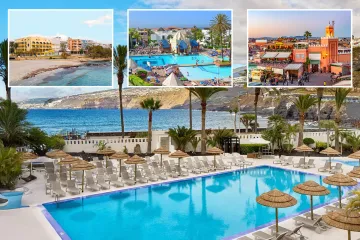
The Beckhams have been papped at endless glamorous locations over the years, and if you’d like to holiday like David and Victoria, here are some of the glamorous spots the family have enjoyed
The Beckhams enjoy a range of luxury holiday destinations such as Saint Tropez(Image: Getty Images/iStockphoto)
Whether you’re on Team Victoria or firmly siding with Brooklyn, there’s one thing we can all agree on: the Beckhams know how to holiday in style. In summers gone by, we have been treated to a raft of enviable paparazzi pics of the Beckhams in sun-soaked locations, from yachts to private beaches.
While the vast majority of us don’t have the Beckhams’ budget, it’s still possible to visit the family’s favourite locations. Here are some of the spots where the clan has been spotted over the years and where you can stay for a hopefully feud-free holiday.
1. Saint Tropez, France
Saint Tropez has long been a glamorous celebrity haunt and the Beckhams have often been spotted on a yacht just off the coast, as well as along the Côte d’Azur. The French Riviera never goes out of style, and you can enjoy a stylish break at the Hotel Brin d’Azur. Just outside of Saint Tropez, this four-star hotel has direct access to a private beach, an outdoor pool for Instagram selfies, and rooms with terraces or balconies.
The hotel is just a short walk from the port area, where you can indulge in celeb-spotting and look out for superyachts coming into dock. Prices start from £172 per night and can be booked on Hotels.com.
2. Portofino, Italy
David and Victoria were spotted dining in Portofino last summer, and this stylish part of the Italian Riviera is loved by many celebs thanks to its Mediterranean charm. Stay just minutes from Portofino in the Mediterraneo Emotional Hotel & SPA in Santa Margherita Ligure, which offers rooms from £88 a night.
The hotel is set in a 19th-century building that has been beautifully restored and features a wellness centre with an indoor pool, sauna, steam room, and relaxation areas, so you can get the full celeb pampering treatment.
3. Napa Valley, California
Brooklyn revealed that one of his favourite spots to escape to is Napa Valley in the heart of California’s wine country. He first visited the area as a child, and now returns alongside his wife.
Whether you’re planning a stay with family or as a couple, the Hotel Winters is a great base to explore the region’s wineries. Surrounded by vineyards, it has large rooms, a spa, and a rooftop bar.
Guests can enjoy farm to fork dining at Carboni’s, a relaxed Italian, and the hotel is just a short walk from the historic main street of Winters, a charming small town with tasting rooms and independent shops. Book on Hotels.com from £151 per room
4. Miami, USA
Another American destination that the family enjoys is Miami, and since David Beckham owns local football club Inter Miami CF, it’s no surprise the family spends a lot of time in this colourful city. The Beckhams often visit Miami for their Christmas getaway, but it’s a great destination to explore year-round.
Book a room at Circa 39 Miami Beach to enjoy a location close to the beach and the famous Collins Avenue, where you’ll find luxury shops, nightclubs, and restaurants. The hotel has a stylish pool area with palm trees, and offers complimentary beach chairs and umbrellas for guests so you can enjoy lounging on the seafront. Rooms start from £147 per night.
5. The Bahamas, USA
Before rumours of a feud came to light, Victoria was spotted dancing and enjoying time with Brooklyn’s wife Nicola in the Bahamas in 2023. But who wouldn’t be in a good mood when visiting this island paradise?
Many visitors head to Nassau, the capital of the islands, known for its white sand beaches and lively atmosphere. Sandyport Beach Resort is often listed among the best boutique resorts in the area, and it’s set around a marina with private beach access and lagoon-style pools. Rooms start at £280 a night with gorgeous rooms and suites set in pastel villas.
Have a story you want to share? Email us at webtravel@reachplc.com
BRITAIN’S first-ever Michelin breakfast tasting menu has just arrived – but how does it really compare to a cheap fry up?
The five-course meal is found at the Four Seasons Hotel’s Pavyllon restaurant on London’s swanky Park Lane, setting you back a whopping £70 for the ‘basic’ option.
Sign up for the Travel newsletter
Thank you!
Is the UK’s newest Michelin tasting breakfast really worth the hype?From lobster croissants and chia seed puddings – I put it to the test
On the menu are lobster dishes and decadent French toast – for an extra slice of luxury, you can even add a side of caviar at an extra fiver A GRAM.
Bizarrely there’s not even a whiff of a Full English listed on the extravagant menu, and a morning cuppa will add even more to the extortionate price.
And if you go for the £20 juice pairings and add 15 per cent service charge, the bill tops £100 a head.
But is it worth it? I decided to give the fine dining option a go and compare it to my favourite fry-up at the Regency Café just over a mile away in Pimlico – which is a tenth of the price.
The tasting menu, only available at weekends, kicks off with a sweet pastry.
From the tray of delightful-looking tarts our friendly waiter brought over I picked out the ‘special’ – a light, crisp and buttery pastry filled with gooey pistachio cream and glazed with clementine marmalade.
As I’d added in the drinks pairing I washed it down with a tiny cold moka, a chocolate-infused coffee topped with Chantilly cream.
Up next was a lobster croast – a Pavyllon invention where the topping sits on a toasted croissant.
As tasting menu diners are seated at a counter around the open-plan kitchen I could watch senior sous chef Nicholas Bussi prepare it, delicately dolloping spoonfuls of lobster mayo onto the croissant followed by rocket leaves and heaps of freshly grated parmesan.
It tasted out of this world, while the pineapple and cherry juice pairing added a sharp hit.
Then came a chia seed pudding soaked overnight in coconut milk and served with sticky mango and pineapple pieces.
A sprinkling of salt added a twist, although the celery and apple juice pairing failed to excite.
Next, eschewing the egg muffin which came with the optional caviar – the Benedict version had the menu’s only bacon – I chose instead the chef’s weekly special.
The beautiful wafer-thin omelette filled with prawns and cod roe in a lobster bisque was the stuff of dreams and came paired with a beetroot flavoured alcoholic-free kir royale.
The prawn and cod roe omelette was one of the most unique dishes I’ve tastedThe fresh pastries were divineThe french toast was also a delightCredit: PavyllonI skipped the egg muffin but was very temptedCredit: Pavyllon
Somehow I managed to squeeze in an indulgent French toast, made with brioche-style bread and caramelised hazelnut and tasting like your gran’s best-ever bread and butter pudding.
A couple of cappuccinos added a further £16 to the bill so with the 15 per cent service charge, my bill ended up coming out to a staggering £121.90.
The Regency Café’s £10 breakfast
This well-known greasy spoon is decidedly down-to-earth, with formica tables, traditional half-mast checked café curtains and black and white photographs.
The 80-year-old caff may seem familiar – it’s appeared in films and TV shows like Layer Cake and Judge John Deed.
If you go on a Saturday (it’s closed on Sundays) you’ll likely have to queue to get served at the counter.
But when I visited on a wet Wednesday I could order immediately and opted for the popular set breakfast – two bacon rashers, a sausage, a fried egg, tomatoes or beans plus bread or toast and a mug of tea or instant coffee.
The Regency Cafe is your classic caffThe set breakfast is simple, but a classicComing out with change from a ten pound note is almost unheard of for London meals these days
Priced at a very reasonable £9.99 you can also add extras like bubble and squeak for £1.75 or chips for £3.50.
I managed to find myself a table, and tucked in. My bacon was done to perfection – thick cut and browned to a crisp yet chewy in the middle.
The chunky banger was beautifully seared while the tomatoes were lightly singed on top yet juicy inside.
My egg was slightly overdone – no oozing yolk – and if I was being picky I’d have liked more butter to smear on my white sliced toast.
The tea however was tasty and piping hot.(Just don’t ask for anything fancy like a cappuccino – I’d asked for decaf tea and was told sternly, “Eh? We have tea.”).
None of the meal was greasy and afterwards I was comfortably full without that sickly-stuffed feeling.
Verdict
When it comes to the Pavyllon breakfast taster menu, the variety and the surprise element kept adding exciting twists.
I’m still dreaming of that lobster croast which I would happily have by itself without the rest of the menu.
And with the experience lasting a leisurely two hours, I didn’t need to eat again for most of the day.
But I’ve got to agree with social media reviews – The Regency Cafe is surely London’s best fry-up.
While the eggs were the slightly let down, I was seriously impressed with how well cooked the bacon and sausages were.
And at £10 it’s fantastic value for money – so with the alternative being a £120 pricetag? I’ll stick with the greasy spoon, thanks.
I love a fancy meal but you can’t beat a freshly cooked fry up for a tenner
The peaceful alpine paradise is difficult to reach with no airport, and has the highest density of millionaires in the world.
Lichtenstein is a stunning place to visit(Image: Getty)
For those seeking a getaway free from hordes of fellow holidaymakers, one tiny nation stands head and shoulders above the rest. According to findings from cruise and tour operator Riviera Travel, Liechtenstein delivers stunning mountain scenery, understated elegance and abundant attractions, all minus the throngs.
Throughout 2024, visitors clocked up more than 200,000 overnight stays in this principality. Set that against Serbia, the tenth least visited nation, where tourists racked up 12,662,151 nights, and it becomes crystal clear just how tranquil Liechtenstein truly is.
This serene haven, tucked away between Switzerland and Austria, ranks amongst the continent’s – and the world’s – most compact territories. It boasts the unique status of being doubly landlocked, which means it’s encircled by other landlocked states and getting to the coast necessitates travelling through no fewer than two neighbouring countries.
It’s additionally categorised as a microstate, a sovereign territory with an exceptionally modest population or geographical footprint, usually both.
As Europe’s fourth-smallest state, Liechtenstein spans barely 62 square miles and is home to 40,023 residents, positioning it as the sixth-smallest country globally, reports the Express.
Nevertheless, despite its minuscule dimensions, it has earned an enviable standing as one of the world’s most prosperous nations and continues to be governed by a monarch who features amongst Europe’s wealthiest figures. The semi-constitutional monarchy is led by the Prince of the House of Liechtenstein, currently Hans-Adam II.
As of March 2025, the Bloomberg Billionaires Index put his fortune at around £7.9billion, making him the 277th richest person on the planet.
Liechtenstein is also among the rare nations worldwide with zero debt. It was once considered a billionaire tax haven, hitting its height during a tax scandal in 2008, but the principality has since put in considerable effort to shed this reputation.
In 2020, Liechtenstein boasted the world’s highest concentration of millionaires, with 19% of households holding millionaire status. Switzerland ranked second at 15%, whilst Bahrain claimed third spot with 13%, and Qatar sat at 12.7%.
As an Alpine country, Liechtenstein’s rugged mountainous terrain draws winter sports fans to spots like the Malbun resort.
However, this very topography leaves precious little space for building an aviation facility, making it one of the few nations worldwide lacking an airport.
The nearest airport for Liechtenstein’s inhabitants is Altenrhein Airport in Switzerland’s St. Gallen canton, approximately 30 minutes away by motor. Those opting for Zurich Airport face a drive of just under 90 minutes from the capital, Vaduz.
The principality is also without railway stations and, unsurprisingly, lacks any seaports. The easiest rail links can be found via Swiss border stations at Buchs or Sargans, or alternatively through the Austrian station at Feldkirch.
Each provides superb express train connections and coach services to Vaduz. That being said, Liechtenstein isn’t completely cut off from aviation – a privately operated helicopter landing site functions in Balzers.
While Liechtenstein is a member of the United Nations, it stays beyond the borders of the European Union. Nevertheless, it takes part in both the Schengen Area and the European Economic Area, shares a customs union and monetary union with Switzerland, and utilises the Swiss franc as its official currency.
IF you prefer the soft sand under your feet on a beach then you’re in luck as there is a new one in the UK.
Birling Gap beach, near Eastbourne, has turned from a pebble beach into a sandy beach overnight.
Sign up for the Travel newsletter
Thank you!
Birling Gap has changed from a pebble to a sandy beachCredit: AlamyThe beach is now full of sand after the UK stormsCredit: EDDIE MITCHELL.
The extreme weather caused by the winter storms sweeping the UK is thought to be behind the unusual change.
Along with sand being pulled in my the storms, it was believed the rocks on the beach were then pulled out to sea.
The National Trust explained: “The action of strong waves during storms and high tides can reveal sandy patches on the beach, which are usually covered by flint pebbles at other times of the year.
“This year has seen a higher than usual amount of sand appearing.
Local Mary Sievwright told the BBC the beach was now “beautiful”.
She added: “It would have been great fun when I was a kid because we all had to scramble over pebbles the whole time.
“Whereas 1769660425 you’ve got loads of nice places to put your towel down and sit with your family.”
Another local said; “I’ve never seen sand there – and I have lived here for nearly 29 years!”
However, don’t expect it to be for good as it was “not a regular occurrence”.
A National Trust spokesperson said which the beach was “known for seasonal changes,” this is unlikely to last so people should “enjoy it while they can”.
Beachgoers are currently advised to stay away from the beach after two families were rescued, following access steps were damage to the steps caused by a cliff gall.
The National Trust currently states: “There is no beach access until further notice.”
A number of beaches in the UK face being lost for good due to erosion.
L.A.’s coastal and canyon communities are resilient and rebuilding since the Palisades fire destroyed nearly 7,000 structures, including some of the city’s most locally beloved and iconic restaurants. Those that survived the blaze have become even more vital as communal linchpins and gathering places of Palisades, Topanga and Malibu residents.
In the Palisades, Sunset Boulevard snakes past swaths of burned-out lots, some punctuated by scaffolding and excavators beginning the rebuilding process. It winds past signs for road closures, park closures, business closures, and past signs that declare “REBUILDING TOGETHER” and “THEY LET US BURN.”
Neighboring Topanga Canyon saw fewer destroyed structures than the Palisades but faces its own extended rebuilding. Powerline repairs and landslides blocked the canyon’s PCH entry for much of 2025, and this access point, when open, is often whittled down to a single lane. Restaurants, the weekly farmers market and other businesses regularly post to social media to raise awareness that “Topanga is open.”
Farther north along PCH, Malibu restaurants are just beginning to recover. The scenic highway closed to nonresidents for the first five months of 2025. In the time since, business has gradually returned — but chefs, restaurateurs and staff say it still feels far more depleted than before the fire. Even toward the northern edge of the city, where Lily Castro sells burritos far from the Palisades fire’s reach, the popular restaurateur says business fell as much as 50% last year.
Some online listings and maps still mark destroyed restaurants as currently open, misrepresenting how affected many of these businesses remain.
A few restaurants managed to relocate and reopen, such as Flour Pizzeria in Brentwood and Cinque Terre West in Venice, both previously in the Palisades. Others already had additional locations, such as Cholada Thai’s Long Beach outpost or Cafe Vida’s in Culver City and El Segundo. Some are gradually rebuilding and readying to reopen, such as Duke’s, which survived the fire but suffered more than a year of closure due to the ensuing mudslides and flooding. Some, like the Reel Inn, are navigating an arduous rebuilding process rife with red tape and mixed messages.
You can help by visiting and supporting local dining spots. Here’s how to eat your way through some of the best restaurants of the coast and Topanga Canyon, including new Malibu destinations for sake, sushi and oysters; one of L.A.’s most scenic farmers markets; some of the city’s best burritos; and the sibling restaurant to the iconic Moonshadows.
DREAMING of a winter sun getaway? You could be relaxing on white sandy beaches and chilling poolside under swaying palms for less than you’d think.
We’ve rounded up some of the top destinations for cheap winter sun – with highs of 33°C and even zero jet lag.
High temperatures in Cape Verde make it one of the best destinations for winter sunCredit: GettyThe archipelago of Cape Verde is home to ten islandsCredit: Getty
Cape Verde
If you want stunning sandy beaches and a subtropical climate, consider jetting off to Cape Verde.
Temperatures here average 23°C in the winter months, reaching highs of 27°C. Plus, Cape Verde is only an hour ahead of the UK, so no jet lag that usually comes with a winter sun break.
Cape Verde is made up of ten volcanic islands, which are split into the northern side, Barlavento, and the southern side, Sotavento.
Down in the southern island of Santiago there are vibrant markets, lush landscapes and hiking trails.
But the northern islands tend to draw more tourists, thanks to their gorgeous beaches.
Some of the top islands to visit on the northern side include Boa Vista and the major holiday spot, Sal.
In Boa Vista, head to the renowned Chaves Beach, where soft sand stretches over three miles.
This island is also home to the miniature Viana Desert, where you can go sand-boarding or roam over the rolling dunes in a 4×4 or quad bike.
Over in Sal, the Buracona Lagoon is well worth a visit with its near-neon blue waters known as the “blue eye“.
You’ve got your pick of sandy beaches and sunset catamaran trips, plus the picturesque towns of Espargos and Palmeira bring a lively buzz to the area.
Cape Verde is easy to reach, with new flights available this year with easyJet.
The airline flies to Sal from London Gatwick and Manchester from £92.49 each way. Plus, starting from May 1, the airline is adding a new route from Bristol, which will operate three times a week.
Santa Maria beach in Sal is a popular choice thanks to its turquoise watersCredit: Alamy
The Sun’s Head Of Travel (Digital), Caroline McGuire, went on a family holiday to the island of Sal in late February.
She said: “Reliable mid-haul sunshine in February is scarce, but Cape Verde gave us seven full days of blue skies.
“The strong breeze kept us cool in the intense sun, but it was also deceptive – there were plenty of tourists with lobster-pink skin who’d clearly been caught out by the super-strength rays, just 1,100 miles from the equator.
“Skin-scorching sun isn’t the only reason to pay a visit to the Portuguese-speaking country, though.
“For those who like a bit of adrenaline, there’s kite-surfing along the aptly named Kite Beach, plus quad-biking on the inner-island desert landscape.
“But for us, our break was all about relaxing — and we did just that on a four-hour catamaran cruise along the coast of Sal, where, away from the shore, the waters were calm enough for a dip.
“These beautiful beaches, as well as adventure activities and watersports, were all within a short drive of our hotel, the Riu Palace Santa Maria, south of the island of Sal and near the idyllic beach town of Santa Maria.
“With six pools, including a waterpark with several impressive slides, five restaurants, two cocktail bars, a sports bar, a cafe, spa, gym and kids’ club — there was enough to keep any fly-and-flop holidaymaker supremely happy.”
Senegal
Senegal is another top pick for winter sun, with temperatures averaging a scorching 33°C in February.
And with no time difference between Senegal and the UK, you won’t lose out on any sleep on your travels.
Dakar is the country’s capital, where you’ll find markets, monuments and marbled mosques.
There is some beautiful nature to be discovered here, too. The Saloum Delta National Park is a nature reserve and UNESCO World Heritage Site with beautiful mangroves and flamingos.
The Lagune de la Somone is a great spot for soaking up the sights via paddleboard or kayak through unspoilt nature.
Plus, to tick off that bucket list experience, TUI offer safari excursions from just £41.
Deputy Travel Editor Kara Godfrey took a trip to Senegal and stayed at TUI’S Riu Baobab hotel.
She said: “Senegal is often overlooked as a winter sun destination by Brits, but it’s slowly becoming one of the ‘hot’ new places to go.
“It was put back on the map for UK holidaymakers after TUI launched direct flights back in 2022.
“It makes the perfect affordable fly and flop, with hot winters and a shorter flight time than Dubai or Thailand.
“I stayed at the RIU Baobab, so most of my time was spent on the sun lounger or pool bar.
“But day trips out are a must – I recommend exploring Goree Island. A former slave trading port, it’s harrowing but informative.
“Otherwise, stop at the African Renaissance Monument, the tallest statue in Africa, for a quick Instagram stop”.
TUI offer package holidays to Senegal, with some great all-inclusive options.
The Riu Baobab hotel in Pointe Sarene boasts four pools, a waterpark, and is only steps away from a sandy beach dotted with coconuts and palm trees.
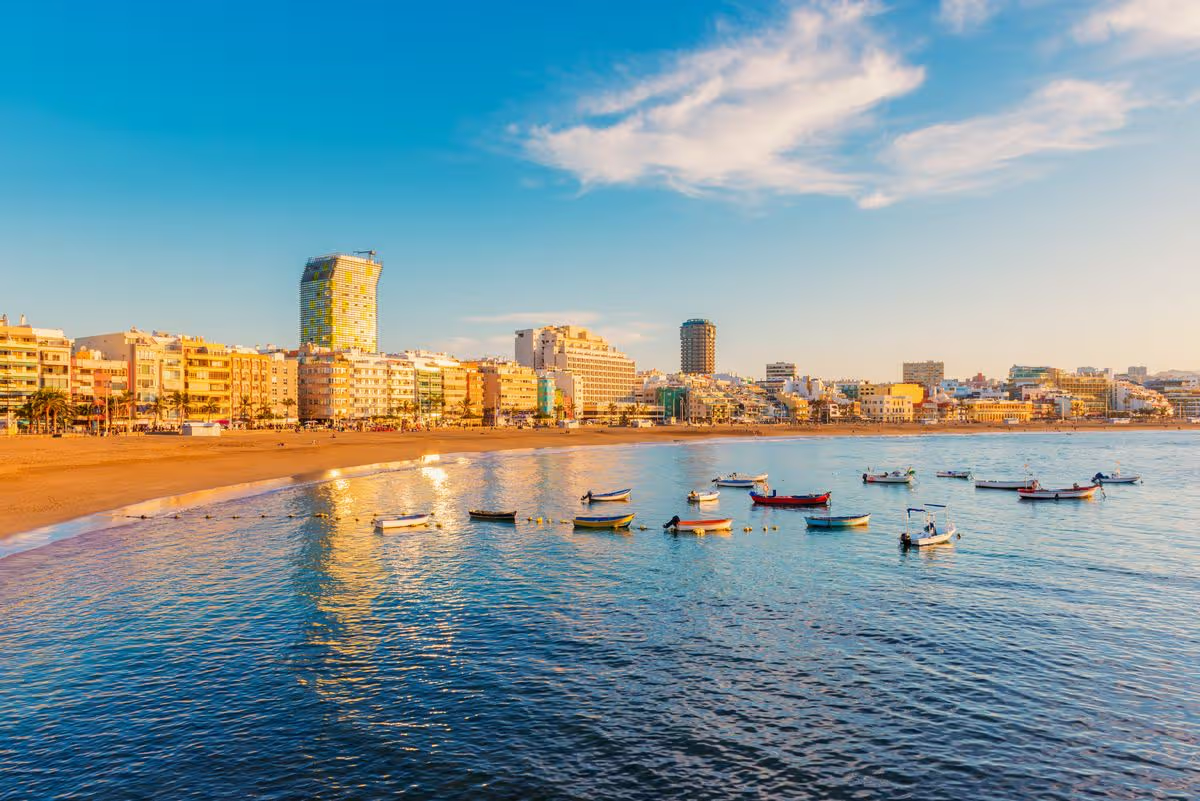
The colourful old town of Las Palmas in Grand Canaria is well worth a visitCredit: Getty
Gran Canaria
Gran Canaria is a classic choice when it comes to a winter sun escape – and it’s clear to see why.
Temperatures average a comfortable 20°C here in winter, letting you enjoy exploring the island with the warmth of the sun on your back.
And with no time difference between Gran Canaria and the UK, you’ll miss out on jet lag completely.
There’s no shortage of things to do on this paradisaical Canary Island.
There are whales and dolphins to spot by boat in the resort town of Puerto Rico, as well as volcanic hiking paths to explore in the Nublo Rural Park.
When it comes to beaches, Playa del Inglés is a top choice with a bustling promenade and various water sports on offer.
And for something different, the dunes of Maspalomas contain their own ecosystems, including pretty lagoons and palm groves.
Assistant Travel Editor Sophie Swietochowski took a trip to Gran Canaria and saw the best of what the island’s landscapes have to offer.
She said: “I visited Gran Canaria for one reason only. It was chucking it down at home, and my beachfront hotel on the volcanic island was speckled with plush cabanas perfectly poised for basking in the sunshine.
“I can’t say I left the resort much on my one and only visit – simply because pina coladas and strolls along the black sand beach were the order of the day every day.
“If you do want to indulge in more than just sunbathing, Gran Canaria is home to some gorgeous hiking trails along craggy orange rocks.
“It’s also got some of the best dark skies in the world, meaning long evenings can be spent soaking up those twinkling stars and the brightest moon I’ve ever seen.
“There’s a rather large banana plantation at the northern side of the island, and visitors can learn all about the fruits’ production and the best time for picking”.
The best part is that Gran Canaria can be super cheap to visit.
A week away at the Servatur Riosol hotel in the resort of Puerto Rico costs as little as £249pp with Loveholidays.
Or go all-in and upgrade to all-inclusive from only £459pp.
Llandudno Beach in Cape Town provides a dramatic backdrop to your day at the beachCredit: Getty
Cape Town
The first few months of the year are some of Cape Town‘s hottest, sitting at a sizzling average of 27°C.
Not only is the South African coastal city a stylish spot, but it can be great value too – and comes with some stunning beaches.
And with the city being only two hours behind UK time, there’s no significant time zone change to adjust to.
This is a great city for the adventurous type who likes to explore unique landscapes by day and sip on world-class wines by night.
Take a cable car up to Table Mountain for rotating 360° views over dramatic rock formations and the Atlantic’s sapphire waters.
Or laze on the white sands of Camps Bay and Llandudno Beach to soak up those Southern Hemisphere summer rays.
Boulders Beach is always a favourite, too. Here you can observe herds of Humboldt penguins waddle between rocks and slip into the bright blue sea.
Food and drink are second-to-none in this culinary capital. Head to Kalk Bay for some budget-friendly seafood, or head to the colourful bar Cape to Cuba for an ice-cold Mojito.
It goes without saying that the wine here is worth sampling – you can sample some local tipples on a hop-on hop-off winery tram tour for £36 on GetYourGuide.
The Sun’s Head of Travel (Digital), Caroline McGuire, visited Cape Town for a family holiday.
She said: “Cape Town is officially the world’s cheapest long-haul holiday, according to the Post Office Money Report, and it’s perfect for families with just two hours’ time difference, jaw-dropping animals and perfect beaches.
“Everything in Cape Town is so accessible that we landed at 8.30am, got our hire car, checked into the hotel and were on the glorious Camps Bay beach in swimsuits by 11.30am.
“On our two-week trip to the South African capital and the surrounding area, we saw everything from zebras and giraffes to penguins and lions.
“This is a country so packed with wildlife that it is not uncommon to see exotic creatures such as baboons and ostriches feeding at the side of the road, or taking an evening stroll in front of your hotel room.
“Recently, South Africa’s tourism minister touted the region as such great value that ‘British visitors can afford our 5* hotels’, and the price comparisons are stark when looking at the cost of things like food and drink.
“At the 5-star Radisson Collection Hotel, Waterfront Cape Town – I drank posh wine at just £4 a glass, while my son played with the other kids in the infinity pool, as dolphins played in the ocean just feet away.
“The trip was a dream from start to finish, with so many memories made that it felt like five holidays wrapped into one. “
Lastminute.com offer a week-long self-catering apartment stay in Cape Town, including flights from £780pp.

Explore bright blue medinas and colourful souks in MoroccoCredit: Getty
Morocco
Morocco is the perfect mix of short-haul flights, warm temperatures and cheap luxury-feel hotels.
And as the country is just one hour ahead of the UK, you won’t feel exhausted after landing.
Hop on a three-hour 40-minute flight from London to Marrakesh, and you’ll be in Morocco’s bustling capital that hovers around 20°C in winter.
This must-visit city has endless souks to browse and unique sights to see in Jemaa el-Fnaa Square.
The fishing village of Taghazout, on the other hand, has a beachy boho feel and is popular with surfers and sun-worshippers alike.
There’s plenty of surf shacks to rent boards from, a skate park and a shimmering bay.
Over on the west coast, Agadir is home to some of Morocco’s best beaches.
Plage d’Agadir is the most popular, and its seven miles of golden sands and turquoise water are perfect for both sunbathing and snorkelling.
The Sun’s Head of Travel, Lisa Minot, enjoys visiting Morocco’s capital.
She said: “I’ve been to Marrakech many times – drawn by the treasures to be found in the colourful, chaotic souks and the raw beauty of the desert landscapes that surround it.
“Tourism is booming in the city, and with it has come a host of exciting new hotels, restaurants and rooftop bars.
“My most recent trip included a three-hour food tour of the Medina – our guide gave us a brilliant insight into the local cuisine and encouraged me to try dishes I might never have sampled had I been on my own.
“For total escapism, though, our trip into the Afagay Desert revealed a different side to this fascinating country – silent, stunning desert landscapes.
“Worth splashing out on was our trip to The White Camel, a luxury tented camp where we spent an afternoon on dune buggies before watching the sun set with a drink by their infinity pool, before indulging in a fabulous four-course feast”.
Deputy Travel Editor Kara Godfrey, on the other hand, chose to check out the beaches of Agadir.
She said: “While Marrakech is all about the souks and the dunes, Agadir is a more laid-back affair.
“This is where you’ll find the surfers, with surf schools littering the beach.
“My favourite way to spend a day was walking along the golden sand coastline, with just a few locals and stray dogs along the way.
“Otherwise, Agadir is also home to one of Africa’s biggest souks – Souk El Had – although there are lots of other ones to explore in the city”.
Perhaps the best part about Morocco is just how affordable it is to visit.
Le Morne, on the other hand, has more of a jungle feel, as the beach is backed by thick green leaves and impressive mountains.
For snorkelling in clear waters and spotting colourful fish, head to the Blue Bay Marine Park in the southeast.
And for 66p tasty Creole curries and exotic fresh fruits, head to the markets of the country’s capital, Port Louis.
The Sun’s Head of Travel, Lisa Minot, has explored Mauritius from its beaches to its busy capital.
She said: “This Indian Ocean island paradise was a revelation when I visited. Yes, of course, there are stunning powder white beaches, swaying palms and delightful all-inclusive hotels.
“But the south of the island reveals endlessly changing landscapes, from busy colonial-era towns and centuries-old sugarcane plantations to volcanic mountain ranges and unique geological wonders.
“Go hiking in the Black River Gorges National Park – the views are worth the trek through the indigenous rainforest.
“Or admire the Seven Coloured Earths – waving, solidified sand dunes in a riot of colours that highlight the island’s unique geography.
“In the bustling capital Port Louis, head into the Central Market to browse stalls piled high with fresh fruit and veg, then queue with the locals for a dhal puri at one of the many food stalls – the wafer-thin pastry stuffed with a spicy lentil mix”.
You can fly direct to Mauritius with British Airways from £876 return.
Plus Lastminute.com offer package holiday deals to Mauritius from as little as £755, including flights.
ONE of the UK’s original Victorian seaside towns is set to get even more beautiful – thanks to a multi-million pound train station renovation.
Scarborough Train Station has revealed new images of the £14million upgrade which is set to be completed by March.
Sign up for the Travel newsletter
Thank you!
Work started on upgrading Scarborough train station in 2025Credit: UnknownThe work is set to complete on March 31, 2026Credit: Unknown
Repairs have been underway at the station in the popular seaside town at the cost of £14million.
The project includes a new station roof, drainage system as well as the restoration of the stonework and general preservation of the Grade II-listed building.
Still yet to be finished is the waiting room and ticket office which will also be refurbished.
The changes made are set to ‘enhance passenger experience’ at the station – which has remained open during the works.
One of the most recognisable parts of Scarborough Station is the clock tower which is being restored thanks to a grant of £203,000 from the Railway Heritage Trust.
Ann Shannon, scheme project manager for Network Rail, said: “We’ve been able to repair all four clock faces, fully refurbish the tower and finials, and upgrade the uplighting.
“The finish line is now in sight, and visitors will see a real difference both inside and outside the station, with the beautifully restored clocktower providing the crowning glory.”
Trains from Scarborough generally call at Sheffield and York.
This saw an increase of tourists visiting the town and the addition of bathing ‘machines’ – for people to change intoswimwearwhich arrived in 1735.
With a rising number of holidaymakers, it opened a train station in 1845 to connect Scarborough to York.
Scarborough is well-known for being an incredibly popular destination for families heading to the seaside in the summertime.
The town has two beaches, North Bay Beach and South Bay Beach, and has been welcoming holidaymakers to its shores for over 400 years.
North Bay is the quieter spot along the coast, while South Bay is where you’ll find amusement arcades, cafes and a busy harbour.
Work is still ongoing to restore the clock towerCredit: Network RailThe roof on Scarborough’s train station has been fully repairedCredit: Network Rail
Other seafront attractions include the miniature railway called North Bay Railway, Scarborough Open Air Theatre and Scarborough Sea Life Centre.
The Grand Hotel in Scarborough is one of the seaside town’s most recognisable buildings and sits high above the promenade.
The building was completed in 1867 and at the time was the largest hotel in Europe – and one of the largest in the world.
This charming North Lincolnshire village offers the perfect day trip for nature lovers, with scenic estuary walks, three traditional pubs, and stunning Humber Bridge views
08:00, 28 Jan 2026Updated 08:08, 28 Jan 2026
The village is close by to lots of walking routes(Image: Heritage Images, Getty Images)
In the north of Lincolnshire sits a tranquil village offering the ideal retreat for waterside strolls leading towards the East Coast sea.
A gentle stream meanders through the village of Barrow upon Humber, flowing towards Barrow Haven and out into the estuary that connects to the North Sea. The charming little village is positioned just off the south bank of the Humber Estuary and is merely a quick train journey from beloved seaside spots including Cleethorpes and Grimsby.
What draws visitors to the area is the picturesque walking path, called the Barrow Haven and Humber Estuary trail. The route guides you across diverse landscapes, showcasing 1,000 years of heritage from Viking fortifications to Victorian architecture and, naturally, the updated wildlife reserve.
A tiny settlement beyond the village, Barrow Haven, is tucked along the Humber Estuary, serving as the historic ferry crossing and a location where vessels would dock.
Today it continues to be a beloved destination for wildlife enthusiasts eager to experience its thriving natural environment.
Particularly noteworthy, a favoured attraction for passionate walkers is the celebrated Humber Bridge, located just three miles away and a brief drive from Barrow upon Humber.
When it was built in 1981, the bridge represented a remarkable feat of 20th century engineering as the world’s longest single-span suspension bridge.
The sheer magnitude of the structure is hard to comprehend until you’re standing beneath it or strolling along it, a popular choice for those seeking a better view.
The iconic bridge links Barton on the South Bank with Hull on the North Bank, previously necessitating a lengthy and challenging detour.
Visitors have labelled the bridge as a “must-see”, with one individual declaring it their “favourite bridge”.
A TripAdvisor review says: “We parked at the viewing point and sat on a bench to take in the beautiful view of this bridge that crosses the Humber.
“Constructed in the 1980s, it’s possible to walk across it, and the toll for cars is £1.50. It was fascinating to see it up close and observe how quiet the traffic seemed.”
Within the village, there are three traditional pubs, all adored by locals, providing a snug spot to unwind during your Lincolnshire explorations.
The Royal Oak, Harrisons and Six Bells are practically adjacent to each other and within walking distance of The Haven Inn, nestled between the village and its neighbouring settlement, Barrow Haven.
A recent guest recounted their experience at the Inn, writing: “Lovely country pub and restaurant, excellent service and very pleasant staff who are efficient, food is hot and fresh , we all ate something different and every meal was very good, reasonably priced.”
Best UK holiday cottage deals
This article contains affiliate links, we will receive a commission on any sales we generate from it. Learn more
Sykes Cottages offers a wide range of handpicked holiday homes across the UK and Ireland, from cosy countryside retreats to stunning coastal escapes. Prices start from £27 per night
The stunning circular walking trail, perfect for a relaxed day out, is believed to have inspired one of the most famous authors of our time — and it’s right here in the UK.
08:00, 28 Jan 2026Updated 08:08, 28 Jan 2026
The Tolkien Trail is popular with walkers(Image: Visit Lancashire)
A breathtaking walking route in Lancashire boasts an incredibly famous link to a bestselling author and has formed the inspiration behind a mammoth blockbuster film trilogy.
It’s well known that JRR Tolkien drew inspiration from Lancashire’s spectacular countryside whilst penning The Lord of the Rings, which was clearly reflected in his portrayal of Middle Earth. For decades, countless visitors have travelled from across the globe to trace the footsteps of the legendary fantasy writer.
During World War Two, Tolkien and his spouse frequently stayed at a guesthouse within Stonyhurst College’s grounds, where their son had allegedly been evacuated. This timeframe coincided with his writing of The Lord of the Rings, reports Lancs Live.
He’s believed to have sought refuge in Hurst Green village in the Ribble Valley, whose verdant and enchanting environment directly shaped The Lord of the Rings as well as his children’s fantasy tale The Hobbit.
Indeed, devotees of The Hobbit will recognise that Hobbiton and the Shire drew their inspiration from Hurst Green’s magnificent rural splendour and neighbouring regions.
The terrain surrounding Stonyhurst College also appears within Tolkien’s bestselling novels, and there’s even a complete 5.5 mile circular route called the Tolkien Trail which guides walkers through numerous locations they’d encounter referenced – or directly inspired by – in Tolkien’s masterpieces.
Renowned for his passion for woodland scenery and the natural world, several names and locations in Tolkien’s Lord of the Rings bear striking resemblance to those found in reality around Hurst Green, including Shire Lane and the River Shirebourn, which shared its name with the very family who owned the Stonyhurst estate.
Tolkien is famously reported to have devoted considerable time ‘in a classroom on the upper gallery of Stonyhurst College’ crafting Lord of the Rings.
The Tolkien Trail itself is packed with historic sites, each more captivating than the previous. Beginning and concluding near the Shireburn Arms – a celebrated gastro pub in Hurst Green – the approximately five-and-a-half-mile Tolkien Trail guides walkers through breathtaking vistas.
The Shireburn Arms itself is a 17th-century establishment which has preserved many of its period features. Celebrated for its cuisine, this independent pub features a welcoming fireplace in the public room – particularly popular with visitors during the colder months.
The Tolkien Trail guides walkers past Stonyhurst College and the historic yet famous Cromwell’s Bridge, named after Oliver Cromwell.
Initially built in 1562, Cromwell is believed to have led his forces across the ancient bridge whilst travelling from Walton-le-Dale to participate in the 1648 Battle of Preston.
The Tolkien Trail also leads visitors past Hacking Hall – a 17th-century, Grade I listed Jacobean residence located near where the River Calder meets the River Ribble. Despite being privately-owned, it remains a beloved landmark amongst walkers, particularly those who have embarked upon the Tolkien Trail.
Tolkien’s Trail also guides adventurers through verdant fields and agricultural pathways, offering hikers classic Ribble Valley countryside panoramas.
Additional remarkable features along the route include a 19th-century observatory, the 18th century Hodder Place – a former educational establishment that initially functioned as a mill owner’s home – alongside a partially-medieval barn.
Peaceful waterside sections and endless vistas of the Bowland Area of Outstanding Natural Beauty (AONB) render the Tolkien Trail an ideal ramble for those seeking to undertake a relaxed stroll.
Between two and a half to three hours represents an appropriate timeframe to dedicate to this historical walking route.
Delighted visitors have flocked to Tripadvisor to praise the trail, with one writing: “The Tolkien Trail is a scenic 5.5-mile walk through the beautiful Ribble Valley, offering lush woodlands, riverside paths, and peaceful countryside.
“Inspired by J.R.R. Tolkien’s time at nearby Stonyhurst College, the trail is easy to follow and perfect for a relaxed day out. The mix of history and nature makes it a must for Tolkien fans and casual walkers alike. A great spot for a picnic with magical views!”.
Meanwhile another hiker said: ” Loved the walk. Great views and stunning scenery. Can understand this would inspire the imagination. Easy recommend.”
One visitor said: “The views and the surrounding area are exactly what you want on a walk, fresh air and green spaces with rolling hills and the rivers to marvel at too.”
How to get there
The village of Hurst Green is located approximately 5 miles west of Clitheroe and nine and a half miles northeast of Preston. Limited car parking is available in the village.
Regular bus services also operate between Clitheroe, Preston, and Whalley, stopping at Hurst Green.
Best Lancashire holiday cottage deals
This article contains affiliate links, we will receive a commission on any sales we generate from it. Learn more
Lancashire is known for its wide open skies, stunning landscapes and lively coastal resorts. Sykes Cottages has a wide range of self catering accommodation across the county from £42 a night.
This charming village has been dubbed a ‘hidden gem’ by travellers and it’s packed with historic sites and highly-rated cosy food spots serving some of the best treats.
Head to this Northumbrian village for your next day out.(Image: Getty Images)
Positioned along the St Oswald’s Way walking route, between Rothbury and Warkworth, lies a delightful hidden gem village that ranks among Northumberland’s best-kept secrets.
Tucked away beside the River Coquet, this small village gained fame for accommodating Oliver Cromwell during his journey to the Battle of Dunbar. It sits 8.9 miles from Alnwick and 12 miles from Morpeth, just 37 miles south of the Scottish border.
Felton village offers an ideal blend of historic and modern elements, particularly around its centre. Two distinct bridges, positioned close together, link Felton with the opposite bank of the River Coquet.
The historic stone crossing originates from the 15th century and remains closed to vehicles, whilst the more recent concrete structure was constructed in 1926 – both hold Grade II Listed status and draw considerable interest from residents and visitors.
The older crossing – recognised for its historical and architectural significance – regularly hosts key village gatherings, including the beloved wassailing tradition at Christmas, reports Chronicle Live.
Additional historical treasures in this picturesque settlement include the Grade I listed St Michael and All Angels church, constructed around 1200, which appears almost enclosed within another structure due to numerous extensions and modifications over the centuries.
Rambling and angling represent two favourite pastimes for both locals and tourists in Felton, with the River Coquet readily reachable via the village centre. Beyond that, Felton boasts two highly-regarded food and drink destinations.
First up is The Northumberland Arms – a beautifully restored 1820s coaching inn originally built by the 3rd Duke of Northumberland.
This delightful historic treasure sits opposite the river near Felton and boasts a River Room Conservatory alongside a bar, restaurant and six ensuite luxury bedrooms.
One delighted guest wrote on Tripadvisor: “The hotel is a lovely historic building in a great setting, easy access to river walks.
“The rooms were attractive , clean and spacious, I thought fabulous, not what I expected when I walked through the door of an old village pub.”
For visitors seeking a brief refreshment stop in Felton, there’s an ideal option available. An artisan bakery named The Running Fox, cherished by locals, has been delighting guests for years.
Since welcoming its first customers in 2011, The Running Fox has become renowned for its afternoon teas and baked goods.
Set in stunning rural surroundings, The Running Fox nestles beside the River Coquet and is encircled by numerous scenic country walks.
One satisfied customer left a glowing review on Tripadvisor for the bakery, writing: “One of the best afternoon teas. Afternoon tea, freshly made sandwiches which were delicious various fillings to choose from with home made bread, such a change from the usual pre made cardboard efforts you get in other places, choice of a wedge of pie or quiche, scones fabulously light, and a slice of cake also homemade from huge selection. Breakfast and lunch menu also looked very appealing. Service excellent, staff very friendly and helpful.”
Another visitor shared their praise, commenting: “I think that the Afternoon Tea offered at the Running Fox is outstanding – great value for money and the food; the variety and the quality are always excellent! We will be back (again!)”
Best Northumberland holiday cottage deals
This article contains affiliate links, we will receive a commission on any sales we generate from it. Learn more
Northumberland is famed for its rugged coastline, ancient castles and unspoiled natural beauty. Sykes Cottages has a range of places to stay starting from £38 per night
This unspoilt beach is dog-friendly all year round and offers pristine golden sands, dramatic Jurassic cliffs and ‘unreal’ walks – visitors say the ‘gorgeous’ water feels worlds away
08:00, 28 Jan 2026Updated 08:08, 28 Jan 2026
You’ve got to see it to believe it(Image: Getty Images)
A hidden beach boasting vast stretches of pristine golden sand, encircled by striking cliffs and crystal-clear blue waters, is being praised as essential viewing by tourists.
This secluded beach in North Yorkshire, situated between Filey and Scarborough, offers unspoilt vistas and picture-perfect scenes that seem almost too beautiful to be real – yet it’s right here in Yorkshire.
Found just off the A165, approximately three miles from Scarborough, this remote retreat is truly idyllic, particularly for dog owners, as it’s exempt from the seasonal dog ban enforced by North Yorkshire County Council which affects other well-known beaches in the area.
The seaside panoramas at this beach are utterly breathtaking, showcasing a fusion of Yorkshire’s wind-swept rolling countryside and sweeping expanses of golden sandy shoreline.
It comes as no surprise that Cayton Bay Beach was recognised as one of Britain’s finest beaches in 2024.
A significant attraction for visitors, this coastal gem is delightful to explore whatever time of year you decide to go. It’s a spot of untouched natural magnificence and provides an ideal base for discovering the Yorkshire Coast, reports Yorkshire Live.
Cayton Bay Beach tends to remain relatively tranquil throughout the year and avoids the noise of crowded hordes.
With its serene ambience and abundant golden sands, tourists have described feeling as though they’ve been transported far from the rugged North Sea, with many even suggesting it resembles a holiday beach overseas.
A favourite destination for surfers, birdwatchers, adventure enthusiasts and fossil hunters, or simply those looking to unwind and recharge, Cayton Bay Beach offers the ideal retreat to enjoy peace and breathtaking views, with its dramatic limestone cliffs dating back to the Jurassic period over 150 million years ago.
Equally cherished by surfers and windsurfers alike, this bay confronts the full force of the North Sea. The beach is home to one of Britain’s oldest surf schools, with The Scarborough Surf School conducting surf lessons at Cayton since 1989.
Cayton Bay Beach boasts crystal-clear waters perfect for paddling and is also regarded as a popular location for learning to surf and kayak. It’s worth noting that the current at this beach can be rather powerful, so swimmers are cautioned against venturing too far from shore.
Today, the northern stretch of the coastline still reveals several World War II pillboxes discovered by beachgoers, with that section of the bay known as Johnny Finton’s Harbour.
It’s not difficult to understand why many have dubbed Cayton Bay Beach North Yorkshire’s hidden treasure, nestled amongst undulating hills. Visitors can wander for hours across the sand whilst savouring peaceful coastal walks, taking in Cayton Bay’s magnificent beauty.
Rocky formations at one end offer possibilities for climbers, whilst vast stretches of sand and sea extend along the shoreline. It truly is regarded as an idyllic beach – and when the weather’s on your side, you could easily imagine you’ve been transported to some far-flung paradise abroad rather than Cayton Bay Beach.
Holidaymakers can’t help but rave about this ‘hidden gem’, with one sharing on Tripadvisor: “What a stunning place the walk to it was unreal. It looked like a holiday beach water was gorgeous just stunning all round we had a lush day here definitely going back”.
Another beach fan said: “A beautiful stretch of England’s East Coast, a bay that allows a peaceful retreat in outstanding natural beauty. Nice sandy beach with grassy hills to sit. A great cafe (Salty Dog) with nice staff offering a wide range of treats at expensive prices.”
A satisfied visitor wrote: “A stunning beautiful beach, great for a walk when the tide is out. The children love running on the beach. It is a steep walk back up but well worth it.”
Meanwhile, one guest added: “Stunning scenery. Gorgeous beach. Lots of surfing going on. Great for walking the dog when the tide is out. You need to be reasonably fit to get back up the hill.”
It’s worth bearing in mind that both the descent to the shore and the ascent back are quite challenging, and those with restricted mobility, along with wheelchair and pushchair users, may struggle considerably with the route.
Additionally, there are numerous steps near the final stretch of the walk leading to the beach, which takes you through a picturesque woodland setting.
Save on the best holiday cottages in Yorkshire
This article contains affiliate links, we will receive a commission on any sales we generate from it. Learn more
Famous for its dramatic landscapes, historic cities, hearty food, and rich cultural heritage Yorkshire is just waiting to be explored. Sykes Cottages has a large number of properties to choose from with prices from £31 per night.
Our induction into tree-planting comes from Pietro, an Italian hydromorphologist charged with overseeing our group of 20 or so volunteers for the week. We’re standing in a makeshift nursery full of spindly willow and poplar saplings just above the Vjosa River, a graceful, meandering waterway that cuts east to west across southern Albania from its source 169 miles away upstream in Greece.
Expertly extricating an infant willow from the clay-rich soil, Pietro holds up the plant for us all to see. Its earthy tendrils look oddly exposed and vulnerable. “The trick is not to accidentally snick the stem or break the roots,” he says. Message registered, we take up our hoes and head off in pairs to follow his instructions.
The volunteering week is the brainchild of EcoAlbania and the Austria-based Riverwatch. Back in 2023, these two conservation charities succeeded in persuading the Albanian government to designate the River Vjosa as Europe’s first “wild river national park”. It was a timely intervention. According to new research co-funded by Riverwatch, Albania has lost 711 miles (1,144km) of “nearly natural” river stretches since 2018 – more, proportionally, than any country in the Balkans. Now, the question facing both organisations is: what next?
On our first evening, Riverwatch’s chief executive, Ulrich (“Uli”) Eichelmann, gives a presentation setting out his answer. But before he does, we have a dinner of lamb and homegrown vegetables to work through. The traditional spread is a speciality of the Lord Byron guesthouse in Tepelenë, a small town in the heart of the Vjosa valley and home to EcoAlbania’s field office – our base for the week.
Italian hydromorphologist Pietro, left, with volunteers wading across a shallow stretch of river. Photograph: Joshua Lim
Today, Tepelenë houses a slightly dilapidated castle and little else, but two centuries ago it formed the political centre of Ali Pasha, a local potentate in the early 19th century. Under the then Ottoman empire, Pasha administered a large swathe of what is modern-day southern Albania and mainland Greece – hence, the visit (in 1809) of the guesthouse’s eponymous namesake.
Uli makes for a fitting heir to the famously belligerent Ali Pasha. Armed with slides and statistics, he offers a hard-hitting overview of the threats facing Europe’s embattled river network. His opprobrium is particularly reserved for the thousands of dams now stymying the continent’s once free-flowing rivers, which he blames for causing irreversible damage to fish stocks and freshwater ecosystems.
As one of the last wild rivers in the Balkans, the Vjosa in Albania has been spared a similar fate, he asserts. But that’s not the end of it. “Although the river looks beautiful,” he says, “there are critical things missing.” High on his list are trees, a large proportion of which have been lost to fires, logging, road building and aggressive grazing. The result: high levels of erosion and, as a consequence, greater risk of flooding.
Buoyed up by Uli’s presentation, we approach our replanting the next day with redoubled efforts. Our number includes a London-based book illustrator inspired by David Attenborough’s Ocean documentary, a US geospatial analyst with the noble hope of creating an “Albania where Albanians might want to stay” (a reference to the country’s 1.2 million emigres now overseas), and an Italian university student interested in eco-tourism, to name a few.
Volunteers have been focusing on planting trees as part of the plan for reversing years of damage to the river and its surroundings. Photograph: Joshua Lim
Over lunch on the second day, I get chatting to Aida, a tour guide from Tirana who wants to better acquaint herself with the Vjosa region. Visitors rarely come to this part of Albania, she says. “Perhaps they might pay a quick visit to Gjirokastër,” referring to a historic honeypot town on the neighbouring Drino River, “but, otherwise, they drive straight through.”
Looking out over the river, with its braided islets and rugged mountain backdrop, we both agree that such oversight is a shame. The region has a rich cultural and religious history (Albania became officially atheist in 1967), an interesting gastronomic tradition (“perhaps not that sophisticated, but somehow tasty”), and a genuine surfeit of natural attractions, she tells me.
That night, it starts raining. Proper rain. Torrents of water pour down from angry, thunderous skies. The next morning, word comes from Pietro that the planting zone is now several feet underwater. With our planting temporarily suspended, I join some of the volunteers on an impromptu sightseeing expedition. Equipped with a list from Aida, we head upstream, stopping first at the slow-food town of Përmet (“Except for the Sea,” the town’s cocksure slogan reads, “We have Everything”). Next up is the delightful Orthodox church of St Mary, a gem of a place hidden up in the hills, where the local shepherd doubles as the doorkeeper. Last, we go for a hike up the Langarica canyon, which, despite the dreadful weather, we achieve without troubling the widely advertised emergency services (“ambulance”, “police”, “fireworks”).
The next day, it’s still raining hard. Briefly, I consider going rafting or kayaking, two popular options on the Vjosa, but the river has now grown into a swollen torrent. Instead, I take a soggy hike up the nearby Peshtura gorge to see a noted waterfall, which, drunk on so much rainfall, is positively bursting from the hillside. In the afternoon, I decide to see if Gjirokastër is all it’s cracked up to be. A visit to its illuminating ethnographic museum and imperious clifftop castle persuade me it very much is.
Oliver Balch hiked up the Peshtura gorge to see a waterfall. Photograph: Joshua Lim
Later that night, I share my joys at discovering what the Vjosa region has to offer with Olsi Nika, executive director of EcoAlbania. Happy as he is at my enthusiasm, I can see he’s also concerned. He is not against tourism, he wants me to know, but, as a conservationist (he recently won the prestigious Goldman Environmental prize), the prospects for the park worry him. Albania’s coastline is already busy with package holidaymakers and an airport is being built in the river’s delta despite it being a designated protected area. And so, while he is happy that a spangly new visitor centre is being built in Tepelenë, he is anxious to see the government fulfil its own management plan for the park – something it has so far been slow to do. “Tourism is like fire,” he says. “You can prepare your soup with it, but it can also burn your house down.”
Olsi’s words are still ringing in my ears the next day as I drive back towards Tirana. I stop just to the north of the river’s mouth at the archaeological site of Apollonia, an ancient Greek trading community later colonised by the Romans. The hilltop spot is entirely devoid of other tourists, allowing me a magical couple of hours to wander alone among the extraordinary ruins.
If Herodotus is to be believed, Apollonia used to sit on the Adriatic coast, but centuries of silt from the Vjosa have seen it retreat miles inland. Over the same time, the river’s route has also altered. But nothing stays still, especially hydrology. Change is once more coming to the Vjosa. What it will bring remains uncertain, but, as a national park, she will hopefully continue to flow, untamed and unbroken.
The trip was funded by Patagonia, which supports EcoAlbania. EcoAlbania will arrange hotel, food and transport from Tirana to Tepelenë for about £700 for the week. Volunteers need to arrange their own transport to Tirana. The next volunteering week is 16-21 February