A backpacker’s viral TikTok reveals four items she deeply regretted not packing on a six-month trip – and why travellers keep making the same mistake.
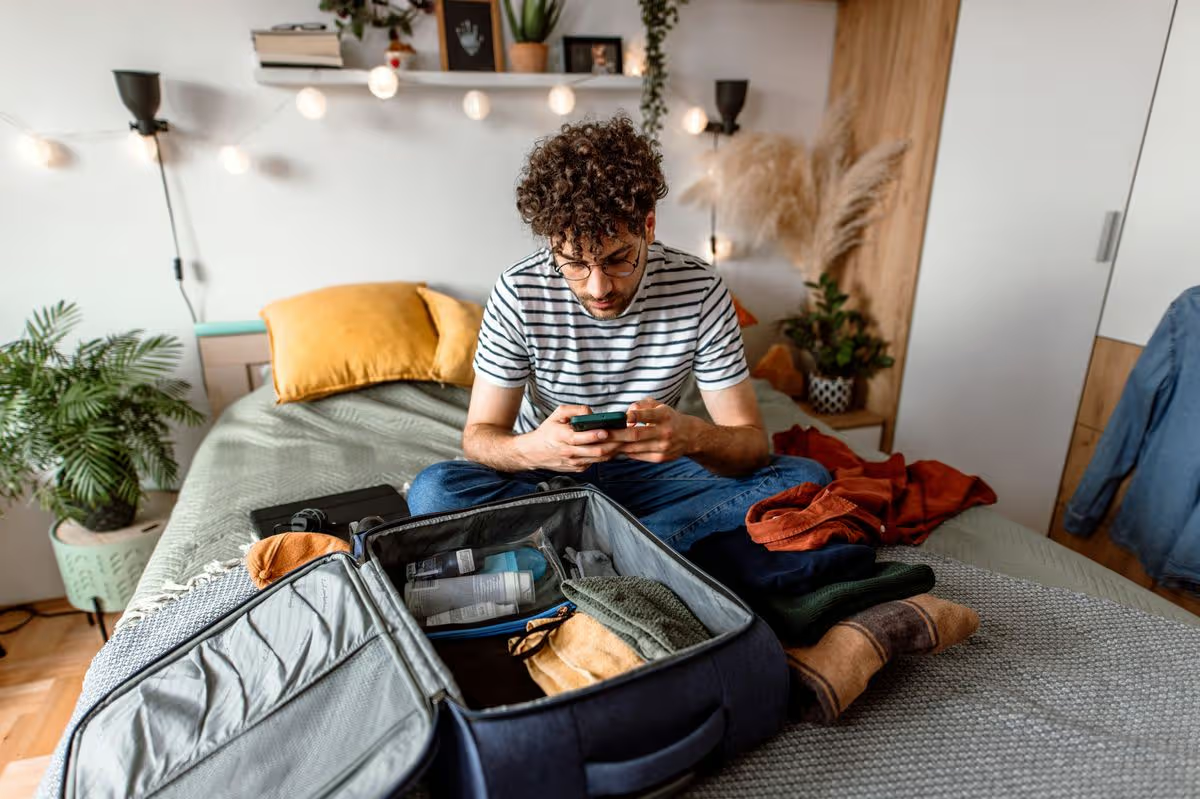
It’s easy to forget things when packing for a trip abroad(Image: Getty Images)
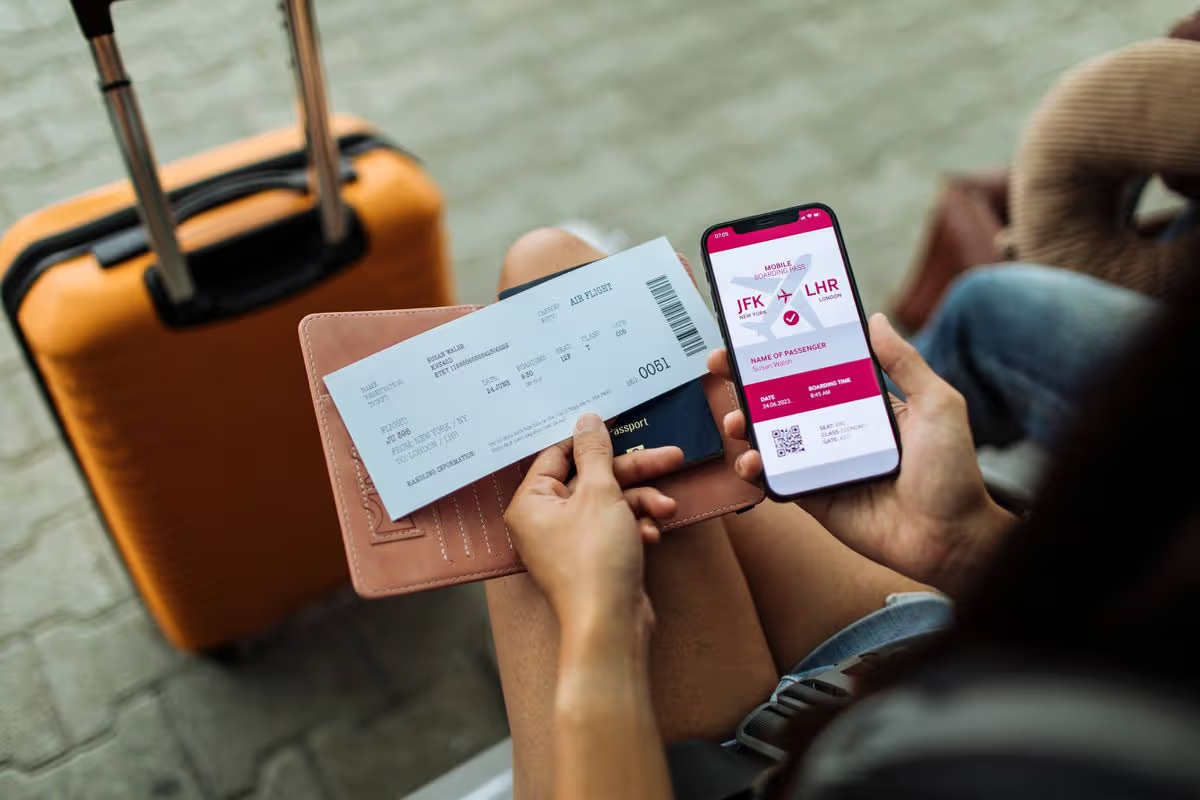
A holidaymaker’s worst nightmare – aside from a cancelled flight – is realising they’ve forgotten to pack something important. One backpacker has gone viral on TikTok after revealing four items she deeply regretted not taking on a six-month trip across Asia.
Dill, an adventurer with more than 11,000 followers and 1.5 million likes, has spent months travelling between countries. But she admitted her packing mistakes in a recent video that has racked up thousands of views and sparked plenty of discussion.
Packing light has become a major trend among travellers, especially backpackers. According to a 2023 survey by Statista, around 40 per cent of holidaymakers aim to travel with carry-on luggage only to save money and avoid hassle.
That often means tough choices about what to bring, and what to leave behind. Here are four items she says she wishes she’d packed, after they caused repeated frustration during her travels.
Jean shorts
Obviously this one depends on the type of holiday you’re packing for. After all, there’s not a chance jean shorts would be of much use in places with colder climates like Iceland and Switzerland.
Nevertheless, Dill admitted one of her biggest regrets was not taking her favourite pair. She wished she had them “two or three times a week”.
Clothing comfort plays a huge role in travel satisfaction, with research from Condé Nast Traveler suggesting packing versatile clothing reduces travel stress. In warmer climates, staple items like shorts can be worn repeatedly, making them more valuable than expected.
Headphones
Another item Dill missed utilising during her Asian adventure was a reliable pair of wired earphones. After relying on Bluetooth and buying a low-quality replacement abroad, she struggled with poor sound and audio issues.
Tech experts at CNET say wired headphones are often more reliable for travel, particularly when it comes to battery-free use and consistent audio quality. This can also be crucial during long journeys or remote trips where charging options are limited.
Content cannot be displayed without consent
Journal
Dill also regretted bringing a journal that was too small. She said limited space meant she couldn’t properly document her experiences, leaving pages feeling incomplete.
Travel psychology research shows that journaling can enhance memory and emotional processing during trips, helping people retain experiences more vividly. A larger journal allows for more detailed reflections and creativity.
iPad
Last but not least, it appears an iPad was one of Dill’s biggest missed opportunities during her holidays. Perfect for those who enjoy unwinding with shows or videos on-the-go, she says it’s worth bringing if you own one already.
Streaming habits remain a key part of downtime, with Ofcom reporting that over 70% of UK adults regularly watch streaming content. Having a device like an iPad can make long flights and quiet evenings far more enjoyable.
The MSE team and Martin Lewis said to do this quickly
Sophie Buchan Money and Lifestyle Writer
04:29, 02 Apr 2026
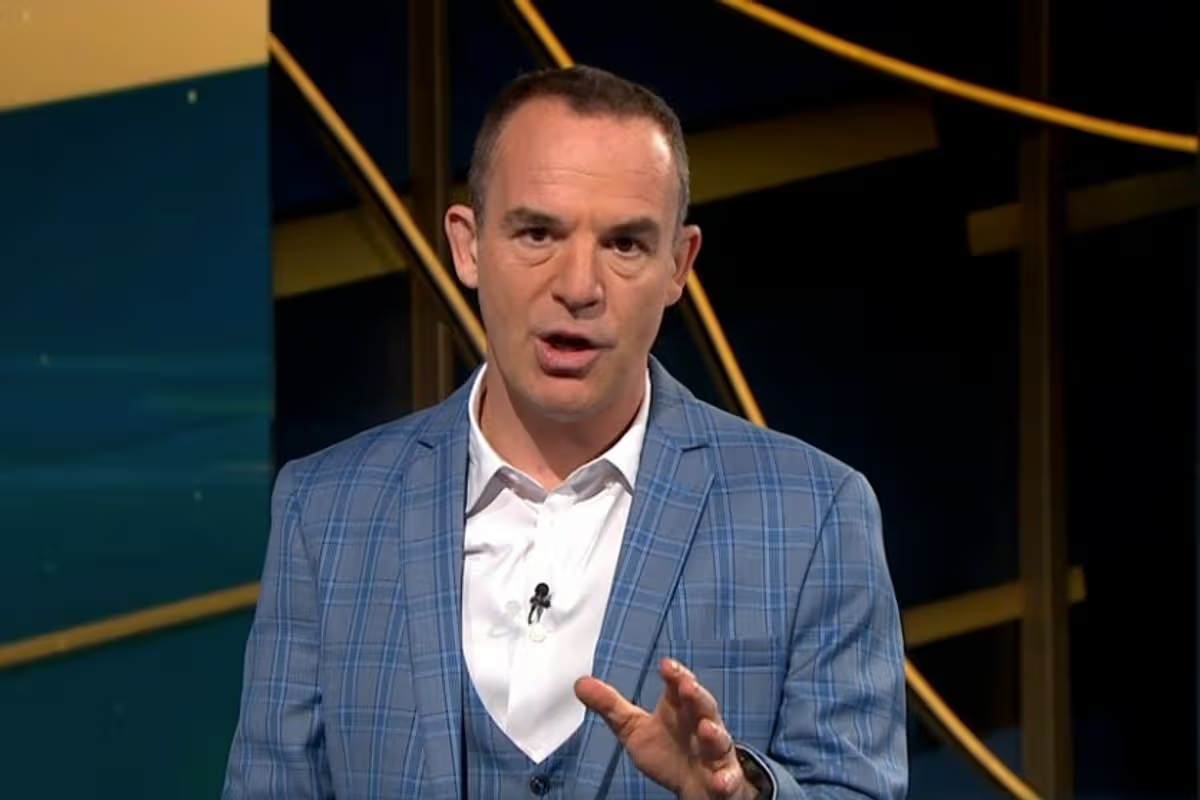
Martin Lewis urges people to follow the ‘ASAB’ rule(Image: ITV)
If you’re planning a holiday this year, there’s one crucial item on your checklist that should be ticked off first before you begin planning where to go and what to wear.
The Money Saving Expert (MSE) News team and Martin Lewis have emphasised the importance of securing travel insurance as soon as possible after booking a holiday. Many people tend to leave it until the last minute, but as Martin Lewis recently explained on The Martin Lewis Money Show Live, without insurance, you may not be able to recoup your costs if something prevents you from travelling, potentially losing thousands.
According to MSE, during the show, Martin Lewis said: “Travel insurance is not just to cover you while you’re away. It’s also very important to cover you in case something happens before you go that stops you going.
“I have a rule: you should get your travel insurance ASAB – as soon as you book. ASAB.”
The financial expert added: “Right now, many people have already booked. If you don’t have your travel insurance and if your holiday’s booked, do it right now.
“The reason I do this is every year, someone asks me a question something like, ‘I’ve been diagnosed with cancer. We can’t go on the holiday. They’re saying we can’t have our money back. What do I do?’ And I’m impotent.
“Because the answer is, you get on your travel insurance. And they say, ‘Well, I haven’t got my travel insurance yet’. Do not get your travel insurance the day before you go. You get your travel insurance ASAB.”
Speaking to his co-host Jeanette Kwakye, who is also a former Olympic sprinter, she revealed that a viewer had contacted the programme regarding a difficult predicament they were facing.
Jeanette shared their message, reading: “I booked a holiday for Christmas last year, but I was then medically advised not to fly. The holiday was already paid for and I hadn’t taken out any travel insurance. I’m now being told I’ve lost all the money for the holiday. Is there anything that can be done?”
Martin said: “Please don’t be the person this summer who asks me that question. If you’re going to get travel insurance, ASAB.
“The answer [to whether something can be done] is no. I mean, look, very simply, just think about it for a second. If you bought a tennis racket and you broke your arm, you can’t say to them, I want a refund because my arm’s broken.
“The tennis racket still works. The flights still work, the hotel still works. It’s not them that’s got the problem. It’s you. That’s the logic. That’s what you have insurance for.”
Foreign Office and travel insurance
While you can take out travel insurance, it is worth noting that it could be invalidated, even if you take it out when you book. For example, if you are planning on heading to Dubai, the Foreign Office has said on its GOV.UK website: “Your travel insurance could be invalidated if you travel against advice from the Foreign, Commonwealth & Development Office (FCDO).”
At present, it states: “FCDO advises against all but essential travel to United Arab Emirates.”
For detailed information and advice on Foreign travel insurance, visit the GOV.UK website online here. It also advises: “You should buy your travel insurance as soon as possible after booking your trip. Read the small print and familiarise yourself with any exclusion clauses for the policy.”
Alongside insurance, it is recommended that you review FCDO travel advice and register for alerts for your destination. GOV.UK confirms: “If you travel to a destination where FCDO advises against all but essential travel or all travel, your insurance may be invalidated.”
Choosing the right seat on the plane can determine a lot for your overall flight experience, and a travel expert has revealed exactly why you should avoid booking 11A
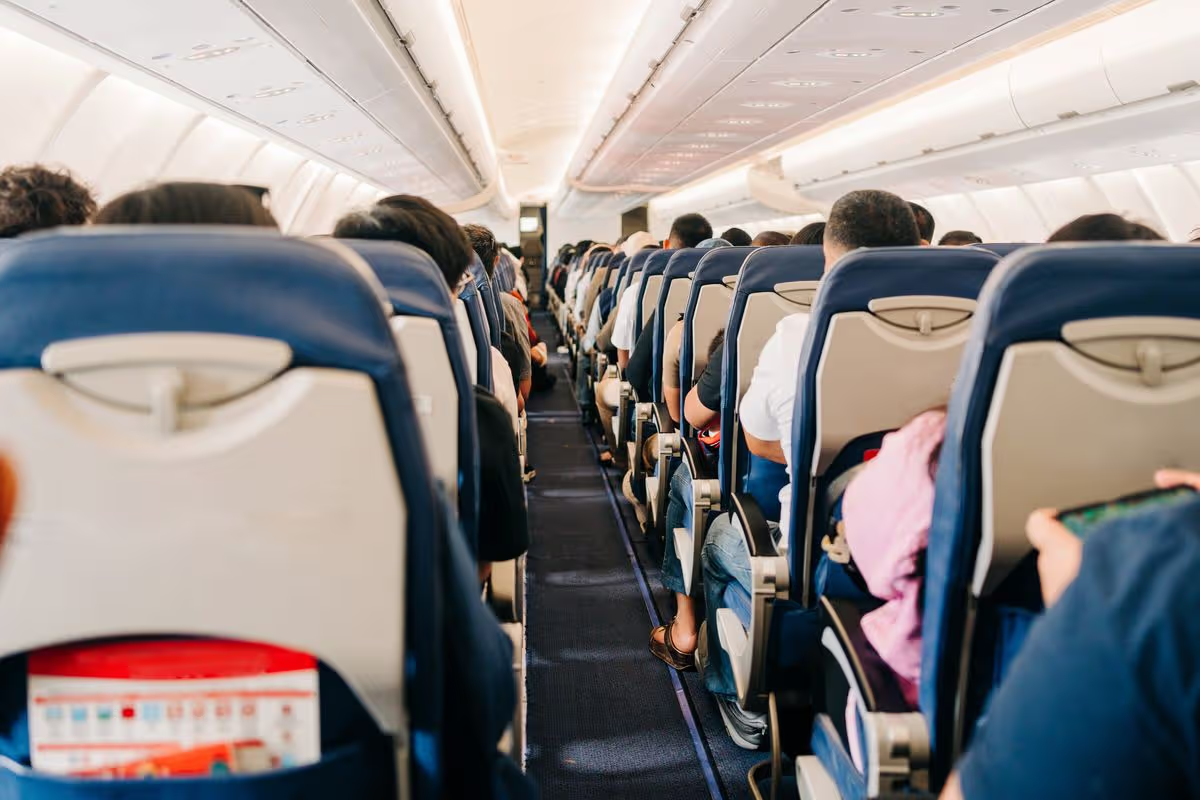
You might want to think carefully about choosing your seat on the plane(Image: Getty Images/Stock Image)
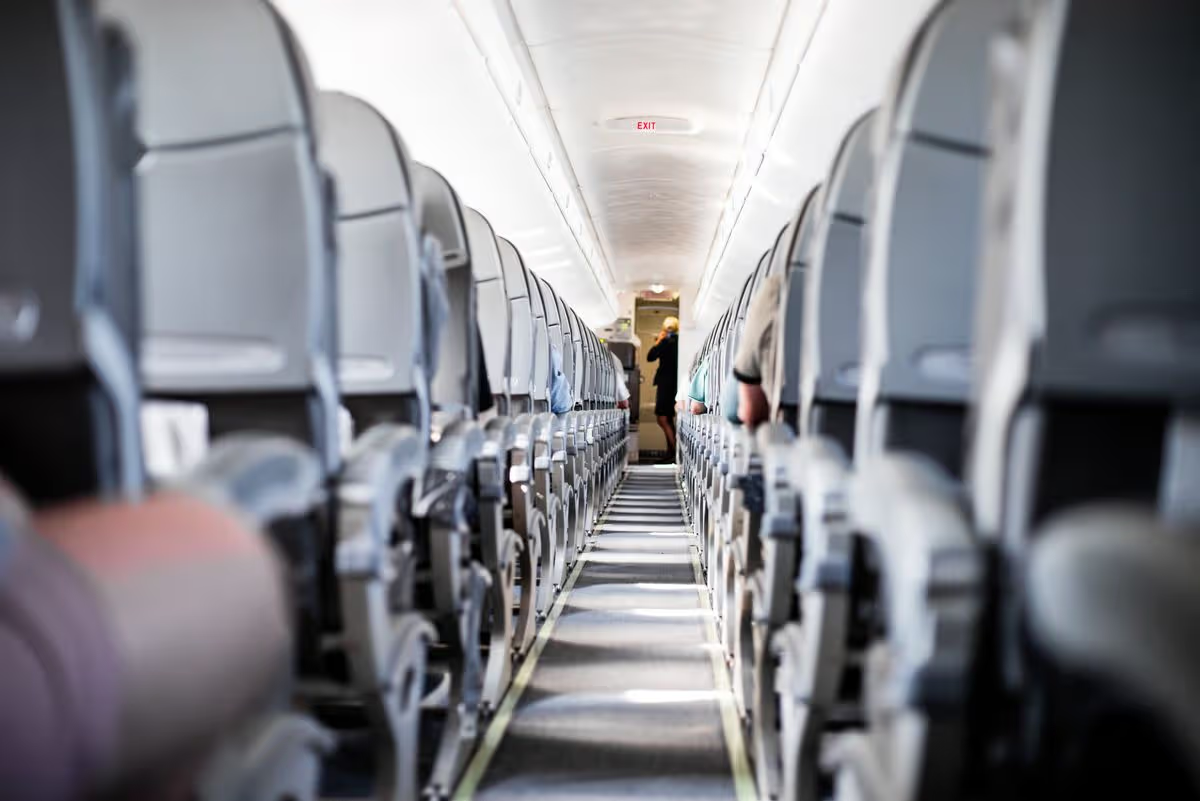
We all have a preferred window or aisle seat when flying, but one travel expert has revealed the exact seat you should always avoid.
Choosing the right seat on a plane can certainly come with its bonuses. Whether that’s more legroom, closer to the bathrooms, being the first row to be served refreshments, or a quieter spot near the back, away from babies. Yet some seats can be a disadvantage.
Window seats are popular among travellers, particularly for those wanting to enjoy the view during take-off or landing, for a little more privacy, or to take a little snooze against the cabin. One favoured window seat on planes has been 11A, due to its positioning near or over the wing, which is thought to offer less disruption from turbulence.
While it may sound appealing, 11A might not be as relaxing as it sounds. Andrea Platania, operations manager at airport transfer platform Transfeero, said that this specific seat often leaves passengers disappointed.
“Seat 11A might sound ideal because it’s by the window, but it can quickly become frustrating, especially on anything longer than a short hop,” the travel expert said. “You’re quite far from the toilets, which isn’t ideal, and getting in and out of that seat can be awkward.”
Andrea also explained that this seat can prove tricky for those who want to move around and stretch during the flight. “If you’re in 11A, you’re relying on the people next to you to move every time you want to get up. That might be fine once or twice, but over a longer journey it becomes inconvenient very quickly.”
It’s a seat that can also feel a little cut off from the rest of the cabin. “You’re not close to the aisle, so you don’t have that easy access, and you’re not in a premium position either. It ends up being a seat that looks better when you book it than it feels when you sit in it,” he outlined.
But that’s not the only seat you might want to think twice about booking. The expert said that seats 11A and 11F are among the “least rewarding seats” on a flight.
“Seats like 11A and 11F are often overlooked when people are booking, but they’re right in that middle section of the aircraft where you lose a lot of the small conveniences. They don’t seem bad on paper, but in practice, they’re some of the least rewarding seats to be in, Andrea said.
Yet one of the biggest disadvantages of these seats is during food and drink service. “On most short and mid-haul flights, cabin crew will begin service from both the front and the back of the plane, then work their way towards the centre. If you’re sitting in rows like 11, you’re effectively last in line from both directions.”
It can become even more of a drawback during busy flights. He said: “Passengers in seats like 11A and 11F are far more likely to find that popular snacks, meals, or even drinks have already run out by the time the trolley reaches them. It’s something people don’t think about when booking, but it becomes very obvious once you’re in the air.”
If that wasn’t enough to deter you from seats 11A and 11F, Andrea noted that they are inconveniently positioned on board. “You’re not particularly close to the toilets, and you’re not near the exits either, so you don’t get the benefit of convenience in either direction.
“You’re just in that middle zone where everything takes a bit longer.” So next time you book your plane seat, have a think about where you’d rather sit, whether that’s to ensure you’re one of the first to be served your meal or somewhere to ensure little disruption during your flight.
Do you have a travel story to share? Email webtravel@reachplc.com
IF your typical weekend involves a night out, a takeaway and somehow spending more than you planned… this might annoy you a bit.
Because right now, it’s officially cheaper to fly abroad for the weekend than it is to stay in the UK.
Sign up for the Travel newsletter
Thank you!
You could stay at BLUESEA Gran Playa, Majorca from just £87.50pp per nightCredit: Onthebeach
I know – it sounds ridiculous. But the numbers back it up.
The average Brit is spending around £127 each on a weekend at home. Meanwhile, I’m seeing full package holidays – flights, hotel, food and drink included – coming in from roughly £80 per person, per night.
And that’s exactly what’s driving one of the fastest-growing travel trends I’ve seen in years.
It’s called an All-Inclusive Weekender – and bookings for them have doubled in the last year alone.
And the idea’s simple. You finish work on Friday, head straight to the airport, and by that evening you’re poolside with a drink in hand.
Saturday is a full day of sunshine, food and doing absolutely nothing. Then Sunday you squeeze in one last breakfast and a dip before flying home – back in time for work on Monday.
And once you see the prices, it makes total sense why people are doing it.
So I’ve gone through the latest data and pulled together 10 of the best all-inclusive weekenders you can book right now – the kind where you’ll spend less than you would at home… but get a full holiday out of it.
BLUESEA Gran Playa, Majorca – £87.50pp per night
2 nights all-inclusive at the 3* BLUESEA Gran Playa, flying from Birmingham on Friday 15 May – Sunday 17 May 2026.
This is your classic Majorca weekender setup – short flight, quick transfer, and straight into pool-and-pint mode by Friday evening.
The hotel itself keeps things simple but does the job well with a big pool, solid all-inclusive offering, and walking distance to the beach.
The Oceanis Park Hotel in Rhodes is a four-star stunning hotel with a premium feelCredit: Onthebeach
Oceanis Park Hotel, Rhodes – £85pp per night
2 nights all-inclusive at the 4* Oceanis Park Hotel, flying from London Gatwick on Friday 17 April – Sunday 19 April 2026.
Rhodes is one of those places that just works for a quick hit of sun – reliable weather, short transfer, no faff.
This hotel feels a bit more premium than the price suggests too, with a modern finish, great pool setup, and strong food options for a short stay.
£85pp per night for a full all-inclusive weekend is borderline ridiculous.
SMY Isla Cristina, Costa de la Luz – £110pp per night
2 nights all-inclusive at the 4* SMY Isla Cristina, flying from Bournemouth on Friday 17 April – Sunday 19 April 2026.
This one’s a bit more under-the-radar – Costa de la Luz instead of the usual Costa del Sol crowds.
The hotel’s a proper relaxed beachfront setup with loads of space, big pools and a quieter vibe – ideal if you want a chilled weekend rather than chaos.
£110pp per night all-in feels very fair for somewhere this peaceful.
SMY Isla Cristina is in Costa de la Luz, which can be a quieter alternative to Costa del SolCredit: OnthebeachMare Garden in Crete is a beachfront resort with breaks from £92.50pp per nightCredit: Onthebeach
Mare Garden, Crete – £92.50pp per night
2 nights all-inclusive at the 4* Mare Garden, flying from Manchester on Friday 17 April – Sunday 19 April 2026.
Crete is always a safe bet with loads of flight options, good weather early in the season, and proper all-inclusive value.
The hotel’s got a clean, modern feel with beachfront access and plenty of space to just switch off for 48 hours.
£92.50pp per night for Crete, all-in, is exactly why this trend is taking off.
Occidental Cala Viñas, Majorca – £105pp per night
2 nights all-inclusive at the 4* Occidental Cala Viñas, flying from Liverpool on Friday 8 May – Sunday 10 May 2026.
This is where the weekender starts to feel a bit more “treat yourself”.
It’s tucked into its own little cove, so you get that slightly more premium, secluded feel without paying five-star prices.
£105pp per night for that setup, all-inclusive, is still cheaper than most UK weekends.
You could spend a weekend at the Occidental Cala Viñas in Majorca instead of a big night outCredit: OnthebeachStay at the Panorama Sidari Village in Corfu and visit the Cape Drastis cliffsCredit: Getty
Panorama Sidari Village, Corfu – £115pp per night
2 nights all-inclusive at the 3* Panorama Sidari Village, flying from Manchester on Friday 8 May – Sunday 10 May 2026.
Corfu is one of the easiest Greek islands to dip into for a quick break because there’s loads of flights at all hours of the day and everything there is close together.
This hotel’s more laid-back and spacious, set slightly up in the hills with great views and a proper relaxed atmosphere.
£115pp pernight gets you sunshine, food, drinks and a full switch-off.
BLUESEA Club Marthas, Majorca – £82.50pp per night
2 nights all-inclusive at the 3* BLUESEA Club Marthas, flying from Manchester on Friday 8 May – Sunday 10 May 2026
One of the cheapest on the list and this is exactly what you want for a quick getaway.
Multiple pools, loads of space, and a no-frills all-inclusive setup that lets you just get stuck in from the moment you arrive.
This is on the quieter side of the island, so you get the sunshine and scenery without feeling like you’ve accidentally booked into a club.
Great pool, sea views, and a solid all-inclusive setup for a short stay.
£95pp per night for Ibiza is doing an all-inclusive weekender properly.
BLUESEA Club Marthas in Majorca offers stays from £82.50pp per nightCredit: OnthebeachHotel Vibra Riviera is an affordable option on the island of IbizaCredit: Onthebeach
Grand Muthu Golf Plaza Hotel & Spa, Tenerife – £90pp per night
2 nights all-inclusive at the 4* Grand Muthu Golf Plaza, flying from Liverpool on Friday 15 May – Sunday 17 May 2026.
Tenerife is one of the most reliable weekenders full stop, with sunshine pretty much guaranteed every week of the year.
And this hotel leans into the resort feel – big pool, spa, loads of space – ideal if you just want to park yourself somewhere warm and not move.
Filion Suites Resort & Spa, Crete – £80pp per night
2 nights all-inclusive at the 5* Filion Suites Resort & Spa, flying from London Luton on Friday 15 May – Sunday 17 May 2026.
This is the one that almost feels wrong.
A 5* all-inclusive in Crete, with proper resort facilities like multiple pools, a luxury spa and big spacious rooms – all for less than a night on the town.
It’s slightly more tucked away, but for a weekend, that just means peace and quiet.
£80pp per night for 5* all-inclusive is about as good as it gets.
Holiday at a 5-star all-inclusive for just £80pp per night at Filion Suites Resort and Spa in CreteCredit: Onthebeach
“More visitors, more energy, more reasons to spend time by the sea.”
The post added that there will be “pop-ups landing throughout the year” as well.
The pier can be found on Bournemouth Beach, which features golden sand and stretches for seven miles.
On the pier, there are a number of different attractions including RockReef – an indoor climbing centre at the end of the pier, that has 28 themed walls of different difficulties, costing from £20 per session.
There’s also PierZip – the world’s first pier-to-shore zip line – which costs £27 per person.
Kids can have a go at the aerial course, suspended six metres above the ground, costing £11.50 per person.
And they can venture into the Piercave, which features three tunnels to crawl through and a large ball pit.
It also costs £11.50 per person.
Or they could try the Leap of Faith or drop down the Vertical Slide.
A two-hour session including the climbing, aerial course, Piercave, Vertical Slide and Leap of Faith costs £36 per person.
After burning energy at the different attractions, visitors can grab something to eat at Key West Restaurant where you can pizza costs as little as £14.95 or a cream tea will set you back £9.50.
If you just need a caffeine fix, then you can opt for Coffee Reef, where you can pick up a latte, cappuccino or flat white for £4.50.
There’s also a news and gift shop as well as a beach shop selling seaside essentials such as buckets and spades.
It comes after the pier suspended its entry fee last yearCredit: AlamyThe pier is located on Bournemouth Beach which stretches for seven milesCredit: Alamy
The pier is also a 10 to 15-minute walk from Bournemouth town centre.
Many people have taken to social media to express their excitement for the news.
One person said: “Love this! The right decision.”
The pier previously announced in April last year that it was temporarily suspending the entry fee for 2025, to make it more accessible to the local community.
Since the entry fee was scrapped, the pier has seen more visitors and engagement.
According to the Bournemouth Echo, Sarah Hunter, Managing Director of Adventure Attractions, said: “Increasing accessibility to the pier has always been our ambition, and the response over the past year has been incredibly positive.
“Continuing the toll suspension allows us to build on that momentum and ensure the pier remains a place everyone can enjoy, all year round.”
The entry fee will be suspended until the end of the current pier operator’s term, which includes 2026, 2027, 2028 and up to the end of October 2029.
Our favourite UK hotels
*If you click on a link in this box, we will earn affiliate revenue.
Margate House, Kent
This stylish boutique hotel is in a seaside townhouse, a short walk from Margate’s coolest bars and restaurants. Decked out with plush velvet sofas, candles flickering and striking independent art, inside feels like a warm welcome home. Rooms are stunning, especially the ones that give you a glimpse of the sea.
The Alan looks extremely grand, being built into a beautiful Grade II listed building. Spread across six floors, with 137 rooms, each one looks like a fancy design magazine. From the concrete coffee tables to the pink plastered walls, the industrial-inspired designs perfectly replicate the history of the city.
This historic hotel has welcomed the likes of Charles Dickens and Lillie Langtry through its doors. Rooms have richly-patterned carpets with super soft bed linen and premium toiletries in the bathroom. Go for a superior room for extra goodies including bathrobes and snack boxes.
This Cambridge hotel is in the ideal spot, within walking distance to bars, shops and hotspots like the university colleges and Parker’s Piece. The inside couldn’t be prettier, with huge stained glass windows, grand chandeliers, and rooms with enormous clawfoot bath tubs.
THE Easter weekend is nearly here and whether or not you have kids, you are probably wanting to make the most of the four-day weekend.
Whether you want to escape crowds of families or just discover something new away from your hometown, the Sun Travel team has recommendations for every generation and every type of person.
Sign up for the Travel newsletter
Thank you!
Gen Z Travel Reporter Jenna Stevens recommends heading to the city of Norwich, which was recently voted the best place to liveCredit: Alamy
Gen Z
Gen Z Travel Reporter, Jenna Stevens is used to jet-setting off around Europe and further afield, but when it comes to doing things in the UK for Easter, her first recommendation is to head to Norwich.
She said: “The artsy city of Norwich in Norfolk was just voted the best place to live in the UK, and in my opinion, it’s one of the best spots for a city break, too.
“This city moves at a slower pace, split up by the River Wensum’s scenic canals, gardens, Tudor buildings and bookshops that give it a quaint feel.
“Norwich is full of easy-going creatives and young people who prefer a chill pint by a waterside pub than a groggy night out clubbing.
“My top spots are the Red Lion Bishopgate, which juts out over the water, and the Playhouse Bar with a colourful beer garden and affordable pints.”
And instead of just heading shopping, Jenna recommends strolling the city’s cobbled streets to “dip into vintage shops and grab a new jacket or pair of shoes”.
She added: “Visiting during Easter means flowers at the Plantation Garden will be in full bloom, plus it’s the perfect time for literature and history walks (yes – that’s what Gen-Z are into nowadays).”
Alternatively, Jenna recommends heading to Cornwall for a dip in the sea.
She said: “Cornwall really is a crowd-pleaser UK destination for all ages.
“My dad loves a coastal walk and a pint of local ale in a pub steeped in history, whilst I seek out cider and beer festivals and the best beaches for watersports.
“April is the prime time to shake off the cold and make use of the increasingly sunny days to grab a wetsuit and head out into the water.
“Newquay is the surf capital of the UK, so there’s no better place to try it – whether it’s your first time or your fiftieth.
“Fistral beach has prime waves that reach 6-8ft, but don’t worry if you’re a beginner like me; there’s plenty of classes for first-timers.
Jenna also recommends heading surfing, and Cornwall makes the ideal spot for thisCredit: Alamy
“Escape Surf School have been teaching beginner classes for over 20 years, and they start at £43pp for a group lesson.
“There’s also Hibiscus Surf School, which was Europe’s first women-only school, where sessions start at £35pp.”
Millennial
Having travelled to more than 50 countries, Deputy Travel Editor Kara Godfrey has had her fair share of memorable travel experiences.
But when it comes to Easter, the UK holds some real gems for her.
She said: “Living in Kent, I love the trail along the White Cliffs of Dover, which if you can brave the blustering winds, has some of the most beautiful views in the UK.
“The circular National Trust route is just over three miles, so you can easily do it in less than two hours.
“Then end with a cuppa and cake at Mrs Knotts Tearoom or grab a pint at The Coastguard Pub which has a great pub garden at the front.”
Deputy Travel Editor Kara Godfrey says the White Cliffs of Dover have some of the most beautiful views in the UKCredit: Alamy
But coastal country walks aren’t for everyone, so if you prefer something a bit more bustling, Kara suggests to head to Manchester.
She said: “Manchester is one of my favourite cities – and one you will always have a good time at.
“And by this, I mean embracing your inner child with a day of games and experiences.
“Start at Chaos Karts, an indoor race track (£30pp) where you can pretend you are in Mario Kart, before grabbing some Barbie-esque skates to whizz around Archie’s Atomic (£8.50).
“End the evening at NQ64, a gaming bar with all the old classic machines and some very fun themed cocktails, before a stint at K2, a karaoke bar open until 4am (£10pp).
“Followed by some chips and gravy of course…”
For some competitive fun, head to Chaos Karts in ManchesterCredit: google maps
Families
Having a seven-year-old son, Head of Travel (Digital) Caroline McGuire knows exactly what makes a good family day out.
Having tried and tested tons of spots across the UK, Caroline recommends dropping by The Outernet in central London.
She said: “When it comes to free attractions, few are as popular in my house as The Outernet next to London’s Tottenham Court Road station.
“Now, my son and I will make a 25-minute detour to spend even 20 minutes there, whenever we’re in central London.
“The huge, multi-screened space screens artist-made short films throughout the day, and you can walk in from the street and spend as little or as much time there as you want.
“With screens covering the sides and ceiling, you really do feel like you are inside the films.
“Yes, you wouldn’t spend the whole day there, but the British Museum is a short walk away, as is the walled playground Coram’s Fields.”
But if you are looking for a getaway and don’t want to head into the city, Caroline suggests booking into Haven Hopton Holiday Park in Norfolk.
Haven Hopton Holiday Park in Norfolk is often named the best Haven site in the country by visitorsCredit: haven.com
She said: “[It] is routinely named the best Haven site in the country by visitors, with 4/5 star rating on TripAdvisor.
“It was the first holiday park I ever went to, and it still ranks as my No.1.
“The park has direct access to a lovely sandy beach, which is one of its more best-loved features, but it also has stacks of indoor activities in case the weather forgets to play ball.
“There are two indoor pools, arcades, a climbing wall and a good-sized soft play, as well as some excellent evening entertainment.
“If you fancy going off-site, then it is a short drive away from Pettitts Animal Adventure Park, Pleasurewood Hills Theme Park and the Norfolk Broads.”
Or if you are just looking for a day full of fun, head to Paultons Theme Park in Hampshire.
At Paultons Theme Park all of the rides have been designed for younger childrenCredit: Alamy
Caroline said: “With a child under eight, Paultons Theme Park is easily my favourite theme park in the UK.
“Specifically because nearly all of the rides have been designed for younger children – so he can go on everything.
“It is best-known for Peppa Pig World, but there is so much more to the park than that.
“With several different lands, including a £12million new Viking land opening in May this year.
“At last year’s UK Theme Park awards, Paultons bagged ten gongs including the coveted Theme Park Of The Year.
“I’d have to agree with that gong, thanks to many key factors.
“Incredibly short queues for rides, incredible customer service (employees all cheerful), the cleanliness (bathrooms spotless), and the attention to detail.
“For example, the fact that they don’t charge for parking, unlike several other big theme parks, and that they have leaflets at the entrance telling you all of the events that are on that day.
“It’s a family-run business and that really shows.”
In London, you could head to St Katharine’s Dock to see jazz bands perform from a floating dockCredit: Getty
Empty Nest
Head of Travel at The Sun, Lisa Minot, is an expert in all things travel having been travelling both the UK and the world for decades.
And when it comes to spend Easter in the UK, she recommends “enjoying the mellow sounds of jazz from a floating platform in London’s St Katharine’s Dock while sipping a free glass of English sparkling wine“.
She said: “Sessions on Saturday evening of the Easter weekend (April 4) catch the golden hour when the yacht lights twinkle across the Marina and Sunday afternoon will be a relaxed affair with performances Olivia Swann, Jamie Safir and Flo Moore.
“Tickets are from £27.50 and include a glass of fizz and light bites, as well as blankets to snuggle under if the weather turns.”
Our favourite UK holiday parks
*If you click on a link in this box, we will earn affiliate revenue.
Park Holidays UK Sand le Mere, Yorkshire
This holiday park in Yorkshire is a thriving family resort, just steps from Tunstall Beach. Entertainment is what this resort does best, with costume character performances, Link-up Bingo and cabaret shows. Accommodation ranges from fully-equipped Gold Caravans to Platinum Lodges with sun decks and luxury bedding.
This beachfront resort in St Ives, Cornwall is a true beach bum’s paradise – whether you want to laze out on the sand, or take to the waves for some surfing. Activities include disc golf, a Nerf challenge and an outdoor cinema, as well as indoor activities for the colder months like karaoke, bingo and DJ sets.
This holiday park has loads of unique activities on offer, including TikTok dance classes, alpaca feeding, a pump track for BMX riding, and taking a ride on the resort’s very own miniature railway. Throw in bug hotel and den building, pond dipping, survival skills workshops and a lake for paddleboard and pedalo hire, and you’ve got yourself an action-packed park.
Parkdean Resorts Camber Sands, Sussex This beachfront resort is a classic family favourite. If you’re not up to swimming in the sea, there’s four fantastic pools here, as well as water flumes, underwater jets, inflatable jet skis and kayak races. Plus if you’ve got any little fans of Paw Patrol or Milkshake!, you’ll be glad to know there’s Milkshake! Mornings and Paw Patrol Mighty Missions to keep your tots entertained.
Alternatively, Lisa suggests “making the most of the spring delights of Herefordshire with their new Roasts and Rambles guide that teams up great walks with excellent country pubs along the route”.
She added: “There are more than 60 curated trails to choose from that can see you discover everything from wild mountain ponies to romantic castle ruins, ancient caves and tranquil rivers – all with cosy country pubs along the way for a well-earned pint and classic pub grub.”
A NEW nature retreat holiday park has got the go-ahead near the seaside town of Deal and could open as soon as 2027.
New Park will have 96 cabins tucked away within a historic park and garden.
Sign up for the Travel newsletter
Thank you!
The seaside town of Deal is getting a new holiday parkCredit: AlamyA nature retreat has been approved at the Northbourne EstateCredit: Dover District Council
Dover District Council has given the green light to having 96 cabins built on a park in Betteshanger, around 15-minutes from Kent’s coastline.
Illustrations of New Park reveal plans to build small wooden and glass-panelled cabins with outdoor seating areas.
Inside are double beds, a small sofa and dining area made from natural materials.
Alongside the lodges, the grounds’ woodland will be extended.
There will also be two new wildlife ponds built and dark skies compliant lighting so it won’t be too bright.
In its planning report submitted in 2025, it detailed that a “group space building would include indoor and outdoor space for event activities”.
Also planned were spots for picnic tables, log benches and a fire pit area.
The holiday park will form part of the Northbourne Estate which is a historic park and garden dating back to the Jacobean era.
There are even plans for a shuttle service connecting the site to a nearby railway station.
On its website, it states that work is planned to start in summer 2026, with the holiday park hoped to be completed in 2027.
The site sits around a 12-minute drive from Deal’s seafront.
Check out another beautiful seaside spot in Kent…
*If you click on a link in this box, we will earn affiliate revenue
Margate House, Kent
This stylish boutique hotel is in a seaside townhouse, a short walk from Margate’s coolest bars and restaurants. Decked out with plush velvet sofas, candles flickering and striking independent art, inside feels like a warm welcome home. Rooms are stunning, especially the ones that give you a glimpse of the sea.
A QUAINT English village that feels “like stepping into a postcard” has been named among the most beautiful in the world.
With no new houses since the 1600s, Castle Combe at the southern edge of the Cotswolds is already one of the most stunning in the UK.
Sign up for the Travel newsletter
Thank you!
Castle Combe has been named one of the most beautiful small towns in the world, by Conde Nast TravellerCredit: GettyThe small village is on the southern edge of the Cotswolds and features honey-coloured stone buildingsCredit: Getty
And now the southwest Wiltshire village has been named by Conde Nast Traveller as one of the most beautiful small towns in the world, and out of 53 destinations on the list, was the only UK spot to feature.
Conde Nast Traveller stated: “[T]he town is a well-preserved stretch of Cotswold stone cottages and old pubs and churches.”
The village has even played a star role as a set in some films, including Stardust, Steven Spielberg‘s War Horse and the original Dr Doolittle film.
One of the best ways to experience the village is to set off on a walk.
Key points to stop by include Water Lane, where you can see a good example of the local architecture using Cotswolds stone.
One recent visitor even said it was “like stepping into a postcard”.
In the centre of the town, drop by The Market Cross – a four-column stone structure that used to act as the focal point for the village’s weekly wool markets.
Perhaps the most popular spot in town with tourists is the historic stone bridge that crosses the River Bybrook.
The bridge is Grade II listed and can be found in the lower village.
If you fancy something sweet but don’t want to sit inside, then visit Ellen’s Cottage where you will find a small cake stand in front of a charming brown cottage door.
Visitors can help themselves to cake from the stand and pop payment through the letterbox.
There’s usually a bucket full of cold drinks as well, though if you want a hot drink you can knock the door and ask for one, with a cappuccino costing £2 and a latte costing £2.50.
If you want somewhere where you can sit inside and drink your coffee, then head to The Old Stables Coffee Shop which serves a variety of cakes for £4 a slice.
The best walk to explore the village is by walking, and on the way you can grab a cake from Ellen’s CottageCredit: Google mapsThere are also a couple of pubs where you can grab a tipple, such as The White HartCredit: Getty
If you are more in the mood for an alcoholic beverage with a side of pub grub, then you can head to The White Hart or The Castle Inn – both of which are just a few steps from the Market Cross.
You can also stay at The Castle Inn if you want to spend a night in the idyllic village.
Rooms cost from £145 a night and you can expect period features in each room, such as original beams.
For another option of where to stay, Conde Nast Traveller recommends booking into The Manor House.
Dating back to the 14th century, The Manor House boasts quiet gardens, a Michelin restaurant and an 18-hole golf course.
Rooms in The Manor House feature dark, wood panelling and ornate wallpaper and a one-night stay in April costs from £276.
If you want to enjoy a night in the village you can by staying at The Castle Inn from £145 per nightCredit: Alamy
Our favourite UK hotels
*If you click on a link in this box, we will earn affiliate revenue.
Margate House, Kent
This stylish boutique hotel is in a seaside townhouse, a short walk from Margate’s coolest bars and restaurants. Decked out with plush velvet sofas, candles flickering and striking independent art, inside feels like a warm welcome home. Rooms are stunning, especially the ones that give you a glimpse of the sea.
The Alan looks extremely grand, being built into a beautiful Grade II listed building. Spread across six floors, with 137 rooms, each one looks like a fancy design magazine. From the concrete coffee tables to the pink plastered walls, the industrial-inspired designs perfectly replicate the history of the city.
This historic hotel has welcomed the likes of Charles Dickens and Lillie Langtry through its doors. Rooms have richly-patterned carpets with super soft bed linen and premium toiletries in the bathroom. Go for a superior room for extra goodies including bathrobes and snack boxes.
This Cambridge hotel is in the ideal spot, within walking distance to bars, shops and hotspots like the university colleges and Parker’s Piece. The inside couldn’t be prettier, with huge stained glass windows, grand chandeliers, and rooms with enormous clawfoot bath tubs.
There are a number of things you can do in the surrounding area as well.
For example, you could use the village as a base for a Cotswolds walk, through Bybrook Valley and the North Wiltshire hills.
Just four minutes down the road, you will find Castle Combe Racing Circuit where you can watch karting races for as little as £10 per person.
Like adrenaline? Well, the race circuit also offers a number of experiences where you can drive a car of your choice from movie cars, classics and supercars from £84.
The market town of Chippenham is a 14-minute drive away as well, where you can browse independent shops, have a walk through Monkton Park next to the River Avon and learn about the town’s history at Chippenham Museum.
To include a city in your trip, you could head to Bath, just half-an-hour away.
Alternatively, you could stay at The Manor House from £276 per nightCredit: Alamy
The UNESCO World Heritage city is famous for its Roman baths and honey-coloured architecture, using the same stone found in Castle Combe.
Chippenham is just over an hour on the train from London, with a single ticket usually costing £25 per person.
To then get to Castle Combe, you can either jump in a taxi for 20 minutes or hop on one of the regular local Faresaver buses that take about 24 minutes to reach the village and cost a maximum of £3 per way.
Or if you want to keep exploring the Cotswolds, there is a tiny village with a popular garden centre and ‘dinosaur’ tree that welcomed a very famous A-lister this week.
Castle Combe is around 30 minutes from Bath or around an hour and a half on the train, then bus, from LondonCredit: Getty
You could find huge savings on your next flight by following three tips from a former flight attendant – including booking your trip on a certain day of the week
Booking at certain times could get you a better deal on your flight (stock photo)(Image: mihailomilovanovic via Getty Images)
The day you choose to book your flights can influence the price you pay. Holidays can become costly rapidly if you’re unaware of how to hunt for the best bargains, including your destination, accommodation, and which flight to select. Securing the finest deals can be challenging, and it can hinge on seemingly arbitrary factors, such as when you browse.
According to a former flight attendant, there are some straightforward steps you can take to cut costs on your next plane ticket. Bianca, who has been sharing travel tips online since departing her flight attendant role three years ago, posted a video on social media in which she encouraged travellers to capitalise on several flight hacks, including booking flights on particular days of the week, and even which time of day is optimal.
She said: “Do not book another flight until you do these things.”
1. Book flights on particular days
Bianca explained it doesn’t matter which day of the week you actually fly, but you should purchase your tickets on a Tuesday, Wednesday, or Saturday. She maintained airlines frequently offer superior deals or more affordable seats on those days, irrespective of which day you’re actually intending to travel.
Content cannot be displayed without consent
She said: “Book your flights only on a Tuesday, a Wednesday, or a Saturday. I mean book your flights on those days. Which means you’re going to sit down on one of those days and you’re going to book your flight. The flight can be on any day, but you’re going to book it on those days. They’re cheaper [and have] better deals.”
2. Always use incognito mode
The former flight attendant implored everyone to utilise incognito mode on their web browser, or to employ a virtual private network (VPN) to keep their browsing data concealed from the website they’re using to arrange their flights. This could help secure a more economical deal on your flights – though that’s not always guaranteed.
She said: “You’re going to use a VPN or incognito mode, depending on what device you have and depending how well it works on your device. If incognito mode does not do enough, then get a VPN.
“You generally just don’t want your demographic to show where you are when you’re going to buy a flight. Because they [websites] will literally rack up the prices of flights based on where you live. I know it’s crazy, but they do it.”
3. Book flights in the morning
If you’re after the best bargains on flights, you’ll need to rise early – or stay up late. Bianca maintains that, alongside booking flights on Tuesdays, Wednesdays, and Saturdays, you should also attempt to purchase your tickets between 3am and 4am.
She explained: “Three or four in the morning, if you’re a night owl, this is all for you. This is the best time to book your flights. [There are] cheaper deals [because] flights drop in the middle of the night. I’m telling you, it’s the best time.”
Commenters on Bianca’s post expressed gratitude for her tips, with many stating they’d be implementing them to obtain a more affordable flight for their forthcoming summer holidays.
One person said: “Okay, I’m going to travel.”
Another commented: “Thank you, sis! This is good.”
A third endorsed the advice, stating: “Yup, I bought my flight to LA in the middle of the night and paid $150 (£112) round trip.”
As you begin to book seats on flights for the trips ahead of you this summer, there’s something you may want to consider when it comes to the most fuss-free flight
If you end up with one of these seats you might want to reconsider (Image: Getty Images)
Ahead of your big holidays this year you may be starting to look at your flights, or maybe you’re checking in and choosing your seats last minute; either way, you might want to hear this.
Most planes have a handful of seats that tend be located in the same place. Some with extra leg room, others with less, some in between windows, and some even on their own. Those boarding these flights and helping to keep everything streamlined know no more about those inside of those planes than anyone else.
That’s why it would be smart to consider this key piece of seat advice from Andrea Platania, operations manager at the airport transfer platform Transfeero. According to the firm’s onboard knowledge, there are a handful of seats that passengers continuously regret going for, and it may not be the ones that have even crossed your mind.
Seat 30F is a clear seat to avoid booking on a standard aircraft, along with 30E, as these tend to be located close to the toilets. In turn, the area tends to see a lot more disruption as people queue in the aisle or pass the seat to go in and out of the toilet.
He explained: “It’s not just about proximity, it’s about the constant movement around you.” He further claimed that these areas can quickly become gathering points during flights.
The expert shared: “The toilet doors opening and closing, people chatting as they wait, and general foot traffic all add up. If you’re hoping for a quiet, relaxed journey, these seats make that much harder.”
While these are notoriously standout bad seats, the specifics don’t quite stop there, especially in the 30 zone. Typically, seats 30A and 30F can’t be reclined as much as others.
This is worth noting for those particularly long journeys of yours, such as longer-haul flights. Andra suggested: “If you’re on a flight where you’re hoping to rest or even just sit comfortably, not being able to recline makes a big difference.” You end up feeling much more tired by the time you land.”
Adding to the already growing list of reasons as to why you might want to avoid these seats is time. If you’re a quick traveller, you have a short transfer time, you’ve got another flight to catch, or you just like to be efficient, you will not be cutting time by sitting in these seats.
These seats typically are some of the very last to leave the aircraft, according to the expert. Passengers in these rows often are left waiting longer as they have to allow time for almost everyone to disembark.
“It might not sound like a big deal, but when you’re eager to get off or have a connection to catch, it can feel like a long delay,” Andra said.
ONE of Britain’s biggest airports is set to get new overnight trains that’ll provide transport for thousands of passengers a year.
The new service will connect late night arrivals and early morning departures from the airport to stations across the line, meaning more passengers can travel sustainably.
Sign up for the Travel newsletter
Thank you!
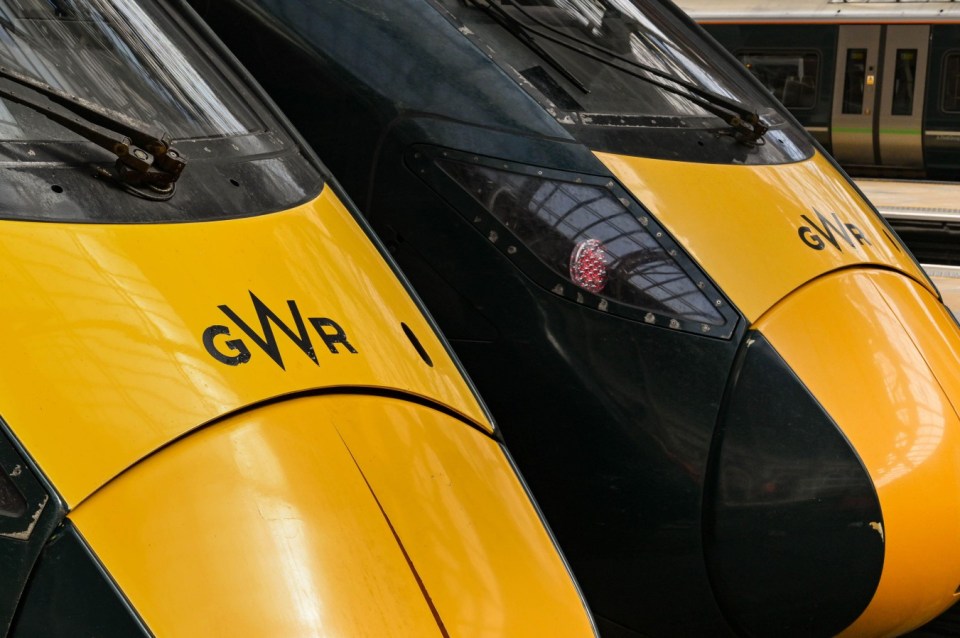
Great Western Railway is trialling new night services to Gatwick AirportCredit: Alamy
Great Western Railway (GWR) has announced it will be trialling overnight train services between Reading and Gatwick Airport.
Currently, over 20% of Gatwick passengers can’t use rail services from the Thames Valley due to the earliest and latest trains excluding many flight times.
But the trial will enable thousands of passengers to use rail transport on their journey to the airport.
Current services only run between 4:30am and 11:30pm, leaving a big gap for commuters and holidaymakers trying to get to the airport.
GWR said: “We’re very pleased to announce that through partnering with Gatwick Airport, this summer we will trial overnight services between Reading and the airport along the North Downs Line.
“The trial will involve GWR running overnight services on Friday and Sunday nights from 5 June to 11 September 2026.
“Services will run approximately every 2 hours and will call at Reading, Wokingham, Guildford, Dorking Deepdene, Reigate, Redhill and Gatwick Airport.”
The trial means the rail company can measure passenger numbers and work out whether overnight services work operationally and commercially.
If it is successful, the new service hours will mean late night and early morning flight passengers across the network can travel by rail whilst making it easier for shift workers to commute.
Currently over 20% of Gatwick passengers can’t use rail services from the Thames ValleyCredit: Alamy Stock Photo
MEXICO CITY — Environmentalist groups accused Mexico’s government of lying about the source of a massive oil spill in the Gulf of Mexico, something authorities promptly denied.
The spill of off the coast of the southern state of Veracruz has spread more than 373 miles and into seven nature reserves. Turtles and other marine life have been found on sea shores coated in oil, and fishermen have been unable to work in waters they have fished for decades.
Mexico’s government reported that 800 tons of hydrocarbon-laden waste have spilled into the ocean. The government said the spill started in March and the sources were a ship anchored off the coastal state of Veracruz and two sites from which oil naturally flows.
On Monday, a group of 17 organizations — including Greenpeace Mexico, the Mexican Alliance Against Fracking and the Mexican Center for Environmental Rights, or CEMDA — contradicted that claim and said that satellite images they captured show the root of the spill was actually a pipeline from Mexico’s state-run oil company, Pemex, and that a large oil slick appeared in early February.
“All this lack of information is causing massive economic and environmental damage. So far no one has been held accountable,” Margarita Campuzano, spokesperson for CEMDA, said Tuesday.
Images from February circulated by the activists match images obtained by The Associated Press on Tuesday through Copernicus, the European climate agency. The photos show a boat floating over a sea clouded with what the groups say is oil, which appears to be streaming out of a platform.
The groups said that the boat in the images is Árbol Grande, which specializes in pipeline repair — implying that the government knew about the spill before it had reported it and “hid it.”
Pemex called the information and images circulated by the groups “inaccurate” and said the Árbol Grande boat traverses the Gulf of Mexico continually, “carrying out preventive inspections of platforms and specialized spill response operations.”
Campuzano called for greater transparency and more aggressive investigations by authorities.
“They’re trying to dilute their responsibility when technology makes it very easy to know where this occurred and who is responsible,” she said.
Mexican President Claudia Sheinbaum on Tuesday denied the accusations during her morning press briefing and said that up until now, “no leak has been reported” in state oil infrastructure and that such natural seeps in the Gulf have happened in the past.
She said the government was investigating with scientists whether the spill was “due to these natural seeps in the area, which have been reported on many occasions and are well-documented in scientific literature, or a leak from one of the facilities.”
Sheinbaum said that it was more probable that the spill came from the natural seeps, and added that teams were hard at work cleaning up the spill and mitigating the effects.
While government officials recognized the impacts on turtles, birds and fish, and the spread to protected ecosystems, they also insisted that it had not caused “severe environmental damage.”
The accusations come as environmental groups in the United States have also raised alarm after the Trump administration exempted oil and gas drilling in the Gulf of Mexico from the Endangered Species Act, saying environmentalists’ lawsuits threatened to hobble domestic energy supplies during the U.S.-Israeli war with Iran.
Critics said the move could harm marine life and also doom a rare whale species.
Janetsky writes for the Associated Press. Associated Press writer Teresa de Miguel in Mexico City contributed to this report.
Depending on where people stay, they could be paying more than £13 a night in the municipal surcharge
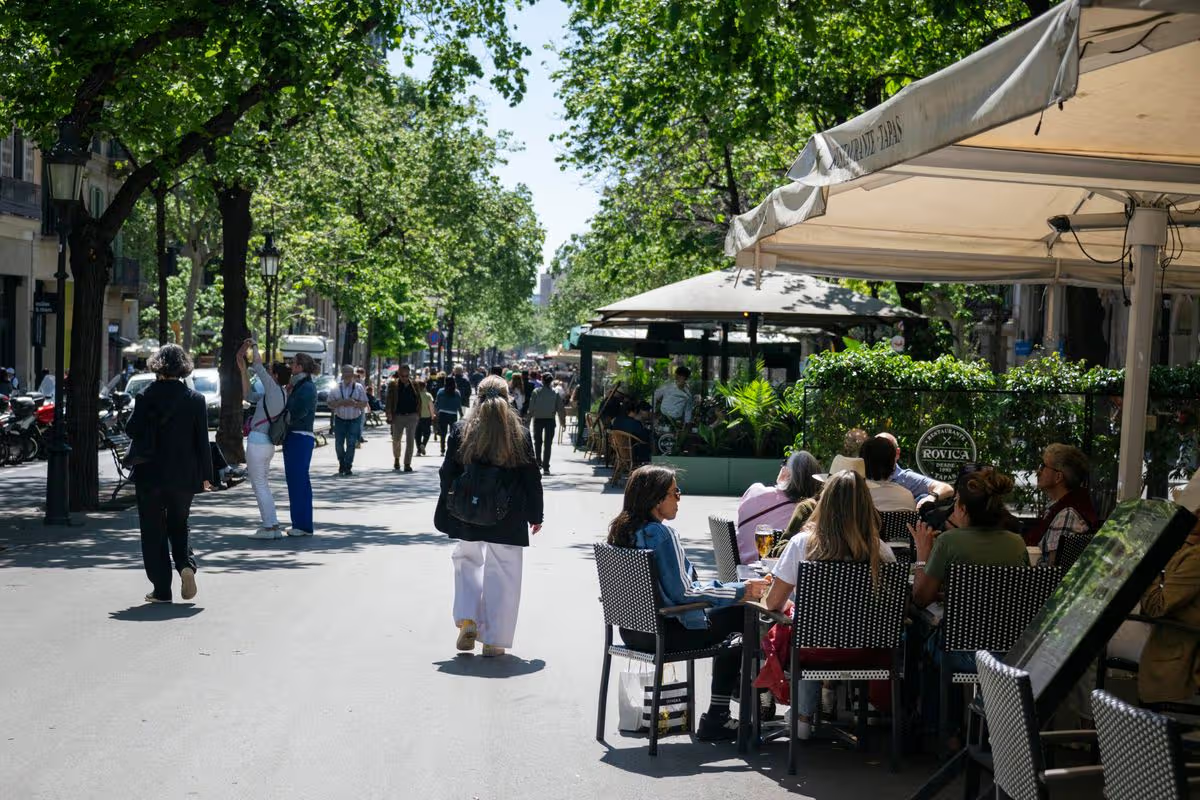
The Las Ramblas district of Barcelona, Spain. People visiting are to be hit by new charges from April 1(Image: Getty)
UK travellers to Spain have been told of a ‘doubling’ of a charge for all tourists going to a popular hotspot from today. It has been reported in Spain that the doubling of the municipal surcharge comes into effect on April 1.
Depending on the type of accommodation, tourists may pay up to €15 more per night in Barcelona. This is due to an increase in the tourist tax on the one hand now ranging from €1 to €7 depending on the category of accommodation and a municipal tax which rises from €4 to €8.
Applicable to stays in hotels, hostels and short-term rentals, these taxes can, when combined, amount to up to €15 per night per person, LeFigaro reported.
The measure was announced in March 2025 but was only approved by the Catalan parliament a few weeks ago. Barcelona City Council has voted in favour of increasing the council tax by one euro per year until 2029. The aim is to tackle the housing crisis. Residents regularly protest against rising rents, which they believe are partly due to the growing number of short-term rentals such as Airbnb.
In a four-star hotel – which accounts for nearly half of the local hotel stock – a two-night stay for a couple could therefore cost up to €45 more. Cruise ship passengers must also pay these taxes: they will pay €12 – instead of €8 – if they disembark for more than twelve hours, or €14 (instead of €11) if they stay for less than twelve hours. One exception remains for a specific category of accommodation: hostels listed in the Generalitat de Catalunya’s Youth Hostel Register, for which the fee remains at €1.
With these new rules, the Autonomous Community of Catalonia hopes to raise 200 million euros a year. On its website, the Catalan government states that “25% of the revenue from the tourist tax will be allocated to the Generalitat’s housing policies, whilst 75% will be channelled into the Tourism Promotion Fund, [in particular] for housing policies [and] economic development policies.”
With the new regulation, the tax will rise to seven euros per night in five-star accommodations in Barcelona and to 3.40 euros in four-star accommodations. It will also be more expensive for cruise passengers, especially those disembarking in the Catalan capital. Those staying for less than 12 hours will pay six euros in Barcelona and 4.50 euros in the rest of the ports in Catalonia , 20 Minutos reported.
The tax increase will be phased in over two years. The first increase will take place this April, while the remainder will be implemented a year later, in April 2027. At that point, the tourist tax will be completely doubled. However, in Barcelona, the increase will be more immediate and will begin this month to address the high tourist pressure the city experiences, unlike the rest of Catalonia.
The revenue from the tourist tax will be divided into two parts. 25% of the total income will be allocated to housing policies of the Generalitat (Catalan government), one of the main pillars of Catalan President Salvador Illa’s policies. The remaining 75% of the revenue will be integrated into the Tourism Promotion Fund.
The increase in the tourist tax in Catalonia already has the support of a majority of the parliamentary groups, as well as the backing of a large part of the population. This is especially true in Barcelona, where overtourism has wreaked havoc on both housing and community life. In fact, in the Catalan capital, there have already been demonstrations by residents against the massive influx of visitors, and proof of this is that 76.7% of the population says the city has reached its maximum capacity for receiving tourists.
These data are reflected in the latest survey on tourism perception in Barcelona, published by the city council itself, in which 56% of residents support the increase in the tourist surcharge.
Public support for the increase in the tourist tax contrasts sharply with the total opposition from the Catalan tourism sector. Following the announcement of the agreement between the PSC, ERC, and Comuns parties, business owners in Catalonia’s tourist accommodation sector expressed their “total and unanimous rejection.” The employers’ association Confecat asserted that the measure is “improvised, lacking strategic rigour, disconnected from the country’s real needs, and driven solely by revenue collection.”
Furthermore, the Catalan Federation of Tourist Apartments (Federatur) warned that the tax increase will lead to a loss of competitiveness for the region and make Catalans’ holidays more expensive. This position is also supported by other employers’ associations, trade groups, and federations within the sector, such as Foment del Treball, the Barcelona Hotel Guild, Pimec, and the Barcelona Tourist Apartment Association.
According to Jordi Clos, president of the Hotel Association, there is some concern among representatives of the tourism sector about how the tax increase will affect business. “It will be necessary to monitor the impact this measure may have to prevent a significant and lasting decline,” he stated after the Catalan Parliament approved the increase in February.
Aircraft also forced to take off without possessions, Spanish media report
11:54, 01 Apr 2026Updated 12:46, 01 Apr 2026
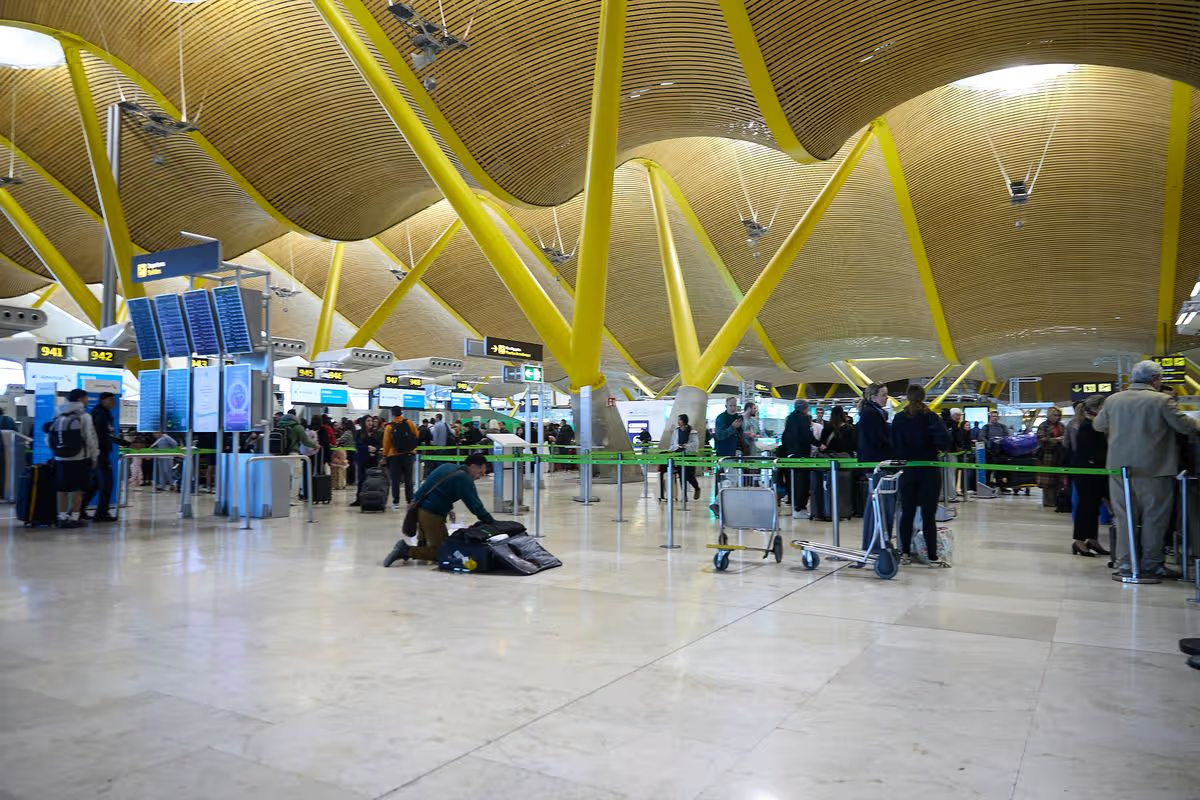
Travellers at Terminal T4 of Adolfo Suarez Madrid-Barajas Airport, as two ground handling strikes hit passengers(Image: Getty Images)
Spanish media have reported that luggage has been left behind or simply not been unloaded from aircraft as a massive strike across 12 airports continues in the run-up to Easter. After the second day of the indefinite strike called at 12 Spanish airports by Groundforce, at least six planes had to depart this Monday from Madrid-Barajas Airport without passengers’ luggage, ABC reported
The strike continues at Groundforce’s ground handling facility, a Globalia group company that provides services to the airports of Madrid, Barcelona, Palma de Mallorca, Alicante, Málaga, Gran Canaria, Valencia, Ibiza, Bilbao, Lanzarote, Fuerteventura, and air cargo in Zaragoza.
These work stoppages, called by the unions CCOO, UGT, and USO due to wage disputes with the company, are scheduled for Mondays, Wednesdays, and Fridays during the morning, afternoon, and night shifts – from 5 to 7am, 11am to 5pm, and from 10pm to midnight.
Some airports have had little disruption, Europress reported. Palma Airport was said to be operating almost as normal early on Wednesday morning, with isolated delays due to a ground staff strike.
Specifically, there have been two delays to departures and four delays to arrivals, according to information from Aena obtained by Europa Press. Ibiza Airport, which is also affected by the ground staff strike, has not reported any incidents.
Union FeSMC-UGT said widespread impacts include widespread delays averaging nearly one hour per flight, flights left unattended, with essential ground handling services clearly overwhelmed, and cancellations, especially during peak hours.
They also claimed thousands of bags have been left unloaded or delivered late, generating an unprecedented logistical collapse.
A spokesman said: “All of this constitutes the epilogue to irresponsible management by the company, which has opted for conflict instead of dialogue. A company that, judging by the facts, seems to care very little about its workers, its customers, and the thousands of affected passengers.
“The current situation reflects a complete breakdown in labour relations and an unprecedented deterioration of the internal climate, with an uncertain future if there is no immediate change in attitude.”
Meanwhile, ground handling company Menzies, which provides services to airlines such as Norwegian, EasyJet, and Canaryfly in the Canary Islands, reached an agreement and called off a strike planned for April 2nd, 3rd, 4th, 5th, and 6th, coinciding with the peak days of Holy Week.
The strike, which had been called due to the company’s “organisational insolvency,” was going to affect approximately 3,000 of the group’s employees in Spain, 600 of them in the Canary Islands. It should be noted that the first days of the strike were scheduled for last Saturday and Sunday, but were cancelled due to the start of negotiations between the union representatives and the company.
Negotiations have concluded with an agreement between all parties, representing significant progress in labour rights and improved working conditions, thanks to the “constant effort and advocacy of UGT,” the union stated in a press release.
HOLIDAYS are getting more expensive from today with a rise in Air Passenger Duty (APD).
ADP, first introduced in 1994, is the ‘tax’ that passengers have to pay when flying from the majority of UK airports, which is built into the cost of flights.
Sign up for the Travel newsletter
Thank you!
Going on holiday is getting more expensive from todayCredit: AlamyAir Passenger Duty has increased from today – and will go up again this time next yearCredit: Alamy
From today, the rates have increased, and how much you pay depends on the final destination and the class of travel.
Band A is any destination abroad whose capital city is 2,000 miles or less from London, which covers all of Europe and parts of North Africa.
For example, flying in economy to a short-haul destination like Spain, Greece or Portugal has some of the lowest rates from £15.
A family of four could therefore expect to pay £60 under the new rules if travelling in economy.
The government will review the rates of APD again on April 1, 2027.
The new APD rates can range from £8 to £1141Credit: gov.uk
There aren’t many ways to avoid paying APD, but if you still want to go abroad and avoid the extra fee, there are a few ways to do so.
Passengers under 16 who are travelling in basic economy are exempt from paying APD – although if they fly premium economy or above, they will be charged.
One is to fly into the UK on one plane and out within 24 hours on another.
But you need to have them both included in the same ticket.
Or, fly on a route from a UK airport that is not subject to APD.
Scottish Highlands and Islands region are exempt like Inverness, Oban, Sumburgh and Stornoway.
Direct long-haul flights from Northern Ireland are also exempt as long as the first part of the journey is to a destination not in the UK or in Band A.
When the departure tax was first introduced, it was just £5 European flight and £10 on long-haul services.
Spring has sprung in Los Angeles. In just a couple weeks, thousands of music lovers will make the trek to Indio’s Empire Polo Club for the Coachella Valley Music & Arts Festival, with dozens of L.A. chefs joining them. While in the desert, many festival goers take a detour through neighboring Palm Springs to explore museums, restaurants and bars before the dry climate climbs into the triple digits.
Closer to home, Los Angeles’ food scene is mourning the loss of two legendary haunts forced to permanently close their doors. After months of extensions, Cole’s French Dip closed at the end of March, though owner Cedd Moses said he was still hopeful that the city’s longest-running public house and rumored creator of the French dip sandwich would sell to a new owner. In Echo Park, Taix restaurant closed after 99 years of operation to make way for a six-story housing complex.
But it’s not all bad news for local restaurants. In Melrose Hill, a Bangladeshi chef has returned to the kitchen after a two-decade-long break from the industry. Across town, a viral smashburger spot from a celebrated chef is drawing lines for its juicy Wagyu patties. And for those heading to the desert, restaurant critic Bill Addison insists a modern Mexican pop-up is worth the weekday trip. Here are 13 places to put on your dining agenda this month:
RYANAIR boss Michael O’Leary has warned jet fuel supplies could be disrupted in May as the war in Iran chokes off global oil routes.
The budget airline kingpin warned that holidaymakers could face a summer of uncertainty if the Middle East war continues to throttle global oil routes.
Sign up for the Travel newsletter
Thank you!
Michael O’Leary revealed that while Ryanair is “reasonably well hedged” on 80% of its fuel, the company is being forced to shell out nearly double for the remaining 20%.Credit: ReutersO’Leary confirmed the airline is paying around $150 a barrel for the unhedged portion of its suppliesCredit: Splash
Prices have spiralled since the outbreak of fighting at the end of February, with Iran blocking vital tankers from passing through the Strait of Hormuz.
Speaking to Sky News, the airline chief revealed that while Ryanair is “reasonably well hedged” on 80% of its fuel, the company is being forced to shell out nearly double for the remaining 20%.
O’Leary confirmed the airline is paying around $150 a barrel for the unhedged portion of its supplies.
The outspoken boss warned that while rising costs are a major headache, the more “immediate concern” is whether there will be enough fuel to keep planes in the sky.
He admitted that the industry is at the mercy of the conflict and the ongoing blockade of the world’s most important shipping passage.
“Fuel suppliers are constantly looking at the market. We don’t expect any disruption until early May, but if the war continues, we do run the risk of supply disruptions in Europe in May and June, and we hope the war will finish sooner than that and the risk to supply will be eliminated,” he said.
O’Leary calculated that the threat to the airline’s operations is now a very real possibility for millions of passengers planning their early summer getaways.
He warned that there is a “reasonable risk” that between 10% and 25% of supplies could be at risk through May and June, adding that like everyone else in the industry, he hopes the war ends sooner rather than later.
The Ryanair chief made it clear that the fate of the summer season rests on the reopening of the Strait of Hormuz.
He stated that if the war finishes by April and the shipping lane reopens, then there is “almost no risk to supply.”
Despite the looming threat of shortages, O’Leary struck a defiant tone regarding his own flight schedule.
He told Sky News that he does not expect to cancel any flights, even as some of Ryanair’s rivals struggle to cope with the volatile market.
However, the pressure on the industry is mounting across the board.
EasyJet boss Kenton Jarvis has already sounded the alarm for passengers’ wallets, warning that European consumers should expect higher ticket prices towards the end of summer when existing fuel hedges come to an end.
So far, a number of airlines have already said they will be raising the cost of flights due to the fuel crisis.
Cathay Pacific, AirAsia and Thai Airways are just some that are increasing fares, along with Air New Zealand.
United Airlines said it could eventually see fares increase as much as 20 per cent.
Other airlines have said they are cancelling flights altogether.
United Airlines confirmed that it would be cutting five per cent of flights for the next few months, which works out to around 250 a month.
A UK budget airline has added new routes and destinations to their summer itinerary with prices of return flights only costing around £50 for British holidaymakers
The airline has announced a £50 summer sale with new routes(Image: Horacio Villalobos, Corbis via Getty Images)
A popular UK budget airline has announced a £50 summer flight sale from London airports with the launch of new travel destinations.
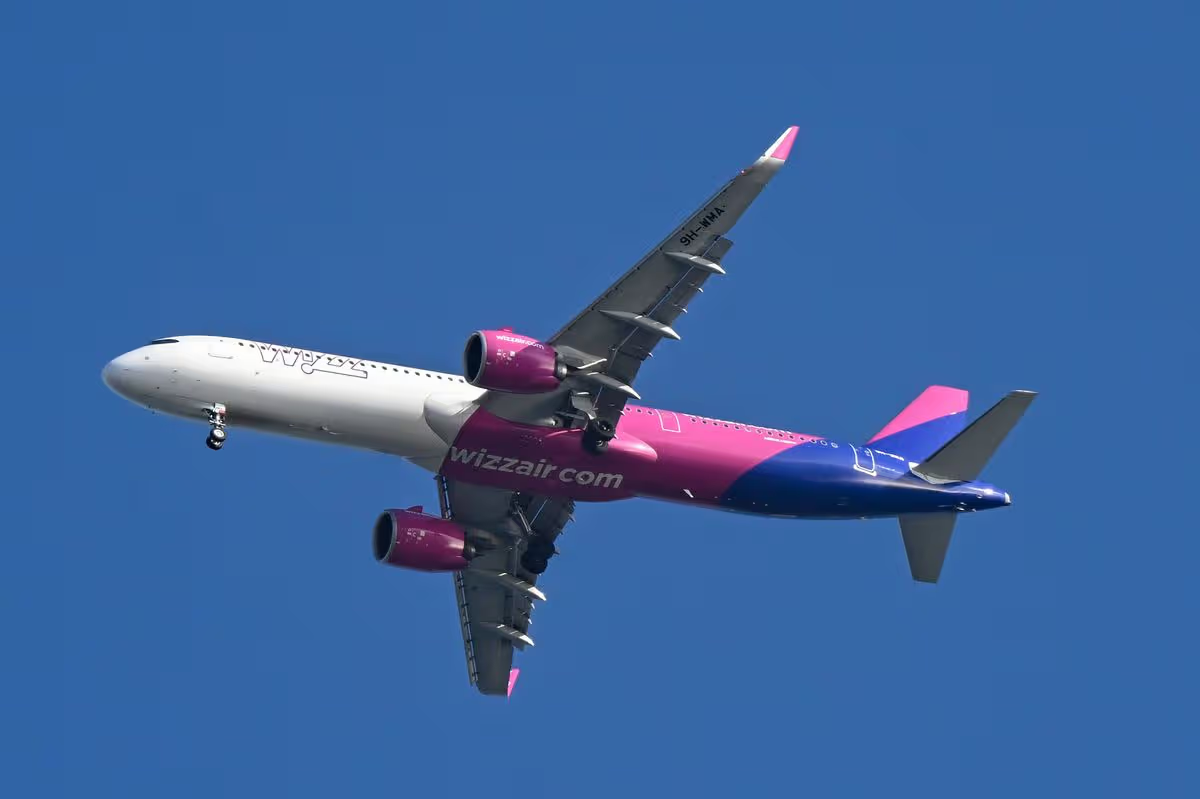
Wizz Air has announced it will take holidaymakers to 77 destinations from the UK this summer – with return prices starting as low as £50 per person.
The budget carrier will run more than 104 routes from the UK, with 69 routes from Luton Airport and 20 from Gatwick.
Luton will now carry passengers to Bilbao, Barcelona, Madrid, Valencia, Alicante and Seville.
It will also continue to run daily flights to Madrid and two daily services to Barcelona.
The airline will also serve seven destinations in Greece from London, including Athens, Mykonos and Crete.
Flights between London and destinations in Europe between June and September are currently on sale for bargain prices.
A return flight from London Luton to Kosice in Slovakia in June cost £42.98 per person and a return flight to Lyon in September is on sale for £31.98.
These prices do not include cabin bags or hold luggage.
Wizz Air UK managing director Yvonne Moynihan said: “ This summer, our customers told us exactly what they wanted – more sunshine, more choice and unbeatable value – and we listened.
“We’re stepping up while others step back, launching more routes, more flights and even better prices to Europe’s most loved destinations.
“From buzzing Spanish cities to iconic Greek escapes, we’re delivering the routes people actually want, at the best prices in the market.”
The rising sun sets fire to the snow-covered caps of the Atlas mountains. Within moments, the shadowy gorges are gleaming with warm terracotta hues. I turn my back on north Africa’s highest peaks and look north where Marrakech – nicknamed the Red City – rests like a jagged ruby amid the jade swathes of palms and the silvery sheen of olive groves.
Swinging 800 metres (2,625ft) above the stony desert in a giant wicker basket, I try to imagine what this scene would have looked like when camel trains trooped this way, loaded with salt, spices and enslaved humans bound for Marrakech’s souks.
The sky around us is filled with dozens of hot-air balloons, drifting like pollen on a Saharan breeze. The biggest of the suspended baskets hold 16 passengers, most of whom will have left guesthouses and riads in the labyrinthine old town before the dawn prayer call.
“That’s the Koutoubia minaret there, to the west,” says our pilot Daniel Penet, founder of Ciel d’Afrique. “That shadowy area to the north of the minaret is the medina [the old town].”
‘Drifting like pollen on a Saharan breeze’. Photograph: Igor Paszkiewicz/Getty Images
I realise that “shadowy” may be the perfect word to describe the medina. While the high-rise tower-blocks of Gueliz (the new town) are tall enough to catch the first rays, it takes longer for the sunlight to seep into the medina’s alleys and marketplaces. I can now make out the vast triangular Djemaa el-Fna (Place of the Dead), said to be named for the heads of rebels and criminals that once decorated the walls of the vast plaza. I’d been to Marrakech perhaps a dozen times but this unique aerial vantage point provides a proper chance to get my bearings.
Ever since I first visited 30 years ago, I’ve delighted in the atmosphere of “shadowiness” whenever I step through the gates in the city walls. I revelled in the jolt of adrenaline that came with running the gauntlet of the phalanx of hustlers and faux guides on each foray into old Marrakech, though the city is an infinitely more relaxing place these days, thanks to the efforts of the tourist police.
But the medina still defies orientation. It swallows you whole. No matter how carefully I study the warren of tunnels, arches and boltholes around my accommodation there’s only thing I can be certain of; I will, at some point, become utterly and hopelessly lost.
Safely back on land at the city gates after my early morning balloon ride, I fall into step behind a djellaba-clad figure driving a heavily loaded mule ahead of him. The rabbit warren leads me in the general direction of Derb Farnatchi (Farnatchi Alley). Farnatchis are the wood-burning ovens that serve two crucial purposes: the fire that heats the hammam steam baths is also used by the quarter’s residents to bake their day’s supply of bread.
Finally I arrive at the old mansion that has been converted into Riad Le Farnatchi, a collection of suites, restaurant, spa and even swimming pool – a respite from the world outside. There are now more than 7,000 riads (historic houses, converted into boutique hotels) in Marrakech and this is among my favourites. Many are hidden deep in nondescript alleys and I’ve come to realise that the best of them – such as Le Farnatchi – shun signs so that you’re forced to memorise the doors’ ancient features, like the familiar lines in an elderly face. Guests should look on the challenge of navigation as part of the thrill.
Riad Farnatchi … ‘a respite from the world outside’. Photograph: Alan Keohane/alan@still-images.net
Marrakech has its share of world-famous sights, of course, but if you want to dig more deeply into the secrets of this mysterious city an experienced local guide is priceless.
I sign up for a tour with Intrepid, who have been working to help Moroccan women make an inroad into the traditionally male-dominated tourism industry. Their tours provide fascinating insights on this conservatively Muslim city from a female viewpoint.
Atika Aït Nejjar leads us into timeless sections of the souks where donkeys outnumber tourists and introduces us to the owners of tiny stalls where the best pastries, olives and mint tea have been sold for several generations. She knows many of the local women who gather at the few surviving farnatchiovens each morning with loaded trays of dough balanced on their heads ready for baking khobz flatbread. She leads us through a humble quarter, where crumbling adobe walls still stand (barely) as testament to the devastating earthquake that struck in 2023, to the house of her friend Fatima, an Amazigh (Berber) friend who prepares a huge plate of delicious vegetable couscous for us.
Later, when the subterranean fires have heated the steam rooms she guides my wife through the complexities of a session in the most authentic of the women’s hammam. The largest hammam have male and female sections but in humbler quarters the afternoons are typically for men while mornings are reserved for the women: “Sometimes they spend hours gently steaming,” Atika smiles. “It’s one of the few places where women can gather to gossip and joke … far removed from the ears of men.”
After leaving Atika, I wander more, enjoying getting lost. The never-ending street theatre of old Marrakech continues its parade across the stage of the street. Countless historic fondouk (caravanserais) remain, recognisable from the big gateways that would have been wide enough to drive loaded camels through. Some have been gentrified and turned into designer stores selling cedarwood furniture and ornate lamps. The most fascinating are in varying states of decay but with such an air of timelessness that you can still imagine Saharan salt trains being offloaded at the end of a long journey from Timbuktu.
While there are souks that appear a thousand times a day on Instagram, others you’ll find by searching them out, or more likely through being lost and drawing on all your senses. Place des Epices (the spice souks) has a scent all of its own, while the less well-known Souk Haddadine (the tinsmith souk) is best found by straining your ears for the rhythmic clatter of hammering. Souk Laghzal is just round the corner from the tour groups in the Spice Souk yet few outsiders ever find it. Those who do should spare a moment’s contemplation since this tiny square was once the slavery souk. These days it’s heaped with mountains of fascinating bric-a-brac and traditional remedies in the form of herbs, potions, dried reptiles and animal skins. There’s also a nameless restaurant here where Fatima – known to traders as “the mother of the souks” – serves the heartiest tajines to stallholders (for a fraction of the price charged in the bazaar thoroughfares).
One of the medina’s souks, ‘heaped with mountains of fascinating bric-a-brac’. Photograph: Robert Harding/Alamy
You can use all the tricks in the book to learn your way around the medina: turn backwards frequently to register how the path will look on the return journey, but be sure to memorise landmarks and architectural quirks that will remain visible even when the stalls have closed. Souks that are vibrant during the day can become almost unrecognisable when the shutters are pulled down.
When the sun sets the medina is wrapped in a dark shawl. Lamps flicker to life and a smokescreen of barbecues billows across the Djemaa el-Fna. Musicians make a few tentative initial rolls on their drums and storytellers call out to gather crowds around them. The stage is set for a new chapter in Marrakech’s medina.
The park is considered the largest in the UK, and among the biggest in Europe, and it’s packed with activities and things for kids to do, perfect for a last-minute Easter or half-term break
This article contains affiliate links, we will receive a commission on any sales we generate from it. Learn more
The holiday park enjoys direct beach access(Image: Parkdean)
Holiday parks can be a great choice for families. Staying in a caravan or lodge means you get more space than the average hotel room, and just steps away from your accommodation you can enjoy the park’s entertainment and activities.
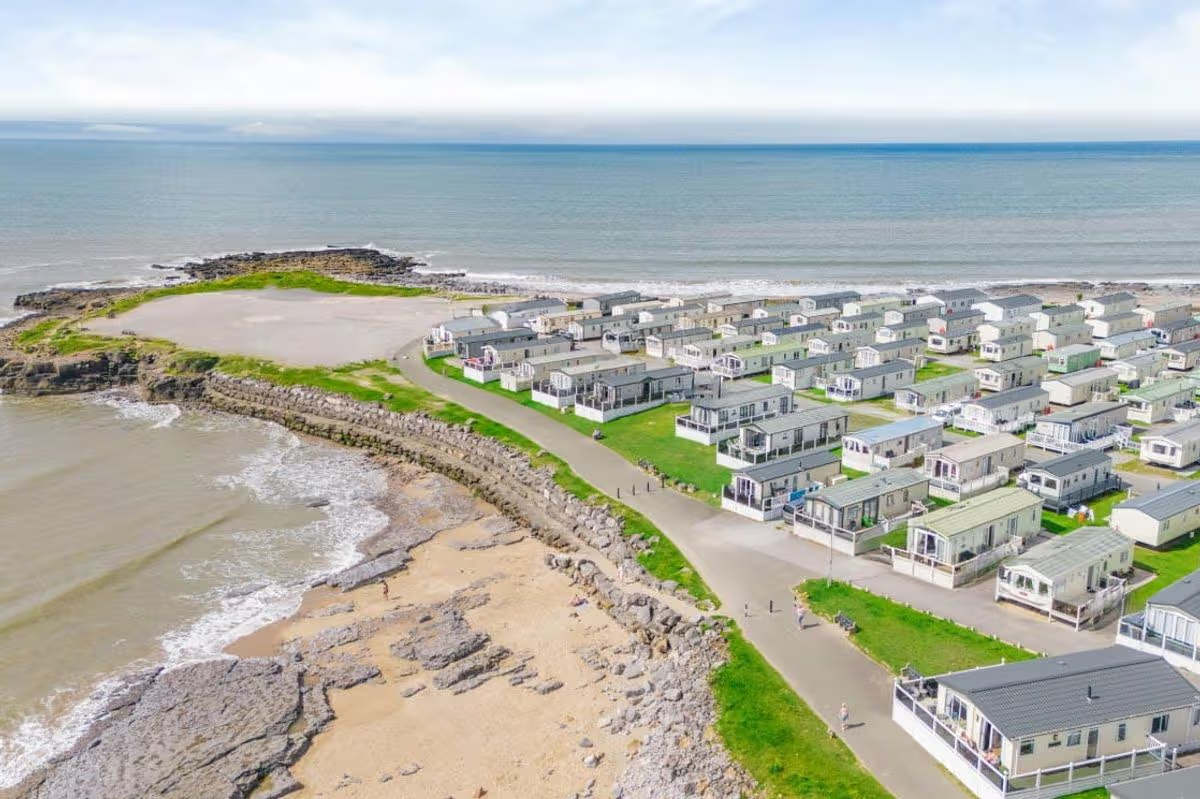
If you like a holiday park with a lively atmosphere and plenty to do, then there’s one option that could be perfect for your family break. Widely considered to be the largest holiday park in the UK, Trecco Bay Holiday Park in Porthcawl, South Wales, has over 2,000 caravans and lodges in its beachfront park, and it’s also among the largest in Europe.
Guests can choose from a wide range of two to four-bedroom caravans and lodges with a variety of accommodation grades from Bronze to Prestige. There are even pet-friendly options for those who want to bring their dog along to join in the fun. All accommodation includes a living area, a fully-equipped kitchen, and separate bedroom areas. You can check availability and book via Parkdean’s website.
The park has a large indoor pool complex, which includes a waterslide, and outside, you’ll find a wet play zone complete with shoots and water guns that opens in the warmer months. Families can book activities such as Aqua Paddlers, which allow kids to race around the pool, and Aqua Jets, which help you dive and swim under the water.
A high-ropes course is a fun way to balance and swing through the tree tops, or you can hire Family Karts and zip around the park together. There’s also an adventure playground, amusement arcade, soft play, plus kids’ clubs to keep little ones entertained.
While you can choose to stay in and cook in your caravan, the park has lots of restaurants, bars, and takeaways if you feel like a night off. Guests can enjoy a Burger King or Papa John’s, or family favourites at the Boathouse. There’s an Indian menu at Tandoori Kitchen, and American-style cuisine at Thunderbird Chicken among the many dining options.
Trecco Bay sits on a sandy beach, and some accommodation has sea views. This Blue Flag beach is just steps from the park and has lifeguards during peak periods, so kids can paddle and swim in the clear waters. The promenade is the perfect place for coastal walks, and you can even walk along the Wales Coast Path to nearby Porthcawl for a day trip.
The park has a 4.2 star rating on Google, with one recent review saying: “Lots of activities for the kids! High ropes, climbing wall and sport activities are great choices! Pool was fab.” However, one negative review said: “We left a day early. I had booked three nights, but we left the next morning because of the filth and the strong smell. With the cold weather, we had to open the windows because the smell was awful.”
Porthcawl has classic seaside town vibes, and here you’ll find more beaches, a charming local museum, a historic lighthouse, and a high street with independent shops and colourful terraced houses. If you’d rather stay closer to the town, there are B&Bs available such as Olivia House Guest House And Hotel which has a quirky interior, and the beachfront Seabank Hotel.
Have a story you want to share? Email us at webtravel@reachplc.com
If you want to experience the Italian charm, cuisine and history without facing major crowds, swap Rome for a hidden gem on the southeastern heel of the country.
In Lecce, explore the historic buildings, churches and the archaeological amphitheatre that was discovered in the early 1900s
Rome is one of the most popular travel destinations on Earth, thanks to its history, architecture, weather and style.
But for those of us who are tired of navigating hordes of tourists to catch a glimpse of the Fontana di Trevi or queuing up for the best restaurants, there is an alternative.
The southeastern tip of Italy is home to the comune of Lecce, rich in baroque architecture and with the same historical charm that draws millions to the Capital.
Nicknamed the ‘Florence of the South’ for its characteristic style, Lecce has a rich history that is still tangible today in the form of places such as the Church of the Holy Cross (Chiesa di Santa Croce), built in 1353 and completed in 1695, and the Church of Saints Niccolo’ and Cataldo, initially built in 1180.
You’ll also find convents, the Column of St. Oronzo – built to mark the end of the plague – a major Roman-era amphitheatre, three archaeological museums, and Lecce’s own Arc de Triomphe (Arco di Trionfo), said to stand over St. Giusto’s tomb.
You’ll also find an imposing castle – Il Castello di Carlo V – in which tourists can enjoy cultural tours and seasonal events, originally built by Charles V in the 1500s.
If you like to experience a city by strolling around it, you’re spoiled for choice of where to go in Lecce. The city centre is full of sandstone-coloured grand piazzas, – the biggest one is Piazza del Duomo – ruins and ornate baroque buildings that sit in preserved Roman roads.
Visitors also enjoy the southern Italian tradition of the evening passeggiata, when families stroll at dusk to mark the end of the workday.
It is a city rooted in its artisanal culture, with olive oil and wine being Lecce’s main exports. That reflects in the local food and produce, making local eats accessible and fresh. For a truly authentic taste of Lecce, visit Mercato di Piazza Libertini, the lively central market.
You can also enjoy wine tours, cooking classes, and sample peppery olive oil, known for converting doubters into enthusiasts.
Other delicacies include pasticciotto – pastries filled with custard, ricotta, or, in Lecce, vanilla. You’ll easily find them at the multiple bakeries spread across the centre, with reviewers highlighting Pasticceria Natale and Caffè Alvino.
And if you manage to explore the entire place and still have time to spare, guides recommend taking a bus to the nearby beaches of San Cataldo, Porto Cesareo or Punta Prosciutto, reachable in as little as 40 minutes.
To enjoy optimal weather in Lecce, avoid June, July and August – as temperatures can easily go above 40C – but don’t worry about any other month, as temperatures range from 14C to 28C year-round. Avoiding grey skies is easy, as it doesn’t usually rain more than a week per month, but you’ll have the best luck in May, September, and October.
When looking for a place to stay, many like to enjoy Lecce while dwelling in scenic villas that offer a luxurious experience for a slightly higher price – from around £415 a night. If you’re budgeting, you can still have a great experience at local hotels for around £60 per night.
Overall, Lecce is more affordable than Italy’s major destinations but offers the same rich atmosphere, culture, and cuisine.
To reach Lecce, fly from London to Brindisi Airport, a journey of about three hours. From Brindisi, Lecce is approximately 30 minutes away by straightforward bus or car rides that can be booked in advance.
Once you get to the city, you’ll be able to comfortably reach most sites on foot, but public buses are available to help tourists navigate as well as reach neighbouring towns.
Return flights between London Stansted and Brindisi can cost as little as £30 per person during the milder seasons. If flying from London City Airport or Gatwick, fares typically start at £200.
If you’re already planning a trip to Italy, Lecce is a good day-trip option, as frequent trains connect Lecce with major Italian cities, making access easy.
BOOKING opens today for thousands of readers heading off on our Hols From £9.50.
If you’re looking for inspiration, our Hols guru Tracy Kennedy, who has enjoyed Sun getaways for 30 years, has answers to readers’ questions . . .
Sign up for the Travel newsletter
Thank you!
Hols guru Tracy Kennedy has enjoyed Sun getaways for 30 yearsCredit: News Group Newspapers Ltd
GLENN JONES: What are some great uk parks that can even keep teenagers entertained?
I’d recommend Billing Aquadrome.
It has outdoor evening entertainment, a giant inflatable obstacle course and pool and snooker tables.
Plus you can take the younger ones to the ball pit or slime making while the teenagers are busy. Seal bay is another great choice. they’ve got a surf simulator, plus food like greek gyros and ice cream.
CHRIS FOX: My kids love sunny holidays, while my wife and i love culture and history. How can we blend both in one holiday?
Give Parkdean Resorts Camber Sands in East Sussex a go.
The beach is beautiful and there’s a little amusement park on the seafront.
For grown-ups, it’s a ten-minute drive into the charming town of Rye. Or 35 minutes to Hastings to visit the castle and Battle Abbey, and have a nosy in the shops in the old town.
HENRY McCAFFERY: Any suggestions for parks better suited to the elderly?
Try Parkdean Resorts’ Cherry Tree in East Norfolk.
It’s only a short drive to the beach, plus you’ve got Gorleston-on-Sea a ten-minute drive away and Burgh Castle nearby.
There are also plenty of countryside walks. And Norfolk is very flat so you won’t have to negotiate many hills.
ADAM MEACHAM: Where is ideal for a romantic getaway for couples?
I’d suggest visiting Italy, there are 26 italian parks available and it is such a romantic country.
If you’re wanting to go away in the UK, I’d suggest heading to Scotland to one of the beautiful sites there. There are plenty of beautiful walks and glens to explore.
DORA WHITE: How do we find quieter sites?
Maybe book a holiday just before the kids break up. Plus a good park for some peace and quiet is the Lakes Rookley on the Isle of Wight.
The views are amazing around there, and there’s a lovely calm lake to walk around.
BOOKING OPEN FOR A BARGAIN BREAK!
Booking opens today for thousands of readers heading off on our Hols From £9.50Seal Bay has a surfing simulator that is loved by kids and adults alikeCredit: Seal Bay, Cove UK
GET away on our super Hols From £9.50 – with dates available in spring, summer and autumn.
Choose from 290 top holiday parks in the UK and European destinations including, Spain, Croatia, and France.
We offer the best value for holiday park breaks, including four midweek nights for the price of three – you will not find a better deal anywhere, guaranteed.*
To book one of our holidays, collect FIVE codewords or Sun Savers codes printed daily in the paper until April 16.
Or join Sun Club at thesun.co.uk/club for £1.99 and get automatic access without the need to collect codes.
Book online by collecting FIVE codewords and entering them at thesun.co.uk/holidays.
Or book via post by collecting FIVE codewords and sending them with the form you can find at thesun.co.uk/holidays.
Sun Savers members can book via the Sun Savers app or at sunsavers.co.uk.
Go to Offers and click Start Collecting on the Holidays From £9.50 page, then enter FIVE Sun Savers codes to unlock booking, which is now open.
Today’s codeword is FAIR.
T&Cs: Price per person based on four sharing. Multiple codeword/code collect or digital subscription required. Subject to availability. *Price guarantee excludes extras. Date restrictions apply. For full T&Cs see thesun.co.uk/holidays.
How to book £9.50 Holiday through Sun Club
Hols from £9.50 have been restocked today, with thousands of new holidays AND new holiday parks – and you can get priority access with Sun Club.
If you fancy signing up to Sun Club to access the £9.50 Hols deals early, head tothesun.co.uk/club and join for £1.99 a monthor £12 for a year.
Once you’re a member, go to the Sun Club Offers huband find the Hols From £9.50 page.
You could visit Caerlaverock Castle on a day trip from Lighthouse Leisure resort in DumfriesCredit: GettyHayling Island Holiday Park has accommodation overlooking the seaCredit: Booking.com