LOOKING for a new drink spot? Well, the best bars in the world have just been revealed.
The50 has just announced its list of the ultimate bars – and three of them are in the UK.
The Connaught Bar is the top bar UK bar on the world best listCredit: Kensington LeverneMoebius Milano came second on the list and is inside a former textile factoryCredit: The 50/PA
The Connaught Bar has been named the best UK bar on The50 list landing at number eight.
The publication praised it for its cocktails which “are near unimpeachable – a few of its signatures are genuine neo-classics – and the hospitality is as warm as it is indiscriminate”.
You’ll want to start saving for some of the cocktails though – opt for the The Vintage Martini Cocktail made from Gordon’s Dry gin 1970s, Martini Extra Dry vermouth 1970s and you’ll pay a whopping £150.
Another cocktail called the Silver Jubilee Rob Roy will set you back even more – a huge £2,210.
The judges particularly liked the new BRB cocktail that’s a “a melon-spiked paloma” which you can enjoy for a much more modest £26.
It’s reportedly a popular spot for celebrities too with the likes of Gwyneth Paltrow, Cameron Diaz and Taylor Swift having all checked into the Connaught Hotel.
Also on the list is Satan’s Whiskers which is in Bethnal Green and came in 29th spot.
It has a very different look to the Connaught Bar with a more grungy feel.
The judges recommended the bar’s Miami Vice which is a frozen strawberry daiquiri and piña colada in one glass.
Cocktails at the Connaught Bar can cost between £26 to £2,000
Another top UK bar called The Waltz has been described as a ‘serene hideaway in Shoreditch, and ‘a perfect little piece of Japan‘.
The menu is split into two sections; In Season and Evergreen – there there always new drinks to try especially as one is based on the 72 Micro-Seasons of the ancient Japanese calendar.
Going back to the very top of the list, the bar that landed in the top spot is Bar Leone in Hong Kong.
The 1970s Roman-inspired bar has with intimate lighting, vintage tiled floors where you can pick Italian classic cocktails like negronis, martinis, old fashioneds.
Alquimico in Columbia is inside a 100-year-old colonial mansionCredit: The 50/PAUp on the roof is an enormous terrace
This win means it has now won the top spot in The 50 Best Bars Asia and the global edition twice.
Second on the list is Moebius Milano in Milan which is inside a former textile warehouse.
The seating is situated around a huge 700-year-old olive tree that that is the height of two floors.
It has weekly live music performances from jazz, bossa nova to soul.
Bar Leone in Hong Kong has been voted the best bar in the worldCredit: The 50/PASatan’s Whiskers is another of the best bars in the world – and it’s in Bethnal GreenCredit: Satan’s Whiskers
This is followed by Alquímico in Cartagena which has an enormous open-air tropical-style tiki-bar.
It’s on the third floor of a 100-year-old colonial mansion where the bar is found.
Following on in fourth and fifth place is Bar Us in Bangkok, and Line in Athens.
Coming in sixth spot is the Handshake Speakeasy in Mexico City which has a secret underground basement bar where hip-hop is played and there are cocktails on tap.
FORGET kid-friendly Halloween events of pumpkin picking and trick or treating… this is the ULTIMATE nightmare zone.
This October marks 30 years since Tulleys Shocktober Fest first launched at Tulleys Farm near Three Bridges in Surrey.
The UK is home to Europe’s biggest scarefest with flamethrowers, live actors and chainsawsCredit: Cyann Fielding
If you are wondering what on earth a ‘Shocktober Fest’ is, it is exactly what it sounds like; a festival packed full of heart-stopping scares and 100 per cent adrenaline.
Tulleys Shocktober Fest is Europe’s largest scream park with 12 scare mazes full of live actors waiting to make you jump with real chainsaws (don’t worry, the chains have been removed), decaying dolls and a whole load of literal smoke and mirrors.
Sign up for the Travel newsletter
Thank you!
Be warned: it is strictly not for the faint-hearted.
The haunts have varying levels of scariness but I took no notice, deciding to enter The Chop Shop first.
It felt like stepping straight into a morgue, with the temperature plunging the second I crossed the threshold.
The stench of oil and grease lingered in the air. Before I knew it I was standing in a garage beside a mangled car.
Out of the dark, a human-pig creature lunged at me with a chainsaw, squawking into my ear and setting the tone for the rest of my night.
Electrick Circus was next and certainly one to avoid if you have coulrophobia (an intense fear of clowns).
With sparks flying and sinister tricks lurking in the dingy corners, the abandoned circus was more like a scene ripped from a horror movie with Sparky the clown leading an army of dead clowns to make my stomach lurch.
Meanwhile, the award-winning Doom Town was the real-life version of Shaun of the Dead, complete with a zombie-infested Greggs takeaway where a worker chased me out when I was bold enough to ask for a sausage roll.
It’s at Tulleys Farm in Surrey, around half an hour from central LondonCredit: Unknown
The Village Coven of 13 sent my pulse through the roof.
The maze felt endlessly long, kicking-off in a pitch black room filled with thick smoke.
For what felt like hours, I stumbled disorientated in the dark desperately hoping to find the exit and not accidentally grab something more sinister.
The maze then spills outside to an eerie cemetery where witches lurk in the shadows, chanting spells over your shoulder.
The park has 12 different scare mazes to experienceCredit: JIM CAREY PHOTOGRAPHYAnd there are loads of live actors walking around to scare you as wellCredit: Tulleys FarmThere are thrill rides tooCredit: Tulleys FarmEven a Greggs has been taken over by zombies at the parkCredit: Unknown
One stalked me right up to a closed door but what awaited me on the other side was far worse.
Stepping through the gateway, I thought I had entered a furnace.
Mimicking witches being burnt at the stake, the room was scorching, thick with smoke and crawling with dark figures ready to scream down my neck.
I felt lucky to escape in one piece.
Other highlights include the award-winning Wasteland Penitentiary – an abandoned prison haunted by escaped inmates – alongside new scare mazes; Appleton Sawmill, Appleton Farm and The Cellar Returns.
All bring different scares, thrills and blood-curdling screams but for the ultimate test of your bravery though, try Hell-elements.
You’re hooded and forced to navigate through total darkness with only a small rope to guide you.
Deprived of my sight, I felt like the jump scares hit ten times harder.
New scare mazes for this year include Appleton Sawmill, Appleton Farm and The Cellar ReturnsCredit: Tulleys FarmAround the park there are plenty of food vendors too and barsCredit: Cyann Fielding
The maze plays on the four elements: chilly wind breeze past your neck, suffocating heat takes your breath away, damp mist sends a shiver down your spine and the scent of fresh earth overwhelms your senses.
Not being able to see the scare actors felt like a blessing in disguise until one breathed wetly on my collarbone.
Outside the mazes you aren’t safe either and if you arrive thinking you can avoid frights, then you are VERY naive.
Around the entire attraction, scare actors roam ready to pounce on you at every unsuspecting moment.
The production is staggering with the attention to detail being Hollywood-level from the cinematic sounds and flicking lights to minute cracks down brick walls and huge cauldrons with roaring fire.
There’s thrill rides too and a new show called House of Hades for when you need a break from the haunts, with transfixing fire stunts and daredevil performers – it is tantalising, thrilling and super sexy.
You won’t go hungry either as there are food vendors around the entire grounds from huge chicken burgers to tasty pasta dishes – though you’ll have to fork out extra cash for these.
There are loads of bars as well, with alcoholic drinks reasonably priced.
Tickets range from around £60ppCredit: TulleysThough I would recommend getting fast tracksCredit: Cyann Fielding
Imagine all your worst nightmares in one place and that’s what you’ll get out of Tulleys Shocktober Fest… I couldn’t think of a better way to test my bravery this spooky season.
What to know about visiting
There are a variety of different tickets available with the most popular being the XScream Pass costing between £46.95 to £69.95pp, depending when you visit.
It includes unlimited access to all haunts, park entry, street theatre, live music, food courts and free car parking.
Or you can get an XScream Pass with a number of fast tracks included.
For three fast tracks, it costs between £66.95 to £89.95, for six between £86.95 to £109.95 and for one for each maze (12 total) it costs between £126.95 to £149.95.
With previous visitors noting that queues can be as long as two hours for a single maze on some nights, I would definitely recommend purchasing a ticket with at least three fast tracks included.
The dates further away from Halloween are likely to have less wait times at each haunt, which is worth bearing in mind too.
The attraction is for teens and adults, though I think this one should certainly be left for those brave enough and with a healthy heart.
The nearest train station is Three Bridges, which is less than half an hour from central London.
You’ll then need to jump in a taxi for five to 10 minutes to get to the farm.
And be warned, all that screaming may leave you without your voice the next day…
While none of the routes are new for Brits, more routes also mean lower prices.
The flights are already on sale, with the cheaper options if you book sooner rather than later.
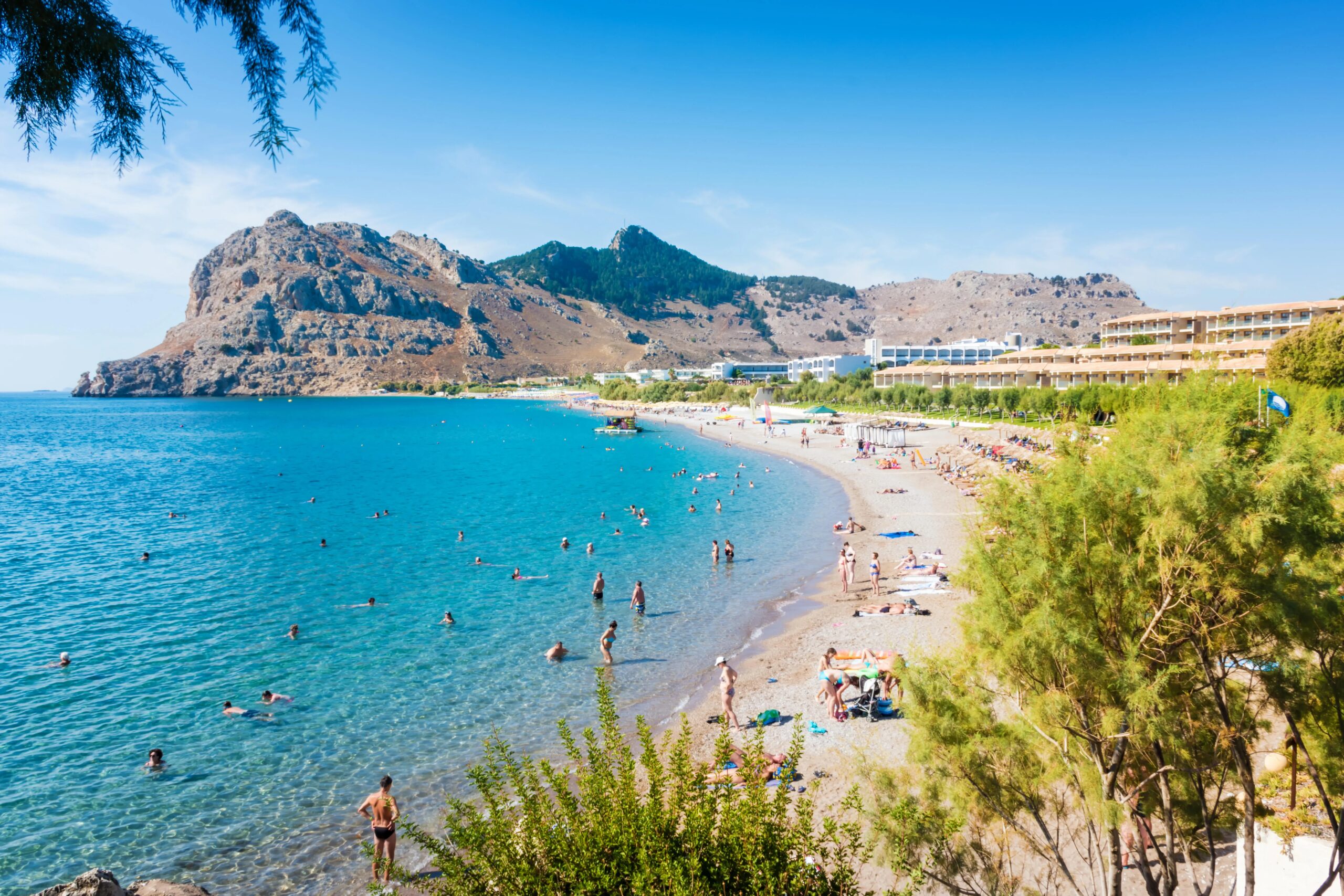
The Greek island of Rhodes is getting two new flight routesCredit: AlamyCity break destinations like Porto will also be easier to get toCredit: Alamy
Ryanair CMO Dara Brady, said: “These are the first of our new Summer 2027 routes to go on sale, with more exciting additions to be announced as Ryanair continues to expand Europe’s largest route network.
“Customers looking to secure the lowest fares for their Summer 2027 travel should head to the Ryanair app/website and book now to get ahead of the curve.”
Virgin has offered a first glimpse into its new cross-Channel rail service that will provide services between London, Paris, Brussels and Amsterdam in one of its striking, high-speed trains
The new Virgin rail service will provide additional services from London to Paris(Image: Getty Images)
Virgin has offered a sneak peek at its new high-speed trains that will provide daily services from the UK to three major European destinations. The new cross-Channel rail service is set to rival Eurostar, with anticipation already building ahead of its launch, which is currently expected for 2030.
Plans include 20 daily return services between London, Paris, Brussels and Amsterdam as part of the new cross-Channel offering. With an estimate of about 7.5million seats every year, it’s expected to make it even easier for travellers to journey between the UK and European hotspots, while boosting tourism and creating up to 1,000 new jobs.
The rail operator offered a sneak peek of its trains with renderings of the sleek, futuristic black-and-red train, which the company says will be able to reach speeds of up to 300km/h. The firm has also hinted that it will recreate the likes of Virgin Atlantic’s Clubhouses as “pre-departure and onboard social spaces” where passengers can relax before their journey.
Passengers will be able to earn Virgin Points when using the rail service through their Virgin Red loyalty platform, which can then be redeemed on future train journeys, flights, hotels, cruises and other experiences.
Josh Bayliss, CEO of Virgin Group, said: “Virgin has a proud history in UK rail. With our latest venture we are drawing on more than four decades of experience across travel and hospitality to create something genuinely new. This time, we’ll be connecting London with some of Europe’s greatest cities and giving passengers a distinctive new choice in cross-Channel travel.
“Virgin has always thrived on challenging the status quo and aimed to provide our customers with a great experience. We’ll bring the same approach to the cross-Channel route, making the journey something to look forward to as much as the destination.
“We’re confident that more journeys between the UK and Europe will be made by train. We’re adding capacity for millions more international rail journeys each year, growing the market as a whole. We’re looking forward to seeing our distinctive red and black trains travelling across Europe.”
Do you have a travel story to share? Email webtravel@reachplc.com
This means the driver alone oversees both the train’s movement and door operations, rather than having a second conductor on board.
The dispute centres on the first stage of the new railway, serving six stations between Oxford and Milton Keynes.
Trains on this route will stop at Oxford, Oxford Parkway, Bicester Village, Winslow, Bletchley and Milton Keynes Central.
According to RMT general secretary Eddie Dempsey, the proposals would be a “significant risk” to safety and existing train manager roles.
He added: “RMT will not accept the watering down of safety on the rail network.”
However, Chiltern Railways has rejected the claim that the new services would compromise passenger safety.
Interim managing director Tony Baxter said: “We have run most of our trains with the driver in control of the doors for decades, safely and as approved by the independent rail regulator.
“It also means over 100 new permanent jobs at Chiltern, and no changes to the roles of existing colleagues.”
The operator also stressed that every East West Rail train will have two staff members on board – a driver, and a colleague to look after and assist passengers and check tickets.
The company has said it remains committed to working with RMT to solve the dispute.
What changes will be in place over the weekend?
According to Chiltern Railways’ website, the majority of passengers will “experience a near normal train service”.
There will be no services for Stratford-upon-Avon or Leamington Spa for the entire day.
Passengers will instead need to travel via Dorridge, taking a West Midlands Railway service between Stratford-upon-Avon and Dorridge.
Customers have been assured that tickets will be valid via Dorridge at no additional cost.
A further four long distance services will only operate part of their journeys:
0644 Stourbridge Junction to London Marylebone – will start at Banbury
0819 Stourbridge Junction to London Marylebone – will start at Birmingham Moor Street
1802 London Marylebone to Stourbridge Junction will terminate at Birmingham Moor Street
1932 London Marylebone to Stourbridge Junction will terminate at Banbury
Certain trains in and out of London Marylebone will have additional stops at Wembley Arena for passengers heading to the Girlguiding Big Gig pop concert.
IF you’re after an insanely affordable holiday, then there is a fantastic travel website you need to know about.
Opodo offers flights, hotels, car hire and package holiday deals for prices that will make you do a double take.
Opodo offers incredibly affordable package holidays, as well as deals for individual flights and hotelsCredit: Getty
We’ve found hotels in Marrakech from £16, return flights to Barcelona from £21 and even entire Tenerife holidays from £147pp, to name but a few.
So whether you’re looking to book a family holiday, a couples getaway or even a solo travel retreat, here’s our round-up of the best Opodo deals right now.
Sign up for the Travel newsletter
Thank you!
Browse affordable deals on Opodo – package hols from £92pp
Alicante – £117pp
Visit Postiguet Beach on a trip to Alicante, Spain from £117pp with OpodoCredit: Getty
Hop on a two-and-a-half-hour flight over to Alicante to soak up some rays on a stunning stretch of Spanish coast, with sizzling highs of 25°C in October.
Postiguet is the main beach here, sitting at the foot of Mount Benacantil and watched over by Santa Barbara Castle.
Once you’re done topping up your tan, you can hike up to the spectacular castle to soak up panoramic views of the Mediterranean coastline for free.
With package deals from £117pp, a quick sunny Spanish getaway might be closer than you’d think.
Browse Alicante package holidays from £117pp
Rome – £119pp
Visiting the Colosseum is free on the first Sunday of every monthCredit: Alamy
You do not need to spend a fortune to visit Rome, with Opodo’s package holiday deals starting from £119pp.
Rome is a giant, open-air museum where simply wandering the cobbled streets to toss a coin in the Trevi Fountain or marvel at the Pantheon costs absolutely nothing.
Plus if you time your trip to include the first Sunday of the month, visits to state museums, attractions and even the Colosseum offer free entry.
Head across the river to the buzzing Trastevere neighbourhood for authentic €3 pizza by the slice and €5 Aperol Spritzes.
Browse Rome package holidays from £119pp
Cheap flights
Here’s our selection of bargain flights we found with Opodo Prime
If you’re signed up to Opodo Prime, you can bag super cheap flights like the ones we’ve found below.
Opodo Prime plans start from £8.99 a month and can save you hundreds per year on flights, hotels and more.
Tenerife stays warm in the winter and is only a four hour flight away from the UKCredit: Getty
Tenerife is a classic, affordable winter sun destination, with highs of 26°C in October and still sitting at toasty highs of 24°C in November.
The flight is only four hours from the UK for these sunny temperatures, and once you’re there, there are loads of ways to enjoy all that sunshine.
Stroll the sweeping volcanic beaches of Costa Adeje, enjoy €3 tapas in traditional tavernas or go whale watching on an unforgettable boat tour.
Make sure to check out Siam Park, a paradise for waterpark fans which has been crowned the world’s No.1 waterpark for 10 consecutive years by Tripadvisor.
Browse Tenerife package holidays from £147pp
Athens – £162pp
Tick off a trip to the impressive city of Athens in Greece from £162pp with OpodoCredit: Getty
Ancient historical sites, snazzy rooftop bars, amazing Greek food – Athens is an underrated choice when it comes to city breaks.
The famous Acropolis of Athens is a must-visit. To stretch your cash, buy a €30 combo ticket which gets you into seven major archaeological sites.
When it comes to cheap eats, you can grab some delicious pork or chicken gyros stuffed with chips and tzatziki for around €3, before hitting the bars for a €2 Mythos beer.
This deal includes a stay at the Sparta Team Hotel, which is only a 12-minute taxi ride or 20-minute walk away from the Acropolis.
Browse Athens package holidays from £162pp
Cheap hotels
Here’s our selection of bargain hotels we found on Opodo (prices per night)
Paris – £92pp
Stroll along the Seine in Paris for fantastic views of the city and its famous landmarksCredit: Alamy
Enjoy a chic getaway to the French Capital with friends or your partner for under £100 each.
Take in the city with strolls along the Seine, or venture to the cobbled hills of Montmartre to take in sweeping views of the city from the Sacre-Coeur basilica.
For a budget-friendly feast, skip the expensive restaurants and hit up a local boulangerie. Grab a fresh baguette, a wedge of creamy brie, and a cheap bottle of supermarket wine for a delicious Parisian picnic.
Midcentury pop culture expert Charles Phoenix thinks Long Beach gets a bad rap.
“It is very underrated in the grand scheme of all of Southern California, but there is a lot to see and do there,” says the Ontario native, who uses the word “time-honored” repeatedly when describing his favorite attractions in the seaside community. “I often refer to it — under my breath — as the New Jersey of Los Angeles. It doesn’t get much respect, yet it’s loaded with attractions.”
In Sunday Funday, L.A. people give us a play-by-play of their ideal Sunday around town. Find ideas and inspiration on where to go, what to eat and how to enjoy life on the weekends.
When he isn’t gushing over Long Beach, the humorist and author hosts nostalgic slideshows and double-decker open-air bus tours of Midcentury architecture during Modernism Week in Palm Springs. His next event, “LosAngelesland,” is a lively retro slideshow featuring vintage Kodachrome slides taken by Los Angeles locals and tourists in the 1950s and ’60s. The show is scheduled for Oct. 17 during Modernism Week’s October festival in Palm Springs and a Halloween-themed version on Oct. 24 at the Anaheim Fall Festival. Phoenix will also present “Disneyland: Live Retro Slide Show Celebrating the Original Magic Kingdom in the 1950s & ’60s!” at the Hilbert Museum in Orange on Oct. 18.
Phoenix lives in a Midcentury Modern home in Claremont, but he’s always happy to spend a day in Long Beach. His ideal Sunday includes eating clam chowder-topped biscuits at a floating restaurant, shopping for vintage treasures along 4th Street Retro Row, cruising around Naples in an electric Duffy boat and ending the day at a classic diner from 1939.
“There’s more to do in Long Beach,” he says. “I could keep going, but there’s only so much space in this column.”
This interview has been lightly edited and condensed for length and clarity.
8 a.m.: Wake up early and say thanks
When I wake up, I usually have nonfat yogurt, chopped walnuts and one or two types of fresh fruit. Then I walk through my house, and whatever room I walk in first — either the living room or the den and say, “I love you, house.” Those are the first words I speak out loud.
10 a.m.: Drive to the coast for lunch on a floating restaurant
We’re going to start at the only floating restaurant I know of in the Western United States, the Chowder Barge. It stands out on its own, although it’s a bit tricky to find, so it’s a good thing we have GPS or we might never get there. It’s a little bit tiki, a little bit pirate and a little bit seafarer. There’s always an old wizard-like man sitting in the corner with a long beard that reaches the floor. When you’re on the barge and a boat passes by, you can feel it. The best thing there is their fried clams and clam chowder, which you can eat in a bowl or use the chowder as gravy. For breakfast, you could have biscuits topped with clam chowder instead of gravy. It’s the best clam chowder ever. If you want fried clams on top of the biscuits, that’s incredibly delicious. They also have an open-faced hamburger covered with clam chowder and fried clams or just clam chowder.
The place has a deep soul, and everything there is unique and time-honored.
1 p.m.: Go vintage shopping on Retro Row
Next I would go shopping on 4th Street, a.k.a. Retro Row, which is absolutely, in no uncertain terms, the best vintage shopping street in the Western United States — probably the Eastern and Midwestern as well. There are three stores there that I concentrate heavily on. The first is Sneaky Tiki Boutique, which is the destination of all destinations for what I wear all spring and summer and fall — vintage Hawaiian shirts from the ’50s and ’60s. They’re not Hawaiian shirts unless they’re made in Hawaii. Nobody has a better supply than Sneaky Tiki. I mean nobody.
A couple of doors down is another world-class vintage store, Meow. Meow is an institution in the world of vintage clothing, shoes and accessories. And it’s absolutely a spectacular themed environmental extravaganza, as is Sneaky Tiki. There are all kinds of vintage in there. So it is a feast for the senses and your wardrobe and accessory needs.
And then for your Midcentury home decor needs, there’s Xcape Modern. They’ve been there for probably 30 years, and it’s a little mumbo jumbo as far as the way it’s all laid out. It’s a little messy, but they have incredible Midcentury furniture and home decor, including patio items. It’s a spectacular, well-curated collection.
3 p.m.: Explore Rancho Los Alamitos
After that, I’d take a quick late-afternoon scamper around Rancho Los Alamitos. It’s really special, and it’s free, F-R-E-E, free. It’s this gorgeous, time-honored place; basically, you’re walking back into time. The family started building it in 1790 and finished in 1834. I love to look around and walk through the layers of time. The house is beautiful. The barn is beautiful. There are animals there too. It reminds me a little bit of old-timey Knott’s Berry Berry Farm. Chickens walk around, and it just has, again, this deep soul, layers of time, mature garden. And it’s impeccably kept, impeccably groomed. You can spend 20 minutes walking around there or you could spend four hours. And of course, the garden is absolutely out of this world.
It’s its own little world. It doesn’t know the rest of the world exists, which is the kind of place that I really, really love — a place that’s true to itself, time-honored and lost in its own wonderland. You know, it’s just so special to be able to escape to such a rarefied environment.
5 p.m.: Go for a ride on a Duffy Boat in Naples
From there, get ready for my favorite thing to do in Southern California: taking a Duffy Boat ride around Naples. I always rent from Anchors Away. The boats remind me of the Jungle Cruise at Disneyland. Most are white and blue, but a couple of years ago, around the time of the Barbie movie, they added some bright pink ones. You can pay a little extra for the pink boats, but the blue and white ones are just as fun. The boats seat about eight to 10 people, and you rent them for two hours and just cruise around. The canals are much bigger than those in Venice. They give you a map and two hours to enjoy the water. I usually drive the boat while my friends bring drinks, cookies, snacks and whatever they want to drink. I had no experience before my first time, but it’s easy and relaxing. It’s never crowded, the homes are beautiful, and of course, I always wear a captain’s hat.
8 p.m.: Late–night snack at a 1939 diner
After that, even if we’ve already had plenty to eat and drink, we usually end up at one of my favorite diners, Harbor House Cafe, on Pacific Coast Highway in Sunset Beach. It’s been open since 1939. So we drive a couple of miles down PCH, pile into the Harbor House and finish the day with whatever we want — dessert, more dessert, onion rings or a milkshake. It’s our spot to unwind. The onion rings are especially good. It’s an easy, time-honored place, just like everywhere I love to go. I like to soak in the history. After we leave, everyone heads home, and I drive back up the 605 Freeway to Claremont.
EasyJet chief executive Kenton Jarvis announced that the airline is removing a further 600,000 to 700,000 seats from its winter schedule, on top of 700,000 that have already been cancelled
The airline has cut over a million seats(Image: Reinhard Krull/Getty Images)
EasyJet is cutting thousands of flights this winter, with customers urged to check one date before their flight is due to depart.
EasyJet chief executive Kenton Jarvis told reporters in Brussels on 8 Octoberthat the airline is removing a further 600,000 to 700,000 seats from its winter schedule because of elevated fuel costs. This comes after it announced around 700,000 seats would be removed earlier this year, bringing the total reduction to between 1.3 million and 1.4 million seats.
EasyJet CEO Kenton Jarvis told the FT: “People are taking capacity out, we see that across all competitors,” adding that was “no surprise” given fuel costs. However, he admitted that the high cost of fuel had not been expected. “I honestly think it’s been quite a surprise for the industry that fuel has stayed as high as it is,” he said.
Do you have a travel story to share? Email webtravel@reachplc.com
Jet fuel costs have doubled following the start of the Iran conflict, which led to the closure of the Strait of Hormuz. Although prices have started to fall, they remain far higher than airlines expected when the war began.
EasyJet passengers have been urged to check their tickets for one date. If your booking is cancelled, you may not get paid compensation. Whether you do or not depends on your flight date, when you were notified of the cancellation, the reason recorded for that particular cancellation and the timings of the replacement journey.
Under the law UK261, passengers notified between seven and 14 days before departure are entitled to compensation unless the replacement leaves no more than two hours earlier and arrives less than four hours later . Passengers notified fewer than seven days before departure are entitled to compensation, unless the replacement leaves no more than one hour earlier and arrives less than two hours later.
Compensation ranges from £220 to £520 depending on the distance, unless easyJet proves that extraordinary circumstances caused the cancellation. It is unlikely that they will be able to in this instance. Passengers notified at least 14 days before departure are not entitled to fixed compensation, although their refund or rerouting rights remain fully intact.
Refund and rerouting rights apply separately. Passengers who still need to travel should therefore compare the proposed replacement before accepting a refund. If another airline can reach the destination significantly sooner, the CAA says the passenger may have the right to be rerouted on that alternative service.
An easyJet spokesperson said: “Like all airlines, we review our schedule on an ongoing basis and sometimes make some changes. The changes to our winter flying represent a tiny proportion of our flying programme. We make any changes in advance and typically choose multi-daily frequency flights so customers can easily move to an alternative flight.”
The airline originally released more than 25 million seats across almost 138,000 flights between 19 October and 31 January, giving an average of approximately 181 seats per flight. On that basis, the latest reduction is equivalent to roughly 3,300 to 3,900 one-way flights, with the total winter cuts equivalent to approximately 7,200 to 7,700 one-way flights.
These are capacity estimates, not confirmed cancellation numbers. EasyJet has not published the affected routes, the proportion involving UK services or how many removed seats had already been sold. The airline has said it makes changes in advance and typically targets routes with several daily services so passengers can be transferred to another flight.
Anton Radchenko, aviation expert and CEO of AirAdvisor, said: “Airlines commonly describe these decisions as capacity management, but passenger-rights law examines the individual booking. If a flight was sold and subsequently withdrawn, the airline should be able to show when the passenger was informed, the specific reason that service was removed and what comparable rerouting was offered; a general reference to higher fuel costs would not, by itself, establish extraordinary circumstances.
“The most revealing cases will be passengers transferred between services on a route that operates several times a day. Moving someone from a morning flight to an evening departure may appear to be a straightforward consolidation. Still, the resulting arrival time can change the compensation position, and the existence of a substantially earlier flight with another carrier may determine whether the rerouting offered genuinely met the earliest-opportunity requirement.”
“Passengers affected by a schedule change should retain the original itinerary, the timestamped cancellation email and every replacement option offered. Those three records will be considerably more important to an individual claim than the airline’s overall capacity figure.”
A new passport rule will be introduced across 13 airports from this month, and it’s good news for holidaymakers as it could allow for a smoother travel experience
10:29, 09 Oct 2026Updated 12:18, 09 Oct 2026
Going through border control after landing back in the UK is about to get easier for British passport holders (Image: Getty Images)
Airports across the UK are rolling out new contactless technology that will allow Brits to pass through the e-gates without presenting their passports. This is due to an enhanced facial recognition system that will capture the returning passenger’s face at the e-gates and cross-reference it with their passport photograph already stored on file.
The upgraded technology, being introduced at the e-gates of 13 UK airports, will help to speed up security checks and is said to dramatically cut queues by up to 25 per cent, according to the Home Office. It will also provide British passport holders with a smoother journey home, as they no longer need to rummage around for their document or face lengthy border control queues.
Phil Douglas, director general of Border Force, said: “This is a win for travellers coming to our brilliant country. By using state-of-the-art technology, we are making journeys smoother and faster, all while fully maintaining the UK’s robust border security. Our digital transformation also builds on our work this summer to extend eGates to children aged eight and above, making life a little easier for families.”
To make the process more efficient, it’s been reported that airlines would forward passport photos of their British passengers to border control at each airport on the day of arrival, which would then be uploaded onto the e-gates system. Douglas added: “Because we know who’s coming and can load up that gallery of who is arriving, it’s not a one in 60 million check, it’s a one in tens of thousands check [because the system only needs to check against the passports of passengers travelling on that particular day].”
The phased introduction of the revamped system began on Tuesday, 6 October, and will initially launch at Birmingham and East Midlands airports over the coming weeks. By early next year, the new ‘contactless borders’ will be rolled out across other UK airports already equipped with e-gates.
Steve Griffiths, managing director of East Midlands Airport, said: “We’re delighted to be the first UK airport to have contactless eGates introduced by Border Force. As an airport committed to providing an effortless travel experience, we welcome any technological innovation that can help to safely make our customers’ journeys smoother, swifter and simpler. This complements changes that we carried out to our immigration hall recently to help improve the flow of arriving passengers through the area.”
Full list of 13 UK airports impacted
Birmingham Airport
Bristol Airport
Cardiff Airport
East Midlands Airport
Edinburgh Airport
Glasgow Airport
London City Airport
London Gatwick Airport
London Heathrow Airport
London Luton Airport
London Stansted Airport
Manchester Airport
Newcastle International Airport
While the system will initially be introduced for British passport holders using e-gates at UK airports, there are proposals to extend it to other nationalities holding biometric passports, including those from Europe, Australia, Canada, Japan, New Zealand, Singapore, South Korea, and the US. Officials hope it will streamline re-entry into the UK and prevent disruptions at border controls.
Passengers who cannot be identified at the e-gate under the new system would need to revert to the existing method and scan their passports instead. Should this also prove unsuccessful, they will be directed to a staffed border control desk where their passport will be manually verified.
Do you have a travel story to share? Email webtravel@reachplc.com
A NATIONWIDE strike in Spain is expected to ‘bring the country to a complete standstill’ next month.
The industrial action will affect flights, public transport, shops, restaurants and museums.
Trips to Spain could be affected by a nationwide strike next monthCredit: Getty ImagesFlights are expected to be cancelled or face severe delays on November 11Credit: Getty
The shutdown is due to take place on November 11 when major trade unions in Spain will stage a 24-hour walkout.
The strike is protesting the escalating housing crisis – and it will be the country’s first joint general strike in almost 15 years.
Sign up for the Travel newsletter
Thank you!
While it hasn’t been confirmed, flights across Spain are expected to face cancellations or delays.
Previous general strikes have heavily involved airport ground staff, air traffic controllers, and airline cabin crews causing lots of disruption.
It’s not just flights either – on the ground, public transport will be affected.
The strike is expected to impact trains including high-speed lines, the city metro, and buses which could face severe disruption.
Roads could be closed as well in cities like Madrid and Barcelona which are likely to see large protest marches.
For anyone already on holiday there at the time, the walkout could see some restaurants, museum and shops close too.
If they’re not shut, the opening hours could be reduced to holiday hours.
Advice for those due to travel on November 11 is to keep an eye on any updates from your airline.
Keep an eye on notifications on the airline for those due to fly on that dayCredit: Alamy
Many airlines operate flights from the UK to Spain like BA, EasyJetRyanair, Iberia, TUI, Jet2, Wizz Air and Vueling.
Disruption to flights on this day would be deemed as being an “extraordinary circumstance” which means airlines aren’t required to pay extra compensation.
However, airlines are legally required to rebook you or offer a refund.
A look at your rights if a flight is delayed or cancelled, when your entitled to compensation and if your travel insurance can cover the costs.
What are my rights if my flight is cancelled or delayed?
Under UK law, airlines have to provide compensation if your flight arrives at its destination more than three hours late.
If you’re flying to or from the UK, your airline must let you choose a refund or an alternative flight.
You will be able to get your money back for the part of your ticket that you haven’t used yet.
So if you booked a return flight and the outbound leg is cancelled, you can get the full cost of the return ticket refunded.
But if travelling is essential, then your airline has to find you an alternative flight. This could even be with another airline.
When am I not entitled to compensation?
The airline doesn’t have to give you a refund if the flight was cancelled due to reasons beyond their control, such as extreme weather.
Disruptions caused by things like extreme weather, airport or air traffic control employee strikes or other ‘extraordinary circumstances’ are not eligible for compensation.
Some airlines may stretch the definition of “extraordinary circumstances” but you can challenge them through the aviation regulator the Civil Aviation Authority (CAA).
Will my insurance cover me if my flight is cancelled?
If you can’t claim compensation directly through the airline, your travel insurance may refund you.
Policies vary so you should check the small print, but a delay of eight to 12 hours will normally mean you qualify for some money from your insurer.
Remember to get written confirmation of your delay from the airport as your insurer will need proof.
If your flight is cancelled entirely, you’re unlikely to be covered by your insurance.
A MAJOR airport has been hit by strike action with thousands of passengers facing cancelled strikes.
Ground handling group, Alyzia, are taking part in a national strike which affects airlines like Brussels Airlines, ITA Airways, Air Arabia and United Airlines.
Staff at Brussels Airport is staging a walkoutCredit: Getty
The airport expects only half of the flights handled by Alyzia to operate as planned.
Brussels Airport said that airlines working with Alyzia have contacted passengers directly to inform them about the status of their flight and their options.
Sign up for the Travel newsletter
Thank you!
It added: “We regret the inconvenience caused by this union action.”
The strike action comes as workers protest against governmental policies.
According to FlightRadar which monitors movements of planes, Brussels Airport has had 103 cancellations today and 34 flights have been delayed.
As this strike is outside the control of individual airlines, it will be deemed an ‘extraordinary circumstance’, which means if your flight is cancelled you will not be entitled to compensation.
Public transport is also expected to be disrupted in Brussels today too.
The good news for Brits is that flights handled by Aviapartner will not be affected.
This includes major airlines serving UK destinations such as British Airways, easyJet, Ryanair, Tui, and Wizz Air.
The airport told The Independent that around 400 flights will still operate as usual today.
The strike is expected to affect almost 20 airlinesCredit: AP
Flight compensation rules
A look at your rights if a flight is delayed or cancelled, when your entitled to compensation and if your travel insurance can cover the costs.
What are my rights if my flight is cancelled or delayed?
Under UK law, airlines have to provide compensation if your flight arrives at its destination more than three hours late.
If you’re flying to or from the UK, your airline must let you choose a refund or an alternative flight.
You will be able to get your money back for the part of your ticket that you haven’t used yet.
So if you booked a return flight and the outbound leg is cancelled, you can get the full cost of the return ticket refunded.
But if travelling is essential, then your airline has to find you an alternative flight. This could even be with another airline.
When am I not entitled to compensation?
The airline doesn’t have to give you a refund if the flight was cancelled due to reasons beyond their control, such as extreme weather.
Disruptions caused by things like extreme weather, airport or air traffic control employee strikes or other ‘extraordinary circumstances’ are not eligible for compensation.
Some airlines may stretch the definition of “extraordinary circumstances” but you can challenge them through the aviation regulator the Civil Aviation Authority (CAA).
Will my insurance cover me if my flight is cancelled?
If you can’t claim compensation directly through the airline, your travel insurance may refund you.
Policies vary so you should check the small print, but a delay of eight to 12 hours will normally mean you qualify for some money from your insurer.
Remember to get written confirmation of your delay from the airport as your insurer will need proof.
If your flight is cancelled entirely, you’re unlikely to be covered by your insurance.
The menu will be influenced by the food and drink offered on Virgin Voyages, while seating will be inspired by Virgin Hotels.
Before and after boarding will also have spaces inspired by Virgin Atlantic Clubhouses.
Josh Bayliss, CEO of Virgin Group, said: “Virgin has a proud history in UK rail. With our latest venture we are drawing on more than four decades of experience across travel and hospitality to create something genuinely new.
“This time, we’ll be connecting London with some of Europe’s greatest cities and giving passengers a distinctive new choice in cross-Channel travel.
“We’re confident that more journeys between the UK and Europe will be made by train.
“We’re adding capacity for millions more international rail journeys each year, growing the market as a whole. We’re looking forward to seeing our distinctive red and black trains travelling across Europe.”
The new trains will be decked out in the famous red and blackVirgin Trains previously ran until 2019Credit: Alamy
Tucked away off a pretty shopping street in a beautiful art nouveau building is one of Stockholm’s oldest spas, Centralbadet where a day ticket costs from £23. As winter darkness descends, candles are lit around the pool and a quiet calm envelops you. Swimming by candlelight is a treat. Next a sauna followed by an ice-cold plunge. Afterwards a nightcap is in order so it’s a brisk walk in the cold crisp air to Fotografiska restaurant. It’s a great spot to savour one of Stockholm’s best views; the old town Gamla Stan and the twinkling lights on Lake Mälaren. Sarah Rochfort
‘Completely timeless and immersive’: birdwatching in Norfolk
A misty evening on Salthouse marshes. Photograph: Ernie Janes/Alamy
Birdwatching at the Cley and Salthouse marshes in Cley-next-the-sea, Norfolk. The two bird hides are meditative and relaxed spaces. The windows open directly on to the pools of saltwater where many different species of birds obliviously wander around. It’s a place that is completely timeless and immersive. Your only job is to gaze out at the birds. It’s a very popular spot for birdwatching but the atmosphere is friendly and quiet. Someone even let us have a go with their binoculars. We particularly enjoyed watching a nest of baby swallows huddled in the corner of the hide. The marshes cover a wide area and are so important for biodiversity, providing an essential resting place for resident and migratory birds. You might even spot a spoonbill, which have returned to the UK from 2010 after being absent for hundreds of years. Well worth a wellness visit, even if you don’t really know anything about birds (like me). Petra
Hampshire’s Scandi sauna huts
Hello Outdoors shepherd’s hut sauna. Photograph: Jason Ludlow/PR
A fresh ginger concoction, orange slices and a friendly sauna master greeted us at the Hello Outdoors shepherd’s hut sauna, which has a picture window overlooking the historic Lymington Sea Water Baths. The deep blue of the sky and water, Swedish sauna hats, the calming scent of our chosen essential oil, a soothing soundtrack and the option to ease the sauna heat with an exhilarating plunge in an ice-cold tub or more genial dip in the sun-warmed sea baths made for a very enjoyable and restorative couple of hours away from real life. We didn’t want to leave. Claire Edwards
Profile
Readers’ tips: send a tip for a chance to win a £200 voucher for a Coolstays break
Show
Guardian Travel readers’ tips
Every week we ask our readers for recommendations from their travels. A selection of tips will be featured online and may appear in print. To enter the latest competition visit the readers’ tips homepage
–
Forest bathing in Croatia
The village of Radoboj. Photograph: Zvonimir Atletic/Alamy
For five days in Radoboj, northern Croatia, we forest-bathed beneath the trees, walked slowly, practised breathing and meditation and ate simple local food. No luxury spa, no expensive treatments – just nature and time. I wore an Oura smart ring throughout. My resting heart rate fell markedly and, by day four, the ring recorded four and a half hours of restorative time. More importantly, I felt profoundly different. It completely overturned what I thought wellness travel was. Sometimes the most restorative place isn’t a spa. It’s a forest. Bex Hamilton
Bath time near Sofia, Bulgaria
The Bankya Central Mineral Baths. Photograph: PR
The natural mineral springs in Sofia mean bathhouses are a way of life. Bankya is on the outskirts of the city, so I travelled by bus to visit the Central Mineral Bath Bankya. This opulent bathhouse is owned by the Sofia municipality, meaning the atmosphere is a mix of the everyday council baths and extraordinary architecture from the early 20th century. You can visit from under €10 and, as well as the promised health benefits of the natural spring water, there is a thermal zone, a salt room, aromatherapy, saunas and steam rooms with an array of massages too. Sarah Collings
The perfect spa and skiing combo in Poland
A winter landscape of Zakopane and the Tatra mountains. Photograph: Zoonar/Alamy
While skiing in Zakopane, Poland, we made a lot of use of Terma Bania, an incredible pool and spa centre right in the heart of the ski resort. There is something magical about watching the sun go down in blissfully warm water and surrounded by snow. There is an astonishing array of saunas, pools and steam rooms, surrounded by mountain views. We discovered there are also several thermal pool and spa complexes in the surrounding area, and ended up spending as much of our holiday in the spas as we did on the slopes! Frances
The sauna at West Coast Wellness. Photograph: Murdo MacLeod/The Guardian
The Lochside Sauna at West Coast Wellness (£17 for 2.5 hours) in Evanachan sits on the shore of Loch Fyne. Hidden away from the single track road, a 10-minute walk takes you to one of the most peaceful saunas in the UK. From the giant window, sit back and watch the water of the loch (keep an eye out for dolphins), slowly preparing yourself to make the short walk down and take a dip in between the heat. Alternatively there is a cold water plunge which if anything is colder than the loch! The centre also offers yoga and pilates sessions and there’s the delicious Inver restaurant just around the corner. Lewis
Wild swimming and wildlife in North Yorkshire
Wild swimming at Pool Bridge Farm. Photograph: PR
Wild swimming at Pool Bridge Farm guarantees a wholesome retreat from the vibrant bustle of neighbouring York. Transformed from old fishing ponds, the sprawling site comprises four lakes and ample space for lounging and lunching. A revitalising dip is best paired with a stop in the sauna (£16.50), priming those brave enough for the raw, heady thrill of the next plunge. To top it off, head to nearby Wheldrake Ings nature reserve, one of North Yorkshire’s top wildlife destinations, especially for waterfowl. As the flood waters rise from autumn, so does the abundance of migratory birds. A serene natural scene to soothe the soul. Fin
Sensory walk in the Black Forest, Germany
My two teenagers and I stumbled on a wellness experience for the mind, body and soul while we were wandering around the Black Forest near our holiday base of Freiburg last summer. A friendly German walker with a tree branch for a stick and a large husky for a companion told us to try a barefoot sensory trail at Park mit Allen Sinnen (park of all the senses) as we walked along together through the forest. So we followed his advice. It involved walking barefoot over grass, sand, woodchips, stone, mud and more while trying to tune into our five senses. We began by putting our hands into hollowed-out trees with our eyes closed to guess what objects were placed there. There were bright, colourful flowers, natural scents to imagine and huts to relax and sit in full of sounds and smells to immerse ourselves in with eyes closed. We repeated these walks for three days, heightening our contact with our own senses – and treating ourselves to rye bread and cheese sandwiches with forest fruits berry juice from simple forest cafe cabins as a reward. Helen
Winning tip: County Donegal’s peerless sauna on the pier
A boat trip to the Sliabh Liag sea cliffs. Photograph: Christopher Hill /Scenic Ireland/Alamy
If you find yourself on the wild coast of south County Donegal, head to the Sliabh Liag Sauna at Teelin pier. After a day of hiking (and maybe one or two pints of porter the evening before), the small wood-fired sauna right on the pier was the perfect unwind. We followed it up by taking a sea dip in the bay just steps away. If you have plenty of time, combine the sauna with a nearby boat trip to the unforgettable Sliabh Liag sea cliffs towering 601 metres (1,972ft) above the sea. Peter Henry
I miss the ease with which I used to hop into my car, gear and dog loaded, and head to the Mt. Waterman trailhead deep in Angeles National Forest for a day of serenity and adventure. It was one of my go-to happy places.
But the segment of Angeles Crest Highway to reach the trailhead has been closed since last December when heavy rain destroyed several sections of the roadway. I could technically reach the trail by taking the closed highway 3.8 miles on foot from the closure’s start to the trailhead, or the Pacific Crest Trail for part of the way. But as I said, I miss the ease of it all.
This winter, Southern California is expected to be pummeled by a “super” El Niño that could bring record-breaking amounts of rain — and maybe snow — to the region. I have been worried about whether storms will blast away the progress that construction crews have made repairing Angeles Crest Highway, a 66-mile stretch of California 2 through the San Gabriel Mountains, along with causing more damage.
In anticipation of further closures of California 2 in the San Gabriel Mountains, I have compiled a list of trails that would be most inaccessible should the roadway close. I hope you can use the list below to either hike trails you’ve never tried or haven’t visited in a while.
You are reading The Wild newsletter
Sign up to get expert tips on the best of Southern California’s beaches, trails, parks, deserts, forests and mountains in your inbox every Thursday.
By continuing, you agree to our Terms of Service, which include arbitration and a class action waiver. You agree that we and our third-party vendors may collect and use your information, including through cookies, pixels and similar technologies, for the purposes set forth in our Privacy Policy such as personalizing your experience and ads.
First, let’s talk about the current state of California 2.
Over the last four years, the route has seen multiple months-long closures after storms blasted out massive chunks of roadway, leading to lengthy repairs.
Since January, the California Department of Transportation and its contractors have worked on three emergency projects on Angeles Crest Highway. The work stretches over nearly 30 miles and includes about 40 places identified as needing to be repaired. The projects are noted below by postmile value, a numerical identifier used by state and federal officials to identify precise locations on a specific route:
From Postmile 79.2 in L.A. County to Postmile 1 in San Bernardino County; construction completed: 80%; anticipated completion date: Winter 2026/27
From Postmile 55 to 66.39; construction completed: 40%; anticipated completion date: Summer 2027
From Postmile 64 to 74.3; construction completed: 20%; anticipated completion date: Winter 2027/28
Crews have and will continue installing K-rail barriers around washed-out shoulders and road; repairing eroded slopes and embankments under the road; reconstructing shoulders and slopes to their “original design grades,” which is a feat of engineering I’m personally impressed by; and installing erosion control measures to better ensure a future storm does not cause the exact same issues that prompted previous repairs, according to a Caltrans fact sheet of the project.
Caltrans spokesperson Eric Menjivar said in an email Tuesday that at least some of the repairs are on hold as the agency obtains supplemental funding through an internal review process to finish the repairs.
Contractors have continued work to prep the roadway for El Niño, he said, including slope erosion control work.
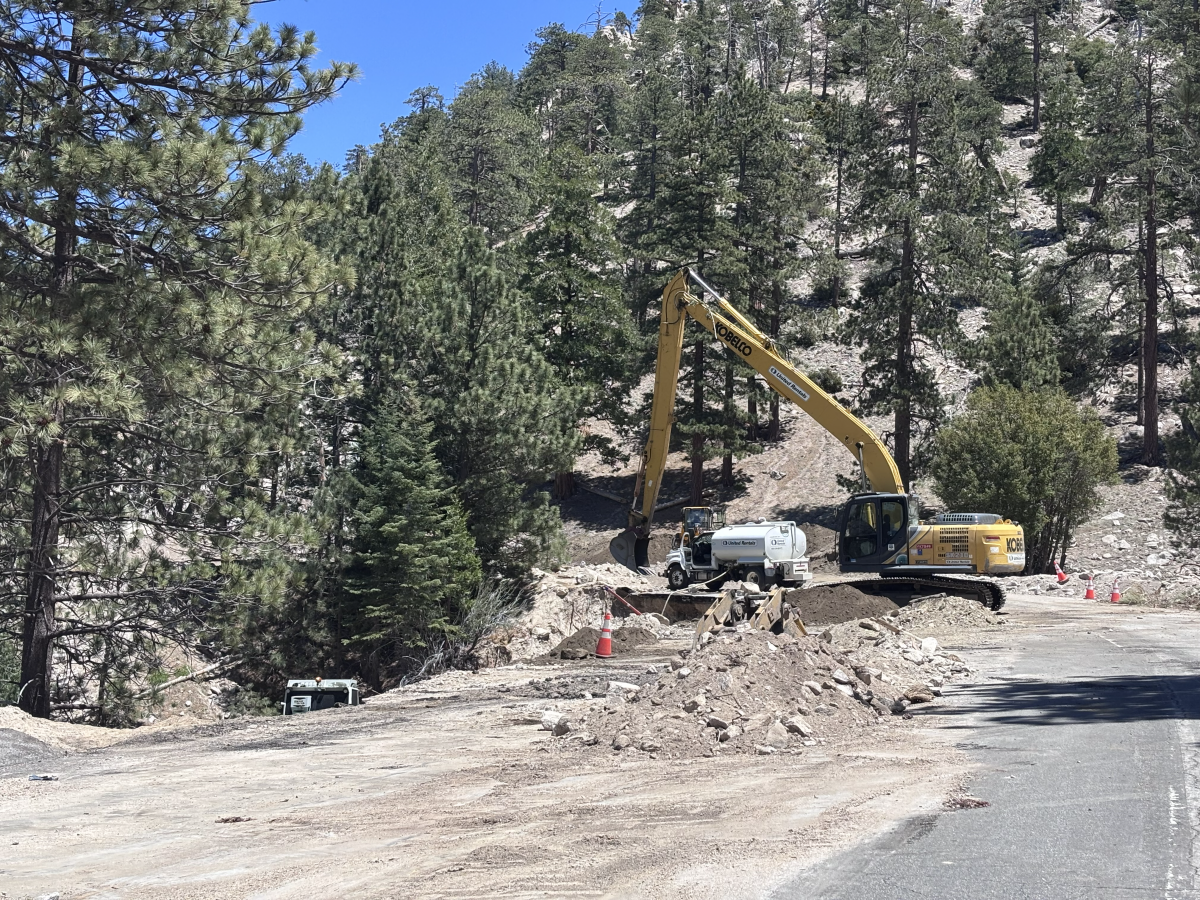
An excavator works to repair a segment of Angeles Crest Highway.
(Jaclyn Cosgrove / Los Angeles Times)
In terms of the timing of when we will start to see rainfall, it could be as early as this month.
“Forecasters say there’s a 75% chance this latest El Niño — a climate pattern characterized by warmer ocean waters in the central and eastern tropical Pacific — will be stronger than any other since 1950,” Times staff writer Iris Kwok wrote. “There is a 98% chance that El Niño will be ‘very strong’ for the three-month period ending in December, according to the National Oceanic and Atmospheric Administration’s Climate Prediction Center.”
That’s why I wanted to dig into which trails would be most affected by a California 2 closure. Below, I’ve listed trails that are primarily accessed using a trailhead off the route, while also noting how hikers might still reach a peak or vantage point using another option.
I am not suggesting where damage will or won’t occur, but rather encouraging you to get out on these trails soon — especially if they’ve been on your list for a while — while it remains easy enough to drive to their trailheads. Additionally, we cannot predict how our trails will fare during a significant El Niño winter.
A sweeping view of Angeles Crest Highway and the San Gabriel Mountains from the Hoyt Mountain trail.
(Jaclyn Cosgrove / Los Angeles Times)
Here are trails primarily accessed off California 2:
The Gabrielino Trail is a multiuse trail frequented by hikers, bikers and horseback riders.
(Jaclyn Cosgrove / Los Angeles Times)
Grizzly Flat Trail: A challenging 7.4-mile out-and-back route where you climb up and then down the mountainside, reaching the Stonyvale picnic area where you can have a lunch break before clambering back up the mountain.
Hoyt Mountain via Grizzly Flat: A 4.6-mile steep jaunt up to Hoyt Mountain, a 4,415(ish)-foot peak in the front range of the San Gabriel Mountains in Angeles National Forest. There are multiple routes to reach it (see map), which you can read about in a previous Wild.
Switzer Falls and picnic area: The 4.6-mile Switzer Falls hike, one of the most popular in the forest, is primarily reached via the Switzer picnic area off California 2; note that my distance includes walking down from the parking area adjacent to the road, as the gate has been closed recently because of bear activity; if that trailhead became inaccessible, Switzer Falls could be reached off the Gabrielino Trail, but it’s a much longer hike (about 20 miles one way from Azusa, or about 8.8 miles one way from near Pasadena).
One cascade of Switzer Falls.
(Brian van der Brug / Los Angeles Times)
Colby Canyon Trail: This difficult 9.2-mile out-and-back trail takes hikers to Strawberry Meadow, a flat area in the San Gabriels with nice views. Note: Do not attempt to use the mountaineering route to reach Strawberry Peak. There is an option, as noted on the map, to also hike to Josephine Peak during the same excursion.
Strawberry Peak Trail: This 7-mile out-and-back route takes hikers to the highest peak in the front range of Angeles National Forest. Said to resemble an upside-down strawberry, the summit is reached through a moderately strenuous hike that offers great views of the surrounding mountains. The route is exposed and should not be attempted on warm weather days.
Mt. Wilson area: If California 2 shuts down before Mt. Wilson Red Box Road, which leads to the Mt. Wilson Observatory, several trails will be either inaccessible or much more challenging to reach. That includes reaching Mt. Disappointment, Mt. Deception or Mt. Markham. Hikers would technically be able to access those peaks by first summiting Mt. Wilson, but that requires a 7-mile journey up Little Santa Anita Canyon where you gain about 4,800 feet. There’s a limited number of people who want to hike more after that.
Redbox to Valley Forge: A beautiful 4.8-mile out-and-back trek to Valley Forge Trail Camp via the Gabrielino Trail, where hikers can go farther in multiple directions should they choose.
The Vetter Mountain lookout tower in Angeles National Forest.
(Jaclyn Cosgrove / Los Angeles Times)
Vetter Mountain Lookout: A 5(ish)-mile round trip that includes a stop at a fire lookout where you will get sweeping views of the surrounding peaks and valleys.
Devils Canyon Trail: A 5.8-mile out-and-back stretch down 1,400 feet into a shaded canyon where a seasonal stream runs.
Mt. Hillyer from Chilao via Silver Moccasin Trail: A 6(ish)-mile journey in a corner of the San Gabriel Mountains that has both high desert vibes and pine trees — and boulders! (One of my favorites.)
Three Points to Sulphur Springs: This is a 7.4-mile out-and-back hike along the Pacific Crest Trail where you reach Sulphur Springs Trail Camp. The camp sits at 5,300 feet and features about six tent-camping sites. Its campsites are shaded by tall pine trees, ideal for hanging a hammock. It has vault toilets but no potable water or bear boxes.
And more!
There are obviously others, including some I’m not listing because I know they’re not in great condition. Additionally, several hikes remain accessible under the current closures only by hiking or biking to them. That includes the Burkhart Trail, Cloudburst Summit to Cooper Canyon Trail Camp, Throop Peak, and, as mentioned, the Mt. Waterman Trail.
I found a few hikes I’ve never done thanks to this week’s Wild. I hope it serves a similar purpose for you. Let me know if you get out there and where you go! If you received this newsletter as an email, you can simply reply, and your messages come right to me. See you out there!
3 things to do
Skaters meander through Little Tokyo during a previous CicLAvia event.
(CicLAvia Los Angeles)
1. Dilly-dally through downtown L.A. CicLAvia will host a 6.5-mile open streets event from 9 a.m. to 4 p.m. Sunday via a route that connects Echo Park, downtown L.A., Chinatown, Little Tokyo, the Arts District and Boyle Heights. Guests are welcome to walk, bike or use other people-powered mobility devices to traverse the route. See rules for e-bikes. Learn more at ciclavia.org.
2. Craft local clay in L.A. Clay artist Evelyn Hernández will host from 10 a.m. to 1 p.m. Sunday a hike through Griffith Park and teach participants along the way to identify clay and earthen pigments in their natural habitat. Attendees will also create a ceramic piece using locally processed clay. Tickets are $48.05 to $63.63 based on your economic ability to pay. Register at events.humanitix.com.
3. Haunt the hillsides near Atwater Village Dance Quest will host a Halloween-themed silent disco from 9:30 to 10:30 a.m. Saturday through Griffith Park. Attendees will dance along a 1.5-mile loop trail while wearing headphones with a curated playlist. Halloween costumes and flair welcomed and encouraged. Suggested donation of $15 to $25. Register at eventbrite.com.
The must-read
George Jensen records audio of geese and ducks during a Los Angeles Field Recording meetup at the Sepulveda Basin Wildlife Reserve.
(Kayla Bartkowski / Los Angeles Times)
One of the best parts of hiking is the unexpected sounds that nature provides, from the crunch of your boots on the sandy soil to the surprisingly thunderous sounds a covey of quail makes as it leaves a shrub (which has maybe scared a certain outdoors journalist more than once). And because L.A. has a club for truly everyone, there’s now a place nature sound lovers can go to really appreciate what they find outdoors, the Los Angeles Field Recording Club. “I feel like now everything’s so … doctored. But when you’re recording, this is what’s really happening. You’re hearing real sound. You’re engaged with the world in a real way,” said George Jensen, founder of the Los Angeles Field Recording Club.
Happy adventuring,
P.S.
Everyone is looking for a way to escape this heat wave, including the black bears of the San Gabriel Mountains. Wildlife photographer Robert Martinez shared a video this week of one of our ursine neighbors taking a dip into cool water deep in Angeles National Forest. The bear even takes time to exfoliate, using what appears to be a concrete barrier to scratch its back. Now that’s self-care!
For more insider tips on Southern California’s beaches, trails and parks, check out past editions of The Wild. And to view this newsletter in your browser, click here.
SEARCHING for sun in November but don’t know where to find it? Here are five great options with temperatures well over 20C.
Whether you’re after short-haul breaks or lengthy holidays, check out these destinations where you’ll certainly get a healthy dose of vitamin D.
Thailand is a popular spot for autumn and winter sun thanks to its high temperaturesCredit: AlamyMorocco has bustling cities and some are on the coast if you fancy a beach breakCredit: Alamy Stock Photo
Morocco
For a bit of autumn sun that isn’t far or breaks the bank, Morocco is a solid option.
Brits can get there in less than three hours and the country basks in highs of 24C in November, while the UK average highs of between 10-12C.
Sign up for the Travel newsletter
Thank you!
Marrakesh is one of the most popular cities with Brits with vibrant markets, souks, palaces and pretty hotels.
Essaouira on the other hand sits on the Atlantic Coast and has sandy beaches if you fancy heading for a beach break.
Meanwhile, the city’s capital of Rabat is another coastal spot that’s considered an ‘understated seaside gem’ and has enormous royal palaces.
In November, return flights to Essaouira and Rabat can be as little as £28.
Holidays are affordable too for a quick break – two adults can check into Las Palmeras in Marrakesh for four-nights from £279pp or £34.87pppn.
This includes return flights to London Gatwick, a full board stay at the four-star hotel which has an outdoor swimmingpool, on-site restaurant and wellness area with treatments available.
Thailand
Bangkok has just been named the ‘world’s best city’Credit: Alamy
Thailand is a popular autumn and winter destination for Brits seeking some sun and it has highs of 34C in November.
There’s something for everyone from its bustling cities to beautiful coastlines and incredible islands.
Thailand’s capital, Bangkok was recently named the best city in the world by Conde Nast Traveller being praised for its “buzzy markets, glittering palaces and captivating religious sites unite – street food sellers dishing up tasty food between them all, of course.”
If getting out of your city and lazing about on a beautiful island is more your bag, it’s very easy to get from the mainland across to the likes of Phuket, and Koh Samui.
The likes of Eva Air and Thai Airways offer direct flights from London Heathrow to Bangkok in November from around £831.
If you opt for a stopover – these can be much cheaper with some dropping to almost half the price.
Air Arabia offers a roundtrip from London Gatwick to Bangkok International Airport from £484 with a two hour layover at Sharjah International Airport.
With Expedia, 10-day package holidays to Bangkok are around £800 – including direct return flights and accommodation, breaks to the neighbouring island of Koh Samui package breaks here with Expedia around £760.
Dubai, UAE
Dubai has luxury hotels, street food markets and enormous waterparksCredit: Alamy
Thanks to its hot desert climate and very little rainfall, Dubai is ideal for autumn sunshine.
From its luxury five-star hotels to beaches, incredible restaurants and shopping scene, Dubai is known for glitz and glamour.
However you can visit on a budget too as Deputy Travel Editor Kara Godfrey and Assistant Travel Editor Sophie Swietochowski when they visited the city.
They lots of tasty treats at the Grand Souk, like breads stuffed with cheese or Nutella for £1.22, or Iranian falooda — a sorbet-like dessert made of thin rice noodles and syrup — for £1.
When its time to cool off, head to one of Dubai’s many waterparks like Aquaventure World with day passes from £50 – but it is so huge, you’ll have to spent the day there.
With Thomas Cook, a 10-night stay for two starts from £720pp including return flights from London Gatwick departing on November 22.
The hotel has a swimming pool, beach volleyball set up, and bar a grill along with free shuttle buses to the theme parks – so there’s no need to hire a car.
Or if you’d rather a different holiday vibe, head to Boca Raton which Head of Sun Travel Lisa Minot called ‘Florida’s secret paradise‘.
EASYJET is the latest airline to cut flights from its winter schedule in order to manage fuel costs.
The airline in total has now cut almost 1.4million seats between October 2026 and March 2027.
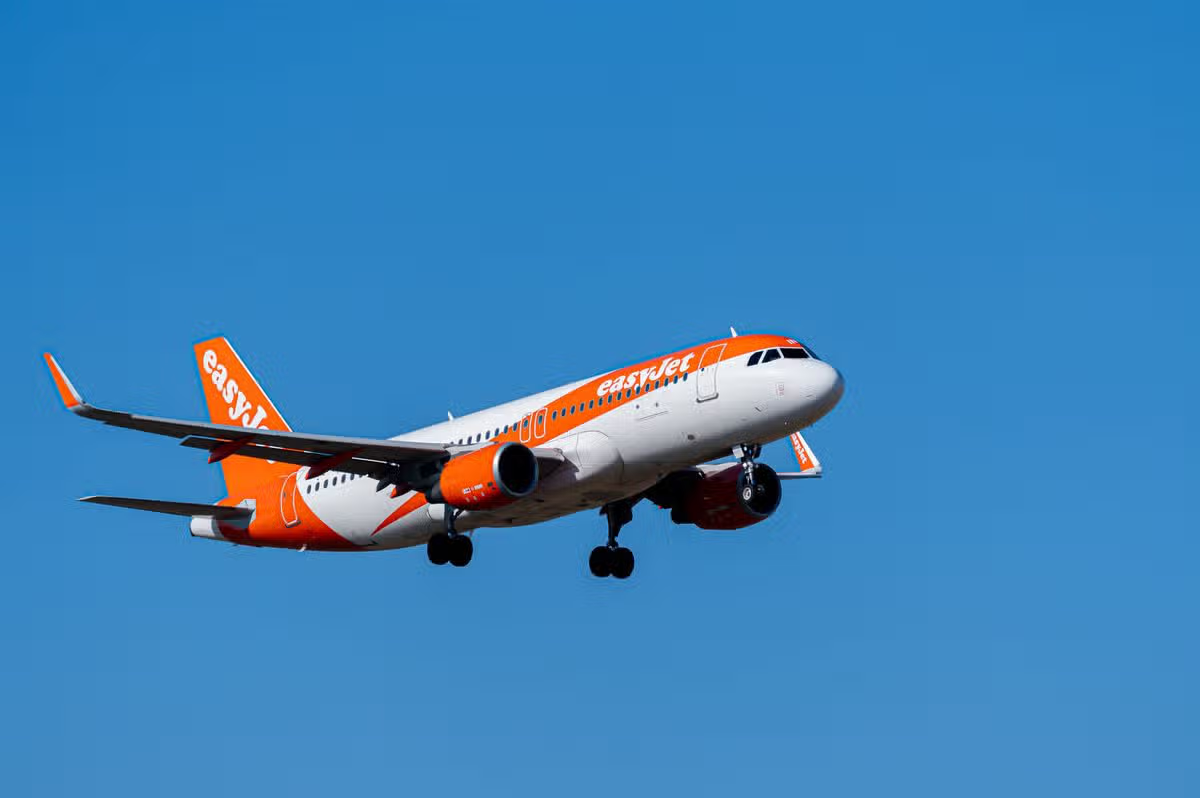
EasyJet has announced it will be cutting a further 600,000-700,000 seatsCredit: ALBIT / SplashNews.comIn total 1.4million flights have been axedCredit: Getty
EasyJet usually offers around 50million flights over the winter season.
But earlier this year it announced 700,000 flights would be axed from the schedule.
Sign up for the Travel newsletter
Thank you!
And now almost another 700,000 flights have been cut with latest axing meaning it’s had a reduction of two days’ worth of flying, according to Gurufocus.
Talking to the Financial Times, chief executive Kenton Jarvis explained that easyJet would be scaling back capacity over certain months so that it could avoid paying high fuel costs.
In a statement, the airline said “Subject to pricing and passenger demand, Ryanair expects this one-off winter schedule cut to reduce [November 2026 – March 2027 losses] by €70 million to €100 million (£85.8million).”
The two million seats works out to as many as 13,000 flights, although which routes will be affected is yet to be confirmed.
Ryanair has also cut seats for this year with warnings of price increasesCredit: Hans Lucas/AFP via Getty Images
Talking about 2027, Michael O’Leary said that flight prices were “only going one way”, which is “significantly upward”.
He added: “Fares for Ryanair passengers and every other passenger into the summer of 2027 are going to rise materially, I believe, because of significantly higher oil prices.”
Sara Baeur, a chocolatier from Montana, USA, booked a place to stay in Northern Morocco for next year’s total solar eclipse, only to be contacted by the host who had an unwelcome message for her
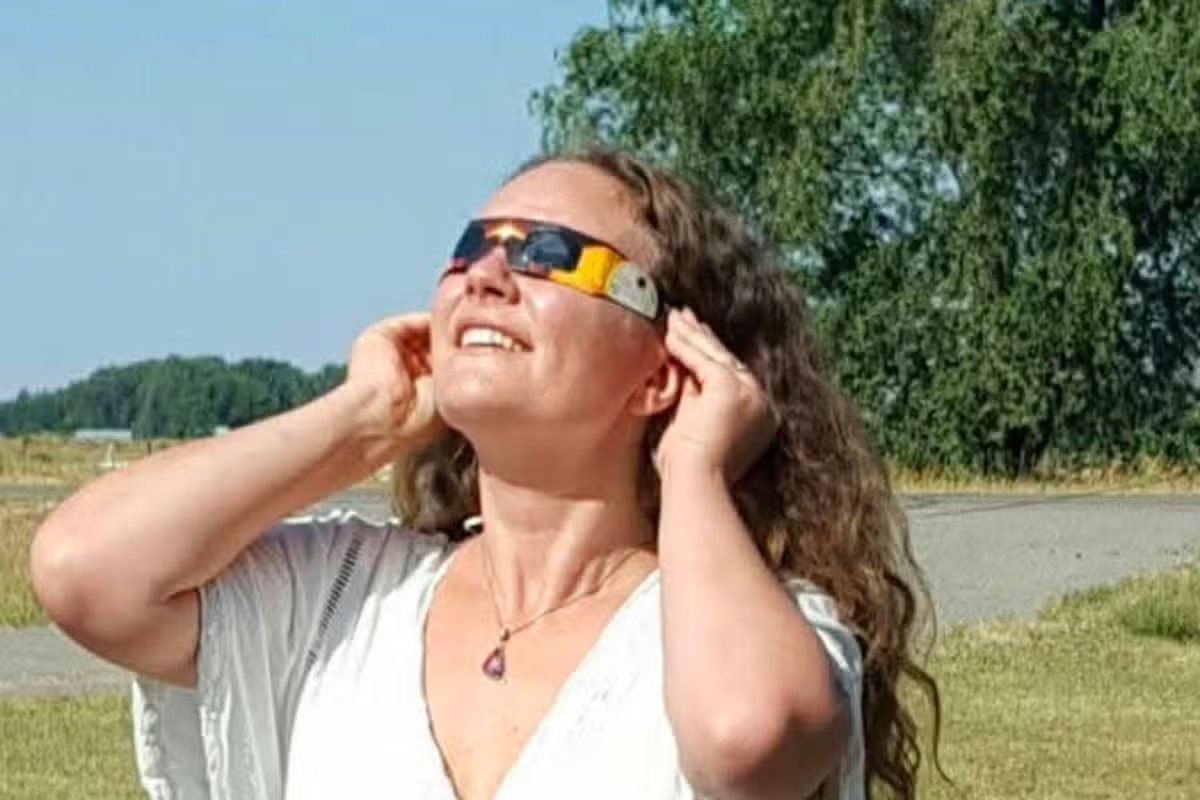
Sara Bauer booked a place in Morocco for August next year(Image: Supplied)
A family was told they’d be locked out of a rental home if they turned up, despite paying £3,400 for the property.
Solar eclipse enthusiast Sara Bauer booked a place to stay in the Moroccan resort of Marwan for the first week of August 2027, desperate to see the astrological phenomenon from the best possible spot. The northern seaside town is a perfect place to catch the eclipse, which includes an incredible eight minutes of totality – about three times longer than this summer’s.
The Montana woman booked the beachfront property and started looking forward to what’s been dubbed ‘the eclipse of the century’. However, she claims she became alarmed after receiving a message from the host, demanding that she cancel the booking. If she didn’t, she was told her family would be locked out of the home, she alleges.
After Sara gave in and cancelled the booking, she saw the same property relisted for six times the price, she claims.
Do you have a story to share? Email webtravel@reachplc.com
After she was first contacted by the host, the chocolatier, who runs Chocolate Eclipse, told the Mirror: “The host of my Airbnb in Morocco is demanding that I cancel my reservation. He says he will be penalised badly if he cancels it. He said he’s selling the place before next year and didn’t realise at first that I had booked so far out. He says he will be penalised if he does the cancellation, but will if I refuse to cancel.”
Sara added: “He had said I wouldn’t have access even if I didn’t cancel.”
Concerned that she’d fly all the way to Morocco to find a locked house, Sara “caved” and accepted the cancellation request. The host told her that the property was being removed from the rental market for renovations. However, Sara later found the same property listed for the same week for £20,400 – six times more than she paid.
After being contacted by the Mirror, Airbnb deactivated the listing and penalised the host. An Airbnb spokesperson said: “Issues of this nature are rare, and where we determine misuse of our cancellation policy, hosts not only lose the income from the booking, but face consequences we apply, including fees of up to 50% of the booking cost, a block on rebooking their listing for the same dates, impact on search ranking and where warranted, suspension or deactivation of the account. Our initial handling of this report fell short of the standards we expect, and feedback will be provided to the agents. We have deactivated the listing, and have applied the relevant penalties in line with our policies on host cancellation. The guest has been offered rebooking support and a coupon as a gesture of goodwill, which has been positively received.”
Hosts who cancel Airbnb stays without a legitimate reason face a 50% fee on the reservation cost, calendar blocks that prevent them from accepting reservations during the affected dates, and potential consequences for their Superhost status and listing search ranking. Airbnb says cancellation rates have dropped 30% year over year since more deterrents were introduced in July 2023.
The huge demand for places to stay along the path of totality during next year’s solar eclipse has driven prices up sharply. Some property owners have resorted to canceling reservations in a bid to make hay while the sun shines.
THE festive season would not be complete without a trip to London’s iconic Hyde Park Winter Wonderland. And this year you can experience the festive fun for FREE thanks to The Sun!
Here is your chance to grab two FREE tickets to the event, including entry to the amazing Magical Ice Kingdom presents Neverland, in partnership with Great Ormond Street Hospital Charity.
Join Sun Club now — don’t miss out.
There is plenty of festive fun waiting for the whole familyCredit: Joshua Atkins
We have 10,000 FREE tickets up for grabs on a first-come, first-served basis, so do not miss out.
Spreading festive cheer since 2007, Hyde Park Winter Wonderland returns from Thursday, November 19 to Sunday, January 3.
Sign up for the Travel newsletter
Thank you!
With more than 150 rides, attractions and magical experiences to enjoy, there is something for everyone.
Your tickets will allow you to escape to the fantastic Magical Ice Kingdom presents Neverland – an enchanted world crafted from over500 tonnes of ice and snow and brought to life in partnership with GOSH Charity.
Step into the magic of Neverland at the Magical Ice KingdomCredit: Joshua Atkins
The adventure begins in the Darling family nursery, where you will meet Tinkerbell and Peter Pan.
Together you will journey through the Lost Boys’ camp, cross the enchanted mermaids pool and ‘board’ the Jolly Roger.
Fly down frozen slides and take on the fearsome Captain Hook to free Peter Pan – but be careful not to walk the plank!
Every turn will bring the story breathtakingly to life through hundreds of hand-carved sculptures, with a donation from every ticket going towards GOSH Charity.
From visits from Santa to carol singing with the Chaplaincy team, GOSH Charity brings comfort and joy to the wards, while giving more children the hope of many more Christmases to come.
And there is plenty more Christmas magic waiting to be discovered at Winter Wonderland.
Step out of the Magical Ice Kingdom and onto the UK’s largest open-air ice rink, enjoy a drink at Hyde Park’s iconic Victorian bandstand, or get your adrenaline pumping on one of the attraction’s many rollercoasters.
Thrillseekers can enjoy a spin on the 70m Giant Wheel for views across London or brave the Real Ice Slide powered by Joybuy.
Make festive memories at Hyde Park Winter Wonderland this ChristmasCredit: Joshua Atkins
If you fancy a party, head to the Bavarian Village for live music, DJs, seasonal singalongs and authentic German food and drink.
Or grab some stocking fillers at the Christmas Market where you can find handcrafted gifts and tempting seasonal treats.
You can also catch the new Gandeys K-pop Dragon Circus, bringing together K-pop music, dance and circus acts.
Two FREE Winter Wonderland tickets
To claim your tickets, follow the steps below:
Step 1: Join thesun.co.uk/club for just £1.99 a month or £12 for the first year, then £19.99 thereafter.
Step 2: Go to the Offers Hub and select the Winter Wonderland page. You do not need to collect Sun Savers codes.
Step 3: Your unique booking code will appear on this page. Redeeming a code does not guarantee tickets. Click the ‘Copy’ button and then hit ‘Book’. You will be directed to the Winter Wonderland website.
Step 4: Select your preferred date and time, then choose ‘The Sun Winter Wonderland Entry & Magical Ice Kingdom Offer’. Two tickets will be added automatically to your basket.
Step 5: Continue to checkout to complete your booking. You must book your tickets by Sunday, November 1.
Our tickets are available for visits between Thursday, November 19 to Sunday, December 6.
Or you can pick up the The Sun newspaper from Saturday, October 10 and collect Sun Savers codes to book your tickets.
Go to the Offers section, click Start Collecting on the Hyde Park Winter Wonderland page.
Collect THREE out of five Sun Savers codes printed daily in The Sun from Saturday, October 10 to Wednesday, October 14.
Enter your THREE Sun Savers codes on sunsavers.co.uk or scan them on the Sun Savers app.
Click ‘Book’ from 11am Monday, October 12. If you do not see the ‘Book’ button, you will need to refresh the page or restart your app.
Your unique booking code will appear on this page. Redeeming a code does not guarantee tickets. Click the ‘Copy’ button and then hit ‘Book’. You will be directed to the Winter Wonderland website.
Enter your code in the ‘Offer code’ box, select your preferred date and time. Select two tickets on ‘The Sun Winter Wonderland Entry’. Add any paid extras you would like.
Continue to checkout to complete your booking. You must book your tickets by Sunday, October 25.
Join Sun Club now — don’t miss out.
18+ UK only (exc. NI, IoM & CI). Sun Savers multiple code collect 10/10/26-14/10/26 or digital subscription required. Online access required. 5,000 pairs of tickets available (7,000 off-peak, 2,000 standard & 1,000 peak) on a first come, first served basis. Subject to availability, daily allocation limits apply. Tickets available between 19/11/26 – 06/12/26. 2 tickets per person only. Non-transferable and non-refundable. T&Cs apply, see sunsavers.co.uk or club.thesun.co.uk/sun-club. New customer offer: £2.99 per month for 3 months, £6.99 thereafter unless you cancel at least 7 days before your next billing date. Full T&Cs apply, visit thesun.co.uk/terms-and-conditions.
As new research reveals young people could spend 42% more time on their phones during the school holidays, mum of two Hannah Britt took matters into her own hands on a DIY digital detox
Mum of two Hannah Britt booked her extended family into a remote farmhouse in France for a DIY digital detox to reap the rewards of going screen-free
With half term approaching, screen time may be about to soar. In fact, young people could spend 42% more time on their phones during the summer holidays compared to term time, according to research by Vodafone. But it doesn’t have to be this way. Mum of two Hannah Britt booked her family into a remote farmhouse in France for a DIY digital detox to reap the rewards of going screen-free…
I’m not going to lie, I’m completely addicted to my phone. As is my partner John. We spend our evenings scrolling social media, sending endless Reels back and forth. We work on small screens during the day, take breaks and look at our tiny screens… then watch the big screen in the living room to unwind.
Thankfully our two young children don’t have a phone, but they do both own a Kindle and are quite partial to a Peppa Pig marathon. Like many, during school holidays their screen time soars. And this is something I’m determined to change. When I read the research that young people could spend 42% more time on screens on school holidays, it gave me an idea.
Leaving the Kindles at home, I booked a remote French farmhouse on Airbnb and packed us off for a DIY digital detox. And I’m so glad I did. The stone farmhouse, in Saint-Sauveur-de-Cruzieres provided the perfect backdrop for old fashioned family fun – not a telly or smartphone in sight.
Parenting expert Kirsty Ketley explains. “School provides children with structure and built-in limits on screen use, and of course, once home, there are less hours in the day for screens, but once the holidays arrive, that structure disappears,” she says.
“Parents are often juggling work, childcare, and the cost of keeping kids entertained, so screens naturally become a convenient option. On top of that, digital entertainment is designed to be engaging and hard to switch off from, so it’s no surprise children gravitate towards it when they have long stretches of free time.”
So what’s the issue? “It’s not that screens are inherently ‘bad’,” says Kirsty. “In fact, they can be educational, social, and even calming at times. However, when screen time dominates, it can crowd out other important activities like active play, real-world socialising, outdoor time, and rest.
High levels of screen use are also linked to disrupted sleep, reduced concentration, and higher stress levels in both children and adults. The key issue isn’t the screen itself, but what’s being displaced when usage creeps up too high. It’s why having consistent boundaries around screen time is important, so that kids strike a healthy balance.”
But back to the Airbnb farmhouse. It was a Guest Favourite (easy to recognise as they have a special logo on the properties, and a collection of the most-loved homes on Airbnb, according to guests), and soon became a home from home.
On arrival, John and I placed our phones in a drawer, along with the children’s Kindles. Finding the TV remote, we hid it on the top shelf of a bookcase. The DIY digital detox had begun!
And soon we found there was plenty to do that didn’t involve a device. The pool, of course, provided hours of entertainment, as did the swings, hammock and garden games. With no phone to check, I found myself truly engaged the whole time, present and in-the-moment. The girls were the same.
Peppa Pig was replaced with a performance of the Backstreet Boys in the outdoor dining area, and Instagram was shunned in favour of a nature walk in the grounds. We saw a rabbit, hundreds of crickets and the back end of a badger for our troubles.
The farmhouse’s long indoor table was close to the aircon, and provided a place to draw and read when the weather outside reached boiling point. And we spread blankets out on the parched grass to lounge upon and play tea parties.
We did use a satnav (technically a screen) when exploring the local area, but car games provided entertainment on journeys to Barjac for its antique market, and and phones were stashed in bags when out and about, only taken out to pay for fridge magnets and snacks.
As the days wore on, the kids stopped asking for their Kindles, or to watch TV, and I missed my phone less and less. I felt more relaxed than I had in ages, more present and calm. By the time our week at the farmhouse was up I was almost sad to take my device from its drawer, something totally unexpected. And I can’t wait to go screen free again.
Exploring Saint-Sauveur-de-Cruzières and beyond
Barjac: Stroll through the shady, cobbled streets of this neighbouring Renaissance village (about 7.4 km away), known for its stone architecture, local artisan shops, and vibrant markets.
Saint-Montan: Wander around a beautifully restored medieval village clinging to the rocks near the Sainte-Beaume gorges.
Local Markets: Visit nearby regional open-air markets, such as Barjac on Fridays or Saint-Ambroix on Tuesdays, to sample local goat’s cheese, honey, and charcuterie.
Gorges de l’Ardèche & Pont d’Arc: See the famous natural stone arch of Le Pont d’Arc (about 16 km away) and enjoy canoeing, swimming, or lounging on the river beaches.
Bois de Païolive: Hike through a magical, labyrinth-like stone forest filled with bizarrely shaped limestone rocks and ancient oak trees.
Plan fun offline activities
Cook and bake together: Involve children in prepping meals, measuring ingredients, or baking treats to build teamwork and practical skills.
Head outdoors: Go for family bike rides, visit a local park, or kick a football around to boost physical health and burn energy.
Play together: Break out board games, card games, puzzles, or building blocks like Lego for low-stress, interactive group play.
Create easy access to crafts: Keep colouring books, crafting supplies, and building kits in a visible, reachable spot so family members can grab them out of boredom instead of reaching for a screen
Flight BA295 had reached a cruising altitude of 37,000ft on its way from London to Chicago before the mid-air emergency
The oxygen masks deployed on the British Airways flight from London Heathrow to Chicago on October 5, 2026(Image: SWNS)
A passenger aboard a London to Chicago British Airways flight says the cabin was “silent” as they dropped 27,000ft in minutes. A “technical issue” caused the aircraft to drop and declare an emergency, and return to London on October 5.
Scott Tanner, 39, was a passenger on the plane when it began descending “noticeably” and they were told to put on oxygen masks. Flight BA295 had reached a cruising altitude of 37,000ft after taking off from Heathrow before the mid-air emergency.
Flight tracking data showed the aircraft dropped sharply down to 9,000ft. Scott said their was “silence” for 10 minutes before they were told they could remove their masks, and retuned to London after five hours in the air.
Scott, from Torbay, Devon, told Talk to the Press: “About an hour into the flight I was listening to an audiobook when, completely without warning, the oxygen masks suddenly dropped throughout the cabin.
“An automated announcement instructed everyone to put on their masks immediately. For around 10 minutes afterwards there was no further information from the flight deck.
“There was simply silence apart from the automated announcement repeating on a loop, which was probably the most disconcerting part. Despite this, everyone remained remarkably calm. I did not hear a single scream.
“We could feel the aircraft descending quite noticeably, although it felt controlled rather than like a plunge. The captain then told us that we were below 10,000 feet and could remove our masks.
“He later explained that we would be returning to Heathrow, but because the aircraft was carrying fuel for the transatlantic journey we would need to circle for several hours to burn it off. We eventually landed safely after about five hours in the air.”
Scott says British Airways provided passengers with hotel accommodation, but further arrangements were “frustrating”. He said: “I was initially rebooked via Charlotte despite direct flights being available, and I had to negotiate to have this changed.
“When I asked whether BA might offer some gesture in recognition of what had happened, I was repeatedly sent between different desks and eventually told that any compensation would have to be dealt with online.”
The plane left London Heathrow’s Terminal 5 at 11:50am, with an expected flight time of eight hours and 40 minutes before landing at Chicago O’Hare International Airport. The flight crew issued a squawk 7700 code – the international aviation signal for a general emergency – shortly after beginning the steep descent.
Passenger Tom Nicholls told the Mirror there was a “sudden bit of turbulence” during the emergency. Mr Nicholls explained: “The plane adjusted but it didn’t feel like it was descending rapidly. I’d say the pilots did a very good job.
“The oxygen masks popped out soon after and there was a bit of uncertainty onboard. The couple in front couldn’t get to theirs but by the time they’d found a spare seat with a mask, the captain announced we were below 10,000ft so they were not needed.”
A spokesperson from British Airways said: “The safety of our customers and crew is always our top priority, and the aircraft landed safely after our highly-trained pilots returned to Heathrow following a technical issue.
“Customers disembarked the aircraft normally and our teams are working to get their travel plans back on track as quickly as possible.”
LIKE many, I have longed for a Rimowa suitcase, but the brand’s premium prices puts it out of my price range.
I simply can’t justify spending over £1000 on a suitcase, so I was understandably thrilled when I spotted the same luxe aesthetic for just £60 at Dunelm.
It has a nifty section for your laptop which the Rimowa does notCredit: Dunelm
Constellation Cabin Suitcase with Front Opening, £60 at Dunelm
The Constellation Silver Cabin Case caught my eye with its sleek silver finish and modern linear hard shell, which gives it a similar, minimalist look to the iconic Rimowa cases.
Sign up for the Travel newsletter
Thank you!
Like Rimowa, it also has a durable construction with a hard shell protecting the contents, while looking stylish in the Arrivals hall.
It also comes with a 360-degree spinner wheel system, meaning you can glide it along in pretty much any direction.
But there’s one particular feature that makes it extra appealing to modern travellers like me.
Dunelm’s dupe is spacious enough to fit up to a week’s worth of clothesCredit: Dunelm
The front-opening opening offers speedy access to your tech essentials, so you don’t have to disturb your perfectly packed suitcase as you’re going through security.
As someone who travels with a laptop, I think that’s actually more useful than simply having a suitcase that looks pretty.
In terms of size, the Constellation Cabin Suitcase measures 55 x 35 x 22cm, including its overall product dimensions, while the Rimowa Original Cabin is 55 x 40 x 23cm.
While they’re the same height, Dunelm’s case is 5cm narrower and 1cm shallower, making it the more compact option.
You’re getting the sleek minimal aesthetic, hard shell construction, 360-degree wheels and a clever tech compartment for £60 rather than £1,090, pocketing £1030 in savings.
With half-term around the corner, this is the sort of cabin case I’d be looking at for a short family break or a European mini break.
Will it meet airline luggage rules?
Before buying, check your airline’s free cabin-bag allowance.
The Dunelm case fits Jet2 and British Airways’ larger 56 x 45 x 25cm allowance, but it won’t be free on every airline or fit under the seat in front.
If you’re looking for underseat bags that nail the designer look, I’ve rounded up some alternatives below.
A compact option for short trips.Credit: CabinMax
CabinMax Underseat Cabin Suitcase, £39.95 at ASOS
What’s it good for? Weekend getaways, short city breaks, or business trips where you don’t need multiple outfits or heavy layers.
What you’ll like? It has wide suitcase-style opening, so you don’t have to dig through from the top like a regular backpack.
The Mykonos Hard Shell Vanity Case is perfect for make up loversCredit: M&S
The Mykonos Hard Shell Vanity Case, £30 at M&S
What’s it good for? Carrying delicate toiletries without worrying about leaks or crushed packaging.
It could also work as a sleek standalone bag for overnight trips if you travel light.
What you’ll like? It has an elasticated rear trolley strap that slips over telescoping suitcase handles for effortless, one-handed wheeling.
Now, these suitcases aren’t Rimowa, so you won’t get the same premium branding, construction or engineering.
But if, like me, you’re mainly after the chic silver aesthetic and some of the practical features seen in expensive luggage, they’re a tempting alternative.
If you’ve had a Rimowa suitcase on your wishlist but can’t swallow the £1,090 price tag, my Dunelm find could be the more purse-friendly alternative.
STAYING in the UK for October half-term sounds like the smart, budget-conscious choice… until you sit down and crunch the numbers.
Between filling the fridge, shelling out for soft play, buying fuel for days out and those innocent-looking theme park trips that somehow cost £50 before you’ve even passed through the turnstiles, you could easily spend hundreds in a week.
Once you’ve added up food, petrol and activities for the week, a holiday abroad might not cost much moreCredit: On The BeachMagic Fantasy Hotel in Spain is one for the entire familyCredit: On the Beach Holidays
And that’s before the mental toll of cooking three meals a day, clearing up the constant mess and playing full-time entertainment director.
So, I did the maths on another option – cheap resorts with all-inclusive packages for October half-term, starting from £255pp or £51 a night.
With accommodation, meals and selected snacks and drinks included, as well as free childcare at some resort hotels, flying abroad starts to look like something worth pricing up against your half-term plans at home.
Here are the seven best-value resorts I’d be searching for this October half term – and someone else can handle the cooking.
7. Kusadasi, Turkey – from £433pp
Grand Blue Sky International has a fantastic All Inclusive offerCredit: On the Beach Holidays
Kusadasi gives families an all-inclusive holiday and a change of scenery from the usual Spanish resorts.
It also gives you plenty of scope for time outdoors, with an average October daytime high of 24C.
It has pools, (including a children’s pool), play areas and a club advertised for children aged four to twelve.
Breakfast, lunch and dinner are served buffet-style as part of its All Inclusive programme, with a later breakfast option if the family pulls off the rare miracle of sleeping in.
At £408pp, this is the priciest of the seven, but it gets you five nights at a mega-resort, with flights and meals included. Not bad.
6. Albufeira, the Algarve – from £378pp
Grand Muthu Forte da Oura has a pool and is right by the beachCredit: On the Beach Holidays
Albufeira is a good fit for an autumn break that mixes beach time with getting out and exploring.
The October daytime high is 23C, ideal for a walk along the beach or an afternoon in the brilliant bars of Albufeira’s old town.
Grand Muthu Forte da Oura is around 750 metres from Praia da Oura beach, with a main pool, children’s pool and playground.
And its stellar all-inclusive programme covers breakfast, lunch, dinner, afternoon snacks and selected locally produced drinks.
Lunch and dinner can be buffet-style or served from a set menu, but either way, having those meals accounted for makes your spending money easier to plan.
There is also free childcare year round – check availability before booking.
The five-night deal I found here was just £378pp, with flights, accommodation and all-inclusive food and drinks chucked in.
5. Callao Salvaje, Tenerife – from £330pp
Expect the warmest October temperatures at BLUESEA Callao GardenCredit: On the Beach Holidays
As you’d expect, Tenerife has the highest October average on this list.
With an average daytime high of 27C in October, Callao Salvaje is a strong pick when maximum warmth is what you’re after.
The apartment-style accommodation has three outdoor pools and activities including mini golf and table tennis.
Its all-inclusive board includes buffet meals, so there’s less need to hunt for somewhere to eat whenever somebody gets hungry.
And for all of this – guaranteed October heat, all you can eat and drink, return flights and your accommodation sorted – you’ll only need to part with £330pp.
4. Benidorm, Costa Blanca – from £325pp
Hotel Cuco is one for the Benidorm fansCredit: On the Beach Holidays
Benidorm makes family time in the sun easy – you’ve got massive beaches, promenades that aren’t a nightmare with a pushchair and plenty to see without committing to a full day’s excursion.
And the weather’s great too, with an average October daytime high of 25C.
I wouldn’t look much further than the highly-rated Hotel Cuco, just ten minutes’ walk from Poniente Beach.
Its buffet restaurant serves Mediterranean dishes with show cooking, and there’s a decent pool at the hotel too.
There’s a mini club for the little ones, as well as a rooftop pool bar which mum and dad might have more interest in exploring.
I found a deal for five nights this October for only £325pp, all-inclusive – that’s mega value for half-term.
3. Oropesa del Mar, Costa del Azahar – from £293pp
Crazy pools, pirate buffets – Magic Fantasy Hotel was made for familiesCredit: On the Beach Holidays
If your family wants proper entertainment rather than five quiet days by the pool, Oropesa del Mar could be the perfect pick.
With an average October daytime high of 24C, you get great conditions for getting out, topping up the Vitamin D and working on your tan.
And this hotel’s something special for both adults and kids too.
Magic Fantasy Hotel goes big on the family theme, with fantasy-inspired rooms and a Pirates Buffet serving Spanish and international food with a children’s section.
Over the October break there’s live entertainment, costume contests, and the waterparks fully open.
At £293pp for five nights all-inclusive, you’re getting flights, meals and plenty to get your teeth into for the week before you’ve planned a single day out.
2. La Pineda, Costa Dorada – from £283pp
Big pool, nearby beach and simply buffet food makes La Pineda an easy choice for the half termCredit: On The Beach
La Pineda makes family days super-straightforward.
Its long, flat beach gives everyone room to spread out, and the resort has an average October daytime high of 22C.
Not boiling, but that’s plenty of warmth for time on the sand, whether or not anyone fancies getting in the sea…
Gran Hotel La Hacienda is around 550 metres from the beach and has pools and a mini club for younger guests.
Meals are served buffet-style at its Riviera Maya restaurant, taking the daily “where shall we eat?” discussion off your hands, thank God.
PortAventura World is nearby too if you fancy a theme park day out, though tickets cost extra.
And the five-night all-inclusive package I found comes in at £283pp. Bargain.
1. Lloret de Mar, Costa Brava – from £255pp
Guitart Central Park Aqua Resort is our biggest bargain on the listCredit: On The Beach
My number one pick, Lloret de Mar, gives you beaches, coastal walks and a town to explore with the kids.
October’s average daytime high is around 22C.
That’s a comfortable temperature for a beach stroll or an afternoon exploring the Costa Brava without worrying about caking the kids in sun cream every ten minutes.
Guitart Central Park Aqua Resort has several pools, children’s clubs for different age groups and buffet restaurants serving Mediterranean, Italian and Catalan dishes, including loads of great options for children.
Its aquapark is the star of the show though with enough slides and features to keep the kids busy all week.
At £255pp, or £51 a night, this is the cheapest five-night all-inclusive deal I found too, and the one I’d personally be booking.