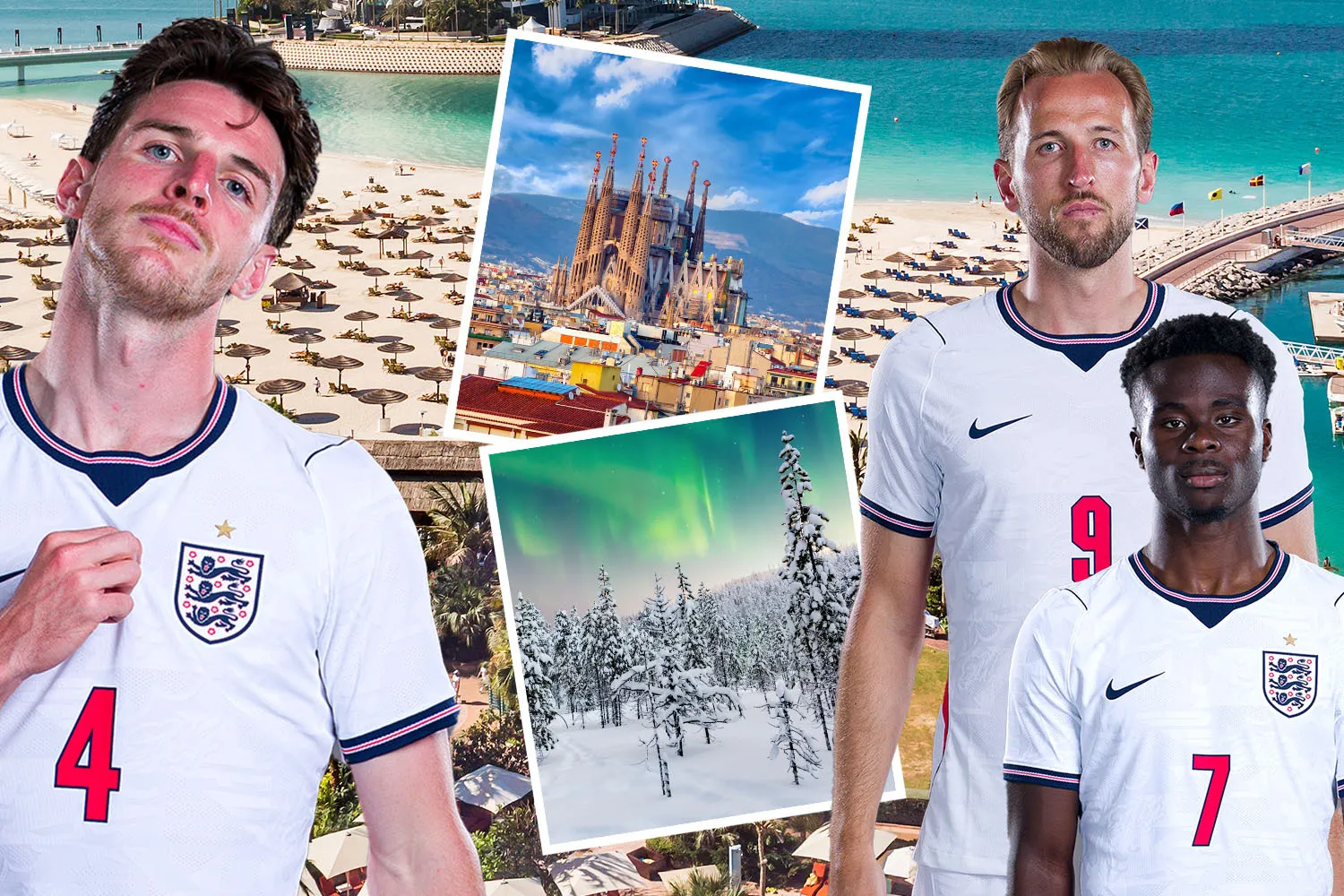
THE WORLD CUP is well underway with some of England’s top stars already breaking football records – but where do these guys get to when they aren’t kicking around a ball?
Prior to the 2026 World Cup, the England head coach told the England team to head off on their post-season holidays to either the US or Caribbean so they could get used to the time zone and heat for the World Cup.
Sign up for the Travel newsletter
Thank you!
The team jetted off to West Palm Beach in Florida and stayed at the luxury Belgrove Resort and Spa.
But each player has also been to a whole host of other spots across the globe – and you might even be surprised by some.
Harry Kane
Lapland, Finland
Over Christmas last year the England captain headed to Lapland in Finland with his family.
His wife, Katie Goodland, shared some snaps on her Instagram showing the family enjoyed dog sledding, spotting reindeer in the snow, heading on fairy light-lit walks among the trees etc.
On one night they even saw the Northern Lights and Kane’s kids enjoyed snowmobiling as well.
In addition, while in Lapland you can head off to Santa Claus Village and send postcards home.
Alternatively, families can have a go at making gingerbread.
Flights to Rovaniemi in October from £22 per way.
Jordan Pickford
Dubai, UAE
Back in January, Jordan Pickford and his wife were spotted flying back from Dubai.
The United Arab Emirates city is well known for its warm climate as well as its architecture such as the Burj Khalifa.
From the city you can also head out to the desert to try sand surfing or dune buggying.
You could fly from the UK to Dubai for £156 per way in July.
Jude Bellingham
Cannes, France
Four weeks ago, Jude posted some snaps of a lavish holiday in Cannes, France, with his 20-year-old brother, Jobe Bellingham.
The duo, along with other friends, enjoyed time on yachts as well as heading to La Mome – a fine dining restaurant that is famous for its foccacia dipped in olive oil and serving up fresh, local seafood.
One of the images appears to show Hôtel Martinez, which is a five-star Art Deco hotel on the Boulevard de la Croisette.
Inside, the hotel has yacht-inspired rooms and boasts a two-star Michelin restaurant.
Rooms cost from around £1,400 a night.
Flights to Nice Côte d’Azur Airport cost from £23 in July.
Dubai, UAE
The pro footballer also recently visited Dubai in the United Arab Emirates.
In the city, make sure to visit the Dubai Frame, which is a 150-metre structure with one side framing Old Dubai and the other side framing New Dubai.
You can even walk across a glass bridge on the structure.
You could fly from the UK to Dubai for £156 per way in July.
Jordan Henderson
Lapland UK
Jordan Henderson has previously visited LaplandUK, showing fans you don’t have to travel far to have a magical time.
The midfielder at Brentford enjoyed the experience alongside his family, seeing reindeer and of course visiting Santa.
LaplandUK now has two experiences in the country, with the original in Ascot and a more recently opened site in Manchester.
Tickets to the experience tend to range between £65 and £195 per person, but included in that you get to hang out with the elves and even make your own toy.
Declan Rice
Dubai, UAE
While the pro footballer often visits Dubai for warm-weather training camps, Declan Rice also heads on holiday to the popular spot.
And over the years he has visited the city on many occasions, sometimes even with other pros such as Mason Mount.
While in Dubai, make sure to head to some of the city’s beaches such as Kite Beach which is a great spot for watersports as well as beach volleyball.
Alternatively, head to Sunset Beach, which is known for having a more relaxed vibe and being the ideal stop to watch the sunset.
You could fly from the UK to Dubai for £156 per way in July.
Marcus Rashford
Barcelona, Spain
Last year, Marcus Rashford shared a few snaps of a holiday in Barcelona.
The holiday pics make sense considering the star plays as a forward for La Liga club Barcelona.
But Barcelona is a great city to visit – you can head down the famous La Ramblas and spot human statues.
And of course, enjoy some of the local restaurants serving tapas.
The Spanish city is also home to many designs by the famous architect Antoni Gaudí, including the Sagrada Familia – the tallest church in the world, that has been built over the past century.
Flights from the UK to Barcelona cost as little as £15 one-way in July.
Bukayo Saka
Lagos, Nigeria
Saka was born in London to Nigerian parents yet often heads to Nigeria in the summer.
He has previously been seen visiting Lagos and Kwara State.
Lagos is Africa’s largest city and is home to around 24million people.
The coastal city is home to the Nike Art Gallery, which spans across five floors and is home to thousands of contemporary and traditional Nigerian artworks.
Make sure to head to the Lekki Conservation Centre too, where you will find Africa’s longest canopy walkway with wetlands home to monkeys and tropical birds.
And for a beach day, stop by Elegushi Beach where you’ll also find a number of beach clubs and oceanfront restaurants.
One-way flights to Lagos from the UK cost from £263 in July.
Ollie Watkins
Lake Como, Italy
Back in 2024, Aston Villa and England strikerOllie Watkins proposed to Ellie Alderson at the Mandarin Oriental on Lago di Como.
The five-star resort hotel can be found in the village of Blevio, which is on the eastern side of Lake Como.
Across the hotel, you will find nine villas with a total of 75 rooms and suites.
There are also two villas with balconies overlooking the lake and with views of the Alps.
The hotel also has a huge spa with an indoor pool and another infinity pool outside on the edge of the lake.
A room costs from £1,162 per night.
But there are many other nice spots to visit and stay nearby.
For example, just down the road you could stay at Casa Giulietta Caronti, which also boasts views of the lake.
The B&B even has seven new suites with hot tubs inside, costing from just £112 per night.
You’d also be just a few minutes from downtown Como and Cernobbio.
Flights to Milan cost from £15 per way in July.
Estelle Manor, The Cotswolds
Estelle Manor is a Grade II listed country estate and hotel in Oxfordshire – which Watkins recently posted a pic of himself at on Instagram.
The hotel only opened in 2023 but has become well-known for its stylish rooms and Walled Garden.
There are also four restaurants onsite, as well as a kid’s club.
Rooms at the hotel cost from £575 per night.
But if that is outside of your budget, don’t worry as the Cotswolds is home to an abundance of pretty places to stay.
For example, you could head down the road to the Artist’s Residence near South Leigh.
The pretty pub with rooms boasts a thatched roof and dates back to the 16th century.
Inside the rooms feature a whimsical vibe, with minibars and Nespresso coffee machines.
Some rooms even have vaulted ceilings and free-standing bath tubs.
And staying costs a fraction of the price compared to Estelle Manor, with rooms from £153 per night.
Villa Ephrussi de Rothschild in Saint-Jean-Cap-Ferrat, France
The Villa Ephrussi de Rothschild overlooks the Mediterranean Sea and is the very spot Watkins got married at.
Built between 1907 and 1912, the villa is home to a massive collection of art as well nine themed gardens.
The villa was even designed to mimic the deck of a cruise ship, with visitors able to see the sea whichever side of the villa they are on.
The villa is open to the public to visit adult tickets costing €18 (£15.51) and children’s tickets costing €12 (£10.34).
Flights to Nice Côte d’Azur Airport cost from £23 per way in July.
Positano, Amalfi Coast, Italy
In another Instagram post, Ollie Watkins was recently spotted in Positano on the Amalfi Coast.
The town is famous for its pastel-coloured buildings stagger across the cliffs.
When visiting you can head to a number of beach clubs as well.
Make sure to walk along the waterfront and head to the 300-metre beach to soak up the sunshine.
For a quieter spot, drop by Fornillo Beach which is a secluded pebble cove.
Flights to Naples Airport cost from £31 per way in July.
Capri, Italy
The famous footballer was also spotted staying in another luxury Italian hotel – Jumeirah Capri Palace.
Found in Anacapri on the island of Capri, the hotel boasts a unique medical spa as well as a Michelin-starred restaurant.
There are also two pools at the hotel, an outdoor terrace with panoramic views and a fancy wine cellar.
Though, it will set you back around £3,444 per night.
Instead, a short drive away you could stay at Hotel Belvedere e Tre Re, which directly looks over the beach and glistening turquoise water.
And it costs from £216 a night instead of a few grand.
It is also closer to another spot the star was spotted at as well – Da Paolino Lemontrees.
The famous restaurant is known for its tables that sit directly under hundreds of real lemon trees.
Open since the 1970s, the much-loved restaurant often attracts celebs with other notable figures that have dined there including Beyonce and Mariah Carey.
Make sure to visit the dessert room, which has an entire buffet dedicated to all things sweet including traditional Italian desserts and lemon-infused treats.
Flights to Naples Airport cost from £31 per way in July.
Llys Derwen Caravan and Campsite – Llanrug, Caernarfon, Gwynedd
Parkgate Farm Holidays – Irton, Holmrook, Cumbria
Shieldaig Camping and Cabins – Shieldaig, Strathcarron, Highlands
Tregarton Park – Mevagissey, Cornwall
Laneside Caravan Park – Hope, Hope Valley, Derbyshire
Ty Cochyn Caravan and Campsite – Holyhead, Anglesey
Presaddfed – Druids’ Rest – Holyhead, Anglesey
Cwmdu Campsite – Crickhowell, Powys
Greenacres Campsite – Coleford, Gloucestershire
Gatton Waters Caravan Park – Hillington, King’s Lynn, Norfolk
Silver Sands Holiday Park – Lizard, Helston, Cornwall
Mena Farm – Bodmin, Cornwall
Manor Caravan Park – Happisburgh, Norfolk
Howgill Lodge – Bolton Abbey, Skipton, North Yorkshire
Little Acre Holiday Park – Crooklands, Milnthorpe, Cumbria Brynawelon Caravan and Camping Park – Llandysul, Ceredigion Catgill Farm Camping and Glamping – Bolton Abbey, Skipton, North Yorkshire Thorpe Hall Caravan and Camping Site – Driffield, East Yorkshire Waterrow Touring Park – Wiveliscombe, Taunton, Somerset Cardinney Caravan and Camping Park – St Buryan, Penzance, Cornwall Bonnie Park – Bonchester Bridge, Scottish Borders Low Greenside Farm Campsite – Ravenstonedale, Kirkby Stephen, Cumbria The Hen’s Dens at Orchard Organic Farm – Stokeinteignhead, Newton Abbot, Devon Sherwood Pines Campsite – Edwinstowe, Nottingham, Nottinghamshire Treveague Campsite – Gorran, St Austell, Cornwall Somers Wood Caravan Park – Meriden, Coventry, Warwickshire
Westgate Carr Farm Caravan and Motorhome Touring Park – Pickering, North Yorkshire
Pomeroy Caravan Park – Pomeroy, Buxton, Derbyshire
Bryn Ednyfed Caravan Site – Holyhead, Anglesey
Bryndu Caravan and Camping – Llandefalle, Brecon, Powys
Coxhill Camping – Shepherdswell, Dover, Kent
Three Cliffs Bay Holiday Park – Gower, Swansea
Bryn Ffanigl Ganol Caravan and Camping Park – Abergele, Conwy
Riverside Caravan Park – Bentham, North Yorkshire
Cobleland Campsite – Gartmore, Stirling and Forth Valley
Linwater Caravan Park – Newbridge, Edinburgh, Edinburgh and the Lothians
Woodovis Park – Tavistock, Devon
Old Oaks Touring Park – Wick, Glastonbury, Somerset
Plassey Holiday Park – Wrexham, Wrexham
Porthtowan Tourist Park – Porthtowan, Cornwall
Higher Trevaskis Caravan and Camping Park – Connor Downs, Hayle, Cornwall
Hallsdown Farm Touring Park – Barnstaple, Devon
Hartington Hills – Hartington, Buxton, Derbyshire
Haw Wood Farm Caravans and Camping – Saxmundham, Suffolk
It’s important to be aware of this rule(Image: kieferpix via Getty Images)
A UK airport has issued a warning that holidays could be “ruined” and flights could be cancelled if travellers fail to adhere to a particular rule.
The One Too Many campaign has been introduced at more than 20 airports nationwide, including London Luton. Airport officials posted on X, formerly Twitter, on Tuesday (June 30) to draw attention to the scheme and deliver a serious warning to holidaymakers. The update cautions: “Fly responsibly and avoid disrupting passengers, or you could pay the price”.
A graphic included with the post states that “One too many is all it takes to… ruin a holiday, cause a delay, cancel a flight, divert a plane, [and/or] land YOU in jail.” The Government-backed campaign is urging passengers to “fly responsibly” or risk facing serious repercussions.
While the message was posted by the official London Luton account, the regulations apply to all UK travellers, no matter which airport you’re departing from. Passengers causing disruption on flights could be refused boarding, handed a lifetime airline ban, or hit with fines of up to £80,000 if their behaviour forces a flight diversion.
Content cannot be displayed without consent
The One Too Many message is now displayed at numerous major UK airports, including London Gatwick, London Heathrow, Manchester, Liverpool John Lennon, Newcastle International, and Bristol. Karen Dee, the Chief Executive of the Airport Operators Association, said: “UK airports are committed to providing a safe and enjoyable travel experience for all passengers.
“We urge travellers to enjoy their journeys responsibly and not ruin their holidays or the holidays of others. Airports will continue to monitor and act against any disruptive behaviour to ensure everyone’s safety.”
First introduced in 2018 with backing from the government, the One Too Many campaign has received support from both the Department for Transport and the Home Office.
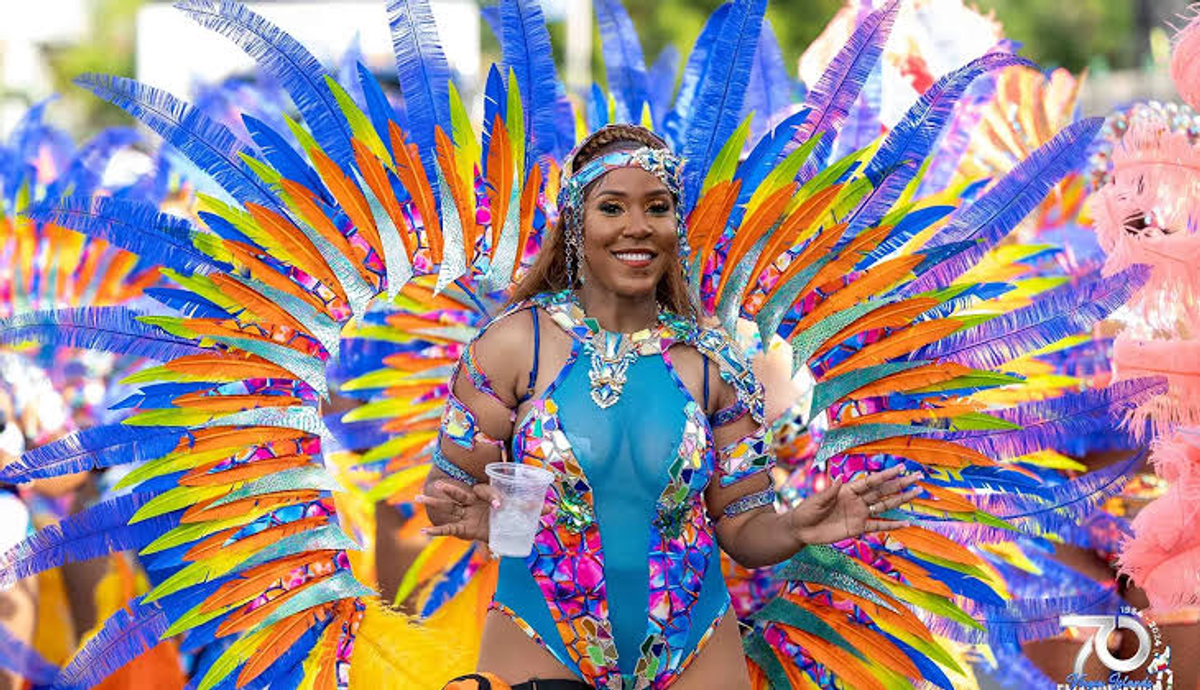
The holiday marks the commemoration of the 250th Anniversary of Freedom at Nottingham Estate, Long Look.
The Long Look Estate in East End, Tortola, British Virgin Islands, claims to be the oldest free black community in the Western world.
In 1776 Samuel Nottingham, a Quaker, manumitted 25 slaves and gave them 50 acres (200,000 m2) of land in Long Look in Tortola, directing them to cultivate it for the common good.
Quakers were prominent in the abolition movement; Nottingham’s action pre-dates the foundation of the Society for Effecting the Abolition of the Slave Trade by more than a decade.
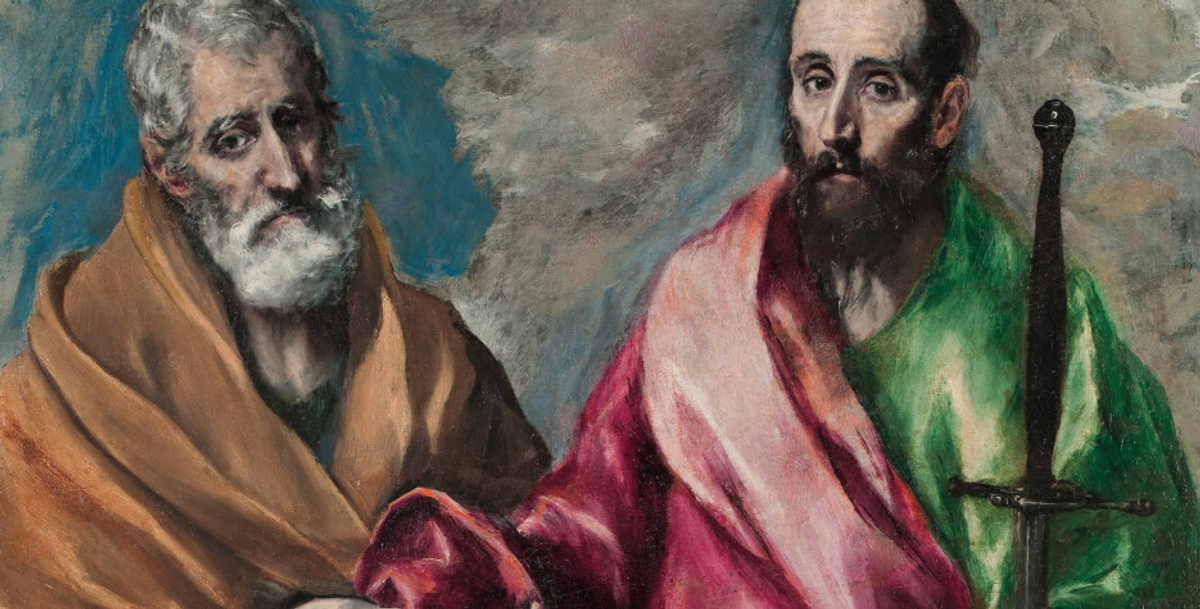
Peter was the leader of the apostles and the first pope. Paul was born Saul, but converted to Christianity on the road to Damascus.
They had been imprisoned in the infamous Mamertine Prison of Rome and both had foreseen their approaching death. It is said that they were martyred at the command of Emperor Nero.
Even though they were killed on the same day, their method of execution would have differed.
Saint Peter was crucified, whereas Saint Paul would have been beheaded with a sword as he was a Roman citizen and afforded a quicker execution.
It is said of Peter that he was crucified head downward as he didn’t feel worthy of being crucified in the same way as Jesus.
On June 29th, coastal and island communities may decorate their boats and wharves to give praise to St. Peter, who was the patron saint of fishermen. St. Paul was known for his handcraft.
This is probably one of the oldest feast days celebrated in the Christian calendar. In 2010, images of Peter and Paul were found on the wall of catacombs dating back to the 4th Century AD.
The feast of St Peter and St Paul is known as a ‘Solemnity’. For Catholics, this means they can eat meat on the day, even if it falls on Friday when normally fish would be eaten.
DREAMING of a luxurious 5-star all-inclusive holiday, but not wanting to break the bank?
It turns out you don’t need to fork out on Ibiza, Mykonos or Saint Tropez to lounge at a glamorous beach club or enjoy a five-star stay this year.
You can bag a week-long all-inclusive stay at the Carine Hotel Kumbor for £439ppCredit: Trip AdvisorRooms at the adults-only Caves Beach Resort in Hurghada are themed with a luxurious feelCredit: Trip Advisor
Luckily, there are some lesser-known European spots where you can live the high life on holiday for much less.
We’re talking glittering marinas, trendy rooftop bars, boat trips on clear water bays and beaches that look like the world’s most expensive hotspots – but for a fraction of the price.
With cocktails under £3 and shockingly affordable five-star stays, here are the holiday spots where your money goes the furthest.
Durres, Albania
You can book an all-inclusive stay at the Royal G Max hotel in Durres, Albania for £429ppCredit: Trip Advisor
If you want a holiday that feels like five-star luxury without the price tags of Ibiza or Mykonos, Durres feels like the ultimate cheat code.
This stunning stretch of the Adriatic coast has quickly transformed into a high-end hotspot packed with glam beachfront clubs and bars.
Head to Sunset Bar for an outdoor drinking spot that lets the views do all the talking – and where cocktails cost as little as 300 lek (£2.75).
Here, comfy striped sofas look out to a stretch of glimmering sea on Albania‘s Adriatic coast that has fantastic sunsets.
Another affordable but luxurious spot is Illyrian Garden, a 360° rooftop bar with a secret garden-themed terrace.
Cocktails here start at 500 lek, which works out to roughly £4.60.
It’s also worth visiting this spot in the daytime to sip a strong local coffee and soak up the rays.
Plus, the hotels in Durres offer a luxurious, five-star feel for a fraction of the price. We found a deal for an all-inclusive week away that works out to £62pp per night.
The deal
If you click on a link in this box, we will earn affiliate revenue
The 5-star Royal G Max hotel has a private stretch of soft sand beach, a large spa with a sauna and hot tub, plus several swimming pools.
If you like a sun lounger holiday where you can lazily drift between the pool and the sea in a glamorous setting, this is it.
Book a seven-night, all-inclusive stay at the five-star Royal G Max from £429pp
Bag a seven-night all-inclusive stay at the 5* Solivia Hotel in Antalya for £490ppCredit: Trip Advisor
For a taste of the high life that won’t drain your savings, Turkey’s sun-drenched Turquoise Coast offers spectacular value.
There are plenty of holiday spots to pick from along the Turkish coast, but there are two particularly affordable areas.
Antalya is the king of the mega resort – here, ultra all-inclusive packages mean round-the-clock pampering, top-tier dining, and huge pool complexes for low prices.
It’s a fantastic area for families, with the Land of Legends theme park resort on your doorstep in Belek, as well as unique attractions like the Antalya Toy Museum and shallow water beaches like Lara Beach.
If you prefer a chic escape with glitzy bars and a vibrant marina, head to the Aegean side to Bodrum.
Bodrum delivers a Saint Tropez feel on a budget, with a waterfront lined with glamorous bars and lounges facing yachts.
It’s hard to go wrong whichever spot you choose on the Turquoise Coast. A budget-friendly meal out averages at £5.88 in Bodrum and £6.20 in Antalya, according to Wise.
The deal
If you click on a link in this box, we will earn affiliate revenue
The Solivia Hotel is a sprawling five-star property in Antalya, with a Blue Flag private beach, action-packed entertainment and four swimming pools (including a dedicated kids pool and splash zone).
The food and drink is all inclusive done right. There’s an extensive buffet in the main restaurant, plus a beach snack bar, pool bar, unlimited ice cream hour and Turkish coffee on tap.
Book a seven-night, all-inclusive stay at the five-star Solivia Hotel from £490pp
The adults-only Caves Beach Resort in Hurghada has unique themed rooms and is steps from the beachCredit: Trip Advisor
Red Sea hotspot Hurghada is a great-value alternative to further flung destinations, offering year-round sunshine and affordable all-inclusive hotels.
Away from the resorts, you can snorkel world-famous pristine reefs, or set sail to the sandy Giftun Islands and go dolphin watching on a boat trip that can cost as little as £20.
Considering you have endless soft sand beaches and exciting water activities on your doorstep, prices here are surprisingly cheap.
According to Wise, a meal out at an inexpensive restaurant averages at £2.82, and a beer can cost you as little as 83p.
Plus there’s plenty of attractions here for families, including waterparks like Jungle Aqua Park and Makadi Water World, as well as activities like parasailing and dune buggies on sites such as GetYourGuide.
The deal
If you click on a link in this box, we will earn affiliate revenue
The adults-only, five-star Caves Beach Resort is a truly unique place to stay in sunny Hurghada.
Cave-themed rooms will keep you cool, with textured stone walls and leopard print bedding. Outside, take a dip in one of three pools and watch the waterfalls rush and palms sway.
You’re also just steps from the beach, where there’s water sports and snorkelling available in the clear, sparkling water of the Red Sea.
Book a seven-night, all-inclusive stay at the Caves Beach Resort, Hurghada from £549pp
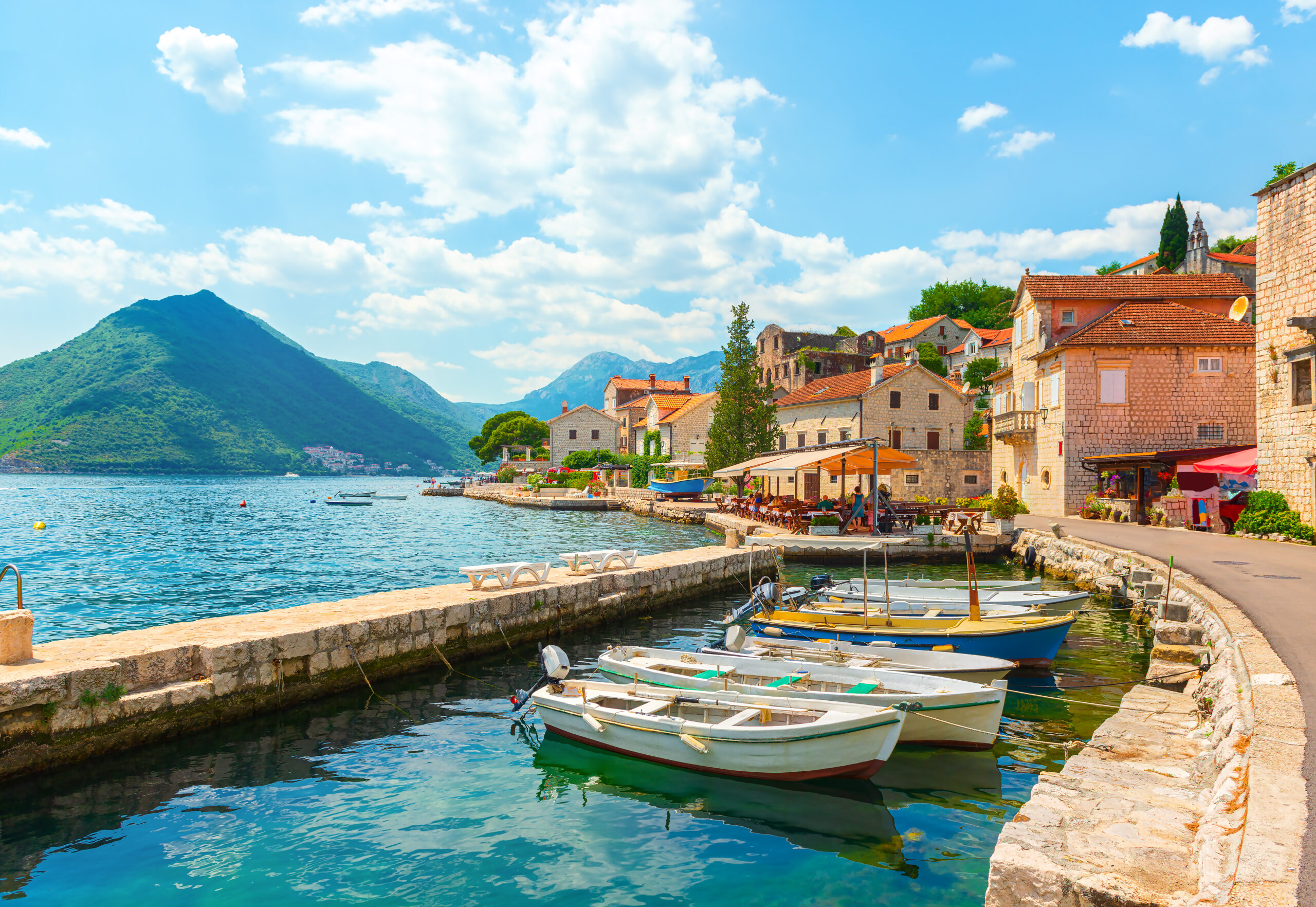
Stroll through a cobbled medieval town with a stunning mountain backdrop in Perast at the Bay of KotorCredit: Getty
For jaw-dropping landscapes, reliable sunshine and luxurious hotels for cheap, try a trip to the Bay of Kotor in Montenegro.
The scenery here has the dramatic feel of the Norwegian fjords, mixed with the sunshine and glamour of the Italian lakes.
The crystal-clear bay is framed by towering limestone cliffs, backed by cobblestone medieval towns such as Kotor and Perast – perfect for an afternoon of exploring.
Montenegro itself remains incredibly wallet-friendly compared to other European spots with dramatic landscapes, such as Switzerland.
Head to the Old Town Pub Kotor for €5 (£4.31) cocktails, and go out for dinner guilt-free with your pick of budget-friendly restaurants. A meal out can cost you just £8.63 per person, according to Wise.
You can easily spend your days here cruising on water taxis for less than a tenner or simply hiking and exploring beautiful coastal trails completely for free.
Plus, you can absolutely book yourself into a super sleek all-inclusive hotel on a budget.
The deal
If you click on a link in this box, we will earn affiliate revenue
The stylish Carine Hotel Kumbor sits close to the hotspots of Kotor Bay, Herceg Novi and the Portonovi Marina, leaving you perfectly positioned to explore the local area.
This hotel has its own sprawling spa and even its own casino, as well as beach club access for all guests.
This hotel is also ideal for families, with a kids club for ages 4 – 12 and beach toys and inflatables available for hire.
Book a seven-night, all-inclusive stay at the Carine Hotel Kumbor from £439pp
The Soul Beach Bar offers glamorous daybeds and loungers from around £4pp per dayCredit: bar.bg
Sveti Vlas sits on Bulgaria‘s Black Sea coast, where the green slopes of the Balkan Mountains sweep down to the water.
This sophisticated pocket of Bulgaria is the classy, tranquil sibling to the neighbouring party hub of Sunny Beach.
Explore the buzz of the Marina Dinevi, where you can stroll past yachts, dine at waterfront restaurants, and lounge at trendy beach clubs that mimic the upscale vibes of Marbella or Ibiza.
Soul Beach Bar offers huge, pristine white daybeds on the sand with fresh fruit cocktails and glowing lanterns.
Renting a sunbed here costs a super-affordable 10 – 15 BGN (around £4 – £6) per person per day.
Because your money goes incredibly far here, you can tuck into fresh seafood platters, sip cocktails on plush daybeds and grab those Instagram pictures guilt-free.
We found a deal for a week-long all-inclusive stay in a five-star hotel in Sveti Vlas for £57 per person per night.
The deal
If you click on a link in this box, we will earn affiliate revenue
The Grand Hotel Sveti Vlas resort in Bulgaria overlooks the beautiful Black Sea, just a stone’s throw from the beach.
The site boasts three pools, a large spa and fitness centre, three restaurants and a poolside bar serving delicious iced cocktails.
Sveti Vlas beach is a five-minute walk away, while the buzz of Sunny Beach can be reached with a five-minute taxi ride.
Plus, sprawling waterpark Action Aquapark is a 10-minute drive away, perfect for little ones who love to make a splash.
Book a seven-night, all-inclusive stay at the five-star Grand Hotel Sveti Vlas from £399pp
Millions of Brits are due to pack up the budgie smugglers and inflatable doughnuts and head abroad – but there are plenty of sneaky charges and questionable practices that can easily ruin a holiday
Don’t get caught out this summer(Image: encrier via Getty Images)
Are you due to travel abroad for a holiday in the coming months? You’re not alone.
Despite dire warnings of cancelled flights, raising prices and stifling heatwaves, millions of Brits are due to pack up the budgie smugglers and inflatable doughnuts and head abroad.
However, there are lots of extra charges, shoddy practices and other travel traumas that can catch out the unwary traveller. So here’s my guide to some of the holiday horrors that you might not be aware of, so you can get away without a care in the world.
Don’t get caught out by a non-compliant cabin bag
So you’re travelling with just a cabin bag, but it’s looking a bit overstuffed. Beware…
Airlines all have specific rules around the size of your cabin bag (the bigger one) and your hand luggage (the smaller one). Despite what it may say on your suitcase, there is no definitive size for cabin bags, though as a general rule the standard is 56 x 45 x 25cm for the cabin bag and 40cm x 30cm x 15cm for an under-seat (hand)bag. There are also weight restrictions too, with most cabin bags limited to a maximum of 7kg to 10kg.
Standard sizes are all well and good, but airlines can set their own, more restrictive rules around the size of both types of carry-on luggage. So before you travel, it’s vital that you understand their rules – and the consequences of not meeting them.
You’ll need to measure the height, depth and width of your carry-on bags. Missing off the wheels when you check the height is one of the more common mistakes.
But the biggie is over-stuffed bags. Having a bag that meets the criteria when empty doesn’t mean it does when you’ve jammed it full of holiday items. Remember that the bag must fit in to that metal box at the boarding gates if you want to get on your flight without paying extra.
Cheeky add-on charges on your flights
Chances are you’ve already booked your luggage costs as part of your flight booking. But make sure you pack your bags a few days before you travel so you know if you need to add on a hold bag, or are at risk of being caught out by those cabin bag rules.
The closer you get to travel, the higher the price you pay for your bags. So if you’ve not paid for your luggage yet, do it now.
So how much extra will you pay for essential add-on charges? By my calculations, the average prices hover around:
£40 to £50 if you want to take a 23kg hold bag one way.
£30 to £50 for an overhead cabin bag (this has almost doubled since last year – it might be cheaper to share a hold bag for two people).
£6 to £25 for the most basic seat reservation
That’s £76 to £125 each way or £152 to £250 for a return. However, you’ll pay more the closer you are to your flight date.
In addition, watch out for charges to book a specific seat. I was charged over £320 for two return flight seat reservations alone through British Airways recently, just so I could sit with my partner! For shorter haul, the seat prices aren’t as high, but are still outrageous.
In fact, Ryanair has U-turned on charging £8 for families to sit with kids after the the Competition and Markets Authority (CMA) announced an investigation.
You can usually book a specific seat 24 to 48 hours before check in opens. But watch out! There’s usually a massive rush to book and you may miss out. I tested the BA website after I’d paid for my shocking seat prices and the website and app went down on both occasions when check in opened.
Apartment traps and questionable locations
Using online travel marketplaces and apartment rental websites can be a great way to find a fabulous place to stay for your big holiday. But you do have to be a bit cautious about what’s on offer and you’ll need to check to see if the places you like are as good as they seem.
You may already be aware of the warnings about ‘tickers’ – those on-screen alerts that say there are only two rooms left in the hotel, or things are ‘booking fast’. Despite numerous warnings and fines, the industry is still finding sneaky ways to panic us in to buying without checking things thoroughly.
But there are other things to watch out for. Many websites offer hotels and aparthotels alongside private lets. There’s nothing wrong with a private let in theory, but with a hotel, you can complain to the reception if things aren’t as advertised, whereas a private let might limit your options if the host is a bit rubbish.
Check photos thoroughly to see if the advertised facilities are all there, ask questions before booking and look at the reviews – focus on recent ones. Watch out for things like extra bedrooms that turn out to be a sofa bed in the living room. I always look for a personal handover and return of keys too as this is a guide to how good your host is.
The latest thing to watch out for is the location of the property. Many sites list properties as being ‘500 metres from the centre’.
Yet, some of the sites I checked don’t specify which centre. You may find that you’re not 500 meters from the centre of Barcelona, but 500 meters from the centre of a suburb nearby. Check out a map online so you know where the main tourist areas are for your destination and cross reference with the details on the booking website.
Martyn James is a leading consumer rights campaigner, TV and radio broadcaster and journalist
Crete welcomed approximately 6.6 million visitors last year, with British tourists averaging 8.1-night stays — but the Mirror has discovered the hidden gems of the island away from the beaches…
Crete’s beaches and coves are delightful
Goats bleat and their bells clang as they amble through the steep hillside shrubs, pausing to graze on wild thyme beneath a cloudless Cretan sky. I peer in the other direction and see the Aegean Sea sparkle, with waves kissing the rugged coastline.
Beaches are within a stone’s throw to my left – a northerly direction – yet I can pick my way to the right – to the south – and wander through grassland and hills to explore a trove of history. Crete, the largest and most populous island of Greece, offers that fascinating beauty – coasts and mountains in one spectacle.
It makes for a great holiday. The island is defined by rugged mountains, fertile valleys and endless olive groves. I made my home near Mochlos, a fishing village in the northeast of the island, which meant I could spend a couple of hours splashing in the sea at the beach in the mornings before exploring the history and nature inland in the afternoons.
The hills are dotted with historical attractions, including Toplou Monastery. Founded in the 14th century, it is still functioning. The monks there make wine and treat me to a splendid tasting session.
Crete’s history stretches back far beyond classical Greece. Archaeological evidence suggests people have lived here for more than 130,000 years, making it one of Europe’s oldest inhabited regions.
Tourism arrived in earnest during the late 1960s and early 1970s, when artists such as Joni Mitchell and Cat Stevens helped put the island on the map. While modern tourism has transformed parts of the coastline, much of Crete retains its timeless character.
And I enjoyed this charm along the north coast. One afternoon, I travelled west along the coast, hopped on a little boat and spent a short while on Spinalonga. This island, maintained as a fortress for centuries under Venetian rule, became a leper colony in the early 20th century. It has been uninhabited since 1962, and is now the second-most visited tourist site in Crete.
Head to Archanes, a town with roots stretching back some 5,000 years to the Minoan civilisation. The cobbled streets there are particularly beguiling. There is not a tourist in sight and barely an English voice to be heard. It feels as though little has changed for centuries.
But the atmosphere there and across the rural charms of northern Crete feels wonderfully authentic. Elderly locals in padded jackets sip beer, smoke cigarettes and play backgammon as the afternoon drifts by.
Venture into most of these rural towns and villages, and you’ll see colorful houses draped in bougainvillea. It is stunning to discover such genuine slices of Cretan life in a region that attracts so many visitors.
But this agricultural heritage is one of Crete’s greatest treasures — and the tourism helps protect and sustain it. This glorious island has indeed struck a chord between the modern sun-kissed holiday trap and the quaint traditional charm.
Book it
Rooms at Ella Rocrita start from approx. £184 per night, depending on season.
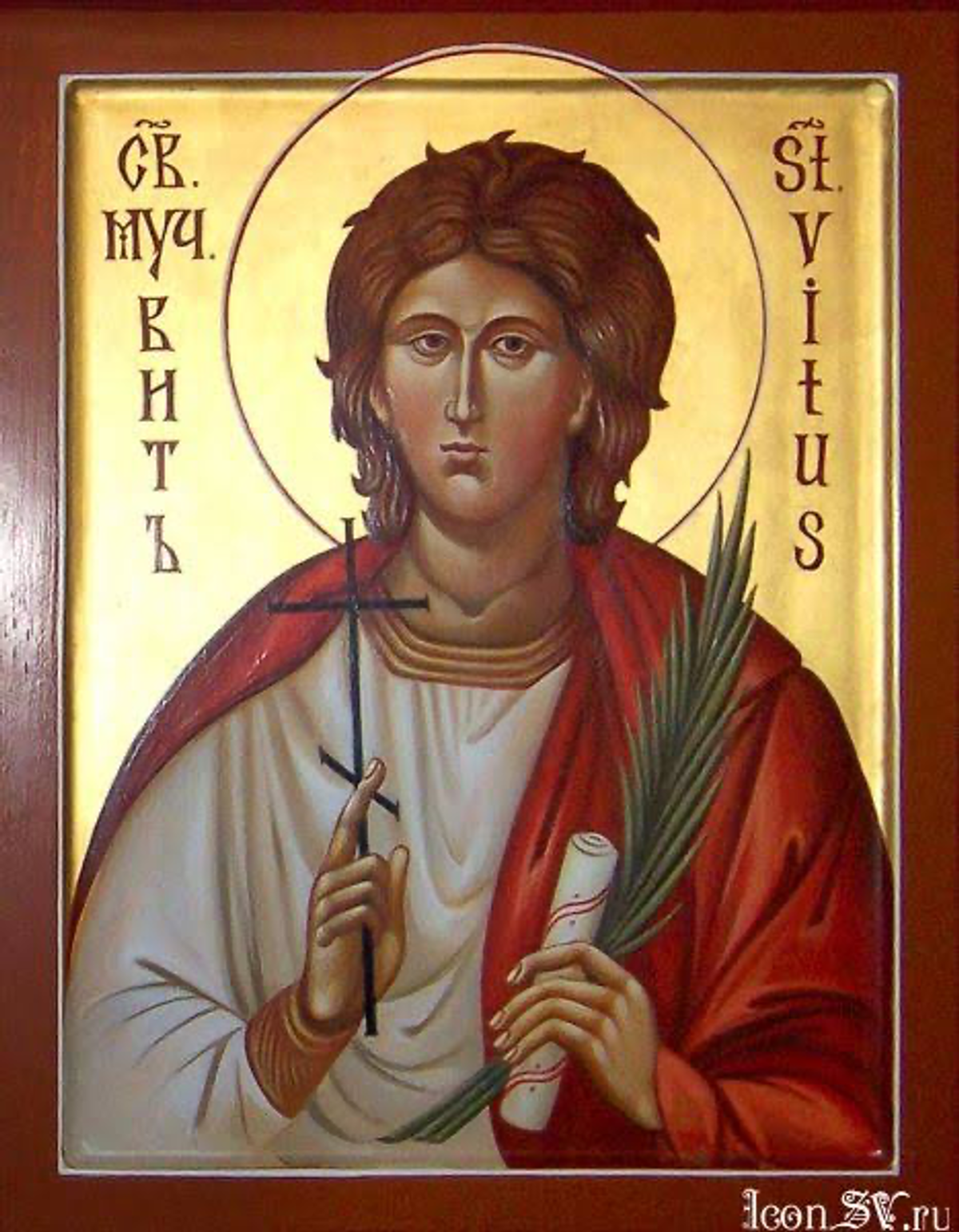
Saint Vitus was a Christian saint from Sicily. He died as a martyr during the persecution of Christians by co-ruling Roman Emperors Diocletian and Maximian in 303.
In the late Middle Ages, people in Germany celebrated the feast of Vitus by dancing before his statue. This dancing became popular and the name “Saint Vitus Dance” was given to the neurological disorder Sydenham’s chorea.
The Battle of Kosovo took place on St. Vitus’ Day (June 15th in the Julian calendar) 1389 between an army led by the Serbian Prince Lazar Hrebeljanović and an invading army of the Ottoman Empire.
While the Ottomans suffered huge losses, they eliminated all of Prince Lazar’s forces. This led to Ottoman control in the region which lasted for several centuries.
Djibouti had been under French colonial control since 1888. In 1946 it was made an overseas territory within the French Union with its own legislature and representation in the French parliament.
It was known as French Somaliland until 1967 when it was renamed French Territory of the Afars and the Issas.
In 1958, as independence for Somalia neared, a referendum was held to decide whether the territory should remain with France or join the Somali Republic. The outcome was a vote in favour of staying as part of France.
In 1967, a second referendum was held and again results indicated that the majority wanted to continue with ties to France.
In both the 1958 and 1967 referendums there have been accusations that the outcome of the voting was rigged in favour of remaining with France.
On May 8th 1977, a third referendum took place. This time, an overwhelming 98.8% of the electorate voted for independence from France and thus, on June 27th 1977, Djibouti became the last of France’s African colonies to gain independence.
Hassan Gouled Aptidon, who had played a leading role in the campaign for the yes vote in the referendum of 1958, eventually became Djibouti’s first president.
The origin of the name Djibouti is unclear. One proposed theory is that it comes from “gabouti”, a type of doormat made of palm fibres. Other theories are that it is named for the killing of a legendary terrifying beast, or that it was named after the Egyptian god of the moon.
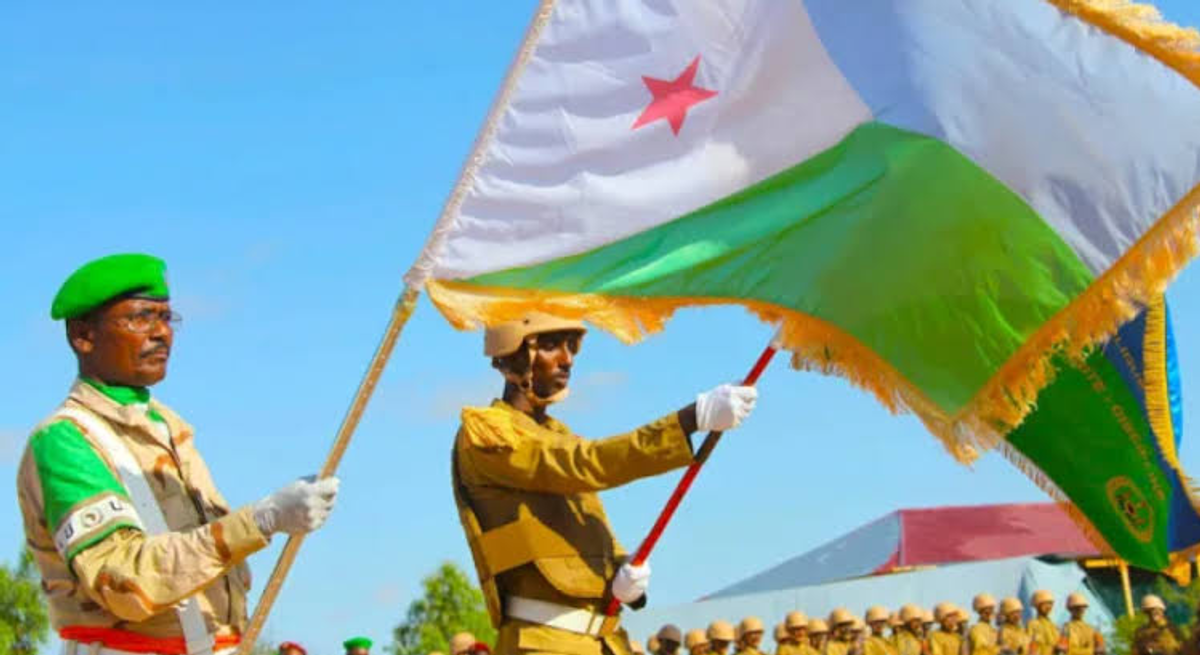
Independence Day is marked with a military parade in the country’s capital, Djibouti City. The national army, led by a colourful marching band, puts new units and equipment on display to the public. After the parade, political leaders give speeches in front of the Presidential Palace.
Other celebrations include fireworks, fairs and music performances in cities and towns across Djibouti. It is a custom to eat traditional meals like Skudahkhrais (Djiboutian lamb stew) served with a delicious, crispy Sabaayad flatbread.
Three European destinations, with golden sand beaches and vibrant cities, have seen a significant price drop this summer – and it could be the best time to book
Three European destinations are cheaper than usual this summer(Image: Getty Images)
A holiday expert has revealed three European destinations that are better value this summer, helping travellers make the most of their money.
We’re always hunting for a good deal when it comes to booking a getaway, whether that means grabbing cut-price flights, reduced hotel rooms or departing from an alternative airport. Picking the right destination also plays a significant role in determining how much your trip will ultimately set you back, with some holidays notoriously pricey.
Despite the usual surge in travel demand during the summer holidays, three European destinations have actually seen prices drop. And it could be the perfect moment to book, as travel expert and Head of Aviation at loveholidays, Gavin Brewer, said: “There isn’t a blanket trend of rising holiday costs across the board, and there are still bargains to be found.”
While he pointed out that the United States had experienced the largest price reduction, with seven-night packages over the summer dropping by £117 per person on average since the conflict in the Middle East erupted, Bulgaria, Montenegro, and Turkey have followed a similar suit. Gavin disclosed that all three European hotspots have seen significant price cuts on seven-night packages throughout the summer.
Bulgaria
Bulgaria, boasting stunning golden beaches along the Black Sea and breathtaking mountain scenery, has seen prices fall by an average of £60 per person. The country offers an abundance of gorgeous beaches perfect for soaking up the sun, and is widely regarded as a brilliantly budget-friendly destination, with a local beer setting you back just around €2.32 (£2), reports Wales Online.
Among the most popular spots to explore is the capital, Sofia, home to the iconic golden-domed Alexander Nevsky Cathedral and the vibrant pedestrian thoroughfare, Vitosha Boulevard. Then there’s the ancient city of Plovdiv, which boasts a history stretching back more than 8,000 years – a former ‘European Capital of Culture’ that’s rich in heritage and ideal for exploring on foot.
Montenegro
Meanwhile, the travel expert also discovered that Montenegro, celebrated as a ‘Balkan gem’ where dramatic mountain landscapes meet the coastline, has seen prices tumble by around £53pp. The European nation is frequently likened to Croatia, but without the tourist hordes, thanks to its unspoilt national parks and relaxed coastal towns nestled along the Adriatic Sea.
Highlights include the renowned Bay of Kotor, often described as ‘Europe’s southernmost fjord’, flanked by towering cliffs, vivid azure waters and beautifully preserved medieval towns such as Kotor and Herceg Novi, which proudly holds UNESCO World Heritage status. Another must-see is Durmitor National Park, where glacier-carved terrain reveals majestic peaks, sweeping pine forests and stunningly clear glacial lakes.
Turkey
Turkey, renowned for its breathtaking architecture, rich culture and vibrant bazaars, has also seen prices slashed by around £35pp. Straddling the border between Europe and Asia, it boasts a thriving culinary scene and wonderfully diverse landscapes bursting with character, alongside striking architecture that pays homage to its iconic heritage.
Istanbul ranks among the most sought-after destinations in Turkey, with its ancient quarter, Sultanahmet, teeming with world-famous landmarks, including Hagia Sophia, the Blue Mosque, and Topkapi Palace. Then there are the magical landscapes of Cappadocia, celebrated for its extraordinary rock formations and skies that fill with vivid hot air balloons beneath the warm glow of an orange sunrise.
Alongside his budget-friendly European suggestions, Gavin added: “There are still plenty of affordable getaways available this summer. If price is your main priority, a great way to find the best deal is to search our platform for holidays based on your budget alone.”
Do you have a travel story to share? Email webtravel@reachplc.com
In May 1918 Azerbaijan had declared its independence from the Transcaucasian Democratic Federative Republic after the collapse of the Russian Empire, forming the Azerbaijan Democratic Republic.
To protect the new nation, on June 26th 1918, a Muslim Corps, established by a decision of the Special Transcaucasian Committee, was renamed to the Detached Corps of Azerbaijan.
The Military Ministry was established in August 1918, but the renaming of the soldiers is seen as the birth of the Azerbaijani Armed Forces.
Around 25,000 soldiers were recruited and the government allocated 24% of the state budget for military purposes. By August 1 of the same year, the newly established Military Ministry took over the armed forces. The first solemn parade of the national army took place in 1919.
In April 1920, the ADR was occupied by the Bolshevik forces, and Azerbaijan was later incorporated into the Soviet Union. After the collapse of the Soviet Union in 1991, Azerbaijan formed its independent national army once again.
With the collapse of the Soviet Union in 1991, the Armed Forces of Azerbaijan were re-established according to the Law of the Republic of Azerbaijan and this day was recognised when the Supreme Soviet of Azerbaijan passed a law “On the Establishment of the Armed Forces of Azerbaijan”.
In May 1998 according to Decree No. 707 issued by Heydar Aliyev, the President of the Republic of Azerbaijan, June 26th was declared a non-working holiday, the Day of the Armed Forces of Azerbaijan.
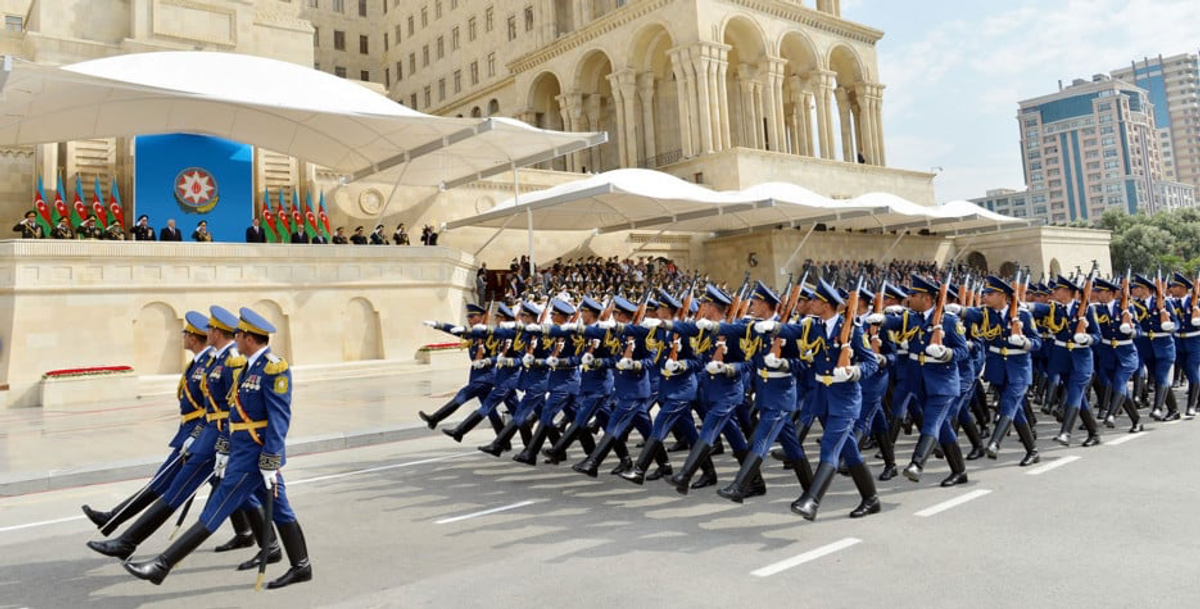
The modern armed forces of the Republic of Azerbaijan comprise the Land Forces, the Air and Air Defense Forces, and the Navy. The National Guard, the State Border Service, and the Internal Troops of Azerbaijan are considered associated forces.
Across the parks, kids’ meals will be cheaper and those who purchase a Play Pass as a part of their booking will also get a £7.50 voucher per child which can be use for any of the activities at Haven’s parks.
Simon Palethorpe, CEO of Haven, said: “Summer is a time for making memories, and that’s why we’re giving back up to £5 million to our guests and owners as part of the Government’s Great British Summer Savings initiative.
For example, all 39 Haven holiday parks are participatingCredit: Trip Advisor
“We know household budgets remain under pressure, and we want to help our holidaymakers enjoy more of what matters – whether that’s a hole-in-one on the Crazy Golf, a leap of faith off The Jump tower or another shot to hit the bullseye in the Archery.”
The holiday park is located near Berwick-upon-Tweed in Northumberland and is on a historic estate.
At the park you can head to a large indoor swimming pool with its own waterslide, or outside try out Aerial Adventure.
There’s also a Wetherspoons onsite for cheap tipples.
If you want to head away sooner than this, you could visit Haven Caister-on-Sea Holiday Park, which is Britain’s oldest holiday park.
Away Resorts have also confirmed they are participatingCredit: Trip Advisor
Not too far from Great Yarmouth in Norfolk, the holiday park has direct access to the beach.
You can also head to the family activity hub onsite with off-road 4×4 mini karts.
There’s also both indoor and outdoor pools.
A four-night stay between July 6 and 10 costs from £169 – which equals just £10.57 per person, based on a family of four.
Butlin’s Minehead, Skegness and Bognor Regis will also participate in the scheme.
A Butlin’s spokesperson said: “We’re pleased to support the Great British Summer Savings initiative by passing on the temporary VAT reduction where eligible.
“Families visiting our resorts will enjoy savings on Day Visits and children’s meals across a range of our dining venues during the campaign period.”
Away Resorts has also confirmed to Sun Travel that it will be participating in the scheme – all children’s food at Away Resorts will be reduced, even including kids eat for £1 for now less than £1.
Many of the parks have availability left for this summer with accommodation under £11pppnCredit: Trip Advisor
The resorts are also discounting show tickets.
Away Resorts still has lots of availability for the coming weeks as well as the summer holidays.
For example, you could stay at Tattershall Lakes in the Lincolnshire countryside.
The holiday park has both indoor and outdoor pools and is a great place to cool down in the head as you can head paddleboarding or jet skiing.
There’s also adventure golf, a high ropes course, zip-lining and even axe throwing.
A three-night stay between July 3 and 6 costs from £291 – which works out at £24.25 per person per night, based on a family of four.
Alternatively, if you wanted a holiday park break during the school summer holidays, you could head to Clumber Park in Nottinghamshire.
The holiday park is surrounded by forest and rolling hills and even has hot tubs.
Butlin’s has also confirmed it is participating in the schemeCredit: Darren Fletcher
As for things to do at the site, you can hire bikes and head off on a cycle.
And nearby, you could try out a round of golf at Worksop Golf Club & Clumber Park Lodges.
A three-night stay between August 13 and 16 costs from £420 – which works out at £35 per person per night, based on a family of four.
Center Parcs told Sun Travel: “While we welcome measures to support the hospitality and leisure sector, the majority of the VAT reductions announced are targeted at day attractions and therefore don’t apply to us here at Center Parcs.
“However, throughout the summer we have introduced our ‘Kids eat for £2’ promotion across our village restaurants during the summer holidays, which provides an even greater saving for guests.”
Over the period, Park Holidays are reducing their kids’ menus cost from £7.95 to £7.45.
Parkdean Resorts declined to comment.
Families will also be able to save money on children’s meals, cinema tickets, theatre shows, soft play centres, theme parks, museums and zoos.
There will also be free bus travel for children in England across August.
Sun Travel has contacted Park Holidays UK and Bluestone National Park Resort to see if they are participating.
Data experts have analysed UK airport punctuality figures for the first half of 2025, ranking airports by the lowest number of flights recorded as on time
Many of us will be looking to get away this summer(Image: Daniel Crawford via Getty Images)
Plenty of us will be filling up our suitcases this summer ahead of a well-deserved holiday. Whether you’re a spontaneous booker or someone who organises trips months in advance, there’s always a thrill about heading to an airport.
Yet, not every journey runs as seamlessly as we’d hope. Data specialists at SEO Backlinks examined UK airport punctuality statistics for the first six months of 2025 and ranked airports according to the lowest proportion of flights departing on schedule.
The results serve as a useful reminder to factor in potential disruption when preparing to leave home.
Daniel Weston, spokesperson for SEO Backlinks, said: “Flight time and ticket price are usually the first things people compare, but punctuality can make a huge difference to the start of a holiday.
“If you are booking a tight connection, travelling with children or paying for airport parking by the hour, a lower on-time score can quickly become expensive and stressful.
“Passengers should check the latest airport and airline status before leaving home, keep screenshots of disruption notices, and know when they may be entitled to support or compensation if a delay is within the airline’s control.”
So which UK airport suffers the worst delays?
Manchester Airport is where British travellers are most likely to experience a departure that doesn’t stick to the timetable.
The airport ranked bottom of the table, with merely 71.5% of flights departing on time. That indicates 28.5%, or roughly one in four passengers, failed to leave within the punctuality standard.
Birmingham International came in as the second worst performer, with Stansted and Bournemouth joint third, both recording just 73.5% of flights departing on schedule.
While London airports didn’t monopolise the bottom 10, both Stansted and Gatwick featured in the rankings, highlighting that the problem isn’t confined to regional airports alone.
The top 10 UK airports most likely to delay your holiday are:
Manchester, 71.5% of flights on time, 28.5% not recorded as on time
Birmingham International, 72.5% of flights on time, 27.5% not recorded as on time
Stansted, 73.5% of flights on time, 26.5% not recorded as on time
Bournemouth, 73.5% of flights on time, 26.5% not recorded as on time
Bristol, 74.5% of flights on time, 25.5% not recorded as on time
Teesside, 75% of flights on time, 25% not recorded as on time
Newcastle, 75.5% of flights on time, 24.5% not recorded as on time
Gatwick, 75.5% of flights on time, 24.5% not recorded as on time
Jersey, 75.5% of flights on time, 24.5% not recorded as on time
Exeter, 76% of flights on time, 24% not recorded as on time
A Manchester Airport spokesperson told the Express: “This analysis of the Civil Aviation Authority’s data is misleading as it ignores important context – context which is directly referenced by the CAA in the notes accompanying the research and in the research itself. Punctuality is affected by factors that are outside of an airport’s control.
The two most significant factors contributing to delays in the last year have been industrial action affecting air traffic control in Europe, and the weather. These were exacerbated by airspace restrictions above conflict zones meaning airports with significant long-haul networks, like Manchester, were more significantly affected than others.
“As an industry we are working collectively to achieve the best possible on-time departure rates, while protecting flight schedules and avoiding the need for cancellations.”
A HUGE UK holiday park is planning for a major new attraction with several other exciting new openings this summer too.
Unity Beach Holiday Park inBrean, Somerset is set to open a 1,100-seat theatre that will be ‘seaside pier-themed’.
Sign up for the Travel newsletter
Thank you!
Unity Beach Holiday Park in Brean, Somerset, is planning to open a new ‘pier-style’ attractionCredit: Brean leisure park Limited
The new attraction would be a theatre showbar with 740 seats on the lower level and then a further 360 seats on a first floor balcony level.
The venue would only be open to staying guests with passes and be open until 11pm Sunday through Thursday and until 1am on Fridays and Saturdays.
Outside the pier-style theatre, there will be a terrace with a children’s play area too.
The park’s current bowling and arcade attraction – RJ’s – would be demolished and a new modern building would open with bowling, arcades and food spots inside, as well as a gift shop.
And there will be an entertainment centre in one of the existing buildings.
The council is set to make a decision on the holiday park’s application on July 9.
The seaside-themed theatre would have 1,100 seatsCredit: Brean leisure park Limited
It comes as the holiday park is set to open a new outdoor lido with cabanas and a dining area in July.
The lido is part of a £10million project at the park, that also includes refurbishing the indoor pool with an updated soft play area, cafe and gym.
The toddler pool is also being transformed into a Splash Pad.
Later phases of the project include opening an outdoor activity centre with axe throwing and archery as well as a trampoline park, landscaped gardens and a dog agility park – which are all expected to open this summer.
It comes as the holiday park also plans to launch a new outdoor lido next monthCredit: Refer to Source
Unity Beach Holiday Park is just steps away from Brean Beach – which stretches on for seven miles.
The holiday park is home to around 1,600 caravans and when there guests can enjoy the water attractions which include flumes.
Next to the park, visitors can head to the UK’s biggest free-entry theme park – Brean Theme Park – which is home to more than 40 fairground rides and rollercoasters.
ANYONE who’s looked at holiday prices over the last few years will know one thing: summer getaways haven’t exactly been getting cheaper.
But this year, a big change in booking habits has completely blown the market wide open.
Holiday Expert Rob Brooks has revealed six popular holiday destinations with major price dropsCredit: Rob Brooks
Because British holidaymakers are playing chicken with the calendar and leaving bookings later than ever, airlines and hotels are staring down a reduced summer capacity.
So, rather than flying empty seats and leaving hotel rooms vacant, some airlines and hotel operators are aggressively cutting prices across the board to get bookings in and holidays shifted.
Before we start, though, I should say that not EVERY destination is seeing price drops like this.
But when I crunched the numbers on package data for a family of four, I noticed that some of the year-on-year drops are massive.
So here’s where the prices are falling fastest for summer 2026…
Menorca: £536 cheaper than last year
Safe, relaxed Menorca has always been a major winner for familiesCredit: Menorca Brand
If you’ve never been to Menorca, imagine everything people love about Majorca and Ibiza… but with the volume turned down.
It has always been a major winner for families because it’s incredibly safe, relaxed, and completely skips the club-heavy energy of its neighbours.
The big news is the pricing: our data shows family holidays here are trending noticeably down compared to last summer.
I flagged a seven-night stay at the Minura Sur Menorcaon an all-inclusive basis, flying from Manchester on 22 August, from £858pp – which is a massive £536 cheaper than this exact package last year.
For a destination that traditionally sells out and hikes its rates in August, finding an all-inclusive setup under these numbers is a serious win against the usual school-holiday tax.
The hotel itself is a brilliant family workhorse on the outskirts of Punta Prima with massive pools and a splash park that will easily keep the kids occupied for hours.
If you’ve got a young family like me, my favourite thing about this property is that they run a free, regular shuttle bus straight down to the beach throughout the summer.
It saves you from dragging hot, tired kids and a mountain of beach gear on a 15-minute trek in the August heat.
Paphos, Cyprus: £246 cheaper than last year
Holidays to Paphos in Cyprus are down £246 compared to last summerCredit: Getty
Paphos is a super-reliable destination that absolutely nails the holiday basics.
You get guaranteed scorching weather, great beaches, and a vibrant harbour front packed with tavernas and bars, without feeling overcommercialised.
And when I took a look, I noticed that prices are down sharply across the resort, making it an ideal window for a bargain.
You can lock in seven nights at the Kefalos Damon Hotel Apartments on an all-inclusive basis, flying from Glasgow on 22 August, from £623pp, saving £246 compared to last summer.
Cyprus has some of the longest, most reliable sunshine windows in Europe, which usually means paying a massive premium to secure an August departure.
Snagging this deal lets you bypass that peak-season markup while keeping food and drinks entirely off the daily spreadsheet.
What makes this place stand out for me is the quality of the recent modern room upgrades.
They’ve kitted the apartments out with brilliant, fully functioning kitchenettes, which means you have a high-spec, contemporary space to retreat to.
This is a massive step up from the dated, basic apartments you usually get saddled with on a budget European getaway.
Crete, Greece: £172 cheaper than last year
Holiday Expert Rob Brooks found a deal for an all-inclusive week-long holiday to Crete for £468ppCredit: Getty
Crete is a massive island that handles every type of holidaymaker, but for families, it’s a brilliant choice because you can have completely different holiday experiences depending on where you pitch up.
The great news for the budget, though, is that pricing across the island seems to have headed south for late bookings.
I spotted a seven-night stay at the Bali Beach & Sofia Village hotel on an all-inclusive basis, flying from Bristol on 22 August, from £468pp – knocking £172 off last year’s price.
Greece in peak August for under £500 per person with all your food and beer thrown in is an absolute gift, by the way.
What I loved about this place was that they run free, weekly Greek cooking lessons hosted directly by the hotel’s executive kitchen chef.
It’s a brilliant, authentic touch where you can actually learn how to whip up proper local specialities, which is exactly the kind of genuine, cultural insight you never expect to get from a standard all-inclusive package property.
Gran Canaria: £179 cheaper than last year
The Maspalomas Oasis Club Hotel in Gran Canaria has all inclusive stays this August from £410ppCredit: TripAdvisor
Gran Canaria is perfect for Brits because the weather is spot on all year round.
As a destination, it handles families, couples, and groups effortlessly, and right now the value across the island is dropping back into our favour for this summer.
One standout deal I saw in the data was seven nights at the Maspalomas Oasis Club on an all inclusive basis, flying from Dublin on 22 August, from £410pp – making it £179 cheaper than last year.
The Canary Islands usually command a massive premium in August because they are a safe bet for sun, but this price point lets you dodge that summer-holiday markup.
The real winner at this hotel is the food quality at the buffet, which you’ll be delighted to learn, completely dodges the lukewarm, processed repetitive food sometimes associated with cheaper all-inclusives.
Instead, they have live show-cooking stations at dinner, where the chefs grill fresh meats and fish directly to your order, right in front of you.
Getting proper, freshly seared food on an all-inclusive budget under £450 is an absolute steal.
Dubai: £135 cheaper than last year
You could stay at the Jumeira Rotana Hotel on an all inclusive break from £720pp this AugustCredit: TripAdvisor
Dubai probably isn’t the first spot you associate with price drops, which is exactly why the numbers caught my eye straight away.
Yes, August in the UAE is hot, but that’s exactly why the luxury hotels open up the discount books, with summer family packages dropping well below their usual rates.
Plus, they have some of the best air conditioning in the world.
I clocked seven nights at the Jumeira Rotana on an all-inclusive basis, flying from London Gatwick on 22 August, from £720pp – a drop of £135 against last year.
For Dubai, getting a full all-inclusive package at this price point is a total anomaly.
It means you can indulge in the city’s notoriously expensive dining scene without worrying about a massive bill at check-out.
My pick of features at this hotel though is its rooftop pool – it’s a corker.
It gives you a fantastic, elevated view of the Dubai skyline while you cool off.
And because the hotel is a smaller, more boutique property by Dubai standards, the staff actually bring chilled towels and refreshments straight to your lounger.
It feels incredibly attentive without the chaotic, impersonal hustle of the massive beachfront mega resorts.
Hurghada, Egypt: £107 cheaper than last year
Holidays to Hurghada in Egypt are down £107 compared to the same dates last yearCredit: Getty
If your absolute main priority, like me, is stretching your cash as far as humanly possible, Hurghada is incredibly tough to beat.
The Red Sea is legendary for its crystal-clear water, and the resorts here offer far more facilities per pound spent than almost anywhere else in the Med, with prices sliding down again this season.
So imagine my face when I saw this deal: seven nights at the El Karma Aqua Beach Resort on an all-inclusive basis, flying from Belfast on 22 August, from £578pp, saving you £107 on last year’s price tag.
The value loop here is simple: you get a massive beachfront resort with its own massive on-site waterpark thrown in for under £600, keeping the kids entertained all week without you ever needing to pull out your wallet.
What I love about this specific place is that they offer swim-up rooms where you can literally step out of your patio doors and straight into a crystal-clear pool channel.
It gives you that premium, luxury resort privilege where you can entirely skip the morning sunbed race and slide straight into the water from your own terrace.
A’ashura was an ancient Judaic feast day of celebration and atonement. It is traditionally the day when the prophet Musa (Moses) freed the Israelites from Egyptian slavery and a day associated with Jesus’ ascension to heaven. It is believed that God saved the prophet Nuh (Noah) and his companions from the genesis flood on this day.
It is better known these days for mourning the martyrdom of Hussain ibn Ali, the grandson of the Islamic Prophet Muhammad (PBUH) at the Battle of Karbala in the year 61 AH (AD 680).
Sunni Muslims believe that Moses fasted on this day to demonstrate his gratitude to God for the deliverance of the Israelites from Egypt. According to Sunni traditions, the Prophet Muhammad (PBUH) fasted on this day and encouraged others to fast.
While the word ashura means ‘tenth’ in Arabic and literally translated, means “the tenth day”; Islamic scholars differ on the reason for the naming.
Asure or Noah’s pudding is a dessert of Turkish origin composed of cereals and dried fruits. It is a tradition served on the day of Ashura.
The Turkish legends say that this dish was made by prophet Noah himself when the ark landed on the mountains of Ararat in the Armenian highlands on the 10th day of Muharram. As the ark was stuck in the Biblical flood for days, the food supplies were getting scarce. To prevent people from starving, Noah made a mixed porridge with all the leftover ingredients in the ark and fed his people.
As mentioned, many people fast during the day of Ashura, so it makes sense to have such a flavorful and nutritious packed dish to break the fast.
Asure is prepared in large pots and distributed amongst neighbours. According to Islamic scholars, 40 houses in each direction is comprises of a neighbuorhood.
Unity Holidays has three holiday parks in the UK that have undergone huge transformations – including outdoor lidos, boardwalks and heaps of activities
16:20, 24 Jun 2026Updated 17:05, 24 Jun 2026
This article contains affiliate links, we will receive a commission on any sales we generate from it. Learn more
There are plenty of cheap holiday park deals up for grabs this summer
When it comes to staycations, there’s no shortage of holiday parks to enjoy – but there are some underrated gems that have just had a huge transformation and well worth having on your radar.
Unity Holidays has three parks – Skirlington Coast in Yorkshire, Unity Beach in Somerset and Seven Lakes in Lincolnshire – and when we took a look we found breaks from £299 for a family of four, including the peak school holiday dates.
The three parks have each undergone a multi-million pound makeover too, with heaps of new restaurants, menus and entertainment, bandstands and boardwalks, as well as trampoline parks, and bookable activities ranging from axe throwing to archery.
The huge makeovers also include outdoor lidos, watersports, and aqua parks which will no doubt be a very welcome offering during those brutal UK heatwaves.
Some of the new highlights include:
Unity Beach: a lido and splash park, a trampoline park, a dog agility park and a boardwalk
Skirlington Coast: an outdoor lido, a splash park, a dog agility park, a new playground, and a boardwalk
Seven Lakes: a refurbed bar and restaurant, as well as outdoor seating with firepits
The holiday parks also boast the likes of soft plays (a lifesaver for any parent), and are dog-friendly, including dog agility parks if you want to let your beloved pet run off some energy before flopping down for a well-deserved meal (and a cheeky drink or two for owners).
In fact, Unity Holidays are currently offering a £100 food and drink voucher with every summer break booked between July 3 and September 28, 2026, to be redeemed at any of the venues on site (excluding the grocery stores). You can book at unityholidays.co.uk and use the code UNITY100 at checkout to claim the voucher.
When we took a look, we found plenty of family breaks under £400 on offer, including the peak travel seasons.
For those who aren’t tied to school holiday dates, there are plenty of cheap breaks to be found. For example, Parkdean Resorts has three-night stays from £129 towards the end of June, while Haven has breaks from £79 in early July (before the school holiday dates). Meanwhile Away Resorts offer four-night stays from £259 outside of the school breaks.
We’ve also got plenty more staycation inspiration whether you’re after a new destination to explore, want to find more last-minute deals, or want to read our reviews of the UK’s best holiday parks and hotels, so you can start planning your next trip!
Have a travel story you want to share? Email webtravel@reachplc.com.
For dry activities, you can go climbing or have a spin at the roller disco.
A three-night stay from June 26 to 29 costs from £215, working out at £17.92 per person per night, based on a family of four – book it here.
Appletree Holiday Park has a nine-hole golf course as well as a splash padCredit: Away Resorts
Appletree Holiday Park, Lincolnshire
Found in Boston, Lincolnshire, Appletree Holiday Park sits in the countryside, with a nine-hole golf course and a splash pad for little ones.
While at the park, you can also have a go at the driving range or even explore by hiring a bike.
Little ones needing to burn off steam can also drop by the play area.
Guests can choose to stay in either a lodge or caravan, with the premium lodges boasting hot tubs as well.
A two-night stay from June 26 to 28 costs from £189.60, working out at £23.70 per person per night, based on a family of four – book it here.
Glendale Holiday Park has easy beach accessCredit: Glendale
Glendale Holiday Park, Cumbria
In Cumbria, you could stay at Glendale Holiday Park, which overlooks the Solway Firth – an Area of Outstanding Natural Beauty.
The park has both the countryside and coast to explore.
At the site itself, there is a swimming pool, an entertainment bar and an onsite restaurant as well.
There is also easy beach access.
A three-night stay from June 26 to 29 costs from £139, working out at £11.59 per person per night, based on a family of four – book it here.
At Broadland Sands, you can head to the indoor heated swimming poolCredit: Park Holidays
Broadland Sands, Suffolk
For a Suffolk break, you can head to Broadland Sands Holiday Park, sitting on the East Coast border.
Near Lowestoft, the holiday park is home to a heated indoor swimming pool with its own water flume.
There’s also a dinosaur-themed adventure golf course, as well as more sporty activities including a climbing wall.
For those wanting to spend some time outdoors, you can also head on a nature trail.
Then in the evening, sit back and enjoy some of the entertainment, including cabaret and live bingo.
A three-night stay from June 26 to 29 costs from £179, working out at £14.92 per person per night, based on a family of four – book it here.
Tarka Holiday Park Devon is just a short walk from the beach tooCredit: Tarka
Tarka, Devon
Tarka Holiday Park is less than five miles from the popular Devonshire town of Barnstaple.
The holiday park focuses on being a more peaceful retreat, so instead of pools, you’ll find a paddock and children’s play area.
Ideal for enjoying the warm weather, there is also an onsite picnic spot.
And for adventures outside of the park, you can head to the Tarka Trail, which stretches 180 miles and follows the steps of Henry Williamson’s Tarka the Otter.
A three-night stay from June 26 to 29 costs from £159, working out at £13.25 per person per night, based on a family of four – book it here.
South Bay Holiday Park in Devon is about 10 minutes from the beachCredit: South Bay
South Bay Holiday Park, Devon
Set on the English Riviera in Devon, you can head to South Bay Holiday Park.
The Brixham-based holiday park is home to an indoor pool, an outdoor pool and even a toddler pool.
There’s also a host of entertainment at the park, including a kids’ club and evening shows.
From the park, there is a direct path to the beach, which takes about 10 minutes to walk.
A three-night stay from June 26 to 29 costs from £199, working out at £16.58 per person per night, based on a family of four – book it here.
Summerfields Holiday Park in Great Yarmouth has a soft play area for little onesCredit: Summerfields
Summerfields Holiday Park, Great Yarmouth
Close to Norfolk Broads National Park, you could stay at Summerfields Holiday Park in Great Yarmouth.
The holiday park boasts a heated indoor pool along with a sauna and for a bite to eat, you can head to The Boathouse.
If it gets too hot outside for the little ones, inside you’ll also find a soft play area, as well as arcades.
A three-night stay from June 26 to 29 costs from £160, working out at £13.34 per person per night, based on a family of four – book it here.
Tattershall Lakes in Lincolnshire is a great spot for water sport-loving familiesCredit: Supplied
Tattershall Lakes, Lincolnshire
Set across 360 acres, Tattershall Lakes Country Park features woodlands and lakes.
The holiday park is a great spot for water sport-loving families, with activities including jet-skiing, water-skiing, wakeboarding and even an inflatable Aqua Park.
If that wasn’t enough water-based activities, there is also an indoor and outdoor pool and spa.
In the evening, you can head to the clubhouse as well for entertainment.
A two-night stay from June 26 to 28 costs from £199.20, working out at £24.90 per person per night, based on a family of four – book it here.
Lower Hyde Holiday Park has both an indoor and outdoor poolCredit: Parkdean Resorts
Lower Hyde Holiday Park, Isle of Wight
Lower Hyde Holiday Park in Shanklin on the Isle of Wight is a great spot if you want to feel like you are travelling abroad but without the long-haul flight.
At the Parkdean site, you can head to the outdoor pool, which has its own flume, as well as another pool inside.
For some entertainment, there’s Squires Showbar.
And if that all wasn’t enough, the park is also only a 20-minute walk from Shanklin Beach.
A three-night stay from June 26 to 29 costs from £189, working out at £15.75 per person per night, based on a family of four – book it here.
A WELSH seaside town has been put on the map globally thanks to two very famous celebrities spotted there this week.
Singer Kylie Minogue and Hollywood director Quentin Tarantino have been seen in the pretty seaside town of Porthcawl.
Sign up for the Travel newsletter
Thank you!
Two A-listers were spotted filming in the seaside town of PorthcawlCredit: AlamyKylie Minogue was spotted filming a scene at a local cafe with Quentin TarantinoCredit: WNS
It isn’t for a holiday – but for filming upcoming movie called Tangled in the Blue, directed by Welsh filmmaker Jamie Adams.
They were caught going to the Saltwater Inn pub, where onlookers said the celebrities “laughed and sang together” for a scene.
Other nearby sightings include at Newton Church, being used for a funeral scene in the film, and at Parkgate Hotel in Cardiff.
But Porthcawl itself is a popular beach town even without the endorsements of the mega stars, with seven bays and two Blue Flag beaches – Rest Bay and Trecco Bay.
She said: “Porthcawl, the ‘jewel of South Wales‘ has the lot. A spectacularly cragged coastline and a swathe of sandy beaches, kissed by sparkling seas – and all just a stone’s throw from the mountains.
“OK, so it might not be the Caribbean, but it does offer fun and frolics for those on a budget.”
“We kicked off activities in Rest Bay. Our morning surf lesson with the brilliant Hugh woke us up quicker than you could say ‘coffee‘.”
The Welsh seaside town has seven beaches – two of which are Blue FlagCredit: Getty – ContributorTrecco Bay Holiday Park is the largest in the countryCredit: Handout
Emma continued: “Within two hours we’d gone from complete beginners to standing up and catching waves.
“Who needs the Maldives when this precious little corner of the UK packs such a punch?”
Along with 2,000 caravans (which can welcome up to 50,000 guests during peak holiday periods) also on-site is a huge entertainment plaza with everything from crazy golf and high ropes to a swimming pool and splash pad.
There’s a bowling alley and for older kids the Next Level Gaming Arena has over 25 consoles including PS5 and Xbox.
Other outdoor activities include archery, hover boards, bumper zorbs and there are even pedal karts to get around.
The park puts on shows, and there’s even Paw Patrol Mighty Missions for little ones.
The holiday park has all the essential facilities like restaurants, cafes, bars, there’s also a launderette, supermarket and even a chapel.
When the sun is shining, guests can enjoy the sprawling sandy Blue Flag beach right on its doorstep.
A four-night stay across this weekend in a Bronze two bedroom caravan which sleeps four people works out to £405 – or £25.31pppn.
If you fancy making a week’s holiday (from June 27 – July 4), then this works out as just £16.40pppn.
Or, sign up with Sun Club and you could stay at Trecco Bay from £9.50.
It has a huge splash park, swimming pool and plenty of other activities to doCredit: Handout
Book Trecco Bay with Hols from £9.50…
Here’s how you can stay at Trecco Bay Holiday Park from £9.50
Parkdean Resorts Trecco Bay is one of 300+ holiday parks you can book with The Sun’s Hols from £9.50.
New breaks at Trecco Bay will be released with the next drop of £9.50 holidays on Wednesday, July 8.
However – if you are signed up to Sun Club – you can get in and book your holiday a whole day EARLY.
Sign up to Sun Club for £1.99 a month and you will have priority in picking from hundreds of new dates for holidays, from 0:01AM on Tuesday, July 7.
Click here to sign up to Sun Club and get early access to booking your Trecco Bay holiday.
Usually, a saint’s feast day is celebrated on the day that the saint died. St. John along with the Virgin Mary are the only two saints whose birthdays are celebrated.
St. John’s death (August 29th) is also marked by Roman Catholic and Orthodox churches.
The feast day of Saint John the Baptist was a popular feast day in many European countries. One reason for this was that its timing coincided nicely with much older pagan holidays that celebrated the summer solstice. It is still celebrated as a religious feast day in several countries, such as Denmark, Norway, Sweden, Finland, Estonia, Latvia and Lithuania and has echos in other holidays such as the Swiss National Day – a central theme in the celebrations is the lighting of bonfires.
It was thought that the Summer solstice was a time when spirits roamed freely, so bonfires were lit to ward off and protect from the evil spirits. Later on, the solstice was seen as a time when witches or even dragons needed to be kept at bay with a bonfire.
John the Baptist is described in the Gospel of Luke as a relative of Jesus who led a movement of baptism at the Jordan River. Most scholars agree that John baptized Jesus by wading into the water with Jesus from the eastern bank of the river.
John is probably best known for foretelling of the Messiah, which in the New Testament predicted the coming of Jesus.
According to the Gospel of Mark, John is imprisoned by Herod for denouncing Herod’s incestuous marriage. John condemned Herod for marrying Herodias (his niece) in violation of Old Testament Law. After Herodias’s daughter Salome has danced before Herod, he grants her a favour. Herodias tells her to ask for the head of John the Baptist, which is delivered to her on a plate.
St. John the Baptist is the patron Saint of Turin.
His feast day is also celebrated in Quebec as the Fete Nationale du Quebec.
WITH hundreds of holiday parks across the UK to pick from, it can be hard to choose where to go when you want a staycation.
But there are a number that are home to waterparks as well with everything from rapids to fast flumes.
There are hundreds of holiday parks across the UK, but only a handful have waterparks on-siteCredit: http://www.haven.com
Some spots are right by the beach too!
Here’s our round-up of the best holiday parks across Britain with waterparks.
South West England
Hendra Holiday Park, Cornwall
Hendra Holiday Park is only 10 minutes from NewquayCredit: Hendra Holiday Park
Around 10 minutes from Newquay in Cornwall is Hendra Holiday Park – which has previously been named one of the most underrated holiday parks in the UK.
At the park, there is a giant water complex with an indoor pool, water rapids, tipping buckets and three water flumes.
And then outside, guests will find another pool with sea scooters and inflatables.
You do not need to stay at the holiday park to access the waterpark.
You can book a one hour 20 minute session online in advance; however, the website currently shows that no slots are available.
A week’s stay at the park costs from £685 in August.
Haven Riviere Sands, Cornwall
Haven Riviere Sands has both an indoor and an outdoor poolCredit: Haven
Another Cornish spot, this time in Hayle, is Haven’s Riviere Sands.
The park boasts both an indoor and outdoor swimming pool, with a number of slides too.
For little ones, there are paddling pools as well.
You’ll need to be a guest at the park to use the on-site water attractions.
A week’s stay at the park costs from £525 in July.
Haven Devon Cliffs
At Haven Devon Cliff, there is a four-lane water slideCredit: http://www.haven.com
At Haven Devon Cliffs, you’ll get access to a private beach as well as a huge indoor pool with a four-lane water slide.
At the beach, you can learn sea kayaking and paddleboarding too.
You’ll need to be a guest at the park to use the on-site water attractions.
A week’s stay at the park costs from £435 in July.
Center Parcs Longleat Forest
Visitors at Center Parcs in Longleat Forest can gently float down a lazy riverCredit: Alamy
In Wiltshire, Center Parcs Longleat Forest is a great place to stay in a woodland setting.
Typical for Center Parcs sites, the park has a Subtropical Swimming Paradise, which is an indoor waterpark.
Inside, visitors will find wave pools, waterslides, a lazy river and water rapids.
Adults can also head to the Aqua Sana Spa.
You’ll need to be a guest at the park to use the on-site water attractions.
However, if you are a staying guest but have friends or family who aren’t staying, you can get them a visitor pass for the day, which costs around £50 per adult and £38 per child.
A week’s stay at Longleat costs from £2,338 in August.
Butlin’s Minehead
Butlin’s Minehead has special areas for little onesCredit: Unknown
Just like the other two Butlin’s sites, Butlin’s Minehead has an indoor Splash Waterworld.
Inside, visitors can try out a number of different flumes or chill out on a lazy river.
There is also a wave pool and special areas for little ones getting used to the water.
Visitors can book a day pass for £15 per adult and just 85p per child.
A week’s stay at Butlin’s Minehead costs from £215 in July.
Unity Beach, Somerset
At Unity Beach in Somerset, you can grab a day pass for £12ppCredit: Pitch Up
Set across 240 acres, Unity Beach has its own waterpark.
At Splash Waterpark, you’ll find a six-lane pool as well as a splash zone and waterslides.
The general public can head to the waterpark for a session, which lasts an hour and a half.
A session pass to the indoor pool and splash zone costs £12 per person.
A week’s stay at Unity Beach costs from £610.20 in July.
Freshwater Beach Holiday Park, Dorset
Freshwater Beach Holiday Park sits right by Chesil Beach on the Jurassic CoastCredit: Campsite UK
Found in Dorset, Freshwater Holiday Park is set on Chesil Beach on the Jurassic Coast.
Previously named one of the “outstanding sites for 2025” by Campingsites.co.uk, the holiday park has three indoor and outdoor pools.
There are also water slides to enjoy, and guests get private access to the beach.
Day passes are available from £7.50 per adult and £4.50 per child.
A week’s stay at Freshwater Holiday Park costs from £375 in July.
Lady’s Mile Holiday Park, Devon
Found in the popular seaside spot of Dawlish Warren, Lady’s Mile Holiday Park has two pools and two waterslides.
Inside, visitors will find a 33-metre twisting slide, and outside there is a long slide that heads into the pool.
There is also a splash pad outside and a splash zone inside for toddlers.
Day passes are available to the pools at the park, costing £5 per adult and £4 per child.
A week’s stay at Lady’s Mile Holiday Park costs from £803 in July.
South East England
Butlin’s Bognor Regis
All three Butlin’s resorts offer day passesCredit: Free for editorial use
Sat right on the beach, Butlin’s Bognor Regis is home to a massive indoor Splash Waterworld with Seaside Garden Rapids and a dedicated pool for little ones.
There are also more thrilling flumes, including Stick of Rock and the Family Raft Ride.
Visitors can book a day pass for £19 per adult and just 85p per child.
A week’s stay at Butlin’s Bognor Regis costs from £404 in July.
Seal Bay Resort, Chichester
Oasis Bay at Seal Bay Resort has day passes costing £10 per adult and £6 per childCredit: Unknown
At Seal Bay Resort in West Sussex, you can head into Oasis Bay, where you’ll find a huge pool, Coral Creek Lazy River, splash zones and slides.
There’s also Wave Rider – a surfing experience.
And outside, you’ll find a lido with private cabanas to chill in.
You don’t have to be a guest to use Oasis Bay at Seal Bay Resort – day passes are available for £10 per adult and £6 per child.
A week’s stay at Seal Bay Resort costs from £505 in July.
East of England
Center Parcs Elveden Forest
Center Parks Elveden Forest sits in rural SuffolkCredit: Center Parcs
Dubbed the perfect Center Parcs village for nature lovers, Elveden Forest sits in rural Suffolk.
The Subtropical Swimming Paradise and luxury forest spa include a heated wave pool, water rapids and a Tropical Cyclone ride.
The park is also home to Center Parcs’ longest zip wire.
You’ll need to be a guest at the park to use the on-site water attractions.
However, if you are a staying guest but have friends or family that aren’t staying, you can get them a visitor pass for the day, which costs around £50 per adult and £38 per child.
A week’s stay at Center Parcs Elveden Forest costs from £2,008 in August.
Center Parcs Woburn Forest
Center Parcs Woburn Forest is a great spot for escaping the capitalCredit: Unknown
Set across 362 acres, Woburn Forest in Bedfordshire is Center Parcs’ newest location, having opened in 2014.
The park’s Subtropical Swimming Paradise features both indoor and outdoor pools as well as a lazy river, rapids and a splash zone for little ones.
It’s a great option for those wanting to escape the capital, as it is under an hour away on the train.
You’ll need to be a guest at the park to use the on-site water attractions.
However, if you are a staying guest but have friends or family that aren’t staying, you can get them a visitor pass for the day, which costs around £50 per adult and £38 per child.
A week’s stay at Center Parcs Woburn Forest costs from £1,808 in July.
Haven Seashore, Norfolk
Haven Seashore in Norfolk has smaller slides for little kids
Haven Seashore Holiday Park on the Norfolk coast has direct access to the beach, as well as an indoor waterpark.
At the waterpark, you’ll find flumes and slides, including ones on inflatable doughnuts.
Little ones can enjoy a toddler’s pool as well, with a Splash Zone and smaller slides.
You’ll need to be a guest at the park to use the on-site water attractions.
A week’s stay at Haven Seashore costs from £319 in July.
Haven Hopton Holiday Village, Norfolk
Haven Hopton Holiday Village, Norfolk, was recently named AA’s Holiday Park of the Year
Right by Hopton-on-Sea, the holiday park has its own indoor pool with slides, flumes and even a splash zone for little ones.
Adults can also enjoy a bar and lounge with evening entertainment.
You’ll need to be a guest at the park to use the on-site water attractions.
A week’s stay at Haven Hopton Holiday Village costs from £351 in August.
East Midlands
Butlin’s Skegness
Butlin’s Skegness has a huge 3,000sqm indoor Splash WaterworldCredit: Unknown
When it comes to a bargain break, Butlin’s is a great option, and the one in Skegness has a huge 3,000sqm indoor Splash Waterworld.
Inside, visitors will find flumes, racing rapids, a wave pool and an area for toddlers.
One ride ideal for families is the Riptide Raft Ride, where people sit in a raft and travel through rapids.
Visitors can book a day pass for £19 per adult and just 85p per child.
A week’s stay at Butlin’s Skegness costs from £251 in July.
Center Parcs Sherwood Forest
Center Parcs Sherwood Forest is the original UK Center Parcs villageCredit: Alamy
Home to the original UK Center Parcs village, Sherwood Forest in Nottinghamshire is spread across 400 acres.
Like its other sites, the park has a Subtropical Swimming Paradise kept to 29.5C year-round.
In the waterpark, you can expect a sandy beach, a lazy river and slides.
You’ll need to be a guest at the park to use the on-site water attractions.
However, if you are a staying guest but have friends or family that aren’t staying, you can get them a visitor pass for the day, which costs around £50 per adult and £38 per child.
A week’s stay at Center Parcs Sherwood Forest costs from £2,048 in August.
Haven Cleethorpes Beach, Lincolnshire
Haven Cleethorpes Beach has a lazy river outdoorsCredit: Unknown
Haven Cleethorpes Beach in Lincolnshire boasts an outdoor splash park with water features and fountains.
There’s also a lazy river for a cooling chill session in the pool.
You’ll need to be a guest at the park to use the on-site water attractions.
A week’s stay at Haven Cleethorpes Beach costs from £349 in July.
West Midlands
Alton Towers, Staffordshire
Or you could head to Alton Towers for £20 a dayCredit: Alamy
While many people think of the theme park when they hear Alton Towers, the truth is the attraction also has a huge indoor and outdoor water park.
In fact, Alton Towers claims it is one of Europe’s biggest and best waterparks.
In addition to different pools, the water park has lazy rivers, water cannons, a splash area for little ones and even a Master Blaster coaster.
There are some waterslides to try out as well, such as the Flash Floods flume ride.
A waterpark pass for the day costs from £20.13 per person.
A week’s stay at Alton Towers costs from £1,270 in July.
North West England
Center Parcs Whinfell Forest
To use Center Parcs facilities, you need to be a staying guestCredit: Center Parcs
For those wanting to visit the Lake District, you could head to Whinfell Forest.
The Subtropical Swimming Paradise has an outdoor river rapid, wave pools and water slides.
Also at the park, you can rent bikes and explore a number of woodland trails.
You’ll need to be a guest at the park to use the on-site water attractions.
However, if you are a staying guest but have friends or family that aren’t staying you can get them a visitor pass for the day, which costs around £50 per adult and £38 per child.
A week’s stay at Center Parcs Whinfell Forest costs from £1,778 in August.
HavenMarton Mere, Blackpool
Haven Marton Mere features an outdoor SplashZone for little ones and a lazy river
Haven Marton Mere is just 10 minutes from Blackpool seafront.
At the holiday park, there is a heated indoor pool with a Space Bowl flume, as well as an outdoor SplashZone for little ones and a lazy river.
You’ll need to be a guest at the park to use the on-site water attractions.
A week’s stay at Haven Marton Mere costs from £409 in July.
Wales
Haven Hafan y Mor, Wales
At Haven Hafan y Mor you can head down a four-lane waterslideCredit: haven.com
In Wales, make sure to visit Haven’s Hafan y Mor, which even has views of Snowdonia.
Inside, guests will find a waterpark with a lazy river, a four-lane waterslide, and giant tipping buckets.
The park also has dry activities such as Segway excursions and mini 4x4s.
You’ll need to be a guest at the park to use the on-site water attractions.
A week’s stay at Haven Hafan y Mor costs from £609 in July.
Bluestone National Park Resort
Bluestone National Park Resort in Wales has a wave machine in the poolCredit: Not known clear with picture desk
Around six miles from Narberth in Wales, Bluestone National Park Resort is tucked away in the countryside.
At the resort, you’ll find Blue Lagoon – the indoor swimming complex.
The indoor waterpark also has a lazy river, and every so often, the wave machine will send waves through the pool.
You’ll need to be a guest at the park to use the on-site water attractions.
A week’s stay at Bluestone National Park Resort costs from £1,390.50 in July.
Scotland
Haven Craig Tara, Ayrshire
Craig Tara in Scotland is home to the largest indoor pool in ScotlandCredit: Haven
In Scotland, head to Haven Craig Tara, which is home to the largest indoor waterpark in Scotland – Splashaway Bay.
The waterpark boasts a giant indoor pool with flumes, multi-lane water slides, a lazy river and an interactive splash zone for toddlers.
The park also has a number of other activities, including the Airspace sports hall, where you’ll find a climbing wall, soft play, a golf simulator and electronic target walls for sports.
You’ll need to be a guest at the park to use the on-site water attractions.
A week’s stay at Haven Craig Tara costs from £409 in August.