When you live in Los Angeles, there are far worse fates than being stuck in the city all summer. Our thriving food capital draws diners out with sunlit farmers markets, midnight taco stands, multigenerational kebab shops and serene sushi dens. Community-oriented breweries, stylish wine bars and glimmering rooftop destinations round out the scene.
Whether you’re a lifelong Angeleno, new transplant or just passing through, you’ll want to get to know the 50 essential dining experiences that define eating in L.A. right now, from a pastrami sandwich at an iconic deli near MacArthur Park to a char-spotted tlayuda at a burgeoning food bazaar in West Adams and an L.A.-shaped churro from a rising Highland Park panadería.
Don’t miss our guide with nearly two-dozen new bar openings across the city. Finally, a handful of sparkling rooftops recently debuted across the city, offering vistas into neighborhoods we rarely spy from up above.
Thoughtfully compiled by our Food staff over the course of several months, we invite you to return to these lists whenever you’re seeking an answer to that perennial question: Where should I go next? — Danielle Dorsey
If You Go
(Giacomo Bagnara / For The Times)
There’s no easier way to get to know a new place than through its food. Wandering markets, eating at food stalls, sitting among locals and fellow travelers at the restaurants that embody a city. Its flavors and customs and ways of living are revealed to us over dinner or even a simple morning coffee.
And for those of us who are lucky enough to write about food for a living, traveling with an eater’s mindset gives us a deeper understanding of places we’ve read about in cookbooks and novels or seen in movies.
Each of us at L.A. Times Food keeps a running list of our favorite restaurants in some of the world’s great cities — and we want to share what we know with you. The recommendations that follow are not meant to be definitive for any given place. These are personal guides by dedicated eaters to some of the places we’ve loved during our wanderings around the globe.
If you’d like to share your own personal favorites with us, we’d love to hear from you in the comments below. — Laurie Ochoa
Former Pfizer executive David Denton steps into the CFO role amid a bruising stock decline.
Nike Inc. said Tuesday it has hired David Denton as its next chief financial officer, tapping the former Pfizer Inc. finance chief to help stabilize a company navigating one of the most difficult stretches in its history.
Denton will join the Beaverton, Oregon-based sportswear giant as Executive Vice President and CFO effective Aug. 17. Matthew Friend, who has held the role since April 2020, will step down on that date and remain in the role through Sept. 4.
Nike Dogged by Rivals, Slumping Share Price
The announcement did little to reassure investors. Nike shares fell 4.5% to close at $42.38 Tuesday, leaving the stock down 33% year to date. The company has been grappling with slowing sales and eroding market share to nimbler rivals such as On Running and Hoka.
CEO Elliott Hill, who took the helm in late 2024, has been working to arrest the slide, but a full recovery has proven elusive.
Whether Denton’s expertise can generate a turnaround remains to be seen. He previously served as CFO and Executive Vice President at Pfizer since May 2022. Before that, he held the same title at Lowe’s Cos. from 2018 to 2022. He also spent two decades at CVS Health Corp., including as CFO during the company’s evolution into a diversified health. In all, he brings more than 30 years of finance and operating leadership across large, complex public companies.
Denton, in a prepared statement, called Nike “one of the world’s great brands.”
“I’m excited to partner with Elliott and the leadership team to support the company’s priorities, invest with discipline, and help deliver sustainable long-term value,” he said.
Hill framed the transition as a strategic inflection point. “This is a natural moment for a leadership transition as we move from foundational actions to sustained growth through our Sport Offense operating model,” he said.
Friend joined Nike in 2009 and rose through roles including CFO of the Nike Brand and VP of Investor Relations before assuming the top finance post. Nike expanded his responsibilities in late 2025 to include Global Sales and Direct-to-Consumer functions.
Prior to Nike, he worked in investment banking at Goldman Sachs and Morgan Stanley.
What’s Next
Nike expects to report fourth-quarter and fiscal year 2026 results on June 30. Analysts anticipate earnings of $0.12 per share on revenue of $10.85 billion, compared with 14 cents per share and $11.1 billion in the prior-year period — a stark illustration of how far the company still has to go. Results will include a one-time benefit from tariff refunds that were not previously factored into the guidance.
The disruption caused by the Iran war and the temporary closure of the Strait of Hormuz has prompted countries around the world to reconsider their energy security strategies. Governments that suffered economic damage from supply shortages and soaring prices are now looking to build larger strategic oil and gas reserves, potentially creating demand for hundreds of millions of additional barrels over the coming years.
Hormuz Crisis Exposed Energy Vulnerabilities
The near-total closure of the Strait of Hormuz disrupted around one-fifth of global oil and liquefied natural gas supplies for more than three months, sending shockwaves through energy markets.
Brent crude prices surged to nearly $120 a barrel as import-dependent economies faced rising fuel costs, supply uncertainty and growing inflationary pressures.
Emergency Reserves Helped Stabilize Markets
One of the key factors preventing a deeper energy crisis was the release of strategic petroleum reserves.
All 32 members of the International Energy Agency agreed to a record release of 400 million barrels from emergency stockpiles, helping offset supply disruptions and ease pressure on global markets.
The coordinated action highlighted the importance of maintaining large emergency reserves during major geopolitical crises.
China’s Stockpile Strategy Pays Off
China emerged from the crisis in a stronger position than many other major importers due to its massive strategic petroleum reserve.
The country has spent years building what is believed to be the world’s largest emergency oil stockpile, estimated at more than one billion barrels.
During the conflict, China significantly reduced crude imports, allowing it to avoid buying large volumes of oil at elevated prices and limiting the economic impact of the disruption.
Import-Dependent Economies Face Greater Pressure
Countries with limited strategic reserves faced much greater challenges.
Several Asian economies relied on emergency measures such as:
Fuel subsidies
Consumption restrictions
Reduced working hours
Energy-saving programs
The experience exposed vulnerabilities among countries heavily dependent on Middle Eastern energy supplies without substantial emergency stockpiles.
India Eyes Larger Strategic Reserves
India is among the countries most likely to expand its emergency storage capacity.
As the world’s third-largest oil importer and one of the fastest-growing energy consumers, India currently holds reserves covering only a small fraction of its import needs.
Meeting International Energy Agency standards would require hundreds of millions of additional barrels of storage capacity.
Recent plans under consideration suggest New Delhi is moving toward expanding its strategic petroleum reserve network.
Pakistan Also Reviewing Energy Security
Pakistan, which relied heavily on Middle Eastern oil and LNG imports before the conflict, is also examining ways to increase domestic storage capacity.
The Hormuz disruption underscored the risks facing countries that lack sufficient reserves to absorb prolonged supply interruptions.
Australia Moves to Address Reserve Gap
Australia, long criticized for failing to meet International Energy Agency stockpile requirements, has announced plans to significantly increase fuel reserves.
The move reflects a broader recognition that energy security has become a national security issue amid growing geopolitical uncertainty.
Europe Considers Additional Gas Storage
Europe already maintains extensive gas storage infrastructure to manage winter demand.
However, the war has renewed concerns about dependence on imported LNG, particularly as the region increasingly relies on overseas suppliers.
Additional government-controlled gas storage facilities may become part of future energy security planning.
Gulf Producers Seek Overseas Storage
The lessons of the Hormuz disruption are also influencing major energy exporters.
National oil companies in the Gulf are exploring opportunities to expand storage capacity outside the region to maintain export flexibility during future crises.
Additional overseas storage could help producers continue serving customers even if regional shipping routes face disruptions.
Oil Market Impact
The expansion of strategic reserves worldwide could create substantial new demand for crude oil and refined products.
At the same time, emergency reserves that were depleted during the conflict will need to be replenished.
Together, reserve rebuilding and new storage programs could generate demand for roughly one billion barrels over the coming years, providing support for global oil prices even if overall supply growth remains strong.
What It Means for Global Energy Security
The Hormuz crisis has reinforced a lesson many governments learned during previous energy shocks: supply security can be just as important as supply availability.
Countries are increasingly viewing strategic reserves not as emergency assets to be used rarely, but as a core component of economic and national security planning. The crisis has also demonstrated how large stockpiles can provide governments with flexibility to reduce imports during periods of market stress and extreme prices.
Analysis
The most significant consequence of the Iran war may not be the temporary spike in oil prices but the long-term shift in how countries manage energy security. The conflict exposed a clear divide between nations with large strategic reserves and those forced to absorb the full impact of supply disruptions. China emerged as a model for energy resilience, while countries such as India and Pakistan were reminded of their vulnerability to geopolitical shocks.
If governments follow through on plans to expand storage capacity, the global oil market could gain a major new source of structural demand. Reserve construction and replenishment may help absorb future supply surpluses and provide a floor for prices, particularly during periods of weak economic growth.
At the same time, larger strategic stockpiles could make future oil shocks less severe. Countries with substantial reserves are better positioned to reduce imports during crises, dampening demand spikes and limiting extreme price volatility. In the longer term, the world could emerge from the Hormuz crisis with a more resilient energy system, but one in which strategic stockpiles play a much larger role in shaping oil demand, trade flows and government policy.
For decades, historian’s discussion about colonialism has revolved around large armies, territorial conquests and vast empires. Yet, they often fail to focus on the fact that one of the most powerful empires did not begin with soldiers – it emerged because of corporations. The British East India Company, in 1600 started its commercial activities in the sub-continent, initially as a trading merchandise seeking profit in foreign markets. Within the period of two centuries, it acquired its own military, expanded its territorial influence, and started acting as a ruling government that ultimately blurred the difference between private capitalist enterprises and sovereign national authority. More than two hundred years later, Artificial Intelligence (AI) is the latest incarnation of that colonial legacy. Unlike previous forms of colonialism of territory and resources, this control is primarily centered around data, algorithmic decision-making systems, and automated computation. Their territories are not like land, it is the dominance over data ecosystems; their currency is not raw materials, it is ‘data’, and their empires are not built on castles, but are gigantic ‘data-centers’. Instead of emancipation for the marginalized, this technology creates new forms of dependency known as ‘digital dependency’.
The 21st century is witnessing a growth of an imperial empire that is built on establishing control over datasets, computational power, and algorithmic sovereignty. Where a few Chinese and American tech giants such as NVIDIA, Amazon Web Services, Google Cloud, and Microsoft Azure are controlling the digital markets through complete ownership of cloud platforms, chip production, and algorithmic intelligence. These hegemonic corporations act as imperial powers that perpetuate similar inequalities to traditional colonists, in which the global south risks becoming a resource for the tech giants. The comparison might seem like an exaggeration, but in reality AI colonialism follows similar patterns. Historically great economies were built on extraction; they extracted raw materials from peripheries, and then the industrial base at the center transformed into a worthy product, geopolitical influence, innovation, and wealth. Cotton flowed from subcontinent to Britain; rubber moved from southeast Asia to European countries, while minerals obtained from Africa were sent to imperial empires.
Today, the AI economy adopts an akin model where “data” is the vital material for digital functioning. Millions of people from the south utilize these platforms; every search, GPS location, digital personal profile, and digital transaction becomes part of the data ecosystem that is required for its training, but their economic value is located elsewhere. It is particularly evident in African countries, where millions of people rely on these foreign platforms for information. Their data from search engines, digital databases, and social media, is then used to train the AI models, whilst the African community receives little economic benefit or no influence over how these technologies are deployed in their region. By controlling these giant data ecosystems, these tech conglomerates also gain leverage over their political, social, cultural, and economic affairs. Even though having a digital footprint is a sign of progress, when it is foreign owned or funded by external actors, it can be manipulated as imperialistic power that not only controls the data system, but also significantly affects the local traders and businesses.
Similar to east India companies, these tech corporations operate across national jurisdictions, shape economic trajectories and influence domestic governments to sustain their digital dominance. They shape information systems, and their regimes of truth. They decide which technology should be introduced in the market, at what cost, what conditions, and for whom. The east India company governed India not through military conquests but because the local leaders became dependent on the commercial and political networks controlled by the corporation. Their economic dependency paved the way for the east India company’s takeover. Today, the danger is not that the tech corporations will rule the state directly, rather it is the fear that the national governments will become so dependent that the exercises of their sovereign autonomy will be meaningless. AI colonialism is at the front, recreating the colonial dependency traps.
Another manifestation of ‘digital colonialism’ in the global south is the extraction of data through coercive bundles of consent forms. Most people from third-world countries click ‘accept all’ to install an app or to log into a website without reading its full contents. It is an illusion of ‘choice’ created by these companies, but in actuality, these people have no choice. If they ‘refuse’ to click they might lose their access to digital accounts, bank apps, or mobile services. Colonial powers used a similar tactic of ‘terra nullius’ to lay claim on foreign land and resources. The new digital ecosystems are now integrating modern forms of terra nullius to govern the global data and algorithmic infrastructures. In addition to controlling the databases, the new AI colonial world order exploits the cheap labor services of the global south to maximize their profits. During Venezuela’s economic crisis, the prime educated force was readily exploited as ‘cheap labor’ by the Silicon Valley. In exchange for survival income, they were exposed to precarious working conditions, pay-cuts, unstable contracts. This reflects that the AI colonialism is following the legacy of historical empires step-by-step; controlling foreign ecosystems, exploiting cheap labor, and profiting over their raw materials.
The digital hegemony in the global south extends beyond economical matrix; it is the struggle over political influence, power, and raw materials that will ultimately determine who will produce the knowledge, who controls the technology, and who profits off the wealth generated by AI ecosystems. Colonial history should not be merely viewed as the ancient past, but as a lesson to reject the ‘modern empires’. In order to do so, the global south must invest in indigenous technology companies, data systems and regulatory digital frameworks to protect the local’s data. Unless the global south acts collectively against AI colonialism, it may again serve as a colony supplying critical resources that enrich others whilst itself remains excluded from the global power centers.
China calls for stronger representation for emerging economies.
China’s foreign minister says that emerging economies remain underrepresented in global governance institutions.
Presenting China’s new white paper on making global governance more equitable, minister Wang Yi argued that the role of the United Nations should be strengthened and developing countries should have a stronger voice in the world body.
In Beijing’s stated view, all countries should have an equal voice in global affairs, which means the Global South should have more representation.
China’s call comes as the world is engulfed in many armed conflicts and facing serious economic challenges.
But is Beijing now presenting itself as a leader of the Global South? And will it be able to garner enough support to play that role?
Presenter: Sami Zeidan
Guests:
Steve Tsang – Director of the SOAS China Institute
Cobus van Staden – Head of research at the China-Global South Project
Allen Carlson – Associate professor in the Government Department at Cornell University
The G7, BRICS and emerging powers are competing for influence in a changing global order.
For half a century, a handful of wealthy Western democracies wrote the rules of the global economy.
But the world order is becoming crowded, and even as the Group of Seven (G7) remains one of the world’s most influential clubs, a challenger has emerged.
BRICS has expanded, and says it wants a bigger voice for the Global South. This bloc of nations speaks for nearly half the world’s population – and accounts for a growing share of global output, energy and raw materials.
In the space between the two, a third force is gathering pace: the so-called middle powers, nations too big to ignore and unwilling to pick a side.
A $60B tech acquisition marks the aggressive start of SpaceX’s post-IPO capital strategy.
Space Exploration Technologies Corp. — more commonly known as SpaceX — is not letting proceeds from the largest initial public offering in history sit on the launchpad, and piquing the Street’s curiosity on its cash management strategy.
The day after its IPO trades settled, the company, which added approximately $75 billion to its roughly $15.85 billion pre-IPO cash position, announced plans to acquire AI coding company Cursor in a $60 billion all-stock deal that is expected to close in the third quarter, according to a filing with the U.S. Securities and Exchange Commission.
SpaceX first announced it had secured the right to buy Cursor in April but held off due to its upcoming IPO, Bloomberg News reported.
The company did not respond to a request for comment.
The rocket-launch, connectivity, artificial intelligence (AI), and social media company’s IPO placed it in the top 10 U.S.-listed companies by market capitalization, roughly $2.1 trillion. It also placed it fifth among the U.S. companies with the largest cash positions. It trails only behind Berkshire Hathaway Inc. ($397.38 billion), Amazon.com Inc. ($145.97 billion), Alphabet Inc. ($126.84 billion), and Interactive Brokers Group Inc. ($100.39 billion), according to TradingView data.
Cash Management and IPO Proceeds
The company has not detailed whether it plans to use the newfound capital to fund growth, reduce risk, repay debt, or preserve option value. With a $2.1 trillion market cap and near-guarantee to be included in the marquee stock indices, does it truly matter?
“What SpaceX does with cash and its capital structure are rounding errors in its valuation,” Aswath Damodaran, of New York University’s Stern School of Business, told Global Finance.
However, the treasury still has an important part to play, said John Graham, finance professor at Duke University’s Fuqua School of Business.
“There are examples of companies that grew too fast,” he said. “They were on a positive trajectory with their strategies, but did not manage their cash appropriately and went bankrupt.”
Graham noted that he was not privy to SpaceX’s capital allocation plans, but typically sees two typical uses for IPO proceeds, depending on the company’s maturity.
Startups often use their newfound cash to fuel their drive to profitability while keeping the lights on. Profitable companies tend to use their windfalls to let founders, early investors, and employees cash out a bit.
“Both of those are probably happening in this case, just on a larger scale,” he said.
Neither Fish nor Fowl
Investors can view SpaceX as a mixture of mature and startup business lines. The company’s Starlink satellite-based Internet connectivity unit is currently the only unit generating profits on roughly $11.39 billion in revenue, according to its prospectus.
“As things stand today, investors are essentially buying a company whose core business is launching satellites, which remains its largest source of revenue,” said Ismael García Puente, Deputy Director of Investment Strategy at Spanish investment manager Mapfre AM. “Its technology and AI-related businesses are still operating at a loss. We need to see how these segments evolve before we can assess their long-term profitability.”
TEDDY SWIMS says he is glad he was 30 years old before achieving global success – otherwise he could have gone off the rails.
The US star, whose single Lose Control sent his profile rocketing in 2023, said he doesn’t understand how younger stars like Benson Boone have coped with their early fame.
Sign up for the Showbiz newsletter
Thank you!
Teddy Swims says he is glad he was 30 years old before achieving global success – otherwise he could have gone off the railsCredit: GettyTeddy said he doesn’t understand how younger stars like Benson Boone have coped with their early fameCredit: Getty
Teddy explained: “He’s crushing it at, like, 23. If they would have gave me that at 23, I would have sent that straight up my nose.
“Thank God it happened to me at the time it did and I’m capable of understanding this and taking it seriously.
“I’d have probably been so terrible about it. I’d have spun out immediately if I’d been given that at such a young age.”
Since then though, Teddy’s had further hits with The Door and Bad Dreams, but doesn’t let success get to his head.
He said: “I try not to hang up my diamond or platinum records in my house, because I feel like I’ll just be looking at them and be like, ‘My best days are behind me,’ or something.
“So I try just to keep my head down and keep rocking.”
Asked if they’re in storage, he confessed: “A lot of them I’ve given to my family on Christmas. It saves me a little money there too.
“You know, my aunt’s got The Door gold record from a year ago.”
A real beauty spot, Maya
Maya Jama is clearly feline fine as she turns up the heat in a skimpy leopard-print mini dressCredit: Shutterstock EditorialMaya flaunted her curves in a tiny bikiniCredit: Instagram
MAYA JAMA is clearly feline fine as she turns up the heat in a skimpy leopard-print mini dress.
The Love Island host sizzled as she fronted the dating show’s ITV2 spin-off Aftersun in the slinky number.
Maya, who previously dated grime star Stormzy, split from her Manchester City footballer boyfriend Ruben Dias in April after 18 months together.
But she clearly isn’t moping around, and has been on holiday in Ibiza, where she flaunted her curves in a tiny bikini.
Maya said of the break-up: “I’m an all-or-nothing girl, I don’t casually date, so yes, I will love loudly or not at all – and if it ends, it ends. I decided a long time ago not to base my life decisions on public opinions.”
Sounds like she’s got the dating game sussed.
Jack Whitehall has apologised to Becky HillCredit: GettyJack called her a ‘Wetherspoons Whitney’Credit: Getty
JACK WHITEHALL has apologised to Becky Hill for calling her a “Wetherspoons Whitney”, claiming the pair “had a chuckle” about his dig – despite her writing diss track Daddy’s Range Rover about him.
I revealed last month how Becky has penned the song all about him making her the butt of a joke while he hosted the 2024 Brits.
Jack says: “I think my biggest surprise is it’s taken so long for some- one to write a diss track about me. I apologised when I saw her.”
Becky doesn’t sound like she sees the funny side, however – blasting the “privately educated nepo baby”.
Jesy’s hol of a look
Little Mix singer Jesy Nelson celebrated her 35th birthday pondering what is coming next for herPerrie Edwards got married to Alex Oxlade-Chamberlain in Portugal over the weekendCredit: Refer to Caption
LITTLE MIX singer Jesy Nelson celebrated her 35th birthday pondering what is coming next for her.
Holidaying with friends, she mused: “Whatever will chapter 35 bring?”
Well, it is unlikely to bring a reunion with her estranged former bandmates.
Jesy was not a guest at Perrie Edwards’ wedding to Alex Oxlade-Chamberlain in Portugal over the weekend, after Perrie said Jesy made her “blood boil” by claiming she felt unsupported during a mental health crisis.
Whatever comes next, it’s going to be a page-turner.
LEAH LETS LOOSE IN IBIZA
Leah Williamson made the most of her break from the game by enjoying a wild girls’ trip to IbizaCredit: Getty
ENGLAND women’s football captain Leah Williamson made the most of her break from the game by enjoying a wild girls’ trip to Ibiza.
I’m told the Arsenal player let her hair down at the White Isle’s most legendary club Pikes last week.
Then on Friday night she let loose at Calvin Harris’ residency at superclub Ushuaia, where she partied with pals and her model girlfriend Elle Smith.
One onlooker told me: “Leah was having a great time doing shots with her mates – she was really living her best life.”
A calf injury meant she was ruled out of the last Lionesses squad, and it sounds like she is still feeling the effects as Leah wasn’t dancing as much as her mates.
But I reckon a blow-out in Ibiza might be just what she needs before getting her head back in the game.
FRESH off a collaboration with Ed Sheeran, Martin Garrix has teamed up with Madonna.
The Dutch DJ debuted Bizarre, one of the tracks from Madge’s highly anticipated Confessions II album, during a New York party.
From the clip I’ve heard, it sounds like an absolute beast.
ASTON: MY BOY’S READY TO HAVE BITE AT POP STARDOM
Aston Merrygold and son Grayson JaxCredit: InstagramThe JLS star with the children’s bookCredit: Supplied
JLS star Aston Merrygold reckons he could have the next Justin Bieber on his hands in the form of his talented eldest son.
He revealed that eight-year-old Grayson Jax is already showing serious star potential.
The Beat Again singer said: “My oldest is full-on – he’s ready, he wants to do everything. He’s so much better than I ever was. Little Justin Bieber on the way.”
While fans wait to see if another Merrygold is about to hit the charts, Aston is juggling life as a musician with being a hands-on dad to his three children and setting a good example.
The singer has teamed up with Bupa Dental Care to launch the kids’ story and audiobook The Dentist’s Apprentice, aimed at helping youngsters overcome fears over check-ups on their teeth.
Aston said: “The whole premise is about trying to get rid of dental anxiety that young people have.
“Having all that pent-up anxious energy is not healthy for anyone. The dentist is about check-ups, it’s about prevention.”
Aston will soon be back on the road with JLS for their UK tour.
They are playing eight more shows, ending in Derby on August 29.
Central bank bottlenecks and massive import costs delay the impact of a $4B windfall.
War-torn Libya is pumping oil at its fastest pace in more than a decade, averaging about 1.4 million barrels per day in April, according to National Oil Corp. operating data.
Still, refining capacity, distribution networks, and subsidy-financed imports remain strained by years of institutional division since the 2011 conflict, when production fell sharply from about 1.5 million barrels per day to near-collapse levels during the civil war.
The imbalance reflects Libya’s fragmented downstream system, where crude oil exports continue but refining capacity, distribution networks, and subsidy-financed imports remain strained by years of institutional disruption since the 2011 uprising and the overthrow of longtime dictator Muammar Gaddafi, when production fell sharply.
Tracking Libya’s Hydrocarbon Windfall
The state-owned NOC reported $2.82 billion in gross oil revenue in April, followed by nearly $4 billion in May, the highest monthly intake in over 10 years, according to local energy reports citing official data. Crude flows through Es Sider, Ras Lanuf, and Zawiya terminals into Mediterranean markets, where it is priced against Brent-linked benchmarks.
Translating stronger production and upstream earnings into direct benefits to the state and its people remains challenging, however.
The May surge coincided with a sharp increase in fuel imports; NOC Chairman Masoud Suleman confirmed the contracting of 17 gasoline tankers, the highest monthly fuel import volume in Libya’s history. Even as import activity rose, several cities in western Libya reported fuel shortages and long queues at filling stations, exposing persistent breakdowns in domestic distribution.
The cash conversion of oil earnings is still structurally uneven. In April, only $1.91 billion of $2.82 billion in gross revenue reached the Central Bank of Libya after fuel-import and settlement deductions routed through the Libyan Foreign Bank mechanism. That left roughly $910 million stuck within upstream settlement layers awaiting final transfer into the sovereign liquidity system.
On June 3, the central bank launched a $3.5 billion foreign currency allocation program to cover letters of credit (LOCs), foreign transfers, and retail foreign-currency demand, according to Libyan financial disclosures, amid persistent import financing pressure on food, fuel, and industrial inputs.
Central Bank at the Center of Fiscal Fault Line
The central bank sits at the center of this fiscal roundelay. It is the sole legal recipient of hydrocarbon revenues and converts inflows into domestic liquidity for salaries, imports, and foreign exchange allocations, making it the clearing hub for the national economy.
That role has repeatedly placed it at the center of political escalation. Last August, a dispute over central bank leadership triggered a production shutdown in the eastern half of the country that quickly cut output from nearly 959,000 barrels per day to 591,000, according to NOC data. The United Nations Support Mission in Libya warned that disruption of the central bank’s clearing function would freeze LOCs and salary payments, given that hydrocarbons account for more than 90% of export earnings.
The underlying political structure remains split between the UN-backed Government of National Unity in Tripoli and the Government of National Stability based in Benghazi and Tobruk in the east; UN mediation is ongoing, but national elections remain stalled. A rare shift occurred on April 11, however, when the rival eastern and western legislative bodies signed a landmark agreement to unify public spending, creating Libya’s first consolidated budget framework since 2013.
Foreign Majors Return as Political Risk Persists
Production recovery continues. Libya is targeting 1.6 million barrels per day by the end of 2026, supported by the rehabilitation of mature fields across the Sirte and Murzuq basins and incremental drilling gains.
Investment is also returning at scale.
In February, Libya awarded oil and gas exploration licenses for the first time in 17 years, granting acreage to Chevron, Eni, QatarEnergy, and Repsol, alongside other global operators competing for the Sirte, Murzuq, and offshore Mediterranean blocks. The round followed broader upstream agreements involving TotalEnergies and ConocoPhillips, BP, Shell, and ExxonMobil, signaling renewed international exposure to Libya’s estimated 48.4 billion to 50 billion barrels of proven reserves, the largest in Africa.
Libya’s constraint is now fiscal rather than geological, the analytics firm Geopolitical Desk notes; production has stabilized, but “funding flows remain irregular, procurement cycles constrained, and fiscal authority contested across parallel administrations.”
The result is a landscape where record output, rising revenues, and partial political coordination coexist with fragmented financial execution, ensuring that Libya’s oil recovery is measured in barrels but constrained in how fully it translates into state power.
The Washington institution cut its global growth forecast by 0.4 percentage points to 2.5 percent, citing surging energy prices, inflation and borrowing costs.
Published On 11 Jun 202611 Jun 2026
The conflict in the Middle East is set to bring global economic growth to its slowest since the COVID-19 pandemic, the World Bank has warned.
In its latest Global Economic Prospects report, published on Thursday, the Washington-based institution cut its global growth forecast for 2026 to 2.5 percent from the 2.9 percent it had predicted in January, citing surging energy prices, rising inflation and higher borrowing costs.
Recommended Stories
list of 3 itemsend of list
The report highlights the significant economic costs of the conflict, which is at risk of flaring up again, as the fragile ceasefire between the United States and Iran is tested on both sides.
The analysis warns that the outlook could decline further if supply disruptions worsen. Iran’s closure of the Strait of Hormuz – a vital passageway for oil and gas transit – in response to the hostilities launched by the US and Israel has put huge stress upon global energy and other supply chains.
The World Bank estimates that Brent crude prices — the international oil benchmark — will average $94 a barrel this year, 36 percent above last year’s average. Fertiliser prices are forecast to increase significantly this year, with knock-on effects for food prices.
Overall, the closure of the strategic waterway will help to push global inflation to 4 percent this year, a substantial increase from last year’s rate of 3.3 percent.
However, the World Bank cautions that global growth could plummet to as low as 1.3 percent this year, should energy supply disruptions worsen, with inflation pushing to 4.4 percent.
The World Bank report also cautions that developing countries are on the front line of the potential impact.
In its report, the institution has downgraded its growth forecasts for two-thirds of countries since January. Global growth is expected to improve to 2.8 percent in 2027, but will remain 0.4 percentage points below the average during the 2010s, during which the world economy was recovering from the global financial crisis.
Excluding China and India, the report worries that developing countries have made little progress towards narrowing their per capita income gap with wealthy nations over the past decade.
“Developing countries have faced a series of challenges over the last decade,” said Ajay Banga, president of the World Bank Group. “The impact differs by country, but the basic test is the same: protect people and preserve stability today, without giving up on growth and jobs tomorrow.”
The World Bank is pledging to assist any developing country experiencing the economic fallout of the Middle East conflict. The organisation says it has set aside up to $60bn to help. It added that if the conflict persists, it can increase its support to $100bn.
Seoul Mayor Oh Se-hoon vowed to prioritize elevating Seoul into a global top-three city after winning reelection last week. Oh is seen here during an interview with Yonhap News Agency at his office in central Seoul on Tuesday. Photo by Yonhap
Seoul Mayor Oh Se-hoon has vowed to prioritize elevating Seoul into a “global top three city” during his new term following his victory in the June 3 local elections.
Oh made the pledge in an interview with Yonhap News Agency on Tuesday after winning last week’s local election against ruling Democratic Party rival Chong Won-o, his third consecutive and fifth non-consecutive election as Seoul mayor.
“A global top three city is not merely a slogan to raise the ranking but a goal to increase quality of life,” Oh said at his office. “(I) will concentrate the new city government’s capabilities to create a warmer and healthier Seoul.”
Seoul ranked sixth in the Japan-based Mori Memorial Foundation’s Global Power City Index 2025. London topped the list followed by Tokyo, New York, Paris and Singapore.
The index evaluates cities based on six major indicators — economy, research and development, cultural interaction, livability, environment and accessibility.
Oh said he plans to establish a committee to achieve the “global top three city” goal, noting that it will serve to set the direction of the city government for the next four years.
“If (we) continuously work on areas that the city can be good at and can handle, Seoul can rise to a global top three city rivaling London, New York, Tokyo, Paris and Singapore,” he said.
Meanwhile, Oh said he has no plans set up for the presidency, even after his victory cemented his place as a political heavyweight with his party suffering a rout in last week’s elections, winning only four out of 16 key mayoral and gubernatorial seats up for grabs.
“There is no plan for the presidency,” he said, pledging to focus on elevating the city’s status. “(I) don’t think politics works out just by making plans.”
Copyright (c) Yonhap News Agency prohibits its content from being redistributed or reprinted without consent, and forbids the content from being learned and used by artificial intelligence systems.
Many of Argentina’s country’s leading shopping mall operators to expand capacity to meet growing demand for retail space. File Photo by Juan Ignacio Roncoroni/EPA
BUENOS AIRES, June 9 (UPI) — International fashion, luxury and sports brands are accelerating expansion into Argentina after years of absence, driving multimillion-dollar investments and prompting the country’s leading shopping mall operators to expand capacity to meet growing demand for retail space.
The renewed interest from foreign companies reflects Argentina’s changing economic environment since President Javier Milei took office.
Looser import restrictions and other market-opening measures have revived the appeal of a market that for years had been left out of the expansion plans of many international firms.
The expansion comes despite a challenging consumer environment. According to consulting firm Scentia, sales of mass-market consumer goods fell 3.8% year over year in April 2026 and were down 3.3% during the first four months of the year.
Federico Vaccarezza, an economist and professor in Austral University’s Faculty of Business Sciences, told UPI that international brands closely monitor sales data from Argentina’s leading shopping malls because they reflect the behavior of the consumers targeted by their products.
He noted that many of these brands are not seeking to reach the broader population, but rather higher-income consumers — a segment that has shown greater resilience in maintaining spending levels despite economic difficulties.
Vaccarezza said those groups represent roughly the top 10% to 20% of income earners in Argentina.
The international chains that have announced plans to enter Argentina are focusing their projects on Buenos Aires’ most exclusive shopping centers and key cities across the country. The trend includes companies entering the market for the first time, brands returning after years away and firms expanding existing operations.
International companies view Argentina as a long-term opportunity because of its market size, with more than 45 million residents, and expectations surrounding recent economic changes.
The influx of brands is already affecting the commercial real estate sector. Shopping mall operators report growing demand for retail space from foreign companies.
To meet that demand, several groups have accelerated expansion and construction projects. Chilean retailer Cencosud, one of Latin America’s largest retail groups, will invest $60 million to expand Unicenter, Argentina’s largest shopping mall, betting on rising demand for commercial space from international brands.
The project will add more than 215,000 square feet of space and 85 new stores by 2027.
“This expansion represents a concrete long-term commitment to Argentina,” Dolores Fernández Lobbe, country manager of Cencosud Argentina, told La Nación.
Meanwhile, IRSA, Argentina’s largest shopping mall operator and owner of some of the country’s most valuable retail assets, including Alto Palermo, Patio Bullrich, Alcorta Shopping and DOT, is moving forward with three new developments in the Buenos Aires area and the cities of La Plata and Mar del Plata. The company has not opened a new shopping center since 2015, when it inaugurated a project in the Patagonian province of Neuquén.
“Shopping mall customers are still there. What has changed is that competition on prices is now more intense,” IRSA President Eduardo Elsztain told La Nación.
According to business news outlet iProfesional, the expansion spans multiple sectors. Fashion, beauty, sports equipment, accessories and luxury goods are among the industries seeking to capitalize on Argentina’s new economic environment.
June is expected to be one of the busiest months for store openings. U.S.-based Skechers will open a new location, while Dolce & Gabbana will launch its first store in Argentina.
In July, Bullpadel, a company specializing in padel equipment, will enter the market. Padel has experienced rapid growth across Latin America in recent years.
U.S. apparel company Lucky Brand will enter Argentina through a partnership with local group Oxford. According to La Nación, the company plans an initial $1 million investment, will open its first store in July and aims to develop a network of 30 standalone stores across the country.
The company also plans to align prices with those in the U.S. market to compete with other brands in the segment.
Spanish fashion retailer Mango confirmed its return to Argentina through a franchise agreement with local group Grimoldi. The company plans to open five stores over the next five years, including a first location at Alto Palermo scheduled for September.
Vaccarezza said 2025 was a favorable year for Argentina’s shopping malls, although the trend began to weaken in 2026, with sales declining about 5% in the first quarter compared with the same period a year earlier.
The economist said looser import regulations and previously unmet demand help explain foreign companies’ interest in Argentina. He added that investment decisions by international brands are driven primarily by market-specific studies rather than broader economic indicators.
“It is a calculated risk. Companies have a clear understanding of the consumers they want to reach. The results will become evident later,” he said.
Economist and consultant Néstor Requelme expressed a similar view, saying the arrival of new international brands reflects recent economic changes and the presence of consumers with strong purchasing power.
Martín Burgos, an economist and researcher at the Latin American Faculty of Social Sciences, or Flacso, said the arrival of new companies could increase competition and help lower clothing prices in Argentina, a market that has historically been more expensive than many others.
“There is a policy aimed at reducing clothing prices. For years, apparel prices in Argentina were above international levels, and the easing of import restrictions is facilitating the arrival of these brands,” he told UPI.
However, Burgos agreed that many of the companies entering the country are primarily targeting higher-income consumers, one of the segments that has best withstood recent economic changes.
“The data show that overall consumption remains weak, but these brands are targeting consumers with greater purchasing power. For that reason, their expansion does not necessarily reflect a broad recovery in consumer spending,” he said.
Pope Leo delivered a landmark address to Spain’s parliament, warning that the world is facing a profound spiritual, cultural, and political crisis marked by escalating conflicts, deepening polarization, and growing disregard for human rights.
The speech, the first by a pope before the Spanish legislature, formed a central part of his week long visit to Spain. Coming amid renewed hostilities between Israel and Iran and ongoing debates over migration and European security, the address reflected the Vatican’s increasing engagement with major geopolitical and humanitarian issues.
Leo used the occasion to reiterate long standing Catholic concerns regarding war, social fragmentation, migration, and the ethical implications of technological development. He also addressed the relationship between religion and public life, defending religious freedom and the confidentiality of confession.
Key Themes
Peace Over Militarisation
A central theme of the pope’s address was opposition to the growing militarisation of international politics. He argued that military force may suppress conflict temporarily but cannot create lasting peace.
His remarks came as European governments continue increasing defence expenditures in response to heightened security concerns following Russia’s invasion of Ukraine and broader geopolitical instability. The pope warned that excessive reliance on military solutions risks deepening rather than resolving global tensions.
Migration and Human Dignity
Leo devoted significant attention to migration, describing inadequate responses to displaced populations as a challenge to the ethical foundations of the international order.
He urged governments to move beyond border management policies and address the underlying drivers of migration, including conflict, poverty, and climate change. His comments coincided with plans to meet migrants in Spain’s Canary Islands, a major entry point for migrants attempting to reach Europe from Africa.
The pontiff framed migration as both a humanitarian and moral issue, arguing that the treatment of vulnerable populations serves as a measure of a nation’s moral character.
Artificial Intelligence and Ethics
The pope also expanded on concerns he has raised previously regarding artificial intelligence. He called for stronger ethical oversight of emerging technologies, particularly their application in military contexts.
As governments and defence industries increasingly integrate AI into weapons systems and military planning, Leo argued that technological progress must remain subject to moral and humanitarian considerations.
Religion in Public Life
Another notable aspect of the speech was the pope’s defence of religious participation in public affairs. He argued that faith should not be excluded from public discourse and stressed the importance of protecting religious freedoms.
Leo also defended the confidentiality of confession, a topic that has generated debate in several countries considering legal requirements for clergy to report abuse disclosed during confessions.
Why It Matters
The speech signals a more assertive Vatican engagement with global political debates at a time of mounting international instability.
Unlike purely theological addresses, Leo’s remarks directly addressed issues shaping contemporary international relations, including war, migration, technological governance, and democratic cohesion. His intervention places the Catholic Church within broader discussions regarding the future direction of global governance and international cooperation.
The address also highlights the Vatican’s growing concern that rising geopolitical competition, nationalism, and social polarization are weakening international institutions and undermining collective approaches to global challenges.
Stakeholders
The Vatican
Seeking to shape global debates on peace, migration, ethics, and human rights.
European Governments
Balancing security concerns with humanitarian responsibilities and social cohesion.
Migrants and Refugees
Directly affected by immigration policies and international responses to displacement.
Technology Sector
Facing increasing scrutiny over the ethical implications of artificial intelligence.
Religious Communities
Monitoring debates surrounding religious freedom and the role of faith in public life.
Human Rights Organisations
Engaged in discussions regarding migration, conflict resolution, and protections for vulnerable populations.
Strategic Implications
The address reflects the Vatican’s effort to position itself as a moral counterweight to rising geopolitical competition and militarisation. By linking war, migration, technology, and social division within a single framework, the pope presented these issues as interconnected symptoms of a broader crisis affecting the international order.
His criticism of increased military spending places the Vatican at odds with many Western governments currently prioritising defence expansion. At the same time, his focus on migration challenges increasingly restrictive immigration policies adopted across Europe.
The pope’s intervention on artificial intelligence also signals that ethical governance of emerging technologies may become a more prominent area of Vatican diplomacy in the coming years.
Analysis
Pope Leo’s address represents one of the clearest articulations yet of his vision for the Church’s role in contemporary global affairs. Rather than limiting his remarks to spiritual concerns, he framed international conflict, migration pressures, technological change, and democratic fragmentation as interconnected challenges requiring moral as well as political responses.
The speech suggests a papacy willing to engage directly with policy debates at a time when many governments are prioritising security, strategic competition, and economic interests. While the Vatican lacks conventional political power, its ability to shape public discourse and influence ethical debates remains significant.
By positioning peace, human dignity, and ethical governance at the centre of his message, Leo is seeking to reassert the relevance of moral leadership in an increasingly fragmented international environment. Whether governments embrace those arguments remains uncertain, but the address signals that the Vatican intends to remain an active participant in debates over the future of the global order.
When the European Union issued its latest tranche of sanctions against Israeli settler groups and their leaders, Regavim, founded in part by the country’s Finance Minister Bezalel Smotrich, these groups welcomed the measures as a “badge of honour.”
Another sanctioned figure, Daniella Weiss, whose movement, Nachala, has held conferences on the Gaza border to discuss plans for settlement expansion into the occupied Palestinian territory, likewise dismissed the European penalties as “ridiculous” and “banal”.
Recommended Stories
list of 4 itemsend of list
In total, the EU sanctioned four entities and three individuals associated with the settler movement, which includes high-profile characters such as Weiss, Regavim and its director, Meir Deutsch, and the Amana cooperative association, which offers logistical and financial support to settlements in the occupied West Bank.
Even government figures have been targeted in recent Western actions. Finance Minister Bezalel Smotrich, a son of the settler movement, was sanctioned by the United Kingdom, Canada and several other countries for his alleged role in supporting or enabling violence in the West Bank, highlighting how the settlement project has the support of the highest echelons of the Israeli state.
Overall, the nonchalant response from the targeted figures and entities suggests that none of the EU measures will do anything to stop settlement expansion or make individuals accountable for the growing wave of violence against Palestinians.
Ironically, the largely toothless measures might instead become a source of domestic prestige for their leaders, analysts say, as few would expect these hardline settler figures to spend their summers in Paris or London and thus be affected by the sanctions. Instead, a wave of terror in the occupied West Bank will likely continue, with the tacit support of the government.
Endemic violence
In the eyes of many activists and observers who spoke to Al Jazeera, the EU’s focus on group and individual “violations” falls far short of articulating the scale of the highly coordinated settler attacks or the extent to which the state and society support them.
Following the Hamas-led attack of October 2023, United Nations and human rights monitors have documented systemic lethal settler attacks in places such as the South Hebron Hills, where residents of villages like Susiya and Umm al-Khair have been killed or seriously injured in collective incursions.
In the northern West Bank, Palestinian residents of villages around Nablus and Ramallah have seen their homes, vehicles and olive groves torched during nighttime settler raids. Entire Bedouin herding communities in the Jordan Valley have also been forcibly displaced following sustained campaigns of intimidation and violence.
All of this underscores the depth and breadth of settler activity, which, according to people on the ground, has the direct support of the Israeli government.
“It’s gotten much worse since October 2023. They now have the courage to attack into the heart of densely populated Palestinian villages. I see them, they came into the heart of my village outside Ramallah, they feel safe to do so,” Tahseen Alayan, deputy director of Al-Haq, told Al Jazeera.
“If you buy a sheep, they will steal it. If you build a house, they will destroy it. If you buy a car, they will burn it.”
Daniella Weiss, founder of the Nachalot Association, described the EU sanctions as “ridiculous” and “banal” [Enes Canli/Anadolu Agency]
Examples of Israeli government complicity in these settler raids are not hard to find, and the statistics indicate collective efforts to entrench Israeli control over the West Bank, which has been occupied since 1967.
Israeli forces and settlers are accused of killing an estimated 1,168 people in the occupied West Bank since October 2023 and injuring a further 12,666 Palestinians. Another 33,000 people have been displaced, while Israel has also detained nearly 23,000 Palestinians in the West Bank during this period, many without charge.
“The violence does not happen in a vacuum,” Alayan continued. “This is an extension of the Israeli government; settlement is at the core of their identity. They are protected by the government and by the occupying services, and they freely admit it.”
A tragic incident that comes to mind is settler Yinon Levi, who allegedly shot dead Palestinian activist Awdah Hathaleen in Masafer Yatta last year. Despite the murder being captured on video, Levi nevertheless remains at large.
“Even if they are ever prosecuted, the sentences rarely reflect the severity of the crime,” Alayan said. “These people return to their homes and are seen as heroes.”
‘Entitlement and superiority’
This sense of impunity that settlers appear to be imbued with cannot be detached from the appointment to ministerial positions of leading figures or sympathisers of the settler movement – notably Ben-Gvir and Smotrich, the latter born in an illegal settlement in the occupied Golan Heights.
In a sign of state-settler cooperation to achieve direct control of the West Bank, in contravention of the Oslo Accords, Israel last year announced plans for the establishment of the E1 settlement that would link occupied East Jerusalem with its growing Maale Adumim bloc.
According to plans outlined by Smotrich, when established, this settlement would kill any hopes of the creation of a Palestinian state in the West Bank and Gaza and fulfil a biblical prophecy that many in the movement have been working towards.
Israeli far-right Finance Minister Bezalel Smotrich holds a map of an area near the settlement of Maale Adumim, a land corridor known as E1, outside Jerusalem in the occupied West Bank, on August 14, 2025, after a news conference at the site [Menahem Kahana/AFP]
Daniel Bar-Tal, a professor of social-political psychology from the Department of Education at Tel Aviv University, interpreted the thinking behind the settlers leading this violence across the West Bank.
“It is divine order to settle West Bank. With divine order you do not argue but achieve it in the way Yehoshua carried it 3,000 years ago when he entered the promised land,” he explained. “He achieved it with sword, so we need to do the same.”
Shai Parnes of the Israeli human rights group B’Tselem told Al Jazeera that the absence of international pressure has bolstered the alliance between the state and settler movement.
“The Israeli regime is an apartheid regime based on Jewish supremacy and institutionalised discrimination against Palestinians,” Parnes told Al Jazeera.
“Any Israeli, civilian or soldier, who harms a Palestinian receives full immunity and support from the Israeli systems, and Israel itself receives this from the international community. These facts explain the Israelis’ sense of entitlement and superiority.”
Palestinian Nazem Saleh Shoman stands inside a pen at a sheep farm that was set on fire the previous night by Israeli settlers in the Palestinian village of Khirbet Abu Falah in the central occupied West Bank [AFP]
Yehouda Shenhav-Shahrabani, one of Israel’s leading sociologists, described the channelling of “Jewish supremacy” from the individual to the group, to the state, and back again, as a “closed loop”.
This, he said, fosters a sense of superiority among individuals, and when combined with a militarised society, makes violence against the native Palestinian population, who are in the way of realising this supposed biblical prophecy, almost inevitable.
“Some believe they’re in the West Bank because God said it was theirs. Others are there because they’re too poor to be anywhere else, and have been told they’re superior anyway,” he said.
“Two-thirds of the time, these same people are soldiers. They carry guns all the time. Looking on while they carry out this violence against Palestinians are other soldiers who believe almost exactly the same thing, and behind them politicians. Like I said, it’s a closed loop.”
Global markets are navigating two powerful and competing forces: escalating geopolitical tensions in the Middle East and continued investor enthusiasm for artificial intelligence-related stocks. While concerns over renewed conflict between the United States and Iran have boosted oil prices and supported demand for safe-haven assets, the AI-driven technology rally has continued to push stock markets higher, particularly in Asia.
What Happened
Oil prices rose for a third consecutive session on Wednesday after fresh hostilities emerged in the Gulf region. Brent crude climbed 1% to $94.74 per barrel as hopes for a quick resolution to tensions between Washington and Tehran faded.
The U.S. military reported that Iranian missile attacks targeting Bahrain, Kuwait and other regional locations were either intercepted or failed. The developments came after negotiations aimed at ending the conflict between the United States and Iran stalled despite both sides announcing a tentative agreement last week.
Meanwhile, financial markets showed mixed reactions. U.S. stock futures were largely unchanged, while European futures edged lower. In Asia, however, technology shares continued their strong advance, helping stock indexes in Japan and Taiwan reach record highs.
Why Markets Are Reacting to Middle East Risks
Investors had previously expected the United States and Iran to formalize an agreement that would reduce regional tensions and ease concerns about energy supplies. The lack of progress in negotiations has instead revived fears of a prolonged conflict that could disrupt oil shipments from the Gulf, a critical region for global energy markets.
Higher oil prices typically reflect concerns about potential supply disruptions. The latest military developments prompted traders to unwind some of their earlier bets on a diplomatic breakthrough, contributing to the rise in crude prices.
Currency markets also reflected growing caution. The U.S. dollar strengthened against the Japanese yen, briefly touching the closely watched 160 level before retreating amid concerns that Japanese authorities could intervene to support their currency.
AI Stocks Continue to Defy Market Uncertainty
Despite geopolitical concerns, enthusiasm surrounding artificial intelligence remained a major driver of equity markets. Wall Street indexes posted modest gains on Tuesday, supported by technology shares.
Chipmaker Marvell Technology surged more than 32% after Nvidia chief executive Jensen Huang described the company as a potential trillion-dollar business. Investor optimism surrounding AI also helped propel SoftBank Group above Toyota Motor Corporation as Japan’s most valuable listed company.
The AI boom has continued to attract investment even as broader markets grapple with geopolitical uncertainty and concerns about interest rates.
What Comes Next
Investors are now closely watching upcoming U.S. economic data, including services sector activity, private payroll figures and Friday’s employment report. Strong labor market data could reinforce expectations that the Federal Reserve will keep interest rates higher for longer or even consider further increases.
Bond markets remained relatively stable, while traders adjusted expectations from potential rate cuts earlier in the year to the possibility of additional rate hikes. Markets have also priced in the likelihood of monetary tightening in Europe and Japan.
At the same time, developments in the Middle East remain a key risk factor. Any further escalation between the United States and Iran could push oil prices higher and increase volatility across global financial markets, while continued strength in AI-related stocks may help support broader equity markets despite geopolitical headwinds.
Russia’s influence across its traditional sphere of influence is facing growing challenges as the war in Ukraine continues to consume military, economic and diplomatic resources. For decades, Moscow maintained strong ties with former Soviet states through security guarantees, energy supplies and economic integration. However, several longtime partners have increasingly sought closer relations with the West, raising concerns in the Kremlin about the erosion of its geopolitical position.
One of the most notable examples is Armenia, a longtime Russian ally that has recently deepened engagement with the United States and Europe while exploring a path toward eventual European Union membership.
What Happened
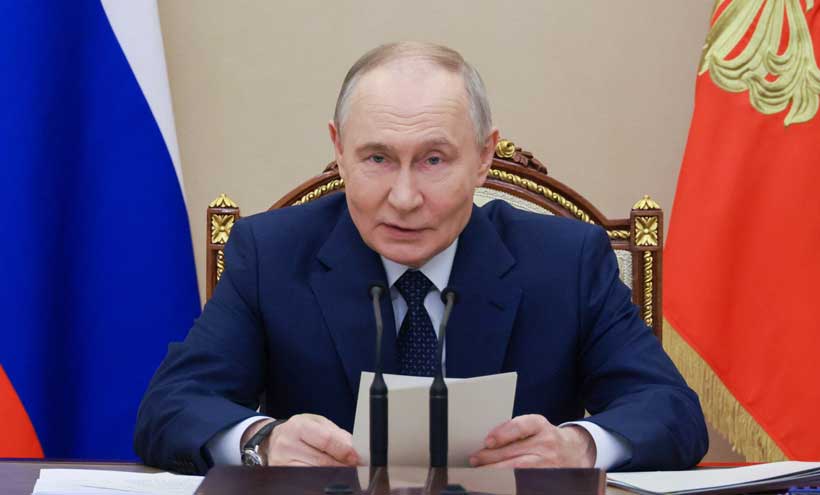
Russian President Vladimir Putin has warned Armenia that pursuing closer integration with the European Union could come at a significant economic cost. Ahead of Armenia’s parliamentary elections, Putin suggested that Yerevan could lose access to discounted Russian oil and gas if it continues moving toward the EU.
The warning comes as polls indicate that the party of Armenian Prime Minister Nikol Pashinyan, who has pursued a more Western-oriented foreign policy, is likely to perform strongly in the vote.
Russia has already taken measures that many observers view as pressure tactics, including temporary restrictions on certain Armenian exports and warnings about possible reductions in economic cooperation.
Why Armenia Is Moving Closer to the West
Relations between Moscow and Yerevan have cooled significantly in recent years. Armenia signed a partnership agreement with the United States last month and has taken legislative steps that could eventually support EU membership aspirations.
Pashinyan’s government argues that Armenia must diversify its international partnerships and reduce its dependence on any single power. Supporters of closer Western ties point to economic opportunities, political reforms and security cooperation as key motivations behind the shift.
Russian officials, however, view Armenia’s growing engagement with Western institutions as part of a broader effort by the United States and Europe to weaken Moscow’s influence in the South Caucasus region.
Russia’s Wider Struggle to Retain Influence
The dispute with Armenia highlights a broader challenge facing Russia as it attempts to preserve its global standing while remaining heavily focused on the war in Ukraine.
Across multiple regions, Moscow is confronting increasing competition from Western powers. In Europe, countries once considered friendly to Russia are strengthening ties with the European Union and NATO. In the Balkans, political pressure is growing on governments that have traditionally maintained close relations with Moscow.
Russia also faces challenges in Moldova’s breakaway region of Transdniestria, where pro-European political forces are gaining influence. In Central Asia, Moscow is closely watching expanding Western engagement in a region it has long regarded as part of its strategic sphere.
Beyond its neighborhood, Russia’s relationships with partners such as Cuba, Venezuela and Iran are being tested as geopolitical dynamics shift and Western pressure intensifies.
What Comes Next
The outcome of Armenia’s parliamentary election will be closely watched in both Moscow and Western capitals. A victory for Pashinyan’s party could strengthen Armenia’s efforts to deepen ties with Europe and the United States, potentially leading to further tensions with Russia.
For the Kremlin, the situation represents a broader strategic dilemma. As the war in Ukraine continues without a clear resolution, Russia must balance military commitments with the need to maintain influence among traditional allies increasingly exploring alternative partnerships.
The coming months are likely to reveal whether Moscow can preserve its position in regions it has long considered part of its sphere of influence or whether Western engagement will continue to reshape the geopolitical landscape across Eastern Europe, the South Caucasus and beyond.
Looking ahead to the second half of the year, corporate finance chiefs are hardwiring contingency into strategy.
Global corporate finance leaders are entering the second half of 2026 facing the most complex operating environment of the post-pandemic era, requiring them to balance cost discipline, technology investment, and capital deployment against a backdrop of geopolitical volatility and renewed energy uncertainty.
At the center of that uncertainty is the Strait of Hormuz. Normally a conduit for around 20% of global oil and liquified natural gas (LNG) exports, the strait has remained largely blocked since war broke out in the Middle East in late February.
The conflict has added a new shock layer to an environment that was already fragile as a result of tariff turbulence, weakening demand, and declining consumer confidence.
The consequences for corporate finance professionals are direct and serious, forcing teams into defensive mode: conserving cash, deferring capital investment, and stress-testing portfolios against prolonged geopolitical disruption.
Macro Shocks Add Strain
Cost pressures were already elevated before the war, and are continuing their upward trajectory. According to the ACCA and IMA Global Economic Conditions Survey (GECS), the further rise likely reflects some early impacts of the surge in energy and other commodity prices since the outbreak of hostilities in the Persian Gulf. Among the CFOs surveyed, the proportion reporting increased operating costs eased slightly in the first quarter of 2026, but remains high by historical standards.
Confidence across finance teams, meanwhile, fell sharply in the first quarter, taking sentiment to a low point previously seen only at the onset of the Covid-19 pandemic in 2020. Since the GECS survey was conducted in the first half of March, the outbreak of hostilities would have been a major factor weighing on sentiment, owing to the surge in geopolitical uncertainty and the price jump in energy and some other commodities.
Logistics and energy are the most immediate concerns, according to findings of the Allianz Trade survey of 6,000 companies across 13 major economies: 60% said they are worried about supply chain disruption and rising commodity prices, with concern running highest in Vietnam, Poland, the UK, and the U.S.
One consequence of the war-induced shocks is that businesses are holding more inventory, adding to liquidity demand at precisely the moment rates are falling more slowly than expected, if at all.
Beyond Hedging
When it comes to sustaining readiness in the months ahead, Naresh Aggarwal, associate director, Policy and Technical at the Association of Corporate Treasurers, says the framework is simple: “plan for the worst, hope for the best.” In practice, this means larger, more committed credit facilities, greater use of derivatives, and hedge duration adjusted to circumstances.
Alex Ashby, group treasurer, WPP
The effects of the war are extending far beyond the energy, shipping, and chemical manufacturing sectors. Alex Ashby, group treasurer at WPP, says the ongoing volatility has driven material change at the global media company.
“Geopolitical volatility has led us to materially step up our focus on foreign exchange risk management,” he notes. “We have invested heavily in training across the organization to raise capability and accountability and introduced new monitoring and reporting so that FX exposures and outcomes are reviewed regularly at executive and board level. Alongside more frequent liquidity stress-testing, this ensures risks are identified earlier, decisions are taken closer to the underlying exposure, and we remain agile as conditions evolve.”
The world remains deeply interconnected, says Raphael Savalle, CFO at Montblanc, and so shocks travel fast and wide. Businesses are no longer operating in a world where companies can remove volatility by hedging, but one where operating models must be built to absorb it.
“This isn’t going away; if anything, it’s increasing,” he says. “It’s the butterfly effect, times 10. The key is to maintain long-term strategic direction while also building agility into how you operate – what I call dynamic P&L management, or dynamic resource allocation – and still be on the lookout every day for risks that may not at first seem relevant but turn out to be, because of the way the world is connected.”
What impact will this level of uncertainty have on the day-to-day in the coming months? Beyond a structured routine of information exchange, it demands the confidence to be candid about these less-obvious risks.
Reassessing the Tech Arsenal
The challenges of the coming months are also prompting some companies to review their technology needs. ERP systems are still the backbone of corporate finance, but their rigidity is fueling demand for smarter, more flexible tools to augment them.
Enterprise Performance Management (EPM) platforms are emerging as a viable contender, says Armand Angeli, AI and automation specialist and vice president of the Digital Transformation and AI Group at DFCG, the French network of CFOs, broadening their scope beyond finance to cover sales, purchasing, and logistics.
Major ERP transformation projects are stalling as companies wrestle with legacy integration, Angeli says; bridging old and new without discarding existing investment remains the central challenge.
“We can’t just abandon ERP,” he says. “We have to create bridges or APIs between AI tools and all the ERPs. So the question becomes, How do you create these bridges? It’s not easy.” While ERPs can be inflexible, they are still valuable tools, “thought through by experts, for CFOs.”
While the major ERP providers are working to embed AI in their offerings, corporate users are taking different routes, depending on individual views and budgets. In practice, then, AI adoption by corporate finance teams is advancing with extreme caution.
“If the pace of change for these tools is 100, the pace of change among individuals is 10, and for companies, it’s 1,” Angeli observes.
Predictive AI, built on auditable algorithms, has earned trust as a tool for reconciliations, fraud detection, and cash posting, while generative AI remains a source of deep skepticism. Hallucinations, compliance failures, and the risk of over-reliance are tangible concerns.
“We now see more and more suspicious posting, more and more duplicate payments,” says Angeli.
Agentic AI is further still from meaningful deployment, he adds: “CFOs don’t trust agentic AI. And given that studies show that hallucinations account for between 30% and 70% of Gen AI output, we don’t trust Gen AI, either. Maybe 1% or 2% of companies can say they have agents working.”
Aggarwal concurs, observing that corporate finance teams remain in the exploratory phase when it comes to AI, but with purpose. Companies are mandating structured upskilling; One treasury team of his acquaintance dedicates half a day every other week to some form of AI-related upskilling or evaluating AI processes, he says.
Data Integrity
The priority for the second half of this year, however, will be data integrity and learning which insights are genuinely actionable, Aggarwal predicts; truly agentic AI is a story for 2027.
Raphael Savalle, CFO, Montblanc
“The word I hear a lot in these circles is trust: trusted data, trusted algorithms, trusted outputs, trusted use of the outputs,” he says. Going forward, the deeper cultural question of if and when to remove the human from the loop will become harder to avoid as, presumably, AI systems accumulate error-free track records.
Progress may be cautious for now, but Gartner estimates that CFOs who get AI deployment right could unlock 10 additional margin points by 2029. It won’t be isolated pilots that deliver returns, however; the gains will come from managing technology as a portfolio. Three quarters of CFOs are already raising technology budgets for 2026, the research firm finds, with nearly half boosting them by 10% or more.
Quantifying return on investment is difficult for the majority of AI-based projects, however, and will continue to be so through this year, Angeli predicts: “We know that we have to implement AI and hope for financial ROI in the future, but most companies are not seeing it yet.”
Another aspect of the technology challenge that is intrinsically linked to wider geopolitical developments, says Montblanc’s Savalle, is digital sovereignty, or a nation’s ability to control, secure, and regulate its entire infrastructure: in accordance with its laws, but also its strategic interests. Different approaches to the governance of these technologies and the accompanying data have deepened geopolitical competition between the U.S., China, and the EU, according to the World Economic Forum.
“Many governments are now insisting that data centers sit within their own borders,” Savalle warns, “and increasingly, they’re looking at software dependency more broadly: not just AI, but email systems, video conferencing tools, the whole stack. As a CFO, you have to consider what that means for your IT architecture.” Under these circumstances, will the old ambition of a single global ERP still be viable in five years’ time? He is not so sure.
Permanent Contingency Thinking
Whether physical war or digital friction, geopolitical risks are forcing the finance function into a state of permanent contingency thinking. The closing of the Strait of Hormuz is an extreme case, but it sits within a pattern that was already familiar to CFOs and treasurers. The post-Covid supply chain collapse, the Russia-Ukraine war’s impact on energy and commodities, the Red Sea disruptions of 2024–25 — each forced treasury teams to rethink counterparty risk, liquidity buffers, FX exposure, and supply chain financing.
What’s different this time is that finance leaders are no longer treating the shocks as exceptional.
Aggarwal sees the broader geopolitical realignment as structural rather than cyclical, and doubts even a change in US administration can reverse it: “The genie is out of the bottle around using trade as a way of imposing sovereignty.” Looking ahead, he foresees continued pressure on the finance function to operate against a challenging backdrop.
“What I understand from my CFO network is that there is no going back,” Savalle observes. “This is the new normal, and, if anything, it will continue and expand. So the question is about how you adapt your operating model. Make sure that you get that feedback loop and keep an open mind, because you are going into uncharted territory. Things used to work in a certain world order. This is changing.”
For corporate finance leaders, the priority is no longer waiting for stability to return, but operating effectively in its absence. While keeping to a long-term strategy is vital, so is reconsidering some of the operating model assumptions that a world divided into regional blocs is calling into question. That could include maintaining higher liquidity buffers, diversifying supply chains geographically, stress-testing cash flow forecasts against energy price scenarios, and investing in planning and forecasting tools that allow the organization to model disruption faster.
For the corporate finance function, these are no longer crisis measures, but the baseline.
This article appears in the June 2026 issue of Global Finance Magazine.




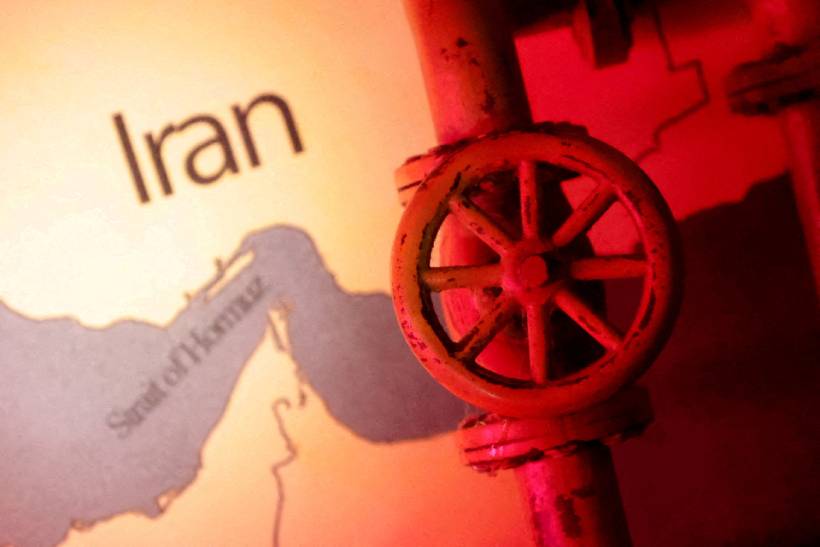
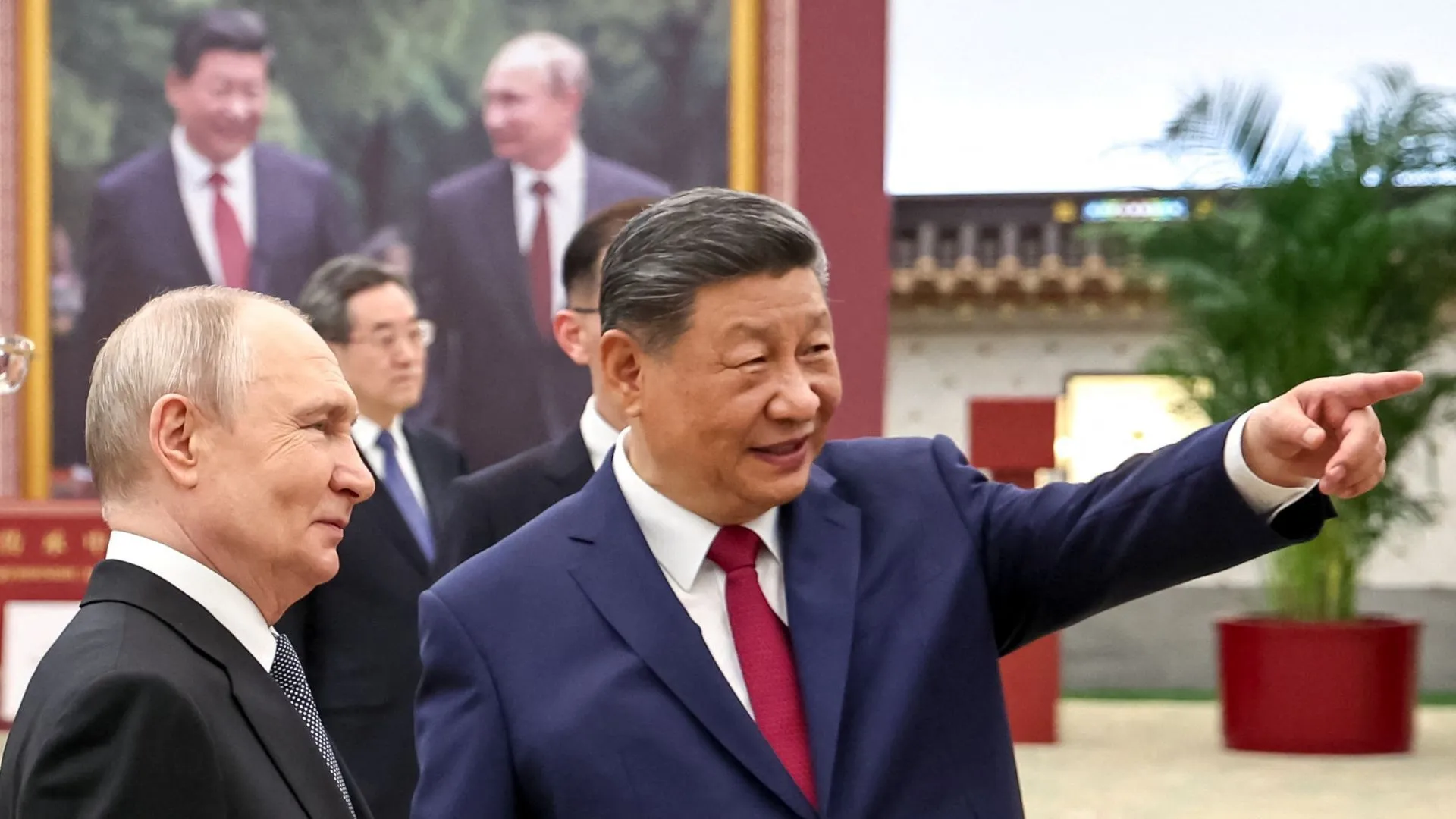
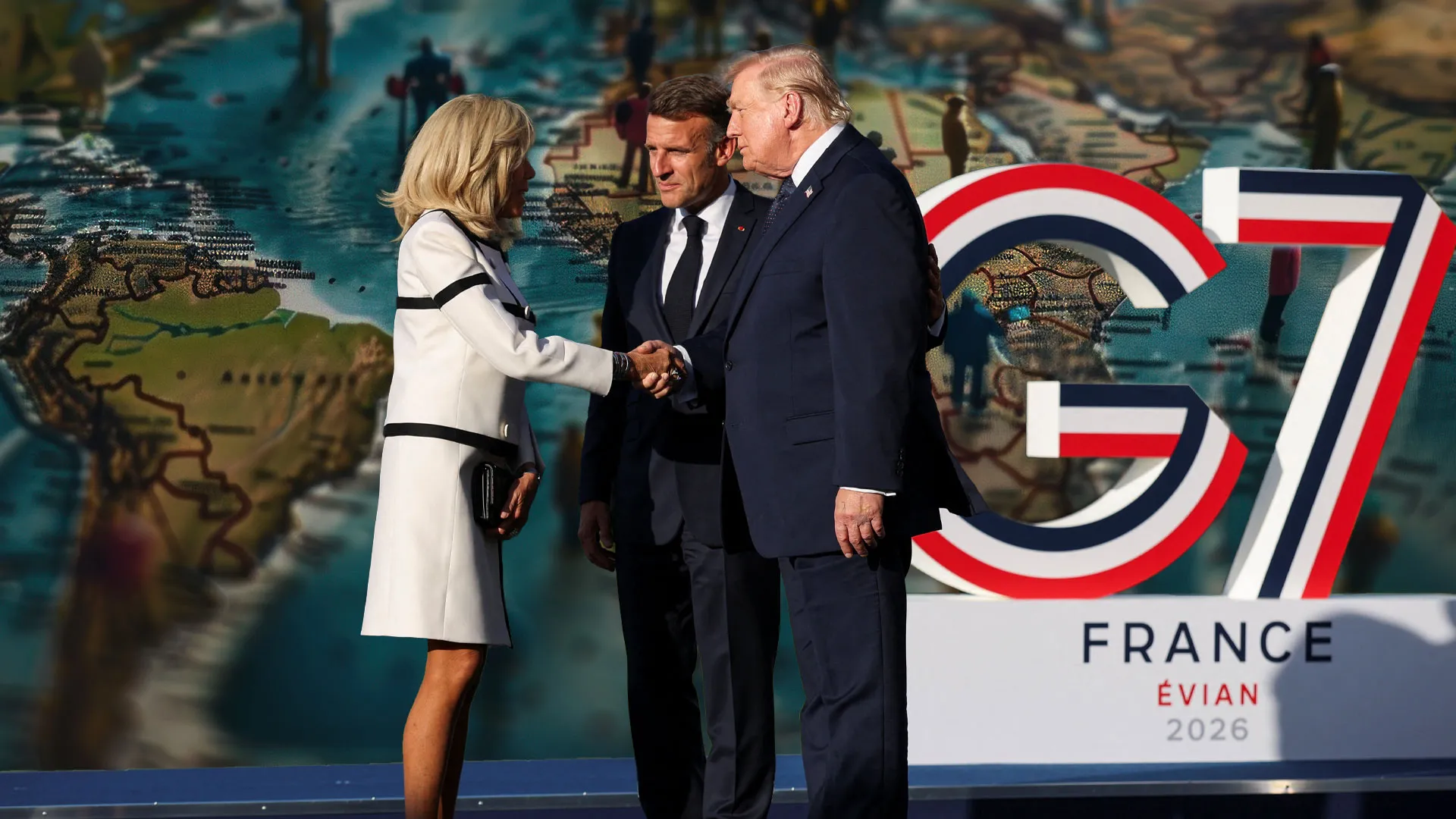





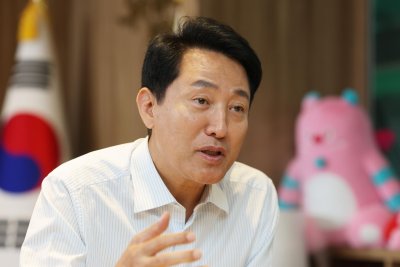



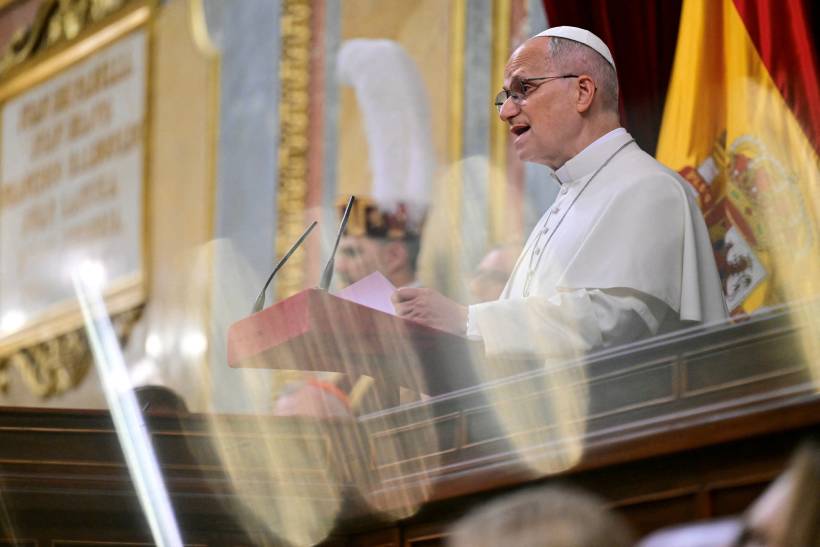


![Israeli far-right Finance Minister Bezalel Smotrich holds a map of an area near the settlement of Maale Adumim, a land corridor known as E1, outside Jerusalem in the occupied West Bank, on August 14, 2025, after a press conference at the site. [Menahem Kahana/AFP]](https://i0.wp.com/www.aljazeera.com/wp-content/uploads/2025/08/AFP__20250814__69HV6DR__v1__HighRes__IsraelPalestinianConflictSettlementPolitics-1755194568.jpg?w=640&ssl=1)