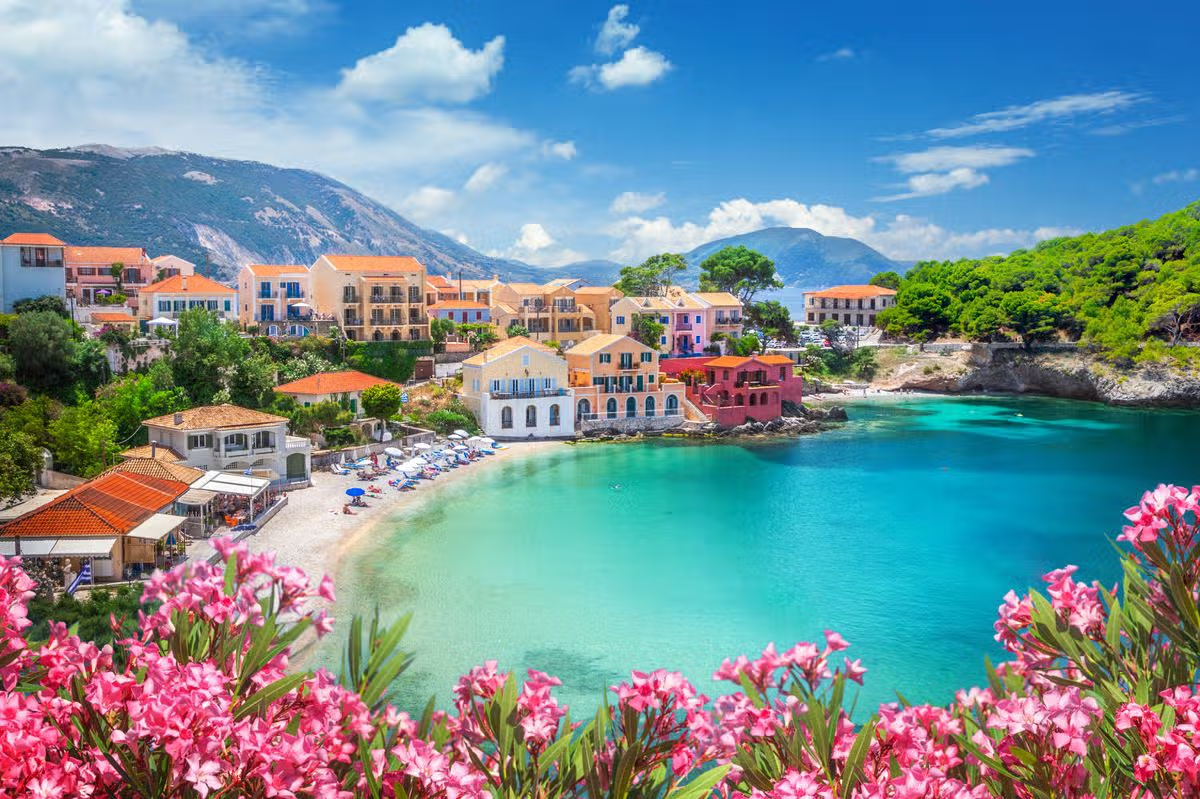
The Foreign, Commonwealth & Development Office (FCDO) has issued an alcohol warning to Brits travelling to Greece, and it’s particularly important ahead of the summer holidays
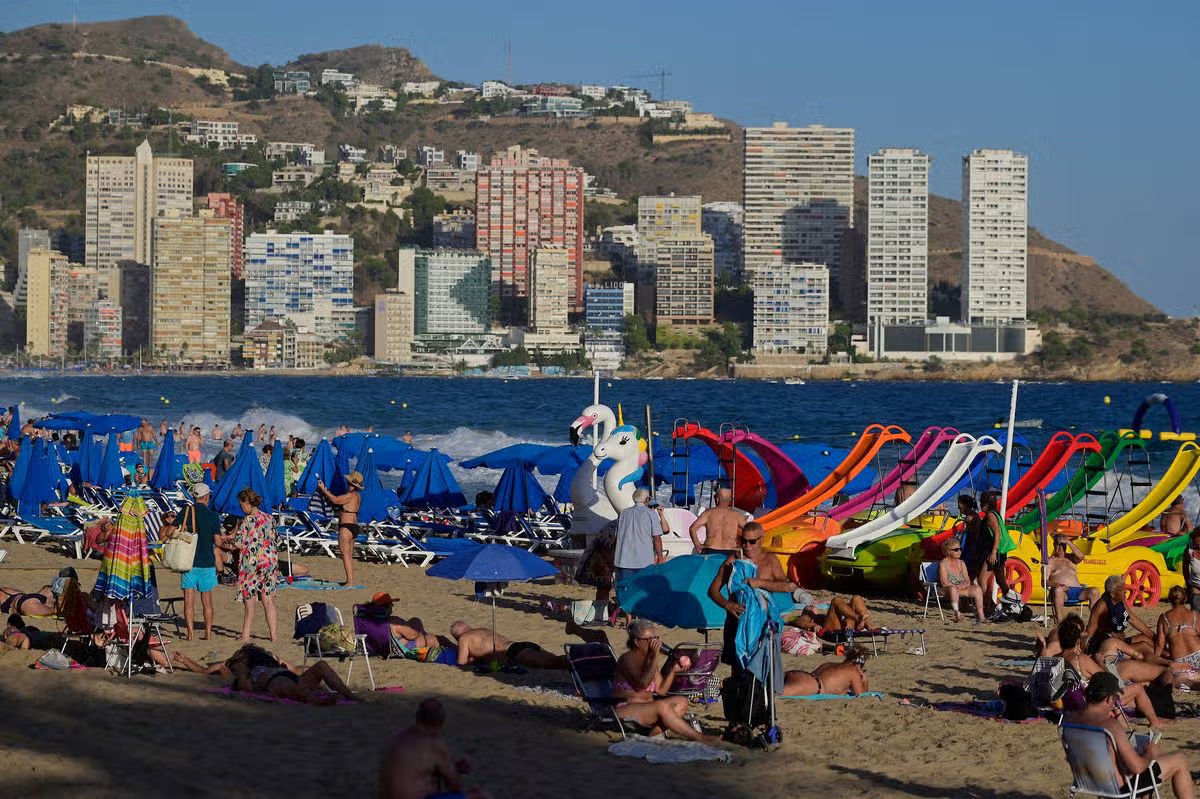
Brits heading on holiday to Greece should be aware of the warning(Image: Getty Images/Stock Image)
The Foreign Office has issued a warning to British holidaymakers travelling to Greece about the consumption of alcohol.
On Tuesday, 14 July, the Foreign, Commonwealth & Development Office (FCDO) updated its travel advice for Greece to include new information on alcohol laws and underage drinking. The guidance was outlined on its ‘safety and security’ page, which is crucial advice for any Brits planning to visit Greece, particularly ahead of the summer holidays.
The FCDO stated in the update: “It is illegal to sell or provide alcohol to anyone under 18, any businesses found doing so can face large fines and possible closure. Bars and nightclubs are not allowed to admit or serve anyone under 18, even if accompanied by an adult. Expect age verification checks at points of sale.”
In a stark warning to British travellers, the Foreign Office added: “If a minor is harmed through excessive drinking, or underage intoxication is brought to the attention of local authorities, parents or other accompanying adults, as well as those who supplied the alcohol, could face legal consequences under general child protection laws.”
The new information on alcohol in Greece comes as thousands of families are expected to jet off abroad during the summer holidays. The FCDO also warned Brits to “always carry your passport, to show to the police if they request identification”, as they may not accept a copy or other forms of identification documents.
Ahead of the busy summer period, the FCDO has also updated its safety advice on swimming. For anyone travelling to Greece, they warned: “Every year, people drown in the sea and in swimming pools in Greece.”
In advice when using a swimming pool, they said: “Always supervise children. Keep small children within arm’s reach in and around swimming pools, even if they can swim or there is a lifeguard present.”
For anyone planning a trip to the beach in Greece, the Foreign Office further advised: “Take care when swimming in the sea. Always supervise children and keep small children within arm’s reach.
“Hidden rocks or shallow depths can cause serious injury or death. Do not dive into unknown water.
“Many organised beaches have a flag system. Make sure you understand the system and follow any warnings. A red flag means you must not enter the water.
“Take extra care and get local knowledge if there are no lifeguards, flags or signs.”
Water sports are another popular activity during a trip abroad, particularly in the azure waters of Greece. The FCDO cautioned: “Only book activities at a licensed water sports centre and before you start:
Make sure the paperwork is completed
Ask for a safety demonstration
Make sure you know how to call for help
“For more advice, see the website for Safe Water Sports, a non-profit organisation in Greece that aims to prevent accidents.”
For more information, visit the Foreign Office travel advice website.
Do you have a travel story to share? Email webtravel@reachplc.com
You may need to seek urgent medical attention while abroad
Brits have died(Image: witthaya prasongsin/Getty)
The UK’s Foreign, Commonwealth and Development Office (FCDO) has issued a warning to Brits heading abroad. As our government’s foreign affairs department, the FCDO is responsible for many tasks – one of which is distribute travel advice in a bid to help trips run smoothly and to keep people safe.
And in a new post on X, formerly Twitter, FCDO has warned of a potentially life-threatening issue that can present symptoms similar to a “bad hangover”. The alert reads: “Methanol poisoning can be hard to spot. Early symptoms can feel like a bad hangover.
“Learn the warning signs and know how to reduce the risk.” Further information found within a linked government campaign explains: “Alcohol contaminated with methanol and targeted spiking incidents can lead to serious illness and death.”
Methanol is an industrial alcohol used in products like antifreeze, fuel and paint thinners. FCDO guidance continues: “In some parts of the world methanol products are sometimes illegally mixed with ‘real’ alcohol such as spirit-based drinks and cocktails.
Content cannot be displayed without consent
“Medical experts believe that as little as 30ml (roughly equivalent to a shot) of methanol can be fatal for an adult, while 10ml can cause blindness.” Early symptoms include vomiting, a loss of balance, drowsiness, and poor judgement.
Twelve to 48 hours after drinking there may be vertigo, hyperventilation, abdominal pain, breathlessness, coma, convulsions, and blurred vision and/or blindness. If you or someone you are travelling with have these symptoms you should seek urgent medical attention.
FCDO advice adds: “Vision issues are a distinctive red flag, particularly blurry vision, trouble looking at bright lights, and in some cases complete blindness. ‘Snowfield vision’ (seeing snowy static like an old TV) or tunnel vision can also occur.”
Seeking urgent medical attention could save your life.
A 93-year-old British woman has died in hospital after suffering burns to about 20% of her body in the Spanish wildfires. Her death was confirmed on Sunday afternoon, bringing the total number of fatalities from the fires to 13.
Milo Boyd Deputy Travel Editor & Commercial Writer and Jessica Coates and Jenny Garnsworthy Press Association
09:51, 13 Jul 2026
The FCDO has issued a warning for Brits in Spain(Image: Pablo Blazquez Dominguez, Getty Images)
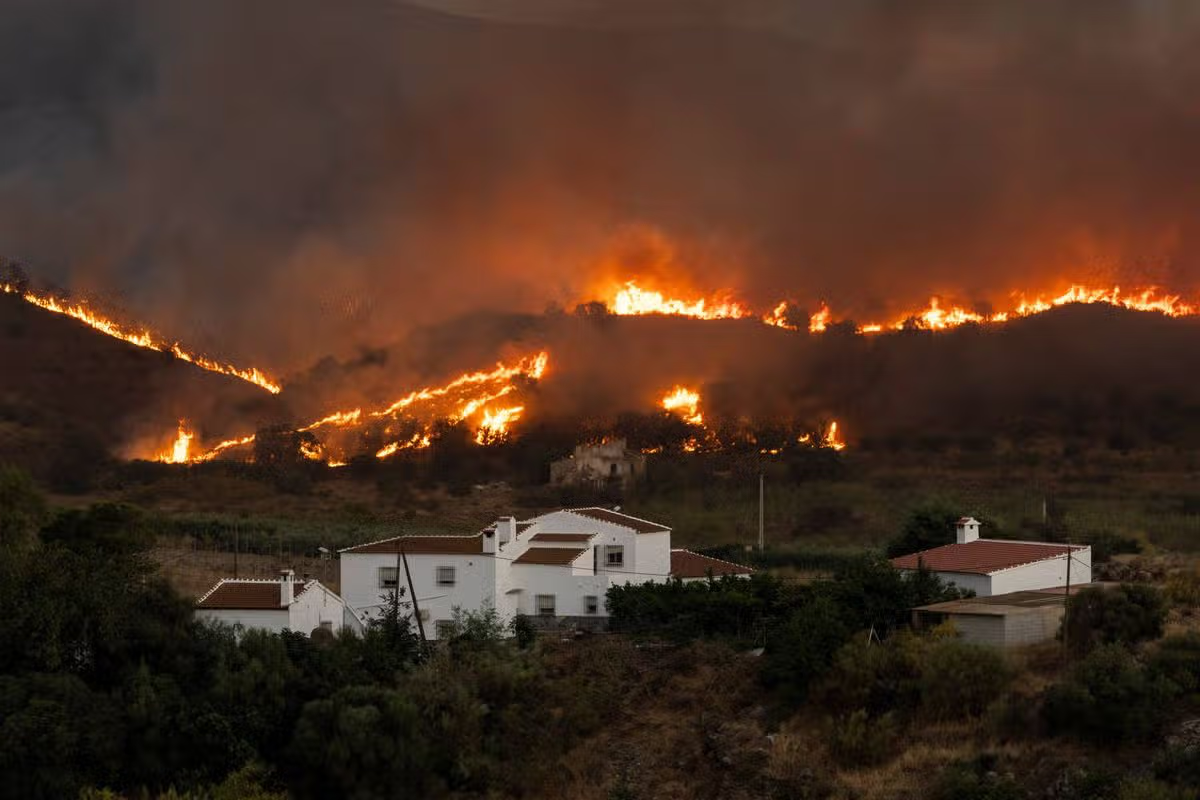
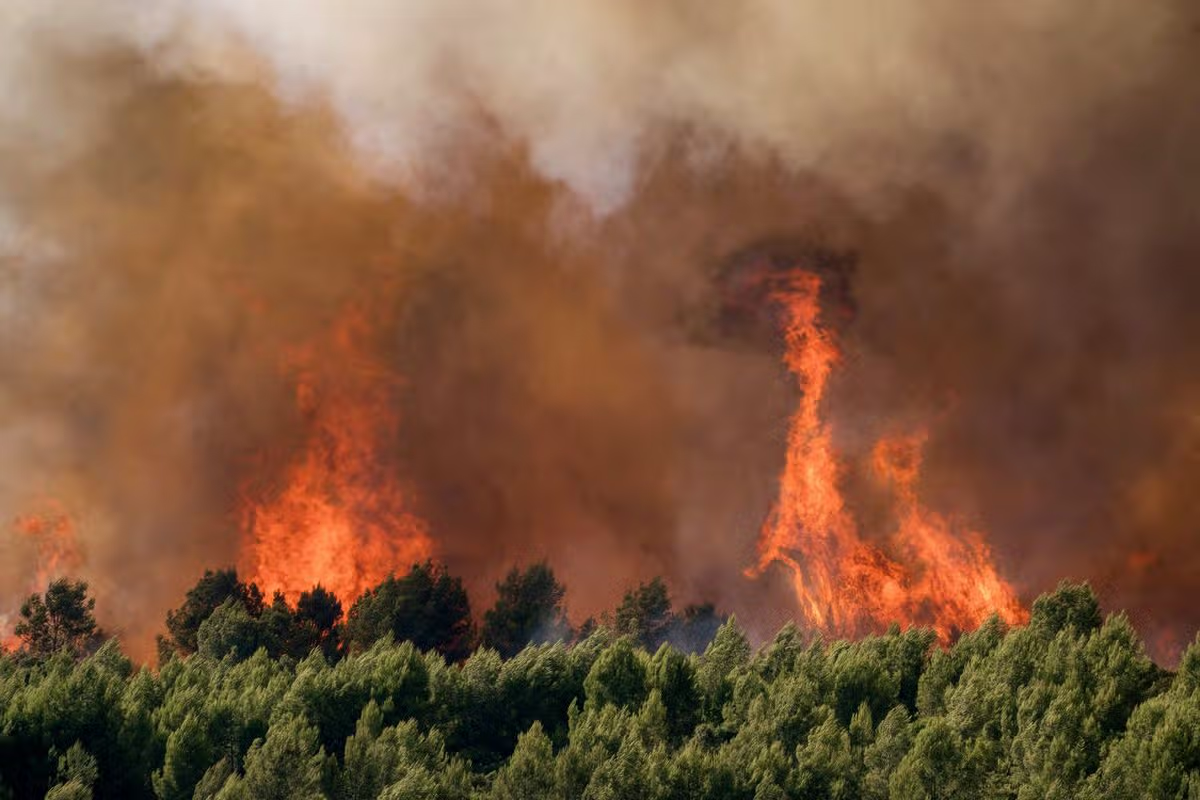
A stark warning has been issued to Brits travelling to Spain as the country continues to battle ferocious wildfires.
A 93-year-old British woman has died following injuries sustained in the deadly wildfires that tore through southern Spain, authorities confirmed this morning. The Andalusian government revealed the woman was rushed to hospital on Friday after sustaining burns to roughly 20% of her body.
Her death was confirmed on Sunday afternoon, pushing the total death toll from the blazes to 13.
The UK’s Foreign, Commonwealth and Development Office (FCDO) has issued a travel alert regarding the fires in Los Gallardos, Almería, in Andalucía. It urges those in the area to:
follow instructions from local authorities and emergency services at all times
avoid travelling into or through the affected area
follow updates from the emergency services
for emergencies, call 112
Have you been impacted by the wildfires? Email webtravel@reachplc.com
The FCDO notes that anyone concerned about someone in the area can call +34 677 904 624 provided by the Psychological Intervention Group for Emergencies and Disasters. English speaking staff are available. Consular assistance can be found by calling +34 917 146 300 if you’re in Spain, and +44 (0)20 7008 5000 if you’re in the UK.
At least four victims in Andalusia are believed to be British, after four bodies were discovered in a burnt-out vehicle with its steering wheel on the right-hand side.
This comes after reports on Sunday that two British hikers were found alive but severely burnt. The man and woman, who remain unnamed, are believed to have suffered burns to 40% of their bodies, according to Spanish national broadcaster RTVE.
The pair was located by a Civil Guard team, who revealed they had already swept the area, but had a gut feeling they needed to return. Speaking to RTVE, the Civil Guard officers described finding the two British nationals alive just as darkness was closing in.
Sergeant Pedro Barre told the broadcaster: “That experience we accumulate over the years is what tells you: take another look, give it one last try, check again just in case.”
He explained that the team called out and blew whistles, before eventually detecting a noise they initially thought might be an echo.
Fellow rescuer Rafael Zea added that given the severity of the couple’s injuries, it must have taken a “Titanic effort” for them to raise their voices loud enough to be heard. Firefighters and emergency services helped rescue the pair after more than two hours trapped.
Both individuals are currently reported to be in a serious condition in hospital, though their lives are not thought to be at risk. Spanish authorities believe all the victims were foreign tourists, who are thought to have attempted to escape on foot after apparently abandoning their vehicles and trying to flee through rugged terrain.
Antonio Sanz, head of Andalusia’s emergency services, previously said that authorities had completed post-mortem examinations and DNA samples were collected to identify them.
Spain has been hit by frequent and severe heatwaves in recent years, with temperatures regularly soaring above 40C. In June, Spain endured several days of record-breaking heat, with more than 1,000 excess deaths attributed to the scorching conditions.
Dr Thomas Smith, Associate Professor in Environmental Geography, London School of Economics and Political Science, explained why Spain is suffering so intensely from the fires.
“The extreme wildfire behaviour we’re seeing in Spain is closely linked to the extreme heatwave weather conditions. Fire behaviour (how quickly a fire spreads and how intensely it burns) is heavily influenced by the weather. Research shows that key measures such as rate of spread and the size of flames increase exponentially as fire weather becomes more severe, meaning that relatively small increases in extreme fire weather can produce disproportionately more dangerous fires,” he said.
“When weather conditions reach record-breaking levels, we should expect the potential for record-breaking fire behaviour, particularly when strong winds are present to accelerate fire spread and make suppression much more difficult.
“Climate change is increasing the frequency and intensity of the extreme heat and fire weather conditions that create these dangerous environments. While individual fires are influenced by many factors, including ignition sources, vegetation, and land management, climate change is inextricably linked to the record-breaking weather that is driving the conditions for these extreme wildfires.”
Here’s a terrible-seeming idea: The Rolling Stones should get started on their next album.
Like, now.
After taking nearly two decades to release 2023’s “Hackney Diamonds” — the band’s first set of original material since “A Bigger Bang” in 2005 — the Stones are back this week with a follow-up, “Foreign Tongues,” that took them less than 36 months to get out.
And it’s the better record in every way.
In the old days, of course, two and a half years was all they needed to make “Beggars Banquet,” “Let It Bleed” and “Sticky Fingers.” So let’s not get too carried away by the fact Mick Jagger, Keith Richards and Ronnie Wood are working as fast as they are in their late 70s and early 80s.
Yet to listen to the brisk and sportive “Foreign Tongues” is to hear a band clearly going on instinct rather than overthinking the music à la any number of veteran acts in legacy-maintenance mode. I don’t know if the result is the Stones’ best since 1978’s “Some Girls,” but it’s definitely the funniest, which is actually the more impressive achievement.
“Wake up in the morning and you wanna make me puke,” Jagger sneers in the punky “Hit Me in the Head” — exactly the kind of lyric you’d hope to hear from a band whose only possible reason for still being in the game is to have a gas-gas-gas.
Like “Hackney Diamonds” — and, for that matter, like Paul McCartney’s “The Boys of Dungeon Lane” (to name one recent overthinking-veteran LP) — “Foreign Tongues” was produced by 35-year-old Andrew Watt, who’s made a career of helping boomer icons put a little shine on their late-in-life efforts. And he’s helped the Stones convene an appealingly motley crew of collaborators here, including McCartney (who plays bass on “Covered in You”), the Cure’s Robert Smith (who contributes guitar to “Divine Intervention”), Steve Winwood (who plays piano and organ throughout the album) and Bruno Mars (who’s credited with, uh, cowbell in “Never Wanna Lose You”).
You also get a welcome appearance from the late Charlie Watts in a hard-thwacking performance recorded before his death in 2021. (Steve Jordan otherwise keeps time.)
But none of the stunt casting feels like the point of the album, which instead simply doles out a dozen tunes in the Stones’ various idioms — the bluesy stomp, the country-ish lope, the sleazy disco jam — plus a couple of covers in just over an hour. It’s frisky and lighthearted, even when Jagger is lamenting what he sees as the sorry state of his beloved America in “Ringing Hollow” and when Richards is croaking about love having put him on his knees in “Some of Us.”
And when they go goblin mode, they really lean in: “Mr. Charm” is a demented soul-rock rave-up about how boring money is — OK, Mick — in which Jagger drops a diss of the “mad mogul Mr. Musk” into a verse laying out the delights of staying home and doing anagrams.
In “Divine Intervention,” Jagger offers a colorful travelogue of trips through New York and Los Angeles — “I kept moving on to Silver Lake / To play guitar with a brand new friend of mine” — while Richards and Wood get their guitars slip-sliding all over the place. “Jealous Lover” is gorgeously trashy: a horny little strut that sounds like “Dirty Mind”-era Prince doing “Waiting on a Friend.” (Legitimately loony Mick vocal here.)
For God knows what reason, the Stones offer up a faithful rendition of Amy Winehouse’s “You Know I’m No Good” with Jagger on harmonica. And the album ends with a very ragged take on Chuck Berry’s “Beautiful Delilah,” obviously meant to remind you of how the two lifers at the core of the Stones came together more than half a century ago.
The memory is ancient; the thrill, somehow, is alive.
Brits heading to the holiday hotspot have been warned they need to take precautions, especially around the beach and at swimming pools, after a spate of incidents across the country
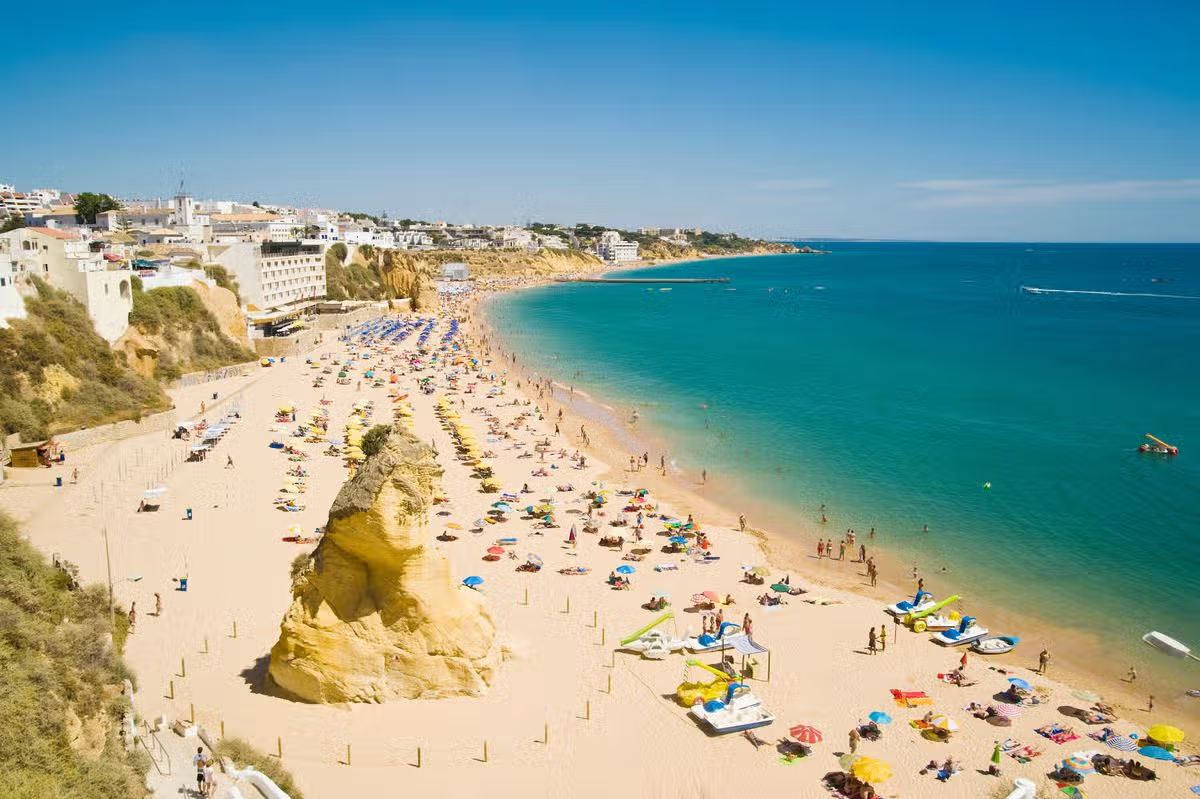
Millions of Brits visit Portugal each year(Image: Getty Images)
The Foreign, Commonwealth & Development Office (FCDO) has updated its travel advice for Portugal with a number of tips for people visiting the country this summer.
With scorching-hot weather across the country and much of Europe, the FCDO has issued fresh guidance for holidaymakers heading to the beach or planning to relax by a swimming pool. While the advice has been issued for Portugal, it also covers Madeira, Porto Santo and the Azores.
The first update was around festivals, concerts and cultural events. The FCDO said: “Many large events are held in Portugal each year. Follow the advice of police and local authorities when attending events. Take care of your valuables if attending a festival or large concert.”
The FCDO also had a stark warning, saying: “Every year, people drown in the sea and in swimming pools in Portugal.” For parents, it advised: “Always supervise children. Keep small children within arms-reach in and around swimming pools, even if they can swim or there is a lifeguard present. Be particularly vigilant of children if you are staying in a villa with a private pool.”
And for those planning a trip to the beach, the advice states: “Take care when swimming in the sea. Always supervise children and keep small children within arms-reach. Don’t walk close to the water’s edge, especially along unsupervised stretches of beach. Waves can be unpredictable and some beaches have a strong undertow.
“Beware of rip tides, which can cause drowning. If you are caught in a rip tide, do not try to swim against it. Swim parallel to the coastline until you no longer feel the current, then try to swim towards the shore.
“Hidden rocks or shallow depths can cause serious injury or death. Do not dive into unknown water and do not swim at beaches where a river runs into the sea as there may be strong currents.
“Supervised beaches have a flag system. Make sure you understand the system and follow any warnings (a red flag means you must not enter the water, yellow means it’s only safe to paddle at the water’s edge). Take extra care and get local knowledge if there are no lifeguards, flags or signs.”
Those who are visiting a popular Portuguese resort were also warned: “The municipality of Albufeira has introduced a Code of Conduct which bans inappropriate behaviour in public places. Check out the rules that are now in force. If you break the rules, you could be fined on the spot from between 150 and 1800 euros.” The list of fines includes penalties from €150 to €750 (about £128 to £640) for spitting on the street, and €300 to €1,500 (about £255 to £1,278) for drinking alcohol in the street.
Brits heading to Portugal, or any other holiday destination, should always check the FCDOs advice before travelling. Travellers can also sign up for updates ahead of their journey in case the advice changes.
Have a story you want to share? Email us at webtravel@reachplc.com
By that, he means his ongoing endeavours with the Stones, his work as a highly skilled portrait artist and the not-so-small matter of his first solo tour in years, beginning next week in Austria on a bill with Van Morrison.
Not to mention being husband to wife Sally and dad to their ten-year-old twin daughters Gracie Jane and Alice Rose.
Ronnie continues: “I just love to be inspired and putting my ideas into action — whether it’s on a canvas or through my guitar or harmonica or whatever I’m playing.
“And I even try my hand at singing every now and again!”
Right now, says Ronnie, “I’m in my art studio preparing an exhibition and I’m getting rehearsals together with my band.
“I even had a little rehearsal with Mick because we’re keeping our hands in, keeping our chops together. So, it’s all go.”
The main purpose of our chat is, of course, all things Stones but you’ll hear more about his extra-curricular activities later.
I discover that Ronnie has a wonderfully old-school approach to tech — none of that new-fangled Zoom stuff for him — so he calls me on the dog and bone.
Which means that I have to go half way up a steep hill on the Cornish coast, not far from Land’s End, in an attempt to get decent signal.
Thankfully, the guitar legend comes through loud and clear — and full of enthusiasm.
First, he explains why the Stones have another new studio album of original material in the bag so soon after 2023’s Hackney Diamonds.
(If you remember, the previous one, A Bigger Bang, came out in 2005.)
Ronnie reflects on the enduring appeal of both the Rolling StonesCredit: GettyFrom left: Ronnie, Keith, Mick and legendary drummer Charlie – who died in 2021Credit: AP
He replies that American producer Andrew Watt “hadn’t finished with us and we hadn’t finished with him”.
“We just sparked the fire that was already cooking with Hackney Diamonds.”
Ronnie is quick to praise the 35-year-old producer with bleach-blond hair who has worked with Paul McCartney, Ozzy Osbourne, Lady Gaga and Post Malone.
“We’re on to a good one there,” he says. “The Stones haven’t had someone with so much input since Jimmy Miller.”
Praise indeed because Miller produced a stellar run of consecutive albums — Beggar’s Banquet, Let It Bleed, Sticky Fingers, Exile On Main St and Goat’s Head Soup — between 1968 and 1973.
Ronnie adds: “Andrew’s a big fan of ours and he knows what he’s talking about. He can play different instruments and knows my guitar playing better than I do.”
So what was the catalyst for Foreign Tongues? “We had a few tracks like Covered In You left over,” replies Ronnie.
“But basically we started reworking all these songs that Mick had been kicking around, some with Keith, and some by himself. Mick would come to us, saying, ‘Look, I’ve got this idea — let’s develop it’.
“The Stones are his plaything, so I just let him take the helm and get on with it. It’s great.”
Key to the success of Foreign Tongues, a big beast of an album with 14 tracks spanning 63 minutes, was a gathering in London to bring the project to fruition.
Ronnie explains: “We started working in New York at Electric Lady, then we took it to Henson studio in LA and messed around with it there — but we finished off the whole thing at Metropolis in Chiswick.
“It was a great feeling to be in London, to go down to the studio that was not far [from where I live] with all the boys there.”
Ronnie says: ‘I call this Foreign Tongues album ‘more solos for me, thanks Mick’ and he loves it’Credit: GettyRonnie, Mick, Charlie and Keith perform during Desert Trip at the Empire Polo Field in 2016Credit: Getty
Ronnie wallowed in the “great studio atmosphere” and was particularly chuffed to have an old mucker like Steve Winwood on board — “he was so lovely”.
Steve, who plays organ or piano on nine of the Foreign Tongues songs, came to prominence in the early Sixties as a fresh-faced teenager in The Spencer Davis Group.
Stints in Traffic and Blind Faith were followed by his hugely successful solo career with hit Eighties albums including Arc Of A Diver and Back In The High Life.
Ronnie says: “The Americans had Little Stevie Wonder and Britain had Little Stevie Winwood.
“I first met him at The Ship pub on Wardour Street and he’s one of the only musicians from my era who’s younger than me.” (Ronnie was born in 1947 and Steve a year later.)
Back in the day, The Ship was one of Ronnie’s favourite haunts because of its proximity to fabled music venues like The 100 Club and The Marquee.
He says: “I used to meet all the musicians in this packed little pub. Just up the road, I met Rod Stewart for the first time in the Intrepid Fox. He came up to me and went, ‘Hello Face!’ ”
They bonded over their mod-style haircuts, as you do, and soon started playing music together, first in The Jeff Beck Group and then, from 1969, The Faces.
In 1975, Ronnie left The Faces to land the job he’d dreamed of since he was a teenager — to become a member of the most rock and roll band on the planet, the Rolling Stones.
His first album as a full-time member with them was 1978’s Some Girls, a sleazy tour de force featuring some dazzling Keith Richards and Ronnie Wood guitar interplay, most notably on the ballad Beast Of Burden.
Which brings us neatly back to Foreign Tongues because it is drawing comparisons with that classic LP.
Ronnie says: “We like to keep the youthful feel we had in Paris when we were doing Some Girls and Emotional Rescue. There was a lot of energy on Respectable and Summer Romance, all those mad songs . . . and we still have that kind of energy going.
“I call this Foreign Tongues album ‘more solos for me, thanks Mick’ and he loves it.”
So which songs feature Ronnie solos? I venture. “There’s one on Back In Your Life which everyone seems to like,” he answers. “It’s the last one I did and there’s a lot of feeling there.
“I also enjoyed doing solos on Mr Charm, Side Effects, In The Stars and Hit Me On The Head.
“And there are lots of songs I loved to jam on, with me and Keith bouncing off each other.”
Hit Me On The Head is one of the few tracks saved from the Hackney Diamonds sessions, a breathless three-minute blast featuring much-missed drummer Charlie Watts.
Ronnie says: “We’ve got a few Charlie tracks saved and it’s lovely to keep his memory going with these little reminders.”
Mick, Ronnie and Keith with Steve Jordan, the powerhouse American drummer who stepped in after Charlie diedCredit: GettyKeith, Charlie, Ronnie, Mick and Bill WymanCredit: Getty
He adds that Steve Jordan, the powerhouse American drummer who stepped in after Charlie died in 2021 “loved Charlie so much and to pay tribute to him on Hackney Diamonds and Foreign Tongues is so great”.
I ask Ronnie which of the other new tracks he’s fond of.
He says: “I love Rough And Twisted which reminds me of my old Faces days — a modern-day blues.”
And he singles out yearning country song Ringing Hollow, which he and Mick gave a debut live airing to at this week’s album launch party in London.
“That’s a great one,” he says. “It reminds me of the songs inspired by the Stones’ first visits to America like Dead Flowers [also performed at the party], Wild Horses and Sweet Virginia.”
Ronnie’s a big fan of the Let It Bleed track Country Honk, a rustic, fiddle-drenched take on Honky Tonk Women, which he’s promising to play with his solo band at his forthcoming shows.
He says: “I’m a big fan of Merle Haggard and Hank Williams along with Chuck Berry and Muddy Waters — a little mix of country and blues.”
This brings us to the raw and authentic cover of Berry’s Beautiful Delilah, which closes Foreign Tongues, done in the style of Mississippi Fred McDowell.
Just Mick and Keith on 12-string guitars with empathetic drumming from Red Hot Chili Peppers’ Chad Smith. As with so many musicians of Ronnie’s generation, Berry was a massive influence.
“I used to have a dance in my bedroom when I was a kid,” he recalls. “Then I’d learn the solos just by ear.
“I was so inspired by this mystery man from America. In those days, you never saw a picture of Chuck Berry, Howlin’ Wolf or Jimmy Reed.
“When you did, it was like, ‘Wow!’ Like aliens come to life. Then, when I grew up, I got to hang out with them. It was a dream come true.
“Chuck came up to me once when I was on stage with him and said, ‘Where did you get that riff from?’ And I said, ‘From you!’ He nearly fell over.”
Next, we move on to Ronnie’s solo tour, organised because a gap appeared after the Stones ruled out live dates after Keith announced he was stepping back from touring.
He’ll be performing material from his storied life in music that includes The Jeff Beck Group, The Faces, the Stones and solo work — much of it gathered up in his recent retrospective album Fearless.
Ronnie will sing Seven Days, “the song Bob Dylan gave me, one of the special moments in my musical career.”
He will be reuniting with drummer Andy Newmark and bassist Willie Weeks for the first time in 50 years — “they’re playing as great as ever”.
His jaunts will take to Lucca in Italy, London’s Kentish Town Forum, Zurich, Cologne, Paris, Amsterdam, Barcelona and Lisbon. It all starts at an open-air shindig on the Royal Sandringham Estate in Norfolk on August 23, headlined by blues maestro Eric Clapton.
Ronnie adds: “Eric said, ‘Hey Ron, get a band together and come and join me at Sandringham!’
“That’s what spurred me on. I thought, ‘Wow! While I’m at it, I may as well get my favourite girl singers like Imelda May and Chanel Haynes’.”
If Stones and solo work wasn’t enough, Ronnie gives me an update on the mouthwatering prospect of a new Faces album — a further reunion with Rod Stewart after last year’s Glastonbury outing for Stay With Me.
“Rod loves what’s going on with us,” he says. “He has so much respect for the Stones and he’s gone his own Hollywood merry way.
“But we’ve been putting our heads together and rejoining the dots and getting some Faces stuff together again.
“Next year, we’re going to get stuck in and finish these tracks. We’ve got a lot on the hob and we’ll stir them up.”
Lastly, Ronnie reflects on the enduring appeal of both the Rolling Stones and The Beatles more than 60 years after they began their journeys.
Having just released his Andrew Watt-produced solo album The Boys Of Dungeon Lane, Paul McCartney returns on Foreign Tongues song Covered In You, following his bass cameo on Hackney Diamonds track Bite My Head Off.
Ronnie says: “I was just out with Paul recently and he was going, ‘Ron, ain’t it wonderful that we can still give this and keep making people happy. That’s what we do!’
“I said, ‘It’s so great Paul’, and he gave me a hug. He’s such a lovely man.
“We have that spirit going around in the Stones as well. There’s a lot of love there and a lot of respect.”
THE ROLLING STONES – Foreign Tongues
★★★★★
Key to the success of Foreign Tongues, a big beast of an album with 14 tracks spanning 63 minutes, was a gathering in London to bring the project to fruition
July 9 (UPI) — The Food and Drug Administration on Thursday recalled more than 2.5 million bottles of eye drops because they may contain a “foreign substance.”
The nationwide recall was initiated by Lupin Pharmaceuticals on June 4 because of some type of foreign substance, though the company and the FDA have not identified it or how it got into the eye drops, MassLive and NJ.com reported.
The class II recall of the prednisolone acetate eye drops — used to reduce inflammation after eye surgery or for allergic and other conditions — is the second-highest risk recall for the agency because it may cause adverse consequences if used.
In a recall notice posted on its website on Thursday, the FDA said that the recall of more than 2.5 million bottles of Lupin’s prednisolone eye drops was because of the “presence of foreign substance.”
The affected bottles come in 5 mL, 10 mL and 15 mL quantities, and were produced by the India-based Lupin, which specializes in manufacturing generic pharmaceutical medications.
The FDA also cautions against simply pausing the use of these medications, suggesting that people who need to use them contact their eye doctor or pharmacist in order to properly react for their own conditions.
Olympic canoeist David Hearn departs the Moultrie Courthouse after pleading not guilty to damaging the Lincoln Memorial Reflecting Pool on Thursday. Hearn was indicted on July 2 on one count of destruction of property of more than $1,000 for allegedly damaging the Reflecting Pool, carrying a maximum penalty of 10 years in prison if convicted. Photo by Bonnie Cash/UPI | License Photo
New advice and information has been given(Image: JOSE JORDAN, AFP via Getty Images)
Travel association ABTA has issued some new advice today for travellers heading to the likes of Spain and France this summer.
Fresh research published today by ABTA, the travel association, has shown how the Middle East conflict has transformed the way and timing of holiday bookings, with travellers increasingly turning to travel professionals. Almost a third (31%) of UK adults considering a holiday within the next 12 months indicated they were more inclined than previously to book through a travel professional following the current Middle East conflict.
The primary reasons cited were their ‘knowledge’ at 53%, ‘expertise’ at 44%, and ‘wanting the security of a package holiday’ at 41%. Furthermore, 27% of people were more likely to book a package holiday than before the current conflict in the Middle East.
Having everything organised (52%) and the entitlement to a refund or replacement if the holiday can no longer go ahead (48%) were the most frequently cited reasons, followed by value for money (38%).
Where are people heading for their holidays this summer?
The Middle East conflict has had a substantial effect on travel, initially resulting in flight delays, cancellations and warnings against travel. The consequences persist, with numerous routes to or passing through the Middle East cancelled and yet to resume, prompting travel professionals to explore alternative routes or suggest different destinations to ensure people can still enjoy their desired holidays.
Following the Foreign, Commonwealth and Development Office’s (FCDO) recently revised travel guidance for several Gulf nations, which has eased prior restrictions, the appetite for travel to or via the region is anticipated to grow in the coming months. Nevertheless, reduced flight availability to and through the area this summer means numerous holidaymakers are opting for a short-haul break.
Of all those intending to head abroad over the next 12 months, 84% indicated they were planning to visit Europe. Spain tops the charts as the most sought-after destination for 38% of those contemplating a foreign holiday this summer.
Italy and France complete the top three most favoured locations, with 23% and 19% respectively of summer travellers considering heading there.
Despite short-haul breaks proving a hit this summer, the desire to venture further afield on long-haul trips remains strong. A total of 13% planned to holiday in the USA, 6% Australia and 6% Japan, all making the Top 10 most popular destinations.
Will people be booking their summer holidays at the last minute?
The impact of the conflict is also shaping booking behaviour, with a growing number of travellers choosing last-minute reservations, as they adopt a wait-and-see approach regarding prices and the broader cost of living. Among those considering an overseas holiday during the summer of 2026, 30% of UK adults were holding off on booking until two to four weeks before their planned departure date. A further 10% planned to book less than two weeks before travelling.
Mark Tanzer, chief executive officer of ABTA, said: “While global events are influencing how people plan and book their holidays and where they go, our appetite to travel abroad this summer and beyond continues to be strong.
“People are determined to get away and the UK’s travel agents and tour operators are expertly placed to help them access the best deals and understand the latest travel advice.
“With so many people saying they will book late, our advice is to get ahead of the pack and arrange your holiday now to avoid any last-minute rush.”
ABTA’s research was conducted by The Nursery Research and Planning using a nationally representative sample of 2,000 UK adults, with the survey taking place between May 8, 2026 and May 19, 2026.
In a draft regulation obtained by Euronews and due to be presented in September, the European Commission plans to tighten access to the EU market by allowing public authorities to exclude foreign companies that present risks of interference from public procurement.
ADVERTISEMENT
ADVERTISEMENT
The draft proposal comes amid heightened geopolitical tensions, with concerns over data leaks from sensitive public services to Beijing and Washington and as well as the weaponisation of the EU’s dependence on rare earths and technology products from China.
The draft document proposes that “public buyers shall take appropriate measures, where relevant at any stage of the procurement procedure, from planning and market consultation to contract award and execution, to ensure the protection of the security and public safety interests of the Union.”
The document adds that risks to security or public safety in a public contract may arise from firms whose “ownership, control, or financing structure” bears “risks of undue interference or influence over it,” as well as companies whose “exposure to third-country legislation […] may compel disclosure of sensitive information or interference with contract performance.”
Finally, public buyers would be allowed to introduce a European preference in public procurement, although the draft regulation would not make it compulsory.
Such provisions could confirm the EU’s protectionist shift towards a “Made in Europe” strategy, which the EU executive already proposed last March for strategic sectors such as clean technologies, the automotive industry and energy-intensive industries.
The risks of foreign interference and data transfer have become more acute in recent years, with the US and China both adopting legislation allowing them to request that companies under their jurisdiction transfer data stored in the EU.
Some European governments are already taking steps to mitigate these risks. In April, the French government ended its contract with Microsoft to protect French health data, and in June, it replaced US tech company Palantir with French company ChapsVision for the processing of sensitive information held by the the country’s domestic intelligence service, the Directorate General for Internal Security.
Over the last few years, several EU countries, including Germany, France, Italy and Denmark, have also cancelled or denied public contracts to the Chinese telecoms giant Huawei over security concerns.
The draft regulation also seeks to protect “critical infrastructure, critical supply chains, critical technologies or essential services, resilience against physical, cyber, or hybrid threats, and prevention and protection against risks of their disruption including due to harmful strategic dependencies on third-country suppliers.”
Last year, China cut off the EU from exports of rare earth minerals, which are essential for green technologies and the defence sector. It also stopped the Dutch-based Nexperia, owned by China’s Wingtech, from importing Chinese chips essential to the EU’s car industry.
Dozens of brigades have deployed to inspect damaged buildings. (Presidential Press)
Mérida, July 7, 2026 (venezuelanalysis.com) – The Venezuelan government has launched a reconstruction program to recover damaged housing and infrastructure in the wake of the June 24 double earthquake.
Acting President Delcy Rodríguez oversaw the official launch of the Great Mission Venezuela Renace (“Venezuela reborn”) on Monday, with dozens of brigades simultaneously deployed to evaluate the condition of affected structures. Officials have estimated 190 flattened buildings and 856 with some level of damage.
“Venezuela is a seismic country and we have to ensure that, from a technical standpoint, families are protected from risk,” she said during a televised broadcast in Caracas. “This reconstruction is a task for the whole country, and it’s not just about infrastructure.”
Technical brigades will classify buildings using a traffic-light code, with green meaning they are safe to be occupied, yellow meaning that they require work before families can move back in, and red that they must be cleared for significant repairs or demolition.
On Sunday, the acting president appointed Jacqueline Faría to head the new government program. She will be “responsible for coordinating and leading housing and infrastructure recovery efforts to provide timely assistance to families affected by the earthquakes.”
During a meeting with governors from affected states, Faría detailed the mission’s first purpose as generating “a diagnosis for action.” The Venezuelan official underscored the need for an exhaustive structural census for reconstruction work.
Faría, who has held multiple cabinet posts since 1999, will be replaced by Francisco Garcés as minister of transport.
The new mission is going to unify the existing infrastructure-oriented social programs “Barrio Nuevo, Barrio Tricolor,” “Juntos Todo Es Posible,” and “Venezuela Bella” to execute repairs and allow families to reoccupy their homes as soon as possible.
Rodríguez announced that an initial US $200 million fund, set up with resources frozen by the International Monetary Fund (IMF), will be used for the reconstruction and recovery of the affected areas.
During a Saturday meeting with her economic team, the acting president reported talks with public and private banks “to activate the mortgage portfolio,” adding that loans would be subsidized up to 80 percent. Rodríguez went on to announce the exoneration of fees and taxes related to property transactions and a temporary ban on the export of construction materials.
The June 24 twin earthquakes, with 7.2- and 7.5-magnitude and their epicenter near Morón, Carabobo state, have left an official death toll of 3,685 and more than 16,000 injured. The search for bodies continues to be a priority task for Venezuelan teams and volunteers, especially in the coastal La Guaira State where most of the building collapses are concentrated.
Coordination of these search and rescue operations has been transferred to Venezuela’s Civil Protection agency. Unofficial counts estimate over 40,000 missing people.
The United Nations Office for the Coordination of Humanitarian Affairs (OCHA) has noted a growing displacement of affected families from La Guaira to other regions and has warned of the “many needs” of the population.
The wind-down of the search and rescue operations to find survivors has seen most of the foreign specialized teams leave the country in recent days. Venezuelan authorities have acknowledged the role played by international brigades and decorated them.
On July 4, acting President Delcy Rodríguez decorated US rescue teams with “Hero of Venezuela” and “Canine Heroes of Venezuela” medals. During the ceremony, the acting president thanked the American people for their help, expressing her wish that the rescuers “carry in their hearts part of the Venezuelan people.”
US emergency rescuers included the Los Angeles USAR International Team and Virginia’s Urban Search and Rescue Task Force 1.
In addition to its emergency brigades, Washington also deployed hundreds of military personnel to the Caribbean nation following the natural disaster. US forces have taken control of operations at the Simón Bolívar International Airport and La Guaira port after executing repair works. Helicopters and surveillance drones are likewise flying daily over the capital and surrounding areas.
Venezuela’s earthquake recovery efforts have also seen the controversial arrival of a diplomatic and military delegation from Israel led by Home Front Command Chief of Staff Brigadier General Elad Edri.
The Israeli mission has held multiple meetings with Venezuelan officials and, according to Edri, was asked by the Rodríguez government to evaluate infrastructure conditions and formulate a reconstruction plan.
In a press conference, the acting president expressed her appreciation for the arrival of the “highly trained and professional” Israeli team.
Caracas and Tel Aviv have not held diplomatic relations since former President Chávez severed ties in 2009. Both Chávez and his successor Nicolás Maduro recurrently condemned Israel for genocide and excoriated its war crimes in Gaza and Lebanon.
The Maduro administration publicly endorsed South Africa’s activation of the Genocide Convention against Israel at the International Court of Justice (ICJ) in 2024.
The Foreign Office’s latest France travel advice has been updated with more information for Brits as wildfires have been raging across Europe and seen thousands evacuated from high risk areas
17:03, 07 Jul 2026Updated 17:05, 07 Jul 2026
This photograph shows a wildfire raging near houses in Pouzols-Minervois on July 2(Image: AFP via Getty Images)
Wildfires have been raging across parts of Europe this week, affecting destinations including Spain, France, Portugal and Greece. Thousands have been evacuated as a result, with locals and tourists also being urged to ensure their phones can receive emergency alerts.
In southern France, over 10,000 people were evacuated from small towns and villages in the French Pyrenees, near the border with Spain, reports the BBC.
Meanwhile, spectators heading to watch the third stage of the Tour de France were urged to stay away on Monday, to make access easier for emergency vehicles in the area.
Following the wildfires, on Tuesday (July 7), the Foreign Office updated its France travel advice to warn Brits of the ‘high risk’ of fires in France over the coming months, and point to the existing advice it has on what to do if you’re staying in or near a high-risk area.
The updated advice warns: “There is a high risk of wildfires during the summer season from April to October. For advice, visit the wildfires section on the Safety and security page.”
The Foreign Office already had existing advice about the risk of wildfires in France, which always sits within its guidance. The latest update just reminds Brits that the advice exists, and where to find it.
At the time of writing, the guidance on wildfires in France reads: “Wildfires can start anywhere in France during the summer months, particularly along the Mediterranean coast and in Corsica.
“The French weather service has launched a fire alert map to help travellers stay up to date.
“Fires have become more frequent because of drought and high temperatures. French authorities may evacuate areas and close roads for safety reasons. Causing a wildfire is illegal in France, even if it is started by accident. You could get a fine or a prison sentence.
“If you’re staying in, or near, a high-risk area see advice from the French government (in English) for information about:
what to do if a wildfire breaks out
how to prevent wildfire outbreaks
protecting your home from wildfires (including mandatory bush clearance)
“If you are caught in, or witness, a wildfire, call the emergency services on 18 (fire) or 112 (emergency services).”
The UK Foreign and Commonwealth Development Office issued a travel warning on Monday following an incident in Rotterdam that has caused disruption for the past six days
The travel warning was issued on Monday morning (Image: AFP via Getty Images)
Eurostar passengers heading to Europe had their trips disrupted by a fire.
Eurostar services between the UK and the Netherlands have been severely disrupted following a fire near Rotterdam Central station. The UK Foreign and Commonwealth Development Office issued a travel warning on Monday following last week’s blaze.
Last Monday, multiple London–Amsterdam services were canceled after a fire broke out in a cable duct near Rotterdam Stadion. It caused a major power failure that shut down rail traffic south of Rotterdam.
“Completely messed up my travel plans, ended up getting the ferry,” one unlucky customer who got caught up in the disruption wrote online. Another added: “We had to take the coach to Brussels. I hope we will get our refund.”
The outage disabled signaling and switch systems between Rotterdam Centraal and destinations, including Dordrecht and Breda
“Eurostar services between the UK and the Netherlands are severely disrupted following a fire near Rotterdam Central station,” the FCDO statement issued this morning read.
“Eurostar has advised that they expect trains to be disrupted until at least 6 July 2026. Travel times are expected to be significantly longer due to trains having to take alternative routes due to fire damage and trains between London and Amsterdam will not stop in Rotterdam.
“If you are planning to travel between the UK and the Netherlands, check the latest information with your travel operator before you travel and the latest updates on the Eurostar website.”
Passengers are warned to check with their booking operator before they travel between the UK and the Netherlands.
A statement from the rail firm reads: “Due to fire damage to the railway near Rotterdam, we expect our trains to be disrupted until at least 6 July 2026. Trains running between London and Amsterdam will not stop at Rotterdam and trains running between France/Belgium and Amsterdam will not stop at Schiphol or Rotterdam.
“As these trains need to take an alternative route around the damaged area, journey times will be significantly longer, and seat availability is very limited. We expect the disruption to last until at least 06 July 2026. We apologise for the inconvenience the situation has caused.”
The update comes after the Foreign Office has issued fresh travel advice for Brits heading to Greece. In the update on Thursday, July 2, the FCDO warned that “terrorists are likely to try to carry out attacks in Greece.”
While there is no current advice against travel to Greece for British holidaymakers, the FCDO said that “attacks could be indiscriminate, including in places visited by foreign nationals.”
The FCDO outlined: “There have been several attacks involving explosives and automatic weapons against Greek institutions, shopping malls, banks, media offices, diplomatic premises and the police.”
One tragic attack took place on Wednesday, July 1, which saw “three improvised incendiary device attacks against the residential properties of Greek political figures killed one person, with four others being injured.”
Families heading abroad for the summer have been warned
Parents have been told to keep small children within arms-reach (Image: Getty)
With countless families anxiously awaiting their summer break at the beach, the holidays could end in tragedy for some if they don’t heed some advice. The Foreign, Commonwealth and Development Office (FCDO) has updated its travel guidance for Spain, urging parents to put their children’s safety first particularly in swimming pools and beaches at the popular holiday destination this summer.
In the update on June 26, the Foreign Office issued specific advise for each swimming location and highlighted a sad but startling truth parents should keep in mind even while trying to relax on holiday: “Every year, people drown in the sea and in swimming pools in Spain.”
According to the Royal Life Saving Society UK, an average of 82 UK citizens drown each year while they are abroad.
Swimming pools
The Foreign Office advised parents to always keep an eye on their children, regardless of their age, while they are in or near swimming pools. For small children, the office urged parents to keep them no further than arms-reach away even if they are able to swim or there is a lifeguard nearby.
Beaches
The Foreign Office advised: “Take care when swimming in the sea. Always supervise children and keep small children within arms-reach. Some beaches, especially around Spanish islands, may have strong undercurrents.”
In the ocean, there are a few more concerns that both everyday beachgoers and parents may need to keep in mind when swimming to avoid serious injuries. This includes hidden rocks, shallow depths, strong undertows and waves coming into shore further and quicker than expected.
The warning continued: “Many beaches have a flag system. Make sure you understand the system and follow any warnings (a red flag means you must not enter the water). Take extra care and get local knowledge if there are no lifeguards, flags or signs.”
The Royal Life Saving Society UK recommends a few simple steps to avoid having an emergency in the water. Including keeping children within arms-reach as it notes: “86% of child drownings occur in the absence of adult supervision.”
Before you head into the water, the experts recommend:
Review local safety notices and learn what the signs and flags mean
Look out for potential hazards in your surroundings and warn the rest of your group
Wear brightly coloured swimwear so you can be seen underwater
Never use inflatables in open water as it can easily be blown out to sea
Take extra care when intoxicated around water and never enter the water whilst under the influence
The FCDO provides travel advice for more than 220 countries and territories across the globe, covering everything from entry requirements and safety risks to health precautions and local regulations.
The Foreign Office has issued travel advice warning UK holidaymakers
Millions of Brits head to Italy each year(Image: Janoka82 via Getty Images)
British holidaymakers are being warned that they risk being slapped with a 500 euro fine when visiting one of the most sought-after destinations in Europe.
Millions of Brits are set to head overseas during the summer months, desperate for some sun, a change of scenery, as well as a well-deserved rest. The Foreign Commonwealth and Development Office (FCDO), the Government’s foreign affairs department, plays a key role in keeping UK citizens informed when travelling abroad – offering travel guidance covering more than 220 countries and territories across the globe.
In its travel advice for Italy, the FCDO cautions that “some Italian towns and cities have specific laws, and you could be fined for breaking them”. This, the FCDO noted, can include activities such as eating and drinking near major churches, historic monuments and public buildings.
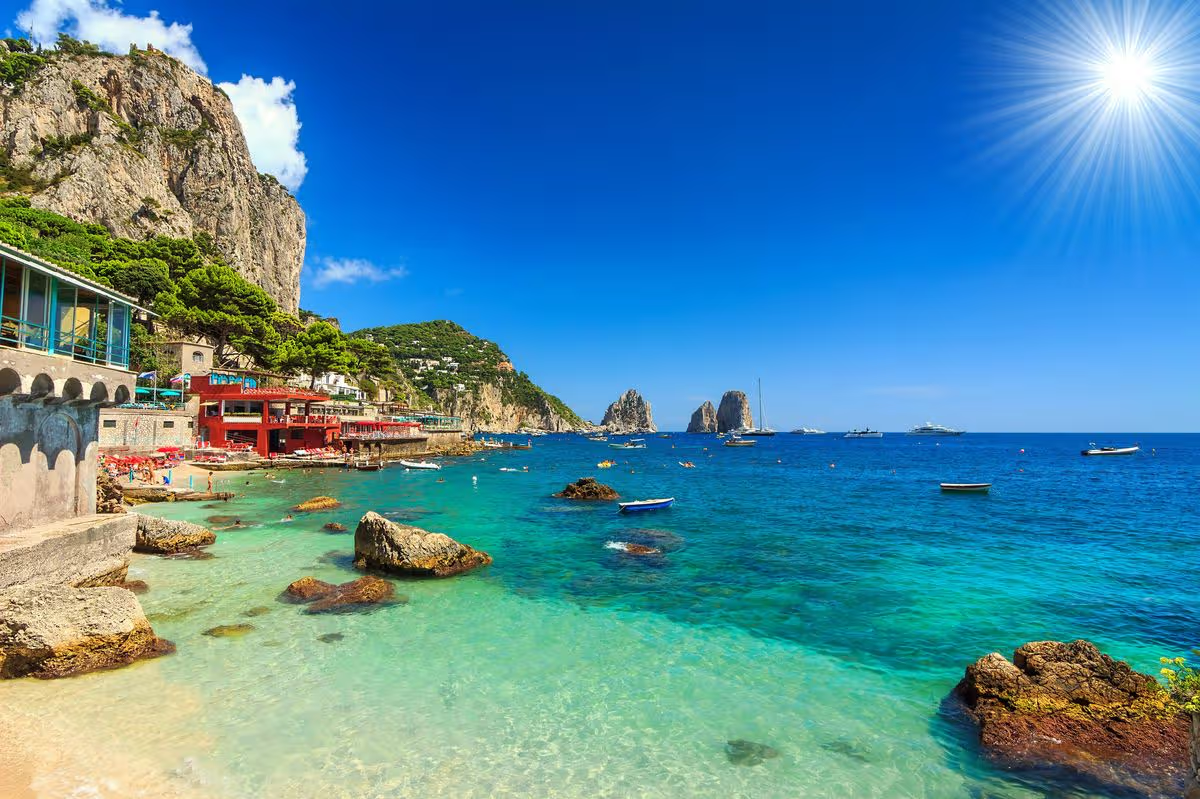
It is also against the law to enter or bathe in public fountains across numerous towns and cities, including Florence and Rome, or to swim in the canals of Venice. The island of Capri is enormously popular with tourists and can be accessed by ferry from both Naples and Sorrento.
The stunning island nestled off Italy’s Amalfi Coast is celebrated for its Mediterranean charm and rich ancient heritage. However, visitors are being made aware that bringing any disposable plastic items onto the island – such as bags, cutlery, plates, cups, food packaging, trays and straws – is strictly prohibited.
Should you be caught doing so, you could face a penalty of up to 500 euros. Additional FCDO guidance regarding Italy adds: “Illegal traders operate on the streets of all major Italian cities. It is illegal to buy items from unlicensed street traders. If you do, you could be stopped by the local police and fined.
“It’s illegal to remove sand, shells or pebbles from coastal areas in Italy. You could face a large fine for doing so. It’s also illegal to collect various species of flowers, plants and herbs from mountain and wooded areas. For more information, check with the regional authorities of the area you’re visiting.”
The Foreign Office has lifted its no-go travel warning after Iran and the US signed a deal
Simon Calder says airlines will be desperate for people to ‘take summer holidays’ after the easing of travel advice
A travel expert has provided an update on journeys to and from the Gulf region following the US and Iran reaching an agreement to cease hostilities between the two nations. Speaking outside the Foreign, Commonwealth & Development Office (FCDO), Simon Calder confirmed that travel insurance was ‘once again valid’ after both the Iranian and American presidents put pen to paper on a deal to end the conflict.
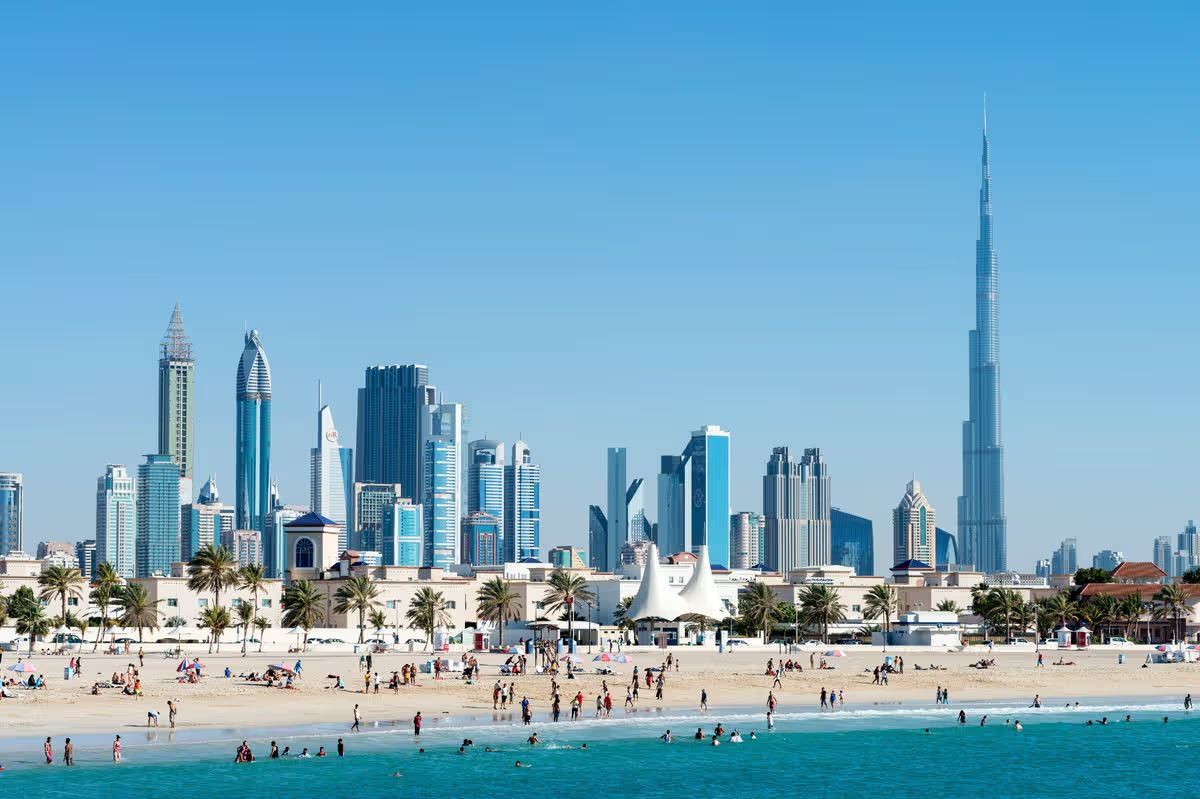
Mr Calder stated that those wishing to visit the region could now do so ‘with some confidence’. He said: “I’m at the Foreign Office which has just changed its advice for travellers going to the Gulf region, in particular Dubai, which last year was visited by 1.4 million British travellers.
“As from now, the no-go warning which prevailed for the whole of the UAE, including Dubai and Abu Dhabi, as well as to the countries of Qatar, Bahrain and Kuwait, has been lifted. The Foreign Office still warns that you need to be ready for trouble to resume at any time, but it means that travel insurance is once again valid and anybody planning a trip to the UAE or Qatar or elsewhere in the region can do so with some confidence.
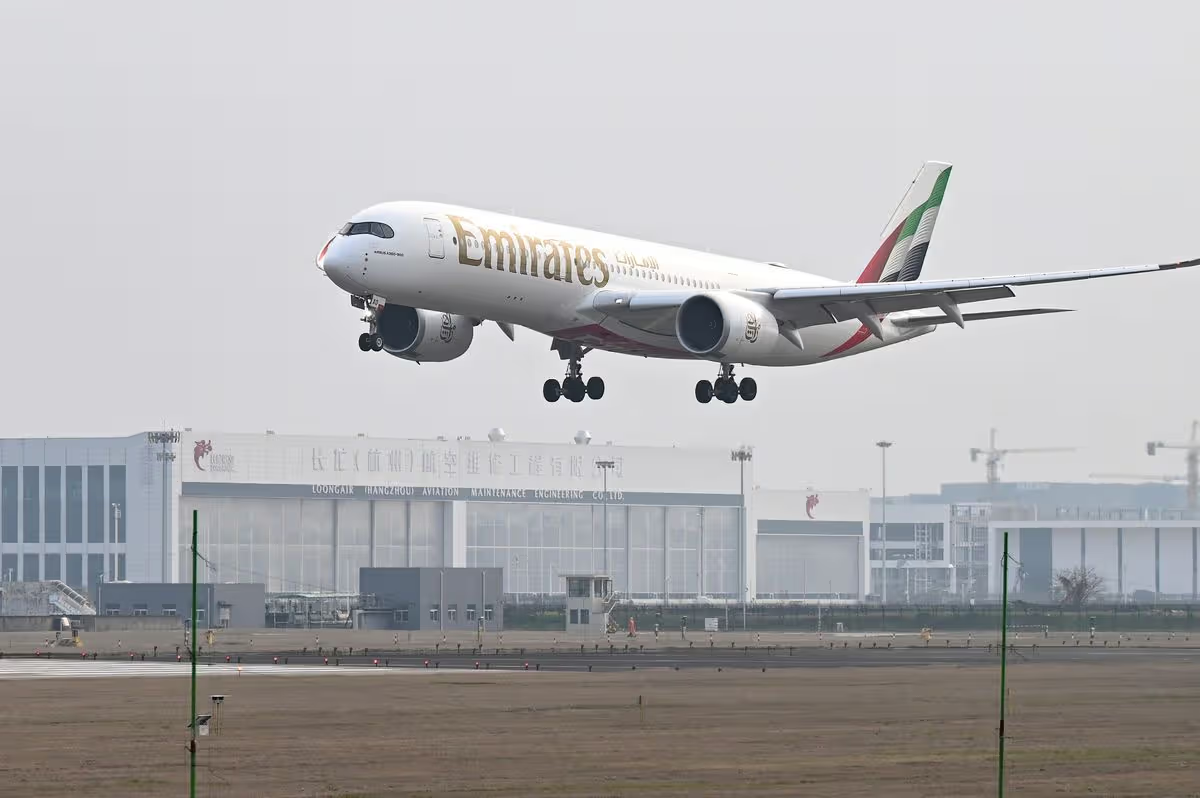
“The immediate effect, I think, is going to be a big marketing campaign by the giant airlines: Emirates of Dubai, Etihad of Abu Dhabi, and Qatar Airways based in Doha. They will be wanting to get people to both connect through their hubs, but also to take summer holidays. Be warned, it is extremely hot with average daily highs around 40°C.”
Content cannot be displayed without consent
Not only do millions of holidaymakers head to the Gulf states, but countless others use them as a stopover for journeys to Asia and Australia. That meant the tourism industry took a particularly severe blow when the US and Israel launched strikes on Iran in late February.
The FCDO decision means tourists can now return without putting their travel insurance at risk. But that doesn’t mean flights will restart straight away.
Virgin Atlantic halted flights until winter 2027 after the conflict began, and a spokesperson confirmed on Thursday that this ‘remains the case’.
British Airways announced earlier in June that it wouldn’t restart flights to the UAE until October 2026. Emirates has maintained flights to and from the region throughout the hostilities.
Mr Calder continued: “The immediate effect, I think, is going to be a big marketing campaign by the giant airlines: Emirates of Dubai, Etihad of Abu Dhabi, and Qatar Airways based in Doha. They will be wanting to get people to both connect through their hubs, but also to take summer holidays. Be warned, it is extremely hot with average daily highs around 40°C.”
“But it means that anybody who’s planning to travel perhaps to Asia or to Australia now will be able to travel with confidence through one of the Gulf hubs. In addition, I imagine that airfares will fall because the Asian carriers will not be able to command such a premium.
“Stand by for some really good holiday offers, but I personally won’t be seeing you on the beach in Dubai until about November.”
European Union High Representative for Foreign Affairs and Security Policy Kaja Kallas is accused of comparing Israel to South African apartheid. File Photo by Thomas Traasdahl/EPA
June 18 (UPI) — Israeli Foreign Minister Gideon Sa’ar announced Thursday that he is cutting all contact with Kaja Kallas, the European Union’s foreign policy chief, after she compared Israel to South Africa under apartheid.
The two had a public argument on X. Sa’ar said Kallas “has for some time now been acting obsessively and with blatant unfairness toward the State of Israel,” and pointed to a report that she made the apartheid comment in May.
Sa’ar accused Kallas of directing a “blood libel” at Israel and said he would “sever all contact with Ms. Kallas” until she took back what she said.
Kallas has not confirmed or denied the comments but tried to defuse the spat on Thursday.
“Dialogue is the foundation of diplomacy, especially when differences arise. The EU is always committed to a constructive relationship with Israel,” Kallas said on X.
“To bring peace to the Middle East, the Two-State Solution remains the only viable path. The EU has condemned the illegal Israeli settlements in the West Bank that make it increasingly difficult to get to that goal. That is the EU position,” she said.
“With all due respect, even in your remarks here you refrain from denying or condemning what has been attributed to you and published publicly,” Sa’ar said. “If you did indeed make these vile and defamatory statements, stand behind them. If you did not make them, deny it. Until this matter is cleared up, my decision will remain unchanged.”
EU leaders are in Brussels for a European Council summit, and divisions over Israel are likely to be discussed. Some countries want to sanction Israel, while others vow to block stronger actions against it, Politico reported.
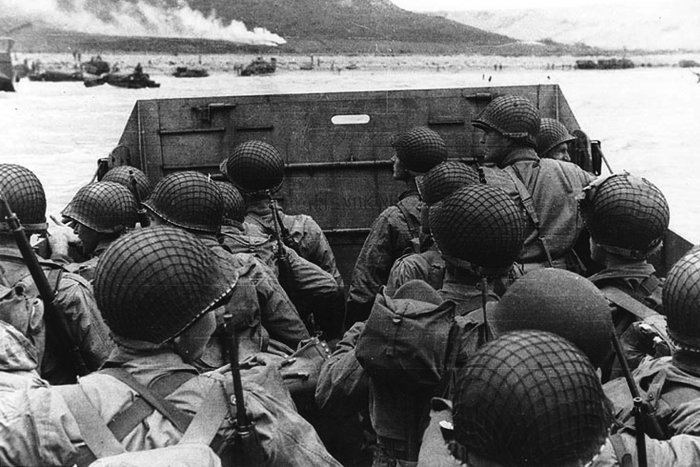
Troops in landing craft approach Omaha Beach on D-Day in Normandy, France, on June 6, 1944. D-Day was the largest seaborne invasion in history and turned the tide of World War II. Photo by UPI | License Photo
The Foreign Office has issued fresh travel advice for 14 countries following the announcement of a ‘memorandum of understanding’ between the US and Iran amid Middle East tensions
15:28, 18 Jun 2026Updated 15:33, 18 Jun 2026
The Foreign Office has issued travel advice for 14 countries(Image: Getty Images/Stock Photo)
Significant travel updates have been released by the Foreign Office for 14 countries after the US and Iran revealed a ‘memorandum of understanding’, in the wake of the Middle East conflict.
The Foreign Office has now removed its travel ban to destinations including the United Arab Emirates and Qatar, while also providing additional updates for 12 other nations. The Foreign, Commonwealth & Development Office (FCDO) published new guidance on Thursday, 18 June, for the 14 countries amid “regional tensions”.
On the Foreign Office’s ‘warnings and insurance’ section for each nation, they confirmed: “The US and Iran have announced a memorandum of understanding in relation to the conflict in the Middle East.”
The complete list of nations receiving the updated guidance includes: Cyprus, Turkey, Oman, Saudi Arabia, Qatar, United Arab Emirates, Bahrain, Jordan, Yemen, Syria, Palestine, Israel, Iran and Kuwait, reports the Express.
While the FCDO has warned of regional tensions, it “no longer advises against all but essential travel to the UAE”. Since March, there had been a warning in place against all but essential travel to the UAE, but with the update today (June 18), it’s the first time it’s been waived.
In additional guidance, the FCDO outlined that should “hostilities resume”, Brits should take the following steps:
Read if you’re affected by a crisis abroad – GOV.UK. This includes guidance on “how to prepare for a crisis” with suggestions on what you might include in your emergency supplies and “what to do in a crisis”
The Foreign Office has updated its travel advice for 14 countries including Cyprus and Turkey
14:27, 18 Jun 2026Updated 15:32, 18 Jun 2026
The Foreign Office has updated its advice for Cyprus and Turkey(Image: Getty Images/iStockphoto)
The Foreign Office has updated its travel advice for a number of countries including Cyprus and Turkey, in relation to the Middle East War.
The UK government has issued an update around ‘regional tensions’ in the two holiday hotspots, after the US and Iran announced a ‘memorandum of understanding’ this week. It also comes as a warning against travel to the UAE has been lifted, including the likes of Dubai and Abu Dhabi.
The Foreign Office hasn’t advised against travel to either Cyprus or Turkey throughout the conflict, which started earlier this year. At the time of writing, it only has one warning in place for a region in Turkey, which was unrelated to the conflict, warning against “all travel to within 10km of the border with Syria due to fighting and a heightened risk of terrorism”.
Now, the government body has issued an update for Brits planning to head to Cyprus and Turkey for holidays in time for the peak holiday season.
The updated advice explains: “The US and Iran have announced a memorandum of understanding in relation to the conflict in the Middle East. The situation remains unpredictable and attacks could resume at short notice.
“Should hostilities resume, British nationals should:
read If you’re affected by a crisis abroad – GOV.UK. This includes guidance on “how to prepare for a crisis” with suggestions on what you might include in your emergency supplies and “what to do in a crisis”
monitor local and international media for the latest information
stay away from areas around security or military facilities
keep your departure plans under review, and ensure your travel documents are up to date
if you are advised to take shelter, stay indoors or find the nearest safe building or designated shelter. An interior stairwell or a room with as few external walls or windows as possible may provide additional protection. The greatest risk is from falling debris caused by intercepts. You are safest inside a secure structure
“Before the 8 April ceasefire, the Iranian regime had stated its intention to target locations associated with the United States and Israel. This included US or Israeli-linked organisations, businesses, facilities and institutions. Iran has previously targeted civilian infrastructure across the region such as ports, hotels, roads, bridges, energy facilities, oil production sites, water systems, and airports.”
The Foreign Office has lifted its warning against travelling to the United Arab Emirates including Dubai and Abu Dhabi
14:16, 18 Jun 2026Updated 14:55, 18 Jun 2026
(Image: Getty Images/arabianEye)
The Foreign Office has lifted its travel ban to the United Arab Emirates.
The FCDO has had a warning against all but essential travel to the UAE in place since March, due to the Middle East war, but today (Thursday 18th June), it updated its advice and no longer warns against travel to the region. It has also issued updates for 14 countries including Cyprus and Turkey.
However, the government body still has a stark warning in place for Brits. As part of an update on ‘regional tensions’ it warns:
“The US and Iran have announced a memorandum of understanding in relation to the conflict in the Middle East. The situation remains unpredictable and attacks could resume at short notice.
“Should hostilities resume, British nationals should:
read If you’re affected by a crisis abroad – GOV.UK. This includes guidance on “how to prepare for a crisis” with suggestions on what you might include in your emergency supplies and “what to do in a crisis”
monitor local and international media for the latest information
stay away from areas around security or military facilities
keep your departure plans under review, and ensure your travel documents are up to date
if you are advised to take shelter, stay indoors or find the nearest safe building or designated shelter. An interior stairwell or a room with as few external walls or windows as possible may provide additional protection. The greatest risk is from falling debris caused by intercepts, and you are safest inside a secure structure
“Before the 8 April ceasefire, the Iranian regime had stated its intention to target locations in the Gulf associated with the US and Israel. This included US or Israeli-linked organisations, businesses, facilities and institutions. Iran has previously targeted civilian infrastructure across the region such as ports, hotels, roads, bridges, energy facilities, oil production sites, water systems, and airports.”
The company said it received an export control directive to suspend access to Fable 5 and Mythos 5 for foreign nationals.
By Al Jazeera Staff and Reuters
Published On 13 Jun 202613 Jun 2026
The AI firm Anthropic has blocked access to its newly released cutting-edge software, following an order by the United States government.
In a blog post published Friday, the company behind the Claude chatbot said government agencies had instructed it to prevent all foreign nationals from accessing the AI models Fable 5 and Mythos 5, citing national security concerns.
Recommended Stories
list of 4 itemsend of list
Anthropic said it received the order at 5:21pm (21:21 GMT) on Friday and that the letter did not explain the government’s specific security concern in detail.
The ban also affects foreigners currently in the US – including those working at Anthropic.
As a result of the order, the company had to cut off access for everyone at short notice, it said.
The artificial intelligence behind Anthropic’s Mythos AI model is particularly adept at detecting software vulnerabilities, some of which have remained undiscovered for decades.
This capability has been used by US authorities and selected companies to plug security gaps.
However, a concern from the outset has been that such AI could become a dangerous cyberweapon in the wrong hands.
The Fable 5 model, released just this week, is based on Mythos technology, but its cybersecurity and biotechnology capabilities are blocked.
Mythos 5 is the non-public full version, which should continue to be used only by government agencies and selected corporate partners to harden their systems.
Anthropic emphasised that it had so far received only partial information from the government.
The company said it had reviewed a report which, in its assessment, was likely to have triggered the order.
Anthropic’s experts concluded that this referred to a limited capability to use the AI to review specific programme code and correct errors.
Models from other providers, such as GPT-5.5 from rival OpenAI, also possess this capability, the company stressed.
Anthropic said it disagreed that software used by hundreds of millions of users should be blocked for this reason, and that the safety measures in Fable 5 have been extensively tested.
Earlier this month, Anthropic proposed that the world’s top artificial intelligence companies coordinate to pause development of advanced AI systems, warning that the technology is improving so quickly that there is a risk humans would lose control.
The company said in a blog post in early June that, as cutting-edge AI gets increasingly faster at carrying out tasks, “it would be good for the world to have the option to slow or temporarily pause” its development.
Spain is the most popular destination for UK holidaymakers
09:01, 06 Jun 2026Updated 09:01, 06 Jun 2026
Millions of Brits head to Spain each year(Image: fcafotodigital via Getty Images)
Anyone planning a trip to Spain should act eight weeks before travelling, according to the latest Foreign Office advice.
The Foreign, Commonwealth and Development Office (FCDO) provides advice for travel to more than 220 countries and territories across the globe, covering everything from entry requirements and safety risks to health precautions and regulations. The FCDO recommends that those heading to Spain check the most up-to-date vaccination advice at least eight weeks before they set off, and find out where to get their vaccines and whether any fees apply.
Holidaymakers are directed to the Spain page on the TravelHealthPro website, which states: “Travellers [to Spain] should be up to date with routine vaccination courses and boosters as recommended in the UK. These vaccinations include for example measles-mumps-rubella (MMR) vaccine and diphtheria-tetanus-polio vaccine.”
It’s worth noting, however, that there are no certificate requirements for entry into Spain. Those visiting Spain are also urged to ensure their tetanus jabs are up-to-date.
TravelHealthPro guidance adds: “Travellers should thoroughly clean all wounds and seek medical attention for injuries such as animal bites/scratches, burns or wounds contaminated with soil.” TravelHealthPro also recommends that all holidaymakers make sure they have sufficient travel insurance.
It adds: “If visiting European Union (EU) countries, carry an European Health Insurance Card (EHIC) or a Global Health Insurance Card (GHIC) as this will allow access to state-provided healthcare in some countries at a reduced cost, or sometimes for free.
“The EHIC or GHIC, however, is not an alternative to travel insurance.”