Hundreds of French supermarkets have suffered unprecedented cyberattacks resulting in tonnes of food perishing and raising fears about the vulnerabilities of food systems to advanced technology.
The attacks, which appeared to target internet-linked refrigeration systems manufactured by a Danish company, raised the temperature of fridges and freezers to as high as 50 degrees Celsius (122F) at more than 500 shops and supermarkets across the country. Supermarkets confirmed the attacks on Monday.
Recommended Stories
list of 4 itemsend of list
France’s cybersecurity agency has advised companies operating affected freezer models to immediately disconnect them from the internet – or restrict access to them – and to perform software updates.
It is unclear who may have been behind the attacks, but authorities say they have now launched an investigation.
Here’s what we know:
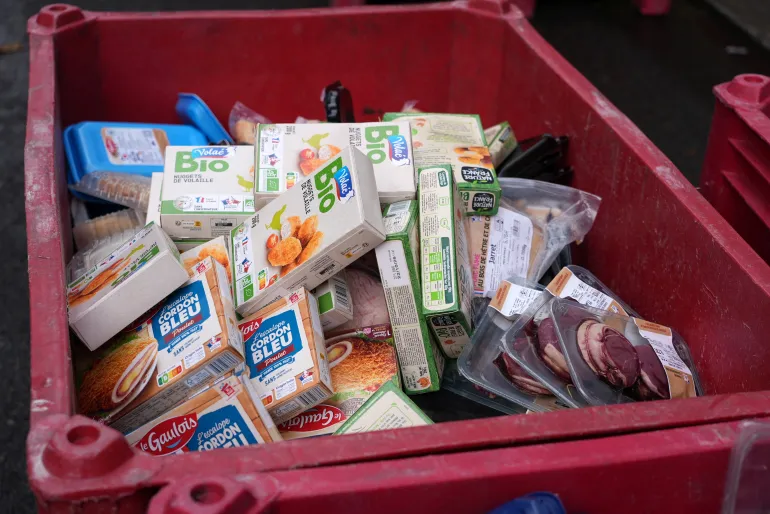
Perished goods outside a supermarket in Paris the day after a cyberattack targeted refrigeration systems in France, October 13, 2026 [Lucien Libert/Reuters]
What happened?
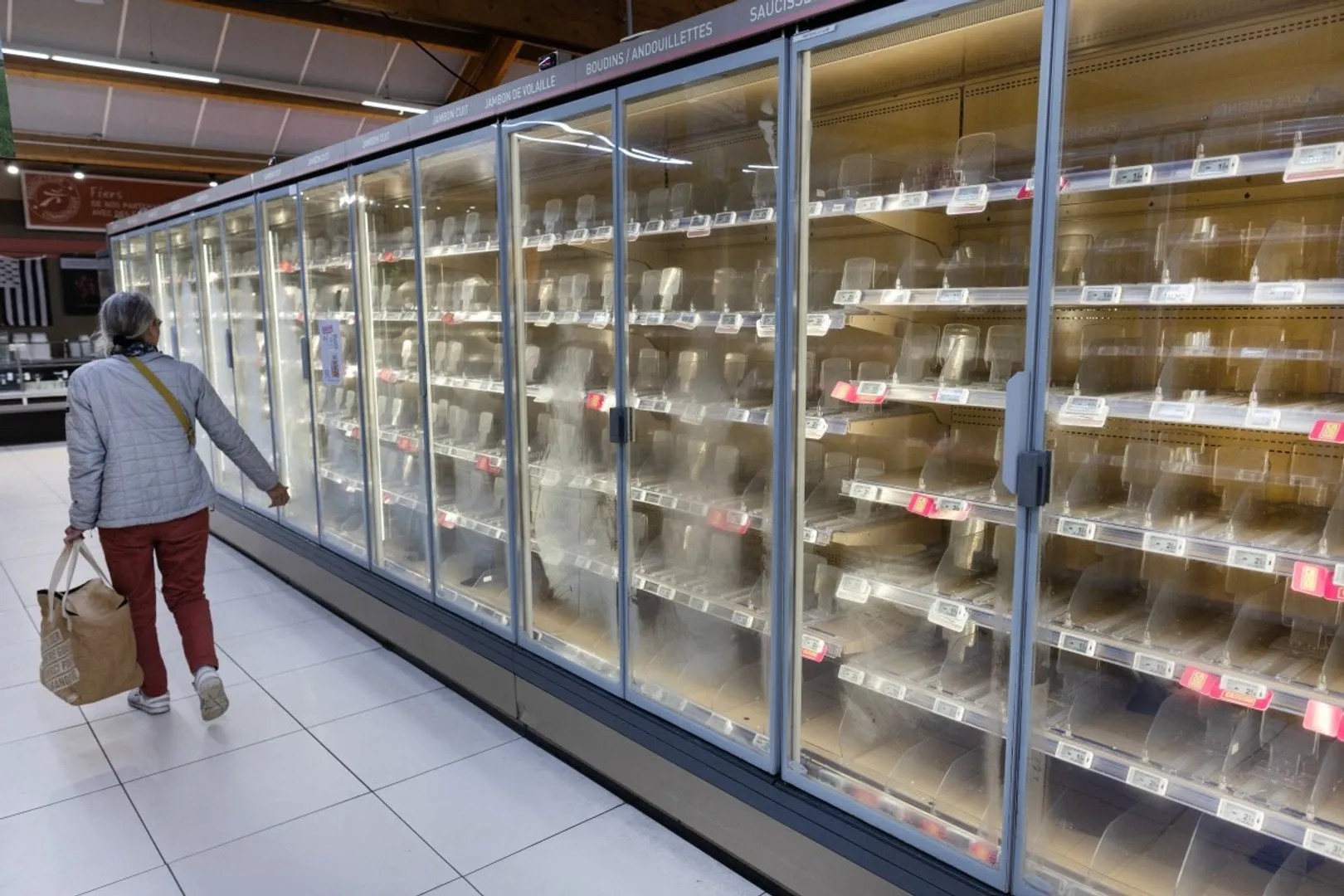
Hackers gained internet access to the refrigeration systems and remotely cranked up temperatures in freezers and fridges to 50C during the night when shops were closed. Millions of euros worth of food was spoiled, according to retailers. In some cases, the raised temperatures sparked fires or melted equipment.
French supermarket groups E-Leclerc, Intermarche, Carrefour, Monoprix and Cooperative U were all hit.
At least 300 of Intermarche’s stores and its Netto brand were affected. Cooperative U said more than 100 of its supermarkets were targeted, while Carrefour said 80 supermarkets were affected and Monoprix reported that about 5 percent of its roughly 490 stores were hit.
Officials are still investigating who launched the attack and how it was carried out. French TV channel BFM reported that the attackers appeared to have remotely triggered a forced defrosting option in the refrigeration systems.
The systems targeted are built by Danish manufacturer Danfoss, according to France’s government cybersecurity agency. The refrigeration models attacked included the AK-SM800 and AK-SC355.
Danfoss told the AFP news agency that most of the affected control systems were “legacy” products that had “outdated firmware”. The company said it had previously advised supermarkets to update them.
AFP also reported that officials are liaising with other European countries which may have been affected.
It is unclear exactly how much food has been lost. The attacks come after President Emmanuel Macron ordered last month that the country’s critical infrastructure be protected from Russian “hybrid attacks”.
Have supermarkets been hit by cyberattacks before?
Yes. Attacks like these have been reported in other parts of Europe and in the United States.
In April 2025, British retailer and supermarket chain Marks and Spencer suffered a sophisticated ransomware attack that the company said cost it approximately 300 million pounds ($397m) after it was forced to suspend online and app orders. The attack was orchestrated by a hacker group called Scattered Spider, using ransomware from DragonForce, another criminal group. Ransomware attacks involve using malicious software to hide essential data unless a ransom is paid.
According to UK media, the same hackers also tried to attack Co-op and the iconic Knightsbridge store, Harrods.
Similar reports have also emerged from the US. In June 2025, United Natural Foods, a frozen food company which supplies big supermarket brands such as Whole Foods, said it had discovered a cyberattack that forced it to take its systems offline. The company did not reveal the nature of the attack.
In November last year, Ahold Delhaize USA said it was the victim of a cyberattack that disrupted operations at more than 2,000 stores, including Hannaford, Food Lion and Stop and Shop.
Why target supermarkets?
They are an easy target and the consequences can be widespread.
As food and agricultural systems increasingly digitise, analysts say supermarkets selling perishable foods are increasingly vulnerable to attacks due to the nature of their stocks.
The rising sophistication of cyberattacks now means that common people and local, third-party companies relying on big chains for business are also falling victim as attacks disrupt supply chains, experts say.
Speaking to Al Jazeera, tech and cybersecurity analyst Steven Lachance said smart appliances connected to the internet will always be vulnerable as hackers seize on security lapses to log in to the systems remotely and trigger malicious features.
“It’s the new reality of having these connected equipment,” Lachance said, pointing out that attacks could evolve to target medical or energy systems.
“This should come as a global wake-up call … Throughout society, we have connected infrastructure that is live on the internet, and that can be hacked. It’s a new reality, and we absolutely need national and international measures to prevent those attacks; otherwise, it’s just going to keep happening,” he warned.
The UK is getting colder, but elsewhere in Europe the October sun is still shining and a warm weather holiday is not out of the question.
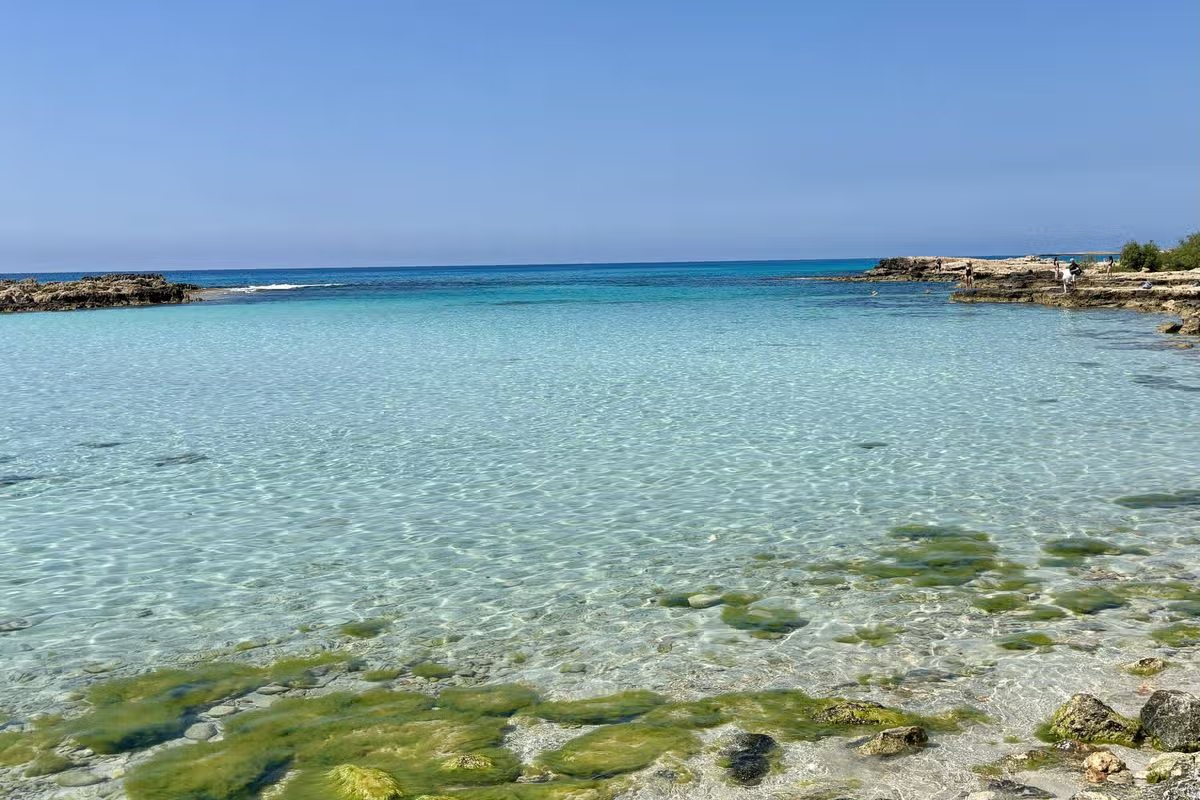
This beach is known for it’s gorgeous clear waters(Image: Getty)
The UK may be getting chillier, but across Europe the sun is still blazing and a beach getaway remains firmly on the cards. If you’re not quite ready to bid farewell to sun and sand, there’s one destination just four and a half hours from the UK where temperatures are still hitting a pleasant 23C.
Better still, it won’t cost you a fortune. That destination is Cyprus, the Mediterranean island paradise. According to research by airport transfer firm hoppa, this gem ranks as the ultimate choice for an autumn escape in the sunshine.
The warmest location is Nissi Beach, nestled on the south-eastern coastline in the resort town of Ayia Napa.
While it’s renowned as a lively party hotspot, there’s far more to discover beyond the buzzing nightlife.
The beach is celebrated for its dazzling turquoise waters and its small offshore island, which visitors can reach by simply wading through the shallow sea.
That island is Nissi itself, the namesake of the beach, and those who venture to its summit are rewarded with spectacular sweeping views across the entire bay.
The beach proudly holds Blue Flag status, with ample sun loungers and parasols available to rent, alongside opportunities to hire jet skis or pedalos for those seeking a dose of adventure.
One holidaymaker took to TripAdvisor to share their thoughts, writing: “Probably one of the most popular beaches in Cyprus-and for good reason.
“Crystal-clear water, beautiful soft sand, and that creamy, turquoise texture that makes you feel like you’re in paradise. Add the amazing atmosphere and beautiful people, and you have the perfect beach experience.”
A second visitor added: “Nissi Beach easily has the most amazing water I have ever swum in!
“Despite being extremely busy, its natural beauty makes it an absolute must-visit.”
While the beach can get extremely crowded during peak summer, visiting during the shoulder season means far fewer tourists to contend with, allowing you to soak up the stunning surroundings in relative peace.
What’s more, according to hoppa, the average nightly rate for a three-star hotel in Ayia Napa comes in at just £79, making it a brilliantly affordable choice for a late burst of October sunshine.
A NEW travel requirement for Brits has been pushed back again despite being scheduled for late 2026.
The new system called ETIAS will eventually be required for UK citizens and other non-EU nationals to enter countries within the Schengen Area.
The new ETIAS system has been pushed back with no start dateCredit: GettyThe requirement is different from EES which is already in placeCredit: REUTERS
However ETIAS, which stands for European Travel Information and Authorisation System, has been delayed again.
An ABTA official has now confirmed there is “no official launch date for ETIAS” – although some people are being caught out by scam websites.
Sign up for the Travel newsletter
Thank you!
According to Travel Gossip, there are as many as 150 websites claiming to sell ETIAS.
ABTA previously warned: “People who try to apply for an ETIAS now may be at risk of fraud. There’s a risk of losing money and possibly personal data too.”
ETIAS is essentially a visa waiver that is linked to your passport and says you can visit a country.
This is different from the EES system which is currently in place that tracks you when you eventually visit that country.
Any national who is visa-exempt, including Brits, will have to get ETIAS authorisation.
ETIAS will be valid for up to three years, or until your passport expires – whichever is soonest.
To get ETIAS authorisation, you will need to visit the official ETIAS website and follow the instructions on its portal.
It will be required to pay for ETIAS too, much like with an ESTA for America.
ETIAS is expected to cost €20 (£17) per person, but travellers under 18 and over 70 do not need to pay the fee (though they still have to apply for one).
Brits have been warned to ignore any website ‘selling’ ETIASCredit: Alamy
Iraq, Bahrain, Kuwait and Qatar face double-digit declines in GDP amid the fallout from the US-Israel war on Iran.
Published On 13 Oct 202613 Oct 2026
The economy of the Middle East and Central Asia is set to shrink in 2026 amid the fallout of the US-Israel war on Iran, with countries such as Kuwait and Qatar facing double-digit contractions, according to the International Monetary Fund (IMF).
The region’s gross domestic product (GDP) is forecast to contract by 0.3 percent this year, a sharp downgrade from the 1.9 percent expansion projected in April, the IMF said in its latest economic outlook on Tuesday.
Recommended Stories
list of 4 itemsend of list
The IMF cited the prolonged disruption to shipping in the Strait of Hormuz, a conduit for one-fifth of global oil supplies in peacetime, for the downgraded outlook.
Kuwait, Iraq and Qatar are forecast to have the most severe economic contractions, with their GDPs expected to shrink by 16.7 percent, 16 percent and 15.6 percent, respectively.
Bahrain’s GDP is forecast to contract by 11.3 percent, while Iran’s economy is projected to shrink by 7.6 percent.
Saudi Arabia, which has partially offset the hit to its energy sector by boosting oil exports through the East-West pipeline, is projected to record negative growth of 3.3 percent.
Kyrgyzstan is expected to have the strongest growth in the region, with GDP forecast to expand 9 percent.
The Middle East and Central Asia is the only region that is expected to experience negative growth in 2026.
Emerging and developing Asia’s GDP is forecast to grow 5.1 percent, while the economies of Sub-Saharan Africa and Latin America and the Caribbean are projected to expand 4.5 percent and 2.3 percent, respectively.
The United States and China, the world’s two largest economies, are forecast to register growth of 2.3 percent and 4.5 percent, respectively, while the eurozone’s GDP is estimated to grow 1.1 percent.
The IMF said it expected global GDP to grow 3.1 percent, up from 3 percent in its previous outlook.
The Washington, DC-based institution said while economic activity had proved resilient this year, the global economy faced multiple risks.
“Further escalation in conflicts, a reassessment of expectations surrounding artificial intelligence (AI), renewed trade tensions, and fiscal vulnerabilities could weaken growth,” it said.
“On the upside, stronger momentum in AI investment and productivity gains from AI or a sustained easing of geopolitical and trade tensions could strengthen growth.”
Ukraine’s president says Russian attacks on Ukraine’s energy infrastructure are continuing despite Donald Trump announcing that the two sides had agreed to a so-called ‘energy ceasefire’. Both Moscow and Kyiv are yet to confirm an agreement is in place.
A cyberattack targeting supermarket refrigeration systems has left shelves empty across France. Hackers remotely raised temperatures to 50 degrees Celsius, triggering fires and forcing hundreds of stores to discard food.
Warsaw says the 2 suspects held in Germany will face sabotage charges.
Published On 12 Oct 202612 Oct 2026
Two Turkish citizens have been detained in Germany over a fire at a Starlink station in central Poland that Warsaw has branded an act of sabotage carried out on Russia’s behalf.
Polish officials announced the arrests on Monday, one month after the fire, which they say was aimed at disrupting internet services, including for Ukraine’s military. The fire, in Masovia in Eastern Poland, engulfed the Starlink station’s power system and backup generator.
Recommended Stories
list of 2 itemsend of list
Polish Minister of Interior Marcin Kierwinski said the two men would face charges in Poland of carrying out sabotage on the instructions of a foreign intelligence agency. German police made the arrests on behalf of Polish services, according to Deutsche Welle. Polish officials did not say where or when in Germany the men were detained.
“We have no doubt that Russian services are behind this act of sabotage,” Special Services Minister Tomasz Siemoniak said in a news conference. “It is worth adding that Russian services are increasingly turning to individuals linked to the criminal underworld,” he said.
The case is the latest in a string of incidents that officials across the European Union deem to be part of a Russian campaign of sabotage and hybrid attacks aimed at eroding support for Ukraine.
The Russian embassy in Warsaw did not immediately reply to a request for comment. Moscow has previously dismissed similar accusations as baseless and the product of anti-Russian hysteria.
Ukraine’s military relies on tens of thousands of Starlink terminals for battlefield communications and occasional drone operations. Starlink founder Elon Musk activated the service over Ukraine in 2022, days after Russia’s full-scale invasion, following a plea from Kyiv. Poland has said it pays for Ukraine’s Starlink subscription.
Musk has since clashed with Ukrainian officials over his views on the war. This year, he also agreed to switch off thousands of Russian “grey-market” Starlink terminals in Ukraine, causing problems for Russian forces. Ukraine is now seeking to use the terminals for attacks on Russian territory.
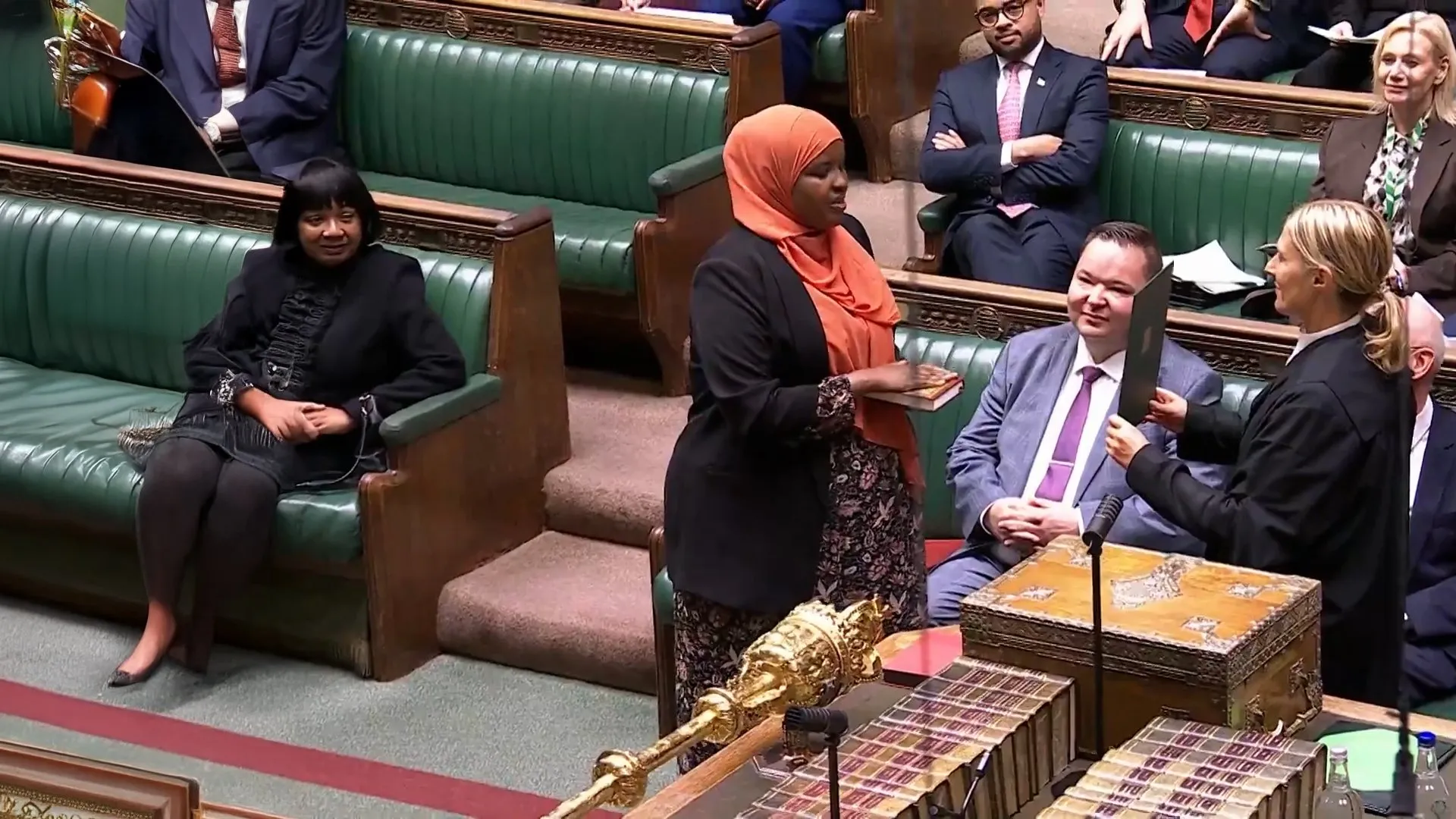
Newly sworn-in Labour MP Sagal Abdi-Wali has made history as the first Somali-born refugee woman elected to UK Parliament. She won London’s Holborn and St Pancras seat, vacated by former Prime Minister Keir Starmer, defeating Green Party leader Zack Polanski.
Vatican officials expect a one-week hospital recovery for the 71-year-old religious leader ahead of his scheduled Latin America tour.
Published On 12 Oct 202612 Oct 2026
Pope Leo XIV is to undergo surgery to remove a lung nodule, the Vatican has announced.
The 71-year-old leader of the Catholic Church will enter Rome’s Gemelli Hospital late on Tuesday morning for the procedure, which is expected to require about a week of inpatient recovery and has forced the cancellation of upcoming papal audiences.
Recommended Stories
list of 3 itemsend of list
During his weekly blessing in St Peter’s Square on Sunday, Leo told pilgrims that a small nodule was found on his left lung during a routine checkup and said it was “well-contained” and had been spotted early.
“The doctors believe it’s best to take action, so, following their advice, I’ve decided to have surgery to remove it,” he said during remarks delivered in Italian.
Later, the Vatican said a week of recovery time is expected after Leo’s surgery, and his audiences have been cancelled until October 20.
Spokespeople did not clarify whether the nodule is believed to be malignant.
The pope has no reported history of serious illness and is considered physically active, routinely swimming and playing tennis.
The upcoming surgery comes ahead of an official Latin America tour scheduled for November 6–17, with stops planned across Uruguay, Argentina, and Peru.
Whether the operation and subsequent recovery will force changes to the itinerary remains unclear, though the pontiff told reporters on Sunday that he intends to make the journey.
The late Pope Francis, Leo’s predecessor, died at age 88. Francis was hospitalised several times and grew frail in his later years. He did not usually announce his hospital visits in advance, sometimes sparking intense media speculation about his health.
Renoir art heist suspects were planning ‘imminent’ second robbery, prosecutors say.
Published On 12 Oct 202612 Oct 2026
Two paintings by the impressionist master Renoir which were stolen from a French museum last month have been found damaged behind a false wall in a private home after police made several arrests ahead of what prosecutors say was an imminent second heist.
Marseille prosecutor Nicolas Bessone said six suspects were arrested on Wednesday after authorities discovered they were planning to target the Fondation Maeght in Saint-Paul-de-Vence, home to one of Europe’s largest collections of modern art.
Bessone said the arrests were prompted by the “very strong suspicion that another heist was imminent”.
“We were very clearly looking at the repetition of a criminal scheme”, said Eric Antonetti, the head of the Alpes-Maritimes judicial police.
On September 8, thieves used an electric saw to cut through a fence to enter the Renoir Museum in Cagnes-sur-Mer on the French Riviera, according to investigators.
An alarm sounded and police officers arrived four minutes later, a swift response that “apparently caused the perpetrators to panic,” Bessone said.
The stolen works, “Madame Colonna Romano” and “Young Woman at the Well” by impressionist painter Pierre-Auguste Renoir, were valued at about 4.2m euros ($4.7m), Bessone said.
The thieves also attempted to steal two other Renoir paintings, “Madame Pichon” and “Coco Reading”, which depicts Renoir’s young son Claude. They abandoned them in the museum gardens while fleeing police.
“As they fled, they were unable to take all four paintings and abandoned two of them, which were later found in a protective sleeve,” he said.
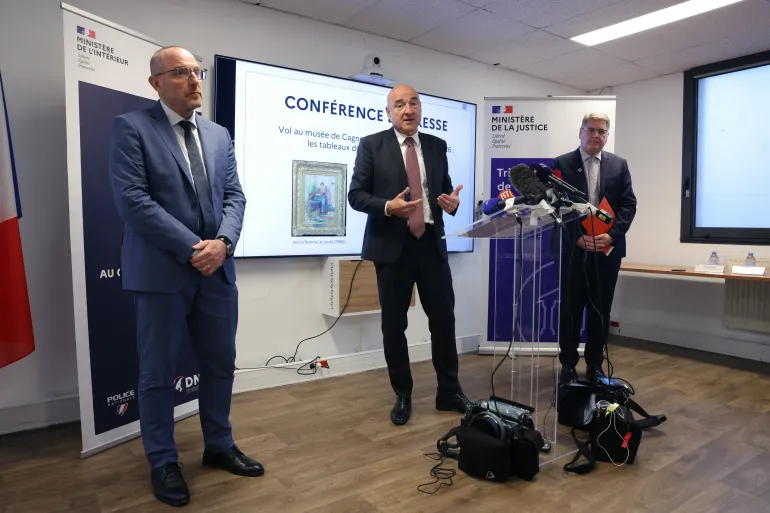
Police chiefs speak to reporters in Nanterre on Monday following recovery of the stolen paintings last week [Thomas Samson/AFP]
Damaged and torn
The paintings were found hidden behind a false wall in a house on Friday. Both works were damaged and will need restoration. One of the paintings, “Madame Colonna Romano”, had been torn.
“These two paintings are not simply works of art. They are part of our city’s history,” Bryan Masson, the mayor of Cagnes-sur-Mer, near Nice, said on Friday. “Knowing they have been recovered is an immense relief.”
The recovery came almost exactly one month after the theft, following an investigation that used DNA evidence, mobile phone geolocation data and surveillance video.
The two key suspects include a 29-year-old, who was charged after investigators recovered DNA from a bag left behind during the getaway.
They were charged with organised theft and other offences. A third man, accused of hiding the paintings, was charged with organised handling of stolen goods.
A fourth suspect, who investigators say was approached about buying the artworks, was charged with handling stolen goods and taking part in a criminal conspiracy.
Bessone said the suspects had denied planning a second museum raid, but he added that he did “not believe the principal suspect visited that museum simply out of a love of art”.
Who: Atletico Madrid vs Manchester United What: UEFA Champions League, matchday 2 Where: Estadio Metropolitano, Madrid, Spain When: Tuesday, October 13, at 9pm (19:00 GMT) How to follow: Al Jazeera Sport will bring you all the build-up and live updates from 16:00 GMT.
Action in Europe’s premier club competition returns with a matchday two clash between in-form La Liga side Atletico Madrid and Premier League strugglers Manchester United.
There are contrasting moods in the camps ahead of Tuesday’s fixture in the Spanish capital.
Atletico are challenging Barcelona for the top spot in Spain’s top flight, while Man United are in the bottom half of England’s Premier League, several places below all their traditional rivals.
Left winger Alex Baena and striker Jonathan David have been running the show for Atletico, while playmaker Bruno Fernandes and marksman Bryan Mbeumo are trying to keep United’s hopes alive of turning things around.
Atletico and Man United are set to clash for only the fifth time in history and the third in the Champions League.
Here’s all you need to know about the match:
How have Atletico Madrid played this season?
Atletico have made a promising start to the 2026-27 La Liga season, as they sit in second place, five points adrift of leaders and title holders, Barcelona.
Of the eight league games they have played, Atletico have won six, drawn one and lost one.
That keeps Atletico 25th and Man United fourth in the league phase of this year’s Champions League.
The top eight teams at the end of the league phase qualify directly to the knockout rounds.
Atletico Madrid vs Manchester United: Predictions
Opta’s supercomputer has given Atletico a 48.5 percent probability of victory, while Man United have a 27.2 percent chance and a draw is estimated at a likelihood of 24.3 percent.
Atletico Madrid vs Manchester United: Head-to-head
Matches: 4
Atletico wins: 2
Man United wins: 0
Draws: 2
Encounters:
March 15, 2022: Manchester United 0-1 Atletico Madrid (Champions League)
February 23, 2022: Atletico Madrid 1-1 Manchester United (Champions League)
November 06, 1991: Manchester United 1-1 Atletico Madrid (UEFA European Cup Winners Cup)
October 23, 1991: Atletico Madrid 3-0 Manchester United (UEFA European Cup Winners Cup)
Atletico Madrid vs Manchester United: Form guide
(Last five matches across all competitions, latest match first)
Atletico Madrid: W-W-W-W-L
Manchester United: D-D-L-L-W
Alex Baena celebrates scoring for Atletico [File: Fran Santiago/Getty Images]
Who are the top players to watch?
Alex Baena and Jonathan David (Atletico): Baena is in good form for club and country, with four goals and two assists for Atletico this season. Further up the pitch, centre-forward David has three goals and two assists.
Bruno Fernandes and Bryan Mbeumo (Man United): Midfielder Fernandes, the United captain, has been the team’s top scorer with four goals in all competitions, while the playmaker also has an assist. Forward Mbeumo, meanwhile, has three goals and an assist.
What have the coaches said?
Diego Simeone (Atletico):
On Julian Alvarez failing to find the net so far this season: “I think strikers with Julian’s characteristics always need goals, not just him. It’s true that beyond his finishing, he’s a team player, a player that can link very well, he can assist and he’s got many more tools than just goalscoring.”
On facing Man United: “The game will be long, it will be tough and we have to manage our efforts to compete well.”
Michael Carrick (Man United):
On United’s poor form: “We’ve got to stay positive and keep doing the right things. We need to do better and we need more points, of course we do.”
On facing Atletico: “We’ve got big games coming up and are looking forward to Tuesday now. A fresh start, a fresh game and we will go there looking forward to the game.”
Did you know?
Atleti are unbeaten in the four meetings between the sides (W2 D2). Their most recent encounters came in the 2021-22 Champions League round of 16, where they drew 1-1 in Madrid before winning 1-0 in Manchester.
Atleti also dethroned United as European Cup Winners’ Cup holders in 1991-92, winning the second-round tie 4-1 on aggregate (3-0 home, 1-1 away).
United have lost only one of their last 11 matches against Spanish opponents (W7 D3). They beat Athletic Bilbao 3-0 away and 4-1 at home in the last fixtures in the 2024-25 Europa League semifinals to make it three successive victories.
United’s last 10 matches against Spanish opponents have produced 35 goals, an average of 3.5 per game.
United manager Michael Carrick is under pressure after a poor start this season [File: Carl Recine/Getty Images]
Team news and predicted lineups
Atletico Madrid
Atletico have a fully fit squad.
Predicted starting XI:
Jan Oblak; Marc Pubill, Cristian Romero, David Hancko; Marcos Llorente, Pablo Barrios, Koke, Giuliano Simeone; Kang-in Lee, Alex Baena; Julian Alvarez
Manchester United
As many as five United players are out with injuries. Those include Patrick Dorgu (hamstring), Benjamin Sesko (shin), Tom Heaton (abdomen), Manuel Ugarte (knee) and Matthijs de Ligt (back).
UK Prime Minister Andy Burnham says renegotiating relationship with the EU could reverse some post-Brexit ‘damage’.
Published On 12 Oct 202612 Oct 2026
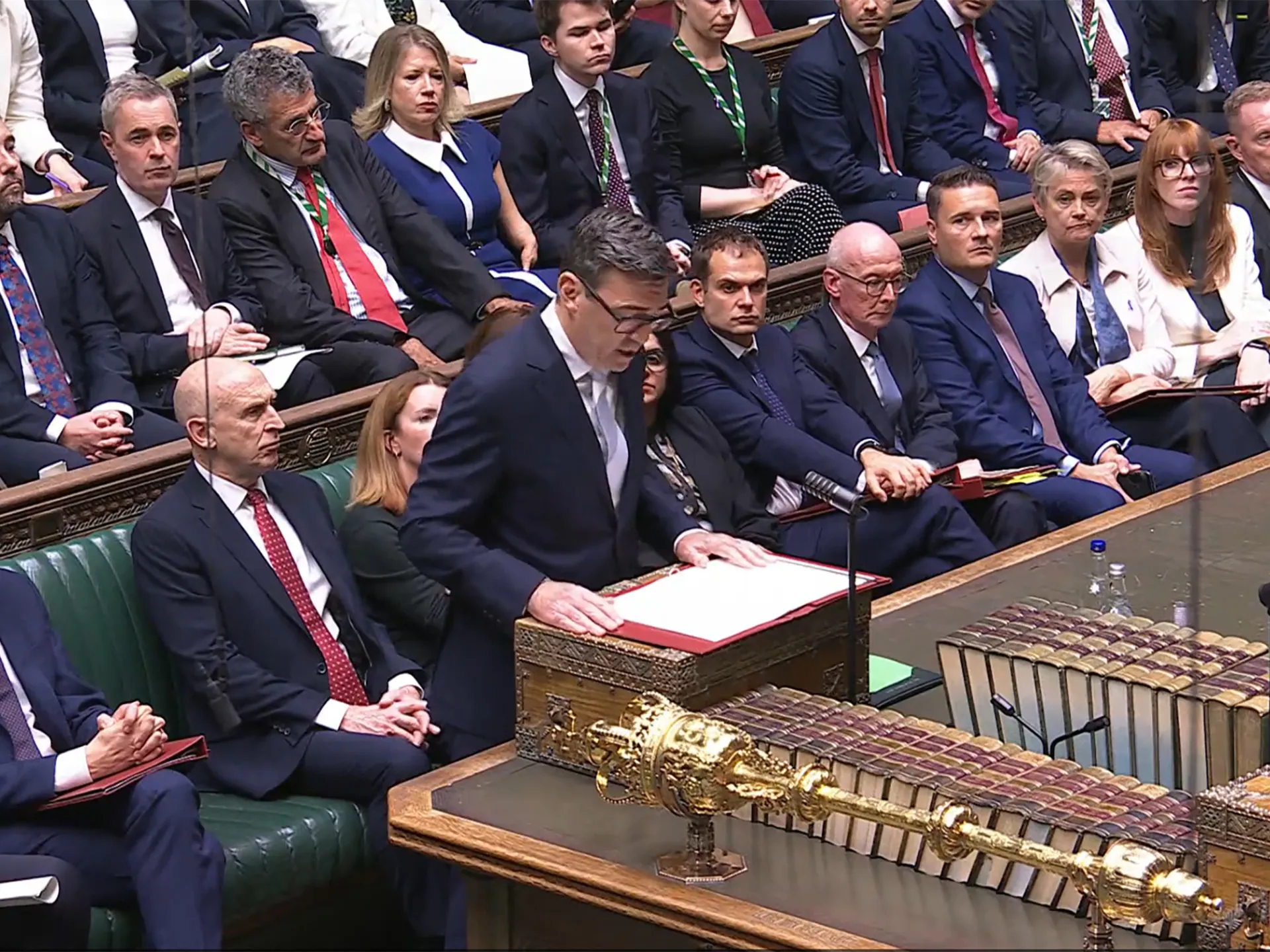
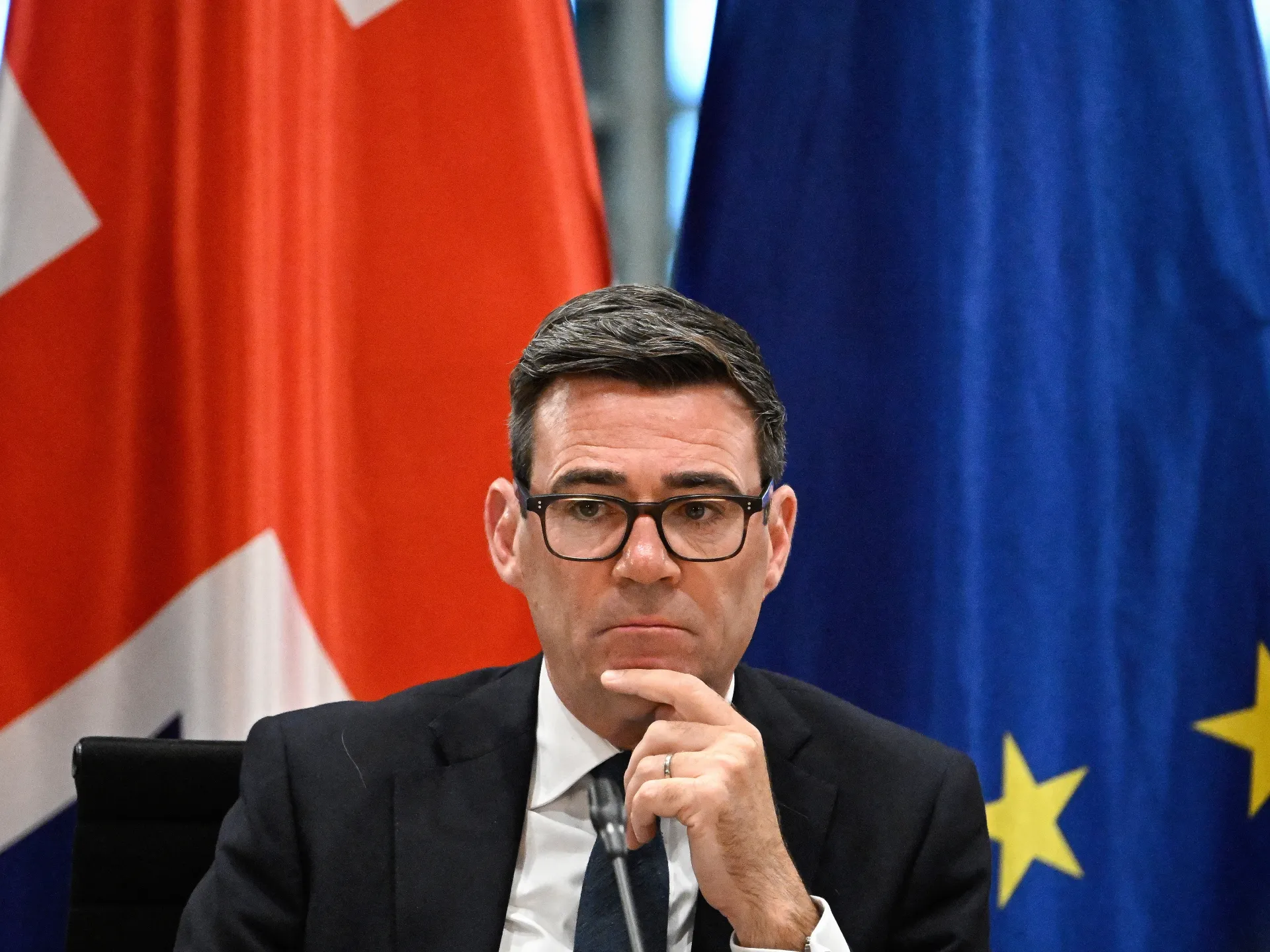
UK Prime Minister Andy Burnham has pledged to push for closer relations with the European Union, confirming he will attend a bilateral summit in Brussels next month.
Addressing parliament on Monday, Burnham said parts of the trade deal agreed with the EU after the UK voted to leave in 2016 would be renegotiated.
Recommended Stories
list of 3 itemsend of list
Burnham said that the British public would be “the boss” at every stage of renegotiating Britain’s relationship with the EU and that he wanted “serious dialogue” about long-term ties.
He told members of parliament that his focus at the summit would be boosting growth in the economy and controlling illegal immigration.
Among the topics of discussion at November’s summit are cutting bureaucracy for British food exports and emissions trading, as well as a “new youth experience scheme” and deeper cooperation on immigration.
The prime minister, who came into office in July, said the agreements could reverse some of the “damage” done to the post-Brexit British economy.
He told MPs that Britain needed to “take a calm, clear-eyed look at the world as it is today”.
“Sticking to the status quo is not good enough,” he said, adding that “public opinion currently supports a pragmatic approach like the one I am suggesting”.
After his address, the leader of the opposition, Kemi Badenoch, said Burnham would be unable to secure a better deal as the EU was ” tough negotiators” and warned that he had already “shown his hand”.
Atletico vs Man United and Man City vs PSG headline the Champions League match day two action as the competition returns.
Published On 12 Oct 202612 Oct 2026
The UEFA Champions League (UCL) 2026-27 enters its second round of matches this week, with 36 teams in action across Europe as clubs return to the elite football competition.
After the first set of league fixtures, two-time title holders Paris Saint-Germain lead the points table with three points, followed by six-time champions Bayern Munich and five-time winners Barcelona, who also won their opening matches.
Recommended Stories
list of 4 itemsend of list
The competition’s league phase format, now in its third year, started in September and runs until January 2027. It will be followed by the knockout rounds, with the champions crowned in early June.
Here’s all you need to know about this year’s competition:
What is the Champions League?
The Champions League is an annual club competition that features the best teams from across Europe.
This season marks the third time that 36 teams will participate in the main round, an increase from 32 under the old format.
What is the 2026-27 Champions League format?
Since 2003, the UCL has featured 32 clubs split into eight groups of four, with the top two from each section advancing to the last 16.
That has changed radically in recent years.
From the 2024-25 season, the 36 clubs are pooled into a single league in a “Swiss system” more commonly associated with chess.
Earlier, participating teams played six games in the group stage, facing each opponent home and away. Now, each club plays eight games, one each against eight different opponents.
How does the Champions League knockout format work?
At the end of the league phase, the top eight qualify directly for the knockouts, while those between the ninth and 24th places have to compete in two-legged knockout-phase playoffs.
Teams ranked 25th and below are eliminated.
The UCL knockout format is straightforward – it begins with the round of 16, followed by the quarterfinals, semifinals and the final.
When are the league phase and knockout matches?
The league phase matches are scheduled for:
Match day 1: September 8-10
Match day 2: October 13 and 14
Match day 3: October 20 and 21
Match day 4: November 3 and 4
Match day 5: November 24 and 25
Match day 6: December 8 and 9
Match day 7: January 19 and 20
Match day 8: January 27
The knockout phase matches are scheduled for (all dates in 2027):
Playoffs: February 16, 17 and 23, 24
Round of 16: March 9, 10 and 16, 17
Quarterfinals: April 6, 7 and 13, 14
Semifinals: April 27, 28 and May 4, 5
Final: June 5
Which are the best Champions League matches to watch?
The key matches to follow on matchdays two and three are as follows:
Top five UCL matches to watch this week
Arsenal vs Lille, Tuesday 19:00 GMT
Atletico vs Manchester United, Tuesday 19:00 GMT
Galatasaray vs Barcelona, Tuesday 19:00 GMT
Manchester City vs PSG, Wednesday 19:00 GMT
AS Roma vs Real Madrid, Wednesday 19:00 GMT
Top five Champions League matches to watch next week:
PSG vs Barcelona, October 20, 19:00 GMT
Liverpool vs Villarreal, October 20, 19:00 GMT
Como vs Manchester United, October 21, 16:45 GMT
Bayern Munich vs Arsenal, October 21, 19:00 GMT
Real Madrid vs RB Leipzig, October 21, 19:00 GMT
What are the key UCL storylines to follow?
Man City’s home clash with PSG headlines the upcoming round of matches, marking the troubled Etihad club’s first Champions League match since an independent commission found them guilty of breaking more than 100 Premier League financial rules.
Elsewhere, City’s crosstown rivals, under-fire Man United, are also in action this week. They head to Madrid to face an in-form Atletico, hoping to register just their third win this season.
Meanwhile, manager Jose Mourinho will face his former club AS Roma when Real travel to the Italian capital.
Who are the top players to watch in the Champions League?
PSG’s Ferran Torres, who scored a hat-trick in the first UCL match, is a joint top scorer in this year’s UCL alongside Ermedin Demirovic of Stuttgart.
Also watch out for Man City’s Erling Haaland, Bayern Munich’s talented Michael Olise and PSG forward Ousmane Dembele, all of whom scored two goals in their respective UCL openers.
The Swedish academy says the academics’ models are ‘now used by central banks and governments around the world’.
Published On 12 Oct 202612 Oct 2026
The 2026 Nobel Prize in Economic Sciences has been awarded to US academics Robert Hall and Michael Woodford for their work on how monetary and fiscal policy can help stabilise fluctuations in the economy, according to the Royal Swedish Academy of Sciences.
The winners of the prestigious award, formally known as the Sveriges Riksbank Prize in Economic Sciences in Memory of Alfred Nobel and the final prize to be given out this year, were announced on Monday.
Recommended Stories
list of 4 itemsend of list
The two laureates developed new macroeconomic models that improve people’s ability to implement effective stabilisation policies, enabling fiscal and monetary policy measures that can reduce damaging swings in the economy.
“The laureates’ work has provided us with a stable theoretical foundation for the models that are now used by central banks and governments around the world,” John Hassler, chair of the Committee for the Prize in Economic Sciences, said in a statement.
“With them, we are better equipped to deal with shocks in the economy, such as energy crises or sudden changes in how much households consume.”
During the oil crises in the 1970s, the existing Keynesian models used to determine when and how measures should be implemented to tackle recessions or other economic fluctuations stopped working. Hall and Woodford then developed new tools to understand what policy responses could be the most effective.
“Rather than basing the models on statistical links between macroeconomic variables, such as inflation, production and consumption, they chose to build them on a microeconomic foundation,” the academy said. “This encompasses an understanding of how the total mass of individual households and businesses affect the economy through their actions.”
The economics prize, first awarded in 1969, is not part of the five original awards created in the 1895 will of industrialist and dynamite inventor Alfred Nobel, but was instead established by Sweden’s central bank.
The majority of previous laureates have been from the United States. Only three women have ever won, most recently Claudia Goldin in 2023 for her work on how gender has affected pay and employment over time in the US.
Last year’s winners – Joel Mokyr, Philippe Aghion and Peter Howitt – won for their work on “creative destruction” and how new technology and production methods can boost growth and living standards.
Like the other Nobel awards, the economics prize consists of a diploma, a gold medal, and a $1.2m cheque.
US President Donald Trump has announced an immediate “energy ceasefire” between Russia and Ukraine, days after easing sanctions on Russian fuel to tackle soaring domestic and global fuel prices.
The energy truce, announced on Sunday, marks another shift in Washington’s approach to Russian energy, as the Iran-US war and recent Ukrainian strikes on Russian energy facilities disrupted global oil supplies and pushed up fuel prices. Trump has even asked Ukraine not to attack Russian oil facilities, as Moscow remains a major exporter of diesel.
Recommended Stories
list of 3 itemsend of list
The spike in diesel prices in recent weeks has particularly put pressure on Trump’s Republican Party ahead of November’s midterm elections. Surveys show Americans hold the Trump administration responsible for the soaring fuel prices amid the unpopular US war on Iran.
“Attacks on refineries and energy facilities have taken capacity out of an already stretched global fuel market, pushing up costs for transport, agriculture and businesses, with the pain ultimately passed on to consumers,” Susannah Streeter, chief investment strategist at Wealth Club, told Al Jazeera, referring to the mutual attacks on energy sites by Ukraine and Russia.
“A genuine ceasefire could help protect supplies and ease some of that pressure, particularly as winter approaches.”
However, she warned it was too early to call it a “diplomatic breakthrough”, citing Ukrainian President Volodymyr Zelenskyy’s statement that the energy truce came as a surprise to him.
Trump’s decisions have drawn criticism from US politicians and European allies, who warn that allowing Russian fuel back into global markets could provide Moscow with new revenue to finance its war in Ukraine. In March, the Trump administration gave a sanctions waiver to Russian seaborne oil.
So, why has Trump repeatedly changed his position on Russian energy, and what is behind his latest decisions?
What is the ‘energy ceasefire’ Trump announced?
On Sunday, Trump said Russia and Ukraine had agreed to immediately stop attacking each other’s energy infrastructure.
“Both parties have agreed. Do not break it!” he wrote on Truth Social, without providing further details.
Ukrainian President Volodymyr Zelenskyy said he was not aware of the energy truce, saying the deal was “news to me” but welcomed the announcement nonetheless.
However, he said Russian drones continued targeting Ukrainian energy facilities, including a power plant in Kharkiv, after Trump’s statement.
“We are waiting for the details of the conditions between the Americans and Russians, and we are waiting to see one specific step the Americans are ready to take,” Zelenskyy said on Monday during a video address to a security conference in Warsaw.
“This energy ceasefire, it can work, and it can become a major step towards ending the war if the Americans truly step in now and make sure Russians respect it.”
(Al Jazeera)
Ukraine has repeatedly targeted Russian oil refineries, arguing that energy revenues help fund Moscow’s war. Russia, meanwhile, has attacked Ukraine’s electricity and heating infrastructure throughout the four-year conflict.
Academic Alexey Muriaev has urged caution over Trump’s announcement, questioning whether an agreement has actually been reached, and if so, what it entails.
“Is it about suspending attacks on oil refineries? And if that’s the case, then the situation would be inadequate, because Ukraine’s oil refineries have already been taken out by Russia’s strikes beforehand,” Muraviev, senior research fellow in Defence and Strategic Studies at Edith Cowan University, told Al Jazeera.
“So, in this sense, it would mean effectively Ukraine suspending unilateral action against Russia’s oil refinery facilities.”
Muriaev also linked the announcement to Trump’s diesel agreement with Russian President Vladimir Putin, suggesting it may be a signal to Zelenskyy.
“Attacking Russian oil refinery capability would probably be interpreted by Washington as an attack on US economic interests,” he said, referring to the agreement on diesel exports through April 2027.
What’s the state of global oil prices?
The ongoing conflicts in the Middle East and Ukraine have continued to keep global oil markets under pressure.
On Monday, Brent crude, the international benchmark, fell to about $103.04 a barrel following Trump’s ceasefire announcement and Russian diesel deal, while US West Texas Intermediate crude traded at about $90.96.
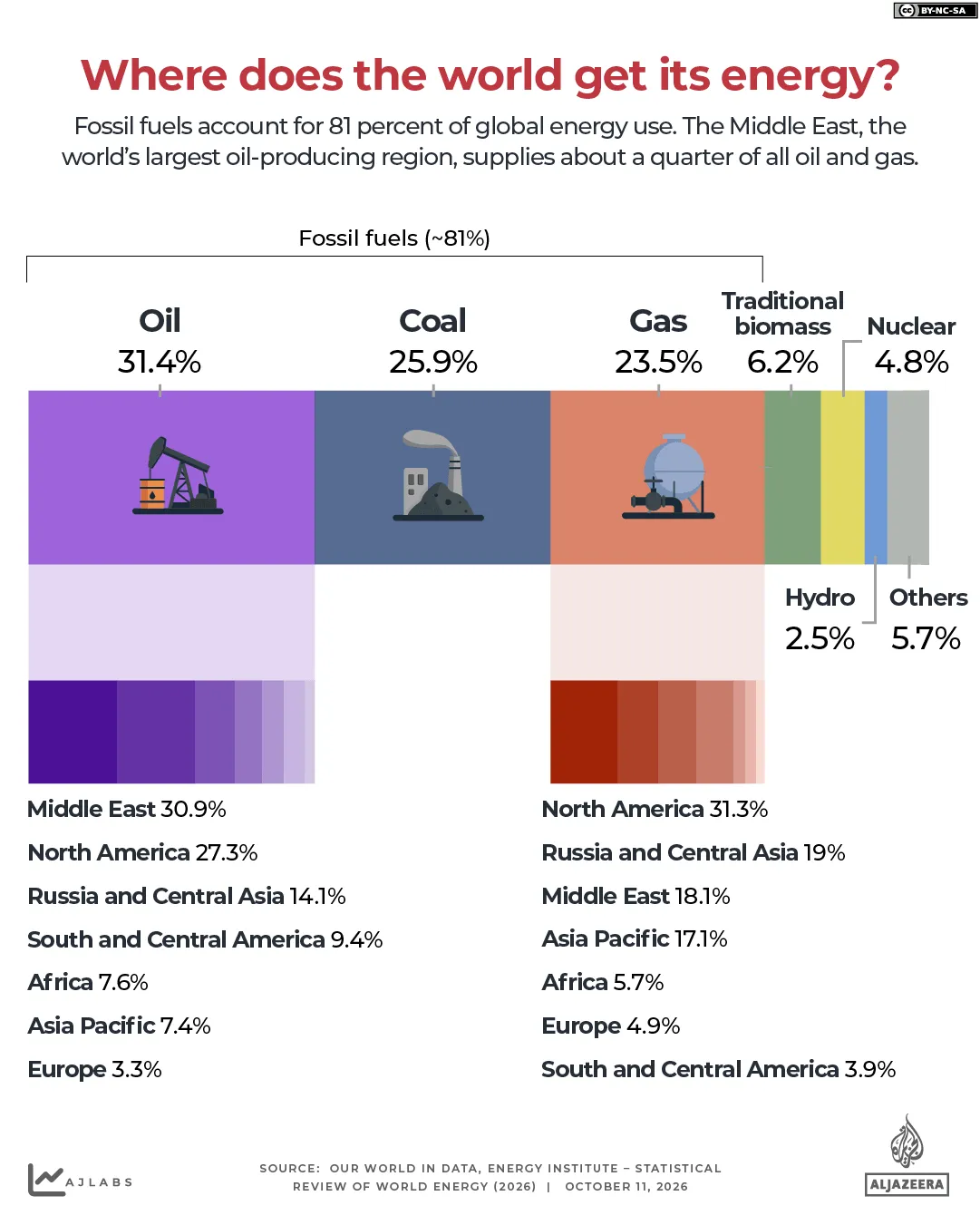
However, prices remain elevated because of the US-Israel war on Iran, which began on February 28, and disruptions in the Strait of Hormuz, a key waterway through which one-fifth of the world’s oil supplies flow.
Recent attacks on Saudi oil installations and airports by Yemen’s Houthis and the fighting around the Red Sea and Bab al-Mandeb Strait have put further pressure on oil prices.
Ukrainian attacks on Russian refineries have compounded diesel shortages, affecting a fuel essential for the agriculture and trucking industries.
The crisis prompted the Group of Seven nations last week to agree to release 100 million barrels of emergency oil and diesel reserves. The G7 decision came after pressure from Trump.
How has the Trump administration zig-zagged between punishing and embracing Russian energy?
Washington’s approach to Russian energy has shifted repeatedly since Moscow launched its full-scale invasion of Ukraine in February 2022.
Under President Joe Biden, the US banned Russian oil and energy imports in March 2022, seeking to cut off revenue used to finance Moscow’s war.
But Washington simultaneously supported a G7 price cap on Russian oil, designed to restrict Moscow’s earnings without removing too much supply from global markets.
Moreover, the Biden administration also accepted India’s continued purchases of Russian crude to prevent global prices from rising.
After returning to power last year, Trump initially intensified pressure on Moscow. In August 2025, his administration imposed additional tariffs on Indian goods over New Delhi’s purchases of Russian oil.
(Al Jazeera)
Two months later, Washington sanctioned Russian energy giants Rosneft and Lukoil, accusing Moscow of failing to seriously pursue peace negotiations to end the war in Ukraine.
However, Washington’s approach took a dramatic turn this year. On March 5, Washington issued a 30-day waiver allowing India to buy Russian oil stranded at sea, as disruptions to shipping through the Strait of Hormuz amid US attacks on Iran threatened global supplies.
A week later, the Trump administration expanded the exemption, allowing countries worldwide to buy sanctioned Russian oil and petroleum products already loaded onto tankers, with the waiver lasting until April 11.
In September, Trump urged Ukraine to stop attacking Russian refineries, blaming the strikes for global diesel shortages.
On October 9, he announced an agreement with Russian President Putin for Moscow to release more than 300,000 tonnes of diesel immediately, with another 1.5 million tonnes to follow.
Why has Trump changed his position on Russian oil frequently?
Trump’s shifting public position on Russian energy reflects ongoing, and often competing, political and economic pressures.
“Trump is caught between his geopolitical ambitions and the domestic political consequences of expensive energy,” Susannah Streeter of Wealth Club, told Al Jazeera.
She said Washington was trying to pressure Moscow over its war in Ukraine while simultaneously allowing Russian fuel sales that could generate additional revenue for the Kremlin.
“The shift may deliver a short-term political gain if supplies increase and prices ease, but it could come at a longer-term diplomatic cost,” she said, adding that the benefits appeared limited while the Middle East war continued.
US diesel prices reached a record $6.52 per gallon in September, placing Trump under pressure ahead of the November 3 midterm elections.
However, according to academic Muriev, the US president’s public rhetoric should be distinguished from his administration’s actions.
“I don’t really see inconsistency in Trump’s approach because, apart from his public rhetoric, apart from his frequent media posting, there’s been a more steady approach on behalf of his administration,” he told Al Jazeera.
He pointed to discussions between Russian and American officials in August and September, suggesting that negotiations over the latest diesel agreement may have begun well before Trump’s announcement last Friday.
Muriev suggested the timing of the announcement could be politically motivated, allowing Trump to claim a victory on energy prices before the midterms.
Moreover, Moscow also has an interest in helping Trump retain political influence because his administration appears more willing to negotiate with Russia than former President Biden was. Trump has been relatively more accepting of the Russian position on the Ukraine war and has even blamed Zelenskyy for failing to end the war.
“For Putin, it’s not just about scoring immediate economic benefit, but also achieving longer-term political and strategic goals,” Muriev said, referring to other issues such as Iran, cybersecurity, space cooperation and nuclear arms control.
The energy crisis has also created contrasting consequences for American businesses.
While higher oil prices can boost revenues for US energy producers, they increase operating costs for businesses dependent on fuel.
Susannah Streeter said cheaper diesel could provide relief to trucking companies, farmers and manufacturers, although the additional Russian supplies were unlikely to make a significant difference while disruptions in the Middle East continued.
She also warned that frequent changes to sanctions could create uncertainty for companies making long-term investment and supply-chain decisions.
“If sanctions are relaxed, reimposed or changed at short notice, companies face greater uncertainty over sourcing, compliance and the risk of being caught on the wrong side of a policy reversal,” she said.
The EU also announced that it officially added almost 1,600 new sanctions on Russia’s military industrial complex.
Published On 12 Oct 202612 Oct 2026
Ukraine’s Volodymyr Zelenskyy has accused Russia of violating the “energy ceasefire” that United States President Donald Trump unilaterally announced at the weekend and promised to respond if the attacks continue.
Speaking at the Warsaw Security Forum via videolink on Monday, the Ukrainian president urged the US to step in to ensure that Moscow abided by the truce, noting that there have already been “Russian violations of the energy ceasefire announced by President Trump.”
Recommended Stories
list of 4 itemsend of list
“We are waiting for the details of the conditions between the Americans and Russians, and we are waiting to see what specific steps the Americans are ready to take,” said Zelenskyy, who expressed surprise at the ceasefire deal.
“This energy ceasefire, it can work, and it can become a major step toward ending the war if the Americans truly step in now and make sure Russians respect it … If Russia does not agree to an energy ceasefire, we will respond,” Zelenskyy told the Warsaw Security Forum.
Trump’s announcement on Sunday that the two countries had agreed to an “energy ceasefire” caused confusion. It came two days after Trump declared a temporary easing of US sanctions on Russian diesel, prompting outrage from European allies and Kyiv, who said it would only embolden Russian President Vladimir Putin.
Both Ukraine and Russia have been launching mutual attacks on each other’s energy infrastructure for months, adding to upward pressure on global energy prices that have risen amid the US-Israeli war on Iran.
Trump has previously taken to his Truth Social account to announce truces or other arrangements before either Kyiv or Moscow confirmed them.
“An energy ceasefire and other steps to reduce escalation and guarantee security are truly needed here in reality, not just on Truth Social,” Zelenskyy added.
European leaders expressed encouragement at the proposed ceasefire, but agreed with Zelenskyy that it had not taken effect.
“I have not noted, over the last 48 hours, any energy ceasefire coming from the Russian side,” French President Emmanuel Macron told reporters at a Paris autoshow.
At the Warsaw Security Forum, Polish Prime Minister Donald Tusk said that “Russia is not interested in a ceasefire, de-escalation, or peace … that is why I will go to Brussels to urge all European partners to consider increasing sanctions.”
In Brussels, the European Union announced that it has officially added almost 1,600 new sanctions on Russia’s military industrial complex, including individuals and entities involved in its four-and-a-half-year war, in a bid to maintain pressure on Moscow.
“This is the single largest expansion of our sanctions list since Russia started its war,” EU foreign policy chief Kaja Kallas wrote online. “Europe is again showing a united front … We are making it significantly harder, slower and more expensive for Russia to produce the weapons it uses to kill Ukrainians,” she added.
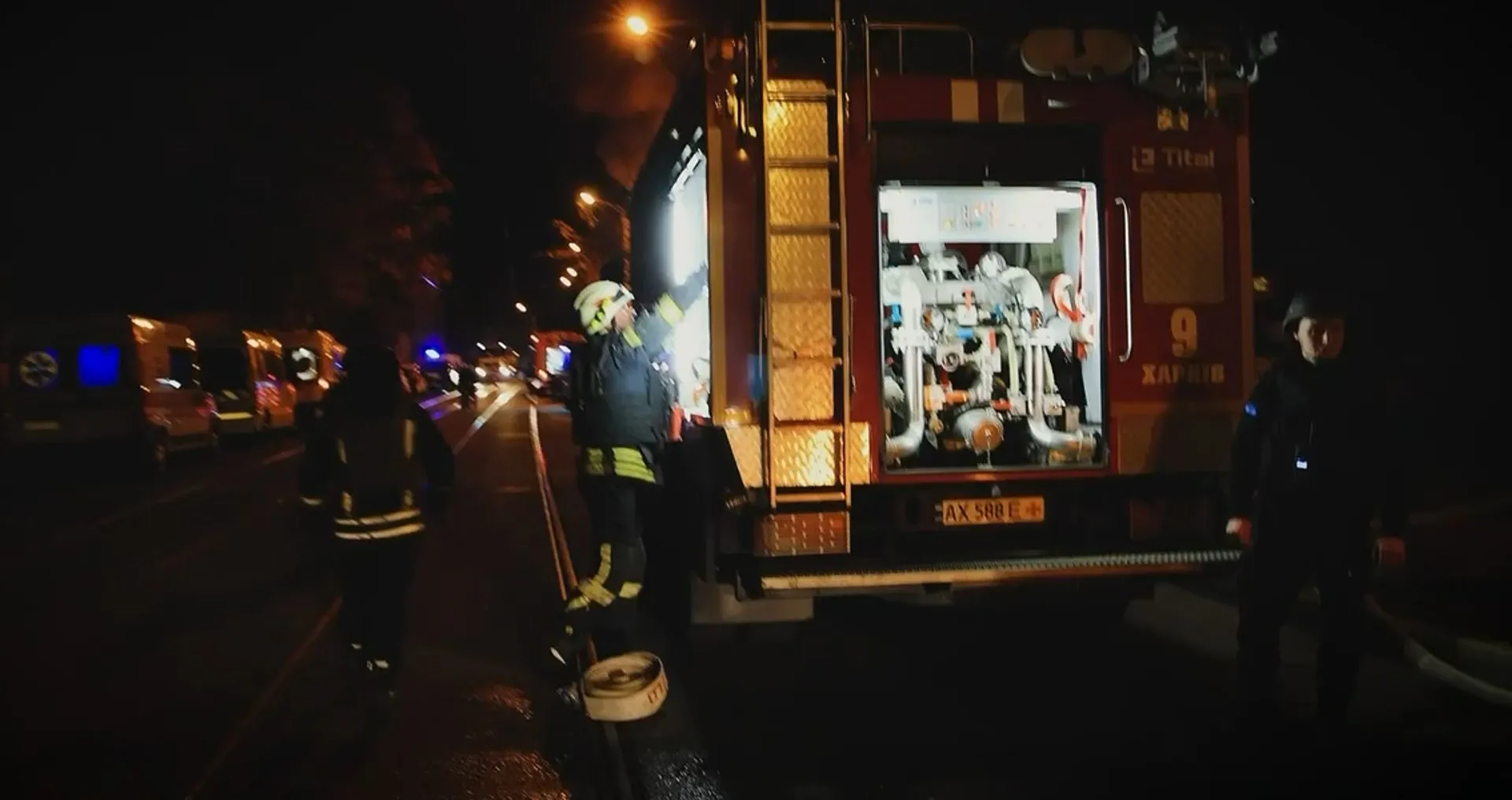
Meanwhile, Russia attacked Ukrainian gas production facilities belonging to its state oil and gas company Naftogaz in the Kharkiv region overnight, which caused a fire, the company said on Monday.
“The attack damaged critical equipment. Our employees are doing everything possible to repair the damage as quickly as possible and prevent risks to the stable operation of the energy system,” Naftogaz acting CEO Sergii Fedorenko wrote on Telegram.
A day earlier, Zelenskyy had said that Ukraine was ready to halt attacks on Russian oil refineries if Moscow ceased its own attacks on Ukrainian energy infrastructure.
The claim marks the first time a UK prime minister has publicly acknowledged Russia’s interference in the vote to leave the EU.
Published On 12 Oct 202612 Oct 2026
UK Prime Minister Andy Burnham has said it is “clear” that Russia interfered in the country’s 2016 Brexit vote, warning French and German voters of the same threat.
“I asked the question coming to Downing Street: Was there interference in the 2016 referendum from Russia? And I’ve had the clear answer that yes, there was,” Burnham said in an interview with The Rest Is Politics podcast released on Sunday.
Recommended Stories
list of 3 itemsend of list
Burnham’s comments mark the first time a UK prime minister has publicly acknowledged that Russia interfered in the UK’s vote to leave the European Union. Burnham did not provide evidence for or details on the claim.
He said that “these things are important now to put clearly on the record, and, I believe, help voters in Germany and France understand that some of this politics is instigated via our enemies, namely Russia.”
Burnham said he spoke with German Chancellor Friedrich Merz about possible links between Russia and the far-right Alternative for Germany party when the two leaders met last week in Berlin.
In his address to the United Nations General Assembly in September, Burnham also condemned Russia’s attempt to interfere in the UK’s 2019 general election.
According to a 2020 report by Parliament’s Intelligence and Security Committee, the UK government had failed to ask for a deep assessment of Russia’s interference in the 2016 referendum. The report did confirm that Russia had meddled in the 2014 Scottish independence referendum, however.
Russia has repeatedly denied meddling in Western democracies or interfering in another country’s elections or referendums, casting the UK as being gripped by “anti-Russian hysteria”.
UK reconsiders Brexit
Last month, Burnham argued that the UK should reconsider options for a future relationship with the EU, including rejoining the bloc, reigniting the decisive debate more than a decade after the historic vote.
He said that the UK’s departure from the bloc had failed to fulfil Brexit supporters’ pledge of “taking back control”, and instead has made the UK weaker economically and on immigration.
Zack Polanski calls for internal rule reforms to give party leaders greater control over policy after Zionism vote.
Published On 11 Oct 202611 Oct 2026
Zack Polanski, the leader of the United Kingdom’s Green Party, has proposed a potential overhaul of his party’s democratic mechanisms, calling for the leader to have larger control over strategic direction.
The appeal came in an article published in The Guardian on Sunday after party members passed a motion declaring that Zionism is racism at their annual conference on October 4 in a divisive vote.
Recommended Stories
list of 4 itemsend of list
Polanski also failed to grab a parliamentary seat in the wake of the row with Israel in a by-election.
The Labour Party won the election for the parliamentary seat vacated by former leader Keir Starmer in Holborn and St Pancras on Friday, fending off a strong challenge from the left-wing Green Party in a boost for British Prime Minister Andy Burnham.
“Our party democracy must now evolve to meet that – creating wider engagement for members, giving leaders more responsibility to set the party’s strategic direction, and making our processes as robust and accessible as possible,” he wrote.
“Above all, that unity must be deployed in the service of changing this country for the better,” the Green Party leader added.
Criticism over vote on motion
Polanski also replied to the criticisms of him for not participating in the vote on the motion on Zionism.
“I have been asked why I was not present for the vote. The answer is that my priority was fighting a hugely consequential by-election for our party,” he said, adding that he put all his “energy into the race in Holborn and St Pancras”.
He admitted that some members feel “let down” by his decision not to make an appearance there.
The Green Party’s motion, which called for “Palestinian liberation, the right of return, Boycott, Divestment and Sanctions (BDS), and a full arms embargo against Israel” was criticised by Jewish groups, other parties and most Green Party MPs.
After conceding defeat in the fiercely contested by-election, Polanski answered his critics, saying he would stay on as leader.
He was barred from entering Israel after his party backed a motion to define Zionism as racism.
Fans have been speaking to Al Jazeera as Liverpool face Manchester City at Anfield. It’s City’s first game since they were found guilty of serious financial breaches.
Duffy scored both goals in Derry’s win at Eamonn Deacy Park to send his side into the final and was understandably emotional at the final whistle, aware that ” it was so importnat we got to the final this year”.
“It’s been a tough year all round,” he continued.
“Now we can get a real buzz around the town this month, build it up and get that good feeling back between us all. We’ve a brilliant day to look for ward to.”
Derry City’s form has imporved since Connolly’s appointment in August as they have removed any fears of relegation while reaching the cup final.
Duffy praised the impact of the former defender who he feels has liberated the team to express themselves on the pitch.
“He’s letting us play free-flowing football, encouraging all the defenders to try and play football as we’re all good players,” Duffy said.
“He wants us to take risks and we’re constantly doing that every day in training. Before matches he’s saying that if we lose the ball, that’s on him.
“He’s enclouraging us so much and it’s so enjoyable to play in. I think you can see that in these last few weeks were we are dominant and playing some nice football, but the main thing is players are digging in massively.
“You can see on the pitch it means everything to every player.”