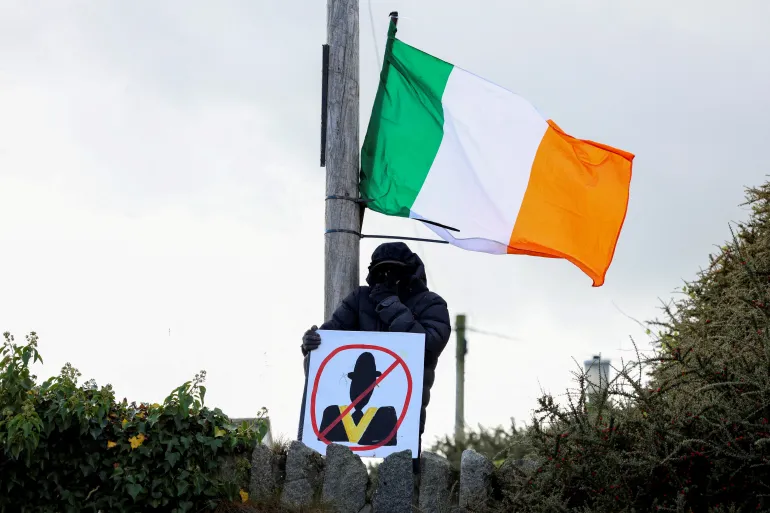
Portadown, Northern Ireland – On the Garvaghy Road in Northern Ireland, residents have spent days gathering to stand guard in their community.
They have linked arms and blocked their road, preparing to stop a Protestant Orange Order parade from attempting to march through this predominantly Catholic area for the first time in 28 years.
Recommended Stories
list of 3 itemsend of list
Some pitched tents. Others brought food and stayed through the night, keeping watch.
“We’ll be here as long as we have to be,” said one local woman, who asked not to be identified for fear of violent reprisals. “I’ve seen the fighting when those Orangemen come along here, and I’m not having it back here – none of us are.”
A demonstrator holds a placard, as people protest on the Garvaghy Road, a Catholic enclave in the largely Protestant town of Portadown, against the Protestant Orange Order’s annual Drumcree parade, in Northern Ireland, September 27, 2026 [Cathal McNaughton/Reuters]
The Orange Order, a Protestant organisation with a historically anti-Catholic tradition, has been banned from marching on Garvaghy Road for the last 28 years.
The High Court order has overturned that ban. Now, a small group of Orangemen gathers at Drumcree Church each day in their traditional regalia, ready to march.
But they have not been able to get beyond the end of the road. Police stand in their way, refusing them permission to pass and citing the risk of violence with so many protesters waiting a few hundred metres away.
This has infuriated the Orange Order, which has called for the Police Service of Northern Ireland chief constable, Jon Boutcher, to be removed. The group believe they have a legal right to march and accuse police of yielding to the protesters.
“We hold a positive determination issued by the Parades Commission and reinforced by the High Court judge,” Nigel Dawson, district master of the Portadown Orange Lodge, told Al Jazeera. “The chief constable must comply with the law.”
In the 1990s, there were protests and violence when the Orange Order tried to return from Drumcree Parish Church along the road.
When asked how much longer the Orangemen are prepared to wait, Dawson said, “I’ve been at Drumcree for 28 years.”
Dawson warned of a dangerous precedent in which “might makes right”.
If a protest is big enough, the police can refuse to uphold a court ruling, he said, adding, “We have the law on our side here.”
Ultan Larkin, a protester who travelled to Portadown from the neighbouring town of Armagh to show support for the Garvaghy Road residents, said, “The law is on their side, but justice is not on their side.
“There’s hurt here. There’s pain here. Just because you can doesn’t mean you should.”
The standoff has so far been peaceful. But history tells the story of why this confrontation has a real risk of escalation.
‘Justice is not on their side’
Garvaghy Road was one of the most potent flashpoints of The Troubles – a 30-year conflict between mostly Protestant unionists who fought for Northern Ireland to remain part of the UK, and predominantly Catholic republicans who want a united Ireland.
Orange marches through the Catholic area were usually accompanied by some of the worst sectarian violence Northern Ireland has seen.
The peace deal known as the Good Friday Agreement was signed in 1998, and it transformed Northern Ireland.
Large-scale violence largely ended, former enemies shared power in a devolved assembly at Stormont, and a generation grew up in an era of peace without soldiers manning checkpoints on their streets.
Following this peace process, the Orange Order was prevented from parading along Garvaghy Road – an effective ban that has lasted almost three decades, until now.
In an unexpected decision, the Northern Ireland Parades Commission allowed for a scaled-down Orange march to go ahead under strict conditions. Only 35 Orangemen could take part in the march, and they would have to do so in silence without their usual flutes and drums.
Residents of Garvaghy Road were appalled and legally challenged this ruling.
A High Court judge initially granted an injunction preventing the parade, but the Court of Appeal overturned that ruling late on Saturday, clearing the legal way for the march to proceed on Sunday morning.
A further High Court challenge was subsequently dismissed.
Ultan grew up during the Troubles. He was convicted for having a senior role in the Real IRA and was sentenced to four years in prison – a conviction quashed years later on appeal.
“We have to live together, and to do that we have to respect each other,” he said. “But where is the respect if you’re marching through a community that doesn’t want you and where the people of that community are asking you to march somewhere else?”
“On the Irish tricolour we have green, white, and orange. The green is for the Irish Catholics here, and the orange is for the Protestant community, with white symbolising peace. We all have our place.”
He said there are old wounds on Garvaghy Road.
“People here suffered a lot when the Orange marches came. They remember how bad things were here – the intimidation and that sort of thing – and some people just aren’t able to forgive that.”
Political fallout
The standoff has become a political crisis in Northern Ireland, affecting the power-sharing government that runs the country.
Sinn Fein First Minister Michelle O’Neill visited Garvaghy Road to stand beside the protesters, alongside Sinn Fein President Mary Lou McDonald.
The Democratic Unionist Party (DUP) accuses nationalist politicians of breaking the law by supporting a protest that blocked Garvaghy Road, and observers have questioned how the first minister can continue in her role when she has openly rejected a High Court ruling.
The confrontation is particularly awkward as the DUP and Sinn Fein are supposed to govern together, representing the two principal political traditions that emerged from the conflict as part of the peace process.
The language between them has become increasingly bitter, and in less than nine months, Northern Ireland faces an Assembly election.
For now, the DUP and Sinn Fein remain in government together, while accusing the other of threatening the political settlement that followed the Good Friday Agreement.
Meanwhile, attempts to find a resolution continue.
Northern Ireland Secretary Chris Bryant has met representatives of the two communities, but talks have so far failed to produce a breakthrough.
His future is also now on the line over this.
Bryant could revoke the Orange Order’s right to march, but he has not exercised this power. Unionists have threatened to call for his resignation if he tries. Irish nationalists say they will do likewise if this parade goes ahead.
The Spanish coach won 20 trophies during a glittering 10 years as City manager before departing in May.
Published On 30 Sep 202630 Sep 2026
Former Manchester City manager Pep Guardiola has spoken out in support of the Premier League club after they were found guilty of serious breaches of financial rules.
The Spaniard handed over to former assistant Enzo Maresca at the end of last season after a decade in charge.
“I want every single @ManCity fan to know I am here; more than ever. I am, always have been, always will, be behind my club, my owner, my chairman, Ferran, the players, staff, Enzo and you, our unique supporters,” Guardiola said on Wednesday in a first reaction on his X account.
“Let me be clear: we will get through this together. I love you all.”
City’s Chief Executive Ferran Soriano addressed staff in a video on Tuesday in which he rejected the independent commission’s findings.
Guardiola took charge of City in 2016 and under his management, they won six Premier League titles – including four in a row – three FA Cups, five League Cups and the Champions League.
The Premier League charges, relating to “sham” commercial contracts used as part of schemes to inflate revenue and understate costs by more than 900 million pounds ($1.2bn) over nearly a decade, cover the period from 2009-18.
In doing so, they concealed the true state of their finances and avoided breaching Premier League and UEFA spending limits during a period in which they won three league titles.
An independent commission found the club guilty on all charges related to breaches of financial rules over the nine-year period.
They have also been found guilty of most of the charges they faced in relation to a failure to cooperate with a Premier League investigation.
City, who continue to deny any wrongdoing, have said they will appeal and have until Friday to do so.
The ruling has sent shockwaves through English football and cast doubt over the future of a club that has become a European giant.
The likely punishment is uncertain but according to Premier League rules, City could face a substantial points deduction, a fine or even expulsion from the top division.
Everton and Nottingham Forest were handed points deductions in the 2023/24 season for single breaches of financial sustainability rules.
On that basis, City would likely face relegation given the sheer weight of the case against them.
There is speculation they could even be stripped of their titles.
“If the appeal fails, Manchester City cannot stay in the league, they have to suffer. And I say that as a supporter and a fan,” said the club’s former chairman, David Bernstein.
Another factor is a potential flood of compensation claims that could cost the club hundreds of millions.
Former Liverpool managing director Christian Purslow told the BBC that clubs would be “queueing up to seek compensation”.
A content creator who returned to Majorca after spending over three years living in the Dominican Republic has taken to social media to express her sadness over what she found when visiting home
A woman who returned to Majorca after years away was left saddened by what she saw (stock)
A woman who returned to Majorca after over three years living elsewhere expressed her sadness at what she found in the Spanish holiday hotspot.
Carol Vásquez, a native of the popular Balearic island in Spain, had been living in the Caribbean town of Punta Cana in the Dominican Republic for three and a half years, when she decided to come back for a visit.
However, upon her return this summer Ms Vásquez said she was saddened by what she discovered as she noted a massive influx of tourists. Majorca is a major travel hub for Brits during the spring and summer months due to the warm seas and hot climate.
So upset was Ms Vásquez that she took to TikTok to share her dismay admitting she was “a bit sad” over how peak tourist season had changed how she felt about her home island.
The content creator said: “I am feeling a bit sad because I am from Mallorca. I have actually lived in Punta Cana for three and a half years, and every time I come back to Mallorca, especially now in the summer, I don’t enjoy it.
“I get really overwhelmed because there are many tourists. There are so many tourists that the local people cannot enjoy the island.”
However, Ms Vásquez said that her criticism of Majorca was not just about the typical tourism hotspots such as the beaches, but parts of the island where locals who live there year round gather.
She added: “I’m not talking about the beaches anymore; I’m talking about the town centre, the places where we’ve always gone to eat.”
Ms Vásquez subsequently claimed that there was “no way to enjoy the island” and that the only way to do so was by “dodging people”.
Ms Vásquez’s comments come as Spain continues to try and find ways to manage an annual overtourism crisis that sees millions of people travel to its towns and cities, often affecting local people.
Majorca is often one of the hardest hit, welcoming around 13.6m last year alone. In fact, the problem has become so acute that Marga Prohens, President of the Balearic Government, has called for “limits” on tourism.
In a statement during the Forbes Economic Summit 2026, the politician declared the situation was not sustainable. She said: “We cannot continue growing at this pace and with this model.
“We can’t keep measuring the success of tourist seasons by the number of tourists coming each year; we need to talk about limits and manage them.”
This doesn’t mean Ms Prohens is against tourism, but she emphasised the need to think about it beyond things such as beaches and hotels to help the region best utilise its biggest economic driver without making the overtourism situation worse.
She added: “Tourism is much more than hotels, sun, and beaches, or managing visitor flows; it is innovation, artificial intelligence, digitalisation, and new technologies.”
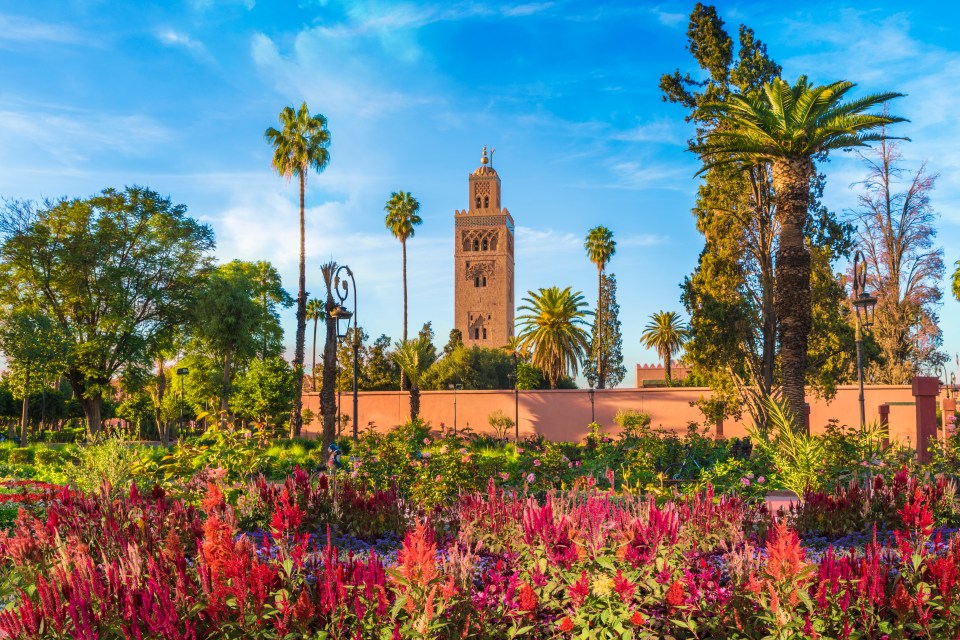
Then from Birmingham you’ll be able to head to Copenhagen, Rome Fiumicino in Italy and Marrakech in Morocco which is perfect for winter sun – with some of these flights costing as little as £14.99 per person, per-way.
And there are other lesser-known destinations where you won’t find the crowds experienced elsewhere in Europe such as Tirana in Albania and Warsaw Modlin in Poland.
The airline has also announced that it is increasing the amount of flights departing Manchester Airport to 26 destinations including Malaga, Palma de Mallorca and Madrid in Spain.
It comes as the airline’s boss Michael O’Leary also warned of flight prices rising next year.
At a press conference last week, he said: “Fares for Ryanair passengers and every other passenger into the summer of 2027 are going to rise materially, I believe, because of significantly higher oil prices.
And the flights start from as little as £14.99 per person, per wayCredit: EPA
“I have no doubt fares are rising next year. The question is by how much.”
The airline also announced recently that it was axing even more seats that are equal to around 13,000 flights.
In 2025, France lost 25 routes and some 750,000 seats last winter and in Brussels, Ryanair axed 20 routes and cut one million seats across Brussels-Zaventem and Brussels South Charleroi airports.
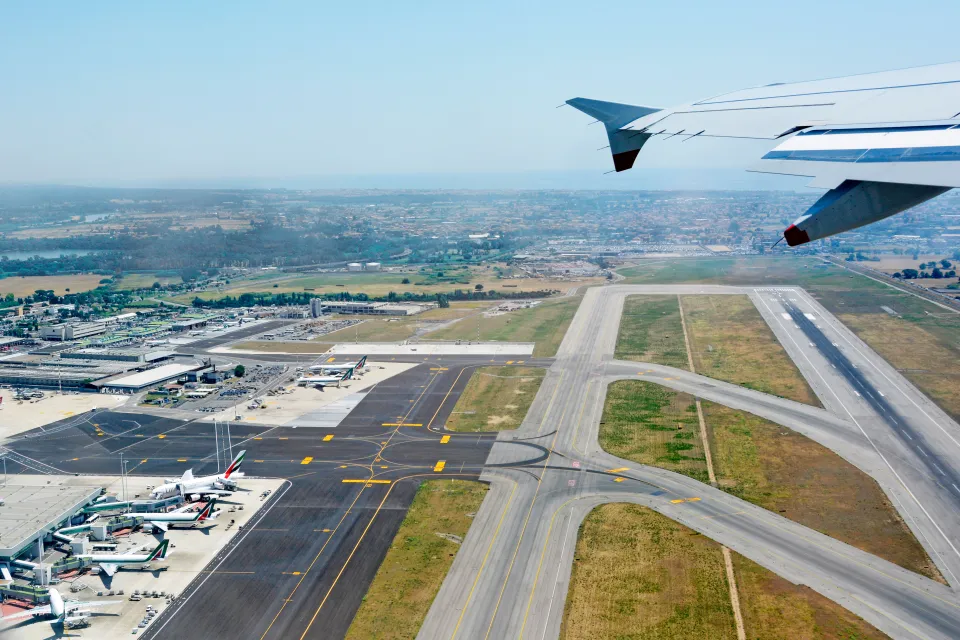
IF YOU are due to head to or from Italy today you might want to check your flight as strikes across the country have seen huge cancellations.
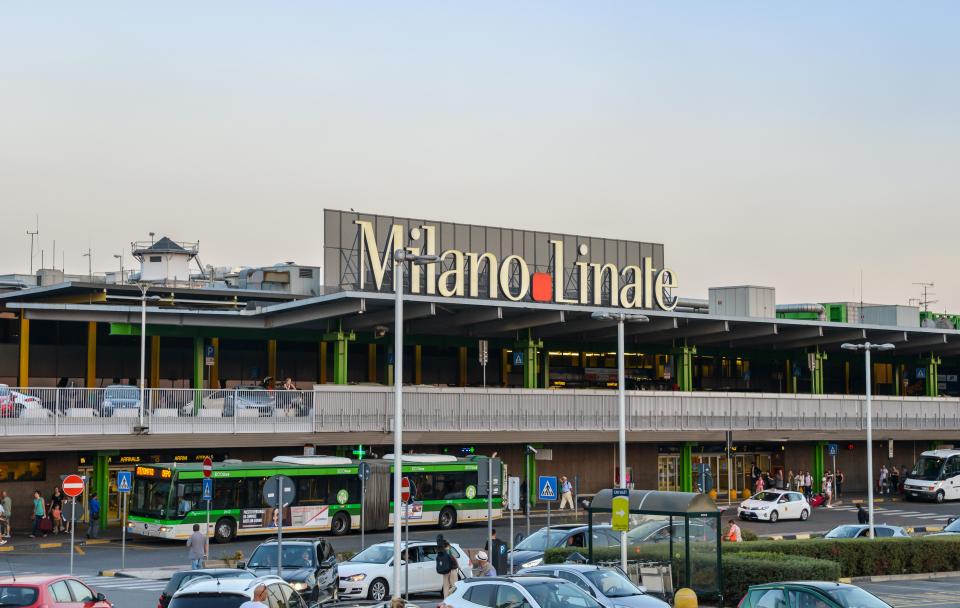
Strike action is set to take place across Italy today between 1pm and 5pm with ENAV – the company that runs Italian air traffic control – walking out at all 33 Italian airports.
A number of major Italian airports including Milan are set to be impactedCredit: Alamy
The main airports expected to be affected include Rome, Naples, Milan and Venice.
Flights cancelled today already include:
Sign up for the Travel newsletter
Thank you!
10:15am British Airways flight to Milan from London Heathrow
3:25pm British Airways flight to London Heathrow from Milan
11:50am British Airways flight to Venice from London Heathrow
5:20pm British Airways flight to London Heathrow from Venice
1:25pm British Airways flight to Milan from London City
2:25pm British Airways flight to London City from Florence
5:50pm British Airways flight to London City from Milan
3:50pm Ryanair flight to Bologna from London Luton
Currently, flights to Italy from London Heathrow and London Gatwick state they are scheduled as planned, though this may change.
ITA Airways has already warned that 29 per cent of its scheduled flights are cancelled today.
Passengers are being advised to check their flight status with their airline and airport before travelling.
If you are due to fly this morning between 7am and 10am or this evening between 6pm and 9pm then your flight is guaranteed to go ahead as normal, under Italian law.
If you are able to move your flight, then it might be worth doing this to avoid disruption.
Airlines are advising passengers to check their flight status ahead of travelling to the airportCredit: Alamy
Unfortunately though, if your flight is delayed or cancelled you won’t get any compensation as a strike is deemed to be outside of the airline’s control.
But airlines do have a duty of care so should provide you with food and water and if necessary, accommodation overnight.
There is also set to be a strike on October 16 in Italy, lasting 24 hours – but this time it will be easyJet flight crew walking out.
UK Prime Minister Andy Burnham is promising a major improvement to public services including social care, housing and energy. Al Jazeera’s Milena Veselinovic reports on what he’s proposing and what it could mean for the people of the UK.
Lamine Yamal scores twice and assists another as Spain beat Croatia 4-1 in UEFA Nations League Group A3.
Published On 29 Sep 202629 Sep 2026
Lamine Yamal scored twice as World Cup winners Spain extended their European record unbeaten run to 40 matches.
La Roja maintained their perfect start to UEFA Nations League Group A3 with a 4-1 home win over Croatia on Tuesday, while England overcame 10-man Czech Republic 2-0 in Prague to leapfrog Slaven Bilic’s side into second.
Recommended Stories
list of 4 itemsend of list
In a repeat of the 2023 Nations League final, which Spain won on penalties, Croatia recovered from conceding an early goal to equalise but were unable to resist a Spanish side fresh from a 3-2 win over England at Wembley on Saturday.
Spain’s first home game since lifting the World Cup in July was preceded by Rodri parading the trophy on the pitch. The celebrations continued in Seville when Lamine, just as he did against England, opened the scoring in the second minute.
Alex Baena’s ball into the area was dummied by Fermin Lopez, and Lamine curled a first-time low shot inside the far post.
Baena then had an effort parried away by Croatia keeper Dominik Livakovic as Spain looked set to put the game out of reach early on, but the visitors drew level through Dion Beljo’s 28th-minute header.
Spain took less than three minutes to retake the lead. Lamine whipped a cross into the six-yard box from the right wing and Marc Pubill powered a header beyond Livakovic.
Marc Pubill scores Spain’s second goal [Marcelo Del Pozo/Reuters]
Lamine scored his second and Spain’s third in the 63rd minute, collecting Pedri’s pass in the box before drilling his shot into the net from a tight angle. Substitute Nico Williams wrapped up the win with an 89th-minute goal.
Nico Williams scores Spain’s fourth goal [Marcelo Del Pozo/Reuters]
Trump retaliated against Canada’s counter-tariffs on $20bn worth of US imports by banning $1bn of Canadian goods.
Published On 29 Sep 202629 Sep 2026
The United States is implementing a ban on nearly $1bn in imports from Canada, including alcoholic beverages, dairy products and motorcycles.
The ban took effect early Tuesday and is likely to further strain already-tense relations between the two neighbours.
Recommended Stories
list of 4 itemsend of list
Ottawa and Washington DC have long been allies and trade partners, with approximately $880bn worth of annual two-way trade. That relationship has been upended during US President Donald Trump’s second term as he unleashed tariffs on most trading partners, including Canada, and referred to the northern neighbour as the 51st state of the US.
Most recently, the US slapped 50 percent levies on Canadian goods worth $20bn, including dairy and motorcycles, on August 22 after trade negotiations failed. Canadian Prime Minister Mark Carney retaliated, saying Ottawa will match US tariffs “dollar for dollar in order to protect Canadian workers, farmers, families and businesses”. Canada levied tariffs of 15 percent, 25 percent and 50 percent on US exports of a similar value.
Tuesday’s ban was Trump’s punishment for Canada’s retaliatory tariffs.
“The impact of such a ban will be minor, it is only $1bn while we trade hundreds of billions with Canada,” Professor Gary Shields at Wayne State University’s School of Business told Al Jazeera. “It is, however, rather astonishing how President Trump treats our allies in Canada and Europe, while rolling out the red carpet for China’s dictator when he visited the US last week”.
“It is a tit-for-tat. It will not reduce people’s taxes and won’t put money in their pockets. It is kind of personal and a way of showing off toughness,” Shields added.
Canada’s economy grew by an estimated 0.2 percent in August after remaining unchanged in July, according to Statistics Canada. But the new US-Canada tariffs, tighter financial conditions and a shrinking population should further weaken growth in late 2026 and early 2027, Michael Davenport, senior Canada economist at Oxford Economics, said in a note provided to Al Jazeera.
Manchester City say they are ‘disappointed and surprised’ by the verdict and will appeal.
Published On 29 Sep 202629 Sep 2026
Manchester City have been found guilty of all charges of serious breaches of the Premier League’s financial rules between the 2009/10 and 2017/18 seasons, the league has said in a statement.
City were charged in February 2023 with breaches of the league’s financial rules spanning nine seasons following a four-year investigation.
The club said in a statement it would appeal.
An independent commission found that City “arranged ‘sham’ contracts (which misrepresented the true agreement between the parties) with a number of its commercial partners”, the league said on Tuesday.
The league added that the commission had found City used schemes “to artificially inflate the club’s revenues, and reduce its costs, by more than 900 million pounds during the affected period, to appear to comply with financial rules”.
“The core decision … details how the club systematically broke Premier League Rules for nearly a decade,” said Richard Masters, the chief executive of the Premier League.
“There are elements of the case that remain to be decided, including, importantly, what sanction must follow for these breaches.”
City, who deny any wrongdoing, said they were “disappointed and surprised” by the commission’s opinion.
“The club is innocent of the accusations made by the Premier League and a comprehensive body of irrefutable evidence exists in support of all of its positions, relating to this case,” the club said.
“Manchester City FC will now pursue the appeal avenues open to it, on the basis that the opinion contains clear material errors, of law, principle and fact, and is unsafe.”
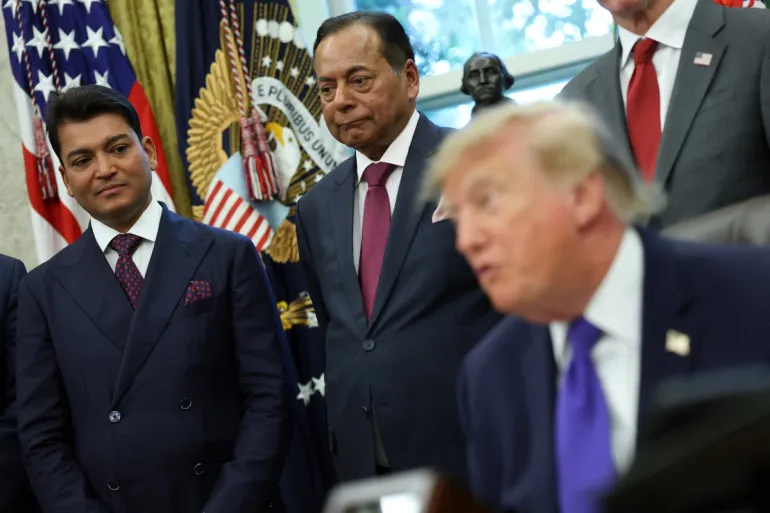
As US President Donald Trump announced a $15bn steel megaplant while seated at his Oval Office desk on Monday, he had a lineup of mostly US politicians standing behind him – from cabinet members to elected representatives from Iowa, where the mill is to be built. There was one exception: an Indian man with a receding hairline and a lilac pocket handkerchief, standing behind the US president’s right shoulder.
Ravi Ruia is a cofounder of the Essar Group, which owns Mesabi Metallics, the Minnesota-based firm that’s building the steel mill, which is expected to be the United States’s largest once it is complete. A decade earlier, in October 2016, his brother Shashi was in the photo frame with a different president during the signing of another major deal: Russian leader Vladimir Putin.
Steel and metallics aren’t Essar’s only association with minerals and natural resources. The conglomerate had been involved for years with oil, before it sold one of India’s largest private oil refineries to a Russian-led consortium in 2016 for nearly $13bn. Essar Oil was rebranded as Nayara Energy.
Today, Nayara Energy is half-owned by Russian gas major Rosneft, which is under heavy US and European sanctions over Moscow’s war on Ukraine. Nayara has also emerged as a supplier of petroleum products to Russia at a time when the country is facing a fuel crisis following multiple Ukrainian attacks on its oil and gas depots.
And as part of a 99-year deal, Nayara is continuing to use Essar’s branding in India, where the company runs thousands of petrol stations. Nayara is under European Union sanctions.
The White House is touting the Iowa steel project, unveiled just before the US midterm elections, as a major economic win for Americans, promising hundreds of jobs and billions of dollars in revenue. And there is no evidence that the steel project is in violation of any Russia-specific US sanctions.
But Trump’s announcement of a mega project with an Indian firm closely tied to Russian investments under Western sanctions underscores how the US has struggled to isolate Moscow economically despite an unprecedented economic pressure campaign.
And the timing of the steel mill announcement raises questions, because it comes days after Trump signed a law that empowers him to punish countries that buy Russian oil with up to 100 percent tariffs. India is Russia’s second-largest oil buyer. But the legacy Indian conglomerate that best epitomises the country’s links to Russian energy is now also behind the US’s biggest steel factory.
Rewant Ruia, left, chairman of Mesabi Metallics, and Ravi Ruia, centre, board member of Mesabi Metallics and director of Essar Capital, listen as US President Donald Trump delivers remarks in the Oval Office at the White House on September 28, 2026, in Washington, DC [Kevin Dietsch/Getty Images]
What’s the steel factory project about?
The new project would integrate its iron ore mining operations in Minnesota’s Mesabi Iron Range with the upcoming steel complex in Iowa.
The White House and the company’s announcements said that the Iowa steel plant is expected to create at least 1,750 permanent jobs – “while continuing to work with suppliers and businesses throughout Iowa and the Midwest” – and support up to 6,000 construction jobs.
Washington also noted that the mill will produce 7.5 million tonnes of steel per year in its first phase, expected to rise to 10 million tonnes. First steel production is expected in 2030.
The first phase of the project is expected to generate $95bn in total economic impact during construction and its first 10 years of operation, according to the White House.
Trump’s commerce secretary, Howard Lutnick, told the reporters that “these are your 232 tariffs, the steel tariffs at work.” He added: “Without those tariffs, this mine and steel plant doesn’t get built.”
Trump chipped in, too. “Soon after my inauguration, I imposed powerful 50 percent tariffs on all foreign steel, and now our steel industry is roaring back to life,” Trump said. “Everyone’s building their plant here because they don’t want to pay tariffs.”
But the steel project is also evidence of how countries and companies have skirted US economic pressure – and how it gives them leverage to continue to do so.
An Essar petrol station with pumps showing no fuel in Stanley, County Durham, UK, September 27, 2021 [Lee Smith/Reuters]
What are Essar’s ties to Russia?
Essar Oil, the group’s energy arm, began refining crude in 2008 at its refinery in Vadinar on the coast of the western Indian state of Gujarat.
But by 2016, the company was in deep debt, listed as a defaulter by the Reserve Bank of India, the country’s central bank, and desperately looking for a buyer who would take over its oil operations. The timing was opportune. President Putin in Russia was at the time trying to get Rosneft, his country’s energy giant, to offload some stakes in exchange for foreign capital.
Indian Prime Minister Narendra Modi played matchmaker, helping stitch together a series of deals between 2014 and 2016 that helped Rosneft and Essar. First, Indian public sector oil majors bought stakes in Rosneft, giving it the cash it needed. Rosneft, in turn, joined hands with other investors to buy the Vadinar refinery, freeing Essar from its debts.
Essar Oil became Nayara Energy – a company in which Rosneft owns a 49 percent stake, and United Capital Partners, a Russian asset management company, owns another 49 percent. The buyers paid Essar $12.9bn for the deal. As part of the agreement, Nayara got to use Essar’s branding – including on thousands of petrol stations across India – for 99 years.
Logo of Nayara is seen at its fuel station on the outskirts of Ahmedabad, India, November 16, 2022 [Amit Dave/Reuters]
Is Nayara under Western sanctions?
Yes. The European Union imposed sanctions on Nayara in July last year as part of the broader 18th package of sanctions against Russian oil.
The sanctions banned the import of petroleum products processed using Russian crude oil and restricted the refinery’s access to EU shipping insurance, as well as financial and other services.
Nayara’s Vadinar refinery in western India has been processing only Russian oil since other suppliers backed out following the sanctions. Since then, Nayara has relied on international traders to import crude and export refined fuels.
In July this year, Nayara Energy sold petroleum to Russia as Ukrainian attacks targeted oil refineries across the country, triggering a fuel crisis.
In recent months, Ukrainian forces have targeted Russian oil facilities, setting them ablaze and causing long lines for fuel across the country, including in the capital, Moscow. The fuel crisis, unprecedented for Russia, a country that is one of the world’s biggest energy producers, has led to rationing in many regions.
These Russian links have brought Nayara Energy under wider scrutiny, prompting companies, including SAP, to suspend services to the refiner, citing sanctions and obligations under EU law.
Nayara challenged the move in the Delhi High Court, which ordered SAP India to restore its services earlier this month.
Are Essar or the steel plant violating any sanctions?
While Nayara is under EU sanctions, Essar does not face any US or EU sanctions.
In October 2016, after Essar struck its deal with Rosneft and United Capital Partners to sell the Vadinar refinery, the US – at the time under the Barack Obama administration – said that the agreement was not in violation of any sanctions.
“I don’t think we see any violation of any US-EU sanctions stemming from this deal,” State Department spokesperson Mark Toner said at the time. Essar also said that the deal was compliant with US sanctions.
There is no evidence of any sanctions breach in Essar’s investment in Mesabi, or in the planned investment to set up the steel factory in Iowa.
But Essar’s relations with Russia have nevertheless attracted scrutiny, including in the United Kingdom, where the Ruia brothers have long had major investments.
At the time of the sale of the Vadinar refinery to Russian buyers, the Russian bank VTB also gave Essar a $3.9bn loan for debt reconstruction.
The bank was hit by major US and EU sanctions in February 2022, right after Russia’s full-fledged invasion of Ukraine. Essar, reporting published in April 2026 by The Guardian and investigative journalism platform SourceMaterial, showed, moved the VTB loan to Mauritius, a tax haven, allegedly to avoid the sanctions. Essar owns the Stanlow oil refinery in the UK.
US President Donald Trump waves as he walks to board Marine One as he departs from the South Lawn of the White House in Washington, DC, on September 26, 2026 [AFP]
Why is the timing of the steel plant announcement significant?
Trump’s Republican Party is heading for crucial midterm congressional elections in November, while his approval rating has been plumbing all-time lows in the face of voter concerns about inflation, the cost of living, and the war on Iran.
In his second term, Trump has made tariffs and a revival of US manufacturing a cornerstone of his economic vision, claiming that higher barriers to imports will drive investment back to the US.
Moreover, Washington introduced legislation that would allow the president to impose tariffs of up to 100 percent on imports from countries that continue economic engagement with Russia or Iran, aiming to put pressure on countries that continue buying Russian energy.
New Delhi is particularly exposed since it became one of the largest buyers of discounted Russian crude after the invasion of Ukraine in 2022. Trump imposed an additional 25 percent tariff on Indian imports in 2025 over the issue, before removing it in February 2026 after India committed to stop buying Russian crude.
Russia has remained India’s largest source of crude, although purchases have declined as the threat of US penalties has grown. The news agency Reuters reported that India imported approximately 2.1 million barrels per day of Russian crude in August.
There is also a recent parallel to underscore the incentives for investment in Trump’s US. In May this year, Washington moved to dismiss the criminal fraud and bribery charges against Indian billionaire Gautam Adani, while his lawyers had told the Justice Department that Adani was prepared to invest $10bn in the United States. A federal judge subsequently dismissed the criminal case in August.
Tallinn accuses Moscow of responsibility for fire at Estonian company Milrem Robotics, a supplier of unmanned ground vehicles to Ukraine.
Published On 29 Sep 202629 Sep 2026
Estonian Foreign Minister Margus Tsahkna has accused Russia of “sabotage” following an August arson attack on a defence company, Milrem Robotics, a claim the Kremlin rejected.
“We can conclude with certainty that the arson attack … in Tallinn was an act of sabotage ordered by the special services of the Russian Federation,” Tsahkna wrote on X on Tuesday.
Recommended Stories
list of 4 itemsend of list
He added that the perpetrators of the attack had been apprehended and “no longer pose a threat”, and that Estonia had summoned the Russian ambassador.
“This act of sabotage is part of Russia’s broader campaign across Europe, aimed at intimidating us and weakening our support for Ukraine,” he wrote.
Kremlin spokesman Dmitry Peskov rejected the allegation.
“Such statements are baseless, ill-considered, have absolutely no relation to reality, and lack any form of reasoning. Consequently, we cannot and will not take such statements seriously,” he told reporters.
Estonia, a European Union and NATO member state along the alliance’s eastern flank, has accused Moscow of several hybrid provocations since the beginning of Russia’s full-scale invasion of Ukraine in 2022.
Along with its neighbours Latvia and Lithuania, it has ramped up its investment in defence in the years since and remains a staunch ally of Kyiv.
Support from allies
NATO chief Mark Rutte, speaking to journalists after Estonia’s accusation, said that “Russia continues its reckless campaign of hostile actions against NATO allies. It is trying to weaken our resolve and stop our support for Ukraine”.
“But Russia is failing. It is failing on the battlefield in Ukraine, and it is failing to undermine our unity and support for Ukraine,” he added.
The attack was condemned by several of Estonia’s allies, who also reaffirmed their support for Ukraine.
French President Emmanuel Macron said on X that Paris was in full solidarity with Estonia, adding: “The proliferation of these hostile acts reflects a dangerous headlong rush by Russia – one that will only lead it into a dead end.”
“Russia’s fingerprints are all over” the attack, Lithuanian Foreign Minister Kestutis Budrys wrote on X, adding that Moscow’s “hostile activities do not stop at Ukraine’s borders”.
Latvian President Edgars Rinkevics added that “more support for Ukraine … will be needed and must be provided”.
Swedish Prime Minister Ulf Kristersson called Estonia’s attribution of the attack “extremely serious”, and said the pattern of the attacks was “directed against Europe as a whole”.
FIFA accuses UEFA of attempting to influence its presidential election, in which Gianni Infantino is seeking a fourth term.
Published On 29 Sep 202629 Sep 2026
FIFA has accused European football’s governing body, UEFA, of waging a “misinformation campaign” and trying to influence the race for its presidency amid a growing governance crisis in the sport.
Football’s global governing body urged a court in the United States on Tuesday to reject UEFA’s discovery request linked to FIFA president Gianni Infantino’s controversial investment proposal for rights to the World Cup.
Last month, UEFA asked a US federal court for permission to obtain testimony and documents for use in a planned criminal complaint in Switzerland against Infantino over a now-abandoned plan to transfer World Cup commercial rights into a subsidiary called FIFA Forward Enterprise (FFE).
In its response, FIFA said UEFA’s brief contained “numerous false or misleading statements about FIFA and Infantino”.
“With no basis whatsoever, UEFA suggests that Mr Infantino sought to profit personally from the FFE proposal,” FIFA said in a filing in the Southern District of Florida, opposing UEFA’s motion for discovery.
“As explained, the FFE plan was subject to approval by both the FIFA member associations and FIFA Council, and FFE would have been subject to oversight by both groups within FIFA,” it said.
“UEFA’s suggestions that Mr Infantino violated any law or ethical principle are categorically without merit.”
UEFA alleged Infantino developed the proposal in secret with a small group of advisers and investors, bypassing the global body’s normal governance processes and failing to consult FIFA Council, regional confederations or member associations.
The European body said in the legal filing that investors would have paid $4.2bn for a stake in FFE, valuing the business at about $20bn.
It said the valuation significantly undervalued FIFA’s commercial rights and alleged it had not been subjected to an open auction or tested by an independent valuer.
“UEFA, whether deliberately or through ignorance, conflates equity value with enterprise value,” FIFA said.
“It is undisputed that FFE’s ‘initial equity valuation’ — meaning ‘the value that remains for the shareholders after any debts have been paid off’ — was $20 billion … Materials distributed to FIFA’s member associations reveal that FFE’s total ‘enterprise value’ on the other hand — meaning the ‘entire value of the business’ — was well over $30 billion.”
“Indeed, FFE’s enterprise value was well in excess of twice the equity value, and therefore far above the value UEFA says would be fair.”
‘Attempt to influence election’
The FFE project was abandoned in July following opposition from confederations, including UEFA, the Confederation of North, Central America and Caribbean Association Football and the Asian Football Confederation, over a lack of consultation, with the dispute fuelling demands for changes to FIFA’s governance.
Last week, Infantino wrote to all 211 member associations proposing an independent review of the governing body’s decision-making processes.
The Swiss administrator is up for re-election in March, and FIFA has alleged that UEFA’s legal filings are an attempt to influence that election.
“Just before FIFA’s election, UEFA filed this 1782 Application (and three others) spreading misinformation regarding Mr Infantino,” FIFA said.
“This court should reject any attempt to influence FIFA’s presidential election based on these grounds.”
Earlier on Monday, Infantino said he was willing to discuss the disbursement of millions of dollars to its member associations with the exact amount of the distributions to individual nations set to be on the agenda of the FIFA Council’s October 15 meeting.
Washington’s top diplomat calls the suspected plot ‘a very serious situation’ after five were arrested over the weekend.
Published On 29 Sep 202629 Sep 2026
United States Secretary of State Marco Rubio has said a “foreign actor” was involved in a suspected bomb plot near an airbase in the United Kingdom used by the US military.
Police arrested five men, all British nationals from London, in their early to mid-20s, on Sunday after being alerted by a local farmer about three white vans driving towards RAF Fairford, a British base that houses US bombers flying missions against Iran.
Recommended Stories
list of 4 itemsend of list
The counterterrorism police said on Monday they were investigating whether individuals were acting for a foreign state in an apparent plot to attack the airbase. They later said the suspects would be released on bail.
Commenting on the suspected plot and arrests on the Hannity programme on Fox News late on Monday, Rubio said, “What happened, what almost happened, what could have happened in the UK over the weekend is a very serious situation.”
“It’s one that clearly involves the hands of a foreign actor. I won’t get into great detail about that yet,” he added.
Iran’s Islamic Revolutionary Guard Corps (IRGC) had said in July the Fairford base was a legitimate target.
Iran’s embassy in London said in a statement on Monday it “categorically rejects and strongly condemns the recent unfounded and malicious speculations” that it was involved, which it said would fuel “Iranophobia propaganda” in the UK.
Trump said on Sunday the UK and the US had had the suspects “under investigation” for a while and alleged, “They were looking to do big damage to our fort.”
After hearing news that suspects were being released on bail, Trump said on Monday the case “might be” linked to Iran but declined to elaborate.
US bombers
The UK gave the US permission in March to use Fairford for “specific defensive operations into Iran” to destroy Iranian missiles at source.
US bombers and other planes have since been seen taking off and landing at the base – the only one on the British mainland used for this purpose.
Residents in the rural Cotswolds area surrounding Fairford said the site, which hosts a range of US military equipment and personnel, had seen increased activity and security in recent months.
Authorities evacuated about 85 households from a nearby village early on Sunday, but they were allowed to return home the next day.
Tehran has previously warned London against allowing its bases to be used by the US in operations against Iran.
Iranian Foreign Minister Abbas Araghchi has accused London of “putting British lives in danger” by allowing the bases to be used “for aggression against Iran”.
Argentina gives UK two weeks to cease operations or face maritime court action.
Published On 29 Sep 202629 Sep 2026
Argentinian President Javier Milei has threatened the British government with legal action unless it stops an oil project off the disputed Falkland Islands, the British-administered territory over which Buenos Aires claims sovereignty.
Milei gave the United Kingdom a two-week ultimatum on Monday evening, saying it must halt all work on the Sea Lion oil project or Argentina will ask the International Tribunal for the Law of the Sea, a maritime court in Hamburg, Germany, to order a stop to the project.
Recommended Stories
list of 3 itemsend of list
He called the operations “the illegal plundering of our resources” and declared “Argentina will not stand idly by” as the UK causes “irreversible and irreparable” damage.
The companies developing the project, Israel’s Navitas and Britain’s Rockhopper, have shrugged off Argentina’s threats, insisting they have valid exploration licences issued by the UK.
The tribunal, an independent court established under the 1982 UN Convention on the Law of the Sea, can issue legally binding emergency orders. But even if it ordered the UK to halt the project, it has no means of forcing the government to comply.
The UK rejects Argentina’s sovereignty claim, arguing that the islanders have the right to determine their own future and develop their natural resources. In a referendum in 2013, residents of the Falklands voted overwhelmingly to remain a British overseas territory. Argentina says the islands were populated illegally.
Milei’s administration has already taken legal action against the project authorised by Britain, arguing it violates a United Nations resolution calling for both sides to desist from unilateral actions in the islands until their dispute is resolved.
Buenos Aires has doubled down on its claim over the Falklands since United States President Donald Trump said Washington was open to reviewing its historically neutral stance on the territory.
The British government for its part has said it stands behind the businesses operating near the Falklands.
The dispute over the Falkland Islands led to a war between Britain and Argentina in 1982. It killed 649 Argentinian soldiers, 255 British soldiers and three islanders after Argentina invaded the archipelago that year.
So if you are able to move your flight, especially to the morning, then you’d be protected from a cancellation.
As a strike is outside of an airline’s control, you sadly won’t get any compensation.
But the airline does have a duty of care, which means they must provide you with food and water as well as book you into a hotel if you are stuck overnight.
Four major airports are expected to be hit, as well as other airports across the countryCredit: Alamy
Flights expected to be impacted tomorrow include a 12:30pm Wizz Air service from Milan to London Luton, a 2pm easyJet flight from Milan to London Gatwick and a 1:20pm easyJet flight from Rome to London Gatwick.
Passengers are being advised to check their flight status with their airline and airport before travelling.
There will be another strike on October 16, lasting 24 hours – but this time it will be easyJet flight crew walking out.
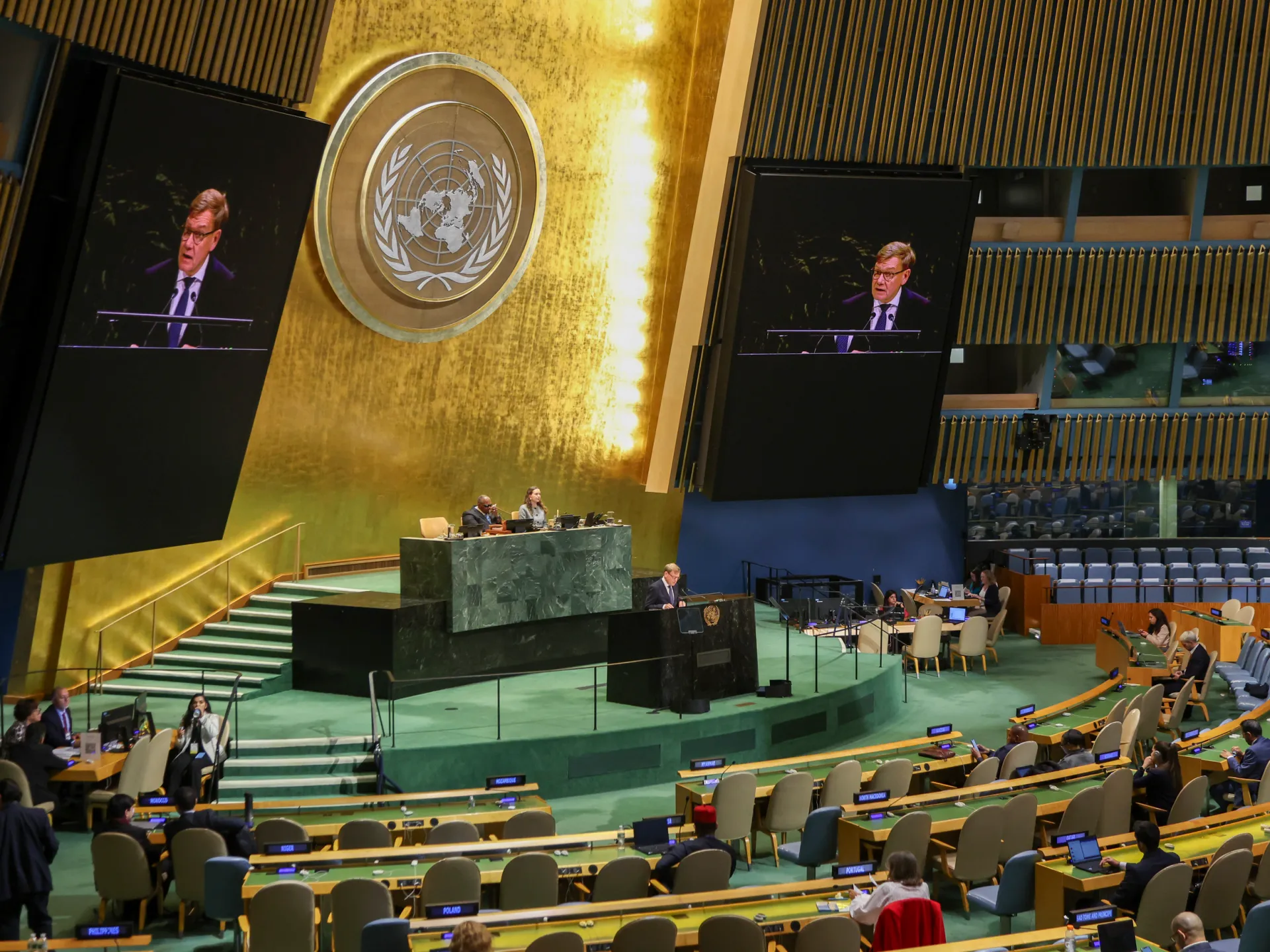
The 81st United Nations General Assembly (UNGA) concluded on Monday with artificial intelligence (AI), the Israel-Palestine conflict and the US-Israel war on Iran dominating world leaders’ addresses during the general debate.
UN Secretary-General Antonio Guterres, in his final address before his term ends, warned that the future of the world would be shaped by four tests: AI, climate change, wars and inequality.
Recommended Stories
list of 3 itemsend of list
“Across all four tests, the decisive issue is power. Power over force, money, energy, technology, rules and the future. That is why the UN Charter – and the work of the United Nations – matter more than ever,” Guterres said.
Speeches ranged from calls to reform the UN to appeals for upholding international law, as the global body has been undermined by the unilateral foreign policy pushed by United States President Donald Trump.
Here are the biggest takeaways from this year’s summit:
Palestine
The situation in Palestine was a key issue among members amid Israel’s ongoing genocidal war on Gaza despite the so-called “ceasefire” and escalating settler pogroms in the occupied West Bank.
France, Canada, Iraq, the United Kingdom and others called for Palestinian sovereignty during their speeches.
“What credibility do we have if we continue to remain inactive in the face of Gaza,” French President Emmanuel Macron said in his address.
“Some boast of a supposed peace, but this peace hasn’t reopened humanitarian routes for a single second,” he said, adding: “Must we stand by and watch this spectacle that shames us all?”
Macron, British Prime Minister Andy Burnham, his Canadian counterpart Mark Carney and Saudi Foreign Minister Prince Faisal bin Farhan Al Saud chaired a meeting at the UNGA on Palestinian statehood, which is being actively undermined by Israel. Israeli Prime Minister Benjamin Netanyahu’s government has accelerated construction of illegal settlements and provided impunity to settlers in the occupied territory.
At the same time, the US-led Board of Peace unveiled a 66-project reconstruction blueprint with proposed funding of $2.4bn for the Gaza Strip on the sidelines of the UNGA.
However, the board’s plan excludes the UN agency for Palestinian refugees (UNRWA), saying it has no role in the future of Gaza. The decision was described by Palestinian political analyst and playwright Ahmed Najar to Al Jazeera as aligned with Israeli efforts to “marginalise and ultimately dismantle the agency, removing it not only from Gaza’s present but from its future”.
Dozens of delegates left the hall in protest as Netanyahu delivered his speech, in which he declared that Israeli forces would continue fighting against Hamas and Iran.
Trump defends military action on Venezuela, Iran
In his address, Trump emphasised that while others spoke of peace, he “made peace”.
Trump defended his actions in abducting the then-Venezuelan President Nicolas Maduro in January and said, since his military operation, hundreds of political prisoners had been freed in the South American country and that Caracas had signed the largest oil deal in history last month, covering “65 billion barrels of oil, which will benefit both Venezuela and the United States enormously and help drive down the cost of energy all over the world”.
“It was perhaps the biggest deal ever made. To the victor belong the spoils – you’ve all heard that,” Trump boasted.
Trump reiterated that he would never allow Tehran to have nuclear weapons and that the 12-day war in July 2025 had “obliterated their nuclear programme beneath mountains of rubble” as the ongoing US-Israel war on Iran had sunk “159 ships of their navy” to the bottom of the sea.
“I have a big decision to make – will a deal be made with Iran that lets them rebuild and create a far greater country than it ever was before … or do I annihilate the Islamic Republic and do it quickly, never giving them a chance to kill and destroy people and countries again,” he said, adding: “I believe we make a deal right after the elections.”
Popular Iranian officials
During sideline talks and one-on-one meetings, Iranian officials were in demand.
In his speech to delegates, President Masoud Pezeshkian emphasised that Iran had only “defended ourselves” amid attacks on his country and killings of Supreme Leader Ayatollah Ali Khamenei, scientists and children.
“We are not terrorists, our innocent people have been the targets of cowardly attacks and aggressions imposed upon our country,” he said.
Pezeshkian added Iran would not accept that peaceful nuclear technology is held exclusively in the hands of a few countries.
“We will not bow our head and give up the right that is inherently ours,” he said.
Meanwhile, on the sidelines of the summit, Foreign Minister Abbas Araghchi met his counterparts from India, Qatar, Turkiye, Pakistan, Ukraine and other countries.
He also met US Special Envoy Steve Witkoff and Trump’s son-in-law Jared Kushner in a four-hour meeting mediated by Qatar.
AI dominance
World leaders used their time at the podium to call for a global approach to using AI as interest in the technology grows, but fears that it could escalate if unchecked are also growing.
In his address, Finnish President Alexander Stubb said AI was the “most consequential technology in the history of mankind”.
“It will impact science, the economy, politics, security, and the very essence of our humanity. Humans can and should be in the driver’s seat. We have a choice: we can compete, cooperate or slow down. For me, cooperation is the best way forward,” he said.
While discussions are moving away from a good-versus-bad dichotomy, officials disagreed on approaches.
While Guterres and the European Union called for safety standards and international rules, Trump said AI innovation should not be constrained by international regulation, adding that the US should control its AI sector.
Xi skips the UNGA
Chinese President Xi Jinping skipped the UNGA despite being in the US for a summit with Trump. He sent Vice President Han Zheng to attend.
Xi rarely attends the UNGA. He had sent Premier Li Qiang in his place last year. In 2024, Foreign Minister Wang Yi attended the annual gathering.
Without mentioning Iran in his address, Han reiterated Beijing’s position that “sovereignty and security of countries in the Middle East, including the Gulf, should be respected”.
“China calls for advancing the governance of the West Bank and the post-conflict reconstruction of Gaza in accordance with the principle of the Palestinians governing Palestine. It also calls for bringing the Palestinian question back onto the right track of the two-state solution at an early date,” he said.
Han also called for a “people-centred approach and develop AI for the positive and for good, narrow the digital divide, and promote development that is universally beneficial”.
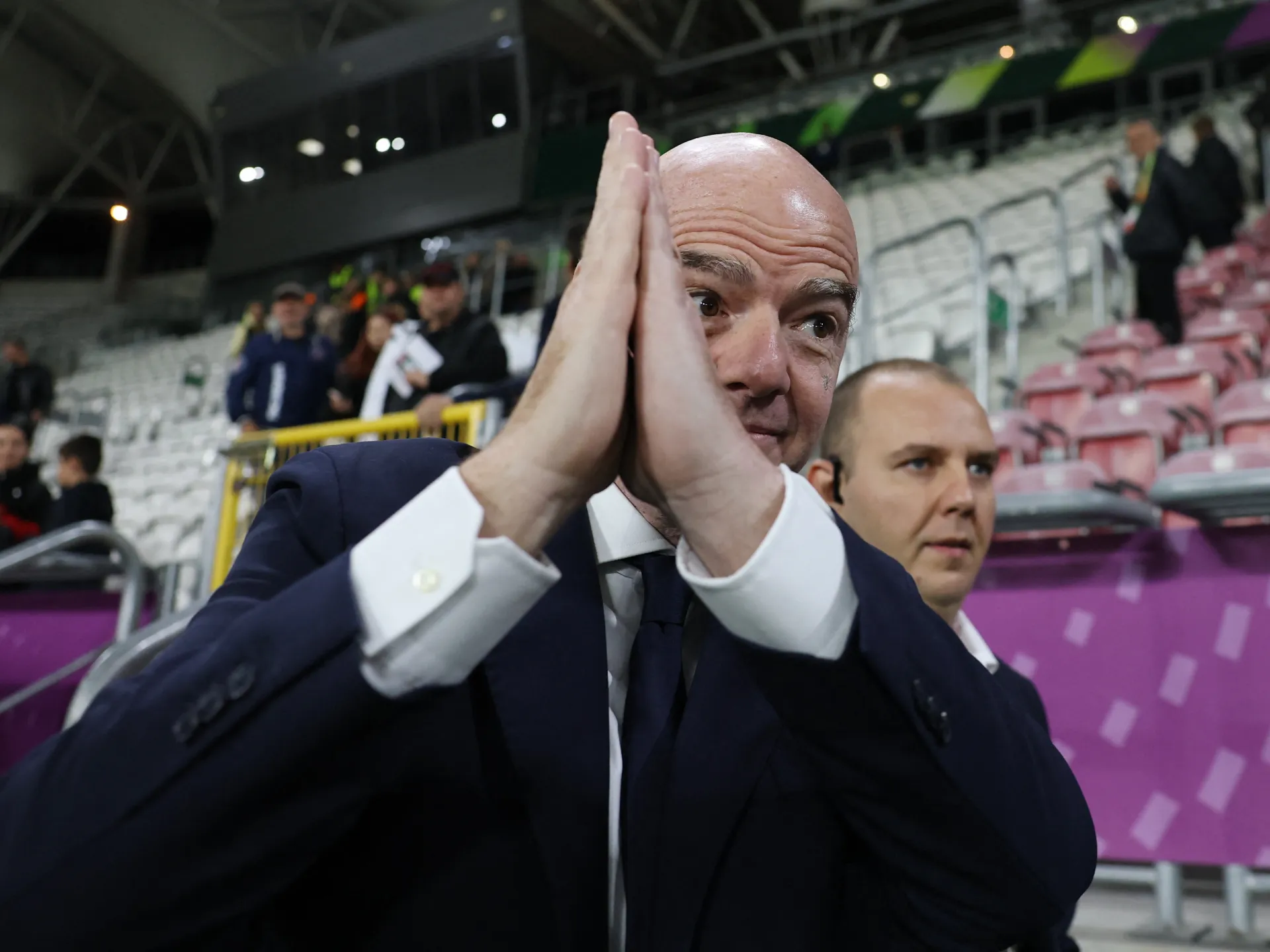
FIFA president Gianni Infantino is willing to discuss the disbursement of millions of dollars to the member associations of football’s global governing body as the Swiss chief seeks re-election to the post he has held for 10 years amid growing opposition.
The amount of the distributions to individual nations will be on the agenda of the FIFA Council’s October 15 meeting, according to a letter Infantino sent to the heads of the six regional confederations, as reported by media in the United States on Monday.
“I will not prejudge the amount,” Infantino wrote, according to one report. “I will support the greatest level of additional funding that can responsibly be delivered through FIFA’s proper governance process, applied fairly and supported by transparent and auditable arrangements. The ambition is welcome. The financial evidence, governance and implementation must now support it.”
“A single figure can begin the discussion, but it cannot complete a global policy. I have therefore instructed the Secretary General to consolidate all submissions into one integrated assessment for consideration by the FIFA Council.”
The move is seen as Infantino’s latest attempt to placate regional football bodies, as well as their chiefs, in a bid to hold on to his position as the most powerful man in football.
Earlier this month, the 56-year-old confirmed his bid amid widespread criticism of his leadership and the growing threat of legal proceedings.
Infantino has faced stiff opposition since the fallout from his proposed plan to sell approximately 20 percent of a proposed new entity, FIFA Forward Enterprise (FFE), focused on the commercial and operational facets of the World Cup and other FIFA tournaments.
The Swiss-Italian has been the most powerful man in world football over the past 10 years, but has increasingly lost support from regional football confederations and national associations. Last month, he appeared to be pulling out all the stops in a bid to retain his position, despite growing calls for his ousting and wide-ranging disapproval of his plans.
A joint statement with leagues from Spain, Italy and Germany accused Infantino of actively promoting “exploitative ideas rather than safeguarding against them”.
He is seen as a divisive figure in international football, with his close ties to some of the most powerful global leaders and plans for maximising revenue from football viewed as a threat to the game.
With fewer than six months until the next round of elections for FIFA’s presidency, Infantino appears to be losing ground among his usual backers.
FIFA presidents are limited to three terms, each lasting four years.
However, in 2022, Infantino successfully argued that his first spell in charge, which began when he was elected at an extraordinary FIFA Congress in 2016 following Sepp Blatter’s resignation, should not count towards that limit because it completed an interrupted mandate.
His plans to run for a fourth term have been questioned by critics and rights groups, who have asked FIFA’s Governance, Audit and Compliance Committee (GACC) to block the re-election bid.
The financial discussion comes in the wake of UEFA, CONCACAF and the AFC calling for Infantino to resign over the plan.
UEFA president Aleksander Ceferin and CONCACAF’s Victor Montagliani recently wrote a letter to FIFA, seeking payments such as the one Infantino addressed in his letter. Salman bin Ibrahim Al Khalifa, head of the Asian Football Confederation, made a similar request, per the reports.
Among the investors in FFE was to be Joshua Kushner, the brother of President Donald Trump’s son-in-law Jared Kushner. Trump is a close ally of Infantino.
Infantino subsequently abandoned the private equity plan, but he has refused to resign, and he plans to run for re-election in March. With seven weeks remaining for candidates to announce their intention to oppose Infantino, no challenger has stepped forward.
Had Infantino’s FFE plan gone through, each member nation would have received at least $20m. The letter from UEFA and CONCACAF asks for every member association to receive a minimum of $10m from FIFA’s reserves, according to the reports.
Hungary’s Parliament lifts immunity of incumbent leader and two ex-Orban ministers, clearing the way for criminal probes.
Published On 29 Sep 202629 Sep 2026
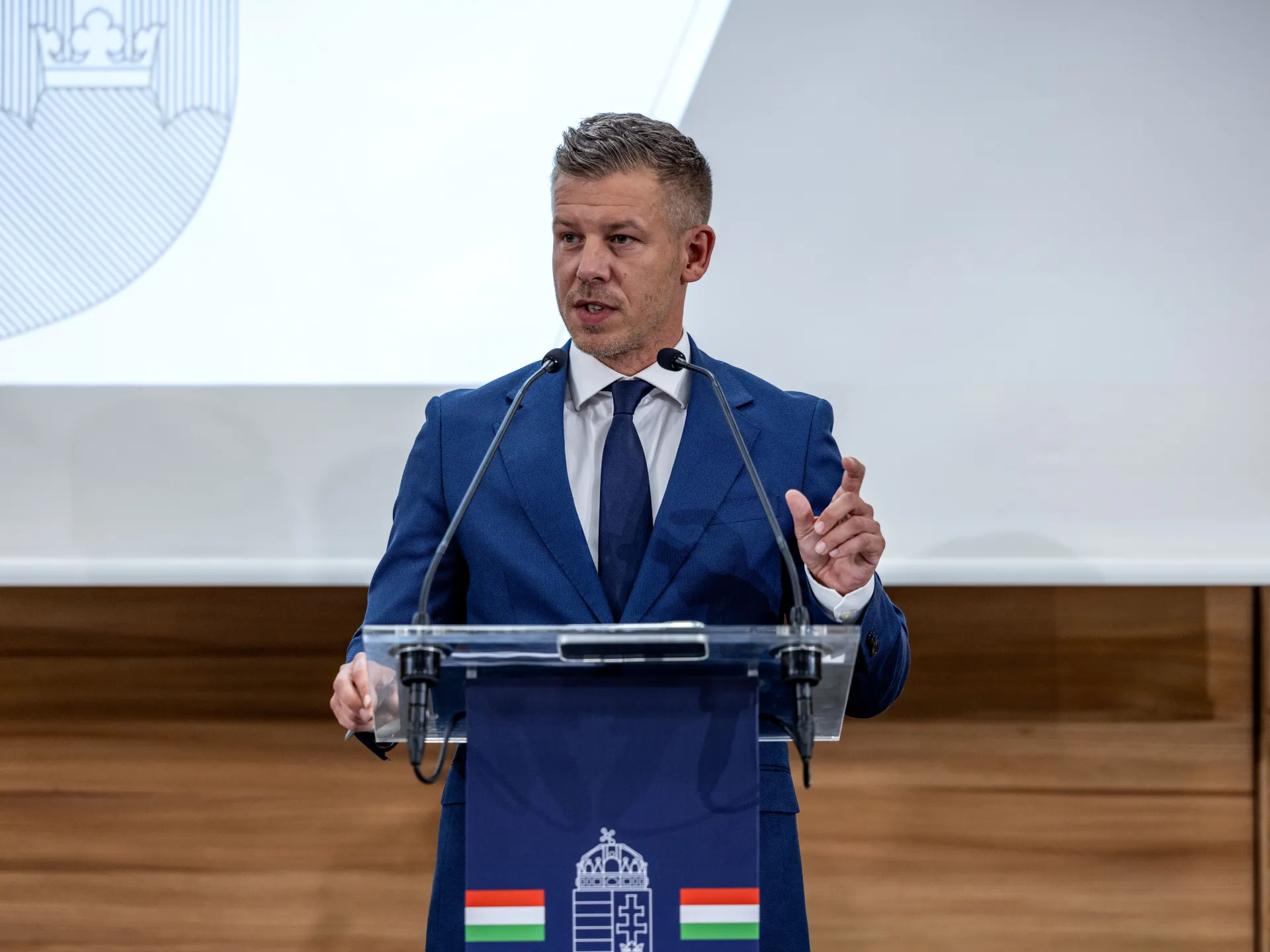
Hungary’s Parliament has stripped Prime Minister Peter Magyar and two ministers in former leader Viktor Orban’s nationalist government of their immunity, clearing the way for prosecutors to pursue separate criminal investigations into each of them.
The vote on Monday came after Magyar, who is being investigated for theft, specifically asked for his immunity to be lifted so he could clear himself of “character assassination”. The probes against the Orban-era ministers – who are suspected of embezzlement and bribery – are the first corruption investigations against top government figures from Orban’s 16 years in power.
Recommended Stories
list of 4 itemsend of list
Legislators voted overwhelmingly in favour of lifting their immunity.
Orban’s Fidesz party and its ally KDNP boycotted the session.
The vote was in response to a request last week from prosecutors seeking to investigate Magyar, as well as former Minister of Culture Balazs Hanko and former Minister of National Development Miklos Sesztak.
Magyar is being investigated over an incident at a Budapest nightclub in June 2024, when prosecutors allege he took a mobile phone from a man filming him and threw it into the Danube River.
Magyar has called the case a “sham” and last week accused prosecutors of trying “to conflate” the ex-ministers’ cases “with the attempt at political character assassination… which has already failed several times”.
Corruption cases
Hanko, a legislator from Orban’s Fidesz party, is accused of embezzling more than 40 million euros ($46m) in public funds. Prosecutors allege the money was used to help finance the 2026 parliamentary election campaign and for the personal benefit of others.
Sesztak, a lawmaker from KDNP, is under investigation over allegedly accepting more than $37.2m in bribes and kickbacks connected to vehicle procurements under Hungary’s state bus company, as well as to state construction projects.
Both ministers deny any wrongdoing.
The cases come less than six months after Magyar’s Tisza party ended Orban’s 16 years in power with a landslide election victory. Magyar campaigned on pledges to tackle corruption, restore rule-of-law safeguards, and rebuild Hungary’s strained relationship with the European Union.
His government has since made fighting alleged corruption and overpriced public procurement a central part of its programme, including plans for a new asset-recovery office focused on wrongdoing linked to the Orban era.
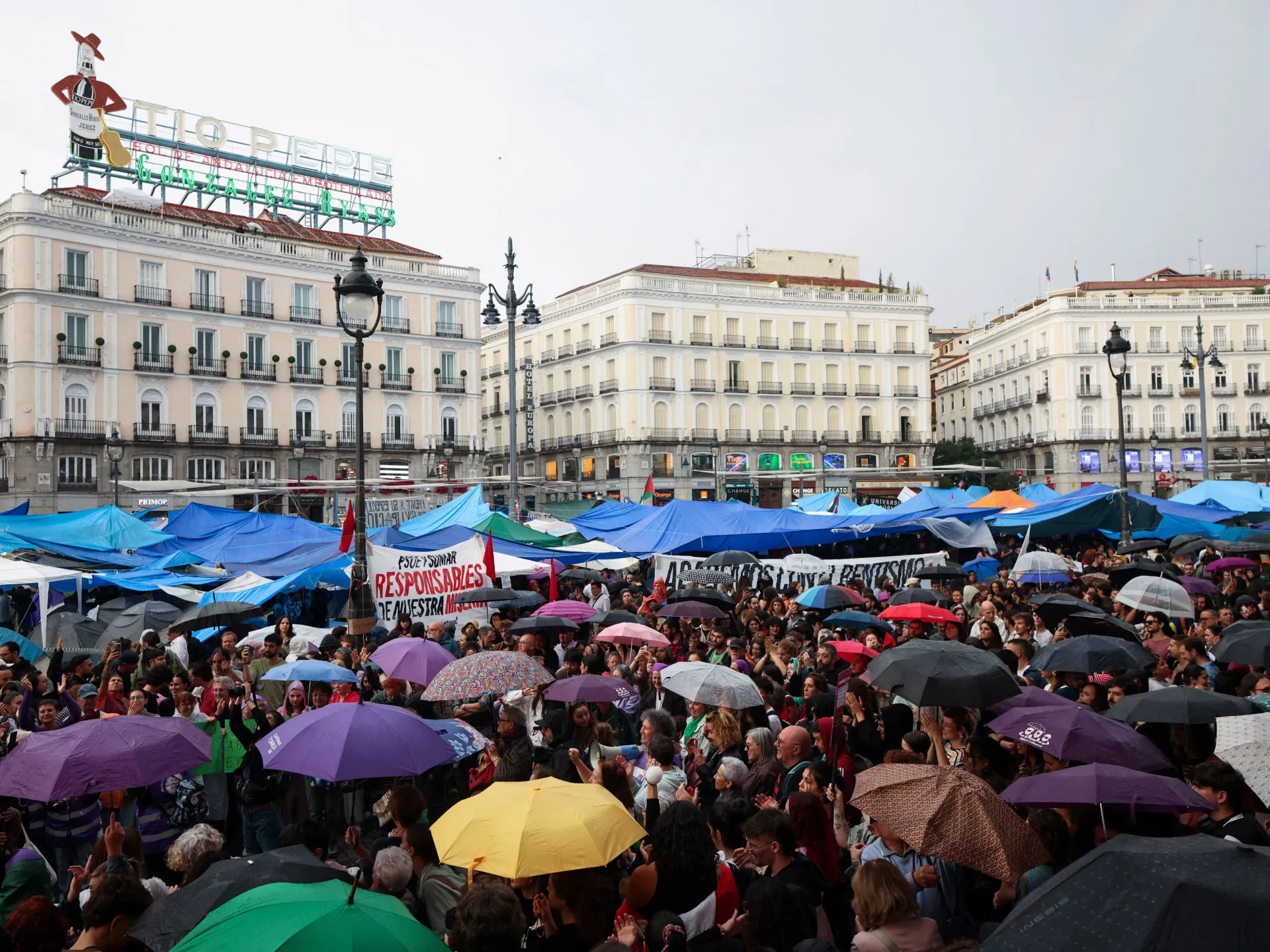
Hundreds of protesters have set up tent encampments in central Madrid to demand government action on soaring housing costs and evictions, as demonstrations spread to Barcelona. Spain currently faces a deficit of 750,000 homes, with the central bank warning the shortage could exceed one million by 2028.
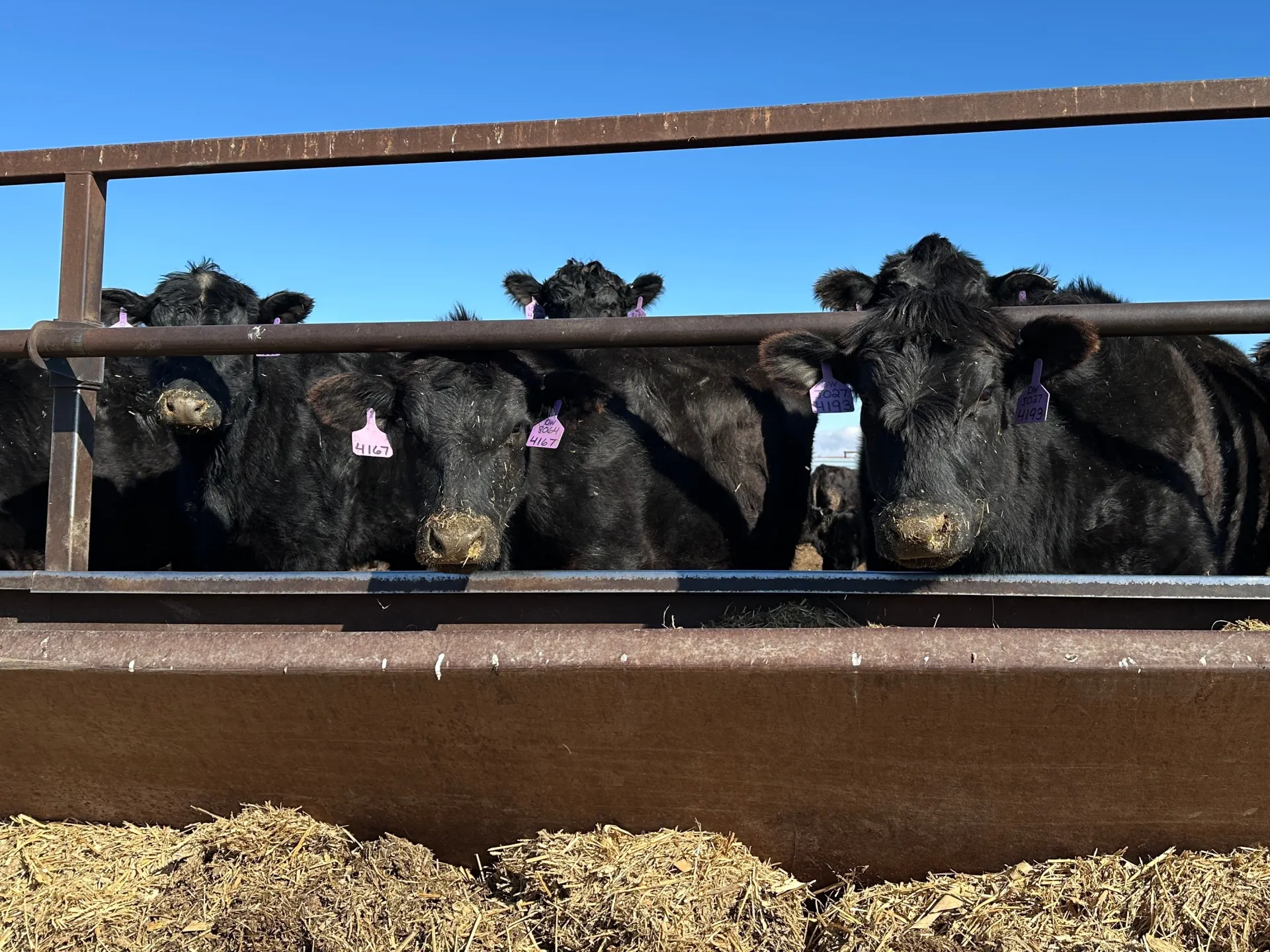
Beef prices are soaring in China. Across the Pacific Ocean in the United States, cattle farmers are complaining that their businesses are becoming increasingly unsustainable. And in India, poultry rearers are slashing their production targets because they cannot afford feed.
More than 90 percent of the world’s population eats meat in one form or another — and a looming meat crisis threatens to affect what they buy at the market, what they cook at home, and what’s served on the table.
At the heart of this is a chain of decisions and uncertainties that consumers rarely see. A cow has to be raised for years before it can become beef. Chickens need feed, much of it tied to global grain and soya bean markets. Farmers need land, water and weather conditions that allow them to keep animals alive and productive.
When any link in this chain is disrupted, a spiralling crisis ensues.
So what is putting the pressure on meat production, and what does it mean for billions of people around the world?
Declining cattle stocks in Brazil, US and China
Brazil, the US and China are the world’s three biggest beef producers, together supplying more than half of the world’s beef. But their cattle herds are shrinking at the same time.
According to a March estimate by the US Department of Agriculture (USDA), Brazil’s total herd this year is estimated at 177.4 million cattle — a nearly 8 percent drop from 192.5 million in 2024.
Over in the US, cattle numbers are at a historic low.
The USDA counted 86.2 million cattle and calves on farms on January 1, 2026. The number of beef cows — the females needed to produce future calves — was 27.6 million, down 1 percent from a year earlier. The 2025 calf crop was also down 2 percent.
In China, the USDA estimated a cattle head count of 94 million in January 2026, down 14 percent from 105 million in January 2024.
In all three cases, beef production is also projected to be down in 2026.
The USDA predicts a 2 percent decline in Brazil’s beef production and a 5 percent fall in exports. As for the US, beef production in 2026 is likely to be 4 percent lower than last year. China’s total beef supply this year is projected to be 12 percent lower than 2024.
The decline in domestic production, coupled with shrinking supplies that can be imported, has sent prices soaring in China — the world’s largest beef consumer and importer.
What’s driving down cattle herds and beef production?
The reasons are many, and they vary from country to country.
Brazil counts China and the European Union as two major markets for its beef exports. But both have imposed import restrictions that have disincentivised Brazilian beef manufacturers. That is partly responsible for the country’s decreased cattle head count, according to an analysis by Augusto Neto at S&P Global, the market intelligence firm.
Additionally, Brazil is currently in what is known as a cattle reversion cycle — when rearers reduce the slaughter of animals and instead try to preserve their female stock to help rebuild their herd — according to the USDA.
In the US, droughts have hit 60 percent of the country’s cattle-rearing area, according to a report by Sampad Nandy of S&P Global. With grazing areas decreasing, feed costs have risen.
Three major organisations, representing breeders in the states of Texas, Oklahoma and Kansas, issued a joint statement this week arguing that Immigration and Customs Enforcement (ICE) raids were disrupting their already strained operations. The meat industry depends heavily on immigrant workers.
If beef prices are rising, shouldn’t rearers want to produce more beef?
In theory, yes. But in practice, high prices do not automatically mean that more cattle can be produced quickly.
Cattle production is constrained by biological supply cycles, Kenneth Foster, professor of agricultural economics at Purdue University, told Al Jazeera. It can take a couple of years for a producer who receives a signal from the market to expand production and actually see the resulting animals enter the beef supply. The quickest way to rebuild a herd is to keep female cattle that might otherwise have been sold and use them for breeding. That is what Brazil is now doing.
But that creates a difficult economic calculation. A producer can sell an animal today at a high price, or keep it for breeding and wait for the next generation. That means carrying the costs and risks of keeping the animal while waiting for it to reproduce.
The result is a market in which strong demand and limited supply can persist even when prices are already high.
The USDA expects the cattle herd to begin rebuilding in the US, but the process is gradual.
The US and Brazil cases illustrate one of the central problems facing meat production: sometimes the constraint is not technology, land or money.
It is time.
Europe’s move from beef to poultry
Meanwhile, Europe presents a different picture. The continent is witnessing a structural change in what consumers are eating.
The EU produced about 42.7 million tonnes of meat in 2025. But EU meat production is projected to decline by about 3 percent between 2025 and 2035, with beef production projected to fall by 10 percent and pork by 7 percent. Poultry is the exception: production is projected to rise by 5 percent.
This shift is also visible in consumption.
Consumption of EU beef and pigmeat is projected to decline through 2035, while poultry consumption is expected to increase by 9 percent.
Beef and pork require longer production cycles and face different economic and environmental pressures. Poultry, by contrast, can respond much more quickly to changes in demand because chickens reach market weight within weeks rather than years.
That difference is becoming increasingly important. The OECD-FAO Agricultural Outlook expects poultry to be the fastest-growing major meat category globally over the next decade, helped by its relatively low cost and short production cycle.
Europe is therefore becoming an example of how a meat system can adapt without simply producing more of everything. Some forms of meat become harder or more expensive to produce, while others expand to fill part of the space.
Poultry has problems too — as India shows
Yet the poultry industry faces its own challenges, with India offering an example.
In June, a large section of India’s poultry industry announced plans to cut production by 25 percent after soya meal prices rose by more than 40 percent in a month.
The decision was announced by the All India Poultry Breeders’ Association after producers faced sharply higher feed costs and a seasonal decline in demand. Producers also began culling parent breeder stocks — birds needed to produce future generations of poultry.
Soya meal is an important protein source in animal feed. When its price rises sharply, poultry producers face a choice: absorb higher costs, raise prices, or reduce the number of birds they produce.
In India’s case, producers chose to cut production.
The consequences extended beyond individual farms. The Reuters news agency reported in May that Indian soya meal prices had risen 41 percent in one month to a four-year high of 66,000 rupees ($687.5) per tonne. India subsequently cancelled 25,000 tonnes of soya meal export contracts and began turning to soya bean imports from African countries.
The takeaway: a shock in one part of the agricultural system can move quickly through the meat supply chain globally.
As farmers try to protect their livelihoods and families try to keep food on the table, changing climates, rising prices, shifting dietary preferences and growing trade barriers are together reshaping the future of meat — and what we eat.
IF you are thinking about your next trip but can’t decide where, you don’t have to pick one location…
Instead, you could get an Interrail Pass and travel to multiple destinations across up to 33 countries including Spain, Italy and Greece.
Interrail Passes are currently on saleCredit: Getty
And the good news is that there is currently up to 50 per cent off Interrail Passes.
The sale ends September 30 though, so you’ll need to be quick – though even if you buy today or tomorrow, you’ll have 11 months to use your pass.
Sign up for the Travel newsletter
Thank you!
Different passes allow you to travel on trains as many times as you like across a set amount of time.
Instead of £454, you can spend £227 and get a month youth (for 12 to 27-year-olds) rail pass – meaning you can travel on as many trains as you like across the 33 countries for a month.
If you are 28-years-old or above, then it will cost you a little more – £303 instead of £606.
You’ll also have to pay extra if you want to reserve seats on trains or if you want a paper Pass instead of a digital Pass.
There are a number of other Passes available as well, depending on how long you want to travel for.
You can choose between a Flexible Pass or Continuous Pass depending on your travel plans.
The pass allows you to visit 33 countries including Spain and ItalyCredit: Getty
For example, you could get a four days in a month Pass that allows you to travel on as many trains as you like on each of your four travel days, costing £209 per adult.
You can use your four travel days any time within a month of your Pass’ start date.
Other options include five and seven days within a month and 10 days or 15 days within two months.
These passes cost between £235 and £409 per person.
If you know you are travelling continuously across a time period to a number of different destinations, the Continuous Pass might be better.
The different time options for these Passes include 15 days, 22 days, one month, two months or three months in a row.
These passes range between £303 and £433 per adult.
If you suddenly decide you don’t want the Pass, then you can refund or exchange it within seven days as well.
There are flexible and continuous passes to choose fromCredit: Getty
All 33 countries you can visit on an Interrail pass