Ebola

Ebola, hantavirus: Is the world prepared for the next pandemic? | Health News

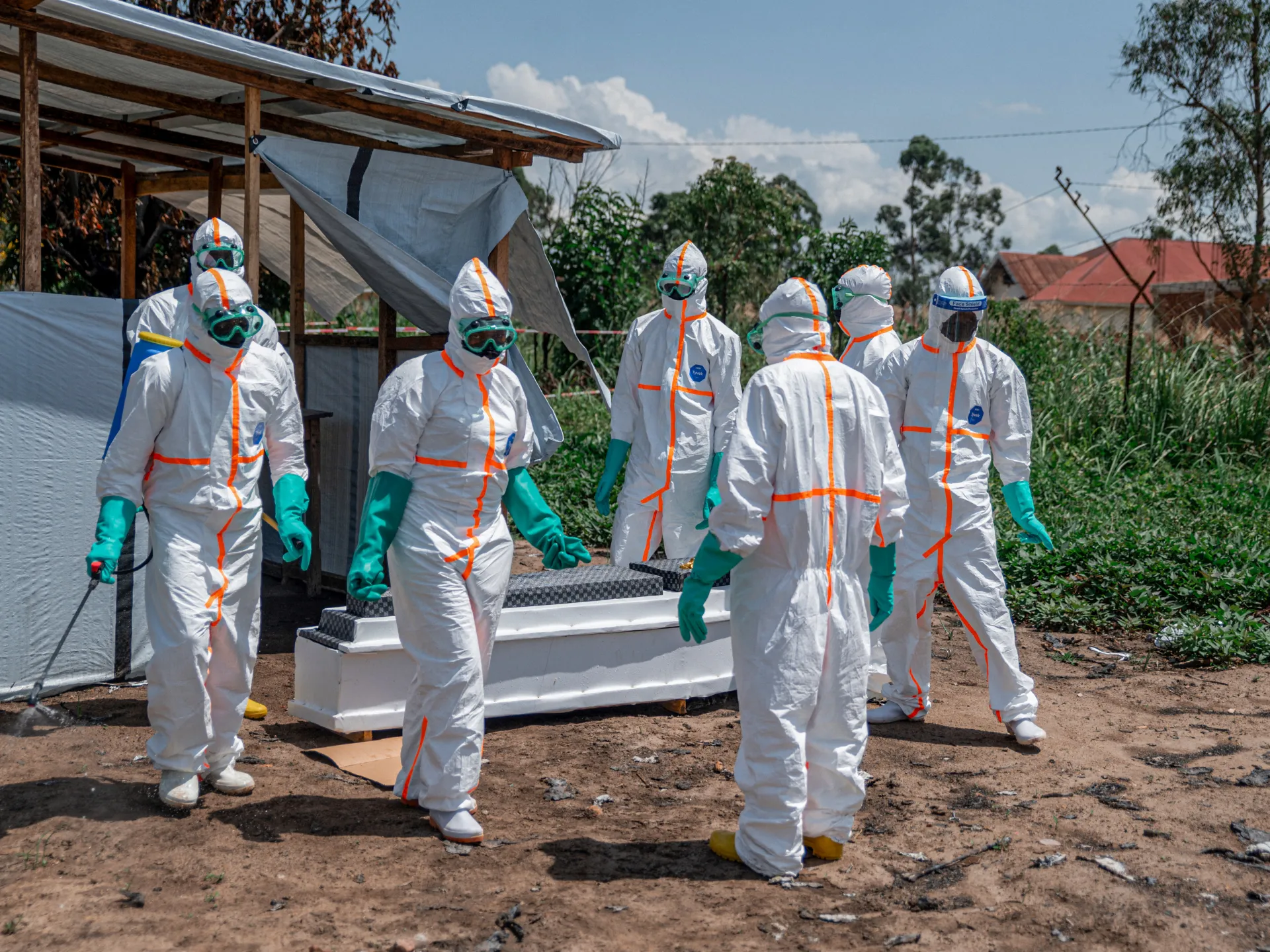
The World Health Organization (WHO) has declared that an Ebola outbreak in Uganda and the Democratic Republic of the Congo (DRC) is a “public health emergency of international concern”, setting off alarm bells around the world.

The WHO’s announcement on Sunday came as several countries are battling to contain a hantavirus outbreak linked to a cruise ship trip to South America.

Recommended Stories

list of 3 itemsend of list

While the cause and treatment for the two viruses differ, news of their outbreaks has caused world leaders and health agencies to question what this means for international travel and cross-border coordination in containing them. These questions are particularly pertinent following the COVID-19 pandemic, which resulted in global lockdowns due to the lack of preparedness for the spread of the coronavirus.

But as the WHO faces a funding crisis, is the world better prepared now if another pandemic occurs – or could it be even less so?

Here’s what we know:

Why is the WHO facing a funding crisis?

Every time a health emergency occurs anywhere in the world, the first response of the WHO is to determine the danger the disease poses and then implement a plan to respond to it.

But since 2025, the United Nations health agency has been struggling financially due to a lack of funding from donors.

WHO Director-General Tedros Adhanom Ghebreyesus warned in May 2025 that global health would be at serious risk without enough donor support and that the agency was facing “the greatest disruption to global health financing in memory”.

The crisis deepened after the United States, which had previously covered nearly one-fifth of the WHO’s budget, officially withdrew from the organisation in January this year. US President Donald Trump announced the decision in January 2025, alleging the WHO had mishandled the COVID-19 pandemic and other international health crises.

As a result, the programme budget for the agency’s 2026-27 projects has been set at more than $6.2bn, a 9 percent decrease from the previous year.

In response, the WHO revised its financial plans and scaled back spending by cutting back some of its critical programmes, which has significantly curtailed pandemic preparedness, health experts told Al Jazeera.

“Funding cuts to the WHO have directly weakened disease surveillance efforts, which in turn affect the readiness and preparedness to deliver an effective response to epidemics and pandemics,” Kaja Abbas, associate professor of infectious disease epidemiology and dynamics at the London School of Hygiene & Tropical Medicine and Nagasaki University, said.

Following the recent hantavirus outbreak, passengers and crew members from more than 20 countries on the affected cruise ship, MV Hondius, required coordinated monitoring, contact tracing, medical evacuation, and public health guidance across borders.

Under the International Health Regulations (IHR), the WHO helps to facilitate communication and response efforts among countries, deploys experts, supports laboratory testing and organises emergency responses in case of an outbreak.

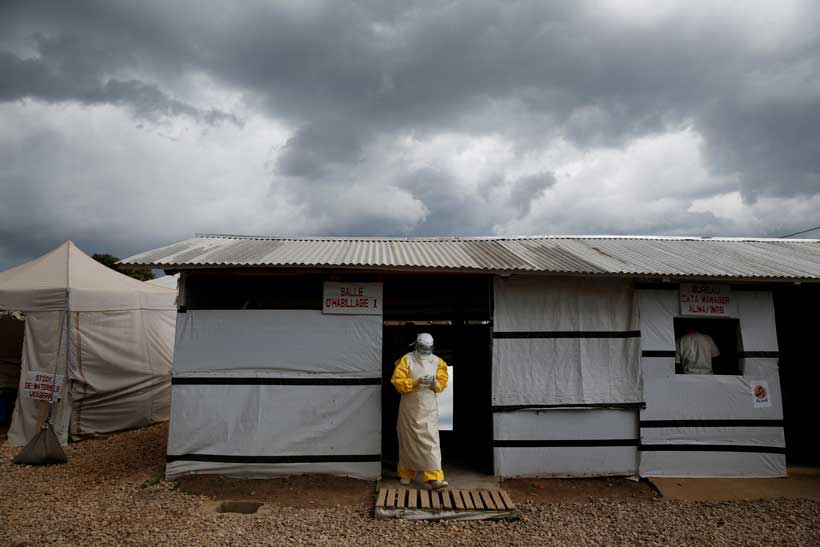
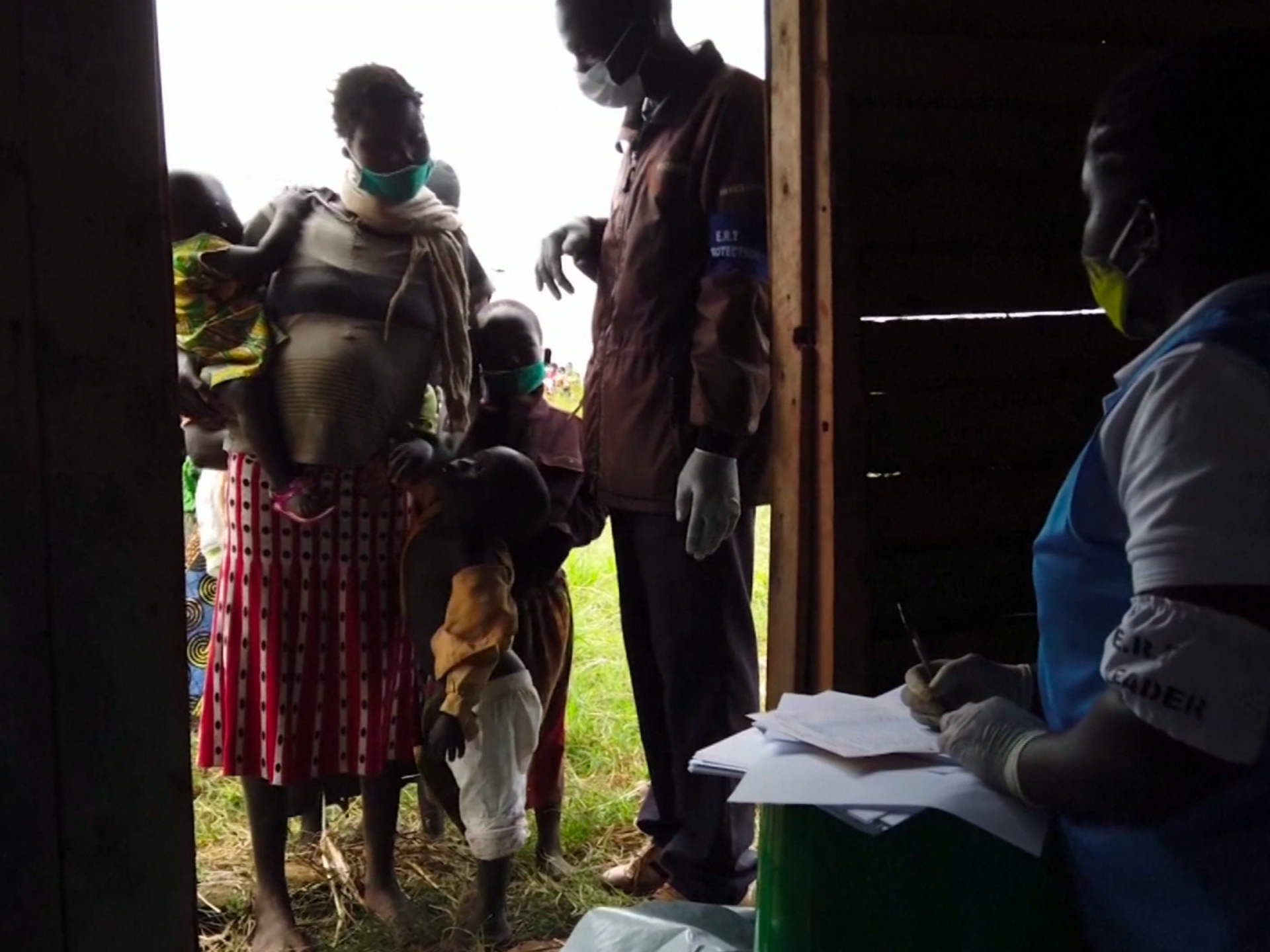
Following the Ebola outbreak in the DRC and Uganda, the WHO has deployed experts, personal protective equipment (PPE), laboratory support and emergency funding while coordinating regional preparedness efforts.

But these sorts of efforts are at risk with the current funding crisis, Krutika Kuppalli, an infectious diseases physician in Dallas, in the US state of Texas, with expertise in emerging pathogens, global health and outbreak response, told Al Jazeera.

As infectious diseases do not respect borders, rapid international coordination is essential, she added.

“Weakening WHO through funding cuts risks delaying outbreak detection, slowing response times, and reducing the world’s ability to contain emerging threats before they spread globally.”

In a statement to Al Jazeera, the International Pandemic Preparedness Secretariat (IPPS), an independent entity which helps world leaders prepare and respond to pandemics, highlighted that preparedness relies on consistent funding.

“Sustained investment and strong multilateral coordination are essential to maintain the systems, partnerships, and scientific capabilities needed before the next pandemic threat emerges,” IPPS said.

What else is hampering a global response to another pandemic?

Besides funding issues, the WHO has been struggling to get world leaders to agree on a pandemic treaty for 2026 amid a pathogen-sharing dispute.

In May 2025, it adopted a Pandemic Agreement, which sets out what it describes as a “comprehensive approach to pandemic prevention, preparedness and response that improves both global health security and global health equity”.

But UN member nations have not been able to reach a consensus on the Pathogen Access and ⁠Benefit-Sharing (PABS) aspect of the agreement – or “annex” – due to differences over ensuring every country receives equitable access to vaccines and treatment after data on disease samples have been shared.

Talks on PABS mainly focus on setting up a system to ensure countries can quickly share pathogens that could cause pandemics while receiving fair access to vaccines, tests and treatments that result from their use.

Following talks on PABS in May this year, the WHO chief urged countries to keep working with urgency and said the next pandemic was “a matter ⁠of when, not if”.

“The PABS annex is the last piece of the puzzle not only for the Pandemic Agreement,” he added.

Kuppalli told Al Jazeera that getting agreement on this is crucial, as international cooperation is essential during emerging outbreaks.

“Countries must rapidly share pathogen samples, genomic sequencing data, and epidemiologic information so diagnostics, vaccines, and therapeutics can be developed quickly,” she said.

“Delays or political disputes over information sharing can cost valuable time in the early stages of an outbreak, when containment is most possible,” she warned.

Why is antivaccine sentiment growing?

During the COVID-19 pandemic, when the US and a handful of other countries began rolling out coronavirus vaccines, many people resisted the vaccines, fearing adverse reactions as social media was flooded with misinformation about their safety and purpose.

According to a July 2025 report in The BMJ (formerly the British Medical Journal), antivaccine sentiment among the leadership of US health agencies has also been on the rise. Robert F Kennedy Jr, US health secretary, is among those leaders who often promotes unverified claims about the dangers of vaccines and also opposed the COVID vaccine.

In the report for the BMJ, authors Anna Kirkland and Scott Greer argued that if health agencies are led by such people, it will “likely mean that vaccination information campaigns are reduced, vaccine hesitancy increases, insurance coverage for vaccinations is limited, and public sector capacity to vaccinate is reduced”.

“Research money will be wasted on investigating already debunked links between autism and vaccination, while vaccination infrastructure, such as vaccination programmes run by local governments, will be eroded,” they added.

This is a major issue because public trust is critical during outbreaks, Kuppalli said.

“If large portions of the population reject vaccines or public health guidance, it becomes much harder to control transmission, protect healthcare systems, and reduce deaths,” she said.

“Equally concerning are funding cuts to vaccine research and development. Pandemic preparedness depends on investing in vaccines before a crisis occurs, not after,” she added.

Last August, the US Department of Health and Human Services (HHS) cancelled about $500 million in contracts and grants dedicated to mRNA vaccine development. These cuts affected 22 research initiatives and clinical trials focused on emerging pathogens, pandemic flu, respiratory syncytial virus (RSV), and COVID-19 boosters, according to Harvard University’s TH Chan School of Public Health.

Kuppalli said the development of mRNA vaccines targeting H5N1 avian influenza is an important effort in preparing for the possibility of a pandemic.

“Reductions in funding for these types of programmes risk slowing scientific progress, limiting manufacturing readiness, and leaving the world less prepared when the next outbreak emerges,” she said.

Is the world economically prepared for a pandemic?

Amid antivaccine movements and funding cuts, the current state of the world economy is also making it challenging for world leaders to prepare a pandemic response.

The US-Israel war on Iran has resulted in a sharp rise in oil and gas prices, which has in turn upended the world economy. High fuel costs have disrupted supply chains and international travel, resulting in a spike in the cost of medicines. In the United Kingdom, for example, pharmacies are charging 20 to 30 percent more for over-the-counter medicines. In India, chemists are reporting price rises of common painkillers of as much as 96 percent.

“Wars and economic pressures also strain supply chains, divert government resources, displace populations and weaken already fragile health systems. These all increase the risk of outbreaks spreading unchecked,” Kuppalli warned.

“Emerging infectious diseases are becoming more frequent and more complex, yet many countries are reducing investments in preparedness rather than strengthening them. The result is a growing mismatch between the scale of the threat and the resources available to respond,” she said.

IPPS told Al Jazeera that pandemics and disease outbreaks have devastating economic consequences. “In 2020 alone, the global economy contracted by around 3 percent of GDP, representing trillions of dollars in lost output, alongside widespread job losses and trade disruption.”

“Sustained investment in pandemic preparedness and response (PPR) can help prevent such losses by ensuring that vaccines, therapeutics, and diagnostics are ready to deploy rapidly when new threats emerge,” IPPS said.

Investing in research and development during peacetime ensures that when the next pandemic threat arises, the world has products and systems in place to respond quickly, protect lives, and avoid the economic losses experienced during COVID-19, it added.

“Sustained and diversified funding for pandemic preparedness is not just a health priority; it is also an economic safeguard.”

Has there been any progress at all since COVID-19?

“The pandemic taught all of us many lessons, especially that global threats demand a global response,” Ghebreyesus said in February, six years after the COVID-19 pandemic hit. “Solidarity is the best immunity,” he added.

Besides adopting a Pandemic Agreement last May, in 2022, the WHO launched a fund in collaboration with the World Bank. As of February this year, the fund has “provided grant funding” totalling more than $1.2bn, the WHO says. It has “helped catalyse an additional $11bn that has so far supported 67 projects in 98 countries across six regions, to expand surveillance, lab networks, workforce training and multi sectoral coordination”, it adds.

In 2023, the WHO also set up the Global Health Emergency Corps “in response to the gaps and challenges identified during the COVID-19 response”. The Corps mainly supports countries experiencing public health emergencies “by assessing emergency workforce capacities, rapidly deploying surge support, and creating a network of emergency leaders from multiple countries to share best practices and coordinate responses”.

As a result of all this, Kuppalli said, there are reasons to be hopeful.

“One of the clearest lessons from recent outbreaks is that the global scientific and public health community can collaborate remarkably quickly when faced with an urgent threat,” she said.

She noted how during COVID-19, scientists around the world rapidly shared genomic sequences, clinical data and research findings in real time.

“The development of highly effective COVID-19 vaccines in less than a year was a historic scientific achievement and demonstrated what is possible when there is political will, funding, international cooperation, and regulatory flexibility,” she said.

“In addition, advances in vaccine platforms, particularly mRNA technology, mean we now have the capability to design and begin producing candidate vaccines much faster than in the past,” she explained.

“While many challenges remain, including funding, misinformation, and geopolitical tensions, the scientific progress made over the last several years has unquestionably improved our ability to detect emerging threats and develop medical countermeasures more rapidly than ever before,” she added.

Source link

Will the latest Ebola outbreak in DR Congo and Uganda spread further? | Health News

The World Health Organization declares the epidemic a global health emergency.

It’s a global health crisis – not a pandemic.

But the World Health Organization is warning that the Ebola outbreak in the Democratic Republic of the Congo and neighbouring Uganda could be much larger than what has been detected so far.

The global health body is advising countries to activate national disaster mechanisms and introduce cross-border and internal screening.

Presenter: James Bays

Guests:

Ariel Kestens – Head of the Kinshasa delegation, International Federation of Red Cross and Red Crescent Societies

Dr Margaret Harris – Lecturer at the United Nations Institute for Training and Research

Dr Ahmed Ogwell Ouma – Former deputy director-general of the Africa Centres for Disease Control and Prevention

Source link

DRC struggling to contain Ebola outbreak as cases spread | News

NewsFeed

The Democratic Republic of Congo has faced repeated Ebola outbreaks, but insecurity in the eastern part of the country is making this most recent outbreak difficult to control.

Neighbouring countries have already reported some cases, and the World Health Organization has said the outbreak’s real impact is yet to be seen.
The Democratic Republic of Congo has faced repeated Ebola outbreaks, but insecurity in the eastern part of the country is making this most recent outbreak difficult to control.

Neighbouring countries have already reported some cases, and the World Health Organization has said the outbreak’s real impact is yet to be seen.
Al Jazeera’s Hamza Mohamed explains.

Source link

WHO declares Ebola health emergency in the DRC, Uganda

Medical workers check temperatures at the Mpondwe border point with DR Congo, near Bwera, Uganda, on May 9, 2019. File Photo courtesy the WHO

May 17 (UPI) — The World Health Organization has declared a public health emergency of international concern in reaction to an Ebola outbreak in Uganda and the Democratic Republican of the Congo.

Health officials believe the disease, also known Ebola hemorrahagic fever, has killed dozens of people in the two countries in recent days. In the DRC’s Ituri province, there have been 336 cases and 88 deaths possibly linked to the disease. Eight cases have been confirmed.

Cases have also been suspected in Kampala, Uganda.

The WHO declared the public health emergency Saturday, one day after confirming the existence of an outbreak. The international health organization, which is an arm of the United Nations, said the outbreak doesn’t meet the criteria of a pandemic, but the spread of the virus could be bigger than currently known.

“There are significant uncertainties to the true number of infected persons and geographic spread associated with this event at the present time,” the WHO said.

This Ebola outbreak has been linked to the Bundibugyo virus, making it particularly challenging to treat. Unlike the Ebola-zaire strains of the virus, there are no approved approved therapeutics or vaccines for the Bundibugyo strain, the WHO said.

Source link

Ebola Outbreak in Congo and Uganda 2026: What We Know So Far About Cases, Spread, and Response

The World Health Organization (WHO) has declared an Ebola outbreak in the Democratic Republic of Congo (DRC) and Uganda as a public health emergency of international concern. This outbreak is caused by the Bundibugyo strain of the virus, which is less understood than the Zaire strain and lacks effective treatments or vaccines. The WHO notes that while this outbreak does not qualify as a pandemic emergency, countries bordering the DRC are at high risk for spread.

Ebola is a severe virus that causes symptoms like fever, body aches, vomiting, and diarrhea, spreading through contact with infected individuals or materials. The DRC has experienced 17 outbreaks of Ebola since it was first discovered in 1976.

Currently, the outbreak in the DRC is the most severe, with the WHO reporting eight confirmed cases, 80 suspected deaths, and 246 suspected infections. Goma, a town in the DRC, has reported a confirmed case, and Uganda has also identified a second case. The true number of infections and the outbreak’s geographic spread are still uncertain, according to the WHO.

With information from Reuters

Source link

WHO declares Ebola outbreak in DRC a global health emergency | World Health Organization News

An Ebola outbreak caused by the rare Bundibugyo strain has killed dozens in Democratic Republic of the Congo and is spreading into Uganda, raising fears of regional transmission. Health officials say instability and shared borders are complicating containment efforts as the World Health Organization declares a global health emergency.

Source link

Latest Foreign Office advice with ‘at least 80 deaths’ as Ebola sweeps Democratic Republic of the Congo

Multiple burials have been reported by locals

At least 80 deaths have been reported as a country battles an outbreak of a highly contagious disease.

The deaths were confirmed in the Democratic Republic of the Congo’s new Ebola disease outbreak in the eastern Ituri province, authorities said, as health workers raced to intensify screening and contact tracing to contain the disease. Officials first announced the outbreak on Friday, with 65 deaths and 246 suspected cases. Meanwhile, journalists in Ituri’s capital, Bunia, interviewed local people who recounted their fears and constant burials.

“Every day, people are dying … and this has been going on for about a week. In a single day, we bury two, three, or even more people,” said Jean Marc Asimwe, a resident of Bunia. “At this point, we don’t really know what kind of disease it is.”

Congolese health minister Samuel-Roger Kamba said late on Friday that there have been eight laboratory-confirmed cases, among them four deaths. Test results confirmed the Bundibugyo virus, a variant of the disease that has been less prominent in Congo’s past outbreaks.

This is the country’s 17th outbreak since Ebola first emerged in the country in 1976, the Associated Press reproted. Ebola is highly contagious and can be contracted through bodily fluids such as vomit, blood, or semen. The disease it causes is rare, but severe and often fatal.

The suspected index case in the latest outbreak is a nurse who died at a hospital in Bunia, Mr Kamba said, with the case dating back three weeks to April 24. He did not say whether samples from the nurse were tested, but said the person presented symptoms suggestive of Ebola.

DR Congo has experience in managing Ebola outbreaks, but often faces logistical challenges in getting expertise and supplies to affected regions. As Africa’s second-largest country by land area, Congo’s provinces are far from one another and mostly battling conflict. Ituri, for instance, is around 620 miles from the nation’s capital, Kinshasa, and is ravaged by violence from Islamic State-backed militants.

The disease is so far confirmed in three health zones in the Ituri province, including the capital city, Bunia, as well as in Rwampara and Mongwalu where the outbreak is concentrated.

Foreign Office advice for Democratic Republic of the Congo

As of Saturday afternoon, the Foreign, Commonwealth and Development Office had not given specific advice about travel to the Democratic Republic of the Congo in regards to the Ebola outbreak.

Its current advice, which it said remained valid on May 16, was that UK citizens should avoid travel to muliple parts of the country due to political instability.

It said: “If you are in North or South Kivu and judge it safe to do so, and if routes are available, you should leave. M23 rebels and Rwanda Defence Forces (RDF) have captured the cities of Goma and Bukavu and the surrounding areas in North and South Kivu. M23 rebels and RDF captured the city of Uvira in December 2025, and then withdrew from the city in January 2026, though clashes continue in the surrounding areas. The situation remains highly unstable and unpredictable. Routes to depart Uvira, Goma and Bukavu are limited and may change at short notice.

“The border crossings between Rwanda and the DRC at Gisenyi-Goma and Ruzizi-Bukavu could close at short notice. Goma and Bukavu airports have been attacked and commercial flights are no longer operating from the airports.

“Support from the UK government is severely limited outside Kinshasa. You should not assume that FCDO will be able to provide assistance to leave the country in the event of serious unrest or crisis.”

The FCDO advises against all but essential travel to:

  • The districts of N’djili and Kimbanseke in Kinshasa city south of the main access road to N’djili airport, in Nsele commune
  • The N1 road in Kinshasa Province, between and including Menkao to the west, Kenge to the east, the border of Mai-Ndombe province to the north, and 10km to the south

The FCDO advises against all travel to within 50km of the border with the Central African Republic and to the provinces of:

  • Haut-Uélé and Ituri, including the entire DRC-South Sudan border
  • North Kivu
  • South Kivu
  • Maniema
  • Tanganyika
  • Haut-Lomami

It also advises against all travel to the Kwamouth territory of Mai-Ndombe Province. This is between, and including, the towns of Kwamouth, Bandundu and the southern border of Mai-Ndombe province. Further, it advises against all travel to the province of Kasaï Oriental and against all but essential travel to the provinces of Kasaï and Kasaï Central and to Bangoka International Airport in Kisangani.

Source link

Democratic Republic of Congo declares Ebola outbreak; 65 people killed

A handout photo made available by the World Health Organization shows temperature screening at Mpondwe border point with the Democratic Republic of Congo, near Bwera, Uganda, in May 2019. The Democratic Republic of Congo declared an Ebola outbreak on Friday as 65 people have died from the disease in the country’s eastern region. File Photo by the World Health Organization/EPA-EFE

May 15 (UPI) — The Democratic Republic of Congo declared an Ebola outbreak on Friday as 65 people have died from the disease in the country’s eastern region.

There have been about 246 cases reported, many of them in the Ituri province’s small mining towns of Mongbwalu and Rwampara. The Africa Centres for Disease Control and Prevention said in a statement Friday that it is meeting with DRC, Ugandan and South Sudanese leaders to prepare a response to the outbreak.

Uganda and South Sudan border the Ituri province.

Africa CDC said that the DRC’s national research laboratory has detected Ebola in 13 of 20 samples it has tested.

There have been 16 prior Ebola outbreaks in the DRC since 1976 when it first identified the virus within its borders. Vaccines are available for the Zaire strain. Africa CDC said that early testing indicates the current strain is not the Zaire strain.

“Africa CDC stands in solidarity with the government and people of the Democratic Republic of the Congo as they respond to this outbreak,” Dr. Jean Kaseya, director general of Africa CDC, said in a statement. “Given the high population movement between affected areas and neighboring countries, rapid regional coordination is essential.”

The mining towns where the outbreak is centered experience a lot of inbound and outbound traffic, raising concerns about the disease spreading further.

Ebola is a severe illness with a high fatality rate in humans, reaching as high as 90% in some cases, the World Health Organization says.

Infection can be spread by direct contact with a person who is infected or object surfaces that are contaminated with bodily fluids from a person who is sick or has died from the disease.

The Ebola virus can incubate between two and 21 days. Symptoms include fever, fatigue, malaise, muscle pain, headache and sore throat, before progressing to vomiting, diarrhea, abdominal pain, rash and symptoms related to impaired kidney and liver functions.

There were 64 cases of Ebola reported in the DRC last year, with 45 deaths, a 70% rate of fatality, the U.S. Centers for Disease Control and Prevention said. That outbreak occurred from September to December in the remote Bulape health zone in the Kasai province, which has a relatively low population density.

Source link