TWO airports in Europe that see thousands of passengers through their doors are set to close for major upgrades.
During this time flights will be diverted and one airport will see flights cancelled during both the summer holidays and October half-term.
Almeria Airport will close for six days while it updates its runwayCredit: AlamyCharleroi Airort in Belgium will close for 11 weeks with all flights divertedCredit: Getty
The first major airport closing its doors to passengers is Almeria Airport in Spain which each year handles around 800,000 passengers.
In February 2028, it will shut for six days to upgrade its runway with all scheduled flights during that time to be cancelled.
Sign up for the Travel newsletter
Thank you!
Airlines like Ryanair, easyJet and Iberia which fly out of the airport have been notified by Spain’s airports operator Aena about the closure.
There will be further disruption too as the revamp is part of a 19-month €29million (£24.8million) project to upgrade the entire airport.
During this period there will be work at night between 10:45pm and 7:10am the following day.
Between these hours, flights could be impacted as well.
Direct routes from Almeria Airport to the UK London Southend, Manchester, Bristol, Liverpool, Leeds Bradford and Birmingham.
The airlines will have to reschedule flights or divert the routes.
The revamp will mark the first work on the runway in 20 years.
The second major European airport to close its doors is Charleroi Airport in Brussels which will close for almost three months.
Almeria Airport will experience disruption over 19-monthsCredit: Alamy
For 11 weeks, the runway will be closed for renovation and the interior airport revamped.
Flights will be impacted between August 15 and October 31 in 2028.
It will disrupt passengers heading to Brussels during the school summerholidays and October half-term break.
Airlines that operate to and from the airport from the UK include Ryanair and Wizz Air to cities Edinburgh, Manchester and Newcastle.
Airlines will need to reroute their flights to different airports during that time.
The airport is the second largest in Belgium – it sees 30,000 passengers each day and around 11.2million people every year.
On the development, the airport said: “A complete refurbishment of Charleroi airport’s sole runway, together with other major infrastructure modernisation works, has been scheduled by SOWAER (the company behind the works) for the second half of 2028.”
Robert Rowlands Deputy editor, money and lifestyle, content hub and Maria Ortega
15:09, 09 Aug 2026
An EasyJet plane – file image(Image: coldsnowstorm via Getty Images)
UK travellers should be prepared for the risk of strike action over the next few weeks in a popular holiday hotspot. Millions of UK holidaymakers will be travelling abroad in the weeks ahead.
And France is one spot that will be popular with Brits. More than 17 million UK people travel there every year, according to the UK Foreign Office.
Now the new threat of industrial action has broken out – and it runs throughout the remainder of the summer holiday period. EasyJet cabin crew in France could walk out in strike action expected to run until September 2. Flight attendants there have complained about rota arrangements and working conditions.
French media report that three unions representing cabin crew at EasyJet France have issued strike notice covering the period from 7 August to 2 September. They have complained of a “continuing deterioration” in working conditions, according to a joint statement released this week.
What should you do if your flight is cancelled? For those planning to travel with the airline in the coming weeks, passengers whose flights are disrupted by cancellations or delays will be given 48 hours’ notice. Simply head to the ‘Booking’ tab in the EasyJet app to access the relevant information.
Should your flight be cancelled, you can request either a refund or a ticket change directly from the airline. If the replacement departure is scheduled for the following day, EasyJet may foot the bill for a hotel and a taxi to the airport.
The airports facing strike action include Lyon, Nice, Paris Orly, Bordeaux and Paris Charles de Gaulle. A spokesperson for easyJet said the company was disappointed and had made an offer of changes to tackle their concerns. They said: “Given we have planned negotiations in September, we call on the unions to call off this counterproductive action at this important time of the year for our customers”.
French news site RTL reports that workers are denouncing what they describe as “a vicious circle that has been going on for a year now”, with the SNPNC-FO, UNAC-CFE-CGC and UNPNC-CFDT trade unions condemning “the chronic instability of timetables, last-minute changes, imposed ‘trippings’ (a series of flights over several days, ed.), particularly gruelling rotas and a total lack of protective measures”.
“The notice period has been deliberately left open to cover the entire period,” the trade unions stress, adding that “key dates” for industrial action will be confirmed “48 hours in advance”.
The unions have accused management, whom they claim to have been warning “for nearly a year”, of failing to provide “concrete and binding” solutions to their concerns. Luckily for travellers, a previous strike call at EasyJet on Easter Monday in April had only a minimal impact on air traffic.
Local media say that as France’s second-largest airline by passenger numbers after Air France, British carrier EasyJet predominantly operates short- and medium-haul routes. The airline employs several thousand staff in France, a considerable proportion of whom work as cabin crew.
Gaël Leloup, a union representative for the Union of Civil Aviation Cabin Crew (UNAC), told RTL that “scheduling instability” has gradually become “the company’s normal way of operating”: “It’s normal to change people’s schedules once, twice, three or four times in the same day. And dozens of times a month, too. You might be moved from morning to evening shifts, or sent to another base in Europe for three or four days.”
The union representatives say they are fully aware of the disruption this strike action will cause to passengers’ travel plans, with another hectic weekend of holiday traffic on the horizon. “The sad thing is that it’s our passengers who will bear the brunt of it,” laments Gaël Leloup.
But with talks between staff and management having ground to a halt, workers feel they have been left with little choice: “After a year of discussions and still no solution, we have no option but to take major industrial action.”
For its part, EasyJet’s management said this week it is urging trade unions to withdraw the strike notice. The trade unions say they remain “open to negotiation” to call off the strike notice, provided that management “puts forward clear, concrete and binding solutions”.
AN 81-year old Brit was banned from boarding his Ryanair flight – after making a big passport mistake.
John Constable was due to fly to Spain from Bournemouth Airport with all of his family.
John Constable missed out on a holiday due to damage to his passportCredit: BNPSJohn’s passport had been through the washing machine and had a small tearCredit: BNPS
However, he was left at the airport while his entire family of 16 others went to Spain because of a ‘small tear’ on his passport.
It was then referred to Ryanair officials who refused his travel despite the family asking for ‘exceptional circumstances’.
Sign up for the Travel newsletter
Thank you!
Talking to Bournemouth Echo, John’s stepson Scott Palmer-Read said: “John freely admits his passport went through the washing machine.
“But he has been able to travel with the passport in the same condition.
“He had only recently been accepted by British Airways, Air Canada, UK Border Force, Canadian immigration, US immigration and cruise operators without any issue.”
The family of 16 then had to make the difficult decision to travel without him to Girona but said it felt like a “piece of the puzzle was missing”.
He added that the family would “not make the conscious choice to book Ryanair ever again.”
John isn’t the first passenger to miss out on a holiday due to passport damage.
However, Donna was turned away from the flight by easyJet because of a sizeable tear in her passport.
Ryanair denied John boarding due to the damageCredit: Peter Byrne/PA Wire
The damage was across the photo page of her travel document and the size of the tear meant that she wasn’t allowed to board the flight.
A Ryanair spokesperson talking about the situation with John said: “This passenger was correctly refused travel on this flight from Bournemouth to Barcelona Girona (27 July) by the gate agent at Bournemouth Airport as his travel document was damaged (tear in the biodata page of the passport) and therefore not valid for travel.”
A MAJOR European airport is set for a huge, multi-billion expansion.
Rome Fiumicino Airport in Italy is a major European hub with around 51million passengers travelling through the airport each year.
Rome Airport is set to undergo a multi-billion-pound transformationCredit: Aeroporti Di RomaThere will be a new terminal and a fourth runway as part of the projectCredit: Getty
And now the airport has revealed plans for a €9billion (£8.48billion) project to make the airport bigger.
Plans include adding a fourth runway to the airport, as well as opening a new terminal.
Sign up for the Travel newsletter
Thank you!
The new 3,400-metre-long runway will partially replace runway one, which will be shortened by 900 metres with this area being turned into a park that is open to the public.
Other upgrades will be carried out on the taxiways, aprons and connecting roads.
Then, the new 350,000sqm terminal will be spread across several levels, with two new boarding areas, 76 gates and an exhibition area showcasing local culture.
The new terminal will also have a number of shops, green areas and public spaces.
The money will be split between €5billion (£4.28billion) being spent on expansion and the other €4billion (£3.4billion) being spent on upgrading existing facilities.
The aim is that the airport will be able to handle up to 100million passengers a year by 2046.
The airport is aiming to complete the project by 2033Credit: Aeroporti Di Roma
The project is set to be complete by 2033, which will mark the 2,000th anniversary of Christ’s death and resurrection.
According to The Financial Times, the airport’s chief executive Marco Troncone said: “If this happens, the new runway may be ready in 2033, in time, ideally, for the next iconic event . . . to mark 2,000 years after the death of Jesus Christ.”
There are several airlines that fly between the UK and the Italian capital.
For example, you could fly with Ryanair or easyJet that both offer flights from a number of regional airports.
Ryanair and Jet2 are also offering discounted flights
08:11, 07 Aug 2026Updated 09:41, 07 Aug 2026
People may be able to bag a last minute bargain(Image: Getty)
EasyJet is offering a range of what it is calling ‘unbeatable flight deals’, with one-way fares starting from £16.99 this summer. The airline has thousands of seats available for under £40, although baggage does cost extra.
August flights from Bristol to Malaga start at £16.99, while London Gatwick fliers can reach Milan Malpensa from £34.99 this month. Flights from Manchester to Alicante start at £17.49, and a one-way journey from Glasgow to Kos can be purchased from £34.49.
Looking further ahead, flights from London Luton to Lisbon – in September – start at £31.99, while flies from the same airport can visit Barcelona from under £17. These prices, and the thousands of other deals on offer, are subject to availability.
The basic fare only includes a small carry-on bag, with any other luggage incurring a fee. Elsewhere easyJet is also offering £50 off beach breaks, per person and with no minimum spend, before August 31.
EasyJet competitor Ryanair is also running a promotion, with flights from £14.99 to destinations such as Spain, Italy and Portugal. The deal is available on selected flights departing between now and October 31, 2026, and you must book by August 31.
We found a one-way flight from Liverpool John Lennon Airport to Barcelona priced at £14.99, while a trip from London Luton to Alicante can be purchased for the same price. Ryanair said terms and conditions apply and promotional fares are subject to availability
And Jet2 is also running a deal, with thousands of seats at £39 or less, for travel between now and the end of October. We found return flights from Glasgow to Menorca, leaving on August 18 and returning on August 25, for £60 per person.
You can also travel from London Stansted to Ibiza, and back, from £63 per person when leaving and returning on the same dates. Unlike easyJet and Ryanair, Jet2’s standard fare comes with an allowance for two cabin bags without any extra charge.
Terms and conditions apply here, too, and Jet2 said: “When they’re gone, they’re gone”.
GOING away with just hand luggage seems easy until you realise all the airlines have different policies on exactly what hand luggage is allowed.
While we all know budget airlines are some of the strictest, other airlines could still catch you out with a hidden fee at the airport.
Different airlines currently have different hand luggage allowancesCredit: Getty
So we’ve explained everything you need to know about taking a suitcase with some of the UK’s major airlines.
Read on for the current rules for Ryanair, easyJet, TUI, British Airways, Wizz Air Jet2 and Virgin Atlantic.
Sign up for the Travel newsletter
Thank you!
Easyjet
EasyJet currently only allows you to have one small underseat bagCredit: Alamy
All easyJet passengers are allowed to bring one small underseat bag per person on board for free, measuring up to 45 x 36 x 20cm and weighing up to 15kg.
Currently, if you want a cabin bag measuring up to 56 x 45 x 25cm, you’ll need to pay extra for it.
The price for this depends on demand, the route, your flight date and the time of booking.
Though if you get to the gate and haven’t paid for a cabin bag but have one with you, you will be charged £60.
Wizz Air
Wizz Air currently only allows you to have a small bagCredit: Alamy
Each passenger can bring onboard a small bag measuring a maximum of 40 x 30 x 20cm and weighing a maximum of 10kg with Wizz Air.
The bag must fit under the seat in front of you.
However, it does state on the airline’s website that you can also carry onboard a coat or blanket, mobile phone, reading material for the flight, and duty-free items for free.
But a neck pillow is not included in this, and must fit in your cabin baggage allowance.
Currently, if you want a cabin bag weighing up to 10kg and measuring a maximum of 55 x 40 x 23cm, you will need to purchase this through Wizz Priority.
This will set you back between £12.85 and £89.98 during the low season and between £17.14 and £98.55 during the high season.
Ryanair
Ryanair currently only allows each passenger to have one small underseat bagCredit: Alamy
Each passenger can take a small bag on board that measures a maximum of 40 x 30 x 20cm.
It must fit under the seat in front of you and be a handbag, laptop bag or backpack.
If you want a cabin bag measuring up to 55 x 40 x 20cm, then you will need to purchase this.
This will cost you between £12 and £36 at the time of booking, or between £20 and £60 when at the airport.
Jet2
Jet2 allows passengers to have a small bag and cabin bag eachCredit: Alamy
All Jet2 passengers are entitled to a 10kg cabin bag, measuring a maximum of 56 x 45 x 25cm and a small under seat bag measuring a maximum of 40 x 30 x 20cm.
On busy flights, Jet2 may ask to put your cabin bag in hold and if your bag is too big or heavy, you could be charged £45.
TUI
TUI allows passengers to have a handbag and cabin bagCredit: Alamy
On TUI flights, passengers can each take one cabin bag weighing up to 10kg and measuring a maximum of 55 x 40 x 20cm and a handbag measuring up to 40 x 30 x 20cm.
If a bag exceeds the weight limit, you will be charged £60 per 15kg bag.
British Airways
British Airways passengers with a basic economy fare get one cabin bag and one small bag eachCredit: Alamy
With British Airways‘ basic economy fare, each passenger is entitled to one handbag measuring a maximum of 40 x 30 x 15cm and one cabin bag measuring a maximum of 56 x 45 x 25cm.
Your handbag must fit under the seat in front of you and your cabin bag must not have any valuables, electronics or essential medicines inside it.
If your cabin luggage is too big or heavy, British Airways might put it in the hold.
Though, you will have to pay a fee for this, which is usually £65 per bag, per way.
Virgin Atlantic
Virgin Atlantic passengers in economy light are allowed a small bag and a cabin bag eachCredit: Alamy
With Virgin Atlantic, each passenger in economy light is allowed to have one cabin bag weighing up to 10kg and measuring a maximum of 23 × 36 × 56cm as well as an underseat bag such as a handbag or small rucksack measuring a maximum of 40cm x 30cm x 15cm.
Your under seat bag must fit under the seat in front of you and any bags that are over the allowance could get a £65 charge as well as being placed in the hold.
A UK airport has been given official approval for its planned expansion that will see it DOUBLE passengers numbers.
Its other plans include a brand-new terminal and expanding the existing one too.
London Luton Airport will expand in a huge £2.4billion projectCredit: AlamyThe airport is home to airlines like Ryanair, easyJet and Wizz AirCredit: EPA
London Luton Airport has now cleared all legal hurdles in order to expand in a £2.4billion project.
The initial plans were first approved by the government in April 2025.
Sign up for the Travel newsletter
Thank you!
Then on July 31, the Supreme Court declined to grant campaigners final permission to appeal – meaning the plans can go-ahead unopposed.
Now, the airport is set to build a new terminal as well as work on its existing one so that it can welcome up to 32million passengers by 2043.
DESPITE the objections of environmental lobbyists, the expansion of Luton Airport can ONLY be a good thing for the UK and its beleaguered travellers.
Airport capacity in the UK has simply not kept up with the pace of demand and increasingly outdated infrastructure is creaking under the strain.
We desperately need to invest in our airport infrastructure to compete on the global stage. As an island, it’s even more essential.
Luton has been the butt of jokes since the 1977 classic Campari advert that had Lorraine Chase utter the famous line, ‘Nah, Luton Airport’ – satirising the growth in international travel.
While nothing will happen overnight, the opening of a second terminal will no doubt transform the experience of travelling through what is right now a very cramped airport.
And with theme park giant Universal looking to bring their signature attractions to a brownfield site in Bedfordshire, increasing the connectivity and number of passengers the airport can handle is ever more of a priority.
TRAVELLERS are being warned about taking a popular everyday item on board flights.
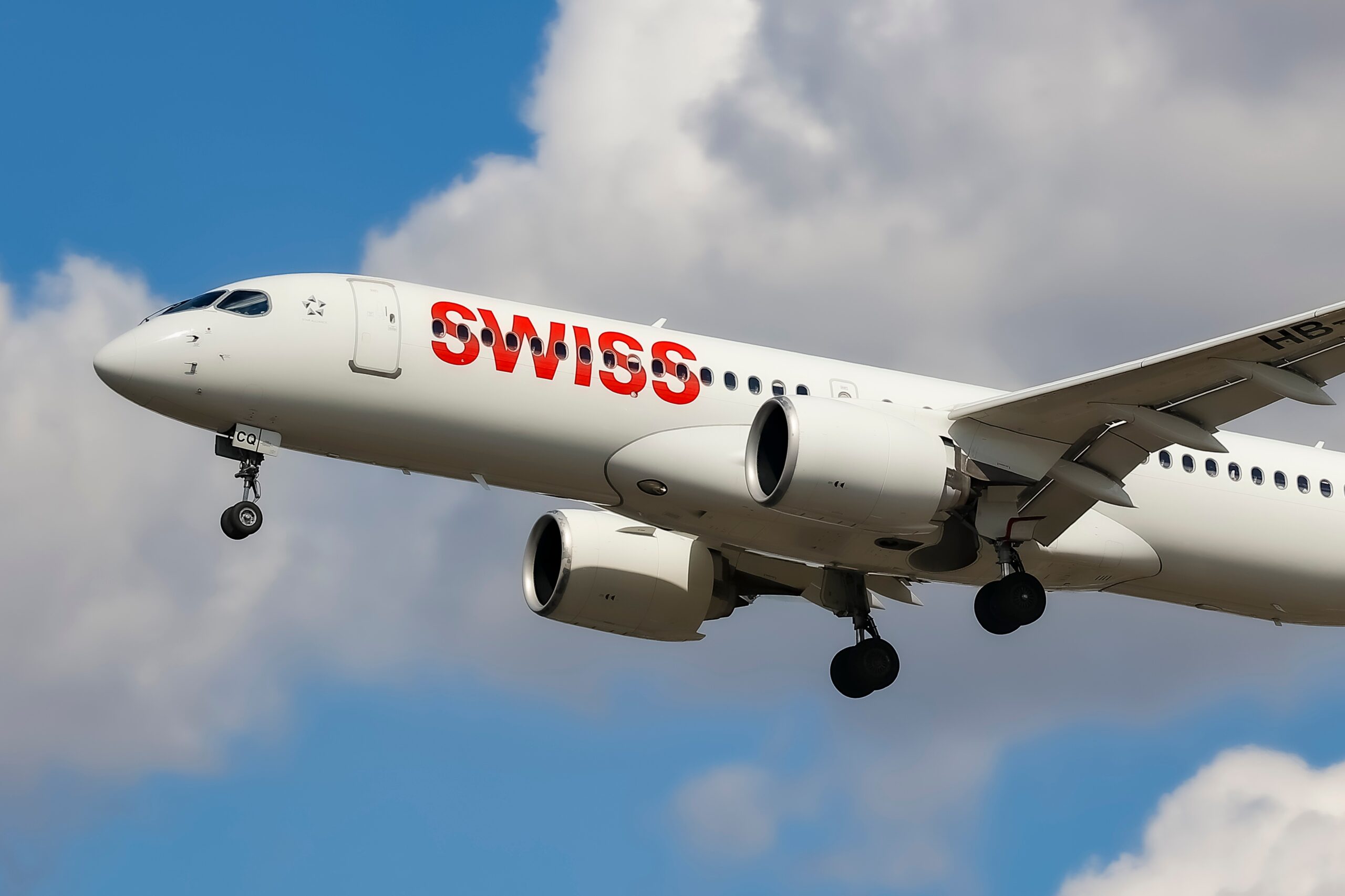
Earlier this week, a Swiss International Air Lines flight was diverted to Bangor in Maine, America, due to smoke in the cabin.
A plane was forced to divert earlier this week when a headphone charging case overheatedCredit: Swiss International Air Lines
The smoke came from a damaged headphone charging case, which had fallen between the seats and become stuck, causing it to overheat.
The plane had come from Zurich in Switzerland and was heading for JFK Airport in New York.
Sign up for the Travel newsletter
Thank you!
According to the UK Civil Aviation Authority (CAA) incidents involving lithium batteries – which are found in headphone charging cases, as well as power banks – are on the rise.
Any items with lithium batteries have to go in hand luggage.
The CAA has warned that if any of these cause an issue during a flight, such as overheating or starting to smoke, you should notify a member of the cabin crew as quickly as possible.
If these items aren’t packed correctly, such as in your hold luggage and not your hand luggage, there could be flight delays or cancellations as a result.
Headphone charging cases contain lithium batteries, which are increasingly causing issues on flightsCredit: Getty
Back in May, an easyJet flight had to divert when a passenger informed crew during the flight that the portable charger was in the hold of the aircraft.
The flight was then forced to land in Rome, Italy, instead of reaching its destination, London Luton.
The CAA previously commented: “Passenger awareness remains low – over a third (36 per cent) of travellers are unaware of the dangers of packing batteries in checked baggage, even though 92 per cent fly with a mobile phone, 55 per cent with a laptop and 49 per cent with a power bank – suggesting hundreds of batteries could be incorrectly packed on a typical flight.”
According to the CAA, there are around two lithium battery incidents every week – and often, these incidents cause delays as well as diversions.
The potential shortage could affect easyJet and British Airways flights from the airport during the peak of the season, as well as other major carriers like Wizz Air, TUI, and Jet2.
The memo sent out by Gatwick warned airlines: “For the attention of all crews: Gatwick has a shortage of fuel for the next two days.
“Please uplift max possible fuel at outstations.”
Another document warned of a “potential disruption to the Gatwick fuel supply”.
An airline source told The Sun: “Pilots will try and take on as much fuel as they can from their foreign destinations to bring back to the UK, but they will be limited by factors such as the maximum take-off weight and the maximum landing weight back at Gatwick.”
The issue is likely to cause “disruption” from Monday, according to the source.
In the event of an airport fuel infrastructure crisis, major short-haul operators like easyJet can partially insulate themselves by carrying extra fuel from inbound European flights to bypass Gatwick’s pumps entirely.
But the airline’s sheer flight volume will still put the operation under strain.
Meanwhile, British Airways and other long-haul flight carriers, which cannot tanker fuel and remain entirely dependent on Gatwick’s local supply to get off the ground, are more culnerable
It is believed that the shortage is not connected to the blockade of the Strait of Hormuz, but rather to a technical issue at one of Gatwick’s fuel farms.
A spokesperson for Gatwick Airport said: “Following a technical issue impacting fuel supply to the airport, airlines have been advised to monitor fuel availability.
“We are working closely with external suppliers to resolve the issue as quickly as possible and minimise any potential disruption. All airlines are operating as normal.”
The Mirror has contacted easyJet and British Airways for further comment.
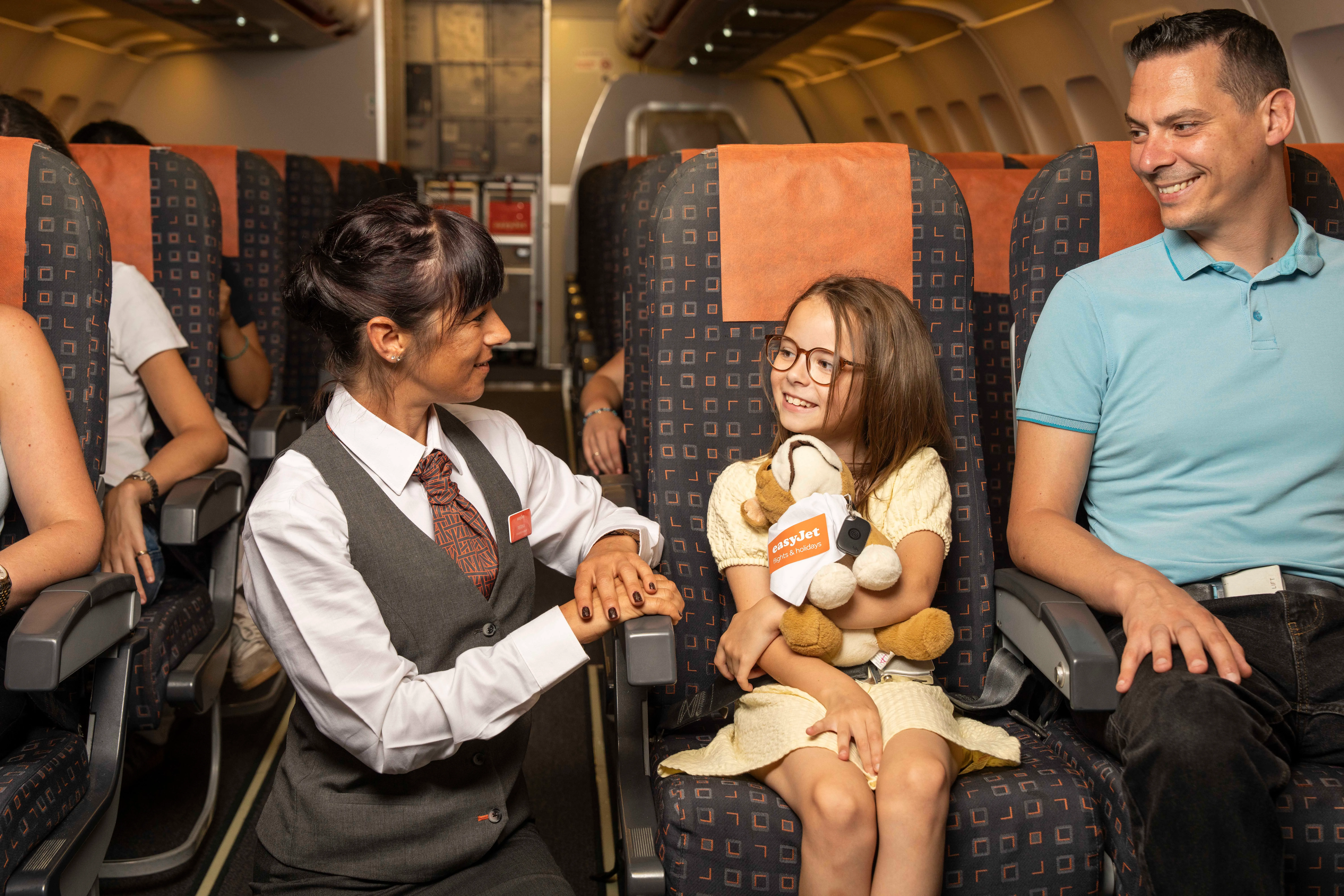
FREE trackers for soft toys are being offered to easyJet customers to help kids avoid losing them on holiday.
The Teddy Trackers devices fasten to children’s companions, and can be located via safety app Life360.
EasyJet has launched toy trackers to save parents from dealing with tantrums this summerCredit: easyJetThe airline and package holiday provider are teaming up with Life360Credit: easyJet
EasyJet, the airline and package holiday provider, has teamed up with Teddy Trackers to give parents peace of mind while they travel.
It comes after research, conducted by Censuswide, found two thirds of parents say their child has lost their favourite soft toy or comforter on holiday.
Sign up for the Travel newsletter
Thank you!
Stuart Wright, customer director at easyJet holidays, said: “We know that it’s often the little things that make the biggest difference to a family holiday.
“For many children, a favourite teddy or comfort toy is an important part of the journey and losing it can be upsetting at what should be an exciting time.
They are offering free Teddy Trackers for easyJet and easyJet holidays customersCredit: easyJetOver 370,000 families are set to jet off this summerCredit: Getty
“That’s why we’ve launched Teddy Trackers, giving families extra peace of mind while they’re away.”
The study also found 30 per cent of mums and dad’s of kids who lost toys while they were away, immediately bought an identical replacement online when they got home.
They would hope their little ones wouldn’t notice.
Nearly fourt in five parents say their child’s favourite toy travels with them on most, if not every, family holiday and more than half admit they would change their holiday plans to retrieve a lost toy.
Around 33 per cent of mums and dads say their child’s favourite toy is considered a member of the family.
Among the nation’s most-loved companions, stuffed bunnies take the number one spot as the most commonly lost toy at 26 per cent, followed by traditional teddy bears, and action figures or dolls.
The top toy names reported are Bunny, Teddy, Fluffy, and Billy.
Life360 claims more than 40,000 toys have been actively tracked around the world in the last 12 months through its trackers.
Tom Rizzo, GM International at Life360, said: “We are incredibly excited to be partnering with easyJet right in the middle of the busy summer holiday season, helping families to avoid teddy-related disasters.
“By slipping a Life360 Tile tracker onto a soft toy, the fear of losing it disappears.
“Whether a beloved bear is left behind at security or vanishes under a poolside sunbed, parents can pinpoint its location in seconds using the Life360 app.
“Best of all, the Tile is theirs to keep, meaning families will never have to worry about a lost furry companion on future adventures.”
The popular airline has shared a booking update for holidaymakers planning their next trip
The airline has shared an update for passengers (stock photo)(Image: Getty)
easyJet has shared a major update for holidaymakers planning their 2027 getaway. While the 2026 summer holidays aren’t over yet, many families are looking ahead to next year. For anyone interested in booking with easyJet, there’s good news.
The airline says its ‘big seat release’ has arrived, and customers can now book seats up until September 2027. Sharing a booking update on social media, easyJet took to Facebook to share the news with passengers. The post said: “Summer 2027 has landed.”
easyJet explained: “Our Big Seat Release is here, meaning you can secure your seat up until 26th September 2027 and start counting down to your next trip.” More information on the easyJet website states: “Summer 2027 flights are now on sale, making it easier than ever to plan your next adventure for the summer holidays and beyond.
“Whether you’re keen to explore somewhere new or revisit a favourite destination, you can book with confidence. Secure your seats for travel between 14 June 2027 and 26 September and start counting down to your well‑earned getaway. Book now and get ready to fly.”
According to the airline’s FAQ page, autumn 2027 flights will also be released soon. Passengers planning ahead can sign up for the airline’s newsletter to find out about upcoming releases. easyJet said its ‘big seat release’ events offer the ‘chance to grab the best fares early for popular destinations.’
If 2026 is anything to go by, travellers in 2027 will be booking destinations inspired by their favourite TV shows, books, and sports. In a blog post dedicated to 2026 travel trends, easyJet said 28% of Brits have been picking destinations based on TV or film.
This could be thanks to inspiration from hit shows like The White Lotus. Sharing a tip for customers, easyJet said: “Instead of the expensive Saint-Tropez, travellers are looking at nearby Toulon or Villefranche-sur-Mer for Riviera glamour at a lower price.”
Book enthusiasts are getting in on the action, too. easyJet said: “Travellers are visiting historic towns rediscovered through classic literature or their modern retellings. Top Spots: Verona (Shakespeare) and Pamplona (Hemingway). Why: People are seeking depth and narrative meaning rather than just ‘chasing novelty’.”
Meanwhile, sports lovers are choosing destinations that offer pickleball and padel when booking active holidays. The airline shared: “Golf holidays are no longer the only game in town.
“One in 10 Brits is now playing pickleball or padel while away. The Hotspot: Spain is the global centre of Padel, with over 20,000 courts and higher participation than tennis.
“Convenience: Padel racquets are small enough to fit in hand luggage, making it an easy addition to a trip.” More information is available on the easyJet website.
Alternatively, from the same airport, you could head to Nice in France for £26.48 one-way.
From Birmingham Airport, you could travel to Paris, France, on June 29 for £29.48 one-way.
Or head to Amsterdam for the same price, on June 15.
If you don’t mind spending a few more quid, there are several flights for £32.48 from the airport, including to Bordeaux on August 26, Berlin on August 30, Prague on June 16 and Geneva on September 8.
Or you could head to Paris for less than £30Credit: AlamyOr visit Prague on June 16 from Birmingham AirportCredit: Alamy
These include to Paris on June 22, to Amsterdam on September 7, to Copenhagen on June 15 and to Rennes on June 30.
For a bit of Spanish sun, you can head to Barcelona from Leeds Bradford Airport for £34.98 one-way on June 16.
Or you could head to Porto in Portugal on August 6 from Glasgow for £32.48 one-way.
If you can’t wait for a holiday until then, you can get 15 per cent off selected flights if you book by Friday, for holidays between August 1 and September 30, 2026.
Kevin Doyle, easyJet’s UK Country Manager, said: “Whether customers are dreaming of a beach holiday in the Mediterranean, a city break with friends or a family getaway during the school holidays, our Big Seat Release for next summer gives them the chance to get ahead and start planning.”
The change has just come into place for the peninsula, and Brits flying to the area will need to make sure their travel documents meet the new requirements, or could find themselves stranded at the airport
The airline warned passengers flying on one of its four routes(Image: Getty Images)
Budget airline easyJet has issued a warning to Brits flying on any of its four routes from the UK to a popular holiday hotspot visited by approximately 1.3million Brits every year, as new entry requirements came into force earlier this month.
In a statement, easyJet said: “From 15 July 2026, Gibraltar will align with Schengen entry requirements. If you’re travelling to Gibraltar, please check that your travel documents meet the new rules before you fly.”
The airline operates four routes from the UK to Gibraltar International Airport from Birmingham, Bristol, London-Gatwick, and Manchester. The only other airline that operates from the hub is British Airways, which has a London-Heathrow service.
The airline set out the key changes, saying: “UK visas and UK residence permits/share codes will no longer be accepted for entry to Gibraltar.” It also clarified: “Passports for travellers from non-Schengen countries (except Ireland and Cyprus) must have been issued within the last 10 years, and be valid for at least 3 months after the date you plan to leave Gibraltar.”
The requirements are now aligned with what Brits can expect at the other 29 countries in the Schengen area. This means they’ll need to go through registration under the Entry/Exit System (EES). EasyJet added: “Before travelling, please make sure you have the correct documents for your journey to avoid any issues at the airport, you can check the government website.”
While Gibraltar remains a a self-governing British Overseas Territory, as of July 15 a post-Brexit deal has allowed the border with Spain to be removed, getting rid of border controls and customs checks for those passing between Spain and Gibraltar.
Historically, the border has caused hold-ups and long queues for locals as it has had to handle an average of 15,000 people passing through it each day for work, education, and social purposes.
But the change means that, while Gibraltar still has autonomy, it’s now a de facto part of the Schengen free-movement area, which is why Brits will notice a change when visiting the territory. The EES system will involve the same fingerprint and face scans as the EU requires at every airport.
The FCDO added: “On arrival at Joshua Hassan Gibraltar International Airport, you should expect two sets of checks which will satisfy entry into Gibraltar and the Schengen Area: Gibraltar entry immigration controls performed by the Gibraltar authorities and Schengen entry immigration controls performed by the Spanish authorities as the authorities of the neighbouring Schengen State
“This includes registration under the Entry/Exit System (EES) where it applies. The European Travel Information and Authorisation System (ETIAS) will also apply once it is operational. Once you have cleared these checks, you can move freely across the land border from Gibraltar into Spain and the wider Schengen Area.”
Have a story you want to share? Email us at webtravel@reachplc.com
STRIKES at an airport in Spain have started today – with passengers being told to ditch cabin bags for hand luggage to avoid the chaos.
Walkouts from multiple unions will continue across the next couple of weeks affecting baggage handling and check-in.
Staff at Palma Airport are striking across the next two weeksCredit: GettyThe airport is one of the busiest in Spain during the summerCredit: AFP via Getty Images
Palma Airport on the island of Majorca is one of the busiest in Spain during the summer season – and lots of its workers are going on strike.
The first walkouts are by those working in technical maintenance, ground equipment and airport infrastructure roles.
Sign up for the Travel newsletter
Thank you!
These are being planned by three unions, which started yesterday and will continue until July 30.
Swissport – who handle check in and boarding – is also striking today, as well as on August 1, 4 and 8.
On these days ground staff will walk out between 7am to 12pm, then again from 7pm to 10pm.
The airport has warned passengers that today could be particularly bad as the strikes coincide at the same time.
Airlines affected by the Swissport ground handlers’ dispute include TUI.
But others could be affected too, as a statement from the airport said that “its impact will stretch beyond Swissport-handled airlines”.
While flights are yet to be cancelled, according to Qsensor, the wait time at security in Palma Airport this morning has been 26 minutes longer than average.
Passengers going to the airport during this time have been asked not to arrive too early and even ditch check-in bags for hand luggage instead.
The airport has asked passengers to take precautions during the strikesCredit: Alamy
On its website, the airport issued advice to travellers who are heading through the terminal on strike days.
Check in online: Complete your check-in online before heading to the airport to minimise time spent in queues.
Travel light if possible: Travelling with hand luggage only allows you to bypass potential check-in and baggage carousel delays.
Monitor your airline’s app: Keep a close eye on text alerts or app notifications from your airline for real-time schedule updates.
Arrive on time (but not too early): Stick to the standard arrival window recommended by your carrier (usually two to three hours before departure). Arriving half a day early can worsen airport congestion.
On the strike, a TUI spokesperson said: “We are aware of planned industrial action affecting airline operators at Palma airport.
“At this stage, we do not anticipate any disruption to our customers. However, we are working closely with our local teams and airport partners to minimise any potential impact.
“As always, we will proactively update our guests if there are any changes to their itinerary. Customers should continue to check their flight details as usual before travelling.”
Meanwhile, Ryanair told Sun Travel that it will “operate as normal” with “no impact to operations”.
easyJet also said its flights will be operating as normal.
IF you‘re already thinking about next year’s holiday and want to bag a bargain then set your alarm for tomorrow.
easyJet is set to put lots of flights on sale for summer 2027 in its next Big Seat Release – and they’ll be cheap too.
The easyJet Big Seat Release puts thousands of flights on saleCredit: Markus MainkaEarlier this year flights to Agadir started from £37.99 in the saleCredit: Getty
From tomorrow, the airline will put flights on sale for travel between June 14 and September 26.
Talking to MoneySavingExpert, easyJet revealed that almost 14million seats will be available to book – that’s more than 78,000 flights.
Sign up for the Travel newsletter
Thank you!
But if you want to get cheap deals, you’ll need to start early as when demand goes up, so do the prices.
A time for the release hasn’t been confirmed yet, but usually it’s around 6am or sometimes earlier.
An easyJet spokesperson told the publication: “We encourage customers to book early to get the best fares.
“Fares are demand-driven so they start low and rise as more seats on the aircraft are booked.”
Talking about the easyJet seat release, Martin Lewis described it as “the most predictable time to get cheap flights” – which means there’s likely to be a sharp increase in flight prices.
In its last release, which was in March, millions of seats were available for holidays in winter 2027, including February half-term.
Some of its deals included one-way flights to Paris from London Gatwick from £31.99.
There were also flights to Agadir inMoroccofrom London Gatwick on February 23, 2027, for £37.99 one-way.
If you want the best fares – make sure to be on the site as soon as possibleCredit: REUTERS
BRITS heading to Spain in the next few weeks have been warned of upcoming strikes which could cause travel chaos.
Staff at Palma Airport are preparing strike action across the next two weeks.
Staff at Palma Airport are staging multiple walkouts this weekCredit: AlamyThe airport has warned of potential delays for passengersCredit: Getty
There are multiple walkouts being held by different unions at the airport which start from today.
The first strikes are by those working in technical maintenance, ground equipment and airport infrastructure roles which will stage 24-hour walkouts.
Sign up for the Travel newsletter
Thank you!
These are being planned by three unions which start today until July 30.
Swissport, which is a leading company for airport ground services and air cargo handling, has also planned strike action starting on July 28 as well as August 1, 4 and 8.
On these days ground staff will walk out between 7am to 12pm, then again from 7pm to 10pm.
The airport has warned there to be major disruption tomorrow when a key pinch point is on Tuesday when both sets of workers will walk out at the same time.
Airlines affected by the Swissport ground handlers’ dispute include TUI.
But others could be affected too, as a statement from the airport said that “its impact will stretch beyond Swissport-handled airlines”.
Popular airlines taking Brits to the island include Ryanair, easyJet and Jet2.
The airport said: “Large-scale airport strikes can occasionally create a minor knock-on effect. If Swissport-served flights experience delays at the gates, it can sometimes lead to localised congestion on the tarmac or minor delays at security control.”
The airport has said that it’s unlikely there will be ‘widespread cancellations’Credit: Boarding1Now
It continued: “That said, any disruption for non-Swissport passengers is expected to be minimal.”
The airport did then add that the impact for passengers is likely to be “longer waiting times” and delays due to “operational bottlenecks.”
But added that “widespread cancellations are unlikely”.
Delays are likely to be at check-in and bag drop locations before departure, as well as passengers boarding during the morning and evening.
On the strike, a TUI spokesperson said: “We are aware of planned industrial action affecting airline operators at Palma airport.
“At this stage, we do not anticipate any disruption to our customers. However, we are working closely with our local teams and airport partners to minimise any potential impact.
“As always, we will proactively update our guests if there are any changes to their itinerary. Customers should continue to check their flight details as usual before travelling.”
Meanwhile, Ryanair told Sun Travel that it will “operate as normal” with “no impact to operations”.
easyJet also said its flights will be operating as normal.
Palma Airport is one of Spain’s busiest during the summer season.
According to the Majorca Daily Bulletin, the Majorca Hoteliers Federation has said that 2.2million Brits travelled to Majorca last year and this summer it will be even more.
A look at your rights if a flight is delayed or cancelled, when your entitled to compensation and if your travel insurance can cover the costs.
What are my rights if my flight is cancelled or delayed?
Under UK law, airlines have to provide compensation if your flight arrives at its destination more than three hours late.
If you’re flying to or from the UK, your airline must let you choose a refund or an alternative flight.
You will be able to get your money back for the part of your ticket that you haven’t used yet.
So if you booked a return flight and the outbound leg is cancelled, you can get the full cost of the return ticket refunded.
But if travelling is essential, then your airline has to find you an alternative flight. This could even be with another airline.
When am I not entitled to compensation?
The airline doesn’t have to give you a refund if the flight was cancelled due to reasons beyond their control, such as extreme weather.
Disruptions caused by things like extreme weather, airport or air traffic control employee strikes or other ‘extraordinary circumstances’ are not eligible for compensation.
Some airlines may stretch the definition of “extraordinary circumstances” but you can challenge them through the aviation regulator the Civil Aviation Authority (CAA).
Will my insurance cover me if my flight is cancelled?
If you can’t claim compensation directly through the airline, your travel insurance may refund you.
Policies vary so you should check the small print, but a delay of eight to 12 hours will normally mean you qualify for some money from your insurer.
Remember to get written confirmation of your delay from the airport as your insurer will need proof.
If your flight is cancelled entirely, you’re unlikely to be covered by your insurance.
The airline shares tips for budget travellers looking to get the cheapest deal on their flights
Passengers can save money by following the advice(Image: Getty)
easyJet passengers looking for cheap flights might want to avoid travelling on Fridays. The popular airline, known for its budget-friendly prices, has advice for travellers looking for low-cost tickets.
The airline shares the latest travel advice for passengers on its website, which also features FAQs for customers who want to get the ‘best value’ from their holiday. On the FAQ webpage, easyJet answered a common question often raised by passengers: ‘Which are the cheapest days of the week to fly?’
According to aviation experts, the answer often varies depending on your dream destination, but midweek flights are typically the cheapest. easyJet said: “The cheapest day of the week to fly can vary depending on the destination, flights available, and time of year.
“However, we’d recommend being flexible with your dates and considering flying outside of peak weekend flight times. By booking to fly on Wednesday or Thursday rather than Friday, you can find bargain flights (and get more time at your destination!)”
Passengers can also save by choosing a cheaper month for their destination, as prices can vary depending on the time of the year. easyJet added: “The cheapest month to fly often depends on the destination and the type of trip you’re planning. For traditional warm-weather destinations in Spain or Italy, you can often find the cheapest plane tickets in the winter months of January and February.
“If you’re booking a trip to the mountains or traditional winter destinations like Finland, you’ll often find cheaper flights in November or March. You can use our low fare finder to search for the cheapest flight dates for the destination you have in mind.”
Ultimately, it’s all about being as flexible as you can. If you have to travel on a pricier day, such as a Friday, you might still be able to find a better deal by being flexible with your flight time.
The airline added: “If you can, try to keep an open mind when searching for flights. By booking to fly Friday morning instead of Friday night, or by returning earlier on Sunday than you’d initially planned, you can often snag a much better flight deal.”
easyJet said that waiting until the last minute might not always be the best tactic for cheap flights. However, passengers might strike it lucky using the airline’s ‘Low Fare Finder’ tool.
easyJet explained: “Booking too close to the travel time can result in higher prices, especially during peak seasons, so we’d typically recommend booking your flights well in advance. However, if you’re looking to travel soon, you can use the Low Fare Finder to discover flight prices for your upcoming travel.”
Anyone who’s jetting off this summer will want to know about a fairly new safety rule that you must follow when you’re on board.
01:48, 25 Jul 2026Updated 08:22, 25 Jul 2026
Several airlines enforce the little-known rule(Image: Getty Images)
Going on holiday is always an exciting time, but there’s a lot of reasons that they can be stressful too. For many people, the flight itself is a source of anxiety, while others aren’t keen on the packing, the security process or the bag regulations.
I love a trip abroad, and although I can sometimes get nervous during takeoff and landing – as I’m sure many people do – I try to push it aside because I know there’s a holiday waiting for me at the other end.
If I can afford it, I’ll go on two or three holidays a year, so I like to think I’m pretty savvy when it comes to knowing what to pack, how big your bag can be, and just having a general know-how about the process. But on my most recent holiday, I was shocked to hear a safety announcement onboard that I’d literally never heard before, and it really threw a spanner in the works.
Picture the scene – it’s 5.30am, I’ve had three hours of sleep, two coffees down in Manchester Airport and I’m about to board my flight to Bilbao. Because I’ve desperately been trying to keep myself awake, I’ve been scrolling endlessly, so by the time I’m sat in my seat, my phone battery is looking a little unhealthy.
Luckily I’ve got a portable charger in my bag, ready to give my phone a much-needed boost. It’s been a rule for a while now that you can’t pack these in your checked luggage due to the potential danger from lithium ion batteries, but it’s always handier to have them in your hand luggage anyway.
But as the safety announcements kicked off, I was very surprised to hear that on this easyJet flight, you couldn’t use portable chargers at all.
Why can’t you use portable chargers on flights?
This was the first I’d heard of power banks being completely banned from use onboard flights. However, it’s clear to see in the ‘dangerous goods’ section of the easyJet website, which says they can’t be used to charge other devices.
They also must be ‘individually protected’ like placed in original retail packaging or a plastic bag, and customers are only allowed a maximum of two each.
Explaining why the rules are so strict, Jonathan Nicholson from the Civil Aviation Authority told BBC News that compared to the likes of digital cameras and laptops, “power banks have a much bigger battery, much stronger and get a lot hotter”.
“These things, when they catch fire, they go – they really go – they are big, big issues and big fires,” he added.
This makes total sense, and it obviously explains why most airlines have banned portable chargers in hold luggage – it was only a matter of time before they were banned from being used on planes too.
It’s worth noting that they are not outright prohibited – you just can’t use them, on easyJet flights anyway. So it’s definitely worth making sure you’re fully charged before you board, and don’t make the same mistake I did.
Which airlines have banned power banks?
As well as easyJet, several other airlines have started to enforce strict rules surrounding power banks. British Airways recently tightened its regulations – they must display the capacity rating information, they can’t exceed exceed 100Wh and they must be stored either in the seat pocket or in a bag placed under the seat in front.
Emirates has outright banned the use of power banks on all flights, nor can you plug the power bank into the seat’s power supply to charge it.
Most other airlines, such as Ryanair, Jet2 and TUI, do allow you to use them on board – just not during taxi, takeoff and landing, and restrictions can apply on the wattage. And you’re definitely not allowed to pack them in your hold luggage under any circumstances.
It’s recommended to check with the airline you’re flying with if you’re not sure, but always better safe than sorry.
FOREIGN holidays this summer are shaping up to be the cheapest they’ve been in decades – and we’ve found some of the best deals out there.
With peak August package holidays starting from just £188pp and all-inclusive weeks away from £269pp, the dreaded school holiday price surge appears to have collapsed.
You could book a last-minute family holiday this summer for less than you’d think, from £189ppCredit: Getty
Brits’ booking behaviour has been impacted by the cost of living crisis, summer heatwaves and worries over the Iran war and increase in fuel prices, with many opting for a staycation this year instead.
Meanwhile, holiday companies have slashed the price of package holidays abroad – and almost nobody seems to have noticed.
The Sun’s Head of Travel, Lisa Minot, explained: “The conflict in the Middle East – and resulting fears about fuel availability – saw many of us pause our holiday planning.
“Many also chose to wait as England stormed through to the semi-finals of the World Cup.
“With the cost of living still an issue for millions AND the sun shining in yet another heatwave across the UK, there were yet more reasons for us to wait before we booked.
“And that’s resulted in some incredible deals as the big tour operators desperately tempt us to put our holiday pounds on the table.
“Jet2 – now the UK’s largest tour operator – opened its 14th base at Gatwick as the summer season took off putting it in direct competition with its great rivals TUI and easyJet at the UK’s second biggest airport for the first time.
“Increased competition will mean all of the big operators trying to tempt us to book with the kind of holiday prices we haven’t seen in a decade.”
To help you cash in on these price drops, we’ve rounded up seven of the cheapest family holiday deals we could find this summer.
All of these package hols are within the school summer holidays, based on a family of two adults and two kids, and come in at under £300pp.
Marmaris, Turkey – £239pp
We found a deal for a family holiday to Marmaris. Turkey for £239pp this AugustCredit: Getty
Marmaris on Turkey‘s turquoise coast is a very popular family destination, and for good reason.
The resort is a sun-drenched playground packed with golden sandy beaches, ancient castles and a lively waterfront that gives Marmaris that unmistakable holiday buzz.
The Grand Villa Sol Apart offers a brilliant, budget-friendly base close to all the action.
Relax by the sparkling outdoor pool with a drink from the poolside bar, then catch evening entertainment shows out on the terrace.
There’s also a shuttle to whisk you straight to the beach in ten minutes, plus the Aqua Dream Water Park is just a five-minute drive away.
Book a holiday – Marmaris
If you click on a link in this box, we will earn affiliate revenue
Loveholidays offer a seven-night self-catering stay at the Grand Villa Sol Apart from August 13, with return flights from Glasgow, for £239pp.
View of San Andres village and Las Teresitas beach in TenerifeCredit: Getty
Costa del Silencio is a laid-back Tenerife resort known for its dramatic volcanic landscape, peaceful seafront boardwalk and glass-clear natural pools far away from any noisy crowds.
The Parque Carolina Apartments offer a relaxed place to stay with plenty of room for big families, plus a pretty sun terrace made for catching rays.
The self-catering apartments come with fully-equipped kitchens, plus private patios to enjoy breakfast out in the sun.
When you’re ready for a dip, the bright yellow cliffs and clear waters of Playa Amarilla beach are just a few minutes’ stroll away.
Plus golf lovers can tee off at nearby Amarilla Golf or Golf del Sur, while a 15-minute drive takes you to world-class waterparks like Siam Park and Aqualand.
And at an unbelievable £188pp, this island getaway is the cheapest package holiday deal on our list.
Book a holiday – Tenerife
If you click on a link in this box, we will earn affiliate revenue
On the Beach offer a seven-night self-catering stay at the Parque Carolina Apartments from August 18, with return flights from Glasgow, for £188pp.
Sunny Beach is a go-to pick for a bargain summer breakCredit: Alamy
With sweeping golden beaches and famously cheap prices, Sunny Beach is a go-to pick for a bargain summer break.
The Sunny Day Club hotel is an ideal spot for families, tucked into a quieter northern patch of the resort.
Days here revolve around the giant outdoor pool, where parents can laze out on a lounger while little ones burn off energy in the children’s playground.
When hunger strikes, there’s an on-site restaurant and cafe serving unfussy family favourites, plus a poolside snack bar for quick bites.
The buzzy bars, shops and restaurants of Sunny Beach are just a short bus ride away, with a convenient bus stop directly outside the hotel.
Book a holiday – Bulgaria
If you click on a link in this box, we will earn affiliate revenue
Loveholidays offer a seven-night stay with breakfast at Sunny Day Club from August 3, with return flights from Bristol, for £279pp.
In Agadir, temperatures sit in the high 20s to early 30s in AugustCredit: loveholidays
For some guaranteed summer heat, head to Agadir, where temperatures sit in the high 20s to early 30s in August.
The Moroccan resort boasts a six-mile stretch of sand to enjoy, plus a vibrant centre with bustling souks and budget-friendly restaurants.
The whitewashed Appart Hotel Igoudar sits right next to a bustling local market, where you can wander past colourful souks selling local goods and spices, as well as browse for souvenirs.
Here you’re a five-minute stroll from the main beach, with a spacious self-catering apartment to return to after days out exploring.
Book a holiday – Agadir
If you click on a link in this box, we will earn affiliate revenue
Loveholidays offer a five-night room-only stay at the Appart Hotel Igoudar from August 26, including return flights from Edinburgh, for £189pp.
Sun Star Beach Hotel delivers a classic hassle-free, all-inclusive family holiday.Credit: loveholidays
Sitting on Turkey’s sun-drenched southern shores, Mahmutlar in Antalya pairs quiet beaches with dramatic mountain backdrops.
Sun Star Beach Hotel delivers a classic hassle-free, all-inclusive family holiday.
The palm-lined outdoor pool is complete with a yellow waterslide, plus plenty of loungers – so no need to worry about sunbed hoggers.
We found a bargain all-inclusive package that covers buffet meals, poolside snacks and drinks.
There’s even an on-site spa to escape to with a traditional Turkish bath and sauna, allowing you to truly unwind.
You’re also just a minute’s walk from the hotel’s own private beach, and a short bus ride away from central Alanya where you can explore its historic hilltop castle and harbour.
Book a holiday – Antalya
If you click on a link in this box, we will earn affiliate revenue
Loveholidays offer a seven-night all-inclusive stay at Sun Star Beach from August 22, with return flights from Glasgow, for £269pp.
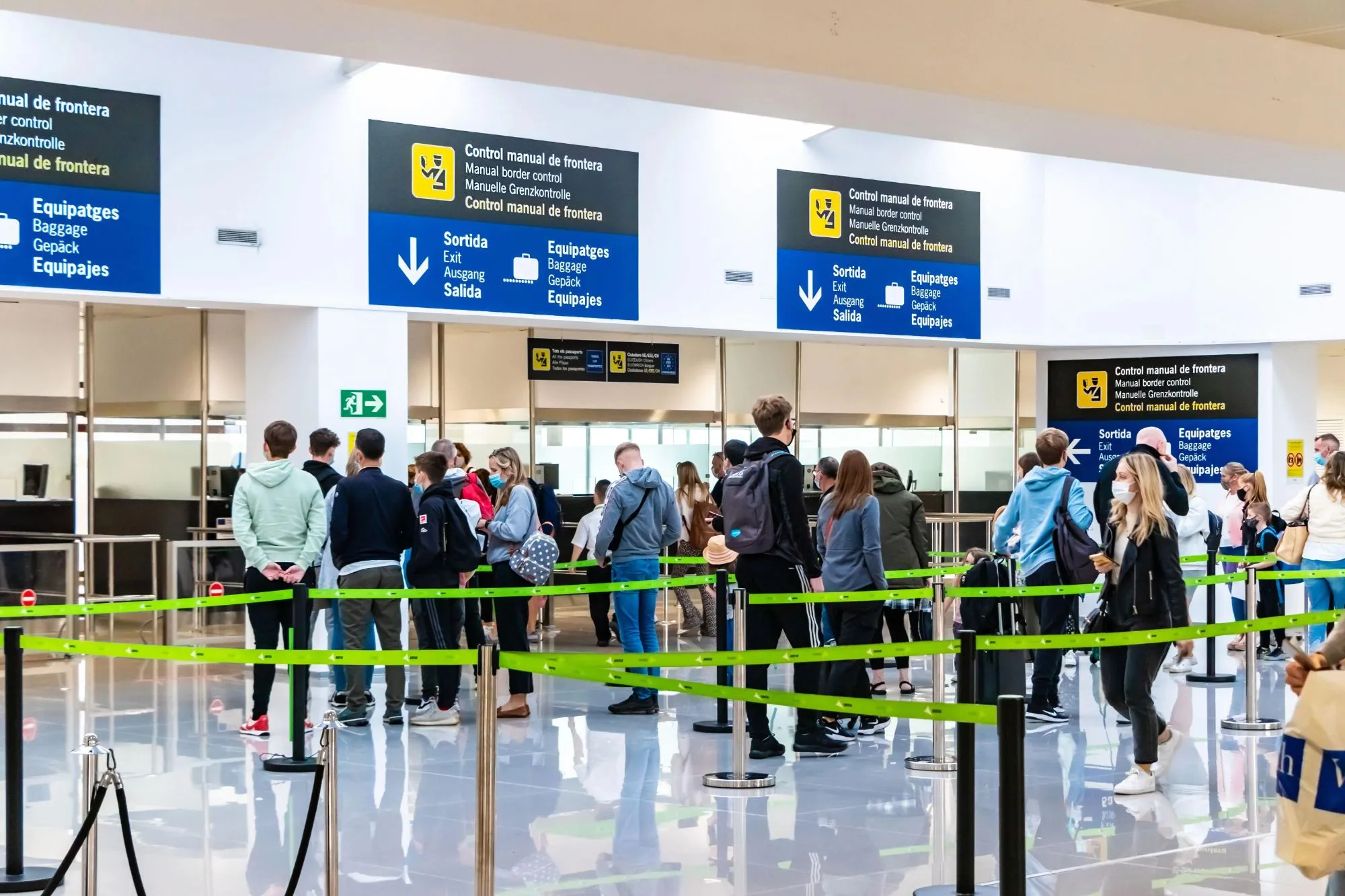
IF YOU are heading away this summer, you might want to check whether you need to expect lengthy queues at your destination.
A major airline boss has called out the destinations you can expect to experience chaos this summer thanks to Europe’s new Entry/Exit System (EES).
A major airline boss has named the destinations likely to be hit with queue chaos this summerCredit: AlamyEasyJet boss Kenton Jarvis expects the Canary Islands to be hit with long queuesCredit: Alamy
According to easyJet boss Kenton Jarvis, the EU’s EES is “a bit of a mess”, highlighting the Canary Islands in particular, according to TTG Media.
Popular destinations in the Canary Islands include Gran Canaria, Fuerteventura, Tenerife, Lanzarote and La Palma.
Sign up for the Travel newsletter
Thank you!
He also highlighted that there are issues in Milan Linate Airport, including recently a number of passengers missed their flight due to long queues at border control.
There are some destinations that are handling the new system well though, such as the Greek islands.
As Brits set out to fly abroad this summer, they may need to know when is best to arrive at the airport – some may have been going too early or even way late this whole time
Some airlines arrival times vary (Image: Getty Images)
When to arrive at the airport? It’s a question as old as time itself.
As airports are set to experience heavy amounts of visitors during the school holidays and summer months, travellers are keen to prepare more than ever for any potential delays or ways to make their journey as smooth as possible.
Whichever airline you’re flying with this year, you may find that what they expect of their passengers is very different. The exact arrival time, bag drop-off times and gate closures can vary from airline to airline, so it’s best to check ahead of time.
It’s always wise to give yourself enough time to allow for security checks and face any check-in or passport queues. Often, bigger airports can have bigger queues, and so this is worth bearing in mind ahead of your flying schedules.
TUI
According to TUI, passengers should arrive at the airport at least 2.5 hours before departure for short and mid-haul flights. For long-haul flights, give yourself more time and arrive within 3.5 hours before.
Passengers have the chance to review their specific itinerary when they press ‘Manage My Booking’ on the TUI website, confirming the ideal departure terminal and times.
Easyjet
For easyJet flights, it is suggested that you turn up at the airport at a minimum of two hours before your flight is due to take off. This aligns with the airlines’ bag drop-off desks, which typically open two hours before the flight and close around 40 mins to an hour prior to departure.
As for boarding times, boarding typically starts 40 minutes before departure and closes strictly 30 minutes before the scheduled time.
Ryanair
Ryanair’s Help Centre offers information on specific terminal time recommendations, but overall, the airline operates on a strict two-hour arrival time recommendation. This aligns with the time that the bag drop-off and check-in desks open for passengers, two hours prior to departure time.
Although many Reddit notes advise that passengers should allow longer when flying out of busier airports such as London Stansted or during the peak holiday months.
The boarding gate must be reached at least 30 minutes before the flight leaves, as gates typically close 20 minutes beforehand, and therefore, two hours should allow for enough time for this.
Jet2
Jet2 recommends, according to their website, arriving at the airport at least two hours before your scheduled departure time. The airline’s check-in desks close 40 minutes before this time.
It’s worth noting that if you’re flying with Jet2 and are travelling with hand luggage only, as long as you already have a boarding pass, you can arrive as late as 90 to 120 minutes before your flight’s departure.