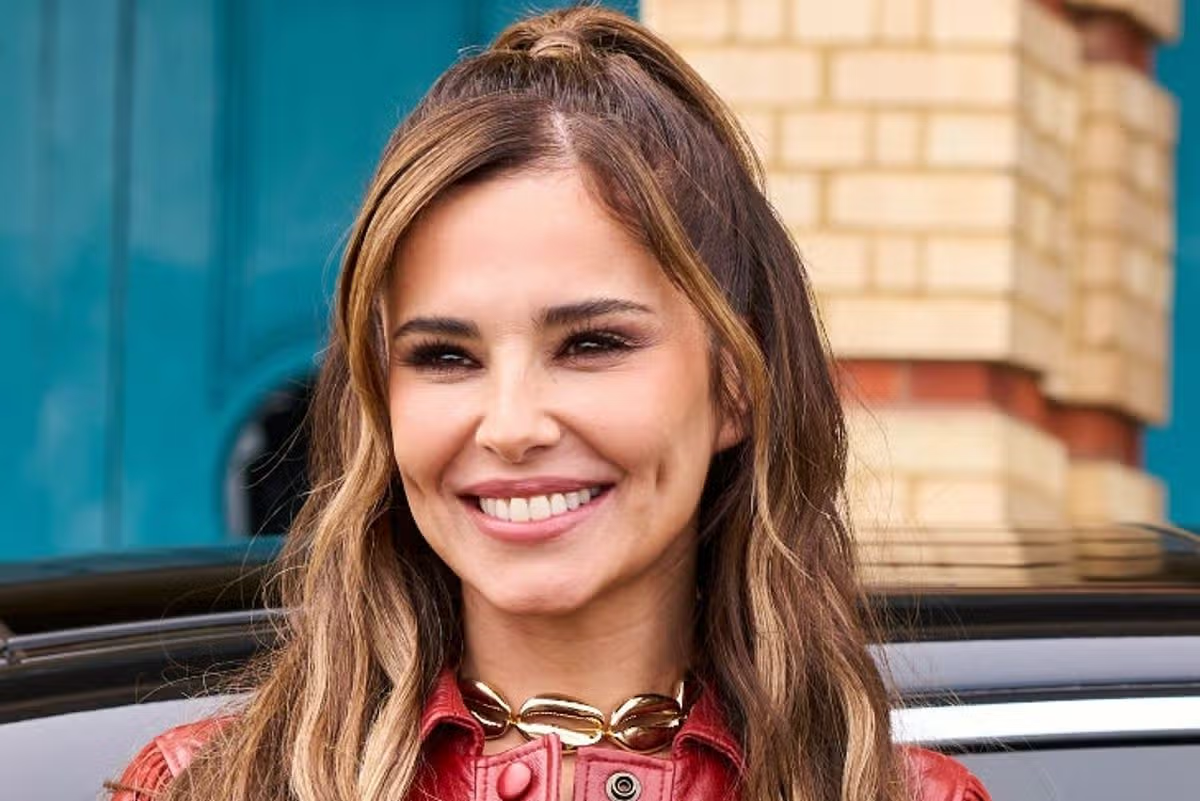
Cheryl has made a surprise early return to The Voice UK and is set to appear in Saturday night’s episode for the Battle Rounds, joining long-time friend Will.i.am as his assistant coach
Cheryl’s appointment is part of a wider shake-up for The Voice UK(Image: ITV/Rachel Joseph/Shutterstock)
The Girls Aloud star, 43, appeared in the latest episode as the ITV singing competition continues its Battle Rounds, joining her longtime friend Will.i.am to help him decide which contestants deserve a place in the semi-finals.
Cheryl was confirmed as a coach for the next series last month, replacing Sir Tom Jones on the panel. Her appearance this weekend will give viewers an early taste of what to expect when she officially takes up the role. The singer arrived alongside Black Eyed Peas star Will.i.am, 51, looking stylish in a red tasselled leather jacket and light blue flared jeans.
To see more of the stories you love from The Mirror and to find them easily in Google, make us your preferred source. Free and easy to do, just click on the link here to find more from The Mirror at the top of your feed.
The pair embraced as they reunited for filming, having worked together on music projects over the years. Will revealed that he had been trying to have Cheryl join him for the last 13 years. Cheryl knows exactly what it takes to make it in the music industry, having found fame after being selected for Girls Aloud on Popstars: The Rivals in 2002.
Speaking to Team Will, the Call My Name songstress said: “I’m so excited for you. You couldn’t be in better hands than you are with my man Will. Will and I have collaborated a lot over the years, so we know what it’s like for two very different artists to come together. I wish you all the very best for what you’ve got today, and I’m excited to see you all!”
Reflecting on her own experience, having found fame on Popstars, Cheryl said during a solo interview: “I have stood in the shoes that the contestants are standing in, and I know what it feels like to perform in this environment. You’ve just got to know that you’re good, or you wouldn’t be here.”
And fans were overjoyed to see Cheryl back on screens. One said on X, formerly known as Twitter: “Cheryl looks amazing, oh my gosh.” “CHERYL ON #TheVoice Saturday night TV is SO back,” said a second. “Ah I’m buzzing,” commented a third. A fourth exclaimed: “So excited.” “I’m excited to see Cheryl and Will back together,” commented another.
Her appearance marks a return to television after a lengthy break from the spotlight following the death of her former partner, Liam Payne, in October 2024.
The singer had largely stepped back from public life in the wake of the tragedy, making her new coaching role a significant career move. While Cheryl once dominated the music industry and became the first female artist to have five records debut at Number One, her last single, Let You, was released in 2019 and peaked at Number 57 on the Official Charts Company.
Prior to this, her last album, Only Human, which peaked at Number 7, boasted the singles Crazy Stupid Love and Only Human, and was released in November 2014.
Cheryl’s appointment is part of a wider shake-up for The Voice UK, with Stacey Solomon and Alesha Dixon confirmed as the show’s new presenters. The pair will take over from Emma Willis, who is moving on after landing a presenting role on Strictly Come Dancing.
The Voice Australia coach and current Strictly Come Dancing contestant, Delta Goodrem, is helping Kelly after spending eight seasons on the Aussie edition of the programme.
Also, Danny and Tom were joined by their McFly band members Dougie Poynter and Harry Judd as they tried to win The Voice UK two consecutive years in a row following their success with AVA in 2024.
Last Saturday (October 3), the final round of the blind auditions aired, and the coaches finalised their teams, which consist of eight acts each.
Team will.i.am is made up of Diogo Ferreira, Sonna Rele, BMG, Triple Threat, Teodora Sava, Naná Aldrin-Quaye, Ardú, and Bella Popera. Team Kelly has Monique Nicholson-Porter, Ray Gelato, Lascel Wood, Aaren James, Cris Quammie, Samantha Udeke, Turah Sadiq, and Jessica Beth.
Cate McHugh, Vadé Amãlia Estradas, Harry Linacre, Eric & Jensen, Dakari Love, Molly J, Robbie McMinn represent Team Sir Tom and Ellie Harney, Ross McGuire, Ciiara Nyx, Finlay McKillop, Jack Algar, Frank Raven, Regan Preece, Adam Tucker have joined Team Tom and Danny.
The coaches and their advisors will now work with the acts to try to help them secure their place in the competition but not every act can progress.
The Voice UK returns to ITV1 and ITVX on Saturday, October 17 at 8.35pm
All-time leading scorer LeBron James makes 76ers debut following LA Lakers switch in NBA preseason, but Nets claim win.
Published On 9 Oct 20269 Oct 2026
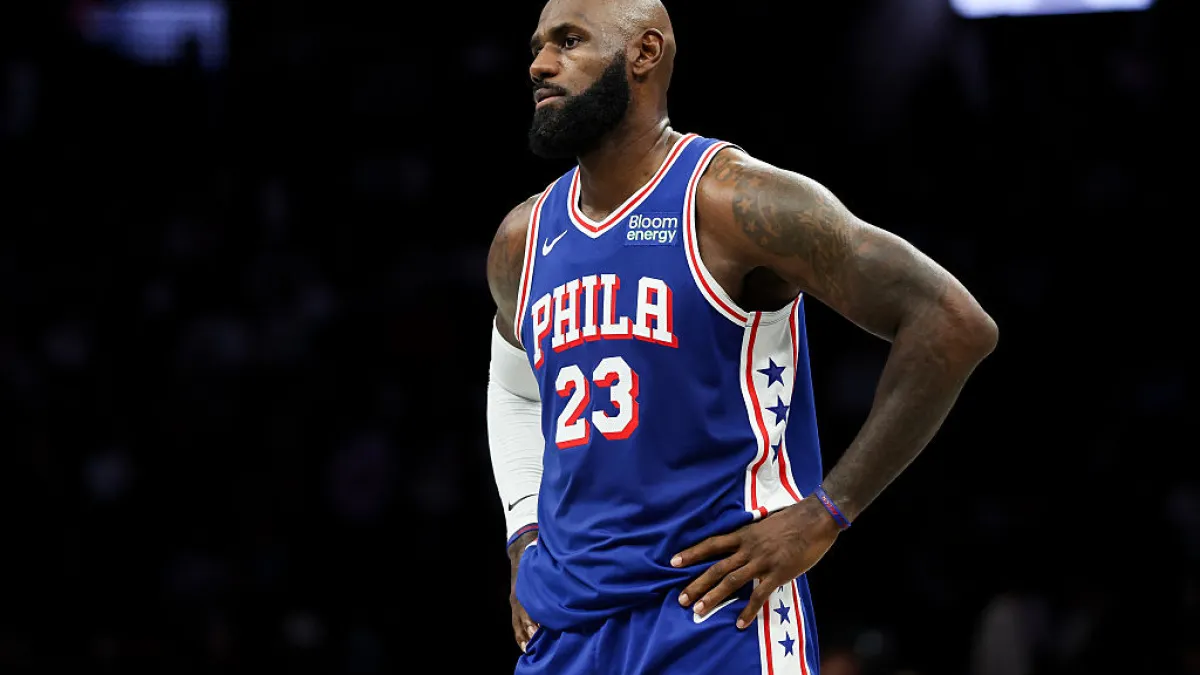
NBA superstar LeBron James delivered a solid first half in his first preseason game for Philadelphia, but the new-look 76ers fell 114-108 to the Nets in Brooklyn.
James, the NBA’s all-time leading scorer, announced in July that he had signed a two-year, $8m deal with the 76ers, ending weeks of speculation over where the four-time NBA champion would land as a free agent after eight seasons and one title with the Los Angeles Lakers.
Recommended Stories
list of 4 itemsend of list
The 41-year-old superstar, entering a record-extending 24th NBA season, won two titles with Miami, another with Cleveland and a fourth with the Lakers, and is aiming to help the Sixers win their first title since Julius Erving led the club to the crown 43 years ago.
Thursday’s game marked his first chance to line up alongside new teammates Joel Embiid, VJ Edgecombe, Tyrese Maxey and Jaylen Brown – a new arrival from the Boston Celtics.
“It felt a little different,” James said. “Obviously, just wearing a new uniform, but the game is the game.
“We’re still trying to put each other in a position to be successful and complement each other the best way we can out on the floor,” he added. “But it’s going to take some time. Tonight was a good sample size for us to build on.”
James scored 10 points, connecting on his lone shot from the floor and making all eight of his free-throw attempts. He added four rebounds, five assists and a steal in 18:04 minutes in the first half.
Brown led all scorers with 18 points. Julius Randle had 14 for the Nets, who outscored the Sixers 37-23 in the third quarter to take control.
LeBron James captures NBA spotlight again
But all eyes were on James, starting with his first signature pre-game chalk-toss in a 76ers uniform.
James smoothly directed the Sixers’ offence in his time on the floor, making all five of his assists in the first quarter and combining effectively with Maxey.
“I think there was some really good things happening, you know, right off the bat,” 76ers coach Nick Nurse said after seeing his starters together for the first time.
“A bunch of back cuts and good passing, etc, there were segments where obviously we turned the ball over a lot … just the little clunky segments, too. But, again, it’s preseason, first time they’re together.
“I think you look at it as what’s good and what are the learning experiences, things that we can improve.”
The 76ers have two more preseason games, both against Boston, before opening the NBA regular season against the defending champion New York Knicks at Madison Square Garden on October 20.
James’s arrival has already found the 76ers battling outside “noise”.
James took to Instagram to refute a report from a play-by-play announcer during the team’s first preseason game on Monday that James had admonished Embiid for being late to a practice.
“He ain’t been late, so stop the lie,” James posted.
James had acknowledged at the team’s media day last month that such outside hubbub around the 76ers would be “doubled, tripled and quadrupled now that I’m here”.
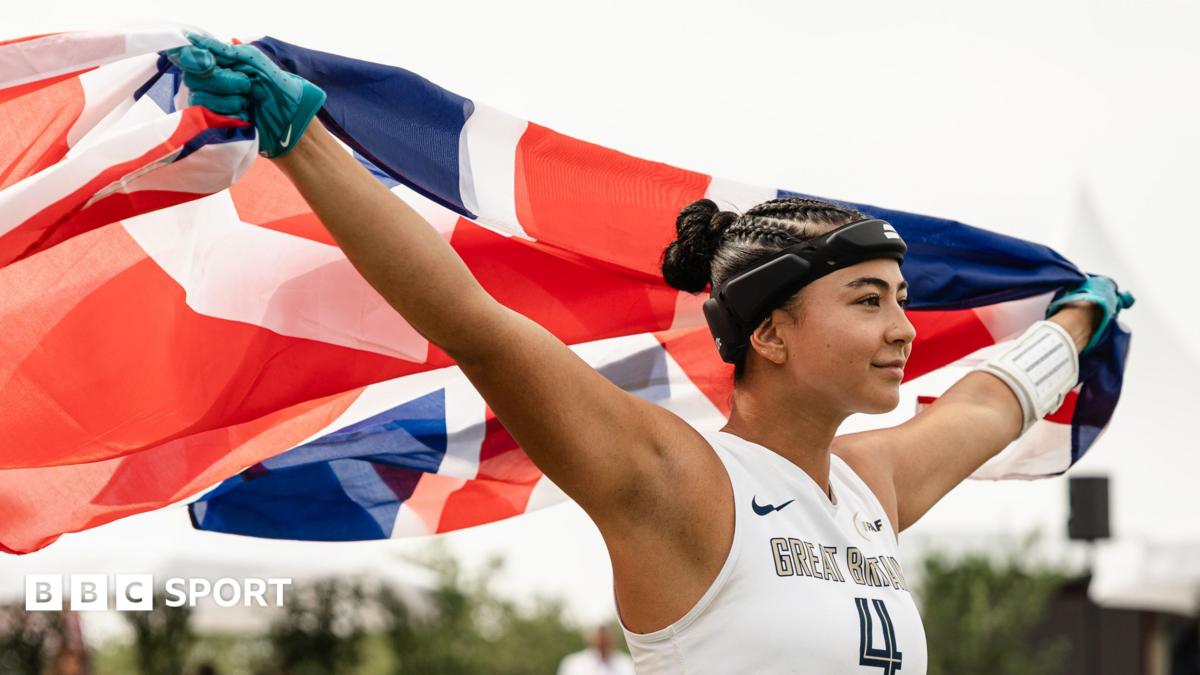
Flag football is now played by 20 million people in more than 100 countries and the rapid growth of the women’s game was key to it becoming one of five optional sports for LA28.
The decision is due before the end of 2026 so flag football could head into its Olympic debut knowing it will feature in back-to-back Games.
Participation has boomed in Australia and scores of athletes are switching from Australian rules football, netball and rugby, while the American team has recruited basketball players.
GB’s Brittany Botterill (football/softball), Phoebe Schecter (equestrian), Marta Mathews (football), Jochebed Frimpong (athletics), Jess Allen (badminton) and Angelica Tait (athletics/snowboarding) all competed in other sports before playing flag football.
US-born Emily Kemp even became an ultimate frisbee world champion last year, in the same summer she helped GB win the flag Euros.
“We are an elite team already, we’re a potential medal threat at LA28, but we’re really aspirational so we’re looking to widen our talent pool,” said Chad Ehlertsen, chief executive of the British American Football Association (Bafa).
“If you look at the top flag players around the world, they’ve generally come from certain sports. They have good hand-eye coordination, agility, speed, decision-making under pressure. These are the qualities we’re looking for.
“In many ways we’re not looking for elite flag players, we’re looking for elite athletes that have the potential [to transfer] and then our coaches will help them understand the game.”
Italy’s Alessandro Bastoni cancels out Michael Olise’s opener for France in 1-1 UEFA Nations League draw in Saint-Denis.
Published On 2 Oct 20262 Oct 2026
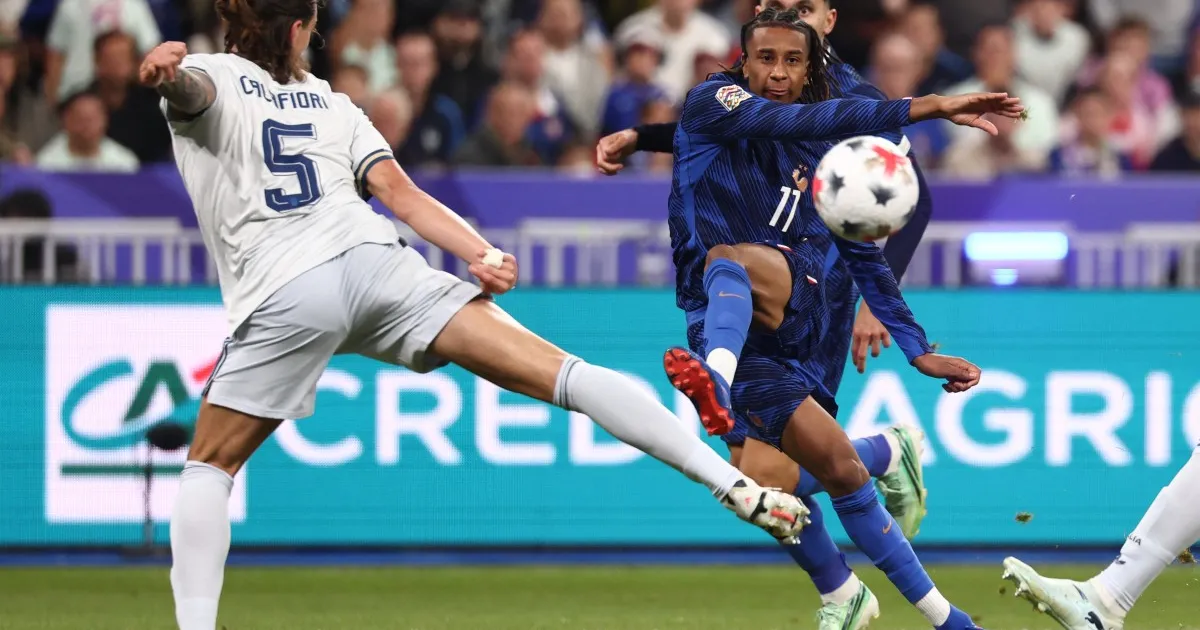
Michael Olise scored another superb goal but France were held to a 1-1 draw by Italy on Friday in Zinedine Zidane’s first home game since being appointed coach of Les Bleus.
Four days after coming off the bench to score a stunning solo effort to give France a 1-0 win in Belgium, Bayern Munich star Olise again showcased his spectacular talent by smashing a shot in off the crossbar from a free kick early in the second half.
Recommended Stories
list of 4 itemsend of list
However, Inter Milan defender Alessandro Bastoni equalised for Italy midway through the second half to prevent Zidane from making it three wins out of three in charge of his country.
France, who had defender Dayot Upamecano sent off late on, lead UEFA Nations League Group A1 with seven points, with Belgium just behind on six points after a 3-0 win over Turkiye.
France and Belgium meet on Monday in their last match of this two-week international window. Italy have four points before hosting Turkiye next.
Zidane was the focus of attention as his home debut, before a packed crowd of 77,118 at the Stade de France just outside Paris, came against the same opponents as in his final game as a player.
The now 54-year-old icon and former Ballon d’Or winner never played again after being sent off for an infamous headbutt on Marco Materazzi in the 2006 World Cup final in Berlin, which Italy won on penalties.
It was a first appearance for the former Real Madrid playmaker at France’s national stadium since he played in a friendly against Mexico in May 2006, winning his 100th cap in the process.
Beyond the spotlight on his past, Zidane is trying to stamp his mark on the France team in this Nations League campaign, with one eye on the next major tournament, Euro 2028.
He was again without captain Kylian Mbappe here with the Real striker having returned to his club after suffering a knee injury while scoring the winner in Turkiye last week.
Olise returned to the starting lineup in one of six changes from the Belgium game, but new faces Jeremy Jacquet, the Liverpool defender, and Como midfielder Lucas Da Cunha again played.
Italy are rebuilding under Roberto Mancini, who has returned for a second spell as coach of a nation who have failed to qualify for the last three World Cups.
They will be the happier of the two teams with the draw in this game, although they had goalkeeper and captain Gianluigi Donnarumma to thank for keeping them in it with a host of saves in the second half.
Moise Kean should have given Italy an early lead after a sweeping move, only for his disappointing finish to be saved by Mike Maignan.
Davide Frattesi also came close in the first half while Kean had a goal disallowed for offside, as an Olise cross that landed on the bar was as close as France came.
The hosts turned up the volume after the break and Donnarumma saved from Desire Doue, Ousmane Dembele and Olise before the latter crashed in the opener on 55 minutes when Rayan Cherki laid off a dead ball.
However, Bastoni caught Da Cunha in possession just outside the France box and was left with an easy finish to pull the visitors level.
Donnarumma, formerly of Paris Saint-Germain, then produced more magic to save from Adrien Rabiot and twice from Eduardo Camavinga, before Upamecano walked for a second yellow on 85 minutes.
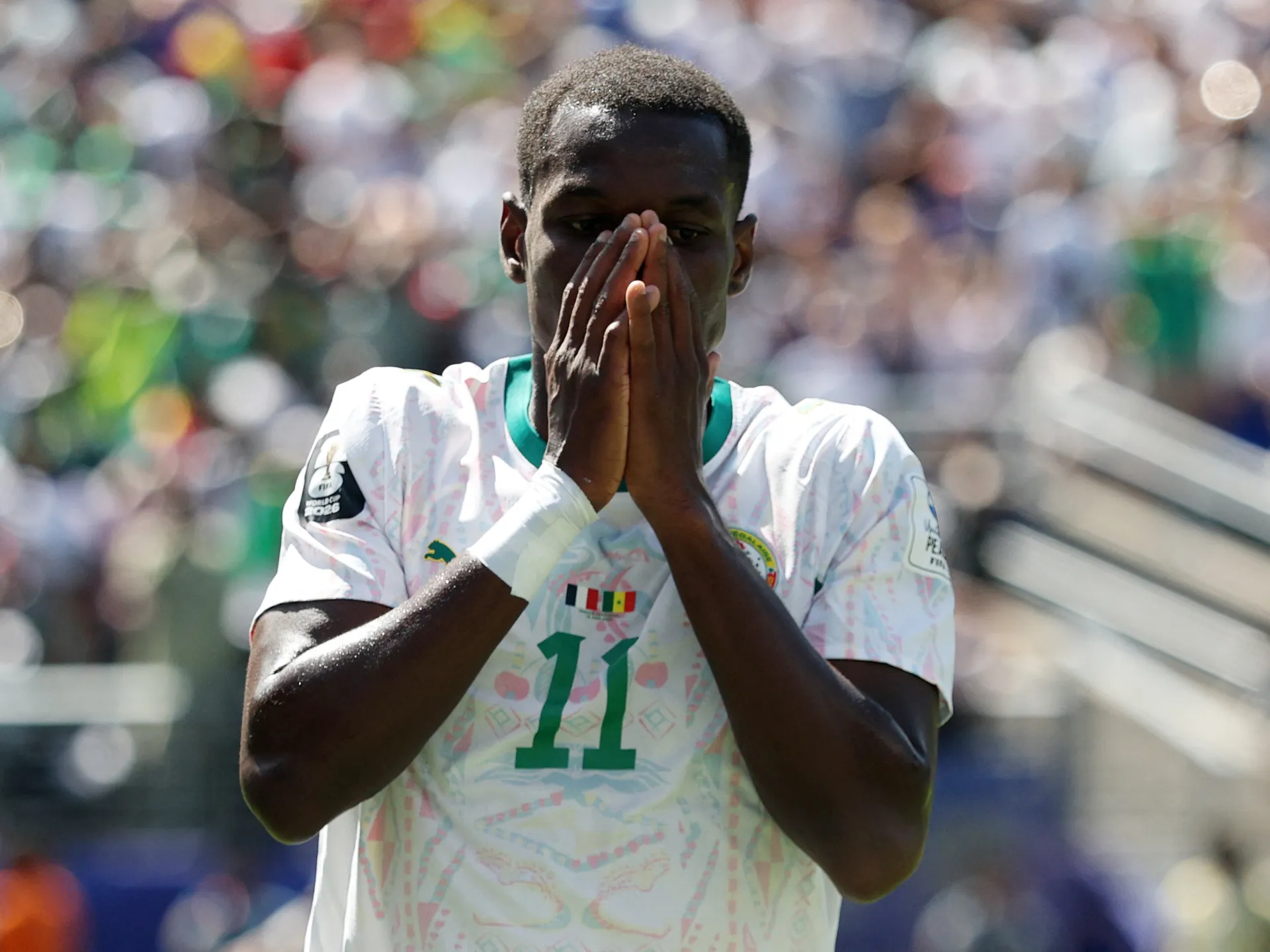
Senegal draw with Mozambique, and Nigeria edge past Madagascar, but Cape Verde beaten by Mali in AFCON qualifying openers.
Published On 26 Sep 202626 Sep 2026
Former France star Patrick Vieira debuted as Senegal coach by drawing 1-1 in Mozambique, and Nigeria survived a scare to edge Madagascar 2-1 in Africa Cup of Nations qualifying on Friday.
Cape Verde, admired for holding eventual 2026 World Cup winners Spain and taking Argentina to extra time before bowing out, crashed 3-1 away to Mali.
Recommended Stories
list of 4 itemsend of list
Egypt were held 0-0 at home by Angola while Morocco and Algeria won comfortably against Gabon and Zambia respectively.
Aston Villa striker Nicolas Jackson put controversial 2026 AFCON runners-up Senegal ahead after 32 minutes with a close-range tap off a low cross.
But Geny Catamo from Portuguese giants Sporting levelled in first-half added time, firing a shot from outside the box through a crowded goalmouth into the far corner of the net.
Senegal had plenty of second-half possession in Maputo, but could not find a way past a well-organised Mozambican defence.
Originally scheduled for Senegal, the matchday one fixture in Group J was moved to Maputo as no stadium in the West African nation currently meets international standards.
Vieira, 50, was a midfielder in the French teams that won the 1998 World Cup and 2000 European Championship, and also starred for Arsenal.
But he has had less success as a coach with clubs in the United States, France, England and Italy. He left Genoa last November with the club winless and bottom of Serie A.
Dakar-born Vieira has inherited from sacked Pape Thiaw a Senegal team in transition during a dramatic year in which they were stripped of the AFCON title and flopped at the World Cup.
The Teranga Lions temporarily walked off the pitch to protest a penalty awarded in the AFCON final to hosts Morocco, who missed the kick when Senegal returned.
Senegal won 1-0 after extra time only for the African confederation CAF to later award Morocco a 3-0 victory.
An appeal by the West Africans against the decision will be heard by the Court of Arbitration for Sport on October 8.
After losing to France and Norway at the World Cup, Senegal hammered Iraq to squeeze into the round of 32, where they fell to Belgium after surrendering a two-goal lead.
Against Mozambique, Senegal were without recently retired goalkeeper Edouard Mendy and injured striker Sadio Mane. Fellow stalwarts Kalilou Koulibaly and Idrissa Gueye were on the bench.
Nigeria, shock non-qualifiers for the past two World Cups, fell behind at home to Madagascar when Ehsan Kari scored after 16 minutes in Uyo.
A Super Eagles side lacking injured star striker Victor Osimhen were then rescued by two international debutants.
Saudi Arabia-based George Ilenikhena, 20, burst through to equalise in first-half added time and substitute Moses Usor from Austrian champions LASK snatched the 65th-minute winner.
Cape Verde goalkeeper Vozinha, a star at the World Cup, gifted Mali their third goal in the defeat before a wildly excited crowd of 50,000 in Bamako.
He dashed outside his area to control the ball with his chest, then lost possession and Dorgeles Nene struck the loose ball into an unguarded net.
Mali, arguably the strongest football nation never to win the AFCON, dominated from start to finish and led within five minutes through Martial Tia.
Cape Verde levelled when a Sidny Cabral free-kick was deflected into the net. Mali regained the lead as half-time approached through Nene.
Kylian Mbappe scores the only goal of France’s win in Turkiye, but Real Madrid striker immediately forced off by injury.
Published On 25 Sep 202625 Sep 2026
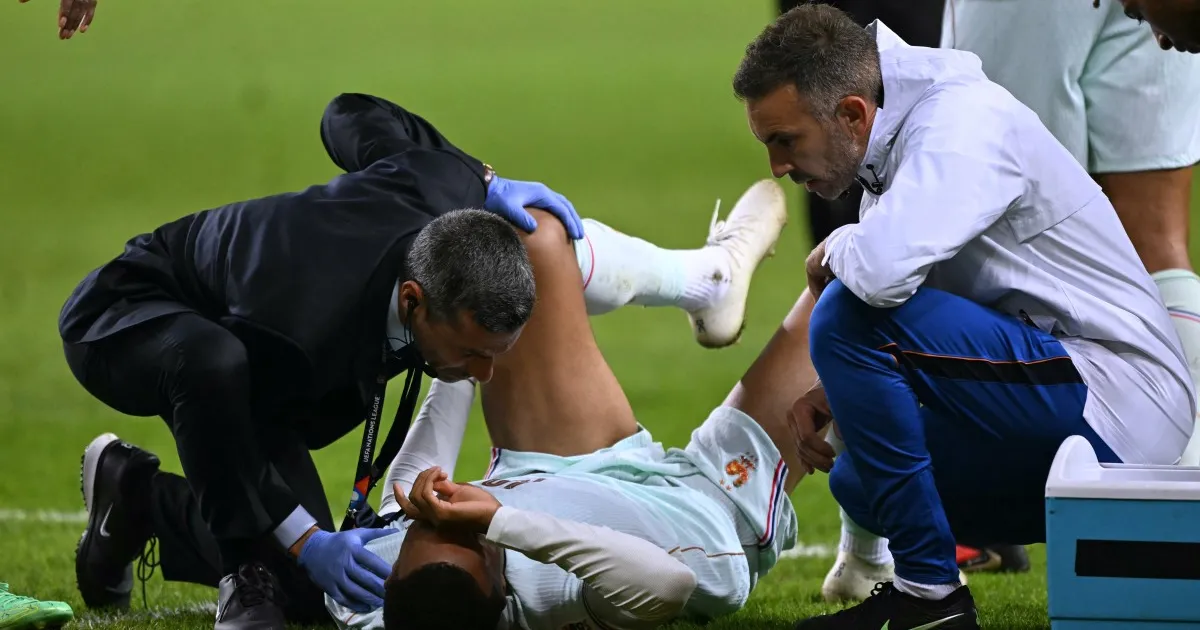
Kylian Mbappe scored the only goal of the game before having to come off grimacing with a knee injury, as France won 1-0 in Turkiye in the UEFA Nations League in new coach Zinedine Zidane’s first game in charge on Friday.
The Real Madrid star was moved out to the left wing by his new coach after being used through the middle of the France attack under former coach Didier Deschamps at the recent World Cup, which he ended as the top scorer with 10 goals.
It was from the left that Mbappe, France’s all-time top scorer, notched his 67th international goal, controlling and firing into the net low at the near post after being set up by Michael Olise.
He winced in pain as his teammates came across to celebrate the goal at the Kocaeli Stadium in Izmit, about 100km outside Istanbul.
Mbappe tried to carry on after receiving treatment, but eventually slumped to the ground and looked concerned as he prodded the outside of his left knee, before walking off to be replaced by Desire Doue.
France and Real will now nervously wait to discover the extent of the injury, with Les Bleus playing three more games over the next 10 days before the club season resumes.
The sight of his star player and skipper coming off overshadowed Zidane’s first match since being appointed coach in late July on a deal to 2030.
The France legend and 1998 World Cup winner is making his return to elite coaching for the first time since his second stint in charge of Madrid ended in 2021.
France, beaten in the semifinals at the World Cup by eventual winners Spain, are in Group A1 of this edition of the Nations League and will now go to Brussels to face Belgium on Monday. Belgium won 2-0 away to Italy on Friday.
Zidane, whose last match as a player came for France against Italy in the 2006 World Cup final, will then make his home debut as coach against the Italians at the Stade de France next Friday.
His first team selection was not dramatically different from the side that regularly played at the World Cup, although Bournemouth’s Adrien Truffert was in at left-back while Manchester City’s Rayan Cherki came into the starting XI.
Olise, the Bayern Munich star who lit up the World Cup, was unlucky not to open the scoring late in the first half when his superb strike was tipped over by home goalkeeper Ugurcan Cakir.
France goalkeeper Mike Maignan responded at the start of the second half as he tipped over an attempt by Abdulkerim Bardakci for Turkiye, who finished bottom of their group at the World Cup, despite a 3-2 win over cohosts the United States.
Mbappe’s goal came shortly after, and the visitors later saw Jules Kounde hit the post before Turkiye were reduced to 10 men late on.
Cakir came flying out of his area to halt Bradley Barcola as the France substitute raced through on goal. German referee Felix Zwayer initially waved play on before undertaking a VAR review, after which he decided the goalkeeper had handled the ball, which meant a red card.
Turkiye, coached by former Italian international Vincenzo Montella, will host Italy next on Monday.
THIS nepo-baby made their catwalk debut as they showed off their striking resemblance to their famous dad.
The 18-year-old was seen strutting down the runway Vogue World: Milan on Tuesday night.
This nepo-baby was seen strutting down the catwalk at Vogue World: MilanCredit: GettyThe 18-year-old wore a Prada double-breasted blazer suit for the eventCredit: Getty
He wore a grey tweed Prada double-breasted blazer suit with a long sleeve beige top underneath and a pair of black loafers.
It’s none other than Matthew Mcconaughey’s son LeviCredit: GettyLevi joined his family at his dad’s premiere for his Apple TV series BrothersCredit: Getty
The event was hosted at Italy’s oldest shopping arcade, Galleria Vittorio Emanuele II.
Levi looked dapper in a the two-piece suit and wore his brown curly hair parted to one side.
The event was attended by a number of A-listers including Gigi Hadid, Jennifer Lopez, Heidi Klum and Pamela Anderson.
Levi has been making more public appearances, including his attendance in June 2025 he attended the Dior show at Paris Fashion Week and also joined his family at the premiere of his dad’s Apple TV series Brothers this month.
Levi is the eldest child of Matthew and Camila, who also have a 17-year-old daughter named Vida, and a 15-year-old son, named Livingston.
The teenager appears to be following in his famous parents footsteps.
Last year, he was spotted picking up tips from his dad as the cameras rolled in San Diego in November.
Levi was filming for drama Way Of The Warrior Kid and was seen shooting scenes at Mission Beach.
Yet he had his Interstellar star dad on-hand for support.
He was shooting scenes for the movie adaptation of the 2017 Jocko Willink children’s book of the same name.
It tells the story of 11-year-old Marc, played by Jude Hill, who finds his inner warrior strength during the summer holidays with the help of his Navy SEAL Uncle Jake.
Matthew and Camila’s first and oldest son was born on July 7, 2008.
Levi means “united,” “joined,” or “joined in harmony,” and is an anagram for “live,” beginning a theme for the McConaughey kids.
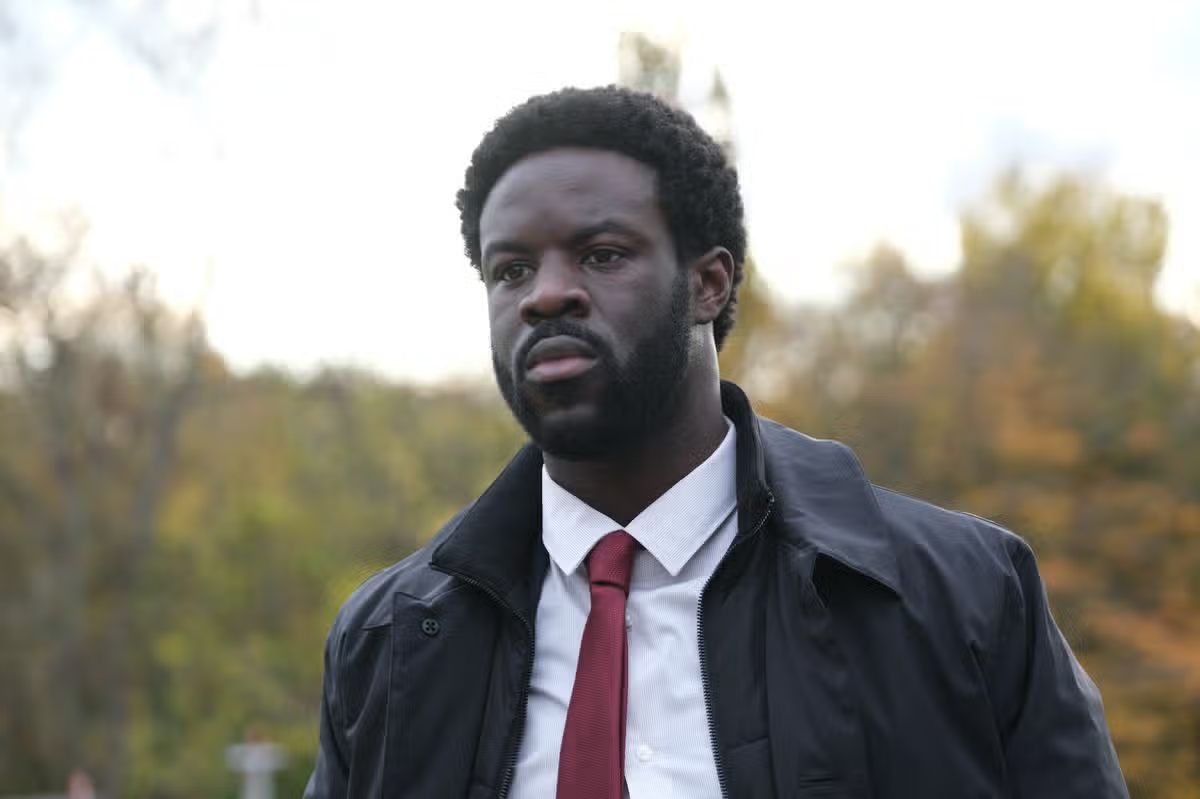
The actor is making his debut in the second episode of the new ITV drama, airing Monday, 21 September. He plays young police detective Lewis, set on helping Michelle’s character DI Emma Crane uncover the truth about the death of a young girl.
The six-part series dramatizes corruption and systemic misogyny in the police force, after shockwaves are sent through a quiet town when a teenager’s body is found in the woods. With officers turning on each other, DI Crane and Douglas’ character DI Tom Radley dig deeper and are left reeling at the secrets they discover within a tangled web of lies and cover-ups.
“As the clock ticks and trust fractures, Crane must navigate both a murder investigation and the treacherous politics inside her own team,” the synopsis goes on to tease.
Nathan stars as DC Lewis Brimah, which marks his first TV role after working in commercial modelling and brand campaigns. Ahead of the new series airing, he teased his role on social media, writing: “GOD IS GOOD!!! First TV Series Job. Excited to get into this one with such an amazing cast.”
“Biggest congrats Nathan,” one fan replied. Another follower said: “Congratulations!! Bravo.” A third added: “wow! such a great cast, congrats,” while someone else wrote: “Yesss Nathannnnnn.”
Introducing his role in a Q&A during a press event, Nathan shared: “Lewis is a good guy, in fact, he’s a great guy… He’s coming to the system, going through the fast-track graduate scheme which means he hasn’t had the experience that a lot of the other officers and other detectives have.
“But he’s ambitious and he just wants to do a good job, like that is his focus. He’s by the book and he wholeheartedly believes in the job.
“He believes in the system, he believes in the people that he works with, and he has a very strong moral compass. He’s a very simple man, he believes things are black and white, there’s right and wrong, good and bad.
“For me, what I found really interesting is seeing someone like Lewis placed in an environment that is morally complicated, and how he navigates those areas without losing his integrity.”
Nathan went on: “He felt like me, like the new guy coming in, not necessarily seasoned but working with the vets. He just wants to do a good job and he really cares.”
The six-part series also marks the first time Michelle has played a police officer, as she revealed she couldn’t believe she’d not played one before. She previously shared a personal link to her role in The Blame, saying: “The thing is, my dad was in the police force, he was an inspector since he was 17.
“So I used to go to him and go, ‘Dad, what do you think about this?’ And when I was doing the meeting scenes, it was quite a high-up rank, so I was like, ‘How would you talk to people in the police force and how was your body language?’ I used to go to him quite a lot for resourcing.”
Michelle elsewhere revealed she was “hooked” on The Blame from the moment she read the script, and hailed her character as being “a strong female in a male-dominated environment”.
She went on: “She’s one of those girls that will take no nonsense, and it just felt exciting. We love to see it on screen and there’s not enough of it on screen.”
The Blame continues on Monday, 21 September at 9pm on ITV1 and ITVX
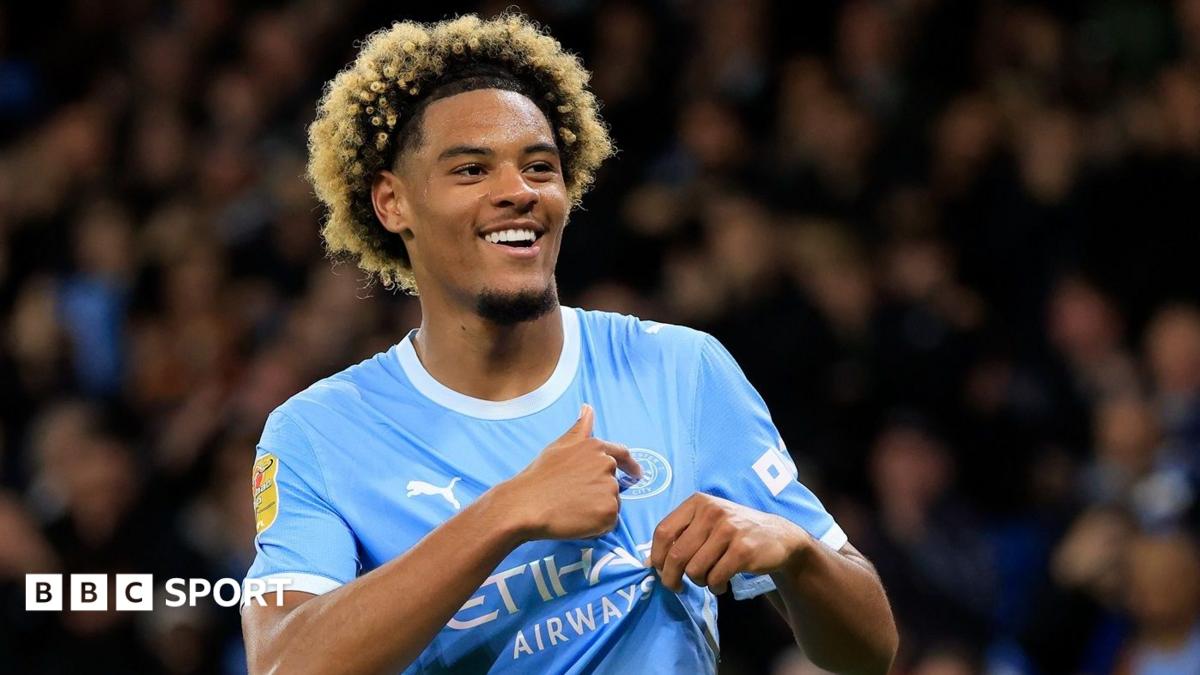
The youngster joined City’s academy at under-nine level and he really started to make a name for himself last term.
Samba scored 24 goals and provided 10 assists in an eye-catching first full season with the under-18s, including curling home a stunning free-kick to help City win the FA Youth Cup final against rivals Manchester United in May.
On his debut, Samba played the entire 90 minutes and fully grasped his opportunity.
With City struggling for openings, Samba broke the deadlock by flicking home a header – he celebrated by blowing a kiss in the direction of family and friends in the stands, before curling in a delightful second later in the game.
Samba was afforded a generous ovation towards the end of the game when being deservedly named man of the match.
“[I’m] satisfied not just for the goals but for the performance too,” said manager Maresca.
“I asked him in the last three, four days – when I decided to play him as nine – he said he never played there. He is not a nine for sure, but he was good.
“He is young, full of energy, strong, can finish, can set [players up]. He made some good decisions in the first half. I am happy but they are young and we have to go slowly, slowly.
U.S. Air Force Collaborative Combat Aircraft (CCA) are set to take part in a large-force employment (LFE) exercise for the first time later this year. Sending CCAs to the next iteration of the Emerald Flag test exercise is another important new stepping stone toward fielding the drones operationally.
“We have not yet done a LFE with these [CCAs], for real. The first one is going to be Emerald Flag. That’s in December,” Lt. Col. Lyndon “OTTO” Bartlett, Director of Operations for the Experimental Operations Unit (EOU) at Nellis Air Force Base in Nevada, said earlier today. “That’ll be our first tip dip of the toe in an actual force integration.”
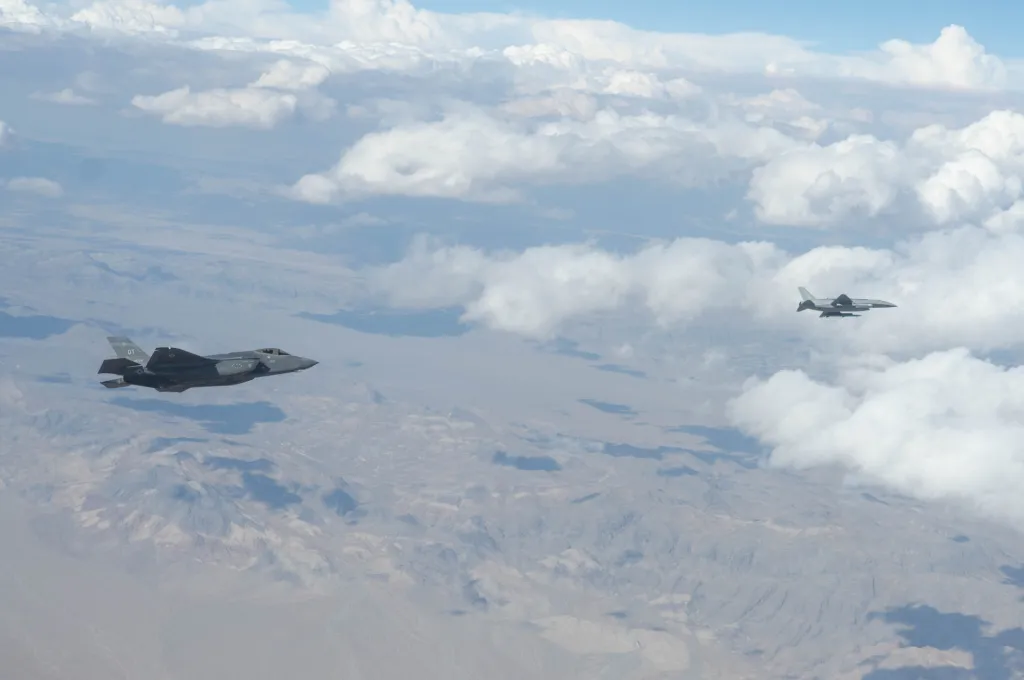
One of the Air Force’s YFQ-44A Fury CCA drones flies together with an F-35 Joint Strike Fighter. Anduril
It is worth noting here that Boeing’s MQ-28 Ghost Bat, a CCA-type design, did take part in Valiant Shield 26, another LFE exercise, earlier this year. The EOU was also involved. However, the MQ-28, originally developed for the Royal Australian Air Force, is not officially part of the Air Force’s CCA program at present.
Emerald Flag in December “will, in OTTO’s mind, be the first time that we will ever do some CCA end-to-end chain [demonstration] live. That’s the first time we’ll ever be integrated in a fourth- and fifth-gen combined OCA [offensive counter air] push,” Lt. Col. Bartlett added. “It’ll be small, but those type [sic] of building blocks are where I think you get the intangibles like trust in the CCA.”
“Those learnings are going to be just as valuable as the technical, [like] does the radio work properly? Does the button I push to say ‘target’ work properly?” he continued.
A General Atomics YFQ-42A CCA drone during an earlier test flight. General Atomics
“If it’s in a simulated environment, it’s immediate,” Lt. Col. Bartlett said during the panel when asked about the “feedback loop” in testing the EOU is already taking part in. In that environment, “when the mission autonomy iterations are happening, our guys are literally with the programmers … They give the feedback, and if it’s possible to do immediately, they take that feedback. If not, then they work on it on the next turn of the software.”
Real-world testing, of course, offers opportunities to explore additional aspects of future CCA operations, including when it comes to loading weapons and maintenance. A key component of the Air Force’s vision for CCA employment is being able to forward deploy the drones to far-flung locations, including airstrips with limited infrastructure and access to logistics chains. Rapid, distributed deployments like this are central to still-evolving concepts of operations currently referred to collectively as Agile Combat Employment (ACE). The EOU has been involved in at least two rounds of ACE-focused testing this year, one at Edwards Air Force Base in California in April and another at Creech Air Force Base in Nevada in July. TWZ was the first to report on the latter event.
Visualizing ACE
During the panel today, Lt. Col. Bartlett also talked more generally about work EOU has done to date. This has included exploring “sortie generation, how easy they are to maintain, [and] how small a footprint could be.”
“We’ve been pleasantly surprised. The jets are extremely easy to maintain,” he continued. “We’re at a one-to-one maintainer-to-airplane ratio, which is crazy small.”
With “CCAs, [it] seems like because they’re a little bit simpler, because their role is so focused, what we found is that just about any – not just about, but we found that any AFSC [Air Force Specialty Code; alphanumeric codes used to identify specific jobs within this service] can be trained to generate sorties to load weapons, and we’ve done some of those things already,” he further explained. “It’s our job to bring them [CCAs] out and make sure that, beyond the technical specifications of it, that we’re kind of experimenting with the more complex things like logistics, and C2 [command and control], and how do we battle manage these things.”
Airmen prepare to load an inert AIM-120 Advanced Medium Range Air-to-Air Missile onto a YFQ-44A CCA drone. USAF/Senior Airman Renee Blundon
The head of the EOU did acknowledge challenges that still have to be surmounted. This notably includes hurdles currently imposed by Federal Aviation Administration (FAA) regulations on the operation of fully uncrewed aircraft, even by the U.S. military, within U.S. airspace. This is further compounded by the explicit intention to operate CCAs with far more minimal human engagement compared to most existing drones.
“Mission autonomy is going to be the secret sauce that lets these things become decisive or not, and we’ll know that over the next couple years as that develops,” according to Bartlett. “If I were to identify the two biggest problems from the trenches of the EOU, [one] is FAA integration or policy implications to an autonomous airplane.”
“So these things don’t have pilots. They’re not RPAs [remotely-piloted aircraft]. They’re not manned fighters. They have no pilots,” he continued. “Our system is not set up for that, and that is a challenge that we are finding extremely hard to navigate through, and to not go around, but to make a policy.”
“We need to make sure the Air Force is ready for these things, to set policies that make sure the enterprise and the country is [sic] ready to receive these, and internalize an autonomous fighter that does not have a pilot that is running on a mission autonomy agent that doesn’t listen to ATC [air traffic control],” he added.
Another look at a YFQ-44A prototype during at test in 2026. USAF
The second problem, per Bartlett, is making sure the Air Force develops new internal policies and doctrine that are not “copy and pastes from old regulations” that do not take into account the specific nuances that CCAs will bring. What the service needs is “something that enables us to move quickly with these things, to weigh what we need, and to experiment with novel types of air superiority.”
All of this circles back to the discussion of trust in autonomous capabilities. It also speaks to the potential for future operations where CCAs could operate far more independently.
“It’s in the name that they’re collaborative,” Bartlett said. “Taking them out of that could technically be effective, but would not enhance the joint force the way that we see a collaborative, integrated force package to be.”
“What we need autonomously to do is written down. I won’t discuss the particulars in this forum, but we know what we need it to do, or we know what we think it really needs to do,” he noted. “We’ve structured our experimentation game plan to analyze ‘can it do those things?,’ and if not, then how do they need to be different? And then as they iterate on it, which we’ve already seen a couple times, we get that at the EOU, we get the new version down, we fly it again. Is it fixed? Yes or no.”
A General Atomics YFQ-42A seen from another angle during earlier testing. General Atomics
Some members of industry are clearly envisioning futures with different definitions of ‘collaborative’ that could lean more toward independent operations involving highly autonomous drones.
What “the whole entire program is trying to do is [figure out] what is the requirement to put out into the field to get to the warfighter and to start operating this thing this [sic; in] real time?” Robert “Otis” Winkler, Vice President of Corporate Development & National Security Programs at dronemaker Kratos, another one of the panelists, said. “The collaborative part of this makes it a much easier, I think, technical problem to be able to limit and grow the autonomy as you field this.”
“I think eventually we may see these aircraft utilized as collaborative aircraft, but not in conjunction with your traditional pulsed operation, but in support of that pulsed operation when the pulse isn’t there yet. But I do think that that is a bit of a stretch goal that’s going to be down the road.”
CCAs “have been designed really around increasing both survivability and lethality of current force packages. So there are many manned platforms that you would describe in the exact same fashion,” Jason Levin, Senior Vice President for Air Dominance and Strike at Anduril, who was also on the panel, said. He was responding here to a specific question about whether his use of the term “fighter” to describe these drones implied more emphasis on independent operations.
All of this underscores the importance of bringing CCAs to Emerald Flag in December, as well as other events in the future offering opportunities to see how the drones really fit in with other crewed platforms. The Air Force is hoping to start seeing CCAs enter operational service around the end of the decade, and have 500 of them, at least, in inventory by 2032.
During the panel today, the EOU’s Lt. Col. Bartlett made clear that “we’re going to learn a lot over the next couple years.”
The first edition of “60 Minutes” since CBS News editor in chief Bari Weiss initiated drastic changes to the venerable program made it to air Sunday. But the changes weren’t all that apparent on screen.
The 59th season premiere was highly anticipated following months of turbulence behind the scenes. Weiss fired “60 Minutes” correspondents Sharyn Alfonsi and Cecilia Vega, both of whom complained the executive pushed them to add right-wing talking points to their stories. Longtime correspondent Scott Pelley was ousted after he angrily questioned the firings at a staff meeting.
Weiss — who took over editorial control of CBS News after parent company Paramount acquired her heterodox digital news site the Free Press — also dismissed “60 Minutes” executive producer Tanya Simon and replaced her with screenwriter and documentary filmmaker Nick Bilton, who has no previous experience in TV news.
Weiss restocked the program’s correspondent corps with one new full-timer — Ross Douthat, the longtime conservative opinion writer for the New York Times — and several new contributors, none of whom showed up in the premiere.
Douthat is the only newcomer added to the opening credits where the correspondents introduce themselves on camera. He also did the closing segment called “The Last Minute,” talking about the dangers of AI and the need for “journalism you can trust.”
But the look and tone of “60 Minutes” remained intact, with only a few minor tweaks to the graphics.
The episode was heavily promoted, with one on-air spot drawing on clips with from the program’s storied past. Correspondents throughout CBS News touted the premiere on their social media accounts.
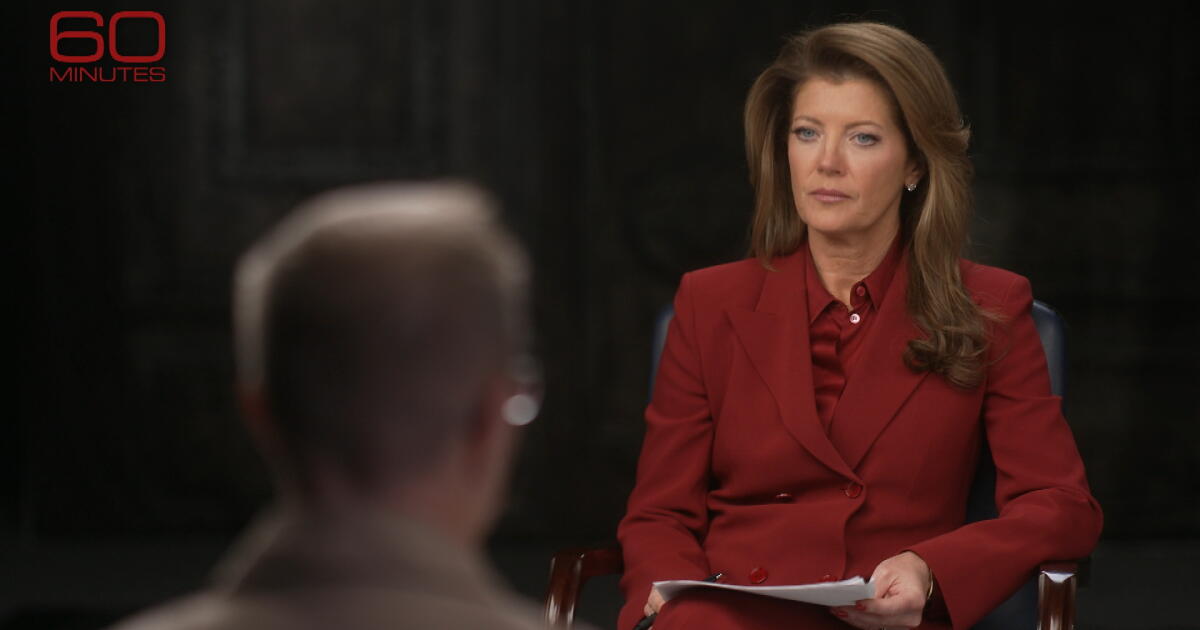
The program opened with Norah O’Donnell’s exclusive interview with the Air Force officer who was shot down over Iran and rescued by special forces. The U.S. fighter jet was the first to be lost over enemy territory in more than 20 years.
The interview gave a detailed account of the rescue mission and steered clear of any political discussion about the Iran war, which O’Donnell described as “costly and unpopular.” Secretary of Defense Pete Hegseth sat for an interview, focusing solely on the rescue mission.
The second segment was a hidden-camera investigation showing how self-styled lobbyists are shopping access to President Trump to felons looking for a pardon. Video captured pardon brokers Jack Burkman and Jacob Wohl, who were seen asking for $300,000 for their help, saying they worked with influencers close to Trump who would advocate for their cases. (The White House told “60 Minutes”: “Anyone spending money to lobby for pardons is foolishly wasting their money … President Trump performs his constitutional duties in an ethically sound manner, and to suggest so otherwise is either ill-informed or malicious.”)
Some on social media expressed surprise that “60 Minutes” would do a tough story on the Trump administration under Weiss after repeated reports that she is attempting to make the program more amenable to conservatives. “So I guess Bari Weiss didn’t totally destroy “60 Minutes” after all?” political analyst Chris Cillizza wrote on X.
The Los Angeles Rams made up the third segment in the program, which typically includes sports stories when CBS has a late afternoon football game leading into prime time. The package mostly focused on Rams head coach Sean McVay.
The ratings for “60 Minutes” will be issued by Nielsen later this week. Last year the program averaged 9.1 million weekly viewers, making it the most watched non-sports program in prime time.
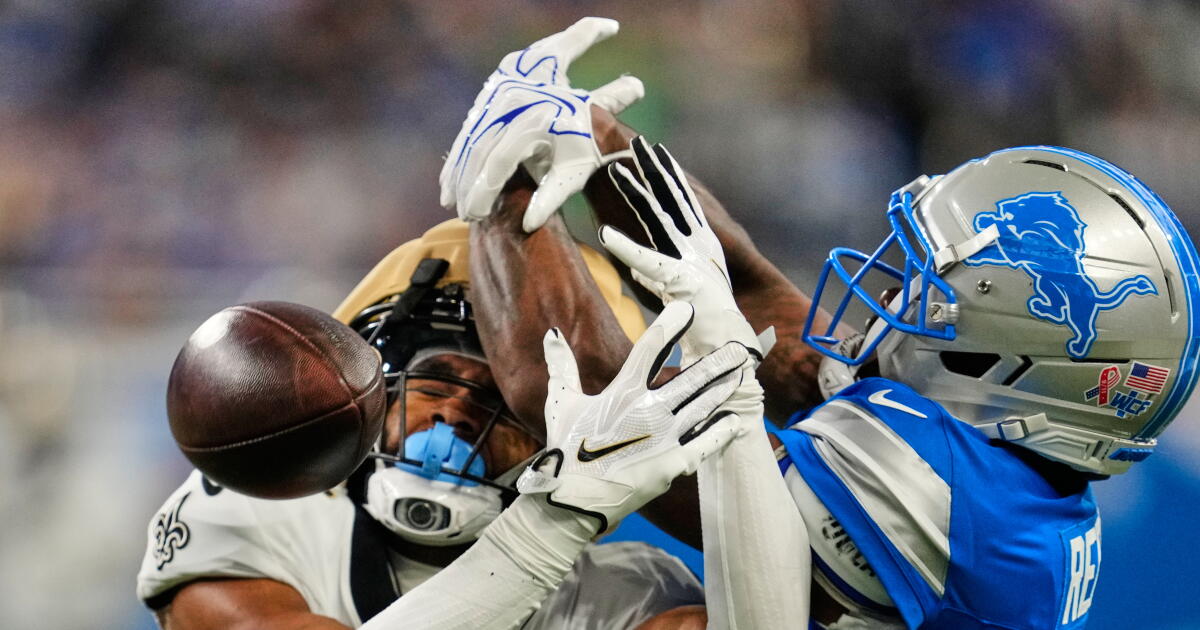
Tyler Shough threw an incomplete pass in the end zone on a two-point conversion attempt, allowing the Lions to escape with a 31-30 win in overtime over the New Orleans Saints in Detroit on Sunday.
Saints coach Kellen Moore chose to go for the win instead of tying the game with 1:34 left in overtime after his team came back from a three-touchdown deficit in the third quarter and allowed a touchdown on the opening possession of the extra period.
Jared Goff threw two touchdown passes to Amon-Ra St. Brown, the second score a five-yard throw early in overtime, and Jahmyr Gibbs ran for two touchdowns.
New Orleans rallied from a 21-0 deficit and pulled into a 24-all tie on Shough’s nine-yard touchdown pass to Juwan Johnson with 1:07 left in the game.
Detroit went three-and-out on offense, giving the Saints the ball with a chance to win it and Ryan Wright missed a 62-yard field-goal attempt as time expired.
Gibbs had a career-high 29 carries for 156 yards. He also had five catches for 30 yards.
Goff was 26 of 39 for 206 yards without a turnover.
at Bengals 33, Buccaneers 27: Cincinnati’s new-look defense forced four turnovers — including its first fumble recovery for a touchdown since 2022 — and Joe Burrow passed for 254 yards and a touchdown during a victory over Tampa Bay. Bucs quarterback Baker Mayfield surrendered three fumbles during the loss.
Jets 23, at Titans 10: Breece Hall ran for 102 yards and a touchdown, Geno Smith threw for 215 yards and New York defeated Tennessee. The Jets never trailed and held the ball for just over 38 minutes. Cam Ward was 19 of 32 passing for 140 yards and a late touchdown toss.
Ravens 41, at Colts 23: Derrick Henry ran for three touchdowns to move into third on the NFL’s career list, Lamar Jackson threw for 324 yards and a TD and rushed for a score and Baltimore beat Indianapolis. Jesse Minter won his debut as the Ravens’ coach.
at Steelers 20, Falcons 13: T.J. Watt returned an interception of Cooper Rush 35 yards for a touchdown to help Pittsburgh secure a win over visiting Atlanta. Quarterback Aaron Rodgers passed for 221 yards and a touchdown. Rush, who was filling in for the injured Tua Tagovailoa, threw for a touchdown and a pair of interceptions that Pittsburgh turned into scores.
Bears 59, at Panthers 37: Caleb Williams threw for 269 yards and two touchdowns and ran for 65 yards and two more scores as Chicago defeated Carolina in the highest-scoring season opener in NFL history.
at Jaguars 34, Browns 10: Trevor Lawrence threw for 245 yards and four touchdowns, helping Jacksonville spoil the debut of new Cleveland coach Todd Monken. Cleveland’s Deshaun Watson threw an interception on the opening drive.
Bills 36, at Texans 31: Josh Allen threw a 34-yard touchdown pass to Joshua Palmer with 1:36 remaining to lift Buffalo past host Houston during a back-and-forth season opener. Allen had 334 yards passing with two touchdowns and ran for two more scores. The Texans had a chance to win in the closing seconds, but Greg Rousseau earned his second strip sack of the day, taking down C.J. Stroud at the Buffalo 28.
at Eagles 24, Commanders 22: Jalen Hurts passed for 203 yards and three touchdowns, helping Philadelphia edge Washington. Jayden Daniels passed for 164 yards and two touchdowns, but the Philadelphia defense stuffed a late Commanders two-point conversion attempt to seal the win.
at Vikings 39, Packers 22: Kyler Murray suffered a hit to the head on a run play in the first quarter and was placed in concussion protocol. Carson Wentz replaced Murray and passed for three touchdowns and Jordan Mason and Aaron Jones Sr. added two more rushing scores to help the Vikings beat the Packers.
at Raiders 27, Dolphins 13: Kirk Cousins passed for 160 yards and three touchdowns, helping Las Vegas beat Miami. Both teams were scoreless in the fourth quarter, with the Raiders doing just enough to overcome two Cousins interceptions.