deadly

The aftermath of Venezuela’s deadly earthquake | Earthquakes News

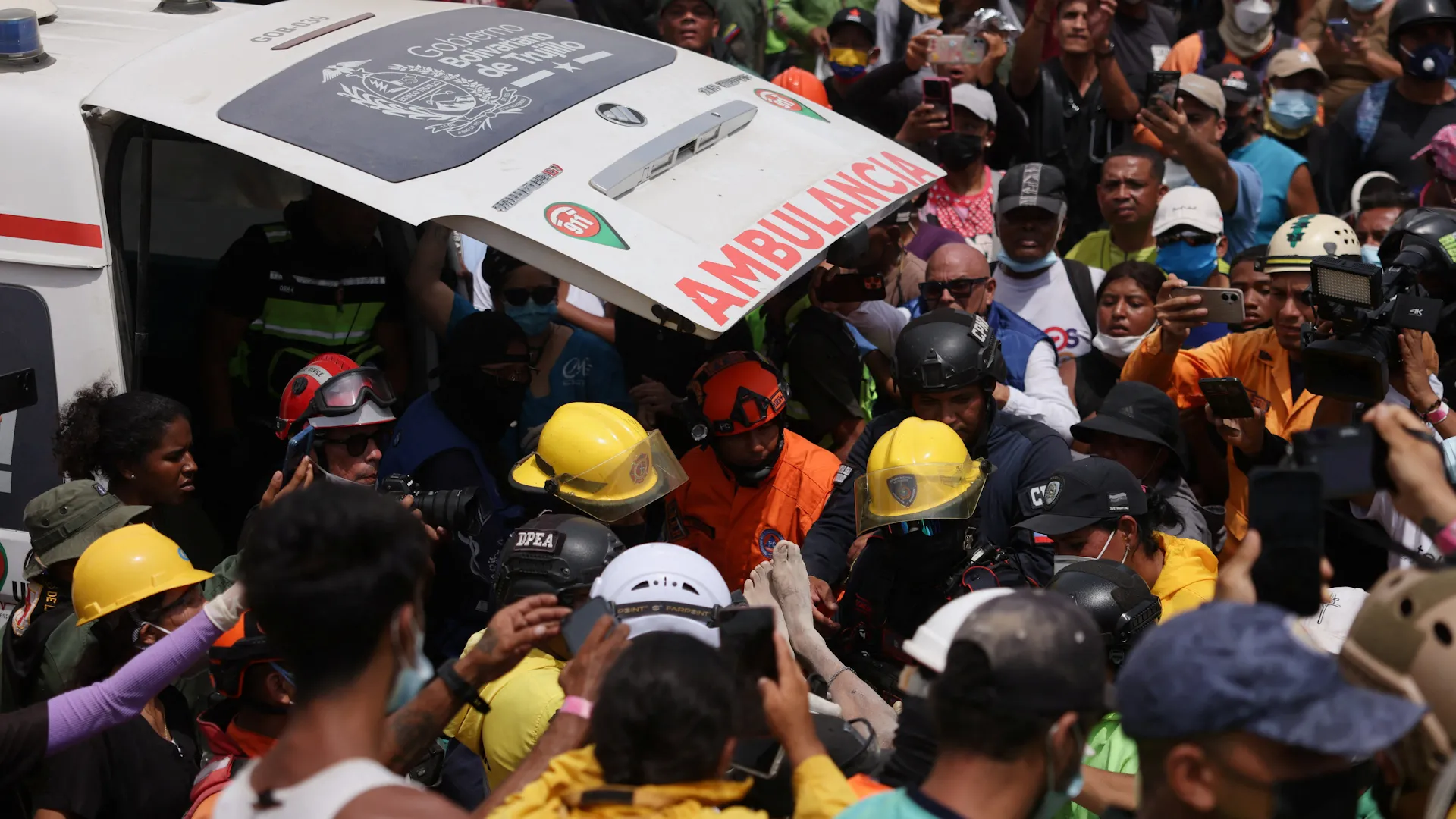
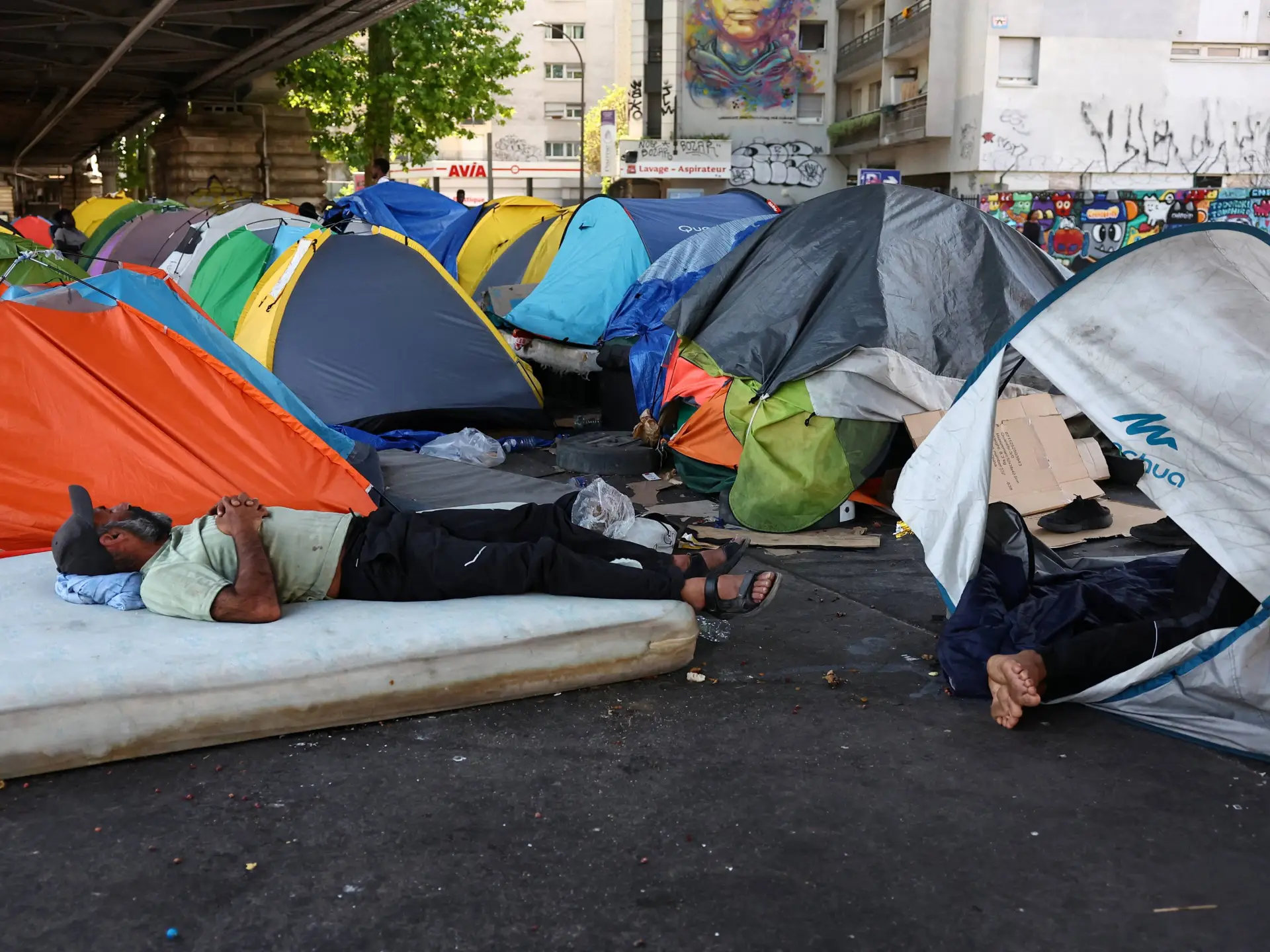
The search for survivors continues in Venezuela after a powerful earthquake left hundreds dead and thousands missing. Al Jazeera’s Teresa Bo reports from one of the country’s worst-hit areas where many residents have lost their homes and are now sleeping outdoors.

Source link

Paris bans public drinking, takeout alcohol sales amid deadly heat wave

A young man dives from a bridge over the Saint-Martin Canal in Paris on Thursday amid a searing heat wave that prompted authorites in the capital to impose restrictions on drinking alcohol in public and takeout sales for the second time in five days. Photo by Yoan Valet/EPA

June 26 (UPI) — Authorities in Paris implemented restrictions on drinking in public and takeout alcohol sales on Friday for the second time in five days, amid one of the most severe June heat waves on record.

In an effort to reduce stress on the capital’s hospitals, public consumption of alcohol will be banned from noon through 7 a.m. Saturday, local time, and from noon on Saturday through 7 a.m. on Sunday, and can only be sold in bars and restaurants between 6 p.m. and 7 a.m on both days.

Prime Minister Sebastien Lecornu said the health alert level was being raised to its highest, to boost hospital staffing and protect the vulnerable while Paris police chief Patrice Faure said the the capacity of hospitals to cope was “reaching a saturation point.”

“As you know, drinking alcohol with the sun beating down can have a devastating effect,” said Faure.

The bans coincided with a France-Norway game at the FIFA World Cup in Boston, due to kick off in the early hours of Saturday, local time.

Paris Pride, which was due to run Thursday through Sunday, was moved to September, and the Solidays music festival, scheduled to be held over the same period, was canceled because police felt going ahead with either amid the searing temperatures posed a major public health risk.

On Thursday, a three-year-old child died in a hot car in Saint-Gratien in the northern Paris suburbs.

As Paris baked in record temperatures that peaked at 40.9 degrees Celsius earlier in the week, Health Minister Stephanie Rist warned the health impacts of the heat were not restricted to the elderly, infants and other vulnerable groups.

“Even if you are young and in good health with no underlying medical issues, this heat will affect you too. Young people are also suffering from cardiac arrests,” she said, explaining that the Paris ambulance responded to a four-fold jump in cardiac arrests, compared with normal, during a 24-hour period.

Paris mayor Emmanuel Gregoire said the mortality rate was on the increase and urged people, especially the young, to suspend normal physical activity such as jogging.

“We must not believe we are invulnerable. It’s fine to take a couple of days off from exercising,” he said.

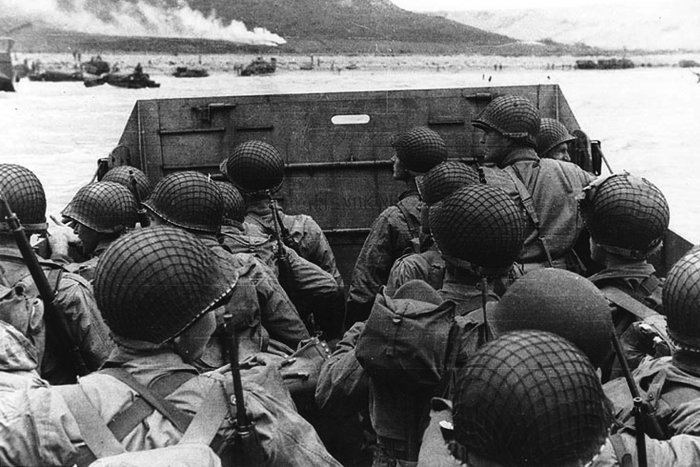
Troops in landing craft approach Omaha Beach on D-Day in Normandy, France, on June 6, 1944. D-Day was the largest seaborne invasion in history and turned the tide of World War II. Photo by UPI | License Photo

Source link

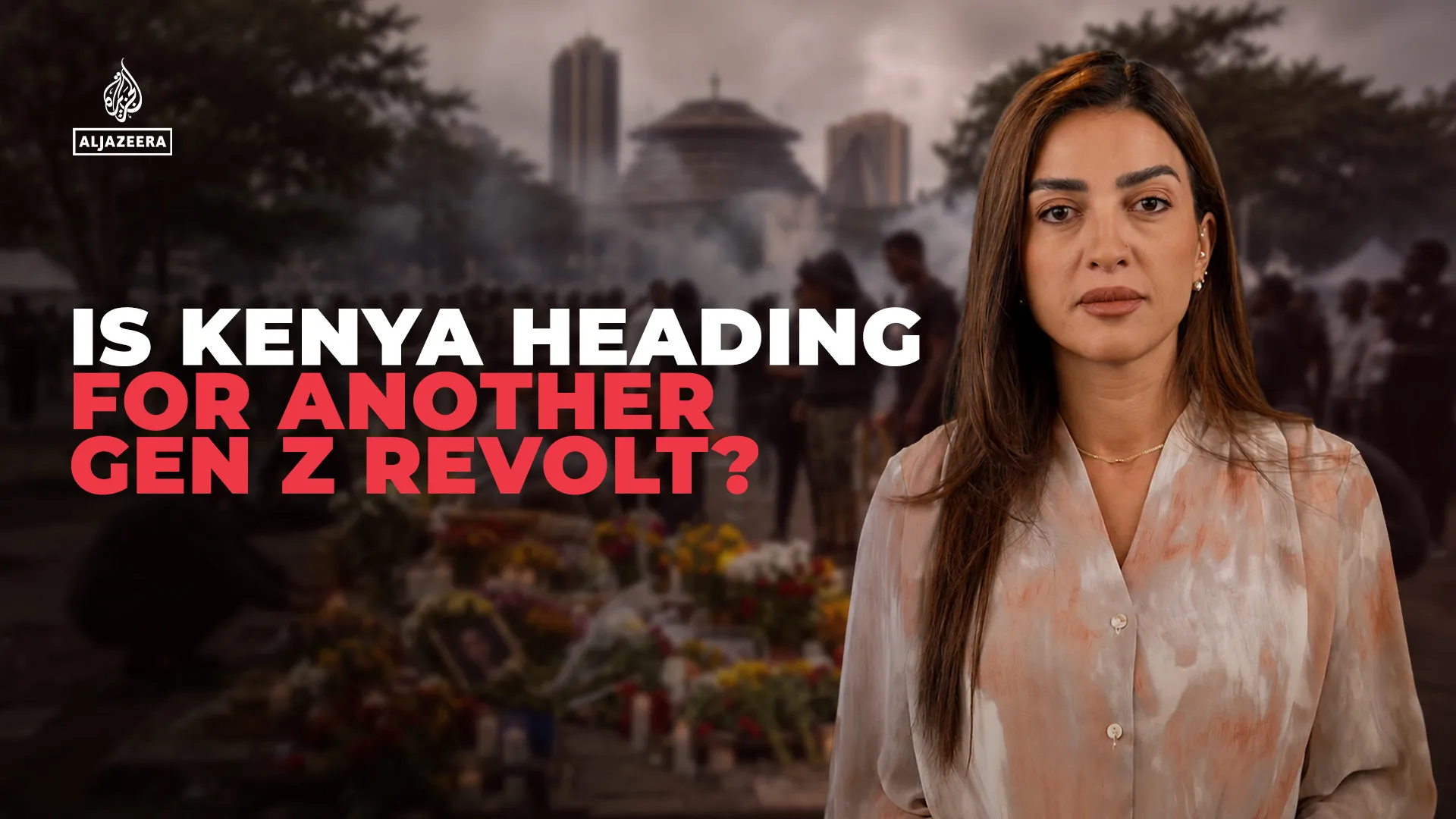
Kenya arrests more than 350 as people mark anniversary of deadly protests | Protests News

Demonstrators mark the second anniversary of a 2024 protest where 60 people were killed by security forces.

Kenyan police have dispersed protesters in the capital and detained others who took to the streets in memory of the demonstrators who were killed in anti-government rallies against tax rises two years ago.

Interior Minister Kipchumba Murkomen said on Thursday that a total of 355 people were arrested in various parts of the country. He called those detained “criminals” and apologised for the use of barricades and other security measures aimed at containing the protests.

Recommended Stories

list of 3 itemsend of list

“We regret the inconveniences occasioned by these measures, and at the same time appreciate their effectiveness in securing the city and other parts of the country,” Murkomen told reporters.

A correspondent for the Reuters news agency also saw police fire tear gas to disperse people who were gathering peacefully outside of Nairobi’s police station after forces detained six people outside parliament, where they had laid flowers.

According to the Kenya National Commission on Human Rights, organisers had planned to mark the second anniversary of the demonstrations that had left at least 60 people dead after protesters had breached parliament grounds in 2024.

But in Nairobi, shops and restaurants in the central business district remained closed as police set up roadblocks with water-cannon trucks.


Reporting from Nairobi, Al Jazeera’s Malcom Webb explained that the heavy police response to the protest was due to the government’s desire to avoid a repeat of the events two years ago.

“This comes following a series of different protests in recent weeks, some led by [President William] Ruto’s political opponents, others by transport unions over increases in fuel prices and a state of simmering discontent that hasn’t really recovered since that day two years ago when dozens of people were killed,” he said.

Opposition leaders joined the victims of alleged police brutality and families of protesters who were killed in the crackdown before they headed to parliament.

“As parents, we sought permission just to come here … to mourn and lay flowers for our children. But when we arrived, we were shocked because the police blocked us,” said Edith Wanjiku, whose 19-year-old son Ibrahim Kamau was killed in 2024.

“That is very shameful,” she continued.

“And one thing I would ask of President Ruto: those police officers who killed the children – because they are known – I am only asking for justice for those children and also compensation,” she added.

Protest organisers have said that they want a credible investigation into past police conduct and guarantees against the use of excessive force.

While Ruto has acknowledged what he called “instances of excessive and extrajudicial actions by members of the security services” and said last week that two billion Kenyan shillings ($15.5 million) had been set aside for victims of protest-related abuses, some activists have said it was not enough.

Source link

Kenya passes controversial bill two years after deadly Gen Z protests | News

NewsFeed

Two years after deadly Gen Z protests forced Kenya’s government to withdraw a tax bill, lawmakers have approved another controversial package of financial measures. President William Ruto’s administration says it is needed to raise $770 million ahead of the 2027 elections.
Al Jazeera’s Reem Takieddine has more.

Source link

The dangerous ‘square waves’ that could prove deadly when in the ocean

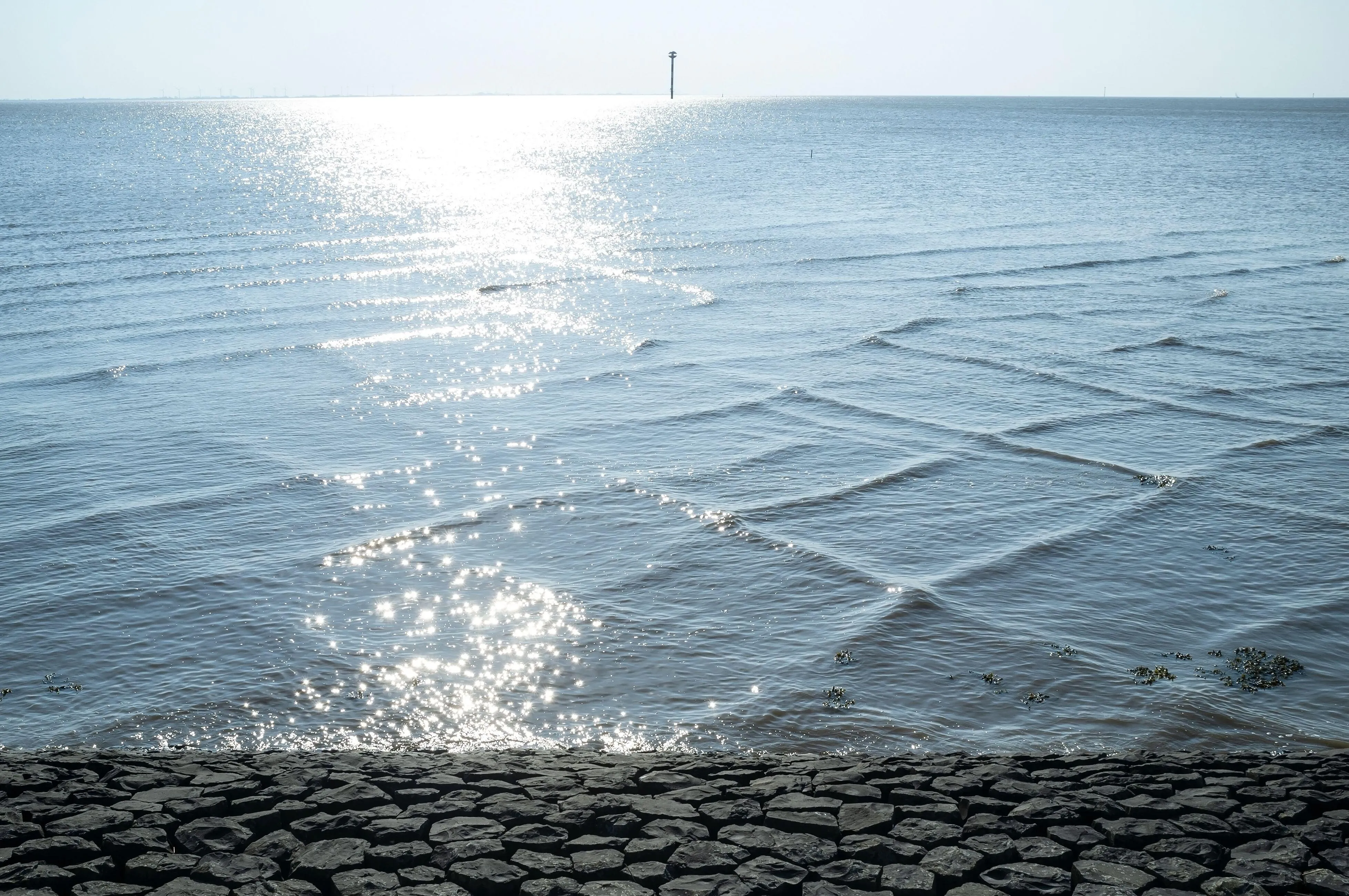
Square waves on the sea reflecting sunlight, with a stone-covered shoreline in the foreground.

WITH thousands of people flocking to the seaside to cool off, beach safety is all the more important.

And there is one phenomenon called “square waves” which are extremely dangerous for anyone in the water.

Square waves are very dangerous if you’re in the ocean Credit: Alamy
Also called cross waves, they are similar to rip tides Credit: Alamy

Also called cross waves, the unusual wave pattern is formed when two different weather systems collide, creating the checkered effect.

This is because of the waves hitting each other as the they come rom different directions.

While they may look pretty, or even not very strong, they actually are much more dangerous than they appear.

They are similar to rip tides which can make it hard for people to get out of the water.

Read more on travel safety

REST EASY

Travel safety expert reveals reckless mistake guests make when using hotel phone


RAIL-Y BAD

Eurostar cancels trains as travel strikes hit TWO popular European countries

They can be found both close to the shoreline and far out at sea – which has even resulted in causing shipwrecks, according to the European Space Agency.

Some of the places they have been spotted include La Rochelle in France, where they can seen from above via the lighthouse.

They are caused by two weather systems colliding Credit: Alamy
Places like Turkey (pictured), France and Portugal have all reported them

Last year, they were also spotted off the coast of Turkey, in the Aegean Sea.

Lisbon in Portugal and Hawaii are all places where they can occur too.

One person previously wrote on social media: “We were always taught to keep an eye out for the ‘squares’ – the grid can pull you back and fourth for hundreds of feet and make it hard to stay calm.”

If you want to avoid the ocean entirely, we’ve rounded up 10 of the best inland beaches in the UK.

Source link

Deadly protests in Pakistan-administered Kashmir: What’s going on? | Civil Rights News

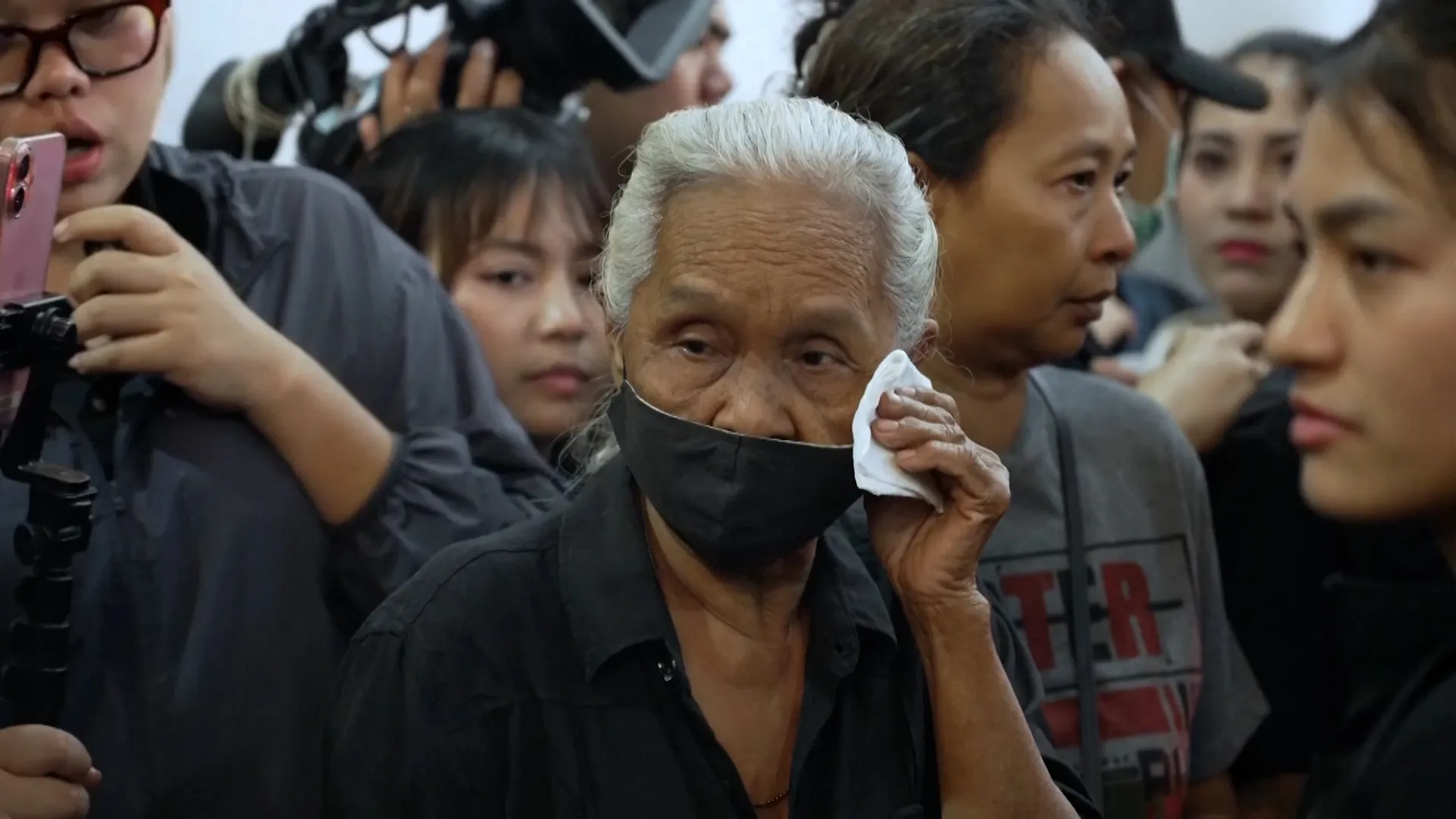
At least 11 people were killed on Sunday during clashes between police and protesters in Pakistan-administered Kashmir’s Rawalakot city, capital of Poonch district, before a major demonstration scheduled by a banned civil society group for Tuesday.

Authorities in Pakistan-administered Kashmir deployed federal paramilitary troops and issued a strict travel advisory before the Tuesday protest, which has gone ahead despite the restrictions.

Recommended Stories

list of 4 itemsend of list

Here is what we know about the latest unrest.

What’s happening in Pakistan-administered Kashmir?

Eleven people have been killed in clashes between the police and protesters, while more than 70 have been injured. The ban on the organisation, alongside regional grievances, set off the protests.

On Tuesday, Sardar Waheed Khan, commissioner of the Pakistan side of the Poonch district, a militarised region shared between Indian-administered and Pakistani-administered Kashmir, told the news agency Reuters that four police officers and a passer-by died “after miscreants shot at them”. Six protesters were killed, he said.

Police Chief Liaqat Malik said 23 security officials and 50 protesters were among those injured in Sunday’s clashes.

On Friday, local authorities issued an advisory urging visitors to avoid travelling to the area.

“The measure is advised to save intending visitors from any unexpected situation or inconvenience,” an unnamed official said in a statement issued by the region’s Press Information Department (PID).

“The government also requests those already in the territory for sightseeing or any other purpose to leave by Friday evening so that they do not confront any unpleasant situation,” the statement added.

Kashmir is a disputed Himalayan region which is claimed in full by both India and Pakistan, with China also controlling a portion of the territory. Pakistan-administered Kashmir – known locally as Azad Jammu and Kashmir (AJK) – is governed under a semi-autonomous system, with its own prime minister and legislative assembly, but ultimate authority resting with Islamabad. Its population exceeds four million people, according to the 2017 census. It is separated from India-administered Kashmir by what is known as the Line of Control (LoC).

Interactive_Kashmir_June9_2026_Territorial_claims

The LoC is the 740km (459-mile) military border dividing the disputed Kashmir region between Indian-administered and Pakistan-administered territories.

Interactive_Kashmir_June9_2026_Line-of_control

Who is behind the protests?

The Jammu Kashmir Joint Awami Action Committee (JAAC) is a grassroots umbrella organisation that emerged in 2023 as the leader of a protest movement across the Pakistani-administered part of the region. The JAAC, led by activist Shaukat Nawaz Mir, represents traders and civil society groups.

On Friday, the local government proscribed the JAAC under a regional legislative framework in Pakistan-administered Kashmir called the Anti-Terrorism Act of 2014.

In a circular, the government’s home department claimed the JAAC “is engaged in terrorism, acted in a manner prejudicial to the peace & security of the State, involved in creating anarchy in the State by intimidating public, promoting hatred & creating sense of insecurity in society and public at large, etc”.

In the past, protests organised by the JAAC have led to violent clashes between protesters and security forces, leading to casualties.

In a video message on X responding to Sunday’s incident, Mir accused the authorities of unleashing violence in Rawalakot, saying, “The state has begun a massacre of our people in Rawalakot.”

In response, Khan, the commissioner of Pakistani Poonch, said, “The JAAC leadership is misleading the masses by terming it a massacre. The state’s action was meant to restore law and order.”

On Tuesday, the internet monitoring group NetBlocks said that its data showed that access to the web remained severely restricted in Pakistan-administered Kashmir for a third day in a row.

What is the trigger behind these protests?

These protests are against the reservation of 12 seats in Pakistan-administered Kashmir’s legislature for refugees from Indian-administered Kashmir who now live in other parts of Pakistan. If the refugees live in Pakistan-administered Kashmir, they are not eligible to contest for these reserved seats.

The region votes on July 27 to elect its next legislature, which has 45 seats in all — including the 12 reserved ones.

The JAAC is calling for the abolition of the reserved seats, arguing that all seats in the legislature must go to those who actually reside in Pakistan-administered Kashmir, and not those living in other constituencies scattered across Pakistan.

Abdul Jabbar Nasir, a journalist currently based in Karachi, but originally from a village near the LoC in the Gilgit Baltistan area, which is the majority of the Pakistan-administered Kashmir region, told Al Jazeera that the seats are reserved for those who migrated from Indian-administered Kashmir to Karachi or any other part of Pakistan in 1947.

Nasir explained that the reserved seats have existed in various forms since the late 1940s and were formalised in Pakistan-administered Kashmir’s 1974 interim constitution, which treats the region as a self-governing, autonomous state, with its own prime minister, president and courts, while defence, foreign affairs, currency and communications remain under Pakistan’s control.

“If the constitutional protection provided begins to be changed by these protesters, then I don’t think things can function,” Nasir said.

“It is essential for these seats to exist. If we abolish them, on one hand, Pakistan’s own case for Kashmiri statehood in the United Nations will be weakened, and India’s case will be strengthened,” he added.

He drew a parallel with India, noting that New Delhi historically kept a number of seats vacant in its parliament and the former Jammu and Kashmir assembly as a way of asserting that those bodies represented the entire former princely state, including areas under Pakistani control. If Pakistan now dismantles refugee representation in Pakistan-administered Kashmir, he warned, India could argue that both countries have effectively “regularised” their control over their respective portions of the disputed region.

Marathon talks between a federal ministerial team, including leaders from Pakistan and Pakistan-administered Kashmir, and JAAC leadership in late May failed to yield a breakthrough. This resulted in the JAAC announcing that the protest on Tuesday would proceed as planned.

On Sunday, a top court in Pakistan-administered Kashmir, called the Supreme Court of Azad Jammu and Kashmir, ruled that the 12 reserved seats are constitutionally protected, and a constitutional amendment would be needed to abolish the reservation.

“This ruling effectively closed the legal route for groups seeking to challenge the existing arrangement and intensified calls for protest by the [JAAC],” Raja Qaiser Ahmed, director for the Area Study Centre for Africa, North and South America at the Islamabad-based Quaid-i-Azam University, told Al Jazeera.

What are the deeper issues?

Experts say the current crisis is part of a deeper, long-running debate about governance, political representation, resource allocation and regional autonomy in Pakistan-administered Kashmir. The protest on Tuesday is the fourth such protest led by the JAAC.

“The current crisis reflects a broader and longer-term debate about governance, political representation, resource distribution, and regional autonomy in AJK,” Ahmed said.

“While the refugee-seat issue has become the focal point of the present mobilisation, it is intertwined with wider grievances that have surfaced repeatedly over the past several years.”

In September and October 2025, the JAAC officially released a comprehensive 38-point charter of demands and initiated a lockdown. The government, in response to a lockdown initiated by JAAC, imposed a complete communications blackout.

The protests had their roots in May 2023, when residents first protested skyrocketing electricity bills alongside widespread flour smuggling and acute shortages in subsidised wheat supplies. The movement hit its first major flashpoint in May 2024, when protesters set off on a long march towards Muzaffarabad. The ensuing violent clashes left at least five people dead, among them a police officer.

The 38-point charter remains the focal point of current tensions. The demands of the charter include economic subsidies, investigation of corrupt officials, social welfare and infrastructure, as well as the abolition of the 12 reserved seats.

Bilawal Bhutto-Zardari, chairman of the Pakistan Peoples’ Party (PPP), the party with the most seats in Pakistan-administered Kashmir’s Legislative Assembly, said on Sunday that he would meet Prime Minister Shehbaz Sharif to discuss the ongoing tensions in the region.

“Thirty-five out of 38 demands have been implemented,” Bhutto-Zardari said during a news conference in Islamabad, explaining that the rest of the demands are not feasible or have court orders barring their implementation.

“More fundamentally, the protests reveal an ongoing tension between constitutional arrangements linked to the broader Kashmir dispute and growing demands for greater local accountability and political participation,” Ahmed said.

“The debate is therefore not only about a specific set of assembly seats but also about competing visions of representation, governance, and the future political trajectory of the region.”
Source link

Kenyan president defends US Ebola facility amid deadly protests | Ebola News

NewsFeed

Kenyan President William Ruto said allowing the US to build an Ebola quarantine facility in Kenya was the “right thing”. At least two people were killed this week in protests against the facility, which is being built on a US air force base for Americans exposed to the virus.

Source link

Aid cuts and climate change drive deadly malaria surge in Zimbabwe | News

Harare, Zimbabwe – Precious Mvundura woke up with joint pain, a high fever and a pounding headache on a chilly autumn morning in eastern Zimbabwe.

The 37-year-old initially thought it was just the flu. But when the headache persisted for three days, she became worried.

Her five-year-old son had also fallen ill and was sweating heavily.

In early May, the pair sought help from a village health worker in Chishakwe, a rural farming community outside Zimbabwe’s third-largest city, Mutare. Both tested positive for malaria.

“I felt relieved,” Mvundura told Al Jazeera.

“From the moment I took that medication, I started getting better.”

Her son has also recovered and is back in school.

Their ordeal comes as malaria cases and deaths surge across Zimbabwe after US funding cuts disrupted key malaria control programmes.

Shortly after returning to office for a second term in 2025, US President Donald Trump slashed foreign aid funding, including programmes backed by the United States Agency for International Development (USAID). In Zimbabwe, the cuts disrupted tuberculosis, HIV/AIDS and malaria research, prevention and treatment programmes.

Among the affected initiatives were the Zimbabwe Entomological Support Programme in Malaria (ZENTO) at Africa University in Mutare, which provided scientific research to support the country’s National Malaria Control Programme, and the Zimbabwe Assistance Programme in Malaria II (ZAPIM II), which helped strengthen malaria diagnosis, treatment and prevention in high-burden districts.

USAID had disbursed $270m for health and agriculture programmes in Zimbabwe in 2024.

Malaria cases jumped to 65,399 between January and April 2026, up from 36,000 recorded during the same period in 2025 and 17,000 in 2024, according to Zimbabwe’s Ministry of Health National Malaria Control Programme weekly surveillance report.

Deaths have also risen sharply, reaching 174 between January and April 2026, compared with 85 during the same period last year and 34 in 2024.

Mvundura and her son survived because they sought treatment early. In many other cases, the disease has been fatal.

Shortages of mosquito nets, test kits

Thomas Chuchu, the health programme lead at Save the Children Zimbabwe, said several malaria elimination activities previously supported by ZAPIM II had been disrupted.

“In practice, elimination has continued through government and other partners, but with weaker operational capacity and slower implementation,” Chuchu told Al Jazeera.

Zimbabwe’s dependence on donor funding for essential medicines, diagnostic kits and mosquito-control supplies has left the country vulnerable. [Farai Shawn Matiashe/Al Jazeera]
Zimbabwe’s dependence on donor funding for essential medicines, diagnostic kits and mosquito-control supplies has left the country vulnerable [Farai Shawn Matiashe/Al Jazeera]

The ZAPIM II programme ran through Zimbabwe’s Ministry of Health system in 11 districts across the provinces of Central and East Mashonaland and the province of Matabeleland North.

Before falling ill, Mvundura said she had not been using mosquito nets or repellents.

“I only started using a mosquito net a friend shared when I fell sick,” she said.

In December 2025, Caroline Mawombedzi was diagnosed with malaria while living in Burma Valley, a farming community about an hour’s drive from Mutare.

She had last contracted the disease in the late 2000s while still a child.

In mid-May, her five-year-old daughter was also diagnosed with malaria by a village health worker in Chishakwe after suffering severe headaches and stomach problems.

Although her daughter received treatment, Mawombedzi said she could not afford preventive measures such as mosquito nets.

“I am unemployed. I cannot afford to buy a mosquito net. We have not been sleeping under a mosquito net for years,” she said.

Virginia Chakandinakira, a village health worker serving Chishakwe, said malaria diagnostic kits and drugs are now in short supply.

“I used to get plenty of malaria test kits and drugs. But in 2025, they did not give me. I referred everyone showing malaria to a nearby Chitakatira clinic,” she said. Chitakatira is a rural settlement about an hour’s drive from Chishakwe.

“I only received test kits and drugs in February. However, the supplies are limited. The authorities told us they were only distributing them to hotspot communities.”

Research programmes crippled

Professor Sungano Mharakurwa, the director of Africa University’s Malaria Institute, said the abrupt withdrawal of US support had worsened the malaria outbreak by affecting the programme.

ZENTO was contributing data from the surveillance of malaria-carrying mosquitoes, which guided strategies employed by the National Malaria Control Programme to control malaria transmission, he said.

The Trump administration’s funding cuts have also effectively put a stop to the US President’s Malaria Initiative (PMI), launched in 2005 by former President George W Bush to control and eliminate malaria worldwide. Mharakurwa said the PMI had played a major role in funding malaria medications, and communities had been left exposed without it.

He said the Malaria Institute later secured funding from the United Methodist Church General Board of Global Ministry, but it fell far short of previous US assistance.

Zimbabwe’s dependence on donor funding for essential medicines, diagnostic kits and mosquito-control supplies has left the country vulnerable.

Itai Rusike, the director of Zimbabwe’s Community Working Group on Health, said the government needed to strengthen domestic health financing to reduce dependence on foreign donors.

“It is risky for a country to depend substantially on external partners, as donors can withdraw financial support anytime should their interests shift,” he said.

Climate change fuels spread

Experts say climate change is also driving the spread of malaria and other vector-borne diseases across Africa.

Rising temperatures are allowing malaria to spread into higher-altitude areas, which were once less vulnerable to outbreaks.

Zimbabwe experienced El Niño between 2023 and 2024, a climate phenomenon marked by unusually warm temperatures in the Pacific Ocean, which typically disrupts rainfall patterns across Southern Africa.

Heavy rainfall followed in 2025 and 2026, creating ideal breeding conditions for mosquitoes.

Chuchu, from Save the Children Zimbabwe, said that the current spike in malaria cases was closely linked to the heavy rains during the 2025–2026 season.

“The rains created favourable breeding conditions for mosquitoes, particularly in already endemic provinces such as Mashonaland Central, Manicaland, Mashonaland East and Mashonaland West,” he said.

Virginia Chakandinakira, a village health worker serving Chishakwe, said malaria diagnostic kits and drugs are now in short supply.. [Farai Shawn Matiashe/Al Jazeera]
Health workers say malaria diagnostic kits and medicines are now in short supply in rural Zimbabwe [Farai Shawn Matiashe/Al Jazeera]

“The effect of heavy rains is likely being amplified by weakened prevention systems, including reduced mosquito-net coverage, delayed vector-control activities, reduced community surveillance, and challenges with timely testing and treatment following the discontinuation of ZAPIM,” he added.

Professor Mharakurwa, meanwhile, said that above-normal rainfall required equally strong preparation and resources to contain malaria transmission.

Government efforts

Zimbabwe aims to eliminate malaria by 2030, in line with the target set by the African Union.

Over the years, the government, working with international donors and aid organisations, has relied on indoor residual spraying, mosquito-net distribution, mass testing and public awareness campaigns to contain outbreaks, particularly in rural communities.

Health workers continue to carry out indoor spraying campaigns in malaria-prone areas, while village health educators use community meetings and radio programmes to encourage early testing and treatment. Authorities have also expanded surveillance and rapid-response systems in high-risk districts.

But some of these efforts have weakened following the disruption of donor-funded programmes. Key malaria elimination activities previously supported by ZAPIM II included active case tracking, targeted distribution of long-lasting insecticidal nets and district rapid-response systems.

For years, the government and aid organisations distributed mosquito nets annually to vulnerable communities, such as Chishakwe. But since the US funding cuts, shortages have become increasingly common.

Village health workers say malaria diagnostic kits and treatment drugs are also running low in some rural areas, forcing suspected malaria patients to travel long distances to clinics for testing and treatment.

Health experts warn that unless funding gaps are urgently addressed, Zimbabwe risks losing years of progress made in reducing malaria infections and deaths.

For Mvundura and her son, surviving malaria still feels like escaping death.

“We cheated death,” she said. “It was so bad.”

Source link

Aftermath of deadly Israeli strikes in southern Lebanon | Israel attacks Lebanon

NewsFeed

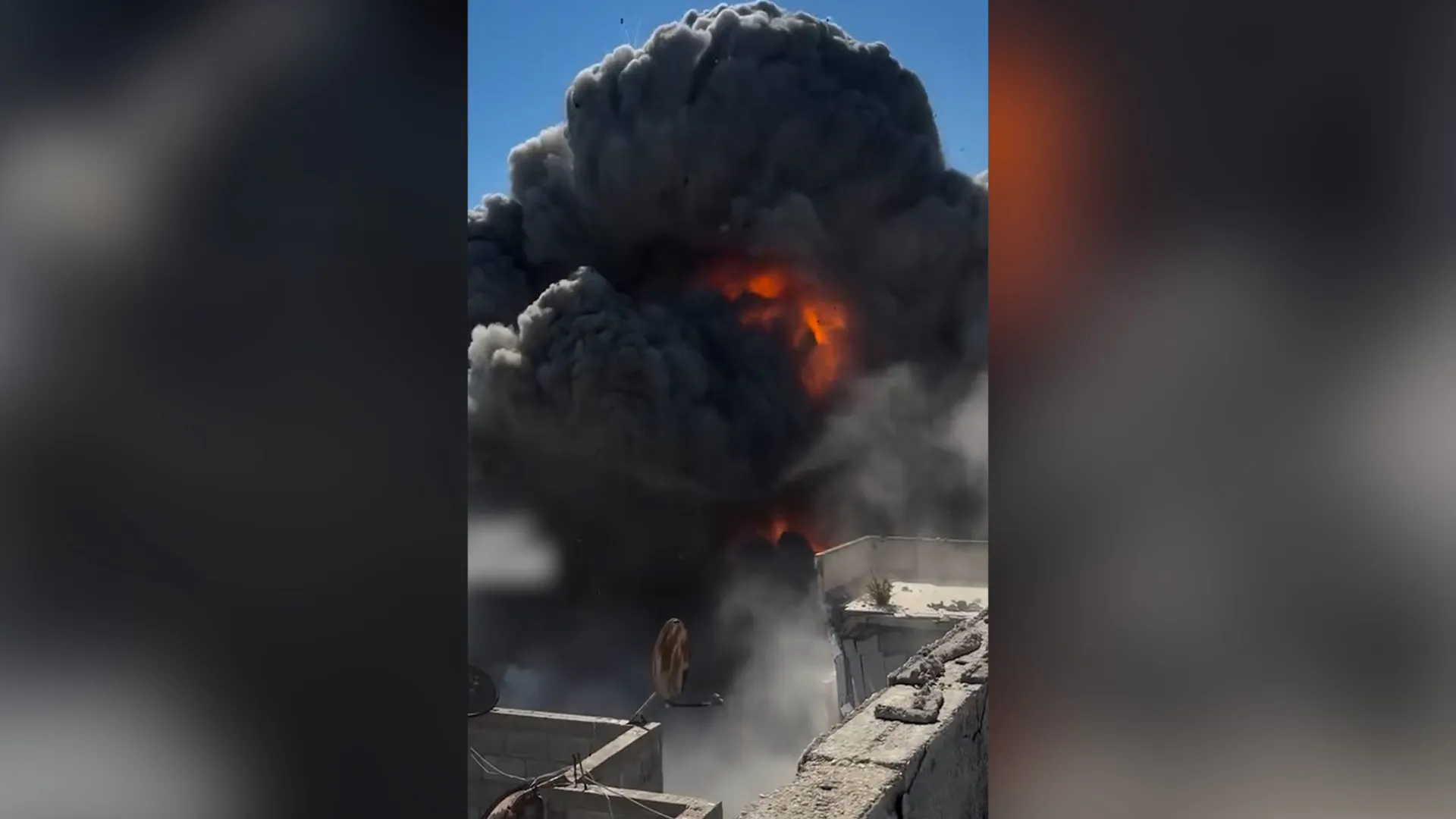
New videos show widespread destruction in Maarakeh following deadly Israeli strikes across southern Lebanon. On Tuesday, the Israeli military issued forced displacement orders for more than a dozen towns and villages, expanding its ground operation beyond its new, so-called ‘yellow line’.

Source link

Russia invites media to view deadly strike on college in Luhansk | Newsfeed

NewsFeed

Russia provided a rare look at damage caused by a Ukrainian strike on a college in occupied Luhansk. Moscow claimed that 21 people were killed in the targeted attack, Ukraine denied the claims saying it struck an elite Russian drone command unit operating in the area.

Source link

Indonesians sue government over deadly Sumatra flood response | Newsfeed

NewsFeed

Survivors of Indonesia’s deadly Sumatra floods are suing the government over what they say was an inadequate disaster response. As Al Jazeera’s Jessica Washington reports, they’re seeking a court order to declare the floods a national disaster and improve recovery efforts.

Source link

Kenya transport strike paused after deadly protests | Protests News

A nationwide transport strike in Kenya over surging fuel prices, blamed on the United States-Israeli war on Iran, has been suspended for a week after four people were killed in mass protests against the increases.

Kenya, one of many African countries heavily reliant on fuel imports from the Gulf, has raised petrol prices by 20 percent and diesel by almost 40 percent since Iran in effect blocked traffic through the Strait of Hormuz, a key chokepoint that normally handles about a fifth of the world’s oil.

The strike was launched on Monday by transport operators, particularly the “matatu” bus operators who provide most of Kenya’s public transport, in response to the latest sharp fuel price hike.

“The strike that is going on is suspended for a period of one week to provide an avenue for consultations and negotiations between the government and stakeholders,” interior minister Kipchumba Murkomen told reporters on Tuesday.

Albert Karakacha, the president of Matatu Owners Association, confirmed the suspension.

Authorities said four people were killed and more than 30 were injured nationwide on Monday. Police said on Tuesday that more than 700 people had been arrested in connection with the protests over fuel price increases.

Rights groups condemned the use of lethal force by security forces, with Amnesty International calling for “maximum restraint”.

The unrest also disrupted Kenya’s main trade corridor, with local media reporting that truck drivers had refused to move cargo amid fears their vehicles could be attacked and set alight by demonstrators.

The national energy regulator said last week the government had spent $38.5m to cushion consumers from rising diesel and kerosene costs.

In a further emergency measure, Kenyan authorities last month temporarily suspended fuel quality standards in a bid to maintain supplies amid growing shortages.

Despite being one of East Africa’s most dynamic economies, Kenya still has deep structural inequalities: about a third of its roughly 50 million people live in poverty and unemployment remains high.

Source link

Fear grips eastern DR Congo amid deadly Ebola outbreak | Ebola

NewsFeed

“I am afraid of dying.” From Bukavu to Kinshasa, concern is spreading among residents and street vendors as Ebola cases rise. In cities hundreds of miles apart, people are wearing face masks and calling for stronger protections from the latest outbreak in DR Congo.

Source link