NEW YORK — Mayor Zohran Mamdani and top New York Democrats are calling on the owners of private parking lots to block federal immigration officers from using their properties as staging areas, days after immigration officers shot a man in the city.
In a Friday letter, Mamdani, Senate Democratic leader Chuck Schumer, House Democratic leader Hakeem Jeffries and dozens of state and local lawmakers told lot and garage owners that the city needs their “help at a critical juncture.”
“In solidarity with immigrant New Yorkers and in our shared commitment to the City we love, we ask that you do not rent, lend, or otherwise make your property available to ICE as a staging area for its enforcement operations,” the letter reads. “Make it known to ICE that it is not authorized to use your garages and lots.”
The plea came after immigration officers shot 28-year-old Dominican national Oscar Belgal during an arrest last week as he rode in a car with his young son. The shooting sparked protests and drew renewed attention to the federal government’s immigration crackdown.
The federal officers had been using a nearby private parking lot as a staging area before the shooting, according to Friday’s letter.
A spokesperson for the Department of Homeland Security slammed the letter in a statement that read: “Mayor Mamdani should be grateful to our brave law enforcement officers for cleaning up the streets of NYC since he won’t. Luckily, no terminated parking will stop ICE from deporting criminal illegal aliens to make New York safe again.”
Federal officials maintain the immigration officers believed their lives were in danger and opened fire only after Belgal smashed his car into two government vehicles and accelerated toward them.
New York City has previously barred outside law enforcement agencies such as DHS from setting up staging areas on city property unless they have a judicial warrant or qualify for certain “limited legal exceptions,” according to the letter. “But these laws govern City property, not the private lots and garages that you operate,” it adds.
Private businesses have at times found themselves in the middle of tense political fights over President) Trump’s administration’s immigration enforcement push.
In one instance, a Minnesota hotel that refused to let immigration officers stay there in January apologized after public criticism from DHS, saying the decision violated its internal policies. In another, protesters occupied the lobby of a Manhattan hotel they said was housing some immigration officers.
The Savannah Bananas embarked on their first so-called world tour five years ago. It included only one stop — in Mobile, Ala.
As the unique brand of baseball entertainment known as Banana Ball expanded into a six-team league, the tours have grown in size and scope but never actually ventured out of the United States.
That will change next year. The 2027 Banana Ball Championship League tour will visit 79 stadiums across 74 cities, including the first-ever international stops. Four teams will travel to Mexico, with the Bananas playing the Texas Tailgaters in Monterrey on Feb. 5 and 6 and the Party Animals taking on the Loco Beach Coconuts in Tijuana on Feb. 12 and 13.
The tour swings to Canada in late summer, with the Bananas playing the Indiananapolis Clowns in Toronto on Aug. 14 and 15 and the Tailgaters facing the Party Animals in Winnipeg on Aug. 26 and 28.
“We got a lot of criticism over the years. ‘It’s not a world tour, you’re playing in one city! It’s not a world tour, you’re playing in seven cities in the southeast!’” Banana Ball creator and owner Jesse Cole said Thursday on ESPN2. “But we saw where we could go, and we’ve always had a vision to create 1 billion fans, one fan at a time. And over the last two or three years, we’ve heard from a lot of different countries all over the world.”
The Savannah Bananas, featuring Banana Ball creator and owner Jesse Cole in his signature yellow suit and derby hat, perform onstage during the 2026 ESPY Awards in New York.
(Mike Coppola / Getty Images)
Cole said he expects the 2027 tour to draw an estimated 4.3 million fans.
“Everything we do is do one experiment and then see where it can go,” he said. “And this crazy experiment of Banana Ball has gone some places we never imagined.”
Another new stop next year will be Dodger Stadium, where the Bananas will play the Firefighters on April 23 and 24. The same teams also will face off at Angel Stadium on July 2 and 3, marking the third consecutive year the Bananas have played at the venue.
The schedule reveal show included a number of announcements, including the debut of a concept called Banana Ball 360 on June 26 at Notre Dame Stadium. Two baseball fields will be set up on opposite ends of the stadium, with the game taking place on each during alternating innings.
“I do believe that fans at that show are going to be able to see things they’ve never seen before, and also every single seat is a great seat,” Cole said. “And that was the idea.”
Also announced were a new Disney-produced film documenting the growth of Banana Ball, which will premiere June 12 at Atlanta’s Truist Park, and the league’s third cruise, “Bananaland at Sea + Puerto Rico,” in January 2028. The cruise will depart from the Port of Miami and will feature a Banana Ball game at Hiram Bithorn Stadium in San Juan.
IT’S easy to get into the festive spirit at a Christmas market and they’re even better on the cheap.
In one city that Brits can reach in three hours for less than £30, hotels are £15 per night, and mulled wine at festive stalls is as little as 82p.
Sibiu Christmas has stalls, rides and mulled wine for less than £1Credit: AlamySibiu can be reached from the UK with direct flights that take 3 hoursCredit: Alamy
Sibiu in Romania is the ideal city for a festive break and it was even named as the 18th most underrated destination by Time Out last year.
Not to mention it’s cheap, eurochange has compared the prices of mulled wine across 55 Christmasmarkets across Europe, and Sibiu came out on top.
Sign up for the Travel newsletter
Thank you!
A warm cup of infused red wine can be bought from 82p which is hugely cheaper than in the UK, where it can more than £7 a cup.
And you’ll be able to buy it soon too, as its Sibiu Christmas Market is set to open on November 13 all the way through until January 3, 2027.
Held in the Grand Square, the Christmas Market is completely free to enter.
There’s plenty to do, from hopping on the Ferris Wheel, to visiting Santa in his workshop, ice skating, and relaxing at the Chalet where festive drinks (including mulled wine) are served.
On certain evenings, the Chalet will even turn into a party spot with a live DJ.
One visitor described is as ‘magical’ and a ‘photographer’s playground’.
Outside of the Christmas market, there’s lots to see like The Bridge of Lies which has lots of legends and myths behind it – and when lit up at night, can make for a great picture spot too.
Another must-see spot in Sibiu is Muzeul Astra, the largest open-air museum in Europe.
The Christmas market in Sibiu will open in early NovemberCredit: Alamy
Talking to Sun Travel, one Wizz Air flight attendant explained why Sibiu is a must-visit destination.
Niko said: “I’ve been to Sibiu in Romania several times already.
“You have the mountains, so there’s lots of nature, the food is amazing, everything is cheap and the people are so friendly.
“And you should try Papanasi. It’s a Romanian dessert that’s like a doughnut. It tastes amazing, but not good if you’re on a diet.”
It’s not just mulled wine in Sibiu that’s affordable – the price of a local pint of beer is less than £2 on average, according to Wise.
The price of a meal can be bought for less than £5 and coffee on average is also less than £2.
Brits can fly directly from London Luton to Sibiu three times a week with Wizz Air and one-way fares start from £26.99.
On Booking.com, one-night stays during November in Sibiu can cost less than £30 per night – or £15 each.
The Old Town is filled with pretty cafes and restaurantsCredit: Alamy
Here are the cheapest place for mulled wine in 2026…
Here are eurochange’s cheapest places for mulled once – and the average price of a cup…
Sibiu, Romania – 82p
Brașov, Romania – £1.63
Craiova, Romania – £1.63
Sofia, Bulgaria – £1.76
Olomouc, Czechia – £1.77
Brno, Czechia – £1.77
Gothenburg (Christmas at Liseberg), Sweden – £1.89
In the race to become L.A.’s next mayor, the city’s top cop — LAPD Chief Jim McDonnell — has become a lightning rod for debate.
The two candidates — incumbent Karen Bass and City Councilmember Nithya Raman — have staked out differing positions about how the Los Angeles Police Department has performed under McDonnell.
Raman has vowed to replace McDonnell, saying he has not “met the moment” given the department’s response to federal immigration raids. Bass has publicly backed the chief she hired two years ago, saying the LAPD could be thrown into disarray if McDonnell is removed before the 2028 Olympic Games.
Raman’s potential ouster of McDonnell and desire to push reforms on the LAPD has pitted her against the Los Angeles Police Protective League, the powerful union for rank-and-file officers that campaigned against Bass during her first election but is now backing her. The union has poured millions of dollars into attack ads against Raman, who has said she declined contributions from the organization in the past.
In an op-ed published in the Protective League’s monthly magazine earlier this year, union president Richard Mendoza called the Democratic Socialists of America, which has endorsed Raman, an “imminent threat to our members.”
Last week, Raman faced criticism for an Instagram video in which she appeared to slam McDonnell and the mayor, saying at one point “only you can stop fascist liars.” She later denied that she was referring to Bass or McDonnell, saying her remarks were improperly edited — and that she had the video pulled.
The Raman campaign did not respond to numerous requests for an interview about her vision for the LAPD.
Raman, a Harvard-educated urban planner, has sought to burnish her credentials as a political outsider by publicly calling for a change in LAPD leadership — but she hasn’t given a clear timeline on when she would replace McDonnell.
LAPD Chief Jim McDonnell greets Mayor Karen Bass during a ceremony at police headquarters in downtown Los Angeles on May 27.
(Christina House / Los Angeles Times)
Last week, Raman told ABC7 she expected to replace McDonnell in 2030, after he has finished his first five-year term. Hours later, she pulled back a bit, issuing a statement saying she expects to replace him prior to the end of his term, which concludes in late 2029.
“Chief McDonnell is Mayor Bass’s police chief,” her statement said. “I have made it clear that I would seek a chief who can keep Angelenos safe and restore trust with our immigrant communities.”
Her comments at a mayoral debate this week threw further uncertainty about who will run the LAPD if she gets the top job.
Raman sidestepped a question about whether she would replace McDonnell before the Olympics.
“I believe he’s lost the trust of Angelenos, especially in light of the ICE raids,” she said, adding that she wasn’t sure that she could make a “unilateral decision” to fire McDonnell outright. Bass pounced on the comment, saying that the fact that Raman didn’t know the mayor has that authority to get rid of a police chief shows she is unfit for the office.
The LAPD didn’t immediately respond to a request Thursday for an interview with McDonnell.
Asked about Raman’s remarks during his regular appearance on Fox 11 Los Angeles on Wednesday, McDonnell said he found it “problematic” to hear criticism of the LAPD’s response to civil unrest from someone “who wasn’t there.”
He defended the department’s protest response, saying his officers acted appropriately when confronted by unruly demonstrators hurling bottles, bricks, Molotov cocktails and commercial-grade fireworks. Fifty-two officers suffered injuries, ranging from concussions to hearing loss, he said. Such “riotous situations” necessitated the use of tear gas against crowds, he said, something the department hadn’t done in decades.
“It was getting to a point where it could become a deadly force situation, which we were trying to avoid at all costs,” he said. “I don’t think it could’ve been done differently that could’ve had a better outcome.”
City Councilmember Nithya Raman speaks during a debate with incumbent Mayor Karen Bass on Oct. 13.
(Eric Thayer / Los Angeles Times)
Conventional wisdom holds that new mayors will eventually select their own chief, a decision that is considered as important as any in defining a city leader’s legacy. Some have waited longer than others to do it. Bass, for instance, oversaw the reappointment of McDonnell’s predecessor, Michel Moore, shortly after her election and stood by him for a year before Moore’s abrupt resignation in early 2024.
Mayors in other big cities have faced similar dilemmas.
In New York City, Mayor Zohran Mamdani, a democratic socialist whom Raman is sometimes compared to, recently announced that he intends to retain NYPD Commissioner Jessica Tisch, in a move that was decried by his progressive base. Mamdani told local media that he believed that Tisch was right for the job, based on a proven track record of rooting out corruption and had overseen a crime drop as commissioner, which is the equivalent of a police chief in L.A.
Bass selected McDonnell to lead the LAPD in November 2024 after a lengthy nationwide search.
His appointment was viewed with surprise in local political circles, where some questioned why a progressive mayor like Bass, with a background in community organizing, would hitch her fortunes to a law-and-order chief. Others argued that McDonnell was an appealing choice: An LAPD veteran who offered experience and respect after serving as the chief in Long Beach and later as L.A. County sheriff.
After numerous scandals under Moore, McDonnell was seen as offering stability while the city prepared for the massive security challenges of the World Cup and Olympic Games. In McDonnell, his supporters say, the mayor has an honest and principled leader who has managed to steady a department beset by low morale, dwindling staffing levels and aging facilities. Violent crime has fallen to historic lows under his watch, as it has it many other U.S. cities.
McDonnell, however, has faced withering scrutiny over a dramatic rise in police shootings last year and for the department’s use of hard foam projectiles, tear gas, horse-mounted officers and other tactics against protesters. Within the LAPD, some have also criticized McDonnell for taking a detached approach to running the department and ceding control to underlings, such as Assistant Chief Dominic Choi.
During Tuesday’s debate, Raman suggested that under McDonnell the LAPD has drifted back to being a more opaque, closed-off agency that no longer publishes basic information such as neighborhood-level crime statistics.
In a recent interview with The Times, Bass signaled her frustration with the slow pace of change within the LAPD.
Without singling out McDonnell by name, Bass said she was concerned about the lack of progress on revamping LAPD’s much-maligned disciplinary system, which the chief oversees and which — depending on who you ask — either punishes officers too harshly or fails to hold them accountable.
Bass said that when she toured police station houses after being elected, the number one complaint she heard was about the perception that lower-ranking officers are punished more severely than command staff.
“They feel that command gets away with a lot of things that the rank and file does not,” she said. “So I feel like the reform of the disciplinary system has not gone fast enough, and I am concerned about that.”
Bass has also vowed to make a priority of addressing police shootings of civilians, particularly those involving people experiencing mental health crises. Last month, she signed an executive directive calling for an outside review of the LAPD’s policies and training, which she referred to as “woefully inadequate.”
Los Angeles Police Chief Jim McDonnell speaks at a news conference at the Hall of Justice on Aug. 6.
(Arwen Clemans / Los Angeles Times)
If McDonnell has any doubts about his future, he hasn’t hinted at them during recent public appearances, often talking about the department’s role in the Olympics.
Bass told The Times that a push to replace McDonnell right before the 2028 Olympic Games would leave the LAPD with a leadership vacuum just as its leaders are supposed to be focused on security plans for that event. The last time city leaders recruited a new chief, the search process was nationwide, lasting more than 10 months, she said.
“I think that [Raman] is naive on what it means to do that,” Bass said. “I think she’s naive, and not understanding the instability to the department when leadership is in flux. And so if it took her the same amount of time, that means we’d have a new police chief about seven to eight months before one of the most high-profile security events in U.S. history.”
LAPD Chief Jim McDonnell with his wife Kathy, right, is introduced as the 59th chief of the Los Angeles Police Department with Dr. Erroll Southers, then the president of the Los Angeles Police Commission, left, and Mayor Karen Bass on Nov. 14, 2024.
(Brian van der Brug / Los Angeles Times)
In some ways, Raman and Bass are not as far apart on public safety as they previously were. Both candidates have been critical of the license plate reader company Flock Safety, advocated for investing in alternatives to policing and have recently indicated that they are committed to keeping the LAPD from shrinking any further. And since launching her mayoral bid, Raman’s campaign has publicly distanced itself from the “defund the police” movement that Bass has consistently rebuffed.
Where the two candidates diverge most sharply was over a package of police raises negotiated by Bass in 2023 that Raman said has deepened the city’s financial problems. Sold as a way to boost recruitment, the pay increases are among the reasons the police union has endorsed Bass’ reelection. The next mayor will be asked to negotiate a new police contract, which is set to expire next year.
Matt Klink, an L.A.-based Republican political consultant, said that law enforcement groups, such as the Protective League, were skeptical of Bass when she first took office but now back her because she has “shown through her first term in office that she has consistently supported the police.” He said that Raman, on the other hand, has played to the far left by villainizing McDonnell and downplaying concerns about safety.
“Mayor Bass has a stronger record of supporting the police,” he said. “She backed our contracts and our budgets — she has generally supported public safety.”
UCLA professor David Turner said despite his wariness of Bass’ centrist drift, he and other progressives are equally skeptical of Raman, who, has repeatedly voted to increase the LAPD budget without any meaningful efforts to rein in police misconduct.
“That money was proposed by Mayor Bass and voted and approved by Councilmember Nithya Raman,” said Turner, who runs Million Dollar Hoods, which seeks to map the impact of mass incarceration. Still, he said, he hopes that Raman’s tough talk about McDonnell will translate into more accountability for the LAPD.
“What I’m looking for and what L.A. progressives are looking for is a certain level of boldness and a willingness not to capitulate to the [Protective League] and their whims,” he said.
Times staff writers David Zahniser and James Queally contributed to this report.
Karina Longworth loves Los Angeles for all its quirks and charms.
Born and raised in the San Fernando Valley, the film critic, author and journalist has made a career out of celebrating her city. Her podcast “You Must Remember This,” about “the secret and/or forgotten histories of Hollywood’s first century,” has spent 21 seasons diving into the intricacies of the movie industry, from lauded stars to undersung production designers. (Its new season, “The Bisexuals,” tells the story of singer turned actor Libby Holman, whose love life would later intersect with the now-famously queer screen star Montgomery Clift.)
In Sunday Funday, L.A. people give us a play-by-play of their ideal Sunday around town. Find ideas and inspiration on where to go, what to eat and how to enjoy life on the weekends.
She’s also fiercely loyal to the hangouts and haunts she grew up frequenting.
“Until they closed down three or four years ago, my favorite Indian restaurant was this place in Studio City on Ventura Place called Gangadin,” she says. “That was the only place I would order from, and I have not been able to find an Indian spot that I like since just because I’m comparing it to Gangadin, which probably wasn’t even the most authentic or the best. It’s just what I had been eating for 30 years.”
Here’s how Longworth would spend her perfect Sunday in L.A., from a stroll down Mulholland Drive to grabbing a cup of frozen yogurt with a cinematic spin.
This interview has been lightly edited for length and clarity.
9 a.m.: Get up and grab a latte
I try to sleep as late as possible, but the older I get, the harder it is to actually sleep in. Ideally on a perfect Sunday, I would sleep until 9. It doesn’t always happen, but I try.
My favorite place to get coffee in L.A. is Kings Road Cafe. I’ve been going there since the ‘90s, and I still think they have the best coffee in Los Angeles. It’s very strong and they give you a large portion, and I find that you rarely get both of those things in L.A. (I like a coffee that can last me multiple hours.) I’ll usually get an almond milk latte — iced if it’s warm out, hot if it’s not.
10 a.m.: A Laurel Canyon hike
Probably what I’d do next is go over to Laurel Canyon. I built my recording studio in a tiny house at the end of a cul-de-sac in Laurel Canyon a few years ago, and I really like hiking around there. So I’d drive up, park there, and then walk up Laurel Pass to the Nancy Hoover Pohl Overlook.
The first half of that walk is really tough because it’s just straight uphill until you get to Mulholland, but I like it because it’s not a hiking trail, so it’s not dusty and there aren’t that many people. There’s an element of solitude and quiet to it, and I love that the end of it is all downhill so you can just kind of run down and get it over with.
Growing up in the Valley, I always romanticized Mulholland Drive, which was always quote-unquote “over the hill.” There’s something about manifesting and then realizing my ideal adult life that I can come to understand by standing at the overlook and looking at the other side, remembering when I dreamed of living where I do now.
In the ‘80s and ‘90s, the Valley wasn’t what it is now. There wasn’t an Alfred Coffee or anything like that. It was a few years behind the times compared to Hollywood or Beverly Hills, where all the cool stuff that I wanted to do was usually happening. All the good record stores, all the good bookstores and movie theaters.
I used to go to the Silent Movie Theater when I was a teenager or the Beverly Cinema, which is now the New Beverly. I’d go to the Nuart all the time, too. I saw a lot of important movies at the Sunset Five, which is now called the Landmark Sunset [Hollywood] and isn’t going to be showing the 2026 equivalent of “Gummo.” I think being in the Valley just felt like being in the Los Angeles version of suburbia and so it was like, “I’ve got to get out of here and go to where things are actually happening.”
11:30 a.m.: An old favorite
After that walk, I’ll go back to my place in Laurel Canyon to have a shower and get dressed and then it’s off to Art’s Deli on Ventura Boulevard in Studio City, which is a place that I’ve been going to since 1987. I had friends that worked there in high school, too, so I was there almost every day having matzo ball soup and coffee.
There used to be a lot more really good delis in L.A. My favorite actually was Solley’s in Sherman Oaks, where I used to go with my grandfather. I’ve never had white fish salad that’s better than what they had at Solley’s, but Art’s Deli is good, too. I really like their knishes, or I’ll get a half-sandwich and soup. I’d probably do turkey on rye with mustard, but with coleslaw and Russian dressing on the side so I can add small amounts when I want. That and a cup of split pea soup.
1 p.m.: Sweet treats
Ideally after lunch, I’ll get dessert at Humphrey Yogart. It’s sort of a funny joke that I’ve become this classic movie person and there’s this frozen yogurt place inspired by the name Humphrey Bogart, but I’ve actually been eating Humphrey Yogart since before I knew who Humphrey Bogart was.
They take frozen yogurt — sweet or tart — add mix-ins, and then put it in this crazy blender that’s like a giant drill with a handle that comes down. I like to do sort of a fake Cherry Garcia with cherries and some kind of nut, but they also have an option called Killer Chocolate where they take plain tart yogurt and add a dark chocolate syrup, which I really like. I’ll add orange and espresso to that, and sometimes I’ll have them put sprinkles on top because sprinkles are amazing.
2 p.m.: Movie magic
I love to go to the movies. On Sundays at the Los Feliz Three, they do something called “Sunday Print Edition” where they show a 35mm print and have somebody come and talk about it, which is always cool. Or if there’s a festival happening at the Egyptian or something I wanted to see at Vidiots, maybe I’d do that.
I think the Egyptian is probably my favorite movie theater in L.A. It’s historic, it’s beautiful inside, and I find that the projection and programming are both very good. It’s also close to where I live so that’s convenient and, assuming they’re open, you can go have a drink or food at Musso and Frank after, which is perfect.
4 p.m.: Dodgers and drinks
Usually on Sundays, the Dodgers play at 1 o’clock, but if it’s a nationally broadcast game sometimes it’ll be on at 4 o’clock. If that’s the case, then I’d like to go to Colombo’s to sit at the bar, have a drink, and watch some of the game.
I think I’d have either a vodka martini, a Manhattan on the rocks, or maybe a glass of wine. Colombo’s is my favorite place to watch a Dodger game that’s not a sports bar. I don’t really love sports bars anyway, but if it’s a big World Series game maybe I’d go somewhere in Koreatown that’s more sporty to watch. But for sitting in a dark bar to watch an hour and a half of a game while you have one or two drinks, Colombo’s is perfect.
6 p.m. Dinner at Da Prato
Right now, I really like Da Prato, which is run by this chef Elisa Da Prato, and she’s calling it a supper club. It’s in this strange almost-loft space on 2nd Street downtown, and I’ve been there three times since early July. Each time it’s gotten busier and busier, too, so I think word of mouth is growing.
She just makes very beautiful traditional but artistically done Italian food. Everything is homemade, and it’s very L.A., but at the same time, it feels like you stumbled into some small place in an alleyway in Rome because it’s informal and they only have a small staff. It’s such a great experience, but you have to think of it in a European way because it’s not a place where you’re going to get in and out in 45 minutes. You’re going to have several courses, you’re going to linger over your food, order a couple bottles of wine, and everything’s going to be very relaxed and wonderful.
If I can’t go to Da Prato or if I need a more “special occasion” place, I’d do Jacaranda, which was started by chef Daniel Patterson and his wife, Sarah Lewitinn. I’ve been internet friends with Sarah for 15 to 20 years, so I went a couple times when they were doing it as a pop-up in their house, and now I’ve gone once since they opened the official restaurant. I’m not normally a tasting menu person because some places it can feel like too much food, but Daniel’s cooking is so phenomenal and you can absolutely manage to eat all 12 courses without feeling like you want to die.
10 p.m.: Skincare and sleep
After dinner, I’d head home and maybe take a little walk to burn off dinner a bit. Otherwise, it’s time for my nighttime routine, which is boring middle-aged lady stuff like skincare and taking magnesium. I try to be asleep by 10, but oftentimes the only time I really have to read a novel or to read for pleasure is in the 10 minutes before bed. So I’ll read a physical book or my Kindle or put on a show that I’ve seen 1,000 times if I just need something to fall asleep.
Chichester has made it onto the list of top places to visit in the world in 2027Credit: GettyThe city has its own harbour and is close to beaches tooCredit: Getty
Expedia has revealed the trending hotspots for next year, which have seen a boom in searches.
Chichester has seen an increased interest of up to 30 per cent, the city itself dates back almost 2,000 years – and its main attraction dates back to 1075.
Sign up for the Travel newsletter
Thank you!
Chichester Cathedral sits right in the heart of the city and has done for over 900 years.
At 277 feet high, it’s the only medieval cathedral in England that can be seen from the sea.
Other popular spots for visitors include Fishbourne Roman Palace, the biggest Roman house in the UK, and the open-air Weald and Downland Living Museum.
Hopefully visitors will bump into friendly locals too as the city was voted the happiest place to live by The Guardian last year.
The location of the city means that it’s less than half an hour away from some of Britain’s beaches.
West Wittering Beach is a mere seven miles away from Chichester city centre and still in the district of Chichester.
The pretty beach has Blue Flag status and is backed by colourful beach huts, and the village itself is home to huge celebrities including Keith Richards and Kate Winslet.
Other nearby coastal spots include Selsey Beach and Bognor Regis – both of which are home to popular holiday parks like Seal Bay Resort and Butlin’s.
Chichester Harbour has thousands of moorings and waterfront restaurantsCredit: Alamy
There is waterfront nearer to the city however as Chichester has its own harbour with sailing clubs, marinas and thousands of moorings.
One popular spot for visitors to enjoy lunch is The Boathouse in the marina which has indoor and outdoor seating.
Chichester also has lots of green spaces too as the area surrounding the city is part of the South Downs National Park.
For those who want to visit, Chichester has its own railway station with direct trains to London Victoria – these take around an hour and a half.
It is even in the famous Bayeux Tapestry, as it was where King Harold lived.
TheCredit: AlamyChichester canal basin, West Sussex, EnglandCredit: Getty
Other locals say it looks like an ‘old fishing village‘ found in Devon or Cornwall.
Talking about Unpack ’27, Expedia Group CEO Ariane Gorin explained: “In 2027, travellers are being more intentional in choosing their next adventure, seeking experiences that are more personal and purposeful to them.
“We’re making it easier to discover, plan, and book the right trip, so travellers can spend less time managing the details and more time enjoying the moments that matter.”
The next closest spot for Brits, and the perfect destination for a holiday is Perugia in the Umbria region of Italy.
Flights with Ryanair are direct from London Stansted and start from as little as £20.
Found on the hilltop, the Umbria capital is one for the foodies, being famous for its chocolate (and annual chocolate festival).
There are also jazz festivals, historic fortresses and beautiful architecture to explore as well.
Here is Expedia’s full list of Destinations of the Year for 2027…
Los Tigres Del Norte will perform this Saturday at Anaheim’s Honda Center. Ahead of rocking the Pond with its classic hits, the famed norteño band brought its signature sound and activism to NPR’s Tiny Desk Concert. The performance closed out the series’ Hispanic Heritage Month celebration, dubbed as “El Tiny.”
Composed of the Hernández brothers (Jorge, Hernán, Eduardo and Luis) and cousin Óscar Lara, Los Tigres Del Norte was founded in the late 1960s in the Sinaloan town of Rosa Morada and settled in San José. It has sold millions of records worldwide with songs about the drug trade, unrequited love and immigrant life in this country.
That theme of immigrant struggle within the U.S. was top of mind when the group performed at NPR’s Washington, D.C., offices.
The group was recently honored by the city of Minneapolis in September for defending the rights of immigrant communities for decades, and for standing in solidarity with the city following the large-scale immigration enforcement campaign that took place there earlier this year. Minneapolis Mayor Jacob Frey proclaimed Sept. 9 Los Tigres del Norte Day.
“[Following the Immigration and Customs Enforcement raids], they told the people of Minneapolis, the Latino American community that we are one, that we are united and that we’re going to do everything possible for the people that we love,” Frey said in a September news conference.
Los Tigres’ director and lead vocalist Jorge Hernández told The Times the honor came as a surprise to the group, who was in town for the 39th annual Hispanic Heritage Awards to present the people of Minnesota with the Humanitarian Award for their collective acts of solidarity with the immigrant community throughout the ICE raids.
The frontman said he was humbled by the action and was touched to spend time with members of the Minneapolis community who worked on the front lines during the ICE surge.
“There were Latinos present who set an example for how to support people in [a time of chaos],” Hernández said. “Those who were documented brought food to families who were undocumented so that they didn’t have to go outside to face the problems that were made possible due to [the Trump administration]. It’s because of action like those that we showed up for the city.”
Immediately after its time in Minnesota, the band flew out to film the Tiny Desk set.
The performance was a long time coming, according to Hernández.
“It was something beautiful and historic for us which should’ve happened 10 to 15 years ago,” he said, blaming conflicting schedules for the delay.
Though postponed, the 73-year-old musician knew the band’s messages would land with as much timeliness as ever.
In his introduction for Los Tigres Del Norte, NPR’s “Alt.Latino” host and “El Tiny” coordinator Felix Contreras spoke about why he wanted the band to perform as part of Tiny Desk’s month-long celebration of Latinidad.
“Our community is under attack and it’s not the first time … and it takes away our humanity,” Contreras said before Los Tigres kicked off the set with their hit “Somos mas Americanos.” “And for as long as I can remember, these gentlemen have been giving us back our humanity.”
Opening with the 2001 track was notable as the song flips jingoist U.S. narratives about who can call themselves American. The lyrics assert that Mexicans are more American than “gringos” and highlight how a large swath of the U.S. once belonged to Mexico.
Los Tigres let their songs do all the talking as they played straight through a series of tunes from across several decades, including 1995’s “Golpes en el Corazón,” 1997’s “Quiero Volar Contigo,” 1989’s “Ni Parientes Somos” and the 1986’s bittersweet single “La Puerta Negra.”
Hernández said the group wanted to use the platform to bring further awareness to the struggles immigrants continue to face in this country with an audience that notably skews more American than Los Tigres is accustomed to.
“We performed songs that talk about the problematic systems [in the U.S.] that have been around for years, but that are right now worse than ever before,” Hernández said. “The songs we sang [for Tiny Desk] have a lot to do with our society. I hope the wider public can listen to it and translate the songs to English so that they can connect to the lyrics.”
He said he hopes that the band can set an example for younger people that political messaging through music can empower artists, not hinder them.
“We’ve been singing songs since the ’70s about immigration and problems our community faces,” Hernández said. “As an artist, if you see a problem that affects your community, no matter how much you ignore it, you must realize that you are an active participant. You can’t stay quiet, your songs should talk about your problems so that through your work you can connect with and inform people.”
One thing that has continued to surprise and inspire Hernández over the last few years is seeing younger generations of fans celebrate his group’s music.
“They are the future and we sing our songs to them so that they can hear about the problems in our community that have existed and that persist,” he said. “At some point in life you will face big problems and it will be important that you know your history, what you stand for and how to defend yourself. We want to help people know their rights and be prepared to know how to act in difficult times like right now.”
Fish was thrust into the action for his first minutes of the season against the Hornets after Dylan Lawlor went down clutching at his hamstring.
Wales international Lawlor had only just returned from his own injury, and was making his second start of the campaign before being forced off after 29 minutes.
Fish has been recovering from hernia surgery, and feels he has more to go before declaring himself fully fit, although he is in a much better place than he was.
“It’s never nice to get injured, especially as we came back for pre-season. In effect, I’ve not really had a pre-season. I’m almost playing catch-up at the minute,” he said.
“I feel like I’ve got a long way to go, but it was nice to get out there on Tuesday night and get some minutes into my legs.
“My injury, you can’t help that. It is what it is. I got over it, and I feel like I’m in a good place now, and I’m ready to help the team.”
Cardiff established a 5-0 lead with five minutes of Tuesday’s game remaining – only to concede a late Watford consolation shortly after.
“I was disappointed,” admitted Fish.
“At that stage in the game, of course, we could have done better. We were all hoping for the clean sheet, but it was nice to get three points.”
Cardiff are yet to keep a clean sheet since winning promotion back to the Championship and face a tough challenge when they head to second-place Middlesbrough on Saturday, October 17 (12:30 BST).
Like Cardiff, Kim Hellberg’s side rank among the best performers for shots on goal and touches in the opposition box.
After a trip to Teesside, the Bluebirds face further tests against Birmingham and relegated trio Wolves, West Ham and Burnley.
Fish is not looking too far ahead. Instead, he wants his side to lay down a marker by becoming the first away side to win at the Riverside this season.
“The games we have got coming up are tough. Every game of football that you play in this league is tough. We will just take it game by game,” he said.
“[Watford] was a good start, and hopefully we can pick up another win in Middlesbrough on Saturday.”
On Monday, the GMCA released a statement about Burnham’s meetings with Man City in his role as mayor for the region for almost a decade.
The statement said he had a formal meeting with Al Mubarak in October 2021 at the UK Government’s Global Investment Summit, arranged by the Department for International Trade; and that he met the club chairman “informally in the stands” at a testimonial match in 2019 for former player Vincent Kompany.
It also said that “in his capacity as mayor, he was a guest of Manchester City at home matches on a small number of occasions”.
A previous GMCA register of declarations for Burnham, seen by the BBC, detailed a “dinner with [then-Manchester City Council leader] Richard Leese and Chair of Man City” for an Everton match at the Etihad stadium in August 2017, valued at £300 for hospitality.
Below is another entry for “dinner with the Chairman at the Man City/Man Utd derby at the Etihad” in April 2018, valued at approximately £699.
Burnham previously declared those dinners, alongside a £150 pair of tickets to see Ed Sheeran perform at the stadium in May 2018.
But the register of declarations has since been deleted from the GMCA website, as first reported by The Sun. The BBC understands it is the authority’s policy to only publish entries from the current mayoral term.
BBC News has asked GMCA for more details about this policy – given its website has entries dating back to 2022, despite the current mayoral term beginning in 2024.
Downing Street has defended the two dinners with Man City’s chairman, saying this was hospitality received at home games, which had been declared, rather than separate meetings with the club chairman.
But political pressure on Burnham to be clearer about any former discussions with Man City is continuing to mount.
Tory shadow sports minister Louie French said: “Andy Burnham promised the country and House of Commons full transparency on his dealings with Manchester City.
“This was essential after his inappropriate intervention into football.”
And Reform UK’s Robert Jenrick said “this saga stinks” as he accused Burnham of having apparently “concealed his extensive links to Man City’s owners”.
Conservative leader Kemi Badenoch has demanded for several days that No 10 release all details of meetings between the prime minister and senior figures at the club.
Burnham told the Rest Is Politics podcast last week he was “happy” to do this and would “quite clearly put out there everything that I have done working with them in my previous role as Mayor of Greater Manchester”.
“None of it is recent, actually, in terms of the meetings I had. I only had one significant meeting, actually, and that was in 2021.”
Asked at Prime Minister’s Questions on Wednesday whether anyone at the club had raised the charges they were facing with him or his team, Burnham said: “They did not raise those issues with me.”
With the PM continuing to face pressure on the issue, he told MPs he was happy for “everything to be set out in full”, referring to the GMCA’s statement as “a full statement of my key dealings with the owners of Manchester City Football Club”.
When asked by reporters why the statement did not refer to the two dinners, and what the difference is between “everything” and “key dealings”, the PM’s press secretary referred back to the GMCA statement.
The list of meetings, which was published by the GMCA on Monday, did not include detail on what was discussed. The BBC has asked GMCA why the two dinners were not specifically mentioned.
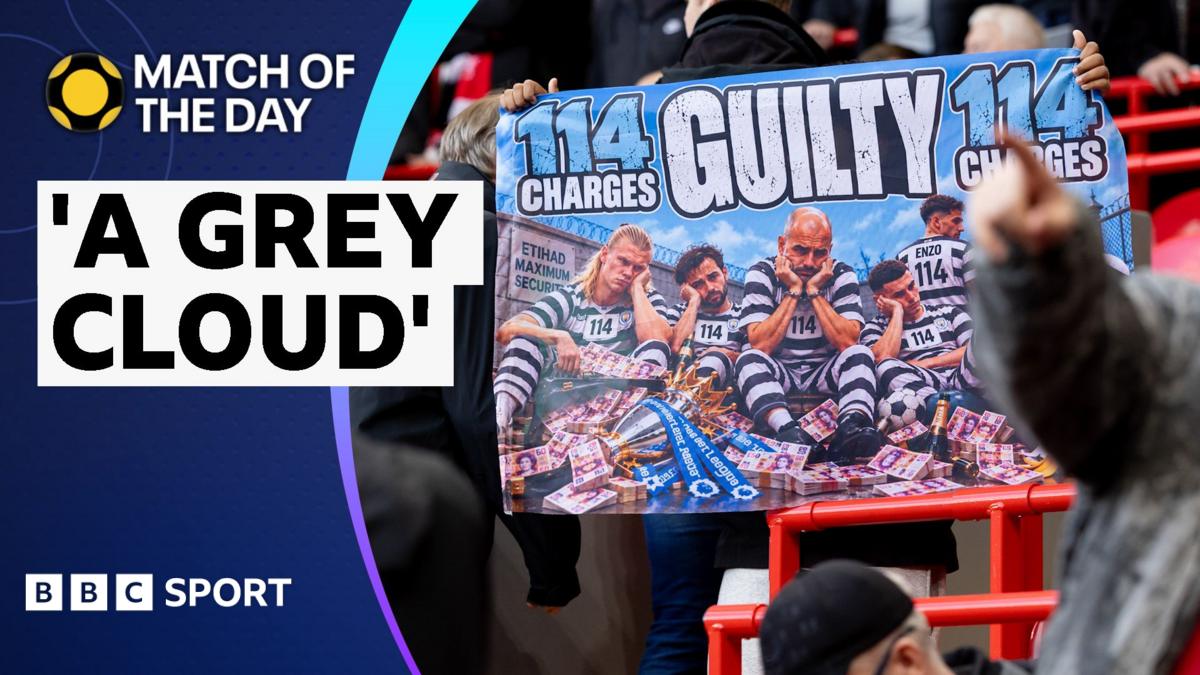
In September Man City – which has dominated the top flight of English football for years – was found guilty by an independent commission of breaching Premier League financial regulations.
The commission found City had broken rules over a nine-year period between 2009 and 2018 by creating “sham” contracts with commercial partners to secretly funnel more than £830m into their football operations.
Sanctions are yet to be announced and City, which denies any wrongdoing, has lodged an appeal against the verdict.
Earlier this month, Sir Richard Leese – who was head of Manchester City Council for 25 years until 2021 – defended a decade-old deal between the council and Man City owners Abu Dhabi United Group (ADUG).
Under the partnership between the authority and the company, which is linked to the United Arab Emirates royal family, land was leased to ADUG at “below comparable rates”, according to a University of Sheffield report.
Paris Saint-Germain score three first-half goals, but Erling Haaland brace nearly drags Manchester City back in UCL.
Published On 14 Oct 202614 Oct 2026
Paris Saint-Germain further soured the mood at the Etihad Stadium as Manchester City’s first home game since the guilty verdict on widespread flouting of Premier League financial rules ended in a 4-2 Champions League defeat on Wednesday.
The European champions turned on the style to strike three times inside the opening 35 minutes through Desire Doue, Ousmane Dembele and Vitinha.
Recommended Stories
list of 4 itemsend of list
But City stormed back in the second half as Erling Haaland scored twice on either side of Maghnes Akliouche’s strike, which briefly restored PSG’s three-goal cushion.
The 10-time English champions face swingeing sanctions unless they can successfully appeal last month’s ruling by an independent commission, which found the club guilty on more than 100 charges of financial impropriety.
City shrugged off the uncertainty over their future to win 3-0 at Liverpool on Sunday and remain top of the Premier League, but PSG showed why they are the favourites to win this competition for a third consecutive season.
Former City manager Pep Guardiola returned to the Etihad for the first time since his departure in May, sitting behind the club’s embattled chairman Khaldoon Al Mubarak and CEO, Ferran Soriano, in a show of solidarity.
City made passing reference to the guilty verdict with a lengthy pre-match video detailing the club’s historic moments of celebration both before and after an Abu Dhabi-backed takeover in 2008 that transformed their fortunes.
Behind one end, supporters unfurled a giant banner reading: “I’m City till I die.”
Yet the fighting talk in the stands didn’t match the on-field action as City were blown away by a scintillating first 45 minutes from the visitors.
Luis Enrique’s decision to leave Khvicha Kvaratskhelia on the bench proved inspired, as it meant Doue started wide on the left.
Gianluigi Donnarumma had a point to prove after the Italian goalkeeper was let go by the PSG coach just months after helping deliver the club’s first Champions League title in 2025.
However, it turned out to be a night to forget for the giant Italian.
Donnarumma was caught out at his near post by Doue’s outside-the-box effort after a lightning counter-attack to open the scoring.
The move for the second goal two minutes later was even more impressive, as Doue and Dembele exchanged an elaborate one-two before the latter headed in at the far post.
Achraf Hakimi hit the post before Vitinha rattled in PSG’s third from the edge of the box.
Maresca responded with a triple substitution at half-time and managed to salvage some pride, even if the deficit proved too much to overturn.
Antoine Semenyo and Enzo Fernandez missed glaring chances to pull a goal back even before Haaland glanced home a header from Iliman Ndiaye’s cross.
Yet City were hit by a sucker punch when Donnarumma got a hand to Akliouche’s effort, but the ball looped high and spun back into the net.
Nuno Mendes made a brilliant clearance off his own line, and Haaland hit the bar before the Norwegian slotted home his second of the night.
Donnarumma saved a late Ferran Torres penalty, denying the French champions a fifth goal.
But in the battle between two state-backed projects that have reshaped European football, Qatar-owned PSG are the top dogs right now as City face a scandal that puts their trophy haul over the past 15 years in question.
BRITS will get more choice of where to go on holiday next year as TUI has announced eight new routes.
These will take-off from London Gatwick to destinations from sunny Spanish cities to North African islands.
TUI is adding eight new routes from London Gatwick for summer 2027Credit: AlamyOne of these routes is to the popular winter sun city of SevilleCredit: arcady_31
For summer 2027, TUI is adding eight new routes which will contribute to its 17 million seats and 84,000 flights planned for next year.
There will be three new routes to Spain, one of which will be to Seville which is popular for winter sun thanks to its year-round sunshine.
Sign up for the Travel newsletter
Thank you!
Even in the winter, Seville can experience highs of 18C.
The city has plenty to see like Royal Alcázar of Seville, Seville Cathedral and Plaza de España which is a cobbled square with four bridges over its small river.
In Greece, one of the new routes is to the Greek city of AthensCredit: Getty
He added: “I climbed Mars Hill to catch the sunset over the city — an experience that’s usually a shoulder-to-shoulder fight in July, but in winter felt like my own private viewing platform.
Another of TUI’s new routes is to Mytilene (Lesvos) which is on the Greek island of Lesbos.
In the city, visitors can explore Mytilene Castle, stroll around Ermou Street Market and enjoy seafood at the tavernas along the waterfront.
It even has its own Statue of Liberty in the harbour.
One of the three Spanish routes is to ValenciaCredit: GettyThe island of Lesvos has bright blue Mediterranean watersCredit: Getty
TUI will also fly to Palermo, the capital of the Italian island of Sicily.
It sits on the northern coast of the country with both sandy and rocky beaches like Mondello Beach and Addaura.
One free attraction is San Domenico Square which is the entrance to La Vucciria a market selling things like food, jewellery and souvenirs.
TUI is also offering a direct route to Tangier in Morocco which sits along the Strait of Gibraltar.
The city itself has plenty to see including its medina, busy souks, and landmarks like the Kasbah and the Caves of Hercules.
The city itself has a blend of cultures; African, French and Spanish.
It has a vibrant café culture thanks to its French influence, tapas culture from Spain.
In the summertime, Tangier sits at around 30C so it’s warm, but still mild enough to explore.
Tangier in Morocco boasts souks and the Cave of HerculesCredit: DoraDaltonDjerba is off the coast of Tunisia and is hot all year-roundCredit: BTWImages
Another route is to Djerba, a large island off Tunisia’s southeastern coast.
It has sandy beaches and for any Star Wars fans, it was the filming location for Star Wars: Episode IV – A New Hope – and there are regular tours too.
Head of Sun Travel, Lisa Minot, visited Djerba last year, she said: “Relatively undiscovered by us Brits, Djerba is a great-value option for those looking to explore beyond the Med favourites.
“Sizzling in summer, temperatures remain high all the way through to November and rarely dip below the 20Cs, even in the depths of winter, making it ideal for out-of-season sunshine.”
The woman’s young daughter was rescued from a large fire inside the apartment caused by the attack.
Published On 14 Oct 202614 Oct 2026
An Israeli air strike on an apartment block in Gaza has killed a woman and wounded two other people, hospital officials said.
Reem Asaad Awad, 33, was killed in the attack early on Wednesday in the Al-Rimal neighbourhood of Gaza City, the Turkish state news agency Anadolu reported, quoting a source at Al Shifa hospital.
Recommended Stories
list of 3 itemsend of list
The source said the strike caused extensive destruction to the targeted apartment and nearby buildings.
The daughter of the woman who was killed was rescued from a large fire that broke out after the attack.
Israel says it is investigating the strike and claims it targeted a member of Hamas, without providing evidence.
Reporting from Gaza City, Al Jazeera’s Ibrahim al-Khalili said the strike happened at 4am (01:00 GMT).
Israel has killed 1,501 Palestinians in Gaza since it agreed a “ceasefire” with the Palestinian group Hamas last October. The truce was part of a wider United States-backed proposal to end Israel’s genocidal war against Palestinians in Gaza.
Talks aimed at advancing to the second phase of the US plan, which includes the withdrawal of Israeli forces and the disarmament of Hamas, have stalled.
The agreement states that 600 trucks of humanitarian aid are to be allowed into Gaza each day, but Israeli authorities have continued to impose severe restrictions on supplies entering the enclave, and reconstruction of the war-shattered territory has not begun.
Our journalists strive for accuracy but on occasion we make mistakes. For further details of our complaints policy and to make a complaint please click this link: thesun.co.uk/editorial-complaints/
Karen Bass and Nithya Raman faced off Tuesday night in a debate hosted by NBC4 and Telemundo52 in Universal City. It was the L.A. mayoral candidates’ last head-to-head before the Nov. 3 election.
Times columnists Lorraine Ali, Gustavo Arellano and Steve Lopez weigh in on the highlights and lowlights.
Arellano: Raman had the line of the night at the very beginning, channeling — of all politicians — Ronald Reagan, one of the last people you’d think of as an Angeleno, even though he absolutely was.
“Are you better off than you were four years ago?” she asked while looking directly into the camera.
For the vast majority of L.A. residents, the answer is a resounding no.
Up until tonight, Raman has done a good job of communicating a message of hope and change, while Bass, as the incumbent, has repeatedly tripped on her record over the biblically bad four years of her first term.
But I didn’t hear that Raman tonight — partly because Bass made her play defense, from her first answer to her closing statement.
The mayor won the debate, if we’re judging by forensics. She rarely looked down at her notepad, unlike Raman. It’s something I’ve never noticed about Raman before — either a new nervous tic, or an indication that the city councilmember can’t seem to speak with conviction, which has been a frequent critique against her.
Bass’ barrages got to Raman more than a few times, leading her to talk over the NBC and Telemundo moderators or even shush them. A whining Raman is not a good Raman, which her advisors need to drill into her sooner rather than later.
But Raman’s answers never meandered and weren’t too elliptical, even when she was pressed by the able moderators. Since she’s ahead in most reputable polls, Raman’s job for the night was not failing — and she cleared that low, low hurdle.
Bass, meanwhile, needed to deliver a knockout punch. Instead, as a politico friend who cares for neither candidate texted me after the debate, she won one round. There are only so many more rounds before Election Day for her to catch up — and Bass can’t rely on just winning on points anymore, especially with an opponent who’s now running like she’s ahead.
During closing remarks, Raman hearkened back to her Reagan shout-out, stating, “We cannot afford another four years of decline, of mismanagement, of excuses.” She then pivoted to her positivity message, smiling while proclaiming, “We can be joyful and ambitious again.” The more she sticks to that upbeat vibe, the better she comes off to a voter base tired of the doom and gloom that has fallen over L.A. under Bass.
Bass, meanwhile, came off as funereal, beginning with, “It has been the honor of a lifetime to serve in the city that I was born and raised.” That’s how you start a retirement announcement, not another four-year term. Let’s see what the voters say on Election Day.
Incumbent Karen Bass during a mayoral debate against City Councilmember Nithya Raman Tuesday night.
(Eric Thayer/Los Angeles Times)
City Councilmember Nithya Raman during Tuesday night’s debate against Mayor Karen Bass.
(Eric Thayer/Los Angeles Times)
Lopez: After watching the debate, I don’t think this thing is over.
Yes, Raman has been ahead in polling, and Bass is saddled with high negativity ratings, the baggage of the Palisades fire and the continued challenge of homelessness.
But this debate could have been a knockout punch for Raman, and instead, I think Bass won the night, not just by touting her achievements and responding sharply to criticism, but by seeming to have a better command of the moment.
My colleague Lorraine Ali made a good point — how many people were actually watching this debate? Probably not many, so it’s not like this one-hour back-and-forth tips the scale.
But as has been noted, a huge percentage of likely voters remain undecided. Maybe that’s because they’re not in love with either candidate. Or maybe they’re ready to move on from Bass but aren’t sure about who Raman really is. If they watched tonight, looking for an answer, I’m not sure they got one.
Raman came into elected office as a darling of the Democratic Socialists of America and was a high-profile member of that wing on the City Council. But even the council’s DSA members didn’t endorse her bid for mayor. In fact, Bass has gotten support from 13 of the 15 council members.
So how will Raman build a coalition in a city where mayoral power is shared with the council, and matters like homelessness are the joint responsibility of the city and the county, and any progress is stymied without strong mayoral relationships in Sacramento and D.C.?
It’s possible that the council will come around to her if she’s elected, because just as the mayor needs the council to get much done, the council needs the mayor.
But I’d like to know more about who Raman is and why she’s flip-flopped so much (on support for the LAPD, on the mansion tax, on the Inside Safe homeless initiative, etc., etc.), as my colleague David Zahniser reported just the other day.
Learning and evolving can be a good thing. But voters need to know who Raman is, what her vision is for the city and how she expects to lead.
I didn’t get that in this debate. Bass, whose first term works against her as much as for her, is still hanging on and hanging in.
It may come down to whether older voters, who are likely to favor Bass, turn out in greater numbers than younger voters, who are likely to favor Raman.
But from where I sit, it ain’t over. Except maybe for the Dodgers.
Ali: Raman was ahead in the polls headed into tonight’s mayoral debate, so her job wasn’t quite as hard as Bass’, who is fighting for her political life. Raman just needed to knock the mayor off balance — then keep her there for an hour. But that didn’t happen.
Bass came off composed, confident and in command of the conversation, while Raman appeared less sure of herself, frequently looking down to check her notes while defending her work on key concerns such as homelessness (until recently, she was chair of the city’s housing and homelessness committee) and attacking Bass for leaving the city “leaderless” during crises such as the Palisades and Lineage fires.
The overall tone of the debate was less heated than when the two candidates met in August to battle it out sans Spencer Pratt, the former reality TV personality and Republican contender who lost in the primary.
But there were moments Tuesday when the women’s history as colleagues — and onetime allies — informed their attacks on one another.
Bass said Raman was “not ready for prime time” and that she had a “contemptuous” relationship with her constituents. Raman continually pointed out that Bass had failed to remedy L.A.’s homelessness crisis, and did so from the perspective of someone who had worked closely with the mayor.
There’s still a question around how many folks actually watched the debate, and if the candidates’ points will resonate in subsequent clips or memes. Neither contender has the charm or spark of, say, New York Mayor Zohran Mamdani, and as vapid as it may sound, charisma matters.
Three weeks out from the election and there still isn’t a lot of excitement over the mayoral choices on the ballot. This debate didn’t help that cause, or juice the race.
Lucky for Bass, she has the presence of a leader, and that gave her the edge over Raman tonight. But was anyone watching beyond my fellow columnists Gustavo Arellano and Steve Lopez?
Swansea City head coach Vitor Matos says the lengthy stoppage during their 1-0 win away at Millwall was a result of racist abuse aimed at Ji-sung Eom.
The South Korea winger was among the Swansea substitutes, and had been warming up on the side of the pitch when the Championship game was brought to a halt.
Referee Edward Duckworth had lengthy discussions with both sets of coaches, during which the game was paused for around seven minutes.
Following the stoppage, an announcement was made over the speakers at The Den confirming there had been alleged chants of racism and that police were working to identify any offenders using CCTV.
Speaking after the game, Matos said it was the 24-year-old who had been the subject of the abuse.
“The situation was with Ji-sung Eom,” said Matos.
“The referee followed the protocol for these sort of situations, they did the right thing. Millwall also did the right thing to get the protocol moving on.
“We all know there is no space for this, this kind of situation should not happen.
“When they do happen we are here to stand with the player, in this case it is our player.”
Millwall stated they were “aware of an alleged, individual incident of discriminatory abuse towards a Swansea City player during the second half” of the game.
“The club operates a zero-tolerance policy towards any form of discriminatory abuse. Any individual found to have engaged in such behaviour will face the strongest possible action,” added the hosts.
“The club is working alongside the relevant authorities to establish the facts and is unable to comment further as tonight’s alleged incident is the subject of an ongoing police investigation, which the club fully supports.”
Victory kept Swansea two points clear at the top of the Championship, with the Welsh club putting together their best start to a season in a century.
Matos said he was saddened by the abuse aimed at Eom, but says the rest of the squad will rally around their team-mate.
“He is a smart kid, he is not happy with the situation but he knows we will stay with him and follow the situation as long as we can,” added Matos.
“Millwall did the right thing by announcing there is no place for this sort of thing.
“I’m happy with how it was handled, but really sad that it happened. Now it is about evaluating the situation and we’ll see what happens.”
Who: Manchester City vs Paris Saint-Germain What: UEFA Champions League, matchday 2 Where: City of Manchester Stadium, Manchester, United Kingdom When: Wednesday, October 14, at 8pm (19:00 GMT) How to follow: Al Jazeera Sport will bring you all the build-up and live updates from 16:00 GMT.
After being found guilty of an unprecedented breach of the Premier League’s financial rules, Manchester City turn their focus to the Champions League this week, as they host two-time holders PSG on matchday two.
Fans will have a golden opportunity to witness a mouthwatering battle between Erling Haaland, City’s lethal striker, and forward Ferran Torres, who is enjoying his new spell at PSG after helping Spain win the 2026 FIFA World Cup.
Haaland has eight goals across all competitions; Torres has seven. On Wednesday, more could be added to those tallies in this round of the UCL.
After Tuesday’s league matches, PSG are ranked fifth while Man City are ninth.
Here’s everything to know about the clash:
Which financial rules have Man City breached?
An independent commission found City guilty of almost all of the 115 charges relating to breaches of Premier League financial regulations between the 2009-10 and 2017-18 seasons, as well as three of four charges relating to failures to cooperate with the investigation.
No sanctions have been decided yet, but if City’s appeal fails, potential punishments include a significant point deduction and expulsion from the Premier League.
There is even the prospect of three Premier League titles being stripped from City, who won them from 2009 to 2018, the period to which the charges relate.
How have Man City played this season?
Man City have maintained a perfect record in the Premier League, winning all six matches.
Their only defeat across all competitions this season came in mid-August, when they lost to Arsenal in the Community Shield, the traditional curtain-raiser to the English football season.
How have PSG played this season?
PSG, who usually dominate Ligue 1 having won a record 14 titles, are fifth in the table, three points adrift of leaders Barcelona.
What happened in the first round of Champions League matches?
Reigning champions PSG thrashed Slovan Bratislava 6-1 at home in their first UCL match of the season, while Man City won 2-0 away to Porto in their campaign opener.
That keeps PSG fifth and Man City ninth in the league phase of this year’s Champions League.
The top eight teams at the end of the league phase qualify directly to the knockout rounds, which begin with the round of 16.
Man City vs PSG: Predictions
The Opta supercomputer has made City the favourites, with a win probability of 44.1 percent. PSG were given a 32 percent chance of winning, while a draw was estimated at a 23.9 percent likelihood.
Man City vs PSG: Head-to-head
(In the Champions League)
Matches: 7
Man City wins: 4
PSG wins: 2
Draws: 1
Man City vs PSG: Form guide
(Last five matches across all competitions, latest match first)
Man City: W-W-W-W-W
PSG: W-W-W-W-L
Who are the top players to watch?
Erling Haaland and Rayan Cherki (Man City): Haaland’s six goals make him the Premier League’s leading scorer this season. His excellent form follows an equally impressive World Cup debut with Norway in North America. Haaland’s teammate Cherki is another vital City attacker with five goals and two assists in all competitions.
Ferran Torres and Marquinhos (PSG): Torres, whose extra-time goal guided Spain to the 2026 World Cup triumph, has made a quick start to life at his new club PSG, scoring seven goals in all competitions. That includes a hat-trick in PSG’s first UCL fixture. Meanwhile, captain Marquinhos has been an important presence in defence and has also scored three times.
Ferran Torres celebrates scoring the goal that won Spain the 2026 World Cup [AFP]
Did you know?
City are unbeaten at home against PSG (W3 D1), winning each of the last three games – most recently 2-1 on matchday 5 in 2021-22.
City also defeated PSG in the 2015-16 quarterfinals (2-2 away, 1-0 home) and the 2020-21 semifinals (2-1 away, 2-0 home).
City have lost only two of their last eight matches against French opponents (W5 D1), although they have won only one of their last four (D1 L2), drawing 2-2 at Monaco on Matchday 2 last season.
PSG are unbeaten in their last 11 matches against English teams (W8 D3), beating Aston Villa 2-1 in August’s UEFA Super Cup. Last season’s Champions League final against Arsenal is the only fixture in the last six they did not win in normal time.
A 2-0 victory at Liverpool in last season’s quarterfinal second leg was PSG’s third in succession in England.
Team news and predicted lineups
Man City team news
City have a fully fit squad for the match.
Predicted starting XI:
Gianluigi Donnarumma; Matheus Nunes, Marc Guehi, Ruben Dias, Josko Gvardiol; Ayyoub Bouaddi, Enzo Fernandez; Phil Foden, Rayan Cherki, Antoine Semenyo; Erling Haaland
PSG team news
Senny Mayulu is out until late October with a thigh injury.
The surge in soccer fans this summer was bad for some businesses in Los Angeles.
World Cup host cities had lofty economic expectations for the summer tournament. But the city’s hotels only got a 1% bump in occupancy, according to a report published this week by Hospitality Education and Research Organization, a project of the Hotel Assn. of Los Angeles.
Seventy-two percent of surveyed hotels said the tournament hurt their 2026 finances, and 48% called the impact “extremely negative.” Just 2% said it met projections.
Downtown occupancy reached 66% in June, down from 71% a year earlier, the report says. Room nights fell between 10% and 12%.
Hotel guests at the Metropole restaurant just opposite the main lobby at the Hotel Indigo in downtown Los Angeles in May.
(Genaro Molina / Los Angeles Times)
Ahead of World Cup tournaments, FIFA holds large blocks of rooms. But FIFA canceled or released up to 70% of the hotel room blocks it had reserved in host cities, including Los Angeles.
“We understood that we were maybe going to be disappointed with attendance going into the World Cup simply by the volume of cancellations that came out of the room block agreement,” said Jackie Filla, president and CEO of the Hotel Assn. of Los Angeles.
The disappointing turnout led to staff reductions. Of the hotels surveyed 82% reduced seasonal staff and more than six in 10 reported reducing employee shifts, scheduled hours, or permanent staff.
Hotels did raise prices, with the average daily rate hitting $228, the highest of any comparable L.A. event in three years. But occupancy was 71%, well below the 83% recorded during Taylor Swift’s Eras Tour.
A visitor walks in the lobby of the Hotel Indigo in downtown Los Angeles.
(Genaro Molina / Los Angeles Times)
The survey drew 58 responses from 210 hotels, and the analysis was done by travel-data firm Rove using CoStar and AirDNA data. International visitors were also scarce, with Los Angeles welcoming 700,000 international arrivals in June and July — roughly 80,000 visitors below 2024 levels for the same period, the report says.
“We particularly didn’t see a lot of foreign visitors and that’s something that was disappointing,” Filla said. “Foreign visitors do spend three times the amount of money as the average domestic traveler.”
Short-term rentals, meanwhile, gained. Their demand rose 23% and revenue 21% versus July 2024, while hotel revenue fell 3.3%. Airbnb, the tournament’s official fan accommodation, offered new hosts $750 incentives.
The city is currently weighing a temporary proposal to ease its short-term rental rules through the end of 2028 to accommodate tourists. “That will really, truly undercut the business of hotels,” Filla added. “We saw some of that with the World Cup.”
The worry is carrying over to the Olympic Games, set to be hosted in Los Angeles in 2028. Six in 10 surveyed hoteliers expect an Olympic rental surge to hurt their bookings and rates, the report says.
The World Cup “gave us false hope to recover from a negative year,” one Los Angeles hotelier said, according to the report. “I also feel [the] same thing will probably happen for [the] Super Bowl and Olympics.”
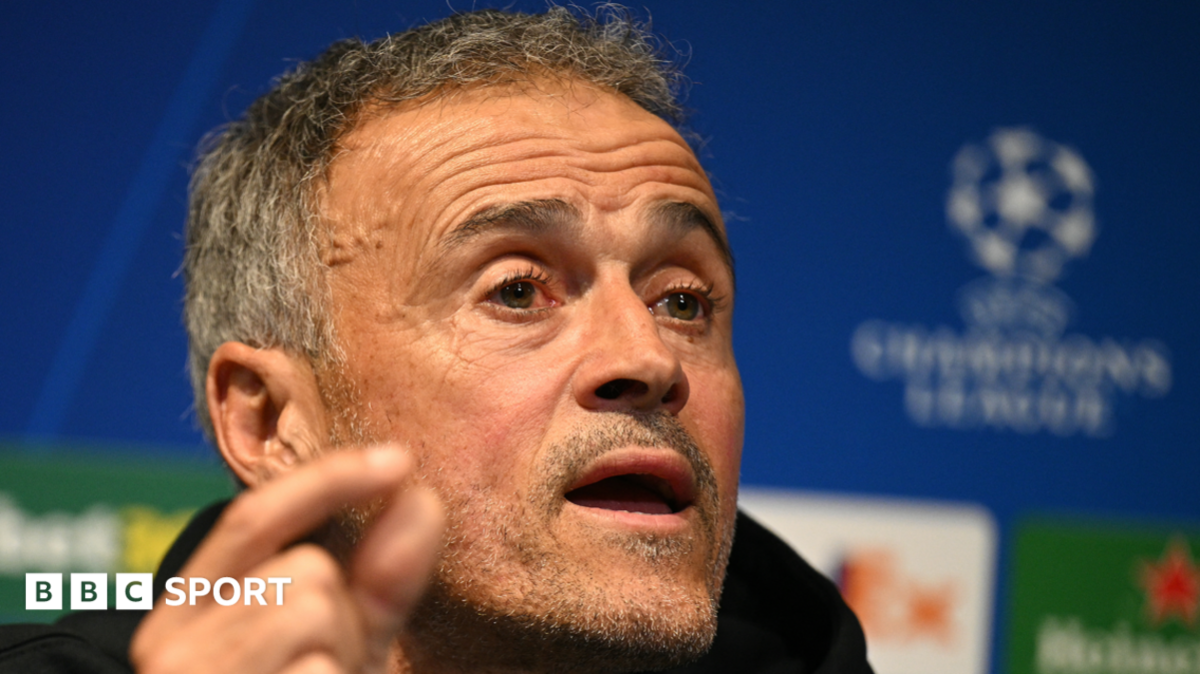
Paris St-Germain boss Luis Enrique says he was surprised to learn Manchester City had been found guilty of breaching Premier League financial rules and he hopes the club can avoid sanctions.
“There is a lot of noise around Manchester City and there is often noise around big clubs,” said Enrique when asked about City’s guilty verdict at a news conference at Etihad Stadium on Tuesday.
“We have just have to to wait and see what the final decision will be. I hope everything works out well for Manchester City because I think what they have done on the pitch has been incredible over the last few years and they certainly deserved to win on the pitch all the trophies they have won.
“Now we have to wait to see what the authorities decide or the judge is going to say.”
An independent commission found City had broken rules over a nine-year period between 2009 and 2018 by creating “sham” contracts with commercial partners to secretly funnel more than £830m into their football operations.
City insist they are innocent and have appealed.
Luis Enrique added: “The first thing that you hear, it is a surprise, but we need to respect the process and wait for the final decision.
“The authorities are responsible for making these decisions. But speaking only about football, they deserved those trophies. I love their football. Beyond that, we have to wait for the decision.
“The trophies you win on the pitch remain on the pitch. They deserved to win that and I hope they can avoid the sanction. But we have to wait.”
Ryanair has announced it is axing all flights to and from Bremen in GermanyCredit: AlamyThe city currently has a direct route from London Stansted which will end in April 2027Credit: Alamy
Currently, Ryanair offers daily flights from London Stansted to Bremen for as little as £15.
But in a new announcement, these will come to an end in April 2027.
Sign up for the Travel newsletter
Thank you!
On the Ryanair website, it appears tickets for the final flights to Bremen are scheduled for March 27, 2027.
The German city is known for its maritime history and gothic look that some often say looks ‘fairytale-like’.
With Ryanair withdrawing the route, there will be no direct links to Bremen from the UK.
Those wanting to visit the German city will have to take stopover flights which can take over double the time.
The shortest is with KLM, which has a stopover in Amsterdam and takes three hours and 20minutes.
Last year, Ryanair announced it would be dropping 24 routes to and from Germany, cutting nearly 800,000 seats in total.
It was revealed that nine airports would be affected, along with the plans of those wanting a winter break, and including major cities that are popular with tourists.
These are:
Berlin
Hamburg
Memmingen
Baden-Württemberg
Cologne
Frankfurt-Hahn
Dortmund
Dresden
Leipzig
Bremen has been compared to a ‘fairytale’ by visitorsCredit: Alamy
In April of this year, the airline confirmed it would be reducing its flight schedule to and from Berlin by 50 per cent.
Ryanair’s CEO Eddie Wilson said back in August: “Germany’s air travel market is broken and needs an urgent fix.
“As a result of these high government taxes/fees (the highest in Europe), and Lufthansa’s high-fare monopoly, German citizens/visitors now pay the highest air fares in Europe.”
Speaking on Match of the Day, Toby Alderweireld and Wayne Rooney discuss why Manchester City’s 3-0 victory against Liverpool leaves the Premier League in limbo as the club awaits a potential punishment, which could include a points deduction, after they were found guilty of financial breaches.
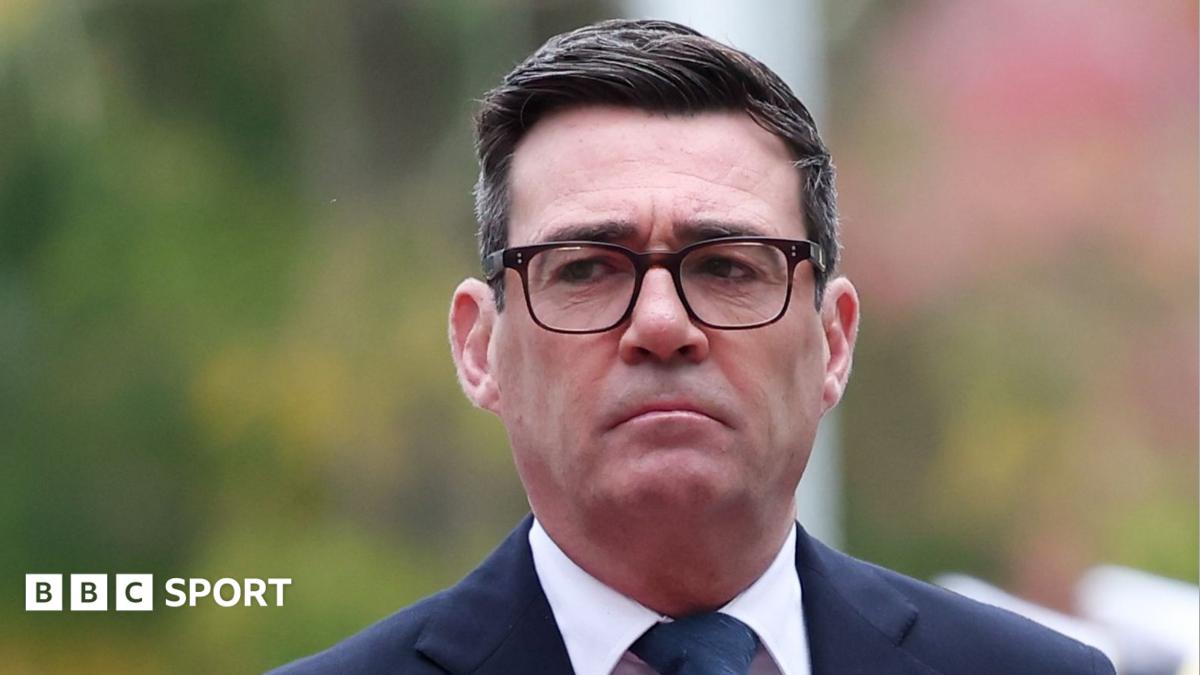
Burnham was mayor of Manchester from 2017 until earlier this year and his tenure took place during a sustained period of success for City.
As mayor, he championed investment from the Gulf as a way of growing Manchester’s economy, a strategy which was initially pursued by the city’s leaders before Burnham became the inaugural elected mayor of the Greater Manchester Combined Authority.
“I don’t think I misspoke,” said Burnham of his past comments on Man City’s owners.
“What I would say is my mind hadn’t been on all of the issues. My mind had been on Labour Party conference and I was doing interviews in relation to it.
“And also, I didn’t link those two things. You know, the questions linked those two things. What I would say is they’re very separate.
“The football issues are different from the investment issues. People will try and conflate those two things, but they shouldn’t, in my view.
“The football issues, the findings of the independent commission are serious, as I said in the interview.”
The entire process involving the charges against Manchester City is independent of the Premier League.
An independent commission held a 42-day hearing in 2024 which led to the verdict announced last month, with City also guilty of all charges except one relating to non-cooperation with the Premier League investigation.
The commission’s report said that “a number of important club witnesses gave false evidence in key respects and that some knowingly gave untrue and dishonest evidence”.
A separate independent appeal board will hear City’s appeal. The club continues to deny any wrongdoing.
Alisson: Could do nothing to keep out Erling Haaland’s strike then beaten by a beauty from Jeremy Doku and some solid footwork from Rayan Cherki. 5
Ronald Araujo: Got a cheap yellow card early on and will be annoyed that the first two Man City goals came from his side. 5
Virgil van Dijk: Often pushed out of position to help Liverpool deal with getting outnumbered in midfield. Perhaps could have closed Haaland down quicker. 6
Jeremy Jacquet: Wasn’t a bad display from a young talent who is very impressive but this must have been a real eye-opener against a quality City attack. 6
Milos Kerkez: Battled well with Iliman Ndiaye and pushed up regularly but lacked quality in the final third. 5
Alexis Mac Allister: Grew into the game and put in a good shift but struggled once Liverpool went down to 10 men. 5
Ryan Gravenberch: Came in for the injured Dominik Szoboszlai and was Liverpool‘s best player until he got sent off for a second yellow card. Naive on his part. 6
Victor Munoz: Played with such a fearlessness and was an absolute nuisance for Man City, causing Nico O’Reilly all sorts of problems. 7
Florian Wirtz: Simply has got to do better, particularly in games of this magnitude. Was largely ineffective and made some poor decisions. 4
Bradley Barcola: Sharp on the ball and did his defensive duties but, like Wirtz, must to do more in the final third. 5
Lewis Koumas: Making his first Premier League start and the 21-year-old got stuck in from the outset in an energetic display that was loved by the Anfield crowd. 7
Subs:
Nyoni (on 66, Wirtz): 6
Frimpong (on 75, Araujo):5
Ngumoha (on 75, Koumas): 5
Gomez (on 88, Jacquet)
Chiesa (on 88, Barcola)
Subs not used: Mamardashvili, Endo, Tsimikas, McConnell,
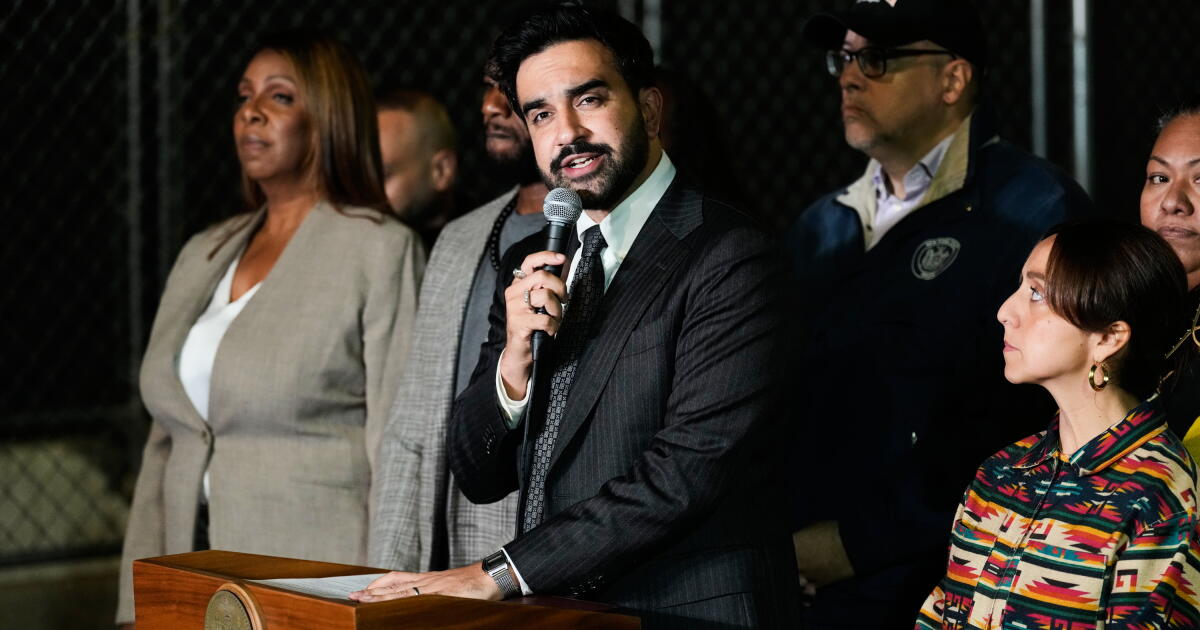

















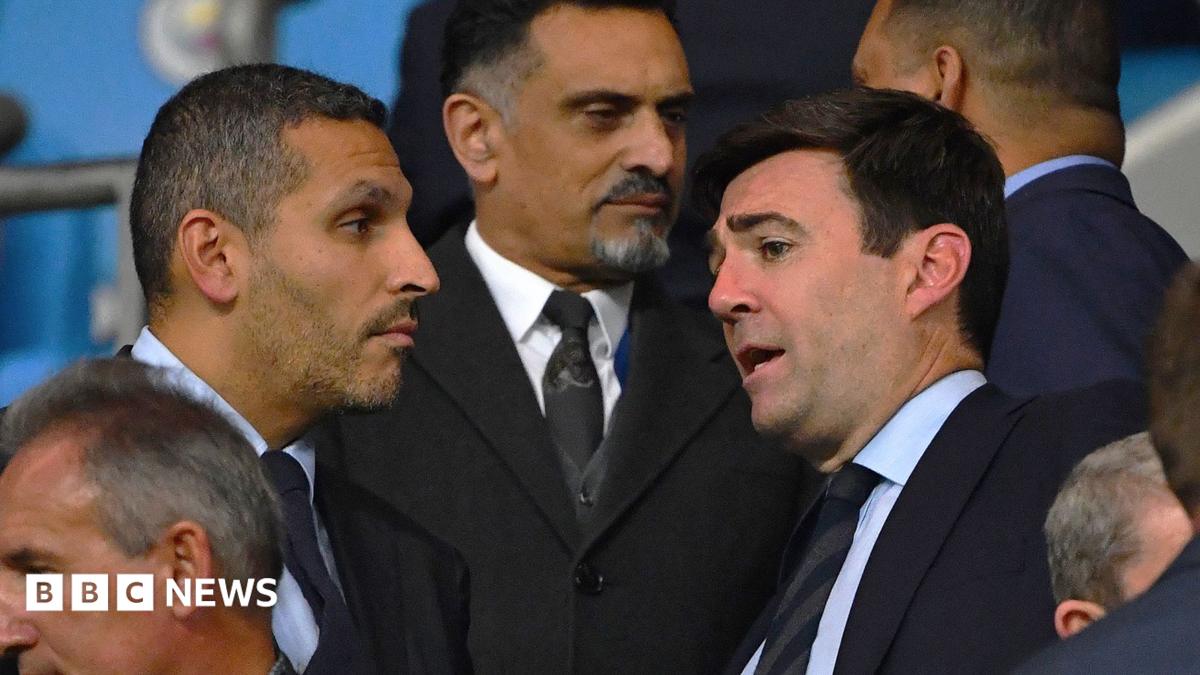









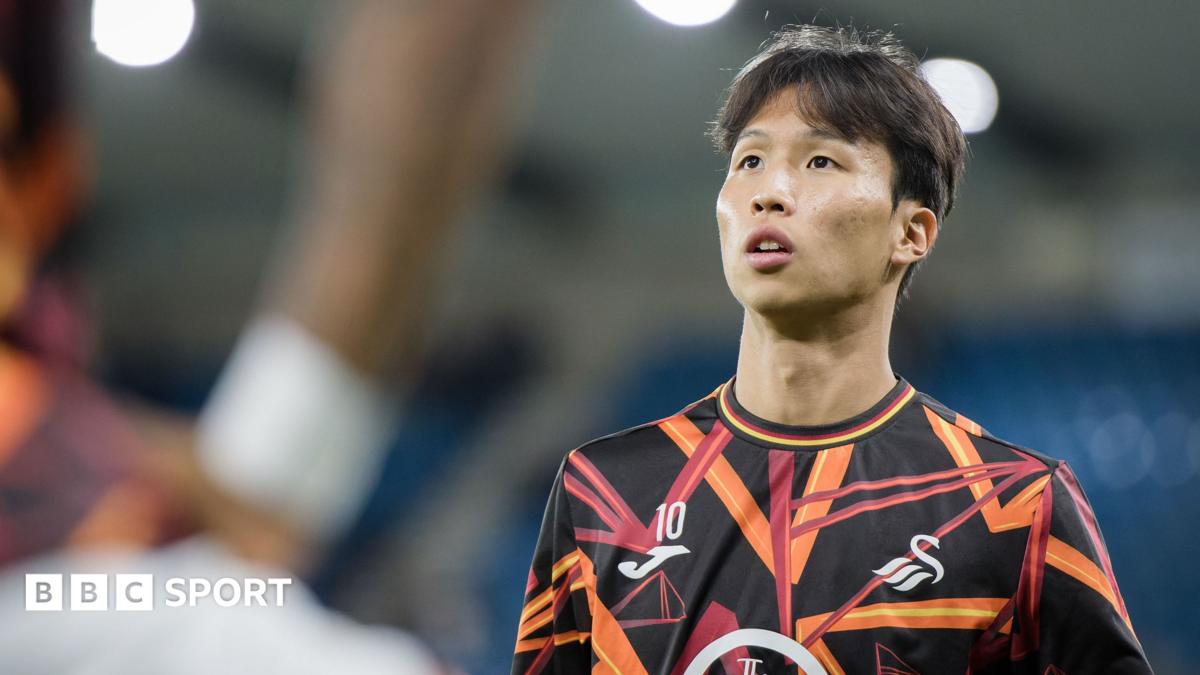

![Ferran Torres celebrates scoring the goal that won Spain the 2026 World Cup [AFP]](https://i0.wp.com/occasionaldigest.com/wp-content/uploads/2026/10/afp_6a8042379264-1786790455.jpg?w=640&ssl=1)