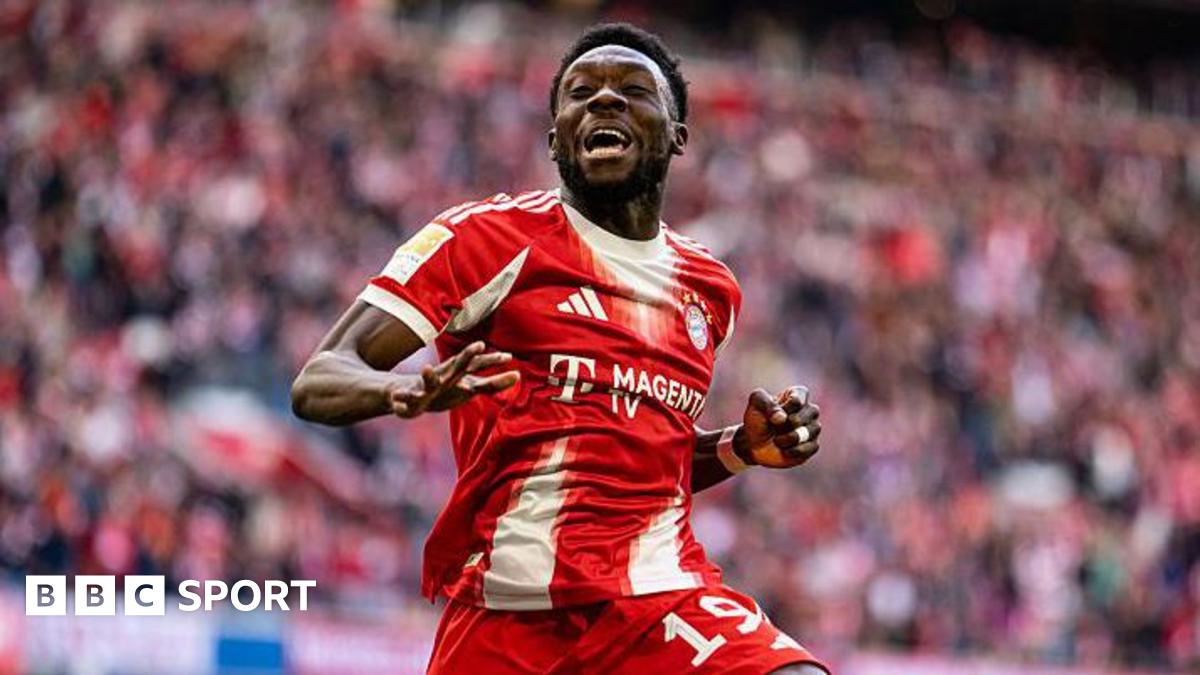
New York Mayor Mamdani was among those critical of FIFA’s decision to ban water bottles at World Cup stadiums.
Published On 7 Jun 20267 Jun 2026
FIFA has made changes to its stadium policy, allowing fans to bring disposable water bottles into match stadiums after a ban earlier this week drew backlash from supporters and tournament host city officials.
FIFA’s initial policy permitted fans to carry empty, transparent, reusable plastic bottles up to 1 litre (34oz). However, the governing body made a U-turn on that policy on Thursday and banned fans from carrying reusable water bottles into venues due to safety concerns.
Recommended Stories
list of 4 itemsend of list
The move essentially meant fans would have to buy water or soft drinks from concession stands in the stadium, where prices would “remain consistent with other events held at each stadium”, according to FIFA.
The backlash prompted FIFA to issue what it called a “clarification” on its stadium policy, saying: “All fans will be permitted to bring in one soft, plastic, 20-ounce (590ml), factory-sealed disposable water bottle into any FIFA World Cup 2026 match in the USA and Canada.
“Fans will not be permitted to bring in hard-sided, reusable water bottles due to safety and security reasons.”
The updated policy made no mention of the policy for stadiums in Mexico.
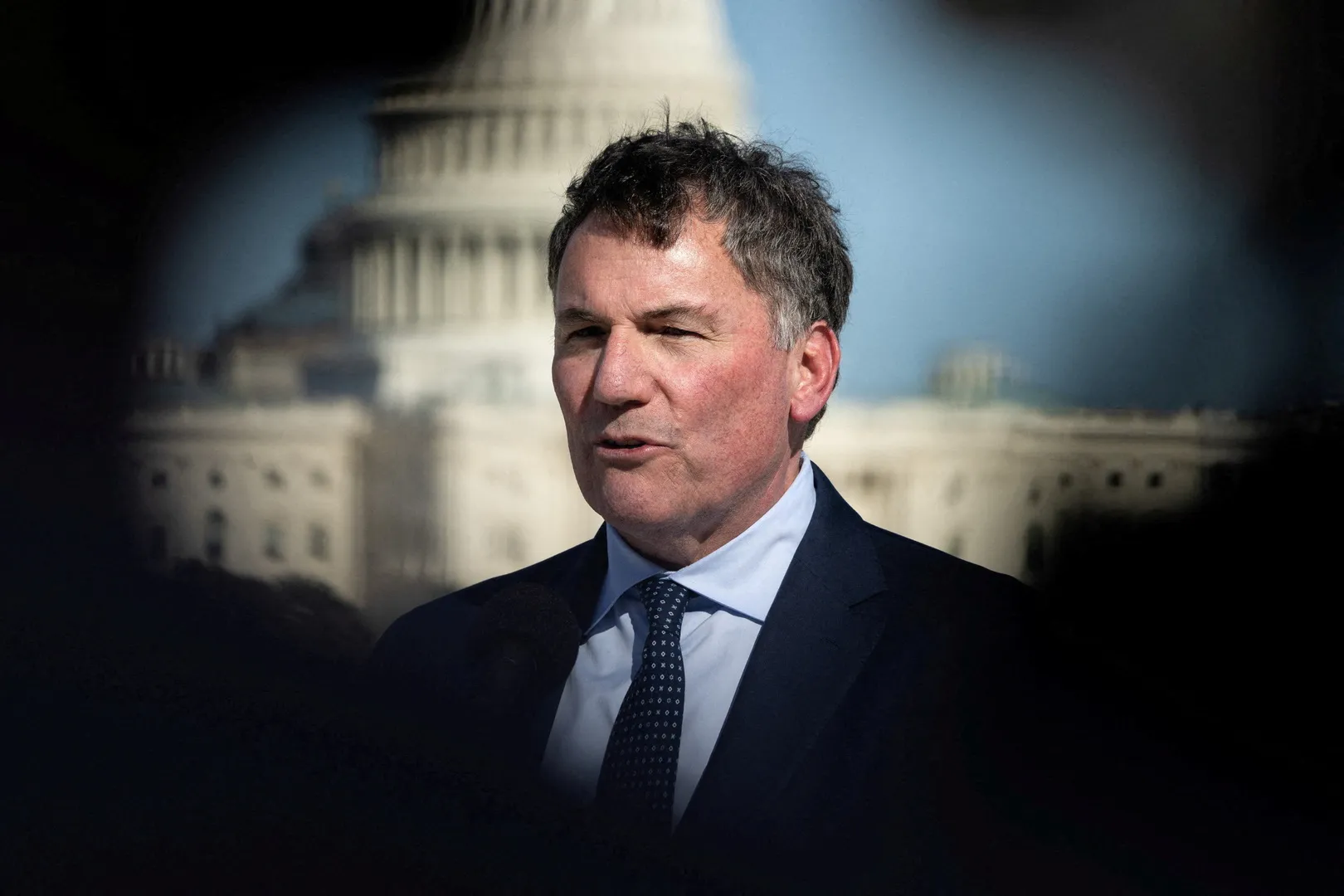
New York City Mayor Zohran Mamdani was pleased with FIFA’s decision to reverse the water bottle ban.
“No one should have to fear being priced out of being hydrated, especially fans who are often waiting for hours before a game in extreme heat,” said football fanatic Mamdani, who has championed equitable prices for this World Cup in his home city. Last month, he made 1,000 tickets costing $50 available to city residents as match tickets reached well into four figures.
Forecasters have warned that fans could face health risks from extreme heat at open-air venues during the World Cup, which is being cohosted by the United States, Canada and Mexico from June 11 to July 19.
A report published by the World Weather Attribution research group last month estimated that 26 of 104 games at the World Cup are likely to be played in conditions where the Wet Bulb Global Temperature (WBGT) exceeds 26 degrees Celsius (78.8 degrees Fahrenheit).
WBGT is a measure of heat stress on the human body, which combines temperature, humidity, wind and sunlight.
At last year’s FIFA Club World Cup in the US, where fans complained of searing temperatures, supporters were also barred from bringing water bottles into venues.
FIFA has noted that misting stations, fans, hydration stations and cooling tents would be available in “the stadium footprint”.
Fans at the 2022 Qatar World Cup were also not permitted to bring reusable water bottles into stadiums.
Mexico and Canada have backed extending the USMCA trade agreement for another 16 years as negotiations over its future continue. The proposal comes amid an ongoing trade dispute with the United States.
The countdown to the FIFA World Cup 2026 has entered the single-figure mark, with the tournament getting under way in nine days in Mexico City.
The biggest edition of the World Cup, with 48 nations and 104 games, will be hosted by three countries for the first time, as the United States and Canada share the honours with Mexico.
Recommended Stories
list of 3 itemsend of list
All 48 teams heading to the tournament have released their final 26-man squads, marking possible final appearances for greats like Lionel Messi and Cristiano Ronaldo.
Young stars looking to dethrone the icons, including Spain’s Lamine Yamal and Brazil’s Endrick, will look to make their mark in their first appearance at the global event.
Here are all 48 World Cup squads for the FIFA World Cup 2026:
Midfielders: Houssem Aouar, Nabil Bentaleb, Hicham Boudaoui, Fares Chaibi, Ibrahim Maza, Yassine Titraoui, Ramiz Zerrouki
Forwards: Mohamed Amine Amoura, Nadir Benbouali, Adil Boulbina, Fares Ghedjemis, Amine Gouiri, Riyad Mahrez, Anis Hadj Moussa
Argentina World Cup squad
Goalkeepers: Emiliano Martinez, Geronimo Rulli, Juan Musso
Defenders: Leonardo Balerdi, Gonzalo Montiel, Nicolas Tagliafico, Lisandro Martinez, Cristian Romero, Nicolas Otamendi, Facundo Medina, Nahuel Molina
Midfielders: Leandro Paredes, Rodrigo De Paul, Valentin Barco, Giovani Lo Celso, Exequiel Palacios, Alexis Mac Allister, Enzo Fernandez
Forwards: Julian Alvarez, Lionel Messi, Nicolas Gonzalez, Thiago Almada, Giuliano Simeone, Nicolas Paz, Jose Manuel Lopez, Lautaro Martinez
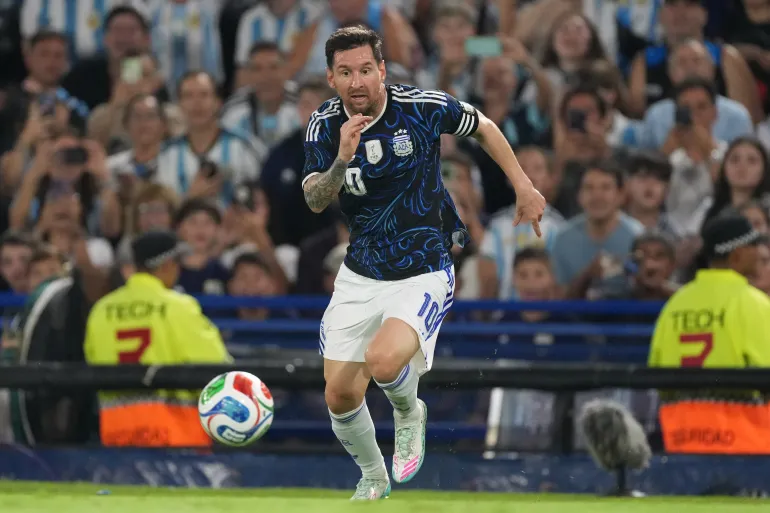
The World Cup 2026 will be Lionel Messi’s swansong [File: Gustavo Garello/AP]
Australia World Cup squad
Goalkeepers: Patrick Beach, Paul Izzo, Mathew Ryan
Defenders: Aziz Behich, Jordan Bos, Cameron Burgess, Alessandro Circati, Milos Degenek, Jason Geria, Lucas Herrington, Jacob Italiano, Harry Souttar, Kai Trewin
Midfielders: Cameron Devlin, Ajdin Hrustic, Jackson Irvine, Connor Metcalfe, Aiden O’Neill, Paul Okon-Engstler
Goalkeepers: Patrick Pentz, Alexander Schlager, Florian Wiegele
Defenders: David Affengruber, David Alaba, Kevin Danso, Marco Friedl, Philipp Lienhart, Phillipp Mwene, Stefan Posch, Alexander Prass, Michael Svoboda
Midfielders: Christoph Baumgartner, Carney Chukwuemeka, Florian Grillitsch, Konrad Laimer, Marcel Sabitzer, Xaver Schlager, Romano Schmid, Alessandro Schopf, Nicolas Seiwald, Paul Wanner, Patrick Wimmer
Forwards: Marko Arnautovic, Michael Gregoritsch, Sasa Kalajdzic
Belgium World Cup squad
Goalkeepers: Thibaut Courtois, Senne Lammens, Mike Penders
Defenders: Timothy Castagne, Zeno Debast, Maxim De Cuyper, Koni De Winter, Brandon Mechele, Thomas Meunier, Nathan Ngoy, Joaquin Seys, Arthur Theate
Midfielders: Kevin De Bruyne, Amadou Onana, Nicolas Raskin, Youri Tielemans, Hans Vanaken, Axel Witsel
Forwards: Charles De Ketelaere, Jeremy Doku, Matias Fernandez-Pardo, Romelu Lukaku, Dodi Lukebakio, Diego Moreira, Alexis Saelemaekers, Leandro Trossard
Bosnia and Herzegovina World Cup squad
Goalkeepers: Nikola Vasilj, Martin Zlomislic, Osman Hadzikic
Defenders: Sead Kolasinac, Amar Dedic, Nihad Mujakic, Nikola Katic, Tarik Muharemovic, Stjepan Radeljic, Dennis Hadzikadunic, Nidal Celik
Midfielders: Amir Hadziahmetovic, Ivan Sunjic, Ivan Basic, Dzenis Burnic, Ermin Mahmic, Benjamin Tahirovic, Amar Memic, Armin Gigovic, Kerim Alajbegovic, Esmir Bajraktarevic
Defenders: Alex Sandro, Bremer, Danilo, Douglas Santos, Gabriel Magalhaes, Ibanez, Leo Pereira, Marquinhos, Wesley
Midfielders: Bruno Guimaraes, Casemiro, Danilo Santos, Fabinho, Lucas Paqueta
Forwards: Endrick, Gabriel Martinelli, Igor Thiago, Luiz Henrique, Matheus Cunha, Neymar Jr, Raphinha, Rayan, Vinicius Jr
Brazil’s forward Neymar has found himself in the five-time champions’ World Cup squad despite recent injuries [File: Mauro Pimentel/AFP]
Canada World Cup squad
Goalkeepers: Dayne St Clair, Maxime Crepeau, Owen Goodman
Defenders: Alistair Johnston, Derek Cornelius, Richie Laryea, Niko Sigur, Joel Waterman, Luc de Fougerolles, Moise Bombito, Alphonso Davies, Alfie Jones
Midfielders: Stephen Eustaquio, Ismael Kone, Tajon Buchanan, Mathieu Choiniere, Ali Ahmed, Nathan Saliba, Liam Millar, Jacob Shaffelburg, Jonathan Osorio
Attackers: Jonathan David, Cyle Larin, Tani Oluwaseyi, Promise David
Forwards: Gilson Benchimol, Jovane Cabral, Dailon Livramento, Ryan Mendes, Nuno da Costa, Garry Rodrigues, Willy Semedo, Helio Varela
Colombia World Cup squad
Goalkeepers: Camilo Vargas, Alvaro Montero, David Ospina
Defenders: Davinson Sanchez, Jhon Lucumi, Yerry Mina, Willer Ditta, Daniel Munoz, Santiago Arias, Johan Mojica, Deiver Machado
Midfielders: Richard Rios, Jefferson Lerma, Kevin Castano, Juan Camilo Portilla, Gustavo Puerta, Jhon Arias, Jorge Carrascal, Juan Fernando Quintero, James Rodriguez, Jaminton Campaz
Forwards: Juan Camilo Hernandez, Luis Diaz, Luis Suarez, Carlos Gomez, Jhon Cordoba
Defenders: Josko Gvardiol, Duje Caleta-Car, Josip Sutalo, Josip Stanisic, Marin Pongracic, Martin Erlic, Luka Vuskovic
Midfielders: Luka Modric, Mateo Kovacic, Mario Pasalic, Nikola Vlasic, Luka Sucic, Martin Baturina, Kristijan Jakic, Petar Sucic, Nikola Moro, Toni Fruk
Forwards: Ivan Perisic, Andrej Kramaric, Ante Budimir, Marco Pasalic, Petar Musa, Igor Matanovic
(Standby: Lovro Majer, Franjo Ivanovic, Dion Drena Beljo, Ivan Smolcic, Karlo Letica, Adrian Segecic, Luka Stojkovic)
Defenders: Dylan Batubinsika, Gedeon Kalulu, Steve Kapuadi, Joris Kayembe, Arthur Masuaku, Chancel Mbemba, Axel Tuanzebe, Aaron Wan-Bissaka
Midfielders: Brian Cipenga, Meshack Elia, Gael Kakuta, Edo Kayembe, Nathanael Mbuku, Samuel Moutoussamy, Ngal’ayel Mukau, Charles Pickel, Noah Sadiki, Aaron Tshibola
Forwards: Cedric Bakambu, Simon Banza, Fiston Mayele, Yoane Wissa, Theo Bongonda
Ecuador World Cup squad
Goalkeepers: Hernan Galindez, Moises Ramirez, Gonzalo Valle
Defenders: Piero Hincapie, Willian Pacho, Pervis Estupinan, Felix Torres, Joel Ordonez, Jackson Porozo, Angelo Preciado, Yaimar Medina
Midfielders: Moises Caicedo, Alan Franco, Kendry Paez, Gonzalo Plata, Pedro Vite, Jordy Alcivar, Denil Castillo, John Yeboah, Nilson Angulo, Alan Minda
Forwards: Enner Valencia, Kevin Rodriguez, Jordy Caicedo, Anthony Valencia, Jeremy Arevalo
Egypt World Cup squad
Goalkeepers: Mohamed El Shenawy, Mostafa Shobeir, El Mahdy Soliman, Mohamed Alaa
Midfielders: Rouzbeh Cheshmi, Saeid Ezatolahi, Mehdi Ghaedi, Saman Ghoddos, Mohammad Ghorbani, Alireza Jahanbakhsh, Mohammad Mohebi, Amir Mohammad Razzaghinia, Mehdi Torabi, Aria Yousefi
Forwards: Ali Alipour, Dennis Dargahi, Amirhossein Hosseinzadeh, Mehdi Taremi, Shahriar Moghanlou
Iraq World Cup squad
Goalkeepers: Fahad Talib, Jalal Hassan, Ahmed Basil
Defenders: Hussein Ali, Manaf Younis, Zaid Tahseen, Rebin Sulaka, Akam Hashem, Merchas Doski, Ahmed Yahya, Zaid Ismail, Frans Putros, Mustafa Saadoon
Midfielders: Amir Al Ammari, Kevin Yakob, Zidane Iqbal, Aimar Sher, Ibrahim Bayesh, Ahmed Qasim, Youssef Amyn, Marko Farji
Forwards: Ali Jassim, Ali Al Hamadi, Ali Yousef, Aymen Hussein, Mohanad Ali
Ivory Coast World Cup squad
Goalkeepers: Yahia Fofana, Mohamed Kone, Alban Lafont
Goalkeepers: Yazid Abulaila, Noor Bani Attiah, Abdallah Al Fakhouri
Defenders: Mohammad Abu Hashish, Abdullah Nasib, Hussam Abu Dhahab, Yazan Al Arab, Mohammad Abu Alnadi, Salem Obaid, Saed Al Rosan, Ehsan Haddad, Anas Badawi
Midfielders: Amer Jamous, Noor Al Rawabdeh, Rajaei Ayed, Ibrahim Sadeh, Mohannad Abu Taha, Nizar Al Rashdan, Mohammad Al Dawoud, Mahmoud Mardahi
Forwards: Mohammad Abu Zraiq, Ali Olwan, Mousa Al Tamari, Odeh Fakhoury, Ibrahim Sabra, Ali Azaizeh
Mexico World Cup squad
Goalkeepers: Raul Rangel, Guillermo Ochoa, Carlos Acevedo
Defenders: Jorge Sanchez, Israel Reyes, Cesar Montes, Johan Vasquez, Jesus Gallardo, Mateo Chavez, Edson Alvarez
Midfielders: Erik Lira, Orbelin Pineda, Alvaro Fidalgo, Brian Gutierrez, Luis Romo, Obed Vargas, Gilberto Mora, Luis Chavez
Forwards: Roberto Alvarado, Cesar Huerta, Alexis Vega, Julian Quinones, Guillermo Martinez, Armando Gonzalez, Santiago Gimenez, Raul Jimenez
Morocco World Cup squad
Goalkeepers: Yassine Bounou, Munir El Kajoui, Ahmed Reda Tagnaouti
Defenders: Noussair Mazraoui, Anas Salah-Eddine, Youssef Bellammari, Achraf Hakimi, Zakaria El Ouahdi, Nayef Aguerd, Chadi Riad, Redouane Halhal, Issa Diop
Midfielders: Samir El Mourabet, Ayoub Bouaddi, Neil El Aynaoui, Sofyan Amrabat, Azzedine Ounahi, Bilal El Khannouss, Ismael Saibari
Defenders: Kristoffer Vassbakk Ajer, Fredrik Bjorkan, Henrik Falchener, Sondre Langas, Torbjorn Heggem, Marcus Holmgren Pedersen, Julian Ryerson, David Moller Wolfe, Leo Ostigard
Midfielders: Thelonious Aasgaard, Fredrik Aursnes, Patrick Berg, Sander Berge, Oscar Bobb, Jens Petter Hauge, Antonio Nusa, Andreas Schjelderup, Morten Thorsby, Kristian Thorstvedt, Martin Odegaard
Forwards: Erling Haaland, Alexander Sorloth, Jorgen Strand Larsen
Panama World Cup squad
Goalkeepers: Orlando Mosquera, Luis Mejia, Cesar Samudio
Defenders: Cesar Blackman, Jorge Gutierrez, Amir Murillo, Fidel Escobar, Andres Andrade, Edgardo Farina, Jose Cordoba, Eric Davis, Jiovany Ramos, Roderick Miller
Midfielders: Anibal Godoy, Adalberto Carrasquilla, Carlos Harvey, Cristian Martinez, Jose Luis Rodriguez, Cesar Yanis, Yoel Barcenas, Alberto Quintero, Azarias Londono
Forwards: Ismael Diaz, Cecilio Waterman, Jose Fajardo, Tomas Rodriguez
Defenders: Juan Caceres, Gustavo Velazquez, Gustavo Gomez, Junior Alonso, Jose Canale, Omar Alderete, Alexandro Maidana, Fabian Balbuena
Midfielders: Diego Gomez, Mauricio Magalhaes, Damian Bobadilla, Braian Ojeda, Andres Cubas, Matias Galarza, Alejandro Gamarra
Forwards: Gustavo Caballero, Ramon Sosa, Alex Arce, Isidro Pitta, Gabriel Avalos, Miguel Almiron, Julio Enciso, Antonio Sanabria
Portugal World Cup squad
Goalkeepers: Diogo Costa, Jose Sa, Rui Silva
Defenders: Tomas Araujo, Joao Cancelo, Diogo Dalot, Ruben Dias, Goncalo Inacio, Nuno Mendes, Matheus Nunes, Nelson Semedo, Renato Veiga
Midfielders: Samuel Costa, Bruno Fernandes, Joao Neves, Ruben Neves, Bernardo Silva, Vitinha
Forwards: Francisco Conceicao, Joao Felix, Goncalo Guedes, Rafael Leao, Pedro Neto, Goncalo Ramos, Cristiano Ronaldo, Francisco Trincao
Qatar World Cup squad
Goalkeepers: Salah Zakaria, Meshaal Barsham, Mahmoud Abunada
Defenders: Boualem Khoukhi, Pedro Miguel, Sultan Al Brake, Al Hashmi Al Hussain, Ayoub Al Alawi, Issa Laye, Lucas Mendes, Homam Al Amin
Midfielders: Ahmed Fathi, Jassim Gaber, Assim Madibo, Abdulaziz Hatem, Karim Boudiaf, Mohammed Mannai
Forwards: Almoez Ali, Akram Afif, Tahsin Mohammed, Edmilson Junior, Ahmed Al-Janehi, Ahmed Alaa, Hassan Al Haydos, Mohammed Muntari, Yusuf Abdurisag
Saudi Arabia World Cup squad
Goalkeepers: Nawaf Al Aqidi, Mohamed Al Owais, Ahmed Alkassar
Defenders: Saud Abdulhamid, Jehad Thakri, Abdulelah Al Amri, Hassan Tambakti, Ali Lajami, Hassan Kadesh, Moteb Al Harbi, Nawaf Boushal, Ali Majrashi, Mohammed Abu Alshamat
Midfielders: Ziyad Al Johani, Nasser Al Dawsari, Mohamed Kanno, Abdullah Al Khaibari, Alaa Al Hejji, Musab Al Juwayr, Sultan Mandash, Ayman Yahya, Khalid Al Ghannam
Forwards: Salem Al Dawsari, Abdullah Al Hamdan, Feras Al Brikan, Saleh Al Shehri
Scotland World Cup squad
Goalkeepers: Craig Gordon, Angus Gunn, Liam Kelly
Defenders: Grant Hanley, Jack Hendry, Aaron Hickey, Dom Hyam, Scott McKenna, Nathan Patterson, Anthony Ralston, Andy Robertson, John Souttar, Kieran Tierney
Midfielders: Ryan Christie, Findlay Curtis, Lewis Ferguson, Tyler Fletcher, Ben Gannon-Doak, John McGinn, Kenny McLean, Scott McTominay
Forwards: Che Adams, Lyndon Dykes, George Hirst, Lawrence Shankland, Ross Stewart
Forwards: Arda Guler, Baris Alper Yilmaz, Can Uzun, Deniz Gul, Irfan Can Kahveci, Kenan Yildiz, Kerem Akturkoglu, Oguz Aydin, Yunus Akgun
Uruguay World Cup squad
Goalkeepers: Sergio Rochet, Fernando Muslera, Santiago Mele
Defenders: Guillermo Varela, Ronald Araujo, Jose Maria Gimenez, Santiago Bueno, Sebastian Caceres, Mathias Olivera, Joaquin Piquerez, Matias Vina
Midfielders: Maximiliano Araujo, Giorgian de Arrascaeta, Rodrigo Bentancur, Agustin Canobbio, Nicolas de la Cruz, Emiliano Martinez, Facundo Pellistri, Brian Rodriguez, Juan Manuel Sanabria, Manuel Ugarte, Federico Valverde, Rodrigo Zalazar
Forwards: Rodrigo Aguirre, Federico Vinas, Darwin Nunez
USA World Cup squad
Goalkeepers: Chris Brady, Matt Freese, Matt Turner
Defenders: Max Arfsten, Sergino Dest, Alex Freeman, Mark McKenzie, Tim Ream, Chris Richards, Antonee Robinson, Miles Robinson, Joe Scally, Auston Trusty
Midfielders: Tyler Adams, Sebastian Berhalter, Weston McKennie, Cristian Roldan, Brenden Aaronson, Christian Pulisic, Gio Reyna, Malik Tillman, Tim Weah, Alejandro Zendejas
Forwards: Folarin Balogun, Ricardo Pepi, Haji Wright
The FIFA World Cup begins on June 11. You can follow the action on Al Jazeera’s dedicated World Cup 2026 page with all the latest news, match build-up and live text commentary, and keep up to date with group standings, real-time match results and schedules.
Canada has announced plans to buy a fleet of early warning planes from Sweden’s Saab rather than a competing option from Boeing as it seeks to reduce its reliance on the United States.
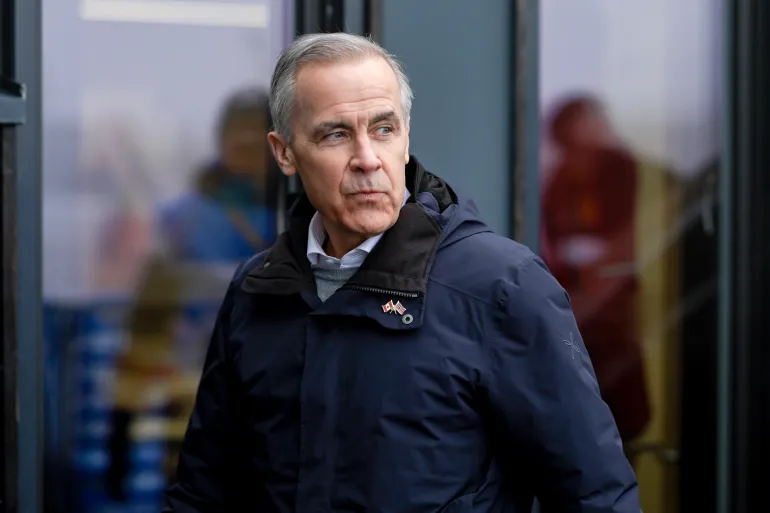
Prime Minister Mark Carney said on Wednesday that Canada would opt for Saab’s GlobalEye, which is based on Bombardier’s Global 6500 jet. Boeing’s E-7 Wedgetail plane – which has suffered from delays and cost overruns – had also been in contention.
Recommended Stories
list of 4 itemsend of list
“With a suite of advanced sensors and mission systems, Saab’s GlobalEye will be a key resource for the Canadian Armed Forces to detect and deter threats across the Arctic,” Carney told a defence conference in Ottawa.
The Prime Minister pledged in March that Canada would take full responsibility for protecting its vast Arctic territory, after relying for decades on a partnership with the US to monitor its more than 4.4 million square km (1.7 million square miles) of land and sea, a territory larger than India.
Carney’s Liberal government last year announced plans to ramp up defence spending. The US and other allies had complained for years that Canada was not meeting longstanding NATO targets on military expenditure; Carney announced in March that Canada hit that target of spending 2 percent of its GDP on defence last year.
In a statement, Saab said it planned to invest in research and development work in Canada as part of any deal.
Although Carney did not give details of the fleet size or the cost of a potential contract, military officials had earlier said they were looking to buy six early warning aircraft.
Philippe Lagasse, associate director of international affairs at Ottawa’s Carleton University, said Canada’s decision to buy the GlobalEye planes was “an important test case for the Carney government’s policy of pivoting away from American military capability”.
He said in a statement that the decision confirms Canada’s relationship with Sweden, a new NATO ally that has also been eager to strengthen its ties to the Canadian military.
Canada has previously said it wants to work more closely with the Nordic countries in the Arctic on defence and other issues, in a global environment in which the US has become a less reliable partner.
“GlobalEye is already creating jobs in Canada, and working with the Canadian supply chain. This decision ties our two nations even closer together,” Swedish Prime Minister Ulf Kristersson said in a social media post.
Saab is also in the running to sell Canada some of its Gripen fighters.
Canada has a deal to buy 88 F-35 jets from Lockheed-Martin, but last year, after the US slapped tariffs on key Canadian imports, Carney asked the military to probe whether it could cut back the order and buy some planes from another manufacturer.
Carney later told reporters Ottawa would make a decision on the fighter fleet in due course and declined to comment when asked whether the military would be operating two jets.
Last week, a Pentagon official, speaking after Washington suspended planned biannual defence talks with Canada, said the delay in making a decision on the F-35s showed how Ottawa was prioritising politics over defence issues.
Still, Lagasse of Carleton University said he expected Canada would ultimately decide to stick with a fleet of F-35 jets rather than splitting the fleet by buying some Saab Gripens.
“If the government was determined to buy Gripens, I would have expected them to make the announcement alongside this [GlobalEye] decision,” he said.
Trade tensions
The announcement came amid ongoing trade tensions between US and Canada after US President Donald Trump slapped tariffs on Canada after taking office last year, alongside multiple comments threatening to annex the country and make it the 51st state of the US.
Historically, nearly 80 percent of Canada’s exports have been to the US. While the vast majority of those were protected under the USMCA, the trade agreement between the two countries that also includes Mexico, that is now due for a review, which starts on July 1, and Trump has said the US does not really need that deal.
While the US has announced bilateral talks with Mexico, there has been no mention of Canada.
Deputy US Trade Representative Jeffrey Goettman will lead bilateral talks in Mexico City on Thursday and Friday focused on “economic security and rules of origin for key industrial goods,” the department said in a statement on Wednesday.
USTR said the US and Mexico will hold a second round of negotiations in Washington on June 16-17, focused on agriculture and “a level playing field,” with a third set of talks in Mexico City scheduled for the week of July 20.
The first Trump administration held trilateral negotiating rounds with both Mexico and Canada to create the existing USMCA, which replaced the 1994 North American Free Trade Agreement in 2020.
But so far, there have been few discussions between US Trade Representative Jamieson Greer and his Canadian counterpart, Canada-US Trade Minister Dominic LeBlanc, since early March, and no formal launch of a US-Canada negotiating process.
The world’s best football players will travel to North America this summer for the most anticipated sporting event of the year: the FIFA World Cup 2026.
While the 48-team tournament will feature young prodigies and veterans alike, some stars will not be at the tournament, having missed out due to injuries or because their nations failed to qualify.
Al Jazeera takes a look at the top stars who will not be at the World Cup:
Khvicha Kvaratskhelia (Georgia)
Georgian Khvicha Kvaratskhelia, PSG’s most creative player, will not be at the World Cup [File: Anne-Christine Poujoulat/AFP]
One of the most feared wingers in European football, Kvaratskhelia will not be on the plane to North America as his country, Georgia, failed to qualify for the finals in June and July.
The Paris Saint-Germain winger, the standout player in the Champions League this season, is yet to play at a World Cup. His last major tournament with Georgia ended in a round-of-16 run at Euro 2024.
Robert Lewandowski (Poland)
The 2026 edition was probably Lewandowski’s last chance of featuring at another World Cup [File: Kacper Pempel/Reuters]
A teary-eyed Lewandowski left the pitch after Poland’s final World Cup qualifier on March 31 as the nation narrowly missed out on the 2026 edition. The 37-year-old Barcelona striker even hinted at international retirement after the failure to qualify but has yet to confirm the decision.
Lewandowski has played a record 165 games for Poland, beginning with a goal on his debut against San Marino in 2008 when he was 20. His 89 goals are nearly twice as many as any other Polish player, but he has played at the World Cup only twice with a last-16 finish in 2022 being the best result.
Gianluigi Donnarumma and Sandro Tonali (Italy)
Tonali, left, and Donnarumma are important players at their respective clubs, Newcastle United and Manchester City [File: Scott Heppell/Reuters]
Italy’s failure to qualify for the World Cup for a third consecutive time means the tournament will be devoid of some of the finest Azzurri talents, including star goalkeeper Donnarumma and midfielder Tonali.
After suffering a shock penalty shootout defeat to Bosnia and Herzegovina in the playoffs, Italy became the first former champions to miss three World Cup finals in a row. The last time the Italians played at a World Cup was in 2014 when they crashed out in the group stage in Brazil.
“The World Cup curse”, as described by the Italian media, will keep Donnarumma – one of the best goalkeepers in the world – and Tonali away from playing at the world’s biggest football tournament.
Victor Osimhen and Ademola Lookman (Nigeria)
Osimhen, left, and Lookman are the two brightest attackers in Nigeria’s squad [AFP]
After Italy, Nigeria are the biggest nation to miss out on a ticket to the World Cup 2026, thanks to an abysmal qualifying campaign. The Super Eagles had dreamed of soaring high in North America, but their wings were clipped after a shock penalty shootout defeat to the Democratic Republic of the Congo in the African playoffs.
Nigeria’s failure to make it to the World Cup means fans will miss out on watching Lookman, arguably their best player at AFCON 2025, and Osimhen, one of the most feared strikers in Africa.
The dynamic duo of Lookman and Osimhen has often brought joy to Nigerian fans, whose team is missing successive World Cup finals for the first time in 36 years.
Hugo Ekitike (France)
Ekitike had been dreaming of a maiden World Cup appearance [David Klein/Reuters]
France forward Ekitike’s dreams of making his World Cup debut were shattered when he ruptured his Achilles tendon while playing for Liverpool against PSG in April.
The injury, which could sideline him until January 2027, saw the 23-year-old leave the pitch in tears on a stretcher during the second leg of a Champions League quarterfinal tie at Anfield.
At the start of the 2025-2026 season, Ekitike was far behind in the France pecking order, but an impressive season at Liverpool, which saw him score 17 goals in all competitions until his injury, had put him in the running to be picked by coach Didier Deschamps for the World Cup.
Estevao and Rodrygo (Brazil)
Winger Estevao is one of Brazil’s most promising young talents [File: Sameer Al-Doumy/AFP]
One of the brightest talents in global football, winger Estevao was set for his much-awaited World Cup debut until a hamstring injury crushed his dream. The 19-year-old suffered a grade four hamstring injury while playing for his club, Chelsea, in April, which ultimately kept him out of Brazil’s World Cup squad.
Joining Chelsea from Palmeiras in May 2024, Estevao’s eight goals and four assists in his debut season in England caught everyone’s attention. The teenage sensation had also established himself as a regular member of Brazil’s squad under Carlo Ancelotti.
Alongside Estevao, Real Madrid winger Rodrygo, who made five appearances for Brazil at the 2022 World Cup, will not be at this year’s edition after suffering a torn meniscus and ACL in his right knee.
The 25-year-old picked up the injury while playing for Madrid in March and is expected to be out until the end of 2026.
Xavi Simons (Netherlands)
An injury sustained while playing for Tottenham Hotspur will keep Xavi Simons out of the Dutch World Cup campaign [AFP]
Attacking midfielder Simons will not be with the Netherlands at the World Cup 2026 after he suffered an anterior cruciate ligament (ACL) injury while playing for his club, Tottenham Hotspur, against Wolverhampton Wanderers in a Premier League game.
Simons, 23, was expected to be a key figure in Ronald Koeman’s Netherlands squad for what would have been his second World Cup after his debut in 2022.
He has earned 34 caps, most recently featuring in friendlies in March.
Bryan Mbeumo (Cameroon)
Cameroon’s failure to qualify for the World Cup came as a surprise as the Indomitable Lions hold the African record for the most appearances with eight overall.
After losing to DR Congo in the semifinals of the African playoffs, Cameroon’s World Cup dreams died and, with them, Mbeumo’s chances of playing in North America.
Mbeumo has had a decent season at Manchester United, scoring 10 goals and bagging three assists across all competitions.
Mbeumo is one of several African stars who will not be at the upcoming World Cup [Stu Forster/Getty Images]
Honourable mentions
A few other high-profile players will also miss the tournament.
Spain midfielder Fermin Lopez misses out after requiring surgery on a fracture in his right foot while Germany’s Serge Gnabry has been ruled out with a torn adductor muscle in his right thigh.
England have omittedCole Palmer and Phil Foden from their squad after both had disappointing seasons.
Japan’s Takumi Minamino was left out after suffering an ACL tear while Kaoru Mitoma also misses out after suffering a hamstring injury.
Defender Eder Militao was dropped from Brazil’s squad after undergoing surgery for a hamstring injury while Ancelotti also dropped forwards Joao Pedro and Richarlison.
Slovenia goalkeeper and captain Jan Oblak will be absent after they failed to qualify, and central midfielder Dominik Szoboszlai faces a similar fate after Hungary missed out too.
A number of players submitted visa applications in person at the US embassy in Ankara ahead of their training camp.
Published On 21 May 202621 May 2026
Iran’s football team have attended visa appointments in Turkiye ahead of the World Cup, with the whole squad applying for Canadian visas and some players also submitting applications for entry into the United States.
A number of players submitted applications in the Turkish capital Ankara on Thursday, an Iranian football federation official told Reuters news agency.
The whole squad attended appointments for Canadian visas, while some players who had not applied for American visas before the US and Israel attacked Iran in February also submitted their visa applications in person at the embassy.
Some foreign-based Iranian players joined the squad in Ankara before later travelling to the team’s training camp in Antalya on Turkiye’s Mediterranean coast, the official said.
The players and delegation members submitted US visa applications in the Turkish capital [Adem Altan/AFP]
The World Cup will be cohosted by the US, Canada and Mexico, with Iran due to play all three of their group-stage matches on the US West Coast.
Iran are scheduled to face New Zealand on June 15 and Belgium on June 21 in Los Angeles before taking on Egypt in Seattle five days later. They would require access to Canada if they progress to the knockout rounds.
Iran is holding a pre-tournament camp in Turkiye following the suspension of the Iranian domestic league in March, leaving many players short of match fitness.
The team trained in Antalya earlier this week as coach Amir Ghalenoei attempted to prepare his squad after most domestic-based players went seven weeks without competitive football during the suspension of the Iranian league.
Iran qualified early for the expanded 48-team World Cup, but preparations have been overshadowed by uncertainty over travel and security arrangements following the US-Israeli war on Iran.
Iran’s football federation had previously said US visa applications for the team would be handled in Turkiye after discussions with FIFA.
Iran are due to play Gambia in a friendly on May 29 before Ghalenoei names his final 26-man World Cup squad by FIFA’s June 1 deadline.
The Trump administration has frequently accused US allies of failing to live up to mutual defence obligations.
Published On 18 May 202618 May 2026
The United States has said it will not take part in a joint board for continental defence with Canada, depicting the country as failing to live up to its defence obligations.
On Monday, US Undersecretary of Defense Elbridge Colby wrote on social media that his department would halt its involvement in the Permanent Joint Board on Defense to “reassess” the forum’s benefits.
Recommended Stories
list of 3 itemsend of list
The board dates back to World War II and has served as a forum for regional security. But relations with Canada have grown strained since US President Donald Trump returned to office for a second term in 2025.
“A strong Canada that prioritizes hard power over rhetoric benefits us all. Unfortunately, Canada has failed to make credible progress on its defense commitments,” Colby wrote on X.
“We can no longer avoid the gaps between rhetoric and reality. Real powers must sustain our rhetoric with shared defense and security responsibilities.”
The announcement is the latest instance of the Trump administration chiding Western allies for what the president believes is an overreliance on US military power.
Allied countries have largely refuted his claims, arguing that they are ramping up military spending and taking steps to take greater control over regional security.
Just last year, at a NATO summit in The Hague, nearly every member state agreed to increase defence spending to 5 percent of their gross domestic product (GDP). Spain petitioned to be excluded from the agreement, though.
Canada, under Prime Minister Mark Carney, was among the countries committing to the increased spending.
Of the 5 percent earmarked for defence, 3.5 percent would go to bolstering Canada’s “core military capabilities”, Carney’s government said. The rest would go to security-related expenses, including port improvements, emergency preparedness and other resources.
Since taking office as prime minister in March 2025, Carney has been an outspoken supporter of lessening Canada’s dependence on the US’s military and economy.
In a speech this year, he outlined a vision in which “middle powers” like Canada banded together to sidestep the current “era of great power rivalry”, a veiled reference to countries like the US, Russia and China.
While the US and Canada are neighbours, Trump’s second presidency has resulted in fraying bonds between the two countries, even beyond matters of security.
Trump has accused Canada of pursuing unfair trade policies and failing to crack down on the illicit traffic of people and drugs across the border, though critics have questioned the legitimacy of these claims.
To force Canada to comply with his policies, the US president has pursued an aggressive tariff regimen to tax cross-border imports.
Trump has suggested in the past that Canada could avoid such penalties by ceding its sovereignty and becoming the US’s 51st state.
“Cooler and wiser brains are needed to preserve a close alliance w/ our neighbor,” US Republican Representative Don Bacon said in a social media post on Monday, criticising the decision to pull out of the defence forum with Canada.
“This all started w/ taunts of ‘Canada will be the 51st state’ and ‘their Prime Minister will be the 51st governor’. The insults gained us nothing but animosity that cost us economically and now militarily.”
The US, Canada and Mexico are set to negotiate an updated version of a regional free trade agreement, known as the USMCA, later this year.
Anita Anand discusses Donald Trump, NATO, Israel, China and Canada’s international role.
Canadian Foreign Minister Anita Anand discusses whether Canada can still depend on the United States – as well as defence spending, Arctic security, Gaza, Iran, China, India, and Canada’s push to diversify trade beyond the US.
Brandon Clarke, a former first-round draft pick who spent all seven of his NBA seasons with the Memphis Grizzlies, has died. He was 29.
His agency, Priority Sports, confirmed the news Tuesday on social media. No cause of death has been disclosed.
“Everyone loved BC because he was always there as the most supportive friend you could ever imagine,” the agency wrote. “He was so unique in the joy he brought to all of those in his life. It’s just impossible to put into words how much he’ll be missed. We love you, BC.”
Born in Vancouver, Canada, Clarke played basketball at Desert Vista High School in Phoenix, Ariz., before spending two years at San Jose State and one at Gonzaga. He was selected at No. 21 overall by the Oklahoma City Thunder in the 2021 NBA draft but he was traded to the Grizzlies weeks later.
Clarke played in 309 games for Memphis but only two this past season because of injuries. Clarke averaged 10.2 points and 5.5 rebounds during his career.
“We are heartbroken by the tragic loss of Brandon Clarke,” the Grizzlies said in a statement. “Brandon was an outstanding teammate and an even better person whose impact on the organization and the greater Memphis community will not be forgotten. We express our deepest condolences to his family and loved ones during this difficult time.”
NBA commissioner Adam Silver also released a statement.
“We are devastated to learn of the passing of Brandon Clarke,” Silver said. “As one of the longest-tenured members of the Grizzlies, Brandon was a beloved teammate and leader who played the game with enormous passion and grit. Our thoughts and sympathies are with Brandon’s family, friends and the Grizzlies organization.”
Sailors aboard the ROKS Dosan Ahn Chang-ho, a 3,000-ton South Korean naval submarine, bid farewell to family members at a naval port in Changwon, South Gyeongsang Province, South Korea, 25 March 2026. The submarine is departing across the Pacific for the first time to take part in joint drills with Canada in June aimed at bolstering maritime security and defense industry cooperation. Photo by YONHAP /EPA
May 8 (Asia Today) — South Korea’s first domestically designed 3,000-ton submarine has completed a long-distance Pacific deployment as Seoul seeks to strengthen its bid for Canada’s next-generation submarine procurement program.
The South Korean Navy said the Dosan Ahn Chang-ho departed Pearl Harbor-Hickam in Hawaii on Friday with two Canadian Navy submarine personnel aboard and is scheduled to arrive at Esquimalt Harbor in Victoria, British Columbia, in late May.
The submarine left Jinhae Naval Base on March 25 and traveled through Guam and Hawaii before heading toward Canada.
The deployment is seen as a major test of the submarine’s endurance, reliability and operational performance, as South Korean shipbuilders compete for Canada’s submarine project, estimated at about $42 billion.
The Dosan Ahn Chang-ho is expected to travel up to about 18,600 miles round trip, much of it independently. Defense officials say the mission is intended to demonstrate the submarine’s long-range capabilities, quiet operation, onboard living conditions and air-independent propulsion system.
Two Canadian Navy personnel, Maj. Britany Bourgeois and Petty Officer Jake Dixon, joined the submarine for the final leg from Hawaii to Canada.
The submarine is expected to take part in joint training with the Canadian Navy after arriving in late May. The exercises are expected to focus on anti-submarine warfare and interoperability.
Canadian officials are expected to assess whether the South Korean submarine meets key requirements for long-range patrols and operations near Arctic waters.
The Dosan Ahn Chang-ho will later participate in the U.S.-led Rim of the Pacific exercise, known as RIMPAC 2026, alongside South Korea’s next-generation Aegis destroyer Jeongjo the Great.
South Korea’s participation is expected to highlight its growing ability to operate with U.S. and allied naval forces in complex maritime environments.
Canada’s submarine procurement program calls for the acquisition of 12 submarines. South Korean shipbuilders Hanwha Ocean and HD Hyundai Heavy Industries are competing against Germany’s Thyssenkrupp Marine Systems for the contract.
Defense analysts say the Pacific deployment gives South Korea an opportunity to demonstrate proven operational capabilities directly to Canadian officials rather than relying only on written proposals or technical specifications.
The Dosan Ahn Chang-ho is the lead vessel of South Korea’s KSS-III Batch-I class. The submarine has an underwater displacement of about 3,700 tons, is 83.5 meters long and was designed and built in South Korea.
South Korean defense officials say the deployment marks a milestone for the country’s submarine program and reflects the expansion of the Navy’s operating range from coastal waters to the open ocean.
If South Korea wins the Canadian contract, it would mark the largest single defense export deal in the country’s history.