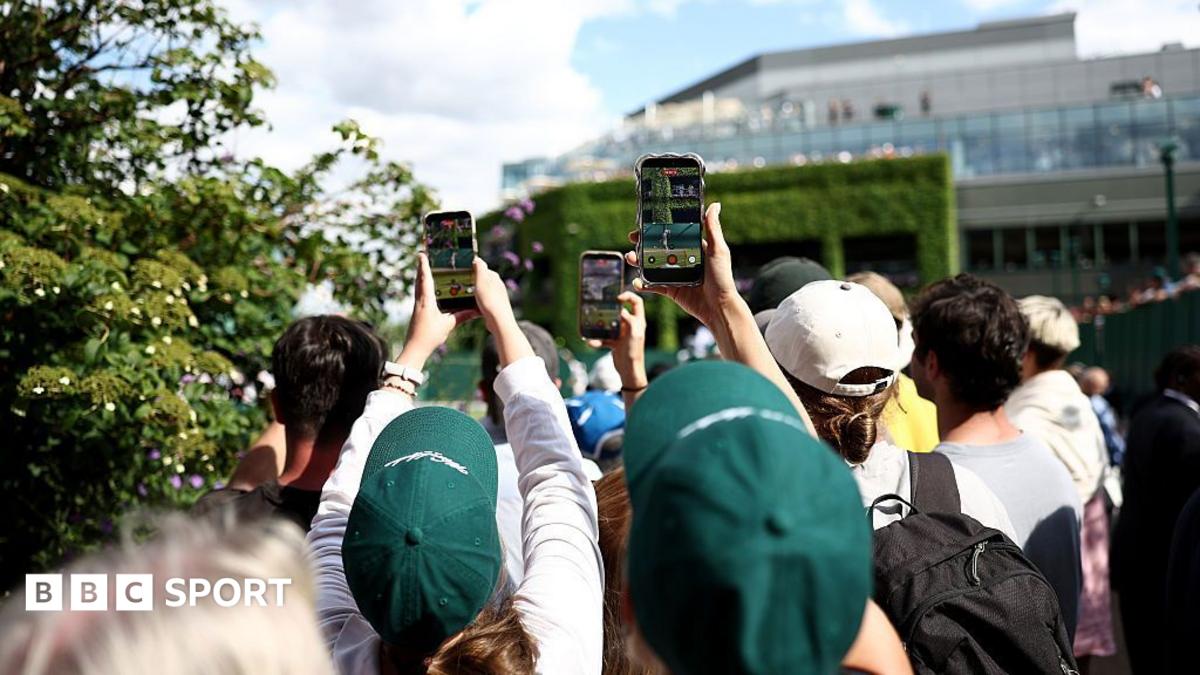
Royal Marine commandos providing security at Wimbledon would like “nothing more than to sort out” disruptive social media influencers at the prestigious tournament, its chief executive has joked.
But when a match involving two-time champion Naomi Osaka was disrupted by a group of influencers conducting a photo shoot, it prompted a debate about tennis etiquette.
Richard Atkinson, interim chief executive at the All England Lawn Tennis Club, said Wimbledon did not offer accreditation to influencers and sources have indicated to BBC Sport that is unlikely to change in the near future.
While Atkinson acknowledged that influencers were a “crucial part of the marketing mix” and to ban them from attending the tournament entirely would be “nonsense”, he said any that were brought in by brands would be “tightly chaperoned”.
He also backed the traditional “self-policing” ethos at SW19, whereby fans respect the action.
After the disruption at the US Open, world number four Coco Gauff said it was important to welcome a “new demographic” to the sport, but said: “I think it’s just, follow the etiquette of the sport. That’s all.”
And Wimbledon’s boss made it clear he does not expect to see a repeat at the All England Club.
“We don’t have a category of accredited people called influencers,” Atkinson told a panel at Leaders Week London.
“That said, clearly influencers are a crucial part of building your brand around the world in the third decade of the 21st century.
“What you have to do is keep them under control. One of our big partners, Polo Ralph Lauren, will have their influencer, but they are all tightly chaperoned.”
He said the atmosphere at the US Open is “very New York City”, adding: “It’s dead easy for someone who has just bought a ticket to show up there with their ring lights and literally start broadcasting in the middle of a match.
“If you tried to do that at Wimbledon, I think you’d probably have some Royal Marine Commando…”
He then joked: “We do have military. And they would like nothing more, I suspect, than to sort out some influencer.”
Fans will also not be allowed to bring portable ring lights – a piece of equipment used by content creators – to SW19.
Atkinson did, however, point out that the media landscape has changed, and suggested there is a place for embracing influencers and content creators to ensure Wimbledon remains relevant.
“It’s just a crucial bit of the marketing mix, of course it is,” he said.
“We’re not in the world of newspapers and television anymore, right? The world has changed. But it’s just really important, it’s a bit of a cliched expression, you’ve got to sort it out in a Wimbledon way. But to say “we’re not going to have any influencers at Wimbledon”, it’s obviously nonsense.”
“Our marketing team work meticulously to make sure they are working in a way that is consistent with our Wimbledon brand and keeps that magic that I was referring to earlier.”
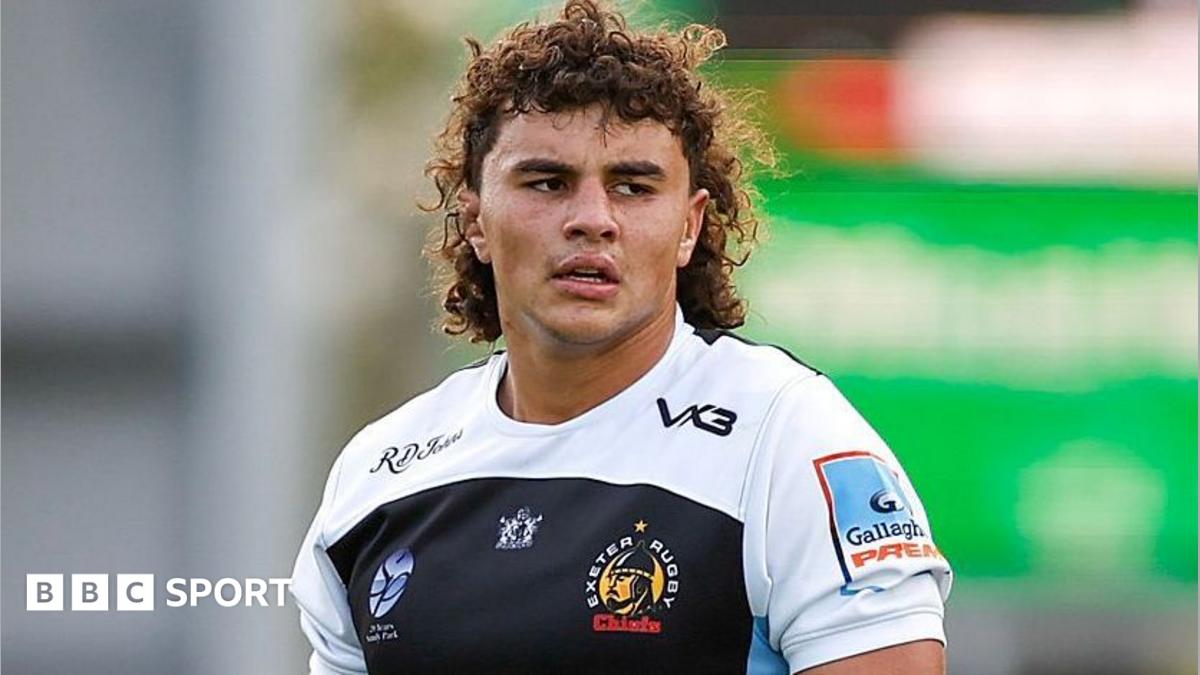
Exeter boss Rob Baxter says he has been impressed with how young Wales back-row Kane James is maturing.
The 21-year-old won his international first cap in July when Wales lost in Argentina in the Nations Championship.
James broke into the Exeter squad last season and has started both of the Chiefs’ Prem games so far this campaign.
“He’s just following that really nice route where he’s improving at a nice rate, he’s having some good impact on games,” Baxter said.
“Kane can be really pleased with the trajectory his game is going in at the minute.”
James’ physical development has also been noted by Baxter, who says the former England Under-20 player – who switched allegiance to the country he grew up in earlier this year – has been working hard off the field.
“He’s getting thicker, that will happen with quality training, making sure he gets his nutrition and all this kind of stuff,” Baxter added.
“He’s such a diligent guy he is going to maximise his strength and his growth, but he is going to get bigger for quite some time, I would say with Kane.
“That obviously is helping him ride the contact, he’s explosive and very quick.
“Kane’s had a really, really good start to the season, we’ve got to just keep working on these little individual bits and pieces – sometimes in his determination to fly around, a little bit of accuracy trips, but that’s the way you want it.
“You want these lads enthusiastic to run around and get in the game and I think there’s a lot more still to come from Kane.”
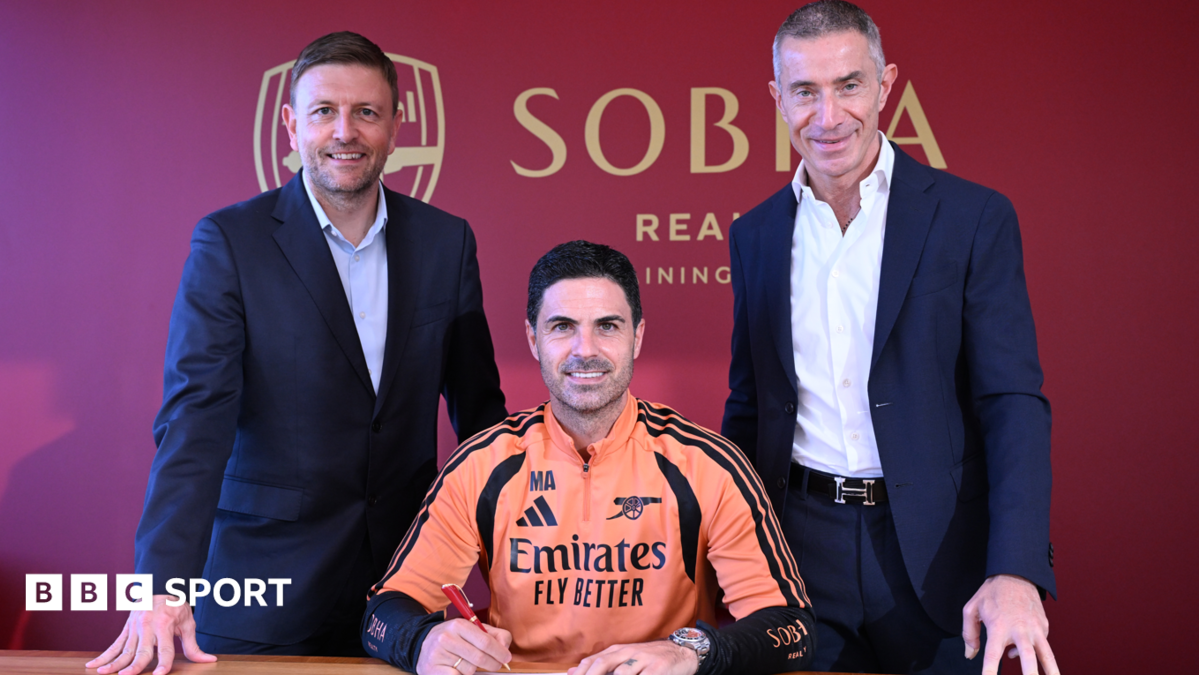
News of Arteta’s new deal at Arsenal won’t come as a shock.
The fact his previous deal expired at the end of the season did put a slightly greater emphasis on the speed of discussions than normal.
But Arteta has been transparent about his desire to stay at the club beyond the end of this campaign.
Dynasty building is what has driven Arteta’s decision. Winning Arsenal‘s first Premier League title in 20 years last season is viewed as just the start.
Coming within a penalty kick of winning their first Champions League trophy came as a gut-wrenching blow – but also a huge motivation.
“We share a special bond with Mikel. We are so proud of everything we have achieved since he returned to the club in 2019,” co-chairmen Stan and Josh Kroenke said.
“He has a deep understanding of Arsenal‘s values and carries them in his heart. He knows what this club means to everyone connected to it and is committed to building on everything we have achieved together.”
With that in mind, there was never a sense Arteta was preparing to walk away from the team he has built to become one of the best in European football.
So with a deal for their manager to stay now agreed, the foundation of Arsenal‘s recent revitalisation into a footballing force remains in place.
Does more history beckon? Arteta is committed to finding out.
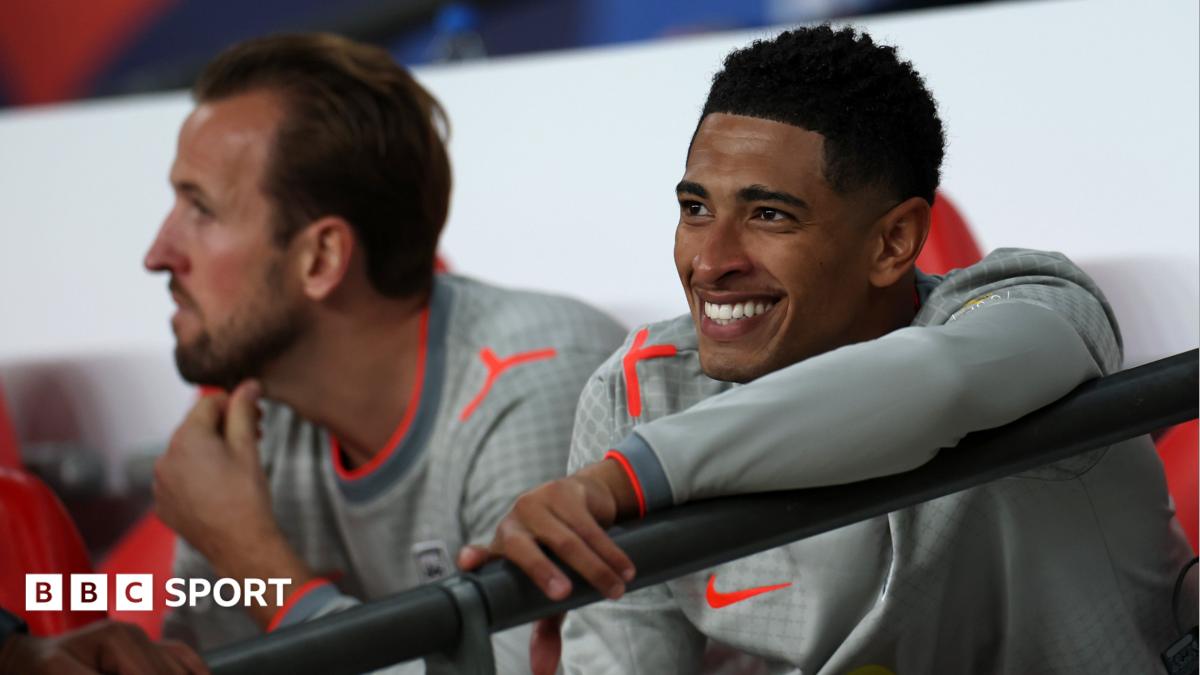
There was a sense of inevitability that England captain Kane would be the star turn in Tuesday’s 3-0 win over the Czech Republic as he celebrated equalling Peter Shilton’s record of 125 England caps.
Kane, still irreplaceable at 33, added to his goals tally as England’s all-time record scorer, his total of 91 now 38 ahead of Wayne Rooney, who is in second place in the listings with 53 goals in 120 games.
And, with Kane still looking in his prime and fully fit, it now seems only a matter of time before he makes history as the first player to score 100 goals for England.
This alone will have delighted Tuchel, but even more satisfying for the German is that he now presides over an attacking quartet that can pose a threat to any side in world football.
Kane is the peerless spearhead, but Anthony Gordon – on target in the three Nations League games against Spain, the Czech Republic and Croatia before being rested here at Wembley – has moved his game on to another level since joining Barcelona from Newcastle.
Gordon is a creator with burning pace, while on the right flank Bukayo Saka has looked rejuvenated after a World Cup during which he was hampered by an Achilles injury, as he proved with two goals in Croatia.
And, just behind them all, with everything he does stamped with world class, is Jude Bellingham, England’s player of the year and the golden future of his country at only 23.
This may be bad news for Chelsea’s Cole Palmer, whose withdrawal from England’s squad has allowed others to cement their place in front of him, with Nottingham Forest’s Morgan Gibbs-White proving his commitment by cutting short a family holiday to join the squad after being excluded initially.
England’s front four looks a natural fit, augmented by Chelsea’s Morgan Rogers, while Liverpool’s 18-year-old Rio Ngumoha will be an international contender for years to come.
If Tuchel can keep his fab four fit and firing, England will be a danger to any opponents.
His only season in charge was a roaring success with 109 goals, and 109 points sealing promotion to National League North.
But Savage would take the Silkmen no further.
The former Wales midfielder, who played for Leicester, Derby, Blackburn and Birmingham among others during his playing career, joined National League side Forest Green Rovers in July 2025.
As Savage departs, Forest Green sit 13th after 11 matches, with four wins, three draws and four defeats.
But for the man himself – just 836 days on from starting his management career with the Silkmen in the seventh tier – he is now a League One boss.
“Excitement is the word I can use to describe the appointment of Robbie Savage as our new manager,” Posh chairman Darragh MacAnthony said.
“His personality, character and mindset is something we need top to bottom. Nobody will work harder to get us up and running again than Robbie.
“The board were blown away by him in an extensive interview and his hunger to fix our issues and get confidence back into our talented squad is what I am most excited by.”
And yet it was the performance perhaps more than the result that appeared to win fans over again and reset the relationship between supporter and head coach.
“If they wanted to turn, that was their chance,” Bellamy said on S4C of the crowd response to Oscar Bobb’s opener after 11 minutes in what was Wales’ first home game since those Burnley links. “But they didn’t, they drove players on.”
Indeed, there had been only a Red Walled-willingness for Wales – and Bellamy – to be better throughout the 90 minutes, the noise lifting as Haaland remained contained and the hosts continued to move forward. They liked what they saw. Action, not words.
Bellamy admitted to having an “identity meeting” with players to try and re-establish what had been the hallmarks of his initial time in charge. It evidently did the trick given the way the tempo and aggression returned.
On the ball there was plenty to please the eye, not to mention the resilience to close a game out – a key criticism of that World Cup campaign.
One win is only one win, but there were red-shirted signs of redemption, from Liam Cullen’s performance – a player Bellamy has been criticised for selecting over others – to Neco Williams’ free-kick following a difficult night in Denmark.
But suddenly the Nations League campaign has new life and the chance of remaining in the top tier, and maybe even a seeding boost for those Euro 2028 qualifiers.
“It felt more like what we saw at the start under Craig,” said former Wales midfielder Joe Ledley.
“I think people have wanted to see it back but they saw it here. Fans don’t always have patience, decision-makers don’t always have patience so I think everyone knew we needed to see a result – but we also saw the performance and things we’ve not seen for a while. That’s a Craig Bellamy side.”
So instead of breaking point, was this a turning point?
“I hope so,” said Robert Earnshaw, another former Wales teammate of Bellamy and now part of the Match of the Day Wales team with Ledley.
“Craig needed it, the team needed it, I think the whole nation needed it,” said Earnshaw.
“Our levels dropped after the disappointment of the World Cup and it was about how could we bounce back – and here we felt that energy and excitement again.
“They had to give the crowd things to be cheerful about, because they were missing that for a while. Against Denmark we were miles away from what we’ve seen.
“This was a statement win.”
And – although the next test fast approaches against Denmark in Cardiff on Sunday – maybe it was also a line drawn.
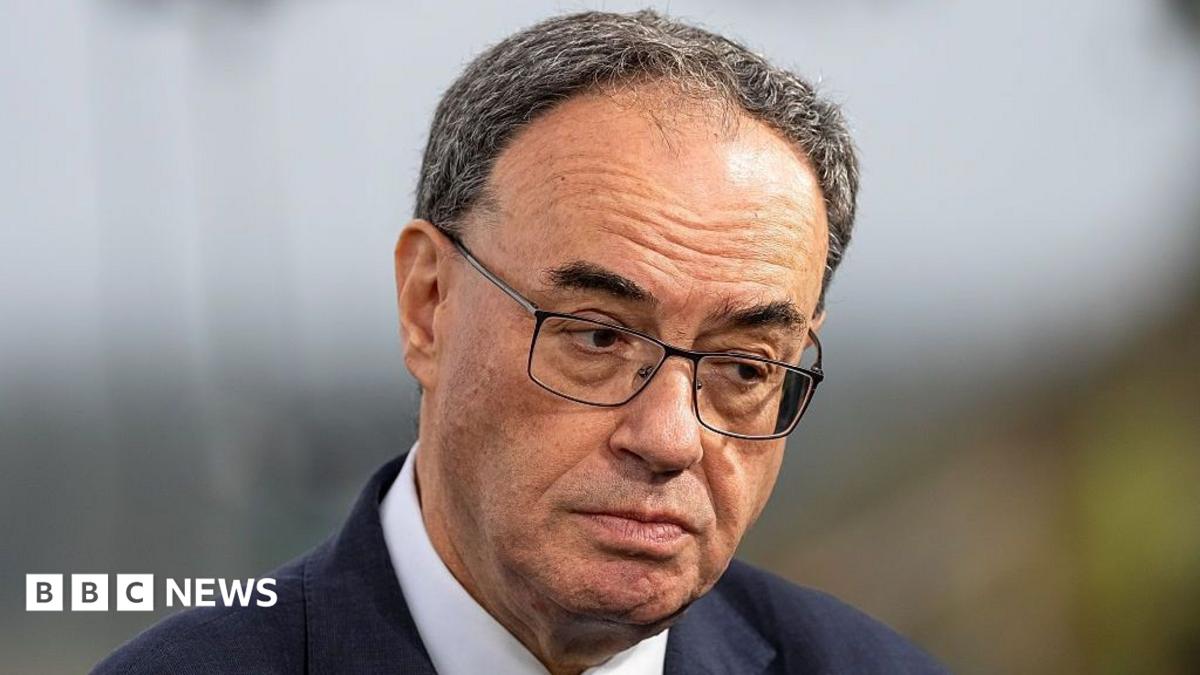
Artificial intelligence (AI) could trigger financial market shocks and the UK needs to be prepared for them, the governor of the Bank of England has warned.
Andrew Bailey said the central bank is watching the huge amounts of money being invested in AI “very carefully” and cautioned that “not everybody always wins”.
The money that has been spent on and loaned to AI firms over the last few years in the hope of large returns is causing markets to value some of them as multi-trillion dollar businesses.
Asked if he believed an AI bubble could burst, Bailey said: “You could see some correction of asset prices at some point.”
He was speaking exclusively to the BBC about what the risks and benefits of AI could be for the UK economy.
Bailey said he believed the technology has “great potential to strengthen growth in our economies”, adding that this was something the country needed.
“But it also brings with it substantial risks and so we have to be on top of both of those.”
One such risk is what happens if the big bets being made on AI don’t pay off.
AI chipmaker Nvidia is currently the world’s most valuable listed company, with a market valuation of $5.5tn (£4.14tn), thanks largely to investors who believe in the big profits AI could create.
Meanwhile, tech giants Alphabet, Meta, Microsoft, and Amazon are spending hundreds of billions of dollars on the technology.
And two of the largest AI companies in the world – Anthropic and OpenAI – are also preparing to sell shares in their firms on the US stock market in moves which many believe will lead to hundreds of billions of dollars more flowing into the industry.
“There is a large, very large, amount of investment going into this sector now, and of course that’s natural because it’s a major area of growth,” said Bailey.
“And of course you see that the asset prices of the companies that are developing it have gone up a lot and that reflects the fact that there are high expectations of what it can deliver.”
“Everybody is currently priced to be a winner,” he added, but warned that “you look back at the past, not everybody is a winner”.
“Google was not the first market leader in internet search. It was Netscape. Nobody can remember Netscape today. It doesn’t exist. So not everybody always wins.
“We are prepared for the fact that there will be, I think, some shocks come along to markets and we have to deal with that. We have to make sure the system is resilient.”
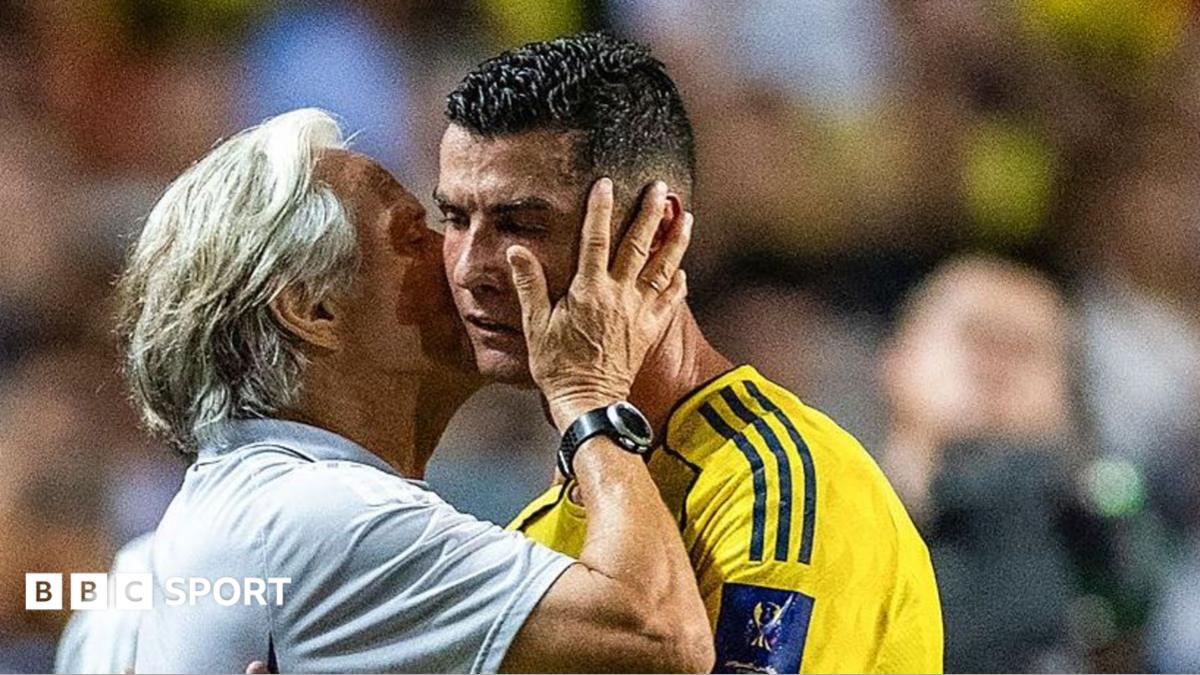
Portugal head coach Jorge Jesus has said there is no rift with captain Cristiano Ronaldo following claims the five-time Ballon d’Or winner had refused to train.
The Al-Nassr forward did not feature in Portugal’s 2-1 win over Norway in Olso on Sunday and did not join his team-mates in going over to the visiting fans at the final whistle.
Instead, the former Real Madrid and Manchester United player headed to the changing rooms – prompting reports he was unhappy with the manager.
Speaking to media before Portugal’s Nations League match against Denmark on Thursday, Jesus said: “There was no incident whatsoever.
“Any player – and I was a player myself – when you spend 20 or 30 minutes warming up and then don’t get on, no-one is happy about that.”
Jesus said he had told Ronaldo before the match he would not be starting, but might be brought on later in the game.
“Afterwards, as coach, I decided not to bring him on. It’s nothing to make a fuss about,” he added.
Former Benfica manager Jesus also dismissed suggestions Ronaldo had refused to train on Tuesday, saying the 41-year-old instead had to do individual exercises for “mobility” and “strengthening” but would train as normal on Wednesday.
However, Ronaldo did not join his team-mates on the pitch in Denmark with Portuguese media sharing a video of him leaving Parken stadium alongside two members of the backroom staff.
They also said Ronaldo’s private jet was heading to Copenhagen.
Goncalo Ramos scored the winner against Norway and Jesus confirmed the AC Milan striker would again be preferred to Ronaldo against Denmark.
“If everything goes according to plan, it will be Goncalo who plays,” Jesus said.
“If I need [Ronaldo], he’ll come on. If I don’t need him, he won’t.”
THE CEO of Ryanair has warned that there’s “no doubt” that air fares will rise by summer next year.
However, if you secure a deal now, it’s likely to be cheaper than if you wait until the last minute – and we’ve found some worth booking.
Ryanair boss has warned that flight prices will go up next yearCredit: GettyTo avoid soaring costs – book your summer break now rather than leave it last minuteCredit: Getty
The conflict in the Middle East and the Strait of Hormuz has resulted in the rising price of oil – it has recently increased to over $100 (£75.57) a barrel.
Some airlines have hedged their fuel (meaning they pay a set price) but this could come to an end if the conflict continues into next year.
Sign up for the Travel newsletter
Thank you!
Talking about 2027, Michael O’Leary said that flight prices were “only going one way”, which is “significantly upward”.
He added: “Fares for Ryanair passengers and every other passenger into the summer of 2027 are going to rise materially, I believe, because of significantly higher oil prices.
“I have no doubt fares are rising next year. The question is by how much.”
If you want to bag yourself a summer holiday now before the price increases begin, here are some more affordable deals that we’ve found…
The Costas, Spain
Whether you want to hit the coast or the cities, Spain is always a safe option for Brits.
Consider coastal regions like the Costa Brava, Costa del Sol, Costa Brava and Costa de la Luz for your next break.
There are beautiful Mediterranean beaches with sandy shores and warm seas especially in the summer months – not to mention lots of spots are very affordable.
With On the Beach, book a stay for two at the Merce Hotel on the Costa Brava from July 1 for seven nights from £335pp – it has a rooftop pool, a restaurant and the seaside village has plenty of bars and coffee shops.
The Costa Brava has beautiful beaches and is a few hours from the UKCredit: Getty Images
Marrakesh, Morocco
For guaranteed sun, and short flights, Marrakesh is a great option when it comes to holidays.
The city centre has lots to see and explore like busy souks and huge palaces.
If you’re after a quieter break, there are lots of riads outside of the city – one of which is just beyond the Atlas Mountains.
A seven-night break for two in Marrakesh at the Riad Atlas Prestige between July 12 -19 can be booked from £279pp with loveholidays.
The small hotel has nine guestrooms with a roof terrace for dining and is close to waterfalls and a small village – the city centre can be reached in an hour and a half by car.
If you pay a £19 deposit today today – the rest can be paid in nine monthly instalments.
Marrakesh is a great option for summer with city and remote breaksCredit: GettyParts of Albania have been compared to the MaldivesCredit: Alamy
Albanian Riviera
The Albanian Riviera is predicted to be a popular destination next year thanks to its consistently growing tourist numbers.
Much of the coastline has white-sand beaches and bright blue waters with bustling beach clubs and bars.
Even better is that Albania sits around the mid-20s in spring, and during summertime can be over 30C.
The four-star Hotel Aliko is a few minutes away from the beach with views of both the sea and mountains.
Bulgaria
If you’re heading away with the kids in 2027 consider Bulgaria as a cheaper alternative when it comes to package breaks.
It doesn’t even take that log to get there with the average flight time of just over three hours and temperatures of up to 30C in August.
A family of four can opt for full board seven-night break at the Garden of Eden Hotel with loveholidays from £549pp between August 2-9.
The hotel sits right by a sandy beach, it has eight outdoor swimming pools, three restaurants, a spa and there’s a children’s club during the summer too.
If you’re heading on a family holiday in 2027 – here are more options with some of the best deals from £36pp a month from Malta to Tenerife.
Here are some tips on how to find cheap flights…
Skyscanner is a great option for comparing the price of flights with various airlines – and it even have a price drop tool.
The feature claims to scour up to 80 billion prices a day and shows which destinations have seen flights that have dropped 20 per cent compared to the last week.
Google Flights is another search engine which compares flight prices and shows multiple airline options.
If you choose the ‘explore’ option, it can show the cheapest, direct flights across the world.
For even more hacks on when to fly, Expedia has put together a handy list on the cheapest days to fly – which is Friday.
Compared to travelling on a Saturday, jetting off the day before can save up to 18 per cent.
It also found that found that international travellers can save £93 on average by booking between 15 and 30 days ahead, instead of six months.
Where you fly from also makes a difference – some of the most expensive UK airports to fly from are London Heathrow, Humberside and Manchester..
THE under fire boss of air traffic control has been told he “must quit” after a number of UK airports were hit with delays following another technical glitch.
Thousands of passengers saw their flights disrupted after an issue with the National Air Traffic Services [Nats] affected airspace in the north of England and in Scotland.
Passengers faced lengthy delays after another air traffic control failureCredit: ZenpixMartin Rolfe, the head of NATS, Britain’s air traffic control service is under-fireCredit: Alamy
Holidaymakers are facing lengthy delays after the issue which began at Nats’ Prestwick centre in Scotland.
Airports in Edinburgh, Belfast and Manchester were registering delayed flights and urged passengers to check with their airlines while Luton Airport said domestic flights had been disrupted.
Sign up for the Travel newsletter
Thank you!
Nats has stressed that the issue was unrelated to a massive outage that saw hundreds of flights cancelled just two weeks ago.
In a statement on the most recent air traffic control outage, a Nats spokesperson confirmed the issue was now fixed – but disruption is still on the cards for many holidaymakers.
But calls for Nats chief Martin Rolfe to resign have intensified after the latest debacle.
The 51-year-old senior executive of National Air Traffic Services was paid £1.5 million, including £871,000 in bonuses, last year and has already faced questions over his future.
The executive has previously been accused of overseeing a “litany of failures” during his time as CEO of the UK’s air traffic control services.
At least 200 flights departing or arriving into the UK have been cancelled so far today, aviation analytics company Cirium has said.
Ryanair has said more than 25,000 of its passengers are expected to be disrupted after the latest air traffic control incident and called for Rolfe to resign.
Chief operations officer Neal McMahon said: “Just three days after Nats assured airlines and passengers that it had introduced robust ‘mitigation plans’, its flight data processing system has failed again.
“More than 25,000 Ryanair passengers have already suffered disruption, with over 140 Ryanair flights delayed, yet Nats still cannot tell passengers when this disruption will end.
He added: “Rolfe has presided over repeated system failures, repeated passenger disruption and repeated failures to deliver an effective back-up system.
“Enough is enough. Martin Rolfe should resign today.”
Easyjet said in a statement: “A NATS Air Traffic Control system failure in its Prestwick Centre is causing delays to flights with some unable to operate.
“This, once again, calls into question the resilience of NATS’ systems and demonstrates the need for firm actions to prevent these repeated failures.
“We will do all we can minimise the impact of this for our customers and advise anyone due to fly today to check our flight tracker for the latest information.”
The airline said the latest disruption “calls into question the resilience of Nats’ systems.”
The firm said earlier this morning that engineers were working to resolve the issue but that regulations had been imposed to “maintain safety.”
Some passengers were left stuck on the tarmac while the issue was dealt withCredit: WovenPete/XQueues build up at Manchester Airport this morning after the latest technical glitchCredit: ZenpixDisgruntled passengers at the major airportCredit: Zenpix
And, British Airways said it is “disappointing” that some customers may experience disruption after “yet another technical fault with Nats”.
A spokesperson for the airline said: “Yet another technical fault with Nats means some of our customers are likely to experience disruption to their travel plans today.
“This is disappointing and whilst it is an issue that is entirely out of our control, we’re doing everything we can to limit the impact on customers and are keeping them updated.”
A Nats statement this afternoon read: “The issue in our Prestwick centre is now fixed. We are working with airports and airlines to safely lift air traffic regulations as quickly as we can to minimise any further disruption.
“Passengers should still check the status of their flight with their airline.
“We apologise for the disruption.”
Passengers tpoday are being advised to check with their airline for information on their flights.
Holidaymakers at Glasgow airport were reportedly been left waiting on the tarmac for hours amid the delays.
Meanwhile, Luton Airport said domestic flights had been disrupted by the air traffic control issue.
And several flights at Manchester Airport have been delayed with passengers warned to expect further disruption.
However, most airports south of Manchester are broadly unaffected by the issue but flights travelling north may be subject to some delays, Nats said.
British Airways and Easyjet have issued messages to passengers hoping to travel today, warning them that some delays are expected.
Highlands and Islands Airports Limited has said flights are being disrupted across all of the airports it operates.
Meanwhile, Belfast International Airport said it is experiencing some delays amid the air traffic control issue.
Passengers and airlines “deserve better”, an aviation industry body has said after the second air traffic control issue within two weeks.
Tim Alderslade, chief executive of Airlines UK, said: “The UK’s ATC (air traffic control) system is critical national infrastructure and it must be resilient enough to keep people moving.
“Passengers and airlines deserve better and the independent CAA (Civil Aviation Authority) report, together with the forthcoming Civil Aviation Bill, must address the underlying weaknesses in the system so that these failures stop happening.”
The previous Nats failure affected thousands of passengers with many stuck abroad amid the chaos.
Nats announced that a “technical issue” with its “flight processing system” had caused the widespread travel chaos just two weeks ago.
A majority of the UK’s biggest airports were brought to a standstill by the failure, which is understood to have been caused by a software error.
It led to calls for Nats chief Martin Rolfe to resign with furious airline executives blaming him for the failure.
TransportSecretary Heidi Alexander previously demanded Rolfe launch a rapid review into the chaos last week and said that she did not believe the most recent air traffic control issue was “unavoidable.”
He previously faced turbulence in 2023 when he oversaw his first failure in air traffic control, which affected more than 250,000 passengers.
The August bank holiday failure was sparked when a small piece of incorrect data set off a mass system failure lasting just a few hours.
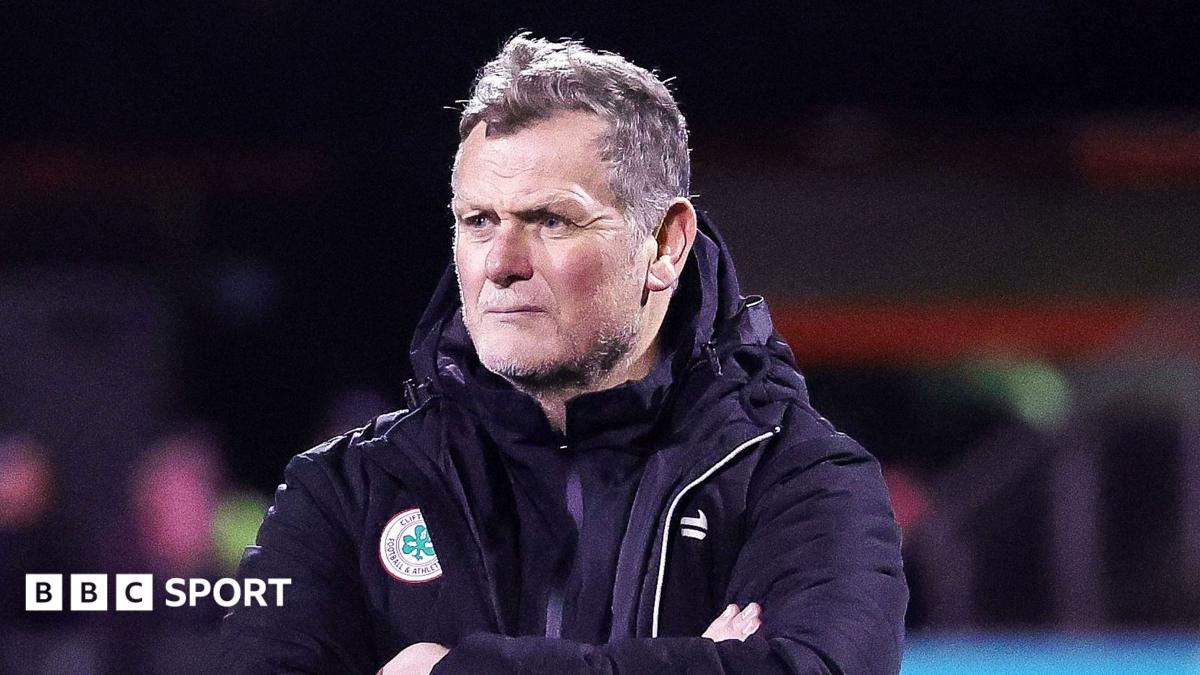
Glentoran have identified Cliftonville manager Jim Magilton as their preferred candidate to take over from Declan Devine.
Devine left the Oval club on Monday after two years in charge following a poor start to the season.
Assistant managers Paddy McCourt and Tim McCann oversaw Tuesday night’s home defeat by Irish Premiership leaders Coleraine.
Magilton has emerged at the front-runner with the Glens making a formal approach to speak with the Cliftonville boss, with the clubs set to meet in an Irish Premiership fixture at Solitude on Saturday.
The 57-year-old former Northern Ireland international was appointed Cliftonville boss in 2023, succeeding Paddy McLaughlin, and led the club to Irish Cup glory the following year, ending a 45-year wait for the trophy.
Magilton, who previously worked at Ipswich Town, the Irish FA, Dundalk and Melbourne Victory, also led the Reds to the 2025 BetMcLean Cup, beating Glentoran in the final, but lost to Dungannon Swifts in the Irish Cup decider two months later.
Former Gladiators star ‘Giant’ has accused the show of exploiting its power over performers and accused Holly Willoughby’s TV producer husband Dan Baldwin, 51, of double standards
Jamie Bigg has accused Holly Willoughby’s TV producer husband Dan Baldwin, 51, of double standards for platforming adult star Lily Phillips on his wife’s new YouTube show.(Image: Instagram)
Jamie Bigg, better known as Giant on the hit TV show Gladiators, has opened up about his biggest battle behind the scenes on the BBC show.
After Jamie separated from his wife, Katie Christian, late last year he began a relationship with OnlyFans model Taylor Ryan, 28. The pair first met at a Gladiators Live event in Sheffield. Taylor, from Exeter, Devon, was there as she was a fan of the show.
The pair began dating and their romance was so serious that in April Jamie, then 40, quit the programme after he was ordered to dump Taylor or lose his job. TV bosses reportedly said Taylor’s role as an online adult content creator conflicted with the show’s family-friendly image.
Jamie said at the time: “I had to choose between dating Taylor and keeping my job.”
The 6ft 5in Gladiator has now accused Holly Willoughby’s TV producer husband Dan Baldwin, 51, of double standards for interviewing adult star Lily Phillips on his wife’s new YouTube show.
In an exclusive interview with The Sun, Jamie, now 41, said the Lily interview left a bad taste in the mouth and said his exit “f***ing sucked” after insisting Dan had promised him a future on the show.
He said: “For the person who deleted or helped delete me, for his wife to do that interview, it just seemed too close to home to be comfortable with it.”
Dad-of-two Jamie said Dan allegedly told him “you’re definitely in the next series. Giant’s a huge character. We can’t imagine season four without Giant”. But when he refused to end his relationship, he was axed from the show.
Jamie is critical of the lack of duty of care shown to him, claiming the show completely washed its hands of him.
He told The Sun: “They did try and delete me from the past, present and future with no duty of care for my mental health or the ADHD or the divorce or the getting older, which I thought was very, very harsh.”
Jamie described himself as a “pawn in their game” and accused the show of exploiting its power over performers.
Dan’s media firm Hungry Bear produces Gladiators and Holly’s Together show has been approached for comment by The Mirror but at the time of publication have not responded.
Jamie is now working as a motivational speaker and wants to use his experience as a bodybuilder and former Gladiator to inspire and help people overcome adversity in their own lives. He is represented by Champions Speakers for bookings.
The Mirror has also contacted the BBC for comment.
Kieron: Kilmarnock could have won by three or four and it wouldn’t of flattered them. Hibs were so poor tonight. David Gray’s position is hanging by a thread.
Stuart: The players on that pitch have to take as much responsibility as Gray for this result, nowhere near good enough. Amateur performance.
Andy: How can Gray continue to keep his job? The players are not playing for him. The club is a mess. Banning the only fans that bring an atmosphere. Benching three of our best players. So confusing.
Chris: Question the tactics. Thought for long time long ball is desperate and lacks ambition. Pressure indeed on David Gray.
Lee: If we end the game two points off bottom spot then it’s surely time up for the Hibs manager. It’s not a run and recovery from a bad position needed, it’s deliver and results from the get go the support demands for a club of our size.
Stuart: The players on that pitch have to take as much responsibility as David Gray for this result, nowhere near good enough. Amateur performance.
Paul: Long balls to no-one as usual from Hibs and as usual our keeper is a weak link. Gray has to go even if we win as this is awful football. Bring in Neil Lennon or Steve Clarke asap before our season drifts to nothing as usual.
Andy: How can Gray continue to keep his job? The players are not playing for him. The club is a mess. Banning the only fans that bring an atmosphere. Benching three of our best players. So confusing.
Brian: Worst backline in Scotland, midfielders trot about like headless chickens, feel sorry for strikers. Gray clueless. No plan. No tactics. Blah, blah, blah after game as usual but won’t resign. Board have to act.
SMcDhfc: David Gray has lost the team, it was obvious tonight. As an attacking force, we were shocking, lots of huffing and puffing but not one real effort on target. The players should be embarrassed after that display, but they will get the result they are after, Gray sacked.
Craig: I like Gray but believe it’s time he goes. He has one formation. It’s just not good enough. But, if he goes, Malky MacKay [director of football] should go too. His signings have been terrible.
Ismail Kartal resigned as head coach of Fenerbahce just minutes after the Turkish side’s 1-1 draw with Roma in the Champions League.
Kartal made the surprise announcement in his post-match news conference, stating he plans to never return to the club he previously served as a player and assistant coach.
He came back to Fenerbahce for a fourth spell as manager in June 2026, with the club returning to the Champions League for the first time in 18 years.
Now he departs with the team sitting ninth in the Turkish Super Lig after two wins and two defeats, and after only one Champions League match.
“I have been here three months. From the beginning of the season until today, the training sessions and camps we held with the players, and the efforts of our president, have been very helpful. Those were wonderful days,” Kartal said.
“As of this evening, I congratulate my players and resign from my position.
“I made this decision to pave the way for my club. We made this decision together as a team.
“From now on, to help Fenerbahce, my players and future coaches, I have resigned from my position, with the intention of never returning.”
Club president Aziz Yildirim has not accepted 65-year-old Kartal’s resignation.