Arab

Arab News | Saudi foreign minister, Pakistani counterpart discuss bilateral ties and regional developments

RIYADH: Saudi foreign minister Prince Faisal bin Farhan bin Abdullah received a phone call from Muhammad Ishaq Dar, Deputy Prime Minister and Foreign Minister of Pakistan, official ministry statements said Sunday.

Officials from both countries reviewed the state of bilateral relations and discussed recent regional developments, including the ongoing crisis in the region.

The ministries stated that the conversation addressed efforts to contain the crisis and promote peaceful solutions through dialogue and negotiation, with the aim of reducing tensions and preserving security and stability in the region.


Source link

Arab News | GCC corporate profits surge to record $74.8bn as oil boosts earnings 

RIYADH: Companies listed across the Gulf Cooperation Council posted a record $74.8 billion in net profits in the second quarter of 2026, up 31.3 percent year on year, driven by gains in the energy and banking sectors, according to an analysis.  

In its latest report, Kamco Invest said the rise in net profit also reflected higher average crude oil prices amid the regional geopolitical situation, which more than offset a decline in crude oil exports from the region. 

Compared with the previous three months, net profit of listed companies in the GCC region increased 10 percent. 

The strong figures underscore the resilience of GCC corporates even as geopolitical tensions and regional disruptions continue to weigh on investor sentiment. The gains also highlight the continued importance of energy to Gulf corporate earnings, even as governments pursue economic diversification and non-oil sectors expand.  

In its report, Kamco stated: “At the country level, the increase in profits mainly reflected double-digit y-o-y growth in profits for Kuwait, Saudi Arabia, Abu Dhabi and Oman and 4.9 percent growth in profits for companies listed on Dubai Exchange.  

It added: “On the other hand, Qatari and Bahraini companies reported decline in quarterly profits by 20 percent and 0.4 percent, respectively.” 

Industry observer Tony Hallside, CEO of STP Partners, said the record $74.8 billion profit figure reflected strength beyond the headline number. “Higher oil prices clearly provided a major tailwind, with energy-sector profits rising more than 40 percent, but earnings growth across several other sectors shows that corporate activity remains resilient.”  

He added: “For investors, that breadth is arguably more important than the record number itself.”  

Aggregate revenues for GCC-listed companies rose 17 percent year on year to $381.6 billion in the second quarter and 8.1 percent quarter on quarter. 

Excluding Saudi Aramco, revenue growth for the rest of the region remained in double digits at 11.4 percent. 

Saudi Arabia leads growth 

Saudi-listed companies accounted for the bulk of the gain in the region, with aggregate net profits rising 36.7 percent to $45.3 billion from $33.2 billion a year earlier. 

Energy, banking and materials together made up 92 percent of Saudi earnings in the quarter. 

Saudi Aramco’s net profit increased 42 percent year on year to $32.4 billion, supported by a 19 percent rise in total revenue as realized crude prices climbed from $66.7 a barrel in the second quarter of 2025 to $108.1 a barrel in the second quarter of this year. 

Saudi Arabia’s banking sector net profits increased 8.3 percent to $6.6 billion from $6.1 billion, supported by strong lending growth and resilient operating income. 

Al Rajhi Bank reported $1.9 billion net profit, up from $1.6 billion, driven by a 13.7 percent increase in net income from financing and investments and a 13.3 percent rise in total operating income. 

Saudi National Bank recorded a 7.5 percent increase in net profit to $1.8 billion, mainly supported by a 1.6 percent rise in income from financing and investments. 

“Saudi Arabia remains the earnings engine of the GCC market. Aramco was clearly a major contributor as higher crude prices lifted energy earnings, but the more interesting figure is that Saudi-listed company revenues still grew around 11 percent excluding Aramco,” said Hallside.  

He noted that it points to “broader corporate momentum and gives investors more evidence that the opportunity set in Saudi equities is widening beyond the traditional energy story.”   

Wider regional outlook  

Kuwaiti companies recorded the largest percentage increase, with net profits almost doubling to $3.1 billion, partly reflecting the absence of large losses from discontinued operations that weighed on Agility in the year-earlier quarter. 

Abu Dhabi profits rose 41.8 percent year on year to $14.7 billion. Dubai-listed firms grew 4.9 percent to $6.9 billion. 

Qatari companies saw profits fall 20 percent to $2.9 billion, while Bahraini firms declined 0.4 percent to $572 million. Omani companies rose 24.2 percent to $1.4 billion. 

In the first half of 2026, aggregate net profits for GCC-listed companies rose 23.1 percent, or $26.8 billion, to $142.81 billion. The increase was led by almost 30 percent growth in Abu Dhabi and Saudi Arabia, followed by a 14.6 percent rise in Oman. Kuwaiti and Dubai-listed companies registered high single-digit growth, while Qatar and Bahrain recorded declines of 11.6 percent and 0.2 percent, respectively. 

Sectoral outlook  

Sector performance was mixed but broadly positive. Energy profits jumped 41.6 percent year on year to $36.2 billion in the second quarter. 

Food, beverage and tobacco more than doubled to $3.9 billion. Real estate, materials, capital goods and transportation also posted higher profits. 

Banks reached a record $17.8 billion, up from $16.6 billion, with six of seven country aggregates higher. Telecom recorded modest growth. Utilities, food and staples retailing, and media and entertainment declined. 

“What stands out is the divergence within the GCC. Kuwait, Saudi Arabia, Abu Dhabi and Oman all delivered double-digit profit growth, while Qatar and Bahrain saw declines. That tells investors this remains a market where country and sector selection matters,” said Hallside.  

He noted that banks and telecoms continued to grow, albeit more moderately, while energy, real estate, materials and transportation were stronger. “The GCC cannot be treated as one homogeneous equity market; earnings drivers are becoming increasingly differentiated,” Hallside added. 
Source link

Arab News | Muslim nations say Israel’s Gaza expulsion plans threaten Trump peace

RIYADH: Eight Islamic and Arab countries on Sunday condemned Israeli plans for the removal of Palestinians from the Gaza Strip saying the designs, voiced by ministers, jeopardise a US-backed peace in the territory.

Israeli Defence Minister Israel Katz said Wednesday the government had plans to remove Palestinians from Gaza but was waiting for US approval on where to displace the territory’s population.

A day later, Israel’s National Security Minister Itamar Ben Gvir said the plan aimed to remove 250,000 Palestinians from Gaza in the first year, followed by the rest of the roughly two million residents over the following six years.

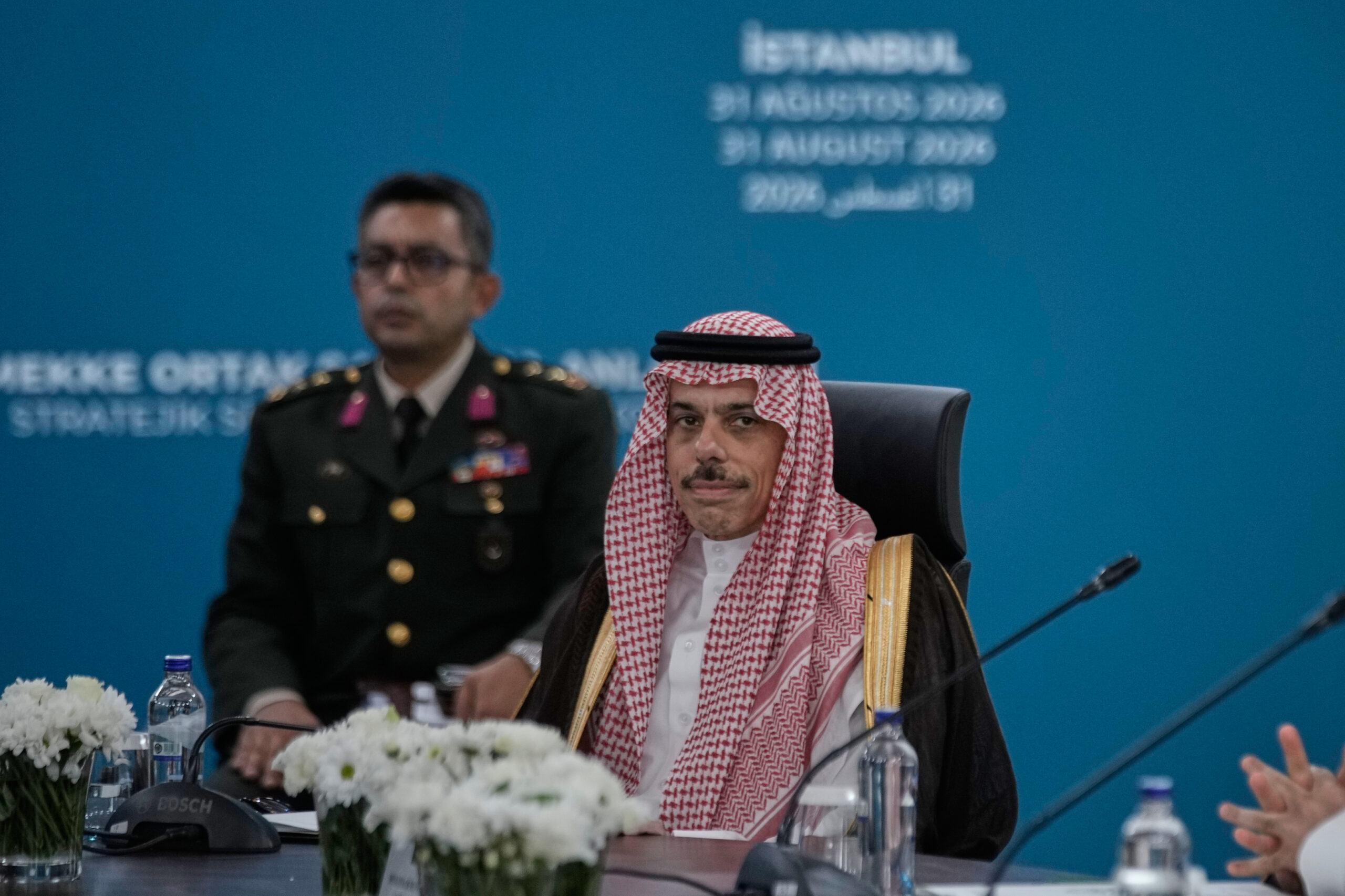
The foreign ministers of Saudi Arabia, Egypt, Jordan, the United Arab Emirates, Qatar, Pakistan, Indonesia and Turkey said they condemned in “the strongest terms” the “plans and mechanisms they proposed aimed at forcibly expelling Palestinians from their land”.

“Such measures directly challenge international efforts to achieve peace, particularly President Donald Trump’s comprehensive plan to end the conflict in Gaza, which includes a firm rejection of forced displacement,” they added referring to a US-backed, October 2025 peace plan for Gaza.

On Saturday the US ambassador to Israel Mike Huckabee, a staunch supporter of Israel and Israeli settlers in the occupied West Bank, denied there was an Israeli plan to force Palestinians out of Gaza.

Source link

Arab News | Mergers and acquisitions drive Saudi growth, competitiveness

Amid considerable uncertainty over global economic growth, the prospect of higher interest rates and long-term government bond yields, and volatile energy prices, business activity worldwide has come under pressure.

Trade disruptions resulting from higher customs duties, supply chain disruptions caused by geopolitical conflicts, and mounting challenges facing major international institutions have further compounded these pressures.

These conditions underscore the need for resilient businesses that are not only financially strong but also supported by robust supply chains and capable of navigating challenging market conditions.

Against this backdrop, mergers and acquisitions have emerged as powerful drivers of growth, competitiveness and economic transformation. Yet their success depends on far more than agreeing on valuations and commercial terms. Regulatory complexity, cultural integration, corporate governance, due diligence, and the alignment of people and strategy can ultimately determine whether a transaction creates lasting value or falls short of its objectives.

Global M&A activity strengthened significantly in 2025, with announced deal value reaching approximately SR17.3 trillion ($4.6 trillion), an increase of 49 percent from 2024 and the strongest annual performance since 2021.

Saudi Arabia also recorded substantial transaction activity. The General Authority for Competition, which originated as the Competition Council in 2004, received 427 economic concentration applications valued at approximately SR2 trillion in 2025. It issued a record 269 no-objection decisions, up 33 percent from 2024.

Several major transactions illustrate the growing role of M&A in Saudi Arabia’s economic transformation. In the financial sector, the 2021 merger of the National Commercial Bank and Samba Financial Group created Saudi National Bank, combining two leading institutions to achieve greater scale, operational efficiency and competitiveness.

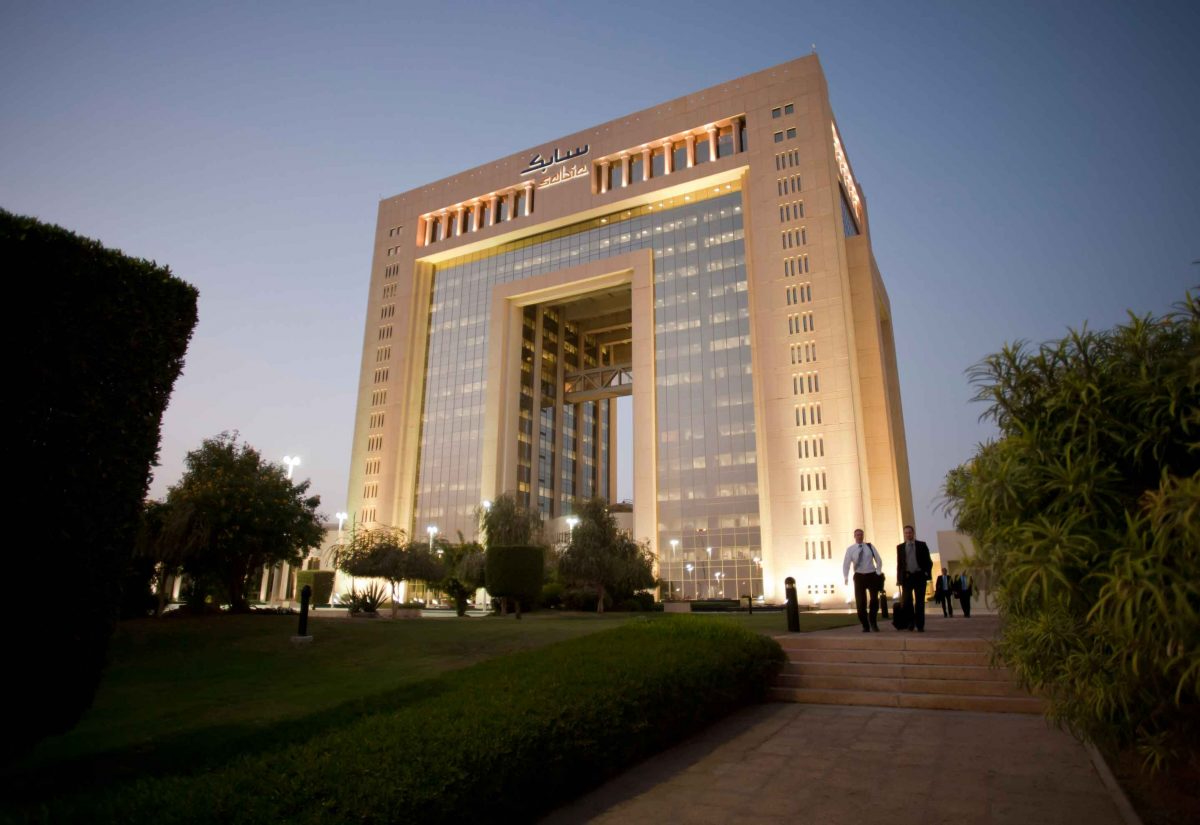
In the industrial sector, Saudi Aramco completed its $69.1 billion acquisition of a 70 percent stake in SABIC from the Public Investment Fund. Together, these transactions demonstrate how M&A can help consolidate industries, achieve economies of scale, integrate supply chains, develop strategic capabilities and support the Kingdom’s economic diversification objectives.

Against this backdrop, the Riyadh Chamber organized the “Legal Aspects of Corporate Mergers and Acquisitions and Investment Opportunities Forum” on Aug. 31, bringing together representatives from public- and private-sector entities.

The forum provided a valuable platform for regulators, investors, business leaders, legal advisers, compliance officers, board members, governance professionals and SMEs to exchange perspectives, enhance regulatory awareness and explore ways to reduce transaction risks and support sustainable corporate growth in line with Saudi Vision 2030.

I had the privilege of moderating the forum’s third session, titled “The Regulatory and Supervisory Framework for Mergers and Acquisitions in the Kingdom.” The session examined the role of regulatory authorities in reviewing M&A transactions and promoting competition, the regulatory framework governing transactions involving listed companies, and the support provided by relevant authorities for investment deals. It also explored M&A as a strategic tool for driving the growth and long-term sustainability of small and medium-sized enterprises.

Ultimately, an M&A transaction should not be pursued simply to achieve expansion or increase market share. Companies should first establish a clear strategic rationale and determine whether the transaction can create sustainable economic value, improve operational efficiency, foster innovation, strengthen competitiveness and build more resilient supply chains.

Expected synergies should be realistic, measurable and supported by a credible post-transaction integration plan.

Thorough due diligence is equally important. It should extend beyond financial performance and valuation to cover legal obligations, regulatory approvals, tax exposure, operational risks, contractual commitments, governance arrangements, workforce implications, corporate culture, cybersecurity, data protection, intellectual property, and environmental and social responsibilities.

Companies should also assess whether they have the financial and managerial capacity to complete the transaction and integrate the businesses effectively without disrupting existing operations.

Particular attention must be paid to the transaction’s impact on market competition. A deal that creates economic value for the parties involved may nevertheless harm consumers or the broader market if it creates or reinforces a dominant position, restricts market access, raises barriers to entry, reduces consumer choice or weakens competitive pricing.

Early engagement with relevant regulatory authorities can help identify such concerns, clarify notification and approval requirements, and reduce the risk of delays or legal challenges.

Supply chain considerations should also form part of the assessment. While an M&A transaction may improve security of supply, increase access to essential inputs and reduce operational vulnerabilities, companies must ensure that it does not create excessive dependence on a single supplier, market, technology or distribution channel.

Ultimately, a successful M&A transaction requires more than regulatory approval and financial completion. It should deliver tangible and sustainable benefits to shareholders, employees, customers and the wider economy.

Clear governance, transparent decision-making, full compliance with the applicable legal and regulatory framework, and continuous monitoring of post-transaction outcomes are therefore essential to ensuring that a deal achieves its strategic objectives while supporting fair competition and long-term market development.

X: @TalatHafiz


Source link