Mogadishu, Somalia – Mustafa, 33, dreads election time in Somalia. He drives a bajaj — a three-wheeled taxi — and says that when tensions rise, as they always do when polls are near, the whole city feels it, and drivers like him are among the first.
On Wednesday, he was passing through the Hawl Wadaag district when heavy gunfire between government and opposition forces erupted all around him.
Recommended Stories
list of 2 itemsend of list
“I couldn’t even think. Everyone was shouting and running for their lives, and we all fled from the bullets,” he told Al Jazeera. “We haven’t seen fighting this bad in years.”
The shooting that began that afternoon around the homes of former Prime Minister Hassan Ali Khaire and, later, former President Sheikh Sharif Sheikh Ahmed, came as opposition figures were planning to organise protests against what they describe as an illegal term extension by incumbent President Hassan Sheikh Mohamud.
Khaire and Sharif Sheikh Ahmed were among opposition leaders spreadheading the planned protests amid rising tensions with the federal government.
The government said the planned protests would undermine security in a city still grappling with persistent armed violence.
Hundreds of families fled neighbourhoods near the fighting, and by the next day, many of the capital’s central areas had emptied. The sudden eruption of violence ended a period of improving security in Mogadishu, shattering the perception that the city had begun turning a corner.
“The most frustrating thing is that we have nothing to do with it, and it impacts so many of us,” Mustafa said. “We make our living in this city”.
Security forces sealed Maka al-Mukarama Road, one of Mogadishu’s main arteries, while Bakara market, the largest commercial hub in the city, was effectively closed for business.
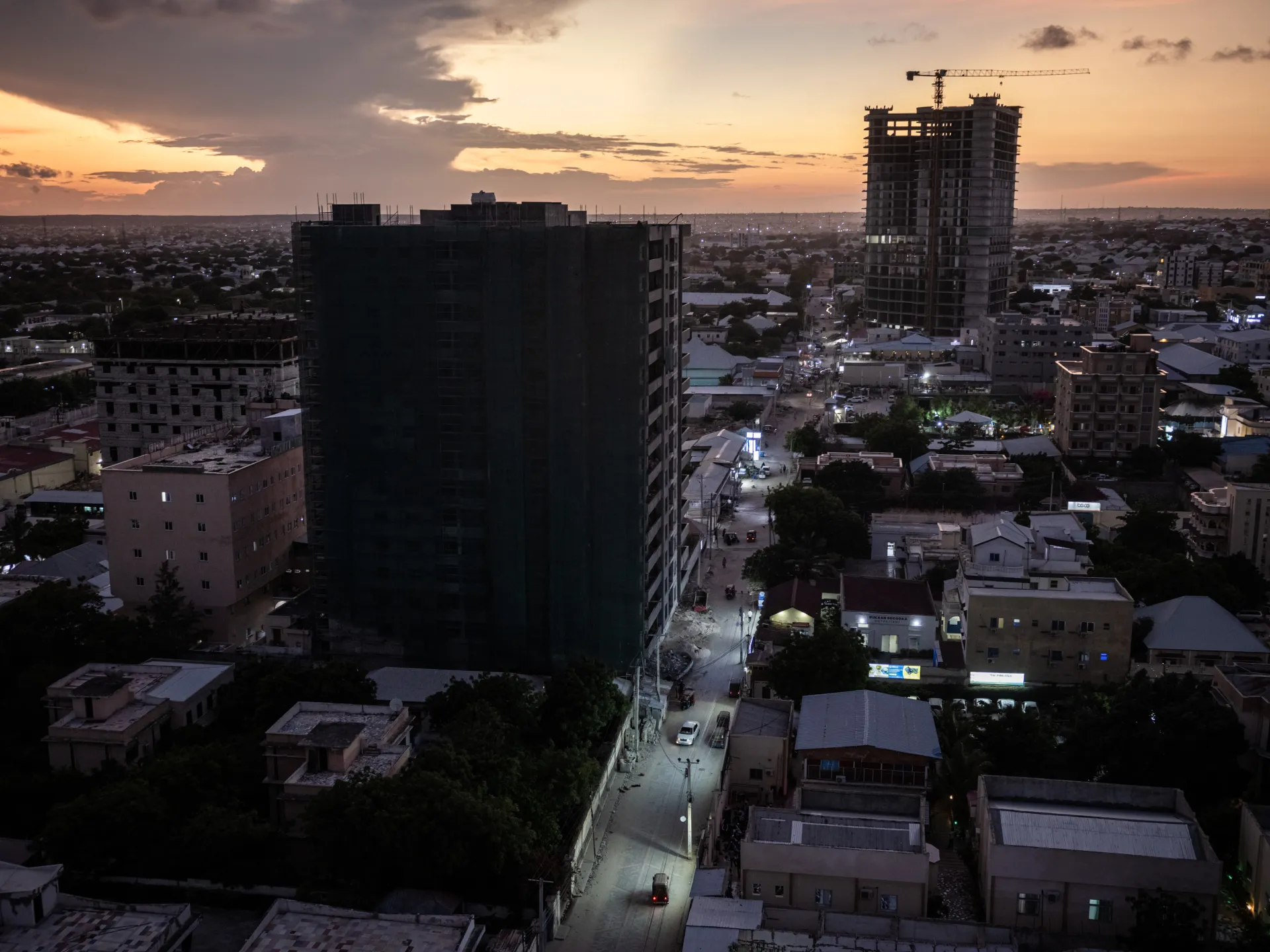
Maka al-Mukarama Road, Mogadishu’s main thoroughfare, is usually a bustling commercial hub, but recently, it has been largely empty, with the exception of military vehicles [Faisal Ali/Al Jazeera]
“Look, it’s midday, and there’s almost no one here, shops are closed, and usually by this time the place is jammed,” Ahmed, a street vendor at Bakara market, told Al Jazeera, gesturing at shuttered stalls.
Ali Wardheere, the deputy central bank governor, estimated the direct cost to businesses and services at $3.8m, though he stressed the figure was a model-based projection, not an official or final tally.
Like most Somalis, Mustafa has never voted for a president or a member of parliament. The country has not held a direct election for national leadership since the late 1960s.
Since the state was re-established in 2012 after its 1991 collapse, leaders have been selected through an indirect system negotiated by clan elders and political elites.
As presidential terms near their end, low trust among political actors often leads to intense competition over power — and at times violence — as disputes over the electoral timetable come to a head.
At a press conference in late May, Sharif warned that the political deadlock could turn violent if negotiations failed.
“Where do things stand? [We say] Leave, and [you say] I won’t leave. What comes next? Bullets.”
The warning echoed events in 2021, when then-President Mohamed Abdullahi Farmaajo remained in office more than a year beyond the end of his term, triggering clashes in Mogadishu before a political agreement was reached.
Higher stakes this election
This time, the political standoff carries higher stakes.
President Hassan Sheikh Mohamud says that constitutional amendments approved by parliament extended his mandate by an additional year from May 15. The opposition rejects that and has begun referring to him as a “former president”.
Two of Somalia’s most influential federal states also reject the amendments, leaving the country divided over the constitutional framework governing the next election, with no constitutional court to resolve the dispute.
After parliament approved the changes, Mohamud declared that the “provisional constitution, and the provisional era, was a sun which set yesterday,” signalling that his administration would press ahead despite objections from its opponents.
Tensions had been building for days. Ahead of a protest planned for Thursday, opposition leaders left the heavily fortified “green zone” near Mogadishu’s airport and returned to their residences across the city.
Some opposition figures said they would deploy their own armed guards at the demonstration, a proposal Mohamud rejected. The dispute heightened fears of a confrontation before fighting eventually broke out.
Both sides blame the other for starting the clashes. Khaire accused Mohamud of directing a “sustained and indiscriminate military assault” that lasted more than 20 hours, a claim Sharif echoed after fighting reached his own residence.
Ahmed Moalim Fiqi, the defence minister, accused the opposition of militarising the standoff, likening it to Sudan’s Rapid Support Forces and alleging that opposition figures had “distributed mortars and artillery across the capital”.
“Force and militias,” he said, would no longer be allowed to “seize power or block the state.”
How it came to this
The roots of the crisis run back to the 2012 provisional constitution, which set up a federal, parliamentary system built on broad consensus and clan-based power-sharing, which every government since has promised to achieve and failed to attain.
This year, after a long review, parliament amended the constitution through a disputed process that split the political class. The government has insisted that the new constitution advances the statebuilding process and that the Somali public should be allowed to directly elect its representatives.
For Ahmed Abdi Koshin, a federal MP who boycotted the draft, the danger is that the whole settlement comes apart. The process, he said, “clearly doesn’t have buy-in,” and the original constitution, for all its faults — “an imperfect product of compromise” — was the “only glue holding Somalia together”.
Koshin is not against a direct vote in principle, he said, but does not believe the country is ready for one. “We don’t have legislation for a direct vote; censuses and the security situation remains compromised. It really is up to the president to either reach a deal and save Somalia, or watch it fall apart,” he said.
The opposition, organised as a coalition known as the Somali Future Council and including two serving federal-state presidents, former prime ministers and a former president, has pressed Mohamud to accept that his mandate has ended and negotiate a new electoral framework, as in past transitions.
It alleges that his push for a direct vote is a pretext for extending his term and potentially securing another.
The government rejects that, casting a national one-person, one-vote election — the first since the 1960s — as essential to a drawn-out state-building project. When electoral talks collapsed on May 15, the Ministry of Information accused the opposition of bringing demands that ran counter to “the citizen’s fundamental right to vote and to be voted for”, and vowed to press ahead.
Mohamed Ibrahim Moalimuu, a lower-house MP who backed the amendments, said further delay could not be justified. “We’ve waited for more than 12 years,” he told Al Jazeera.
“If they had arguments against them, they should have taken part in the process and raised their issues. A constitution isn’t a Quran, and they should come back and work through parliament to make their views clear.”
A whole generation of Somalis, he noted, have never cast a ballot, and a real election “would be a major milestone and would bring some hope”.
The old indirect system, he added, was notoriously corrupt, with parliamentary seats changing hands for anywhere from $100,000 to as much as $1.3m. “This system is too dirty and keeps people out,” said Maliumuu. “It needs to be changed.”
A deeper problem
A regional official, speaking on condition of anonymity because he was not authorised to talk to the media, described an elite “divided strategically over what type of country they want, whether a strong centralised state or a weak decentralised one, and tactically over who the right candidate is to take them there”.
Mohamud, the official said, had moved from a decentralised vision for Somalia that embraces federalism towards a stronger executive, and his early, promising relationships with the federal-state leaders had since soured.
Those fractures have opened on several fronts at once.
Somaliland, which declared independence in 1991 and has stayed out of the constitutional review entirely, was recognised by Israel late last year after earlier courting Ethiopia.
Puntland and Jubaland, two of Somalia’s six federal states, have withdrawn from the federal system over the new constitution, while more than 100 MPs and senators from both boycotted the final vote.
Broader regional crises, from Sudan’s civil war to disease outbreaks elsewhere on the continent, have pushed Somalia further down the list of international priorities, leaving international engagement more fragmented and inconsistent.
The country is also grappling with a deepening humanitarian crisis and aid cuts, prompting famine monitors to warn of a heightened risk of hunger in parts of Somalia.
Yusuf Aynte, a veteran religious leader and former MP, said Somalia’s leaders needed to build consensus rather than push through changes that risk deepening divisions.
“The president says what he is doing is good, and that may be so,” he told Al Jazeera. “But the most important thing is what everyone can agree on.
“At the moment, Somalia has too many problems, and can’t afford to be distracted like this.”
Jamal Shiil, a youth activist, told Al Jazeera that Somalia’s large youth population would ultimately bear the cost of the persistent instability.
“Young people want to make a living here, for Somalia to be peaceful and not to have to leave because of the problems,” he said. “But if things don’t change it won’t leave them much of a choice”.
Ivory Coast defeats France 2-1 in friendly ahead of the 2026 World Cup, as Manchester United’s Amad Diallo seals win.
Published On 4 Jun 20264 Jun 2026
France has brushed aside concerns over their World Cup readiness after suffering a surprise 2-1 defeat by Ivory Coast in a tournament warm-up match, insisting the setback will serve as a useful reminder rather than a cause for alarm.
Didier Deschamps’s side led through a superb first-half goal from Rayan Cherki on Thursday, but they were overrun after the break as Guela Doue and Amad Diallo turned the game around for the Elephants in Nantes.
Recommended Stories
list of 4 itemsend of list
With France opening their World Cup campaign against Senegal in New York on June 16, midfielder Aurelien Tchouameni said the result should be viewed in the context of preparations.
“It’s a pity to lose, but we’re in a preparation phase; we stay confident,” Tchouameni said.
“There is no conclusion to draw from this game, even if we had won it. We will be ready.”
France fielded an experimental side, with several Paris Saint-Germain players rested after last weekend’s Champions League final triumph, and made numerous changes after halftime.
Defender Lucas Hernandez also played down the significance of the defeat.
“We always want to win, but we’re in a phase of preparation, and there were a lot of substitutions,” Hernandez said.
“We’re in good spirits.”
Deschamps, however, admitted that his side had lost control of the contest after an encouraging opening 45 minutes and warned that France would face opponents with similar qualities to Ivory Coast in the United States.
“A defeat is never pleasant, even if we did some good things in the first half,” Deschamps said.
“In the second half we made a lot of changes, but that’s no excuse. We were not as good after the break, and they brought a lot of pace.
“We will face the same type of team on June 16.”
The France coach said the result could prove useful if it prevented his players from becoming complacent before the tournament.
“It’s a reminder, if we needed one, not to think we’re better than we are,” he said.
Cherki added: “It’s a little warning, and I can tell you we’re not going to the World Cup thinking we’re favourites, but we’re going to crush everyone.”
Kenyan President William Ruto said allowing the US to build an Ebola quarantine facility in Kenya was the “right thing”. At least two people were killed this week in protests against the facility, which is being built on a US air force base for Americans exposed to the virus.
Sokoto, Nigeria – Each time her curious seven-year-old child returned home from school with homework, 28-year-old Habiba Abubakar knew it was time to take him to her neighbour, whom the child called “aunt”, even though they were not related by blood, who had been his saviour every time he wanted to stand in front of his class and receive a standing ovation.
But that changed in 2021, when Abubakar enrolled herself in the Women Centre for Continuing Education (WCCE) in Sokoto State, northwest Nigeria.
“I’ve always felt ashamed when Muhammad told me that they’ve been given another assignment,” she told Al Jazeera.
This frustration, coupled with her enthusiasm for learning English, pushed her to return to the classroom 13 years after she left.
Now, the mother of four said she helps all the children with their assignments.
The interruption in Abibaker’s studies is not uncommon across northern Nigeria, especially in rural communities, where girls are more likely to drop out of school due to cultural practices, such as early marriage, or poverty, which forces parents to make gender-biased decisions by enrolling male children over females.
UNICEF reported that more than half of the girls in the region are not attending school.
Jennifer Agbaji, a social accountability professional and the executive director at Basileia Vulnerable Persons Rights Initiative (BVPRI), a Nigerian nonprofit dedicated to advancing the rights of women, girls, and other vulnerable populations through education and leadership development, viewed the initiative as a positive and necessary intervention.
Nonetheless, she said second-chance education should not be limited to classroom-based learning alone.
“If access to education depends solely on physical attendance, many women who face mobility, childcare, economic, health, or security challenges may still be excluded.”
How the system works
WCCE, commissioned by the then-military governor of Sokoto State, Navy Captain Abdul Rasheed Adisa Raji, was founded in 1997 to provide adult education and vocational skills to women in the state.
Since then, Nuraddeen Ladan Dogon Daji, a physics teacher, told Al Jazeera that the centre has trained many students, some of whom now practise professions, such as teaching and nursing, helping to address the country’s shortage of skilled professionals.
Unlike other public schools, where pupils spend six years, the centre designed a three-year curriculum for its primary section, from adult one to three.
In the secondary sections, students spend three years each in the junior and senior levels.
In their final years, they also sit for the mandatory Junior Leaving School Certificate of Education (JLSCE) and Senior School Certificate of Education (SSCE) examinations.
To help these students realise their dreams, the centre also offers free education, benefitting from the state government’s effort to reduce the number of out-of-school children.
This has helped students like Abubakar, who, following her divorce, relied heavily on her father’s support to stay in school.
“We used to pay 5,000 naira ($3.5) per term, but were later told to stop because the state government has given us a chance to study for free,” Abubakar told Al Jazeera from her home in the Kofar Atiku neighbourhood.
But free tuition does not eliminate all costs. Students still have to pay for transport, books, and other daily expenses.
The challenges
According to Agbaji, beyond poverty and early marriage, there are several structural barriers, including restrictive gender norms that prioritise domestic responsibilities over education.
She said many women lose confidence after years away from formal education, and in some communities, education is still viewed as an investment for boys rather than a lifelong right for women.
In her opinion, these norms often combine to make re-entry into education difficult, even when opportunities exist. In her journey to becoming a nurse, Fatima Attahir, who left school after primary school 12 years ago, found it necessary to go back to the classroom and start afresh.
To support herself while studying, she helps with her family’s trading activities when she is not in class.
She said that although some of her friends already saw the decision as time-consuming, she is not satisfied with the system’s duration.
“I wish the primary section was also up to six years,” she said.
“Because to become a nurse, I need to have a solid background in the core subjects.” Some of the students Al Jazeera spoke to said their greatest challenge is juggling academic activities with household responsibilities.
Before her divorce, Abubakar said she would wake up earlier than usual to prepare breakfast, clean the house, and get herself and her children ready for school.
“When I finally set my foot in class, I was already tired, and as the lectures went on, I would start slumbering because I hadn’t had enough sleep.” She said the pressure became worse when her youngest child frequently fell ill, sometimes forcing her to leave class before lectures ended.
After her divorce, transport costs became another obstacle. “Since I was no longer married, my parents were the ones paying for the transport fares, but when they couldn’t, I would not go to school because I couldn’t afford it myself,” she said.
Later, her father gave her 10,000 naira to start making and selling local snacks and small chops.
The small business now helps her cover transport costs and other school-related expenses. Abubakar still credits the neighbour who used to help her son with homework before she returned to school.
When transport costs became difficult to afford after her divorce, her parents stepped in when they could, while her father later provided the capital that helped her start a small business and continue her studies.
Her experience is not unique.
A classroom session at the Women’s Centre for Continuing Education in northern Nigeria [Abdulaziz Bagwai /Al Jazeera]
Another student, Hafsat Aliyu, said she leaves her two-year-old child with her in-laws whenever she attends classes to avoid disrupting lessons.
Her husband pays for books and other occasional school needs, while she sells local pastries during break time at the centre to earn money for daily transport and personal expenses.
During examination periods, she studies late into the night after completing household chores and putting her children to bed.
“My husband does his best, but I thought it was time for me to get a source of income, too,” she said.
“Now, I pay for my transport and a few other daily needs.”
However, the physics teacher, Dogon Daji, said that in his seven years of teaching at the centre, a recurring challenge among students is the pace of learning.
“I’ve taught young people, and the level of their understanding is quite different,” he said.
But he added that there are still outstanding students among them; one recently won this year’s Usmanu Danfodio Week, an annual quiz competition organised for secondary school students in the state.
On the other hand, the vocational section of the centre, which was designed to equip students with practical skills such as tailoring and soap-making, now offers only tailoring.
Students are required to provide tools, such as scissors, including those whose interests may lie in other trades.
The way forward
Agbaji acknowledged that for Nigeria to bridge the gender disparity in education, the country must adopt a lifelong learning framework that recognises education as a continuous right and opportunity.
UNICEF reports that more than half of girls in northern Nigeria are out of school, among the highest rates in the country [Abdulaziz Bagwai/Al Jazeera]
This requires increased investment in adult education, digital and remote learning platforms, community-based education, and flexible pathways for women who missed formal schooling, because the long-term consequences are significant.
She added that many women pursuing second-chance education continue to balance childcare, household responsibilities, and income-generating activities, often relying on family and community support networks to remain in school.
“Educational exclusion perpetuates poverty, limits economic opportunities, increases vulnerability to abuse and exploitation, and restricts women’s participation in governance and public service. It also affects future generations because children of educated mothers are generally more likely to enrol in and complete school,” Agbaji clarified.
Ex-Somali PM Khaire accuses government forces of attacking him before planned antigovernment protests in Mogadishu.
Published On 3 Jun 20263 Jun 2026
Heavy gunfire has broken out in central Mogadishu as Somalia’s former Prime Minister Hassan Ali Khaire says he has been attacked by government forces before planned protests.
“An attack was launched against us by forces commanded by the president whose term has expired,” Khaire said in a social media post on Wednesday, adding they had been preparing for a “peaceful demonstration” the following day.
Recommended Stories
list of 3 itemsend of list
President Hassan Sheikh Mohamud “bears full responsibility for today’s violent attack on our consultative meeting”, he said.
Somalia has fallen into yet another political crisis after Mohamud announced that his term had been extended for a year after it was due to expire on May 15.
The opposition and regional leaders have rejected the move and demonstrations were due to take place on Thursday.
Khaire relocated from his base in the heavily fortified green zone around the airport to his residence in the city, in order to take part in the protests.
RPGs, gunshots
An AFP news agency journalist filmed images of panicked residents in the Howl Wadaag district near his home, with loud gunshots heard in the background. Witnesses told AFP they saw armed opposition forces clashing with Somali police.
“The shooting lasted for about 15 minutes before it subsided. They even used RPGs [rocket-propelled grenades], and the sound of the explosions could be heard across the surrounding neighbourhoods,” said one witness, Saleban Mahad.
The president has been attempting to move Somalia towards democratic elections, replacing a system based around clan elders.
Mohamud argues he was given an extra year in the presidency when a new constitution was passed by parliament in March that set the framework for polls.
But with the country deeply divided between rival clans, and much of it under the control of al-Shabab, an al-Qaeda-linked armed group, there has been little progress on organising elections beyond a few localised pockets.
Opposition and regional leaders have strongly opposed Mohamud’s plan, seeing it as an attempt to centralise power.
Foreign powers, primarily the United States and the United Kingdom, have attempted to broker talks between the government and opposition to little avail.
Reaction to attack on Khaire
Ex-President Sharif Sheikh Ahmed has also moved into central Mogadishu for Thursday’s protest. He criticised the attack on Khaire, saying the president “seeks to cause further bloodshed despite not having a legitimate official mandate – his time has expired”.
“This attack will not stop the demonstrations by residents of the capital who are protesting against injustice, displacement, and the abuse of government power,” he said on X.
Previous presidents have also stayed in office beyond their mandates.
Former President Mohamed Abdullahi Farmaajo stayed more than a year in office after the official end of his mandate in 2021, triggering violence and condemnation from the international community.
A revealing global journey into declining birth rates, ageing societies, and their far-reaching impact.
The last 100 years have seen a boom in trade, prosperity and wealth across the world, at unprecedented rates in human history. As a species, we are now more wealthy, healthy, and less likely to be killed in conflict than ever before, despite the many horrors we see in the daily news cycle.
This golden age we live in has run in tandem with an ever-expanding population; in the 1920s, there were only two billion people on the planet. A century later, that number has skyrocketed up to eight billion. Yet the increase of prosperity and people has come at a devastating price – global warming, the melting of the ice caps, an epidemic of plastic pollution and the mass destruction of the planet’s biodiversity are all intrinsically connected to population growth. More recently, however, the trend has been bucking. The watchful eyes of demographers have been drawn to data that reveal a world of ageing societies, plummeting birth rates, and dwindling populations. Surely this must be a good thing for the planet and therefore humanity … right? Armed with a file full of “population bomb” headlines – the explosion will happen mid-century, when humans will peak around 8.5 – 9 billion people, followed by drastic falls – we embark on a worldwide exploration with a very unique purpose. What truths and human stories can we discover behind the red flag statistics? What are the population tipping points of fertility, birth and death rates? And how, among the other culprits of climate change, conflict, global health and over consumption, might they make or break the future of our life on earth?
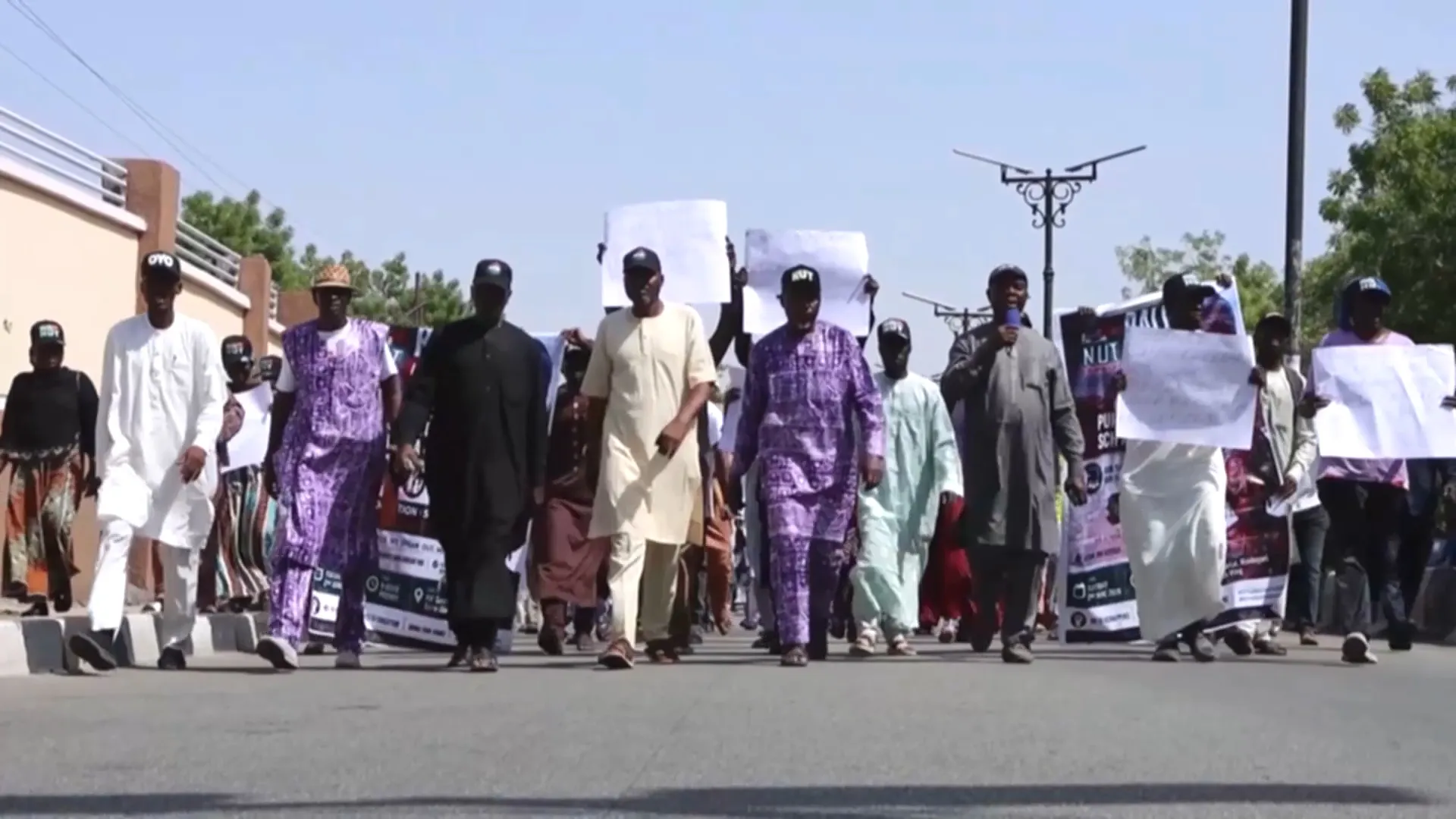
Teachers in north-eastern Nigeria held protests, demanding stronger protection for learning institutions.
The outcry comes after the abduction of dozens of school children in Borno State last month. Al Jazeera’s Felix Niwara explains.
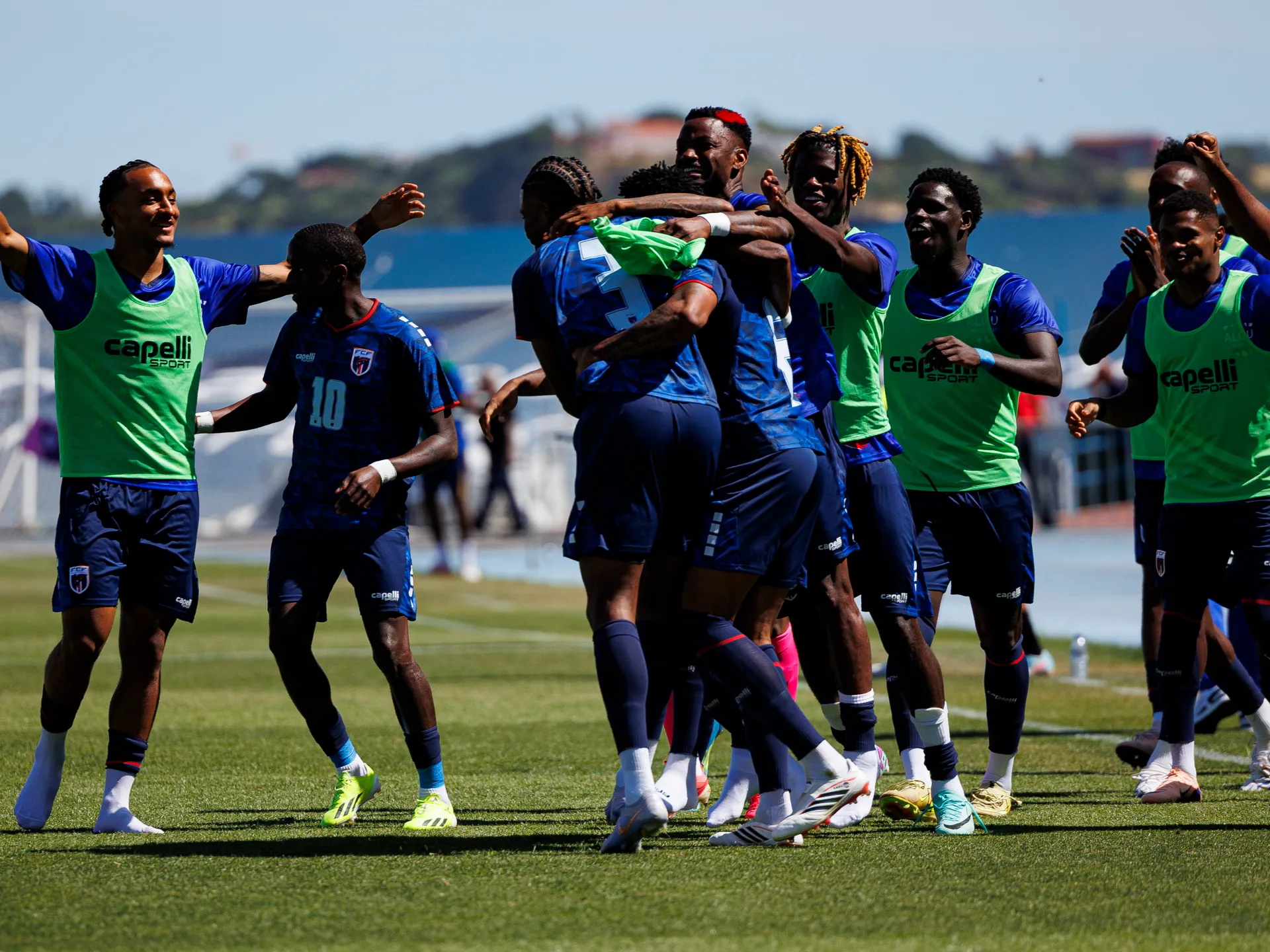
Cape Verde’s national football team has arrived in the US ahead to take part in their first ever FIFA World Cup. Players filmed themselves dancing in the aisle of the plane and were cheered on the tarmac.
Macron, who has acknowledged French ‘responsibility’ in the genocide, called the memorial a reconciliation ‘milestone’.
Published On 2 Jun 20262 Jun 2026
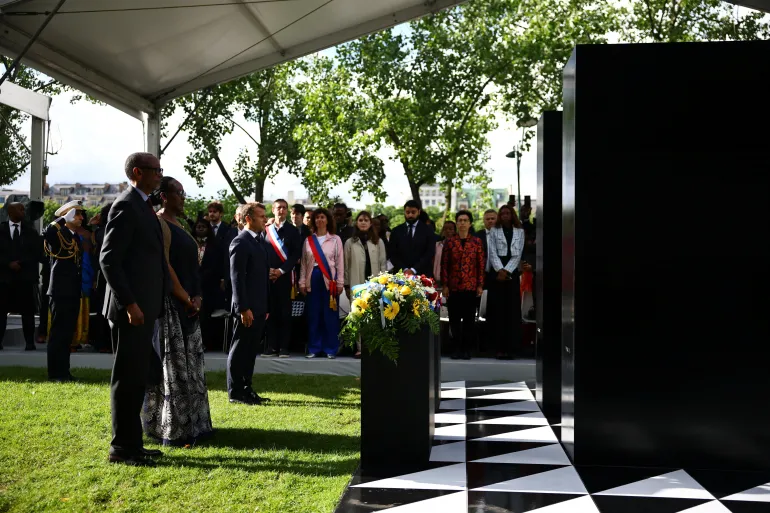
French President Emmanuel Macron has presented a memorial in Paris dedicated to the victims of the 1994 Rwandan genocide, as France pursues closer ties with the East African country and continues to grapple with its role in the historic atrocity.
Speaking at the inauguration event alongside his Rwandan counterpart Paul Kagame on Tuesday, Macron said the monument marked “the culmination of a long and patient quest for truth”.
Recommended Stories
list of 3 itemsend of list
“An unprecedented reconciliation has emerged between Rwanda and France,” said Macron. “This monument, while it is an achievement, is not an end. It is a milestone on a path we have opened.”
Dubbed “L’Archive” (The Archive), the monument consists of two black brass steles, and it bears an engraved tribute to the estimated 800,000 men, women and children, mostly ethnic Tutsis, massacred between April and July 1994.
Rwanda’s President Paul Kagame, Rwanda’s First Lady Jeannette Kagame and France’s President Emmanuel Macron view the monument, dubbed ‘The Archive’, in Paris, France on June 2 [Sarah Meyssonnier/Pool via AFP]
The memorial’s inauguration comes five years after Macron travelled to Kigali and first acknowledged France’s failure to heed warnings of impending massacres in Rwanda.
Macron has said Paris and its Western and African allies did not have the will to halt the genocide, though he has stopped short of issuing a formal apology.
‘Requires real courage’
Speaking at the ceremony, Kagame hailed France’s efforts to assume its share of responsibility, and praised Macron for his “courage and humanity”.
“France was not alone in falling short, far from it,” said Kagame, who had long accused France of “complicity”.
“Many other countries did so as well, but none has gone as far as France in setting the record straight and accepting its part in the tragedy.
“Confronting historical responsibilities requires real courage because it generates a fierce opposition by those with a case to answer,” Kagame said.
Rwanda’s President Paul Kagame delivers his speech during the inauguration of a new memorial honouring victims of the Rwandan genocide, in Paris, France, June 2 [Sarah Meyssonnier/Pool via AFP]
When the genocide against the Tutsis occurred in 1994, France had been a long-standing backer of Rwanda’s Hutu-dominated government, leading to decades of tensions between the two countries, including a break in diplomatic ties between 2006 and 2009.
A commission set up by Macron and led by historian Vincent Duclert concluded in 2021 that France had been blinded by its colonial attitude to events leading up to the genocide and bore a “serious and overwhelming” responsibility for failing to foresee the slaughter.
However, it said there was no evidence that Paris was complicit in the killings.
‘Part of France’s public history’
Duclert said the unveiling of the monument was a “powerful” step. “The genocide against the Tutsi is now fully part of France’s public history,” he said.
The French courts, acting on the principle of universal jurisdiction to try the most serious crimes committed worldwide, have convicted several Rwandans for their part in the massacre.
In May, France’s judiciary ordered the resumption of an almost two-decade investigation into accusations that the widow of late Rwandan President Juvenal Habyarimana, who has lived in France since 1998, was involved in the genocide.
Recent arguments advocating for the international recognition of an integral part of Somalia called Somaliland rest on a series of assumptions that deserve closer scrutiny. While proponents portray Somaliland as a unified, stable, and strategically indispensable state deserving immediate recognition, the realities on the ground tell a far more complicated story.
The first and most fundamental misconception is that the former British Somaliland Protectorate exists today as a coherent political entity. It does not.
The territory that briefly gained independence in June 1960 ceased to exist when it voluntarily united with the Trust Territory of Somalia to form the Somali Republic. More importantly, the geographic and political boundaries claimed by today’s Somaliland administration are neither uncontested nor uniformly accepted by the populations living within them.
Over the past two years, the eastern regions of Sool, Sanaag, and parts of Cayn (SSC) have demonstrated precisely this reality. Following prolonged conflict and popular mobilisation, local communities overwhelmingly rejected rule from Hargeisa and established the North Eastern administration, which has since aligned itself with the Federal Government of Somalia. The people of these regions have made clear that they do not share Somaliland’s secessionist project and instead seek their future within a federal Somali state alongside the vast majority of the Somali people. This development alone undermines the central claim that Somaliland represents a unified political community exercising uncontested authority over the territory it claims.
In the west of the Somaliland region, growing political movements in Awdal have increasingly questioned Hargeisa’s perceived monopoly over political and economic decision-making. Calls for a distinct regional administration have gained momentum, reflecting longstanding grievances regarding political representation, economic development, and governance. These dynamics suggest that the future political map of northwestern Somalia is far more fluid than some advocates of recognition acknowledge.
Recognition advocates frequently point to Somaliland’s stability. Yet, stability cannot be measured solely by the existence of institutions or periodic elections. Genuine stability requires political inclusion, territorial legitimacy, and social consensus. None of these conditions currently exists within the Somali territory of Somaliland.
The reality is that the Somaliland secessionist project faces significant internal opposition. Political disagreements, clan-based tensions, territorial disputes, and competing visions of governance remain unresolved. International recognition cannot erase these challenges. Indeed, it risks intensifying them by encouraging zero-sum political calculations among communities that already feel excluded from decision-making processes.
Equally problematic is the argument that Somaliland’s recognition should be driven primarily by geopolitical competition in the Red Sea. The Horn of Africa should not become another arena where local political disputes are transformed into instruments of broader regional rivalries. Moreover, the attempts to frame Somaliland as a strategic asset in competition with Iran, the Houthis, China, or other global actors overlook a basic reality: sustainable security arrangements cannot be built on unresolved sovereignty disputes.
History offers numerous examples of external powers pursuing short-term strategic gains only to discover that local realities ultimately prevail. Durable partnerships emerge from political legitimacy and regional consensus, not from efforts to bypass internationally recognised states.
Recent developments surrounding Israel’s engagement in the region further illustrate this danger. Rather than producing greater cohesion, external involvement has generated new political tensions and heightened anxieties among local communities concerned about militarisation, foreign influence, and the future direction of regional governance.
The disingenuous assumption that foreign recognition of the Somaliland part of Somalia automatically translates into stability is not supported by any evidence. Moreover, recognition of Somaliland would not simply affect Somalia, as it would carry implications far beyond the Horn of Africa.
The African Union has consistently maintained its commitment to preserving inherited borders and resolving disputes through dialogue. This principle has been essential in preventing countless territorial conflicts across the continent. Creating exceptions without a broad regional consensus risks opening debates that many African states have spent decades working to contain.
The path to lasting peace and stability in Somalia, like in most post-conflict states, lies not in fragmentation but in reconciliation, dialogue, and constitutional settlement among Somalis themselves. Significant progress has already been made through federal institutions, expanding political participation, and locally driven governance arrangements. While challenges remain, they are best addressed through inclusive internal political processes rather than externally imposed outcomes in line with international law.
The Somali government remains committed to dialogue, reconciliation, and constitutional processes that allow all Somali communities to participate in shaping the country’s future. Sustainable peace and stability globally and, specifically, in the Horn of Africa at this most challenging time in human history will be achieved not through fragmentation, but inclusive political solutions that strengthen cooperation, legitimacy, and national unity.
The views expressed in this article are the author’s own and do not necessarily reflect Al Jazeera’s editorial stance.
Somalia is entering one of the most dangerous moments in its recent history without an agreed path towards elections or a political transition. United States and United Kingdom-led talks between the government and the opposition collapsed on May 15, the date on which President Hassan Sheikh Mohamud’s original four-year term was due to expire, leaving the legitimacy of key federal institutions under serious strain.
Justin Davis, the US chargé d’affaires to Somalia, and the UK’s ambassador, Charles King, had been trying to persuade political leaders from both sides to reach an agreement on a political transition roadmap. Their failure leaves the country without an agreed way forward at the worst possible time.
Since 2008, Somalia has frequently been ranked as one of the world’s most fragile states. Under President Mohamud’s leadership, the country is now facing a political deadlock that threatens its survival. This crisis is unfolding amid insecurity, humanitarian distress, economic fragility, widespread corruption and shifting geopolitical rivalries.
At the heart of the crisis is the contested nature of the Somali state itself. Somaliland seeks independence, while Puntland and Jubbaland have broken ties with the Federal Government. Al-Shabab controls significant parts of the country and key roads. The Federal Government and at least three Federal Member States are also operating beyond their mandates. The scheduled electoral calendar has lapsed without a vote: parliament’s four-year mandate expired in April 2026, and the president’s term ran out a month later, yet no agreed roadmap for elections or political transition exists to replace them.
In a controversial process, the government unilaterally changed the constitution, passed an electoral law viewed by its opponents as self-serving, and established an election commission they reject as one-sided. Over the past four years, executive, legislative and judicial powers have become increasingly concentrated in the hands of President Mohamud.
Somalia’s national opposition, along with Puntland and Jubbaland, has characterised the government’s actions as a power grab and rejected them. They argue that the 2012 constitution, which reflects Somalia’s political settlement, remains the law of the land. As a result, Somalia is now caught between two competing claims to constitutional legitimacy. For its part, the government maintains that it is advancing a democratic goal long sought for Somalia, a move from indirect, clan-mediated selection to one-person, one-vote elections, and that the constitutional amendments extending the presidential term from four to five years were lawfully approved by parliament.
Universal suffrage and party-based politics remain a distant aspiration for Somalis. Acknowledging this reality, both the government and the opposition continue to accept the clan-based power-sharing system. However, they disagree on how members of parliament representing clans should be selected at the state and federal levels. The government seeks a one-year term extension and proposes an electoral system for clan representatives that critics say would help it maintain its hold on power. The opposition, by contrast, advocates an improved indirect election process through which clans would choose their representatives.
This political rupture is unfolding in a country already facing severe security and governance challenges. Although security in the capital has improved, widespread violence persists, particularly in south-central Somalia. According to the ACLED database, national fatalities reached a record high in 2025, and al-Shabab is responsible for the large majority of conflict deaths recorded over the past two decades. During the current administration’s four years in office, the same data points to tens of thousands of deaths nationwide, primarily concentrated in Banadir, Lower Shabelle, Lower Jubba and Hiran.
The crisis is also taking place against a worsening humanitarian and economic backdrop. Despite the arrival of rains across the country, humanitarian agencies warn that millions of Somalis are food insecure. International humanitarian efforts are struggling to raise funds to assist those affected by poverty, displacement and conflict. Foreign aid has been declining since the Trump administration dismantled USAID in 2025, while Somalia’s domestic revenue-to-GDP ratio remains in the low single digits. Concerns over the viability and affordability of the state have led many to look towards a resource-based economy, particularly as Turkiye expands its involvement in Somalia’s oil and fisheries sectors.
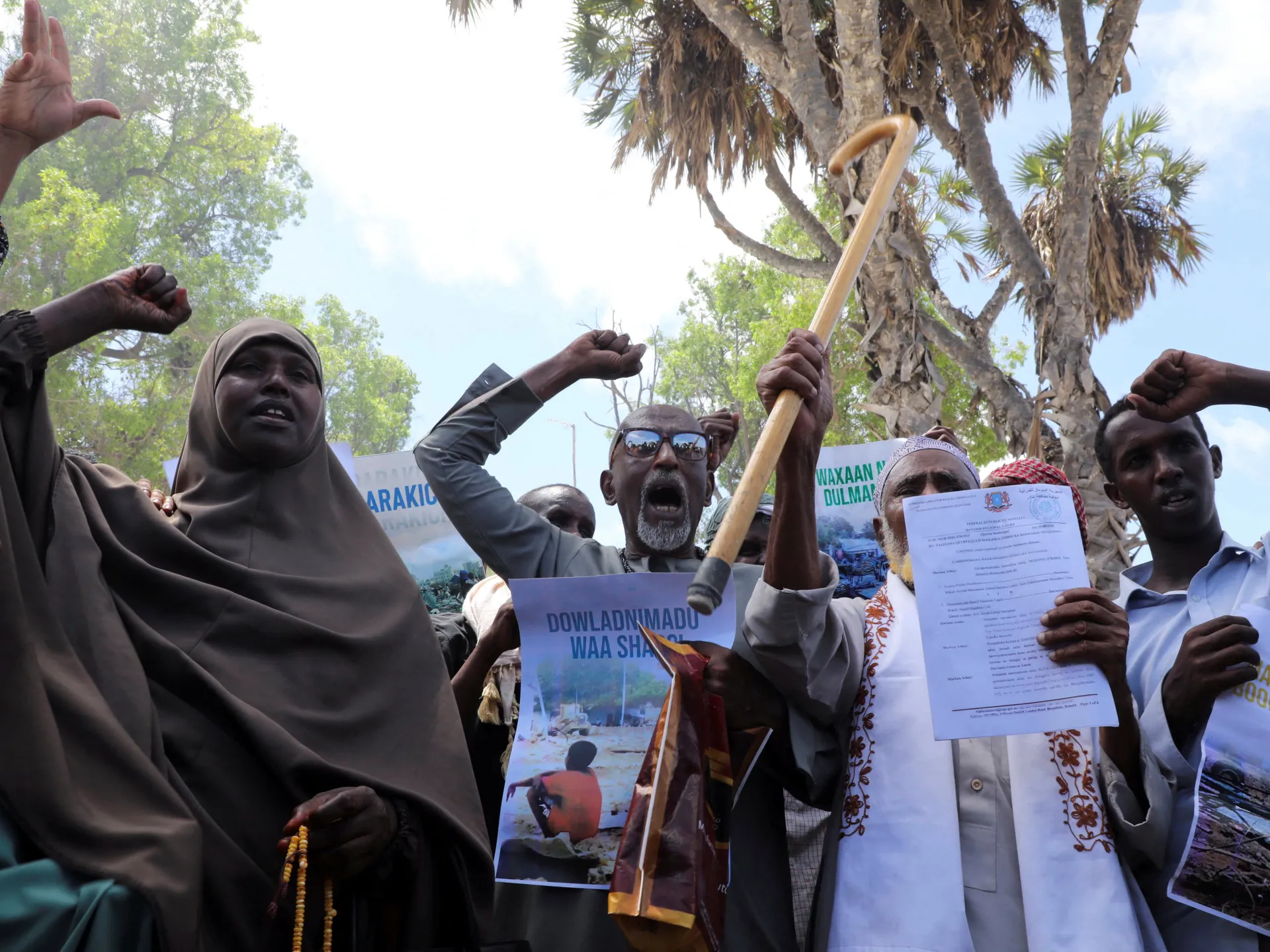
Corruption has further weakened public trust in state institutions. According to the Corruption Perceptions Index, Somalia has consistently ranked among the most corrupt countries in the world over the past decade. Widespread corruption has undermined almost every aspect of governance. The government’s approach to land management has deepened these concerns, with critics accusing it of forcibly evicting people who occupied public lands during the war and selling some of these lands to merchants without due process. Many citizens with legal documents from previous governments have also lost their homes.
These domestic pressures are being sharpened by regional and global rivalries. Somalia is struggling to navigate intensifying competition in the Horn of Africa, the Gulf of Aden, the Red Sea and the western Indian Ocean. Its divided political class is managing these challenges not as a cohesive state, but through regions, clans and rival political blocs. Different groups have aligned themselves with various regional powers and neighbouring countries.
Regional players, including Turkiye, Saudi Arabia, Israel, the United Arab Emirates, Iran and Egypt, are increasingly active in the Horn of Africa. Israel became the first country to officially recognise Somaliland late last year, intensifying competition among rival regional powers and drawing further attention to Somalia and Somaliland amid the region’s shifting geopolitics.
The political, security, economic and humanitarian pressures have also had serious implications for civic space. The government has been accused of silencing dissent by jailing journalists and civic activists. The opposition is now calling for demonstrations, while the government is openly discouraging public participation.
What should happen now
Somalia stands at a critical juncture. Timely intervention by the international community could help redirect the country away from violence and political fragmentation. In the past, traditional donors, mainly the US, the European Union and the UK, helped facilitate Somalia’s last five political transitions, in 2004, 2008, 2012, 2016 and 2022.
The American and British diplomats in Mogadishu made important efforts to bring the parties together and facilitate dialogue, although these efforts came late. A final push may now require more direct involvement from Washington and London, as well as engagement with non-traditional Gulf donors. Turkiye has also expressed interest in contributing to mediation efforts. This should be welcomed, as Ankara has influence with political actors in both the government and the opposition.
The international community should first pressure the government to negotiate a political roadmap in good faith, with a focus on a workable and timely election process. Villa Somalia should also stop using state institutions, including security forces, the aviation agency and international assistance, as tools in the political dispute.
At the same time, the opposition should be encouraged to engage constructively with the government and avoid initiating a parallel process that could lead to the formation of an alternative government. Most importantly, the international community should impose targeted sanctions on political spoilers who use extrajudicial means to destabilise the country.
Beyond the immediate political impasse, there is also a pressing need for genuine national dialogue and reconciliation. Previous peace processes in Djibouti and Kenya involved a wider range of actors in peacebuilding and helped establish the Third Republic. One lesson from those processes is that institutions built by people who have not fully reconciled cannot last. Somalis have never had the opportunity to engage in a serious and inclusive national dialogue. They need an open forum, genuine reconciliation and state institutions they collectively own.
Somalia is on the brink of political disintegration, but it remains at the prevention stage. That is precisely why the broader international community must act now, as it has in the past. There is still time to guide Somalia away from a self-destructive path and safeguard decades of investment in state-building and peacebuilding.
The views expressed in this article are the author’s own and do not necessarily reflect Al Jazeera’s editorial stance.
The violence prompted 300 Mozambicans to return home by their own means over the weekend, with more than 500 still in the country now beginning the official repatriation process.
Published On 2 Jun 20262 Jun 2026
At least five Mozambican nationals have been killed in “xenophobic attacks” in South Africa over the weekend, the Mozambican government said, marking the first deaths officially linked to country-wide protests against undocumented immigration.
About 800 Mozambicans got caught up in violence that broke out in the southern coastal city of Mossel Bay on Friday, the government press office said in a statement received on Tuesday.
Recommended Stories
list of 3 itemsend of list
“Regrettably, seven Mozambican citizens have died, five of them as a direct consequence of the xenophobic attacks and the other two as a result of a road accident, when they were travelling in a private vehicle on their way back to Mozambique,” the statement said.
The violence prompted 300 Mozambicans to return home on Saturday, said the statement.
“The remaining just over 500 have since been sheltered in a safe location in the Western Cape Province, and as of today, 1 June, the process of their repatriation to Mozambique is already underway,” it said.
South African police said on Sunday they were investigating the deaths of two men at an informal settlement in Mossel Bay, a port town about 380km (236 miles) east of Cape Town, where xenophobic attacks had been reported.
They did not say whether the deaths were linked to the protests. It was also not immediately clear what nationalities the two men were.
But the area mayor, Dirk Kotze, voiced “deep concern and dismay at the current xenophobic attacks where people have been murdered, houses burned and families displaced”.
The region has seen anti-migrant protests similar to those reported in the financial capital Johannesburg, Durban and parts of the Eastern Cape province in recent weeks.
South Africa has faced recurring waves of xenophobic violence since 2008, when dozens of migrants were killed and thousands displaced in attacks across the country. Similar flare-ups occurred in 2015 and 2021.
The latest spike in anti-immigrant tensions comes as political parties seek support before local government elections in November.
Bafana Bafana’s departure was delayed due to non-issuance of visas for several players and support staff.
Published On 2 Jun 20262 Jun 2026
The South African national team members have left for their World Cup training base in Pachuca, Mexico, in advance of their opening game against the tournament cohosts on June 11.
The delegation that left on Monday did not include assistant coach Helman Mkhalele, who has yet to obtain a United States visa.
Recommended Stories
list of 4 itemsend of list
The charter flight departed Johannesburg following a frantic 24 hours after the squad was originally scheduled to leave on Sunday, but was held back by a delay in obtaining visas in what was described as an administrative bungle by the South African Football Association (SAFA).
Mkhalele, a former international winger who played 66 times for Bafana Bafana, including at their World Cup debut in France in 1998, will have to travel later after his visa application was initially denied.
Blaming the US Consulate General in Johannesburg for the delay, SAFA president Danny Jordaan told the South African Broadcasting Corporation, “They refused the visa, but gave no reasons. It is very difficult to deal with the process where you get no information.”
“We don’t know [why it was denied], we are clutching in the dark, but we hope the matter will be resolved [soon]. All of the players are [on the flight] and 99 percent of the technical staff.”
South Africa are due to play Jamaica in a friendly on Friday before taking on Mexico in the showpiece opening match in Mexico City.
“Now we are very happy that we can go to Mexico,” South Africa coach Hugo Broos said. “The past days have been a little bit stressful with all the problems we had, but those problems are behind us now, and we can focus on what’s coming.”
“These 10 days go very fast. Once we get there, we will start working, focusing on the first game against Mexico, so time will pass very quickly. I think everybody is looking forward to starting the World Cup.”
South Africa are in Group A and will face Czechia in Atlanta on June 18 and South Korea in Monterrey, Mexico, six days later.
They are appearing in their fourth World Cup and looking to advance from the group stage for the first time.
Barrick Mining (B) is considering a possible London listing for its African business, potentially via an all-stock deal with U.K.-listed Endeavour Mining (EDVMF) as a possible option, Reuters reported Monday.
Under one scenario being explored, Barrick (B) would retain its
On a modest bed inside his war-battered home in the Khartoum North neighbourhood of the Sudanese capital, Khartoum, Murtada Mohieddin, a diabetic patient in his early 50s, carefully counts his remaining doses of insulin. His search for medicine has transformed into a harrowing battle – not just to find the treatment he needs to survive his diabetes, but to ensure the medicine is not expired or ruined.
“Sometimes the insulin is spoiled,” Mohieddin tells Al Jazeera, inspecting his limited supply. “You wouldn’t know if it is ruined or expired. You can check the expiration date, but it could still be damaged from poor storage.”
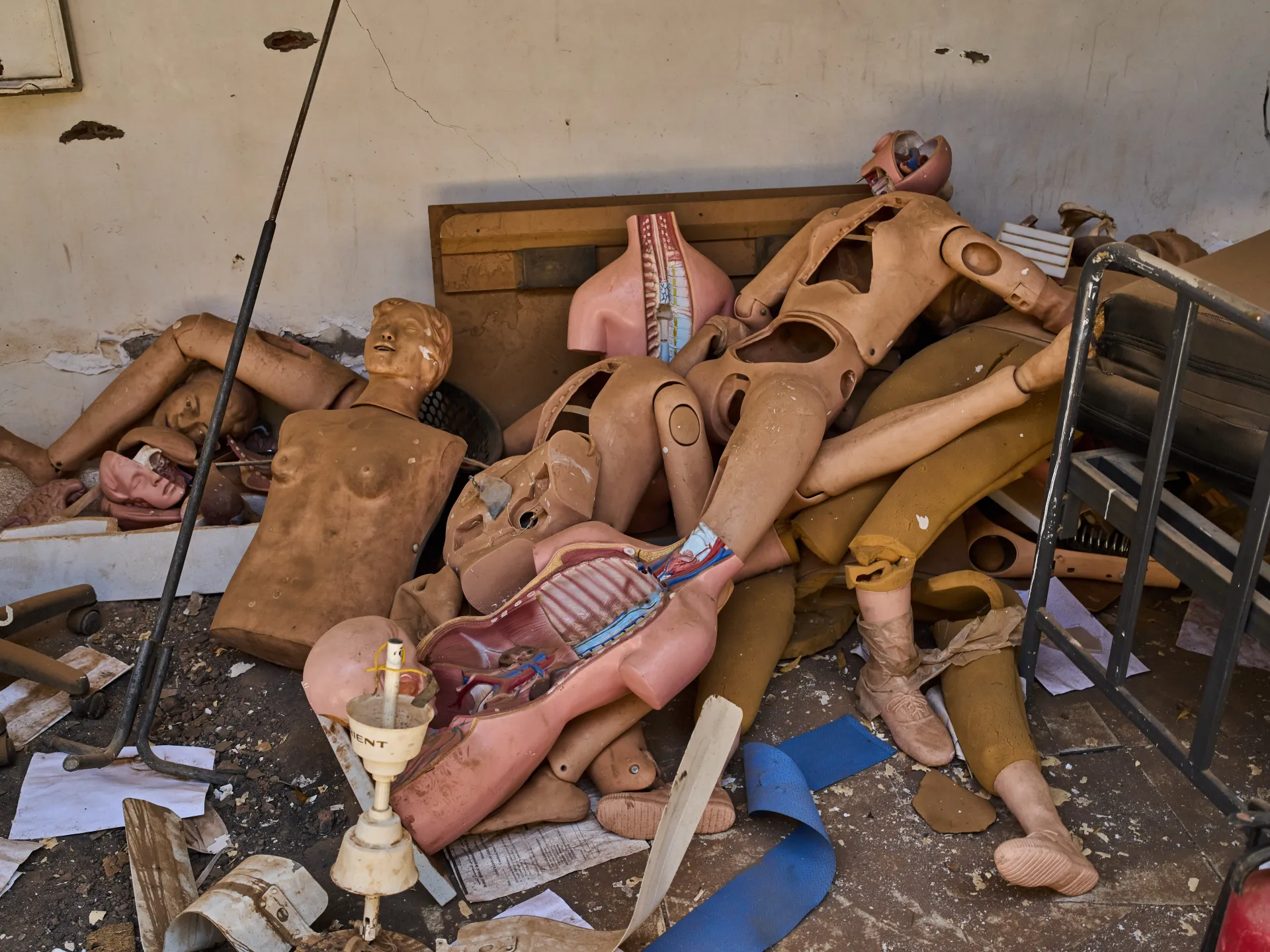
More than three years of civil war have crippled Sudan’s healthcare infrastructure: hospitals, health centres and pharmaceutical factories have been shut and vital medical supply chains and storage across the country have been disrupted.
The war, which erupted as a power struggle between Sudanese Armed Forces (SAF) and the paramilitary Rapid Support Forces (RSF), has killed more than 50,000 people and displaced 14 million – nearly a quarter of the country’s population.
The devastating conflict has paralysed domestic pharmaceutical production and collapsed vital supply chains across the country.
According to a World Health Organization (WHO) news release dated April 14, 2026, Sudan represents the world’s largest humanitarian crisis, with 21 million people lacking basic healthcare services out of 34 million needing aid.
In the void left by the closure of pharmaceutical companies, smuggling networks have flourished, flooding the market with unregulated drugs locally known as “Boko” medicines.
These include critical intravenous malaria medications smuggled across borders. Because they completely bypass strict temperature controls and quality checks during transit, these drugs are frequently spoiled, rendering them either totally ineffective or lethally toxic to patients.
A double threat
Inside local pharmacies in Omdurman, located on the outskirts of Khartoum, the crisis is not just limited to scarcity. Patients now face the double threat of exorbitant costs and life-threatening quality issues, as these illicit medicines are often severely spoiled due to a lack of proper storage and refrigeration.
Mutawakil Hamza, a pharmacist based in Omdurman, said the reliance on unregulated channels is putting lives at immediate risk.
“Most malaria medicines are now brought in through smuggling,” Hamza said. “These are ultimately injections for intravenous use, and this is highly dangerous to a patient’s health.”
Because intravenous treatments bypass the body’s natural defences and require absolute sterility, administering improperly stored or degraded smuggled injections can rapidly cause severe bloodstream infections, systemic shock, or death.
The war has effectively dismantled local manufacturing, reversing years of medical self-reliance. Yasser Ahmed Youssef, a pharmaceutical industry expert whose factory is located in Khartoum, noted the stark contrast to the pre-war era, when local factories managed to produce “very large quantities of life-saving medicines, including drugs for blood pressure, diabetes, colds, and paediatric care”.
Now, the majority of those production lines are silent, leaving the population dependent on a shattered healthcare system. According to the October 2025 Health Resources and Services Availability Monitoring System (HeRAMS) report cited in a WHO Public Health Situation Analysis from January 6, 2026, 40 percent of health facilities nationwide are entirely nonoperational.
The situation is even more drastic regionally, with 87 percent of facilities shut down in Khartoum and 85 percent closed in North Kordofan, whose control is contested between the rival sides.
In active conflict zones such as Gezira, Khartoum, Darfur and the Kordofan regions, the shortages are particularly dire.
A United Nations Population Fund (UNFPA) emergency report from August 2025 highlighted that the only functioning maternity hospital in the besieged city of el-Fasher faces critical medicine shortages and risks imminent closure.
El-Fasher, the last SAF stronghold in the western region of Darfur, was taken over by the RSF in late October 2025, trapping approximately 700,000 civilians – mostly women and children. People have been cut off entirely from food and medicine and subjected to attacks.
Collapsed warehouses and supply lines
In the government-funded public sector, the National Medical Supplies Fund maintains that it is working to secure essential medicines despite the fighting, claiming to have achieved 75 percent availability for cancer medications and fully secured supplies for kidney patients.
However, officials admit the overarching infrastructure is in ruins, with the local health ecosystem almost destroyed.
“We have been massively affected by the ongoing war inside Sudan,” said Abubakar Salouha, a department director at the fund. “The medical supplies have been severely impacted; there has been a collapse at the level of the main warehouses at the headquarters.”
International aid deliveries from neighbouring countries also face enormous logistical hurdles.
The WHO’s January 6 situation analysis detailed that cross-border transit times for medical commodities can take up to 90 days to reach remote regions like Darfur from the Cameroonian city of Douala via Chad. Compounding these suffocating delays, armed groups have repeatedly targeted medical infrastructure, looting pharmacies and stripping remaining hospitals of their vital medical supplies.
Recent attacks highlight this systematic destruction by rival sides. On March 20, 2026, a drone attack on Al-Daein Teaching Hospital in East Darfur state killed at least 64 people, including medical personnel, and injured 89 others. Sudanese rights group the Emergency Lawyers reported that the army was behind the attack.
On April 2, another drone attack struck Al-Jabalain Hospital in White Nile state, killing 10 staff members, including the hospital’s director while he was performing surgery. That same day, the Family Hospital in el-Daein was looted, and patients and health workers were assaulted and expelled. Similarly, a hospital in Kurmuk, Blue Nile state, was looted on March 25, its equipment destroyed, and patients forced out. The RSF was blamed for these attacks.
“Sudan is confronting one of the gravest humanitarian and public health emergencies in the world today. The ongoing conflict has pushed the health system to the edge of complete collapse,” warned WHO Director-General Tedros Adhanom Ghebreyesus on April 4.
“These incidents are stark reminders of the urgent need for renewed international solidarity and decisive political and humanitarian action. Sudan cannot endure this crisis alone.”
Bembou Silaty, Guinea – Mamadou Aliou walks through the small village of Bembou Silaty in northwestern Guinea carrying an irresolvable contradiction.
The 38-year-old works in the environmental health and safety department for a bauxite mining company, yet he is also an activist striving to improve life in his community, which often means criticising the actions of another mining company in the area.
Recommended Stories
list of 3 itemsend of list
“Before these companies arrived, we cultivated our land, and it sustained us,” Aliou told Al Jazeera.
“We could cover our daily needs, especially food. But now, when a piece of land is registered and belongs to a mining company, you have nothing there any more.”
The foreign-linked mining companies are part of the global scramble for Guinea’s bauxite. The West African nation holds the world’s biggest reserves of the ore, which is the source material for alumina and ultimately aluminium, a metal essential for car and aircraft frames, windows, wind turbines, and solar panels.
Over the past three decades, Guinea has multiplied its bauxite production tenfold. More than a dozen projects of bauxite production are currently ongoing in the country, according to the online cadastre.
As the global energy transition demands ever more aluminium, it has placed Guinea in a strategically crucial position. Approximately 75 percent of the bauxite exported by the country over the past decade has ended up in China, which produces 60 percent of the world’s aluminium.
Companies from Russia, the United States, and the United Arab Emirates have also established themselves in the country to secure the ore. In Bembou Silaty, an Indian company that began operations in 2019 now holds an exploitation concession until 2034.
Located in the prefecture of Telimele (Kindia region), Bembou Silaty has undergone a transformation since bauxite was discovered on its land about five years ago.
Yet, on the ground, many lament the cost: Contaminated water, loss of farmland, and a steep decline in agricultural productivity.
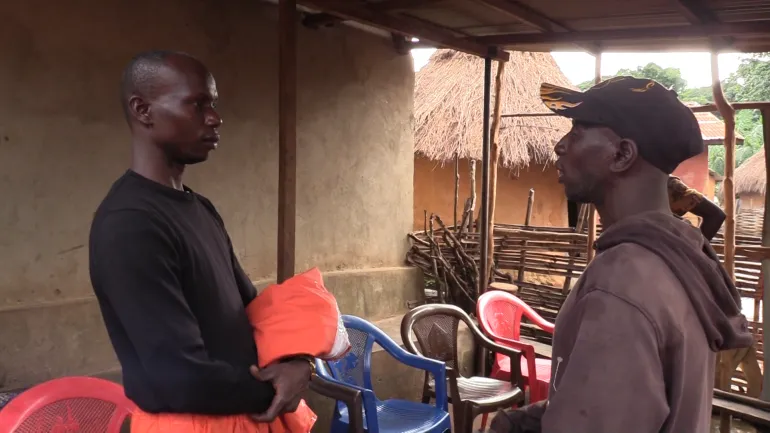
Mamadou Aliou, left, speaks to another resident in Bembou Silaty [Nuria Vila Coma/Al Jazeera]
‘No land, no money’
In the traditional bauxite heartlands of Kindia and Boke, the main roads are in notably good condition, a cut above the rest of the country. Steady jobs in technical roles or transport logistics have created economic opportunities for some Guineans.
Yet Bembou Silaty remains a quiet, peaceful village without electricity, and farming methods that are untouched by mechanisation.
Less than 2km (1.2 miles) away, however, the lush green landscape and mild climate of the rainy season give way to the electric-powered site of the Indian mining company.
There, excavators and trucks laden with bauxite constantly traverse the wide, unpaved roads, built to accommodate the heavy traffic, in a noisy, busy zone where the mining economy bulldozes its way forward.
People working in technical roles at the mine can earn up to about $300 a month.
For other locals who make a living from farming, most don’t have a regular wage and rely on the yield from their crops.
Across Guinea, an estimated half of the population depends on agriculture for their livelihood.
Locals in Bembou Silaty say every hectare claimed by mining is a hectare lost to farming, in a country that spent more than $500m importing rice in 2024.
“They give you compensation for your land, but it’s not enough, and in the end, it’s mismanaged,” Aliou said.
“Within a month or two, someone who received 50 or 100 million Guinean francs ($5,700-11,400) has nothing left. No land, no money. They have to start over, from below zero.”
Locals who still own land continue to grow rice, cassava, peanuts and cashews in the village, but they have ever less space and agricultural productivity is falling.
The village women have set up an association, “Allawalli” (which means “God help us” in Fula), to work cooperatively.
Resident Fatoumata Binta Bah and her family lament having lost their land [Nuria Vila Coma/Al Jazeera]
‘Not enough’
Walking through the alleys of Bembou Silaty, a few houses stand out.
They are made of cement, which withstands the rains better than the more common mud-brick homes, though many remain unfinished.
Locals say they were built with compensation money.
Fatoumata Binta Bah, a neighbour of Aliou’s, comes from a family of farmers. They once cultivated cashews, their livelihood.
Then the Indian mining company started up operations and offered them less than 50 million Guinean francs (about $5,700) for their land. That compensation, paid as a lump sum, seemed like a decent amount of money, she says.
But now, the money is gone, and their new house is still incomplete.
“The land they took from us was productive. That’s what we lived on,” said Bah, 20, as she prepared tea over a fire in the family courtyard.
“In the end, it wasn’t enough,” she lamented.
The Indian company did not respond to Al Jazeera’s questions on the purchase of land.
Meanwhile, on the outskirts of the village, surgical holes drilled into the ground mark where mining companies have tested for bauxite – a reminder to the farmers that the impact on the land is felt even before extraction begins.
In a recent report, Djami Diallo, the Guinean minister of the environment and sustainable development, stated that each year, certain companies had their impact studies and evaluation reports rejected for failing to comply with environmental standards.
Three or four companies in Boke, Kindia’s neighbouring region that is considered the bauxite capital in the country, were said to be affected. But the minister acknowledged that “just because companies do not meet the conditions to obtain the compliance certificate does not mean that everything stops.”
Locals carry water from a communal tap in Bembou Silaty [Nuria Vila Coma/Al Jazeera]
Clean water, the greatest challenge
Not all homes in Bembou Silaty, a community of about 5,000, have indoor toilets and plumbing. In the centre of the village, there are communal latrines for those who do not have facilities available in their homes. Showers can be taken in the same place, using a bucket and water collected from the spring.
One small gain for the community since the mining company’s arrival is a new water point in the village. The tap serves nearly all the residents. Even Aliou uses it to fill buckets for his household – for cooking and drinking – though he says he knows the water contains iron, as contamination occurs.
Still, he considers himself luckier than his friends in the neighbouring village of Koussadji Dow, who rely on now-brown, contaminated river water.
Tala Oury Sow, a trader and farmer, washes her cooking utensils in the murky river water – a daily struggle.
She starts speaking softly, surrounded by neighbours, but her voice rises to a shout.
“Do you think we can live like this?
“We had hoped the mining company’s arrival would improve things, but it has gotten worse,” she protested.
“Since the mining companies came, we’ve had this problem with the water. The children get sick, and the parents too,” added Mariama Kindi Diallo, a farmer, in her courtyard.
“The doctors tell us not to drink the rain or river water. There are no roads, no school, no phone signal. What are we supposed to do? We are asking for help to have a dignified life,” she pleaded, as her family and neighbours nodded in agreement.
The Indian company did not respond to requests for comment on these issues.
Guinea’s capital, Conakry [Nuria Vila Coma/Al Jazeera]
‘We need refineries here’
To escape the increasingly difficult conditions in villages like Bembou Silaty, some people leave the rural areas and head to the capital, Conakry.
Bauxite mining so dominates Guinea that one can chance upon a driver of one of the trains hauling ore from the mines to the port of Kamsar.
Alpha, who did not want his real name published, works for a United States-backed company and provides a window into the immense volume of resources being exported.
“We operate six trains of 150 wagons each day,” he said, explaining that the annual target for 2025 was to export 17.5 million tonnes of bauxite.
“The government wants to change things, because the profits we make in Guinea right now are small. We need refineries here to increase the state’s revenue,” he added.
Alpha lives near the coast, where his job has allowed him to build a house for his family and achieve a standard of living unattainable for most of his compatriots.
The government of Mamady Doumbouya, which came to power in a 2021 coup, is attempting to reorganise the mining sector. It is pressing investors to process bauxite within Guinea, ensuring a portion of the value stays in the country.
Processing bauxite into aluminium can multiply its price by 37 times.
Instability in Iran amid the US and Israel’s war has contributed to rising aluminium prices, which surpassed $3,600 per tonne in April.
Doumbouya is set to lead the country for the next seven years, after winning the December 2025 elections with nearly 87 percent of the vote. While opponents view him as illegitimate, many Guineans agree on the need to reform the mining sector.
Achieving this, however, requires a huge increase in electricity generation – power that is non-existent in villages like Bembou Silaty and unreliable even in Conakry, where blackouts are frequent when fans and TVs are switched on at night.
Guinea is working with neighbouring Senegal on a solution: Using Senegalese gas to generate enough electricity to process its bauxite on African soil. Currently, both countries export raw materials, while jobs and wealth are created elsewhere.
A train carrying bauxite is seen in Conakry, Guinea [Nuria Vila Coma/Al Jazeera]
Following the bauxite route
More than 3,000km (1,900 miles) away, across the ocean, Spain is also a part of the Guinean bauxite story.
Parets del Valles, a municipality of 18,000 people less than 30km (19 miles) from Barcelona, represents the journey’s end.
From the town centre to its industrial outskirts, businesses specialising in aluminium are plentiful: Aluminium distribution, carpentry, and window fitting, much of them serving household needs.
For Spain, Europe’s largest consumer of Guinean bauxite, more than 90 percent of its imports come from Guinea-Conakry.
The aluminium produced there, mainly in the country’s north, feeds the automotive industry and serves both industrial and domestic purposes.
Parets is another world compared with the bauxite’s point of origin in Guinea.
In Spain, there is light, hot water, paved roads – all the base elements of a decent life. It’s why many say growing numbers of West Africans are arriving in Parets and across the Valles Oriental region. This is part of a broader trend in Catalonia and Spain, according to the Spanish National Statistics Institute (INE): The Guinean population has quadrupled in Spain since 2000 – from 2,700 to 11,000 people – and in Catalonia from 1,000 to 4,000.
These figures don’t include those who go unregistered.
Increasingly, more boats are leaving directly from Guinea, towards the Canary Islands and on to mainland Europe. According to Frontex, the European Union border security agency, more Guineans arrived in the Canary Islands, Spain, in 2023 (2,324) than in the previous 13 years combined. In 2024 and 2025 combined, another 6,000 Guineans arrived.
Migrants, predominantly men from Senegal and increasingly from Guinea, come alone, settling where they have contacts and job prospects. The newest arrivals, often very young, spend long hours with their mobile phones as their sole companion – the only tether to the country they left behind.
Many left, following the bauxite trail, hoping to find something more in the places where their resources are both enjoyed and exploited.
As Aliou, back in Bembou Silaty, says: “If you compare the bauxite we export with what we get in return, the difference is enormous. We gain almost nothing. Just enough to survive.”
This article was produced in collaboration with the Catalan association SETEM Catalunya, promoted by the Connect for Global Change consortium and Lafede.cat, and with financial support from the European Union and the Government of Catalonia (Generalitat de Catalunya)
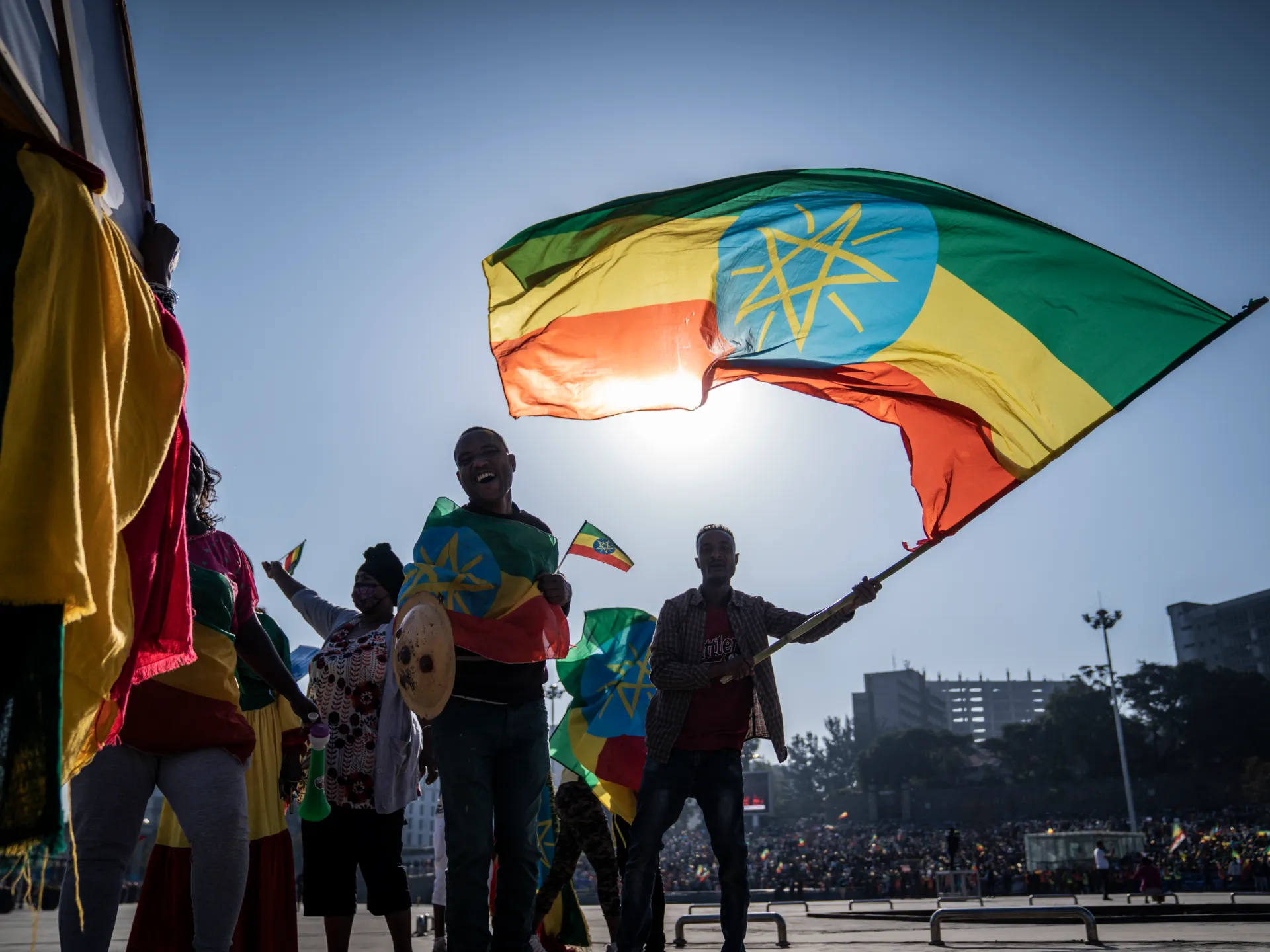
Ethiopia’s governing party is seeking to cement its grip on power amid a fragmented electorate.
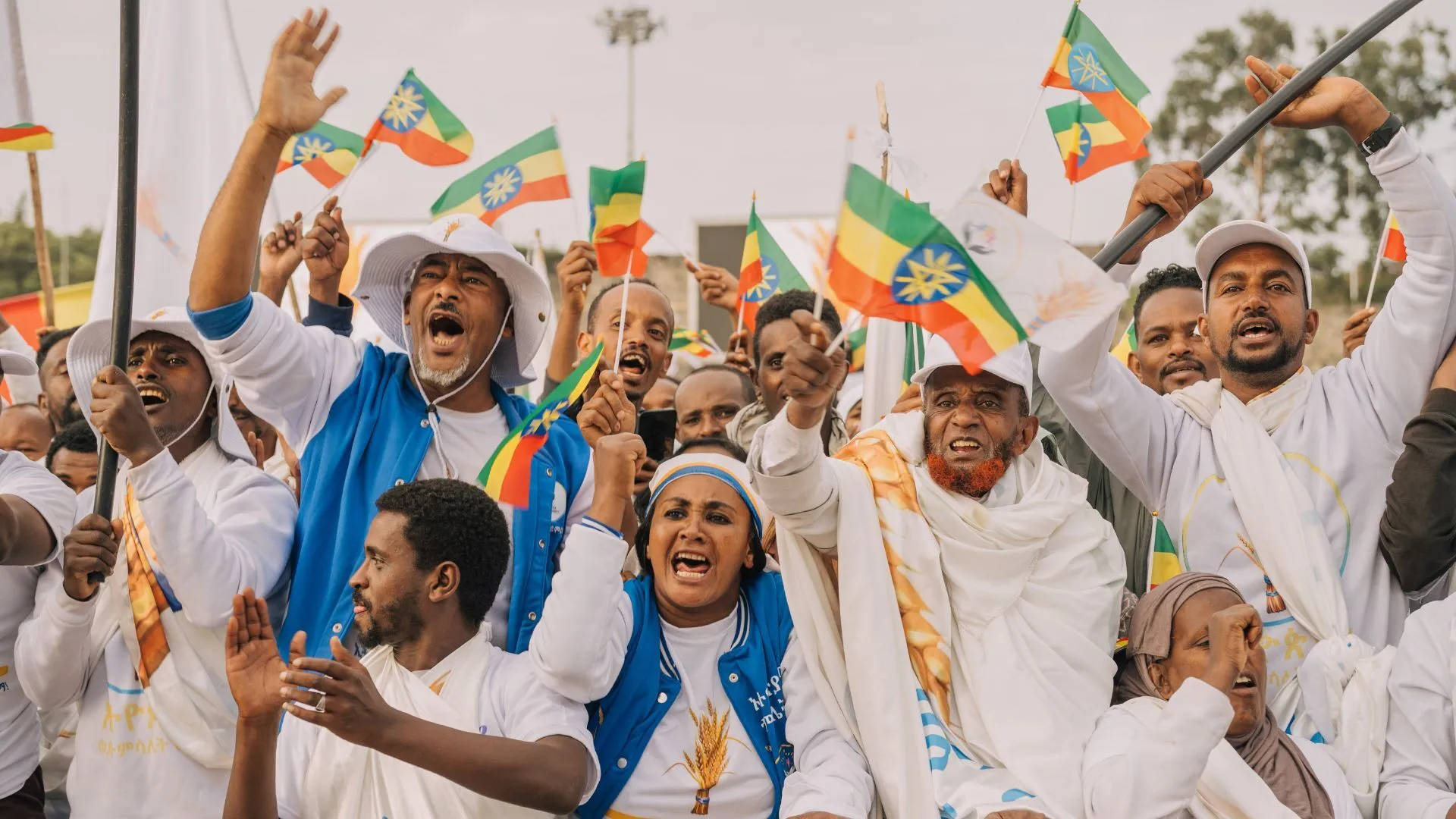
Millions of Ethiopians are heading to the polls for general elections on June 1.
The governing party of Prime Minister Abiy Ahmed, who has consolidated power since he took office in 2018, says it is confident of victory.
Recommended Stories
list of 3 itemsend of list
Abiy’s government has faced years of turmoil and conflict. Despite that, it is portraying the vote as the next step on the path towards what it calls genuine democracy.
Critics and the opposition, however, argue that is unlikely because of Ethiopia’s ethnic and regional divisions. Some opposition parties have been excluded and violence is preventing voting in dozens of constituencies.
So, will the vote hold any significance?
Presenter: Mohammed Jamjoom
Guests:
Samuel Getachew – Journalist and commentator specialising in Ethiopian politics and security
Martin Plaut – Senior research fellow at King’s College London
Bizuneh Yimenu – Lecturer in comparative politics at Queen’s University Belfast who specialises in federalism.
Addis Ababa, Ethiopia – Ethiopians vote on Monday in a general election to choose members of parliament, who will in turn select the next prime minister. The National Election Board of Ethiopia (NEBE) said 47 political parties and more than 10,900 candidates are in the race, including 2,198 for the federal parliament, 8,736 for regional and city councils and 73 independents.
More than 50 million voters are registered, with official voter registration figures showing women account for around half of the electorate. Young Ethiopians make up a large share of the population, with a median age of about 19 years, according to United Nations population estimates, giving them a substantial presence in the country’s electorate.
The contest brings together ruling, opposition, regional and independent politicians under Ethiopia’s federal parliamentary system, where the government is formed through a parliamentary majority and MPs select the prime minister.
Here is a closer look at the main political parties, coalitions and independent candidates.
Prosperity Party (PP)
The Prosperity Party is the ruling political party in Ethiopia, led by Prime Minister Abiy Ahmed. It was formed in 2019 following the merger of several regional parties that previously made up the Ethiopian People’s Revolutionary Democratic Front (EPRDF). The party holds a majority in the House of Peoples’ Representatives following the 2021 general election.
According to the Prosperity Party programme and public statements, it emphasises national unity, economic reform and state-led development within Ethiopia’s federal system.
The party is fielding candidates for seats in the House of Peoples’ Representatives and regional councils across almost all federal and regional constituencies under Ethiopia’s parliamentary system.
National Movement of Amhara (NAMA)
The National Movement of Amhara is a regional political party operating mainly in Ethiopia’s Amhara region. It is led by Belete Molla and participates in Ethiopia’s federal parliamentary elections through constituency-based contests.
According to party statements, NAMA focuses on political representation, security concerns and cultural and regional rights of the Amhara population within Ethiopia’s federal system.
The party is fielding candidates primarily within the Amhara region for federal and regional council seats under Ethiopia’s electoral framework.
Ethiopian Citizens for Social Justice (EZEMA)
The Ethiopian Citizens for Social Justice is a national political party led by Berhanu Nega. Formed in 2019, it has participated in national elections since 2021 and operates across multiple regions.
According to party statements and its leadership, EZEMA promotes liberal democratic governance, the rule of law, market-oriented reforms and broader national unity.
For this vote, the party is contesting seats in both the House of Peoples’ Representatives and regional councils across multiple federal and regional constituencies.
Peace for Ethiopia coalition
The Peace for Ethiopia coalition is an alliance of smaller regional parties, including the Agew National Council, Gamo Democratic Party, Gambella Peoples’ Freedom Movement, Kaffa Green Party, and Tigray Democratic Cooperation.
According to coalition statements, the alliance brings together member parties to improve coordination and representation of diverse regional interests within Ethiopia’s federal system.
The coalition coordinates candidate lists across its member parties while allowing each to retain separate regional identities. Members are contesting seats in both federal and regional councils.
Regional and ethnic-based parties
Regional parties contest seats across Ethiopia’s federal system, including in Oromia, Somali, Tigray and southern regions. They operate within their respective states and are registered with NEBE to field candidates in federal and regional constituencies.
According to their public positions, these parties generally focus on regional governance, local autonomy, and development priorities specific to their constituencies.
They participate in the House of Peoples’ Representatives and regional councils under Ethiopia’s parliamentary electoral system.
Independent candidates
A total of 73 independent candidates are registered to contest seats in the 2026 elections.
According to political observers, independent candidates tend to focus on local governance issues and constituency-level concerns rather than formal party platforms or national ideological positions.
They are running for both federal and regional council positions under Ethiopia’s constituency-based parliamentary system.
Electoral stakes
The election will determine the composition of Ethiopia’s federal government and which party or coalition controls parliament. Elected MPs will select the prime minister, who then forms the federal government.
The results will shape the distribution of power between federal and regional authorities under Ethiopia’s constitutional system. The vote is part of the country’s regular parliamentary electoral cycle under the 1995 constitution.
The allocation of seats in the House of Peoples’ Representatives will determine legislative authority at the federal level.
The election is being held under Ethiopia’s federal parliamentary system, in which executive power is derived from a parliamentary majority.
Political environment
The National Election Board of Ethiopia oversees the administration of voting and candidate registration across all regions. Polling arrangements have been established nationwide under Ethiopia’s electoral framework.
Voting will take place in constituencies across urban and rural areas in all federal member states.
Electoral procedures are implemented under national electoral law, which defines the responsibilities of federal and regional election authorities.
NEBE is responsible for coordinating polling operations, voter registration, and ballot administration across constituencies.
Youth and voter engagement
NEBE reports that more than 50 million people are registered to vote in the election.
Young people make up a large share of the population, with a median age of about 19 years, according to UN population estimates.
Registered voters include both first-time and returning voters participating in federal and regional elections across the country.
Voting is conducted under Ethiopia’s legal framework for universal adult suffrage, which grants citizens aged 18 and above the right to vote.
Women voters and participation
According to NEBE voter registration figures, women account for around half of registered voters.
They are eligible to vote and contest seats at both federal and regional levels under Ethiopia’s electoral law, and female candidates are participating across multiple regions.
Both sexes are subject to the same voter registration and candidacy requirements under Ethiopia’s electoral framework.
Female candidates are contesting seats in both federal and regional races across the country.
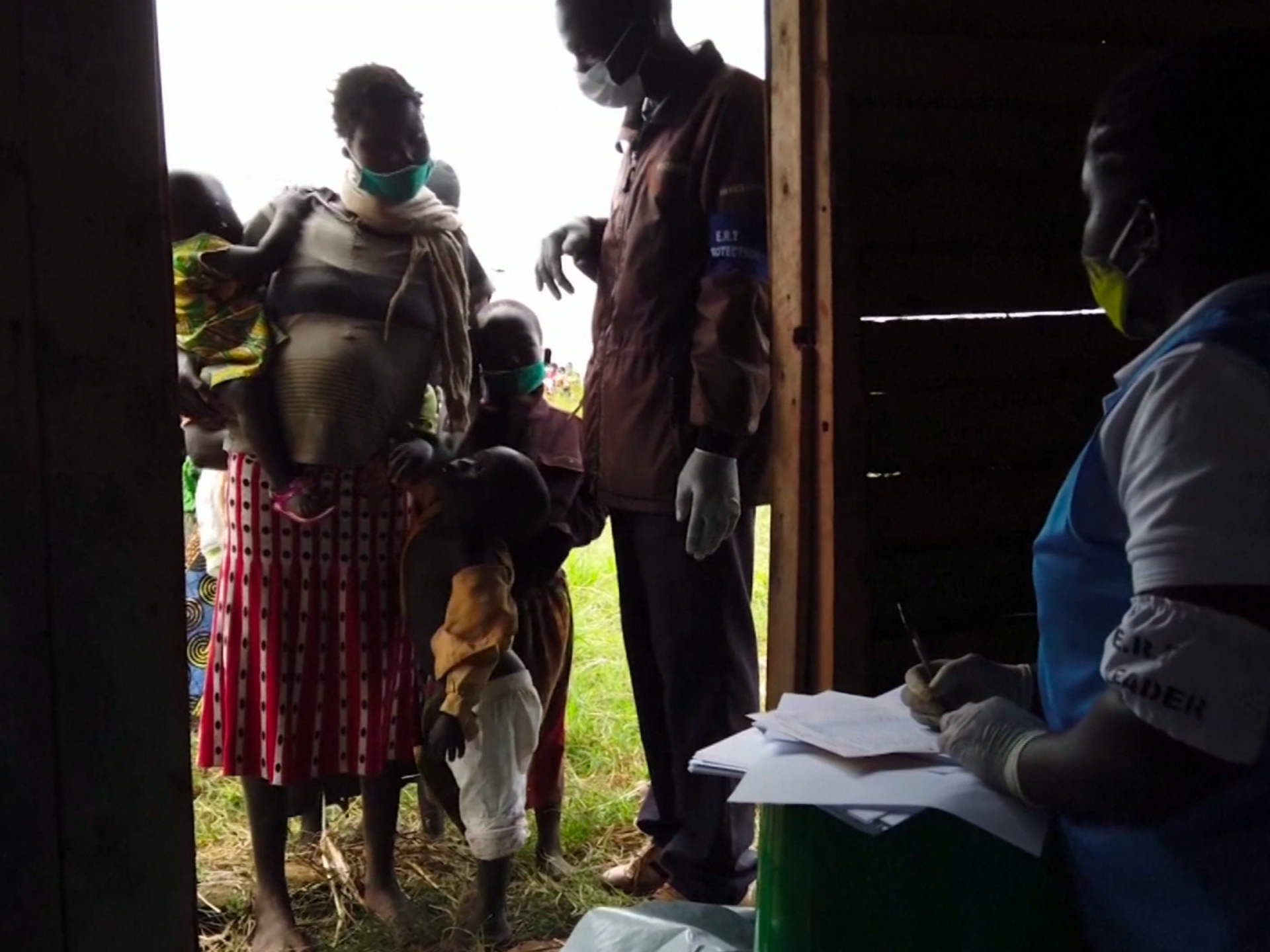
Women in eastern Democratic Republic of the Congo are disproportionately impacted by Ebola as shortages of protective gear amid funding cuts accelerate the spread of disease. Al Jazeera’s Imogen Kimber reports how these caregivers to the living and the dead are most at risk.
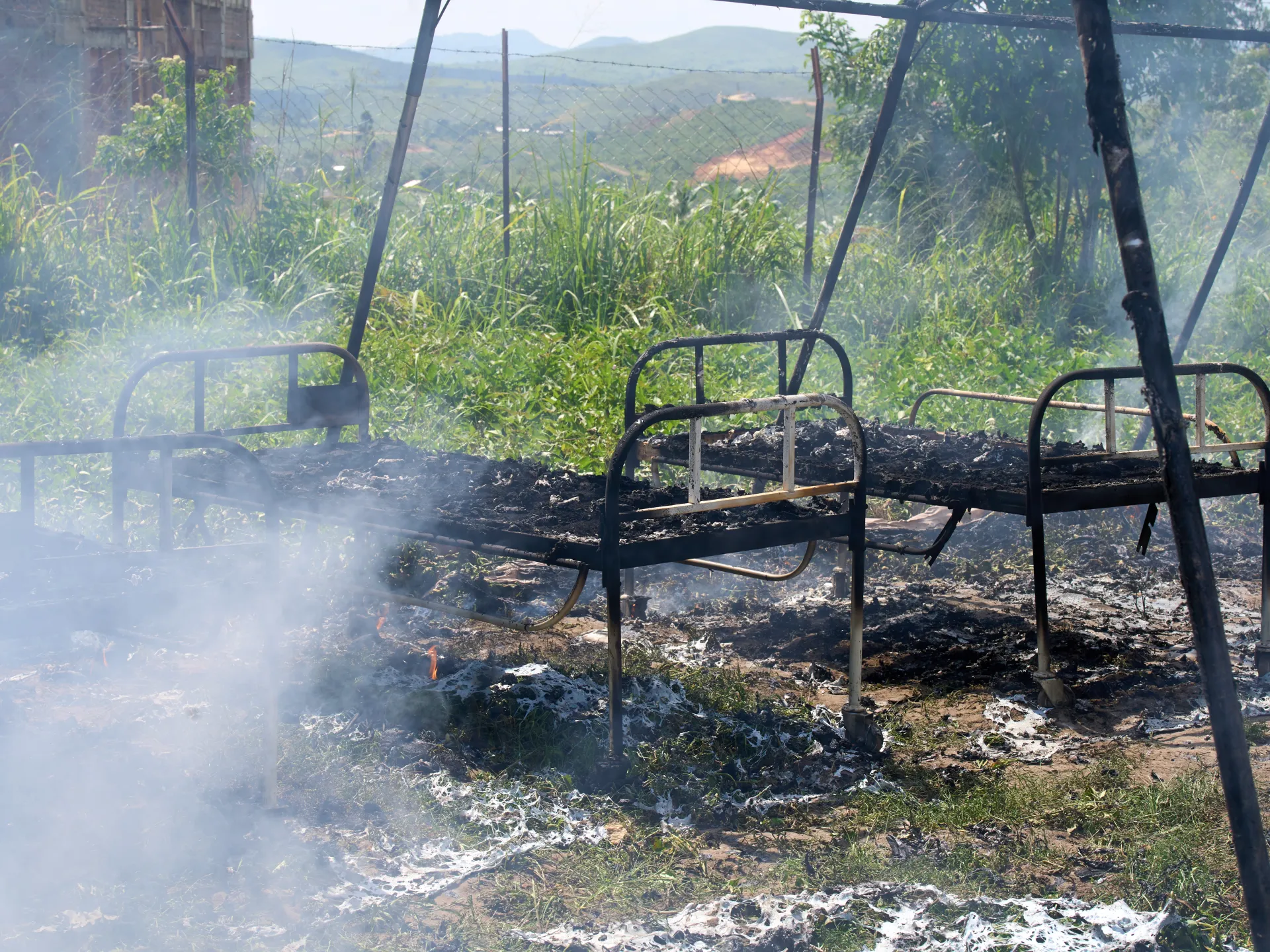
Workers in eastern DR Congo are rebuilding an Ebola treatment centre that was burned by protesters earlier this month, as health officials warn misinformation is driving families to hide sick relatives. The Congolese government confirmed over 1,000 suspected cases and at least 220 deaths since the outbreak was declared.
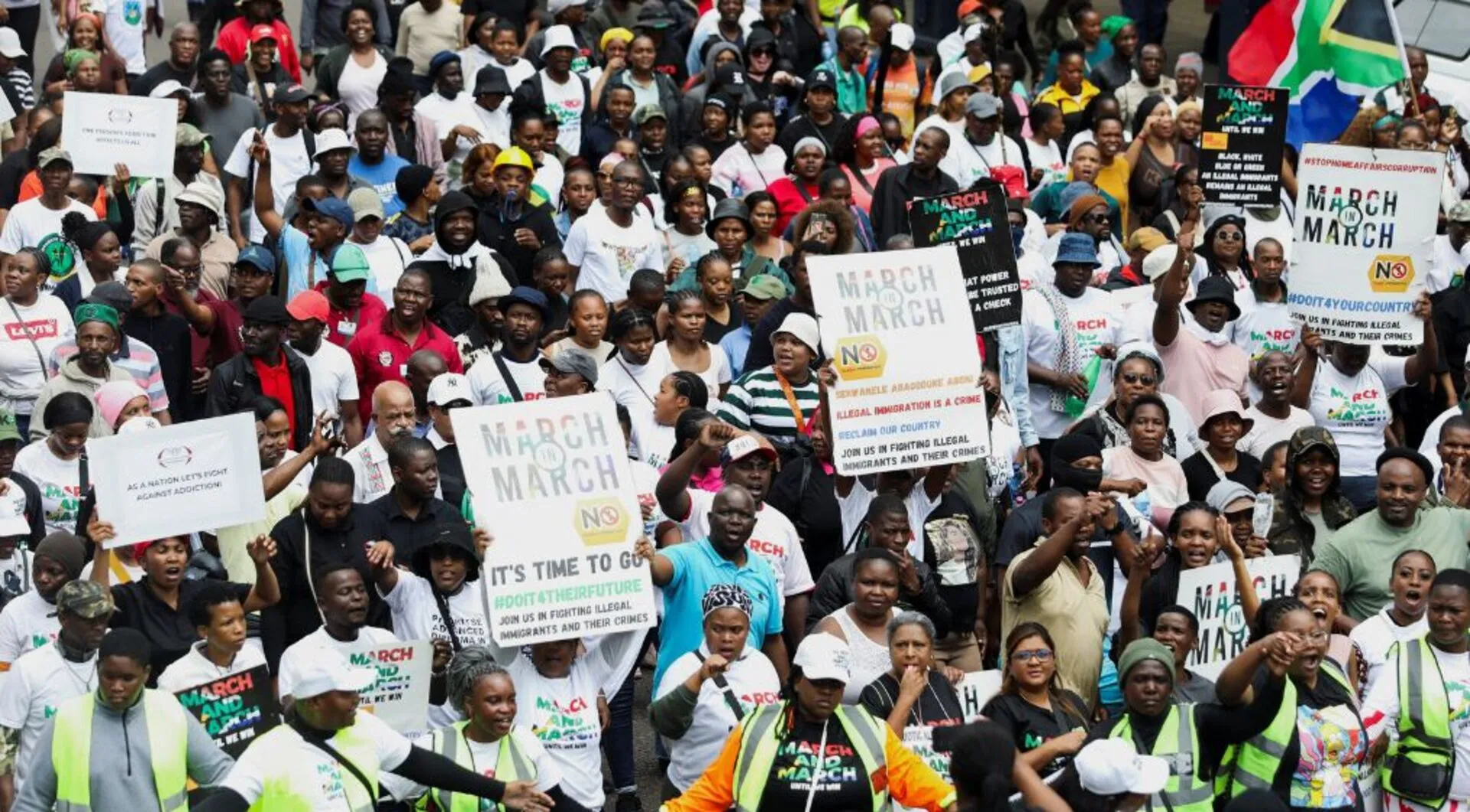
Foreign workers in South Africa are yet again facing violence and protests by anti-immigrant groups. They accuse them of residing and working in the country illegally and are demanding that they leave by June 30.
South Africa has seen recurrent waves of anti-immigrant violence in the past decade – often directed at other African nationals.
Recommended Stories
list of 3 itemsend of list
Since the end of apartheid in 1994, the country has become a destination for thousands of workers from neighbouring countries. But many South Africans say the government is not upholding its immigration laws.
So, does South Africa still need foreign workers?
Presenter: Tom McRae
Guests:
William Gumede – Associate professor, School of Governance at the University of the Witwatersrand
Lindiwe Zulu – Member of the ANC Committee on International Relations and a former South African minister of social development
At least 16 students were killed and dozens injured after a fire tore through the dormitory of a girls’ boarding school in Kenya’s Rift Valley early Thursday. Panicked parents gathered outside the school searching for their children hours after the blaze was extinguished.
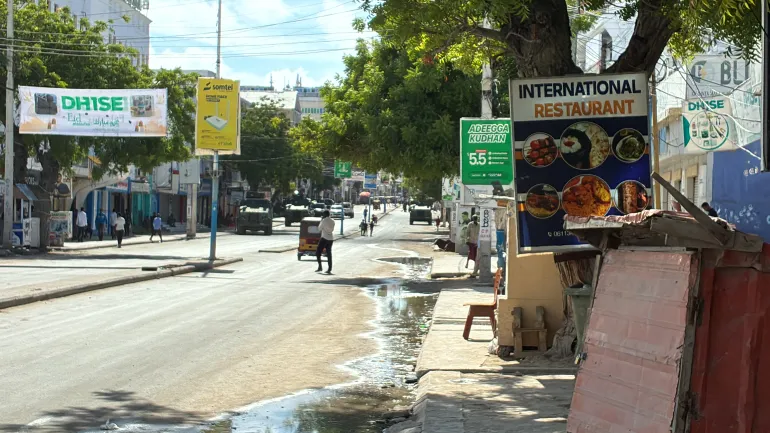

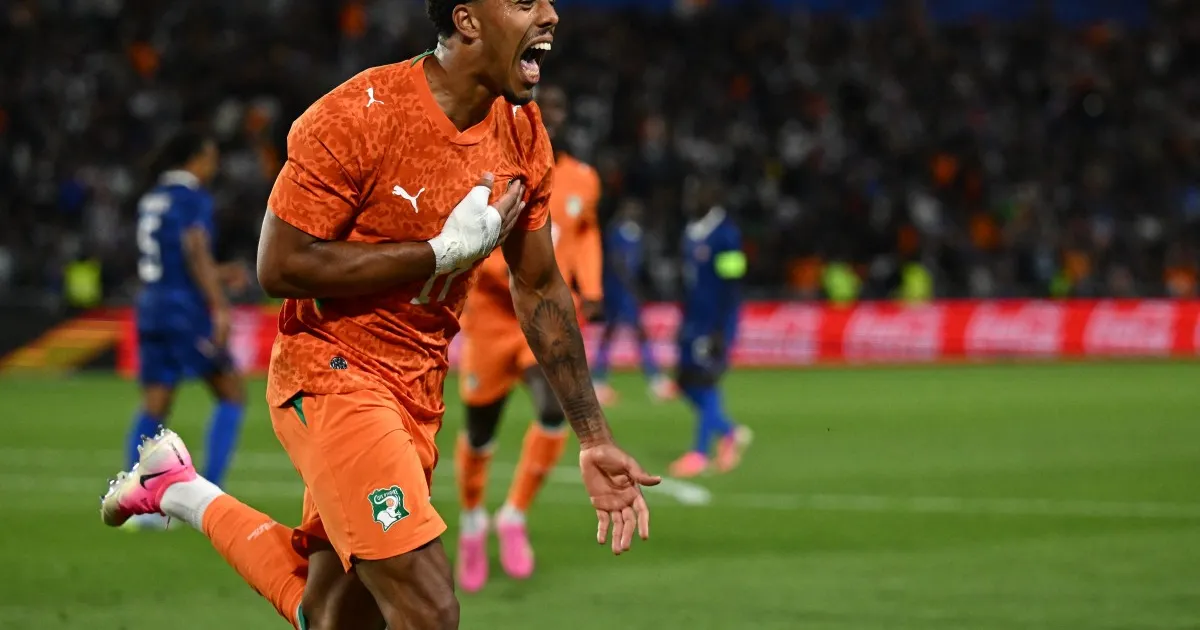
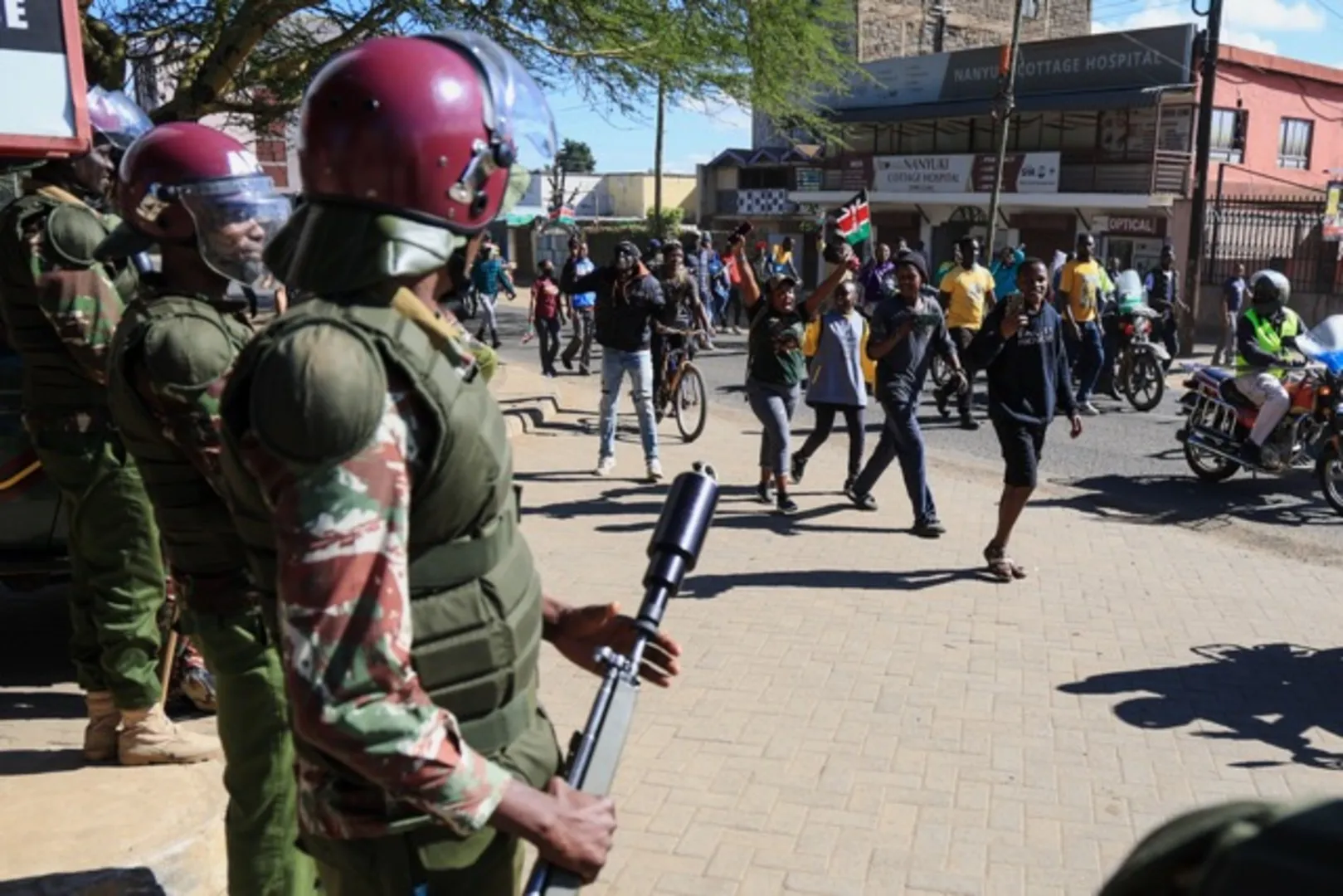
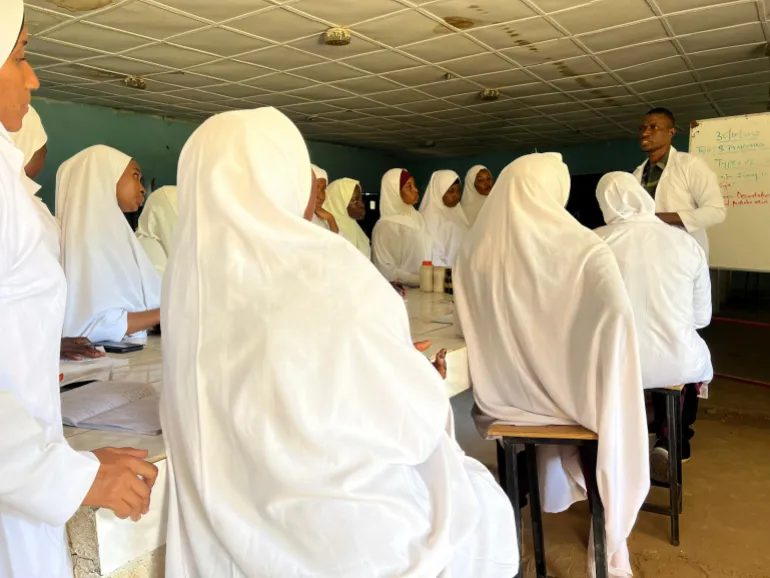
![UNICEF reports that more than half of girls in northern Nigeria are out of school, highlighting deep gender gaps in education. [Abdulaziz Bagwai /Al Jazeera]](https://i0.wp.com/occasionaldigest.com/wp-content/uploads/2026/06/1000872132-1-1780347186.jpg?w=640&ssl=1)
![A classroom session at the Women Centre for Continuing Education in northern Nigeria. [Abdulaziz Bagwai /Al Jazeera]](https://i0.wp.com/occasionaldigest.com/wp-content/uploads/2026/06/1000872131-1-1780347183.jpg?w=640&ssl=1)