The outbreak caused by the rare Bundibugyo virus strain has reached 782 confirmed cases.
Published On 15 Jun 202615 Jun 2026
The number of confirmed cases in the Democratic Republic of the Congo (DRC)’s Ebola outbreak has surged to 782, with 178 deaths, marking one of the largest daily jumps so far as regional conflict, patient escapes, and limited contact tracing undermine containment efforts.
The Ministry of Public Health confirmed 72 new cases on Sunday over the previous 24 hours, a record single-day increase, with 29 additional deaths.
Recommended Stories
list of 3 itemsend of list
The Bundibugyo virus strain has a 22.8 percent death rate so far, with 40 patients recovering, officials said.
“We remain committed to supporting affected countries until transmission is stopped. We call on partners and donors to urgently mobilise resources to strengthen the response and save lives,” Jean Kaseya, director general of the Africa Centres for Disease Control and Prevention, said on Sunday.
The outbreak stems from the rare Bundibugyo strain, which has no approved vaccine or treatment, unlike the Zaire virus responsible for the DRC’s previous 16 Ebola outbreaks.
Contact tracing coverage has plummeted to 56.5 percent, a sharp decline from the 95% target, Health Ministry officials said.
Doctors Without Borders, known by its French initials MSF, warned that “no one knows the true scale” of the outbreak due to dangerous gaps in surveillance and testing.
Eastern Ituri province remains the outbreak’s epicentre, harbouring nearly 95 percent of all confirmed cases. The virus has since breached into North Kivu and South Kivu provinces and spread across the border to Uganda.
Ituri’s humanitarian crisis exacerbates the medical emergency. Nearly one million residents have fled overlapping armed conflicts involving multiple groups, including the M23 rebel movement that controls Goma, the capital of North Kivu province. The area has endured decades of instability, with United Nations reports documenting massacres of more than 100 civilians in gold-rich Ituri villages as various factions vie for control of the region’s mineral wealth.
Thousands of artisanal miners routinely shuttle between clandestine mining sites scattered across the mineral-dense region, creating transmission hotspots that evade health monitoring. The outbreak is believed to have originated in the mining-intensive Mongbwalu Health Zone in Ituri province.
The World Health Organization announced it is ramping up diagnostic testing and contact surveillance operations. However, MSF reports a critical funding gap of $21.5m hampering response efforts.
The World Cup group stage continues on Monday, with four more matches taking place across the United States.
Spain begin their campaign against World Cup newcomers Cape Verde, Belgium face Egypt in what could be one of the day’s closest games, Saudi Arabia take on Uruguay in Miami, and Iran meet New Zealand in Los Angeles.
Recommended Stories
list of 4 itemsend of list
Away from the football, Uruguay’s disrupted travel plans, divisions within Los Angeles’s Iranian American community before Iran’s opener, and Haiti’s inspiring return to the World Cup are all drawing attention beyond the pitch.
Belgium face Egypt at Seattle Stadium in Seattle at the same time, with the Group G rivals also getting under way at 12pm local time (19:00 GMT).
Later, Saudi Arabia meet Uruguay at Miami Stadium in Miami Gardens, Florida. That match starts at 6pm local time (22:00 GMT).
The day’s final fixture sees Iran face New Zealand at Los Angeles Stadium in Inglewood, California. Kickoff is at 6pm local time (01:00 GMT on June 16).
What do the predictions say for Spain vs Cape Verde?
Spain are the clear favourites to win, but Cape Verde have already made history by reaching the World Cup for the first time.
The teams have never played each other. Spain’s last two World Cup matches against African opponents came against Morocco, drawing 2-2 in 2018 before losing on penalties after a 0-0 draw in the 2022 quarterfinals.
Opta’s predictions strongly favour Spain. After running 25,000 simulations, the statistics company gave Spain an 87.2 percent chance of winning the Group H opener. A draw was predicted in 8.1 percent of the outcomes, while Cape Verde were given a 4.8 percent chance of causing an upset.
Only one African team has ever beaten Spain at a World Cup: Nigeria, who won 3-2 in the group stage in 1998.
Spain vs Cape Verde
What do the predictions say for Belgium vs Egypt?
This one could be much closer than many people expect.
Opta’s predictions suggest there is very little separating the sides. In 25,000 match simulations, Belgium won 37.2 percent of the time, while Egypt came out on top in 35.5 percent. A draw happened in 27.3 percent of the simulations.
Belgium are slight favourites. It could end up being one of the closest games of the day, with a single goal potentially making the difference.
Belgium face pressure to avoid repeating their performance in 2022 in Qatar, when they did not advance beyond the group stage. The Belgians finished third in 2018 in Russia.
Belgium vs Egypt – World Cup
What do the predictions say for Saudi Arabia vs Uruguay?
Saudi Arabia and Uruguay have met only once before at a World Cup. Uruguay won that match 1-0 in 2018.
The teams have also faced each other in a friendly match. That game, played in Saudi Arabia in 2014, ended in a 1-1 draw.
The predictions favour Uruguay. In 25,000 simulations run by Opta, Uruguay won 64.7 percent of the time. Saudi Arabia won 13.9 percent of the simulations, while 21.4 percent ended in a draw.
Saudi Arabia vs Uruguay – World Cup
What do the predictions say for Iran vs New Zealand?
Iran and New Zealand have only played each other twice before, and this will be their first meeting in a competitive match.
Their first game ended in a 0-0 draw in New Zealand in 1973. Thirty years later, Iran won 3-0 in Tehran, with Ali Karimi scoring twice before Hossein Kaebi added a third goal.
The predictions give Iran the edge. In 25,000 simulations run by Opta, Iran won 53.8 percent of the time. New Zealand won 20.4 percent of the simulations, while 25.8 percent ended in a draw.
Iran vs New Zealand – World Cup
What else is shaping the World Cup?
Uruguay’s travel plans hit by delays before World Cup opener
Uruguay’s preparations for their World Cup opener have been disrupted after travel problems delayed the team’s arrival in the US.
The squad had been due to fly from Cancun, Mexico, before Monday’s Group D match against Saudi Arabia in Miami. However, reports in Uruguay said the charter flight was not cleared to enter the US, forcing the team to make alternative arrangements.
The Uruguayan Football Association (AUF) said the delay was outside its control. A replacement plane was eventually organised, with the team expected to reach South Florida only about a day before kickoff.
“Due to problems beyond the control of the AUF, the departure from Mexico has been delayed,” the association said in a statement. “The squad is resting at the hotel. The new departure time set by FIFA is 4:15pm [21:15 GMT].”
Japan fans continue World Cup cleanup tradition after Netherlands draw
The blue bags Japanese fans waved while celebrating their team’s goals, and then stayed behind for something else after the match ended.
Following Japan’s 2-2 draw with the Netherlands, supporters stayed behind to collect rubbish from the stands before leaving the stadium, continuing a tradition that has become a familiar part of the World Cup.
The cleanup effort first caught global attention at the 1998 tournament in France, and Japanese fans have kept it going at every World Cup since.
Iranian Americans divided over Team Melli
As Iran prepare to begin their World Cup campaign in Los Angeles, members of the Iranian American community in Westwood, or “Tehrangeles”, remain split over how to respond.
While some opposition activists plan protests against the team, others are setting politics aside to support the football. Business owner Roozbeh Farahanipour told Al Jazeera’s reporter Ali Harb that “the community is divided” and there is no consensus on whether to boo the national team or back the US-Israel war against Iran.
Trudeau defends attending US match instead of Canada’s opener
Former Canadian Prime Minister Justin Trudeau attended the US World Cup opener against Paraguay in California instead of Canada’s game against Bosnia and Herzegovina in Toronto.
Trudeau said he chose to be at the game in Inglewood because his girlfriend, singer Katy Perry, was performing in the pre-match show at SoFi Stadium.
“Sometimes supportive boyfriend duties call. But you know who I’m rooting for to take the Cup,” he wrote on X.
Canada’s opener in Toronto and the US match in Los Angeles were played just hours apart, prompting some fans to question why the former prime minister was not supporting the home team.
Trudeau served as Canada’s prime minister from 2015 to 2025.
After returning to the World Cup for the first time since 1974, Haiti’s campaign has given people a rare reason to celebrate.
For Olivier Woodensky Pierre, the World Cup is a dream come true. He is the only player in Haiti’s squad who still lives in the country. Born in Cite Soleil, one of the poorest areas in the capital, Port-au-Prince, Pierre hopes the team’s achievement will inspire young people back home.
“Every player always wishes to play in the World Cup. That was my dream. That’s why I’m fighting to be here. I got the chance to be selected to play in the World Cup. I am advising the youth not to be discouraged. Keep fighting, work, and be disciplined,” Pierre told Al Jazeera’s Teresa Bo.
Haiti’s qualification has brought a sense of hope to a country going through one of the most difficult periods in its recent history. Gangs control large parts of the capital, violence has displaced hundreds of thousands of people, and many Haitians have taken to the streets to demand peace while also celebrating the team’s return to football’s biggest stage.
The journey to the World Cup was far from straightforward. Because of the ongoing political crisis, Haiti had to play its home qualifiers abroad. There was also a lack of funding.
“It was really difficult before because there were no sponsors to finance the team. You know, since we qualified for the World Cup, FIFA provided money for preparation, and the government provided $4m that were crucial to help us prepare,” Thecieux Jeanty of the Haitian Football Federation told Al Jazeera.
Pastor Winston Noel also voiced disappointment over US visa restrictions affecting Haitians.
“FIFA must talk to the Trump administration to tell them that this cannot be the case because it is the World Cup. All countries that qualify must have their fans to come and support their teams,” he said.
“The World Cup is something special for us Haitians. Many children here in Haiti will participate in the World Cup, even though this generation doesn’t know the names of all the players. But we are very happy because it’s a great achievement for us,” Noel said.
Haiti eventually opened their World Cup campaign with a 2-0 defeat to Scotland, but for many supporters the tournament is about more than results. It remains a rare moment of pride, unity and hope for a country that has endured years of hardship.
More than 360 people abducted by Boko Haram have been rescued in northeastern Nigeria. Former captives recount months of hardship, while families of those still missing say they are running out of answers for children waiting for their parents to return.
Pre-tournament favourites Spain open their Group H campaign with a match against World Cup debutants Cape Verde.
Published On 14 Jun 202614 Jun 2026
The 2026 World Cup will have 13 different kickoff times. You can use the Al Jazeera Sport widget to find out exactly when your team is playing in your local time.
Who: Spain vs Cape Verde What: FIFA World Cup 2026 Group H match Where: Mercedes-Benz Stadium, Atlanta, United States When: Monday, 12pm local time (16:00 GMT) How to follow: Catch all live updates on Al Jazeera Sport
Recommended Stories
list of 4 itemsend of list
Spain, the reigning European champions and strong favourites for the 2026 World Cup, begin their title bid on Monday by facing minnows Cape Verde in Atlanta.
Since winning their maiden world title in 2010, Spain have endured a dismal run in the following three campaigns, bowing out in the group stage in 2014 and exiting in the round of 16 in 2018 and 2022.
But their Euro 2024 success and a new golden generation of Lamine Yamal, Pedri, Gavi, Ferran Torres and others have prompted bookmakers to keep Spain at the top of the potential winners‘ list.
La Roja – known for playing entertaining, attacking football – have become unshakeable over the last four years, going 30 matches unbeaten since a 1-0 friendly loss to Colombia at Wembley in March 2024.
Spain will arguably be the team to beat in North America, with Opta’s supercomputer handing them a 15.94 percent probability to lift the title, and France a close second at 13.62 percent odds.
Spain’s Lamine Yamal, Ferran Torres and Gavi during training [Brett Davis/Imagn Images via Reuters]
Will Yamal play in Spain vs Cape Verde?
Yamal single-handedly stole the show in Germany two years ago en route to their Euro title, and will hope to repeat that form at the June 11 – July 19 tournament.
But the teen sensation may have to wait a little longer to make his World Cup debut.
Spain could take a cautious approach for the Cape Verde opener with winger Yamal and young forward Nico Williams in the final stages of recovery from hamstring injuries sustained in April.
Both returned to training with their teammates on Thursday, but De la Fuente could opt to name them on the bench or keep them out of the matchday squad until they reach full fitness.
Lamine Yamal will make his World Cup debut at the 2026 tournament [Florencia Tan Jun/Getty Images]
Cape Verde to break new ground in North America
Known for its crystal-clear waters and sandy white beaches, Cape Verde will make noise for different reasons this North American summer.
The archipelago of 10 islands in the Atlantic Ocean will make its World Cup debut on Monday, arriving at the global showpiece as one of 10 African representatives.
After their fairytale qualification, which coincided with its 50th anniversary of independence from Portugal, Cape Verde – with fewer than 600,000 inhabitants – became the third smallest country by population to reach the tournament after Iceland in 2018 and Curacao, also in 2026.
The team has slowly built credibility in recent years. Their international breakthrough came in 2013 when they qualified for their first Africa Cup of Nations (AFCON) and reached the quarterfinal stage.
Cape Verde has spread the national team net wide with starters based in several countries, including Portugal, the Netherlands, and the United States.
Cape Verde beat record African World Cup qualifiers Cameroon to seal their spot in the finals [File: Cristiano Barbosa/AP]
Spain vs Cape Verde prediction
Spain are strong favourites to win this match, having an 87.2 percent probability of walking away with three points. Cape Verde have a slim 4.8 percent chance of victory, while a draw has an 8.15 percent chance.
Overall, Spain have a 76.53 percent probability to win Group H, which also includes Saudi Arabia and Uruguay.
How to watch Spain vs Cape Verde?
The following is the list of broadcasters and platforms to watch the game in these countries:
Spain: LA 1, DAZN Mundial, RTVE Play
Cape Verde: New World TV, SuperSport
United Kingdom: ITVX, ITV1, STV Player, STV
USA: FOX, FOX One, Telemundo App, Telemundo Network, Peacock
Partey’s visa was denied due to the multiple charges of rape he faces in the United Kingdom.
Published On 13 Jun 202613 Jun 2026
Ghana midfielder Thomas Partey will not play in his team’s World Cup opener after Canada denied his visa application while he awaits trial on multiple charges of rape in the United Kingdom.
FIFA said on Friday in a statement that the 32-year-old Partey won’t be able to travel from his team’s base camp in Smithfield, Rhode Island, for Ghana’s opening match with Panama in Toronto on Wednesday.
“His visa application has been refused by the Canadian government,” the governing body of world football said.
“FIFA is not involved in the immigration processes of host countries, including the adjudication of visas. As with previous FIFA events, the host government ultimately determines who receives a visa and is admitted into the country.”
Immigration, Refugees and Citizenship Canada (IRCC) said in a statement that every person wanting to come to Canada is assessed individually “based on the facts available and the law that applies”.
“Canada is proud to be a host country for the 2026 FIFA World Cup and is working to facilitate a successful event while maintaining the safety and security of Canadians,” the IRCC said in the statement.
“Canada has been consistent that hosting major events does not change Canada’s immigration laws.”
Partey was travelling back to Ghana’s base camp in Rhode Island after his visa denial. He will be able to play on June 23 when Ghana play England in Foxborough, Massachusetts. Ghana conclude group play on June 27 against Croatia in Philadelphia.
Partey is scheduled to stand trial in November or later on allegations dating to his time with English club Arsenal from 2020-25. Partey, who now plays in Spain for Villarreal, has pleaded not guilty.
A second World Cup player, Morocco defender Achraf Hakimi, is awaiting trial on similar charges in Paris.
Ghana are making their fifth appearance in the last six World Cups.
Supported by the World Health Organization and Africa CDC, India has taken on the urgent and unique task to engage in the production of a vaccine for the Ebola virus, the deadly disease that broke out in the Democratic Republic of Congo in mid-May 2026. Following the Ebola infection cases, many countries have broader steps to reinforce disease surveillance and strict border control mechanisms amid rising regional risks, especially in the Central African region.
WHO declared, in May, the outbreak a ‘public health emergency’ of international concern, underscoring the need for monitoring measures of cross-border human movements and the possibility to control transmission. Many countries have adopted and reviewed screening procedures and coordination designed to detect and contain any suspected cases.
The Serum Institute of India (SII) is partnering with the University of Oxford and CEPI to develop a new vaccine candidate targeting the Bundibugyo strain of the Ebola virus. Because no approved vaccines currently exist for this specific strain, the SII is fast-tracking production using the viral vector platform.
Fast-Tracked Vaccine Development
The Target: The vaccine candidate (ChAdOx1 BDBV) is designed to prevent the rare Bundibugyo ebolavirus, which is currently causing outbreaks in Central Africa.
The Technology: It utilizes the same viral vector platform used for the Oxford/AstraZeneca COVID-19 vaccine, allowing for rapid scaling and manufacturing once the clinical-grade material is ready.
Timeline: The World Health Organization (WHO) has fast-tracked the assessment process, with clinical-grade doses expected to be available for trial testing.
Indian Preparedness & Protocols
Zero Active Cases: India has not reported any active cases of the Ebola virus.
Preventive Measures: Indian health authorities and airports have placed specialized facilities on high alert. This includes preventive screening and isolation protocols for any suspected cases or individuals traveling from affected regions like the Democratic Republic of Congo and Uganda.
Global efforts accelerate vaccine development.
Scientists and vaccine manufacturers are now racing to design, test, manufacture, and deploy vaccines that could help prevent this outbreak from persisting for several years, as previous outbreaks have. Medical experts across the world maintain that the Ebola epidemic is a global threat.
Director-General Tedros Adhanom Ghebreyesus flew to the DRC and visited the province of Ituri. After the visit, he said, “A Bundibugyo vaccine could help to control this epidemic and strengthen preparedness for future outbreaks.”
Notwithstanding the challenges, Ghebreyesus expressed confidence and optimism that the outbreak would be stopped. Africa Centres for Disease Control and Prevention director general Jean Kaseya later confirmed that the vaccines will be manufactured by the Serum Institute of India, underscoring the growing confidence to ensure health sovereignty and to contain further spread of Ebola.
Different virus, different challenge
Since the outbreak, over 1500 suspected cases and 650 deaths have been reported in the Democratic Republic of the Congo (DRC) and Uganda. According to medical reports, this newest outbreak is being caused by the Bundibugyo virus, a more recently discovered species that is less lethal than Zaire but has no approved vaccines or treatments. With the majority of cases impacting the DRC, this marks the country’s 17th Ebola outbreak since the discovery of the virus on the Ebola River in 1976.
Despite the huge untapped resources, the world’s deadliest and most complex humanitarian crises have been unfolding for decades in the Democratic Republic of the Congo, located in central Africa.
Five goals, four water breaks, three red cards and a glittering opening ceremony.
The World Cup 2026 opening day delivered everything you could ask for.
Recommended Stories
list of 3 itemsend of list
From an early thunder strike to a late winning goal, Thursday was filled with drama, stretching from Mexico City to Zapopan.
Al Jazeera breaks down the key takeaways from the 2026 FIFA World Cup’s day 1:
Is this going to be the World Cup with the most red cards?
The three red cards brandished to Yaya Sithole, Themba Zwame and Cesar Montes during Mexico’s 2-0 win over South Africa were an unusual sight at a World Cup.
In the last two editions, Qatar 2022 and Russia 2018, only four red cards were handed out during the entire tournament. This year’s World Cup opening game nearly matched that singlehandedly.
With officiating at the start of the tournament usually setting the tone for the rest of the campaign, the sequence of sending offs at Estadio Azteca could be repeated several times during the 39-day, 104-match spectacle in North America.
Thursday’s three reds fell just one short of the record of four at a World Cup 2006 game, nicknamed the “Battle of Nuremberg”, between Portugal and the Netherlands.
The record for the most red cards – 28 – was also set at the same tournament in Germany.
Brazilian referee Wilton Sampaio shows a red card to South Africa’s midfielder Themba Zwane [Yuri Cortez/AFP]
Controversial VAR at the centre of debate again
The look of confusion and disbelief among South African players after Zwane was sent off for flinging an arm into Mexico’s Roberto Alvarado’s face prompted the debate: Is Video Assistant Referee (VAR) playing spoilsport again?
Referee Wilton Sampaio did not initially pull out the red card, but after being sent to the pitchside monitor by VAR, Sampaio decided to send Zwane off.
While the replays were unclear, it seemed Zwane was trying to move past Alvarado, but his hand caught the Mexican’s face in the process.
Zwane was ultimately booked for “violent conduct”, a controversial decision, which seemed harsh given it was not an obvious call. South Africa coach Hugo Broos was not convinced by it, either.
“The second red card, I think the Mexican player blocked my player,” Broos said in the post-match media conference.
“It’s the position of the referee, and we have to accept it also, but I don’t think [it was a red], it was too soft to give that as a red card.”
Hydration breaks or momentum killers?
The introduction of fixed hydration breaks – one in each half – came into effect for the first time at the World Cup on Thursday, and attracted early criticism from viewers and coaches alike.
While some broadcasters stuck with the live feed featuring players, others cut to commercials, disrupting the match-viewing experience for fans watching on TV.
Viewers in the United States were frustrated after broadcaster Fox cut away to full-screen commercials and they missed some live action during the second half of the Mexico vs South Africa opening match.
US head coach Mauricio Pochettino had a mixed opinion over the three-minute breaks, which are held regardless of weather conditions and introduced by FIFA to prioritise player welfare.
“I don’t like it. I only like it when the conditions are very extreme, but when the conditions are good, it is not necessary to have water breaks,” he said during a news conference on Thursday.
“For me, it’s 50-50. For coaches and staff, it’s a chance to make some changes or fix problems. But it’s part of the game, and we accept that.
“I don’t agree with it, but it’s not a big issue and won’t have a big effect on the games,” he said, adding that he did not watch the opening game.
Son Heung-min misfires, but South Korea prevail
Son Heung-min has often been the hero of the South Korea national team on the biggest stage, but on Thursday, even though the talisman got the lion’s share of the chances, he failed to score in their 2-1 win over Czechia.
Son worked seamlessly with the impressive Lee Kang-in and Lee Jae-sung to create a host of first-half chances, with the trio combining darting runs through the middle with a succession of dangerous pass-and-go moves that they just could not finish.
But Oh Hyeon-gyu and Hwang In-beom stepped up to the occasion, bagging a goal each to steer the Koreans to a dramatic late comeback win over Czechia.
South Korea’s Son Heung-min reacts after missing a chance to score in their World Cup opener against Czechia [Daniel Becerril/Reuters]
South Korea vs Czechia: A clash of styles
Even though both teams opted for a 3-4-3 formation, there was a stark difference in their systems and approach.
South Korea played a fluid, possession-based style of football, while Czechia were heavily reliant on dead balls, opting for a rugged, route-one tactic.
Although the Czechs broke forward first with direct, physical play, the Koreans – buoyed by a largely Mexican crowd rooting for them – bounced back with their dominance of possession and stylish play, getting the better of their set-piece specialist opponents.
MEXICO CITY — FIFA president Gianni Infantino described Mexico City Stadium as a venue “blessed by the gods” and a “true cathedral of soccer.”
Azteca Stadium, as most people know it, is steeped in soccer history and is now the only venue to host three World Cup opening ceremonies. But the Mexican national team had never much World Cup success at the venue.
On Thursday, spurred on by most of the 80,824 fans in attendance and forwards Julián Quiñones and Raúl Jiménez, Mexico managed to defeat South Africa 2-0 and securing its first opening match victory.
Mexico opened the scoring in the ninth minute when Quiñones capitalized on a defensive error by South Africa and fired a shot down the middle, between the legs of goalkeeper Ronwen Williams. The striker, a top scorer in the Saudi Pro League, immediately ran off to celebrate with the bench, marking the first goal of the tournament. The crowd responded by throwing beer into the air.
Mexico continued to press with numerous chances in the first half, including another shot by Quiñones that hit the post and another great save by Williams, who was South Africa’s best player.
“We were far superior in the first half; we could have been up 3-0,” Mexico coach Javier Aguirre said.
South Africa was reduced to 10 men just as the second half began when Sphephelo Sithole brought down Brian Gutiérrez, who was heading toward the goal unmarked. Brazilian referee Wilton Sampaio showed a red card.
“We played well; there were moments when Mexico didn’t know what to do and our organization was very good,” said Hugo Broos, South Africa’s coach.
It seemed the match was going to be easier for the Mexicans with South Africa short-handed, but fans began to boo the Mexican players after they stopped attacking and appeared nervous.
Seeing his players’ lackluster performance on the field, Aguirre responded with substitutions: bringing on 17-year-old Gilberto Mora, a fan favorite, as well as Luis Chávez, to reshape the midfield.
Mexico’s Raúl Jiménez cries while hugging teammate Roberto Alvarado after scoring against South Africa in Mexico City on Thursday to open the World Cup.
(Natacha Pisarenko / Ap Photo/natacha Pisarenko)
“[It was] the start of the World Cup. It’s an intense atmosphere,” Aguirre said.
“In 25 games, we’ve never had players with cramps — today we had three. It was a very intense, emotional state. It shows that the setting weighed on them a little. Not on everyone.”
Shortly after the substitutions, Roberto Álvarado crossed the ball from the right to Raúl Jiménez, who headed it past South Africa’s goalkeeper, Williams, in the 67th minute.
South Africa was reduced to nine men after Themba Zwane struck Álvarado off the ball. After consulting the video assisted referee, the official gave Zwane a red card.
“I think you can accept the first red card,” said Broos. “I think the second one is debatable. It was a bit harsh on the referee’s part. We have two players who won’t be able to play in the next match.”
After the second red card, Mexico took its foot off the gas again and was met with whistles from the crowd, who were hungry for more goals.
Mexico and South Africa faced off in front of 80,824 fans at Mexico City Stadium, more commonly known as Azteca Stadium, on Thursday to open the World Cup.
(David Ramos / Getty Images)
Mexico’s César Montes was sent off in stoppage time for bringing down Khuliso Mudau outside the box as he was heading toward the goal.
With the win, Mexico leads its group with three points and waited to see the result of South Korea versus the Czech Republic in Guadalajara later Thursday. South Africa has zero points. Mexico’s next match is in Guadalajara on June 18 against South Korea, while South Africa faces the Czech Republic in Atlanta.
“We need the next three days to get over the disappointment and fatigue,” Broos said, before addressing his team’s mere two shots on goal. “We have to work on our offense because it wasn’t enough today.”
The match marked the debut of Mora, the youngest player in the World Cup.
“For his first game, he didn’t disappoint,” said Aguirre.
MEXICO CITY — The Mexican national team will kick off the 2026 World Cup against South Africa on Thursday with the weight of entertaining 83,000 at iconic Azteca Stadium and soccer fans around the globe.
The match at the venue known as Mexico City Stadium during the World Cup will kick off at noon PDT and air on Fox and Telemundo.
Once the ball starts rolling, the stadium’s altitude — 7,216 feet above sea level — will be one of the biggest assets for the Mexican lineup led by coach Javier Aguirre.
Mexico coach Javier Aguirre directs his players during a friendly against Australia on May 30 at the Rose Bowl.
(Kyusung Gong / Ap Photo/kyusung Gong)
Aguirre will likely deploy the 4-3-3 formation he used during Mexico’s final warm-up match against Serbia.
“We’re ready; we’ve been working for 22 months,” said Aguirre, 67, who took the reins of the national team on Aug. 1, 2024, following Jaime Lozano’s failure at that year’s Copa América, when Mexico was knocked out in the group stage.
Since his arrival, Aguirre has led the team to its first Concacaf Nations League title and the Gold Cup. Mexico enters the tournament on an eight-game unbeaten streak, though several of those results came against lower tier opponents and at home. The two most encouraging highlights of that streak were the draws against Belgium and Portugal.
“If my teams are known for anything, it’s for their character,” Aguirre said. “My team is just like me.”
The starting goalkeeper position remains a topic of debate, but it appears Aguirre has already made his decision. Guillermo Ochoa, who will be playing in his sixth World Cup with Mexico, is considered by many to be the ideal experienced goalkeeper to use during the opener, when nerves are sure to be high. However, Raúl Rangel has been the starting goalkeeper during Mexico’s past three warm-up matches, playing the full 90 minutes each time.
Rangel, who was 10 years old when Mexico tied South Africa in the opening match of the 2010 World Cup and who fondly remembers El Tri’s victory over France that tournament, is confident between the posts.
Mexico could turn to veteran goalkeeper Guillermo Ochoa to calm nerves during the World Cup opener on Thursday.
(Ronaldo Bolanos/Los Angeles Times)
“We’re in great shape; we proved it against Portugal and Belgium, two teams that are among the world’s elite,” said Rangel, who noted that Ochoa has instilled a sense of calm in the team.
“I do believe we can be champions. We have to start keeping that in mind and believe that it’s possible. Not everyone can boast that they played in a World Cup on home soil.”
The Mexican team’s lack of elite club experience, however, is obvious and could be a problem. El Tri has few players in top-tier leagues and lacks game-changers on the wings, as Diego Lainez, Uriel Antuna and Hirving Lozano were left off the final roster. Offensive output is a cause for concern. In tight matches, goals have come mainly from defenders, with César Montes and Johan Vásquez being the primary threats on set pieces.
The commitment to youth appears to be a key factor in Aguirre’s approach to building the roster. Mexican American Brian Gutiérrez brings freshness and dynamism to the midfield, alongside Erik Lira’s energy. As an option off the bench, Aguirre could turn to 17-year-old Gilberto Mora, the youngest player in the tournament, who is sure to draw cheers from the crowd.
For his part, South Africa’s 74-year-old head coach, Hugo Broos, knows the Azteca Stadium well, having marked Maradona during the 1986 World Cup semifinals. To acclimate his players to the altitude, he held training camp in Pachuca, at an elevation of 7,979 feet.
“This game is special. I’ve played in European championships, but there’s nothing like a World Cup. And we’re going to play at the Azteca Stadium — it’s incredible that this is going to happen,” Broos said.
South Africa coach Hugo Broo talks with Nigeria’s players during a World Cup qualifying match against Nigeria in Bloemfontein, South Africa, on Sept. 9.
(Themba Hadebe / Associated Press)
He expects to be challenged by Mexico.
“They’re a very well-rounded team, with great mobility and teamwork,” Broos said of El Tri. “You can tell they want to be world champions.”
South Africa will pose a real threat with Mbekezeli Mokoena driving the midfield and the speed of Oswin Appollis and Relebohile Mofokeng on the wings. The team’s main weakness lies in finishing, as Lyle Foster is their only striker, and if he doesn’t perform well, the South African side will suffer.
“We can’t say we don’t have a chance against Mexico, because that’s not true,” said Broos about his team, which is ranked 60th in FIFA rankings and will tangle with a Mexican squad ranked No. 14.
Pregame entertainment will kick off at 10:30 a.m. PDT with performances by Shakira, Burna Boy, Maná, J Balvin, and Alejandro Fernández. As a new ceremonial feature, all 26 players from each team — starters and substitutes — will participate in the ceremony by lining up around the tournament’s central emblem on the field, rather than in the traditional pregame formation.
The match is expected to be played in the rain. Protests are expected around the stadium throughout the day, including demonstrations by the teachers’ union and groups representing the families of missing persons.
Thousands of migrants shelter in a Durban park after being driven from their homes ahead of a June 30 expulsion ultimatum.
Published On 11 Jun 202611 Jun 2026
More than 3,000 Malawians, including hundreds of children, are staying in an open field in South Africa’s port city of Durban, after fleeing what they described as escalating anti-immigrant threats and attacks.
For weeks, groups armed with sticks, whips and shields have marched through parts of the country demanding that foreigners with no papers leave by June 30.
Recommended Stories
list of 3 itemsend of list
At the park, which transformed into a makeshift transit camp in Durban on Wednesday, many people said repatriation was their only safe option.
“It’s hard to stay here,” Falesi Chukuwumba, a Malawian national, told Al Jazeera. “You can see we are outside. How can we stay in this cold? Our children can get sick.”
Sayiba John, 33, a Malawian who fled Nazareth township with her husband and three children, told the AFP news agency her daughter, a Grade 2 pupil, was forced to abandon her exams.
“They said we must go. We have no choice in the matter,” John said. “It’s better our government take us away from here than to face the anger of the South Africans.”
Ellen Mwamulima, a 45-year-old widow, mother of three and former domestic worker in Mossel Bay in the Western Cape, fled a mob who nearly caught up with her and had to hide out in the bush for two weeks.
“It’s been very difficult because we lost everything, they burnt our houses and all our belongings,” the Malawian told Al Jazeera.
The anti-migrant marches have been backed by the MK Party, led by former President Jacob Zuma, which commands strong support across KwaZulu-Natal province.
When the party called on supporters to march against undocumented migrants, thousands responded. Demonstrators accuse foreign nationals of taking jobs and economic opportunities from South Africans.
“There are undocumented foreigners working everywhere in our business field,” Mythobisi Sabelo, one of the protesters, told Al Jazeera in Durban. “People here have been trying to find work for a long time and given up. It’s becoming an issue.”
Waves of xenophobic violence
But while demonstrators blame foreigners for South Africa’s economic and social issues, others argue that foreigners, particularly those from elsewhere in Africa, are being wrongly blamed.
Ghana, Zimbabwe and Mozambique have repatriated hundreds of nationals this month, and a flight carrying the first group of Nigerians is due to depart Johannesburg.
About 150 additional migrants from Burundi, Ethiopia and Zimbabwe are sheltering at a government office not far from the Durban park.
South Africa has faced recurring waves of xenophobic violence since 2008, when dozens of migrants were killed and thousands displaced. Some three million foreigners – about 5 percent of the population, more than 63 percent of them from within the Southern African Development Community (SADC) bloc – live in the country.
The latest flare-up comes as political parties campaign ahead of local government elections in November.
Migrants say they are living in fear after a campaign group gave people living illegally in South Africa until June 30 to leave. Nigeria’s diplomatic mission in South Africa says many of those returning no longer feel safe to continue living or working in the country.
Monduli, Tanzania – When drought wiped out most of her family’s livestock, 30-year-old Nesirkar Loongidong’i, a Maasai mother of four from Selela village in northern Tanzania, found herself with very few options. The dry season had already killed most of their animals.
Today, she makes a living growing and selling drought-resistant livestock fodder.
“Before I planted fodder, I lost most of our goats. Now, people come from other villages to buy grass, and I can support my children. I don’t fear drought anymore,” Loongidong’i told Al Jazeera.
With the income, she has built a house and bought five goats.
Loongidong’i’s story is part of a much larger and fast-growing shift. Across northern Tanzania, Maasai women, part of a community of about 430,000 people, are turning fodder production from a survival tactic into a climate-adaptation business. The work is coordinated by the Pastoral Women’s Council (PWC) and is spreading across pastoral districts.
The PWC is a women-led membership organisation working across three northeastern districts, covering more than 28,000 square kilometres (10,810 square miles) and serving about 456,000 people, most of them Maasai pastoralists. Founded in 1997, it now counts around 6,500 members in 90 villages, with years of work focused on land rights, economic empowerment, and girls’ education.
For Loongidong’i, it all comes down to growing pasture grass without irrigation. Because demand remains steady, so does her income, and with it, her household’s stability. Today, she lives in a home with a metal roof, and nearby, her goats graze in a fenced area as their numbers slowly grow again.
According to Tanzania’s Ministry of Livestock and Fisheries, at least 306,358 animals, including cattle, goats, sheep, and donkeys, died between September 2021 and January 2022 due to prolonged drought. In Simanjiro district alone, 92,047 livestock were lost, wiping out livelihoods across pastoral communities.
In response, the PWC established 10 major grass seed banks across eight villages in Monduli and Longido districts. Today, about 75 hectares (185 acres) are under fodder production, with another 37 hectares (90 acres) expected to be added in the 2025-2026 season. Around 250 women directly manage these farms, while thousands of herders now depend on them for feed during dry seasons.
The impact is already visible. In 2025, a single seed bank earned 6.6 million Tanzanian shillings (about $2,500) from seed sales, along with 1,111 hay bales sold at 6,000 shillings ($2.30) each. For many women, this has shifted their role from dependents to economic providers.
Backed by organisations such as the Global Fund for Women and Oxfam, the PWC is now seen as offering a replicable model for protecting a livestock economy worth millions of dollars.
This shift is no longer limited to survival. Across northern Tanzania, it is becoming a quiet but steady form of enterprise, reshaping daily life in pastoral communities.
From survival to business
In Longido and Monduli, deep in northern Tanzania, Maasai life has been slowly changing. As traditional grazing patterns weaken under worsening droughts, women are increasingly taking on roles once tied only to herding, now growing pasture for income on open communal land.
Loongidong’i explains that what began as a way to survive dry years has now become a reliable source of income for many women. In the past, planting hardy grasses such as Cenchrus ciliaris was simply about keeping livestock alive. Today, it is also a business.
To respond to declining rainfall, women grow resilient species such as Rhodes grass (Chloris gayana) and Masai love grass (Eragrostis superba) on designated community plots. These grasses stay green longer than natural pasture during dry periods. Once harvested, they are bundled and sold to local herders as animal feed.
A member of the Naisho women’s group carries a sheep purchased through income earned from harvesting and selling fodder grass in Selela village, Monduli district, northern Tanzania [Courtesy of Pastoral Women’s Council]
“Seeds are also saved and traded later when demand rises,” Loongidong’i says, adding that this cycle now supports many households across arid areas.
Herding families also benefit during drought periods, when natural grazing disappears and these managed plots become a lifeline for livestock.
The seed bank project, managed by Naisho, the group Loongidong’i works with under the PWC, generated about 6.6 million Tanzanian shillings ($2,514) from seed sales, alongside more than 1,000 bales of grass. Small in scale, but steady in output, it has proven what organised local production can achieve.
For the Maasai, cattle are more than livestock; they are the centre of daily life, economy, and identity. When rains fail, the impact is immediate: animals weaken, and families struggle.
As in many pastoral communities, women carry much of the responsibility for daily survival, from food preparation to fetching water and caring for children. Now, alongside those roles, they are also becoming earners.
“Women who once depended entirely on their husbands now have their own income,” says Rachel Letiety, a founding member of the PWC. “Families are becoming more stable. Men are beginning to value women’s contributions, especially during droughts.”
Ongoing challenges
Still, the progress comes with challenges.
Loongidong’i says some farms are affected when weeds take over and when fences break, allowing livestock, and sometimes wild animals, to destroy carefully cultivated plots.
“I have seen invasive plants ruin large parts of our farms,” she says. “And sometimes animals enter and destroy what we have worked on for months. It is not easy to guard these fields every day.”
She also points to tensions within groups, where disagreements sometimes arise over responsibilities and how income is shared.
At present, with support from organisations such as Justdiggit, Trees for the Future, and Swissaid, around 200 women are directly involved in the project. Many more benefit indirectly, especially during drought periods when pasture becomes scarce.
Nesirkar Loongidong’i carries harvested fodder from the grass field maintained by her group in Selela village [Courtesy of Pastoral Women’s Council]
“This work prevents our cattle from dying and keeps them healthy,” says Nairiyamu Laizer, a mother of three and secretary of the Naisho group. “It also helps sustain the bulls we raise.”
“If all women take up this opportunity, these projects can lift our economy,” she adds.
“We harvest the grass and sell it; some buyers use it for cattle feed, others for thatching houses. We also grind some of it into animal feed,” she says.
For Loongidong’i and many Maasai women, growing fodder is no longer just about surviving difficult seasons. It has become a new beginning, reshaping livelihoods and the place of women in pastoral life.
“Now women help bring money into their homes,” she says, “and families are becoming more stable.”
This article is published in collaboration with Egab.
Somali referee Omar Abdulkadir Artan was denied entry into the United States for the World Cup after enduring an 11-hour interrogation in Miami, according to media reports. Andrew Giuliani, head of the White House Task Force on the World Cup, indicated Artan was suspected to having ties to a Somali militant group.
“We want to make sure we are not going to allow a soccer tournament to be the opportunity for terrorists to potentially get in the country or anybody who is actually talking to them,” Giuliani told the British Broadcasting Corporation.
“I am very, very disappointed,” Artan told the Times from Istanabul, where he stopped on his way back to Somalia. “I’m just simply a referee who’s trying to live his dream, the biggest dream of my life, to come to the World Cup.”
Safety was purportedly the concern with Artan, whose interrogation was conducted by the U.S. Customs and Border Protection.
“During processing, the traveler underwent additional inspection, a routine part of CBP’s inspection process when officers need to verify information or determine admissibility,” CBP said in a statement. “Following inspection, the traveler, a referee for the FIFA World Cup, was determined to be inadmissible due to vetting concerns and was denied entry.”
Somalia is on the U.S. list of banned countries for immigration, although exceptions can be made. Artan is considered one of the best referees in Africa, having officiated in the Somali national football league championship and at the African Cup of Nations.
“Despite the circumstances, I am in a positive mood and focused on the next challenges in my refereeing career,” Artan said in a statement. “I would like to thank FIFA and [the African federation] for all their support and I promise to keep my refereeing levels up as I concentrate on the future.”
Artan, Africa’s Referee of the Year in 2025, was greeted Wednesday at Aden Adde International Airport in Somalia by government officials and hundreds of well-wishers.
“I want to thank FIFA for supporting me all the way, and for Somali people also,” he told Al Jazeera. “So I am very grateful for FIFA and for CAF also. This is what I have to say.”
A manhunt is underway for at least 10 suspects in a mass shooting that left 12 people dead near Johannesburg, South Africa. The motive for the attack is not known but Al Jazeera’s Fahmida Miller reports that recent shootings have been linked to turf wars or gang violence.
Gunshots, water cannon and tear gas have been used by Kenya’s police in the central town of Nanyuki, where hundreds of protesters lit fires and hurled stones at law enforcement officers as they demonstrated against a quarantine centre for US citizens exposed to Ebola.
Tuesday’s violence came as the proposed quarantine centre at the town’s Laikipia Air Base has caused anger among Kenyans who accuse the United States of shifting the risks of caring for people exposed to the Ebola outbreak in eastern Democratic Republic of the Congo and Uganda onto Kenya.
Kenya has never recorded a case of Ebola, and many residents oppose bringing potential carriers of the virus into the country.
The centre is designed to have 50 isolation beds, run by US staff, and was nearing completion late last week.
Construction has continued despite a temporary halt order from Kenya’s High Court and vocal opposition from local politicians.
President William Ruto’s government has pledged to press ahead with the project, arguing that Kenya owes Washington for years of financial and technical support.
The US has committed $13.5m to support Kenya’s Ebola preparedness efforts.
History tends to repeat itself at the World Cup. Such is the case with Mexico and South Africa, two teams that will face off in the World Cup opening match for the second time in history, just as they did in Johannesburg on June 11, 2010. The score that night was 1-1.
Many still remember Siphiwe Tshabalala and his powerful shot into the top corner that beat Mexican goalkeeper Óscar Pérez, and a celebration that remains etched in the collective memory of the soccer world. Unfortunately for the South African team that night, Rafa Márquez equalized for El Tri with 11 minutes remaining during what turned out to be a disappointing World Cup for the host nation.
Sixteen years later, the 2026 World Cup kicks off, curiously enough, with the same matchup, but with the roles reversed. Mexico is now the host at Azteca Stadium, known during this competition as Mexico City Stadium, at 7,216 feet above sea level. It will be the third World Cup the venue has hosted.
“It won’t be easy at all,” South Africa coach Hugo Broos said last December upon learning his team would debut against one of the hosts. “It’s a great thing to play in front of 80,000 people. We have nothing to lose.”
Mexico’s Giovani Dos Santos jumps on the back of Rafael Marquez after Mexico scored against South Africa during a World Cup group match on June 11, 2010, in Johannesburg, South Africa.
(Michael Steele / Getty Images)
On the Mexican side, the similarities to 2010 are striking — and not necessarily for the right reasons. Coach Javier Aguirre is back on El Tri’s bench — the same coach who led that campaign in South Africa — which, at first glance, might seem curious, though in practice it reflects the stagnation of a soccer team that has gone eight consecutive World Cups without advancing past the round of 16.
Former Barcelona player Márquez, who scored the equalizer, also remains connected to the national team, now as an assistant coach, with the mandate to take the reins of the team once the Aguirre era concludes after the World Cup. The squad has seen more than a dozen coaches come and go since 2010, including a qualification for Brazil 2014 that nearly ended in tragedy before a goal by the United States rescued the Mexican team and sealed its admission into the tournament.
“Javier [Aguirre] was a firefighter in 2002, he was a firefighter in 2010 and he stepped in as a firefighter again then — it’s the same old story,” said John Sutcliff, a journalist who has covered Mexico for more than 36 years. “[The federation officials] aren’t working in the best interest of the national team. There’s a lot of interest in bringing in foreigners [to the Mexican league] for business purposes and we don’t have players in Europe’s top leagues.”
Mexico’s recent record speaks for itself. It was eliminated in the World Cup round of 16 in 2010 by Argentina, by the Netherlands in 2014, by Brazil in 2018 and failed to even advance past the group stage in Qatar in 2022. Considered the “Giant of CONCACAF,” Mexico has remained dominant in its region since 2010, with five Gold Cups, although it has lost ground to the United States in the Nations League.
Outside the region, its participation in 2010 has been limited mainly to two editions of the Copa América held on U.S. soil, in which it has failed in both, reaching the quarterfinals in 2016 and being eliminated in the group stage in 2024.
“I think it’s been a roller coaster ride over these 16 years; for a moment it seemed like it was making progress, but then there were spectacular crashes,” said Gibrán Araige, a journalist who has followed El Tri through several World Cup cycles.
Mexico’s Raúl Jiménez celebrates with teammates after scoring against Serbia during a friendly at Nemesio Diez Stadium on June 4 in Toluca, Mexico.
(Agustin Cuevas / Getty Images)
For Araige, the level of the 2010 squad is similar to the current one, with players who are not yet established but have solid European experience.
Of the 26 players called up by Aguirre, 10 play in Europe, but few play for elite clubs or get significant playing time on their teams, mostly hampered by injuries, as is the case with Santi Giménez (AC Milan, Italy), César Huerta (Anderlecht, Belgium), Luis Chávez (Dinamo, Russia) and Edson Álvarez (Fenerbahçe, Turkey).
For its part, South Africa has not made significant progress since 2010.
After being eliminated in the group stage, finishing behind Uruguay and Mexico in a tournament held in its own country, it became the first host nation in a World Cup to fail to advance past that stage — a record that Qatar matched in 2022.
Bafana Bafana failed to qualify for the next three World Cups. In fact, this is the first time they have qualified since 2002, as they did not have to qualify in 2010, having hosted the tournament.
They were eliminated as group runners-up behind Ethiopia on the road to Brazil in 2014, they finished last in their group on the road to Russia in 2018 and finished second behind Ghana in the qualifiers for Qatar in 2022.
South African players run during a World Cup training session at Estadio Hidalgo on June 3 in Pachuca, Mexico.
(Manuel Velasquez / Getty Images)
They have also lacked consistency in the Africa Cup of Nations, missing the 2012 and 2017 editions.
Broos, who took over as South Africa’s head coach in 2021, sought to instill discipline and relied on local talent, which was vital in securing a spot in this year’s World Cup. During the qualifying round, South Africa won its group by finishing ahead of Nigeria and advanced despite starting the campaign with a loss due to an ineligible player used in a match against Lesotho.
Broos faced criticism for strategic errors early on, but ultimately built a competitive team that achieved historic qualification, aided by nine direct World Cup spots in the expanded tournament field.
“It’s a truly excellent group of players. We got through a very tough qualifying phase, which I think helped polish the team,” said Mark Gleeson, a journalist specializing in African soccer.
For Gleeson, South Africa missed a major opportunity to strengthen its league by failing to retain investors and wealthy clients after the 2010 World Cup and continued to operate in the same way — a trend reflected in the league’s stagnation and the scarcity of talent playing abroad.
Lwethu Makhanya (Philadelphia Union, USA), Ime Okon (Hannover 96, Germany), Mbekezeli Mbokazi (Chicago Fire, USA), Sphephelo Sithole (CD Tondela, Portugal) and Lyle Foster (Burnley, England) are among the few South African players competing abroad for a national team reliant on domestic soccer.
South Africa huddle during a training session at Estadio Hidalgo on June 3 in Pachuca, Mexico.
(Manuel Velasquez / Getty Images)
However, with the World Cup’s new 48-team format, the task of advancing proved less daunting for teams in the qualifying phase and at the World Cup, there will also be more opportunities to advance beyond the group stage because the best third-place finishers move on. That math could benefit South Africa even if it loses its opening match.
Should Bafana Bafana lose to Mexico, they would have to beat the Czech Republic in their second match on June 18 in Atlanta and would likely play for qualification on June 24 against South Korea in Monterrey.
“The Czechs are among the weakest in Europe, and there’s a good chance of beating them. Furthermore, South Korea is well below its own historical standards, as was evident in March with very poor results in high-pressure matches,” Gleeson said.
To prepare for the altitude in Mexico City, Broos, a former Belgian player who competed in the 1986 World Cup in Mexico, brought his team in early and, starting May 30, held training camp in Pachuca, a city at higher in elevation than the capital. Several of his players are already accustomed to some altitude from playing for clubs in Johannesburg, at 5,751 feet.
“South Africa has a chance; we can compete,” Tshabalala said in an interview after the draw. “I think the pressure will be on Mexico because they’re the hosts. That gives us a real opportunity to pull off an upset.”
A scoreless draw against Nicaragua in Johannesburg days before the World Cup isn’t exactly encouraging, but it also fits with the team’s expectations and the mindset of “having everything to gain and little to lose.”
“We have to enjoy it, and when you enjoy something, you can achieve great things,” said Broos.
Award-winning Somali referee, Omar Abdulkadir Artan, has been removed from the World Cup roster after being denied entry to the United States despite holding a valid visa.
Orapa, Botswana – It is a year since Motshwegwa Rakhudu lost his job after 14 years working as an installer at Debswana diamond mining operations in northern Botswana. He says he had been on rolling three-year renewable contracts with Enabler Hires (Pty) Ltd, and expected the arrangement would continue through to 2027.
Instead, he was retrenched and made redundant without warning.
“The shock was too much,” Rakhudu, (not his real name), told Al Jazeera.
“In early 2025, I took a loan of 26,000 pula (about $1,900) to buy a car because I believed my job was secure. By mid-May, I was out of work.” He said the sudden retrenchment left him struggling with debt and household responsibilities, including school fees, with no compensation received.
“Being caught unprepared has been very difficult. Jobs are scarce, and even when work is available outside mining, the pay is much lower. I am still looking for work,” he said.
Rakhudu said he has considered farming or starting a small business, but lacks the capital. Selling his car, he added, would only cover the outstanding loan.
“I would want to go into farming, but if I sell the car, the money will only clear the loan,” he said.
Al Jazeera contacted Gaotlhobogwe Radikwata, a senior management official at Enabler Hires (Pty) Ltd, for comment on the retrenchments.
“I am not going to answer your questions even if you convince me you are from Al Jazeera. Who gave you my number? I never shared my contacts with journalists. I am not at liberty to share information,” she said.
Jobs vanish as diamond production slows
The retrenchments come as Botswana’s diamond sector, the backbone of its economy, slows sharply.
Debswana Diamond Company, a joint venture between the government and De Beers, cut production by about 27% in 2024 to 17.9 million carats amid weak global demand, and plans further reductions to around 15 million carats in 2025. The company accounts for roughly 90% of Botswana’s diamond sales.
That slowdown has rippled through the wider economy. Botswana’s output contracted by about 5.3% in the second quarter of 2025, the sharpest fall since the pandemic, driven largely by declining diamond production, according to Reuters.
Diamonds account for around 70% of export earnings and roughly a third of government revenue, according to Reuters and S&P Global Ratings, which in 2025 downgraded Botswana’s sovereign credit rating to BBB-, citing sustained pressure from the global diamond downturn and weakening fiscal revenues.
Household pressure builds across mining communities
For workers, the impact is no longer abstract.
“The diamond downturn is no longer just a business issue. It is a human issue affecting workers, families, contractors and entire mining communities,” said Mbiganyi Gaekgotswe, General Secretary of the Botswana Mineworkers Union.
He said uncertainty now defines everyday life.
“The first question on everyone’s mind is whether they will still have a job next year,” he said. “Will contracts be renewed? Will overtime be reduced? These are not abstract concerns. They affect school fees, loans, medical bills and family responsibilities.”
Even where jobs remain, pressure is rising as wages stagnate while food and transport costs increase.
Beyond diamonds: searching for new growth
Restructuring has already filtered through contractors and service providers, with more workers shifted onto short-term agreements, said Dominic Obusitse Mapoka, Chairperson of the Botswana Diamond Workers Union.
“Workers who remain employed are increasingly on short-term or temporary contracts,” he told Al Jazeera. “This makes it difficult for families to plan because they do not know whether contracts will be renewed.”
He said many earn between $190-250 a month, while the cost of living continues to increase, with knock-on effects for small businesses tied to mining activity.
Since independence in 1966, Botswana’s diamond wealth has transformed what was once among the world’s poorest countries into a middle-income economy, financing infrastructure, public services and sustained growth.
But that success has also left it heavily exposed to global shocks. The sector is now under pressure from weak demand, competition from lab-grown diamonds and reduced luxury spending in key markets, according to S&P Global Ratings.
The downturn exposes the risks of economic concentration, said Levy Ndou, a political scientist at Tshwane University of Technology.
“When citizens depend heavily on one sector, a fall in global demand becomes very damaging.”
He called for faster diversification into agriculture and beef production, alongside stronger regional trade links.
Botswana’s Minister of Labour and Home Affairs, Pius Mokgware, said the government is responding by trying to absorb job losses, including expanding copper mining and opening new projects. He added that diversification efforts are also targeting agriculture, tourism and Information and Communication Technology.
Minister of Minerals and Energy, Bogolo Joy Kenewendo, did not respond to repeated requests for comment.
Tshepo Modibedi, President of the Small Scale Miners Association of Botswana, said smaller operators remain largely excluded from the diamond value chain, which is dominated by large firms.
While not directly involved in diamonds, the downturn still spreads through households nationwide, he said.
“Lab-grown diamonds and strict regulations are challenges,” he told Al Jazeera. “But they could also be opportunities, if policy becomes more inclusive.”
For Rakhudu, however, structural shifts in the global diamond market remain distant from daily survival.
“I am still looking,” he said. “I just want another chance to work.”
Johannesburg, South Africa – In the quiet mining town of Swartruggens, a small courthouse is preparing to decide whether five Mexicans accused of a major illegal drug operation will be granted bail or remain in custody.
Their arrests followed a raid on a remote farm in North West province, where police said they uncovered a large methamphetamine laboratory worth about one billion rand ($60m).
The case is one of several pointing to a pattern taking shape in South Africa’s rural interior.
The Swartruggens laboratory was not an isolated discovery.
It was one of four major meth sites linked to Mexican criminals uncovered in South Africa in just two years, a pattern that has unsettled investigators and organised crime experts.
In 2024, police dismantled a large meth facility worth about $105–110 million on a farm near Groblersdal in Limpopo. Later that year, another laboratory worth roughly $5–6 million was discovered near Tshwane, followed by arrests last year in Mpumalanga.
Then came Swartruggens.
When police moved in on the North West farm in May, they found 481 kilos of methamphetamine, containers of chemicals and firearms. Among those arrested were Mexican nationals Fabian Astorga, Jesus Alonso Medina Astorga, Luis Alberto Ramirez Rios, Jose Andres Medina and Jacquelin Lopez Madrid, alongside co-accused South Africans.
All the sites followed the same pattern: remote farmland, long distances from towns and enough isolation for criminal activity to go undetected.
For investigators, the pattern is becoming harder to ignore.
Mexicans are increasingly being found working alongside local collaborators in rural production sites, suggesting a shift from trafficking meth into Africa to producing it there.
Organised crime researcher Julian Rademeyer told Al Jazeera the model reflects a deliberate strategy.
“It’s quite a unique development where you have members of Mexican drug cartels franchising, moving chemists into remote rural areas and farms,” he said.
The approach has been building for more than a decade, he added.
The logic is straightforward: produce closer to consumers, cut transport costs and reduce exposure to border and maritime enforcement.
How it spread
Mexican-linked networks in Africa did not begin in South Africa.
Researchers trace early activity back to Nigeria, where local groups were producing meth with Mexican involvement by around 2016.
From there, the networks spread through East Africa, then south through Mozambique and Botswana, before reaching South Africa more recently.
For years, users on the streets spoke of “Mexican meth”, often assumed to be imported. That supply chain has now shifted inward.
“Now, basically, the cartel chemists are being sent here,” Rademeyer told Al Jazeera.
Analysts say multiple supply routes now feed the South African market, but the most significant change is the rise of local production.
Who looks the other way
Methamphetamine dominates parts of South Africa’s illicit drug market because cheaper drugs such as cocaine and heroin remain out of reach for many users, creating steady demand for a cheaper, highly addictive stimulant.
Crime expert Willem Els says demand is only part of the story.
“The main reason why manufacturing locally is lucrative to cartels is the local conditions that exist, where there is protection from corrupt police and politicians,” he told Al Jazeera.
“It is very lucrative. The cartels can make a lot of money because South African conditions result in undetected and protected operations.”
A separate commission of inquiry into law enforcement has heard testimony alleging deep corruption within policing structures, including missing drug consignments and suspected inside involvement in major cases.
One case under scrutiny involves 541 kilos of cocaine seized in 2021 and later stolen from a police facility, in what investigators believe was an inside job.
Former Interpol ambassador Andy Mashiale told Al Jazeera the problem is visible on the ground.
“There is no way in which police don’t know those labs,” he said. “So corruption plays a role.”
He said officers deployed to rural areas were often aware of suspicious activity but failed to act.
“What inspires the drug manufacturers or the drug cartels is the willingness of the police to enable the drug trade from happening,” he said.
South Africa’s elite Hawks unit says recent raids show progress in disrupting networks, while international partners, including the US Drug Enforcement Administration, have provided intelligence linking some suspects to the Sinaloa Cartel.
But investigators warn that the system behind the labs is resilient.
A frontier that keeps moving
US Africa Command officials have warned that Mexican cartels are now not only moving drugs through Africa, but also producing them on the continent.
For South Africa, the challenge is no longer just border control, it is institutional capacity, intelligence and corruption within the system meant to contain it.
Without deeper reform, analysts warn, the pattern is likely to continue: new farms, new labs, new chemists arriving quietly in rural provinces.
For the five men in Swartruggens, the question is immediate, whether they will be released.
For South Africa, the question is larger and more difficult: how to contain a trade that is no longer arriving at its borders, but taking root in the country.
Rademeyer says the structure is built to absorb disruption.
“It’s a game of whack-a-mole,” he told Al Jazeera. “You seize a meth lab here, you seize a meth lab there. They’ll spring up elsewhere.”
Emergency Lawyers said dozens were also wounded in the strike that came less than 24 hours after similar drone attacks.
Published On 6 Jun 20266 Jun 2026
A drone strike on a market in central Sudan has killed at least 11 people and injured dozens more, according to a local rights group, as escalating aerial attacks further increase the death toll of one of the world’s worst humanitarian crises.
The attack on Saturday targeted the main market in Abu Zaeima, a paramilitary-controlled town in North Kordofan state, according to Emergency Lawyers, which has documented abuses since fighting erupted in April 2023 between the army and the paramilitary Rapid Support Forces (RSF).
Recommended Stories
list of 3 itemsend of list
The group said the casualty figures could rise, but did not specify who carried out the attack. Neither side has claimed responsibility.
Emergency Lawyers said the strike came less than 24 hours after similar drone attacks struck nearby villages and a civilian vehicle.
Condemning the attack, it said the repeated targeting of civilians, villages and public transport reflected a blatant disregard for human life and the basic principles of international humanitarian law.
The group added that the continued loss of civilian life should not be treated as routine and called for an end to such attacks, as well as accountability for those responsible.
Two witnesses told the AFP news agency that another drone hit a fuel station later on Saturday in el-Obeid, the capital of North Kordofan, which the RSF has partially encircled for months.
A medical source at a hospital there said four wounded civilians had been brought to the facility.
Drone warfare
Nearly 70 people were killed in two separate drone strikes in the West and North Kordofan states over the past week, according to Emergency Lawyers and a local leader.
Drone warfare has become increasingly more common in Sudan’s conflict.
The United Nations said in May that at least 880 civilians were killed in drone strikes nationwide between January and April.
Fighting has intensified in Kordofan and Blue Nile State near the Ethiopian border since the RSF captured el-Fasher last October, the military’s last major stronghold in western Darfur.
Since then, more than 300,000 people have fled front-line areas, including el-Fasher and parts of Kordofan and Blue Nile, according to the UN.
Kordofan, rich in oil and arable land, is strategically significant, linking RSF strongholds in the neighbouring Darfur region to the country’s army-controlled east. The region remains largely contested between the army and the RSF.
Now entering its fourth year, the war has killed tens of thousands of people and displaced nearly 13 million others, creating what the UN describes as the world’s largest displacement and hunger crises.
Africa’s performance at World Cups peaked at Qatar 2022 when Morocco became the first side from the continent to reach the semifinal stage.
Even their quarterfinal appearance was noteworthy – the Atlas Lions were only the fourth African nation to get there.
Recommended Stories
list of 4 itemsend of list
Although Cameroon, Senegal and Ghana are the three other African teams to reach the quarterfinals, North Africa has dominated the continent’s success overall at the World Cup and at the Africa Cup of Nations.
Egypt are the record seven-time winners of AFCON, while three of the top five African qualifiers for World Cup finals are Morocco, Tunisia and Algeria.
Al Jazeera breaks down the chances of the sub-Saharan nations looking to outshine their neighbours from the north at the tournament which kicks off on June 11:
SENEGAL
World Cup Appearances: Four – 2002, 2018, 2022 and 2026 Best finish: Quarterfinals Overall record: P12 W5 D3 L4 F16 A17 FIFA ranking: 14 Prediction: Eliminated at quarterfinal stage
Senegal head to World Cup 2026 with a burning sense of injustice firing their campaign. The Lions of Teranga were stripped of the Africa Cup of Nations (AFCON) title by the Confederation of African Football (CAF), which decided the mid-game walk-off by the Senegalese players and staff voided January’s final – which was later awarded to Morocco, along with the trophy, as a 3-0 win.
In 2002, Senegal upset the odds and reached the quarter-finals in their World Cup debut at the tournament co-hosted by Japan and South Korea.
More than two decades later, expectations are running high – perhaps carrying the greatest expectation on all African teams, including Morocco.
The depth of the 26-man squad is seen as their greatest strength over continental neighbours, but their star power is also envied by rivals.
Sadio Mane remains the country’s greatest export. Although midfield kingpin Pape Gueye, goalkeeper Edouard Mendy and captain Kalidou Koulibaly would grace almost any side at the tournament.
All three are French-born and another shot at the two-time winners of the competition is in their sights.
A 1-0 win against then defending champions France at the 2002 edition announced Senegal as a rising footballing powerhouse. Their first Group I encounter this time around is against Didier Deschamps side in New York on June 16.
“It’s always a pleasure to play against France. It’s a country we know well,” said Senegal coach Pape Bouna Thiaw, who moved to France aged 17.
“If I lose even a second of my belief that I can win the World Cup with Senegal, I will step down,” he added.
Senegal’s group is completed by Iraq and Norway.
Sadio Mane remains the star name for Senegal [Bob Donnan/Reuters]
GHANA
World Cup Appearances: Five – 2006, 2010, 2014, 2022 and 2026 Best finish: Quarterfinals Overall record: P15 W5 D3 L7 F18 A23 FIFA ranking: 74 Prediction: Eliminated at quarterfinal stage
Ghana have only missed one World Cup since their 2006 debut.
Four years after their global bow they became the third African side to reach the quarterfinal stage at Germany 2010.
Their run-up to this tournament has not been smooth, with a late change of coach as veteran Portuguese Carlos Queiroz replaced Otto Addo following a run of poor results.
The German-born former Ghana international led his nation at Qatar 2022, but the failure to qualify for the last AFCON and comprehensive losses in their four high-profile games in November and March saw him fired in early April.
It will be a fifth successive World Cup for the 73-year-old Queiroz, whose past African experience has been with South Africa and Egypt, and who managed Real Madrid, and was Alex Ferguson’s right-hand man at Manchester United.
Group L, against Panama, England and Croatia, appears to be the ‘group of death’ in the opening stage of the competition, but with Manchester City’s Antoine Semenyo leading a strong attack, Ghana will fully expect to progress.
“I think that this country has a huge, enormous potential. This is a country of footballers,” Queiroz said.
The Black Stars will, however, be without the injured Tottenham forward Mohammed Kudus, who has become the team’s talisman and key factor in their last two successful qualifying campaigns.
Ghana have only missed one World Cup since their 2006 debut [Paul Childs/Reuters]
IVORY COAST
World Cup Appearances: Four – 2006, 2010, 2014 and 2026 Best finish: Group Stage Overall record: P9 W3 D1 L5 F13 A14 FIFA ranking: 34 Prediction: Eliminated at quarterfinal stage
The Ivory Coast return to the global stage after a 12-year absence – one that was hard-felt following the retirement of some of their greatest players in Yaya Toure and Didier Drogba.
It has been a long rebuild for the Ivorians, but they have won two AFCON titles since their last World Cup appearance.
Their youthful attack led by teenager attacker Yan Diomande, alongside Simon Adingra and Amad Diallo of Manchester United, will be key to their chances.
When hosting AFCON two years ago, Ivory Coast were nearly eliminated in the group stage, but they promoted Emerse Fae from assistant manager for their final game of the opening phase and went on to win the title.
“I believe Ivory Coast has the potential to achieve something exceptional – why not aim for the final?” Fae said ahead of the tournament, that will begin with matches against Curacao, Ecuador and former world champions Germany.
Manchester United’s Amad Diallo has become one of Ivory Coast’s stars [Jason Cairnduff/Reuters]
CAPE VERDE
World Cup Appearances: One – 2026 Best finish: NA Overall record: NA FIFA ranking: 69 Prediction: Eliminated at group stage
One of the debutants, Cape Verde – with a population of about 600,000 – is the third smallest nation to qualify in the tournament’s long history.
They only debuted at AFCON in 2013, but did go on to reach the quarterfinals – a feat repeated in 2023.
The task before them now – which will be led by their diaspora of players in the main – is daunting, with Uruguay, Saudi Arabia and European champions Spain, lying in wait in the group stage.
“We’ve always been aware of our talent but we haven’t always believed that it could take us much further than we had achieved up to that point,” said manager Bubista, named African Coach of the Year in 2025.
“Therefore, it took courage to face any opponent. The first step in our success was truly believing in our potential. In other words, we changed the players’ mindset.”
Cape Verde’s Benchimol celebrates scoring in a pre-World Cup friendly against Serbia [Rodrigo Antunes/Reuters]
SOUTH AFRICA
World Cup Appearances: Four – 1998, 2002, 2010 and 2026 Best finish: Group stage Overall record: P9 W2 D4 L3 F11 A16 FIFA ranking: 60 Prediction: Eliminated at round of 32 stage
After a burgeoning beginning to their return to the international fold, with qualification for the 1998 World Cup, South Africa’s fortunes have taken a downtown in the last 16 years.
A first appearance in the finals since 2010 feels long overdue for a nation hoping to reap the rewards of strong domestic growth as they head to North America.
South African club Mamelodi Sundowns are the newly crowned African Champions League winners and eight of their players are in Bafana Bafana’s squad. There are also eight players from Orlando Pirates – the domestic league champions, who pipped Sundowns to the title by a point.
“We can say that we have players of the best teams of the season. Those guys have much experience at a high level,” South Africa’s Belgian-born coach Hugo Broos said of his 26-man selection.
“I’m certainly happy that Sundowns won the Champions League, because I was afraid that if they should lose, I would get players who would be very disappointed. So now they all have that boost of confidence, and that helps a lot.”
South Africa are in the other so-called ‘group of death’ as they take on Czech Republic, South Korea and co-hosts Mexico, who they face in the opening game of the tournament
South Africa’s squad includes eight players who won this season’s African Champions League [Siphiwe Sibeko/Reuters]
DR CONGO
World Cup Appearances: Two – 1974 and 2026 Best finish: Group stage Overall record: P3 W0 D0 L3 F0 A14 FIFA ranking: 46 Prediction: Eliminated at quarterfinal stage
DRC’s only previous appearance was when it was still known as Zaire, competing at the 1974 finals in West Germany – the first African side from south of the Sahara to go to the World Cup.
As reigning continental champions, their 9-0 thumping by Yugoslavia did little to raise the flag for Africa at the time.
Much has changed since then for the continent and in its second-largest country. The Congolese players will arrive in North America with a FIFA ranking that outstrips three of the other five sub-Saharan qualifiers.
It did take two playoffs to reach this edition – the African legs saw the Congolese eliminate Cameroon and Nigeria, before edging Jamaica in extra time in their intercontinental playoff
Most of the squad are European-born, either in Belgium, France or Switzerland, plus the London-born Aaron Wan-Bissaka, previously called up by England but who missed out on a cap through injury.
“We are extremely proud because a whole generation hasn’t been able to see its national team in the World Cup but now they will see them there,” said their French coach, Sebastien Desabre.
Democratic Republic of Congo return to the World Cup after 52 years [Nicolas Economou/Reuters]
Accra, Ghana – Ghana has recorded 14 arrests linked to false news and offensive speech in less than 16 months, nearly double the number documented during the previous administration’s entire eight-year tenure, according to the Media Foundation for West Africa (MFWA).
The rise has triggered a sharp debate in one of West Africa’s most stable democracies over whether authorities are simply enforcing long-standing laws in a new digital environment, or edging into a more restrictive approach to public speech.
The controversy carries added political weight because President John Mahama, while in opposition in 2022, warned that using state power to intimidate dissent was a “dangerous blueprint” for democracy.
Government: enforcement not repression
A senior ruling party official dismissed allegations that the arrests amount to a crackdown.
“The opposition intentionally sponsors people to insult the President,” he told Al Jazeera. “When the law catches up with them, they cry persecution to score cheap political points.”
He pointed to the case of TikToker Prince Ofori, known as “Fante Comedy”, who was arrested last August over alleged threats to President Mahama.
Days after his arrest, Ofori appeared at a political rally alongside opposition figures, a development the official said showed how quickly such cases become politicised.
“They paraded him at an opposition rally,” he said.
Opposition: a warning sign for democracy
Opposition leaders see something more troubling taking shape.
Minority leader Alexander Afenyo-Markin has been among the most outspoken critics.
“The state-sponsored persecution must stop,” he told Al Jazeera. “Arresting citizens for words that do not constitute genuine threats is not justice. It is intimidation.”
Police officers on security patrol in front of the Ghana black star symbol [Frank Kporfor/Epa]
He said free speech has limits, but argued that the state is increasingly crossing a line.
“Excessive use of state power risks undoing Ghana’s hard-won democratic gains,” he said.
Where is the line?
At the centre of the debate are long-standing provisions in Ghana’s Criminal Code and Electronic Communications Act, which authorities say are now being applied to a fast-moving digital landscape.
Government supporters argue the increase in arrests reflects the explosion of anonymous and unregulated online content.
Critics say the problem is not the laws themselves, but how they are being used.
A legal consultant who reviewed recent cases said he counted at least 16 alleged misapplications of Section 208 in the past 18 months, compared with roughly a dozen in the previous eight years.
“The law has been abused beyond repair,” he said. “Repeal is the only remedy.”
Veteran journalist Ben Ephson said Ghana needs clearer guidance on where free expression ends and harm begins.
“The government must properly explain the arrests so people can draw the line between press freedom and responsible journalism,” he said.
He added that both journalists and state institutions risk overstepping if the rules remain unclear.
“When you compare the freedom of the media and the rights of the individual, we need to be careful that the media, in trying to do their work, don’t trample on people’s rights,” he said.
A wider global debate
Others say Ghana’s debate mirrors tensions playing out in other democracies.
Tegha King of the Universal Peace Federation Ghana said concerns about shrinking civic space are not unique to Ghana.
“The global civic space must cultivate more free speech, not less,” he told Al Jazeera.
He said stronger institutions, not more arrests, are needed to manage the pressures of the digital age.
“There must be independent courts, transparent enforcement, media self-regulation and digital literacy,” he said.
Civic awareness and external concern
Some analysts point to gaps in public understanding of constitutional rights.
“There is a lack of constitutional education among many Ghanaians,” said David Adofo of the African Chamber of Content Producers. “People must know the consequences of their actions before they act, not after.”
Concerns are also being voiced outside the country.
“We have had many concerns from diasporans about perceived erosion of press and political freedoms, especially news of blogger arrests,” said Nana Kofi Opoku-Agyemang of the NuGhana Expat Center. “Negative news sells fast. The government must be cautious so it does not project a negative image of Ghana in the diasporan community.”
Government stance
Officials insist there is no coordinated effort to silence dissent.
An NDC communicator said the legal framework in question predates the current administration and defended the approach.
“Ghana’s laws, Section 208 of the Criminal Code and Section 76 of the Electronic Communications Act, have been on the books for decades,” he said. “What has changed is the sheer volume of reckless, anonymous and sometimes dangerous content on social media. There is no systematic crackdown. There is simply enforcement of existing law.”
Police stand guard during a Show of Force Exercise in Accra last December [Francis Kokoroko/Reuters]
A political irony at the centre of it all
Ghana remains one of West Africa’s more open democracies, with a competitive political system and active media landscape.
But the rise in speech-related arrests has sharpened scrutiny of how far the state can go in policing online expression without undermining the democratic culture that helped define its reputation.
The debate is also politically charged because of Mahama’s own past warnings.
As opposition leader, he described the use of state power against dissent as a “dangerous blueprint.” Today, critics say his government faces accusations it once condemned.
For Alexander Afenyo-Markin, the moment calls for restraint — and reflection.
“We should not continue to say that because it happened yesterday, it should happen today and tomorrow. That cycle must end,” he said. “President Mahama has an opportunity to leave a legacy of tolerance and free speech. I hope he takes it.”

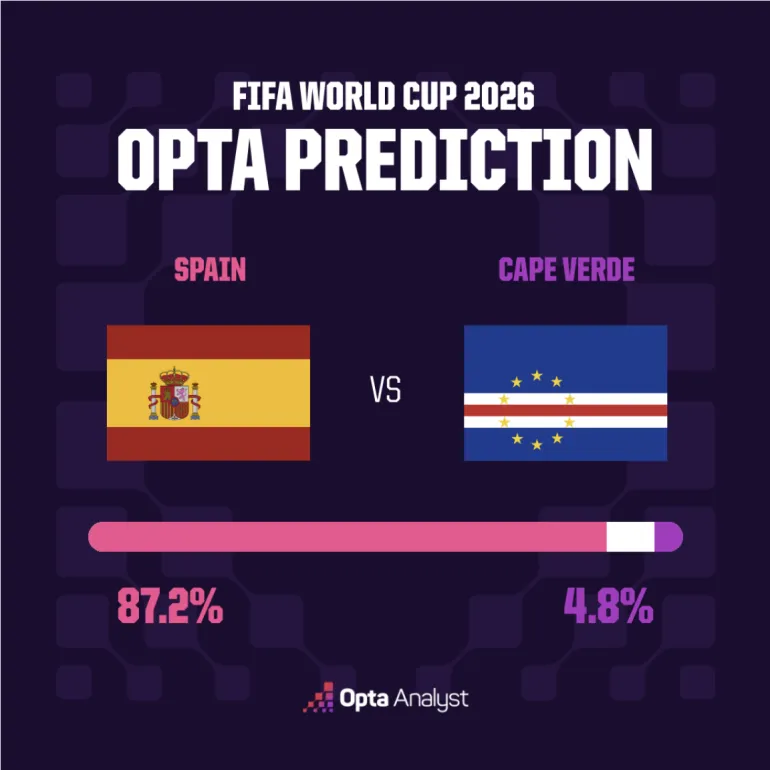


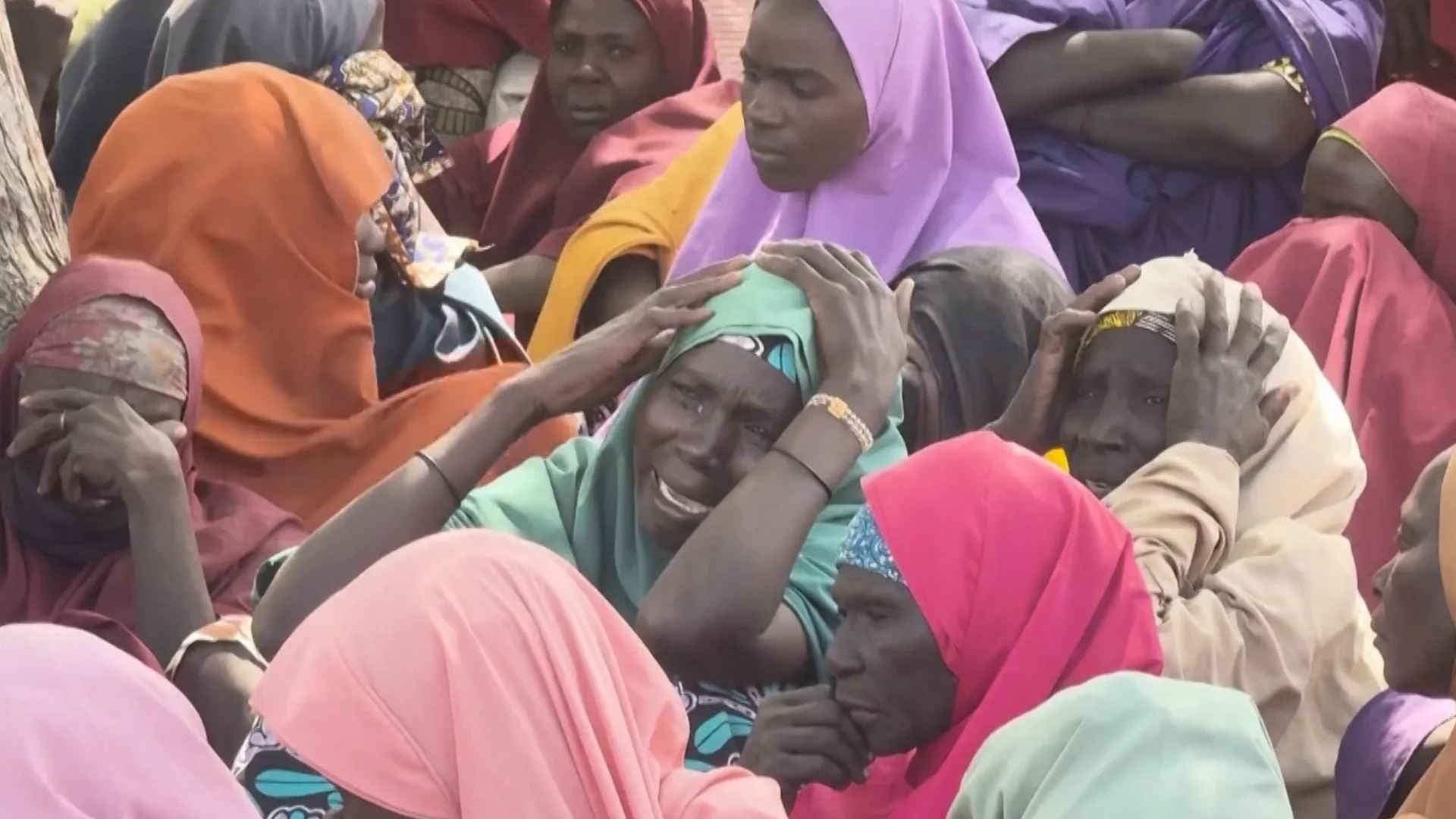



![Cape Verde beat record African World Cup qualifiers Cameroon to seal their spot in the finals [File: Cristiano Barbosa/AP]](https://i0.wp.com/www.aljazeera.com/wp-content/uploads/2026/03/AP25286764425321-1774510671.jpg?w=640&ssl=1)

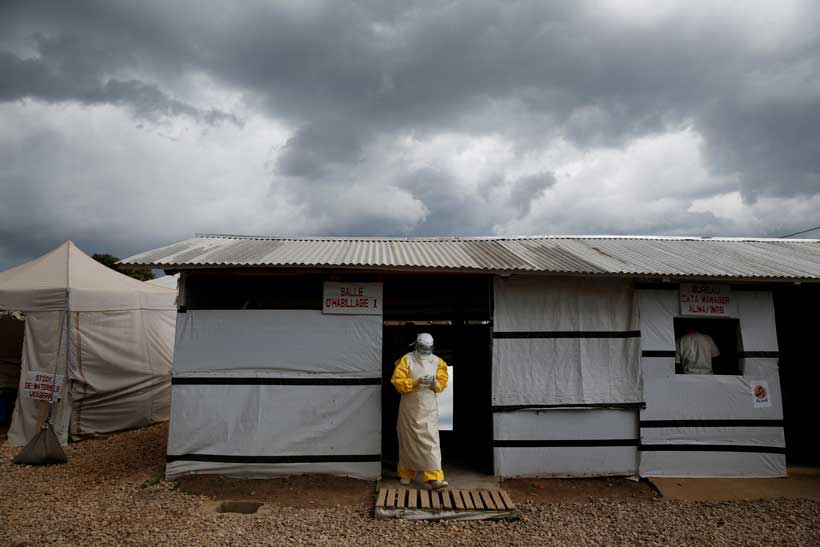
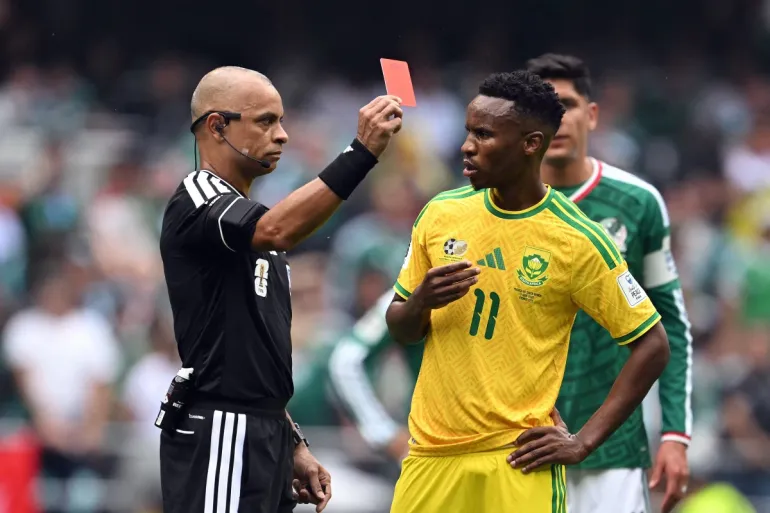


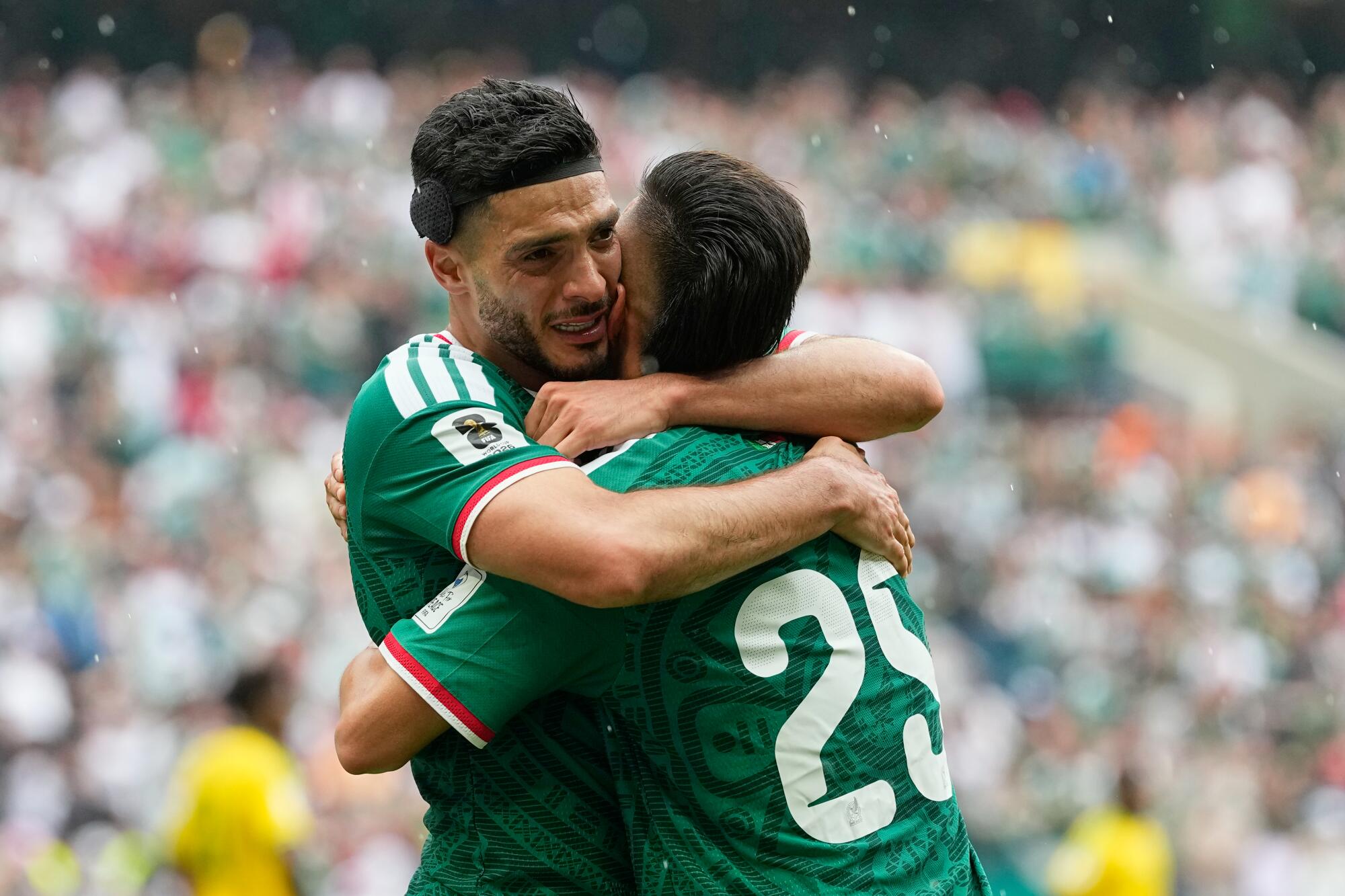


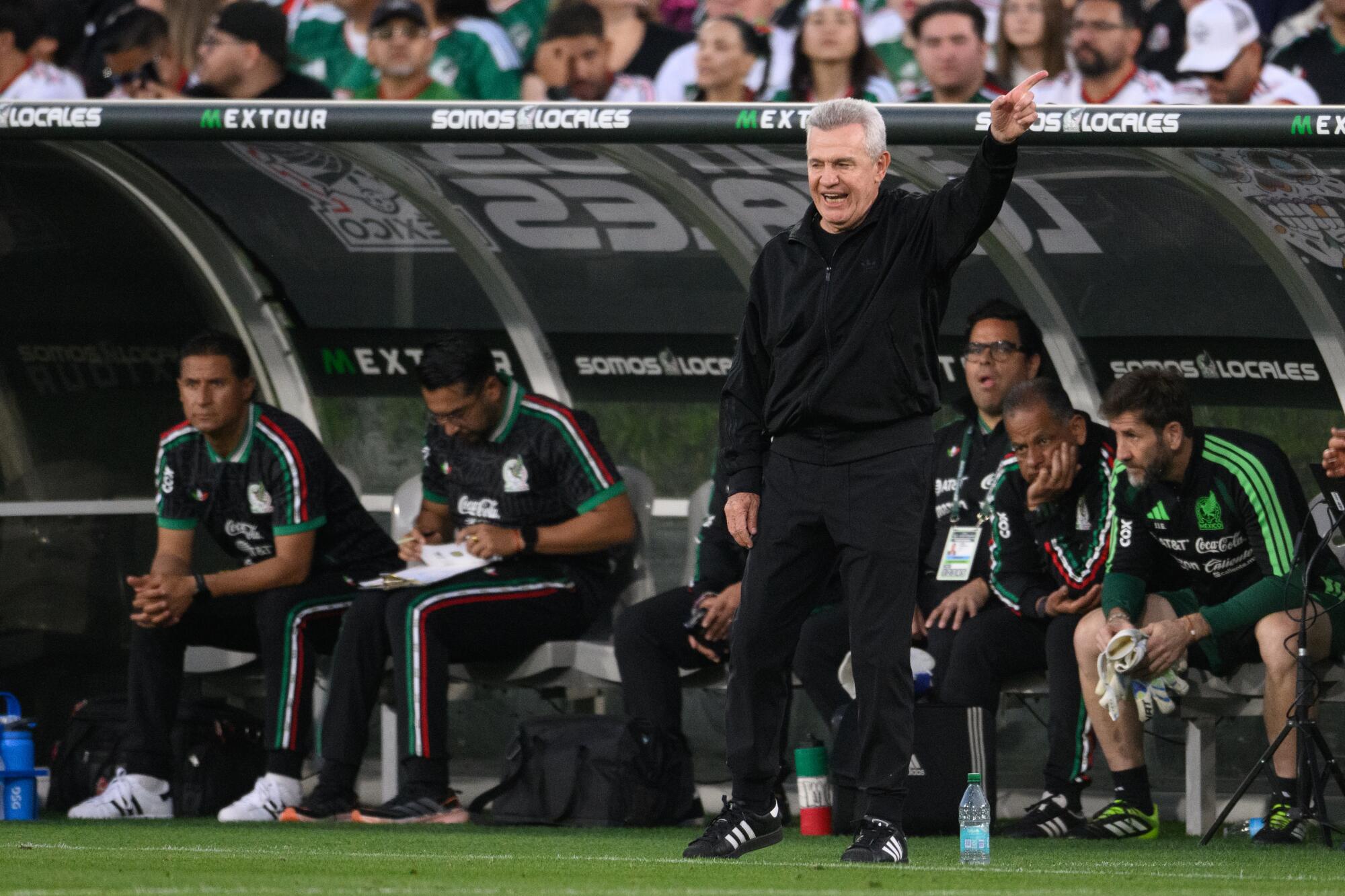


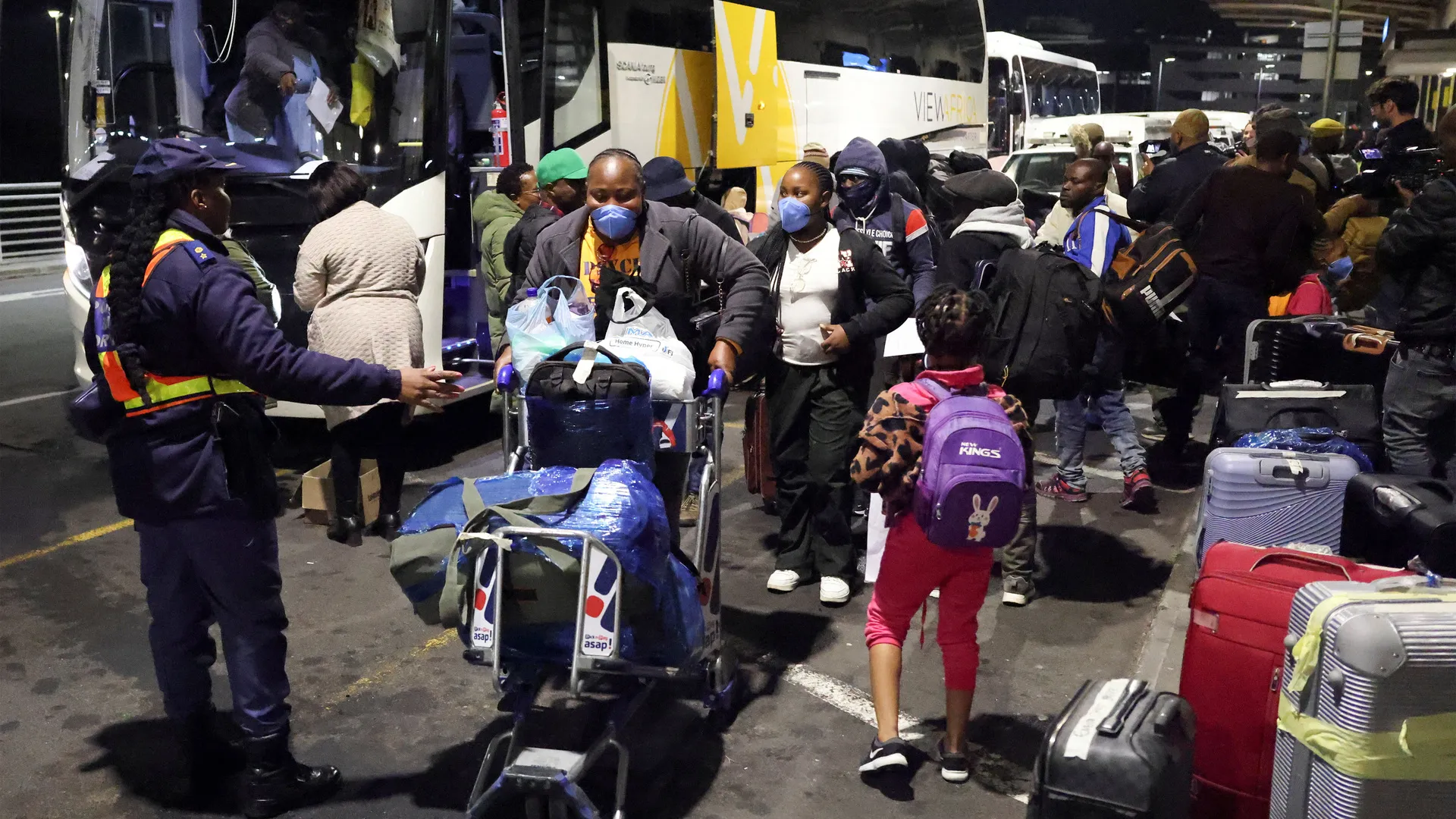
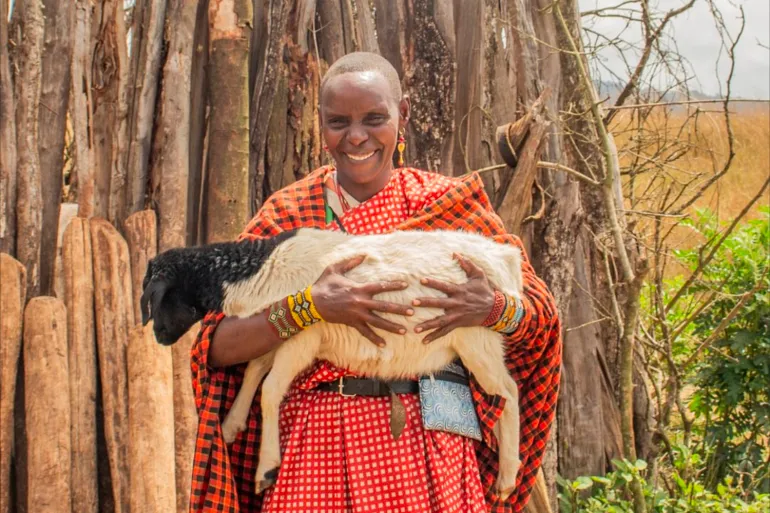
![A member of the Naisho women’s group carries a sheep purchased through income earned from harvesting and selling fodder grass in Selela village, Monduli District, northern Tanzania [Courtesy of Pastoral Women’s Council]](https://i0.wp.com/occasionaldigest.com/wp-content/uploads/2026/06/IMAGE-1-1780933228.jpg?w=640&ssl=1)
![Nesirkar Longidongi carries harvested fodder from her group’s grass field in Selela village. Income from fodder production has helped her improve her family's livelihood. [Courtesy of Pastoral Women’s Council]](https://i0.wp.com/occasionaldigest.com/wp-content/uploads/2026/06/IMAGE-4-1-1780933234.jpg?w=640&ssl=1)
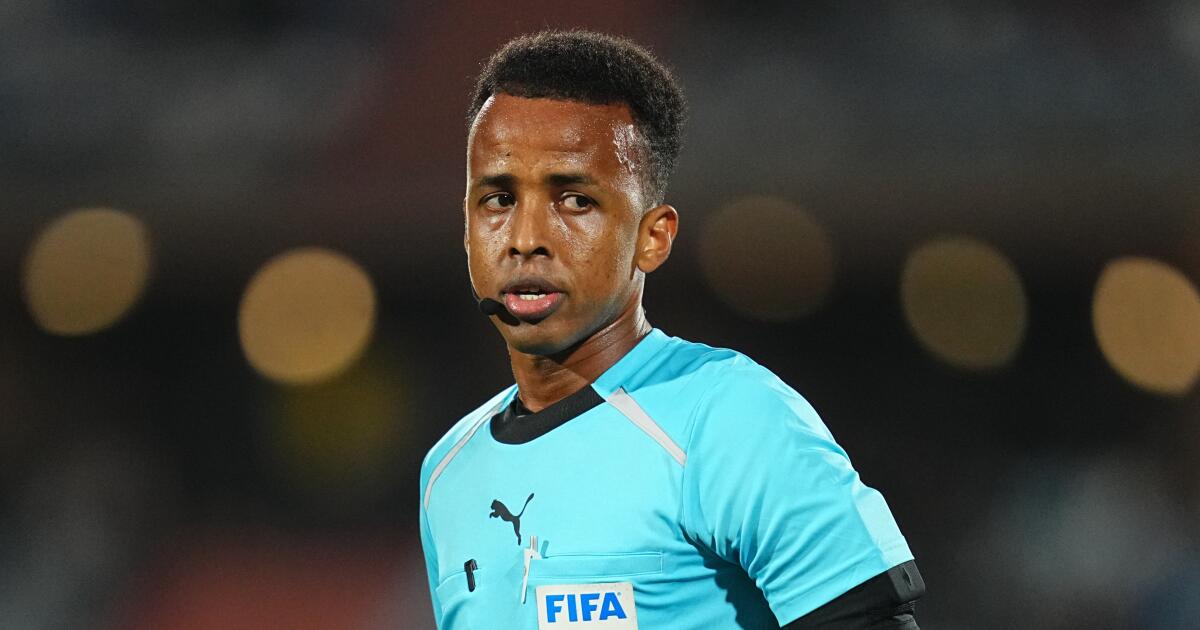
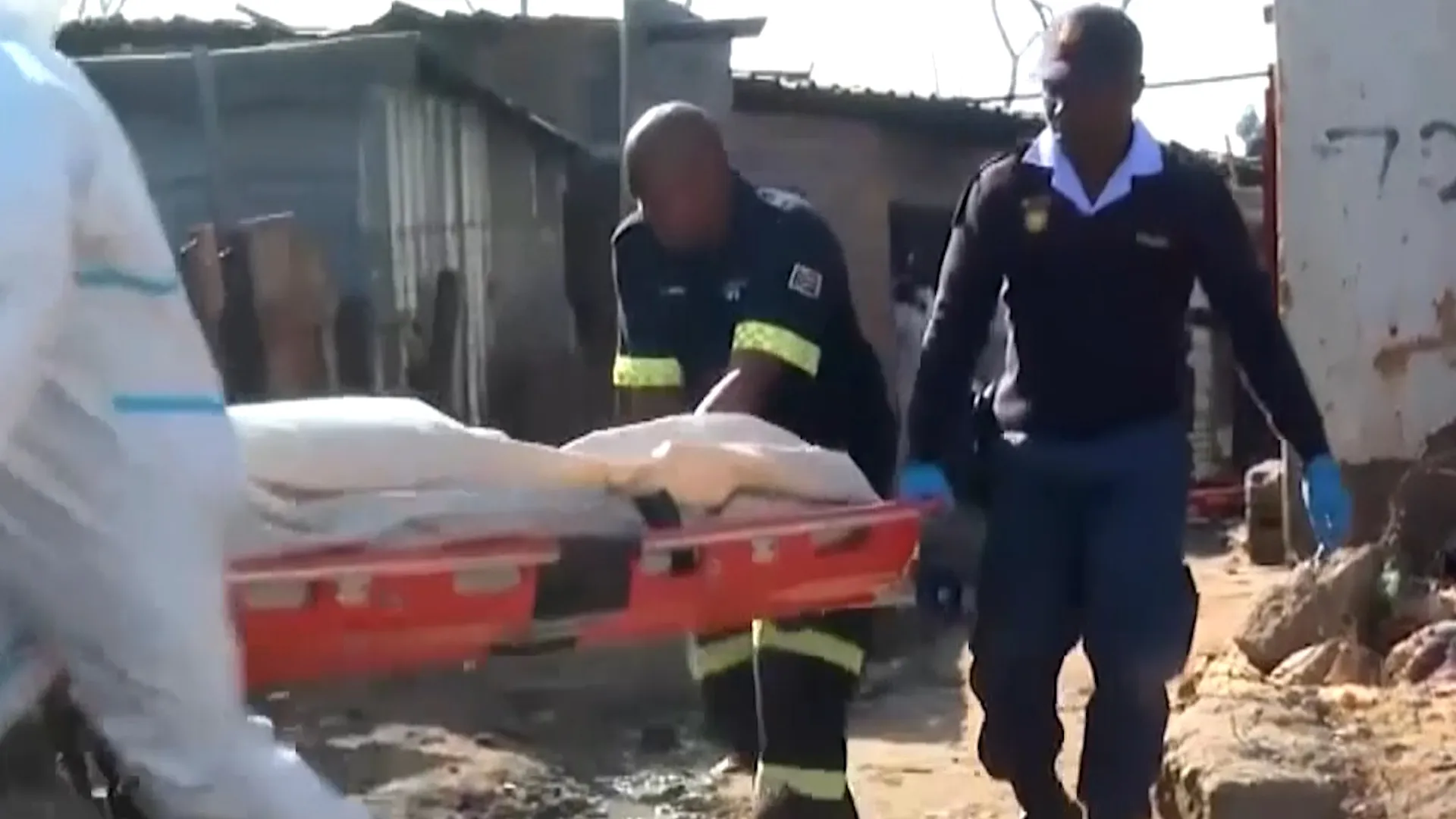
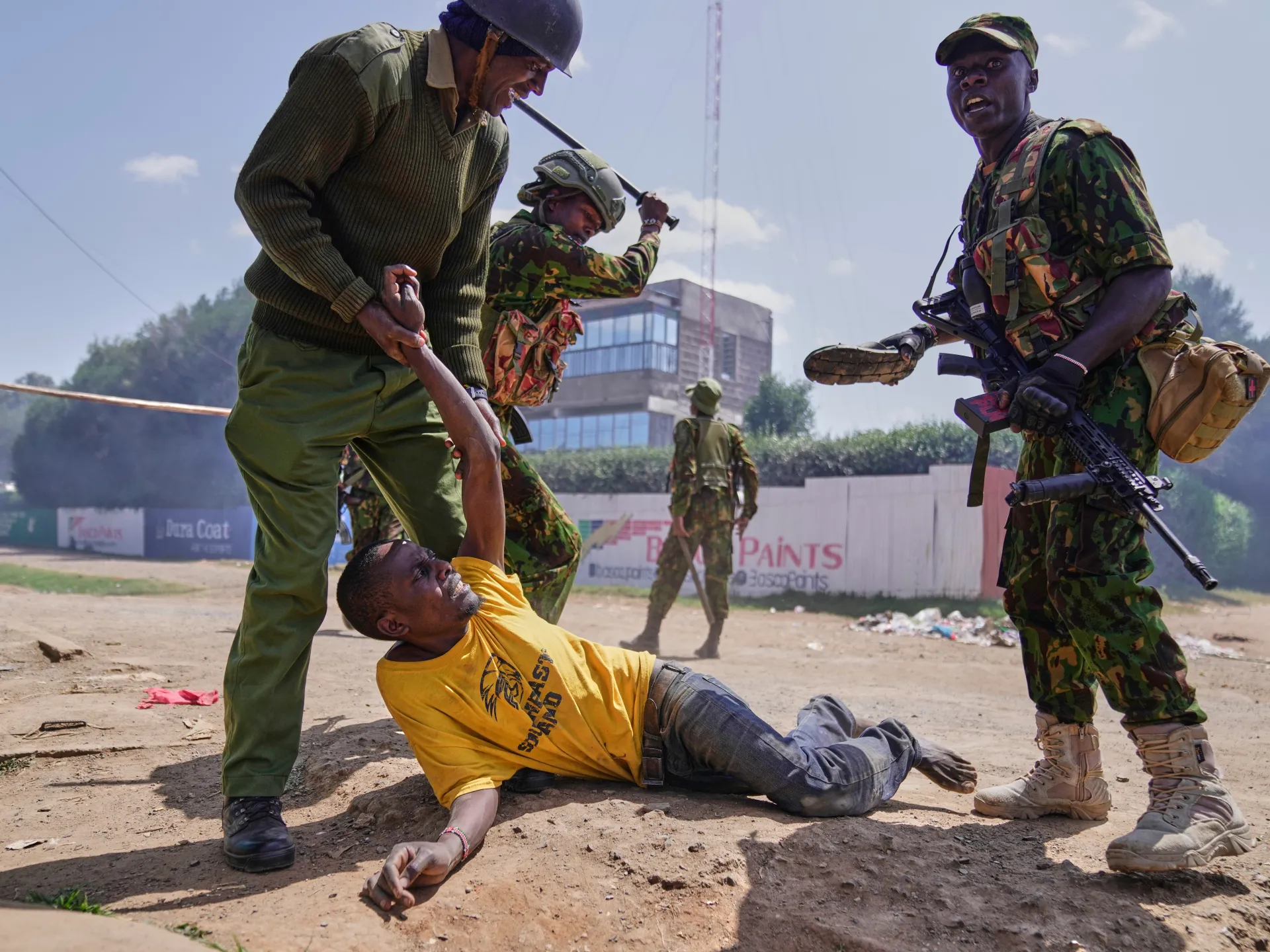
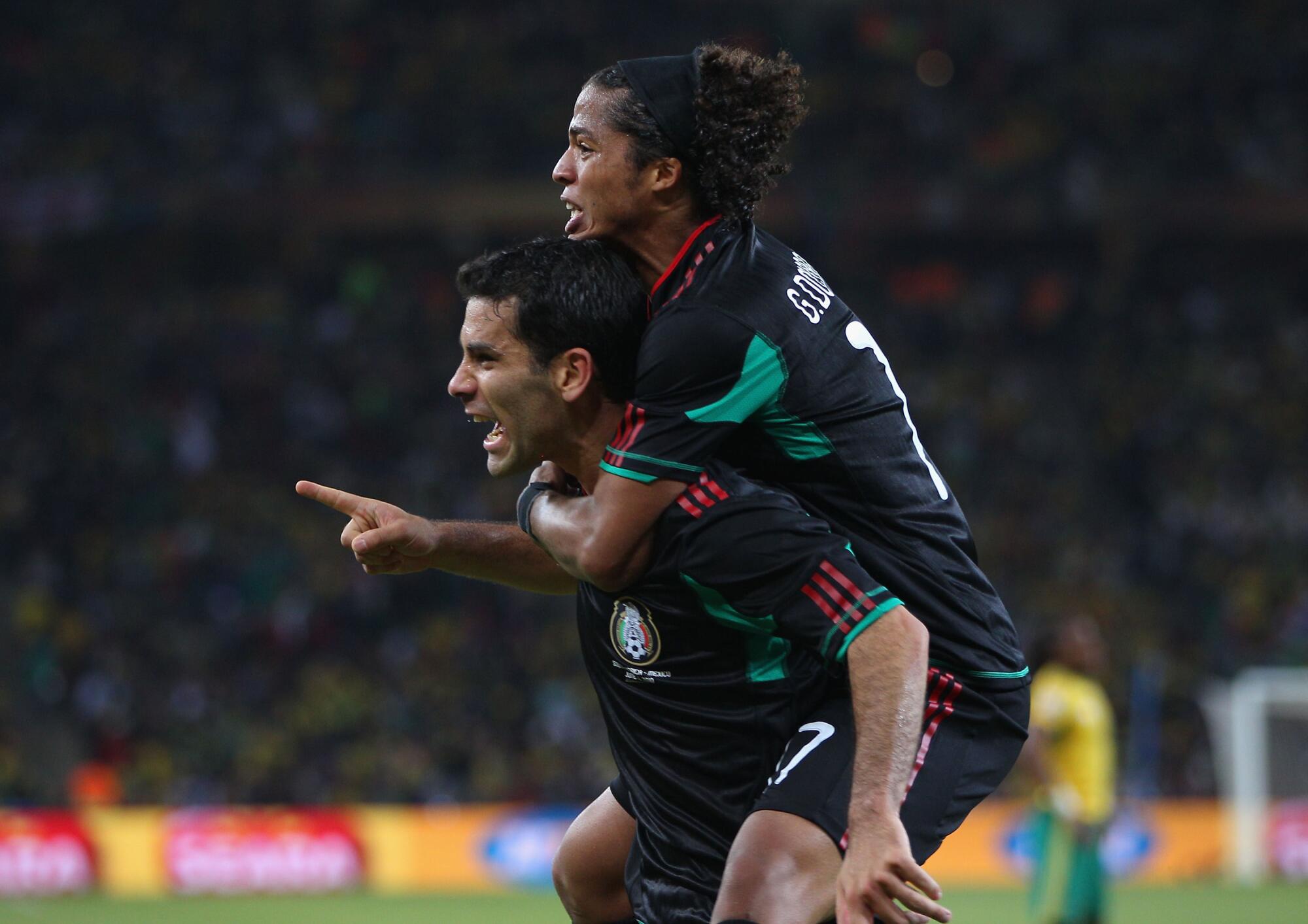


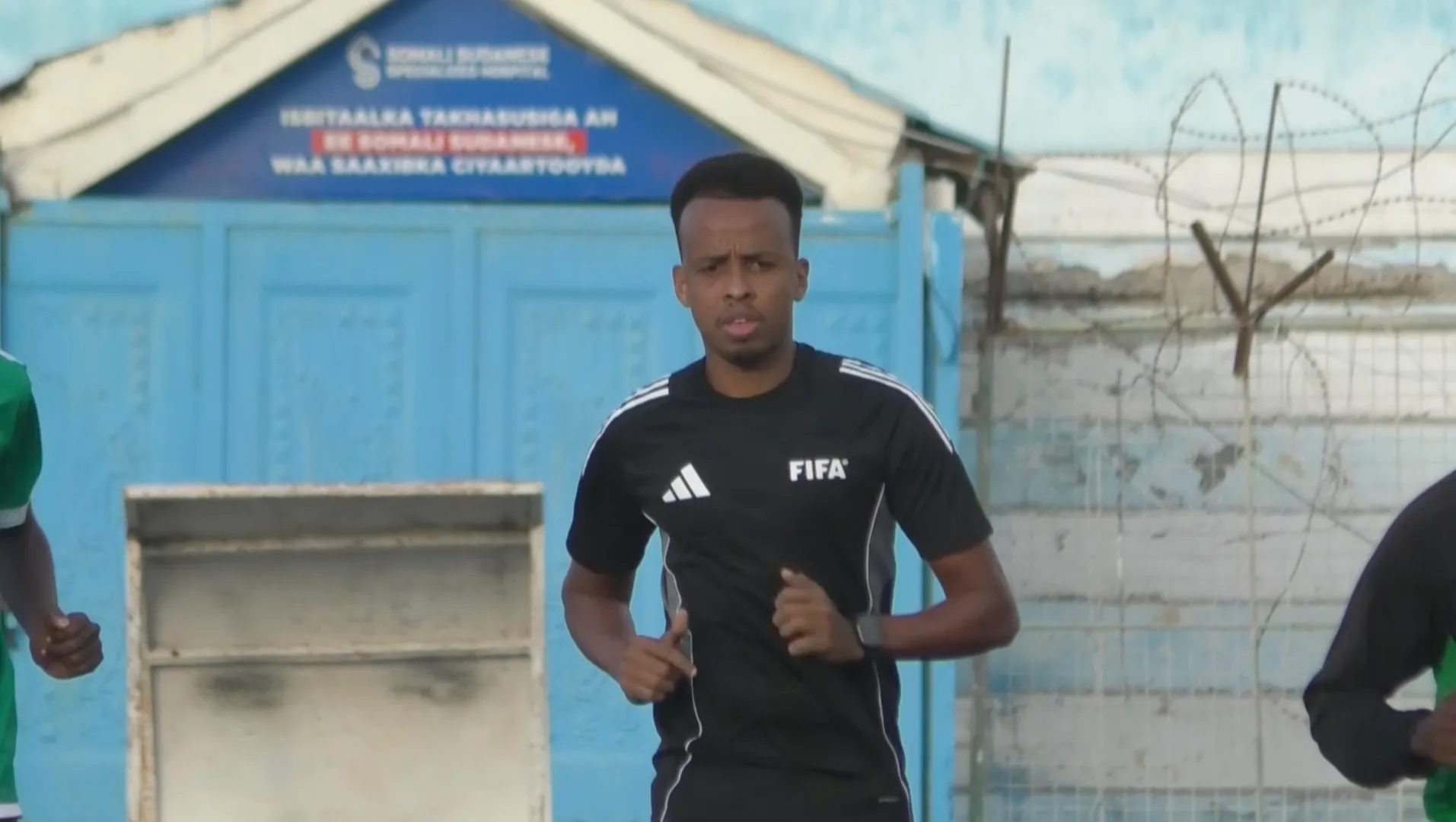
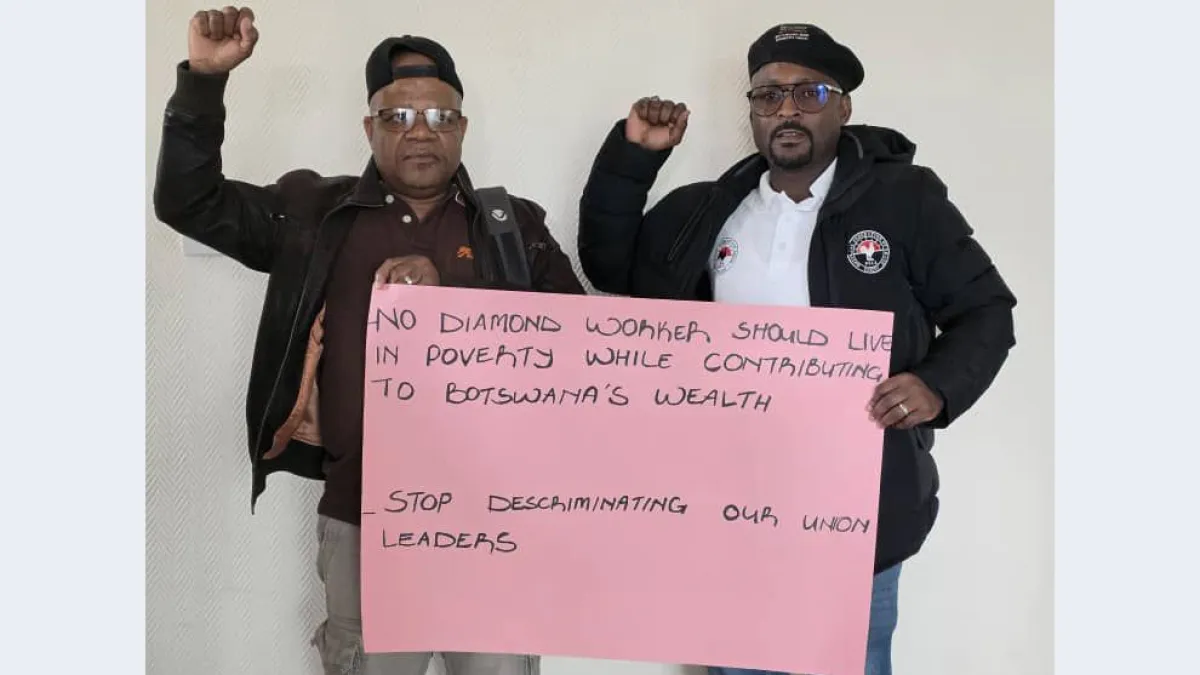
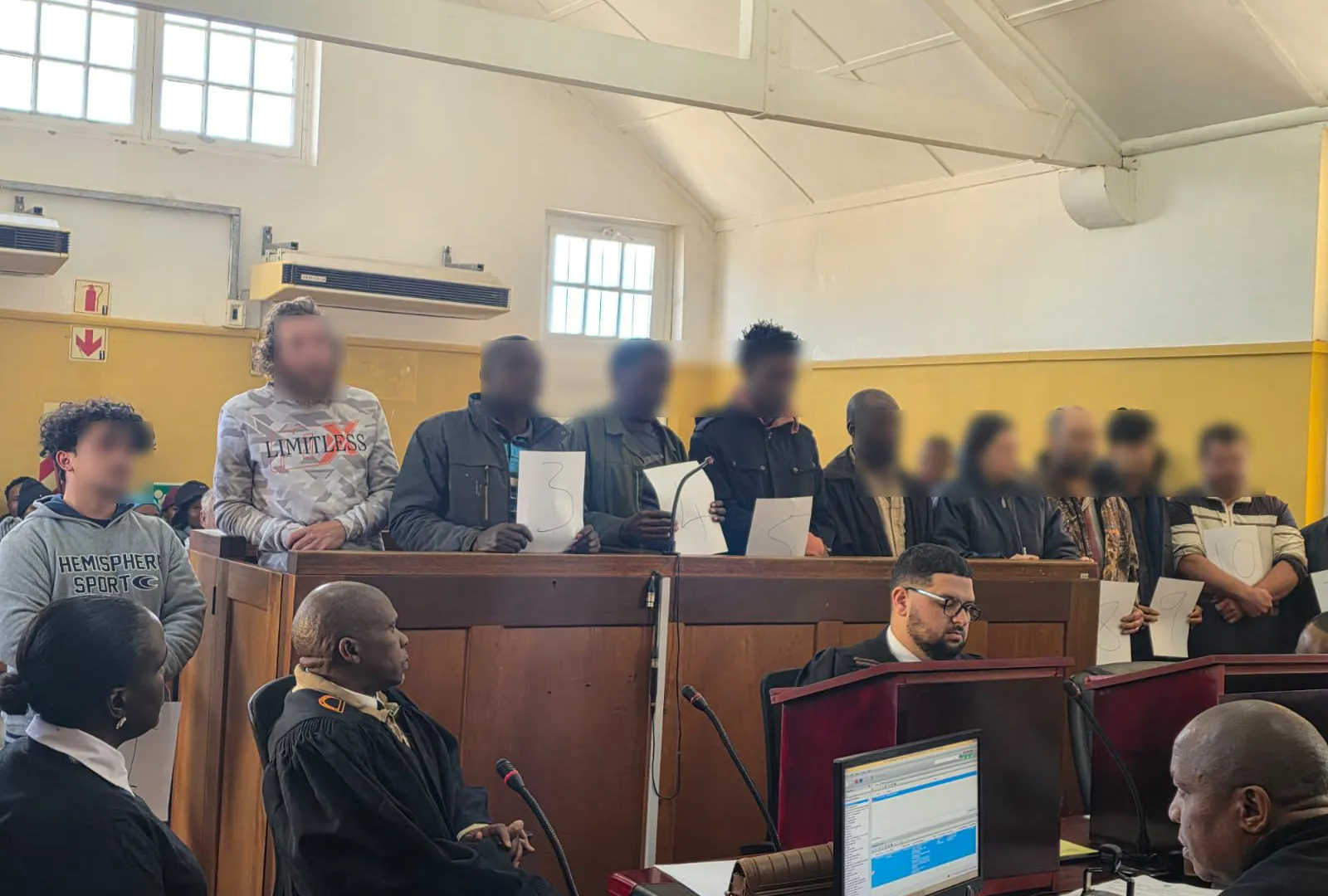
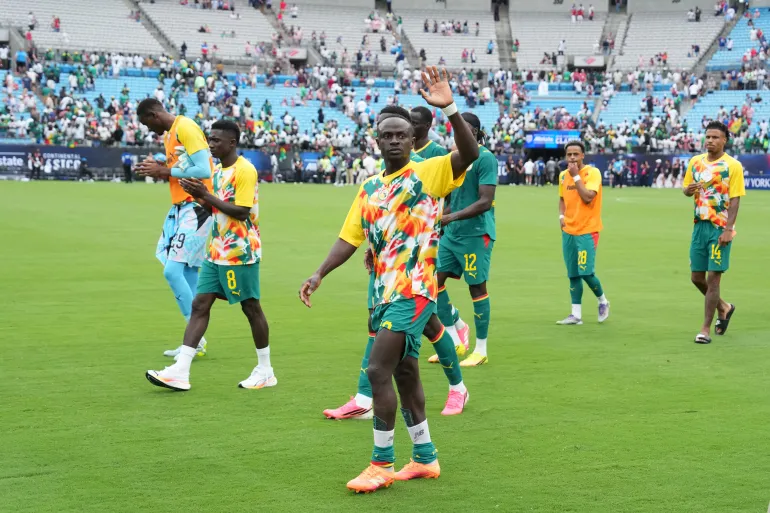


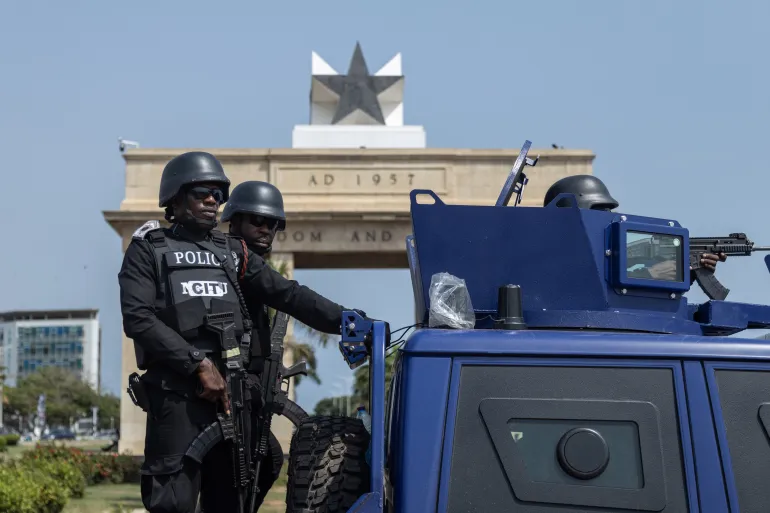
![Members of Ghana security forces take part in a joint Show of Force Exercise in Accra, Ghana, 11 December 2025. The exercise featured the Ghana Police Service, Ghana Prisons Service, Ghana National Fire Service, the Customs Division of the Ghana Revenue Authority and the Immigration Service in collaboration with the Ghana Armed Forces, aimed at Police officers on security detail near a police vehicle, with the Ghana Black Star atop a building behind them. [FRANK KPORFOR/Epa]](https://i0.wp.com/www.aljazeera.com/wp-content/uploads/2026/06/13574211-1780497934.jpg?w=640&ssl=1)
![Personnel of Ghana's Police Service stands guard during a Show of Force Exercise in Accra, Ghana, December 11, 2025. [Francis Kokoroko/Reuters]](https://i0.wp.com/www.aljazeera.com/wp-content/uploads/2026/06/2025-12-12T002056Z_86881175_RC2DEIA7WL6K_RTRMADP_3_GHANA-SECURITY-1780497947.jpg?w=640&ssl=1)