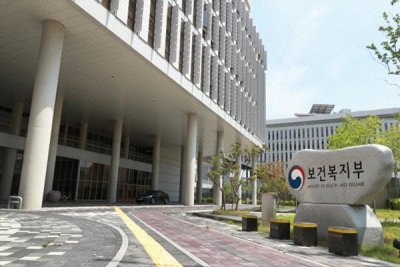

Exterior view of the Ministry of Health and Welfare building in Sejong, South Korea. Photo by Asia Today
Jan. 1 (Asia Today) — South Korea will raise its median income standard by 6.5% this year, the largest increase on record, expanding eligibility for basic livelihood benefits and related support programs, the government said Wednesday.
The Ministry of Health and Welfare said the median income for a four-person household in 2026 will be set at 6,494,738 won per month ($4,900), up 6.51% from a year earlier. The higher benchmark will be used to calculate eligibility for benefits under the National Basic Living Security System.
Under the revised criteria, the selection threshold for a four-person household will rise to 2,078,316 won per month ($1,570), from 1,951,287 won last year. For a one-person household, the threshold will increase to 820,556 won ($620), up from 765,444 won.
Actual benefit payments are determined by subtracting a household’s recognized income from the applicable selection threshold, the ministry said.
The government will also expand income deductions aimed at encouraging youth employment and self-reliance. Eligibility for additional deductions on earned and business income will be extended from those aged 29 and under to those aged 34 and under. The maximum additional deduction will increase to 600,000 won ($450) from 400,000 won.
New special provisions will address state compensation payments. Lump-sum compensation received by beneficiaries who are victims of unlawful state actions will be excluded from asset calculations for three years, a move intended to prevent beneficiaries from losing eligibility due to compensation payouts.
The ministry said it will also tighten oversight of fraudulent benefit claims. Mandatory prosecution will apply to cases where recovered fraudulent payments exceed 10 million won ($7,500), and authorities will be required to submit prosecution results every six months to strengthen supervision and transparency.
Health and Welfare Minister Chung Eun-kyung said the changes are expected to add about 40,000 new recipients in 2026.
“We will continue to closely review and improve the system so that low-income citizens can live stable and dignified lives,” Chung said.
— Reported by Asia Today; translated by UPI
© Asia Today. Unauthorized reproduction or redistribution prohibited.