Explore new cultures, find the best travel deals, and make informed decisions with our trusted travel news. Let your wanderlust thrive as you stay connected with the ever-changing world of travel.
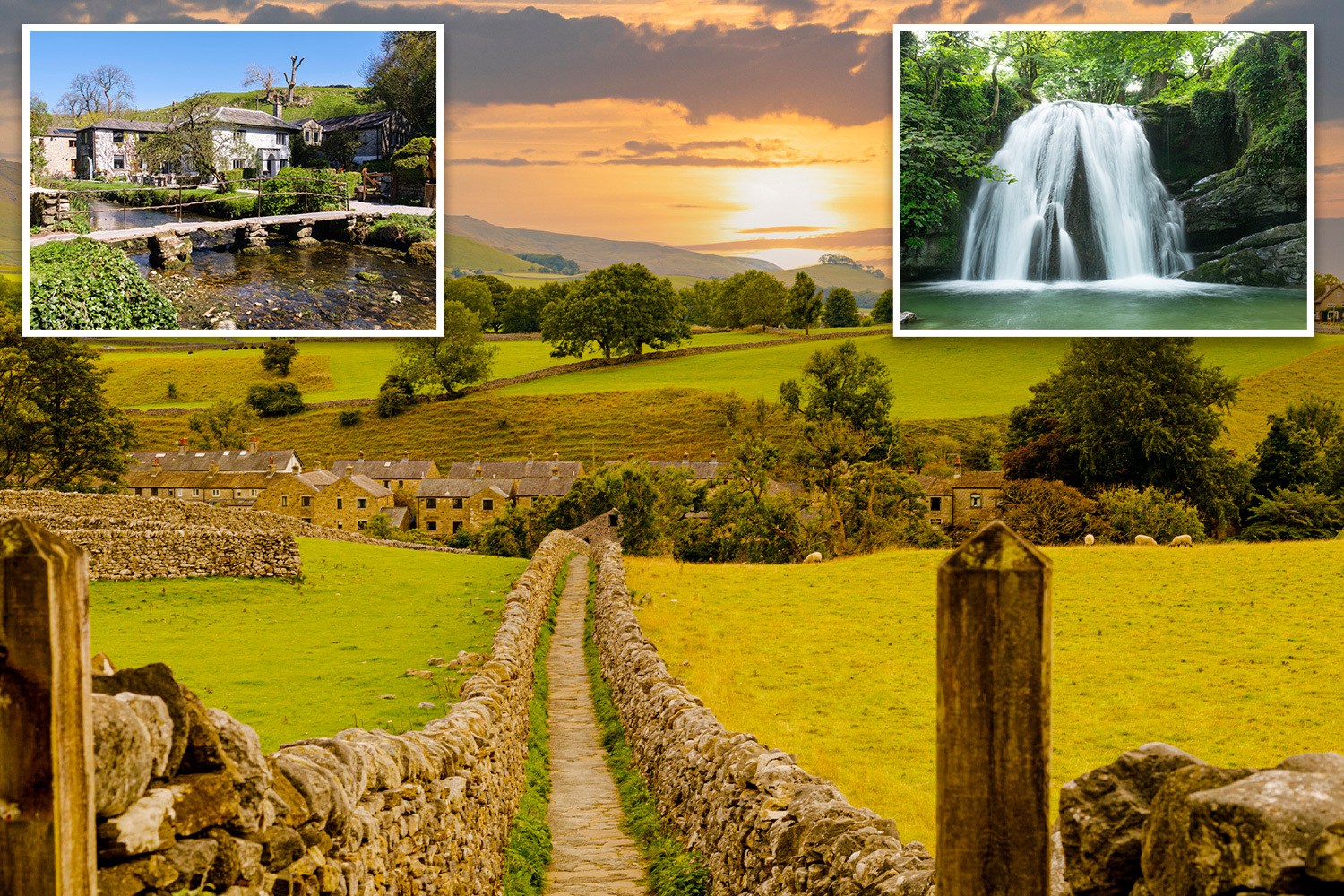
TUCKED away in the English countryside is a quiet village that has attracted some big names.
It has pretty cobblestone cottages, traditional pubs all with the backdrop of rolling green hills and no, it’s not in the Cotswolds – but it looks like it could be.
The village of East Dean has pretty cottages and a village green pubCredit: AlamyThe Tiger Inn used to be a hotspot for smugglers – now it’s a cosy English pubCredit: Alamy Stock Photo
There’s even a blue plaque outside the house on the green that reads “Sherlock Holmes, consulting detective and bee keeper, retired here 1903-1917.”
200 years ago, the village wasn’t exactly a celebrity hotspot – instead it was used by smugglers.
What is now the village pub apparently served as a secret meeting place and retreat for contraband runners.
It’s called The Tiger Inn and sits at the centre of the village on the green and has been described as a ‘quintessentially English pub’ by visitors.
The village is popular with celebrities and a few minutes from the coastCredit: Alamy
Previously, it’s won Rural Pub of the Year for the South East and has had multiple recognitions from the South East Sussex CAMRA (Campaign for Real Ale) – including winning Country Pub of the Year.
It serves up very British dishes too from Ploughmans, to fish and chips and sausage and mash.
One visitor wrote on Tripadvisor that it’s “an incredibly beautiful place, one of the best pubs in the South East.”
Another described it as an “amazing village pub on the green.”
It’s not just food – visitors can book a stay at the inn from £90 – or £45pppn.
There are other options when it comes to staying in the village too, including camping at Newhouse Farm Wild Camping which has 72 pitches.
The village is believed to be the fictional home of Sherlock HolmesCredit: AlamyIt’s near to the pretty beach of Cuckmere HavenCredit: Alamy
You can pitch on the grass from £30 per night for two adults.
There are also four pods including The Sett, which can sleep up to four people from £100 per night – or £25pppn.
The village is actually quite close to the seaside too – in the car it’s a four-minute drive to beauty spot Birling Gap where you can look out over the Seven Sisters cliffs.
If you fancy taking a walk, you can start at the Tiger Inn and venture towards the sea front which will take around an hour and a half.
For more of a beach, there’s nearby Cuckmere Haven, which is a 13-minute drive away.
TRAVELLERS will soon be able to have a freshly made cocktail on Eurostar trains in a two-floor bar.
Eurostar boss Gwendoline Cazenave has revealed that the new Eurostar Celestia will have a double-decker bar on board.
Eurostar has revealed that its new trains will have a double-decker bar in the style of its London St Pancras lounge barCredit: EurostarThe bar will be on its Celestia fleet, which will travel to Frankfurt and GenevaCredit: Alamy
Speaking to The Times, she revealed that the cocktail bar in Eurostar’s Premier lounge at St Pancras, London, will be “the design of the bar on the new Eurostar Celestia”.
Celestia is the fleet of 50 double-decker trains ordered last year for €2 billion (£1.7 billion).
Sign up for the Travel newsletter
Thank you!
Inside the lounge, mixologists make more than 300 cocktails a day and visitors can expect to find a variety of seating options from large tables to cosy chairs as well as a large selection of complimentary magazines.
Eurostar Premier travellers, Carte Blanche and Étoile members can access the lounge up to two hours before their train’s departure.
FOR the first time in 12 years, Dubai Airport could be knocked off its top spot for the world’s busiest airport.
It’s set to be overtaken by a hub in South Korea which has indoor waterfalls and peaceful gardens – while London Heathrow stays at number two.
Incheon International Airport in South Korea is expected to become the world’s busiestCredit: AlamyIn the first half of 2026 is served 38.4million passengersCredit: Alamy
Incheon International Airport could become the world’s busiest airport for international passengers, according to preliminary data from the Airports Council International.
The data reveals that Incheon served 38.4million international passengers during the first six months of 2026 which could see it given the title.
Sign up for the Travel newsletter
Thank you!
Prior to this, Dubai International held the crown of the world’s busiest airport for international passengers for over a decade.
Last year it saw 96.2million international passengers in one year.
But due to the Iran War, footfall has decreased, and it’s predicted to fall outside of the top five.
However, Dubai International is still predicted to have seen 70million passengers by the end of the year.
According to the initial reports, London Heathrow is set to retain second place, recording 37.79 million passengers in the first half of the year.
It came in second place last year with 79.8million international passengers in 2025.
Expected to be in third place is Singapore’s Changi Airport, which has seen 34.53million international passengers pass through in the first half of this year.
Incheon International Airport first opened in 2001 as a hub for northwestern South Korea – about 25 miles away from Seoul and has seen visitor numbers skyrocket.
Inside the airport are lush gardens and even an indoor waterfallCredit: Facebook/Incheon Airport
It has had an increase of 18 per cent this year with some traffic from flights taking different paths due to airspace closures.
South Korea has seen a surge in popularity in recent years thanks to K-pop as well as its fashion and food.
For anyone travelling across, to Incheon International Airport, they’ll find it’s modern and bright with high glass ceilings, plenty of natural light and indoor gardens.
The botanical zones have features like waterfalls as well as vertical gardens with trees and orchids to give it a calming feel.
Terminal 2 is designed to appear like an art museum with rotating installations, sculptures, and even interactive exhibits.
The airport also has a spa and sauna, capsule hotels, children’s play areas – outside is a 36,000-square-meter flower field and plane-spotting park.
The Iran War means that Dubai International could be knocked off top spotCredit: Alamy Stock PhotoLondon Heathrow is expected to remain in second placeCredit: Alamy Stock Photo
One passenger was so impressed by the airport that he called it the “future of travel”.
Another called it “Korea’s most beautiful terminal”.
From the long sandy beaches of the Baltic coast, to the clubs and galleries of Berlin, via the castles of Bavaria and the hiking trails of the Black Forest, Germany has so much to offer. We’d love to hear about your favourite travel experiences and places.
The best tip of the week, chosen by Tom Hall of Lonely Planetwins a £200 voucher to stay at a Coolstays property – the company has more than 3,000 worldwide. The best tips will appear in the Guardian Travel section and website.
Keep your tip to about 100 words
If you have a relevant photo, do send it in – but it’s your words we will be judgingfor the competition.
We’re sorry, but for legal reasons you must be a UK resident to enter this competition.
The competition closes on Monday 21 September at 10am BST
Please share your story if you are 18 or over, anonymously if you wish. For more information please see our terms of service and privacy policy.
If you’re having trouble using the form click here. Read terms of service here and privacy policy here.
Share your experience
You can share your response using this form.
Your responses, which can be anonymous, are secure as the form is encrypted and only the Guardian has access to your contributions. We will only use the data you provide us for the purpose of the feature and we will delete any personal data when we no longer require it for this purpose. For alternative ways to get in touch securely please see our tips guide.
The city is also considered one of the most beautiful places in the world
11:41, 14 Sep 2026Updated 11:56, 14 Sep 2026
Most overcrowded city in Europe has 7,700 tourists to every resident
A recent study by Go2Africa named the most overcrowded destinations in the world by analysing the number of visitors and comparing them with population figures. The experts said: “This gives us a better idea of where tourism might be overcrowding local areas.”
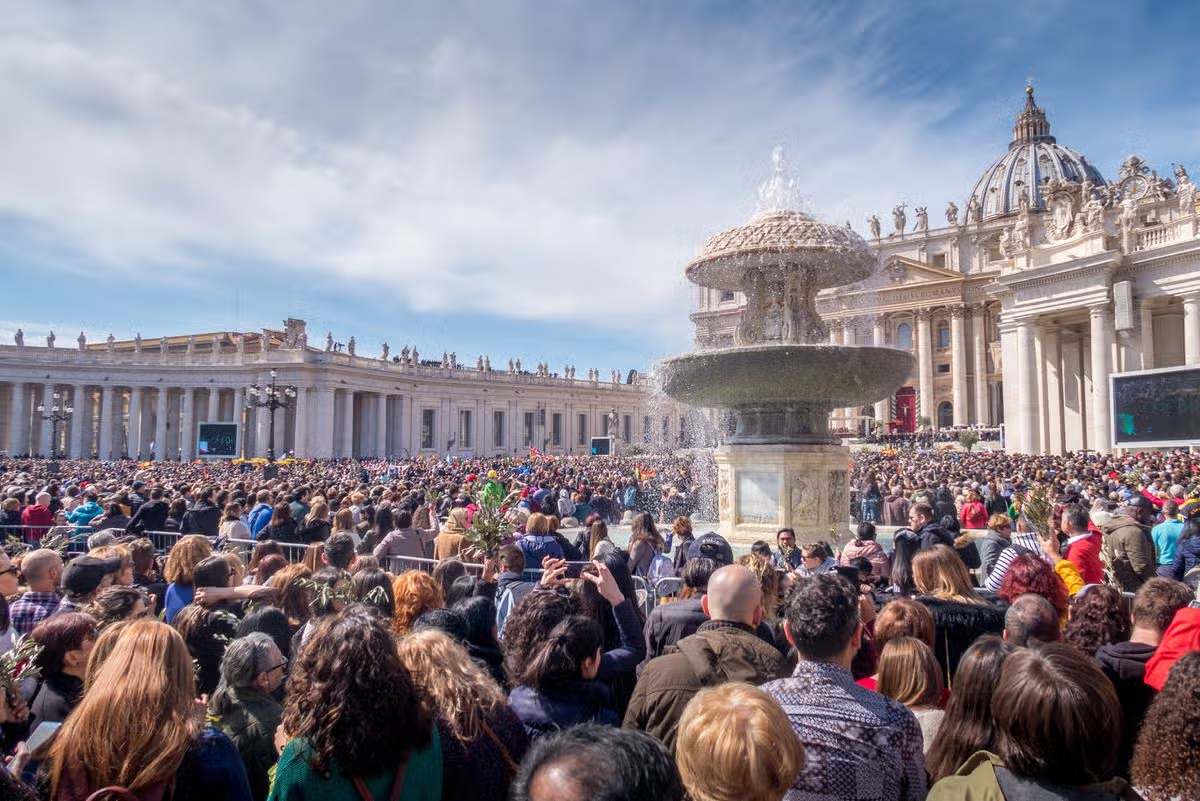
The data revealed that Vatican City is the most overcrowded place in Europe, with “an incredible 7,709 tourists to every resident”. The experts explained that “while this ratio is extreme, it comes with context: Vatican City, based within Rome, is just 0.44 square kilometres in size and is a place of pilgrimage and cultural significance for many people around the world”.
They added that its tiny population of 882 “consists mainly of clergy, diplomats, and officials, making it unlike any typical country”.
However, tourists describe the city as “too crowded to enjoy”. On TripAdvisor, one person said: “I have never seen crowds as big. We saw approximately 1,000 people lined up outside waiting to buy tickets.
“We had booked ahead, so we thought we had skipped the queue. We had, but when you get into the Museum, you join a line of more than 1,000 people filtering through, crammed together like sheep. It’s like this for the entire visit. It’s so busy that you don’t even get a chance to stop at any of the exhibits.”
Other people said it was “horrifically crowded” when they visited. “We went to the Vatican museums and Sistine Chapel and could not believe how unbelievably crowded it was.
“There was no way to see, let alone enjoy the art. For about three hours, everyone inched forward, carried by the mass crowd.”
Why are some destinations so overcrowded?
According to experts at Tourism Analytics, one of the main factors is that “the cost of international travel has dropped in recent years, making quick trips more feasible and frequent”.
Budget airlines have kept airfare “artificially cheap,” which encourages “more weekend city-breaks and long-haul vacations”.
At the same time, “accommodations via home-sharing apps are readily available, and package tours remain inexpensive”. This affordability, combined with flexible booking platforms, has lowered barriers to travel, leading to mass tourism.
At age 14, Glen Walsh started surfing because of a crush. He was a boogie boarder until the object of his adoration told him, “What are you riding that for? You should be surfing. Get a surfboard.” So, he did. “I was terrible at it, but I kept going. I was super persistent.”
That resilience proved useful. As a gay teenager in Santa Monica, Walsh was often called slurs on the Venice Pier. “You think you’re like a unicorn — a weirdo,” he says. He felt at odds with the local surf community. To Walsh, surfing was “super straight, very hypermasculine, very intimidating.” Yet his love of the ocean — and sure, crush-worthy surfers — kept him returning to the water. “I wanted to be around them, and surf with them,” he says.
When Instagram launched in 2010, Walsh began posting one of his early loves — only this time, it was morning surf conditions. Every morning, before surfers paddled out, the longtime Venice resident described swells, winds and surf conditions to his followers, becoming for some the town’s trusted surf chronicler.
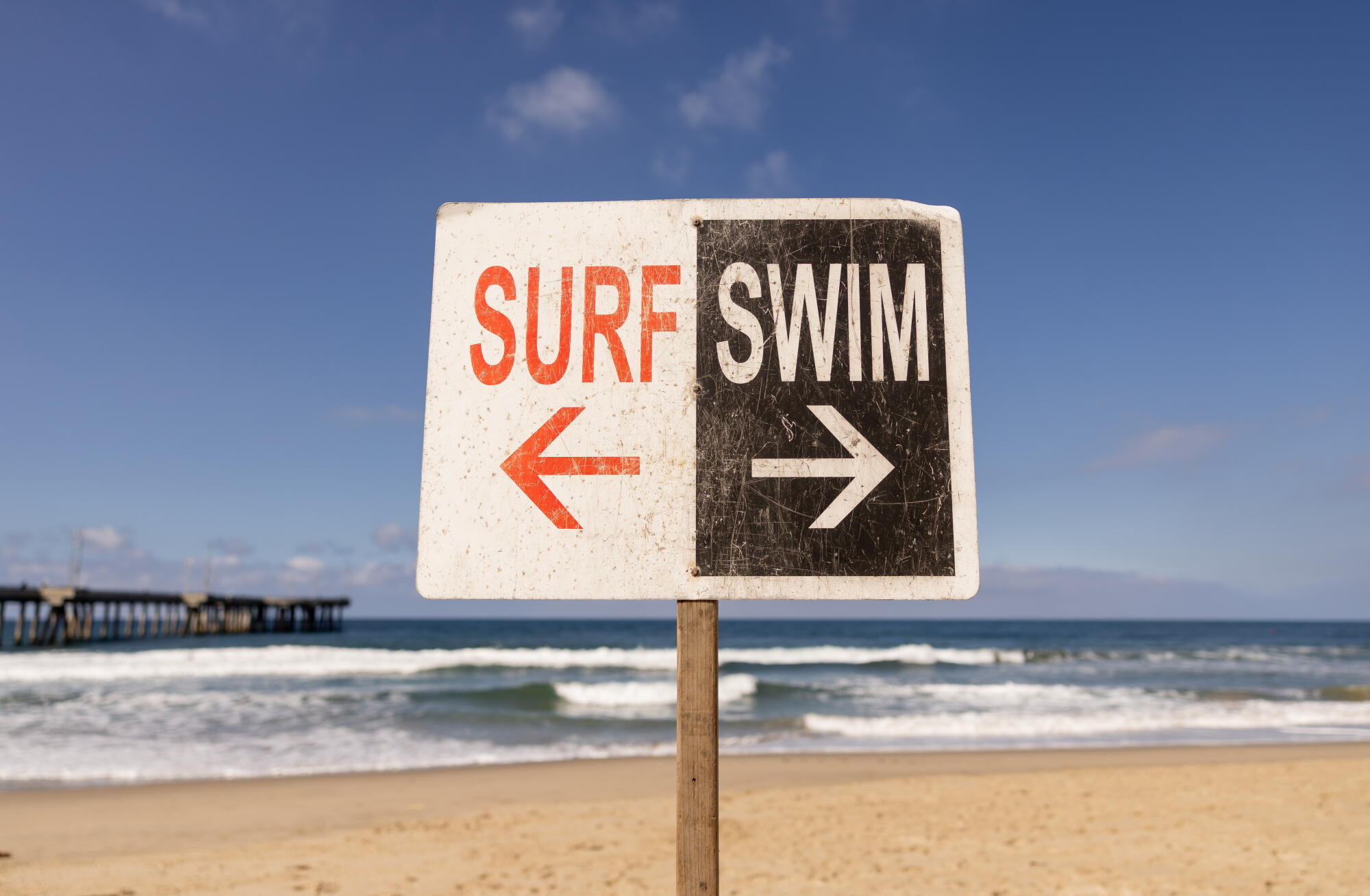
A “Surf Swim” sign greets beachgoers at Venice Beach — a stretch of coast where daily surf reports and grassroots organizing have helped break down traditional surf stereotypes.
(Christina House / Los Angeles Times)
His videos combined informative dispatches with the laid-back vibe of surfer ASMR. “Light offshore wind. Clean, glassy barrels,” he declares softly to the camera as gray waves break behind him. “Lumpy close-out with hollow barrels with low tide, fam.”
At first, the account functioned like a group chat for local surfers. “Friends were asking me how the waves were, and I was texting them. I figured I’d jump on Instagram and start doing it for them,” says Walsh, who has been a Venice resident for 15 years.
What began as a practical update for a handful of friends eventually attracted followers in London, Berlin and Tokyo — people who checked in daily to see whether the surf was firing in Venice Beach. The account has amassed over 10,000 followers, inspiring imitator accounts. “Now it’s just for everybody,” says Walsh. “I built a community around the surf reports. It really blew me away. I didn’t realize that people were so interested.”
His surf reports have made him an unofficial mayor of Venice surf culture, getting recognized at the beach town’s local hangouts like Hinano Cafe and the Cow’s End. “People stop me and tell me they love my surf reports. They don’t even surf, but they see it every day,” says Walsh. “I always tell people I’m very popular between Washington Boulevard, Lincoln Boulevard and Rose Avenue.” His nickname around town is Glenice Venice.
However, the real triumph wasn’t becoming recognizable around Venice — it was finding other queer surfers, something that felt elusive in Walsh’s youth in Southern California. “I had met a lot of other surfers from all over the world and built a queer community of surfers here in L.A.,” says Walsh. “It was pretty awesome.”
Walsh saw an opportunity to use his surf report to not only report on the condition of the ocean — which is especially unpredictable during our current El Niño cycles — but to also create a burgeoning queer space in the Venice surf scene. “I could set up a community-based surf report for everybody, and the fact that I happen to be queer made it a little more unique,” he says. He began to connect with gay surfers, organizing trips with them and building lasting friendships. “It was just a lot of fun, building a little team.”
Later, Walsh became a co-producer and music supervisor of a movie about homophobia in surfing titled “Out in the Line-Up” that premiered at film festivals across the world in cities such as New York, San Francisco and Sydney, Australia. “The movie kind of spoke for itself. It was a worldwide issue — homophobia in surfing.” Since then, Walsh has served on panels about queer people in the surf world. Last June, the film had a 10th anniversary screening in Venice, hosted by the Venice Surfing Assn. “At some point, I brought some diversity to this culture. I put my name on it,” he says.
In recent years, others have joined Walsh’s efforts to create a burgeoning queer surf scene at Venice Beach. In 2020, Shelly Guidera relocated to Venice and noticed that there wasn’t a strong queer presence in surfing. “My friend and I were maybe the only queer people some of these surfers had ever seen,” she says. Shortly after, Guidera started Dream Team Surf, a collective for queer surfers to meet up and build camaraderie.
Its mission is simple. “It’s all of us looking out for each other,” Guidera says. “ Having a team of people makes the experience that much more enriching and safe.”
Surfers ride the waves near the Venice Pier, where Glen Walsh does his daily surf reports.
(Eric Thayer / Los Angeles Times)
Early on, Guidera was inspired by Walsh’s uplifting presence in the Venice surf scene. “This person is respected in the community for what he brings, which is knowledge and insight and fun and flair,” says Guidera. In turn, Walsh has championed Dream Team Surf.
In January 2025, Dream Team Surf hosted a Pride beach party with a banner that read: “Trans bodies belong on the beach.” In some San Diego area beaches, Guidera says, queer representation can still feel like an anomaly. “It’s so funny because it’s like these people have maybe never seen a woman in a bathing suit with hairy legs,” she says. “I’m like, ‘Oh my God, it’s not that deep.’”
Guidera is certified in surf therapy, taking courses through Groundswell Community Project, a surf therapy program that uses surf to promote holistic healing. The mental health benefits of surfing are lifelong, Guidera explains. “Growing up as a swimmer, surfing was a form of play and wellness,” she says. “It eased the brakes on competition and the structure within competitive swimming.”
Group photo of Dream Team Surf, which hosted a Pride beach party.
(Sara Werner)
Even if you don’t shred waves, being in the ocean can promote healing. “To give people access to the ocean that is in and of itself a form of wellness,” she says. “There’s a level of surrender and humility that comes with surfing and that comes with being in nature. … You have to be so present in such a way that makes you a stronger person.”
Like Guidera, Walsh also works as a surf instructor with a similar goal to instill confidence in his students. “I was teaching a lot of people to surf, mostly women who didn’t want a straight man to teach them how to surf because it feels vulnerable enough,” says Walsh. “I try to break down the stereotypes and have a little fun with them and let them become a kid again.”
When done correctly, he argues, surfing can invite expansiveness. “I love seeing people out there. Feel the fear and do it anyway,” says Walsh. “And creating a lifestyle around it — going to different beaches — and meeting friends.”
THERE are certain holiday compromises I’m willing to make – a slightly disappointing balcony view, early rises for sun lounger dashes or the hotel buffet serving chips for breakfast.
But booking a holiday and then discovering there’s nowhere to watch the football? An absolute no from me.
You don’t have to give up the football matches while on holiday with these eight resortsCredit: On The Beach
At some hotels, watching the match means squinting at a television above reception, with the sound off.
But at others, it’s treated as part of the holiday.
By that I mean dedicated sports bars and even enormous outdoor screens beside the pool which show the matches.
So I’ve picked eight hotels where Premier League fans should be particularly well catered for – with all-inclusive deals starting from £355pp.
But a quick note before we jump in: exactly which matches are screened can depend on local broadcasting rights and the hotel’s entertainment schedule, particularly when several big sporting events clash.
So if there’s one fixture you absolutely cannot miss, it’s always worth checking directly with the hotel before you travel.
1. Philoxenia Hotel, Halkidiki – from £355pp
Philoxenia Hotel is the most affordable on my list, if you want a budget stayCredit: On The Beach
The Philoxenia Hotel offers a much more peaceful way to keep up with the Premier League.
Football is shown around The Local Bar, the hotel’s main bar and lounge, with indoor tables and comfortable communal seating, along with an adjoining outdoor terrace where you can take your drink before or after the match.
It isn’t a full-on sports pub covered from wall to wall in screen – instead, it gives guests a relaxed place to gather for the bigger fixtures without having to leave the hotel.
The hotel itself is surrounded by pine and olive trees, with a large outdoor swimmingpool and a beach around five minutes’ walk away.
There’s a buffet restaurant, children’s facilities and a pool bar, too.
This is the one for someone who wants a quiet, traditional Greek beach holiday but would still like to know there’s somewhere nearby when the Premier League weekend begins.
Not only is this the cheapest hotel in my selection, but other board options are also available if you want to bring the price down further.
2. Barcelo Royal Beach, Sunny Beach – from £405pp
Barcelo Royal Beach has British-style pubs and lots of poolsCredit: On The BeachKids can make the most of the facilities on site tooCredit: On The Beach
For a more serious football setup, Barcelo Royal Beach is difficult to beat.
Premier League matches are among the sports shown at the Red Lion Pub, a British-style bar within the hotel gardens.
It sits directly in front of the children’s pool and one of the adult pools, so you barely need to leave your sunbed to watch the match.
There are numerous tellies and four big screens, with the ability to show two different sporting events simultaneously – useful if a Premier League fixture clashes with another match or even another sport altogether, as it also shows rugby and F1.
The pub has around 200 seats inside (and another 100 in the garden), English commentary is available and its weekly sports schedule is displayed at the entrances.
There’s also a pool table, darts, live music and karaoke, plus familiar British beers on draught.
The wider hotel has a huge lagoon-style pool, children’s facilities and a position close to the beach and the centre of Sunny Beach – ideal if you want a proper package holiday with a ready-made football pub included.
3. Muthu Clube Praia da Oura, Albufeira – from £430pp
Muthu Clube Praia da Oura is a sprawling resort right by the beach with pools galoreCredit: On The BeachMake the most of the huge TV screens at the hotelCredit: On The Beach
Muthu Clube Praia da Oura is a brilliant compromise if not everyone travelling cares about the Premier League.
The resort has a lounge where live football is shown, with indoor seating, tables and bar service.
This means having somewhere comfortable to sit down and follow the match properly without having to venture onto Albufeira’s Strip and fight for a view in a busy pub.
The communal setup also means the biggest Premier League fixtures can attract a bit of an atmosphere among British guests, rather than leaving you alone with your phone beside the pool.
Meanwhile, anyone who couldn’t care less about the score can remain around the swimming pools, walk down to Praia da Oura beach or take advantage of the hotel’s spacious grounds.
The apartments provide more room than a standard hotel bedroom, while the bars and nightlife of Albufeira are within walking distance if the result leaves you in the mood to celebrate… or in urgent need of somewhere to forget it happened.
If you’d rather explore Albufeira’s restaurants and bars, you can always pick a cheaper board, although at under £500 for five nights all-inclusive, it’s pretty hard to beat.
4. Magic Aqua Rock Gardens, Benidorm – from £440pp
Magic Aqua Rock Gardens has screens right by the poolCredit: On The BeachBut it is great for kids too with a huge waterparkCredit: On The Beach
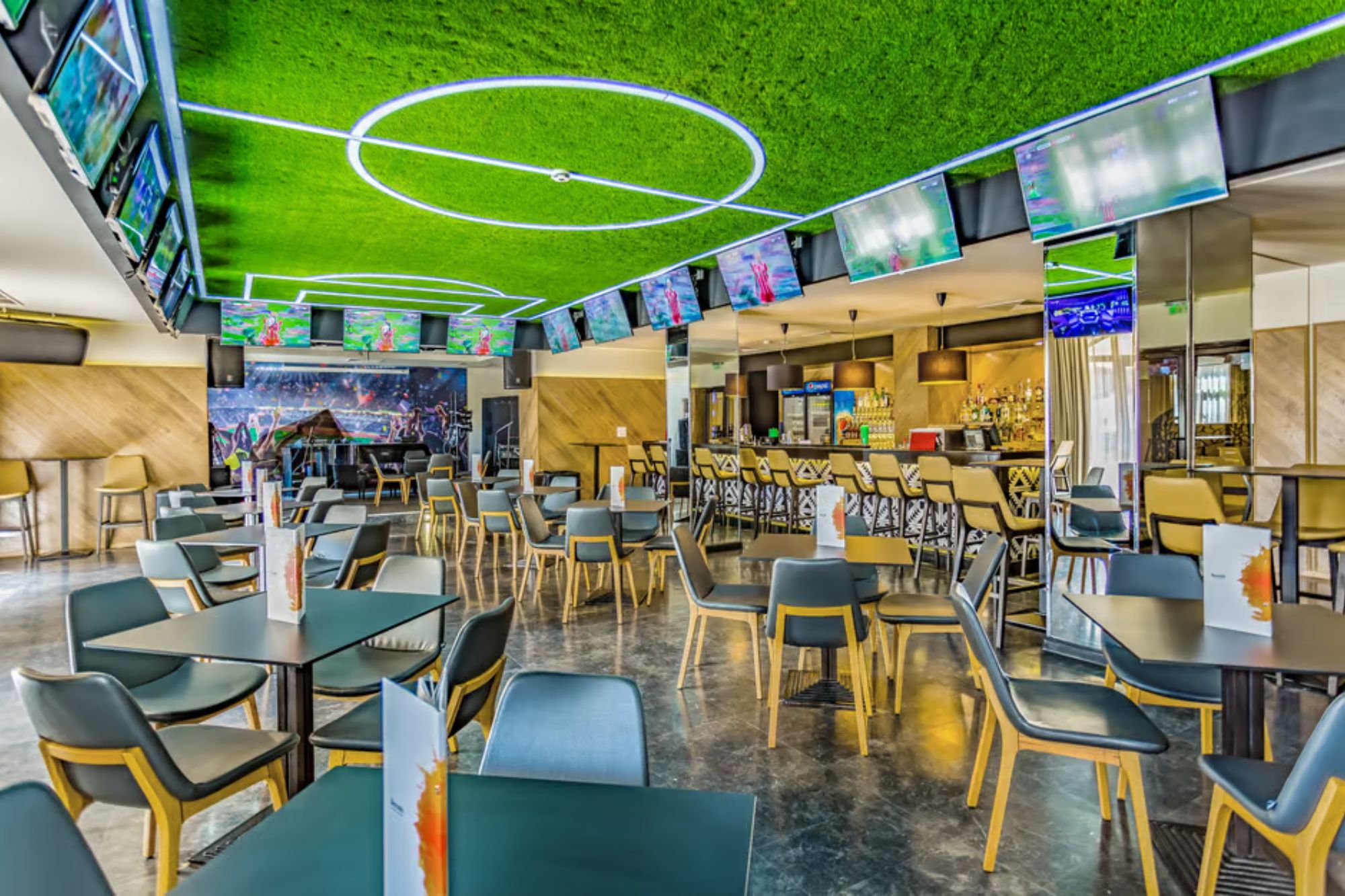
The hotel has an enormous outdoor LED screen beside the swimming pool, which is used for sporting events – as well as films, concerts and music videos.
That means you could potentially follow one of the weekend’s big matches from the poolside on your sunbed, rather than sacrificing two hours of Spanish sunshine in a dark television room.
There’s a swim-up bar in the pool and a daytime snack bar nearby, making it relatively easy to collect another drink or something to eat without missing a goal.
The hotel even has an indoor television room, offering another option for matches that don’t make the outdoor entertainment schedule.
Beyond the football, it’s an African-themed family hotel with waterslides, a splash area, swimming pools, entertainment and a rooftop adults-only chill-out space.
It’s the strongest family option on the list: the children get a waterpark holiday, you get all-inclusive food and drink, and there’s a giant screen waiting when the Premier League kicks off.
AX ODYCY has a lot going on, including a gastropub with huge TVsCredit: On The BeachOr enjoy the terrace views if you aren’t interested in the matchCredit: On The Beach
AX ODYCY gives you a modern Malta hotel and a football-friendly gastropub in the same building.
Premier League fans can head to Cheeky Monkey Gastropub, the lively bar and restaurant attached to the hotel which has a massive television with indoor tables, bar seating and a spacious outdoor terrace overlooking the Qawra seafront.
And because it’s a full gastropub rather than a television in the hotel lobby, you can order burgers, wings, sharing platters and drinks while keeping an eye on the match.
The venue attracts local customers as well as hotel guests, helping the bigger fixtures generate some genuine atmosphere.
There’s plenty of seating for groups, while the terrace gives anyone less interested in the football somewhere to sit without abandoning the rest of the party.
The hotel has several pools, loads of restaurants, children’s facilities and rooftop areas, all overlooking the Mediterranean.
It’s a smart option for families or couples who want more than a sports bar, but would certainly prefer to have one just downstairs when the Premier League is on.
A five-night all-inclusive stay costs from £445pp, with even cheaper board options available if you’d prefer to spend more of your holiday eating and drinking around Malta.
6. Radisson Resort Ras Al Khaimah Marjan Island – from £655pp
Radisson Resort Ras Al Khaimah Marjan Island has both pools and a sports bar on the beachCredit: On The BeachThe hotel itself is right on the waterCredit: On The Beach
If you want reliable sunshine long after the European summer has finished, why not try Ras Al Khaimah?
The place to look for the Premier League is RBG Bar, the resort’s dedicated beach-facing sports bar.
It has a relaxed indoor seating area, an outdoor terrace, retro-inspired pub decor and games to keep you entertained before kick-off, plus draught and bottled beers, cocktails and food are all available from the bar.
It opens from late afternoon until 1am, which works well for many Premier League kick-offs once the time difference is taken into account.
The hotel itself sits directly on the beach at Marjan Island and has outdoor pools, children’s facilities and several places to eat and drink.
Crucially, it delivers the UAE beach-holiday experience without the enormous price attached to some of Dubai’s best-known sports hotels.
7. Iberostar Waves Bouganville Playa, Tenerife – from £670pp
Iberostar Waves Bouganville Playa ticks boxes for both football and non-football fansCredit: On The BeachYou’ll find huge TVs throughout the resortCredit: On The Beach
Iberostar Waves Bouganville Playa is suited to supporters who want to watch the Premier League without their entire hotel feeling like a sports pub.
Football can be shown around the hotel’s communal bar and lounge area, where guests have proper tables, comfortable seats and bar service close at hand.
The hotels in Costa Adeje, right beside the seafront and close to Puerto Colon.
This is where you will find sports bars galore – try The Corner Sport Bar or Palms Sport Bar.
And the hotel itself has a large swimming pool, kids activities, entertainment and excellent access to the waterfront.
You can sit down with a drink, watch the match with other guests and then return to the pool or promenade when it finishes.
If you plan to spend more of your time exploring Costa Adeje, other board options are available for less.
8. Hard Rock Hotel Tenerife – from £850pp
Hard Rock Hotel Tenerife is the fanciest on the listCredit: On The BeachExpect sports bars and memorabilia throughoutCredit: On The Beach
Hard Rock Hotel Tenerife is definitely the premium option of this list, but it also has one of the best sports bars by far.
The action takes place in 3rd Half, a purpose-built sports bar on the ground floor of the hotel’s Nirvana Tower.
It has giant screens as well as smaller televisions positioned throughout the venue (helping guests get a good view from different seats) as well as an indoor bar and stage, a pool table and a semi-open terrace overlooking the gardens.
Football shirts, balls, trophies and other memorabilia line the walls, making it feel like an upmarket sports bar rather than a standard hotel lounge that happens to own a television.
Premier League football sits alongside LaLiga and other major sporting events on its screens.
You can watch with an imported beer or cocktail and order burgers, pizzas, nachos, hot dogsor chicken wings from the match-friendly menu.
There are sometimes bands and jam sessions on the indoor stage later in the evening, so you can stay after the match rather than heading straight back to your room.
It’s also worth bearing in mind that this is a full-on five-star resort with loads of pools, a beach club, live music and more places to eat and drink than you’re likely to visit during a short break.
It’s expensive compared with the rest of the list, but very good for groups or couples where one person wants a luxury Tenerife holiday and the other has mentally organised the entire trip around the Premier League fixture list.
The four-night all-inclusive break I found in October comes in at £850pp – not cheap, no but this is the hotel to choose if you want to go all-out.
A NEW train ticket rule will be rolled out this weekend, allowing passengers to switch to rival operators for free.
The changes look to make disrupted journeys smoother for travellers and mean they won’t be forced to purchase last-minute pricey tickets.
Passengers who face cancellations will be able to travel on trains by different operators for no extra chargeCredit: Getty Images – Getty
Those left stranded after a train cancellation will be able to travel on services run by different operators at no additional charge, the government has announced.
The changes are set to be introduced on Sunday, September 20, and promise a smoother travel experience for those facing disrupted journeys.
Sign up for the Travel newsletter
Thank you!
Many travellers will be aware that cross-operator ticket acceptance is already available across all publicly owned operators.
However, as of Sunday, CrossCountry, Great Western Railway, Avanti West Coast and Chiltern Railways will all become part of the scheme too.
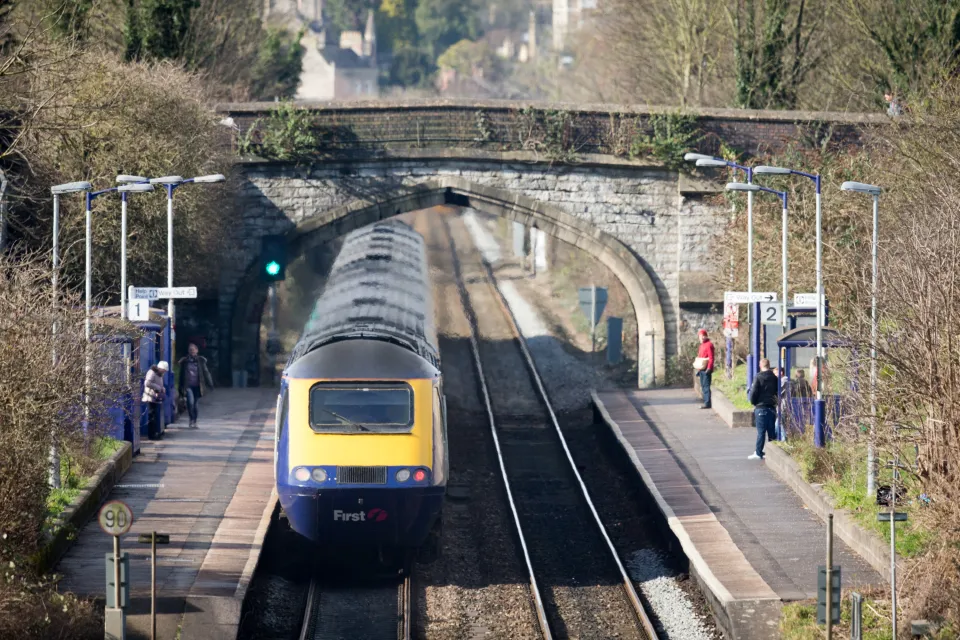
Passengers travelling on any of the services included in the scheme can hop onto the next train if their original route is cancelled, even if it is a different service run by a different operator, without needing to buy a new ticket.
It must be departing two hours before or after your original cancelled service, and the new journey must be a “direct or reasonable alternative route”.
All that is required to complete a journey is showing customer support staff your original ticket to serve as proof of purchase.
Full list of operators taking part in the new scheme:
East Midlands Railway is expected to join the scheme at a later date:
c2c
Gatwick Express
Greater Anglia
Great Northern
LNER
London Northwestern Railway
Northern
Southeastern
Southern
Thameslink
South Western Railway
Transpennine Express
West Midlands Railway
Avanti West Coast (new)
Chiltern Railways (new)
CrossCountry (new)
Great Western Railway (new)
Rail Minister, Lord Hendy, said: “This is a simple, common-sense change that puts passengers first.
“No one should be left stranded because of a fragmented railway when their journey is disrupted.
“We’re fixing the railway from the ground up, making it simpler, fairer and easier to use, as we move towards Great British Railways and put public service back at the heart of our railways.”
It is just one of the moves that comes as part of the government’s overhaul of the rail system.
Ahead of the establishment of Great British Railways, travellers can also expect to see pay-as-you-go services rolled out across Greater Manchester, the Midlands and the south-east thanks to a £156million investment by the Government into new ticketing scheme.
A new GBR website and app is also being designed to act as a “one-stop shop” for those heading out on a rail journey.
In one corner is bnb-side, a six-room bed and breakfast on the Isle of Portland – a tiny wedge of limestone tied by a narrow ribbon of shingle to the Dorset coast – that was created to help secure the future of the rock’s much-loved arts festival, b-side.
On the other is Airbnb, the San Francisco-based booking colossus. The battle between them is over the three little letters they share.
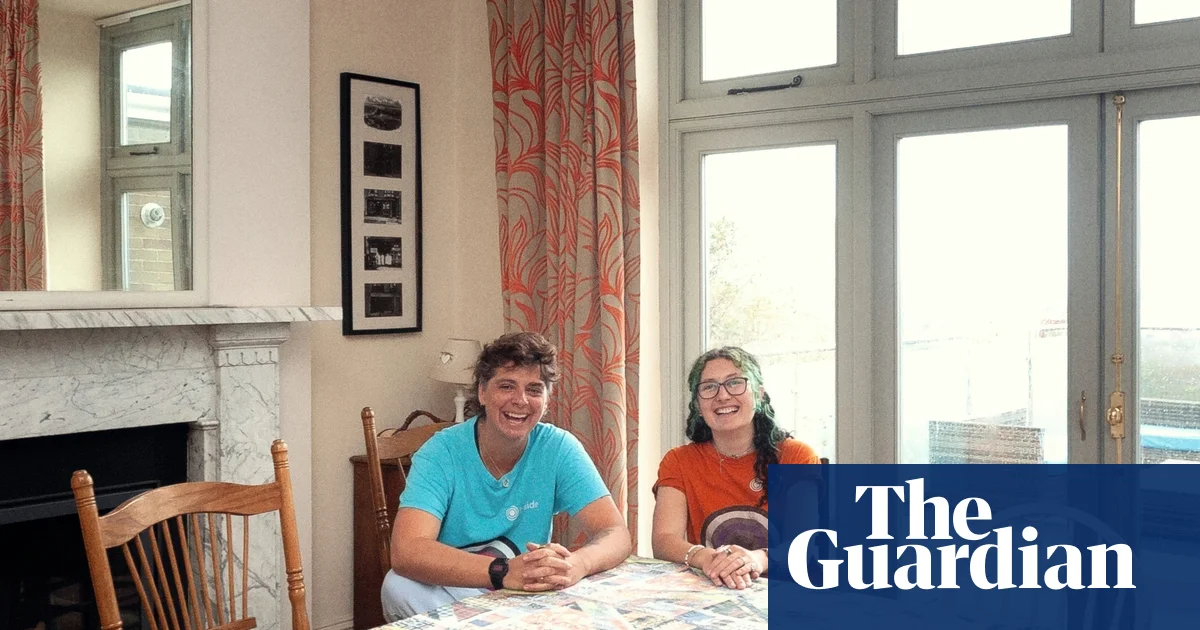
bnb-side, a six-room B&B on the Isle of Portland, has received legal letters from booking titan Airbnb. Photograph: Pete Millson
b-side says the “bnb” in bnb-side means what it has always meant: bed and breakfast. But lawyers for the Silicon Valley titan say the name of the guesthouse, perched on an outcrop just 4 miles long by 1.5 miles wide, threatens the global brand of the $100bn heavyweight.
“We thought the name was both really obvious and really cool,” said Rocca Holly-Nambi, director of b-side. “b-side was founded almost 20 years ago, so when we set up our BnB in 2024 to raise money for the festival, we just popped the ‘bn’ in front because it’s a universally recognised description of what we’re offering.”
Airbnb doesn’t agree. In May, it sent the first of three legal letters to the tiny social enterprise to demand it cease its attempt to register the B&B using the name it had used since it opened its doors.
“They won’t let us compromise by using a different case, an ampersand or an ‘and’,” said Holly-Nambi. “According to Airbnb, we can’t describe our BnB as a BnB at all.”
A creative retreat held at bnb-side – the social enterprise was set up in 2024 to raise money for the b-side festival. Photograph: Handout
For bnb-side, losing the argument could mean more than abandoning a clever name. It would mean replacing signage and rewriting websites, social media and all other material referencing and advertising the B&B.
“That’s not just a huge waste of money – of which we don’t have much – and of the equally valuable time of our volunteers, but it would throw b-side’s core income stream into chaos,” said Holly-Nambi. “We’d have to painstakingly build our reputation and brand back up from scratch all over again.”
Raina Summerson, chair of b-side, is fuming and incredulous. “We opened bnb-side because we were completely dependent on public funding and wanted to be more financially secure,” she said. “bnb-side now generates almost half the festival’s annual £250,000 turnover. If it loses its name, we risk having to establish it all over again.”
Airbnb has opposed the name on three separate legal grounds: that consumers will confuse the two brands, that bnb-side could benefit from or damage Airbnb’s reputation, and that bnb-side will financially profit by misrepresenting itself as an official Airbnb service.
b-side is asking the Intellectual Property Office to reject Airbnb’s opposition in full, with costs awarded in their favour. The case is still under way, with no ruling having yet been made.
‘It’s pretty bitter,’ said Cat Wightman, pictured at bnb-side, describing the legal battle with Airbnb, a company that has ‘conquered’ Portland. Photograph: Handout: bnb-side, Portland
Airbnb’s claim has hit a nerve on the proud, windswept outcrop. Cat Wightman, manager of bnb-side, said: “It’s pretty bitter. We’ve watched other small, local hospitality businesses go under, and local people unable to afford homes here, who have been negatively affected by the force with which the Airbnb market has conquered Portland. One person owns eight properties on the island, all of which are rented out on Airbnb.”
b-side obtained pro bono advice and is working with the law firm Stevens Hewlett & Perkins to defend them, but the process is still intimidating. “It’s terrifying but we’re not going to back down,” said Holly-Nambi. “We do things differently here in Portland.”
Craig Beaumont, a trademark attorney and senior associate at Barker Brettell, a law firm that specialises in intellectual property, said that for all Airbnb’s might, this would not be an easy or straightforward win for them.
“This feels like an uphill battle they’re embarking on,” he said. “BnB has long been widely understood as shorthand for a descriptive phrase, and descriptive phrases are available for the public to use.”
bnb-side are not the only company who agree with Beaumont: Companies House records show that in the past decade 14 accommodation companies with “bnb” in their name successfully registered their businesses.
The Airbnb logo on display at its San Francisco HQ – the colossus may be facing an ‘uphill battle’ as it seeks to stake a claim to the letters ‘bnb’. Photograph: Gabrielle Lurie/Reuters
Darren Meale, a partner and trademark litigation specialist at Simmons & Simmons, said it was no surprise the term was used so often. “It’s quite punchy of Airbnb to say they’re so well-known that they can monopolise a term that they only incorporated into their name in the first place because it was a descriptive one that everyone immediately understood, and then say that someone else using the term is going to confuse customers and damage them.”
Lee Curtis, a partner and chartered trademark attorney at IP law firm HGF, agreed that Airbnb “may be testing the limits” of the law. But he pointed to another risk for the lodging colossus.
“There’s a public relations angle to take into account,” he said. “Some companies may welcome getting a reputation for aggressive enforcement but that can backfire when the target is a community organisation, like this one.”
‘I don’t eat mozzarella outside Puglia,” says our friend Savio. “It’s not the same.” Savio is a very opinionated foodie, so I take his words with a pinch of good Puglian sea salt (see below). He was adamant about the superiority of the stretched-curd cheese from his home turf.
Puglia is also the birthplace of ingredient du jour burrata, which originated in Andria, a few miles from Savio’s home town of Barletta. Andria forms one part of the triangular Barletta-Andria-Trani (BAT) province, often passed over for better-known parts of Puglia, despite the cheese connection and Barletta having miles of palm-backed, sandy beaches.
Illustration: Guardian Graphics
About a century ago, in the hills outside Andria, farmer Lorenzo Bianchino was snowed in and couldn’t get his milk to market. To save what he could, he revived an old technique for preserving butter (burro, hence burrata), stuffing cream mixed with mozzarella scraps (stracciatella) in a casing of the stretched-curd cheese.
There are now several burrata makers in Andria, the most famous being Caseificio Olanda, which offers demos, tastings and a museum. Late one morning, we watch Riccardo “Dino” Olanda, son of the founders, work his magic. He adds almost-boiling water to the curds, then mixes with hands red from doing this every day. As he stretches and massages the curds, a smooth velvety mass forms. “See how it’s shiny?” he says. “Means it’s ready.” Working quickly, he squeezes out round lumps between thumb and forefinger into the familiar mozzarella balls. This action is mozzare, hence the name.
He also makes little knots and plaits before moving on to burrata. Taking a warm mozzarella ball, he works it into a hollow bag with his fingers then fills it with cream and stracciatella before tying the top with string.
Riccardo Olanda making burrata
Afterwards, a dairy-heavy meal totally worth the cholesterol and calories: mozzarella and burrata to start, then bread with chunks of caciocavallo (a stretched-curd cheese), and a dessert of heart-shaped fresh ricotta with strawberry jam or cocoa.
And, I have to say, Savio is right. The mozzarella and burrata have a juicy, elastic texture and a gorgeous cheesy, umami flavour; the salt and flavour leached out by the whey the cheeses later sit in. How will I ever settle for Tesco Finest after this?
Over the next few days, eating our way around the province’s restaurants and food producers, I wonder whether it’s because the ingredients are so good that this area has so many food obsessives, or the other way round.
Barletta sees few foreign tourists, but it is full of Italian life. There are lots of independent shops, a Norman castle and cathedral to visit, and every evening people pour into the bars, clubs and gelaterie of thesette strade, seven parallel streets in the old town.
Down the coast, Trani, with its sea-facing romanesque cathedral and pretty harbour, attracts some tourists, but they are not in evidence at 7am when the fishing boats return. The men complain of rough seas and a poor catch, but from the back of the boats they’re soon selling mullet, octopus, skate, fat sea snails, monkfish and palombo (small shark) to restaurateurs and fishmongers. Thirtysomething Nicola says he went out at midday and got back at 3am. When does he sleep? “Never.” A fifth-generation fisher, he began helping on the boats aged six.
Fish straight off the boat at Trani docks. Photograph: Vittorio Sciosia/Alamy
We’ll eat fish later, but today is for pizza. Portento in Barletta is run by food nut Luigi Lacerenza. He has us try so many local products as antipasti – caprino goat’s cheese tasting of green mountains, grilled caciocavallo from an old couple who make just six a week and small-batch salami – that we’re almost too full for pizzas. But they are wonderful: one with sausage, olives, oyster mushrooms and yellow tomatoes; another with aubergines and grated cacioricotta.
In Cerignola, west of Barletta, Rosario Didonna used the money he won on a TV standup competition to turn his family’s deli into a cosy, wood- panelled restaurant, U’ Vulèsce (dialect for “peckish”). Rosario knows fishers by name, works with small farmers and wine producers, and invites nonne from all over southern Italy to demonstrate recipes in his kitchens.
We start with tasty goat prosciutto and plum-sized local olives called bella di Cerignola. Then an unforgettable prawn tartare served in sea urchin shells, hairy crab spaghetti (“the juice is better than lobster”), octopus with bean puree, and sea bass with orange mayo. He waves away our thanks: “I’m doing the best job in the world!”
Nicola Barbera at Masseria Barbera, a farm restaurant in the Alta Murgia national park, is equally inspired, but rather by what grows on the estate founded by his great-great-great-great-grandfather Riccardo, who fought with Garibaldi.Exuberantly bouncing us around the farm – it produces 90% of what the 100-cover restaurant needs – he shows us olives and vines, but also the “weeds” growing around them. “They’re eatable,” he says, grabbing handfuls of peppery rocket, and bitter but delicate wild chicory. From the abundant kitchen garden, he makes eight varieties of tomato sauce.
Masseria Barbera farm restaurant
We tuck into a lot of this for lunch: a pie with white onions, anchovy and sultanas; courgettes with mint and garlic; spaghetti with yellow tomatoes. (“I call it bastard sauce,” says Nicola. “Those tomatoes take three times as long to pick.”) Then, something I never thought I’d eat: grilled donkey fillet. I feel bad about the patient, mild-tempered beasts, but this is healthy, low-fat food, never intensively farmed. It’s also the best meat I’ve ever tasted.
Good food is made better by good olive oil, and producers here include Muraglia, known for organic oil in hand-painted, rainbow-stripe ceramic bottles, and Sabino Leone, offering tours of its ancient groves and oil mill for €15, plus tastings.
Sabino Leone olive oil
This area also offers plenty to do between meals. Barletta was the home of Italian painter Giuseppe De Nittis, who hung out with Degas and Manet, and took part in the first impressionist exhibition in Paris, in 1874. Over 200 of his works are now displayed in the 16th-century Palazzo della Marra (€6).
At Europe’s biggest salt pan, Salina Margherita di Savoia, there’s an expanse of peaceful ponds with a snow-white salt mountain to climb. Another day, an exhilarating ebike ride in the Alta Murgia with Filippo Tito of Cycling ’n’ Trek, through dense forest to peer with awe into an old bauxite mine that resembles a mini grand canyon. We get back ravenous, but in this corner of northern Puglia, that’s a blessing.
Where to stay
Until this century, Barletta had little tourist accommodation. Pick of the few B&Bs is Antica Dimora (doubles from €97), a restored 17th-century palazzo run by Lilly and Riccardo Manna. There are three smart bedrooms with lots of plants and breakfast features different local specialities each day.
Lama di Luna (doubles from €230) is an organic farm in deep countryside, with six rooms set around an 18th-century stone courtyard. A well and solar panels make it energy and water self-sufficient; half of its 200 hectares are left wild, the rest are planted with olives, vines, almonds and cherries. There’s a cinema, a library and a large pool shaded by 600-year-old olive trees.
Where (else) to eat
The view from A Sud dell’Anima restaurant, Minervino
Barletta’s 60-year-old Mosébakery is revered for its krapfenfilled doughnuts and sourdough croissants. There are also chocolates, ice-cream and cakes, all housemade, and great coffee.
Puglia has hundreds of gelaterie but experts rate Scoop in Canosa (which is called Puglia’s “Little Rome” for its catacombs, temple ruins and Roman bridge). Francesco Di Nunno makes ice-cream with local seasonal ingredients: raspberry and strawberry sorbets are available only in early summer; percoca yellow peach until mid-August.
There’s affordable fine dining at chef Luciano Matera’s Il Turracciolo in central Andria. Highlights for me are broad bean and chicory “meatballs”, bright green inside; a “hidden mushroom” under baked eggy topping; and pasta discs with whole and pureed green beans and peas.
At A Sud dell’Anima, chef Nadia Tamburrano uses modern techniques and hyper-local ingredients to make food of astonishing quality for a small hilltop town (Minervino, population under 8,000). Her antipasti explode with flavour thanks to house-cured capers and homemade mustard, syrups and purees. A main of sweetbreads wrapped in intestines feels a bit out-there, but is delicious, the intestines crispy as crackling.
Mum says ‘worth it’ after £640 fine for taking children to Disney in term time
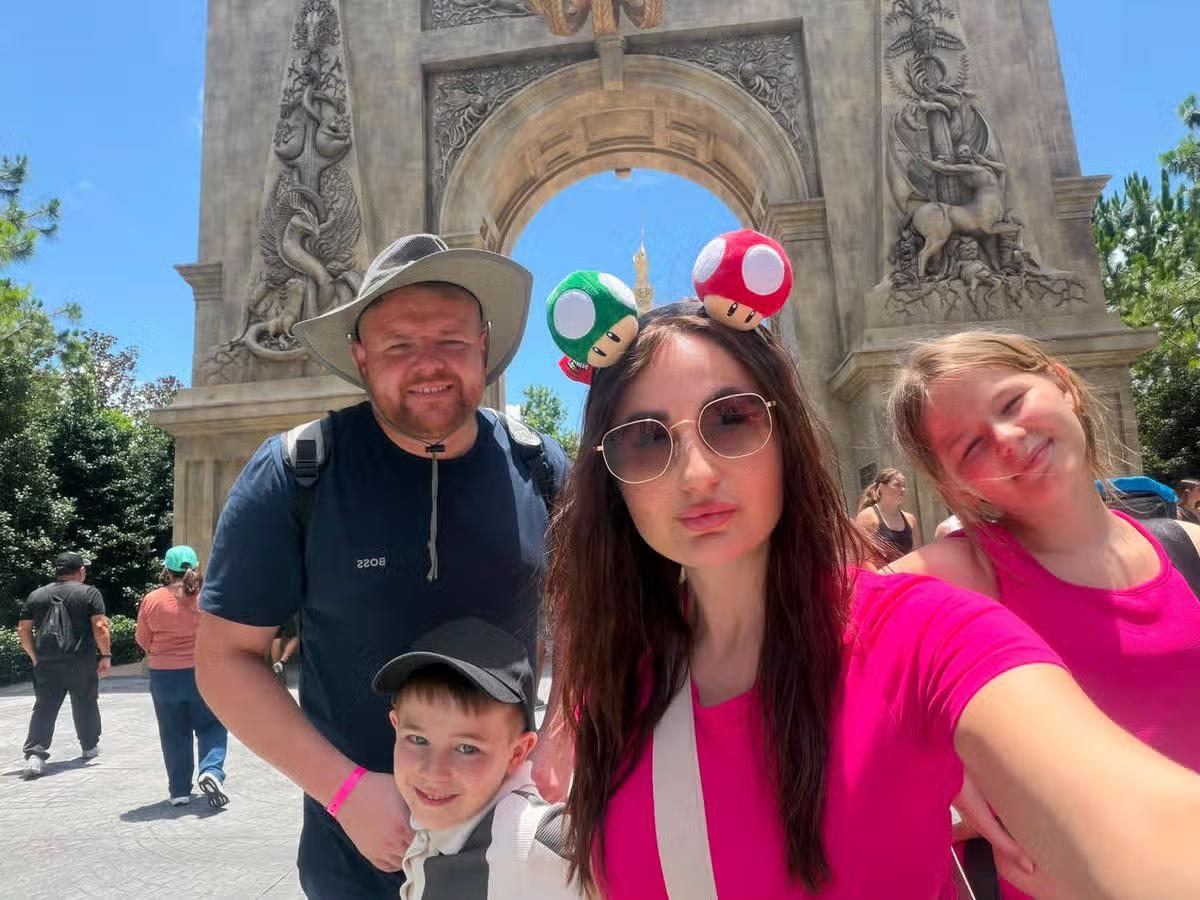
A couple who were fined £640 for taking their children out of class for a Disney World adventure say they have no regrets as the fee was still far cheaper than splashing out for a trip during the school holidays. NHS worker Francesca Longhurst, 32, and plasterer Liam Longhurst, 37, worked hard and saved for years to take their children Lily, 11, and George, six, on their dream vacation.
With steep pricing during school holidays, they say they had to pull the kids out during term time or not travel at all. Wanting to give their kids life-long memories, the hard-working pair decided on the former – and were subsequently punished. Francesca and Liam were handed fines of £160 per parent per child – leaving them with a total bill of £640 for a two-week absence.
But they say they would still do it all over again. The pair say going during term time likely saved them £9,000 minimum.
“It was a holiday we have dreamed of for years but never thought we’d be able to afford it as it’s so expensive,” said Francesca, from Sandwell, West Midlands. “We put every but of money we had spare into this trip and works extra hours and days to be able to afford it. To be able to take our kids on this once-in-a-lifetime trip was so magical.
“They thank us everyday for taking them and letting them experience it. We went in term time in June because the price is triple the cost to go during the holidays. I priced up for Easter holidays and the holiday was coming to £12,000 just for the flights and hotel – and that’s without park tickets on top.
“It’s the same for every holiday you look at even those in England at caravan parks and holiday camps.”
In the end, the family splashed out a total of £7,500, including £3,000 on flights and accommodation and £4,500 for theme park tickets.
They received their penalty notices on August – around two months after returning home. Although the couple were able to afford the £640 fine because they had budgeted for it, Francesca worries such “ridiculous” penalties could cause financial hardship for other families.
She said: “We knew we would have to pay this when we come back. The fines are ridiculous but what’s more atrocious is that if we did this again within a three-year-period we could be prosecuted and sent to prison for child neglect, when all we have done is taken our children on holiday.
“Every child deserves a holiday but not every parent can afford to go during school time. The amount is what it is – it’s a small price to pay compared to what we saved by going in the school holidays, but I’d love to know where the money goes to.
“You have real criminals out on the streets yet you are sending innocent families to prison for taking their kids out of school. The whole system is a joke.”
The parents deliberately waited until Lily had completed her SATs before travelling and believes neither child missed any essential learning. Francesca said: “While we was away, she missed out on two school trips, one to Alton Towers and the other to the Black Country museum, which we have been to many times.
“She also missed out on sports day. We were walking 20,000 plus steps a day. It was the holiday of a lifetime and we went to some of the best theme parks in the world but it was also very educational.
“We swam with dolphins, fed alligators, learned about wildlife and they tried different foods. What they learned in those two weeks I can guarantee was more than they learn in the last few weeks of the school year when everything starts to die down.
“The school was also closed or open partially due to the heatwave so we are being fined for our kids being off school when others were allowed because it was too hot. Both of my children are either excelling or exactly where they need to be in regards to education and have an excellent attendance other than when we go on holiday.”
While Francesca says she understands why attendance rules exist, she believes parents should be allowed a limited number of authorised holiday days each year. She added: “We unfortunately cannot take our children on holiday again during school time due to the risk of being prosecuted.
“I work for the NHS – this would mean me losing my job as you cannot have anything on your DBS. Myself and my husband have always worked and work hard and we don’t have fancy jobs.
“Any holidays we go on, we have to save hard for. It could really put families under financial strain. We live in a cost of living crisis, you can have a good week one week and a bad one the next.
“If you’re having a bad week or month when these fines come through with a date stating it must be paid by a certain date or you will be prosecuted, this could worry people, put them into debt and affect their mental health. I’m not saying I don’t agree with the fines completely, but I do think every child should be entitled to say 10 authorised days from school a year.
“After this then yes, send the fines out because education is important.”
A Sandwell Council spokesperson said: “We recognise that there is financial pressure on families and term-time holidays may be tempting. But attendance at school is vitally important for children to reach their potential, and to gain the skills and qualifications that will give them the best start in life and the best future.
“Like all councils across the country, we work with schools to implement Government policy on unauthorised absence.”
Italy’s ancient cave city looks like something out of a storybook – and with October highs of up to 27C and no summer crowds, it could be the perfect autumn holiday destination for Brits
Whether it’s half-term breaks, cheaper shoulder-season deals or simply the lure of warm sunshine and guaranteed blue skies, searches and bookings tend to rise for last-minute getaways. From beach classics in Spain, Greece and Turkey to longer-haul hotspots, October has become the month when many of us “jet off” to swap jumpers and drizzle for one more hit of heat.
Italy boasts no shortage of places that deliver a sunshine fix well into autumn – from Rome’s ancient sights and café-lined piazzas to Venice’s dreamy canals and waterside walks. But if you’re after something that feels a little less “done” than the usual hotspots, Matera could be the perfect pick.
Tucked away in the southern region of Basilicata, the city is best known for its Sassi – ancient cave dwellings carved into the rock, now transformed into atmospheric hotels, restaurants and tiny bars.
It’s the kind of place made for slow exploring: cobbled lanes that twist between honey-coloured stone buildings, viewpoints that open up over terraced rooftops, and little squares where you can stop for a coffee or aperitivo in the late-afternoon sun.
Crucially, Matera tends to be calmer than Italy’s headline destinations, especially outside peak summer, which means you can soak up the scenery without battling huge queues.
October is also a great time to visit if you prefer sightseeing without the intense heat, with mild days that suit everything from wandering the old town to taking a day trip into the surrounding countryside.
And while Matera has a distinctly old-world feel, it still has plenty going on – from cosy trattorias serving local specialities to cultural sites and museums that dig into the city’s long, unusual history. For travellers looking to extend summer without the crowds, it’s an autumn escape that ticks a lot of boxes.
Content cannot be displayed without consent
Kathy, a travel content creator from New York, shared a video on TikTok offering viewers a captivating glimpse of Matera, widely known as the ‘City of Stone’.
The short clip showcases the cave dwellings and a narrow lane running alongside the stunning stone structures perched on a clifftop.
Her TikTok post caption reads: “Matera, a truly magical historical city like no other city. The oldest city in Italy and possibly all of Europe. It’s 9,000 years old!
“I highly recommend staying at least one night to fully experience the magic. Sunset is stunning, dinner in the cave-like restaurants is memorable, and sunrise is even better.”
The travel enthusiast described Matera as “truly breathtaking” and “easily one of [her] favourite places to visit while traveling through Puglia.
And judging by the comments section, people agreed with her. One travel fan wrote: “One of the most beautiful places I have visited, truly amazing.”
Another said: “Currently in Matera now, one of my favourite places we [have] visited. And a third added: “Dreamy!”
The European Union entry-exit system (EES) has caused repeated delays for Brits at major EU airports this year
14:40, 13 Sep 2026Updated 14:50, 13 Sep 2026
(Image: Anadolu, Anadolu via Getty Images)
British holidaymakers heading abroad may finally be able to breathe a sigh of relief over the widely-criticised EES system. The scheme forces non-EU residents to queue at special machines in airports before gaining entry to 29 nations within the so-called Schengen area – essentially the majority of the European Union.
However, there have been persistent reports of lengthy delays – some stretching to as long as four hours. A new report in the Sunday Times now reveals that the European Union has shelved the controversial entry-exit system (EES) across at least nine countries.
Portugal, Italy, France, Belgium, the Netherlands, Germany, Malta, Greece and Switzerland are all understood to have been granted permission to postpone full implementation of EES. The newspaper reports that there appears to be no deadline by which these countries must adopt the scheme, which has already sparked widespread reports of enormous queues at European airports this summer in destinations such as Mallorca, Faro, the Canary Islands and Milan.
The scheme has faced fierce criticism from Ryanair and others. The European Union describes the Entry/Exit System (EES) as an automated IT system designed to register non-EU nationals travelling on short stays each time they cross the external borders of participating European countries.
Following years of postponements, the system was rolled out from October 2025, with full implementation originally anticipated by the following April. However, faced with the prospect of significant border queues due to software failures, officials granted countries a 150-day grace period during which they could drop the checks to avoid travel chaos.
That rule ended on September 6. The EU previously insisted there would be no extension.
Yet the Sunday Times reports that at least nine Schengen countries are understood to have told the European Commission, which is responsible for overseeing the EES, that they would not enforce the new controls in full until the technology and systems were working correctly.
They have informally been allowed to do so with no time limits apparently in place to adopt the system, it is being reported. One of the main purposes of the system is to track whether non-EU citizens have spent more than their permitted 90 days in the bloc in a rolling 180-day period.
Social media has been awash with debate about the scheme. One post on Reddit saw a traveller say: “They made a mess of it. Seems many basic things like it is hit and miss on the document scanning but also things like people walk up with hats and headphones and the machine doesn’t tell them to remove them, and organisational things like if the machine errors the traveller has to back out and has no where to go.
“The right way to do this would have been progressive: start by getting some people eg 5% going through the machine lane, everyone else through normal.
“The vendor observes problems, fixes them, once machine working well, increase to 10%, then 20% and so on.” Another person said: “The general lack of functionality of so many IT systems across the EU is kind of astonishing.”
A third added: “It’s worse than that. There isn’t even consistent protocol/IT support within a single EU airport.”
Another put it more simply, saying: “I just miss having stamps.”
‘People are missing their flights’
Nadia, from Greater Manchester, told the Guardian in August she had made two trips to Schengen areas this summer. A trip to Tenerife in June was “quite straightforward”, but her experience in July at Frankfurt airport where she was picking up a connecting flight home, was much less so.
“The queue there was ridiculously long, and there was very limited information,” she says. “People were wandering around trying to work out where they needed to go.
“I’m very well travelled and pretty confident, but even I was slightly unsure and was thinking, is there some other queue I should be joining? There was no one nearby to check with without losing your place.”
Eventually, her passport was checked. “He didn’t actually take fingerprints then,” says Nadia, who is a solicitor. “I think the queue was so long they decided to dispense with that.
“It’s the efficiency of the system I question and the fact that individual member states’ systems do not talk to one another. They shouldn’t need to get information again if you have already gone through. It’s pretty shambolic, and I think people missing their flights because of it is just not acceptable, especially when there’s no recourse; it’s not your fault.”
Ryanair chief executive Michael O’Leary has repeatedly complained about EES. Speaking earlier this year, he said: “There’s a bit of Brexit in this too. Here, you voted for Brexit – f***ing join the queue.”
MY childhood summer holidays began and ended with me squashed into a hatchback car with tents, campbeds and pool floats, as my family travelled to Europe for a week’s camping.
The only luxuries were a wine and cheese evening (for my parents), the morning croissant run to the bakery on site (my sister and I) and our mains-powered coolbox (my dad).
This huge beachfront site has a seriously glam poolCredit: SuppliedThe al fresco stage at the parkCredit: Alain Baars
Oh, how the world of camping has changed since then.
This summer, a school-mum pal and I took our kids to one of the top-rated sites of camping specialist Eurocamp — and 5* Les Prairies de la Mer, on the French Riviera, just 15 minutes from St Tropez, could not have been more different from those breaks of my early years.
Sign up for the Travel newsletter
Thank you!
This huge beachfront site even has its own spa, that bakery on site, which also features seven kinds of fresh bread, a seriously glam pool and a supermarket stocking about 30 different types of rosé wine.
Oh, and some of those wines were just 4.50 euros a bottle — and perfectly drinkable.
There are also further delights — a petting zoo, small fairground, two beachfront bars and restaurants, a hair salon and an inland bar that plays really decent live music every night.
If you can hack the heat, there are plenty of sporting activities, too, from sailing and archery to tennis and football.
I could lie and say I did all of the sports — but I didn’t.
In 35C heat in May, with three seven-year-old boys in tow, most days we pinballed between pool and beach, fairground and playground.
The huge, lagoon-shaped beachside pool, with its own palm tree, is a joy in itself — and only more so for its stylish bar, serving enormous pitchers of rosé for six euros, and French fries.
Les Prairies de la Mer is next to Port Grimaud, a car-free seaside town with waterfront Provencal-style houses that each have their own mooring for a boat.
You can see why the place is nicknamed the Venice of Provence.
We had a great time wandering the streets and visiting the Sunday market, which sells everything from local olives to honey and flowers.
The campsite also lays on a land train (€10 adults and €6 kids) to the medieval hillside village of Grimaud where you will find cobblestone streets, a 12th-century church and an even older ruined castle, all with great views over the surrounding countryside.
We also made it down to glamorous St Tropez, famed for its annual film festival.
The place is worth a visit just to ogle the huge yachts in the marina, wander the old town and eyeball the rich tourists who head to upscale shopping street Rue Francois Sibilli for high-end stores such as Louis Vuitton, Dior and Hermes.
But my favourite day was when we rented a speedboat — through SamBoat, an app that bills itself as “the AirBnb of boats”.
It allows you to search locations, near where you are holidaying, for more than 50,000 chartered boats and yachts, that come with or without a captain.
We opted for a large speedboat that could take up to 12 people, as it could pick us up from the neighbouring marina — and it was super-easy to book.
The speedboat hire was 380 euros without a skipper, otherwise 630 euros.
We opted for the latter and, if there are 12 of you, this works out at just over 50 euros a head — not bad for a day on the water.
We bought cheese, wine, cakes and other goodies beforehand, at the marina supermarket, then toured the beautiful coastline before mooring in one of the many bays, where we swam, played on lilos and generally had the best time.
On the way home, we stopped off in the St Tropez marina to check out again the beautiful people and yachts.
This fabled French town is also the setting for the upcoming fourth series of TV hit The White Lotus, expected to air next year — and this corner of France is a serious magnet for celebrities.
Port Grimaud Market placeCredit: AlamyThe Sun’s Caroline McGuire and son living the high lifeCredit: Supplied
Indeed, on our flight alone there were THREE famous faces.
Glamour girl Kelly Brook was in Business Class with actor husband Jeremy Parisi, while Pixie Geldof and sister Tiger Lily Hutchence-Geldof roughed it with us in Economy.
They were all (like us) taking advantage of British Airways’ newest route from London City Airport to Toulon-Hyeres in the South of France, which operates twice-weekly during the summer months.
The seaside city of Toulon is a taxi ride away from St Tropez and other A-lister holiday destinations such as Grimaud and Sainte Maxime.
Or if you don’t have deep pockets like the celebrities, there is a coach to St Tropez that leaves twice daily from the airport and costs 2.50 euros per person.
It also stops at a number of other holiday destinations en route.
It took us nearly all the way to our Eurocamp site, from where it was just a ten-euro cab ride.
So, plenty of spare cash for the lashings of rosé.
GO: ST TROPEZ
GETTING THERE: British Airways flies from London City airport to Toulon-Hyeres from £90 each way.
STAYING THERE: Seven nights’ self-catering in a Premium two-bedroom holiday home at Les Prairies De La Mer Eurocamp is from £303.21pp, based on four sharing (£1,212.82 per party) for arrival on May 29, 2027.
A GIANT glittery guitar hangs next to bright pink awnings and a huge sign that reads: “Dolly Parton’s SongTeller Hotel”.
The 12-storey building was one of the music icon’s final projects — and while she won’t get to see it open following her death at the age of 80 last month, it will ensure her legacy lives on in Nashville.
Music legend Dolly Parton died aged 80 in AugustCredit: Camera PressThe SongTeller Hotel opens this monthCredit: AP
Parton was heavily involved in the creation of the 240-room hotel, which is a glittering addition to the Tennessee skyline and an absolute must-visit for fans.
It opens to the public on September 29, and I was one of the lucky few granted a first look.
Sign up for the Travel newsletter
Thank you!
A number of Parton’s costumes will be exhibited in the lobby in a nod to Dolly’s Life of Many Colors Museum on the third floor, where interconnected digital screens tell a 15-minute story of her life.
General manager Shannon Foster says: “We are expecting people to walk in even when they’re not staying here. We want everyone to feel welcome.”
Hotel guests will encounter more moments of magical discovery as they move through the elegant building, where song lyrics are etched on to doorframes.
Guests can choose from four room categories — even the most basic of which has the wow factor. But those with cash to splash can spoil themselves with a night in the Acoustic Suite, which is completely geared up for songwriters.
Its living area comes with a keyboard, while drawer liners adorned with Parton’s famous quotes add a personal touch.
The most heartwarming element of the hotel, however, are the Six Sisters rooms on every floor.
The must-visit Country Music Hall of FameCredit: GettyNashville is music cityCredit: Jeremy Poland
“When the designers asked Dolly what she wanted most in the hotel, she replied that she’d always wanted to share a room with her five sisters,” Foster explained.
The result is a touching tribute to the Parton family bond — a suite with three double beds separated by candy-stripe curtains and a washroom with two showers and toilets.
The rooms are connected by a living area in the middle with a curved sofa, a side table painted with each sister’s favourite flower and a chandelier decorated with the siblings’ birthstones.
Foster considers the second floor to be the heart of the operation, though, with guests taking a lift up to a gold sparkling desk to check in.
Parton’s Live — cosy seating around a stage, and bar space created to showcase upcoming talent — sits opposite.
But the jewel in the hotel’s crown looks likely to be the late-night lounge Jolene’s, on the top floor.
It will open daily from 5pm and serve punchy cocktails, and a food menu to suit.
A spectacular view over Second Avenue and the Cumberland River — where the famous 4th of July fireworks take place — means Jolene’s will, arguably, have the best seat in the house for the celebration.
The opulent bathroomCredit: SuppliedThe Six Sisters roomCredit: Supplied
The hotel may be opening a month after the singer’s tragic death but her touch is everywhere.
It’s in the diamante trim on bottle-green barstools, in the corset lacing on the back of a pink velvet chair and in the words etched into the corner of a mirror.
“Dolly approved every single rendering that became a reality,” Foster said.
“The hotel is Dolly’s gift to Nashville.”
Parton’s influence on her spiritual home is undeniable and if you plan to visit, it’s well worth exploring beyond the hotel.
Her star in the Music City Walk of Fame Park, near the hotel, remains encircled with floral tributes.
Dolly Parton — Journey of a Seeker is due to end in October but the singer is honoured throughout for her music and activism.
A number of Parton’s costumes will be exhibited in the lobbyCredit: SuppliedA Dolly’s Life of Many Colors Museum is on the third floor, where interconnected digital screens tell a 15-minute story of her lifeCredit: Supplied
Parton, whose Imagination Library has gifted over three million books to children worldwide — unwittingly entwined her identity into Nashville when she debuted at the Ryman auditorium at the age of 13.
She would not have known she would return to that very stage bigger and brighter each time.
And she definitely would not have dreamed that some day, she would own a hotel just three minutes away from the auditorium.
This is Dolly’s parting gift to Nashville. And it’s worth working 9 to 5 to bag yourself a room.
GO: NASHVILLE
GETTING THERE: British Airways flies from London Heathrow to Nashville from £677pp return, including 23kg luggage.
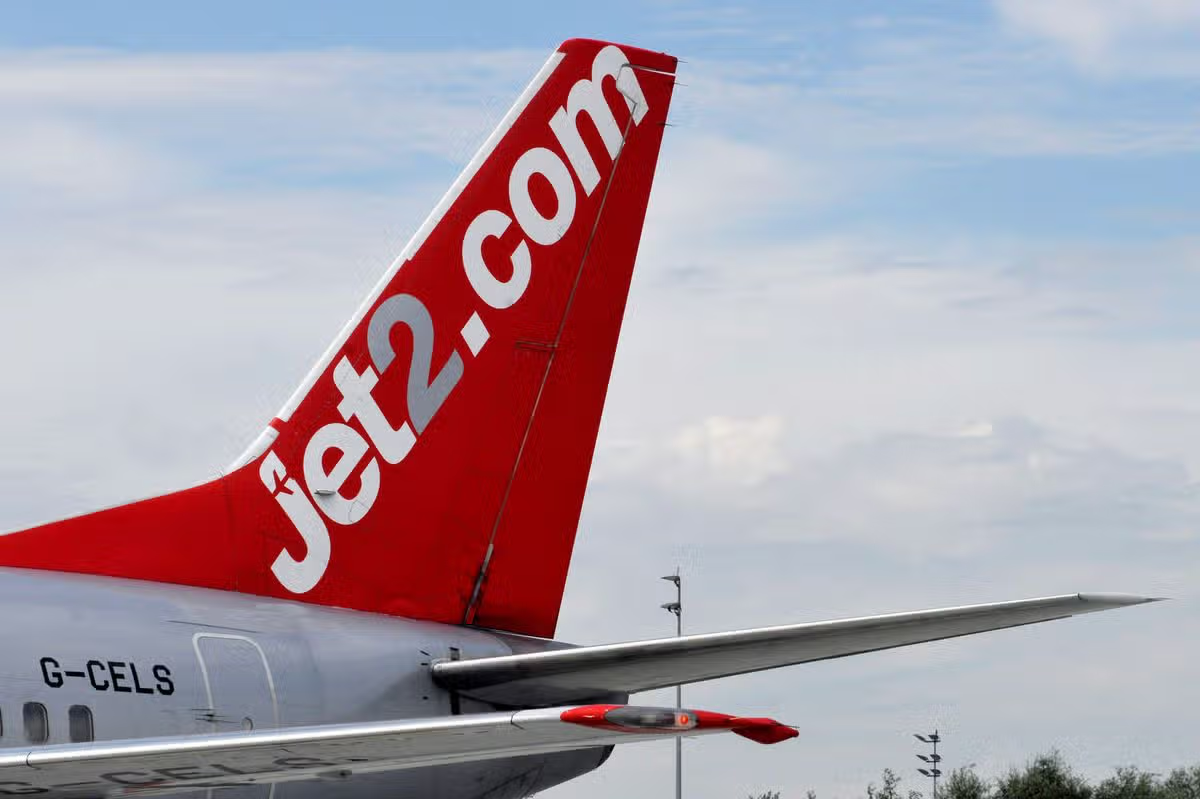
Jet2 passengers with flights before midday can check-in and drop off their luggage during a four-and-a-half hour window the day before their trip at 12 UK airports
09:26, 13 Sep 2026Updated 09:26, 13 Sep 2026
Jet2 passengers can drop their bags off the day before their flight at 12 airports (stock)(Image: Bloomberg via Getty Images)
Jet2 has confirmed a rule allowing passengers with flights before midday to check-in and drop off their luggage a day earlier.
Passengers usually have to arrive at their departure airport at least two hours before their flight and queue at check-in desks to get boarding passes before dropping off luggage.
However, Jet2 offers a twilight check-in service at 12 airports across the UK which allows passengers to bypass this process the night before, making morning departures less stressful.
Not only can passengers save valuable time on the day of their flight, they can also avoid having to wait in long check-in queues to drop off bags.
Jet2’s twilight check-in service is only available to passengers with flights due to depart before midday at the 12 airports listed below.
If you have an eligible flight, you can use the free twilight service within a four and a half hour window the evening before your morning flight and drop your bags off between 4.30pm and 9pm.
Passengers must also check-in for flights online any time from 28 days and no later than 24 hours before their flight via Jet2’s website or app.
Explaining how the service works, Jet2 said: “Check in online. You need to do this no later than 24 hours before your flight, but to make sure you don’t miss out, we recommend you check in as soon as online check-in opens, 28 days before you travel.
“Drop your bags at the airport. One person in your party can drop off up to six people’s bags. Simply take your luggage to the airport between 16:30-21:00 the evening before your flight. Don’t forget your boarding passes and passports!
“Sail straight through to security. On the morning of your flight, bypass check-in and head to security. Relax and enjoy your getaway!”
UK airports where Jet2’s twilight check-in is available
POWER banks are an essential when it comes to travel – but there are strict rules in place for them.
Most know the main ones – like it cannot be used inflight – but here’s one some of you might not know about which could see it taken off you before boarding.
Power banks are allowed on airplanes but must be of a certain WhCredit: GettyJapan Airlines is another that is very strict on its power bank allowanceCredit: Getty
Most airlines allow power banks up to 100Wh without special approval onboard.
But anything over that, without the say-so from the airline, and they could be confiscated for being too big and some countries being particularly strict.
Sign up for the Travel newsletter
Thank you!
The Wh – which translates to watt-hours – should be printed on the label of your power bank and if travelling on most planes it needs to be under 100Wh or less.
In places like China and Japan, some passengers have had their large power banks taken off them.
Someone on Reddit explained: “Accidentally brought a power bank that was larger than 100 watt-hour on my international trip.
“It passed US TSA as under 100, clocked 106 and 136 watt-hour in two airports in China and refused on board as over 180Wh at Guangzhou International Airport.”
Rules are strict in Japan too with Japan Airlines currently allowing two power banks with 160Wh or less in hand luggage – but that is going down to 100Wh from January 2027.
A lot have warned that the label with the Wh must be clear or risk it being taken off you as well.
Someone else said: “It is the label that matters and if you have old ones that is too faint, it is almost foregone conclusion that it will be taken.
“Friends encountered in Korea and China recently where their older power banks were taken as it wasn’t clear enough.”
The popular item has been banned in some casesCredit: Alamy
For those travelling to China, there is another requirement and this is that all power banks must be marked clearly with the mark ‘CCC’.
The 3C mark is a China Compulsory Certification and the power banks must also be 100Wh or under for all flights.
Any power banks over 160Wh require airline approval – and anything over that is banned.
Most airlines will also only allow one power bank onboard – but check prior to flying as some do allow two.
Power banks must be stored in hand luggage during a flight but not used while in the air as the lithium battery inside is a fire risk – and storing them in the wrong way can cause huge disruption.
In May of this year, aneasyJetflight travelling fromEgyptto the UK was forced to divert to Rome after a passenger revealed they had left a phone connected and charging via a power bank in their checked luggage
There is a specific point every September when the rain starts in the UK that I accept summer’s officially over.
Holiday Expert Rob Brooks has sought out the best value long haul deals in dream destinationsCredit: Rob Brooks
Then I find myself looking beyond my usual European resort searches, and wondering just how much further the exact same holiday budget could take me on my next one.
Conveniently, right now is also a brilliant window for you to start hunting.
Airlines are releasing their fresh seat availability for the next 12 months, hotels are opening up their early-bird room rates, and some properly absurd package prices are dropping onto holiday sites.
When you break a full package down into a nightly cost per person – including flights, hotels, and sometimes full all-inclusive – long-haul stops start looking like an unattainable luxury.
I tracked down direct London half-term flights to New York with a 4-star hotel for £578pp, nine nights in Bali for £630pp, and a 4-star Caribbean all-inclusive break for under £500pp.
So whether it’s bagging some sunshine this winter or getting booked ahead for next year – here are nine long-haul holidays you can bag for seriously cheap prices.
1. Oistins, Barbados – £127pp per night
You could laze on the beach in Barbados from just £127pp per nightCredit: Alamy
Barbados carries a reputation for high-end price tags, but target the lively south coast and the maths changes completely.
Oistins and Christ Church give you pristine white sand, local rum shacks, and direct access to the legendary Friday night fish fry without the West Coast luxury premium.
And unlike a lot of long haul beach destinations, self-catering works brilliantly here – grab breakfast at a local bakery, then use your savings to eat fresh seafood by the beach.
If you did fancy a deal for Barbados, I’d keep an eye on Virgin Atlantic and British Airways for direct Heathrow slots, or TUI for regional departures.
I found a seven-night self-catering stay at the 3-star Butterfly Beach Hotel from £890pp, flying direct from London Heathrow on 9 June 2027.
That breaks down to just over £127pp per night for direct flights and a beachfront stay… in Barbados!
2. New York, USA – £116pp per night
If you’re wanting to tick off a trip to the New York, you can bag an entire package hol from £578ppCredit: Getty
If Manhattan has been sitting on your bucket list, February is the absolute golden window to grab a budget package.
Yes, you’ll need a proper winter coat, but you get much smaller crowds, shorter queues at headline attractions, and room rates that drop by hundreds of pounds compared to peak autumn or Christmas.
Skip the inflated hotel blocks right on Times Square: Lower Manhattan puts you steps from Chinatown, Little Italy, and Soho, with quick Subway links everywhere else.
Plus, airlines fiercely compete on this route, driving package prices down when new seat blocks open up.
I even clocked five nights at the 4-star Wyndham Garden Chinatown over February half-term – departing 14 February 2027 – for £578pp, flying direct from London Heathrow.
When you break it down, that works out to less than £116pp per night for five nights in the Big Apple.
3. Tokyo, Japan – £101pp per night
Aerial view of Tokyo cityscape with Fuji mountain in Japan.Credit: Getty
February is an underrated time to explore Tokyo, in my opinion.
It’s dry, crisp, and significantly calmer than the cherry-blossom season.
You can wander through historic temples, ramen alleys, and neon cityscapes without fighting through wall-to-wall tour groups.
To maximise your budget, target hotels slightly outside the main tourist hubs of Shinjuku or Shibuya. And because Tokyo’s rail network is unmatched, staying a few stops out slashes your hotel bill without adding any stress.
The 4-star Tokyo Bay Shiomi Prince Hotel sits in the quiet bay area with direct rail links into central Tokyo and Disney Resort.
And it’s where I found a seven-night package for £805pp, including flights from Manchester with hold luggage included, departing 17 February 2027 – working out to a little under £101pp per night.
4. Hanoi, Vietnam – £95pp per night
Hanoi in Vietnam is home to some incredible landscapes – and Rob found a super cheap 5* stayCredit: Alamy
Hanoi is where you head if you want a long-haul trip that feels like a genuine adventure.
It’s a sensory overload of ancient temples, bustling night markets, and amazing street food stalls.
There’s also a brilliant local coffee culture, serving as the ultimate launchpad for overnight cruises around Ha Long Bay.
June brings tropical warmth and greener mountain landscapes, unlocking some of the lowest package pricing on the board.
You can grab seven nights with breakfast at the 5-star Lucien Hanoi Lakeside Hotel and Rooftop for £758pp, with indirect Manchester flights and hold luggage departing 6 June 2027.
That’s a full 5-star south-east Asian escape for just £95pp per night.
5. Jumeirah Village Circle, Dubai – £75pp per night
Dubai is the ultimate option if you want guaranteed long haul sunshine without committing to a two-week journey.
A seven-hour flight gets you world-class dining, rooftop pools, and massive shopping malls.
The single biggest insider trick to saving money in Dubai is looking just past the expensive beach strip.
Inland developments like Jumeirah Village Circle offer far higher hotel specs for a fraction of the cost.
Plus these spots have plenty of cheap, frequent taxis connecting you to the beach in 15 minutes.
Our booking data shows Dubai is dominating long-haul demand right now too.
It’s no wonder either, because I found a seven-night bed and breakfast stay at the 4-star The First Collection at JVC for £598pp, including direct Gatwick flights and hold luggage, departing 20 June 2027.
That comes out to just £75pp per night, which is a pretty extraordinary price for a Dubai holiday of this quality.
6. Patong, Phuket – £72pp per night
You could visit Phuket in Thailand on a package break from £72pp per nightCredit: Getty
Thailand remains the reigning champion for ground-level value.
While long-haul flights require an upfront investment, everyday costs in Thailand – from street-food meals to local transport – cost pennies once you arrive.
Patong is Phuket’s lively epicentre, packing hundreds of restaurants, beach bars, and night markets into a walkable strip.
But connecting flights via Dubai, Doha, or Abu Dhabi keep the package prices remarkably low throughout autumn.
So I managed to track down a seven-night stay at the 3-star Red Planet Phuket Patong for £650pp, including indirect Heathrow flights and hold luggage departing 5 October 2026.
That delivers a week under the Thai sun for an incredible £72pp per night.
7. Playa del Carmen, Mexico – £71pp per night
Mexico’s Playa del Carmen has incredible beaches with turquoise watersCredit: Getty
Mexico’s Riviera Maya serves up the perfect balance of Caribbean beaches, a bit of history, and incredible food.
And Playa del Carmen is ideal because it combines palm-lined beaches with a buzzing, walkable strip along 5th Avenue.
That said, all-inclusive is a must here for keeping your spending under control, particularly for families.
Autumn sits in the tropical shoulder season, unlocking huge package drops while still delivering daily sunshine.
I flagged what I think is a bit of a pricing loophole right now: seven nights all-inclusive at the 4-star The Reef Coco Beach, including direct Manchester flights departing 5 October 2026, for £500pp.
That’s full all-inclusive on a Caribbean beach for £71pp per night – tough to beat!
8. Kuta, Bali – £70pp per night
You could visit Diamond Beach in Bali, IndonesiaCredit: Getty
Bali is unbeatable if you want an extended, laid-back break where your spending money goes miles further.
Kuta and neighbouring Legian are a convenient, high-value base packed with beachfront cafes, surf spots, and local markets.
It’s worth ticking this paradise island off your bucket list while prices are low, and in Kuta you can try everything from surfing to ticking off amazing temples.
The Sevn Legian hotel is an ideal base to book, with modern rooms, a great pool and a swim-up bar.
I clocked seven nights at the 4-star Sevn Legian for £630pp, including indirect London Heathrow flights and hold luggage departing 25 February 2027.
That works out at just £70pp per night for seven nights in Bali. Run, don’t walk…
9. Punta Cana, Dominican Republic – £68pp per night
Punta Cana in the Dominican Republic comes out on top, with a £478pp package dealCredit: Getty
If your goal is a classic Caribbean beach break with no extra spending once you arrive, Punta Cana easily takes the number one spot in my list.
All inclusive dominates this coastline – 97% of Punta Cana bookings with On the Beach opt for it – and our recent data shows package prices sitting at near-record lows (down 14% fortnight-on-fortnight).
You get turquoise water, swaying palm trees, and expansive 4-star beachfront resorts for three-star European prices.
And even better, I found a seven-night all-inclusive stay at the 4-star Sunscape Coco Punta Cana for just £478pp, including direct Manchester flights departing 6 October 2026.
That’s flights, 4-star accommodation, all meals, and all drinks in the Caribbean for a staggering £68pp per night.
This is definitely the one I’d be booking right now.
‘It’s a magical place, and not just because of the hotel.” Standing outside the greenhouses at Högbo Brukshotell, two hours north of Stockholm, Stefan Johansson is talking about far more than hospitality. The former head chef, now responsible for sustainability at Högbo, has spent much of the past decade helping reshape the way this corner of Sweden grows, cooks and thinks about food.
The catalyst was disarmingly simple. Years ago, a journalist asked Johansson why he was cooking the food he was cooking. Like many ambitious Swedish chefs, Stefan trained in Stockholm’s top restaurants, where ingredients from around the world were only a phone call away. The question lingered long after the interview ended.
“Before, I wanted food to be spectacular; I didn’t really care where it came from,” he says. “Then I closed the window of where we source from down to the region. It was the best thing I’ve ever done.” Instead of looking farther afield for inspiration, he began looking closer to home.
Högbo Brukshotell sits in the former Högbo ironworks, a quiet pocket of forest, waterways and historic buildings north of Sandviken. The area’s industrial past is still visible in its old manor houses, smithies and mill buildings, but since the factories fell silent in the mid-19th century, the woods have reclaimed their place. Walking, cycling and cross-country ski trails now lead into the forest, while the old bruk buildings house cafes, workshops and small businesses.
A selection of charcuterie at Högbo Brukshotell
Ingredients that once arrived at Högbo from far away are now grown here. The Made in Högbo project began with lamb, with animal rearing and butchery brought in-house. Vegetable production followed. Now greenhouses sit alongside kitchen gardens, producing ingredients for the restaurant and creating opportunities for people who might otherwise struggle to find work.
Refugees from Myanmar helped establish some of the early growing projects. New arrivals from the Democratic Republic of the Congo have joined the initiative, splitting their time between Swedish language classes and work placements, their influence visible in the rows of papaya, bananas and other plants rarely associated with Sweden. There are plans for an aquaponics system that will combine greenhouse cultivation with tilapia fish farming. In farm buildings there are now also a bakery making sourdough and cakes, a microbrewery run by one of the chefs, a dairy making fresh cheeses, and an excellent deli.
Högbo isn’t the only place asking these questions about food provenance. Over several days travelling through Gästrikland and neighbouring Hälsingland in eastern Sweden, I discover a network of millers, fishers, distillers, cheese makers and chefs connected by a shared idea: that food should reflect the place it comes from.
At Gammelstilla, an old ironworks has become a small whisky distillery. In the village of Gästrike-Hammarby, The Old Mill is now an award-winning restaurant run by Bogdan Ioan Gheorghe and Ellinor Andersson, with a tasting menu that features a roll-call of local producers alongside surprising ingredients such as the invasive species Japanese knotweed.
Appetisers at the Old Mill restaurant
At Bergmans Fisk, in Norrsundet, low islands scatter across the bay and the Baltic stretches east towards Finland beyond the wooden smokehouses. The business is run by a seventh-generation fishing family whose connection to these waters stretches back more than a century. Inside the smokehouses, salmon hangs in neat rows, a slow process, refined over generations.
But for traditions – and the business – to survive, they have to evolve and diversify, Dennis Bergman explains. In 2020, the family opened a waterfront restaurant overlooking the bay where much of their fish is caught. We enjoy a smorgasbord of smoked salmon and böckling (hot smoked herring) piled on dark rye crispbreads. The family also operates a travelling fish van serving coastal communities and is planning a small hotel: new ventures that will help secure the future of old skills.
The smokehouse at Bergmans Fisk, run by a seventh-generation fishing family
Driving north through the deep pine forests and lush fields of Hälsingland, I keep spotting hand-painted signs for potatoes, eggs and strawberries. Outside red-painted farm buildings, honesty boxes sit beside stacks of produce.
At Teve Kvarn, a mill south of Järvsö, I meet Anna Larsson, a seventh-generation miller. She sources grain from roughly a 150km (93-mile) radius, selling seed to farmers and then buying back the grain to ensure high-quality flour production. Only a handful of mills of this type remain in Sweden. Anna points out her newest machine – it was installed in 1930.
Beside the traditional wooden mill, shiny stills are visible in a tall glass building. This is the Tevsjö distillery run by Anna’s husband, Jonas, producing vodka, gin and aquavit using grain from the mill. The distillery runs on hydroelectric power generated from the nearby stream, and has already increased its production capacity more than 10 times on the strength of the products’ popularity – while creating 10 new local jobs.
At nearby Järvsö Lanthandel, I meet chef Tobias Annerhult who runs the general store and restaurant. For Annerhult, local sourcing isn’t just desirable, it’s his entire food philosophy. “I only buy salt, pepper, sugar and oil,” he tells me. “I don’t use stabilisers. Nothing gets thrown away; that feeds the creative process. Our philosophy is to grow through limitations.”
In a climate where vegetables arrive in abundance for only part of the year, preserving is essential. Annerhult pickles, cures and ferments local produce, including meat for charcuterie.
Food prep at Järvsö Lanthandel country shop and restaurant.
Tonight, we too have to work for our dinner, taking a cooking class that Tobias offers for private group bookings. We have brought produce collected across the region: flour from the centuries-old mill; cheese and potatoes from honesty boxes; fish from a family that has worked the same waters for generations; and vegetables from local greenhouses.
Together, we make fermented pea pancakes with sweet preserved apple and salty local goat’s cheese; bouncy fresh pasta using Anna’s wheat and eggs from Tobias’s chickens, served simply with burrata-style cheese, brown butter and garden herbs; and warm cake with the first of the season’s rhubarb.
It’s a meal that tastes all the better for knowing the stories and people behind it. Combining preserved and fermented ingredients with the season’s freshest produce harks back to traditional approaches to cooking and eating. Today’s chefs are reclaiming that philosophy, and the results are delicious.
It perhaps helps answer the question that changed Stefan’s career all those years ago. Why cook this food, in this place? Because when food truly belongs somewhere, it becomes a way of understanding that place too.
AS I sit on the train from London Kings Cross to Skipton, my stomach lurches.
I am about to spend the weekend with 16 complete strangers and I’m nervous. In fact, I’m really nervous. The introvert in me wants to fake a stomach bug and slope off home.
I was nervous about spending a weekend with 16 strangers — until I met the women who made me feel instantly at homeCredit: Getty Images/iStockphotoThe next morning, we don’t let the rain dampen our enthusiasm as we head off to quaint Malham villageCredit: Alamy Stock Photo
But as soon as I stumble out of my carriage to meet the first arrivals from Outdoor Adventure Girls, a community for women who love hiking, adventure and getting alfresco, my nerves calm as upbeat chatter fills the space.
And by the time dinner rolls around – a tasty veggie lasagne served with garlic bread, at our digs The Kettlewell Hostel – the women are already starting to feel like friends, which is lucky really considering I’m sharing a room with one of them (Thekettlewellhostel.co.uk).
Sign up for the Travel newsletter
Thank you!
Hill Start
The next morning, we don’t let the rain dampen our enthusiasm as we head off to quaint Malham village, 40 minutes’ drive away, to begin our guided 5-mile circular hike.
We’re led by a fully qualified hill leader, the knowledgeable Ginette, and as we walk, we get to know each other better – the youngest in the group is in her early 20s, the eldest in her 60s, and many are trying a walking weekend for the first time.
Anna on the hikeCredit: Supplied by Anna ClarkeJanet’s Foss, an idyllic waterfallCredit: Getty Images
The hike, with its breathtaking vistas across the Yorkshire Dales National Park, takes us around four hours, snaking up past Malham Cove, a 70-metre high, gently curving cliff of white limestone made famous by Harry Potter And The Deathly Hallows: Part 1, and on to Gordale Scar, a magical hidden limestone gorge.
And for the hardy among us – I am the only taker – there is an opportunity to take a refreshing and invigorating dip in Janet’s Foss, an idyllic waterfall along the route (Yorkshiredales.org.uk).
I create a picture of my new kitten, Siggi, as a take-home present for my fiancé – with the help of a few glasses of proseccoCredit: Supplied by Anna Clarke
By early afternoon, we are all puffed out and head back to the hostel for a chilled paint-and-sip session where we tap into our inner artists to turn canvases into masterpieces.
I create a picture of my new kitten, Siggi, as a take-home present for my fiancé – with the help of a few glasses of prosecco.
Later, we round off the evening with a fun general knowledge quiz night and, for those who are game, a trip to the local pub The King’s Head just three minutes’ stroll away for a last glass of malbec (Kingsheadkettlewell.co.uk).
The Grassington is greener
We finish up at The Fountaine Inn in Linton, where we tuck into a comforting roastCredit: Emma Boyle Photography
The next morning, an early breakfast of yoghurt, fresh berries and toast with jam kicks things off, before we drive to the nearby market town of Grassington, home to bustling shops, cafes and a farmers market, to begin our second walk of the weekend: a 7km hike through rolling fields and past the picturesque River Wharfe.
Handily, we finish up at The Fountaine Inn in Linton, where we tuck into a comforting roast of honey roast gammon with garlic and rosemary roast potatoes, maple roast carrots and parsnips, seasonal greens and a hefty Yorkshire pudding, £18.95 (Fountaine innatlinton.co.uk).
Some 48 hours and a bunch of new friends later, I’m a hiking-weekend convert and make a promise to push myself out of my comfort zone more often. After all, that’s where all the best adventures start, isn’t it?
FYI
Outdoor Adventure Girls offers trips for women both in the UK and abroad, from £345 per person (Outdooradventure girls.com).
‘Can honestly say it was the absolute best hotel we’ve ever stayed in. Beautiful hotel in a stunning location. Every room was very grand and oozing history’
This article contains affiliate links, we will receive a commission on any sales we generate from it. Learn more
Rookery Hall Hotel & Spa has earned glowing reviews from guests(Image: Hand Picked Hotels)
As non-stop summer gives way to the quiet days of autumn, there’s no better time to get away for a relaxing mini-break if you’re already mourning holiday season. And for those in need of a pamper, luxury hotels across the UK are offering seasonal spa packages to help guests unwind.
Hand Picked Hotels has launched special autumn stays at picturesque locations throughout the country, including an Amber Hours Autumn Spa Break for Two at selected mainland spa hotels up to November 30. This two-night escape includes breakfast, an Autumn Champagne Afternoon Tea with seasonal treats, and a 50-minute Tranquillity Pro Sleep Ritual for two, as well as use of the spa facilities.
Guests who book this break will also get a complimentary 200ml Tranquillity Pro Sleep Bath and Body Oil by Comfort Zone to take home. The Tranquillity Pro Sleep Ritual is a massage treatment designed for optimal sleep, meaning this could make the perfect gift for stressed-out loved ones in need of a pamper, or a romantic getaway for couples.
READ MORE:
One of the top-rated choices of hotel where the Amber Hours Spa Break is available to book, according to reviews on Tripadvisor, is Rookery Hall Hotel & Spa in Cheshire. This award-winning stay set in 38 acres of gardens, pasture and parkland boasts a 4 AA Red Star status, the AA’s top accolade given to hotels in the UK and Ireland.
The AA writes of this 19th century Nantwich mansion: “Bedrooms are spacious and appointed to a high standard with wide-screen TVs; many rooms have separate walk-in showers as well as deep tubs. Public areas are delightful and retain many original features. There is an extensive, state-of-the art spa and leisure complex.”
This getaway for two is available at selected Hand Picked Hotels locations and includes breakfast, afternoon tea, a massage, and use of the spa facilities
The AA also singled out the hotel’s fine dining experience as one of the highlights of a stay at Rookery Hall, with the restaurant taking inspiration from the surrounding Cheshire countryside for a menu of classic British dishes with a “contemporary twist”. And there’s plenty of choice when it comes to accommodation, from suites with views over the gardens to unique feature rooms, with prices starting from £172 per night this autumn.
Guests here or at any other Hand Picked Hotels stays can also book an Amber Hours Retreat, which will see those staying for one night treated to an Autumn Champagne Afternoon Tea and a complimentary room upgrade up until November 30. Stays of two nights or more will also include a specially created three-course autumn dinner with this package.
Rookery Hall Hotel & Spa is also the top-rated spa hotel stay in Cheshire on Booking.com, with a ‘Superb’ rating of 9.3 out of 10 based on more than 600 reviews. Coming in second place is Manor House in Alsager which has a spa garden with hanging beds and a herb garden, followed by Grosvenor Hotel & Spa in Pulford, home to 75 bedrooms and two restaurants offering AA Rosette-awarded dining.
Back at Rookery Hall Hotel & Spa, the hotel has earned an average rating of 4.5 out of five stars on Tripadvisor based on more than 2,500 reviews, with one guest writing: “We would go as far as saying Rookery Hall is the best hotel and spa experience we have ever had in the UK (and we have been to many). Everything was perfect, from the moment we arrived to the moment we left. The room was wonderful and the food in the restaurant was exceptional.”
Another reviewer echoed: “Can honestly say it was the absolute best hotel we’ve ever stayed in. Beautiful hotel in a stunning location. Every room was very grand and oozing history, absolutely stunning. The service and every single member of staff were outstanding.”
And a third person fed back: “This was our fourth stay and once again we were blown away by our experience. From the warm welcome upon our arrival our stay was exceptional and this is because the hotel in our opinion has the best staff, they are simply incredible. The hotel provides the peace and relaxation we were after with a touch of luxury.”
One person felt that the food menu had room for improvement, however, feeding back: “The place is lovely and the staff are incredible but they really need to upgrade their vegetarian options.”
A member of staff from the hotel responded to this review: “We do offer a separate plant-based menu alongside the vegetarian dishes on our main menu, and had we been made aware at the time that you were vegetarian, we would have been more than happy to provide this and guide you through the additional options available. If this was something we were aware of and did not offer, then I can only apologise.”
A different guest remarked: “My only negative comment would not really be too specific to Rookery Hall as such, but during our one night stay, there was a large wedding party staying at the hotel who took up most of the bar during the course of the afternoon.”
Meanwhile, someone else praised: “Had a super overnight stay and dinner. What a lovely experience that we all enjoyed. The staff without exception were so charming helpful and exactly how a great hotel should operate. Dinner was delicious in a lovely dining room and our suite had a beautiful bathroom and very comfortable bed.”
STANDING confidently on the north-west coast of Ibiza, Amare cuts a striking presence — white-washed, tall, broad and surrounded by swaying palm trees.
Deliberately designed to follow the bend of the bay, the 4-star hotel benefits from unbroken views of the bluest of oceans, and I just couldn’t get enough of them.
I was visiting for a long weekend — eager to soak up everything the White Isle has to offer, but with some much-needed downtime, too.
Amare Ibiza was just the ticket.
Sign up for the Travel newsletter
Thank you!
Every sleek room has been thoughtfully designed with light fabrics and local limestone that bring subtle drama as well as specific music and fragrances.
This isn’t style over substance, though. Handy USB ports sit next to the bed, balconies face the ocean so the views are always spectacular and rooms come with a mini-bar, meaning you won’t need to wander far for a drink after a wild night out at one of the island’s famous superclubs.
I was staying in a “Keep The Secret” room, which had a smart design that maximised the space and allowed light to pour in. Whatever room they are staying in, guests are waited on hand and foot. But those after a more premium experience can book a room in the hotel’s “The One” category.
This will give you access to a private lounge where you can enjoy complimentary drinks, as well as a robe, Molton Brown toiletries and a coffee machine.
The invisible army of housekeeping and maintenance staff do an incredible job of making the hotel look great.
And the food and drinks here was a highlight across the board.
Award-winning sushi — tuna sashimi and spicy margaritas are a match made in heavenCredit: JMGStudioThe Sun’s Laura Payne takes to the seas off IbizaCredit: Supplied
There’s a swanky rooftop for fine dining, a casual evening buffet and award-winning sushi — tuna sashimi and spicy margaritas are a match made in heaven.
Breakfast is right on the money, too, and well worth waking up for.
Although if you have stayed out until the early hours, fret not, as Amare has taken Ibiza’s lifestyle into consideration and the service runs until 11am every day.
The buffet has manned stations for personalised omelettes, pancakes and waffles, and there’s every topping for toast you could imagine, plus pastries, yoghurts and fruit, all regularly replenished.
Fancy a little hair of the dog? You can knock back a Buck’s Fizz with your brekkie, as well as the typical tea, coffee and juices.
And when you’re ready to explore the island — whether by day or night — take advantage of the excellent concierge cab service.
Regular boat taxis run to San Antonio, too — and they’re much cheaper than road taxis.
The historic Old Town, with its winding streets, panoramic views and restaurants serving some of the best grub on the island, is just a 30-minute taxi away.
And from the Old Town marina, you can head off to the island of Formentera for the day, or hire a boat to cruise around the bay.
My group chose a classic sailboat and it was the perfect way to take in Ibiza’s distinctive rocky coastline and clear blue waters — and experience a side that most visitors don’t.
Our skipper took us to a deserted cove, providing a chance to swim while lunch and drinks were prepared.
It was a welcome moment of peace away from the usual crowds.
What Amare does so well, however, is make it so very hard to want to leave.
With those stunning sunset views every evening, as well as an excellent spa and free rooftop yoga sessions, this spot is undoubtedly the perfect antidote to Ibiza’s party side.
GO: IBIZA
GETTING THERE: easyJet flies from London Luton to Ibiza from £22.99 each way. See easyjet.com.
STAYING THERE: Rooms at Amare Beach Hotel Ibiza start from €140 per night on a bed and breakfast basis.
The “Keep The Secret” double room with “The One” services start from €240 per night including breakfast.
“The One” rooms include a welcome gift, access to a lounge with free drinks and snacks, a ten-per-cent discount on wellness treatments and free late check-out.
OUT & ABOUT: Bicycles are available for guests to rent for €35 per day.