Stay informed and up-to-date with the latest news from around the world. Our comprehensive news coverage brings you the most relevant and impactful stories in politics, business, technology, entertainment, and more.
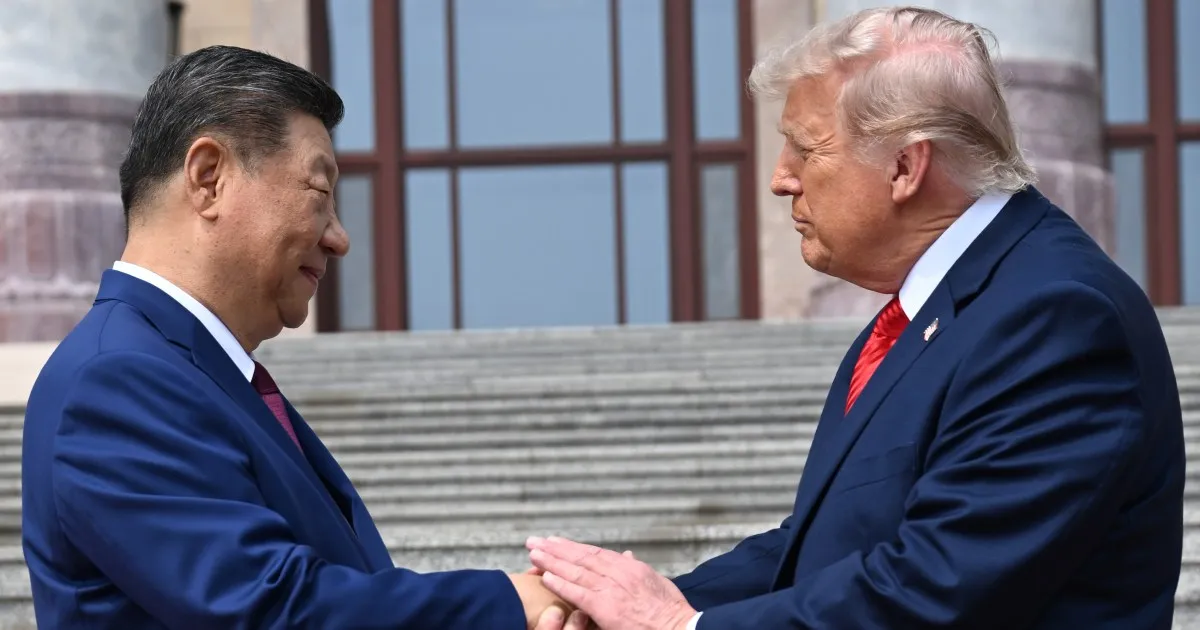
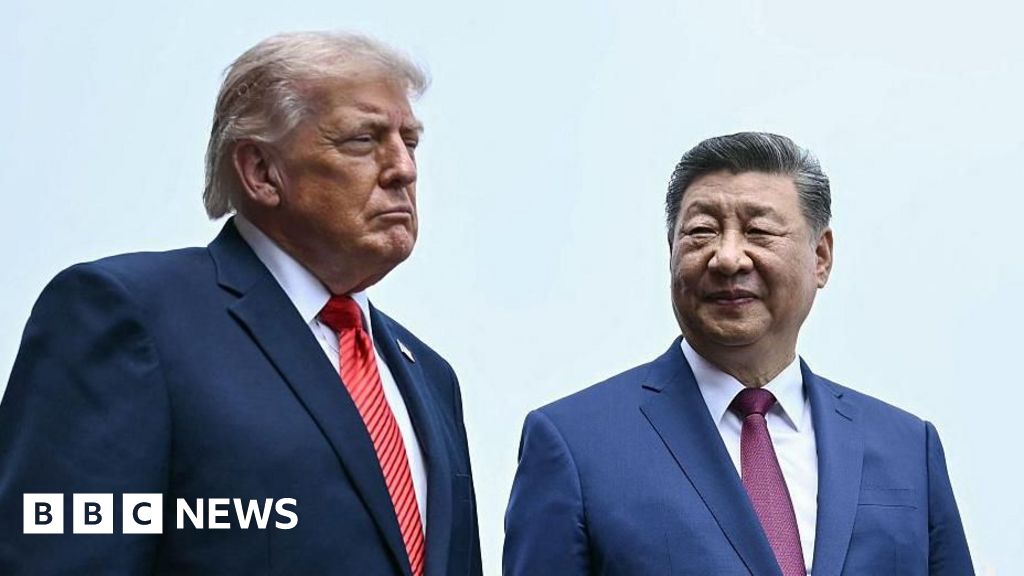
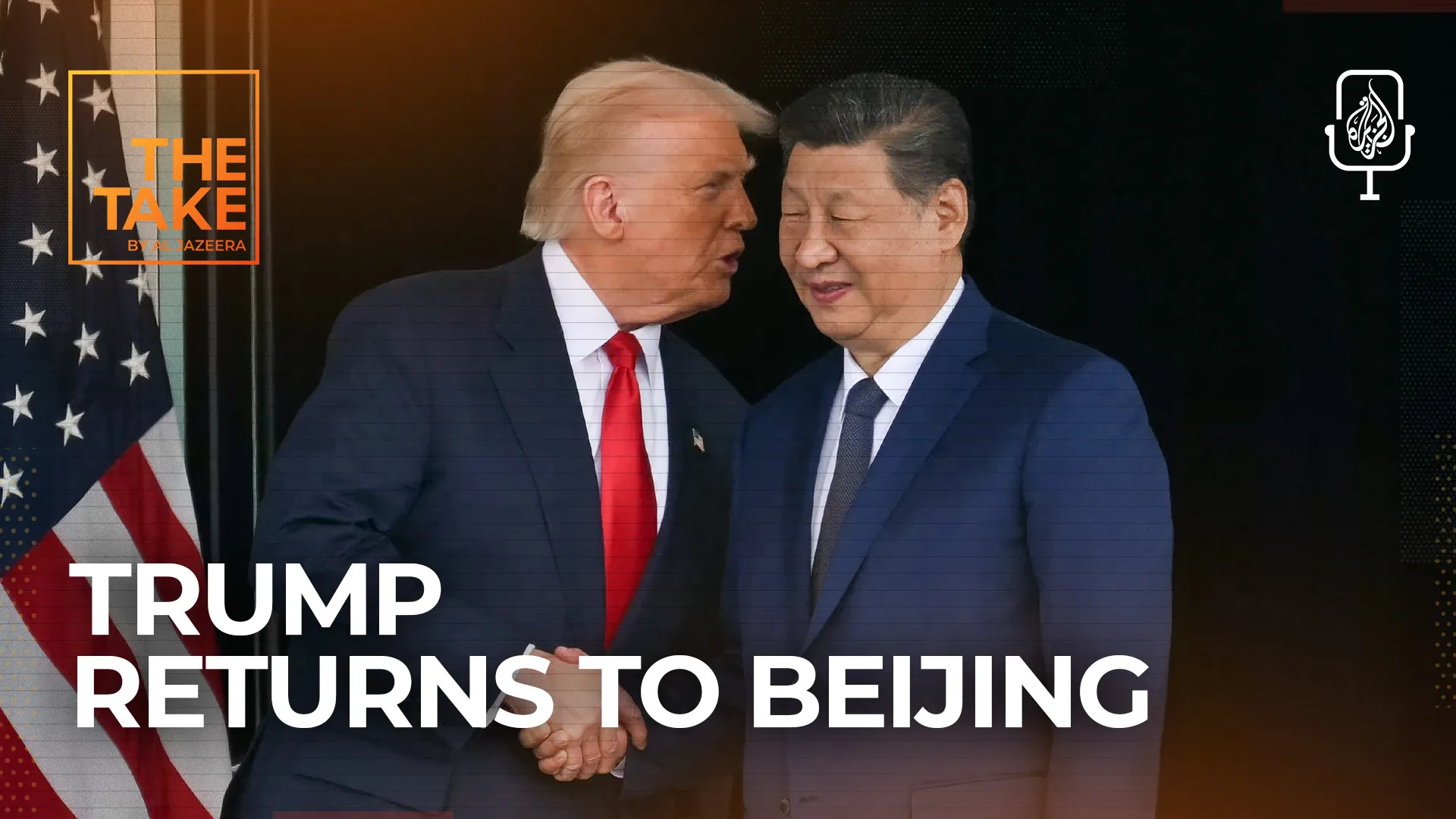
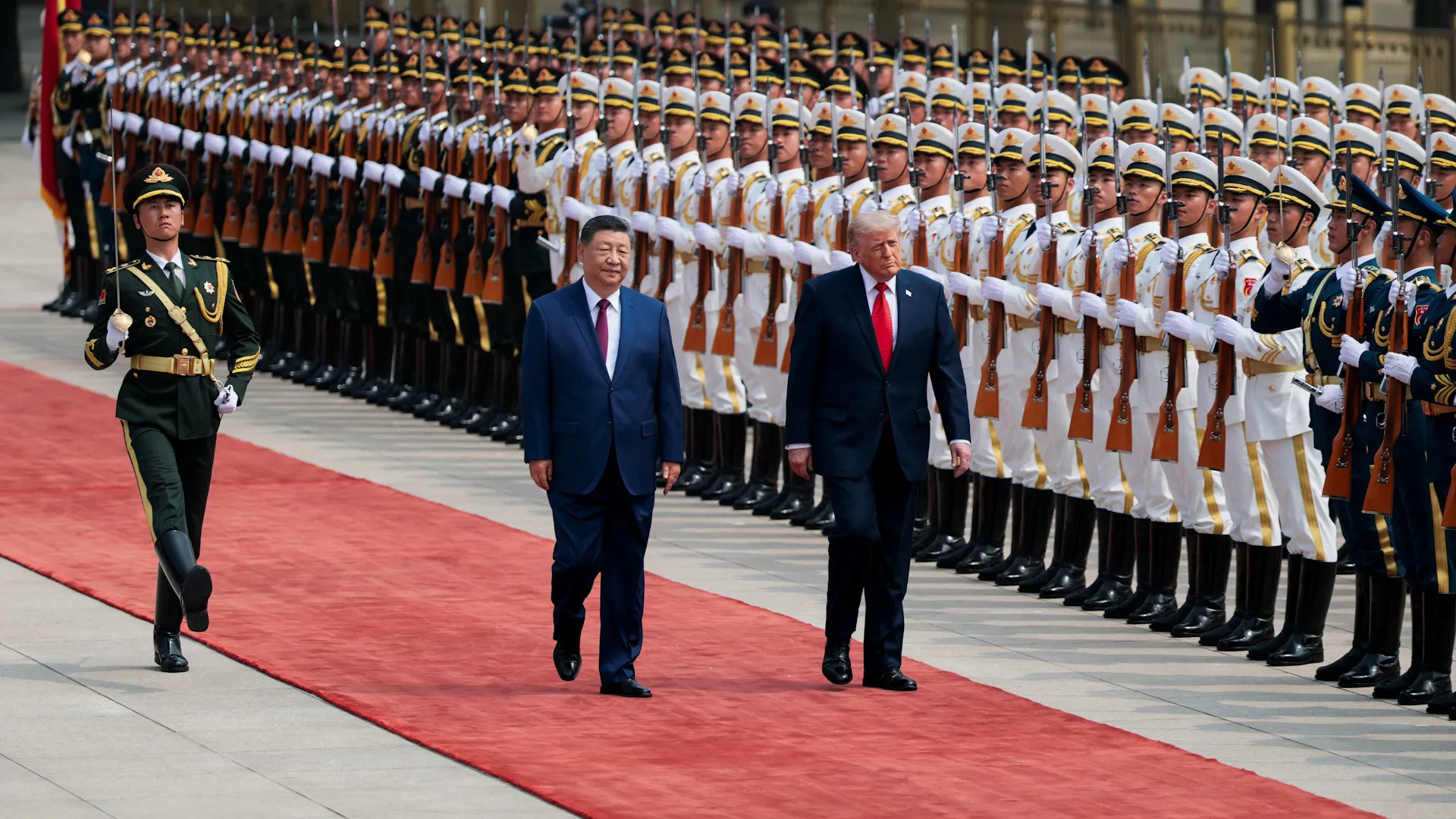
Before arriving for his high-stakes summit with Chinese leader Xi Jinping, United States President Donald Trump aimed to set expectations high.
He said he would urge Xi to “open up” China’s economy and announced a delegation of top business executives, including Tesla’s Elon Musk, Apple’s Tim Cook and Nvidia’s Jensen Huang, to accompany him.
Recommended Stories
list of 4 itemsend of list
As Trump and Xi prepare to wrap up two days of meetings on Friday, the expectations for their summit’s outcome among observers generally are modest at best.
While Trump and Xi are anticipated to extend the one-year pause in their trade war agreed to in South Korea in October, the expectations are for a stabilisation – not revitalisation – in ties between the world’s two largest economies, which are locked in a rivalry that spans everything from trade and artificial intelligence to the status of Taiwan.
“It is important to be clear-eyed about the state of relations here,” Claire E Reade, a senior counsel at Arnold & Porter who previously worked on China at the Office of the US Trade Representative (USTR), told Al Jazeera.
“China does not trust the US, and China wants to beat the US in what it sees as long-term global competition,” Reade said.
“This limits what can be agreed.”
While Trump and Xi have yet to announce the final contours of any trade agreement, the US side has flagged various business deals in the pipeline.
In a pre-recorded interview with Fox News that aired on Thursday, Trump said that China would invest “hundreds of billions of dollars” in companies run by the CEOs in his delegation, without providing further details.
Trump also said that Beijing had agreed to purchase US oil and 200 Boeing aircraft.
Trump administration officials have said that the sides are also discussing the establishment of a “Board of Investment” to manage investments between the countries.
“A realistic ‘opening up’ of the Chinese market would likely focus first on sectors where the economic complementarity is most obvious,” Taiyi Sun, an associate professor of political science at Christopher Newport University in Newport News, Virginia, told Al Jazeera.
“Agricultural goods such as soybeans and beef, as well as high-value-added manufacturing products like Boeing aircraft, are natural areas for expansion because they match existing Chinese demand with American export strengths.”
Sun said a “gradual” opening for US firms in sectors such as financial services could also be possible.
“But those areas are politically and institutionally more sensitive inside China, so progress would likely be incremental rather than immediate,” he said.
Gabriel Wildau, a senior vice president at global business advisory firm Teneo, said both sides will be seeking to address supply-chain vulnerabilities exposed by their trade war.
“The Iran war has likely increased the US’s vulnerability to export controls on rare earths, given the need to rebuild the munition stocks depleted in that war,” Wildau told Al Jazeera.
“Washington will therefore be willing to offer tariff relief – or at least assurances not to impose new tariffs – in exchange for Beijing’s commitment to keep rare earth exports flowing.”
While Trump and Xi agreed to roll back some trade barriers at their summit in South Korea, US-Chinese business and trade remain severely constrained after a decade of tit-for-tat economic salvoes between the sides.
The average US tariff on Chinese goods stood at 47.5 percent after the South Korea summit, up from 3.1 percent before Trump’s first term, according to the Peterson Institute for International Economics.
China’s average tariff on US goods stood at 31.9 percent, up from 8.4 percent in 2018, according to the think tank.
Two-way goods trade amounted to about $415bn in 2025, down sharply from its 2022 peak of $690bn.
Carsten Holz, an expert on the Chinese economy at the Hong Kong University of Science and Technology, said China has less incentive to make concessions to the US than before, amid the rise of its domestic industries.
“Across many industrial sectors, PRC [People’s Republic of China] firms hold leading or controlling positions,” Holz told Al Jazeera.
“As a result, the PRC economy has little to gain from opening further to the US and is likely to only offer largely symbolic gestures.”
Deborah Elms, head of trade policy at the Hinrich Foundation in Singapore, voiced similar sentiments about the limits of US leverage.
“Basically, Trump expects China to buy more stuff from America and let US companies operate more freely in China,” Elms told Al Jazeera.
“What is he offering?” Elms said. “Very little, largely because Trump sees the bilateral relationship as one where the US has been fair and China has not.”
Reade, the former USTR official, said Xi would not agree to any measures that “harm Chinese interests in any way.”
“Instead, China will potentially give the US no-cost ‘gifts,’” Reade said, suggesting such measures could include the removal of trade barriers it placed on US beef.
“It may buy US goods it needs,” Reade said.
“If it allows purchases of US tech products, it will only be because it needs them right now,” she added, “But this does not interfere with China’s strategic plans to eliminate dependence on US technology over the longer term.”
Al Jazeera’s Manuel Rapalo reports from Washington, where the first of two days of US-mediated ambassador-level talks between Israel and Lebanon concluded on Thursday. A ceasefire between them expires on Sunday, though Israel has killed 512 Lebanese since its implementation on April 17.
Weekly insights and analysis on the latest developments in military technology, strategy, and foreign policy.
Testifying before the Senate Armed Services Committee on Thursday, the admiral in charge of U.S. military operations in the Middle East pushed back against claims that Iran still possesses a large number of missiles and launchers. He spoke as the White House said U.S. President Donald Trump and his Chinese counterpart Xi Jinping discussed the ongoing Iranian closure of the Strait of Hormuz and hours after Iran seized another ship.
Iran can “no longer threaten regional partners, or the United States, in ways that they were able to do before, across every domain,” the commander of U.S. Central Command, Admiral Brad Cooper, explained.
On Wednesday, The New York Times reported that the “Trump administration’s public portrayal of a shattered Iranian military is sharply at odds with what U.S. intelligence agencies are telling policymakers behind closed doors.”
The newspaper cited “classified assessments from early this month that show Iran has regained access to most of its missile sites, launchers and underground facilities.”
“Most alarming to some senior officials is evidence that Iran has restored operational access to 30 of the 33 missile sites it maintains along the Strait of Hormuz, which could threaten American warships and oil tankers transiting the narrow waterway,” the Times added. “Iran still fields about 70 percent of its mobile launchers across the country and has retained roughly 70 percent of its prewar missile stockpile, according to the assessments. That stockpile encompasses both ballistic missiles, which can target other nations in the region, and a smaller supply of cruise missiles, which can be used against shorter-range targets on land or at sea.”
WaPo last week: “Iran retains about 75 percent of its prewar inventories of mobile launchers and about 70 percent of its prewar stockpiles of missiles” https://t.co/FpAhZQKPlG
Cooper took issue with those figures when asked about them.
“I think it’s appropriate in this forum not to discuss specific intelligence assessments,” he responded. “What I would say, from my perspective, is the numbers that I’ve seen in open source are not accurate. I think what also is not taken into consideration, it’s more than just the numbers. It’s the command and control that’s been shattered. It’s a significant degradation and capability, and it’s the lack of any ability to then produce any missiles…on the back end.”
Cooper was further pressed on Iran’s ability to threaten shipping in the Strait of Hormuz because it still has missiles and fast boats and other assets.
“In each of those cases, their capabilities have been significantly degraded,” the admiral posited. “If I just use my own professional experience and 100 transits through the Strait of Hormuz, you would typically see 20 to 40 fast boats, and lately we’ve seen two or three. So the degradation means it’s been significant, but some residual capability does exist with respect to the threat that remains.”
.@CENTCOM Commander Adm. Brad Cooper: “[Iran’s] capability has been significantly degraded. If I just use my own professional experience, in 100 transits through the Strait of Hormuz, you would typically see 20-40 fast-boats; lately, we’ve seen two or three.” @centcomcdrpic.twitter.com/8pWaMFpKQ9
— Rapid Response 47 (@RapidResponse47) May 14, 2026
Though Cooper downplayed Iran’s current capabilities, he said Tehran posed significant new threats with its modern drones.
“The days of $35,000 drones that we saw in the last couple of years, particularly in the fight against the Houthis in Yemen, those days are behind us,” Cooper proffered. “Today we face an increased threat from drones that are highly sophisticated. They’re jet-powered. They have high-end sensors. They have electronic warfare…signals intelligence. So those days of using high value defenses to shoot down cheap targets are behind us.”
“Quite the contrary, what we have been doing lately is using our own low-cost one way attack drones, [to attack] Iran, making them use higher and more expensive weapons. So I can confidently tell you, we have flipped the cost curve in many ways. Always work to be done, but I like where we are in this regard.”
CENTCOM commander Adm. Brad Cooper says the U.S. has “flipped the cost curve” in drone warfare against Iran.
“The days of using high-value defenses to shoot down cheap targets are behind us.” pic.twitter.com/7iK4JKpL9N
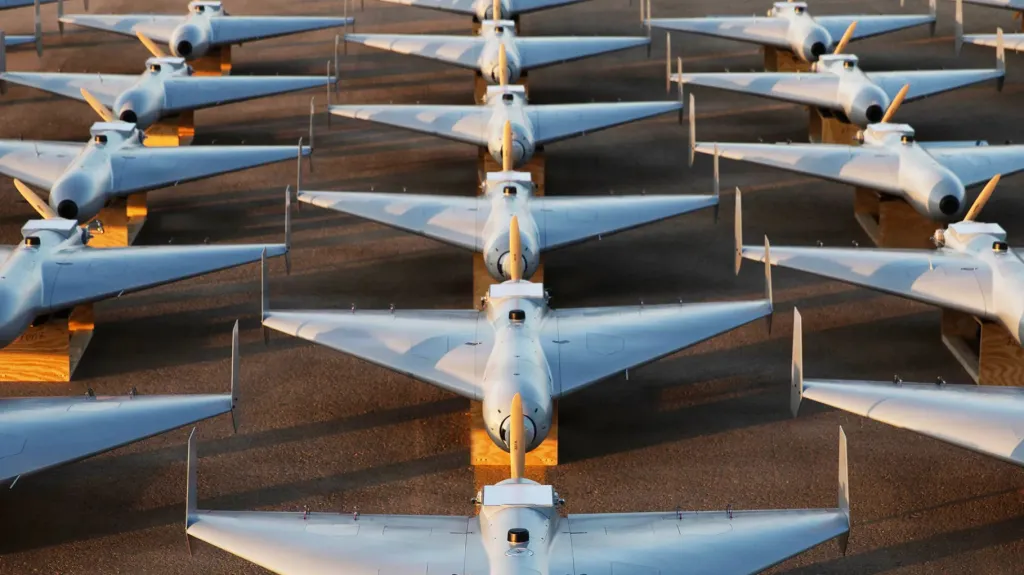
The LUCAS drones are “an additional capability that we’ve now employed against an adversary very effectively,” Cooper commented. He declined to provide further details.
“Vis a vis Iran, I think I would just like to keep that in the classified setting,” he noted.
LUCAS kamikaze drones. (CENTCOM)
Cooper provided additional statistics about Epic Fury to the committee.
“We destroyed or buried much of Iran’s ballistic missiles, launcher vehicles, and long-range attack drones with more than 450 strikes on ballistic missile storage and systems and roughly 800 strikes on Iran’s drone-launching units and storage. In the air domain, Iran’s air and air defense forces are functionally and operationally irrelevant.”
“Before OEF, the Iranian Air Force flew between 30 and 100 sorties each day. Today that number is zero. We destroyed or rendered non-mission-capable Iran’s fixed-wing airfields, hangars, fuel storage, and munitions stockpiles, and we knocked out 82 percent of its air defense missile systems along with the radar and command architecture that tied them together.”
“At sea, we destroyed 161 vessels in total across 16 classes of warships, effectively crippling the regime’s ability to operate.”
Admiral Cooper: “At sea, we destroyed 161 vessels in total across 16 classes of warships, effectively crippling the regime’s ability to operate. We eliminated more than 90 percent of Iran’s once-massive inventory of over 8,000 naval mines, with more… pic.twitter.com/VmBwR8KIlM
“We eliminated more than 90 percent of Iran’s once-massive inventory of over 8,000 naval mines, with more than 700 airstrikes on Iranian naval mine targets. In sum, Iran’s navy can no longer claim to be a maritime power, and it cannot project into the Gulf of Oman or the Indian Ocean. Iran retains nuisance capability – harassment, low-end drone and rocket attacks, and residual proxy support – but it no longer possesses the means to threaten major regional operations or to deter U.S. freedom of action in the air or maritime domains.”
“The second-order effects of OEF are significant. More than 2,000 strikes against Iran’s command-and-control structures created leadership vacuums, paralysis, and internal confusion.”
“We have seen reporting of desertions, personnel shortages, and signs of regime desperation in their attempts to compel discipline through arrest and execution. Most importantly for the region’s future: Iran will be highly challenged to proliferate advanced weapons to Lebanese Hezbollah, the Houthis, Hamas, or the Iraqi militia groups. The supply chain from Tehran to the proxies has been broken.”
While Iran has clearly been battered by attacks from the U.S. and Israel, recent events show it can still inflict damage on its neighbors and shipping. As we previously reported, Tehran has repeatedly struck the United Arab Emirates (UAE) before and after the April 7 ceasefire. In previous coverage, we have pointed out how Iran has also attacked U.S. warships and commercial vessels they were helping guide through the Strait of Hormuz during the short-lived Project Freedom operation.
Hours before Cooper testified, “the Islamic Revolutionary Guard Corps (IRGC) Navy seized the Honduras-flagged fishery research vessel Hui Chuan,” a maritime security official told us. “The Company Security Officer (CSO) reported that the vessel was taken by Iranian personnel while at anchor approximately 38nm northeast of Fujairah, UAE, at 05:45 UTC.”
The Hui Chuan was operating as a “floating armory” storing weapons for Chinese security firms who protect ships at sea from attack by pirates, the official told us. The ship is now “bound for Iranian territorial waters,” the UK’s Maritime Trade Operations (UKMTO) organization said.
The Honduras-flagged fishing research vessel Hui Chuan (IMO: 8316895), anchored off the UAE’s east coast, is believed to have been seized by the IRGC Navy.
The ship is reportedly operated by the Chinese private security company Sinoguards as a floating armory. pic.twitter.com/VlHpmkqFYw
During an interview with NBC News, Rubio was asked what Trump asked Xi when it comes to Iran.
“He didn’t ask him for anything,” the secretary noted. “We’re not asking for China’s help. We don’t need their help… Our position is very clear: Iran cannot have a nuclear weapon.”
NBC: “What exactly did President Trump ask President Xi for when it comes to Iran?”@SecRubio: “He didn’t ask him for anything. We’re not asking for China’s help. We don’t need their help… Our position is very clear: Iran cannot have a nuclear weapon.” pic.twitter.com/Hn7f3aqiUp
— Rapid Response 47 (@RapidResponse47) May 14, 2026
In a post on his social media platform responding to Xi’s remarks that the U.S. is essentially a declining power, Trump responded that the Chinese leader was referring to America under Biden and that things are much better now.
More interesting, however, is a hint Trump dropped about the future with Iran.
Among the accomplishments he claimed on Truth Social was “the military decimation of Iran (to be continued!).”
The House voted for a third time against acting as a check on President Trump’s military powers in Iran, even as a growing number of Republicans express concern about the prolonged conflict, CBS News reported.
Thursday’s vote on a Democratic resolution to rein in Trump’s authority was 212-212, falling just short of a majority. Originally introduced on March 4, the measure as written would have directed the president to remove U.S. forces from hostilities within 30 days of the start of the war, which began on Feb. 28.
The U.S. House voted 212-212 on a War Powers Resolution to restrict military action against Iran. The measure failed, needing a majority to pass. pic.twitter.com/NcRDvUIFyA
In a readout of the meeting in Beijing between Trump and Xi, the White House noted that the topic of the Strait of Hormuz came up in discussions between the two leaders.
“The two sides agreed that the Strait of Hormuz must remain open to support the free flow of energy,” the White House posted on X. “President Xi also made clear China’s opposition to militarization of the Strait and any effort to charge a toll for its use, and he expressed interest in purchasing more American oil to reduce China’s reliance on the Strait in the future.”
U.S. Secretary of State Marco Rubio, who was among those accompanying Trump, highlighted Xi’s opposition to allowing Iran to impose tolls on ships transiting the Strait.
“President Trump raised the issue of Iran with China and it was important,” said Rubio. “The Chinese side said they are not in favor of militarizing the Strait of Hormuz and are not in favor of a tolling system, and that’s our position.”
SECRETARY RUBIO: President Trump raised the issue of Iran with China and it was important.
The Chinese side said they are not in favor of militarizing the Strait of Hormuz and are not in favor of a tolling system, and that’s our position. pic.twitter.com/9JYpbvztd8
However, there was no mention of Iran or the Strait of Hormuz.
While that doesn’t mean these issues weren’t discussed, readouts are messaging and this reflected the emphasis Beijing places on the paused war and its aftermath.
“The two heads of state exchanged views on major international and regional issues, including the situation in the Middle East, the Ukraine crisis, and the Korean Peninsula,” was about as close as the statement from the Chinese Foreign Ministry came to addressing Iran.
Despite the Trump administration’s stance that China opposes allowing Iran to impose tolls on shipping, Beijing is paying for transits, the Guardian claims.
Tehran “says it has reached a deal with China that has already allowed a large number of oil tankers bound for China to go through the strait of Hormuz since Wednesday night, and this has been made possible by China agreeing to limited charging, undercutting US opposition to such moves,” the outlet reported. “The development suggests China has accepted Iran’s assertion that the shipping rules in the strait have changed, with reports suggesting the cost will be in the region of $1 per barrel.”
We cannot independently verify that and have reached out to the White House for details.
🇮🇷 🇨🇳 Iranian media reported on Thursday that naval forces had allowed a group of Chinese ships to pass through the strategic Strait of Hormuz since the night before. Iran has largely blocked shipping through the strait since the outbreak of war with the US and Israel ➡️… pic.twitter.com/PVjGJ0TY7t
Trump pushed back on claims that China is working to arm Iran.
“We discussed it,” he told Fox News host Sean Hannity. “I mean, when you say ‘support,’ they’re not fighting a war with us or anything. He said he’s not gonna give military equipment. That’s a big statement. He said that strongly. But at the same time he said they buy a lot of their oil there, and they’d like to keep doing that.”
HANNITY: Did you discuss China’s support for Iran with Xi?
TRUMP: We discussed it. Uhhhh. I mean, when you say ‘support,’ they’re not fighting a war with us or anything. He said he’s not gonna give military equipment. That’s a big statement. But at the same time he said they buy… pic.twitter.com/Lq677uoCfG
Trump’s claim that China told him it won’t give weapons to Iran followed The New York Times report that Beijing was working to ship arms to Tehran.
“Chinese companies have been discussing arms sales with Iran, plotting to send the weapons through other countries to mask the origins of the military aid,” the publication stated, citing U.S. officials.
The United States “has gathered intelligence that Chinese companies and Iranian officials have discussed the arms transfers,” the newspaper added. “It is not clear how many, if any, arms have been shipped or to what degree Chinese officials have approved the sales.”
Officials briefed on the intelligence “have reached different conclusions on whether the arms have already been sent to the third countries,” according to the Times. “But no Chinese weapons appear to have been used on the battlefield against U.S. or Israeli forces since they began their war against Iran in late February.”
“The United Arab Emirates denies reports circulating regarding an alleged visit by Israeli Prime Minister Benjamin Netanyahu to the UAE or receiving any Israeli military delegations in the country,” the UAE Foreign Affairs Ministry posted on X Wednesday afternoon EDT. “The UAE reaffirms that its relations with Israel are public and conducted within the framework of the well-known and officially declared Abraham Accords, and are not based on non-transparent or unofficial arrangements. Accordingly, any claims regarding unannounced visits or undisclosed arrangements are entirely unfounded unless officially announced by the relevant authorities in the UAE.”
The ministry added that the “UAE calls on media outlets to exercise accuracy and professionalism, and to refrain from circulating unverified information or promoting misleading political narratives.”
UAE Denies Reports Regarding Visit by Israeli Prime Minister or Receiving Any Israeli Military Delegation pic.twitter.com/TRX9y5ZoVN
Hours before the UAE announcement, Netanyahu’s office claimed the Israeli leader did travel to the Gulf Arab nation, confirming a CBS News report about the visit.
“In the midst of Operation ‘Roar of the Lion,’ Prime Minister Benjamin Netanyahu made a secret visit to the United Arab Emirates and met with the President of the United Arab Emirates, Sheikh Mohammed bin Zayed,” the office posted on X. “This visit led to a historic breakthrough in relations between Israel and the United Arab Emirates.”
לשכת ראש הממשלה מאשרת כעת:
בעיצומו של מבצע ״שאגת הארי״, ראש הממשלה בנימין נתניהו ביקר בחשאי באיחוד האמירויות ונפגש עם נשיא איחוד האמירויות, השייח׳ מוחמד בן זאיד.
ביקור זה הביא לפריצת דרך היסטורית ביחסים בין ישראל לאיחוד האמירויות.
Israel’s N12 News chief political correspondent Amit Segal noted a “few striking details regarding the news of Netanyahu’s visit to the UAE.”
“A covert flight reportedly took place while Israeli airspace was fully shut—without leaks or detection,” he noted on X. “Sources suggest a deal was reached on an Iron Dome shipment” and “UAE President Mohammed bin Zayed Al Nahyan has publicly hosted Israeli leaders like Naftali Bennett and Yair Lapid—but not Benjamin Netanyahu. Until now, their contacts stayed behind closed doors.”
Bennet and Lapid visited the UAE in 2021, as Prime Minister and Foreign Minister respectively.
A few striking details regarding the new of Netanyahu’s visit to the UAE:
1. A covert flight reportedly took place while Israeli airspace was fully shut—without leaks or detection.
2. Sources suggest a deal was reached on an Iron Dome shipment.
The announcement from Netanyahu’s office followed media reports on Tuesday about the visit to the UAE of two other high-level Israeli officials.
The Wall Street Journal reported that Mossad chief David Barnea visited the UAE at least twice during Operation Roaring Lion to coordinate war efforts. Barnea reportedly flew to the UAE in March and April. In addition, Israeli media reported that Shin Bet chief David Zini also visited the UAE to coordinate security efforts.
Certainly not surprising given the Abraham Accords and the more recent Iron Dome battery and miltary deployment to UAE by Israel. But 2 back to back visits by a Mossad chief amid a war speaks volumes. Important read by @AnatPeled1 & @summer_said in @WSJ.https://t.co/i9BmyHNZ3p
— Behnam Ben Taleblu بهنام بن طالب لو (@therealBehnamBT) May 13, 2026
The back and forth over the potentially unprecedented wartime visit by three top Israeli officials to the UAE comes a day after U.S. Ambassador to Israel Mike Huckabee publicly confirmed that Israel sent the UAE an unspecified number of Iron Dome air defense batteries and troops to operate them. News of the deployment was first reported by Axios last month. Such an acknowledgement of direct Israeli military aid to an Arab nation is unusual in its own right.
🚨 WATCH: US Ambassador to Israel Mike Huckabee officially confirms: Israel sent the United Arab Emirates an Iron Dome system and a team to operate it. This happened because there are exceptional relations between Israel and the United Arab Emirates, based on the Abraham Accords. pic.twitter.com/BgCkESt4Yl
TWZ cannot independently verify any of the travel claims. However, Israel has historically been viewed as an enemy by the Arab world and direct cooperation in the form of a visit by its head of state could be considered controversial to say the least. At the same time, things have changed dramatically in the region over the last decade or so, with Arab countries warming to relations with Israel. This has been spurred by the major economic development the region has seen as well as, at least to a degree, a common foe — Iran.
Perhaps the UAE is trying to appeal to a domestic audience or, as Israel’s I24 News senior Middle East correspondent Ariel Oseran suggested on X, UAE is trying to distance itself from Netanyahu and his coalition, not Israel writ large. Maybe Netanyahu, for his own reasons, is trying to claim a level of relationship that doesn’t exist, however that seems unlikely.
We may never find out for sure.
It is highly unlikely that Israel’s PMO would issue a fake statement regarding Netanyahu visiting the UAE at such a sensitive time.
What is more likely is that Abu Dhabi is trying to publicly distance itself from Netanyahu on a personal level, a sentiment that I have personally… https://t.co/8laUSjOAc7
— Ariel Oseran أريئل أوسيران (@ariel_oseran) May 13, 2026
The Senate on Wednesday blocked the seventh Democratic attempt to prevent Trump from waging war on Iran. However, it was by the slimmest margin yet, indicating a growing unease in the legislature about the now-paused conflict.
The vote failed by a 49-50 margin, with all Democrats but John Fetterman of Pennsylvania supporting the measure. For the first time, Senator Lisa Murkowski of Alaska joined fellow Republican Senators Susan Collins of Maine and Rand Paul of Kentucky in breaking with Trump and voting with Democrats.
This was the first vote on the War Powers Resolution since Trump bypassed the 60-day deadline to seek congressional authorization for Operation Epic Fury last month. You can read more about that effort in our story about it here.
Protesters have demanded the resignation of President Rodrigo Paz, who was elected on a platform of economic reform.
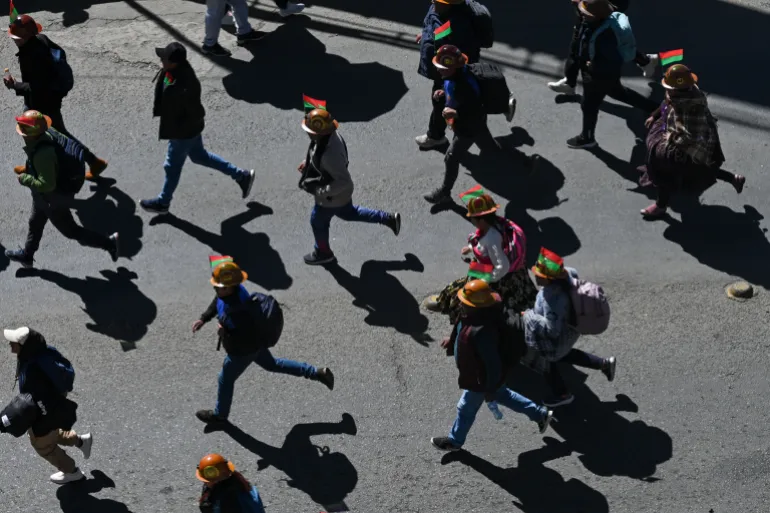
Demonstrators, led by mining groups and rural unions, have clashed with law enforcement in Bolivia as tensions simmer over the country’s economic crisis, the worst in decades.
On Thursday, small explosions were heard in the midst of the protest in La Paz, credited to miners setting off small sticks of dynamite. Some protesters were reported as attempting to breach the presidential palace.
Recommended Stories
list of 3 itemsend of list
The unrest follows weeks of road blockades, as miners, farmers, teachers and rural workers express frustration over the country’s ongoing economic turmoil.
Bolivia used to be a major exporter of natural gas, but in recent years, its reserves began to shrivel, and its production has plummeted. Now, rather than being a fuel exporter, it has become a net importer, reliant on oil and natural gas from abroad.
The collapse of the natural gas industry has been coupled with dwindling supplies of foreign currency in the country. The result has been soaring inflation, supply shortages and higher prices.
Bolivians have experienced long lines for fuel, and hospitals have reported a lack of basic supplies like oxygen and medication.
Demonstrators from mining unions take part in a protest against President Rodrigo Paz’s government in La Paz, Bolivia, on May 14 [Claudia Morales/Reuters]
Centre-right leader Rodrigo Paz was elected in October last year in part on a promise to address the economic tailspin.
His victory marked a political sea change in Bolivia. For much of the past two decades, except for a brief period in 2019, the country has been governed by the Movement Towards Socialism (MAS).
The decline of MAS has been credited, in part, to the uproar over the economy.
But on Thursday, Paz likewise faced calls from protesters for his resignation, just as his MAS predecessor, Luis Arce, had.
Earlier in the day, a group of 20 miners were invited to the presidential palace to meet with Paz and discuss their demands, according to the Reuters news agency.
Ahead of the meeting, Economy Minister Jose Gabriel Espinoza said his government was “open to dialogue”.
Among the issues reportedly discussed were fuel subsidies, welfare benefits and changes to an agrarian reform measure, Law 1720, that was repealed on Wednesday after outcry.
Still, officials have refused demands that Paz step down. “The president is not going to resign,” Mauricio Zamora, the minister of public works, services and housing, said earlier this month.
Some of Paz’s allies have blamed the unrest on former President Evo Morales, a former trade union leader who continues to draw popular support in Bolivia’s rural areas.
Morales, who led Bolivia from 2006 to 2019, previously supported protests against Paz’s predecessor Arce, after splitting from MAS.
He is also the subject of an arrest warrant: Morales has been accused of statutory rape and was held in contempt of court for failing to show up to a hearing last week.
A prolific social media user, Morales posted multiple times on Thursday about the protests, accusing the government of using him as a scapegoat. He also echoed calls for officials to address the shortages of food, fuel and other basic supplies.
“They believe that the thousands of Bolivians currently protesting — in the streets and on the roads — are merely obeying a single individual,” Morales wrote in one post.
“The outraged are driven by their social conscience and their fury against a government that, from day one, betrayed its constituents and the nation.”
Venezuela’s liabilities include defaulted bonds and loans as well as international arbitration awards. (Archive)
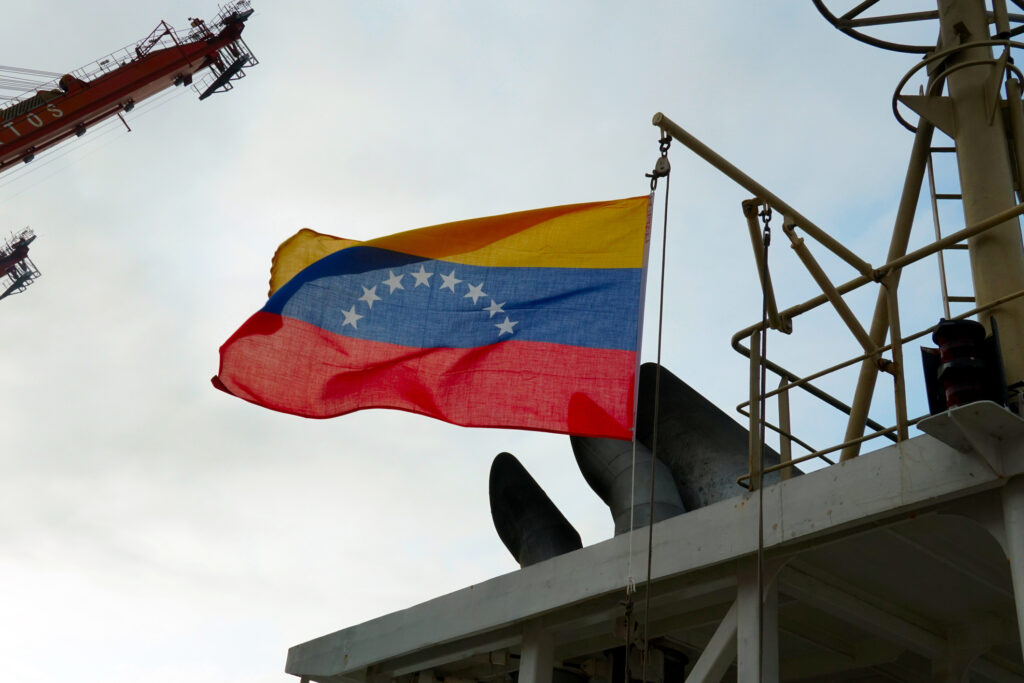
Caracas, May 14, 2026 (venezuelanalysis.com) – The Venezuelan acting government announced the formal launch of a restructuring process of the country’s sizable foreign debt.
In a statement published on Wednesday, Caracas promised “comprehensive and orderly” proceedings to renegotiate liabilities owed by the country and state oil company PDVSA.
“This decision has the goal of putting the economy at the service of the Venezuelan people and freeing the country of the burden of accumulated debt,” the communique read. “This is a responsible, nationalist, and social decision.”
Venezuelan authorities added that the country’s resources should prioritize the people’s well-being over “unsustainable financial obligations” and that they seek a “substantial reduction” of the total debt.
Venezuela defaulted on a range of bonds and loans beginning in 2017 as US sanctions severely exacerbated the country’s economic crisis and shut it out of financial markets, making payments impossible. The Nicolás Maduro government had prioritized debt service in previous years as the country’s economy entered a tailspin in hopes of retaining access to international credit.
The sum total of defaulted debts and loans, on top of international arbitration awards, is estimated to be as high as US $170 billion with accrued interest. Liabilities likewise include unpaid loans to China. The restructuring process may be one of the largest in history, surpassing Russia (1998) and Argentina (2001).
According to Business Wire, the government led by Acting President Delcy Rodríguez plans to present its “macroeconomic framework and public debt sustainability analysis” to the international financial community in June. Caracas has reportedly hired Centerview Partners as a financial advisor.
On May 5, the US Treasury Department issued a license allowing the provision of financial and advisory services related to Venezuelan debt restructuring. The sanctions waiver does not allow creditors to transfer or settle debt, nor directly engage with Venezuelan authorities.
Market analyst S&P Global argued that Venezuela’s debt renegotiation process could face obstacles if some creditors hold out and reject restructuring proposals.
Financial analyst Elías Ferrer Breda called Wednesday’s announcement an expected “formality” and added that the next step will be assessing the actual size of Venezuela’s foreign debt. For his part, political commentator Luis Vicente León argued that the restructuring process will be drawn out but may “restore credibility” before financial markets.
Pramol Dhawan, head of Pacific Investment Management Company LLC (PIMCO) emerging markets team, welcomed Caracas’ “willingness to engage with bondholders.”
“Any durable resolution will need to be comprehensive and anchored by a credible macroeconomic framework to give creditors confidence in Venezuela’s capacity to service restructured obligations,” he told Reuters.
Venezuelan bonds rose again following the latest announcement, continuing a recent upward trend as investors eye windfall returns. Creditors have also met with Trump officials in recent weeks.
Since the January 3 US military strikes and kidnapping of President Nicolás Maduro, the acting authorities led by Delcy Rodríguez have fast-tracked a rapprochement with Washington. The Venezuelan National Assembly has approved pro-business reforms to its energy and mining sectors while the government has struck agreements with multiple Western multinational corporations.
Following the White House’s recognition of Rodríguez as the South American country’s “sole leader,” Caracas reestablished ties with the World Bank and the International Monetary Fund. Venezuelan officials have expressed hopes of accessing around $5 billion in Special Drawing Rights and stated that there are “no plans” to contract IMF loans.
For her part, IMF Managing Director Kristalina Georgieva stated that the Washington-based institution is willing to support a loan program for Venezuela but requires clarity on economic data and external debt.
In April, Rodríguez established a commission tasked with assessing the “strategic” value of Venezuelan state assets and their possible privatization, with private sector conglomerates already raising funds ahead of potential sell-offs.
As Trump meets Xi in Beijing for the first time in nine years, can trade war, Taiwan and Iran tensions be contained?
US President Donald Trump returns to Beijing after nine years to meet Chinese President Xi Jinping. The trade war, conflict in Iran, and rising fears over Taiwan shape the talks. With global tensions mounting, can the two leaders find common ground, or will rivalry push the world further into crisis?
In this episode:
Episode credits:
This episode was produced by Marcos Bartolomé and Sarí el-Khalili with Spencer Cline, Catherine Nouhan, Tuleen Barakat, Alexandra Locke, and our guest host, Kevin Hirten. It was edited by Tamara Khandaker.
Our sound designer is Alex Roldan. Our video editors are Hisham Abu Salah and Mohannad al-Melhem. Alexandra Locke is The Take’s executive producer.
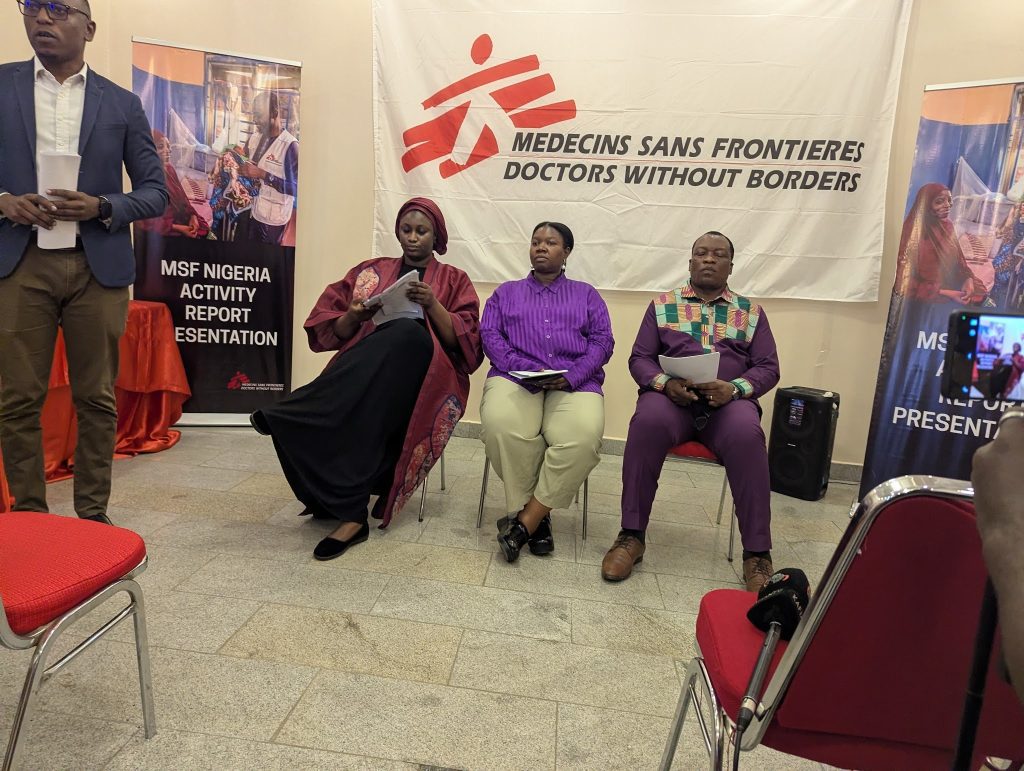
Médecins Sans Frontières (MSF), an international humanitarian organisation, has released its 2025 activity report for Nigeria, and the findings are sobering. The medical emergency organisation, also known as Doctors Without Borders, unveiled the report during an event in Abuja, North Central Nigeria, on Wednesday, May 13, documenting the disturbing rise in malnutrition cases in the country’s northern region.
With more than 3,500 workers delivering essential healthcare services across ten states, MSF reported treating over 440,000 children for malnutrition, more than 300,000 individuals for malaria, and assisting with over 33,500 deliveries in 2025.
This surge, according to the humanitarian organisation, underscores the fragility of Nigeria’s health system and the growing vulnerability of women and children in conflict-affected regions.
The 2025 report shows that MSF recorded more than 600,000 outpatient consultations, 48,000 inpatient admissions, and treated 341,239 patients for malaria, 38,753 children for measles, 6,123 patients for diphtheria, and 985 others for meningitis across its facilities in the region.
These findings are specific to the ten Nigerian states where MSF has been operating since 1996, including Jigawa, Kano, Katsina, Kebbi, Sokoto, Zamfara, and Cross River. The organisation says it has provided a wide range of essential medical services, including paediatric and maternal health care, treating children with malnutrition, responding to disease outbreaks, caring for survivors of sexual violence, offering mental health support, and performing life‑saving surgical interventions.
The MSF country representative, Ahmed Aldikhari, revealed that in 2025, the organisation observed a pattern consistent with that of previous years, starting in 2022. Aldikhari stated that malnutrition is one of the year’s greatest challenges, linking it to the region’s fragile conditions, which are severely affected by insecurity that has worsened food security.
Representatives of MSF unveiling the 2025 report, which revealed the rise in cases of malnutrition in Nigeria. Photo: Isah Ismaila/HumAngle.
“We are seeing a vicious cycle where malnutrition is both a cause and a consequence of diseases such as measles, malaria, and diphtheria, among others, which continue to affect vulnerable communities, especially when healthcare is delayed or inaccessible,” he said, suggesting that Nigeria might soon experience the peak of the malnutrition crisis.
“That is why we are consistently working side-by-side with the ministries of health, humanitarian affairs, budget and planning at the state and federal levels, and also, with our Nigerian colleagues to ensure that efficient services are provided, but they are not enough.”
HumAngle has previously reported on the broader impact of the crisis, stressing how displacements, insecurity, and climate change, among other natural and human-induced disasters, have compounded the problem. In July 2025, MSF, in collaboration with the Katsina State government, mobilised state and non-state actors to address the escalating malnutrition crisis in the northwestern region.
During the 2024 MSF conference in Abuja, organised in collaboration with the North West Governors’ Forum and the Katsina State Government, stakeholders emphasised that malnutrition in the northwestern region is no longer a seasonal emergency but rather a structural crisis that requires urgent mobilisation. The governors acknowledged that insecurity and climate pressures were eroding food systems, but MSF urged greater investment in therapeutic feeding centres and preventive programmes.
Representatives of the humanitarian organisation address journalists on malnutrition, disease outbreaks, and maternal health in Nigeria. Photo: Isah Ismaila/HumAngle.
Northern Nigeria continues to face a critical malnutrition crisis, with Katsina particularly affected, according to MSF’s 2025 activity report. Findings reveal that since 2021, MSF has been present in the state, with the organisation’s leadership revealing that they have witnessed a sharp rise in the number of malnourished children since responding to the growing crisis in recent years.
In 2025, MSF reported treating the highest number of malnourished children in Katsina. With the support of the state Ministry of Health, the organisation focused on preventing illness and malnutrition to reduce mortality and morbidity among children suffering from acute malnutrition.
“Katsina State has faced a chronic malnutrition crisis for over a decade, driven by insecurity, climate shocks, limited primary healthcare services, and high birth rates,” the report revealed. “Throughout 2025, MSF admitted 26,445 patients for inpatient care, provided treatment to 146,301 children through its outpatient centres, and conducted 15,387 outpatient consultations for malaria.”
In response to this, MSF established a new Ambulatory Therapeutic Feeding Centre (ATFC) in Mashi and a second inpatient therapeutic feeding centre at the Turai Yar’aduwa Hospital to handle the increased patient load during peak seasons.
Beyond nutrition in Kebbi, the report states that MSF responded to multiple infectious disease surges and outbreaks by tackling the increase in meningitis cases from February to May, while supporting the Ministry of Health facilities in Jega, Gwandu, and Aliero with logistics, medical supplies, staff training, and facility rehabilitation.
Following the escalating insecurity in neighbouring Zamfara and Niger that led to mass displacement to the Danko-Wasugu areas of Kebbi State as of June, the humanitarian organisation provided basic healthcare and distributed non-food relief kits to vulnerable households.
In Zamfara alone, MSF admitted 47,164 children to inpatient therapeutic feeding centres and provided 14,167 outpatient consultations in 2024, with numbers continuing to rise in 2025. According to Aldikhari, this increase in admissions is due to multiple overlapping crises, including conflict and insecurity in the northwestern and northeastern regions, which have displaced thousands of families, cutting them off from farmlands.
While the 2025 activity report warns that malnutrition is no longer a seasonal emergency but a permanent feature of Nigeria’s humanitarian landscape, it also highlights the fact that the sheer scale of admissions suggests the crisis is outpacing the humanitarian response.
Médecins Sans Frontières (MSF) released its 2025 activity report for Nigeria, highlighting a troubling surge in malnutrition, especially in the northern region.
MSF treated over 440,000 malnourished children, more than 300,000 malaria patients, and assisted with 33,500 deliveries, illustrating the fragility of Nigeria’s health system amid growing challenges in conflict-affected areas. The report details their operations across ten states since 1996, offering a range of essential medical services and responding to disease outbreaks and the chronic malnutrition crisis, particularly in conflict-driven regions like Katsina and Zamfara.
Get our in-depth, creative coverage of conflict and development delivered to you every weekend.
Subscribe now to our newsletter!
The report emphasizes the cyclical nature of malnutrition being both a cause and consequence of diseases, exacerbated by insecurity and climate pressures. Collaboration with local government and NGOs is ongoing, yet MSF warns that the crisis has transformed into a structural issue requiring significant investments in therapeutic feeding centers and preventive programs. Despite increased efforts, the scale of malnutrition and related health crises like measles, diphtheria, and meningitis, is outpacing humanitarian response, marking malnutrition as an enduring element of Nigeria’s humanitarian landscape.
In China, Elon Musk has gained both admiration and criticism. While he is seen as a visionary, he has faced scrutiny from regulators and the public due to issues with customer complaints. The success of Musk’s SpaceX and its Starlink satellite service has also led to concerns from the People’s Liberation Army, especially as Tesla faces growing competition from Chinese electric vehicle (EV) manufacturers, which threatens Musk’s standing in the market.
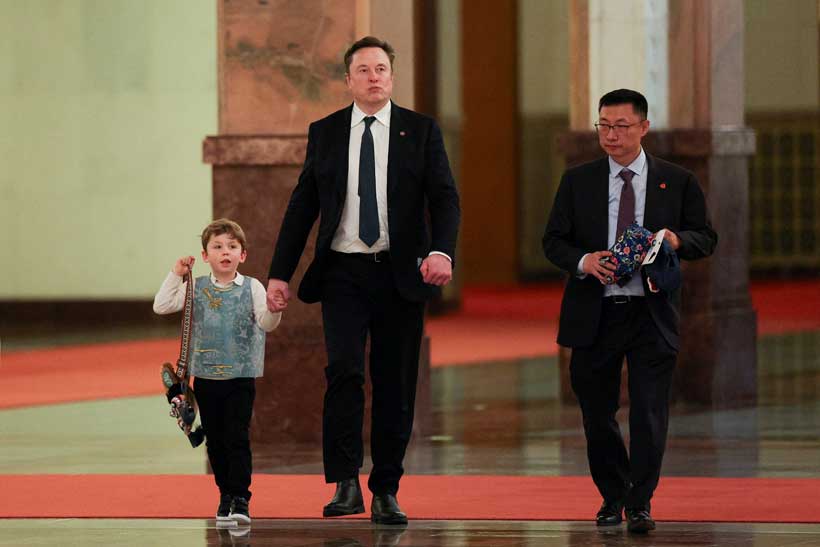
Musk recently attended a summit in Beijing with U. S. President Donald Trump, alongside other CEOs like Tim Cook and Jensen Huang, focusing on resolving business issues with China. After a formal welcome, Musk expressed his desire to achieve “many good things” in the country. At the same event, Xiaomi’s CEO Lei Jun, an admirer of Musk, took a selfie with him, which became popular on social media, showcasing the public’s interest in Musk.
Despite facing competition on technology and pricing from local companies, Musk and Tesla remain influential in China. Experts note that Musk’s business goals align with China’s technological priorities, including electric vehicles, AI, and advanced robotics, making Tesla’s self-driving technology the standard in the industry. In 2018, Tesla became the first foreign automaker permitted to operate in China without a local partner, and its sales in the country reached about 626,000 vehicles last year, contributing significantly to its revenue.
Other Chinese carmakers, like Chery, draw inspiration from Tesla’s focus on innovation, blending it with Toyota’s emphasis on quality. However, Musk’s other ventures, particularly SpaceX, provoke concern among Chinese military and government officials due to its dominance in satellite communications, especially in light of geopolitical tensions, hinting at efforts to develop domestic alternatives.
Though Musk’s social media platform, X, is banned in China, he has a significant following on Weibo and has been celebrated as a global icon in the country. His recent visit pertains to an attempt to purchase $2.9 billion in solar manufacturing equipment from Chinese suppliers, although this may be affected by China’s potential export restrictions on advanced technologies to the U. S.
Musk’s company is also seeking regulatory approval for more advanced self-driving technology. However, his relationship with China has been delicate, particularly when Tesla faced backlash in 2021 over its handling of customer complaints, highlighted by a public protest at an auto show. Additionally, Teslas were previously banned from military areas due to security concerns.
Looking ahead, organizations believe that Tesla’s standing might challenge Musk’s popularity in China as local companies continue to progress. However, he is likely to remain an influential figure in China’s tech scene for his achievements in the automotive and technology industries.
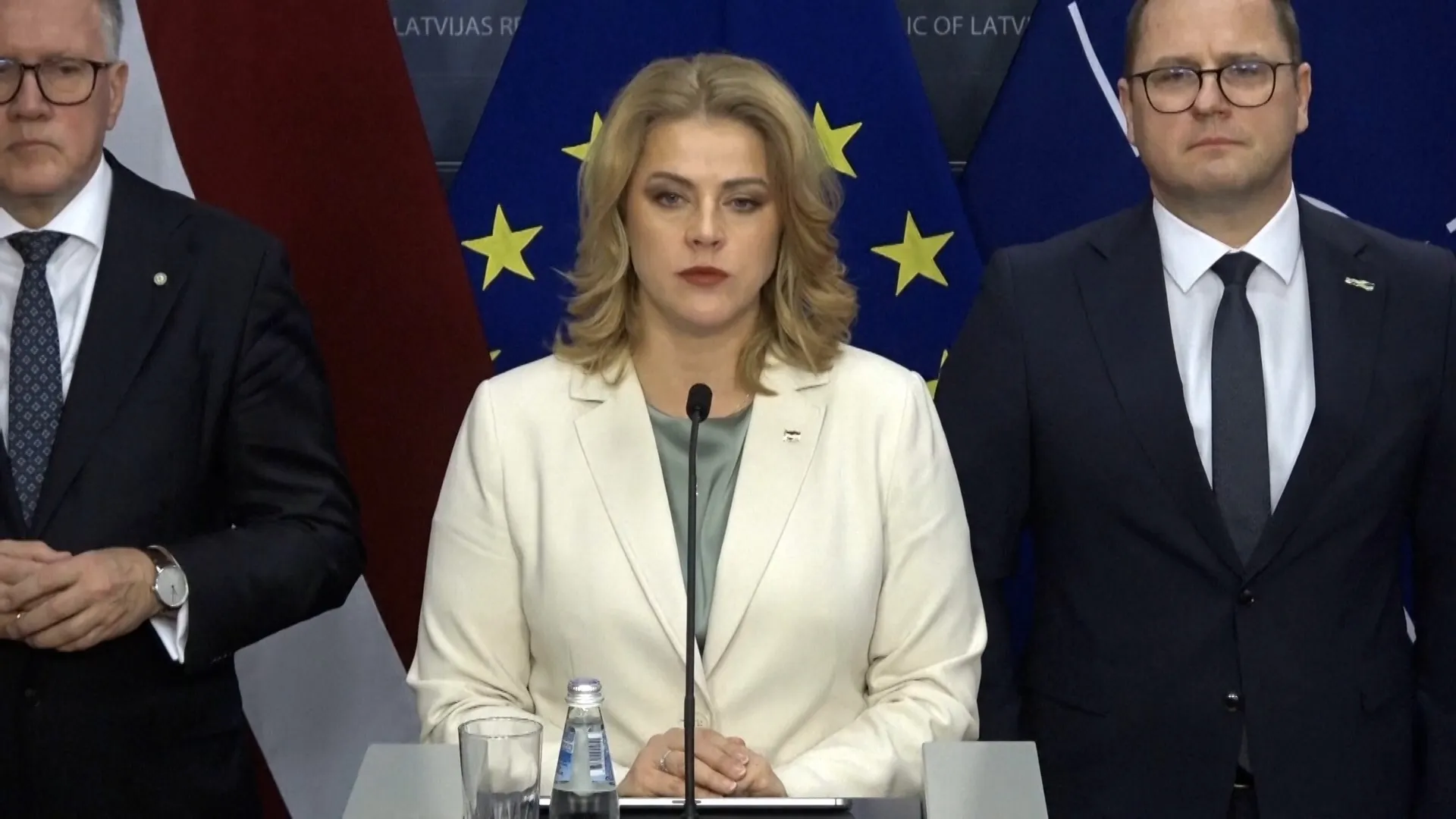
Latvia’s Prime Minister Evika Silina resigned following criticism of her government’s handling of stray drones, believed to be Ukrainian, crossing into Latvian territory. The controversy deepened divisions within the ruling coalition, causing it to lose its parliamentary majority.
Istanbul, Turkiye – When investigations by Al Jazeera and other media outlets in 2024 revealed that Israeli-linked artificial intelligence (AI) systems such as Lavender and Gospel had helped generate thousands of military targets in Gaza, critics warned that warfare was entering a new era – one driven not only by soldiers and bombs, but by algorithms, data, and surveillance technology.
Then, in September 2024, thousands of pagers and walkie-talkies used by members of Hezbollah exploded in coordinated attacks in Lebanon, widely attributed to Israeli intelligence operations that had turned ordinary communication devices into weapons.
And, last year, reporting by Al Jazeera also raised concerns about the use of cloud and data infrastructure linked to major US technology companies in Israeli surveillance operations involving Palestinians.
For a growing number of scholars, economists and political thinkers, such developments reflect more than just the changing nature of conflict. They show how power in the modern world is increasingly exercised not just through military force, but through technology, finance and control over information.
That argument has revived broader debates around decolonisation – a term historically associated with the dismantling of European empires after World War II, when countries across Asia, Africa and the Middle East gained formal independence.
But many proponents of what is termed “decolonial theory” – a school of thought arguing that colonial-era systems of power and hierarchy still shape modern politics, economics and knowledge – argue that colonial power structures never fully disappeared. Instead, they evolved, embedding themselves in global financial systems, technology platforms, media networks and even the production of knowledge itself.
Dependence of Global South countries on Western technology, digital infrastructure and global markets can create new forms of political and economic vulnerability, particularly across the Global South.
“A generation may have grown up believing they had never experienced colonialism or exploitation,” Esra Albayrak, board chair of the NUN Foundation for Education and Culture and daughter of Turkish President Recep Tayyip Erdogan, told Al Jazeera during the World Decolonization Forum in Istanbul on May 11-12.
“Yet, mentally, they may still be living under colonial influence.”
The war in Gaza marked a turning point, Albayrak says, shining a spotlight on how international principles are not applied equally. Global institutions have so far failed to stop what many countries and rights groups have described as genocide against Palestinians.
“The world is sounding an alarm, and we can no longer afford to remain indifferent to it,” she said.
A techno-feudal era
Albayrak argues that a handful of technology companies are emerging as new, invisible centres of power, shaping how information is produced, circulated and consumed in the digital age.
She describes the digital sphere as the realm of what she calls “future colonialism”, warning that AI systems trained largely on Western-centric data risk reinforcing existing global inequalities.
“When AI systems are run by those tech companies and trained on Western sources, they risk carrying the hierarchies of the past into tomorrow’s digital world, as they now have personalised data, suppressing identity,” Albayrak said.
By this, she means that most major AI models are still trained largely on English-language and Western-produced data – a pattern critics say risks sidelining non-Western languages, cultures and perspectives.
On social media platforms, algorithms tend to amplify some conflicts while rendering others nearly invisible, effectively shaping what billions of users see, discuss and remember online.
Walter D Mignolo, professor at Duke University, argues that while what we historically see as “formal colonialism” may have largely ended, systems of Western dominance continue through economics, culture, technology and knowledge production.
“Coloniality is not over. It is all over the world,” Mignolo said, arguing that modern ideas of development and progress often have the effect of pressuring societies to conform to Western norms.
Rather than simply resisting those systems, he said, societies must find a way to “re-exist” by rebuilding intellectual and cultural autonomy outside dominant global frameworks.
Colonisers in the financial age
The March 2026 Global Debt Report by the Organisation for Economic Co-operation and Development (OECD) reveals that 44 countries face severe debt burdens, often aggravated by global conflicts, forcing some governments to spend more on interest payments than on health or education.
This is not a new phenomenon, as developing countries have been labouring under the weight of foreign debt for decades.
But British political economist and author Ann Pettifor told Al Jazeera that modern forms of domination are now increasingly embedded not in empires or nation-states, but in financial systems operating beyond democratic oversight.
Pettifor points to the growing influence of “shadow” banking networks – financial institutions operating largely outside traditional banking regulations – and giant asset managers such as BlackRock, which manages $13 trillion in assets.
Much of the global financial architecture now functions largely outside the regulatory control of governments, she says, including that of Western states themselves.
“This is not a state colonising other states,” Pettifor said. “This is the financial system colonising the whole world, including my country and the US.”
She argues that elected governments increasingly struggle to control key economic realities – from energy prices to commodity markets – because those systems are dictated by global financial actors operating far beyond public accountability.
In Nigeria, for example, Pettifor says, efforts to expand domestic refining capacity continue to face pressure from international financial institutions and global energy markets to keep fuel prices tied to global markets and maintain reliance on imported refined oil products, despite its vast oil reserves.
Coordinated cooperation between developing nations may be necessary to challenge the dominance of Western-centred financial systems, Pettifor says, pointing to growing efforts across parts of West Africa to expand regional refining capacity and reduce dependence on imported fuel. Yet such ambitions can also leave critical sectors dependent on the decisions and influence of a small number of powerful private actors.
Global financial markets, algorithm-driven platforms, and foreign-controlled digital infrastructure increasingly define everyday life – from fuel and food prices to the information people consume online and the technologies governments and societies depend on, observers say.
A ‘mastery complex’
As wars become increasingly influenced by AI, digital infrastructure and financial dependency, debates around colonisation are focusing less on territorial control and more on who influences energy prices, lending systems, access to technology and the flow of information across borders, observers say.
Albayrak draws a parallel between today’s debates around technology and global power and Rudyard Kipling’s 1899 poem “The White Man’s Burden”, published as the US took control of the Philippines following the Spanish-American War. The poem framed colonial expansion as a moral obligation to “civilise” other societies rather than an exercise of domination.
Albayrak said such traces of “mastery complex” still survive today, though in different forms – not necessarily through military occupation, but through technological, financial and informational influence.
But what the world really needs, she argues, is a global order built not on hierarchy, but on shared responsibility.
“The burden should belong to humanity collectively.”
The video is horrifying, though it is the kind of horror now synonymous with the behavior of Israel, its military, its armed settlers, and society that has been conditioned to see the ‘other’ as subhuman.
Yet, this was not the typical viral video that emerges almost daily from occupied Palestine. The victim, this time, was not a Palestinian. She was an elderly French nun.
On May 1, footage surfaced from Jerusalem showing a 36-year-old Israeli man running behind a French nun—a researcher at the French School of Biblical and Archaeological Research—and shoving her violently to the ground.
In a chilling display of cruelty, the assailant did not simply hit and run. He walked away a few paces, then returned to the fallen woman to kick her repeatedly and mercilessly as she lay helpless.
What was most astonishing was the sense of normalcy that followed. The assailant remained on the scene, conversing with another man who appeared entirely unperturbed by what should have been a devastating event in any other context.
The video briefly imposed itself on the mainstream media scene, garnering perfunctory condemnations. Many explained the event as part of the larger landscape of Israeli violence, highlighting the ongoing genocide in Gaza as the most obvious example of this unchecked aggression.
But even the context of general violence does not fully explain why a French nun was targeted. She is not dark-skinned, she is European, she is Christian, and she holds no historical or territorial claims that would typically trigger the ‘security’ paranoia of the Zionist state.
Still, the incident was anything but ‘isolated,’ despite the rush by Israeli officials to label it a ‘shameful’ exception. To the contrary, the nun was attacked specifically because she is Christian.
This raises the question: why?
To answer this, we must acknowledge how Palestinian Christians have been systematically written out of the history of their own land.
Palestinian Christians are not merely present in the land; they are among the most historically rooted communities in Palestine. They are anything but ‘foreigners’ or ‘bystanders’ caught in a supposed religious conflict between Jews and Muslims.
In fact, the Christian Arab presence in Palestine predates the Islamic era by centuries. They are the descendants of historic tribes who shaped the region’s identity long before the advent of modern political labels.
The marginalization of Palestinian Christians is a relatively new phenomenon, deeply linked to Western colonialism. For centuries, European powers used the pretense of ‘protecting’ Christian communities to justify their own imperial interventions.
Consequently, this framed the native Christian not as a sovereign Arab with agency, but as a ward of the West—a narrative that effectively stripped them of their indigenous status and alienated them from their own national fabric in the eyes of the world.
Zionism added a lethal layer to this erasure. It has often projected itself as a ‘protector’ of Christians to avoid raising the ire of its Western backers.
In reality, Palestinian Christians have been subjected to the same policies of ethnic cleansing, racism, and military occupation as their Muslim brothers and sisters. How else can we explain the catastrophic dwindling of the Christian population?
Before the 1948 Nakba, Palestinian Christians made up roughly 12% of the population. Today, that number has plummeted to a mere 1%. During the Nakba alone, tens of thousands were expelled from their homes in West Jerusalem, Haifa, and Jaffa, their properties looted and their communities dismantled.
A quick look at the map of Jerusalem and Bethlehem today tells the story of an ongoing erasure. Jerusalem is being systematically emptied of its native population, both Christian and Muslim. Christian properties and houses of worship are restricted, and the ‘Little Town’ of Bethlehem has been swallowed by a ring of illegal settlements and an 8-meter-high Apartheid Wall that has transformed the birthplace of Christ into an open-air prison.
Yet, despite this, we rarely hear about the struggle for survival of Palestinian Christians. Instead, the world occasionally glimpses ‘incidents’—like the common habit of Jewish extremists spitting on foreign pilgrims and clergy in Jerusalem. This behavior has become so normalized that Israeli ministers, such as Itamar Ben-Gvir, have previously defended the act as an “ancient custom” that should not be criminalized.
The reason the Palestinian Christian story is rarely told is that it fails to factor neatly into the convenient narratives used by Western governments. They are keen on presenting the ‘conflict’ as a Jewish state fighting for its identity against a monolithic ‘Islamic’ threat. Israel is heavily invested in this same ‘Clash of Civilizations’ trope, positioning itself as the vanguard of “Western civilization” against Arab extremism.
But some Palestinians—Muslim and Christian alike—are, to a lesser degree, also guilty of falling into this trap. The former often frame the Palestinian resistance as an exclusively Muslim struggle; meanwhile, some Christians participate in the very discourse that led to their marginalization in the first place.
The Gaza genocide, however, has proven this logic not only erroneous but unsustainable. Throughout the slaughter, Israel has destroyed over 800 mosques, but it has not spared the Christian sanctuaries.
On October 19, 2023, an Israeli airstrike targeted a building within the compound of the Church of Saint Porphyrius—one of the oldest churches in the world.
In that massacre, 18 Palestinian Christians were killed, their blood mixing with the dust of a sanctuary that had stood for 1,600 years. It was a devastating reminder that the Israeli missile does not distinguish between a mosque and a church, nor between the blood of a Muslim and a Christian.
The story of the French nun is worth every bit of the attention it received, as is the targeting of pilgrims. But as the headlines move on, we must remember that Palestinian Christians endure a suffering that is collective and rooted in the very soil of Palestine. They are now an endangered community, and Israel is the culprit. Without them, Palestine is not the same.
The Palestinian homeland is only whole when it is the cradle of religious coexistence, and Palestinian Christians sit at the very heart of that history, dating back two millennia. Their survival is not a ‘minority issue’—it is the survival of Palestine itself.
Lebanon’s National News Agency reported that Israeli warplanes targeted the Ezzedine residential project in Srifa on Thursday morning.
Published On 14 May 202614 May 2026
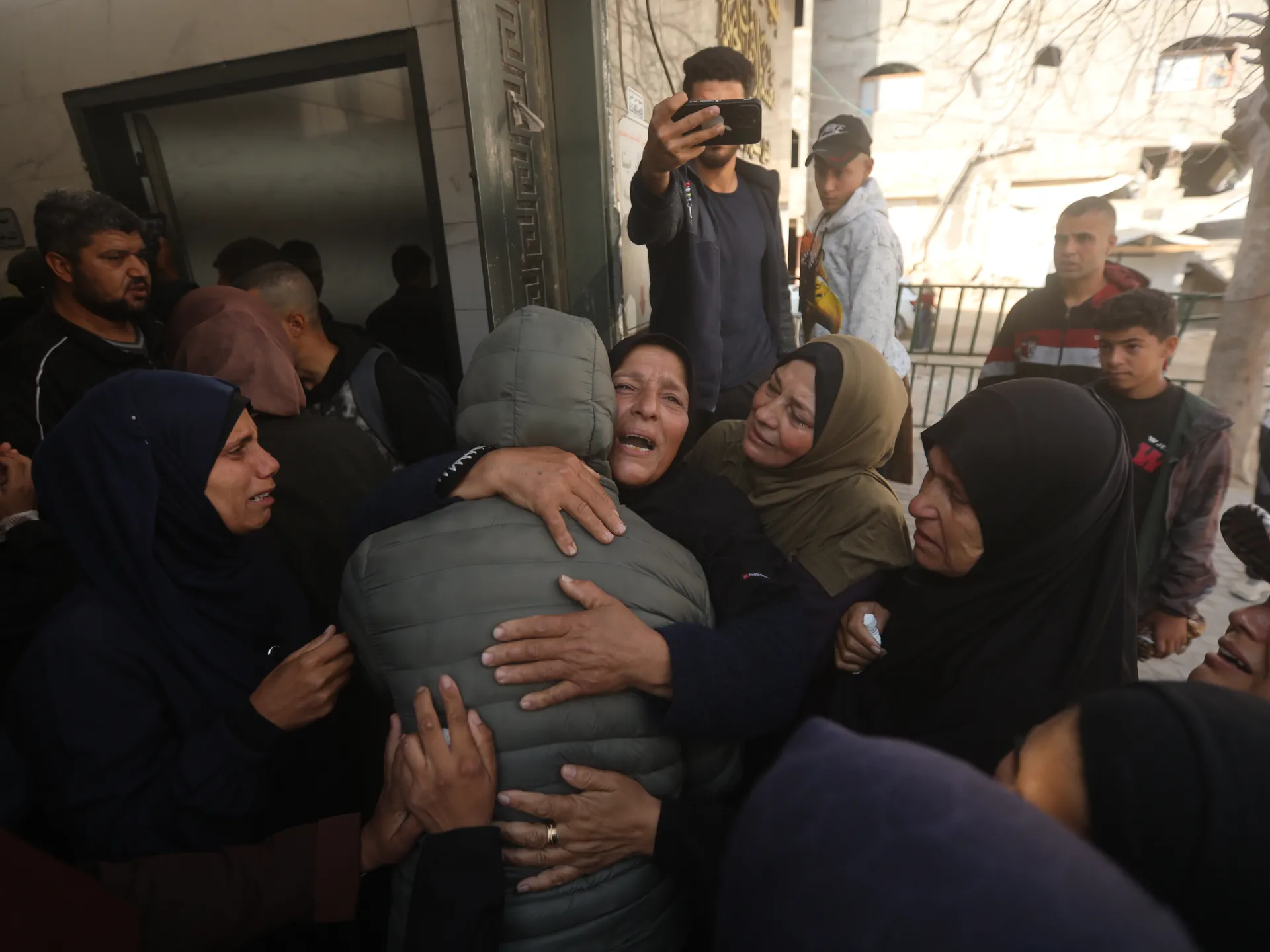
Israel has ramped up its attacks on southern Lebanon, killing two people and issuing several forced displacement orders as the two sides prepare for United States-brokered talks on extending a ceasefire.
Lebanon’s National News Agency (NNA) reported on Thursday morning that Israeli warplanes targeted the Ezzedine residential project in the town of Srifa, killing two people.
Recommended Stories
list of 3 itemsend of list
The Israeli army announced in a post on Telegram that it had begun targeting alleged Hezbollah infrastructure sites in several areas in southern Lebanon.
Earlier, the Israeli army’s Arabic language spokesperson, Avichay Adraee, announced on X the forced evacuation orders for the towns and villages of Libbaya, Sahmar, Taffahata, Kafr Malek, Yohmor (Bekaa), Ain Tineh, Houmin al-Fawqa and Mazraat Sina.
NNA reported that one person was injured following a raid by an Israeli drone near the vocational school between the towns of Breqa and Zrarieh.
An air strike was also reported on the town of Ain al-Tineh in the Western Bekaa.
Reporting from Beirut, Al Jazeera’s Rory Challands said in the past few days Israel has launched one of its “most intense periods of aerial bombardment in weeks”.
“There have been many individual strikes – usually by drones – on cars and motorbikes. Several of these have happened on the main coastal highway that leads south from Beirut,” he said.
According to Lebanon’s Ministry of Public Health on Wednesday, at least 2,896 people have been killed in Israeli attacks since the conflict resumed in early March.
At the same time, the Israeli army announced on Telegram that a drone launched by Hezbollah had fallen in Israeli territory near the shared border, injuring several people who were evacuated to hospital for treatment.
Israel-Lebanon talks
Representatives from both sides are expected to meet in Washington, DC, on Thursday for a new round of talks aimed at extending the ceasefire, which is scheduled to expire on Sunday.
“The discussions are controversial here in Lebanon. One of the reasons is that Hezbollah is not at the table. Hezbollah doesn’t want these talks to go ahead at all,” Challands explained.
“It says any direct discussions between Lebanon and Israel are basically capitulation. It wants first a full-on ceasefire, for Israel to have withdrawn from the country, for hundreds of thousands of displaced people to return to their homes, and for reconstruction to have started,” he said, adding that the Lebanese government, however, believes these points can be discussed during the talks with Israel.
President Zelenskyy says rescue operations continue after Russia used ‘more than 1,560 drones’ during its overnight attacks.
Published On 14 May 202614 May 2026
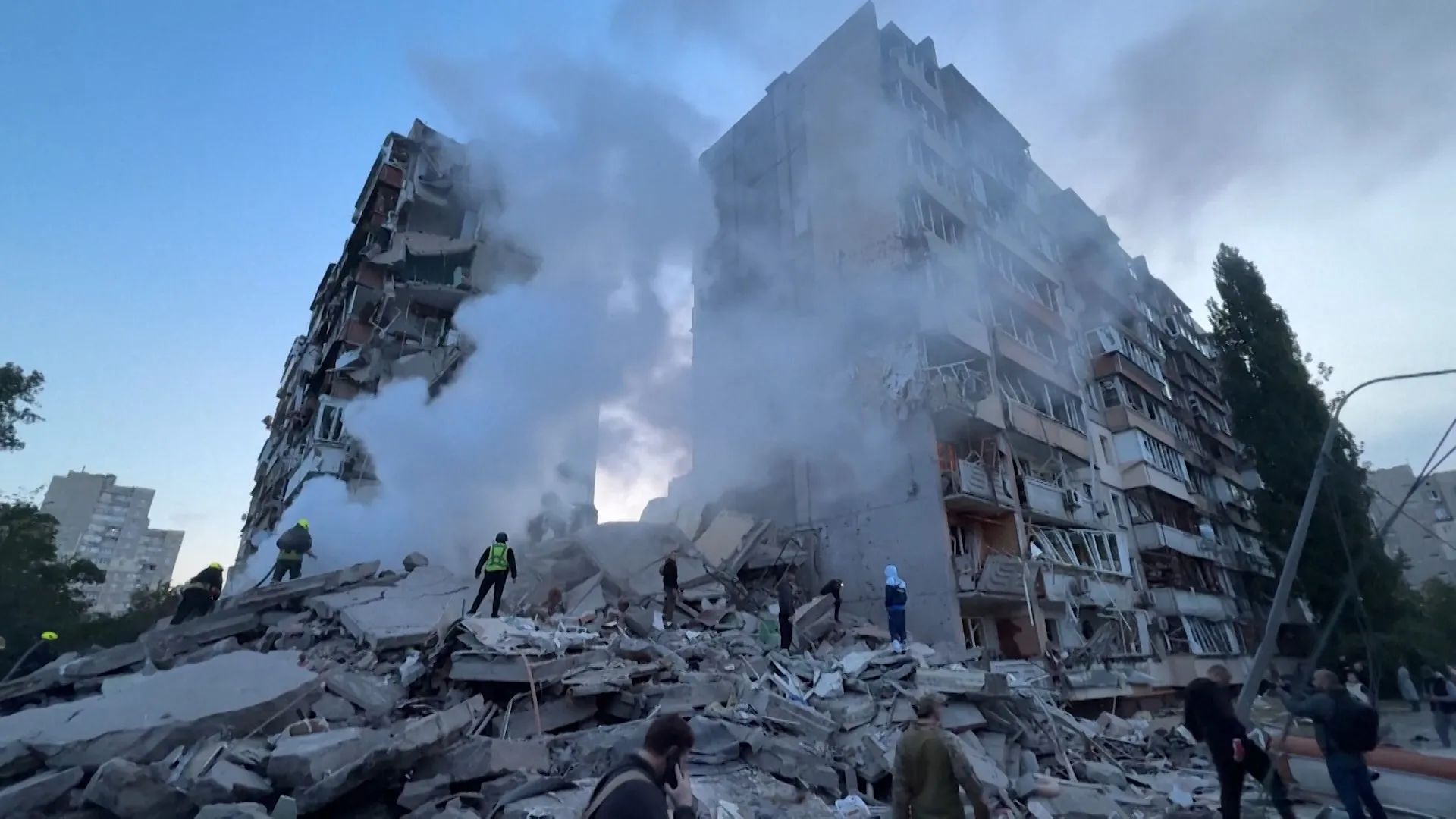
Russia launched a barrage of missiles and drones targeting Ukraine’s capital Kyiv, killing at least three people and wounding 40 others, Ukrainian authorities have said.
The Ukrainian military said on Thursday that the overnight strikes hit six districts of Kyiv and another six in the surrounding areas. Deputy Prime Minister Oleksii Kuleba said attacks had targeted ports in the southern Odesa region and railways.
Recommended Stories
list of 3 itemsend of list
In a post on X, President Volodymyr Zelenskyy said rescue operations were continuing following an attack on a nine-storey building in Kyiv after Russia launched “more than 670 attack drones and 56 missiles against Ukraine”.
“In total, since midnight yesterday, Russia has used more than 1,560 drones against our cities and communities. These are definitely not the actions of those who believe the war is coming to an end,” he wrote on Thursday.
“It is important that partners do not remain silent about this strike. And it is equally important to continue supporting the protection of our skies,” Zelenskyy added.
The mayor of Kyiv, Vitali Klitschko, said 40 people were wounded in the attacks, including two children, while Ukrainian emergency services said three people had been killed.
Reporting from Kyiv, Al Jazeera’s Audrey Macalpine said people are still feared trapped under the rubble of the building.
Macalpine said it was one of Russia’s largest attacks of the war, “in a single 36-hour period just by sheer number of drones”.
The attack comes as a setback for efforts to end the war after United States President Donald Trump raised faint hopes for peace by brokering a three-day ceasefire between Kyiv and Moscow last week, and Russian leader Vladimir Putin suggested the war could be winding down.
Ukrainian rescuers work at the site of a Russian strike on the nine-storey residential building in Kyiv, Ukraine, 14 May 2026 [Sergey Dolzhenko/EPA]
The truce – put in place as Putin presided over a scaled-down military parade in Red Square to mark the anniversary of World War II victory – was marred by allegations of violations by both sides.
Ukraine and Russia launched long-range drone attacks immediately after it ended on Tuesday.
The Kremlin has poured cold water on the idea that Putin’s vague comments, issued Saturday, about the war “heading to an end” could mean a softening in Moscow’s position.
On Wednesday, it repeated its demand that Ukraine fully withdraw from the eastern Donbas region before a ceasefire and full-scale peace talks can take place.
Kyiv has rejected such a move as tantamount to capitulation.
The latest developments surrounding Nvidia’s H200 chip sales to China highlight the growing complexity of the technological rivalry between the United States and China. Although Washington has reportedly approved several major Chinese firms to purchase Nvidia’s advanced artificial intelligence chips, no deliveries have taken place so far.
The situation reflects how geopolitical competition is increasingly disrupting even officially approved commercial agreements in the semiconductor sector.
Nvidia, the world’s leading artificial intelligence chip manufacturer, now finds itself caught between United States export control policies and China’s push for technological self reliance.
What Is the H200 Chip?
The H200 is Nvidia’s second most powerful artificial intelligence chip and is designed for advanced AI model training and data center operations.
The chip is particularly valuable for companies developing large language models, cloud computing systems, and next generation AI applications.
Before export restrictions tightened, Nvidia dominated China’s advanced AI chip market with an estimated market share of around 95 percent.
China also represented a major source of revenue for Nvidia, making access to the Chinese market strategically important for the company’s long term growth.
Which Chinese Companies Were Approved?
According to reports, the United States Commerce Department approved around ten Chinese firms to purchase H200 chips.
These reportedly include major Chinese technology companies such as:
Alibaba
Tencent
ByteDance
JD.com
Several distributors were also reportedly approved, including:
Under the licensing terms, each approved customer could reportedly purchase up to 75,000 chips.
However, despite these approvals, no actual sales or deliveries have yet been completed.
Why Have the Sales Stalled?
The delays appear to stem from concerns on both the United States and Chinese sides.
Chinese Concerns
Chinese authorities reportedly fear that reliance on Nvidia chips could undermine Beijing’s efforts to strengthen its domestic semiconductor industry.
China has invested heavily in local AI chip development, particularly through companies such as Huawei.
Beijing increasingly sees semiconductor self sufficiency as a national security priority amid escalating technological competition with Washington.
There are also concerns within China regarding supply chain security and possible vulnerabilities linked to imported American technology.
Recent Chinese regulations aimed at reducing foreign dependence in critical technology sectors have reportedly intensified scrutiny of these chip purchases.
United States Restrictions
The United States has simultaneously imposed strict export control requirements on advanced semiconductor sales to China.
Chinese buyers must reportedly prove that the chips will not be used for military purposes and that adequate security procedures are in place.
Nvidia must also satisfy inventory and compliance conditions under American export laws.
Additionally, reports suggest the Trump administration negotiated an unusual arrangement in which the United States would receive a portion of revenue generated from the chip sales. This reportedly requires the chips to pass through American territory before shipment to China.
Such conditions have further complicated the transaction process.
Jensen Huang’s Diplomatic Push
Nvidia Chief Executive Officer Jensen Huang has emerged as a key figure in efforts to preserve Nvidia’s access to the Chinese market.
Huang reportedly joined President Donald Trump during a diplomatic visit linked to talks with Chinese President Xi Jinping.
His participation underscores the economic significance of the semiconductor dispute and the importance of China to Nvidia’s business strategy.
Huang has repeatedly warned that export controls risk permanently weakening Nvidia’s position in China while encouraging Chinese firms to accelerate domestic alternatives.
The Larger Strategic Battle
The Nvidia dispute reflects a broader struggle between the United States and China over technological dominance in artificial intelligence.
Washington increasingly views advanced semiconductor technology as a strategic national security asset. American policymakers fear that unrestricted access to advanced AI chips could strengthen China’s military and technological capabilities.
China, meanwhile, sees semiconductor independence as essential to reducing vulnerability to foreign pressure and sanctions.
As a result, both sides are attempting to balance economic interests with long term strategic competition.
Implications for the Global AI Industry
The uncertainty surrounding Nvidia’s China business could have major implications for the global artificial intelligence industry.
If Chinese companies lose access to Nvidia chips, they may accelerate investment in domestic alternatives, potentially reshaping the global semiconductor market over time.
At the same time, restrictions on AI chip trade risk fragmenting the global technology ecosystem into competing American and Chinese spheres.
This could reduce international collaboration, disrupt supply chains, and intensify geopolitical competition over emerging technologies.
Future Outlook
Despite current delays, neither the United States nor China appears willing to completely sever technological and commercial ties.
However, the Nvidia case demonstrates that semiconductor trade between the two powers is becoming increasingly politicized and strategically sensitive.
The future of AI competition may ultimately depend not only on innovation, but also on which country can build the most resilient and independent technology ecosystem.
For Nvidia, maintaining its position between the world’s two largest economies will likely remain one of its greatest strategic challenges.
Conclusion
The stalled Nvidia H200 deal illustrates how deeply geopolitical tensions now shape the global technology industry.
Although the United States has approved limited chip exports to China, political distrust, national security concerns, and strategic competition continue to obstruct implementation.
As artificial intelligence becomes central to economic and military power, semiconductor trade is no longer simply a commercial issue. It has become a defining arena in the broader contest between Washington and Beijing for technological leadership in the twenty first century.
The imposition of Venezuelan state sovereignty over the oil industry was one of the pillars of the Bolivarian Revolution from the get-go.
This edition of Tatuy Tv’s “Chávez the Radical” compiles several speeches by ComandanteChávez where he discusses the multiple policies that had subordinated the Venezuelan oil industry to transnational corporate interests and their nefarious consequences.
Issues like state ownership, royalties, taxes, and international arbitration are as relevant as ever today as the country undergoes major pro-business reforms in the oil sector.
Russia attacked the Ukrainian capital Kyiv with drones and missiles early on Thursday, officials said, damaging several buildings, including one which partially collapsed with residents likely trapped under rubble.
Chinese President Xi Jinping is welcoming US President Donald Trump to Beijing for high-level talks. Tariffs, competition over tech, the US-Israeli war on Iran, and Taiwan are all on the agenda for the two-day visit.
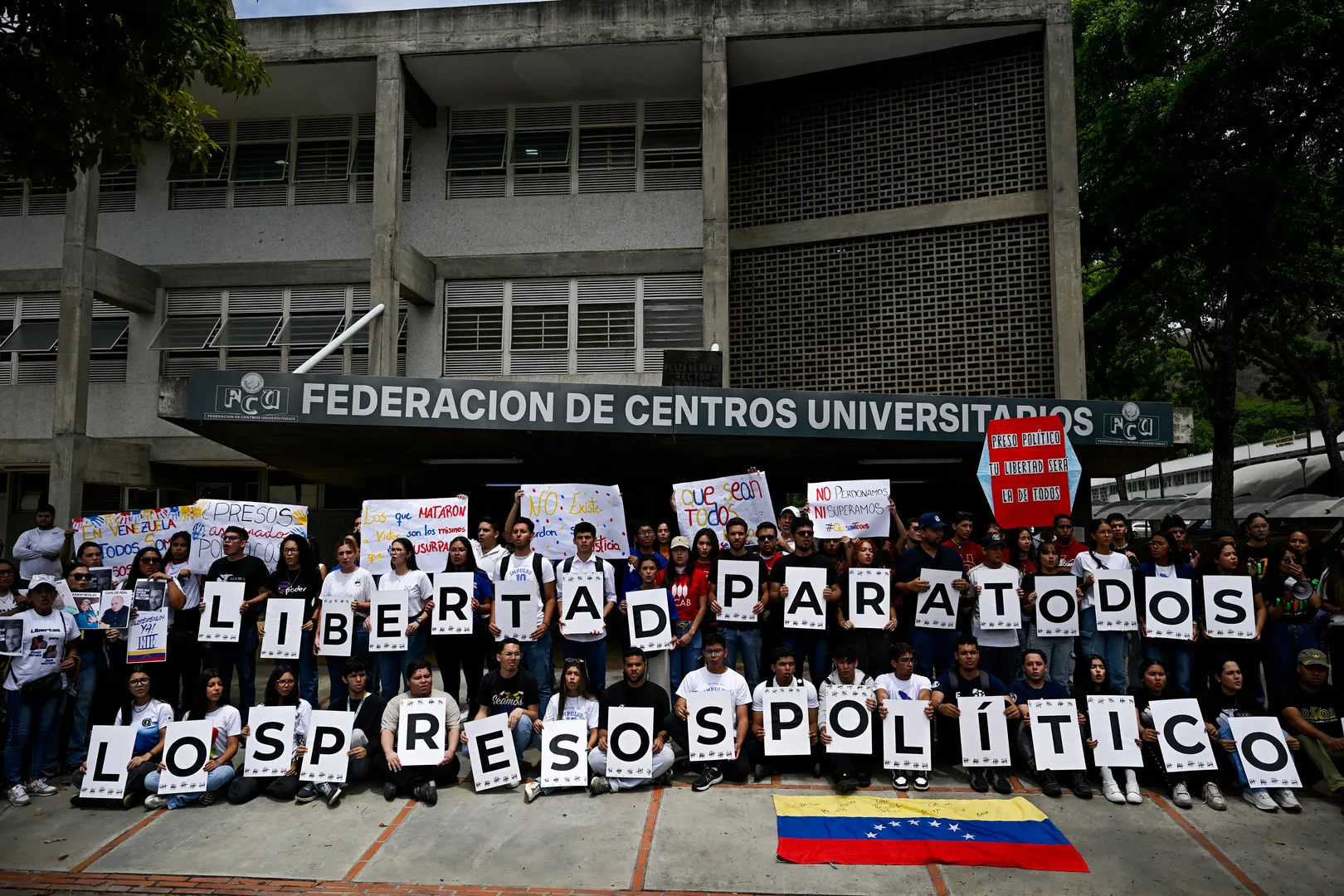
Students from Venezuela’s leading universities blocked the main highway in Caracas to demand the immediate release of political prisoners. Demonstrators said more than 450 people remain imprisoned despite government promises of amnesty and reconciliation.