Stay informed and up-to-date with the latest news from around the world. Our comprehensive news coverage brings you the most relevant and impactful stories in politics, business, technology, entertainment, and more.
British American Tobacco (BAT) is to cut nearly a fifth of its global workforce as part of a major cost-cutting drive.
The company, which makes Lucky Strike and Dunhill cigarettes, is cutting 5,500 roles and outsourcing 3,500 more.
BAT did not say where the jobs being cut were located, but added that the US was not affected.
The cost-cutting programme is expected to save about £600m a year by 2028, it added.
The tobacco giant, which currently employs 47,000 people globally, had previously announced a savings drive that would involve making it “more digital and AI-focused”.
Traditional cigarette sales are shrinking as smokers increasingly switch to vapes and nicotine pouches.
BAT is shifting its focus to smoking alternatives such as its Vuse vapes and Velo nicotine pouches to drive growth, but its sales and profit margins have been sluggish in recent years.
Sales in the US — its biggest market — have also been hit by the cost of living, as smokers swap for cheaper brands.
Additionally, the company is battling rising duties and stricter regulations in some markets.
BAT said the job cuts, which have already started, are set to be completed by the end of this year.
Chief executive Tadeu Marroco said the cuts would make the company “more agile, cost disciplined and technology enabled”.
“These changes affect many of our colleagues, and we are focused on supporting them through this transition with care and respect, as we position the business for the future.”
The international order is falling apart, happening visibly, rapidly, and in ways that no longer surprise even the most committed defenders of the post-1945 liberal framework. The United Nations Security Council has not been able to do anything about the problems in Gaza and Ukraine. The group of countries known as BRICS is getting bigger. Now has nine members. Some countries in the Gulf are thinking about using a currency to price oil instead of using the US dollar. All of these things are putting a lot of pressure on the system that the United States has been in charge of.
Many people in the Global South think this is a thing. They do not think the United States has been fair in the way it has enforced the rules. They think the United States has only looked out for its interests and the interests of its friends. This is not a thing to say. The United States has been inconsistent in the way it has applied the rules about weapons, sanctions, and international crime.
The problem is that just because the old system is falling apart, it does not mean that something better will take its place. The question is not whether the United States is losing its power because it is clear that this is happening. The question is what will happen next. Will the new system be fair, more stable, and better at dealing with global problems?
The Architecture of Decline
Stay ahead of the geopolitical week.
MD Briefing delivers expert analysis across five global fronts — the Indo-Pacific, energy, geoeconomics, European security, and the Middle East — every Monday morning. Free.
The truth is that the United States has been losing its power for a time, but this has happened much faster since 2022. When Russia invaded Ukraine, it showed that big countries can still go to war with each other. It also showed that the United States and its friends cannot stop this from happening. The war in Ukraine has led to the use of financial sanctions in history, with over $300 billion in Russian assets being frozen.
This has made other countries want to reduce their dependence on the US dollar. They are afraid that if they rely much on the United States, they will be vulnerable to its power. According to International Monetary Fund estimates, the group of countries known as BRICS has expanded to include Saudi Arabia, the United Arab Emirates, Iran, Ethiopia, and Egypt. This group now accounts for over 40 percent of the economy. The Shanghai Cooperation Organisation has also gotten bigger. Now includes Pakistan, India, and Iran in addition to Russia and China. This organization is now the regional security group in the world. These changes are not just symbolic; they show a shift in where power is concentrated in the world.
New Poles, Old Problems
The problem with a world is that it does not necessarily mean that things will be more fair or more stable. In the century Europe had a multipolar system, but it still had many wars. The same thing happened in the 20th century. Just because there are powerful countries does not mean that they will behave in a certain way.
The problem with a world is that it does not necessarily mean that things will be more fair or more stable. In the century Europe had a multipolar system, but it still had many wars. The same thing happened in the 20th century. Just because there are powerful countries does not mean that they will behave in a certain way.
The Institutional Vacuum
The biggest risk of the situation is that the international institutions that we have will become useless. The United Nations Security Council has not been able to do anything about the security crises of the past few years. The World Trade Organization is also not working properly.
When powerful countries use these institutions for their purposes, it undermines their legitimacy. This is a problem because it means that smaller countries will suffer the most. The rules of law are only useful if they are applied equally to everyone.
The Global South’s Strategic Dilemma
For countries in the Global South, the transition to a world is a double-edged sword. On the one hand, it gives them space to maneuver and more access to financing for infrastructure projects. On the other hand, it also means that they will have to navigate a more complex and uncertain world.
The best way forward is to try to shape the transition to a world in a way that preserves the international institutions that we have. This means reforming the United Nations Security Council to make it more representative of the world. It also means strengthening the courts and the World Trade Organization.
Towards a Legitimate Multipolarity
This will not be easy. It is necessary. If we do not do this, we risk creating a world where might makes right. There is no shared set of rules to govern the behavior of states. This would be a disaster for everyone, for the smallest and weakest countries.
The multipolar world may signal the end of the order, but it does not have to mean the end of order itself. We have to work to create a system that is fairer, more stable, and more just.
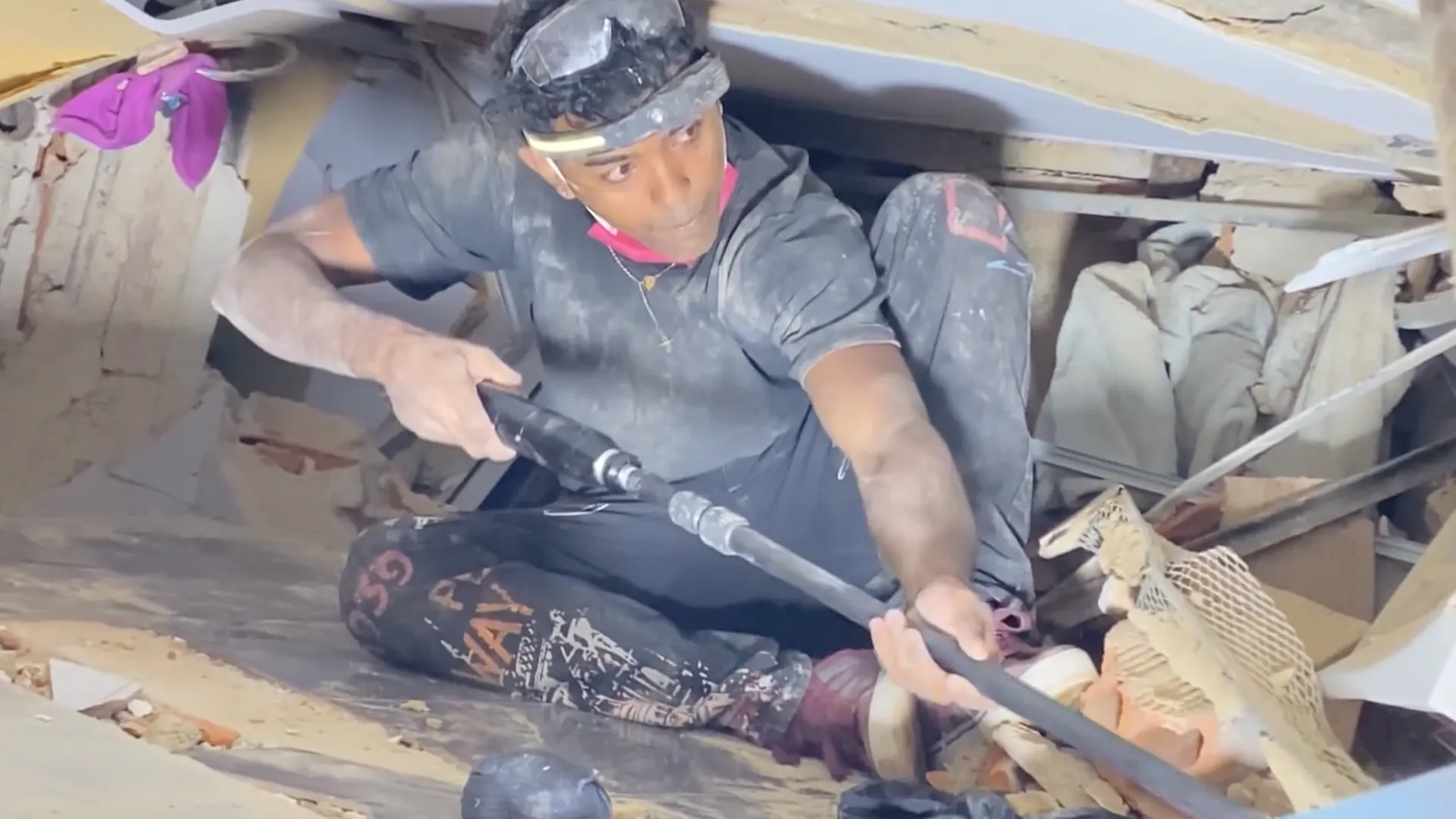
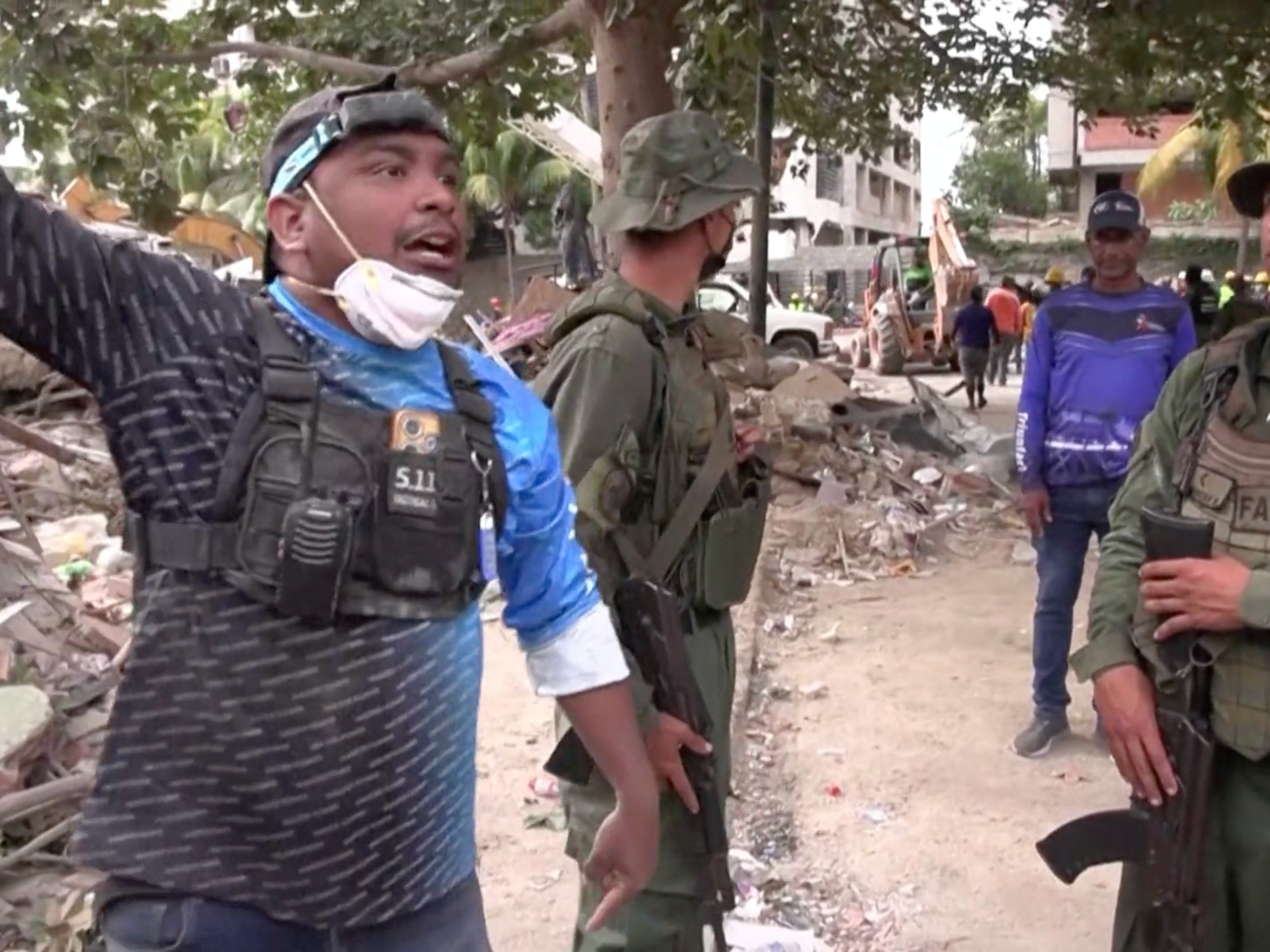
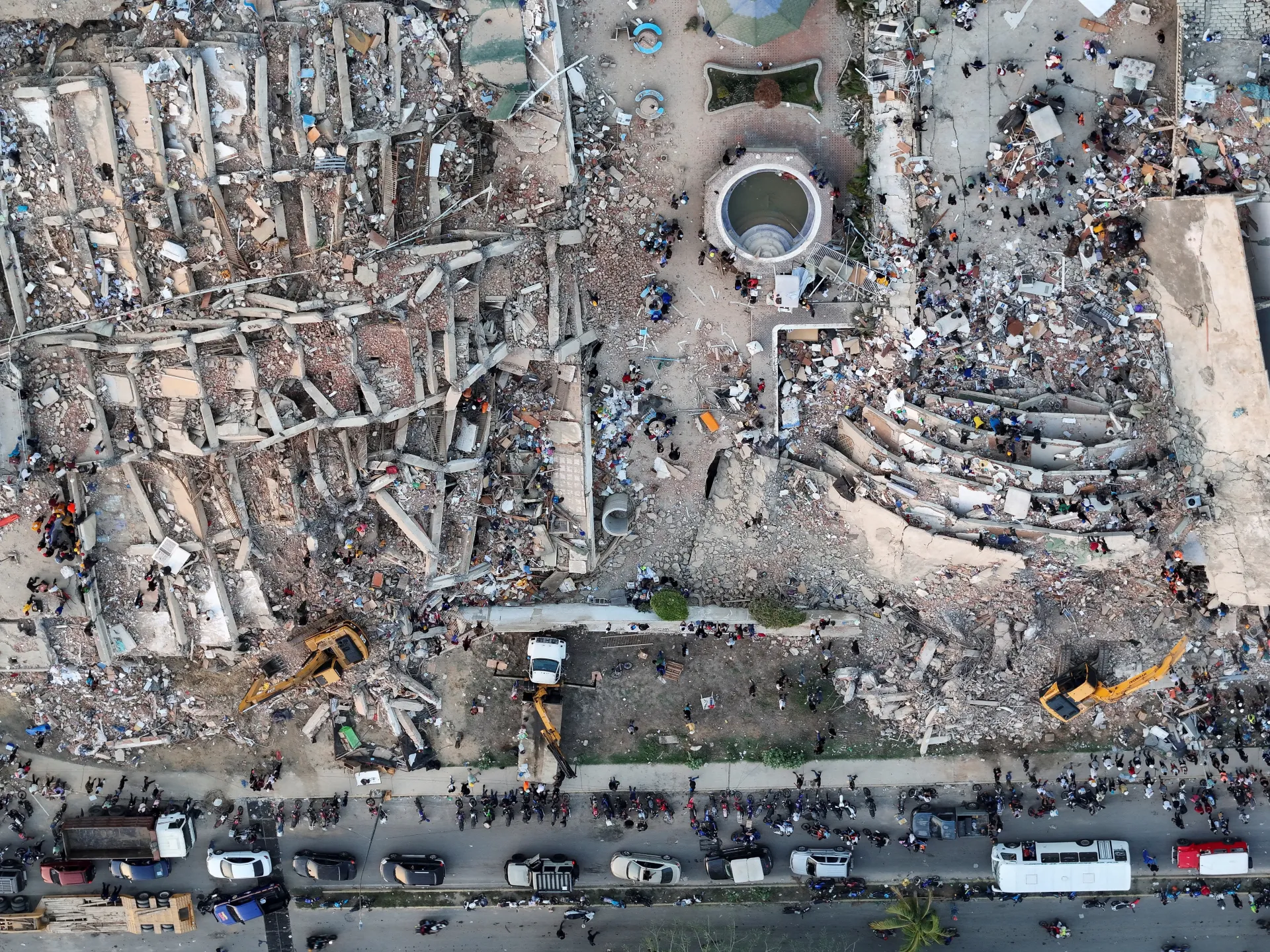
Rescue teams and volunteers are working around the clock in search for survivors trapped beneath the rubble in Venezuela, as families cling to hope days after the June 24 twin earthquakes, with tens of thousands of people still missing. Zein Basravi reports from Caracas.
Five wins to go. How can your team reach the final and win World Cup 2026? Click here.
Who: Brazil vs Japan What: FIFA World Cup 2026 – round of 32 Where: Houston Stadium, Houston, United States When: Monday, June 29, at 12pm (17:00 GMT) How to follow: We will have all the build-up on Al Jazeera Sport from 14:00 GMT ahead of our live text commentary stream.
Recommended Stories
list of 4 itemsend of list
Carlo Ancelotti faces his first major test as the Brazil coach when the record five-time world champions take on Japan, arguably the best Asian team at the tournament, in the round of 32.
Monday’s meeting in Houston offers Brazil the chance to exact revenge for their friendly defeat to Japan late last year, as the South American giants lock in on their target of a deep run in North America.
The odds are heavily in Brazil’s favour, but after Japan came out of a tricky group with flying colours, it would be foolish to write them off.
There is also a mutual respect and camaraderie between the nations, given the overwhelming Brazilian influence on professional football in Japan.
Al Jazeera tells you everything about the second game of the round of 32:
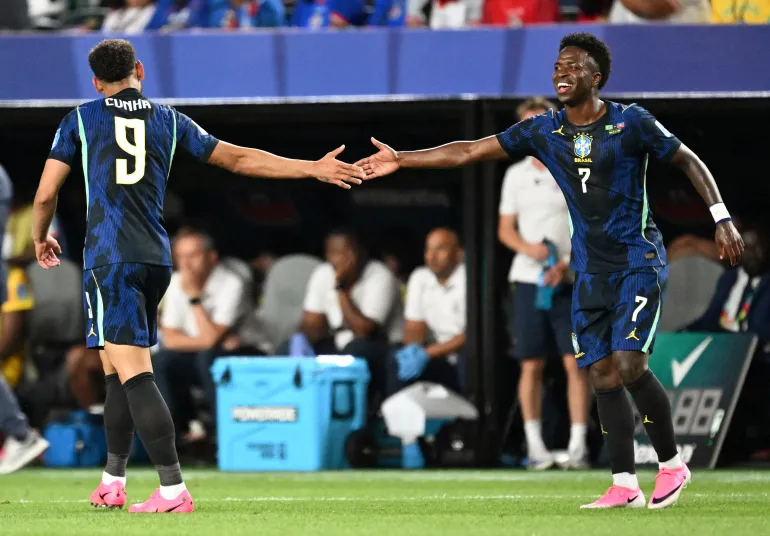
Of all the seven goals Brazil registered across three games, Real Madrid star forward Vinicius Jr scored four of them, while Matheus Cunha netted three. Bruno Guimaraes bagged the most assists (three).
Brazil’s forwards Matheus Cunha, left, and Vinicius Jr are spearheading Brazil’s attack at the World Cup [Roberto Schmidt/AFP]
Ancelotti in relaxed mood ahead of Japan clash
Since their low-key display in the first game, Brazil appear to be growing into the tournament, showing glimpses of their all-round potential, with some of the Selecao stars finding their rhythm.
Ancelotti knows Japan will be no pushovers, describing the record four-time Asian champions as “one of the best teams” in the world.
During Sunday’s pre-match press conference, the Italian was relaxed and betrayed no signs of feeling the pressure, despite Brazil being cast as the clear favourites for the knockout tie.
“We need a lot of things: A strong mind, a strong heart, a clear mind,” he told the media. “I think we have to be ready for anything that might take place in a knockout match, and a lot can happen in a knockout match.
“I think the team is ready. They’re motivated, they’re confident,” added Ancelotti, who is leading Brazil’s charge for a record-extending sixth world title.
How did Japan reach the round of 32?
Japan started their campaign by holding the Netherlands to a 2-2 draw before thrashing Tunisia 4-0 in the second game. They wrapped up the first round with a 1-1 draw with Sweden, which saw them finish with five points, confirming a second spot in Group F.
Ayase Ueda and Daichi Kamada are the joint top scorers for Japan so far, with two strikes each, while Keito Nakamura, Junya Ito and Daizen Maeda have also scored one each.
Japan’s Junya Ito, right, has scored once in the tournament, while Ayase Ueda, left, and Daichi Kamada, centre, have two goals each [Daniel Becerril/Reuters]
Dark horses Japan are ‘united’, says Moriyasu
Japan have lived up to their billing as the “dark horses” at the tournament, holding two formidable European sides – the Netherlands and Sweden – to draws.
After beating Germany and Spain en route to a round of 16 run at the 2022 World Cup, Japan have shown the world they are capable of pulling off upsets, especially on the sport’s biggest stage.
Japan coach Hajime Moriyasu said his side’s collective spirit can fire them into the last 16 again.
“All the players will do what they can for the team and contribute,” Moriyasu said on Sunday. “The team is united, and that feeling is getting even stronger now.”
Japan’s best finish at the World Cup has been reaching the round of 16 on four occasions: 2002, 2010, 2018 and 2022. They have never won a World Cup knockout game.
Brazil vs Japan: master vs the apprentice
Launched in 1993, Japan’s top-flight, the J-League, took much of its inspiration from Brazil and also employed plenty of their players.
Zico, the creative lynchpin of Brazil’s fabled 1982 World Cup team, was enticed out of retirement to join Kashima Antlers, while internationals Bismarck and Elivelton started a run of Brazil national team players making the move to Japan.
By the late 1990s, seven of the Brazil team that won the 1994 World Cup, including captain Dunga, had played or were playing for Japanese clubs and, by extension, lent their influence to a rapidly developing scene.
Brazil vs Japan predictions
Opta’s supercomputer has calculated a 58.3 percent probability of Brazil winning this fixture in regulation time, while Japan is assessed an 18.1 percent chance of victory.
The probability of going to extra time – or potentially penalties – is 23.6 percent.
Who will the winner face in the round of 16?
The winner of Brazil vs Japan will face either Norway or the Ivory Coast in the round of 16.
Brazil vs Japan: Kickoff time, TV channel
Brazil: CazeTV, TV Globo, GETV, Globoplay, sportv (2pm, Brasilia Time)
Japan: NHKBS1, DAZN, Fuji TV (2am on Tuesday, Japan Standard Time)
United Kingdom: ITVX, ITV1, STV Player, STV (6pm, British Summer Time)
To check the TV listings for your country, head to FIFA’s TV listing schedule here.
Brazil vs Japan: head-to-head
In the all-time head-to-head record, Brazil have only lost once to Japan (W11 D2 L1). In their only World Cup contest 20 years ago at Germany 2006, Brazil won 4-1.
Significantly, Japan’s sole victory over Brazil came in their most recent clash, a 3-2 victory in a friendly in October 2025 in which Brazil let a two-goal lead slip in Tokyo, with Ueda scoring the hosts’ winner.
Brazil vs Japan: Team news
Raphinha remains sidelined for Brazil due to a hamstring injury, while Japan’s Takefusa Kubo is out with a sprained knee.
Neymar, who made his first appearance for Brazil since October 2023 when he came off the bench in the last game, will be available to play more minutes against Japan. The star forward is working his way back to full fitness after dealing with a lingering calf injury.
New Delhi, India – Brajesh Kumar climbs three floors every evening to sit in solitude on the rooftop terrace of his house overlooking the Ram Temple in Ayodhya in northern India’s Uttar Pradesh.
Over decades, the 65-year-old has seen the once-sleepy town metamorphose into the biggest flashpoint of the Hindu majoritarian movement, championed by Prime Minister Narendra Modi’s Bharatiya Janata Party (BJP). Where the temple stands used to be the site of the 16th-century Babri Mosque, but in 1992 a Hindu mob tore it down, sparking religious riots that killed nearly 2,000 people across the country, mostly Muslims.
Two and a half years ago, Modi presided over the consecration ceremony of the new temple, devoted to the Hindu god Ram. Many Hindus believe Ram, the god worshipped as an epitome of righteousness, was born there.
To Hindu devotees like Kumar, the temple – despite the controversy and deaths that defined its birth – brought a sense of serenity.
Until recently.
For the past month, the temple has been embroiled in allegations that those entrusted with its management have instead embezzled donations worth potentially millions of dollars that the site attracted from devotees.
“We have been betrayed [by the management], who have looted our faith, nothing less,” Kumar told Al Jazeera. “Left to them, they will sell us all one day in the name of religion and stuff their own pockets.”
The allegations have led to police investigations, arrests and political fallout that could shape elections in India’s most populous state that are only months away.
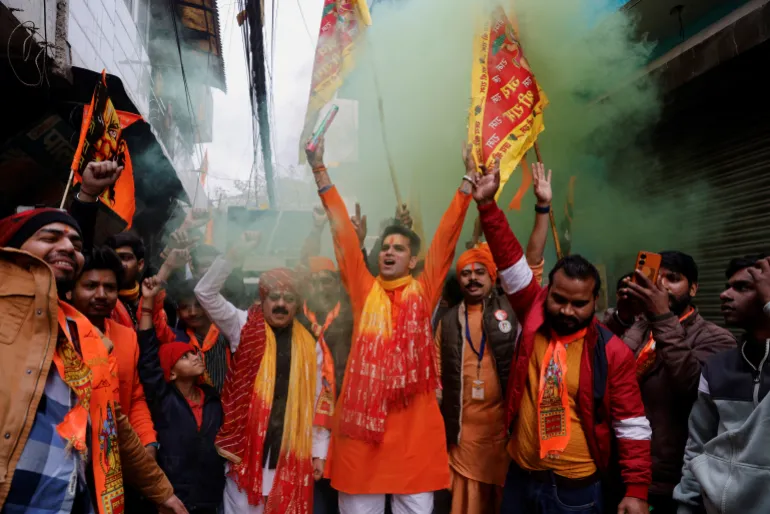
People celebrate the opening of the temple of the Hindu god Ram in the northern town of Ayodhya in a street in New Delhi, India, on January 22, 2024 [Anushree Fadnavis/Reuters]
Ayodhya’s can of worms
Since its inauguration, the Ram Temple has been among the top religious sites in India, attracting millions of Hindu devotees.
An independent trust, the Shri Ram Janmabhoomi Teerth Kshetra Trust, manages the shrine. Although it is outside the purview of the government, its executive members wield political influence, and some of them come from the Rashtriya Swayamsevak Sangh, the ideological wellspring of the BJP.
The corruption allegations first surfaced this month after Mahipal Singh, a former supervisor of the trust’s accounting team, publicly called out irregularities. Al Jazeera could not reach him for comment.
After a public uproar, Akhilesh Yadav, a former chief minister of Uttar Pradesh from the opposition Samajwadi Party, picked up the issue, alleging that millions of rupees in donations had gone missing.
The mounting pressure pushed the state government, ruled by the BJP, to form a three-member investigation team, which has submitted a report on the alleged misappropriation of donations.
Although the content of the report has not been made public, the state police registered a criminal case and have arrested at least eight people, including those involved in counting cash and valuable offerings at the temple.
More devotees have come forward since, seeking the whereabouts of their valuables, including silver bricks and gold jewellery and artefacts, that they had handed over to the trust’s executives.
On Friday, the trust’s longstanding general secretary, Champat Rai, stepped down with other high-profile trustees. The allegations have been particularly damning for Rai, who has been a central figure in the movement for the Ram Temple.
But it has done little to cool down the tensions in the state, where thousands of devotees, including some BJP supporters, feel cheated.
The Ram Temple is illuminated after its inauguration in Ayodhya on January 22, 2024. [Adnan Abidi/Reuters]
‘Cunning thieves running Ram Temple’
Santosh Dubey was among those tried for tearing down the Babri Mosque in 1992. He has never shied away from his role and instead has flaunted it.
After the mosque’s demolition, Dubey waited for a final verdict about what was to happen to the site from the courts, where both sides fought bitterly for decades. In 2019, the Supreme Court awarded the site to Hindus – even though it deemed the destruction of the mosque illegal. The top court gave a piece of land to Muslims outside Ayodhya to build a new mosque. In 2020, Dubey and others accused of roles in demolishing the mosque were acquitted — the court cited a lack of adequate evidence.
If those verdicts felt like vindication to Dubey, the alleged embezzlement at the temple has enraged him.
“This corruption causes me deep anguish, a pain that words cannot express,” Dubey told Al Jazeera, speaking from Ayodhya. “All I can say is that nothing less than the death penalty would suffice for them.”
“Cunning, dishonest and ruthless thieves are running the Ram Temple, and they have created such an atmosphere of fear that no one is willing to speak out against them,” he said.
Dubey said the government will struggle to ignore the anger among devotees because the episode batters the BJP’s narrative that it is a saviour of the Hindu faith.
This is not the first time that the temple trust has been the subject of controversy. In 2021, the trust allegedly bought land at highly inflated prices using public donations.
BJP spokespeople refused to comment on the recent allegations when Al Jazeera reached them.
Indian Prime Minister Narendra Modi (with his arms outstretched) and Uttar Pradesh Chief Minister Yogi Adityanath (just to the left of Modi) show the BJP symbol during a roadshow as part of an election campaign in Varanasi, India, on May 13, 2024 [Adnan Abidi/Reuters]
‘Impact on upcoming election’
Devotees of the temple and critics of the government are accusing authorities of attempting a cover-up.
Opposition leader Yadav described the state government’s initial handling of the case as “suspicious”. “The government is arresting the counting staff while shielding the big fish who orchestrated the structural rot,” Yadav said while demanding transparency in the investigation.
Karpatri Maharaj, a prominent Hindu seer associated with the Ram Temple movement, told Al Jazeera that the government is using junior employees as scapegoats and arresting them.
Uttar Pradesh, India’s most populous state, is led by the firebrand Hindu monk-turned-politician Yogi Adityanath, who is often seen as a potential successor to Modi within the RSS-led Hindu majoritarian movement known as Hindutva.
Modi’s party lost a significant base in the state in the 2024 national elections when the BJP fell short of a majority, forcing it to rely on allies’ support to stay in power.
For the BJP, which has long used the campaign for the Ram Temple as a central political plank, the new controversy could prove a challenge before elections in Uttar Pradesh scheduled for early next year, political analyst Rasheed Kidwai said.
“It would have a massive negative impact on the BJP if more religious leaders came forward to speak on this,” Kidwai told Al Jazeera. “This is not something that would be forgotten because it is a matter of faith, and the state chief comes from a religious order himself.”
The episode carries broader lessons, he said: Pandering to religious emotions and fanning divisions can bite back. “What has been benefitting the BJP in these years can also cause immense damage,” Kidwai said.
Hindus shout and wave banners as they celebrate the destruction of the 16th century Babri Mosque in Ayodhya on December 6, 1992 [Douglas E. Curran/AFP]
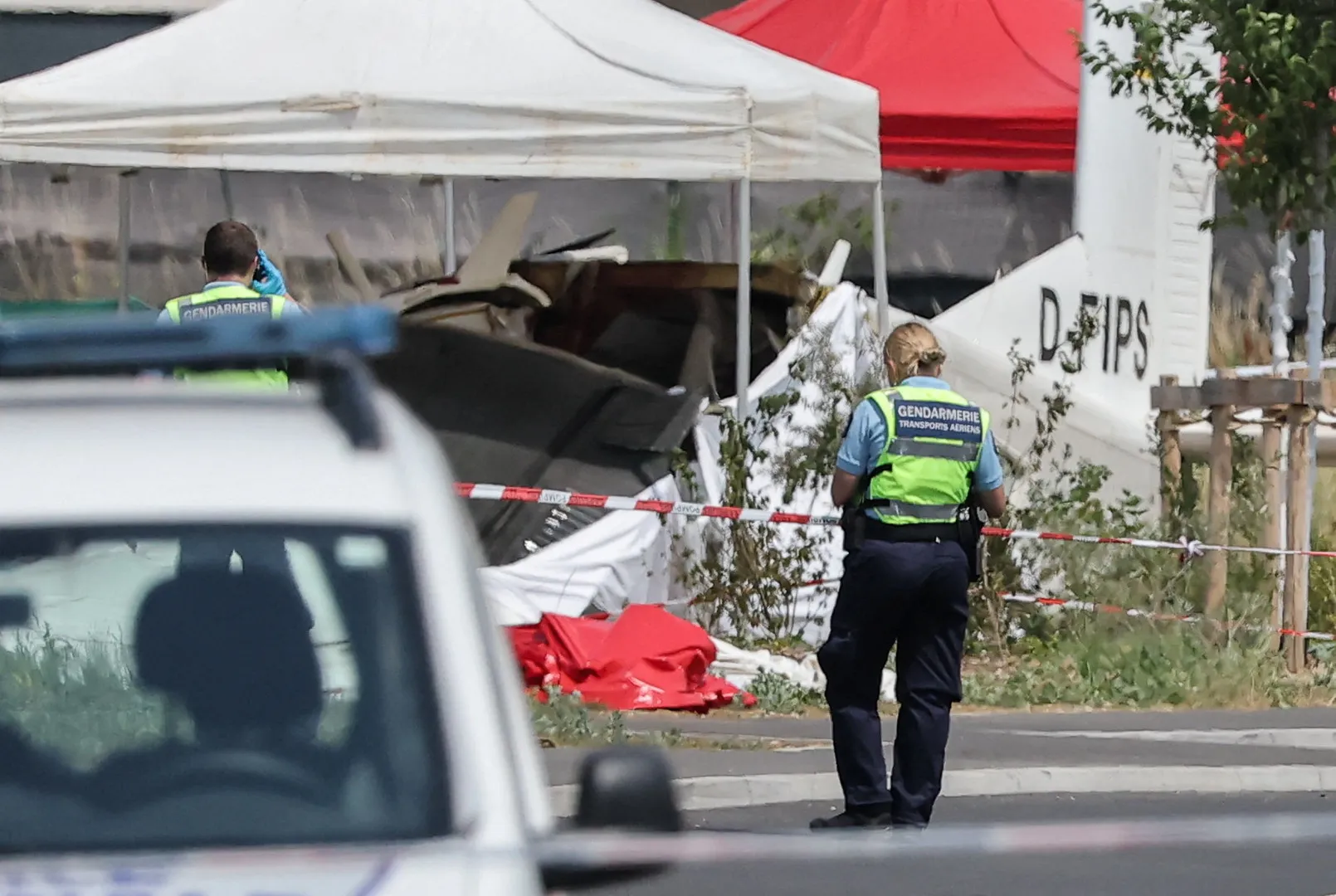
11 people were killed when a plane belonging to a parachuting school crashed in Tomblaine, France. The victims included the pilot, five student parachutists, and five instructors. Some victims’ families were present near the airport and witnessed the crash.
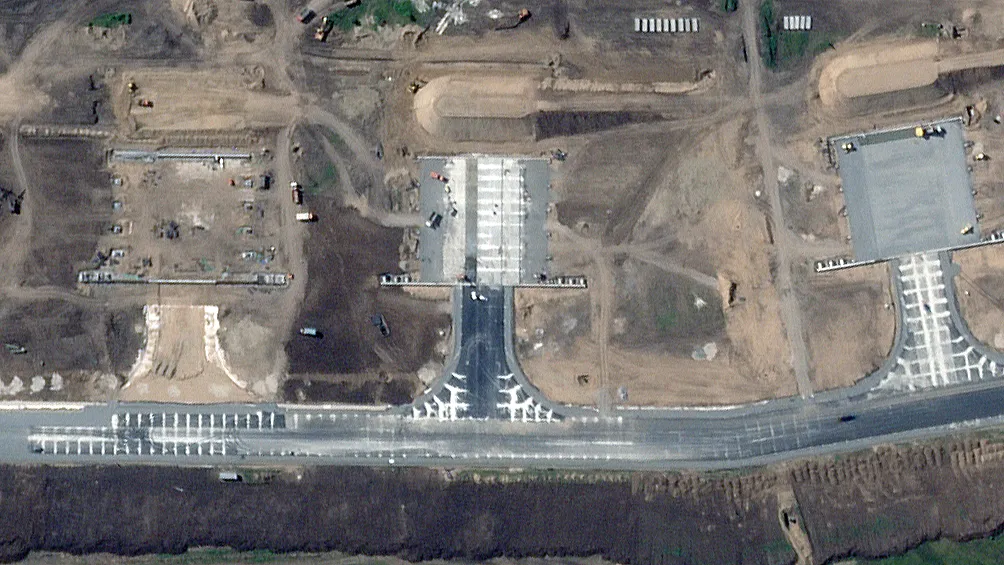
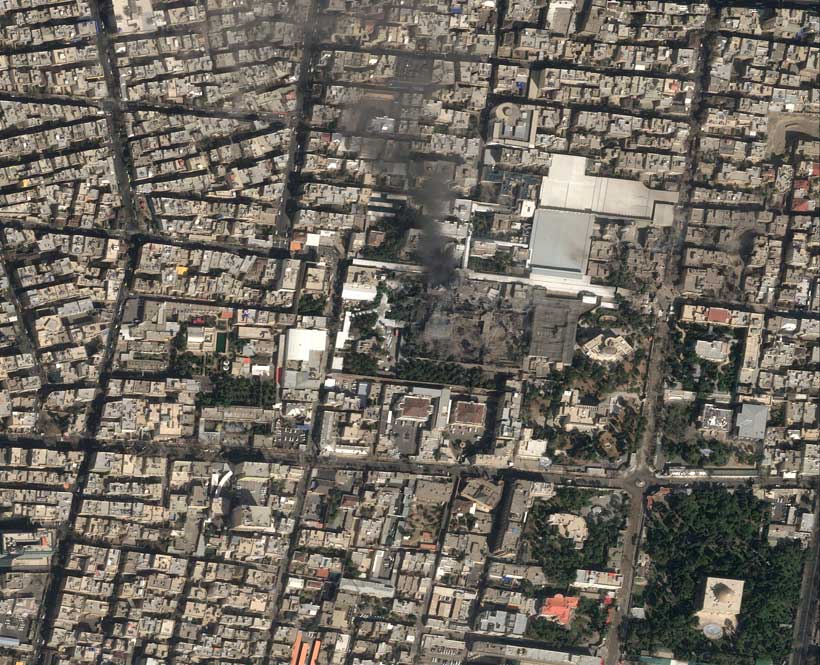
A satellite image taken on June 20, 2026, obtained by TWZ from Planet Labs, shows the extent of construction work on shelters at Engels Air Base in the Saratov region in the southeast of the country. Unlike previous protective shelters, which are sized for tactical aircraft, those at Engels are much larger, in keeping with the dimensions of the Tu-95MS Bear-H and Tu-160 Blackjack strategic bombers that are stationed there.
Based on the available imagery, no fewer than 17 separate protective shelters appear to be under construction at the base, which is located around 300 miles from the nearest Ukrainian border.
The approximate location of Engels Air Base within Russia. Google Earth
Engels, also known as Engels-2, is one of the most important airfields of Russia’s Long-Range Aviation Branch. It is home to the 22nd Heavy Bomber Aviation Division, which is responsible for Russia’s only squadron of Tu-160s, plus another squadron of Tu-95MS bombers.
Both those types have been widely employed in the conflict in Ukraine and especially in the standoff strikes that have targeted Ukraine’s energy infrastructure, among other objectives, civilian and military, across the country.
Between 2012 and 2017, Engels Air Base was reconstructed. In parallel to the main runway, which is around 11,500 feet long and 230 feet wide, a new runway of the same length and a width of 200 feet was built. Later, the parking area for aircraft was entirely reconstructed.
Reportedly, work on bomber-sized protected shelters began in April 2025, some months ahead of Operation Spiderweb, the large-scale Ukrainian drone strike against mainly bomber bases across Russia last summer, and which you can read about in our coverage here.
Soon after, a model of a Blackjack-sized aircraft shelter was shown to Russian Minister of Defense Andrei Belousov, as seen below.
Engels was not among the airbases targeted in Operation Spiderweb, but the potential vulnerability of the aircraft there was already clear.
As we wrote about at the time, Engels came under attack by long-range Ukrainian drones in March 2025, with a weapons storage area at the base apparently the primary target.
In January of 2025, we reported on a huge fire close to Engels Air Base, caused by what Russian officials described as a “massive” Ukrainian drone attack. The strike was on the strategically important fuel storage tank farm for Engels, and the fire raged for several days after.
Russia’s Rosreserv fuel depot in Engels continued to burn today after a Ukrainian drone attack last night, with multiple additional storage tanks igniting throughout the day.
Within the last hour, the regional governor of Saratov declared a state of emergency. pic.twitter.com/EzhoQTgqK0
Attacks such as these have repeatedly underscored the ability of relatively slow and low-flying Ukrainian drones to fly deep into Russian territory and strike strategic military targets. Meanwhile, Operation Spiderweb presented a new dilemma — short-range drones launched covertly, in mass, from locations much closer to airbases.
Amid continued questions about the efficiency of local air defense capabilities, Russia has embarked on various initiatives to try to protect its aircraft on the ground at their bases.
From the start of the conflict, Russian airbases have dispersed their aircraft for protection, although this is not so straightforward for bombers, with their more intensive demands on space, crews, maintenance facilities, weapons, and others. One of the runways at Engels has been used as a dispersed parking area for years now.
Russia has also taken further precautions at its airbases. To begin with, they installed blast walls between active aircraft. This was an attempt to contain any damage to one aircraft in an attack, designed to prevent both fire and shrapnel from spreading.
More recently, construction work at multiple bases has been adding many dozens of new hardened aircraft shelters to better shield aircraft from drone attacks and other indirect fire. At the start of this effort, however, the shelters were sized to accommodate smaller tactical jets, and the bombers were not provided with the same kinds of protection. This may also have been a reflection of the specific vulnerability of airfields closer to Ukraine and to the U.S.-supplied Army Tactical Missile System (ATACMS) short-range ballistic missiles, which began to be used against Russian airbases in late 2024.
Instead, bomber bases were provided with discarded aircraft to serve as decoys. More unusual measures included placing vehicle tires on the upper surfaces of aircraft and painting aircraft silhouettes on concrete airfield surfaces. The tires, specifically, were intended to confuse image-matching seekers on Ukrainian-operated standoff weapons. TWZ was first to spot the strange coverings atop a couple of bombers at Engels in August 2023.
Now, imagery from Engels confirms that the shelters are being extended to Russia’s bombers, too. This marks a significant change in Russian bomber operations, with these aircraft previously having been left essentially unprotected on their airfields, including undergoing maintenance in the open.
At this stage, it’s not clear what level of protection the bomber shelters might offer. The most robust tactical aircraft shelters are understood to utilize steel frames with prefabricated concrete elements on top, which may not survive a direct hit by a large cruise missile, but could defend against many types of drone and cluster munitions strikes.
Another shelter type, this time using curved sections of sheet metal, has also appeared at some Russian tactical airbases, but likely serves as little more than a drone screen against near-field attacks by smaller FPV and ‘bomber’ drones.
A metal hangar at Marinovka Air Base in Russia shows extensive shrapnel damage after a Ukrainian drone strike. via Telegram
Even if the bomber shelters are on the more fragile side, they could provide some degree of protection, especially against smaller drones, as well as shielding operations — and even the presence of bombers — from observers, complicating targeting.
As well as bearing the brunt of long-range cruise missile strikes against Ukraine, Russia’s bombers are a far more precious asset than tactical jets, the most important of which remain in series production.
In contrast, the Tu-95MS (and the Tu-22M3 Backfire-C) have been out of production for decades, while efforts to restart Tu-160 production have moved only very slowly so far.
The first newly manufactured Tu-160M at the Kazan Aviation Plant in the Republic of Tatarstan, western Russia, where it flew in early 2022. UAC
At the same time, these aircraft are a key element of the country’s strategic military posture, forming one arm of Russia’s nuclear-delivery forces.
The need to provide adequate protection to aircraft — especially for the U.S. military — is something that TWZhas addressed before. Aircraft shelters with varying degrees of hardening are now very much back on the agenda globally, in response to evolving drone and missile threats. There is a growing debate within America’s armed forces and Congress about the value of building new defensive infrastructure for its aircraft, as well as investments in new active air and missile defense and tactics, techniques, and procedures. Except for a few forward deployment locations, the United States does not invest in robust shelters for its combat aircraft, including its bombers. The risks of this situation, including at home in the continental U.S., were highlighted across the media when Barksdale AFB was swarmed recently by drones, with the base’s prized B-52 bombers left largely defenseless on the apron.
Consistent Ukrainian drone (and also cruise missile) attacks have made it clear that Russia’s bomber bases are among the most prized targets for Kyiv. Ukraine’s ability to strike facilities of this kind by various means has now driven the expansion of the program to build protective shelters to Engels Air Base, something that is unprecedented for Russia, even going back to the Cold War. The construction marks a new doctrine of force protection for the Russian bomber fleet, which has suffered losses that are very hard to replace. With Moscow now coming under mass air attack in broad daylight, it appears the threat from long-range strikes is now growing at what is clearly an alarming rate for Russia.
Four days after twin quakes left 1,450 dead and nearly 69,000 missing in Venezuela, residents and volunteers say they feel abandoned by the government as they race to save lives from the rubble.
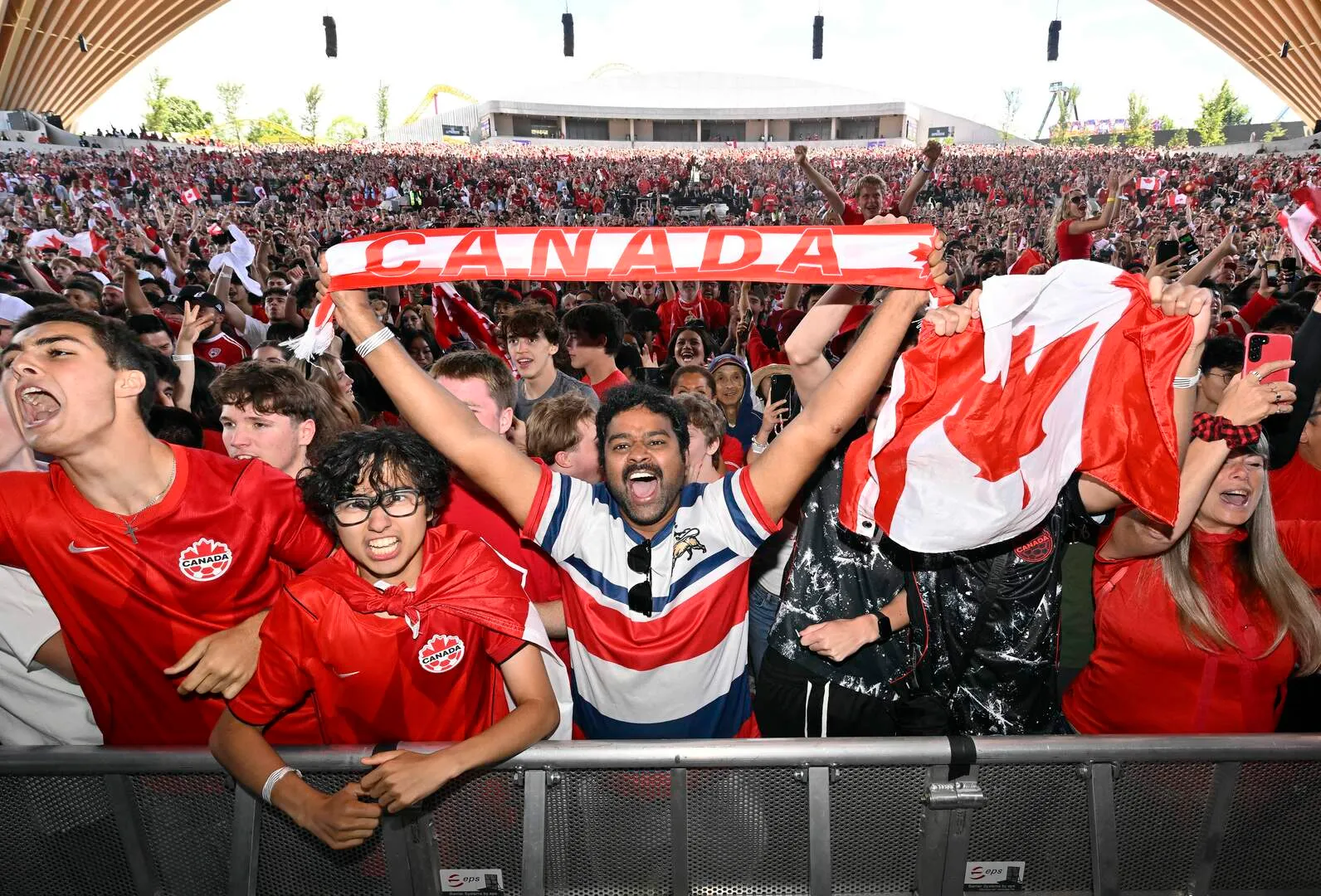
Canada beat South Africa 1-0 thanks to a stoppage-time strike by Stephen Eustaquio from distance to reach the World Cup last 16 for the first time in their history.
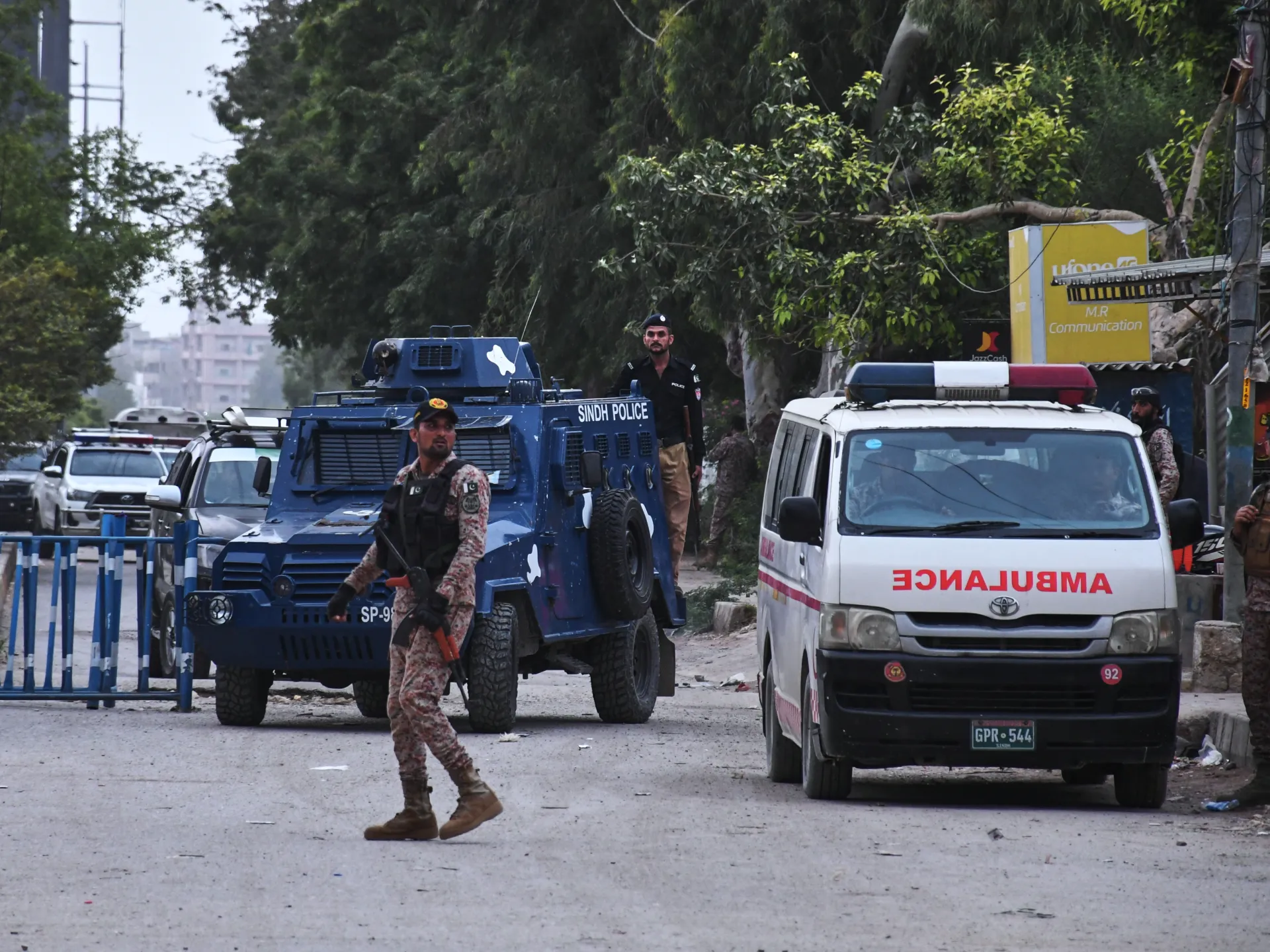
Strikes come a day after fighters armed with guns and explosives killed three soldiers in Karachi.
By Agence France Presse and The Associated Press
Published On 29 Jun 202629 Jun 2026
Pakistan’s security forces have carried out a ground operation and air strikes along the Pakistan-Afghanistan border in response to deadly attacks, killing 29 fighters, officials have said.
In a post on social media, Pakistani Minister of Information Attaullah Tarar said the operation was launched in response to multiple attacks by armed groups across the country.
Recommended Stories
list of 4 itemsend of list
“Three targets in Paktia, Paktika and Kunar were destroyed during precision strikes,” Tarar said on X, referring to three eastern Afghanistan provinces.
There was no immediate response from Afghanistan.
Pakistan has witnessed a surge in attacks targeting police and security forces in recent years.
Authorities have blamed the Pakistan Taliban, known by the acronym TTP, and allied armed groups for most of the violence.
It comes a day after fighters armed with guns and explosives targeted the regional headquarters of the paramilitary Rangers in the southern port city of Karachi, killing three soldiers.
Security forces killed three attackers and arrested another assailant, whom the military identified as an Afghan national in wounded condition.
Jamaat-ul-Ahrar, a breakaway faction of the Pakistan Taliban, claimed responsibility for the Karachi attack in a statement on Saturday night.
Tarar said Pakistan’s latest operation along the Afghan border targeted hideouts and safe havens of the Pakistan Taliban.
The Pakistan Taliban are a separate armed group from the Afghan Taliban, although the two are allies.
The Afghan Taliban returned to power in neighbouring Afghanistan in 2021.
The latest operations are likely to further strain the already tense relations between Islamabad and Kabul.
Sunday’s cross-border strikes and ground operation came less than three weeks after Pakistan’s military launched air strikes on what it said were fighter group hideouts in Afghanistan.
They ended about a month of relative calm following what Islamabad had described as an “open war” between the neighbouring countries, despite international efforts to broker a lasting peace.
The escalation follows months of tit-for-tat military action between the countries.
Hundreds of people have been killed in cross-border fighting since February, when Afghanistan launched retaliatory strikes after Pakistan carried out air strikes inside Afghan territory.
Multiple rounds of internationally mediated peace talks have failed to secure a lasting ceasefire.
China also hosted the two sides in April, and Beijing later said that Pakistan and Afghanistan had agreed not to escalate their conflict and to explore a solution.
Since last year, Pakistan has carried out multiple strikes along the border and inside Afghanistan, targeting alleged hideouts of the Pakistan Taliban and other armed groups.
Pakistan accuses Afghanistan’s Taliban government of harbouring fighters who carry out deadly attacks inside Pakistan, especially the Pakistan Taliban.
In May 2026, just hours before President Donald Trump met President Xi Jinping, OpenAI’s Vice President of Global Affairs Chris Lehane floated the idea of a US-led global governance body for artificial intelligence that would include China as a member. The model, according to media reports, was compared to the International Atomic Energy Agency (IAEA), a familiar reference for managing strategic technologies with global consequences.
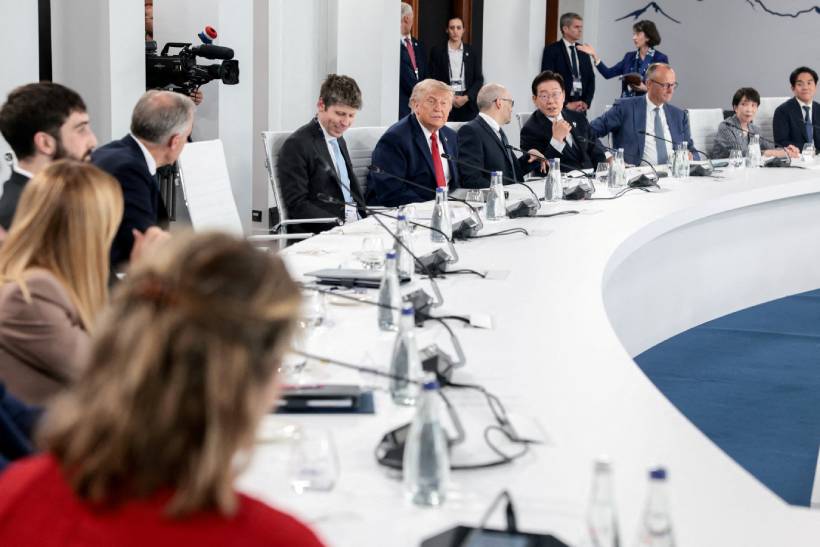
One month later, at the G7 summit in Évian-les-Bains, a different tone emerged. Several influential AI executives joined leaders from advanced economies to discuss AI governance, online safety, and global security. According to Axios, Anthropic’s Dario Amodei and Google DeepMind’s Demis Hassabis leaned towards a more selective framework among democratic countries, while OpenAI’s Sam Altman used broader language, calling for an international forum to develop shared testing standards and risk assessments.
These two moments reveal something important: the meaning of “global AI governance” remains unsettled. In one setting, global means including China for legitimacy. In another, it can mean a trusted coalition designed to manage access, capability, and strategic risk. AI governance is becoming part of the architecture of global power.
Three Voices, Different Emphases
Stay ahead of the geopolitical week.
MD Briefing delivers expert analysis across five global fronts — the Indo-Pacific, energy, geoeconomics, European security, and the Middle East — every Monday morning. Free.
Their presence at the G7 showed how quickly AI firms have moved from building systems to helping shape the politics around them. The leaders of OpenAI, Anthropic, Google DeepMind, Mistral, Cohere, and other firms were not simply observers of geopolitics. They were part of the conversation about how technological power should be governed.
Their positions were not identical. Amodei reportedly urged democratic countries to coordinate more closely so that AI governance would not fragment. Hassabis stressed the strategic importance of frontier capability. Altman, by contrast, used more institutionally neutral language, suggesting that advanced AI should not be shaped only by the companies building the most capable systems.
Even among frontier AI developers, there is no settled imagination of global governance. Should it include all major AI powers, including strategic rivals? Should it be built around trusted coalitions? Should it prioritize safety, democratic values, geopolitical advantage, or public legitimacy?
The question became more complicated because the G7 discussions came shortly after the US government imposed export controls that forced Anthropic to suspend foreign access to its Fable 5 and Mythos 5 models. Reuters reported that the order required Anthropic to block access to the models for foreign nationals, leading the company to disable them more broadly to ensure compliance. The episode showed how frontier AI governance can move from abstract principles to abrupt restrictions. Even among democratic allies, technological solidarity has limits. When AI becomes strategic infrastructure, every country begins to think about its own room for maneuver.
The Asymmetry of “Global”
The deeper issue lies in who has the power to define the word “global” in the first place. In May, global governance could mean a US-led institution that includes China. In June, it could mean coordination among democracies to manage frontier capability and strategic access. The definition changed because the political room changed.
This reveals a double asymmetry. The first is technical: only a small number of firms can define what counts as a frontier model, how its capabilities should be tested, and who should be allowed to access it. The second is narrative: the same ecosystem also helps frame the language through which the world discusses governance.
For countries outside the frontier AI circle, they may be invited to conversations but not always to the stage where categories, thresholds, and governance priorities are first shaped. They may be asked to adopt best practices whose assumptions were formed elsewhere. They may be told that risks are global, even when preparedness remains highly unequal.
G7 outreach to partner countries such as India, Brazil, Kenya, South Korea, and Egypt is important. It recognizes that AI governance cannot remain a conversation among advanced economies alone. Yet there remains a difference between being present in a forum and helping design the architecture of the forum itself. The question is who defines the table, the agenda, the risk categories, and the meaning of global governance itself.
When the AI Frontier Moves Towards the Market
There is another reason why a broader governance imagination is necessary. Frontier AI innovation is no longer centered primarily in universities or public research institutions. It is increasingly shaped by private firms with the capital, compute, talent, data access, and infrastructure required to train and deploy the most capable models.
Stanford’s AI Index 2025 noted that nearly 90 per cent of notable AI models in 2024 came from industry, up from 60 per cent in 2023. A report prepared for the European Economic and Social Committee on generative AI and foundation models also described significant US dominance across the value chain. These findings point to a structural shift: the frontier is becoming more concentrated, more expensive, and more closely tied to corporate and geopolitical capacity.
Much of AI’s progress has come from companies willing to take risks, scale products, and build technical capability at extraordinary speed. But the center of gravity has shifted. When frontier AI is largely financed, defined, and deployed by market actors, the default imagination of AI development can tilt towards commercial viability, platform advantage, user growth, and strategic positioning.
Public interest does not disappear in such a system. It risks becoming secondary unless other actors are strong enough to bring it back into the room.
Open Future, a European digital policy organization, has warned that concentrations of power in AI can make public activities dependent on “a narrow group of monopolists.” The phrase matters because infrastructure-level dependency can weaken society’s ability to negotiate the terms of the technologies it relies on.
A Wider Public-Interest Layer
In a multiplex digital world, power does not flow only through states or markets. It also moves through universities, civil society organizations, professional associations, media, labor groups, open-source communities, public-interest technologists, and moral institutions. Together, these actors form the society layer often missing from discussions dominated by states and markets.
States define security priorities. Companies define technical possibility. Society must help test legitimacy. Who bears the risk? Who benefits from deployment? Who is excluded from design? What harms are being normalized because they are commercially convenient or geopolitically useful?
This is why Pope Leo XIV’s recent intervention on AI is politically relevant beyond its religious context. In his encyclical Magnifica Humanitas, he argues that protecting the human person in the age of AI requires renewed reflection on the common good, solidarity, social justice, and human dignity. Such interventions will not replace regulation or technical standards. They help recover a truth easily lost in frontier AI politics: governance is also about preserving the human meaning of technological progress.
The same question of authorship is beginning to appear in empirical research. Ongoing fieldwork-based research at the University of Oxford has started to examine whether countries in the Global South are developing approaches to AI governance that are neither simple copies of Western regulatory templates nor rejections of international cooperation but pragmatic syntheses shaped by local institutional capacity, regulatory sequencing, and historical experience with technology transfer. Indonesia has appeared as one of the country cases in this line of inquiry.
Governance models worth studying are not only those negotiated in Évian, Brussels, Washington, or New York. They are also being improvised, often informally, by mid-sized digital economies navigating dependency and ambition at the same time.
The United Nations’ Global Digital Compact (GDC), adopted in September 2024, offers a useful multilateral reference point. It frames digital cooperation and AI governance around inclusion, human rights, open standards, interoperability, digital public goods, and multi-stakeholder cooperation. The Compact does not resolve the power asymmetries of frontier AI by itself, but it gives societies, alongside states and firms, a language for claiming a legitimate role in digital governance.
The practical task is to strengthen public-interest evaluation: the ability to test social impact, language bias, local risks, institutional misuse, and deployment consequences in different societies. The aim is to preserve enough room for public reasoning so that the future of AI is not defined only by those with the largest models, the biggest markets, or the strongest strategic leverage.
Imagining a More Inclusive AI Governance
The lesson from the IAEA analogy and the G7 discussions is not that one model is right and the other is wrong. Both reflect real concerns. A broadly inclusive governance arrangement may be necessary for legitimacy, especially when AI risks cross borders. A trusted coalition may also be necessary when capability access raises genuine security concerns. The problem begins when either model claims to be global while leaving too many societies downstream of decisions made elsewhere.
For emerging economies, the strategic challenge is not simply to wait for a better invitation to the next summit. Participation matters, but it is not enough. Countries and societies need stronger capacity to evaluate AI systems, understand their dependencies, articulate local risks, and negotiate governance terms with greater confidence.
This is a call for a more plural architecture of governance, where states, markets, and society all have meaningful roles. The uncomfortable question is not whether AI requires international coordination. It clearly does. The harder question is whether that coordination can remain open enough for societies, not only states and companies, to shape the terms of technological power.
In the age of frontier AI, the future will not be determined only by who builds the largest models. It will also be shaped by who gets to define risk, test systems, question assumptions, and decide what counts as progress.
Every era that has tried to govern a transformative technology eventually learns the same lesson: legitimacy borrowed from power is not the same as legitimacy earned through participation. The IAEA’s own history shows that global trust is rarely built at the moment institutions are created; it is earned over time, through broader representation, credible restraint, and shared accountability. The real question for AI governance is whether it can shorten that distance by design, rather than waiting for legitimacy to arrive only after contestation.
Artificial intelligence is increasingly being used in the military for planning and operations as a decision support tool at multiple stages. The US’s use of Anthropic’s Claude model against Iran marks a significant moment in the history of warfare. Integrated via Palantir’s Maven Smart System, AI-supported intelligence analysis, target identification, and operational simulations enabled planners to process information faster than human capabilities. While analysts have framed this as an “AI war,” the more significant shift lies in the growing influence of algorithmic systems in shaping military decision-making architectures.
Admiral Brad Cooper, who led Operation Epic Fury, said that AI systems processed massive amounts of intelligence and surveillance data, allowing commanders to gain insights within seconds. This is part of a wider movement to shift more complex intelligence tasks to algorithmic systems, raising questions about transparency, oversight, and reliance on algorithmic assessments.
This is also observed in other conflict zones, but in different operational roles. In Gaza, Israel’s Lavender system, developed by Unit 8200, assisted in the targeting of 37,000 suspected individuals, based on reported affiliations, using AI. Structural strikes and real-time tracking were made possible through the use of additional tools like “The Gospel” and “Where’s Daddy?” These systems reduced human review into quick, seconds-long “stamp of approval” decisions, moving targeting to machine-driven validation. In Ukraine, AI tools were used to assist in drone operations and battlefield analysis by training datasets. Initial programs, like Project Maven, relied on manually labeling 150,000 images. Currently, the Brave1 has enabled over 100 defense-tech firms to train combat AI on millions of annotated images from ongoing missions to improve these AI models.
The modern battlefield produces unprecedented volumes of data from interwoven sensor networks, drones, satellite imagery, and localized communications streams. This information comes at high speed and volume, which can overload the human brain. AI is being used to deal with this information overload, but there are concerns about the accuracy of AI-driven assessments and how much human oversight might be required to rely on AI. Military officials emphasize that humans have the final authority, but systematic integration poses challenges to oversight quality. The other predicament is automation bias, a psychological phenomenon in which a human operator, particularly under pressure or high stress, is likely to rely on the system’s recommendations. Therefore, striking a balance between speed and responsibility, ethical judgment, and accountability in the use of force is a key challenge.
Stay ahead of the geopolitical week.
MD Briefing delivers expert analysis across five global fronts — the Indo-Pacific, energy, geoeconomics, European security, and the Middle East — every Monday morning. Free.
Another area of concern pertains to legal and ethical issues. International humanitarian law is based on the principles of distinction, proportionality, and precaution. With the growing use of AI in military operations, it becomes more difficult to apply these principles, thereby making accountability and scrutiny more difficult. The International Committee of the Red Cross has warned that, when algorithmic systems provide input for analysis, targeting, or operational planning, it is hard to assign responsibility for any errors. Even with humans “in the loop,” the black-box nature of machine learning limits transparency and complicates legal review. It is not just a theoretical problem; it has been seen in practice. In the early US campaign against Iran, an AI-assisted missile struck a girls’ school near an IRGC compound, killing 120 children, likely due to a classification error. Anthropic’s CEO’s admission of limited awareness over Claude’s use in the strike highlights a broader issue. AI developers are fully aware of the risks associated with delegating autonomous functions to AI, yet they continue to promote its adoption. As AI assumes greater decision-making roles, concerns over misidentification and the possibility of AI acting against human directives are often overshadowed by narratives emphasizing its benefits.
For Pakistan, these developments are neither distant nor theoretical. In a region where crises can escalate quickly, AI-enabled decision support offers advantages but also carries risks. It improves situational awareness and accelerates analysis but compresses decision time, limits verification, and heightens the risk of miscalculation. Considering both, Pakistan is accelerating efforts to build AI capacity and strengthen its supporting infrastructure. At the policy level, this translates to a recognition that successful adoption is not just about adopting algorithms but about enhancing data governance, institutional maturity, and a skilled workforce capable of embedding AI into decision-making processes. Thus, Pakistan’s approach remains focused on leveraging AI to bolster human judgment in intelligence fusion, surveillance, logistics, and cyber defense.
There is a clear lesson from the academic literature and initial operational experience: algorithmic systems are transforming military information processing. However, as their role in decision-making grows, they also entail bias, error propagation, lack of transparency, and overreliance on machine-generated recommendations. AI, therefore, must be used as a support system, with humans retaining final decision-making responsibility. This requires investment in training, auditability, and institutional safeguards to ensure that human decision-makers are meaningfully engaged, rather than merely present in form. The future of warfare will likely be defined not by machines acting alone, but by humans making increasingly time-pressured decisions shaped by machine-generated insights. The central strategic challenge is not whether to adopt algorithmic tools, but how to ensure that their speed never outpaces sound judgment.
Tehran, Iran – Iran’s national football team has once again failed to realise the dream of reaching the knockout phase of the World Cup, with the wartime 2026 tournament stirring up a wide range of emotions among Iranians inside and outside the country for different reasons.
Team Melli ended its seventh appearance in the tournament after a 1-1 draw in Seattle on Friday against Egypt left them in third place in Group G, with only three points gleaned from three draws.
Recommended Stories
list of 3 itemsend of list
The team was eliminated a day later, after a series of other match results left them just outside of the tournament’s eight third-placed teams advancing to the next stage after FIFA expanded from 32 to 48 teams.
“This was very unlikely to happen, I couldn’t believe how we got out again, with just one spot away from advancing,” Milad, a resident of Tehran who watched all matches impacting Iran’s run at the World Cup, told Al Jazeera.
The circumstances were so peculiar that, among other things, they left the head coach pondering divine intervention, and state television accusing other teams of cheating and collusion.
During the Egypt match, centre-back Shoja Khalilzadeh appeared to score a 93rd-minute winner that would have automatically sent Iran into the Round of 32, but VAR ruled it out after a few centimetres of his right foot were offside.
Video replay in the stadium shows Shoja Khalilzadeh of Iran as offside when he scored the second goal which was then dissallowed during the FIFA World Cup 2026 Group G match between Egypt and on June 26, 2026 in Seattle, Washington [Richard Heathcote/Getty Images] (AFP)
A member of the coaching staff had his nose broken after another staff member inadvertently headbutted him during emotional group celebrations of the goal before it was overturned.
Khalilzadeh’s goal celebration included posing with sunglasses, so Egypt – which advanced to the knockout phase – later taunted him with an Instagram picture of striker Mohamed Salah giggling while wearing sunglasses.
A disgruntled head coach Amir Ghalenoei told state television during a live post-match interview that he believed everyone enjoyed the match, but at times it seemed like “God was at odds with us” due to the lack of good luck – which also included Iran scoring three VAR-overturned goals during the competition, the highest of any team.
He also blamed tough conditions faced by the players and the entire staff during an unprecedented World Cup campaign, in which the main host country, the United States, has been at war with a participating nation, Iran, for the past four months.
The US military bombed several islands in the Strait of Hormuz in Iran’s southern waters just hours before kick-off in the Iran-Egypt match.
Football federation officials, as well as other staff and media personnel, were denied visas to travel to the US for the tournament, on grounds that included their alleged affiliation with the Islamic Revolutionary Guard Corps (IRGC), the force running war and politics in Iran.
The playing squad was only allowed in under unusually tight restrictions, and had to be mostly based in Mexico’s Tijuana instead of the originally designated Tucson in Arizona.
They had to enter the US within 24 hours of a match and leave on the same day, with only a slight easing allowing them to arrive two days early for the Seattle match.
‘Completely mad’
After the Egypt match, Iran needed just one of three things to go their way: Croatia had to lose to Ghana, but it won 2-1; DR Congo had to fail to beat Uzbekistan, but won 3-1; and Algeria vs Austria had to produce a winner, but the match ended 3-3.
Hours before the Algeria-Austria match, Javad Khiabani, a sports presenter infamous for decades of eccentric football commentary, released a video message in Arabic, addressed to the “Muslim brothers in Algeria”. He asked them to defeat Austria and allow Iran, a Muslim-majority country that has suffered war, to advance.
Other hosts of Iranian state television and radio channels broadcasting the match live went through an emotional rollercoaster after Algeria’s Riyad Mahrez scored deep into stoppage time, creating a 3-2 result that would have sent Iran through.
“Now, a Muslim country is doing something to keep another Muslim country in the knockout stage,” shouted another ecstatic commentator, again linking the sport with religion.
He and many Iranians watching at home were devastated moments later when Austria’s Sasa Kalajdzic used his first touch of the game to equalise with a header in the box. The result benefited both teams, because it sent both into the next round, with Austria facing Spain and Algeria facing better odds against Switzerland.
Some inside and outside Iran suggested the game was rigged, but Austria’s head coach Ralf Rangnick responded to match-fixing allegations by saying: “If Alfred Hitchcock had written such a drama, I probably would have said he was completely mad”.
Shoja Khalilzadeh #4 of IR Iran scores his team’s second goal that was ruled offside following a VAR review during the FIFA World Cup 2026 Group G match between Egypt and IR Iran at Seattle Stadium on June 26, 2026 in Seattle, Washington [Dean Mouhtaropoulos/Getty Images]
Killings that scarred society
For a second consecutive World Cup, Iran’s national football team did not enjoy unified support from Iranians inside or outside the country, due to the fallout from public protests against the Islamic Republic, the theocratic establishment that has governed Iran since the 1979 Revolution.
In January 2026, thousands of Iranians, including at least 230 children, were killed during nationwide anti-establishment protests that erupted across the vast country of over 90 million. The government, as with previous protests, put all the blame on “terrorists” organised by the US and Israel, but Amnesty International called it an “unprecedented deadly crackdown” by the state that also included a total internet shutdown.
Just months after the killings that scarred parts of Iranian society, some believe football players – who have all avoided commenting on the protests, but in some cases have backed the state – are not representatives of a unified Iran.
Outside the stadiums in the US during the World Cup, some anti-Islamic Republic Iranians protested using Iran’s pre-1979 lion-and-sun flag, as opposed to the official flag which features the word “Allah” in the centre, but most diaspora Iranians ended up cheering for the team in packed stadiums.
Mohammad Khakpour, a former Team Melli captain now based in the US, wrote in an Instagram post on Sunday that the fact Iranians had contrasting emotions after Iran’s elimination from the tournament carries a social message.
“When a part of the society feels that Team Melli is no longer representative of their emotions, pains or hopes, a chasm is created,” he said. “The people may not be happy from a football loss, but they may at times be happy about the collapse of an image that they do not consider to be true”.
Farhad, a 36-year-old resident of eastern Tehran, told Al Jazeera that decades from now, people may remember Team Melli not only as representing the Islamic Republic but also for the football record it left behind.
“Personally, I preferred it if they advanced, but I’m not devastated that they didn’t,” he said.
Stephen Eustaquio scores a dramatic winner in the second minute of injury time as co-hosts Canada beat South Africa to move into the last 16 of the World Cup for the first time.
Even before the first naira changes hands or the first customer calls, Musa Lekki reaches for his phone. It is 5:32 a.m. on a Tuesday, and like many smartphone users, he begins his day with a glance at his phone screen. The 42-year-old provisions trader lives in Yola, northeastern Nigeria, and runs a small wholesale business supplying neighbouring shops and customers with rice, beverages, and household goods.
As he unlocks his phone, there is already work waiting for him. A supplier has sent a voice note. A customer wants to confirm a payment. Another customer has placed an order. Before he has even left his bed, Musa is responding to messages and preparing for the business day ahead.
What appears to be a routine start to the morning is also a series of digital interactions. Within minutes of waking up, Musa has engaged with systems that recognise his phone number, device information, account credentials, and network location.
Each interaction leaves a data trail. A phone call generates telecommunications records. A bank transfer creates transaction logs. A utility payment produces another digital entry. Individually, these fragments may seem insignificant. Together, they form an increasingly detailed portrait of everyday life, which is increasingly mediated and supported by Digital Public Infrastructure (DPI) rails, a set of foundational digital systems that form the backbone of modern societies, enabling secure and seamless interactions between people, businesses, and governments.
Musa does not think about any of this. Most mobile phone and internet users do not.
“During the day, I use my phone for transfers, calls, and ordering goods, and by night I check my account balance before closing for the day,” he said.
As Nigeria expands its digital identity and payment systems, everyday activities such as making calls, sending money, paying bills, and accessing services are becoming increasingly dependent on interconnected digital infrastructure. Musa’s daily routine shows how Digital Public Infrastructure is reshaping daily life, expanding access to services while also raising questions about privacy, transparency and accountability.
What Musa sees is a phone. What he does not see is an invisible infrastructure that increasingly determines who can communicate, who can make payments, who can access services, and who can participate fully in modern economic life. By the time he goes to bed, several institutions will have processed fragments of his personal information. Many of those interactions will happen without him ever knowing.
This is how millions of Nigerian residents increasingly navigate life as data points within systems they rarely see.
The identity that travels ahead
At 6:45 a.m., Musa calls a supplier in Kano. The conversation lasts less than three minutes. It is a routine business call, yet that call depends on a national identity system. In 2020, the Nigerian Communications Commission (NCC) directed all mobile network operators to link users’ Subscriber Identification Module (SIM) cards to their National Identification Number (NINs) and to bar those who did not comply. Musa’s line was among those affected.
“There was a time my SIM was restricted because of an issue with my NIN linkage,” he recalled. “I couldn’t make calls for some days and also lost customers, until I sorted it out.”
The experience taught him something many Nigerians have learned: The ability to make a phone call increasingly depends on proving who you are. Identity is one of the key layers of a DPI. In Nigeria, the NIN is the foundational identity document, managed by the National Identity Management Commission (NIMC).
As of December 2025, the NIMC reported more than 127 million NIN enrolments nationwide, making it one of Africa’s largest digital identity databases, while over 172.67 million SIM cards had been linked to NINs.
Nunaya David, a senior enrolment officer at the NIMC, Yola, said, “NIN is increasingly required for banking, telecommunications, social programmes, and several government services.” Identity is no longer simply something Nigerians carry in a wallet; it is increasingly verified continuously in the background.
The money moves, the data moves too
Shortly after 7 a.m., Musa pays ₦45,000 to a supplier. The transfer takes less than a minute. Money leaves one account and appears in another. With a few taps, Musa has interacted with another stack of the DPI: the payment layer. Behind that transaction, the payment infrastructure operated by banks, fintechs, and the Nigeria Interbank Settlement System (NIBSS) performs multiple checks.
“Once a transfer is initiated, the request passes through several systems before reaching the recipient,” Hakeem Abdulkareem, a tech specialist with NIBSS, explained. “These systems communicate with one another to confirm and complete the transaction.”
Identity verification, fraud screening, account authentication and transaction routing all happen in the background. Most of it occurs within seconds. The customer sees only a debit alert while the infrastructure works in the background.
According to the Central Bank of Nigeria, electronic payment channels now account for the majority of retail payment activity, with internet transfers, mobile payments and point-of-sale transactions becoming increasingly dominant. Data from NIBSS show that Nigeria recorded ₦284.99 trillion in electronic payment transactions in the first quarter of 2025, representing a 17.7 per cent year-on-year increase compared with ₦234.49 trillion recorded in the same period in 2024. This reflects how deeply electronic payments have become embedded in everyday economic activity. Each transfer generates records that move across banks, payment switches, and settlement systems, creating the digital trail that allows modern commerce to function.
A market built on digital trust
For Musa, these systems are largely invisible. What he sees are payment alerts arriving on his phone and customers walking through his door. By mid-morning, those customers have started to arrive. One of them is Aisha Bello, a 21-year-old student at Modibbo Adama University, preparing for a new academic session. Like Musa, she relies on digital systems she rarely thinks about.
Her school registration requires identity verification. Her bank account relies on Bank Verification Number (BVN). Her mobile line and BVN are all linked to her NIN.
Get our in-depth, creative coverage of conflict and development delivered to you every weekend.
Subscribe now to our newsletter!
As she pays Musa electronically, two very different lives intersect through the same digital infrastructure. Neither sees the systems operating behind the scenes, yet both depend on them.
The same is true for Grace Ezra, a nurse at Modibbo Adama University Teaching Hospital in Yola. Like Musa and Aisha, she increasingly relies on digital systems to manage her salary payments, telecommunications services, tax records, and pension contributions.
Frank Akabueze, a digital identity expert, describes Nigeria’s journey as a gradual shift from fragmented systems to interconnected ones. “We have moved from having several disconnected identity systems toward greater integration.”
Increasingly, a person’s ability to study, work, save, communicate, and transact begins with a digital identity record. This speaks to the third layer of DPI, interoperability, the ability of different digital systems to speak to each other securely.
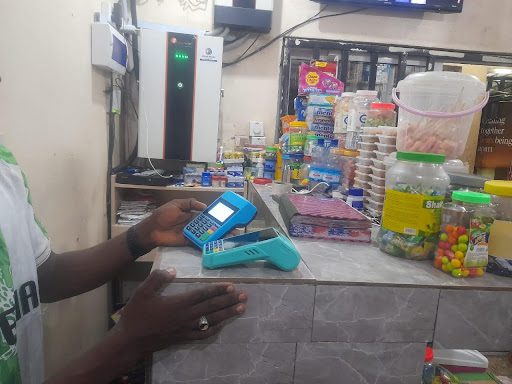
Musa operates his POS terminal. Photo: Obidah Habila Albert/HumAngle
The invisible checks
Around noon, Musa buys airtime through a mobile app. Moments later, he pays an electricity bill. The transactions feel routine, but each leaves a digital footprint. Each creates records, generates data and triggers some form of verification.
Airtime purchases, utility payments, transfers and merchant payments may appear unrelated, but increasingly they travel through interconnected platforms that rely on identity verification, payment infrastructure and data exchange mechanisms working together in the background. The power of DPI lies in the ability of these systems to communicate with one another. This interoperability allows a verified identity, a payment instruction and a service request to move across different platforms within seconds.
Esther Kolo, a staff member at Opay, a leading digital financial services provider in Nigeria, explains that many customers only notice verification during registration. “Most people notice identity verification during account registration, but checks can also happen when account details are updated or when unusual transactions are detected. In many cases, these checks happen in the background.”
The reality is that verification does not end after account creation. It becomes part of daily life. The systems simply become invisible. Every interaction leaves behind another record. Those records may sit in various databases, often connected in ways users never see. By midday, Musa has become far more than a trader buying and selling goods. He is part of a growing collection of records moving across this ecosystem.
When identity becomes the gatekeeper
Later in the afternoon, Musa receives a call from his younger brother. He is trying to resolve a problem involving identity records required to open a bank account.
Across Nigeria, mismatched records, incorrect dates of birth, missing details, and verification failures have become common sources of frustration. As systems become more interconnected, a discrepancy in one database can sometimes affect access to services that depend on another.
Such complaints have become familiar in identity management centres and online forums, where citizens report problems ranging from incorrect personal details and outdated biometric records to difficulties validating identity information across different systems. According to Nunaya of NIMC, “The person may experience delays in accessing certain services until the issue is resolved.”
As more services become interconnected, identity functions as a gatekeeper. When systems work properly, access becomes easier. When records fail, opportunities can disappear, sometimes without warning. The same infrastructure designed to enable inclusion can also create new barriers.
For instance, in August 2025, Catherine Bello, a beneficiary of a humanitarian cash assistance programme in Adamawa, was unable to receive support because a minor discrepancy between her name on the beneficiary list and her National Identification Number (NIN) record caused the verification process to fail. Similarly, others have recounted losing access to mobile services and facing banking restrictions because their NIN, BVN, and SIM records did not match across government databases.
Who is watching the data trail?
As evening approaches, conversations throughout the day prompt Musa to reflect on something he rarely considers: who actually has access to all this information? His answer is uncertain. “I know my bank, telecom company, and government agencies have my details. Honestly, I don’t really know who else can access the information or how it is being used.”
Digital rights advocates say Musa’s uncertainty underpins the challenges facing millions of Nigerians. As more services become digital and become interconnected through digital identity and payment systems, citizens often have little visibility into how their information is shared, stored, or processed across institutions.
Gbenga Sesan, Executive Director of Paradigm Initiative, a digital rights advocacy organisation, said the challenge is not only the collection of personal information but the lack of transparency surrounding its use.
“Many people provide information to access essential services without fully understanding where that data goes, who can access it, or how long it may be retained,” he said, adding that public trust in digital systems depends not only on efficiency and convenience but also on clear safeguards, transparency and accountability.
As identity systems, payment systems, and service delivery platforms become more interconnected, questions about transparency become increasingly important.
According to Vincent Olatunji, the Nigeria Data Protection Commission (NDPC), for identity management to be effective, there is a need for harmonised policies, secure technologies and inclusive systems. “The more systems are connected, the greater the impact if information is mishandled or exposed,” he noted.
Reports have shown how vulnerable these systems can be when safeguards fail. In 2025, the Foundation for Investigative Journalism uncovered websites that offered access to Nigerians’ sensitive personal information, including NINs, BVNs, photographs, and other identity records, for small fees. One platform reportedly sold access to personal records for ₦70-₦150, while another provided unauthorised identity-related services despite not being licensed by the NIMC.
Illustration: Akila Jibrin/HumAngle
These incidents illustrate the risks that emerge when large volumes of personal data are concentrated within interconnected digital systems without proper safeguards.
Olatunji of NDPC noted that the Nigeria Data Protection Act has established rules governing how personal information should be collected, processed, stored, and shared. Citizens have rights and organisations have obligations, but awareness is limited. “Organisations are generally expected to explain why information is being collected and how it will be used,” he explained.
Under the Act, citizens have several rights over their personal information. These include the right to know why their data is being collected, the right to request access to personal information held about them, the right to seek correction of inaccurate records, the right to withdraw consent for certain forms of data processing, and the right to seek redress when their information is misused. The law also requires organisations to explain how personal data will be used and gives individuals the right to lodge complaints with the NDPC when they believe their rights have been violated.
In practical terms, these rights mean that citizens are not merely sources of data, but they are entitled to ask questions about how their information is used, request access to records held about them, and challenge organisations that fail to protect their information. Yet awareness of these protections remains low among ordinary users.
Musa says he has heard of data protection laws but does not know what rights they give him. Like many Nigerians, he uses digital services every day without fully understanding who controls the information he generates.
Before bedtime, by 9:45 p.m., Musa checks his account balance for the final time. The day is over. He has made phone calls, received payments, sent transfers, paid utility bills, purchased airtime and verified identities. Each action took only seconds. Each left a record somewhere. Some records sit inside telecom databases. Others exist in banking systems, payment switches, identity registries and government platforms. Together they form a digital version of Musa’s day, one that is often more detailed than he realises.
“Many people do not realise how often their identity is being checked behind the scenes,” Frank noted.
This report is produced under the DPI Africa Journalism Fellowship Programme of the Media Foundation for West Africa and Co-Develop.
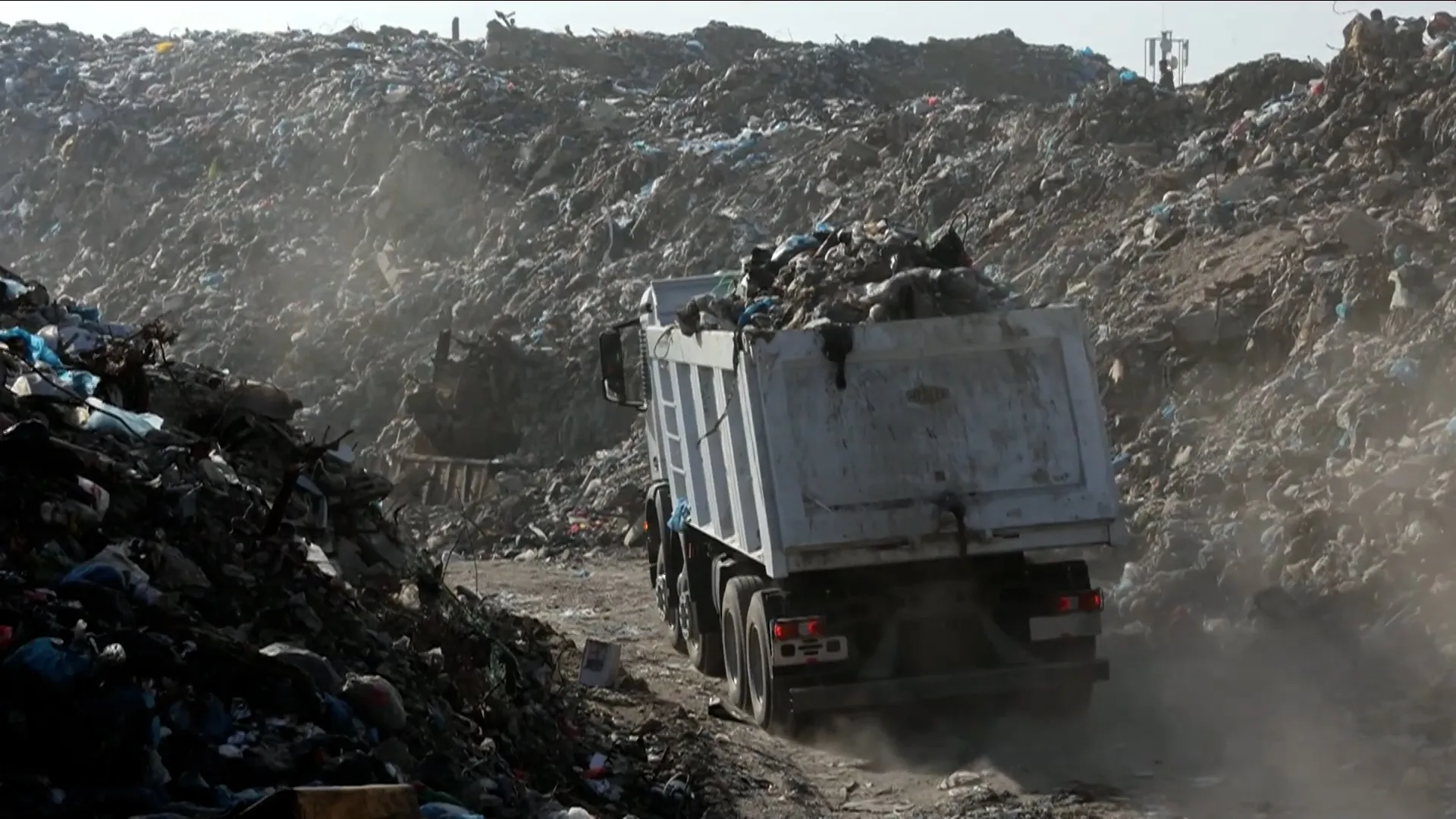
Rats are invading displacement camps across Gaza, where piles of garbage, overflowing sewage and overcrowded shelters are worsening a public health crisis. Doctors report more severe skin diseases as families struggle without proper sanitation or adequate medical care.
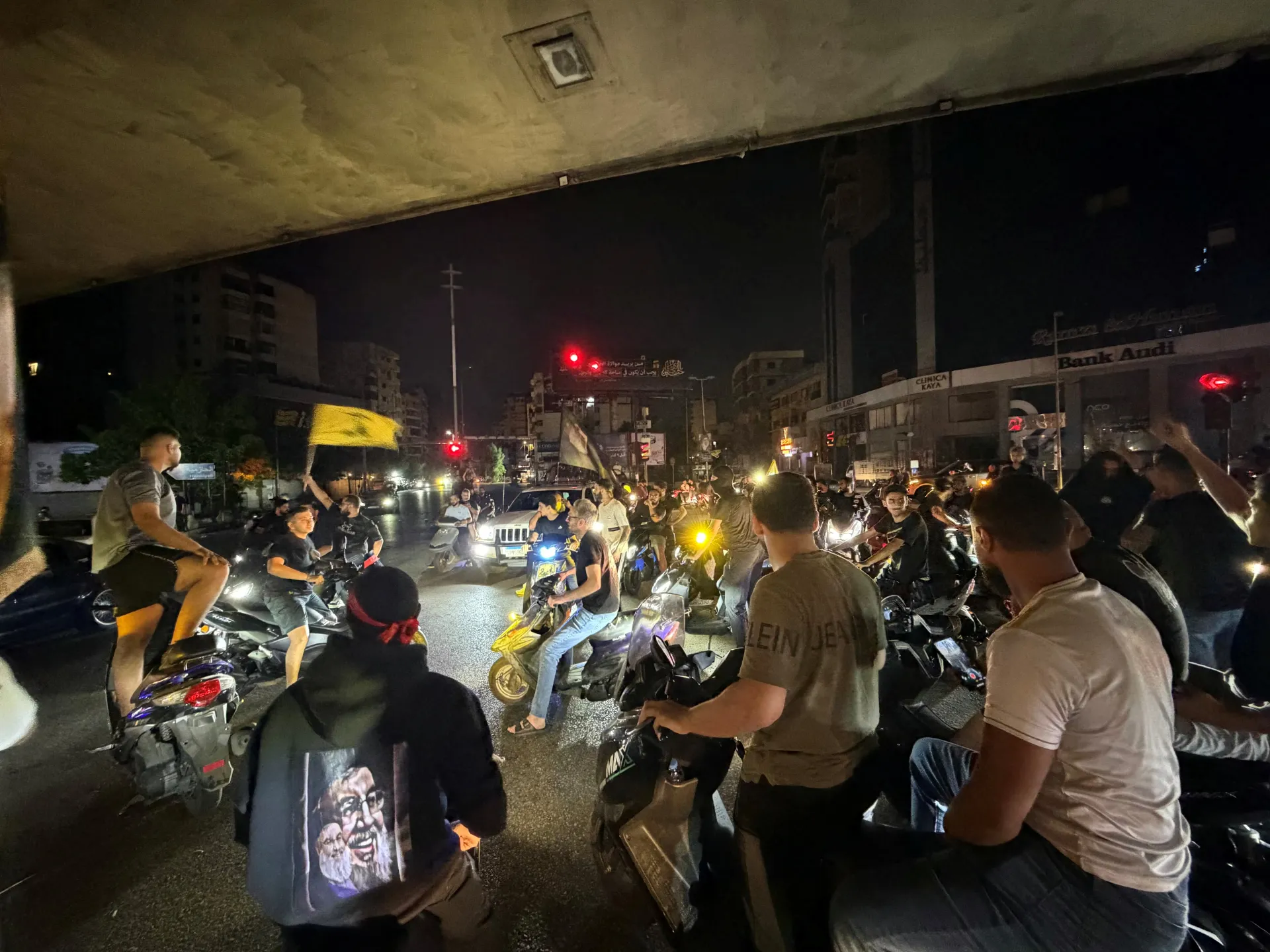
Beirut, Lebanon – After the governments of Lebanon and Israel on Friday signed a United States-brokered framework agreement following months of direct negotiations, protesters took to the streets of the Lebanese capital to express their anger at the deal.
Many of the demonstrators waved flags of the Iran-backed group Hezbollah, which has been militarily confronting Israel’s ongoing invasion and occupation of large swaths of southern Lebanon.
Israel and Hezbollah have been fighting since October 2023, with varying levels of intensity, but the former has twice escalated the conflict – first in September 2024 and then nearly four months ago.
Some of the harshest critics of the framework, which does not force the Israeli army to withdraw from the areas it occupies, have been those most deeply impacted by Israel’s war, which has killed more than 4,200 people and forced hundreds of thousands from their homes since early March.
“After everything my family, my village, the south, and Dahiyeh have endured – the destruction, the displacement, the grief and the loss – it is incredibly difficult for me to accept an agreement with the same state that carried out the military actions that devastated our communities,” said Ali Zaytoun, a resident of Beirut’s southern suburbs, known as Dahiyeh.
Zaytoun, who runs a popular Instagram account called History of Dahieh, said he had been displaced multiple times due to Israeli attacks.
“Imagine someone destroys your home and your life, and then you’re expected to simply move on as if nothing happened,” said Zaytoun. “My protest is about remembering those who suffered, standing up for my community, and expressing that this agreement does not reflect the justice or respect that people who lived through this war deserve.”
A new Oslo?
The Israeli intensification on March 2 came after Hezbollah fired on Israel for the first time in more than a year following the killing of Iranian Supreme Leader Ali Khamenei in a joint US-Israeli air attack on Tehran two days earlier, and as a response to more than 10,000 Israeli violations of a ceasefire reached in November 2024.
On the same day, the Lebanese government declared Hezbollah’s military activities illegal and later tried – unsuccessfully – to expel the Iranian ambassador.
Its position was that Hezbollah’s actions invited Israel’s wrath in a war fought on behalf of Iran and not the people of Lebanon.
Hezbollah, however, continued fighting Israel in southern Lebanon, where the Israeli army has established what it calls a “security zone” that goes as deep as 10km (6.2 miles) into the country.
As attacks continued, Lebanon’s government entered the United States-brokered negotiations with Israel, despite Hezbollah’s objections.
The final text of the 14-point Washington agreement states Israel has no claim to Lebanese territory and that the Lebanese Armed Forces (LAF) will eventually be the authority in southern Lebanon, “pending the verified disarmament of” non-state armed groups such as Hezbollah.
Proponents point to Israel recognising Lebanon’s authority over its own territory, though critics say the framework relies too heavily on the US – Israel’s main military and diplomatic backer and a signatory to the deal – to enforce it.
“The United States is unlikely to act as a neutral mediator and will almost certainly align with Israeli positions whenever disputes arise over the interpretation or implementation of the agreement,” said Karim Emile Bitar, a professor of international relations at the Saint Joseph University of Beirut.
“This creates a fundamentally asymmetric negotiating environment in which Lebanon has little leverage and few effective guarantees.”
Hezbollah chief Naim Qassem declared the agreement “null and void”, calling it “humiliating, shameful, and a surrender of sovereignty”, while Hassan Fadlallah, a Hezbollah lawmaker, warned of “internal conflict” in Lebanon.
Parliament Speaker Nabih Berri called for calm but also declared that the deal was an attempt to incite strife.
Those who backed the government said it had originally little choice but to enter direct negotiations, given its limited leverage in a war where Israel has technological superiority and unwavering US support.
Lebanese Prime Minister Nawaf Salam wrote on social media after the agreement’s signing that it “aims to achieve Israel’s withdrawal from all Lebanese territories”, while President Joseph Aoun called it “a first step” towards restoring Lebanon’s sovereignty.
Still, the final terms of the deal were criticised by many analysts.
“This framework agreement essentially mirrors the reality of the military and political balance on the ground, which is decisively tilted in Israel’s favour,” said Bitar.
Bitar said the agreement was reminiscent of the Oslo Accords, a series of US-brokered agreements signed by the Palestine Liberation Organization (PLO) and Israel in the 1990s.
“We see a similar pattern here: Israeli negotiators seek recognition and get the other side to relinquish leverage while offering no binding timetable or reciprocal obligations,” he added.
On Saturday, Israeli Defence Minister Israel Katz insisted soldiers will remain in Lebanon until Hezbollah is disarmed.
US reliance
Days before the signing of the Washington framework, Iran and the US agreed on a memorandum of understanding (MoU) that aims to end the war launched by the US and Israel against Iran in late February.
The MoU declared, among other things, “the immediate and permanent termination of military operations on all fronts, including Lebanon”, between the two countries and their allies.
Lebanon’s inclusion in the MoU was reportedly an Iranian priority, while a “deconfliction cell” was formed to bolster the supposed ceasefire in the country.
Throughout the war and the period of negotiations, Lebanon’s government has tried to separate itself from Iran – but some said it may have gone too far in the other direction.
“We are seeing the confirmation of what Hezbollah has been warning all along. Not because Hezbollah got it right, but because the Lebanese state got it so wrong,” said Lebanese writer Elia Ayoub.
“I understand the need to not depend on Iran, but what we’ve instead done is become even more dependent on the US than we’ve previously been,” added Ayoub, the founder of the podcast The Fire These Times.
“And it’s the US that has been bankrolling Israel’s genocide in Palestine and war crimes in Lebanon,” Ayoub added.
Analysts also questioned whether the government would be able to implement the deal.
“It appears that the Lebanese side has come under significant US pressure to sign an agreement that is very likely to remain little more than ink on paper, and very unlikely to be implemented in any meaningful way,” said Bitar.
Karim Safieddine, a nonresident fellow with the Tahrir Institute for Middle East Policy, said the framework left the Lebanese government with “very little agency”.
“It’s Israel imposing a deal,” he added. “It’s very clear what this deal is. It’s just a surrender agreement.”
At the same time, some pointed to similarities to the 2024 ceasefire agreement, expressing doubt whether Israel will be incentivised to respect the framework.
“It’s one thing to sign a declaration of intent; it’s another thing to have it implemented, and I can see all kinds of problems emerging from this,” said Nicholas Blanford, a nonresident fellow at the Atlantic Council and author of a book on Hezbollah.
Last year, Israel repeatedly complained that LAF’s efforts to disarm Hezbollah were either too slow or ineffective. The US often sided with Israel despite diplomatic attempts from European and other officials encouraging it to support LAF.
In a call with his US counterpart, President Donald Trump, on Saturday, Aoun said Lebanon “would assume its responsibilities” in implementing the framework and expressed hope Washington would help ensure that commitments are fulfilled, particularly by pressing Israel to pull out from the areas it occupies.
Point 9 of the agreement states Lebanon’s government commits to a “rigorous, performance-based program to enable the capacity of the LAF to assert full military and security control within Lebanon … to implement the disarmament of all non-state armed groups”.
This provision has some in Lebanon worried about potential confrontations between LAF and Hezbollah, but Blanford said the possibility of a large escalation is currently not likely.
“The Lebanese army and the government are unwilling to use force against Hezbollah,” he said. “Forcibly trying to disarm a group that is refusing to disarm is an act of war. And I think the Lebanese army and the Lebanese government would be extremely wary of that.”
Drone footage from Catia La Mar in Venezuela’s La Guaira shows widespread destruction after twin 7.2 and 7.5 magnitude earthquakes devastated the region. Authorities say at least 1,430 people have been killed, more than 3,200 injured and over 50,000 remain unaccounted for as rescue teams continue searching collapsed buildings for survivors.
Hezbollah calls the deal a surrender as Israeli forces stay put and continue striking the south.
Israel has resumed air strikes on southern Lebanon, only days after signing a US-brokered agreement meant to end its war with the country.
The strikes came on Sunday, two days after the framework was signed in Washington following five rounds of talks.
Recommended Stories
list of 3 itemsend of list
Each side is presenting the same document as a victory on its own terms, and the deal has been rejected by Hezbollah and by far-right Israelis, raising immediate doubts over whether it can hold.
Lebanon’s state-run National News Agency (NNA) reported a series of attacks in the south on Sunday, a day after the Lebanese Ministry of Health said one person was killed in an Israeli attack there, the first death since the deal was signed.
Israeli aircraft were also active, with NNA reporting drones flying over the northeastern city of Baalbek and warplanes staging what residents described as a mock raid over nearby highlands.
Israel said its forces were targeting members of Hezbollah, the Lebanese armed group, near the buffer zone its troops occupy inside the country.
The Israeli military also announced that one of its soldiers had been killed in combat in the south. It named him as Captain David Hazutt, 21, a platoon commander in the Golani Brigade, an elite infantry unit, and said a second soldier was lightly wounded.
Israel’s military chief approved continued operations in the zone, saying they were in line with the ceasefire.
Israeli Prime Minister Benjamin Netanyahu on Sunday called the agreement “historic” and “a massive blow to Iran and Hezbollah”.
An agreement was struck between Lebanon and Israel on Friday in Washington, which was described cautiously by United States Secretary of State Marco Rubio as “the beginning of the beginning”.
At the time, Lebanese Prime Minister Nawaf Salam said that the agreement “aims to achieve Israel’s withdrawal from all Lebanese territories”.
Defence Minister Israel Katz said on Saturday that Israeli forces were preparing for an extended stay in the buffer zone, and would remain as long as the group held on to its weapons.
Hezbollah leader Naim Qassem rejected the deal in a statement on Saturday, calling it “humiliating” and “a surrender of sovereignty” and saying his fighters would not leave the battlefield.
Hassan Fadlallah, a Hezbollah member of parliament, said on Sunday that any move by the Lebanese army to enforce the agreement would push the country towards internal conflict, as supporters of the group protested across the capital against the deal.
Itamar Ben-Gvir, Israel’s far-right national security minister, said the deal handed Hezbollah a “lifeline” and dismissed the idea that Lebanon’s army could disarm the group. He said he had opposed the agreement in cabinet for weeks and would continue to do so.
The war began on March 2, when Hezbollah fired rockets at Israel in response to the killing of Iran’s supreme leader in US-Israeli strikes.
Israel answered with heavy air raids and a ground invasion. More than 4,200 people have been killed in Lebanon since then, according to the country’s Health Ministry.
Iranian Foreign Minister Abbas Araghchi said on Sunday that Washington should force Israel to stop its strikes and pull out of the areas it occupies in Lebanon, citing a separate understanding he said was binding on both Israel and the United States.
England test captain Ben Stokes will retire from international cricket after the ongoing test match against New Zealand.
Published On 28 Jun 202628 Jun 2026
England captain Ben Stokes has made the dramatic decision to announce his imminent retirement from international cricket midway through the deciding third test against New Zealand.
“This is my last two days as your captain and my last two days representing England,” Stokes told his England teammates inside the dressing room on Sunday at the start of play at Trent Bridge on Day 4, in a video released on social media by England Cricket.
Recommended Stories
list of 4 itemsend of list
The match is headed to a fifth and final day on Monday, with the series on the line at 1-1.
The shocking announcement came 15 minutes before the tea break. Stokes picked up a wicket moments later and was given a standing ovation as he led England off at the end of the session.
“The reasons can wait [about] why,” Stokes said in his dressing-room speech. “But I’ve had many trips to the well before for this team, and I’ve got one more trip to do.”
Stokes, 35, one of the world’s best known cricketers, has represented England for 15 years, the peak surely coming in 2019 when he starred for England in its wild win over New Zealand in the 50-over World Cup final at Lord’s.
He was also a key player in England’s T20 World Cup-winning team in 2022, the same year he became test captain.
Stokes has decided to quit international cricket during a series when he made front-page news after being dropped by England for the second test amid an investigation following a night out with teammate Gus Atkinson after the first test at Lord’s.
The two players were in a London nightclub when an England team security official was reportedly struck by a rugby player from English club Saracens.
The England and Wales Cricket Board (ECB) dropped Stokes and Atkinson, and later said they had “breached specific contractual obligations” and were given a written warning. The sport’s independent oversight panel – the Cricket Regulator body – said after its investigation that there was “insufficient evidence to establish that any regulatory breach occurred”.
Stokes was recalled for the third test.
Stokes reacts alongside New Zealand’s Rachin Ravindra [File: Andrew Boyers/Reuters]
ECB chairman Richard Thompson said Stokes is “one of England’s greatest ever cricketers and one of the defining figures of his generation.”
“His performances under pressure, his relentless competitiveness and his ability to produce the extraordinary when it matters most have given me and millions of other fans memories that will endure forever,” Thompson said.
“Beyond his remarkable achievements on the field, his performances have inspired many youngsters to embrace cricket with positivity and belief. We are losing a batsman, a bowler, a captain and a talisman.”
The memorandum of understanding (MoU) the United States and Iran have signed is not a peace treaty. It is not even a credible framework for one. A vocal chorus of critics has rushed to portray it as a humiliation – evidence that President Donald Trump was manoeuvred into negotiations and extracted a poor deal from a regime that outplayed him.
That reading mistakes a mirage for reality. The Trump administration entered these talks with a precise understanding of what the Iranian regime is, what it wants and what any agreement with it is actually worth. No one in that negotiating team harbours the illusion that Tehran intends to honour commitments that constrain its core ambitions. The MоU is not a peace settlement. It is a mutually understood pause – a tactical intermission chosen by both sides for reasons that have nothing to do with trust and everything to do with time.
To grasp why, one needs only consult Iran’s unbroken record. That record is not a matter of interpretation or political dispute. It is a documented history of agreements made, commitments given and obligations systematically abandoned whenever honouring them conflicted with the regime’s objectives.
The pattern is consistent enough to constitute a doctrine: Iran negotiates under pressure, signs what is necessary to relieve that pressure and resumes its course once the immediate threat has passed.
The deeply flawed 2015 Joint Comprehensive Plan of Action (JCPOA) was the most prominent recent demonstration of this cycle. Presented as a landmark of multilateral diplomacy, it was in practice a subsidised intermission – a breathing space Iran used to consolidate resources, sustain its proxy networks and continue advancing its strategic programme. The JCPOA did not change Iranian behaviour. It funded and protected it.
The Trump administration’s “maximum pressure” campaign was a direct response to that lesson: A regime of this kind cannot be managed through diplomatic lifelines. It can only be constrained by pressure severe enough to leave it no viable alternative to compliance.
The new MoU does not signal that Iran has changed. Its calculus remains what it has always been – survival and expansion, pursued through whatever tactical posture the moment requires. When pressure mounts, Iran negotiates. When pressure eases, Iran advances. Its negotiators are, by all available evidence, prepared to offer assurances they have no intention of keeping. This is not a failure of diplomatic craftsmanship. This is simply the nature of any negotiation with a regime like Iran’s.
Nowhere is this more apparent than in the Iranian nuclear programme. As a signatory to the Non-Proliferation Treaty, Iran has repeatedly committed to transparent cooperation with the International Atomic Energy Agency. It has repeatedly broken those commitments, blocking inspections, constructing clandestine enrichment facilities, destroying evidence and systematically deceiving the international community. The pattern is not one of occasional noncompliance. It is deliberate, sustained deception in pursuit of a single unwavering objective: the acquisition of a nuclear weapon.
A state genuinely committed to civilian nuclear energy has no need for a vast and enormously expensive domestic enrichment programme. Nuclear fuel can be purchased – from Russia, among others – at a fraction of the cost and without the international confrontation such a programme inevitably provokes.
Iran has chosen the far more costly and dangerous path for one reason: Enrichment is not a means to an end, but the end itself. Its rulers are committed to a nuclear weapon, and that commitment has survived changes in personnel, shifts in rhetoric and decades of pressure.
It will not be bargained away – and here lies the critical point that no amount of diplomatic optimism can paper over. Iran’s rulers are not pragmatic actors engaged in a conventional cost-benefit calculation. Their goals are theological and strategic in a way that places them beyond the reach of ordinary negotiation.
They do not govern in the interests of the Iranian people. The sanctions they have endured have devastated ordinary Iranians – driven up poverty, hollowed out the middle class, denied the population access to medicines and opportunity. None of that has moved the regime one degree from its course.
This is a regime that could, if it chose, transform its position entirely. It could make peace with its neighbours, normalise relations with the international community, shed the sanctions that have devastated its economy and dramatically improve the lives of Iranians. The price is not beyond reach: abandon the nuclear weapons programme, cease development of offensive ballistic missiles and end the sponsorship of terrorist proxies. Iran’s rulers have refused that bargain consistently and completely.
That is the essential context for understanding what the Trump administration is actually doing. It would be a serious misjudgement to read this MoU as evidence of American weakness or strategic confusion. The team that designed and executed the most effective pressure campaign against Iran in recent memory is not naive about this adversary.
Trump enters this pause knowing that Iran will not honour commitments that genuinely constrain it. He is not expecting otherwise. Neither side, in all likelihood, operates under any such illusion – which is precisely what makes the critics’ alarm about a “bad deal” somewhat beside the point.
You cannot be cheated by an agreement you never expected the other party to keep.
What this MoU represents is a mutually understood strategic pause, a breathing space both parties have chosen, for entirely different reasons, over immediate confrontation. Iran needs economic relief. A regime facing internal decay and a depleted treasury has strong incentives to buy time, replenish its resources and wait out what it calculates to be a finite window.
Tehran is acutely aware that Trump has roughly two and a half years remaining in office. From its perspective, survival through that period is itself a form of victory.
Washington’s calculus is different in kind. Keeping the Strait of Hormuz open is an immediate, non-negotiable goal – a choked strait means an energy price shock with global consequences. Beyond that, the US has its own repositioning to accomplish. Military inventories drawn down through recent operations are being restocked. Strategic options are being preserved and expanded.
A pause that enables that rebuilding, while avoiding a premature confrontation on unfavourable terms, is not a concession. It is preparation.
Trump has never wavered in his commitment to eliminating Iran as a strategic threat – not through wishful diplomacy, but through the kind of pressure that forecloses options. That commitment did not expire with the signing of this MoU. The question for Tehran is not whether American resolve exists but whether it can be outlasted. That is a wager the Iranian regime has made before and lost.
The international community will, as usual, observe from a careful distance. Many nations will urge Iran to be stopped while taking few steps to stop it, criticising US action and inaction with equal facility.
Trump understands this dynamic. It is the foundation of his approach to alliances – the insistence that partners bear proportionate burdens rather than simply drawing on American resolve while contributing little of their own.
The MoU will not resolve the Iranian problem. It was not designed to. When its terms expire or when Iran decides it has served its purpose, the nuclear programme will resume its advance, the proxies will be better resourced, and the Strait of Hormuz will once again become a flashpoint.
That outcome is not a possibility. Given Iran’s record, it is a near-certainty. The only consequential variable is whether the US and those willing to stand alongside it will be better positioned to act decisively when that moment arrives. Far from a mirage, the evidence suggests that is precisely what this administration is working to ensure.
The views expressed in this article are the author’s own and do not necessarily reflect Al Jazeera’s editorial policy.
Rescuers in Venezuela are racing against time to find survivors after twin earthquakes left thousands missing. International teams have pulled several people from the rubble alive, including 11-year-old boy Moises rescued after a six-hour operation and a newborn reunited with their family.