Greece will ban social media for children under the age of 15 from next year, Prime Minister Kyriakos Mitsotakis announced on Wednesday, making it the latest country to follow Australia’s landmark move.
In a video message posted on TikTok, Mitsotakis said
Oil prices have fallen sharply and Asian markets surged on Wednesday after the US and Iran agreed to a two-week ceasefire that includes reopening the Strait of Hormuz but traders are cautious so far until the truce proves durable.
ADVERTISEMENT
ADVERTISEMENT
Brent crude stood at $92.99 per barrel as of Wednesday morning, up 28.30% since the war began in late February but well below the peaks of recent weeks which went up to $110 per barrel.
WTI crude sat at $94.70 per barrel, still 41.30% above pre-war levels despite the ceasefire-driven selloff. Wholesale gasoline was at $2.94 per gallon, also up more than 41% since the conflict began.
The moves follow a dramatic overnight plunge after US President Donald Trump said he was holding off on threatened strikes against Iranian bridges, power plants and other civilian infrastructure.
Iran’s foreign minister confirmed the Strait of Hormuz would be open to shipping for the next two weeks under Iranian military management.
Asia surges, Europe slides
Asian markets responded with enthusiasm. Japan’s Nikkei 225 gained 5.0% in early Wednesday trading, South Korea’s Kospi soared 5.9% and Hong Kong’s Hang Seng jumped 2.6%.
European markets told a different story. The Stoxx Europe 600 was down 6.82% in early trading, reflecting the accumulated damage from weeks of war-driven volatility rather than Wednesday’s ceasefire bounce — European markets having closed before the overnight news broke.
On Wall Street, the S&P 500 is down by 3.81% in pre-market US trading, having swung sharply during Tuesday’s session before clawing back losses after Pakistan’s prime minister urged Trump to extend his deadline and called on Iran to reopen the strait.
Cautious optimism
The ceasefire has done little to fully settle markets.
Attacks were still reported in Israel, Iran and across the Gulf region in the early hours of Wednesday, and neither side has specified when the truce formally begins.
The worry that has stalked markets since late February remains, namely that a prolonged disruption to Gulf oil flows will keep energy prices elevated long enough to push a fresh wave of inflation through the global economy — with or without a ceasefire.
Gold prices advanced in Asian trading on Wednesday after U.S. President Donald Trump and Iran agreed to atwo-week ceasefireto finalize talks on ending the war.
Spot gold (XAUUSD:CUR) rose 1.8% to $4,794.08 per ounce at press time, after gaining as much as 3.1% earlier in
The UAE has carefully crafted a position for itself as a hub for digital assets. Can the good times last?
The United Arab Emirates (UAE) positions itself as a center for digital assets, a market that may be worth up to $500 billion over the next few years by some estimates. Dubai and Abu Dhabi are already acknowledged as global hubs, based not only on quality of regulatory oversight but their early strategic bet on tokenization as the basis of a new financial infrastructure.
But the UAE’s pioneering moment may soon end. The US-Israeli war against Iran, launched in February, has sown doubts as to whether the Persian Gulf monarchies are the haven of stability they claim to be. And for all the regional talk of tokenization and fintech, longestablished financial centers elsewhere are taking the lead in drawing up a unified set of rules to govern crypto regulation. If a clear regulatory framework emerges, it could reshape crypto market dynamics at the UAE’s expense.
In January, the New York Stock Exchange (NYSE), the world’s largest financial market, said it was launching a platform for 24×7 trading and on-chain settlement of tokenized securities, a development some analysts predict will spark a revolution in capital markets. The move by NYSE could leave some other financial centers behind as liquidity and institutional investors shift to more efficient, always-on markets.
Financial centers, including London, Singapore, and Hong Kong, are also evaluating tokenization.
And other Gulf Cooperation Council (GCC) member states, notably Saudi Arabia, Qatar, and Bahrain, are increasingly embracing tokenization, backed by financial war chests of various sizes.
Management consultancy Kearney earlier this year estimated that by 2030, close to $500 billion of assets across the GCC could be placed on-chain, the most fertile ground being in private markets, public equities, funds of tokenized sovereign wealth fund (SWF) assets, commodities, real estate, and bank deposits. Tokenizing these assets would unlock some of the GCC’s most prized but difficult-to-access holdings, such as SWF assets and family offices. Tokenizing listed securities, for example, could simplify cross-border transactions and open markets to fractional ownership, a move likely to attract global investors looking to participate at smaller ticket sizes.
UAE real estate is already on the road to wider tokenization. Last year, Dubai launched a real estate tokenization sandbox pilot, the first regulatory body in the region to adopt blockchain-based tokenization for fractional ownership. The initiative coordinates with the emirate’s Virtual Assets Regulatory Authority (VARA), which monitors issuance, trading, and custody, together with the Central Bank of the UAE, which ensures compliance with national financial regulations.
For some analysts, the holy grail would be the tokenization of the GCC’s oil output. In January, Bahrain and UAE-based Gulf Energy Exchange announced plans for the first oil-backed stablecoin, aptly named OIL1, subject to regulatory approval by the Central Bank of Bahrain (CBB). OIL1 is to be collateralized by verified reserves of Persian Gulf crude oil and pegged to the US dollar, creating a link between the energy sector and digital assets.
Regulatory Oases
To stay competitive, however, the UAE will need to continue innovating, given that adoption of tokenization and digital assets is moving at breakneck speeds. Tokenization’s market growth “looks like an express ride to the top of the Burj Khalifa,” Kearney noted, a reference to the world’s tallest building, located in Dubai.
Dubai and Abu Dhabi operate offshore free-zone financial centers—the Dubai International Financial Center (DIFC) and Abu Dhabi Global Market (ADGM)—both of which have taken leading roles in ensur ing the UAE remains at the forefront of digital-asset innovation, says Jason Barsema, president and co-founder of Chicago-based Halo Investing. “The UAE’s ascendancy as the destination for digital assets is rooted in a unique policy-to-production approach that separates it from purely speculative markets,” he notes.
Shivkumar Rohira, CEO of EMEA at Klay Group
The UAE’s Securities and Commodities Authority offers a comprehensive regulatory regime straddling the central bank while Dubai’s onshore VARA, Abu Dhabi’s Financial Services Regulatory Authority (FSRA), and the Dubai Financial Services Authority (DFSA), which are offshore entities, operate at the local emirate level.
This regulatory landscape gives international investors a degree of comfort that governance standards are aligned with global legal standards. Its core advantage is a sophisticated yet “pragmatic regulatory architecture that offers something most emerging markets still lack: clarity,” says Shivkumar Rohira, CEO of EMEA at financial services firm Klay Group.
“Dubai’s VARA, alongside the DFSA in the DIFC, has built a tiered, activity-based framework that sets out clear permissions for exchanges, custodians, and token issuers, while tightening standards around AML, investor protection, and market integrity,” he adds.
Abu Dhabi’s ADGM has gone further in positioning itself as an institutional-grade venue with a regime that accommodates tokenized securities, funds, derivatives, and increasingly, staking, among other yield-generating activities.
“This integration keeps Dubai and Abu Dhabi the default GCC base for global digital-asset players even as regional rivals race to catch up,” says Rohira.
Even within the UAE, however, there are fundamental differences of approach between Dubai and Abu Dhabi, notes Martin Leinweber, director of Digital Asset Research and Strategy at MarketVector. The result is a layered system that gives firms the flexibility to structure licensing around their business model, not the other way around.
“What strikes me most from an institutional perspective,” Leinweber says, “is how deliberately the UAE constructed its regulatory architecture at a time when most major financial centers were still debating whether crypto deserved a framework at all.”
Martin Leinweber, director of Digital Asset Research and Strategy at MarketVector
In creating VARA, Dubai established a purpose-built regulator with its own mandate, rulebooks, and enforcement capacity rather than grafting virtual asset oversight onto an existing regulator. In comparison, Abu Dhabi took a complementary path through ADGM’s FSRA, he notes.
Other GCC States Wake Up
While the UAE may be in the lead, other GCC states are finding a place for tokenization in their financial markets as well.
Bahrain’s regulatory framework is closest to the UAE’s, but with the CBB as sole authority for virtual assets. That includes a regulatory sandbox where firms can test and modify digital asset models; Rain was the first crypto-asset firm to be accepted into the program, in 2017.
Bahrain FinTech Bay, the island kingdom’s fintech center, acts as an incubator, bringing together startups, regulators, and financial institutions.
Qatar is taking a more gradual approach; the Qatar Financial Center (QFC) is over seen by the QFC Regulatory Authority, which has recognized tokenized assets, custody, and transfer within a virtual assets framework under the QFC’s jurisdiction.
The GCC’s largest economy, Saudi Arabia, remains underdeveloped when it comes to digital asset readiness, Kearney found, but the authorities have signaled openness to some use cases, including tokenized deposits and stablecoins. Further announcements are expected this year as tokenization becomes embedded in regional capital markets. The Kingdom is home to the buy-now-pay-later juggernaut Tabby, which was valued at $4.5 billion following a recent secondary share sale.
Oman, which recently announced it was establishing a financial center, is moving toward a digital assets framework under the auspices of the Central Bank of Oman, in compliance with existing AML standards. Conversely, Kuwait has adopted the GCC’s most restrictive digital assets policy. Several crypto activities increasingly accepted in other markets, including payments, trading, mining, and tokenization, are banned. The government cites market stability and risk as the primary reasons; the Kuwaiti stock market has a history of instability and volatility.
Although the NYSE threatens to jump ahead of the competition, it has done so against a backdrop of regulatory uncertainty; there is yet to be a definitive set of laws as to how tokenized assets are classified, issued, held, and traded in the US. Dubai and Abu Dhabi may be ahead of that curve, but even they have work to do to allay wider concerns, as does the rest of the GCC.
Those concerns, underscored by the conflict with Iran, center around the question of whether the GCC is a long-term stable environment for global investors. And with the US on the cusp of approving the CLARITY Act, creating a comprehensive regulatory framework for digital assets, and Europe moving toward unified regulation, investors may prove more inclined to opt for the safety of more established financial markets. If so, the UAE’s outsized position in the digital assets market may not be as secure as it would like.
Still modest in size, the regional private credit market is growing fast, boosted by sovereign capital and regional and global direct lenders.
Private credit—nonbank lending to business—is a long-established practice in the US and Europe. Globally, the market has exploded from approximately $300 million in 2010 to a projected $2.8 trillion by 2028.
In the Gulf Region, the private credit market is still in its early stages. Yet a combination of structural forces is accelerating its growth.
“The GCC [Gulf Cooperation Council] essentially offers investors emerging-market growth opportunities with quality fundamentals that outrank advanced economies,” says Dino Kronfol, head of Global Sukuk and MENA Fixed Income at Franklin Templeton. “Efforts to further diversify economies and mobilize domestic and foreign investment will create enormous opportunities in financial services.” Franklin Templeton was one of the first global leaders in asset management to open an office in Dubai, in 2004.
Governments across the GCC are implementing ambitious diversification strategies to reduce their reliance on oil and gas revenues. A pillar of these strategies is private-sector activity, and the expansion of small to midsized enterprises (SMEs) in particular.
But access to funds is a challenge. Local banks focus primarily on large infrastructure and state-backed projects while regulatory capital requirements limit their appetite for riskier lending. Capital markets also remain relatively underdeveloped. As a result, SMEs account for less than 10% of total lending in the GCC, compared to roughly 20% in developed countries. The lending gap is more than $250 billion, and private credit is increasingly viewed as one way to close that gap.
The growth of the GCC private credit market is ultimately supported by sovereign capital, global credit managers seeking new opportunities, and a growing group of regional direct lenders focused on mid-market companies. Future growth will depend on demand from corporates, but also on economic conditions—and security—in the Gulf.
“Recently, times have been challenging, with the Strait of Hormuz blockage, oil at $100 a barrel, and hostilities continuing,” says Mirza Beg, partner and co-CIO at Ruya Partners, a private credit fund manager headquartered in the Abu Dhabi Global Market (ADGM). “But we don’t expect the longer-term story of regional private credit growth to derail because of that.”
Global Slowdown To Regional Opportunity
The sector truly began gaining traction as fundraising conditions worsened in Western markets. Following the Covid-19 pandemic, higher interest rates and rising capital costs disrupted the traditional private-equity cycle of invest, exit, distribute, and redeploy, leaving many investors struggling to raise new funds.
“Obviously, they started showing up a lot in this region,” Beg observes. “This coincided with allocators here, especially the sovereigns, starting to change their mindsets and basically saying to everyone: We’ve been exporting capital for so long. You guys have made a lot of money using it. Now we want this capital to be invested to help develop our countries as well.”
Backed predominantly by sovereign and sovereign-linked funds in the United Arab Emirates and Saudi Arabia, Ruya Partners’ fund strategy focuses on investing in mid-market companies, so far deploying roughly half of its capital in the UAE and half in Saudi Arabia.
An ecosystem has begun to take shape. According to a recent PwC study, private credit in the Gulf and Egypt could grow at a compound rate of 15% to 30%, reaching between $11 billion and $20 billion by 2030.
“Recently, times have been challenging … But we don’t expect the longer-term story of regional private credit growth to derail.”
Mirza Beg, Ruya Partners
“Activity picked up about five years ago, with approximately $5 billion underwritten over that time frame,” Kronfol notes. “While encouraging and witnessing rapid growth, the amounts pale in comparison to public bonds, sukuks, and syndicated loans issuance, which exceeded $315 billion in 2025.”
A Growing Cast Of Players
So far, deal flow remains relatively modest, but it is increasing. Some of the larger transactions have involved real estate projects or fintech platforms like Tamara in Saudi Arabia and CredibleX in the UAE. Most deals, however, are smaller—typically under $50 million—and target midmarket companies in sectors like retail, healthcare, logistics, and transportation.
Global asset managers are moving quickly to establish a presence in the region’s key hubs. Abu Dhabi has attracted US firms, including Apollo Global Management, Blackstone, and Davidson Kempner Capital Management while Dubai hosts such players as Oaktree, Ares Management, and Blue Owl. Other entrants include UK’s Janus Henderson Investors and Hong Kong-based SC Lowy.
Many of these firms focus primarily on raising capital and keeping a close relationship with sovereign wealth funds (SWFs) rather than funding local deals, which are often too small for their mandate.
Mid-market lending is therefore largely the domain of regional managers. Firms including Ruya Partners, Shuaa Capital, Jadwa Investment, and Amwal Capital Partners are setting up regional funds, typically between $100 million and $250 million in size. Latest in line: Saudibased Jadwa Investment’s $200 million private credit fund, launched in January. Last May, Amwal Investment, an alternative investment firm based in Dubai and Riyadh, started a $150 million Shariacompliant private credit fund targeting 10 to 15 deals annually, with a focus on technology-enabled platforms.
Another defining feature of the Gulf private credit market is the strong role of SWFs: some of the largest in the world. Over the past decade, GCC sovereign funds have been investing in private credit globally, through partnerships with asset managers or by setting up their own structures. In the UAE, Mubadala has reportedly committed over $20 million to private credit strategies worldwide. The Abu Dhabi Investment Authority and Saudi Arabia’s Public Investment Fund are also increasing their exposure.
Family offices are starting to follow as they look to diversify their holdings and earn a nice yield. But allocations remain small, typically around 2% of portfolios.
Another difference is that while developed markets in Europe and the US tend to be sponsor-led, typically financing leveraged buyouts orchestrated by private equity firms, in the Middle East, the market is more focused on direct lending to companies seeking growth capital.
“The biggest difference is the absence of a dynamic private equity industry that sponsors transactions, placing a heavier burden on private credit managers to originate deals,” Kronfol notes.
A Gulf private credit investor “has to do a lot of the work that the private equity sponsors would do in the developed markets,” says Ruya Partners’ Beg, “which means it generally takes longer to get deals closed. But at the same time, you can drive deal terms better. In the developed markets, it ends up being a lot more commoditized, a lot more competition.”
Although still nascent and focused on senior lending and subordinated capital, including mezzanine debt and capital appreciation vehicles, the Gulf private credit market is becoming increasingly sophisticated, “transitioning toward more specialized and targeted product offerings such as special situations and distressed debt,” the PwC study notes.
Another distinctive feature is the role of Islamic finance. Sharia-compliant structures are becoming an important niche within private credit, and international managers are increasingly exploring the opportunity. In November, Janus Henderson launched a Sharia-compliant private credit strategy targeting the region.
Regulation Fuels Growth
Regulation also plays a critical role in supporting the sector’s development. Most private credit investment firms operating in the Gulf are based in offshore financial centers like the ADGM or the Dubai International Financial Center (DIFC), where the legal system is modeled on English common law.
The number of asset managers licensed in Dubai increased 35% between 2020 and 2023, DIFC data shows, with private credit strategies accounting for a substantial share of this growth. Both the DIFC and ADGM introduced dedicated regulatory frameworks for private credit funds— in 2022 and 2023, respectively—aiming to attract more international players and support the growth of the asset class.
“We structure all of our financing arrangements within the offshore financial centers, but what’s really interesting is that the onshore regime is also moving toward Western legal regimes,” Beg observes, citing the evolution of local laws on such matters as floating charges or bankruptcy.
Despite the growth of private credit, banks remain dominant lenders in the region. Many GCC banks currently view private credit firms as rivals and are moving to launch their own offerings. Over time, however, the more likely scenario is that—as was the case with fintech—banks will find it more advantageous to collaborate rather than compete.
That’s the message Juan gets every day starting around 9 am. Often it doesn’t matter if it’s Sunday, a national holiday, Christmas, or Holy Week. The demand for bolívares is always there, and Juan is always ready to supply it.
It wasn’t always this way. Back in July 2024, Juan worked in an office in Chuao from 8 to 5. The only messages he used to receive were from his bosses, friends, or family.
In fact, if you ask Juan how he got into this business, he’ll tell you he never imagined doing it. Sure, he knew many money changers and understood the basic economics, but he also knew the risks. Juan thought he didn’t have the means to take them on.
But things changed after July 28, 2024. As political tensions rose after the elections, the economic scene began to shift. After a few years of relative stability, devaluation returned to the Venezuelan context with the possibility of new sanctions looming. By late August 2024, the parallel dollar had drifted away from the official BCV dollar (Central Bank of Venezuela rate), creating an exchange rate gap.
To make matters worse, the government ordered businesses to charge prices using the official rate. If a product’s price was listed in dollars, its conversion to bolívares had to follow the BCV rate, not the rates displayed by Binance or Monitor Dólar.
That created a distortion in the economy. In practice, prices were cheaper in bolívares than in dollars, which boosted the use of bolívares: up to more than 80% of daily transactions, according to Ecoanalítica.
Juan knows the foreign exchange crimes law hangs over his head and how much changed after January 3.
That’s how Juan found his new line of work. One morning, he realized he could act as the bridge for friends and family needing to get bolívares. He first partnered with the office administrator, someone who always had bolívares on hand. But as demand grew, he had to rely on a friend already in the business to keep up.
Two years later, Juan runs a small but structured operation. He has bolívar suppliers and plenty of clients. He considers himself a retail money changer. He doesn’t handle large volumes like some of his peers, but it’s enough to live well.
Still, not everything in this world shines. He’s aware of the foreign exchange crimes law that hangs over his head, knows how much changed after January 3, and recognizes that the future may force him to evolve or rebuild.
This is the daily life of a money changer in Venezuela, his reality and expectations after the events of January 3rd.
What rate are you using?
For money changers, life revolves around two questions:
The first refers to the day’s operating rate on the market. Typically, Binance serves as the main reference for negotiations.
Juan explains that this is usually the highest rate available, and that it’s common to find bolívares slightly cheaper. At the end of the day, everyone (individuals and businesses alike) wants to minimize losses.
That’s why you might see a 3–5% difference between the Binance rate and street prices.
The money changer operates within that margin. Juan says most of his bolívares come from companies that need to unload them quickly. His power depends on the amount involved and how urgently the client needs the transaction.
When the sums are small, bolívares are usually cheaper than the Binance rate. But if the amounts are large, some people buy at a premium (above Binance) and then sell below it, closer to the street price.
That’s where the business is.
Juan expects the gap to remain due to inflation and rising economic activity. With more bolívares circulating, pressure on the parallel market will return.
As for the second question—how do you pay?—it may sound simple, but it reveals much about Venezuela’s monetary dynamics.
Basically, the question centers whether you pay in cash dollars or via Zelle. This distinction might not seem relevant elsewhere, but in Venezuela’s economy, it matters a lot.
Juan recalls that cash dominated most transactions back in 2025. Everyone paid in physical dollars, and there was growing interest in “bankarization”—something Juan even started offering as an additional service.
By early 2026, however, most payments are now done through Zelle transfers. Cash usage has dropped, and more people are urgently looking for physical dollars.
Ultimately, this just mirrors broader economic movements. During 2025, under strict sanctions, most of the dollars entering Venezuela came in cash. Now, with oil companies returning and a new exchange framework in place, money enters mainly through transfers.
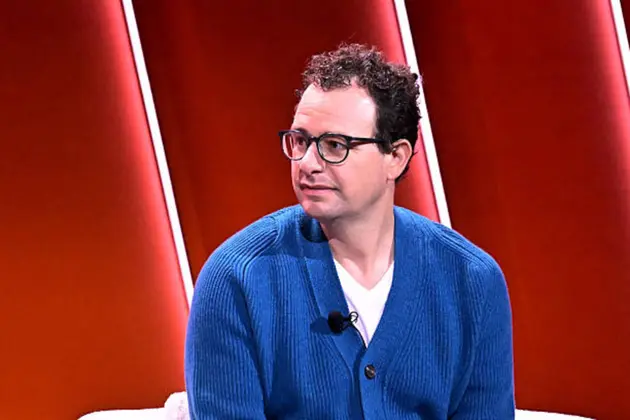
Juan’s only wish is that the money keeps flowing.
“I’m still selling plenty”
There’s been an elephant in the room since January 3rd.
The exchange rate gap was born from several factors, such as sanctions, uncertainty, and speculation. Now that sanctions are being relaxed and Venezuela is earning more foreign currency from oil exports, many thought the problem was solved.
When the government announced a $500 million cash injection into the economy in January, plenty of people claimed the gap would vanish.
Juan heard it both seriously and jokingly. His answer: “I’m still selling plenty.”
He knows the issue isn’t that simple. While the dollar has stopped devaluing as quickly and the gap has narrowed, he sees that there’s still a long way to go.
Seasonal factors come into play, too. The first quarter brings income tax payments (ISLR), which pull bolívares out of circulation. Meanwhile, new dollars arrive at day-to-day varying rates, a mix that reduces bolívar availability.
For the first time in his career, Juan has faced days when he simply runs out of bolívares.
Yet as long as political uncertainty and lack of transparency persist, none of this will really be solved.
Juan expects the gap to remain due to inflation and rising economic activity. With more bolívares circulating, pressure on the parallel market will return. It won’t be as sharp as in 2025, but it will still matter.
As several economists point out, the only lasting solution is a credible adjustment program that restores market confidence. Until that happens, Juan plans to keep working and maybe expand into areas like financial intermediation.
He’s aware of the risks, including a possible police investigation and legal fallout, but he considers them part of the deal. Profit is worth it, and for him, risk is just the shared language of doing business in Venezuela.
Over the past few years, the financial sector judged cross-border payments on two simple metrics: speed and cost. Financial institutions poured resources into shaving seconds off processing times and compressing intermediary fees. While those factors still matter, they are no longer the ultimate finish line. Today, the industry faces a new defining frontier in global payments: total transparency.
Spurred on by initiatives like the G20 roadmap for enhancing cross-border payments, a rare convergence is occurring. Regulators, banks, fintechs, corporates and consumers are fully aligned—universally demanding radically improved clarity and traceability. The push for total transparency, and the transition to always-on payments, is fundamentally transforming global operations.
The Tangible Benefits of Total Transparency
Transparency in payments operates on two distinct pillars. The first is upfront clarity—knowing the exact fees, FX rates and timelines before a transaction is executed. The second is real-time, end-to-end tracking—giving participants the ability to pinpoint exactly where funds sit in the global network at any given second.
When institutions implement these dual pillars, the benefits cascade across every stakeholder in the financial ecosystem.
Frantz Teissèdre, Head of Public Affairs for Cash Clearing Services | Societe Generale
Corporate Treasurers and CFOs
For corporate treasury teams, transparency fundamentally eliminates the massive reconciliation burdens that have challenged cross-border commerce for years. When intermediary banks deduct unexpected fees from a transferred amount, AR teams waste valuable hours matching short payments against original invoices. Upfront transparency eliminates that headache and time wastage.

Real-time tracking also gives precise visibility into global cash positions. This empowers CFOs and treasurers to sweep funds, capture investment opportunities and deploy capital with absolute precision.
Banks and Regulators
For financial institutions and regulatory bodies, tracking payments acts as a powerful shield. Richer, standardized data allows banks and authorities to monitor systemic risks with unprecedented accuracy. By knowing exactly where money is flowing, institutions build significantly stronger anti-fraud and anti-money laundering capabilities. Transparency effectively eliminates the dark corners where illicit financial activities typically hide.
Consumers and Individuals
While retail drivers differ from corporate needs, the underlying demand remains the same. The modern consumer—particularly gig economy workers and independent merchants—requires fast, predictable payouts with zero hidden fees. For retail clients, transparent transactions remove financial anxiety and build enduring trust in banks and the payments system.
Instant Infrastructure Raises the Bar
New instant-payment infrastructure is actively setting higher expectations for transparency. Armed with standardized messaging formats like ISO 20022, the industry now utilizes a common global language for payment data. This structured data prevents the truncation of critical information, eliminating the false-positive compliance alerts that historically trapped payments in manual review queues.
Initiatives like the One-Leg Out Instant Credit Transfer (OCT Inst) in Europe and Swift’s global digital initiatives, in which Societe Generale participates actively, are expanding domestic instant payment capabilities across borders. By injecting cross-border flows directly into instant payment rails, the industry can solve the notorious “last mile” problem of crediting the final beneficiary.
However, severe challenges remain in fully delivering on these promises. Upgrading legacy batch-processing systems requires massive structural overhauls. Achieving seamless interoperability between fragmented national systems is a highly complex hurdle. While the infrastructure raises the bar, achieving universal, friction-free transparency demands ongoing, rigorous collaboration across the global banking sector.
The 24/7/365 Ripple Effect
The demand for transparency is intimately tied to another major structural shift: the global move toward 24/7/365 payment operations. The concept of standard business hours in banking is rapidly becoming obsolete.
For banks, regulators and consumers, this always-on environment is essential. Consumers expect weekend transactions to clear instantly, while regulators recognize that systemic risks do not pause on holidays. For corporate treasuries, 24/7 operations present both a strategic advantage and a logistical challenge. Immediate visibility into weekend cash flows allows finance teams to manage liquidity proactively, reacting to sudden market shifts or geopolitical events regardless of the day of the week.
This constant motion, however, creates operational hurdles for financial institutions. Liquidity is the oil in the payments system. To process instant payments on a Sunday morning, banks must hold sufficient funds in various currencies. Because central bank real-time gross settlement (RTGS) systems typically operate on standard business schedules, sourcing emergency liquidity when markets are closed remains a significant risk.
Additionally, racing against the clock introduces chronological mismatches. If an instant payment is sent from Paris to Toronto early Monday morning, it is still Sunday night in Canada. Reconciling these value dates across global time zones requires sophisticated new frameworks.
Preparing for the Always-On Future
The trajectory is clear. We are entering an era where payments never sleep and transparency must be guaranteed. Consumers are setting the pace, demanding speedand predictability, and gaining a renewed sense of trust in financial institutions. Corporates that embrace upfront clarity and real-time tracking will unlock transformative benefits: reducing reconciliation headaches, optimizing global liquidity and increasing their defenses against fraud.
The technology is maturing and global regulations are aligning. And soon, global systems and infrastructure will be prepared to support the seamless, transparent global payments that the modern economy demands. The always-on future awaits.
Multiple global forces are rewriting D&O risk, from political, economic, and social volatility to AI-related liabilities.
Corporate directors and officers are operating in a more complex environment than at any point in the past decade, and their insurers are working to keep up.
“Coverage is broadening,” says Mark Sutton, senior equity partner at Clyde & Co., a global law firm headquartered in London and known for its deep specialization in insurance, risk, and regulatory matters. “We’re slowly seeing D&O policies evolve to reflect a more complex regulatory environment, and underwriting discipline is tightening.”
Regulators, meanwhile, are stepping up their pursuit of corporate misconduct. Personal exposure for directors and officers has widened and, with rising legal costs and collective actions, D&O premiums are nudging upward. In some regions, the long trend of price decline shows signs of flattening, or in some instances even reversing.
Regulatory pressures will vary across regions. For example, in the UK, scrutiny of ESG and AI disclosures is intensifying, and in the US, enforcement actions by the US Securities and Exchange Commission are on the rise.
But board‑level exposure is also being reshaped by geopolitical turbulence, economic uncertainty, and the growing influence of new technologies, says Jarrod Schlesinger, global head of Financial Lines and Cyber at Allianz Commercial. Geopolitics has become a core focus for boards and executive leadership teams worldwide.
“Political, economic, and social volatility across regions is affecting supply chains, capital flows, regulatory regimes, and operational continuity,” says Schlesinger. “Armed conflicts, sanctions, cyberattacks, and trade disputes are now routine considerations for multinational companies.” Heightened volatility leaves companies and their leaders exposed to a variety of operational, financial, and reputational threats, many of which could trigger litigation.
Europe: Intensifying Scrutiny
Jarrod Schlesinger, Allianz Commercial
This dynamic is especially pronounced in Europe, says Schlesinger, as companies navigate risks tied to international sanctions and politically unstable regions: “Geopolitical instability is also amplifying cross‑border compliance exposure and driving significant D&O losses, particularly in Europe and the UK.”
Corporate insolvencies—a major driver of D&O claims, particularly for private companies—are set to rise again in 2025 and 2026. According to Allianz Trade, global business insolvencies rose 10% in 2024, ending the year 12% above pre‑pandemic levels. Allianz Trade’s Global Insolvency Report, published last month, estimates they climbed a further 6% in 2025 and forecasts a 5% increase in 2026, marking a fifth consecutive year of increases.
“Financial distress typically intensifies scrutiny of board decision‑making and capital allocation,” says Schlesinger.
Shareholder activism is also reshaping the D&O landscape, he adds, as “derivative litigation” expands both in frequency and severity. Such actions now number in the dozens each year, he says, and often track securities class actions alleging breaches of fiduciary duty. Beyond traditional accounting‑related disputes, he points to the rise of event‑driven claims, with M&A activity, regulatory enforcement, workplace and consumer issues, and other operational shocks increasingly acting as triggers for D&O suits.
Another factor impacting D&O insurance in Europe is the evolving landscape of ESG-related liabilities.
As more countries introduce ESG reporting mandates, directors and officers are increasingly exposed to the costs associated with investigations, enforcement actions, and potential fines for non-disclosure or misrepresentation. The regulatory pressure can lead to claims from private litigants dissatisfied with disclosures regarding a company’s ESG commitments.
“Expanding disclosure and reporting regimes—particularly in Europe and other major markets—are elevating expectations around transparency, climate strategy, supply chain oversight, human rights, and workforce governance,” Schlesinger says. “ESG considerations are increasingly systemic, intersecting with enterprise risk management, capital strategy, and stakeholder engagement.”
Non-accounting securities class actions have more than doubled over the past decade, he adds, and environmental and product-related controversies, including emerging risks tied to “forever chemicals,” have produced costly litigation and substantial settlements.
AI Risk Arrives
Against this backdrop, another major emerging exposure is the widening gap between what companies claim about their AI capabilities and what they are implementing, a misalignment that can spur regulatory scrutiny, securities litigation, and shareholder actions.
“Boards are increasingly accountable for a widening set of AI‑related risks,” says Beena Ammanath, executive director of the Global Deloitte AI Institute, “from model inaccuracies and hallucinations to IP leakage, privacy breaches, bias, ethical lapses, and cybersecurity exposure: all of which carry growing legal and regulatory consequences.” With weak governance, she warns, these issues can “quickly lead to reputational damage.”
Scrutiny is now extending to another fast‑emerging hazard, Ammanath adds: AI‑washing, where companies misrepresent their use of AI to appear more advanced or innovative than they are. This often takes the form of vague “AI‑powered” claims without evidence, inflated descriptions of automation or risk controls, or the masking of manual processes behind the language of machine intelligence.
“We’re seeing an uptick in scrutiny in this area,” Ammanath says. “As a result, many executives and their boards are pushing harder for stronger governance, testing, and human oversight.”
How Companies Are Limiting Risk
Mark Sutton, Clyde & Co.
As the risk environment grows more complex, boards are increasingly compelled to reevaluate the scope and substance of directors’ and officers’ obligations.
“Boards are strengthening governance and improving disclosure practices while also investing in more robust risk oversight,” says Sutton. “This is particularly the case with ESG and technology.” Many are enhancing their scenario planning and crisis response capabilities to manage regulatory and geopolitical shocks.
Insurers, for their part, are collaborating more closely with clients to improve transparency, refine risk controls, and tailor coverage to emerging exposures, Sutton adds, with the emphasis shifting toward proactive risk management.
Given the increasingly complex global risk landscape, Schlesinger urges companies to “further integrate geopolitical intelligence and business‑impact analysis into their broader risk management, strategic decision‑making, supply‑chain resilience, and cyber security frameworks.” To this end, he recommends that corporate risk managers work closely with their insurance partners to identify and mitigate their risk exposures.
“It’s important to maintain open communication with internal and external stakeholders to navigate these complex and evolving risks effectively,” he says. Furthermore, with litigation, financial penalties, and reputational damage all potentially resulting from AI strategy, “businesses should consider proceeding deliberately, especially with regard to decision-making and disclosure.”
When it comes to AI accountability, Ammanath says, companies can reduce risk to boards and officers by establishing a formal AI governance program that provides clear board oversight and defined accountability across the AI lifecycle. “They can also embed responsible AI practices into processes and training as well as model risk management that includes risk assessments, validation, and continuous monitoring.”
Taken together, these primary forces are reshaping both the expectations corporate leaders face and the liabilities that follow. Boards are being asked to demonstrate sharper judgment, stronger governance, and more credible oversight at a time when regulators, investors, and insurers are scrutinizing decisions with unprecedented intensity.
Regulatory investigations and claims activity continue to rise across major markets, adding further pressure to a sector where years of premium declines are now flattening out and, in some regions, have begun to reverse. D&O insurers, for their part, are tightening underwriting discipline, engaging more deeply with clients to improve transparency and risk controls, and tailoring coverage to emerging exposures.
War in Iran and US tariffs are destabilizing global trade. But commerce hasn’t slowed; it’s simply rerouting.
As last fall’s G20 summit closed in Johannesburg, the United Arab Emirates announced plans to inject up to $1 billion in AI infrastructure funding across Africa. The pledge is the latest in a growing wave of investment from the Gulf Cooperation Council states that signals a broader shift.
Together, the Middle East and Africa represent roughly 2 billion consumers and a combined GDP of more than $5 trillion. Investment and trade spanning the regions are already accelerating. GCC countries have deployed over $100 billion in Africa and bilateral trade grew at an annual rate of about 8% between 2021 and 2022, reaching $154 billion.
Europe and China remain the continent’s largest capital providers, but the Gulf states are closing the gap. As war, supply-chain disruptions, and new US tariffs reshape global trade, countries across the MENA region see an opportunity to position themselves as the logistical and financial bridge linking Asia, Europe, and Africa.
Gateways And Corridors
The two natural points of entry are Egypt and Morocco. They have a foot in both regions and long experience navigating between the Arab world and the African continent.
Egypt acts as a gateway to East Africa, with commercial routes extending toward Sudan, Kenya, and Uganda. Morocco has established itself as a hub for west Africa, leveraging decades of political and economic ties with francophone markets. Businesses from both countries are expanding across the continent in sectors including food processing, manufacturing, pharmaceuticals, chemicals, telecoms, and technology.
Over the past decade, the Gulf states have also steadily expanded their presence, deploying capital through longterm strategic investments to reshape Africa’s trade routes while securing access to land, natural resources, and fast-growing markets.
Gulf investors are targeting corridors along the Red Sea and the Horn of Africa, including the Berbera–Ethiopia trade route and points of access to the Indian Ocean, the Atlantic, and the Mediterranean. Their aim is to anchor supply chains that direct African trade through Gulf logistics hubs before it reaches global markets.
Tarek El Nahas, group head of International Banking at Mashreq Bank
“The GCC is becoming more and more of a trade hub for Africa,” says Tarek El Nahas, group head of International Banking at Dubai-headquartered Mashreq Bank. “We’ve got a lot of clients that have their regional operations here for both Middle East and Africa.”
Infrastructure is central to these developments. The UAE and Saudi Arabia are investing heavily in ports, logistics hubs, and industrial zones, laying the foundations for new Global South supply chains.
The UAE is by far Africa’s largest Gulf stakeholder. Dubai’s DP World and Abu Dhabi Ports have secured concessions to operate and develop ports in Algeria, Egypt, Somalia, Somaliland, Tanzania, South Africa, Guinea, Senegal, Sudan, the Democratic Republic of Congo, Mozambique, Congo-Brazzaville, Eritrea, Rwanda, and Niger.
Air connections are also an investment target, with Qatar Airways supporting several African airlines including South Africa’s Airlink while Doha in 2019 acquired 60% of Rwanda’s new international airport.
Telecom operators such as Qatar’s Ooredoo and the UAE’s e& (formerly Etisalat) support cable infrastructure and data centers and have signed partnerships with local providers like Maroc Telecom as part of a plan to reach several dozen countries across the continent by 2030.
In light of the recent Iranian attacks on GCC infrastructure, UAE and Saudi Arabia are also considering shifting some AI assets to secure locations in Africa. Abu Dhabi’s G42 is already building a $1 billion data center in Kenya.
Commodities, Food, And Energy
What, then, are these closely connected regions trading? Exchange often begins with natural resources.
Oil and gas dominate Gulf exports to Africa, while the continent supplies metals. Gold is a major African export to the UAE, already a hub for precious metals and stones; Gulf investors are also targeting rare metals and minerals critical to energy transition and AI supply chains.
Deal activity reflects this shift. Last year, Abu Dhabi-based International Resources Holding acquired 51% of Zambia’s Mopani Copper Mines for $1.1 billion. Saudi Arabia’s Maaden Holding, through Manara Minerals, is pursuing similar deals in Zambia and elsewhere.
These ventures sometimes feed Western markets. In November, the US and Saudi Arabia agreed to cooperate on mineral supplies to reduce reliance on China, and in March, US-based Cove Capital and Saudi Arabia’s AHQ announced a “multibillion dollar” fund to invest in African minerals including cobalt, copper, lithium, and rare earths.
Renewable energy is another focus. The UAE’s Masdar has committed $10 billion to African clean energy projects by 2030, backing solar projects in Angola, Uganda, Zambia, and Mozambique. Late last year, Saudi Arabia’s Acwa Power signed a deal with the African Development Bank to invest up to $5 billion in renewable energy and water systems in countries including South Africa, Egypt, and Morocco.
Food security is also a major driver for GCC countries, which buy over 80% of their comestibles from abroad. The UAE and Saudi Arabia import agricultural products and livestock from across Africa while investing in farmland and production projects to secure long-term supply. Qatar has made important commitments in North African countries, including a $3.5 billion dairy farm in Algeria.
North African manufacturers, meanwhile, are increasingly targeting African markets. Egyptian pharmaceutical companies, for example, have become major exporters across the continent.
Regulatory challenges and logistical bottlenecks persist, but African trade integration is supported by a growing web of multilateral agreements. Regional frameworks including the Common Market for Eastern and Southern Africa (COMESA), the Agadir Agreements, and the African Continental Free Trade Area (AfCFTA)— launched in 2021 and designed to unify a market of 1.5 billion people—facilitate investment and commercial exchange.
Several countries also benefit from US and European trade preference programs such as the African Growth and Opportunity Act (AGOA), which allows some 30 African economies to export certain goods to the US duty-free. These arrangements make parts of Africa and MENA increasingly attractive as manufacturing and re-export bases for companies seeking to access Western markets.
“We’re starting to see more companies from Asia, for example, setting up a presence in the MENA region to benefit from a lower tariff environment, and I think Egypt will become a big beneficiary in terms of manufacturing,” El Nahas says.
Financing The Corridors
Moroccan and Egyptian banks have taken the lead in cross-border expansion, financing trade and infrastructure projects across the continent. Most international lenders, by contrast, maintain a limited on-the-ground presence in Africa but operate through regional hubs that circle the continent, notably in Morocco, Egypt, Nigeria, Kenya, and South Africa.
“Egypt is pivoting its export strategy toward Europe and Africa.”
Hisham Ezz Al-Arab, CIB
Several pan-African banks, meanwhile, including United Bank for Africa, Standard Group, and Ecobank, have set up a presence in the GCC—mainly in Dubai or Abu Dhabi—to facilitate trade and investment flows between the two regions. Gulf banks tend to manage African operations from Dubai, Abu Dhabi, or Doha, increasingly partnering with local lenders on large infrastructure projects and exploring collaboration in areas such as AI applications in banking.
The long-term potential is vast. Africa accounts for roughly 20% of the global population but just 3% of GDP. For now, intra-African trade represents only about 15% of the continent’s total trade, compared to over 50% in Asia and almost 70% in the European Union. For investors and policymakers, the opportunity lies in unlocking that untapped connectivity.
There is a geostrategic factor as well.
The US-Israeli war with Iran and the accompanying disruptions in the Strait of Hormuz have heightened the need for additional trade corridors, notably through the Red Sea and the Suez Canal.
“Egypt is pivoting its export strategy toward Europe and Africa to leverage its geographical proximity, filling supply gaps caused by delays from Asian competitors,” says Hisham Ezz Al-Arab, CEO of Commercial International Bank (CIB), Egypt’s largest private sector bank, which has a presence in Kenya and Ethiopia. “This surge in demand is expected to offset revenue losses of exports to the Gulf.”
In an increasingly fragmented global economy, both regions see value in strengthening ties. The geopolitical landscape in the Middle East and Africa remains volatile, but investors argue that deeper south-south integration may offer one of the most resilient growth paths.
The White House has reportedly proposed cutting more than 9,400 jobs and over $1.5B from the roughly 60,000-employee Transportation Security Administration (TSA), which oversees airport security operations, according to budget documents.
The details were outlined in the Department of Homeland
Both European and Asian markets opened slightly lower on Tuesday as investors brace for US President Donald Trump’s deadline for Iran to either agree to a deal, or have their energy infrastructure targeted by air strikes.
ADVERTISEMENT
ADVERTISEMENT
The deadline falls at 8 pm Eastern Time (2 am CET), giving Iran until then to accept a deal that would keep the Strait of Hormuz open to all shipping or face what Trump has called the “complete demolition” of its civilian infrastructure, including every power plant and bridge in the country.
At the time of writing, Benchmark US crude is trading at $113.5 a barrel while Brent crude, the international standard, is around $111. Both prices are up around 1%.
The Euro Stoxx 50 and the broader pan-European Stoxx 600 are both up 0.5% as well.
The UK’s FTSE 100 is flat while Germany’s DAX 30 is around 0.2% higher, and France’s CAC 40 and Italy’s FTSE MIB have risen close to 1% each.
Over in Asia, there is a mixed reaction from markets in anticipation of the deadline.
South Korea’s Kospi has jumped 0.8% while Tokyo’s Nikkei 225 is effectively trading flat.
Hong Kong’s Hang Seng is down 0.8% while the Shanghai Composite is slightly higher by 0.3%. Additionally, Australia’s ASX 200 and Taiwan’s Taiex both rose 2%.
On Easter Sunday, President Trump renewed the threat publicly for the last time before the deadline stating that “Tuesday will be Power Plant Day, and Bridge Day, all wrapped up in one, in Iran. There will be nothing like it!!!”
US futures and precious metals
On Tuesday morning, US futures are all trading between 0.1% and 0.3% lower.
The moves follow a strong close on Monday as the S&P 500 rose 0.4%, coming off its first winning week in the last six. The Dow Jones Industrial Average added 165 points, or 0.4%, and the Nasdaq composite climbed 0.5%.
Monday also offered the first chance for US markets to react to a report from Friday that stated American employers hired more workers last month than economists expected.
These were encouraging signals for an economy that’s had to absorb painful leaps in costs for gasoline since the Iran war started.
The average price for a gallon of regular gasoline is nearly $4.12 across the country, according to AAA. It was below $3 a couple days before the US and Israel launched attacks to begin the war in late February.
In other trading, gold is up 0.77% at around $4,685 while silver is rose roughly 0.2% to $72.95 an ounce.
Intel (INTC) has been in ongoing discussions with at least two large customers, including Amazon (AMZN) and Google (GOOG) (GOOGL), for its advanced packaging services, Wired reported, citing multiple sources.
Intel’s ambitions for its advanced packaging business depend largely on
With European markets reopening after the Easter holidays, investors are set to navigate a mix of geopolitical risks and crucial economic data that may shape sentiment over the coming week.
ADVERTISEMENT
ADVERTISEMENT
Attention will focus on Iran’s response to US President Donald Trump’s deadline to reopen the Strait of Hormuz, a critical chokepoint for global oil supplies. Any escalation or de-escalation could quickly affect energy markets, driving oil prices and inflation expectations.
Beyond geopolitics, inflation data, central bank signals and corporate updates will also draw attention as markets gauge the outlook for the second quarter.
Economic data in focus
The macroeconomic calendar kicks off on Tuesday with the release of eurozone PMI data, a key leading indicator of economic activity. Recent readings have pointed to slowing growth in the bloc, with the composite PMI signalling only marginal expansion amid softening demand and heightened uncertainty.
On Wednesday, investors will examine the latest eurozone retail sales and industrial producer price figures from Eurostat. These will shed light on consumer demand and upstream inflation pressures.
The European data schedule remains relatively light but still significant. Euro area financial accounts will provide additional detail on lending trends, while UK markets stay attuned to labour market and growth signals following recent signs of stagnation.
Focus then shifts to the US, with the release of the Federal Reserve’s latest meeting minutes on Wednesday. These will be scrutinised for hints on policymakers’ views regarding the timing of any potential rate cuts.
Thursday brings key US labour data, including weekly jobless claims, offering further insight into employment conditions.
The week ends with the US consumer price index for March, including the closely watched core CPI reading. A stronger-than-expected figure could dampen hopes for policy easing and spark volatility in global markets, including Europe.
On the corporate side in Europe, activity is limited, although Raiffeisen Bank International’s annual general meeting on Thursday will be watched for any signals on banking sector health and regional credit conditions.