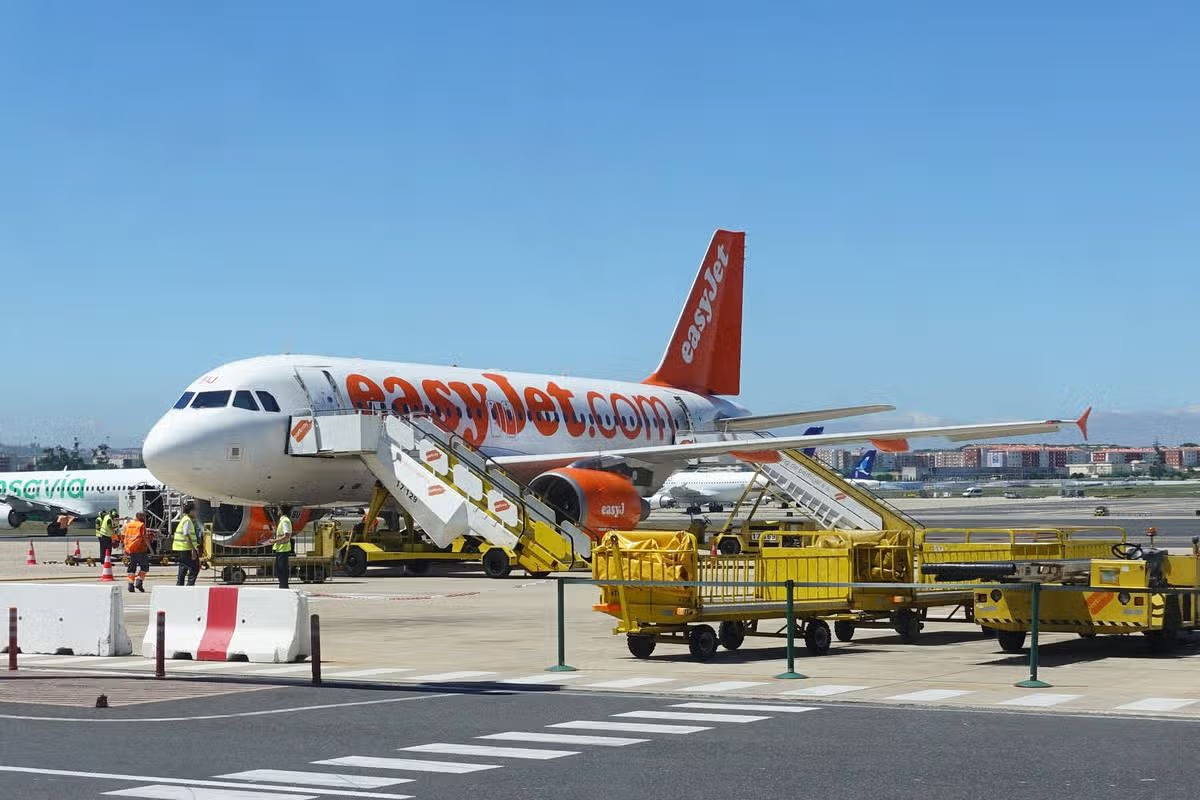
New “contactless borders” are set to reduce queues at Birmingham and East Midlands airports. Bristol, Cardiff, East Midlands, Edinburgh, Gatwick, Glasgow, Heathrow, London City, Luton, Manchester, Newcastle and Stansted, will upgrade soon.
Heathrow among airports hit by delays after ‘cyber attack’ on check-in provider
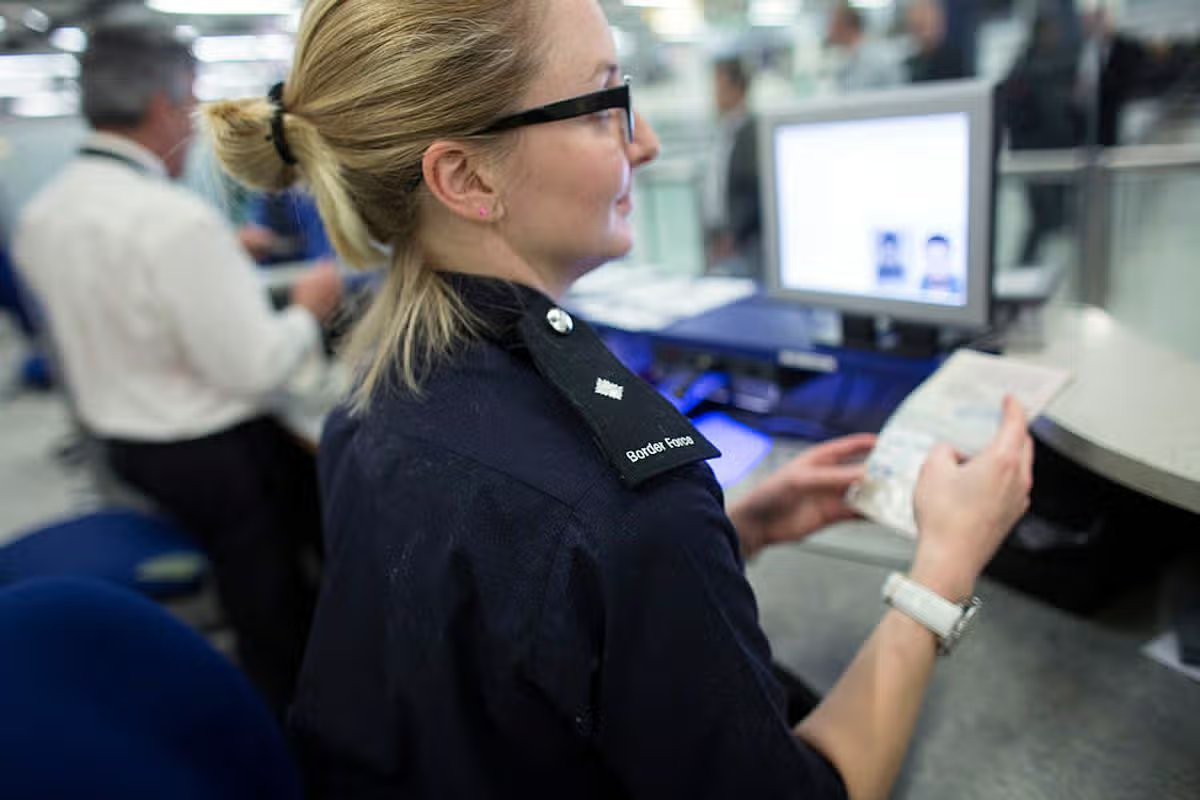
Britons will no longer need to show their passports when flying back into UK airports – thanks to facial recognition technology at e-gates.
New “contactless borders” are set to reduce queues when introduced at Birmingham and East Midlands airports.
All e-gates, which operate at Birmingham, Bristol, Cardiff, East Midlands, Edinburgh, Gatwick, Glasgow, Heathrow, London City, Luton, Manchester, Newcastle and Stansted airports, will have the upgraded system by early next year.
To see more of the stories you love from The Mirror and to find them easily in Google then make us your preferred source. Free and easy-to-do, just click on the link here to find more from The Mirror at the top of your feed.
Returning passengers who use the e-gates and have their face captured on camera will not have to scan their passport.
Phil Douglas, the director general of Border Force, said: “It will mean we have a more secure border and a much faster transit through the airport.
“It’s quicker, it’s more modern, it’s more secure.”
Passengers must travel with their passport because it will be needed to check in and to board the plane.
The new system, to be introduced in the coming weeks, will work only for British passport holders at first.
But the longer term aim is to extend it to other nationalities allowed to use e-gates.
They currently include those with biometric passports from Europe, Australia, Canada, Japan, New Zealand, Singapore, South Korea and the US.
Mr Douglas told the Sunday Times that contactless gates could speed up border control by up to 25 per cent.
The existing process typically takes 20-25 seconds.
But it can take longer because of problems such as failing to place their passports correctly in the machine, or the chip on their passport being dirty and therefore unreadable.
Under the new system, each airline will transmit a gallery of arriving British passengers’ passport photos to border control at each airport, which will then be collated for the e-gates to reference.
Mr Douglas added: “We know who’s coming and can load up that gallery of who is arriving, it’s not a one in 60 million check, it’s a one in tens of thousands check.”
If the passenger’s face is not recognised by the e-gate they will be asked to scan their passport.
If that fails, they will be directed to a Border Force officer at a manned desk. The technology had a successful three-week trial at Manchester airport last October.
The Home Office said passengers typically passed through the gates faster and had a better experience.
HAVING braved Universal Studios’ Halloween Horror Nights in Los Angeles, I thought I knew what terror felt like.
I was wrong. Nothing can prepare you for the sheer, spine-chilling fear of being shoved into a four-by-four cell, separated from your family and having a twitching, masked lunatic scream repeatedly in your face.
Get in a spin on the Nemesis RebornCredit: Alton TowersPiper gets a frightCredit: Supplied
Welcome to Scarefest 2026.
I’d dragged my two thrill-obsessed kids — 12-year-old son Corben and daughter Piper, ten — along to Alton Towers for the grand opening.
Sign up for the Travel newsletter
Thank you!
We went in expecting a few cheap jump-scares, fake cobwebs and a bit of a laugh. Instead, we got a Hollywood-level masterclass in pure, unadulterated fright.
The big buzz this year is around Final Exhibit — the park’s newest scare maze which promises to “immerse guests in a world of fear”.
Beyond the doors of the abandoned warehouse lies The Curator’s forgotten collection, where each room reveals a dark secret.
Upon entry, a strange, long-haired woman sits seemingly frozen at a desk.
But as we approach, what I think is a mannequin is in fact a terrifying, ghostly creature that comes to life, furiously thumping the desk with a stamp.
The corridors are filled with archivists — a silent workforce of hypnotised servants whose primary job is to terrify the bejesus out of you.
The scare actors are an army of performersTake on the Spinball Whizzer rideCredit: Alton Towers
But this is more than just a scare experience. Visitors are told that those who fail to escape will be transformed into living exhibits, trapped within the archive forever.
The production value is off the charts and it all feels authentic.
Fortunately, my kids and I did eventually escape but we were blown away by the movie-style special effects.
But the real stars of the show are the scare actors — an army of performers that don’t just jump out from behind doors.
They stalk you from the shadows, crawl along the floors and track your every move before “attacking” with menace.
Monsters keep their distance in the other scare mazes, but at Alton Towers they reach out, touch your arms, grab your shoulders and brush past your neck in the dark. It turns a simple walk-through into an immersive nightmare.
Corben gasped in horror as a creature reached out from the shadows and grabbed his arm, sending us sprinting for the exit.
A serious word of warning to parents thinking of taking under-12s inside any of the scare mazes — they are NOT for the faint-hearted.
Terrify yourself on the Wicker Man rideCredit: Alton TowersThe Hypnotiser has the power to disorientate, mesmerise and disrupt your self-awarenessCredit: Alton Towers
Visitors are spoiled for choice, with scare mazes including Final Exhibit, Edge of the Forest, Altonville Mine Tours: Tiny’s Revenge and the epic Compound. If Final Exhibit tests your nerves, Compound utterly destroys them.
In this terrifying attraction, visitors are torn away from their group and thrown into individual cells in a brutal mental asylum.
I was shoved into a tiny padded cell with a screaming lunatic frothing at the mouth. It was one of the most intense theme park moments I’ve ever experienced.
Thankfully, Alton Towers hasn’t forgotten about families with younger kids who want the Halloween atmosphere without the trauma.
The park is packed with fantastic, family-friendly frights that hit the sweet spot for younger children.
Piper loved Trick O’ Treat Town, which allows kids to knock on doors down colourful Spooky Avenue, collecting sweet treats along the way.
Another hit for families is Amigos in the Afterlife — a vibrant, Day of the Dead-themed walk-through bursting with brilliant costumes, upbeat music and glowing displays.
And, of course, a trip to Alton Towers wouldn’t be complete without tackling the world-class line-up of rollercoasters and rides, which take on a completely different personality once the sun goes down.
For those who fancy an overnight stay, the monorail will take you to the Alton Towers Hotel where family rooms come with a double bed for the adults, and bunks for the kids.
Good luck getting to sleep after those frights, though.
GO: ALTON TOWERS
STAYING THERE: B&B at Alton Towers Hotel from £100, based on a family of four sharing and including one-day ticket per person to Alton Towers Resort and a free round of golf.
MORE INFO: Scarefest runs until November 1.
Day tickets from £37pp, including entry, or a Thrills combi costs from £80 which includes entry plus access to all four scare mazes.
If you’ve stayed the night and have entry to the theme park, a four-maze Thrills Combo ticket is from £43.
OUR Spotlight On column suggests what to see and do in the best holiday destinations abroad as well as lesser-known spots in the UK and abroad.
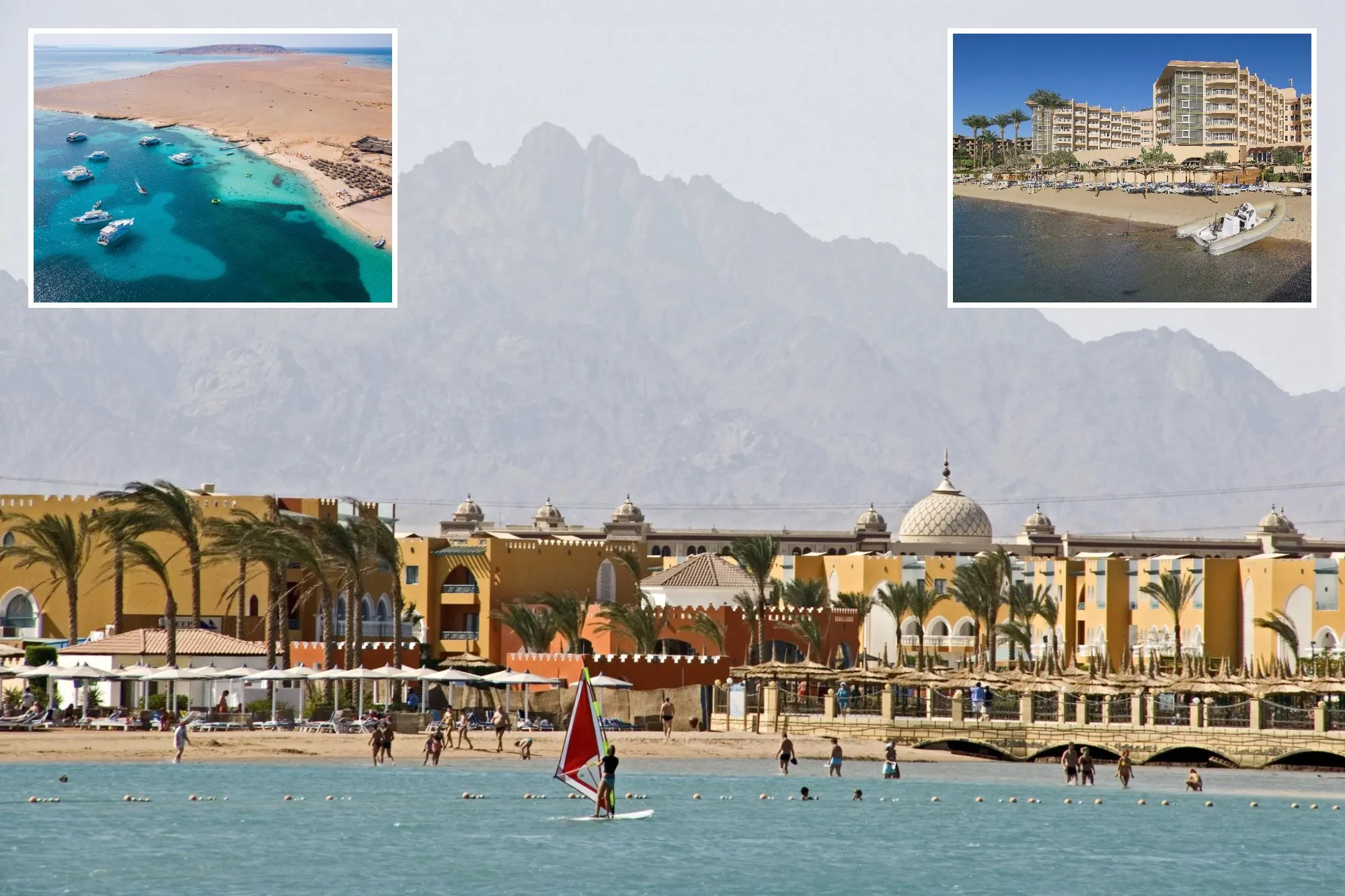
This week, we’re taking a look at the affordable winter sun destination of Hurghada in Egypt.
Hurghada is a the perfect winter sun hotspotCredit: AlamyQuick flights, cheap hotels – Hurghada beach resorts are the perfect spot from DecemberCredit: Alamy
There’s never been a better time to go – Wizz Air has launched new flights from London Gatwick to Hurghada, while easyJet has put holidays there in 2027 on sale.
It is one of the best spots for affordable winter sun too, with temperatures still over 24C in December, and holiday packages under £600pp.
Sign up for the Travel newsletter
Thank you!
Throw in beautiful beaches, fantastic diving opportunities and five hour flights, it’s the perfect mid-haul spot.
Aside from its year-round heat, Hurghada’s selling point is the ocean that it borders.
It’s positioned right on the Red Sea which is teeming with coral reefs and colourful fish.
You can easily spend a full-day snorkeling between reefs, hopping in and out of the water – most cruises include lunch on board the boat.
Blue Water Dive Resort & Sea Trips has a great selection of day cruises from around £22.
Some of the best diving is in Egypt tooCredit: Alamy
HIDDEN GEM
While most tourists will immerse themselves in the bustling markets or choose to spend an evening at a traditional Bedouin desert camp, very few make it out to Abu Minqar Island.
It was named after its beak-like shape with “Abu Minqar” translating as “Father of the Beak”, although many colloquially refer to it as ‘The Maldives of Egypt’ thanks to its clear waters and white sands.
This dinky sandbank sits just off of the coast of Hurghada can be reached by boat on day trips. If you fancy a go at kitesurfing, this is a popular place to try it.
BEST VIEW
Head to Hurghada Marina at sunset and you’ll be bowled over by the scene of shiny yachts bobbing on the water, baked in a hazy, orange glow.
From here, you can even see across to the minarets of the El Mina mosque.
Pop into one of the many bars that line the waterfront for a sundowner or dabble in some traditional shisha.
RATED RESTAURANT
Sheraton Road in the Sakkala district is THE place to go for a lively night out and it’s littered with buzzing restaurants.
One of the best is Starfish Seafood Restaurant that serves up the freshest of fish, plucked straight from the ocean.
Guests can select their raw food – expect prawns, calamari and whole fish – from behind the counter and chefs will cook it just to your liking.
For a taste of something traditional, try the Old Town where restaurants are a little more understated and more geared up for locals.
El Haga Restaurant is known for its excellent clay pot tagines.
BEST BAR
Little Buddha Hurghada is a favourite spot among tourists – and for good reason.
Once the dinner service ends, the whole place comes alive with thumping DJ sets that keep hip swinging until the early hours.
The cocktail lounge does an excellent sangria for around a fiver.
If you’re keen to take advantage of the glorious weather, Papas Beach Club on the marina is an all-day venue offered a laidback setting with pizzas and burgers by day before transforming into a nightclub at dusk.
HOTEL PICK
The swish 5* Hurghada Marriott Beach Resort occupies a prime location right on the beachfront and has its own private island connected to the hotel via jetty.
Rooms are modern and spacious with marble-clad bathrooms, with many overlooking a huge outdoor pool and the ocean just beyond that.
Guests will have their pick of five on site restaurants, including a surf and turf joint, patio cafe serving coffee and ice cream, and an international restaurant.
The ex-HGV driver left the UK with his family to interrail and now works just 10 hours a week
Aimee Bedford, 38, and Lee Bodell, 47, sold their house and all their belongings in July 2026(Image: Aimee Bedford/SWNS)
A former “workaholic” ditched the UK with his family to interrail Europe – and is funding it by working just 10 hours a week selling solar panels on eBay. Lee Bodell, 47, hadn’t taken a sick day in eight years from his job working 50-hours a week as a HGV driver when the pandemic forced him to spend time off at home.
The dad-of-four said it completely changed his mindset and he quit his job and Lee and his partner Aimee Bedford, 39, sold their house and all their belongings in July 2026 and flew to Paris in September. Along with daughters Matilda-May, 10, and Mila, nine, they have since visited seven countries in just three weeks, spending £1,800 on 60-day continuous first-class train tickets that allow them to travel across the continent.
By November, when their tickets expire, they plan to visit as many European countries as possible before heading to Thailand to spend Christmas and New Year. In the future, they hope to settle somewhere abroad but plan to “see where life” takes them.
They are funding their travels through Lee’s remote job selling solar panels for mobile homes on eBay and his own website, which he spends just 10 hours a week doing, making between £500 and £1,000 a week. The family reckon they have spent around £6,000 in total so far, including the Interrail tickets, but once they fly to Southeast Asia, they plan to budget around £1,500 per month.
Lee, a former HGV driver from Birkenhead, Merseyside, says: “What first triggered it off was during Covid, I was placed on furlough and was off work for 10 weeks. I was always a workaholic and never missed a day off work in eight years being sick and I was constantly doing overtime.
“Spending 10 weeks at home with the family completely changed my mind set on life and I thought ‘I want to do this full-time’. I started thinking about ideas and online businesses and stuff like that.
“I’ve built it up over the past few years. It’s mostly buying and selling on eBay and Amazon and I have my own Shopify store. It should give us enough income to keep us travelling and even settle down somewhere in the future.”
In May 2025, the couple decided to see if running Lee’s business abroad was possible and hired out a villa in Cyprus for 10 days to “test the waters”. On their return home, they put their four-bed home up for sale, and it sold in July 2026 for £330,000, leaving them with £140,000 in equity.
Mum Aimee, who used to work as a family support worker at a primary school prior to their travels, says: “We set a couple of grand aside from the house sale and Lee’s wages top that up, with some savings as well. The money that was made from selling our belongings and cars has gone towards the trip.
“We’ve invested the rest of the house money and hope to earn off that as well. We were spending with a mortgage, bills, days out, running the house and cars with four children around £3,000 to £4,000 a month.
“Obviously we’ve been travelling for one month and to get set up it’s 100% cheaper to be doing what we’re doing at the moment. We knew it would be more expensive in Europe and at the end of it when we get to Southeast Asia we will easily be living on £2,000 per month all in.”
Jetting off to Paris in September, the family have since visited the Netherlands, Austria, Germany, Switzerland, Belgium and Italy. “We’d reached the point where we really felt like we just existing rather than living,” Aimee says.
“We had jobs and the kids were attending school all day long and we were lucky if we had two hours with them at the end of the day. We wanted more time to experience life together. We came away with three suitcases”.
Daughters Matilda-May and Mila have been de-registered from school and despite being “initially sad” to leave behind family and friends, are settling into life on the move. “I think we’re deliberately choosing to give them these experiences, and I think we want them to learn through travel rather than just recreating school at the kitchen table if you like,” Aimee says.
“They do enjoy learning but we’re not shoving it in their faces as it’s very early days. I think personally I’d be ok with them not attending school for at least two years.
“But that can change and we’re led by them. If they want to learn more and there are other subjects they are interested in, we will make it happen, but that will be online.
“We’re not planning on sending them to international schools. It’s definitely sparked curiosity and they’re forever asking questions so as long as that continues, we’ll be happy.”
Despite not having a set budget, the family choose to stay outside of tourist hotspots and city centres and instead travel in to see the sights, keeping costs low. “We don’t keep tabs on our spending but also equally we will go shopping for food,” Aimee says.
“We’ve been staying at a Eurocamp in Italy and have been shopping at Lidl. We’re very clear about it not being a holiday as well. We do have to make decisions about money like not eating out every night.
“It’s about being mindful and the things we want to splurge on are experiences. Travelling on a gondola in Venice cost a fortune but we’ll eat in for two days because of that. We’re living life and taking the hit.”
The couple’s eldest two children Billy, 18, and Lyla, 17, chose to stay at home with family but have flown out with Aimee’s sister Katie, 37, to celebrate Aimee’s 39th birthday in Italy. They hope to eventually settle outside the UK, but are not sure where that will be yet.
“We’ll see where life takes us,” Aimee says. “The beauty of being able to travel is we might find somewhere and it might be our forever home.”
Sharing their decision to ditch the UK online, they want to “inspire” other families to make the leap. You can follow Aimee and Lee on TikTok @the.bodells and Instagram @the_bodells.
As photographed at night from a satellite, or the International Space Station (ISS), the Iberian peninsula looks encrusted with lights along its coastal edges. Madrid forms a big pulsing cluster near the centre, while surrounding hinterlands appear as something of a void. Ever fewer people live out in Castile and León and Extremadura, adjoining regions that cover much of what is known as La España Vacía, or “Empty Spain”.
Not many visit either, or at least not compared with Barcelona and other glowing nodes of the tourist circuit. So, while the big ports and resorts struggle to manage surplus holidaymakers, there is room for plenty more out west, toward the Portuguese border. Some have been following the stars that way lately, under the auspices of an astrotourism initiative called Extremadura Buenas Noches.
A route map plotted point-to-point between optimal stargazing sites leads to distant outposts like La Siberia (so-called because it felt that remote to workers who laid down the first roads and railways in these parts) and the Corral de los Lobos, an ancient stone enclosure on a hilltop, built to trap wolves when they outnumbered the farmers and shepherds around here.
Corral de los Lobos also lies in one of the rainier reaches of the Spanish interior, and the weather has mostly closed over the night sky when I go up to look. But even through breaks in the clouds, I can see the ISS pass in its elliptical orbit. Beyond that, Jupiter. And, much farther out, the Milky Way.
The Iberian lynx population is increasing in Monfragüe national park, in Extremadura. Photograph: imagebroker.com/Alamy
“Big region, small population, almost no light pollution,” says forestry engineer and nature guide Alberto Garzón Fernández the next day, on a misty hike through Garganta de los Infiernos, a nature reserve named for the fearsome sound of water through its gorges.
There are no other forms of pollution either, it seems. We look down into gigantic cauldrons of granite known as marmitas, where the River Jerte swirls like soup in a pot around eroded rock smooth as brushed steel. The lichen across the wet surface is a luminous green, “a bioindicator of clean air”.
“Extremadura is, no doubt, the most natural and healthy place to live,” Garzón says. His claim extends to non-human natives, not least the birds, and he points skyward to the ghostly profiles of honey buzzards and griffon vultures floating in the vapour off the peaks above. Thanks to “sound management”, as he puts it, the Spanish imperial eagle is now seen in much healthier numbers up there.
The Iberian lynx population, meanwhile, is climbing steadily from dangerous lows of a few decades ago in neighbouring Monfragüe national park, where Garzón was born and raised. And the Iberian wolf – hunted and displaced almost to extinction before recent, belated protections – has been making a comeback over the flanking Gredos mountains.
That’s close enough for their howls to be heard again from the Corral de los Lobos, on those same clear nights when “the stars look so close you could touch them”, says Garzón. The return of these signature species gives him hope for our own. “To me, they represent our capacity to do things right, but we so often wait until the last minute.”
In the River Jerte’s giant cauldrons of granite, water swirls like soup in a pot. Photograph: Manoli Perez/Alamy
If this region has felt the benefit of a minimal human presence lately, it’s hardly untouched by the increasing hazards of our time. The heatwave-borne wildfires of 2025 burned through nearly 20,000 hectares (49,400 acres) of the Jerte valley’s famous cherry orchards. All that damage is bound to affect the harvests to follow – one of the few events to draw a crowd to this area. “It will still be beautiful,” says Sara Cudero Morcuende at Alimentación Sara, a grocery store in the nearby mountain town of Valverde de la Vera.
Her shop is so well stocked with local delicacies that the place would make a killing if transplanted to, say, east London: figs and olives from surrounding groves, sweet and hot paprika dried over open fires, all sorts of cherry jams and liqueurs. But her town, like many in the region, has lost thousands of residents in recent years.
There’s a gothic-romantic hush to the cobbled streets below Valverde de la Vera’s ruined and overgrown castle. The quietude, the quasi-abandonment, may yet enhance the appeal to those passing through, though it can’t be good for business. “A few more customers would be nice,” says Cudero, but otherwise the town has only a couple of tapas bars, a few guesthouses, and no hotel.
For my part, I make use of Spain’s state-owned parador network, which tends to offer surprisingly affordable rooms in converted convents and palaces, mostly within the medieval walls of the nearest comparatively big cities. The provincial capital, Cáceres; Trujillo, with its dreamlike hilltop fortress; and Plasencia, with its two half-cathedrals (one never fully demolished, the other forever unfinished), make good, solid bases.
Fun fact: there are more pigs than people in these regions, including the black, acorn-fed pigs of the dehesa forest, whose meat becomes the world-renowned jamón ibérico. Including, too, the very chunky fellow I encounter in La Alberca, enjoying a siesta in a sty that is also a kind of shrine. Custom dictates that a single fat pig be allowed to wander and eat at its leisure for seven months of each year, until it’s raffled off for the feast of San Antón in January. In the past, that porker was invariably eaten, but some recent winners have apparently kept them as pets.
The city of Trujillo makes a good base for exploring rural areas. Photograph: Ventura Carmona/Getty Images
La Alberca is also known for its gorgeous three-storey houses with half-timber facades, the legacy of Christian settlers from Burgundy, who came to occupy territory reconquered from the Moors 1,000 years ago. The encircling mountains are called the Sierra de Francia for that reason, their slopes thick with oak forests that yield many fine species of mushroom.
“You can eat them all,” says biologist and guide Marino Esteban (La Alberca visitor centreoperates hikes into the forest), on a walk through woods that look more like French or even English countryside. “But some you can only eat once.” This is his way of saying that certain types are toxic. This is also to say that a massive meal at Meson de San Martín – a stonebuilt tavern that seems the only place open in nearby village San Martín del Castañar – is not all about the ham.
There’s plenty of that, but also plenty of the freshly picked penny bun mushrooms grilled with garlic salt and olive oil, not to mention the chestnuts, cheeses, tomatoes and potatoes of surrounding farmlands, and the red wine made from native rufete grapes – as good as anything I’ve tried from more domineering production regions such as La Rioja and Ribera del Duero.
And here’s the big secret I learn on this little road trip: you can often eat and drink better and cheaper in “Empty Spain” than in most of the busier quarters. This was one of the great lunches of my life, I tell the cheery chef, Alfonso Buenaventura Calvo. His wife and co-owner Belén answers for him: “Of course it was.”
BRITAIN’S railways continue to see a major overhaul as operators continue to be nationalised – with more to follow in the coming year.
Last week, the Government announced that Avanti West Coast would be taken into public ownership next spring.
Four British train operators are set to be nationalised in the next yearCredit: Alamy
Britain’s railways continue to see major changes as four rail companies are set to be nationalised in the next year.
The decision to take the majority of British train operators into public ownership formed a major part of Labour’s manifesto in 2024, believing the reforms would make trains more reliable and cheaper.
Sign up for the Travel newsletter
Thank you!
It laid out plans to bring all major railways out of the private sector by 2027.
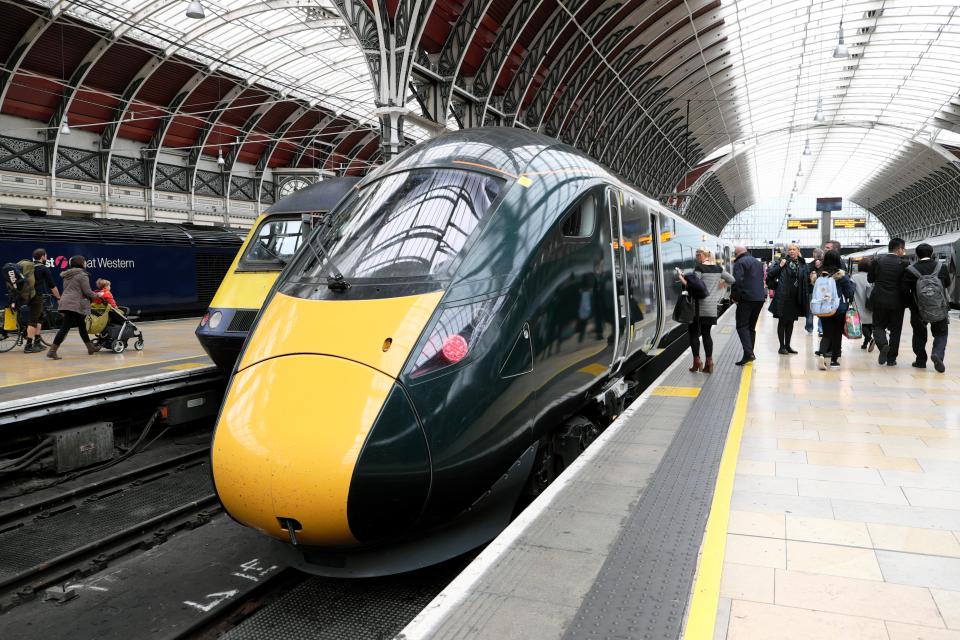
Great Western Railway is set to be taken into public ownership on December 13, 2026.
This is expected to be followed by East Midlands Railway at some point in the latter months of 2026.
The next to be nationalised will be Avanti West Coast, following the announcement last weekend revealing Labour will take control of the private operator from March 7, 2027.
The Government revealed it would be taking Avanti into public ownership “at the earliest opportunity” with Transport Secretary, Heidi Alexander, saying that the service had been “underperforming”, leaving customers “paying the price”.
CrossCountry is the final operator set to be nationalised.
A date for this is yet to be confirmed, however reports indicate it is expected to take place in autumn 2027.
Great Western Railway – December 13, 2026
East Midlands Railway – expected December 2026
Avanti West Coast – March 7, 2027
CrossCountry – TBC (expected autumn 2027)
Many rail companies have made their way into public ownership more recently, as private contracts with the Department for Transport ended.
The following services were all renationalised from 2025:
South Western Railway (SWR) – May 25, 2025
c2c – July 20, 2025
Greater Anglia – October 12, 2025
West Midlands Trains (including West Midlands Railway and London Northwestern Railway) – February 1, 2026
Govia Thameslink Railway (including Gatwick Express, Great Northern, Southern and Thameslink) – May 31, 2026
Chiltern Railways – September 20, 2026
LNER, Northern, Southeastern, TransPennine Express, ScotRail and Transport for Wales Rail are already in the public sector.
While nearly all passenger train operators are set to be taken into public ownership, some services, including private open-access firms, rolling stock companies and rail freight, will not be nationalised.
PADDLING kayaks through the serene 8,000-year-old bog, we’re about to enter the “second maze”, according to our guide Elina.
Locals call it this because the small islands of shrubs, moss and reeds we’re navigating are constantly shifting above the mineral-rich water, making the route through ever-changing.
The cobbled streets and colourful art nouveau buildings of Latvia’s capital, RigaCredit: Shutterstock / Altug GalipYou’ll find lush landscapes at Kemeri National ParkCredit: Alamy Stock Photo
If you want a moment to really pause, Latvia’s the place.
Over half of the country, which is a quarter of the UK’s size, is covered in forest, and with a population of fewer than 2 million, it’s not hard to find a stunning spot all to yourself – even in the height of summer.
Sign up for the Travel newsletter
Thank you!
We return to the shore to find Elina’s mother-in-law cooking up a feast on a portable stove.
Slices of ham and bread are served alongside a huge flask of coffee, helpings of traditional grey pea and bacon broth, and piles of fresh pancakes, both savoury potato and apple, which are demolished by my kids Poppy, seven, and Raffy, five.
It’s a brunch made from simple ingredients, but it is utterly delicious, especially when devoured in the vivid green landscape of Kemeri National Park.
Kayaking tours cost from £21.50 per person (Boardsyou.lv).
Ravishing Riga
Suite digs at Hotel Grand Poet By SemarahCredit: Supplied
The starting point for our trip is the cobbled streets and colourful art nouveau buildings of Latvia’s capital.
Riga sits little more than half an hour from the white sandy beaches of the Baltic coast (with a sea warmer than Cornwall’s come summer, FYI) and an abundance of nature, like those ancient bogs.
We arrive during celebrations for the city’s 825th anniversary and to streets alive with brass bands and artistic performances.
Even at its busiest, though, Riga still feels gloriously uncrowded, despite striking architecture and sculptures at every turn – the black felines perched on the turrets of Cat House and the Bremmen Town Musicians Statue of four animals balancing upon each other (said to bring luck if you rub their noses) our favourites.
Hotel Grand Poet By Semarah, with its flamboyant interiors, lies opposite pretty Bastejkalna Park, just a short stroll from the beautifully kept Old Town.
Its spa – where kids are welcome throughout the day – is home to a swimming pool, whirlpool, steam room and two saunas, and we even spot TV chef Prue Leith at the breakfast buffet one morning.
The black felines perched on the turrets of Cat House are said to bring luck if you rub their noseCredit: Alamy Stock Photo
One of Riga’s most popular weekend spots, Mežaparks, is set on alluring Lake Kišezers, where pedalos, rowing boats and SUPs are for hire, and swimming from its sandy shore is a breeze.
Cabo, with its hammocks and swinging seats, is an idyllic spot for sipping a rhubarb spritz, £7.70, while the kids splash about, and we hire a four-seater pedal kart to whizz around the forest trails, £17 per hour (Cabo.lv).
It would be easy to while away a whole day shoreside, but with Riga Zoo also here, we soon find ourselves giggling at the swaggering chief gelada (similar to a baboon), then wide-eyed at the glow-in-the-dark scorpions in the tropical house.
Another morning well spent is at Marupe Wake Park – its inflatable water obstacle course is one of Europe’s largest, with slides, swings, zip wires and climbing challenges.
As we hop across a giant panda and unicorn, the kids’ confidence grows with each leap, before we all revive ourselves in the sauna overlooking the lake, chuckling about our most spectacular splash landings.
Later, among vibrant Mediterranean-inspired wall murals, we find a meal worthy of any great city.
We’re at Italissimo, where the little ones tuck into proper lasagne, £4, and pasta in butter broth with parmesan, £3, glugging down home-made berry lemonades, £3.70, while I dig into sublime truffled burrata with parma ham and wine-poached pear, £13.50, and tiger prawn ravioli with asparagus and a creamy bisque sauce, £14.50.
Cocktails, such as the Malfy Sour – a limoncello and citrus gin blend, £9 – are also excellent.
We soon clock children disappearing downstairs and discover a pastel playroom with a giant ball pit and interactive games screen, much to the kids’ glee (Facebook.com/restaurant.italissimo).
Going medieval
Turaida Castle towers over Gauja National ParkCredit: Alamy Stock Photo
Restaurant Rozengrals, meanwhile, is a celebration of Riga’s medieval roots.
One lunchtime, we descend the steep steps and follow torch-lit tunnels to an underground dining hall for a huge platter of oven-baked duck with cherry-onion jam on a bed of pulses, £25, and pastry parcels stuffed with spinach and cheese, £7.20.
Sea buckthorn with honey, £4, is quickly declared a hit by all and we finish off by sharing Countess Amelia’s Caprice – tiny iced cakes encased in filo pastry, made from another 15th-century recipe, £6 (Rozengrals.lv).
Nearby, we discover GunsnLasers, an entertainment arcade tucked away in Galerija Centrs shopping centre, where e-karting proves to be a blast for kids and we all tear around the interactive Pixels Room, trying to avoid stepping on the ever-moving red squares of a giant light-up grid.
Donning VR headsets for family challenges is also a lot of fun for everyone.
Expect al dente deliciousness at ItalissimoCredit: Italissimo Restaurant/Instagram
Still, we’re here to explore Latvia’s stunning landscapes, and an hour’s drive from Riga is Gauja National Park, the home of Turaida Castle – a reconstructed medieval fortress in lush grounds dotted with sculptures.
The kids love spotting ancient weapons and climbing the main tower with its views of the Gauja river.
Later, after venison stew with figs, £17.50, at quaint Kungu Riga (Kungurija.lv), we check out adventure park Tarzans.
Here, alongside the thrills of high-rope obstacle courses, tubing and bungee trampolining, there are activities such as a downhill hamster wheel, giant catapult and a toboggan track that hurtles us through the trees.
Packages cost £26 per child, £30 per adult (Tarzans.lv).
It all makes for a cracking afternoon – just as Latvia makes for a cracking summer adventure.
IT’S beer season! The world-famous Oktoberfest has landed in Munich, its original location, where locals don traditional lederhosen and sip on steins of foamy nectar.
But why leave all the fun to them?
The world-famous Oktoberfest has landed in MunichCredit: kamisokaLocals don traditional lederhosen and sip on steins of foamy nectar
There are plenty of nods to the traditional beer-drinking event here in the UK and dress-up is often encouraged.
Whether you’re an avid pint drinker or simply want to revel in the fun, these experiences will leave you bottoms up . . . one way or another.
Sign up for the Travel newsletter
Thank you!
ALBERT’S SCHLOSS: The Bavarian-inspired Albert’s Schloss is hosting a special event until October 25 at its locations in Manchester, London, Birmingham and Liverpool.
Visitors will be able to knock back the Big Six brews served at Munich’s Oktober-fest while listening to a live oompah band blasting out traditional music.
Go on a Thursday, Friday or Saturday to witness the ceremonious wooden keg tapping, performed on stage using the traditional method – a big wooden mallet.
Expect special Bavarian sharing platters of pork knuckle, bratwurst and kraut, too.
Entry is generally free while the Das Big Six Bier Masterclass costs £55pp. See albertsschloss.com.
OKTOBERFEST UK: Don’t live near a big city? The official Oktoberfest UK travels far and wide across the country, bringing its large beer tents to mid-sized towns and coastal regions, as well as larger cities.
The events are running until October 31, with tickets still left in Milton Keynes, Portsmouth, Chelmsford and Plymouth, among other destinations.
The huge tents can hold up to 1,000 visitors and are lined with long wooden tables where punters can knock back their pints while joining live sing-alongs. Expect brass bands, massive steins, plus food vendors selling bratwurst and currywurst.
Afternoon and evening sessions last four to five hours. Tickets cost from around £15 for standing and around £25 for seated. See oktoberfestuk.co.uk.
CAMRA BEER FESTIVALS: The Campaign for Real Ale is hosting events all over the UK until early November.
Instead of German lagers, the focus will be on British cask ale, real cider and perry.
Don’t expect any lederhosen either – just like-minded beer fans.
Festivals are taking place in Berkshire, Nottinghamshire and Dorset, among many other locations.
CAMRA members can typically enter free, while prices usuallystart from £3 for non-members, depending on the location. See camra.org.uk/events.
BIERKELLER: These Bavarian-style venues – in Nottingham, Liverpool, Manchester, Birmingham, and London – are hosting special bottomless brunches until the end of the month.
Visitors have 90 minutes of unlimited draft beers and steins (there’s also prosecco, or cocktails for the non-lager drinkers of the group).
Most locations serve pretzels on arrival, followed by your pick of Bavarian dishes such as Bratwurst in a brioche or pretzel roll topped with sauerkraut, cheese frankfurters and pretzel-bun burgers.
Those visiting in the evening can get stuck into fun games such as stein-holding competitions and pretzel-tossing.
WHETHER you’re a plane enthusiast or simply like being in the heart of the action, at these airside cafes and pubs you can see it all.
Some visitors say you can feel rumbling beneath your feet and smell jet fuel in the air as they watch planes and helicopters take off in front of them.
The Aerodrome Café
The Aerodrome Café is right next to Elstree AerodromeCredit: Google mapsSit outside with a coffee, piece of cake and see the aircraft take off in front of youCredit: Google maps
At The Aerodrome Cafe in Elstree, you can sip on a coffee while watching planes take off in front of you.
The small cafe sits next to the Elstree Aerodrome which dates back to World War II and now serves light-aircraft and helicopters.
Sign up for the Travel newsletter
Thank you!
Inside the cafe, is a cosy log burner and as for the food, the kitchen is actually led by a Michelin-trained chef.
You can munch on all-day breakfasts and hot meals, including freshly made pizzas and Sunday roasts – or opt for an afternoon coffee with homemade cake.
For those wanting to see the airfield, head outside for the best views where passengers say you can hear “plane noises” and actually see them land and take off.
The Airport Pub, Manchester
Manchester Airport has views of the runway and planes take off just 50 feet awayCredit: AlamyEnjoy a pint, pizza and watch jumbo jets take offCredit: THE AIRPORT PUB
You’ll practically be on the runway at this pub (not really), but it’s only 50 feet away from where the planes take off at Manchester Airport.
Grab a pint, burger or pizza, take a pew and watch the jets take off. One visitor wrote on Tripadvisor: “Kids loved watching the plane land and take off, even spotted a 787!”
Another said: “The location is great, right next to the runway which makes this pub excellent for plane spotting, if you’re an avid plane spotter or if you just want to watch planes take off or land while you’re having lunch.”
For kids, there’s even an airplane shaped playground with slides and monkey bars.
Quite often the pub holds events over bank holidays, and family fun events with face painting and glitter tattoos.
The Lookout, London
The Lookout has views over Biggin Hill Airport in LondonCredit: TripAdvisorVisitors have reported smelling jet fuel and the rumble of planesCredit: TripAdvisor
Aptly called The Lookout, this community cafe sits just outside of Biggin Hill Airport in London.
While you won’t see the landing of jumbo jets, the airfield is used for smaller planes and private charters.
In The Lookout Cafe, they serve up hot breakfasts – you can get pancakes or waffles with a choice of topping for £7.25.
For kids, there’s a Little Flyers menu which includes a lunchbox deal where you can get a sandwich, juice carton, small chocolate bar, a piece of fruit and packet of ‘Pombears’ crisps or popcorn for £5.45.
One visitor wrote on Tripadvisor: “Be prepared for a whiff of aviation fuel and noise with your coffee but that’s part of the setting if you sit outside.
“Look out for the fancy jets, helicopters and, of course, the Spitfire – you can hear that coming before you see it.”
Hangar 9, Surrey
Light aircraft now lands at Redhill Aerodrome in SurreyCredit: Hangar 9Enjoy a full English with views across the airfieldCredit: Hangar 9
Redhill Aerodrome in Surrey has been a working airfield since the 1930s.
Its historic hangar was originally constructed and began operations in 1934 as part of the aerodrome – now inside it is Hangar 9 Cafe which serves breakfast and lunch.
Visitors have said not only does it serve up a tasty food, but it also has “brilliant views of the light planes and helicopters taking off on the field beyond”.
The airfield sees action with helicopter operations, charter services and even flight training schools.
The Apron Cafe and Bakery, Retford
The Apron Cafe and Bakery in Retford is open every day between 9am to 5pmCredit: TripAdvisorYou can see the small planes from the outside area of the cafeCredit: TripAdvisor
Just outside of Retford, you can get a front row seat to see planes take off at Gamston Airport.
Rather than commercial planes, it’s an airfield for light private planes, flight training aircraft and small helicopters.
You can watch all the action next to the runway at The Apron Cafe and Bakery, which is open from 9am until 5pm every day for breakfast, and lunch from sandwiches to main meals.
On Sundays, you can even opt for roast dinners, and if you’re really hungry, enjoy the full three courses.
One visitor said: “The planes kept the children amused between courses.”
Another added: “Amazing breakfast. When you have the weather it’s nice to sit outside and watch the planes and helicopters.”
FORGET about home away from home, welcome to Rome away from Rome.
Millions of tourists visit Italy’s capital each year to marvel at the Colosseum, queue at other attractions and squeeze into the city’s packed squares.
Porec town and harbor on Croatia’s AdriaticCredit: GettyThe Sun’s Lloyd Canfield wanders around PulaCredit: Supplied
But you can experience a slice of Roman history without the crowds and steep prices — in ancient Croatian city Pula.
On the southern tip of the Istrian Peninsula — comprised largely of Croatia but also Italy and Slovenia in the north — it is also a more peaceful alternative to the country’s party city, Split, and postcard-pretty Dubrovnik.
Sign up for the Travel newsletter
Thank you!
This gem on the Adriatic coast features heaps of history and fabulous food but moves at a gentle pace — and is under three hours from the UK.
The most obvious comparison between Rome and Pula is one remarkable building.
Standing proudly in the latter’s city centre is the Pula Arena, one of the world’s largest and best-preserved Roman amphitheatres.
Built at the same time as the Colosseum — the daddy of all amphitheatres — it has a dramatically storied past.
Until the 5th Century, it was a place where Christians, criminals and slaves were executed and gladiators fought lions and bears.
In more recent years, it has hosted concerts by the likes of Robbie Williams and Dua Lipa — and was decked out in pink for a screening of the Barbie movie when that was released in 2023.
The historic Roman arena in PulaCredit: GettyThe Valamar Marea SuitesCredit: Supplied
A day tour of Pula, just one of the many trips offered by Jet2 Experiences, will allow you to discover the city’s highlights.
As well as the amphitheatre, you will visit the Roman Forum, Temple of Augustus and Old Town, and sample ale and local charcuterie at the Kampanjola Brewery, home of Istria’s only organic beer.
The Istrian Peninsula is often compared to Tuscany in Italy because of its rolling hills, vineyards and medieval hilltop villages that feel a world away from Split’s busy beaches in summer.
But it is also home to a prized traditional delicacy — truffles.
Arriving in the remote hilltop town of Buzet, we were welcomed by a guide who owned, for my money, some of the world’s smartest dogs.
From a few months old, they have been trained to associate truffles with reward, and so learn an extraordinary ability to sniff out the forest fungi.
On our truffle hunt, we followed pooch Sky through the woods.
She stopped in her tracks and within moments was clawing at a patch of ground, nose covered in mud, before unearthing a large black truffle.
The relaxing pool at the hotelCredit: SuppliedBlack truffles can fetch more than £400 a kilo, and their rarer white counterparts up to five times thatCredit: Supplied
These finds do not look glamorous but are worth a fortune.
Black truffles can fetch more than £400 a kilo, and their rarer white counterparts up to five times that.
Our day ended in the best possible way with a generous, three-course truffle feast, also featuring cheese, salami, sweet treats and wine.
I tucked into a plate of fresh truffles shaved over scrambled eggs, as well as truffle-honey vanilla ice cream — all of it absolutely delicious.
Nature lovers are equally well catered for while visiting Pula.
A short boat ride from the coast awaits the Brijuni National Park, an archipelago once the summer retreat of former Yugoslav leader Josip Broz Tito.
Down the years, the islands have also welcomed many a world leader and celebrity, as well as royalty including, in 1972, our own Queen Elizabeth II.
Today, visitors can explore Roman villas, churches and archaeological sites.
You will also meet some more surprising residents — a herd of zebras as well as Lanka, the only elephant in Croatia.
The islands are also home to one of the most ancient olive trees in the Mediterranean — estimated to be more than 1,600 years old, and still producing oil today.
Our base was the fabulous 5H Valamar Marea Suites hotel in the coastal town of Porec, 45 minutes north of Pula.
The family-friendly resort is an aquatic paradise with four outdoor pools including a stunning infinity one overlooking the sparkling Adriatic.
It also sits on the sandy Val Marea beach with water ideal for adults and children to enjoy.
The hotel’s ultra-modern, spacious suites come with their own balconies, and direct access on to the beach means you can quickly unwind after spending a day chasing dogs through the forest and snaffling truffles.
The hotel’s Maro Club is a kids’ facility offering fun tailored to different ages and featuring soft play and multimedia game rooms, as well as evening entertainment and free soft drinks and ice cream.
The hotel buffet promises a 5H experience for lunch and dinner, with a massive variety of options and unlimited ice cream to cool down after time in the sun.
One of the standout features of the hotel, though, is its location.
A scenic waterfront promenade links the hotel to Porec’s beautiful old town.
Cobbled streets are alive with ice-cream parlours and gift shops — and in one of these I picked up a bobblehead of Croatia footballing legend Luka Modric.
If you really want to push the boat out, you can even walk from the hotel to the Porec seafront — and from there take a catamaran to Venice.
But Croatia’s treasures might well mean you are happy to miss the boat — and just chill out right where you are.
GO: CROATIA
GETTING / STAYING THERE: Seven nights’ half-board at the 5H Valamar Collection Marea Suites is from £1,459pp including flights from Gatwick in May, 2027.
Departures from Manchester, Birmingham East Midlands and Stansted also available.
Includes 22kg baggage allowance and return transfers.
OUT & ABOUT: Brijuni National Park cruise, £48 per adult, £23 per child; Ancient Istria tour including Pula, from £82 per adult, £41 per child; Truffle huting including lunch, from £102 per adult.
AUTUMN is a fantastic season for a cheap UK staycation – you just have to know where to look.
Luckily, our team of travel experts have banded together to reveal their favourite UK holiday spots for the season… and each is paired with an amazingly cheap holiday deal.
Visit the royal estate of Sandringham on a trip to NorfolkCredit: Alamy
From coastal holiday parks with plenty of Halloween action for kids, to underrated charming Cotswolds towns, we’ve selected breaks that are even better in autumn.
Here’s our pick of affordable autumn UK holidays starting from less than a tenner per person.
Heacham, Norfolk
Travel Reporter, Jenna Stevens
North-west Norfolk might just be my favourite place to visit in autumn.
The royal estate of Sandringham is home to a 600-acre country park, where you’ll stroll down paths shaded by emerald evergreen trees and fiery red cypresses.
The blue and yellow walking trails are marked by giant sculptures of woodland animals. Make sure to also stop by the giant wooden playground with the kids, all for free.
In nearby Snettisham you can hand-feed deer on a Deer Safari at Snettisham Park (£13.50 per adult, £11.50 per kid) or settle down for a local pint by the fire in 14th century pub The Rose and Crown.
In the village of Heacham you’ll find Church Farm, where you can pick your own pumpkins to take back and carve (or simply pose for some family photos with their amazing hay bale displays). Drive a bit further to Brookhill Farm in Thursford and you’ll find a giant pumpkin house.
Base yourself at Parkdean Resorts Heacham Beach for a Halloween-themed October break with loads to do for kids, including rain-proof activities like indoor fancy dress contests, slime-making and a huge ‘Monster Ball’ party.
Plus here you’re only 15 minutes’ drive from Sandringham and Snettisham, and a short walk from Norfolk’s typical golden sands for a breezy beach walk.
You can book a three night weekend break from October 15 in a Bronze caravan sleeping six for £139 total. That works out to £7.72pp per night – plus the Halloween activities will already be up and running.
Witney, Oxfordshire
Deputy Travel Editor, Kara Godfrey
Deputy Travel Editor Kara Godfrey recommends a trip to Witney in OxfordshireCredit: Alamy
A hot chocolate, comfy walking boots and a stroll through the countryside to the pub is my idea of heaven in autumn.
And where is more beautiful that the Cotswolds? But skip the busier towns and head to Witney, often overlooked in favour of the nearby Burford and Bourton-on-the-Water.
The best coffees are found at Coffeesmiths, while a slice of cake from Hunter’s Cake Cafe is a must.
While it has a crazy amount of pubs (the Hollybush is my favourite), there is one that is worth the walk.
Then follow the river for an easy 2hr30 walk through the fields, ending at The Rose Revived Pub where you can warm up with a fantastic roast dinner.
Then hop in a taxi back to Witney and stay at The Blue Boar, a converted 16th century former coaching inn which recently underwent a huge makeover with rooms from around £64.
Salisbury, Wiltshire
Assistant Travel Editor, Sophie Swietochowski
Salisbury in Wiltshire makes for an ideal autumnal breakCredit: Getty
Autumn is, in my opinion, the most magical season for glamping. Nature is at its finest: woodlands are carpeted in crunchy golden leaves and there’s a brisk chill in the air that makes golden hour feel even more cherishable.
And there’s no better place to take advantage of all this than Liba Vineyard in Salisbury, home to just three cosy wooden cabins, sleeping up to four.
Buried in rugged countryside on a working vineyard, each bolthole comes with floor-to-ceiling windows offering spectacular views of the scenery, while bedrooms come with sky lights for night time observing.
You’ll actually feel grateful for the brisk weather here as that means you can take advantage of the wood-fired hot tubs and roaring outdoor fire pits (don’t forget to pick up some marshmallows for toasting)
While you can’t yet drink the wine from the vines grown outside your door, it’s still the perfect spot for hunkering down with a glass of red and a board game.
Cabins cost from £34.75pp (or £139 in total) per night.
North York Moors
Travel Reporter, Jenna Stevens
Visit the historic seaside town of Whitby on a trip to the North York MoorsCredit: Getty
The North York Moors National Park is best explored in the autumn, with waterfall walking trails, miles of heather moorland and quaint coastal towns that are far quieter than in the summer.
The Falling Foss walk takes you on a peaceful loop through ancient forests to reach a 30-foot waterfall, while the Mallyan Spout in Goathland is a more challenging route, but this waterfall is the tallest (70 feet).
Whitby is also a must-visit, with the spooky Whitby Abbey ruins to explore as well as plenty of Dracula history. Dip into the UK’s best fish and chip shop Trenchers for an award-winning lunch.
One of the best ways to take in the views is aboard the North Yorkshire Moors Railway, which covers 24 miles of scenery, stopping at pretty villages such as Goathland and Pickering and ending in Whitby. Day Rover tickets start from £42.70pp with one child going free per adult.
Book a cosy three-night cottage stay in Whitby for £17.94pp per night with this deal from cottages.com.
Peak District
Head of Travel, Lisa Minot
The Sun’s Head of Travel Lisa Minot recommends the Dark Tales of the Peak District tourCredit: Getty
Discover the dark side to the Peak District’s stunning countryside on a new guided walk launching this autumn that brings stories of plague, murder and highwaymen to life.
Dark Tales of the Peaks is a new experience that brings to life the tragic history of the village of Eyam – where the entire village isolated itself during a devastating plague in 1665.
Hear tales of the doomed lovers separated by the outbreak and learn about notorious highwayman Black Harry at Carlswark Cavern.
You’ll also follow ancient roads to Stoney Middleton and discover its historic Roman Bath House before enjoying a hearty meal inspired by food of the period at The Cupola Kitchen including pottage with flatbreads and Bakewell pudding.
And for a stunning stay nearby, Glenhurst in Holmesfield, Derbyshire is a five-bedroom modern country home sleeping up to ten.
The star of the show is the stunning view over the huge garden – and open countryside beyond – from the terrace that sits just outside the vast open-plan kitchen, living room and dining room.
Three nights’ self-catering this autumn is from £115pp, based on ten sharing.
Edinburgh, Scotland
Travel Reporter, Cyann Fielding
Travel Reporter Cyann Fielding recommends visiting Edinburgh – especially if you’re a Harry Potter fanCredit: Getty
Not many cities in the UK are prettier than Edinburgh in autumn and for families, it is full of exciting spots to explore.
Wannabe wizards should visit Greyfriars Kirkyard – while yes, it is a graveyard, you’ll find headstones with lots of the most famous characters’ names including Potter, McGonagall and even Tom Riddell.
Much-loved Victoria Street has Harry Potter-themed shops too, as well as colourful architecture.
For history buffs, Edinburgh Castle is definitely worth exploring and if you want a bit of exercise, head up Arthur’s Seat and take in the spectacular view.
For a gentler walk, gander long the river to Dean Village – a neighbourhood full of stone house that look as if they have been ripped from the pages of a fairytale.
It’s also worth getting lost in the National Museum of Scotland for an entire day, exploring thousands of objects across several grand galleries – for free.
Meninger Hotel Haymarket has funky family rooms with a double bed and a bunk bed, ensuite bathroom and free WiFi from £125 per night.
Anglesey, Wales
Travel Reporter, Alice Penwill
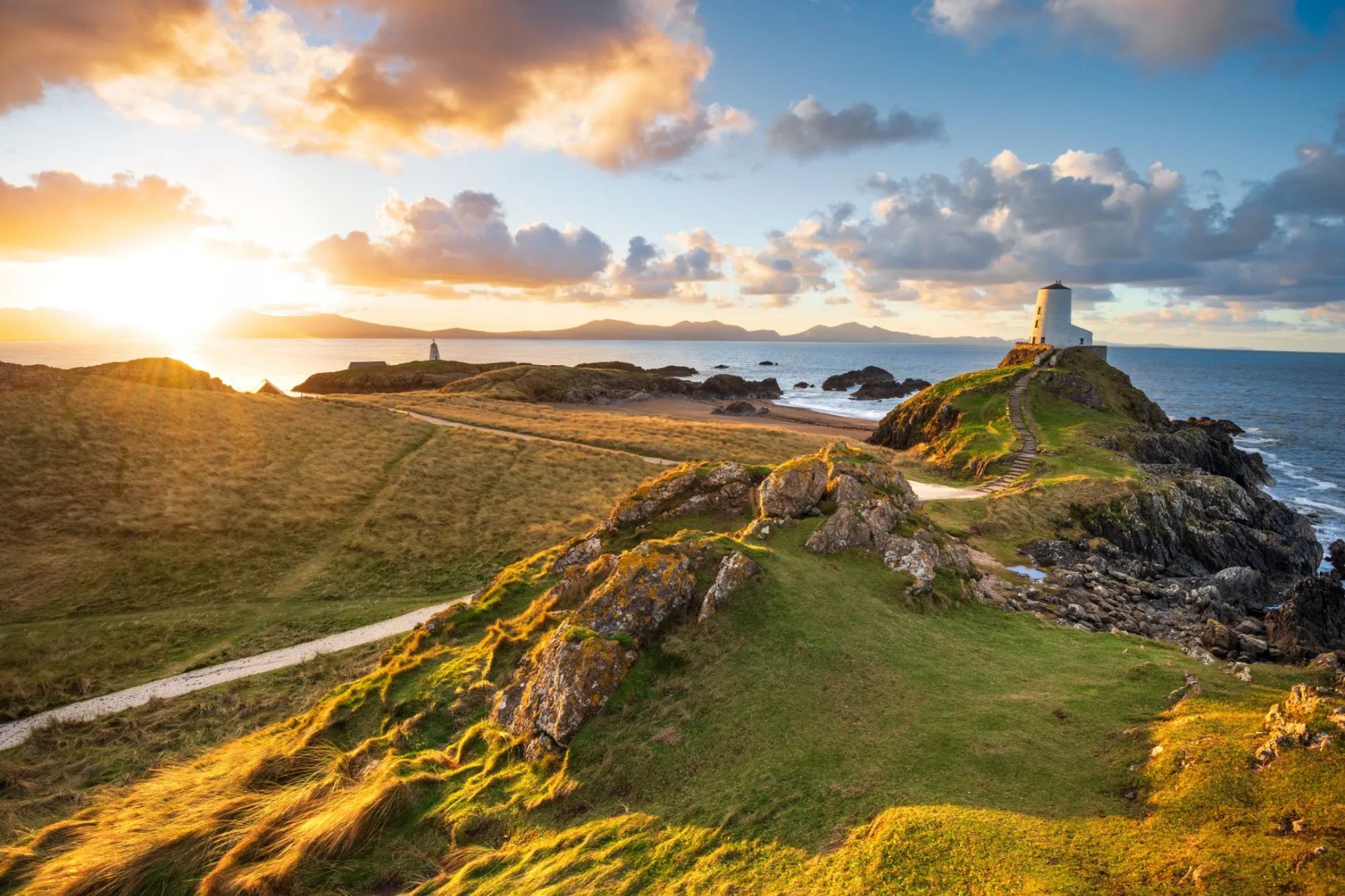
Head for a breezy beach walk in beautiful Anglesey, WalesCredit: Daniel_Kay getty hub
For crowd-free breaks filled with nature-watching and windy beach walks, I don’t think you can do better than Wales.
This year Anglesey has been named ‘unfashionable’ but ‘lovely’ by The Telegraph for the summer holidays, however I happen to think it’s pretty perfect for autumn.
My favourite beach on Anglesey is Traeth Lligwy which I discovered on a hike around the coast which is glorious in the summertime.
If you visit on the weekend, pop into the Lligwy Beach Cafe to pick up a hot chocolate to keep warm on the beach stroll and tuck into a pasty.
If you fancy a quaint village-stay, I’d suggest staying in Moelfre which is a short 20-minute drive to Beaumaris.
Don’t expect lots of entertainment or activities, but there’s a pub to to hunker down in called the Kinmel Arms, and my favourite spot is the cute little coffee shop called Ann’s Pantry.
I loved the cottage we stayed in called Bryn Awel and it sleeps up to six people.
With seven nights costing £567 (or £13.50ppn each), it’s snug with a cosy woodburner to fire up during the chillier months and views across the beach.
Being in Wales, take a rain mac and an umbrella to have on standby, because you never know when the weather will turn.
London city break
Deputy Travel Editor, Kara Godfrey
Visit London in the autumn for a budget-friendly city break with some stunning viewsCredit: Getty
I love a trip to London in autumn, as the summer crowds have gone, but it is still warm enough that you don’t need a huge coat when walking around, that becomes a pain to carry each time you step inside.
And there are so many ways to do it on a budget.
After all, it is one of the world’s best museum capitals when it comes to them being free, meaning you could visit the British Museum, the V&A and the Natural History Museum without paying a penny.
And while there are loads of good restaurant deals, my hack to trying all those viral bakeries is getting a Too Good To Go bag which, if you’re quick, means you can try some of the capital’s top snacks while spending a fraction of the price.
When it comes to how to stay cheaply, I have stayed in my fair share of absolute bargain hotels.
The ultimate budget stay is Zedwell Tottenham Court Road, where the underground rooms start from £71 (so around £35 each). But if you fancy a window, you can’t go wrong with a stay at The Drey, which has rooms under £100.
Take a deep breath in Hollywood’s Kimpton Everly Hotel and you may catch a whiff of sandalwood, leather, fennel, cardamom, violet and cedar.
And if you sniff the lobby of downtown Los Angeles’ Ritz-Carlton, you may detect “bright effervescent notes … layered with soft florals,” a custom fragrance known as Champagne & Shimmer.
For years now, hotels have been spending more and more on signature fragrances to woo and hook guests. But what if they make some people sick instead? Would those visitors be victims of discrimination?
One California law firm says yes, and has filed a barrage of lawsuits this year, targeting hotels in California and elsewhere over synthetic fragrances in common areas. (The Kimpton Everly and downtown Ritz-Carlton are not named.)
The conflict highlights an emerging debate about synthetic scents: Many hotels use them, but some sensitive guests consider those aromas as welcome as secondhand smoke.
For better and for worse, smells “can trigger so many things,” said Juliana R. V. Tkatch, an assistant professor at the Harrah College of Hospitality at the University of Nevada Las Vegas, who specializes in experience design, events and theme parks.
Tkatch added that there’s nothing new about using scent as a marketing tool, at least not since the first time “the owner of a restaurant cooked a pie and put it on the top shelf.”
The difference now, Tkatch said, is more advanced technology, making it easier to widely circulate synthetic fragrances and natural scents in a way that’s discreet and constant. Doing so can strengthen customer loyalty, she said, but “it’s a good practice to let people know up front.”
The current controversy began in May and June, when the Oakland-based law firm Cole & Van Note filed a series of class-action lawsuits representing California hotel customers with fragrance sensitivities and targeting major hotel chains.
Some cases, including a May 8 filing that targeted Marriott International Inc., have already been dropped. Others, including a June 4 filing that named Hyatt Hotels Corp., remain in early stages.
In general, the lawsuits allege that artificial fragrances used in many hotel public rooms violate the federal Americans With Disabilities Act (ADA) and California’s Unruh Civil Rights Act, because those fragrances make it dangerous or impossible for some people to share the space.
Attorney Scott Cole, founder of Cole & Van Note, described a recent visit to Las Vegas. “At least 95% of the places that I visited had some kind of fragrance or heightened VOC [volatile organic compound] levels,” Cole said. “I was shocked at how widespread it was there.”
In court filings, Cole’s firm asserts that 26.8% of adults suffer from asthma or asthma-like conditions and 27.5% suffer from chemical sensitivity. He contends that when hotels circulate synthetic fragrances through scent dispersion machines, they may be spreading toxic chemicals, potentially causing respiratory problems, headaches, skin irritation and gastrointestinal, cardiovascular and cognitive problems among vulnerable guests.
As his firm’s campaign has evolved, Cole said, some of the dropped federal cases are being refiled in state courts. He said he expects more filings outside California in coming months.
A spokesman for the California Hotel & Lodging Assn. said its members “work hard to create safe and accessible spaces” and that the industry “consistently reviews best practices to ensure guests are welcomed, comfortable, and safe.”
Representatives for Marriott, Hilton, Hyatt, Intercontinental Hotels Group and Loews hotel chains, all targeted in the first volley of lawsuits, did not respond to requests for comment. Nor did the American Hotel & Lodging Assn., the industry’s leading trade group.
But the association’s website asserts that the Americans With Disabilities Act “has been used as a weapon by scheming lawyers seeking to extort easy settlements … after alleging ambiguous violations of the law.”
This debate turns on several questions, including what constitutes a disability under ADA, what responsibilities businesses should shoulder and how the U.S. regulates fragrances.
Many of the companies that supply hotel fragrances belong to the Switzerland-based International Fragrance Assn. (IFRA), which sets voluntary guidelines for ingredients. But the U.S. government frequently doesn’t require disclosure of fragrance ingredients because blends are often trade secrets.
“It’s outside of the [Food and Drug Administration’s] domain and so the regulatory framework becomes much less stringent,” said Alexander M. Spokoyny, professor and chair of UCLA’s Department of Chemistry and Biochemistry.
Outside the courtroom, a broader conversation simmers on social media.
“It’s honestly time all these scents are banned the same way smoking has been banned pretty much everywhere,” one traveler complained on Reddit.
Another, citing their allergies, wrote that “it’s REALLY hard to find a place that doesn’t stink.”
Yet another responded that “I’m very sensitive to scents and never noticed this.”
Hotel industry veterans note that if guests call in advance, many hotels are able to prepare guest rooms without artificial scents. And some hotels with green leanings, like those in the Laguna Beach-based boutique Soul Community Planet (SCP) Hotels chain, use essential oil diffusers, which rely on plant-based ingredients instead of synthetic ones.
Meanwhile, sales figures suggest that strategic scents, synthetic and otherwise, are helping businesses win over travelers and other consumers. By one estimate, the global scent-marketing business now adds up to $4.1 billion yearly.
The Marriott chain sells candles and diffusers with “the signature scent of your favorite hotels,” including subsidiary brands Ritz-Carlton, St. Regis, Westin, Sheraton and Courtyard. You can even order up the scent of a Fairfield by Marriott, often favored by travelers on tight budgets.
Scentair, a scent-marketing company based in North Carolina, claims customers in 119 countries, including many hotels, and says its creation was “inspired by a Disney Imagineer’s Idea in 1994 to add scents to attractions.”
Another scent company, Australia-based Air Aroma, has created fragrances for Hilton’s Waldorf Astoria Beverly Hills (“notes of blackberry and Damascan Rose”), for DoubleTree properties (“uplifting notes of lemon, white tea, and freesia, and warm comforting notes of cedar and musk”) and for the Hilton Curio Collection’s Starling Atlanta Midtown (“ginger flower, orange, coriander, ivy, and lavender”).
Scent is “memory, mood and emotion, distilled into something you can’t see but never forget,” Air Aroma said in a Facebook post earlier this year.
Yet among skeptics, questions and doubts remain on the safety of chemical entities, fragrances included.
“Even if something might be natural, if you aerosolize it and spread it across buildings, it’s not necessarily great,” UCLA’s Spokoyny said. “I do think it requires more thorough public scrutiny. … You just don’t know what you don’t know.”
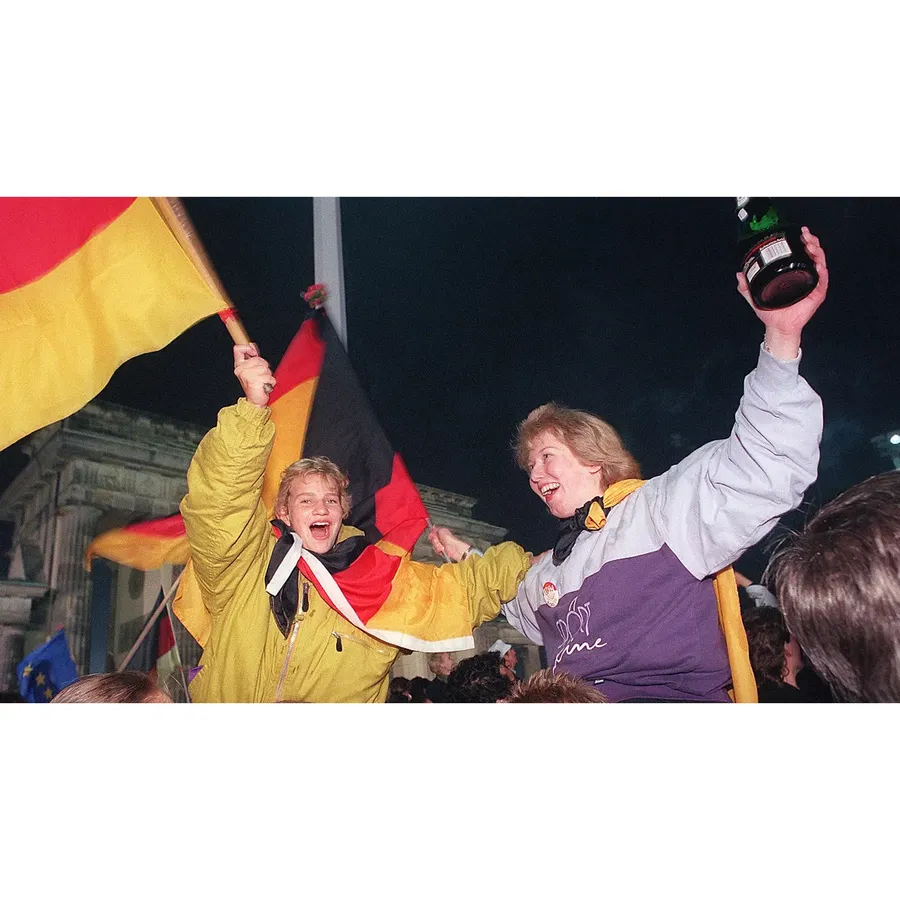
German Unity Day, officially known as Tag der Deutschen Einheit, stands as the sole federally mandated holiday in Germany, celebrated annually on October 3rd since 1990. This occasion commemorates the formal reunification of Germany, which effectively healed the deep national split that had persisted since the conclusion of World War II. The historical path toward this milestone involved pivotal events, including the dismantling of the Berlin Wall on November 9, 1989, followed by the first democratic elections in the German Democratic Republic earlier that same year. Subsequent diplomatic agreements, such as the Unification Treaty and the Two Plus Four Treaty, successfully dismantled post-war restrictions and restored complete sovereignty to the unified nation. Although leaders initially considered observing the holiday on the anniversary of the Berlin Wall’s collapse, lawmakers ultimately selected October 3 to officially mark the permanent conclusion of the country’s eastern and western division.
DOES everything feel a bit much at the moment? If so, I can let you in on the perfect way to escape the turbulence of 2026.
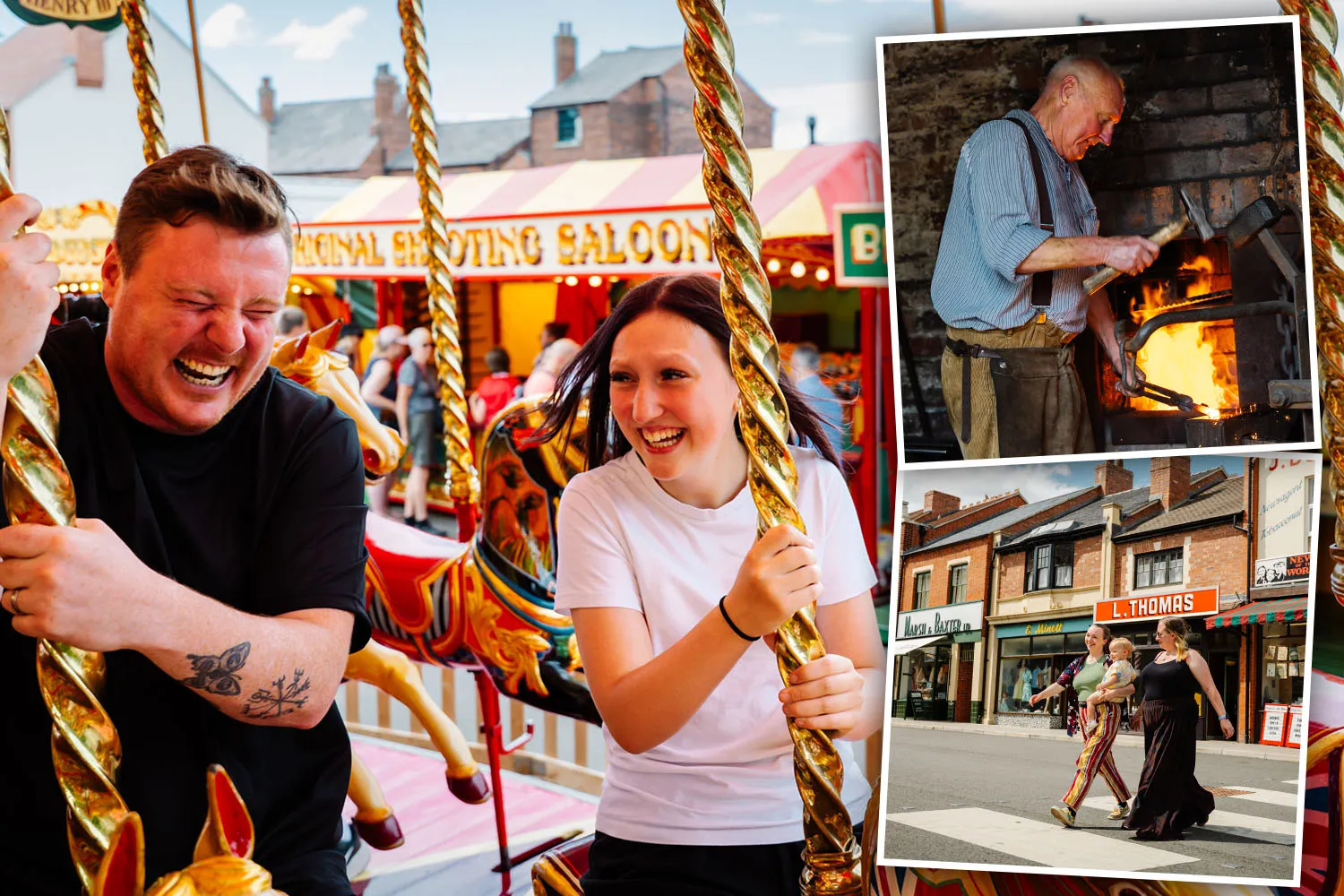
My family and I have just taken a step back in time to a bygone era — The Black Country Living Museum in the West Midlands.
The Black Country Living Museum in the West Midlands is like travelling back in time to a bygone eraCredit: SuppliedBoys Jasper (left) and Wilf with grandad Dave Watkins, enjoyed exploring the 26-acre attractionCredit: Supplied
This gem is genuinely one of the most fascinating attractions I have ever experienced with my boys Wilf, nine, and Jasper, six. And it is a masterclass in escapism.
The open-air attraction spans 26 acres and is packed with history.
Sign up for the Travel newsletter
Thank you!
It’s so much more than your average museum, though. This is an extremely immersive way for families to experience, first-hand, the Black Country — a region in the West Midlands with a history of coal mining, ironworking and brickmaking.
There are life-sized streets, dockyards and blacksmiths, laid out as they would have been at the height of the Industrial Revolution.
Visitors can wander among more than 80 original shops, houses and buildings, with actors recreating what life was like inside — and the historic characters will chat to you as if they are really in the past.
It will take at least three hours to get around, but I would give it five.
Our day began with a double-decker bus taking us down the winding, cobbled streets as the old-time conductor gave my boys authentic tickets for their journey.
To make the experience more exciting for the lads, I brought along their grandad, Dave Watkins, 70, a Brummie who has lived and worked in the Black Country his whole life — and supports local football team, West Bromwich Albion.
The Blacksmith’s Workshop gave onlookers a demonstration of chain-making in a furnaceCredit: SuppliedAn old traditional English street features old school sweet shops and fish and chip shopsCredit: Supplied
In one shop, he was delighted to find the brand of cigarettes his dad used to smoke. But it’s not just the sights of history you experience, it’s the tastes, too.
We ordered lunch at the Hobbs & Sons fish and chip shop — a reconstructed 1930s store that originally stood in this very town.
It was, hands down, the best cod and chips any of us had ever had. Chefs follow a traditional recipe and the novelty of eating from chip paper on a picnic table beside the canal that runs through the museum got extra wow points, too.
If you’re not a fan of a chippy supper, you can bring your own picnic — or there’s the Workers’ Institute Cafe, where we grabbed a cheese sandwich for the boys to share on the car journey home.
There’s also the T. Cook’s sweet shop, where costumed staff weigh out classic sweets, like mint humbugs, into paper bags.
Next-door is the cute Veal’s bakery, where the boys gobbled down a brownie.
The museum captures authentic smells, too. The industrial scent of coal filled the air, the homes you can go inside smelled authentically lived-in and even the outdoor lavvies were stinky, which my boys obviously found hilarious.
As is the way with primary school kids, the lads were delighted to hear the gross facts the dressed-up characters cheerily shared.
The barman in one of several old-fashioned pubs was happy to answer their questions about why there was sawdust sprinkled on the floor (it was, disgustingly, to soak up the spit of the working men).
Wilf thought the best part was the tour of the faithfully-rendered boat docks — the dock worker was so charismatic.
Jasper, on the other hand, was most enamoured with the historic fairground filled with a few of the beautiful, vintage rides (which cost an extra £2.50 each), as well as the Blacksmith’s Workshop, where we all enjoyed watching an extremely engaging demonstration of chain-making in a furnace.
Fans of Peaky Blinders will get a thrill walking round the museum as its historic streets and buildings have been used as filming locations in all six series of the BBC show.
There really is so much to fit in that we didn’t have time to try the retro putting green or join in with an authentic Edwardian school lesson — we were kicking ourselves for only allowing ourselves three hours.
But the bonus of the Black Country Living Museum is that if you buy a day ticket, you have unlimited return visits for 12 months.
Grandad Dave and I vowed to have a pint together when we return.
These old-fashioned pubs really are the perfect place to distract yourself from the modern day.
GO: BLACK COUNTRY LIVING MUSEUM
ADULT tickets cost from £27.95 when booked in advance, while child tickets cost from £15.50.
Day tickets come with an UnChained Annual Pass, which gives unlimited return visits for 12 months. See bclm.com.
OUR Spotlight On column shines a light on the best things to see and do in popular holiday destinations, and some spots that are relatively under the radar.
This week we head to the Caribbean island of the Dominican Republic and the coastal town of Miches.
Here’s everything you need to know about the Dominican RepublicCredit: AlamyYou can see whales in the winter season as wellCredit: Alamy
Often said to be one of the cheapest islands in the Caribbean, it is also 30C in winter and beers are under £1.80.
eurochange has predicted where Brits will be jetting off to in 2026 thanks to recent money transactions – and it’s the Dominican Republic.
Sign up for the Travel newsletter
Thank you!
Laura Evans Fisk, Head of Digital & Engagement at eurochange said: “As we’ve seen transactions for the Dominican peso surge this year ahead of any other currency, we can definitely expect to see the Dominican Republic at the top of travel bucket lists for UK tourists in 2026.”
Direct flights make it easy to get to as well, taking around nine hours from London (both British Airways and TUI fly there) so here are some of our top tips.
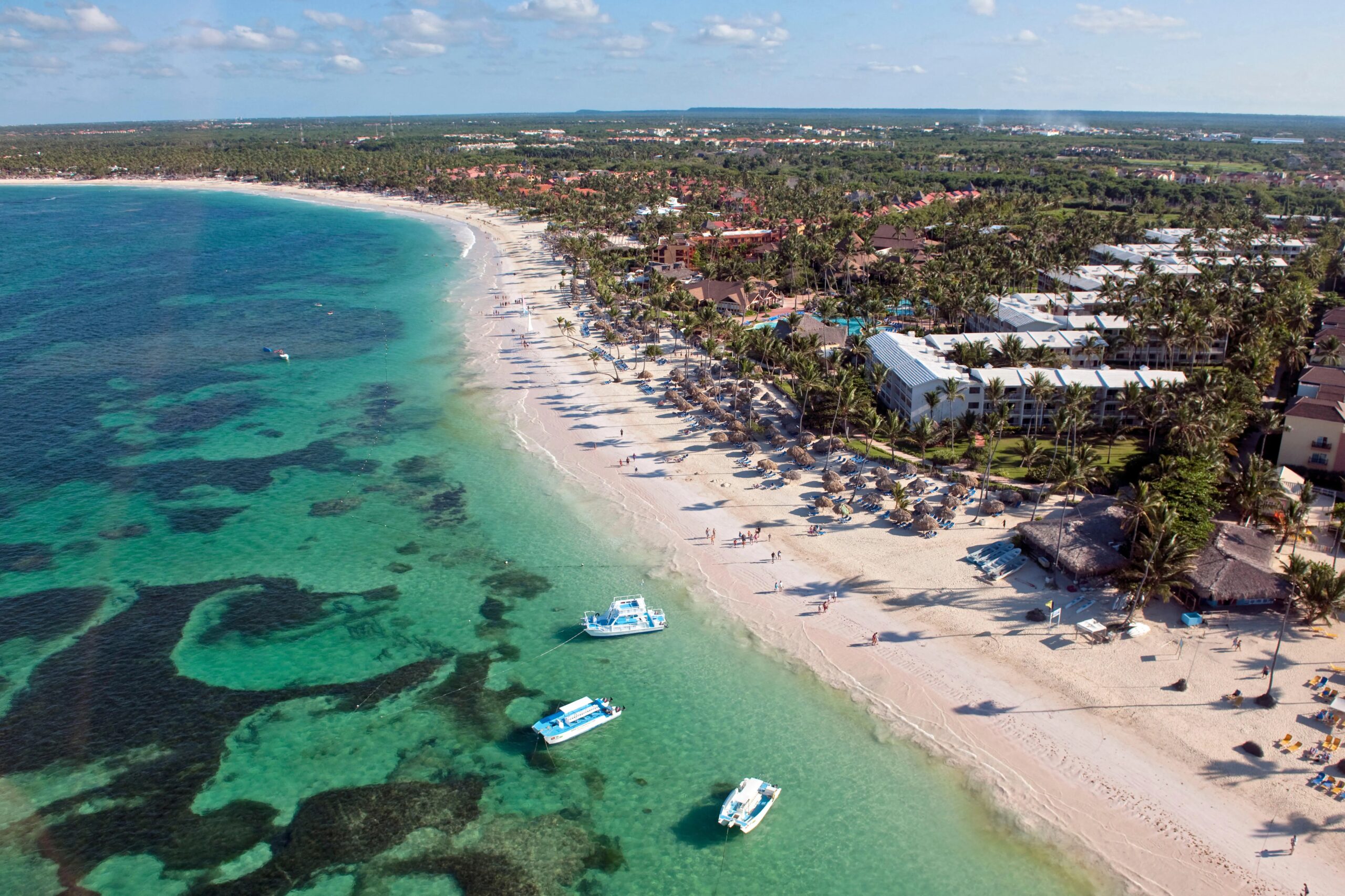
Playa Esmeralda is Miches’ showstopper. This vast ribbon of golden-white sand on the Dominican Republic’s northeastern coast stretches for miles, backed by coconut palms.
The water shifts from turquoise to deep emerald blue, giving the beach its name.
Unlike busier Caribbean resorts, it’s entirely possible to walk for half an hour here without seeing more than a handful of people – no fight for the sun loungers here!
Nature lovers shouldn’t miss Laguna Limón. This peaceful freshwater lagoon surrounded by tropical vegetation is home to dozens of bird species.
Boat tours glide through the wetlands while guides point out herons, pelicans and other wildlife.
Nearby, the crystal-clear pools of Caño Hondo offer a refreshing alternative to the beach, with natural pools cascading through lush forest.
HIDDEN GEM
The town itself and surrounding coastline – a place where emerald mountains tumble into palm-fringed beaches, humpback whales cruise offshore in winter, and brand new luxury hotels sit alongside sleepy fishing villages.
Unlike many Caribbean destinations, Miches still feels wonderfully undiscovered.
You can spend the morning hiking to panoramic viewpoints, the afternoon kayaking through mangroves and the evening watching the sun disappear over miles of virtually empty sand.
In recent years new resorts have arrived, but developers have taken a more low-key approach than elsewhere in the Dominican Republic, keeping much of the coastline untouched and embracing the natural surroundings.
Expect barely crowded beaches and very hot wintersCredit: Alamy
BEST VIEW
But the Instagram-worthy swings of Montaña Redonda have become one of the Dominican Republic’s most recognisable photo spots.
Perched hundreds of metres above sea level, the hill offers spectacular 360-degree views over lagoons, rainforest and the Atlantic Ocean.
Take a seat on the swing that stands at the end of the viewpoint and push out over the incredible green landscape.
RATED RESTAURANTS
Away from the resorts, Miches town offers a glimpse of local life. Small family-run restaurants serve freshly grilled fish, lobster, coconut rice and sancocho, the Dominican Republic’s famous hearty stew.
Try out Rajanoris in town, it’s an unassuming spot not often visited by tourists but it’s a good bet for meeting the locals and tasting mofongo, a savoury pork and plantain dish with lots of garlic!
BEST BAR
Rancho Lounge Miches has a casual atmosphere and lively music and serves up ice cold beer and of course, lots of rum!
WHERE TO STAY
The Zemi Miches All-Inclusive Resort, Curio Collection by Hilton is set on it’s own 800-metre stretch of sand, with nothing but palm trees and mountains for company.
Even though it’s secluded, there’s a wealth of things to do.
There are four different pools, including a kids pool, 11 bars and restaurants, and a swish spa for some pampering.
As for activities, there’s everything from a bowling alley to a padel court! See hilton.com.
Seven nights’ all-inclusive is from £1,569pp including flights from Manchester on November 17, 20kg luggage and transfers. See tui.co.uk.
Between the treetops, I can see the towers of a distant mist-shrouded castle. Is it possible I could make contact with the spirit of the great Welsh hero Owain Glyndŵr so soon, at the very start of our hike? We are not even on the actual trail of Glyndŵr’s Way. I’ve had to make a detour to find accommodation that takes dogs, as Stevie the terrier is with me. The Castle Inn at Knucklas is a mile off the route, and two miles or so from the pretty border town of Knighton – where the 135-mile (217km) Glyndŵr’s Way officially begins.
The towers slide away behind trees and a railway viaduct emerges. The medieval castle ruins, it turns out, are believed to have been plundered to build the viaduct in the 1860s, and the builders dropped in a couple of crenelated towers to honour the origins of the stone. I fear this may be an early omen: the spirit of Glyndŵr will be as elusive as the man himself was in his lifetime.
After his great rebellion of 1400 devolved into a murderous guerrilla campaign, the last Welsh prince of Wales simply disappeared. His English adversaries thought he had supernatural powers. Writing two centuries after the events, Shakespeare has Glyndŵr declare (under the anglicised name Owen Glendower) in Henry IV: Part I that “the earth did shake when I was born” and “I can call spirits from the vasty deep”. The last known sighting was in about 1819, when William Blake saw him in a vision and sketched his gaunt head. Since then, nothing. If he’s been hard to pin down for six centuries, what chance now?
Welsh rebel leader Owain Glyndŵr seen in battle in a painting by AC Michael. Photograph: Lordprice Collection/Alamy
I plan to cover the 75-mile southern section of the national trail’s great horseshoe across mid-Wales, starting with a late afternoon two-mile warm-up from Knighton station up to Knucklas. On our first full day of walking, we head south out of Knucklas and soon reconnect with the main path. The hills are bone dry, lying like dead giants across our route, defended by armies of sheep. Stevie is nonchalant. He was born near Rhayader and is good friends with a tup called Patrick. Nevertheless, I keep him on a tight leash.
The rebellion started with a land theft, an English lord helping himself to some of Glyndŵr’s hectares, a personal feud that laid bare a vast hinterland of Welsh disgruntlement. Men flooded back from England to join Glyndŵr. Edward I’s great fortress at Conwy was captured; a battle near Knighton was won. It was all going well until the teenage son of Henry IV (the future Henry V) was put in charge of the English forces. Not for the first time, British history turned on an arrow: this one burying itself six inches into the young Henry’s skull at the Battle of Shrewsbury. He survived. The rebellion faltered.
It is coming over Bailey Hill that Stevie gets the first hint of danger. A flock of sturdy old ewes spot him and form a tight huddle, a testudo formation, to slink up behind us. Stevie turns and does a comedy backwards leap of surprise. The ewes stamp their feet. Stevie hides behind a tussock. The ewes creep forward. I pull him through a gate. He has not barked or rushed at them. He has done well. Soon, we drop down into the hamlet of Llangunllo, where there is a pub. “It’s closed,” says a local woman. “Evenings and weekends, and for drinking only.” There is a dearth of facilities along Glyndŵr’s Way, widely considered the most remote of all 17 English and Welsh national trails, and I have brought a stove and teabags. This will prove a good decision. We set off up the lane and then on to the hills. It is quiet, very quiet. Nothing moves except the distant wind turbines.
The writer on remote Glyndŵr’s Way. Photograph: Kevin Rushby
Rebellion is in the air at the moment. The Uprising, a film about the 1381 Peasants’ Revolt, directed by Paul Greengrass, will be released in the UK on 9 October. And a new play by Gary Owen, Owain & Henry, opens on 5 November in Cardiff with Michael Sheen in the lead role. On a call before I set off, I ask Sheen why Glyndŵr remains such a potent hero. “His vision for a Welsh nation was based on a Welsh parliament, universities, religion and the laws of Hywel Dda,” he tells me. “It’s a vision that resonates. The play feels like a conversation between then and now.”
Sheen himself has walked parts of Glyndŵr’s Way. He says: “Owain could only do the uprising because of that landscape; it enabled a guerrilla war and you still feel that today.”
Stevie and I take a break in the Llangunllo bus shelter. There are no refreshments, but there are stacks of unwanted books. I find a copy of Francis Kilvert’s Diary, by the Victorian curate who kept a vibrant record of life in the Welsh borders. “Who died on the cross to save us all?” he asks one wild child from a remote Welsh farm. “Lord Chesterfield,” she replies. I tuck the book in my pocket.
Approaching the hamlet of Llangunllo. Photograph: Simon Whaley Landscapes/Alamy
Soon we are climbing over hills where the heather and gorse is in glorious bloom and there are no roads except droving tracks. These green lanes were once used to send cattle and sheep across the border, a tough, brawling existence hinted at in Kilvert’s Diary. By then, however, the railways had arrived and the old droving life was doomed.
At our first encounter with cattle, Stevie is happy to be carried. Different breeds, we soon learn, represent different threats: big cows can’t be bothered, small feisty ones are to be avoided. We take some long detours.
Our second night is at Brandy House farm, a welcoming place with various types of accommodation. We choose the vintage caravan. Nearby Felindre has a simple pub, the Wharf Inn, serving one of my favourite beers, Wye Valley Brewery’s Butty Bach.
Now the walk really begins to deliver. Majestic upland stages pass epic locations such as the Castell y Blaidd, the castle of the wolf, before arriving at Abbeycwmhir, the abbey that Glyndŵr reputedly sacked. I’m staying in a cabin at Wales in the Woods, a couple of miles up the hill in a deep, silent pine plantation, perfect for Glyndŵr reflections.
The ‘lovely, eccentric’ town of Llanidloes. Photograph: Joe Dunckley/Alamy
Next day, rain threatens, but we dodge all the showers, passing Saint Harmon, where Kilvert was briefly vicar, enjoying a stop at the superb Welsh Mountain Cider, then dropping down to Llanidloes. After three days on the trail, this lovely, slightly eccentric town seems like the big city, with so many pubs to choose from. We stay at the Unicorn. The following morning, we pass the Clywedog dam and climb to Y Star Inn, one of the highest pubs in Wales, which has three smart new pods to stay in. From here, the path rises again on what, for me, is the greatest stage of all. Leaving the trail, Stevie and I climb the 564-metre hill of Foel Fadian, opening up great panoramas of Cadair Idris, Yr Wyddfa (Snowdon) and the Irish Sea. We follow the trail down and reach our destination, Machynlleth, a town that has the same eccentric edge as Llanidloes, with lots of interesting independent shops, pubs and cafes.
It was in Mach (as the locals often call it) that Glyndŵr briefly set up his parliament, and the building, albeit partially reconstructed in 1460, survives. It is an atmospheric spot and there, on the wall, charging into battle, is the great hero himself. Now I get the ghostly shivers. But it turns out the Victorian artist used the face of his patron, David Davies, the indefatigable railway builder of the 1850s and 60s. After five days of walking, Owain has eluded me yet again.
The exterior of the hotel doesn’t betray the maze of the building which saw me go down stairs, up stairs and through courtyards to find my tucked away room.
Bold pattern wallpapers and vintage furniture were offset by brushed brass lights and DAB radios.
My king-size bed was deliciously sink-into-able, while the lounge area was the best spot for a cup of tea and a biscuit, all complimentary.
The larger rooms – I was staying in their Junior Suite – have roll top baths, so you better believe I hopped straight in, making the most of the free Verbon toiletries.
It even has a tiny outdoor patio and table and chairs for you to have a coffee in the warmer months.
If you’re on a budget, opt for their Cosy Rooms which are more compact but just as gorgeous. Rooms start from £125 a night. See thegeorgeinrye.com.
The rooms are beautifully designed, with floral accents throughoutThe restaurant’s deep red walls made it a cosy place to spend an evening
What is there to eat and drink?
The restaurant is a must, even if you aren’t a guest at the hotel.
The Grill is the epitome of cosiness with deep red walls, low lighting and the perfect level of lo-do music.
And it has a delightfully concise menu – I hate having too many options.
My smoked salmon salsa to start was refreshingly zingy and fresh, and just light enough to line my stomach before devouring their rib eye steak.
My dessert was the star of the show, with super sweet macerated strawberries offset by kalamata ice cream and marshmallow.
If you want to swap the pudding for a cocktail, The Dragon Bar has a great menu which also includes wines and beers.
Try the drink of the season – a Sarti Spritz – or my favourite, the aptly named Dragon Mojito.
(Come back for breakfast too – my Mimosa and Hastings Kipper went down a treat).
Why not grab a drink in the lobby by the fire?Or try a cocktail or two at Dragon Bar
What else is there?
As tempting as it is to stay at the hotel, the town of Rye needs to be explored.
Grab a decadent hot chocolate from Knoops, before walking the cobbles paths of Mermaid Lane, which look straight out of a fairytale.
Beach days aren’t far away either, with Camber Sands beach just down the road too.
Is it family friendly?
The hotel has some rooms that are perfect for kids, with the Luxury Rooms and Junior Suites able to fit kids beds
Is it accessible?
There is an accessible room which can be accessed by the ground floor lift, which can also take you to the ballroom.
However being such an old building, there may be some issues with getting around the rest of the hotel.
Hundreds of flights have been cancelled in a union dispute that could affect thousands of passengers
Robert Rowlands Deputy editor, money and lifestyle, content hub and Maria Ortega
17:24, 02 Oct 2026
EasyJet says it is “extremely disappointed” that the action is taking place – file image of one of the airline’s planes at Lisbon airport(Image: Sergey Sokolnikov via Getty Images)
A ‘massive’ EasyJet cabin crew strike has resulted in the cancellation of hundreds of flights in a popular British tourist destination – and could jeopardise Christmas plans for holidaymakers.
The initial 5-day industrial action is expected to ground approximately 500 scheduled flights across Lisbon, Porto and Faro airports. And the festive period is also set to be disrupted.
The strike began this Friday, October 2, in Portugal and is the first of two walkouts planned for this year. The affected flights involve all domestic airports, but mainly Lisbon and Porto.
The EasyJet cabin crew strike goes on until Tuesday, with 443 flights from the Lisbon, Porto, and Faro bases already scrapped as of this morning, according to the National Union of Civil Aviation Flight Personnel (SNPVAC). “80% of flights involving the Lisbon, Porto, and Faro bases” between October 2 and 6 have already been cancelled, union official Ana Dias told local news agency Lusa. They noted that “the impact has already been massive.”
EasyJet, meanwhile, said 55% of flights were set to operate over the five-day strike period. The National Union of Civil Aviation Flight Personnel (SNPVAC) reported strong participation on Friday, the first of five scheduled strike days for EasyJet cabin crew, adding that only minimum services are being maintained.
EasyJet has confirmed that two return flights from Manchester Airport to Portugal have been axed in the coming days due to industrial action, the MEN reports. The walkout was announced by the National Union of Civil Aviation Flight Personnel and is set to impact flights from Lisbon, Porto and Faro airports, all served by EasyJet from Manchester Airport.
Sic Noticias reports that the union has said other currently scheduled flights could still be disrupted by the strike, although some may be operated by aircraft and crews from other European bases. An official EasyJet source told Lusa on Thursday that the airline anticipates operating approximately 55% of its schedule during the strike period. The source explained that, in addition to “minimum services” (representing about 22% of its Portugal-based operations), the airline is maintaining flights to and from the country operated by crews from other European bases.
The company says these operations are being conducted “in full compliance with applicable laws and regulations,”. The SNPVAC union deems the use of workers from other bases to replace striking staff “illegal” and is considering taking the matter to court.
EasyJet said it was “extremely disappointed” that the strike was taking place, despite its “ongoing efforts to maintain a constructive dialogue and reach an agreement.” It expressed regret over the disruption caused to passengers.
An EasyJet spokesperson said: “We are extremely disappointed that the union representing our Portugal-based cabin crew has announced an industrial action from 2 to 6 October, despite our willingness to continue a constructive dialogue and reach an agreement to meet our employees’ requests and protect the sustainability of EasyJet business in Portugal.
“We are sorry for the impact the unnecessary action will have on our customers, and are doing all we can to minimise disruption, including cancelling two return flights from Manchester in advance to allow our customers to rearrange their travel plans. Customers have been informed directly and offered options including a free transfer or a refund.
“We advise customers travelling to or from Portugal between 2 and 6 October to check the status of their flight via our Flight Tracker.”
A EUROPEAN theme park that is a great Disney alternative has revealed it is opening a grand new hotel in just months.
Park Asterix in France, which is cheaper than Disneyland Paris and is under 19miles from the centre of Paris, is opening a themed hotel for up to 750 guests in March.
Parc Asterix has unveiled a new hotel it is opening next yearCredit: PARC ASTERIX
Opening on March 26, The Odyssey will be the park’s fourth hotel and boast 301 rooms across four themed sections.
The hotel will have a more “mineral theme”, designed around Asterix’s travels to the Orient.
Sign up for the Travel newsletter
Thank you!
The hotel will be inspired by caravanserais – typical fortified buildings used as a lodging by merchants and their animals in the likes of Egypt.
The hotel will have four facades surrounding a central courtyard with a number of common areas on the ground floor and bedrooms then on the upper floors.
In the courtyard, there will be four areas around a central oasis.
Each will be a garden with a different theme including Persian, Phoenician, Egyptian, and Mesopotamian.
And then the interior of each facade will correspond with one of the four themes.
In the Mesopotamia area, for example, there will be different artisans.
The hotel will have four themed areasCredit: PARC ASTERIX
Then in the Phoenicia area, the theme will centre around welcoming merchants.
And finally the Egyptian section will transport guests to the banks of the River Nile.
The entire roof of the hotel will then also feature lots of plants.
When it comes to the bedrooms, each will have a double bed that can be separated into two single beds if needed and an alcove with a bunk bed in.
Rooms will be able to host between three and six people.
And if you fancy something a little more lavish, there will be four suites and large terrace on the second floor as well.
The four-star hotel will be twice the size of the other three hotels at the park.
When it comes to dining options, there will be two all-you-can-eat restaurants – La Table des Rois (The Kings’ Table) and La Table Gourmande (The Gourmet Table).
A bar is also in the plans, at the centre of the gardens.
It comes as the park is also set to open a Greek land next year and a London-themed area in 2028Credit: PARC ASTERIXIt will be the fourth hotel at the park and the largestCredit: Parc Asterix
The new hotel was first announced in October last year when the park was also revealed to be the second most visited theme park in France.
And the hotel is part of a wider €250million (£212.6million) investment project to expand the park by 2030.
This year, the park transformed its Egypt area including the re-theming of the Oxygénarium attraction to become The Descent of the Nile.
Les Chaises Volantes then also became The Flight of Ibis and the Le Cirque restaurant became Le Comptoir d’Epidemaïs.
In 2027, the park will also open a new Greek zone with two family attractions, a playground and a restaurant.
And in 2028, there will be a Londinium Zone which will be an indoor area inspired by Asterix in Britain comic books.
Veronica Lorraine, Gardening Editor and Associate Head of Features, who recently visited the park, said: “With more than 50 attractions, there really is a ride for everyone, regardless of age, or fear factor — you definitely need more than one day if you want to get round all of them.
“Disney certainly has the monopoly on world-renowned characters and a blow-out budget to create that real wow factor, all of which seems impossible to compete with — yet somehow Parc Asterix does.
“The tickets are cheaper, the food is better, the shows are spectacular and the rides are a total revelation.
“Add in a sprawling protected countryside backdrop just 30km outside Paris, with three separate hotels within the grounds at very reasonable prices, and you’ve got yourself a winner.
“It’s pure escapism, based all around the cherished world of Asterix — the man who, in famous French comics, protected France from the Romans.”
Paul McAuley took a trip to a US city known for its altitude, passion for the natural world, and mad passion for sports, finding a lot of difference with the UK and a lot of things to love
Paul McAuley checked out Denver
Off the plane. Bam. Clouds. Not the miserable grey blanket you roll your eyes at every time you leave home back in the UK, but the kind that looks like they’ve been lifted straight out of Toy Story.
They’re so close you feel like you could reach out and squeeze them – heck, even taste them if you’re that way inclined. It’s a pretty spectacular way to be welcomed to the Mile High City, and the first clue that Denver operates on a slightly different level. Both physically and metaphorically.
Perched 5,280ft above sea level, it’s home to as much altitude as it is attitude, a feeling that only gets stronger the more time you spend in the state capital. I flew from London Heathrow to Denver with British Airways to discover what the city and surrounding region had to offer, experiencing the best of Colorado on an ultimate city break with a Rocky Mountains twist.
Do you have a travel story to share? Email webtravel@reachplc.com
Nature
In many cities, nature is something you have to seek out. In Denver, it’s constantly sitting in the background, waiting for you to notice it. I ticked off a few parks – notably Civic Center and Confluence – on a breezy 12km run that felt fitting to finish at Target, and that sums up Denver in a nutshell.
You can spend the morning surrounded by nature and, an hour later, you’re wandering around one of America’s biggest shops buying something you absolutely don’t need. In my case, Kourtney Kardashian’s Lemme. I quickly noticed how active everyone is. And who can blame them? For most of the trip, the weather was amazing.
Shorts, socks and sandals were the uniform, right up until a lightning storm rolled in on Saturday night and delayed the women’s soccer match between Denver Summit FC and Seattle Reign FC. Even the altitude becomes part of the experience.
I knew Denver is the Mile High City before I arrived, but I found it out properly when I went up Mount Blue Sky for the morning. The higher I climbed, the more ridiculous the landscape became. Wildlife appears, the air feels cleaner and, once again, you’re back within touching distance of those clouds. I didn’t spot Frank the Tank – reportedly the biggest moose on record – but I did see marmots, famous to me for shouting “Allan” in the viral video.
The night before we visited, Lily Allen headlined the amphitheatre, performing West End Girl in its entirety. Yet you’d never have guessed. There wasn’t a whiff of the night before. No evidence of thousands of people drinking and dancing until late.
Instead, just hours after the concert, people were running, doing yoga, lifting weights and generally behaving as though exercising among enormous red rocks was the most normal thing in the world. Here, outdoors is a lifestyle, not an activity.
Nightlife
For all of Denver’s obsession with fresh air, mountain views and early-morning exercise, the city doesn’t shut down too early. Denver just has a different relationship with going out than in the UK. I was told people can start clubbing at 6pm and be home by 1am, meaning the morning is saved.
That sounds horrifying to anyone accustomed to a UK night out. But somehow, Denver makes it work. Even hotel bars are busy, with people actually going there simply for drinks. Imagine asking your mate to meet you in the Premier Inn bar before heading into town.
Culture
Parts of Denver feel like they’re in the middle of a rapid transformation. Old buildings sit alongside polished new restaurants, expensive smash burgers and bars with endless taps, while colourful street murals cover walls that feel like they’re constantly being reinvented.
Take the River North Art District for example. The vibrant neighbourhour prides itself on being “where art is made” and certainly lives up to its nickname – you’re spoilt for choice when it comes to Instagram backdrops. Here you will find Denver Central Market, where I ordered a chicken Caesar salad bagel from Call Your Mother before sitting outside to bask in the heat. Around us, people wandered past in Doc Martens and oversized T-shirts.
Denver has a strong sense of itself – “a blueberry sitting proudly in a bowl of raspberries” as one of our tour guides put it. It was my first time in America, and I’ll hold my hands up and admit my perception wasn’t the greatest. I’d spent far more time associating America with Donald Trump and the endless political noise around the country than thinking about the hundreds of miles of landscapes, cities and completely different ways of life that exist beyond it.
Denver was a reminder that America is a lot bigger, stranger and more varied than the version you can sometimes from a viral TikTok clip.
Sport
Denver doesn’t have the Liverpool and Everton divide. There is one NFL team in the city and you stick with them through the good and the bad and, in the case of the Broncos’ game against the Jacksonville Jaguars, a lot of penalties. The Broncos fanbase is something else, with a waiting list stretching around 20 years for season tickets. So when game day finally came around, the sense of occasion was hard to miss.
A white horse, fireworks, 28 cheerleaders, a remix of Take Me Home, Country Roads and a devilish attempt to get inside the opposition’s head all came into play before the first plays even graced the freshly painted grass.
It was clear the experience was as much about what happened off the field as on it, with 76,472 fans at the centre of everything. The noise was ridiculous. At one point, it was so loud the game had to stop for a jokingly named “fan assistant” timeout.
And this isn’t simply a football ground, either. Much of the stadium is owned by the Walton family behind Walmart, but its identity stretches far beyond the Broncos.
It has hosted everyone from Taylor Swift and The Weeknd to AC/DC, as well as monster trucks and countless other major events. Even if American football isn’t your thing, it’s the sort of place where you can understand why people want to experience it.
Growing up in the UK, drinking is hugely intertwined with sport. In Denver, drinking feels more like an addition to the experience. At Broncos games, designated drivers can enter a lottery, with one lucky fan winning a $150 gift card for agreeing to stay sober.
I couldn’t help wondering what Linda Bolejack bought with her winnings. It’s a tiny detail, but it says a lot about the cultural differences you notice when you stop and look.
So why go?
It’s not one single thing that makes Denver memorable. It’s the collision of all of them: the mountains rising behind skyscrapers, the NFL stadium surrounded by fans, the bars filling up earlier than you’d expect, and the sense that adventure is never particularly far away.
For a few days, it becomes surprisingly easy to slip into that rhythm and forget it isn’t your everyday life.
Touchdown Trips offers a nine-night, four-game American football trip, including Denver Broncos vs Seattle Seahawks at Empower Field at Mile High, from £4,895pp. The package includes flights, transfers, game tickets and three all-inclusive tailgates.
Denver is home to seven major league sports teams: the Colorado Rockies (baseball), Colorado Rapids (men’s soccer), Colorado Mammoth (lacrosse), Colorado Avalanche (hockey), Denver Broncos (football), Denver Nuggets (basketball) and new Denver Summit FC (women’s soccer). British Airways and United Airlines fly direct daily from London Heathrow to Denver. Rooms at Limelight Denver start from £150 per night, excluding taxes and fees, based on two sharing a Deluxe King room.
It takes between 15 and 20 minutes to drive across
15:15, 02 Oct 2026Updated 15:45, 02 Oct 2026
Europe’s longest submerged road disappears under the sea twice a day
The Passage du Gois, in France, is one of the most popular underwater roads connecting the Île de Noirmoutier to the French mainland. The 2.6 miles road vanishes under the sea twice every day, turning a scenic drive into a journey that must be timed around the tide.
High tides submerge the Passage du Gois under 1.5 to four meters (five to 13 feet) of Atlantic Ocean water most of the day. Drivers have to carefully plan their journey as they can only cross during a short window of about three hours.
Nine raised refuge markers stand along the Gois for people caught by rising water. Officials warn that the road should never be treated as passable when it’s flooded, just because another vehicle has entered it.
Alternatively, visitors can use the Noirmoutier bridge to reach Île de Noirmoutier, located 5.3 miles from the Passage du Gois.
Travel experts at Lapland Famille warned drivers and holidaymakers to plan their trips carefully. Alex Dyer, managing director at Lapland Famille, said: “A tide window can look generous until a meal stop runs late or a child needs an unexpected break.
“I’d keep the bridge route ready and treat the Gois as a bonus, because that removes the pressure to race the final minutes with the sea already on its way back in.”
On TripAdvisor, a visitor described the road as “absolutely unique”. They said: “I have known the Passage du Gois since I was a little girl; it is absolutely incredible and unique in the world.
“This road is revealed every six hours, depending on the tide. Of course, you absolutely must know the tide times and coefficients to know how much time you have to be able to cross it and not be caught off guard by the sea.
“The island of Noirmoutier was connected for years only by this passage before the bridge in 1971.
“Many people stop there for shore fishing. Magnificent photos can be taken, and every year, there is a race organised against the clock on the Passage du Gois.”
Other famous underwater roads in Europe are the Lindisfarne Causeway and the Strood, both in England.
The Lindisfarne Causeway is a three-mile paved road connecting the Northumberland mainland to the Holy Island of Lindisfarne, as the North Sea tides cover the road twice daily. The Strood, in Essex, is covered by water during high spring tides, temporarily cutting access to Mersea Island.