TEENAGE years were often consumed by the excitement of planning which festival to go to, met by the disappointment of not being able to afford (or even able to get) a ticket.
Fortunately, there is a way to get free festival tickets even as a now-adult.
I’ve attended loads of festivals for freeCredit: Cyann Fielding
Volunteering might remind you of litter picking in parks, but it looks a whole lot different at festivals.
With Oxfam, you can volunteer across a number of different roles while getting a free ticket to the festival.
Sign up for the Travel newsletter
Thank you!
Having done a number of festivals with the charity I can safely say that it is a lot more fun than you’d think, AND you get other great perks as well.
The role with the most positions available is to be a steward – you’ll carry out a range of roles across three eight-and-a-quarter- hour shifts including checking tickets on the gate, patrolling campsites or the arena and staffing accessibility platforms.
You will get all the training you need, as well as a meal voucher for every shift, free tea and coffee, crew camping (read, quieter campsites), hot showers and free phone charging.
Applications for the positions open in the new year and are served on a first-come first-served basis.
You will need to fork out the ticket price upfront but this essentially acts as a deposit to ensure you show up to your shifts – you will then get it back four weeks after the festival.
You will also need to be 18-years-old or over to volunteer by the time you arrive onsite.
Other roles include campaigning, which requires four, six-hour shifts ending before headline acts, and shop volunteers to run festival shops, with one six hour shift a day.
For the latter role, you will need to be a current shop volunteer, intern or member of Oxfam staff with at least three months of experience.
And you can as well via OxfamCredit: Getty
But in reality what does the work actually look like?
For my first festival, I volunteered at NASS although this sadly no longer runs.
As a smaller festival in the UK, I was only required to do two shifts and these both consisted of checking tickets into the festival – one on arrival day and another for second day arrivals.
It meant I missed NOTHING – not a single act.
Both my shifts were finished before music even started, which meant I had enough time to nip back to the spacious campsite with hot showers and freshen up before going and singing my heart out as Loyle Carner performed just metres from me.
The other festivals I volunteered at were much bigger and are household names – Boardmasters in Cornwall and Reading Festival.
Staff camping at Reading was a decent walk from the main arena and while that meant it was a bit of a pain to just ‘nip’ back to your tent, it did mean that I was away from ALL noise.
The campsite is spacious, peaceful, empty of drunken festivalgoers and has its own toilet block – which were actual toilets with no stench.
All you need to do is volunteer with the charityCredit: GettyFor weekend festivals you will need to do three eight hour shiftsCredit: Alamy
When I saw the toilets in the main campsites, I realised how appreciative I was of swapping some hours of my time for a free festival ticket.
I slept soundly each night with no thumping music or rowdy people around me.
As for my shifts at Reading, one of my three, eight-hour shifts was spent checking tickets on the first arrival day – before the festival had even properly started.
My second shift was patrolling campsites during the daytime, before any major acts were on.
And my third shift? Being right in the pit as Sea Girls played, handing out water to festival-goers.
None of these tasks, other than perhaps standing in the blazing sun, are strenuous and shift leaders are great at constantly making sure you have water as well as regular time in the shade if your shift involves being in the direct sun.
But you’ll get to camp in a separate area and get free meals as wellCredit: Getty
What is volunteering at Glastonbury like?
DEPUTY Travel Editor, Kara Godfrey has previously volunteered at Glastonbury Festival with Oxfam and here are her thoughts:
I am not a festival-goer – camping on the cold hard ground, traipsing through the inevitable mud and don’t get me started on refusing to use anything other than a standard, private bathroom.
And then being made to pay at least £400 just to be allowed in the gates? I never saw the appeal.
However, when I did work Glastonbury with Oxfam, I was very much converted.
Early access, so a more laidback first day without the huge crowds, three meals a day without having to pay extortionate amounts, and, of course, much nicer toilets and showers.
Being able to charge my phone and have a much quieter campsite – it felt like glamping without the cost.
The only downside was the shift patterns. I was on ticket checking duty, and you had to do a day, afternoon and overnight shift.
You in theory could swap with people, but good luck trying when there was a big performer (I was there the year of Dolly Parton).
But as long as you aren’t going just for one act, I had the best time hanging with my fellow Oxfam crew as we played our own party tunes at the entrance, shared snacks – and laughed our heads off at all the men dressed up as good ol’ Dolly herself.
Oh, and it barely cost me a penny once my ticket costs rolled back into my bank account. Win win!
Across these three shifts I only missed one act I wanted to see.
And last but not least, Boardmasters was a similar story – one of my three eight-hour shifts was spent checking tickets before the festival began, another was a day shift campsite patrolling and the third was an overnight campsite shift.
Again, with these I missed no acts I wanted to see and while the final overnight shift was tiring (and cold), it involved standing and sitting at the entrance to a campsite answering questions… hardly hard work.
Across all shifts you get a half hour break as well as a meal token which you can use at selected vendors across the festival.
These often include gourmet burger joints and pizza vans, so there is plenty of choice.
Depending on what festival you are at, you might get actual shower and toilet blocks too, a communal area on your campsite and quite often other goodies like free Coca-Cola from brand sponsors walking the festival ground.
There are other companies and charities you can go through for festivals too, such as Hotbox Events, My Cause UK and Festaff.
Though, I wouldn’t look further than Oxfam – everyone is there to have a good time and thanks to not having to pay a penny and camping with more space, I’d say I was happier than most paying festivalgoers each time I volunteered.
ANTIGUA, Florida and the Caribbean… what do they all have in common? Obviously they’re all beautiful, exotic destinations that typically cost thousands to visit.
They’re also some of the amazing locations currently being offered as prizes in some incredible competitions. We’ve rounded up all of the best ones to enter right now…
There are tonnes of competitions open at the moment where you could win a once-in-a-lifetime opportunityCredit: supplied
There’s something for everyone, from luxury staycations to five-star escapes abroad – plus all are free to enter.
So whatever your ideal holiday is, here are some of the best competitions currently taking entries offering a wide range of prizes…
Europe
Live like royalty on a family trip to Versailles
Le Shuttle is giving away a trip to Versailles for a family of four, with access to the Palace of Versailles, the Trianon Estate, Queen’s Hamlet and Gardens, plus a guided tour of the special Marie-Antoinette by Sofia Coppola exhibition.
You’d stay at the Le Louis Versailles Château MGallery and get a VIP shopping experience with One Nation Paris.
There are some competitions for trips to Europe as well including to VersaillesCredit: GettyAlternatively, you could enter to win a short break to Croatia and get a £250 Ellis Brigham voucher as wellCredit: Getty
Travel in style on aCroatia long weekend
Win a short break on the Dubrovnik Riviera in Croatia, plus an Osprey backpack and a £250 Ellis Brigham voucher.
The winner gets a four-night trip and can choose between either a men’s Farpoint 55 or women’s Fairview 55 pack.
Just answer the question ‘what is the capital city of Croatia?’ along with your details by December 15 – click to enter.
Live in luxury on a French Alps family ski trip
Family Ski is offering a seven-night family ski holiday for four to the French Alps.
Included in the prize is £500 of Roarsome Ski Wear for Kids, accommodation in a luxury catered chalet at either Ardent, Portes du Soleil or Reberty, Les Trois Vallées (depending on availability), childcare and airport transfers.
You’ll need to book your own travel from the UK to Geneva, plus lift passes, ski hire and travel insurance.
To enter, fill out the entry form and follow Roarsome and Family Ski Company on Instagram by October 31 – click to enter.
Take the family to the alternative Lapland
Win a family trip to Swedish Lapland worth £4,648.
On Instagram, Letsgofaraway is offering a round-trip (flights up to a maximum of £1,033.09) to Grand Lodge at Blueberry Lodge Lapland for up to eight people.
One activity at the lodge for all guests in included, plus a private session in the relaxation area, which has a sauna, Nordic hot tub and a homemade fika.
To enter, follow @letsgofaraway_, @hospitality.guide, @danieltravl and @blueberry_lodge_lapland on Instagram, then like the competition post, tag two friends and repost/share.
Ever heard of Swedish Lapland? Well, there’s a competition to win a trip thereCredit: AlamyOr you could explore Austria more with a trip to InnsbruckCredit: Getty
Snowy holiday to Innsbruck
Monster energy drinks is offering a snow trip for two people to Innsbruck in Austria.
If you don’t have a card, that’s fine, you can sign up for free.
There’s competitions with long-haul prizes as well such as a trip to AntiguaCredit: GettyOr you could be in with a chance of heading to Saint LuciaCredit: Getty
Luxury Saint Lucia holiday and Arsenal tickets
Windjammer Landing Resort & Residences is offering a seven-night round-trip to Saint Lucia from London.
You’ll also get two tickets to an Arsenal game hosted by the Saint Lucia Tourism Authority and two Arsenal t-shirts.
Answer the questions ‘what is the name of Saint Lucia’s famous national landmark?’ and ‘which Arsenal legend has just visited Saint Lucia?’ by December 15 – click to enter.
Fabulous, personalised holiday toOrlando
Tripadvisor and Visit Orlando are offering an eight-night holiday to Orlando, Florida for two people, plus a free holiday planning session.
Tripadvisor and Visit Orlando have also teamed up to give away an eight-night holiday to Orlando in FloridaCredit: GettyOr perhaps you’ll win a trip to Grand Cayman in the Cayman Islands…Credit: Getty
Cruise
14-night all-inclusive cruise to the Canaries
Saga is giving away a 14-night all-inclusive cruise to the Canaries and Casablanca.
You’d set sail from Portsmouth on January 6, 2027 in a Twin Standard Balcony cabin, stopping at La Palma, Tenerife, Madeira and Gran Canaria.
If you have always dreamt on going on a cruise, there are plenty of cruise competitions as wellCredit: AlamyIncluding ones sailing to the Canaries and to GreeceCredit: Supplied
14-night Caribbean cruise with food and drink included
Win a river cruise through Europe on the Danube or Rhine with Scenic worth £7,000.
The prize includes suite accommodation, excursions, five dining venues, premium drinks, butler service, return flights and transfers and complimentary e-bikes to explore the destinations you stop at.
Five star trip for two at Old Course Hotel, St Andrews
Old Course Hotel in Scotland is a five-star spot boasting views of the Fife coastline and a large golf course.
Win a one-night stay at the hotel for two people with a two-course dinner and a full Scottish breakfast – worth £700.
You’ll get a full day to spend at Kohler Waters Spa, with a spa pool, hydrotherapy suite with a thermal pool, steam room, sauna and plunge pool and the UK’s first Espuro Foam Steam Rooms.
Each guest will get a 50-minute treatment, from a custom massage, hot stone massage, classic prescription facial, reflexology session or a 25-minute facial and 25-minute massage combo.
You need to have a Muddy Stilettos account to enter (free to sign up) and click here to answer ‘what town is Old Course Hotel in?’ by October 14.
You could win a hotel stay and tickets to see Wicked on the West End in LondonCredit: PAOr you could win a stay at a Harbour Hotel and a Salcombe Gin experienceCredit: Alamy
West End show and a 4-star London hotel stay
The Royal Mint recently launched a coin dedicated to the musical Wicked to celebrate 20 years of the West End show.
To celebrate they are giving away a one-night stay at The Clermont Hotel, a silver Proof Colour edition of the Wicked UK coin and two tickets to the London show.
Five-star countryside retreat and year’s supply of popcorn
Popcorn brand Jo & Sephs are offering a luxury trip to Devon, to celebrate the release of the new Sense and Sensibility movie.
The prize includes a three-night stay in a five-star hotel, a private horse-drawn carriage ride and afternoon tea, plus a year’s supply of popcorn.
Click here to answer the question: ‘in Sense and Sensibility, what are the names of the two Dashwood sisters at the heart of the story?’ by November 30.
In another competition, you could be lucky enough to win a stay at Andy Murray’s hotel in ScotlandCredit: Verena SplettOr you could win a luxury trip to Devon with Jo & Sephs
A luxury stay at Andy Murray’s Scottish country house hotel
Discover Britain is running a competition to win a luxury stay at ‘Cromlix’ – Sir Andy Murray‘s country hotel in Scotland.
It includes dinner in the hotel’s new restaurant – The Garden Room.
New rules have been introduced at some UK airports, and holidaymakers have been issued a warning ahead of the busy October half-term, as thousands are expected to jet off abroad
A travel warning has been issued to Brits jetting off abroad(Image: Getty Images/Stock Image)
Airports across the nation will be bracing for another busy travel season as we head towards the October half-term, with thousands of families set to jet off abroad on a sun-soaked getaway. But amid the excitement, holidaymakers have been issued a warning and advised to be well prepared for the new rules.
Some UK airports have upgraded their security scanners, meaning that travellers can carry up to 2 litres of liquid through security and no longer need to remove liquids from their hand luggage. Additional rules have also been introduced for security checks, which can vary from airport to airport, making it even more confusing when travelling abroad.
To ensure that holidaymakers are fully prepared before jetting off abroad in the coming weeks, Heathrow Airport issued an update to all travellers. Taking to X, formerly Twitter, the UK’s largest airport shared its “top tips” for going through security and warned: “Security requirements may vary by destination, both within and outside the UK.”
It comes as Heathrow has upgraded its security scanners. On the airport website, they confirmed: “You can now keep liquids and large electronic items in your cabin bag, so getting through security is quicker and easier”. They then outlined that passengers passing through Heathrow should:
Keep liquids in your cabin bag
Carry liquids in containers of up to 2 litres each
Empty metal and insulated bottles before security. You can refill them after security
Keep laptops, tablets and other large electronic items in your bag
The change is thanks to new CT scanners that provide security staff with detailed 3D images of bags, allowing travellers to keep their two-litre liquids in their hand luggage when passing through airport security. However, it’s important to understand that “not all airports use the same security equipment”, as Heathrow warned.
They said: “If you’re flying from another UK or international airport, check the local security rules before you travel. Liquid limits and security checks may be different.” They further explained that “many airports outside Heathrow still have a 100ml liquids limit” and it’s best to check the rules before travelling. This also applies to UK airports, with many still obtaining the 100ml rule.
UK airports that have ditched 100ml rule
Belfast International
Belfast City
Birmingham
Bournemouth
Bristol
Edinburgh
London Gatwick
London Heathrow
UK airports that still have 100ml liquid rule
Aberdeen
Bournemouth
Cardiff
East Midlands
Glasgow International
Glasgow Prestwick
Inverness
Isle of Man
Leeds Bradford
Liverpool
London City
London Stansted
London Luton
Manchester
Newcastle
Norwich
Southampton
Teesside
While many UK airports still have the 100ml liquid rule in place, some have relaxed measures. A number of airports no longer require travellers to store their liquids in a clear plastic bag, and they can also be kept in their hand luggage when going through security. However, as specific rules can vary, it’s best to check directly with the airport you’re flying from, especially in the run-up to the October half-term.
Do you have a travel story to share? Email webtravel@reachplc.com
SEVERE storms have caused flooding on a popular Greek holiday island.
Crete in Greece is currently suffering from mass flooding causing widespread disruption across the island including some tourists being evacuated from coastal accommodation.
Severe storms have caused mass flooding in CreteCredit: ReutersThe popular holiday island has even had to evacuate some resortsCredit: Reuters
Some cars and trees have even been washed into the sea.
Here is the current advice for travel to or from Crete right now:
Sign up for the Travel newsletter
Thank you!
Where is the flooding?
Flooding in Greece right now is mainly impacting the island of Crete.
Massive storms have been battering the island since October 1 and resulted in torrential rainfall with bad flooding and mudslides.
Worst hit areas include the Milopotamos district and the village of Zoniana, as well as Kato Gouves, Finikia, and Heraklion city.
In Chania, there have been big waves as well which have damaged seafront restaurants.
Is it safe to travel to Crete right now?
There is currently a Red Alert warning in Crete, which has been issued by the local authorities and the Hellenic National Meteorological Service (EMY).
Emergency services are still currently clearing mudslides and damage caused by the flooding.
There is currently a Red Alert in place for weatherCredit: AP
“Greece can experience extreme natural phenomena such as earthquakes, wildfires, extreme heat and flash floods.
“To be alerted to events near where you are located in Greece, make sure your mobile phone is set to allow emergency alerts.
“For instructions on how to do this see:
for iPhones go to Settings > Notifications and enable the ‘Emergency Alerts’ option at the bottom
for Android 11 and higher go to Settings > Notifications > Advanced Settings > Wireless Emergency Alerts
for Samsung devices go to Settings > Apps > Messages > Notifications > Emergency Notifications and enable the ‘Emergency Alerts’ option
“This will allow the Greek government’s Emergency Communication Service alerts to reach you. Always keep your phone with you as you will receive alerts according to the location of your phone.
“Adverse weather conditions, including floods, can happen quickly. Register for Emergency alerts and follow ‘112 Greece’ on X for official updates.”
Are flights still going to Crete?
Currently, flights are not impacted to or from Crete.
However, if you are already in Crete and need to get to the airport you may want to allow for more extra time.
If you are due to fly in and have concerns, it may be worth contacting your airline to check if they are operating normally.
Though flights are not being cancelledCredit: EPAIf you have a holiday to Crete booked, it is worth checking with your travel insurance if you wish to cancel itCredit: EPA
What if I have a holiday to Crete booked?
As the Foreign Office has not warned against travel to Greece, there are no special circumstances in place for holidaymakers to cancel their trip and receive a full refund.
Depending on what travel insurance you have, your policy might include natural disaster cover.
If so, your insurance policy should cover you for when you are unable to reach your holiday destination due to natural disasters, like wildfires.
So it is worth checking your travel insurance policy.
Can I cancel my trip?
If you do choose to cancel your trip, it is best to contact your airline or holiday provider.
There is no obligation for companies to refund bookings unless government advice changes.
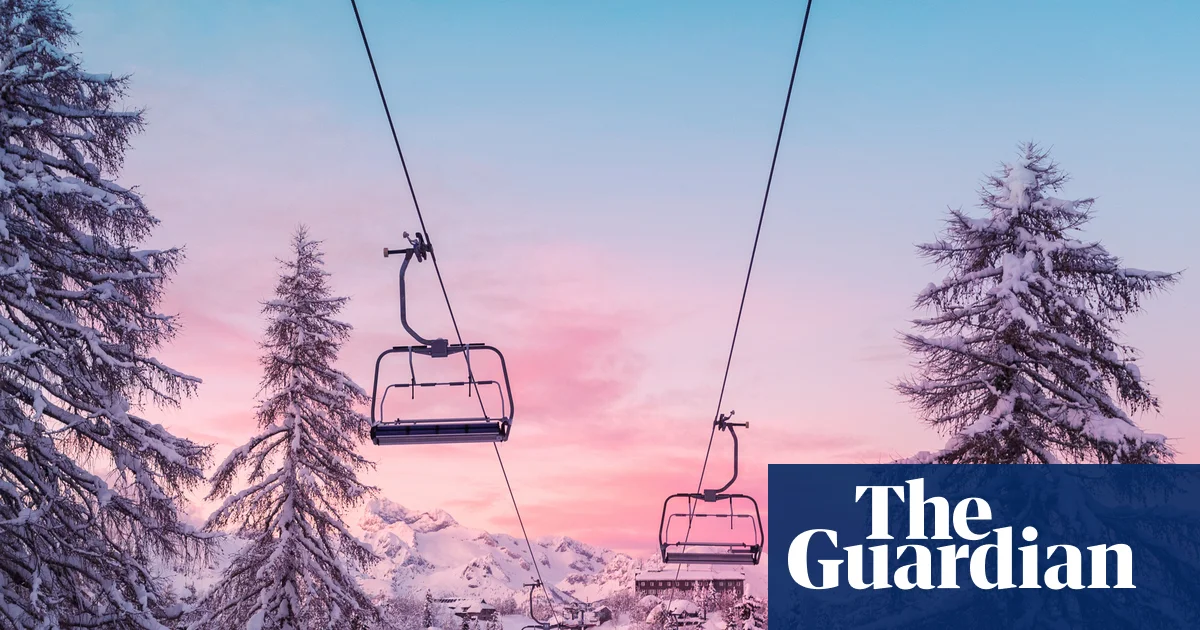
This winter thousands of holidaymakers will be packing their thermals and heading for the ski slopes. We’d love to hear about your favourite smaller ski resort, one which has managed to hang on to its local character and charm, whether it’s in the Alps, the Pyrenees, Scandinavia or eastern Europe.
The best tip of the week, chosen by Tom Hall of Lonely Planetwins a £200 voucher to stay at a Coolstays property – the company has more than 3,000 worldwide. The best tips will appear in the Guardian Travel section and website.
Keep your tip to about 100 words
If you have a relevant photo, do send it in – but it’s your words we will be judgingfor the competition.
We’re sorry, but for legal reasons you must be a UK resident to enter this competition.
The competition closes on Monday 12 October at 10am BST
Your responses, which can be anonymous, are secure as the form is encrypted and only the Guardian has access to your contributions. We will only use the data you provide us for the purpose of the feature and we will delete any personal data when we no longer require it for this purpose. For alternative ways to get in touch securely please see our tips guide.
If you’re having trouble using the form click here. Read terms of service here and privacy policy here.
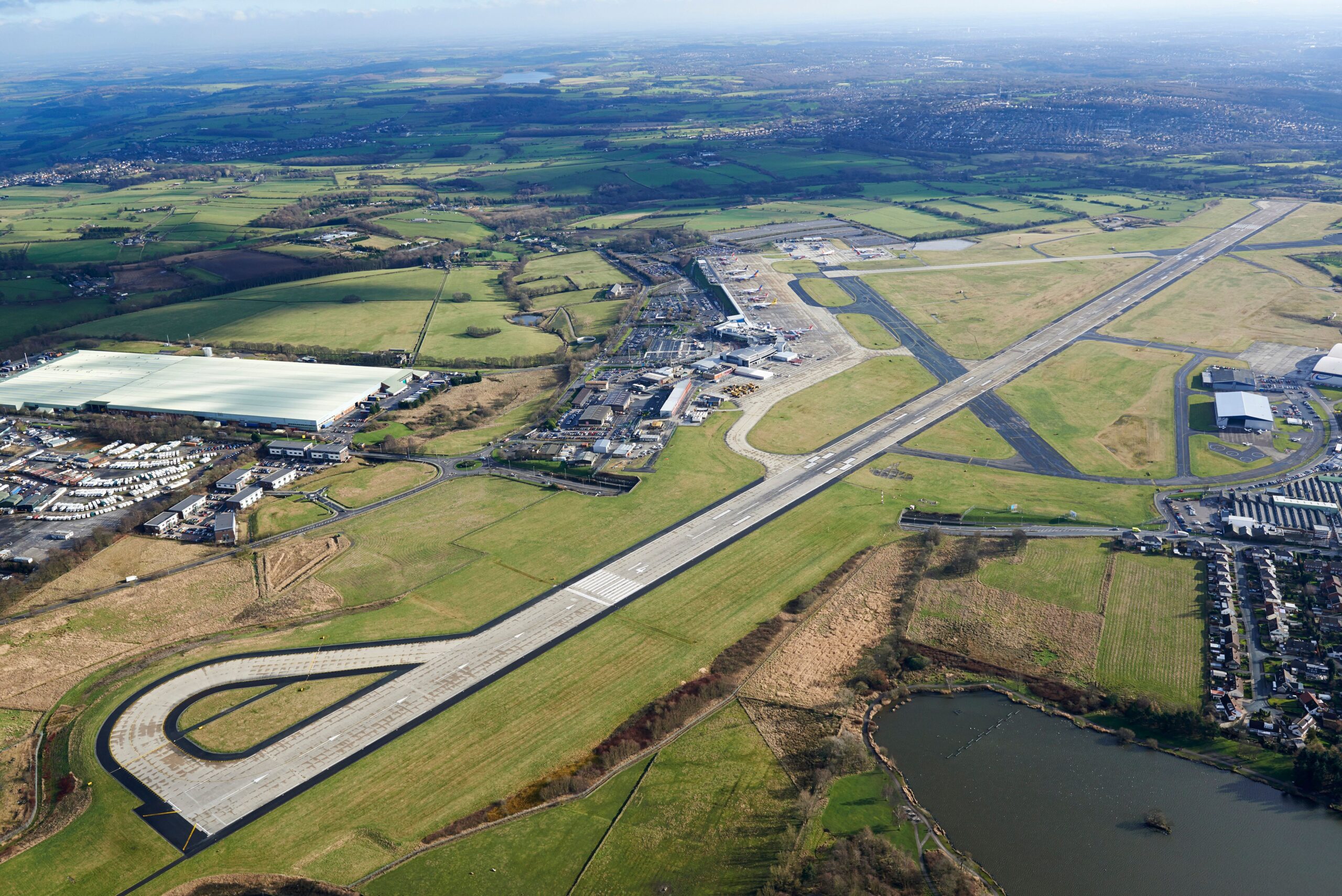
Unite general secretary Sharon Graham said: “Leeds Bradford Airport is very profitable and can more than afford to come back to the table with an offer that doesn’t fall short of our members’ expectations.
“Our hardworking members should not be paid less than those doing the same jobs at other airports.
“Workers taking action at Leeds Bradford Airport have Unite’s full support in their fight for fairer pay.”
It also previously revealed plans to one day launch long-haul flights, with most routes being to Europe including Spain.
Although the airport is losing all of it’s easyJet flights next year, which will be axed by January 2027.
Unite regional officer Neil Whitaker said they had “no choice but to strike,” citing a “fair pay rise” needed to call it off.
A Leeds Bradford Airport spokesperson told Sun Travel: “Leeds Bradford Airport acknowledges the proposed industrial action due to take place between 16-18 October involving a group of operational colleagues.
“We respect the right of employees to participate in lawful industrial action. However, we are disappointed by this and do not believe strike action is the right way to resolve the issues still under discussion.
“The airport has made what we believe is a fair and responsible offer that is significantly above inflation and reflects both current economic conditions and the need to ensure the long-term sustainability of the business.
“Our priority now is to minimise disruption for customers, many of whom have worked hard and saved for important holidays, family visits and business travel. At this stage we anticipate running near-normal operations during the period.
“Leeds Bradford Airport plays a vital role in connecting Yorkshire to the world. Industrial action has the potential to cause inconvenience for thousands of customers and local businesses who rely on those connections.
“We remain committed to constructive dialogue with Unite and would welcome continued discussions aimed at reaching a resolution.
“It is important to recognise that any profits generated by Leeds Bradford Airport are reinvested back into the airport and has been for a number of years. Those funds support improvements to facilities, infrastructure, operations and customer experience including the ongoing LBA:REGEN project which saw the opening of a new central search zone and staff welfare facilities this week.”
Ready for a luxury East London break? Enter our exclusive competition to win a stylish two-night stay at the award-winning Town Hall Hotel, complete with daily breakfast and an exquisite dinner for two at Elis.
Win a luxurious 2 night stay in the stunning Town Hall Hotel
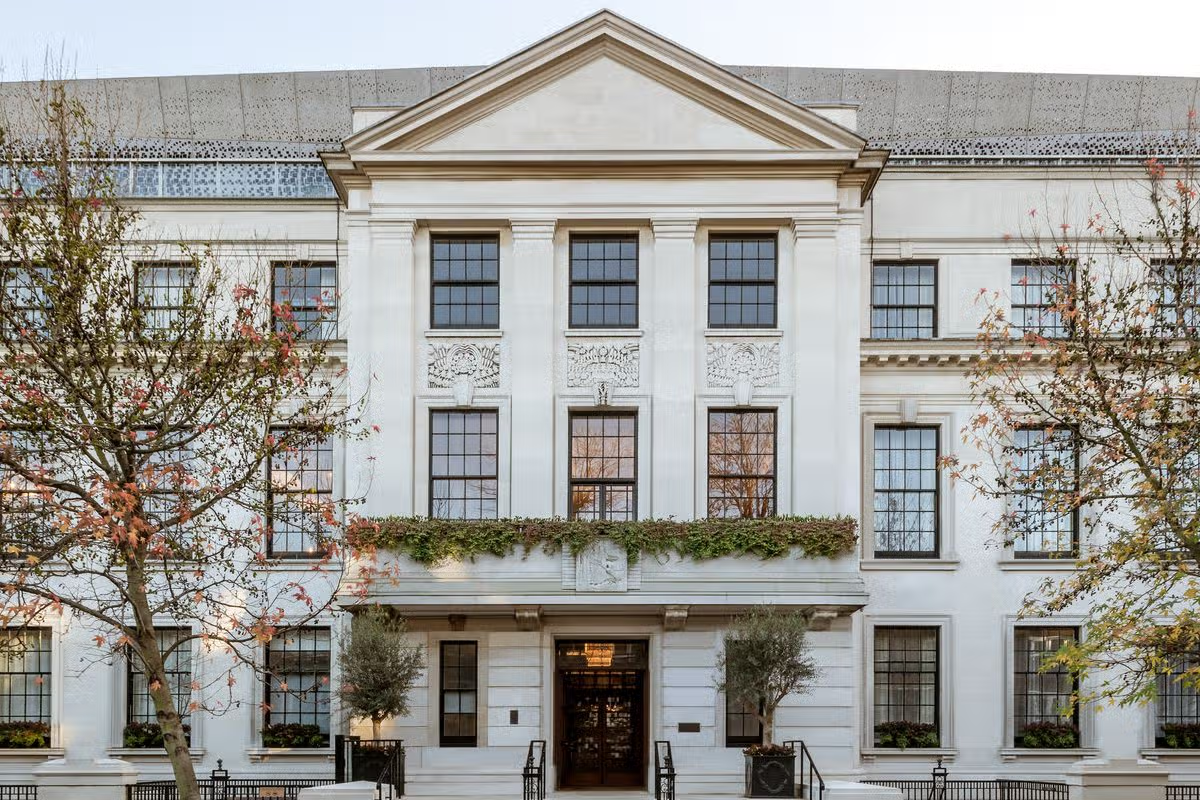
Looking for the ultimate East London escape? We’ve teamed up with the award-winning Town Hall Hotelin Bethnal Green to give one lucky reader and a guest the chance to win a stylish two-night stay, complete with daily breakfast and dinner at the acclaimed Elis .
Housed inside the former Edwardian Bethnal Green Town Hall, this Grade-II listed landmark seamlessly blends grand historic architecture with cutting-edge modern design. Step inside to discover sweeping marble staircases, intricate Art Deco detailing, and a striking glass-and-steel extension—creating a boutique retreat like no other.
Experience the best of East London
Positioned right in the energetic heart of Bethnal Green, Town Hall Hotel is perfectly placed for exploring East London’s vibrant culture from the independent boutiques of Shoreditch, to the iconic Columbia Road Flower Market and historic Brick Lane.
When you’re not out exploring, unwind in the hotel’s breath taking 14-metre indoor heated swimming pool, squeeze in a session at the gym, or relax with a cocktail at the bar.
What you can win:
A two-night stay for two guests in one of the hotel’s spacious, gallery-like luxury suites (featuring fully equipped kitchens and bespoke interiors).
Daily breakfast (B&B) to start each morning in style.
Dinner for two at Elis, where two-Michelin-starred chef Rafael Cagali and his team serve up a relaxed menu inspired by his Brazilian-Italian roots.
For your chance to win simply fill in the form below. if you can’t see the form, click here.
The cancellations were due to airport fees, Ryanair said, as well as environment taxes in Europe.
Sign up for the Travel newsletter
Thank you!
The removal of Ryanair flights – which also included a number of routes from the UK – has left just British Airways operating flights, along with European airlines TAP and Azores Airlines.
And new figures have found that the loss of Ryanair passengers has seen a drop in tourists of 100,000 already.
According to the Regional Statistics Service of the Azores (SREA), passengers arriving at the island airport dropped by 103,766 between April and August.
And there are fears this could increase even more, with projections of up to “391,000 overnight stays” lost a year.
They are often called Europe’s HawaiiCredit: Getty
Brits wanting to fly to the island from the UK can now only fly with British Airways, which runes flights from London Heathrow between April and October.
Otherwise alternative routes are to fly to Portugal with a connecting flight from Lisbon or Faro.
ONE of the longest piers in the UK has unveiled its latest restoration update after being forced to close four years ago.
Southport Pier in Merseyside has been closed since 2022 after being deemed unsafe but is currently undergoing a huge £20million restoration project.
Southport Pier is currently undergoing a £20million restoration projectCredit: Jason Williams / UK Drone ShotsThe pier is the second longest in the UKCredit: Jason Williams / UK Drone Shots
As part of the project, sections of the pier are being stripped back including the decking.
There will also be replacement steelwork, such as restoring the existing handrails and tramlines.
Sign up for the Travel newsletter
Thank you!
A total of 27 lighting arches have been removed as well as a half-way house and kiosk that have been taken down.
The pier, which is one of the longest in the UK and dates back to 1860, will undergo construction and reconstruction work until around September next year.
Sefton Council previously said: “The first task contractors will have is to assess the current condition of the existing paintwork on the structure’s columns. We want to ascertain if there has been any deterioration since previous assessments were undertaken.
“If the condition is good it can be left as is, however if not we will also need to repaint the whole structure as part of the repair works.
“This pre-construction work will take at least five days to complete.
“Following this we’ll shortly be moving onto the ground investigation stage within the coming weeks, which checks the stability of the ground underneath and around the Pier for materials like scaffolding.”
The pier has been closed to the public since 2022Credit: Jason Williams / UK Drone Shots
The pier originally opened in 1860 but the pavilion was destroyed in 1897 by a fire.
Another fire damaged the deck in 1959.
Then in 1975, it was awarded a Grade II listed status and a £7million tramway was added in 2002 running along the pier.
Notably figures associated with the pier include Charlie Chaplin, who performed there during his early career.
The provided text outlines the historical background of Vanuatu, highlighting its transition from joint British and French governance over the New Hebrides islands to full sovereignty. It explains how Father Walter Lini formed a prominent political party in 1974 amid growing demands for self-rule. A diverse Constitutional Committee comprising political figures, religious leaders, and tribal elders subsequently drafted the foundational governing document. This constitution received formal authorization on October 5, 1979, and officially took effect when the nation achieved complete freedom on July 30, 1980. Additionally, the source material briefly references unrelated global news items, including a tragic ferry disaster off the coast of Vanuatu and various international political updates.
Hannah Britt answered the millennial call to see 90s heartthrobs the Backstreet Boys at their 10-night residency in Dusseldorf, and found it to be the very best tonic ☆☆☆☆☆
10:31, 05 Oct 2026Updated 10:49, 05 Oct 2026
This article contains affiliate links, we will receive a commission on any sales we generate from it. Learn more
Backstreet Boys are playing to over 450,000 fans in Dusseldorf over the course of their 10-night residency(Image: Justin Segura)
The new trend among some of the world’s biggest artists is turning concert-going into a musical pilgrimage. Indeed, from Celine Dion’s 26 nights in Paris, to Harry Styles‘ 12 at London’s Wembley Stadium, for many fans a gig ticket now comes with a city break.
Music residencies, which used to be the preserve of Las Vegas mega hotels, have hit the mainstream, with more and more acts opting to stay put and, instead of touring around from place to place, have their fans come directly to them. Talking about his run of Together, Together shows, Harry Styles explained that playing in one place instead of embarking on a traditional world tour would improve the quality of the performance and better support his personal wellbeing.
And the idea is catching. After a run of sold out shows at The Sphere in Las Vegas, everyone’s favourite 90s heartthrobs the Backstreet Boys announced 10 nights at the Merkur Spiel-Arena in Dusseldorf, a location chosen as it was the first place the I Want It That Way band cracked outside of America.
A homecoming, they told fans. Wear white. The millennial in me couldn’t resist. I used to kiss a picture of Nick Carter before retiring to my bunk bed each night aged eight. This was my chance to see him in the flesh. What’s more, compared to Vegas, Dusseldorf was practically next door. I simply had to go. And I’m so pleased I did.
A residency turns a pop concert into a cultural phenomenon. I’ll admit, other than knowing Dusseldorf was in Germany, I didn’t know anything about it. But I diligently booked my flight, enlisting my best friend Emily to join the fun.
I saw my first Backstreet Boys T-shirt on the plane. And a quick glance around showed me it was not the only one. Millennial white and baby blue adorned many of the passengers before they’d even left Manchester airport, and their number would only grow as we landed.
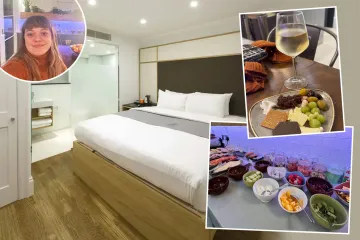
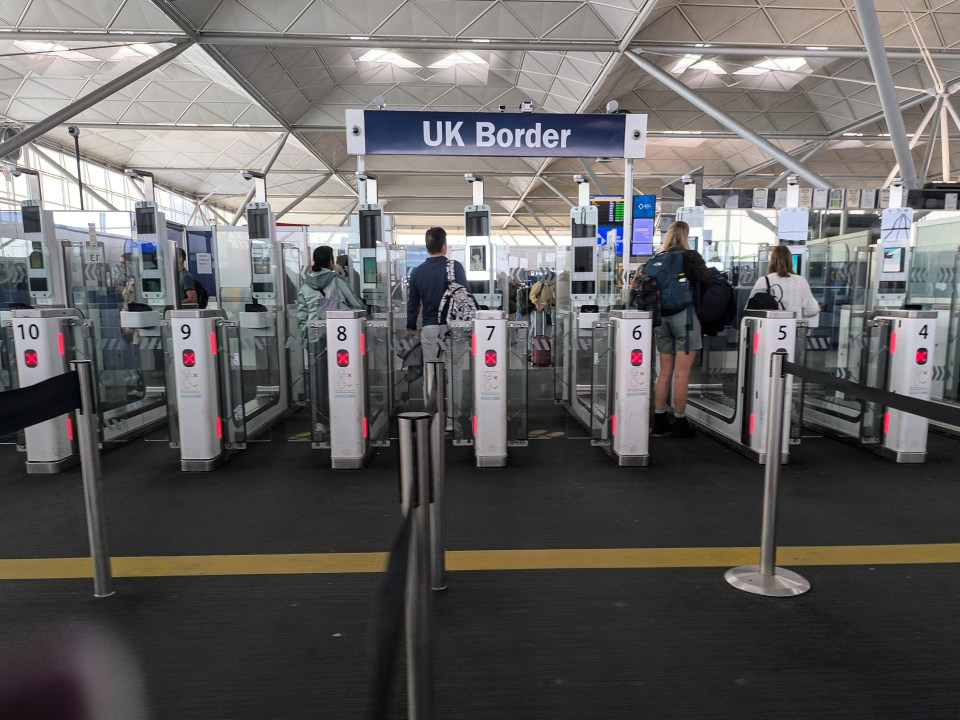
Once in the passport control queue in Dusseldorf, the singing began. And by the time Emily and I reached the city centre, we had found full blown boyband mania. Checking into our hotel, the chic and homely 25hours Hotel Das Tour which I’d found on Tripadvisor, and which was situated to the north of the city centre, life size cardboard cutouts of Nick, Kevin, Brian, AJ and Howie greeted us, along with a cocktail list inspired by the band, and a playlist to match.
In the foyer, an excited throng of diamanté-bedazzled women in their 30s buzzed excitedly. With partners and kids at home, a deliciously childlike giddiness replaced the adulthood we’d left behind. I found myself wishing I’d brought blue eyeshadow and butterfly clips.
Venturing out in search of sustenance, Düsseldorf’s bustling centre delivered mania still. A huge hopeful crowd was gathered outside of the band’s hotel, Breidenbacher. In the old town, the city’s bars blasted out the band’s biggest hits, from Larger Than Life to Incomplete.
White and blue balloons decorated the banks of the Rhine, and in the Marktplatz square a Backstreet Boys experience and merch shop drew huge queues. If you’d come to Dusseldorf for a quiet city break you’d have been most confused. But for those of us there for the show, it all added to the fun.
I found the mania endearing. It was exciting, intoxicating. It reminded me of Manchester before Oasis’ comeback shows in the city last year, only with less guitars and more earnest key changes. Even Emily, who arrived knowing one Backstreet Boys song in total, soon declared her desire for a tour T-shirt.
With some time to kill before the main event, we explored the Dusseldorf. Lunch was mussels and chips at the chic Robert restaurant on the riverbank, and views came courtesy of a boat trip down the Rhine, booked with ease on Get Your Guide.
We then partook in what appeared to be the city’s main occupation – drinking beer. Dusseldorf’s Altstadt (Old Town) is famously known as the “longest bar in the world” (längste Theke der Welt) because it packs around 260 to 300 bars, pubs, clubs, and traditional breweries into a compact area of just half a square km. It was brilliant fun, set of course to an ever-present soundtrack of our favourite five piece.
Producing bobbles, we put our hair in 90s bunches. Back home we’d have drawn stares. In Dusseldorf when the population was at a rough estimate 96% Backstreet Boys fans, we looked like we belonged. As we walked back to 25hr we smiled as we heard screaming coming from the Breidenbacher. The Boys had emerged from the hotel to say hello.
That evening, before heading to the arena we went to The Paris Bar on the 17th floor of 25hr. I had a Brian, Emily a Nick. Then we made our way to the show. A sea of denim, white combat trousers and glitter guided us there.
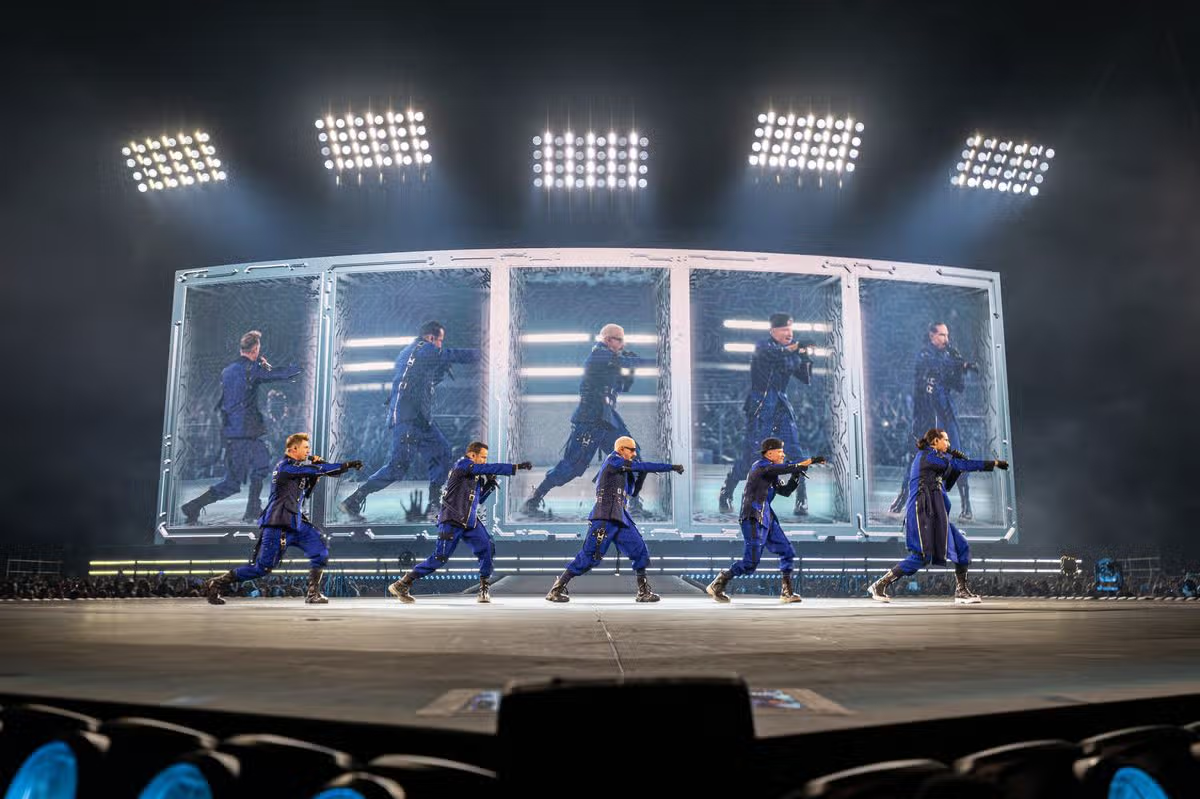
As the Backstreet Boys took the stage, the mania came to a head, but so did the joy. So began a setlist stuffed with nostalgia, dance routines, and all their biggest hits. It was like an injection of pure serotonin. The ticket may have come with a city break attached, but it turned out to be the very best therapy. And as everyone’s favourite key change came in the closing bars of Drowning, you could feel 60,000 millennials healing their inner child all at once.
*For tickets, see here; for more information about 25hr Hotel Das Tour, see here; for more information about Get Your Guide, see here; and for all things Tripadvisor, see here
NEW travel technology is being rolled out across UK airports – which will let you leave without having to scan your passport.
There is nothing worse than returning from your holiday tired and wanting to go home, only to have to dig out your passport to travel through the e-gates.
A new airport system is set to be introduced in the UKCredit: Getty
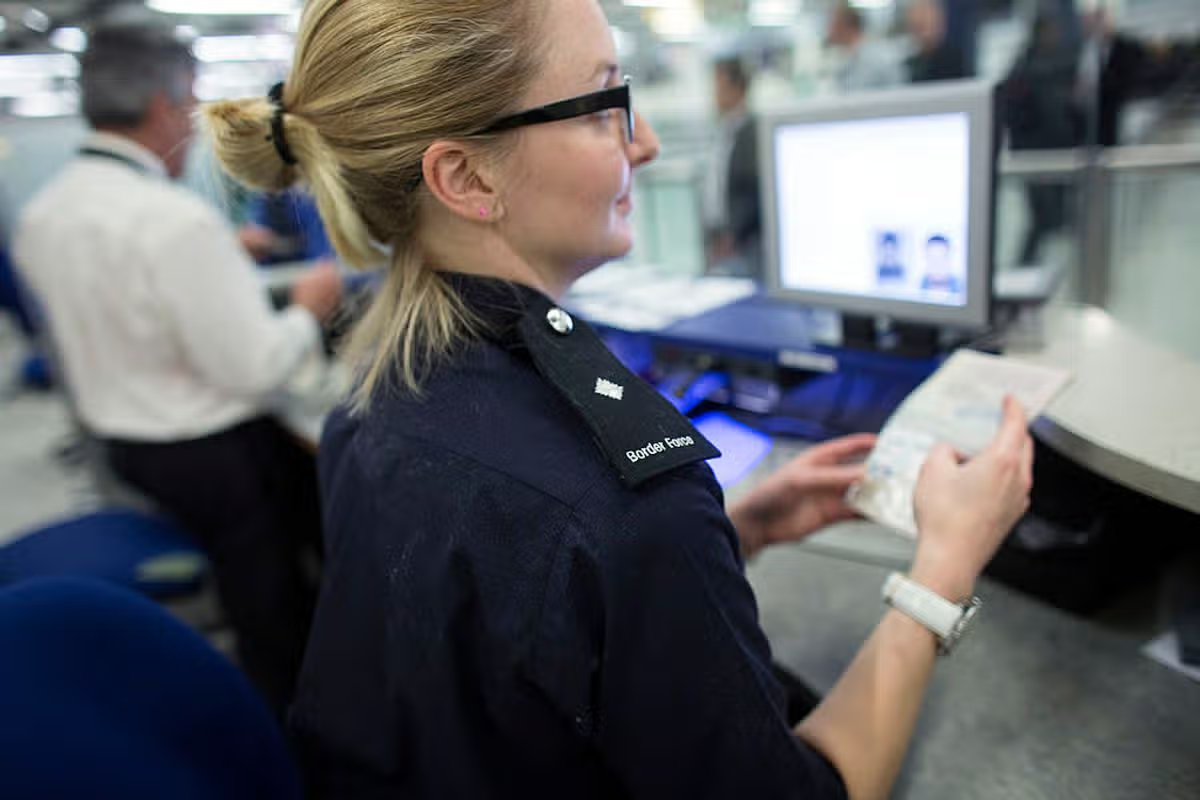
But within the next few weeks new ‘contactless borders’ are expected to be installed at Birmingham and East Midlands airports which won’t require you to scan your passport.
Instead, the new system will scan your face and match it to your passport image stored in its system.
Sign up for the Travel newsletter
Thank you!
The system would work by airlines sending passport images of British passengers arriving each day, to border control.
Anyone then not recognised at an e-gate, will be asked to revert to the current method of scanning their passport.
If this also failed, then the passenger would need to go to a manned border force desk.
The aim of the new process is to reduce long queues at airports.
The Times reports that it would then eventually be used across all e-gates at a number of airports.
This includes Birmingham, Bristol, Cardiff, East Midlands, Edinburgh, Glasgow, Gatwick, Heathrow, London City, Luton, Manchester, Newcastle and Stansted airports, by early next year.
The first airports to get the system will be Birmingham and East MidlandsCredit: Alamy
Initially, it would only be for British passport holders, but could extend to other nationalities in the future.
Phil Douglas, the director general of Border Force, said: “It will mean we have a more secure border and a much faster transit through the airport.
“It’s quicker, it’s more modern, it’s more secure.”
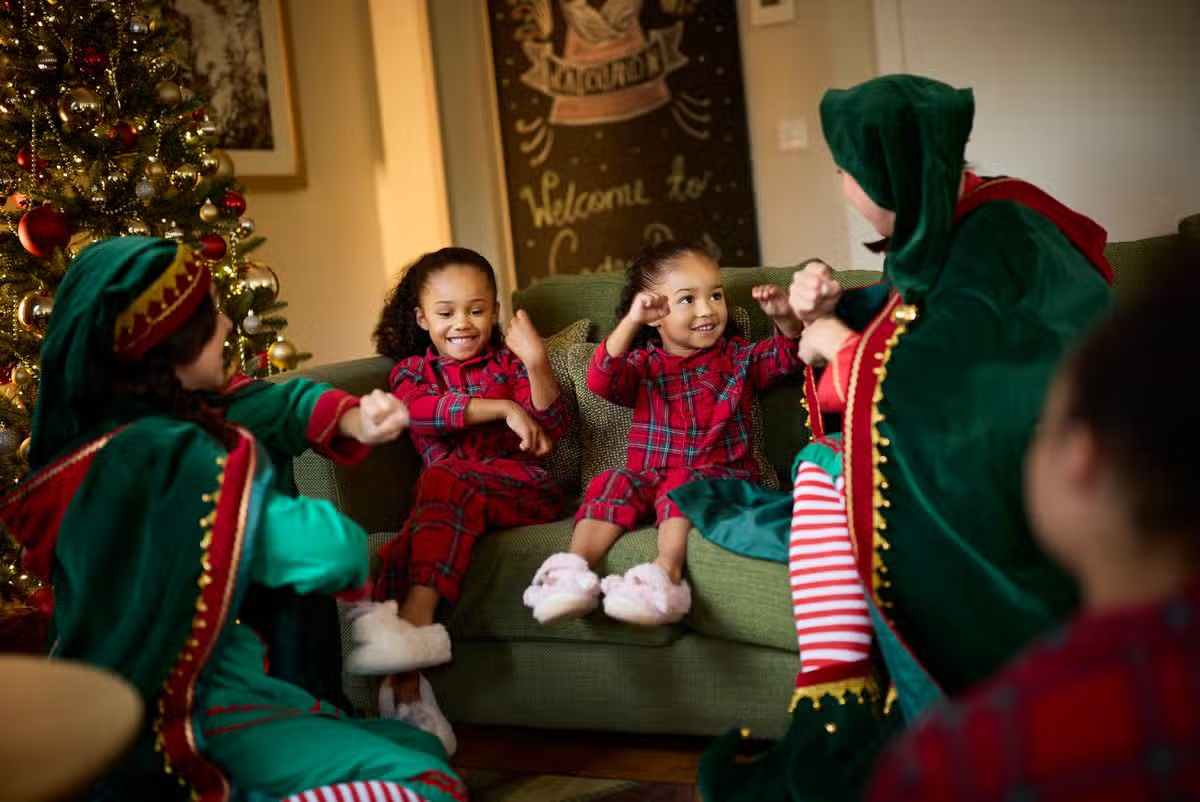
Families staying in Center Parcs in the run-up to Christmas can book an “unforgettable” experience in the comfort of their own lodge, but the price tag has led to criticisms from fans of the holiday park
The experience takes place in your own lodge and includes personal touches(Image: Center Parcs)
Center Parcs has always had a premium image, which comes with premium prices. However, fans of the lakeside holiday parks have taken to social media to complain about one of its new activities on offer for the festive season.
The Twilight Elf Visit is billed as “New and exclusive, an unforgettable Christmas experience awaits” on Center Parc’s website. It goes on to describe the experience: “As dusk begins to settle over the forest, gather in the comfort of your lodge for a surprise visit from two magical elves. Bringing an enchanting tale to tell, they’ll lead your family on a truly personal Christmas adventure filled with storytelling, festive surprises and magical moments.”
One Center Parcs guest, who was considering booking the experience, took to a Facebook page to question the price. They asked: “Has anyone seen on the website the new Twilight Elf visit to your lodge…. Surely no one is paying that sort of price £300+ for just one child!?!” She went on to post a screenshot of the prices she’d been quoted for the elf visit on Thursday, December 22. For one child, the activity costs £310, £360 for two, £410 for three, and £460 for four kids.
Do you have a travel story to share? Email webtravel@reachplc.com
When contacted about the cost of the activity, a spokesperson for Center Parcs said: “This is a private, personalised Christmas experience, with two elves visiting the family’s own lodge for 45 minutes. The visit brings a festive adventure into the place where families are spending their holiday together, with stories inspired by and tailored to the guests themselves and opportunities for children to become part of the magic.
“Throughout the experience, the elves reveal the special connection between the forest and the North Pole through storytelling, interactive moments and festive surprises. Children also create a Christmas wish to send to Santa, and families have the opportunity to capture photos with the elves.
“What makes Twilight Elf Visit special is the combination of time dedicated exclusively to the family, personal touches woven into the storytelling, and the intimacy of having the experience brought to their own lodge, so each experience for our guests is unique to them. It goes beyond a traditional festive meet and greet, giving children an active role in a story that feels personal to them, with the whole family sharing the experience in our unique forest setting.
“It’s a new, optional addition to our wider Winter Wonderland programme, which also includes favourites such as Santa’s Parade and the Enchanted Light Garden. We want families to have a choice of ways to enjoy the season together, with Twilight Elf Visit offering something particularly personal for those who choose it.”
The cost of the experience also includes a “beautifully engraved wooden family keepsake box filled with exclusive mementos to treasure long after your adventure ends. From a cuddly toy carrying each child’s Christmas wish to magical keepsakes inspired by your visit, each item is thoughtfully chosen to help your family relive the wonder of the season for years to come.”
But not everyone was convinced the activity would be worth the money. One poster noted: “This has to be the most expensive activity I have ever seen at [Center Parcs] …and I’ve been going years.” Another wrote: “This has to be a wind up?”. While a third commented: “That’s disgusting.”
However, many posters defended the cost of the experience. One said: “Yes, It’s a lot of money but I don’t see why everyone is so outraged about it, it’s obviously a very luxury thing they are offering, like the treehouses, If someone can afford them then they can afford the cost for the private elf visit.”
Others pointed out that other premium Christmas activities with kids can be just as expensive. “To be honest, people who go to Lapland UK are paying £300 sometimes more. So yes, there are people who will pay it.”
Have a story you want to share? Email us at webtravel@reachplc.com
I arrived in Verona, I admit, without a particularly clear idea of what aperitivo meant. In Italy, the ritual – broadly, a drink and something small to eat before a meal – speaks a different dialect in every city.
Milan has turned it into a polished after-work institution. In Venice, it is more itinerant: an ombra (a small glass of wine) along with a cicchetto (a bite-size snack) and then on to the next bacaro (one of the city’s traditional wine bars). Verona follows another logic.
Veronese wine writer Angelo Peretti has described the osteria (the traditional tavern at the heart of the city’s drinking culture) as a Verona institution: somewhere its social life takes shape over a gòto (the local word for a glass of wine), usually with something small to eat at the counter, often while standing.
I thought I understood. Then, at about 9.30am one morning, while drinking coffee opposite the Teatro Filarmonico, I noticed that aperitivo had already begun without me. A woman ordered a bianchetto, a small glass of white wine. A couple, already defeated by the heat, asked for two spritzes. Two friends shared a bottle of sparkling wine.
Nobody had announced that it was “aperitivo time”. More strikingly, nobody seemed to find any of this unusual.
That was when my search really began. I decided not to look for one type of bar, or even one type of drink. What mattered was whether I would actually stop there for an aperitivo – alone, with friends or simply while waiting for dinner.
Photograph: Gabriele Pasca
At Monte Baldo, which opened in 1909, the counter was still being set up, with a man I took to be the owner assembling the day’s tartine (small open sandwiches with various toppings). A very young waitress offered to help me choose a wine. There were more than 30 wines by the glass, mostly priced between €5.50 and €11. I chose an alta langa, a traditional-method sparkling wine from Piedmont, partly because the bottle was still unopened. They opened it without hesitation.
With lunch ahead, I ordered two tartine: baccalà mantecato (Veneto’s creamy stockfish spread whipped with olive oil) and boiled egg with anchovy. Both were excellent: fresh bread, generous toppings, clearly just made. The tartine cost €4.60; the wine €7.
As I was leaving, a man walked in carrying a motorcycle helmet. Before he had time to order came the question: “Your usual?” However many tourists pass through Verona, somebody still has a usual. 8.5/10
Photograph: Gabriele Pasca
This is one of Verona’s great wine institutions. I arrived before 7pm, as the tartine counter was being filled. The mood was formal: staff in crisp uniforms and a queue of slightly bewildered tourists. With one person serving, it moved slowly as he explained the wines, €3 tartine and where to eat them – at the bar, at small indoor tables, or outside.
I chose an €8 glass of franciacorta, Lombardy’s traditional-method sparkling wine, with two tartine: pancetta coppata (cured pork neck wrapped in pancetta) and gorgonzola cream. Both were generously topped, though the bread, while perfectly decent, wasn’t anything to write home about. Total: €14.
As I drank, nearby tables were laid for dinner and reserved signs appeared. I asked whether I should move. “Absolutely not.” Those few aperitivo tables, I was told, stay for drinkers unless the place is exceptionally busy. 6.5/10
Photograph: Gabriele Pasca
A sommelier I trust at one of Verona’s grander restaurants sent me to Tor-Tor, perhaps revealing more interest in wine than in the finer points of aperitivo. Still, it seemed worth a punt. Tucked down a side street behind the Arena, every outdoor table was taken; inside, a regular occupied the counter, deep in wine talk with the owners.
The blackboard and a small wooden menu board revealed a serious selection of natural wines, with plenty from Veneto. I went for a €7 orange wine – white grapes fermented in their skins – which came with popcorn, then added two €2 polpette (small savoury balls, one meat, one aubergine) plus €1.50 olives dressed with oil and chilli.
The polpette did the job nicely; the wine was excellent and expertly recommended. The crowd was overwhelmingly local, and the regular at the counter was still talking wine when I left. 8/10
Just across the Adige river in Veronetta, on the edge of Verona’s main tourist circuit, Ai Preti feels like a neighbourhood local. It is large, with dark wood throughout, and has the sort of retro look that comes from never having tried to look retro.
Two counters divide the food between cold tartine and hot snacks. I chose one with baccalà mantecato, another with caramelised onions, and a horse meat polpetta. Tartine cost €2, the polpetta slightly less; with a €4 glass of wine, the whole aperitivo came in under €10.
By 7.45pm, both displays were almost bare, although my polpetta seemed freshly cooked. The crowd looked entirely local, paying far more attention to one another than to the labels. Magazines lay around for anyone drinking alone. Here, aperitivo felt like the working day quietly unwinding. 7/10
Photograph: Gabriele Pasca
I was early for dinner. The restaurant next door was still closed and I had half an hour to kill. Filling the gap before dinner is, after all, the primary function of the aperitivo.
Velvet occupies part of a 15th-century palazzo. There is a handsome counter with stools, though I chose a small table. Three nearby tables were already occupied by a more dressed-up crowd than I had encountered in Veronetta, drinking and talking without much hurry.
There was plenty of wine on the list, but I went for a €12 negroni. It arrived with fried plantain crisps, cashews and little savoury pastries with tomato – at no extra cost. A separate food menu offers more substantial bites, including edamame falafel and chicken wings.
By the time I’d finished my drink, the restaurant next door was open. Half an hour neatly accounted for. 8/10
Photograph: Gabriele Pasca
Morandin was the only place I visited twice. My first visit was almost accidental – a glass of wine became dinner – so I returned a week later, just before 9pm, to make sure I hadn’t simply got lucky. On paper, its long afternoon closure, from 2.30 to 7pm, had been my only doubt.
It was another punishingly hot evening in Veronetta. Every outside table was taken and the fans inside did little more than move the heat around. I was wearing absurd red-and-blue striped trousers. A man I took to be one of the owners, there as a customer, noticed our near-matching trousers and came over for a high five. “They say we look like we’re in pyjamas. They don’t understand fashion.”
Wines run from €2.50 to €6 and, even at that relatively late hour, the cicchetti display was the fullest I had seen: battered vegetables, frittata, prawn skewers, €1.30 meatballs with tastasal (seasoned pork mince) and €1.80 tartine. I chose a durello, the crisp local sparkling wine from the Lessini hills, a meatball and a tuna-and-egg tartina.
The waiters were run off their feet; regulars greeted one another and foreign voices were scarce. Fifteen minutes later, I asked about dinner. “Full.” Ten minutes on, a table appeared. Aperitivo had not replaced dinner; it had made staying for it irresistible. 10/10
Guests can tuck into festive food from Christmas Eve to Boxing Day with special stays in the Lake District, Yorkshire and more
This article contains affiliate links, we will receive a commission on any sales we generate from it. Learn more
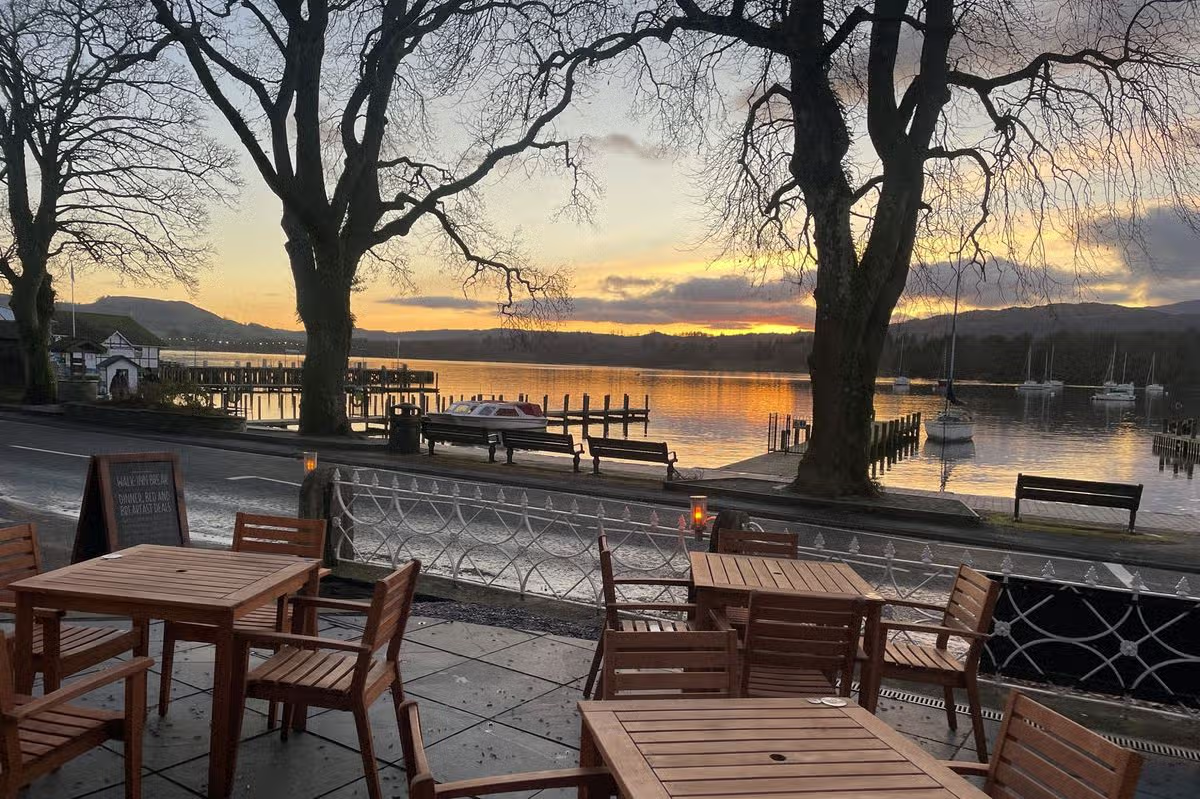
The Waterhead Inn is perched on Lake Windermere(Image: Inn Collection Group)
It may be known as the most wonderful time of the year, but Christmas can be a stressful one, too, with all the planning and preparation that goes into the big day. For those who fancy leaving the hassle of hosting behind, one hotel group is offering up the option of a peaceful mini-break instead.
The Inn Collection Group has announced Christmas holiday packages at all of its hotels, with more than 30 locations to choose from. Priced from £599 for two people, these three-night breaks from December 24-27 include breakfast each morning, dinner for two on Christmas Eve, Christmas Day lunch and an evening buffet for two, plus dinner for two on Boxing Day.
For those seeking inspiration on where to book their break, the number one top-rated Inn Collection Group hotel according to reviews from guests left on Tripadvisor is The Waterhead Inn in Ambleside. This Lake District getaway combines a picturesque waterfront location with traditional pub character, with pet-friendly rooms available and the heart of Ambleside town just a short stroll away.
READ MORE:
The Waterhead Inn is one of 10 Inn Collection Group hotels across the Lake District, which promises a magical backdrop for a peaceful festive getaway. Other highly rated stays available to book for Christmas include The Temperance Inn and The Wordsworth elsewhere in Ambleside, as well as The Angel Inn in Bowness-on-Windermere and The Swan in Grasmere, all of which have earned a rating of 4.3 out of five stars on Tripadvisor.
For more places to stay elsewhere in the Lake District, one of the top-rated choices over on Booking.com is Langdale Chase Hotel, which stands on the shores of Lake Windermere and has been welcoming visitors since 1891. Another favourite is Hazel Bank Country House in the Borrowdale Valley, offering easy access to the likes of Keswick, Buttermere and Derwentwater with plenty of scenic walks from the doorstep in the surrounding fells.
These three-night getaways from December 24-27 include breakfast each morning, dinner for two on Christmas Eve, Christmas Day lunch and an evening buffet for two, and dinner for two on Boxing Day.
Another Inn Collection Group stay that has earned glowing reviews from guests is Dean Court in York. A stay at the heart of the city with views of York Minster, having originally been built in the 1800s to house the clergy, this hotel is a short walk away from iconic attractions such as The Shambles, the Jorvik Viking Centre, the National Railway Museum, and the world-famous Betty’s Tea Rooms.
York is also the ideal setting for a festive city break with plenty of special events for those staying for Christmas to enjoy, from the Winter Wonderland in York Designer Outlet with its outdoor ice rink and Alpine Chalet café to the Christmas Tree Festival at York Minster. There are also Christmas-themed sightseeing walks and cruises on offer across the city, as well as festive chocolate and wreath-making workshops.
Elsewhere in York, visitors can opt for unique self-catering stays steeped in history with a choice of two properties in the city owned by the National Trust. Minstergate is a quirky medieval apartment for two with wonky beams, sloping floors and a Georgian staircase, while Draper’s Flat also sits above the city’s National Trust shop and offers space for up to four guests, although both are only available from January 2027.
For those looking to spend Christmas by the sea, another top-rated option with the Inn Collection Group elsewhere in Yorkshire is The Stables in Whitby. With Whitby Beach just a 10-minute drive away, this former 17th-century farmhouse boasts far-reaching countryside views and offers a quiet spot to stay just outside the seaside town with its famous abbey that inspired Bram Stoker’s Dracula.
One recent guest at The Stables wrote in a five-star review on Tripadvisor: “From the moment we arrived, we could not have asked for anything more! Brilliant location, welcoming, clean, great food and such friendly staff. We would definitely come again and have told family/friends with or without dogs to do the same!”
Meanwhile, over at Dean Court in York, another visitor said: “This hotel was a wonderful find! It is very quaint and well-maintained and upgraded. We would certainly consider this as a top lodging destination next time we come to York because it is centrally located to everything that we wanted to see. The morning breakfast that is included is just outstanding and top-notch in selection and food quality. The service is impeccable.”
And someone who stayed at The Waterhead Inn praised: “Had a fantastic few days at this beauty of a place. Everything was top-notch. The rooms are exceptional, the food is beautiful and mouth-watering, along with fantastic presentation. From walking through the door to leaving, we were treated with utmost respect by all the staff. Everyone had a smile, and nothing was too much trouble.”
However, not everyone was as satisfied with their stay, with another guest at The Waterhead Inn feeding back: “The rates charged for a dog are a bit excessive. I think a one-off charge, regardless of the length of stay, would be better.”
But another guest raved: “Wonderful three-night stay at The Waterhead Inn. Beautiful room with a balcony and overlooking the lake. Breakfasts and dinners superb every day. Waterhead pier just a few metres from the pier with trips to Bowness and beyond.”
Those booking a Christmas stay with the Inn Collection Group should note that prices vary by inn and room type, and that dinner on Christmas Eve and Boxing Day has an allowance of £25 per adult. Full terms and conditions can be found on the Inn Collection Group website.
BY October, the hot summer weather starts to dwindle out, as autumn begins to creep in.
But if you’re looking to relive those dizzy sunshine highs, there are some fantastic short-haul holiday deals we’ve found that will cost you as little as £135 each.
October is the perfect time for some European heat to escape the chillier UKCredit: On The Beach HolidaysFrom heated pools to nearby beaches – some of these deals are from £135ppCredit: On The Beach Holidays
Temperatures in these spots still hit the mid-twenties, meaning eating al fresco is a completely normal decision rather than a cold survival test.
But a dirt-cheap package is only half the story – once you land, you still want to afford lunch or a crisp, cold beer without breaking the bank.
So, I’ve factored in local resort prices too, so your spending money goes miles further.
Hot weather, cheap booze, and a break from chilly UK – what more could you want?
1. Carvoeiro, Portugal – from £135pp
Taking the top spot on our board for the absolute cheapest October escape is Carvoeiro.
It’s the Algarve at its finest: gorgeous views over the sea, white-walled village streets, and long, lazy outdoor lunches that take up the entire afternoon.
October serves up temperatures in the mid-twenties, and local cafés serve up cold Super Bock beers for just over £2.50.
And here, you get a full spacious apartment rather than a standard hotel room.
But my favourite feature, by far, is its heated indoor pool – so if you get a rogue, overcast hour in late October, you can retreat for a warm swim without missing a beat.
Colina Village is the most affordable deal we found for a five night holidayCredit: On The Beach Holidays
2. Sunny Beach, Bulgaria – £145pp
Sunny Beach pairs a huge beach with some of the lowest local prices in Europe – local beach venues serve up large glasses of wine for just over £3, meaning you can stay out for dinner without keeping a nervous eye on your bank balance.
The early-October forecast shows reliable 24C highs, which sounds a whole lot better than putting the central heating on at home.
The kitchenette layout in these apartments is ideal for grabbing quick poolside breakfasts before heading down to the sea. Lovely jubbly.
A stay at Aparthotel Cote Da Zure is the perfect base to explore BulgariaCredit: On The Beach Holidays
3. Acharavi, Corfu – £150pp
Acharavi sits on Corfu’s scenic northern coast, serving up a gorgeous beach and a slow, authentic Greek pace. Perfect for an October wind-down.
October temperatures hover right around 23C here, and you can grab five nights room-only at Tzilios Studios for £150pp, flying direct from London Gatwick on October 13, 2026.
And I should say, room-only is the smart play here as it means you can explore the Greek tavernas for breakfast rather than sticking to a hotel clock, and evening beers with a view cost around £5.
The hotel also sits barely 400 metres from the sand and features its own quiet garden pool area surrounded by olive trees. A proper bit of me.
Have a swim in the pool before heading to a Greek taverna for an affordable dinnerCredit: On The Beach Holidays
4. Zaton, Croatia – £155pp
Zaton combines crystal-clear water with direct access to the historic streets of Zadar, where you combine beach time paired with proper local sightseeing, and October highs here regularly touch 26C.
Waterfront restaurants down by the harbour sell local draught beers for around four quid.
But back at the hotel, you get access to nine pools, a massive beach area, authentic Croatian food and top-shelf cocktails, so I wouldn’t blame you if you never left…
26C and a beer by the pool – how better to spend a holiday in Croatia?Credit: On The Beach Holidays
5. Icmeler, Turkey – £155pp
Icmeler wraps around a green, mountain-backed bay that delivers a far more relaxed atmosphere than neighbouring Marmaris – and October highs of 26C.
Local beachfront bodegas offer glasses of regional Spanish wine for around £3, with the hotel set up right by the beach and literally steps directly out onto the sand.
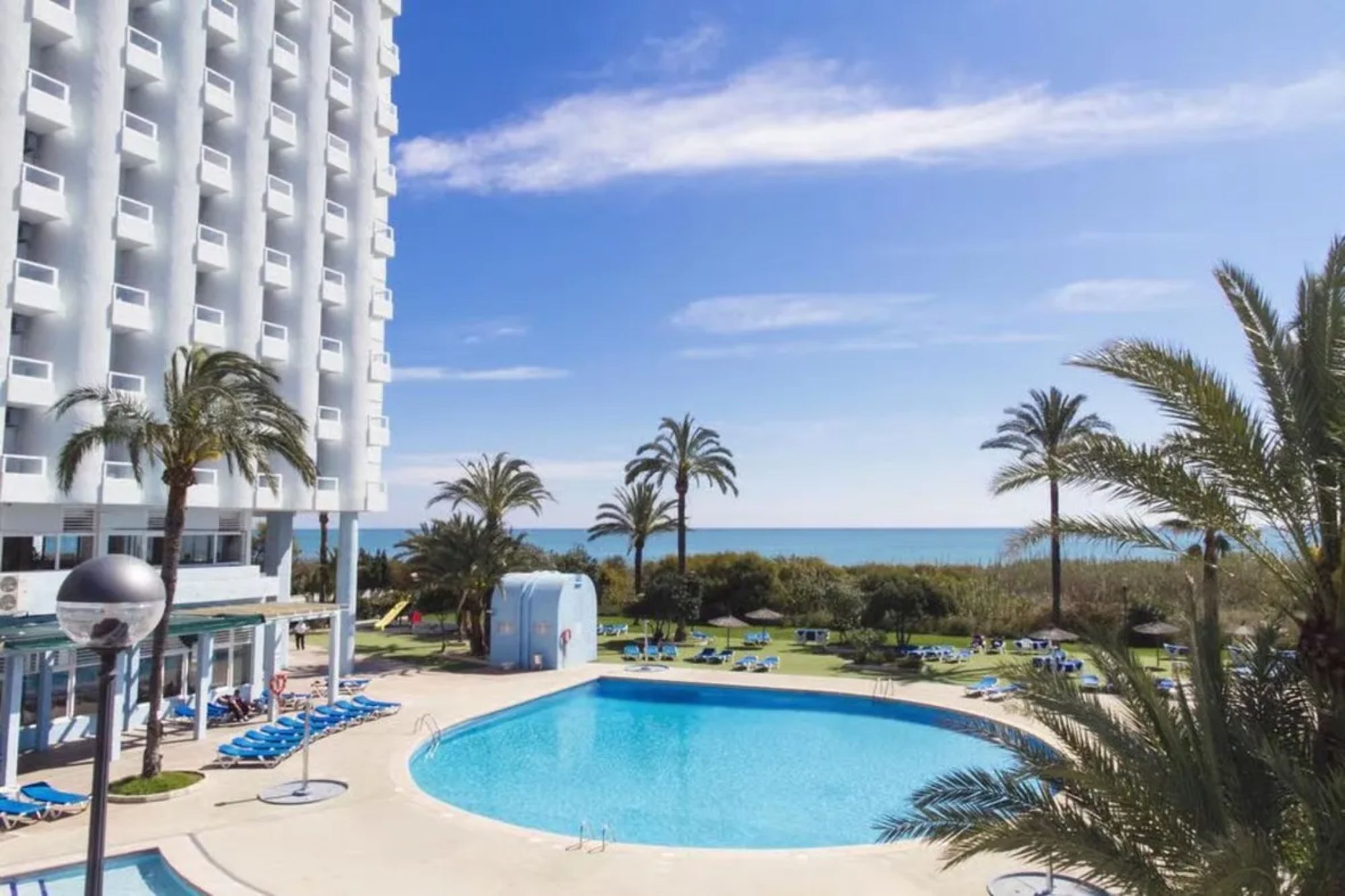
Playas de Guardamar is right by the beach (and some wine-selling bodegas)Credit: On The Beach Holidays
7. Manilva, Spain – £160pp
Manilva is a peaceful Costa del Sol spot built for quiet beach stops and finding low-key seafood spots that don’t charge tourist-trap prices.
Along with 26C highs in October, local tapas bars near the hotel serve up cold draught beer for under £3 a pint.
This is another hotel where you’re bagging yourself a brilliant apartment as your room, and each has a wide, covered terrace with an outdoor dining table, giving you a brilliant private space for alfresco drinks overlooking the coast.
Try Pierre & Vacances Terrazas Costa del Sol on the Costa del Sol for a quieter, less touristy resortCredit: On The Beach Holidays
8. El Arenal, Majorca – £170pp
Majorca typically holds onto 23C weather well into October, making it ideal for a low-cost break where the agenda consists purely of warm weather, a few drinks and good food.
Early this October, I tracked down five nights at Ahoi! Urban Beach for £170pp, flying direct from London Stansted on a bed-and-breakfast basis.
This deal even takes care of breakfast upfront so you can get straight out each day and local beach bars serve up pints for less than four quid.
This hotel has recently received a modern, boutique refurbishment, and it feels far sleeker than standard budget options – I love that it sits just two streets back from the main beach strip. Ideal.
Majorca doesn’t have to be expensive, and Ahoi! Urban Beach even throws in breakfastCredit: On The Beach Holidays
9. Tholos, Rhodes – £170pp
Rhodes is one of my absolute favourite spots for wringing every last drop of summer out of the year, with October temperatures comfortably averaging 24C and Tholos (also known as Theologos) on the west coast is far quieter than Faliraki, making it an ideal base for exploring the island.
You can grab five nights at Sunlight Studios for £170pp, flying direct from London Stansted on October 15, 2026 on a self-catering basis.
Local tavernas line the village in Tholos, where a large glass of local Greek wine costs around the £4 mark.
But the standout feature at Sunlight Studios is the layout: every room comes with a private balcony looking out towards the sea, allowing you to catch the famous west-coast Mediterranean sunsets right from your room.
Swap Faliraki for Tholos on Rhodes – it’s one of my favourite spotsCredit: On The Beach Holidays
10. Agadir, Morocco – £175pp
If guaranteed heat is your non-negotiable, Agadir is where I’d send you first in Autumn.
October here serves up consistent 26C sunshine alongside a massive, golden beach and a flat seafront promenade that’s ideal for evening walks.
Local prices here are remarkably cheap too – head down to the traditional fishing port and you can grab a plate of freshly grilled local fish for around 60 dirhams, which is roughly £4.80.
The hotel itself sits a short ten-minute stroll from the main beach, but the real insider win is its massive, quiet garden pool terrace.
And because it stays sheltered from Atlantic breezes, the pool gives you a perfect suntrap to tan, dip, dry and repeat all week.
Agadir has a fantastic beach to explore, and hotels are very affordableCredit: TripAdvisor
YOU SAY Oxford Circus, you think crowded streets and busy shops – but there is a whole other side to it you might not have known about.
So we’ve taken it on in two different way – as a busy mum looking to keep her kid busy, to a girly weekend in the city without going to the shops.
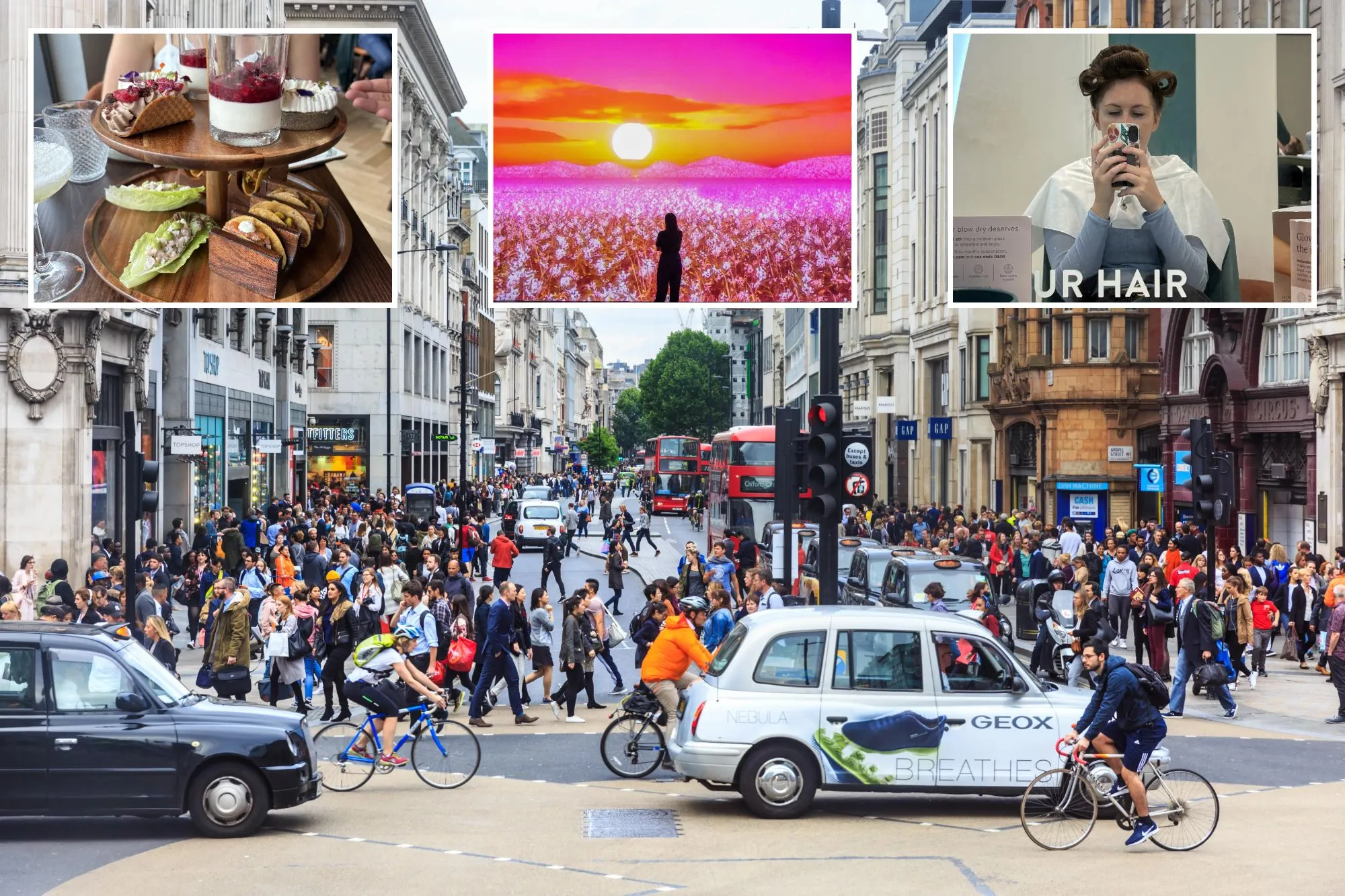
Soho might be famed for its shops but it has a whole other side to itCredit: AlamyAnd with the plans revealed for its pedestrianisation, here is how to do it as a mum, and a girly weekend without the shops.Credit: PA
Blow dry bars, Mexican afternoon teas and gorgeous Italian dinners
Kara Godfrey, Deputy Travel Editor, explores the busy centre on a girly weekend wanting some pampering.
Growing up in the countryside, my first impression of London was the hubbub of Soho, with bustling streets full of eager shoppers elbowing each other out of the way.
Sign up for the Travel newsletter
Thank you!
Yet 20 years later, having since moved to (and left) the crazy capital, I know there is more to the iconic city centre than its shops.
And with the announcement that it is about to become pedestrianized, it’s about to become an attraction in its own right.
If you want to explore the centre of London without actually dipping into the shops, it also makes for the perfect girly day out either with your best mate or your mum – if you know where to go as a local.
It is a fantastic destination for a pamper, with affordable nail salons and hairdressers – and did you know one of London’s most famed blow dry bars is found at the bottom of the John Lewis department store?
Having first launched in Chelsea back in 2014 (becoming a fave with the Made in Chelsea stars), Duck & Dry has become an institution for the place to go before a big event.
I sank into the plush chairs, laidback music overheard while I chatted to my hairdresser as my hair was massaged and washed.
As a woman in my mid-30s, I’ve realised that it’s the little luxuries that make life worth it and a person kneading all of my worries away is one of them.
Just 30 minutes later, I left a new woman with a fresh new do so gorgeous, I even bought a blow dry brush on my way out to try and replicate it at home.
What better way to start the day then with a blow dry?
(Don’t stop there though, one of my favourite nails bars, Cona, is just around the corner, with the hidden salon tucked behind the bold oranged painted cafe front).
Hair done, nailed fixed – we needed something to line our stomach and gone are the days of our 20s where we opted for a bottomless brunch.
Being more afternoon tea gals, one of the more unique ones is found in the Treehouse Hotel just off the main high street.
This isn’t your usual afternoon tea, however, (although you will still find a scone or two on top) – it’s called the Afternoon Te-Quila, so expect a Mexican fusion.
Starting with a freshly made margharita, we gorged on fresh fish tacos, pumpkin pies and even a unique chocolate taco, pumped full of decadent chocolate mousse.
The views are just as amazing, looking out over London from the top floor, but as I sat under a ceiling of green hanging plants, I was transported to somewhere much more tropical.
There is so much to do outside of this as well that doesn’t require you to lug shopping bags around town.
Or how about catching a West End show? The Palladium has some fantastic shows coming up including Delta Goodrem, Michael Ball and of course the Christmas panto.
Forget your usual afternoon teas – this is a Mexican inspired one with a viewI loved the free margherita alongside the fantastic views
(While I might have said there is so much to do along the high street without the shops, I would still recommend popping into the new M&S flagship, with four entire floors of homeware, clothes and a Food Hall. I may have left with both new linen trousers and some Percy Pigs…)
Don’t think I forgot about dinner, because London isn’t one of the world’s best food capitals for no reason.
And with more than 600 restaurants to choose from, according to OpenTable, where do you even start?
Well I’ve found just the place, if you want somewhere slightly quieter away from the crowds, but with fantastic service, a low-key atmosphere and hearty, Italian portions.
Enter Lavo at the BoTree.
Start at the bar for a cocktail – while the menu might sound confusing, it explains which cocktail they are similar to, so I had their version of a negroni.
On weekends there is also a live DJ who toes the line of great, lo-fi music without being so loud you can’t hear each other.
Slightly woozy at this point, my direction to my table was welcome before gorging on towering piles of tuna tartare and large bowls of penne a la vodka.
Our extremely funny server even tempted us into sharing what is now going down as one of the best tiramasus we’ve ever eaten.
The restaurant was low-key but so chicThe portion sizes were huge too
And when you need to rest your weary feet from a day of pounding the pavements, you can’t get much more central than the Radisson Blu Bond Street.
Currently undergoing a renovation, it is just steps from the main road, with some of the best views of the high street from my room overlooking the shops.
With Oxford Circus not having many late night openings, don’t worry about not getting any sleep, as it was super quiet once everything had closed.
The cosy restaurant – with that brand new smell – also had a fantastic breakfast spread to refuel, from pancakes and avocado toast to all of the pastries and trimming of a Full English.
So while Oxford Circus will always be known at the shopping high street, there is so much more to it to bring your out of town friend, siblings or parents to without having to step into a shop.
Unless you get a Percy Pig craving, that is.
Illusion museums, kid-friendly food halls and ‘treehouse’ hotels
Caroline McGuire, Head of Travel (Digital), explores as a mum with a seven-year-old to keep occupied
As a London mum, I regularly take my seven year old into the city centre for theatre, museums, parks and all the other awesome attractions it has to offer kids.
But Oxford Street? Are you mad? It’s somewhere I’d actively avoided, assuming it was the worst place for a very active kid who loves running around and touching everything in sight.
How wrong I was. Because we recently spent an overnight stay on Europe’s most famous high street… and it was one of our best 24 hours in the capital.
Oxford Street has changed a lot since I was a kid, coming up from the home counties to spend my Christmasmoney at Topshop.
In some ways for the bad (those many American candy stores), but in many other ways for the good.
As some of the big chain stores have departed, enterprising new ventures have opened up that are perfect for a family day out.
Take for instance, the Twist Museum. A brilliantly fun illusion museum – even though the grumpy middle aged woman in me still insists it’s not a museum.
We had such a great time exploring all of the mind-bending activities, our favourites being the 3D hologram creator, the mirror room and the ‘big and small room’.
Swingers surprised me with how great it was for kidsCredit: dot dash media
It was so cool that I now have three pictures from there alone on my fridge at home – high praise.
Equally fun was Swingers Golf and Carnival Games, which I’d always written off as an adults-only venue for big kids at heart to have fun with a beer.
Not so, as during the day in the school holidays it was packed with families enjoying easily the best crazy golf I’ve ever done in my life.
Then you get a half-hour pass to play as many games as you can in a retro-style arcade.
As a parent who’s forked out more pound coins than I care to remember at amusement arcades, it was a total joy to do it all for free… and with a time limit. Plus, I got to sip on an extremely good frozen marg while I did it.
If the kids are feeling hungry, their food offering is a godsend. Several high-end food trucks like Patty and Bun burgers and Breddos tacos mean you can all pick what you want to eat.
If you’re looking for something every so slightly more highbrow, we ended our day at Frameless – the very cool digital art experience where you’re put inside famous paintings, as they surround you on huge screens and come to life.
It was really surprising to see how much my son engaged with such old paintings, which he may have dismissed as stuffy in a gallery, by bringing them to life.
I was surprised how much my kid loved Frameless tooCredit: Alamy
Of course after pounding the streets for so long, we were in need of some refreshments, so we headed to Market Halls, which has every food any foodie or fussy kid would want.
I dined on Malaysian Nasi Goreng and Thai soup, while my son had savoury crepes for main… and Nutella crepes for pudding.
Thankfully, with our extremely full stomachs we didn’t have far to go to lay our heads, as we were booked into the Treehouse Hotel, an achingly cool and modern property on Langham Place, with some of the best views of London I’ve ever seen.
Our room was very Scandi-style, with a lovely window seat so we could look out over the city.
The next morning, we managed to find space in our stomachs for brekkie, at the Mexican inspired Madera restaurant, where I had a bagel topped with scramble tofu, vegan cheese and jalapeno pickled red onions, while my son opted for the waffles with whipped cream and berries.
We fell in love with the Treehouse hotel
We lingered far too long over breakfast, sad to tear ourselves away from the stunning views from our table.
All that fun of museums, art exhibitions, golf, arcades, and some fantastic food and drink, without stepping foot into a shop?
Teenage me would never believe it.
The New West End Company represents 100 streets in the district including Oxford Street, Regent Street and Bond Street.
They explain: “New West End Company is solely focused on representing and keeping the West End thriving. Established more than two decades ago, today our 800+ membership includes the most respected names in global retail, leisure, hospitality, real estate and business.
“We keep our West End streets clean and safe, promote world-class experiences, provide trusted data and insight, and make the case for policies that support growth. Between 2026-2031, we are investing £60 million to make the district stronger, safer and even more competitive.
“Together with our partners – including Westminster City Council, the Metropolitan Police, the Mayor of London – we are proud to shape the district our members thrive in.“
A flight attendant has shared the thing that she would never wear during a flight abroad, because it can be dangerous, and could have an unexpected physical impact too
14:27, 04 Oct 2026Updated 14:27, 04 Oct 2026
She said that there are some things passengers wear that she wishes they wouldn’t (stock image)(Image: Getty Images/iStockphoto)
Dressing up for the airport is part of the fun for many people, because as much as you want to look comfy while you travel, you also want to look chic. However, when it comes to your footwear, a flight attendant has shared that there’s something you should never wear, even though it might at first seem like the comfiest and best idea you’ve ever had.
Sille shared some advice about what’s best to avoid on a plane, and promised she didn’t intend to pass judgement on people’s clothing choices, rather that she wants everyone to be safe and happy in all potential circumstances.
On TikTok, @sillerydell wrote: “I see this on almost every flight, and I promise it’s not a judgment. Your feet and body will thank you,” as she detailed the things that she’d “skip” when travelling on a plane.
Flip flops
Footwear that could prove to be dangerous on planes are flip-flops. She wrote: “Flip-flops. Feet swell, cabins get cold. And imagine running to your gate in flip flops.”
Shorts or crop tops
“First of all, the aircon is brutal,” she said. “Secondly, you don’t ever want your naked skin near those seats.” You might want to opt for full-length trousers and a proper t-shirt, and perhaps even take a jumper with you in case you get too cold.
Content cannot be displayed without consent
Tight jeans
She warned that “your body swells at altitude,” so if you wear jeans that are too tight, you may end up feeling extremely uncomfortable, and wondering whether it was worth looking good and suffering, especially if you pair them with a crop top.
One thin layer
She shared that wearing one thin layer and hoping for the best isn’t ideal, as “planes can be freezing, even to hot destinations,” so you may want at least a jacket to keep you warm, or a jumper, and you can wear it on the journey back home.
What the flight attendant suggests you wear instead…
She suggested “Something comfy, covered and in layers,” reiterating that she “works on planes so you don’t have to learn this the hard way”.
What did people in the comments say?
In the comments, someone wrote: “Totally agree!!! Flip flops and Crocs should be banned from flights.” Responding to people asking why, they replied they’re “not appropriate footwear”.
Another defended them, however, saying: “I always wear flip flops, BUT I have specific aeroplane socks that I wear on the plane, except to the bathroom, a different pair of flip flops go on for that, and then they get put in the trash. They are throwaway ones.”
A third wrote: “People wear flip flops to make it easier at security, but honestly, that’s so disgusting! I can’t imagine my bare feet touching those floors. Always socks and sneakers when I fly!”
Somebody else shared other things that they think people should stop doing on planes.
They wrote: “Also, stop wearing strong perfumes when flying. It can trigger allergies, migraines, and respiratory issues in a confined cabin space. Wear perfume or cologne when you’re outside the plane.”
Another said that they wear “linen trousers with elastic waistband, a vest top and a long shirt for layer, but I do wear sandals.”
THE docile dugong munches on the swaying grasses covering the seabed, kicking up billows of sand as it lazily grazes.
Just a few feet above, I’m snorkelling in the warm waters of the Red Sea and fascinated by this gentle giant, also known as a sea cow.
The stylish Jaz Elite AmaraCredit: SuppliedA dugong, aka a sea cow, eating in the Red SeaCredit: Supplied
But it isn’t long before my attention is diverted by a magnificent green turtle gliding effortlessly to the surface for air.
And then there are the reefs, where shoals of vibrant fish dart between the thickly-carpeted colourful corals mere feet below me.
Sign up for the Travel newsletter
Thank you!
Best of all, this stunning marine life is just steps from my hotel, the beachfront 5H Jaz Elite Amara in the Egyptian resort of Marsa Alam.
This hot new winter-sun destination for tour giant Tui offers the chance to swim in the Marsa Mubarak reef in the bay right by the hotel, with a long pier bringing you to within metres of the natural wonders.
Further south than Hurghada on the Red Sea coast, direct flights to Marsa Alam this winter mean less time travelling and more time relaxing.
And I can’t think of somewhere more suited to that than the all-inclusive Jaz Elite Amara.
This sprawling resort features four huge pools fringed by loungers and over-water sunbeds as well as the largest outdoor whirlpool in Egypt.
And that’s before you get to the vast swathe of sand looking out on to the Marsa Mubarak reef, complete with a relaxed beach bar.
A turtle in the sea off Marsa AlamCredit: SuppliedA spacious room at the Jaz Elite AmaraCredit: Supplied
The 272 spacious rooms are set in six two-storey blocks around the pools amidst swaying palms and manicured gardens.
My second-floor room was cool (nice, quiet air con), calm and very comfortable, with two queen beds, a sofa and bathroom with twin sinks and huge rainfall shower.
The roomy terrace was perfect for relaxing, day or night.
You can upgrade to a sea view but I was perfectly happy with my room overlooking the pools. And you can also splash out a little extra on swim-up pool rooms.
Kids are well catered for with their own club space as well as dedicated pools, ideal for allowing Mum and Dad a chance to enjoy the gym and spa, with its sauna, steam room and range of treatments.
But the natural wonders of this environment are not to be missed.
The resort’s 5H PADI dive centre offers the chance to learn to scuba dive in gloriously warm waters with so much to see.
And while the desert landscape is stark, jumping onto a quad bike to roar through the wilderness is another thrilling way to explore.
Lisa on a quad bike on safariCredit: SuppliedLisa in a hot air balloon over LuxorCredit: Supplied
The landscape — and the driving — are surprisingly varied.
One minute we’re whizzing along flat, sun-baked plains, the next we are bouncing over rocky tracks along dry river beds.
It’s full throttle through narrow paths surrounded by towering sandstone cliffs, then we’re kicking up plumes of golden dust as we bank around dunes.
Do as we did and book a late-afternoon safari for the piece de resistance, though.
After an hour weaving our way through the desert, nothing could prepare me for the view as we crested a hill and looked down upon the glistening Red Sea as the sun began to set.
With the desert falling into the water, we paused to watch as the sky turned brilliant orange.
Making our way back to the Bedouin camp where we’d started as dusk fell, there were more treats to come with a generous buffet of lamb, chicken, vegetables, rice and salads.
Bellies full, we took a walk away from the bright lights of the camp with a guide to look skywards.
Lisa enjoys a spot of snorkellingCredit: SuppliedTutankhamun’s mummy in a tombCredit: Supplied
Free from light pollution, we were soon spotting stars and planets aplenty in the vast desert skies.
Back at the Jaz Elite Amara, there was still time for a nightcap and a little live entertainment on the hotel lobby’s generous terrace before bed.
And refuelling was never an issue with the all-inclusive hotel offering a huge buffet for breakfast, lunch and dinner, with live cooking stations and a vast amount of choice.
Breakfast featured all your usual hot favourites — with fresh omelettes and pancakes — as well as a vast array of fresh fruit and vegetables.
Lisa at the Temple of HatshepsutCredit: Supplied
GO: MARSA ALAM
GETTING/STAYING THERE: Seven nights’ all-inclusive at the 5H Jaz Amara Elite, Marsa Alam, is from £975pp including flights from Gatwick on January 10, 20kg checked luggage and transfers.
Lunch and dinner sees more choice, with meat and fresh fish cooked to order in front of you as well as a huge choice of salads, dips and mezze delights.
Hotel guests also get one a la carte meal a week in the hotel’s Tao Tao Asian restaurant, and day and night, fresh pizzas, burgers and salads are also served at the pool snack bar and Bay View beach restaurant.
My short stay proved just the tonic after a few long winter months — and even in February, when I went, we enjoyed temperatures in the mid to high 20s every day and glorious blue skies.
Add in the ease of flying directly into Marsa Alam, just a ten-minute drive from the Jaz Elite Amara, and you get a fuss-free, luxury sunshine break.
And after all that wonderful food, I possibly returned home looking not a little unlike my dugong friend.
Lisa in the Valley of KingsCredit: Supplied
IF YOU MISS THIS TOMB THEN TUT TUT
HE lies to one side of the tomb in a simple, clear glass box. Covered in a white shroud with just his head and feet visible, is the mummy of Tutankhamun.
The boy king died more than 3,300 years ago. Yet seeing him resting so quietly in his underground tomb in the Valley of the Kings was the absolute highlight of my trip to Luxor.
While the sparkling treasures discovered by Howard Carter in the tomb are now in the new Grand Egyptian Museum in Cairo, standing just inches from the king himself feels far more atmospheric.
The setting is surprisingly modest compared to the colourful, intricately decorated tombs of other pharaohs nearby – and all the more otherworldly for it.
And the best part is you can easily tick off a bucket-list wonder like this from your Red Sea beach holiday.
Staying in Marsa Alam, holidaymakers can book a tour to visit Luxor, the bustling city on the banks of the Nile, at the heart of the ancient Egyptian empire.
It’s an early start and a long drive – around four to five hours each way across the desert – but worth every single minute.
Accompanied by an expert Egyptologist, we kicked off our whistlestop tour at Karnak Temple.
The scale is astonishing – columns soar skywards and endless sphinxes stretch out before you.
From there, we clambered aboard a traditional felucca open-decked boat for a trip along – and across – the Nile to the west bank where waiting coaches ferried us to the Valley of the Kings.
You’ll have time to access three of the incredible 63 tombs that lie beneath the desert landscape.
Visiting Tutankhamun’s tomb requires a separate ticket – bought at the main visitor centre for around £11 – but coming all this way and skipping it would be a crime.
The scale of the tombs can take your breath away.
From the unique paintings of everyday ancient Egyptian life in Ramses III’s final resting place to the grand pillared hall and huge granite sarcophagus lid in the tomb of Merenptah, it’s almost too much to take in.
Emerging into the bright sunshine we made our way onwards to the equally impressive terraced Mortuary Temple of Hatshepsut, carved dramatically out of the cliff-face, and the mortuary temple of Ramses III, the second largest ancient temple in Egypt.
Our last gem sits unassumingly at the side of a road alongside a jumble of cafes and touristy shops.
The Colossi of Memnon are two huge, quartzite sandstone statues.
Nearly 60ft high, they depict Pharaoh Amenhotep III and once stood as guardians of the entrance to a vast mortuary temple complex and Egypt’s greatest ancient temple.
Time and man have ravaged the ancient wonder and just the two Colossi remain – standing guard in the shadow of the sun-baked cliffs of the Theban Hills.
The long journey back to Marsa Alam saw me quickly nodding off – my head full of the day’s adventures and still marvelling at the astonishing mummy at rest in his tomb.
LISA MINOT
Ancient Luxor tour from Marsa Alam with private Egyptologist guide, from £195pp, see tuimusement.com.
This beautiful city offers a quieter alternative to the UK’s busiest festive destinations, with a magnificent medieval cathedral, riverside walks and traditional pubs to warm up in.
Beautiful city in England is a ‘cosy’ destination for a winter staycation(Image: Yackers1 via Getty Images)
Christmas markets might put Bath, York and Edinburgh high on your winter travel wish list, but Norwich has plenty to tempt anyone seeking a quieter staycation.
With its medieval landmarks, independent shops and welcoming pubs, the city combines festive atmosphere with opportunities to slow down and explore. Spend a day browsing for gifts, strolling beside the river or admiring the cathedral before settling in somewhere cosy.
Norwich is Britain’s only city located within a national park — one of its major draws.
Norwich was among the leading UK staycation destinations picked by specialists at StressFreeCarRental.com in 2024. The company’s CEO, John Charnock, said: “As the nights draw in and the temperatures plummet, it’s inevitable that many of us start to feel a little down at this time of year.
“The picturesque Broads National Park has miles and miles of footpaths for visitors to truly feel at one with nature and help to keep active. Norwich is a great city to connect with the outdoors and practice ecotherapy.”
Back in the city, Norwich Cathedral is a highlight for visitors drawn to its medieval architecture. Its appeal extends beyond the building itself, with Christmas services, concerts and a light show adding to the festive experience.
On TripAdvisor, one recent visitor to the cathedral said: “Visited early on a Friday morning as the Cathedral was being prepared for the weekend with Flower arrangers busy creating displays. We had a lovely chat with one of the volunteers.
“A lovely building made of Caen Stone. We visited the grave of brave Edith Cavell. There is small gift shop if you wish to purchase something. Beautiful grounds around the building.”
While another recent visitor added: “An outstanding cathedral. Well worth visiting. Entry fee is a suggested £5. Wonderful cloisters and some very interesting and historic graves and monuments. I would definitely go back as there is so much to see.”
For Christmas shopping, Norwich offers a mix of independent retailers and familiar high street names. Its bustling marketplace, shopping centres and Norwich Lanes provide plenty of places to hunt for gifts and keepsakes.
Rather than one huge Christmas market, the city has a collection of smaller festive events showcasing local creativity. There are also multiple Christmas markets and late-night shopping on Thursdays in the run-up to Christmas.
Seasonal lights and decorations brighten the streets, while historic venues including The Assembly House and The Maids Head Hotel add to the celebrations.
When it’s time for a break from browsing, the decorated Norwich Lanes make an inviting setting for a leisurely wander. Alternatively, head out from Norwich railway station for a walk beside the River Wensum.
Along the riverside, sights include Pull’s Ferry, Cow Tower and Norwich Cathedral, with pubs such as the Compleat Angler and The Red Lion offering somewhere to stop for a drink.
For a longer dose of history, try the city’s circular walking route, which follows the Wensum and crosses ancient bridges. Medieval city walls, the imposing castle and churches are among the landmarks to look out for.
Norwich’s oldest pub, The Adam and Eve, is conveniently placed along the route. And after a day spent exploring in the winter air, one of the city’s traditional pubs with a crackling fire could be just the place to finish.
The provided text discusses the legislative efforts in Italy to restore the Feast of St. Francis of Assisi as an official public holiday. Initially removed from the holiday calendar in 1977 due to economic considerations, the observance was targeted for reinstatement ahead of the 800th anniversary of the saint’s passing. Supported by conservative political factions, the legislative proposal received overwhelming approval from the Italian senate in late 2025. Ultimately, the legislation aims to promote cultural events honoring the nation’s patron saint alongside his core principles of environmental stewardship, peace, and inclusivity.
New “contactless borders” are set to reduce queues at Birmingham and East Midlands airports. Bristol, Cardiff, East Midlands, Edinburgh, Gatwick, Glasgow, Heathrow, London City, Luton, Manchester, Newcastle and Stansted, will upgrade soon.
Heathrow among airports hit by delays after ‘cyber attack’ on check-in provider
Britons will no longer need to show their passports when flying back into UK airports – thanks to facial recognition technology at e-gates.
New “contactless borders” are set to reduce queues when introduced at Birmingham and East Midlands airports.
All e-gates, which operate at Birmingham, Bristol, Cardiff, East Midlands, Edinburgh, Gatwick, Glasgow, Heathrow, London City, Luton, Manchester, Newcastle and Stansted airports, will have the upgraded system by early next year.
To see more of the stories you love from The Mirror and to find them easily in Google then make us your preferred source. Free and easy-to-do, just click on the link here to find more from The Mirror at the top of your feed.
Returning passengers who use the e-gates and have their face captured on camera will not have to scan their passport.
Phil Douglas, the director general of Border Force, said: “It will mean we have a more secure border and a much faster transit through the airport.
“It’s quicker, it’s more modern, it’s more secure.”
Passengers must travel with their passport because it will be needed to check in and to board the plane.
The new system, to be introduced in the coming weeks, will work only for British passport holders at first.
But the longer term aim is to extend it to other nationalities allowed to use e-gates.
They currently include those with biometric passports from Europe, Australia, Canada, Japan, New Zealand, Singapore, South Korea and the US.
Mr Douglas told the Sunday Times that contactless gates could speed up border control by up to 25 per cent.
The existing process typically takes 20-25 seconds.
But it can take longer because of problems such as failing to place their passports correctly in the machine, or the chip on their passport being dirty and therefore unreadable.
Under the new system, each airline will transmit a gallery of arriving British passengers’ passport photos to border control at each airport, which will then be collated for the e-gates to reference.
Mr Douglas added: “We know who’s coming and can load up that gallery of who is arriving, it’s not a one in 60 million check, it’s a one in tens of thousands check.”
If the passenger’s face is not recognised by the e-gate they will be asked to scan their passport.
If that fails, they will be directed to a Border Force officer at a manned desk. The technology had a successful three-week trial at Manchester airport last October.
The Home Office said passengers typically passed through the gates faster and had a better experience.