American wildcard Sofia Kenin beat 46-year-old compatriot Venus Williams 6-2, 7-6(6) in a US Open first-round match that began past midnight in New York, the latest start in women’s tournament history.
The match at Arthur Ashe Stadium on Monday got under way after Novak Djokovic’s loss to Mariano Navone in five sets, with a sizable contingent of fans staying on well past midnight for one more look at Williams, who was playing as a wildcard in her 96th career Grand Slam main draw appearance.
“It was extremely late,” Williams told reporters. “I’ve never played a match that late before, and I was happy to see that so many people stuck around for that. It was a real honour to play in front of them.”
Kenin broke serve in the opening game and never trailed in the first set, racing to a 3-0 lead as both players struggled to find their rhythm, combining for nine double faults.
Williams, cheered on by chants of “Let’s go Venus”, broke back to love to trim the deficit to 3-1 but dropped serve again as Kenin pulled away to close out the set.
Kenin reeled off three straight games to lead 3-1 in the second set, and while Williams showed flashes of the form that earned her seven Grand Slam titles, she struggled to string points together, with her second serve proving especially costly.
Kenin saved four break points to level at 5-5, leaving Williams screaming in frustration at handing her opponent another game with unforced errors. However, Williams still found a way to hold for 6-5 before Kenin forced a tiebreak.
Williams appeared to have the upper hand in the tiebreak but could not convert any of her seven set points, as Kenin dug in to close out the win.
“It’s not ideal,” Williams said. “I would have preferred something else, definitely. It wasn’t great for either of us, so I think we both tried our best.
“I just don’t know any other sport where you have to start that late. I definitely think there’s room for improvement there.
“It’s not easy to do in the first round. It’s not easy to do it at 1 or 2 in the morning to try to find your rhythm and play your best, but I tried my best.”
Kenin, the 2020 Australian Open champion, will next face top-ranked American Jessica Pegula.
Venus Williams waves as she leaves the court [Frank Franklin II/AP Photo]
Medvedev out, Paolini through
Meanwhile, former champion Daniil Medvedev and Pegula advanced with little fuss earlier in the day, as players began their campaigns to grab a slice of the record prize purse of $108m up for grabs.
Russian Medvedev had crashed out in a chaotic first-round defeat a year ago but was all business on Sunday at Arthur Ashe Stadium, downing French qualifier Hugo Gaston 6-4, 6-2, 6-4 to quieten doubts after a frustrating run-up to the tournament.
“The last couple of weeks were not easy,” said Medvedev, who exited the Cincinnati and Montreal tournaments early. “I’m happy that today I managed to produce high-level tennis.”
Dozens of ticketholders were lined up long before the action kicked off, and the home crowd was rewarded as world number three Pegula beat Romania’s Elena-Gabriela Ruse 6-3, 6-2 in the first match at the showpiece stadium.
Twice Grand Slam champion Barbora Krejcikova earlier became the first seeded player to exit the tournament, saving six match points before succumbing to Kamilla Rakhimova 7-6(4), 6-2 on the outer courts.
Italian Jasmine Paolini survived a scare to beat Slovenia’s Veronika Erjavec 6-3, 3-6, 6-4 in the opener at Louis Armstrong Stadium to set up a meeting with compatriot Lucrezia Stefanini.
Czech Jiri Lehecka kicked off the action on the Grandstand with a 6-1, 7-6(5), 4-6, 6-2 win over Spain’s Pablo Carreno Busta before Ukraine’s Marta Kostyuk swatted aside Australian Storm Hunter 6-4, 6-1 at the same stadium.
Kostyuk was joined in the next round by compatriot Elina Svitolina, who eased past Solana Sierra 6-1, 6-2.
Former champion Marin Cilic and 2022 runner-up Casper Ruud pulled out due to injuries shortly after the tournament got under way.
Daniil Medvedev chases a shot from Hugo Gaston [Angela Weiss/AFP]
VICKY Pattison looked incredible in a tiny yellow bikini as she enjoyed a sunny trip to Montenegro with husband Ercan Ramadan.
Reality TV legend Vicky, 38, took to Instagram to share stunning photos from the couple’s holiday.
Vicky Pattison shared snaps from her holiday to Montenegro – including one of her wearing a yellow bikiniCredit: Instagram/Vicky PattisonAnother snap featured a smiling Vicky posed on rocksCredit: Instagram/Vicky Pattison
She captioned her post: “Chasing the summer…
“Montenegro has absolutely blown us away so far… the most beautiful country and people!!!!
Sign up for the Showbiz newsletter
Thank you!
“Also I will be coming back the size of a small semi detached as the food is INSANE!!!!”
Among the snaps were a smiling Vicky in a tiny yellow bikini, while another saw her posed while sitting on rocks.
The star and husband Ercan Ramadan have been married since 2024Credit: Instagram/Vicky PattisonFans rushed to Vicky’s comments section to share their admiration for herCredit: Instagram/Vicky Pattison
One person commented: “The most gorgeous ever!!!!!!!”
Another added: “Wow so gorgeous hope your having the best time girlie.”
A third wrote: “Wowzaaaaa!! So beautiful!! Love these pictures.”
While a fourth penned: “Amazing photos! So many beautiful memories.”
Leaders of the Shanghai Cooperation Organisation (SCO), including Chinese President Xi Jinping, his Russian counterpart, Vladimir Putin, and Indian Prime Minister Narendra Modi, are set to gather in Kyrgyzstan’s capital Bishkek for an annual summit.
Iranian President Masoud Pezeshkian is also attending the summit, which marks 25 years of its existence.
Recommended Stories
list of 3 itemsend of list
The two-day summit, starting on Monday, comes at a time when the world is grappling with the aftermath of the US-Israel war on Iran, which has upended global energy and financial markets, and the ongoing Russia-Ukraine war.
So, what will be the main agenda of the summit, and will the SCO leaders try to use the gathering to push for a multipolar world and Global South cooperation on trade and security issues, as United States President Donald Trump’s unilateral foreign policy has eroded the global rules-based order?
Here’s what we know:
Who is attending the SCO summit and where is it being held?
This year’s summit is taking place in Bishkek under the motto: Together for Sustainable Peace, Development and Prosperity.
Xi, Putin and Modi will be joined by the Iranian president and leaders of Pakistan, Uzbekistan, Belarus, Kazakhstan, among others.
Turkish President Recep Tayyip Erdogan, United Nations Secretary-General Antonio Guterres and the Association of Southeast Asian Nations (ASEAN) Secretary-General Kao Kim Hourn are also expected to attend the summit.
William Yang, senior analyst for Northeast Asia at the International Crisis Group, noted that the ongoing wars are putting more strain on the rules-based international order, and against this backdrop, the summit serves as an important occasion for several of the world’s rising great powers, including China and India, to elevate their global influence and deepen their engagement and cooperation with other countries in the Global South.
“For years, SCO has been viewed as one of the avenues for China to promote the multipolar world order and form its own bloc with other developing countries. Despite its narrow scope of cooperation at the beginning, SCO member states have sought to expand the scope of their mandate and the number of member states,” Yang told Al Jazeera.
Amid the ongoing conflicts in the Middle East and Europe, Yang said, “China could use this year’s summit to present itself as a great power that advocates for a peaceful resolution of the conflicts, thereby sharpening the contrast with the US.”
“However, these efforts are likely to be limited to rhetoric rather than any substantive proposal for conflict resolution,” he said.
Alicia Garcia-Herrero, chief economist for Asia Pacific at French investment bank Natixis, said the summit is particularly significant because it marks the grouping’s 25th anniversary and offers the first chance to turn last year’s Tianjin strategy, which called for a multipolar world order that fosters mutually beneficial international cooperation, into action. Last year’s summit took place in China’s Tianjin region.
“Putting Modi, Putin and Xi in the same room, with India-China border talks still live and a scheduled Modi-Putin bilateral, is a visible test of how far the recent thaw goes and how Eurasia wants to organise security, connectivity and trade without defaulting to Western institutions,” she told Al Jazeera, referring to the recent India-China talks amid the warming up of New Delhi-Beijing ties.
What is the SCO?
The SCO started in 1996 as a security bloc, dubbed the “Shanghai Five”. It was formed by China, Russia, Kazakhstan, Kyrgyzstan and Tajikistan to settle their border disputes following the end of the Cold War and the collapse of the Soviet Union.
But in June 2001, the grouping evolved into the SCO, and expanded to include Uzbekistan, with headquarters in Beijing. In 2017, the bloc expanded to include India and Pakistan. Iran and Belarus were also added as full members in 2023 and 2024, respectively.
In addition, the organisation has 14 key dialogue partners, including Saudi Arabia, Qatar, Egypt, Turkiye, Myanmar, Sri Lanka and Cambodia.
SCO member states account for 43 percent of the world’s population and 23 percent – or almost a quarter – of the global economy.
Analysts have pointed out that while the SCO emerged with a focus on regional security, the expansion of its mandate to include trade and other Global South concerns means it is difficult to understand what sets the grouping apart from other Global South organisations like the BRICS, which is an acronym derived from the initials of the founding member countries, Brazil, Russia, India, China and South Africa.
Alejandro Reyes, adjunct professor in the department of politics and public administration at the University of Hong Kong, said the SCO has grown into a “counterbalance” to the US-led Asia Pacific alliance aimed at countering China’s rise. India is part of both groupings. “Interestingly, India is part of the SCO, and the US appears to have dropped the Indo-Pacific nomenclature,” he said.
Reyes emphasised that “the SCO is not a coherent anti-US, anti-Western alliance”. “It is better understood as a forum in which countries with very different interests can demonstrate that they have alternatives and strategic room for manoeuvre – agency in this more volatile geopolitical order, dominated by China and the US. It is less an anti-American alliance than a venue for countries hedging against and hinging away from American power,” he told Al Jazeera.
“The significance this year is that current US policies, especially with regard to Iran and continuing US tariff and sanctions action, may be making that hedging more attractive and necessary,” he added.
What is on this year’s agenda?
The US-Israel war on Iran, the Russia-Ukraine war and the economic and social situation in Afghanistan are key issues leaders are expected to discuss this year, according to the SCO Secretariat.
Relations between India and China – Asia’s two major economies – are also expected to be discussed. Last year, Beijing and New Delhi began a rapprochement after five years of tensions over a 2020 deadly border skirmish. Trump’s tariff war on Indian goods last year forced New Delhi to mend ties with Beijing. For the first time since 2018, Modi visited China last year for the SCO summit.
Border tensions between India and Pakistan also persist, and the issue is expected to be discussed at this summit.
Manoj Kewalramani, chairperson of Bengaluru-based think tank Takshashila Institution’s Geostrategy Programme, told Al Jazeera that apart from the traditional security agenda, this year’s summit might include any forward movement on issues of economic integration or financial cooperation architecture.
“In Tianjin, we had the agreement on establishing the SCO Development Bank,” Kewalramani said.
“The Kyrgyz leadership has said that its priority will be to move the needle on the bank, the SCO Development Fund and SCO Investment Fund,” he said, adding that while talks have reportedly been taking place in this direction, there is no clarity on whether any agreements will be announced at this year’s summit.
According to the SCO Secretariat, economic connectivity will be a key topic the group will discuss as the US and Israel’s war on Iran continues to paralyse key maritime routes like the Strait of Hormuz, which has upended global supply chains, the energy market and financial markets.
The group is expected to discuss new trade and transport corridors, such as the 7,200km (4,474-mile) International North-South Transport Corridor, which links the Russian port city of St Petersburg with India’s financial capital, Mumbai, through Iran and ports on the Gulf.
Herrero pointed out that with Modi and Putin scheduled to hold a bilateral meeting, discussions on the Northern Sea Route, which runs through the Arctic coast, are also expected. China last month announced a new shipping route through the Arctic Ocean, aimed at easing global trade amid the blockade of the Strait of Hormuz and attacks in the Bab al-Mandeb in the Red Sea, which will pass through the Northern Sea Route.
According to Indian media reports, Moscow and New Delhi could negotiate the use of the Northern Sea Route by India as the crisis in West Asia continues to affect trade routes.
The SCO will also seek to establish a network of Silk Road stations to support international freight traffic across Eurasia.
Can the SCO agree on all issues?
The Eurasian grouping has often been unable to agree on global geopolitical issues.
For instance, Russia has been able to get most SCO members to align with its interests when it comes to its war in Ukraine, but India has attempted to play a more balanced role – seeking peace and stronger ties with Ukraine, while also buying record levels of oil from Russia.
But this year, Ukraine is expected to feature in discussions, with Turkiye’s Erdogan and Russia’s Putin holding bilateral talks on the matter, according to a Kremlin aide. Europe’s deadliest war since World War II is in its fifth year.
Yury Ushakov, Putin’s foreign policy adviser, said the meeting would take place on the sidelines of the SCO summit.
“There are many issues to discuss. Of course, these include the situation in the Black Sea and the Ukraine issue in general,” he told reporters, referring to the rise in attacks in the Black Sea.
In this photo provided by Kyrgyzstan’s Prime Minister Press Office, Indian Prime Minister Narendra Modi stands on the an aircraft boarding stairs upon his arrival at an international airport outside Bishkek, Kyrgyzstan, on Sunday, August 30, 2026 [Handout/Ergesh Zhusubaiv/Kyrgyzstan’s Presidential Press Office via AP]
The SCO has, however, taken a more collective position on the US-Israel war on Iran and Israel’s genocidal actions in Palestine.
In March, the SCO condemned the US-Israel war on Iran. “The SCO member states considered the use of force as unacceptable and advocate for the resolution of existing differences exclusively by peaceful means, based on dialogue, mutual respect, and taking into account the legitimate interests of all parties, in accordance with the norms of international law and the principles of the UN Charter,” it said in a statement.
India, which has strong ties with Israel, had refused to endorse an SCO joint statement condemning Israel for its attack on Iran in June 2025.
Iranian President Pezeshkian is also scheduled to meet Putin on the sidelines of the summit, according to Iran’s official IRNA news agency. Russia is a close ally of Iran and the two countries cooperate on defence issues. China has emerged as Iran’s biggest economic lifeline as it buys more than 80 percent of its crude oil. Moscow and Beijing have also lent diplomatic cover to Tehran at the UN.
Frictions also exist on how the group views border tensions between India and Pakistan. New Delhi has repeatedly called on the organisation to condemn “cross-border terrorism”, for which it blames Islamabad, a close economic and defence ally of China.
Last July, India demanded that the grouping condemn the April 2025 attack by armed men in Indian-administered Kashmir, in which 26 people were killed. Pakistan has also blamed India for armed attacks inside its territory.
During the Tianjin summit, the bloc condemned “terror” attacks in both India and Pakistan, taking a more balanced position on the issue.
What are Russia, China and India going to gain at the summit?
Reyes from the University of Hong Kong pointed out that all eyes will also be on Russia, China and India.
“For China, the SCO is partly about institution-building. Beijing wants to demonstrate that it can convene a large part of Eurasia around an agenda of security, connectivity, trade and development, while promoting a more multipolar, agentic international order. It also reinforces China’s increasingly important economic position in Central Asia, a strategically key region of the Eurasia landmass,” he said.
“For Russia, the summit is an opportunity to show that it is not isolated internationally. Maintaining strong relationships with China, India, Iran and Central Asia is economically and diplomatically important, given the Ukraine war and Western and other sanctions. But Moscow also has an interest in preserving its own influence in Eurasia rather than simply becoming more and more dependent on China.
“India is in an intriguing position. Modi’s participation is not an indication that India is joining the China-Russia axis, such as it is. India itself describes its SCO priorities as ‘security, connectivity and opportunity’. That is much more consistent with India’s longstanding pursuit of strategic autonomy – its agency amid the great-power rivalry,” Reyes explained.
He added that New Delhi wants “access and influence in Central Asia, continued relations with Russia [from which it buys the bulk of its defence equipment], and a mechanism for managing its difficult but gradually stabilising relationship with China”.
“At the same time, New Delhi maintains important relations with Washington, including through the Quad security arrangement.
“So China and Russia may see the SCO partly as an instrument for building a less US-dominated international order. India, meanwhile, sees it more as one of several overlapping platforms through which it can maximise its own agency.”
What does all this mean to the US?
As part of his unilateral foreign policy vision, Trump has undermined the Western-led international order and lashed out at Global South blocs, such as BRICS, which he sees as a threat to the US’s economic dominance. He has called the grouping “anti-American”.
However, Kewalramani noted that the Trump administration has continued some of its predecessors’ approaches and deepened engagement with countries in the region where this year’s SCO is being hosted, especially with the C5 or Central Asian countries of Kazakhstan, Kyrgyzstan, Tajikistan, Turkmenistan and Uzbekistan.
“Joe Biden had established a leader-level meeting mechanism with C5 countries in 2023. Trump also hosted them in DC in November 2025. [US Secretary of State] Marco Rubio and subsequently Trump are expected to visit the region later [this] year. Kazakhstan has announced accession to the Abraham Accords, becoming the first Central Asian state to join [the Trump-led diplomatic efforts to cajole Muslim countries to recognise Israel]. The US has been engaged with the region on critical minerals and other business deals,” he said.
“In other words, C5 members are also adopting a diversified diplomatic approach, seeking to balance China and Russia’s dominance,” he noted.
“But the fact that you are witnessing these countries meeting with far more purpose to think about alternative financial and energy architectures is a reflection of the limitations of the US’s disruptive foreign policy,” Kewalramani added.
Herrero said for the US, the SCO summit is a reminder that countries like India will keep practising strategic autonomy: it will sit in the Quad and buy US defence equipment while also talking to Moscow and Beijing in a China-heavy forum.
The Quad or Quadrilateral Security Dialogue was established by India, Japan, Australia and the US in 2007 to counter China’s growing influence in the Asia Pacific region. Over the past quarter-century, India has grown closer to the US and its allies, amid shared concerns over Beijing’s rise.
Reyes warned that Washington should be careful not to read the SCO as a consolidated anti-US coalition, even though China, Russia and Iran are members.
“The differences among China, Russia and India are far too substantial to substantiate that label. The more important message is that American economic and geopolitical pressure can sometimes produce convergence among countries that otherwise might disagree with one another more,” he said.
“The SCO’s criticism of unilateral economic measures is significant in that respect. China and Russia explicitly want a less US-dominated international order. India does not necessarily share that objective, but it does want a world in which Washington cannot dictate its foreign-policy choices.”
Rodríguez thanked Trump and Rubio for the long-term energy deal. (Presidential Press)
Caracas, August 30, 2026 (venezuelanalysis.com) – Venezuelan Acting President Delcy Rodríguez has defended an oil agreement that US President Donald Trump called “the biggest in history.”
“The historic agreement with the United States will have a great impact on Venezuelans’ lives in the long term,” she said in a televised broadcast on Saturday evening. “It is useless to have oil reserves underground. They should be turned into welfare and prosperity for our country.”
The acting president pledged that the deal would lead to “education and healthcare” improvements and contribute to “energy security” in the Western Hemisphere. She reiterated gratitude to Trump and US Secretary of State Marco Rubio for the agreement.
According to Rodríguez, the joint initiative will see undisclosed private operators take over 17 oilfields for 25 years. The fields in question contain 65 billion barrels of crude, a little over 20 percent of the country’s reserves.
She added that the project had a 1.5 million barrel per day (bpd) target. With prices estimated at $65, Venezuela would collect US $19 per barrel, totaling $209 billion over the course of the agreement.
However, the price estimates stand markedly below present and projected market values, while the state’s take is likewise significantly reduced. Under previous legislation, enacted by former President Hugo Chávez, the Venezuelan state collected over $0.75 for every dollar of oil extracted in the form of royalties, taxes, and dividends from state oil company PDVSA.
Furthermore, an average of $8.4 billion in yearly revenue for 1.5 million bpd produced also amounts to a much reduced share for the Caribbean nation. In 2025, with lower market prices and Venezuela forced to sell at a discount to circumvent US sanctions, the country collected a reported $18.4 billion from an average of 941,000 bpd produced.
Unofficial sources have published the 17 oilfields in question, with nine being extra-heavy crude projects, eight of them in the Orinoco Oil Belt. The remaining eight are reportedly mature light and medium crude fields in Western Venezuela.
For his part, Trump presented the agreement as a major foreign policy victory that would boost US energy security for decades. In a social media message on Sunday, Trump claimed he would use Venezuelan oil to “fill up the Strategic National Reserves,” calling the supply “a gift from Venezuela.”
Details on the US role in the agreement have yet to be disclosed, with Trump Energy Secretary Chris Wright expected in Caracas in the coming days.
According to AP, the US government will have an ownership stake in a company receiving 100-year rights to drill in the assigned oilfields. Washington would reportedly secure 55 percent of the output and be able to purchase oil at cost.
The Wall Street Journal reported that the Trump administration plans to secure a 35 percent stake in North American Blue Energy Partners (NABEP), a firm owned by Venezuelan oil mogul Alejandro Betancourt that currently operates multiple oil projects. The operation would be conducted by the Pentagon’s Office of Strategic Capital through penny warrants that minimize capital investment.
Venezuelan and US officials have stated that the deal will attract $100 billion in private sector investment. Nevertheless, there has been no information released about the private actors involved.
Since the January 3 US military strikes and kidnapping of President Nicolás Maduro and First Lady Cilia Flores, the Trump administration has seized control over Venezuela’s energy sector. Washington has maintained wide-reaching sanctions in place while issuing licenses for select Western corporations. The US Treasury likewise manages Venezuela’s crude sale revenues, with the amounts and timings of the disbursements to Caracas left at the White House’s discretion.
The acting Rodríguez government has pushed a pro-business overhaul of its hydrocarbon law and regulations in coordination with US officials and corporate executives. In recent months, companies such as Chevron, BP, and Shell have struck new long-term oil and natural gas deals or renegotiated existing ones.
Popular movements call for ‘anti-imperialist resistance’
The announced agreement with the Trump administration has drawn significant criticism over its lack of transparency and implications for Venezuelan sovereignty.
Economist Francisco Rodríguez questioned whether the deal would require parliamentary approval as established by the Venezuelan Constitution. He likewise called for an explanation on whether the announced revenue figures are at current prices or adjusted for inflation. “19 dollars per barrel in 2051, when the project ends, correspond to a real value of 9 dollars today,” he wrote.
Venezuelan social movements also took to the streets of Caracas on Saturday to protest against “neocolonialism and imperialist attacks.” The mobilization was organized by the Popular Anti-Imperialist Front, a coalition of grassroots collectives that has staged regular demonstrations in recent weeks.
“The Popular Anti-Imperialist Front aims to bring together revolutionary movements to resist the imperialist aggression our country is facing,” activist Fernando Berroterán told Venezuelanalysis. “We are staging protests in different communities to raise popular consciousness.”
Berroterán stated that he was “completely opposed” to the announced deal, adding that the Popular Anti-Imperialist Front would meet and establish a joint position in the coming days.
Fellow organizer Orlando Vega argued that the Venezuelan government has “stumbled” in its response following the January 3 US attacks. He urged a firmer stance, demanding the release of Maduro and Flores and a review of legislation approved “under US coercion.”
“Our call is for the people to organize pockets of resistance against imperialism and Zionism,” Vega concluded.
MAYA Jama cheekily vowed to ‘shake her money maker’ as she stunned in a racy red dress at Notting Hill Carnival on Sunday.
The Love Island presenter, 32, shared what she got up to at the world-famous street party on her social media.
Maya Jama vowed to ‘shake her money maker’ at Notting Hill CarnivalCredit: hiwetze//InstagramThe radio star was all smiles with pals as she watched on from a platformCredit: @fardawizdom/Instagram
Maya headed out to the streets of Notting Hill in west London in a taxi with her pals before busting some moves on an elevated platform.
She was captured holding a sign that said ‘shake my money maker’ by a fan and she reposted the picture to her Instagram story.
Sign up for the Showbiz newsletter
Thank you!
The star was in high spirits showing off her moves in a red and black striped dress and sunglasses.
In another repost, Maya was all smiles as she waved to a fan on the ground and made a love heart sign with her fingers.
The star was all smiles as she partied the afternoon awayCredit: @fardawizdom/InstagramMaya waved at fans who also attended the partyCredit: @fardawizdom/Instagram
Before the party, Maya told her 3.3 million followers: “Merry carnival to those who celebrate.”
Notting Hill Carnival takes place every year from the 29th to 31st of August after it first took place in 1966.
It is one of the largest festival celebrations of its kind in Europe, celebrating Caribbean culture.
Kyiv, Ukraine – The 2022 destruction of the Nord Stream pipelines, whose construction cost $19bn, epitomised the failure of “change through trade”, Berlin’s policy of softening Moscow’s hardline leadership through mercantile ties, according to some analysts.
Pressurised gas was pumped from Yamal, Russia’s Arctic peninsula of deer herders and treeless tundra, to Mecklenburg-Vorpommern, Germany’s Baltic region of chalk cliffs and medieval castles.
Recommended Stories
list of 3 itemsend of list
But on September 26, 2022, several underwater blasts created a kilometre-wide (0.6-mile) bubbling geyser of natural gas that became history’s worst release of methane and screeched the pipeline flows to a halt.
Dubbed an act of sabotage, the apparent operation has drawn the attention of Hollywood director Doug Liman, known for blockbusters such as The Bourne Identity and Mr & Mrs Smith.
Oscar-winning actors Sean Penn and Adrien Brody star in Liman’s upcoming drama, titled Snake Island, about Ukrainian divers who plunge into the Baltic’s blue waters from a sleek rented yacht to blow up the world’s longest undersea pipelines.
Croatian police escort Ukrainian national Volodymyr Zhuravlev, a professional diver suspected of involvement in the 2022 Nord Stream pipeline sabotage, towards a court appearance in Pula, Croatia, on August 20, 2026 [AFP]
Back in the real world, one of the suspected divers, Volodymyr Zhuravlev, a 46-year-old father of three with more than two decades of free-diving experience, was a consultant on Liman’s film set in Croatia. He was arrested in the Croatian city of Pula on August 19 and is to be extradited to Germany.
Last year, another accused member of the sabotage team, Serhii Kuznetsov, was arrested in Italy and extradited to Germany.
The 49-year-old reportedly worked for Ukrainian intelligence and complained that he had been “abandoned by his country and president”.
Their arrests and upcoming trials have highlighted how the sabotage shocked Germany’s economy, overhauled its energy exports and consumption – and still affects ties between Berlin and Kyiv.
“The Nord Stream sabotage reinforced a key lesson from the 2022 energy crisis – Germany had become far too dependent on Russian fossil gas,” Claudia Kemfert, a professor with the Institute for Economic Research in Berlin, told Al Jazeera.
Police escort Serhii Kuznetsov before a hearing with the German federal public prosecutor in Karlsruhe, Germany, on November 27, 2025, after Italy’s top court approved his handover to Germany [Thilo Schmuelgen/Reuters]
The pipelines were designed to deliver 110 billion cubic metres (3.9 trillion cubic ft) of natural gas a year and made Germany “captive to Russia”, United States President Donald Trump said in 2022.
Nord Stream 2 never became operational but did contain pressurised gas at the time of the explosions. Nord Stream 1 along with other Russian pipelines provided 55 percent of Germany’s natural gas.
It heated homes, generated energy and fuelled the economic pillars of Europe’s largest, export-oriented economy, the chemical and steelmaking industries.
The alleged sabotage “changed the debate on energy security fundamentally”, Kemfert said. “Today, security means reducing fossil import dependence through diversification, renewables, efficiency, grids and storage.”
The crisis also prompted a major, rapid expansion of infrastructure for liquefied natural gas. The latter proved to be a silver lining.
“The central lesson is clear: The less Germany depends on imported fossil fuels, the more resilient its economy and energy system become,” Kemfert said.
‘Politically sensitive’ questions
Meanwhile, the unresolved questions surrounding Nord Stream “remain politically sensitive” in Berlin-Kyiv ties, she said.
After Trump removed Washington from the political chessboard of the Russia-Ukraine war, Berlin became Kyiv’s largest and staunchest Western backer.
But Germany seems adamant about prosecuting the sabotage team.
“It’s a matter of principle for the German government, but it’s also a matter of the rule of law,” Cristian Vlas, an expert with ACLED (Armed Conflict Location & Event Data), an international think tank, told Al Jazeera.
And Ukraine’s most coveted post-war dream – integration into NATO and membership in the European Union – could be thwarted if the far-right Alternative for Germany (AfD) party comes to power.
AfD opposes military and financial aid to Ukraine, wants to block its EU and NATO membership, lift Western sanctions slapped on Moscow for invading Ukraine and resume Russian energy imports.
“We can certainly see the rejection of Ukraine’s application as one of the key points on AfD’s agenda,” Vlas said. “It rejects delivering further military support to Ukraine with the purported pretence that it extends the war.”
EU and NATO integration could be “further in time”, Kyiv-based analyst Aleksey Kushch told Al Jazeera, but the suspected act of sabotage still succeeded in severing the “umbilical cord” of the Berlin-Moscow alliance that hurt Ukraine economically and politically.
In 2008, Berlin and Paris blocked a NATO membership invitation to Ukraine, insisting it would “provoke” Russia.
After Nord Stream 1 was launched in 2011, Kyiv lost half of its annual $3bn in transit fees for Russian gas pumped westwards through Ukrainian pipelines.
Berlin also denied arms deliveries to Kyiv after Moscow’s 2014 annexation of Crimea.
After Russia’s full-scale invasion began in 2022, Berlin admitted it was wrong about the “change through trade” approach to Moscow’s belligerence.
“We failed on many points,” German President Frank-Walter Steinmeier told the ZDF broadcaster in 2022. “It’s true that we should’ve taken the warnings of our Eastern European partners more seriously, particularly regarding the time after 2014.”
After the pipeline blasts, no country or group claimed responsibility, and pundits pointed fingers at Washington, which was opposed to the pipeline’s construction, and Moscow, which some believed would benefit from higher natural gas prices and chaos in Europe’s energy markets.
In turn, Moscow accused “Anglo-Saxon powers” of masterminding the explosions.
It took German prosecutors almost two years to zero in on the sabotage team and accuse Kyiv of organising the bombing.
But Ukrainian President Volodymyr Zelenskyy has repeatedly denied Kyiv’s involvement.
Germany “knows very well that Ukraine wasn’t behind the implementation and the very conception to carry out this particular operation”, he recently said at a news conference.
So far, the upcoming trials of Zhuravlev and Kuznetsov are not affecting aid from Berlin.
“Germany still has a huge credit of trust towards Ukraine, which, however, won’t prevent prosecutors from doing their job and finishing the case and courts from convicting average executioners,” Nikolay Mitrokhin of Germany’s Bremen University told Al Jazeera.
But aside from the pipeline blasts, tensions have been seen before between the German political establishment and Ukrainian politicians.
In 2022, Andrii Melnyk, Ukraine’s ambassador to Berlin at the time, lambasted Germany’s then-Chancellor Olaf Scholz for not providing enough lethal weapons, calling him an “offended liver sausage”.
Also in 2022, Dmytro Kuleba, Ukraine’s then-foreign minister, bristled at Berlin’s slow arms deliveries, calling them “disappointing signals”.
“For Ukraine’s future, things are bad because [Ukrainian] elites are confident that that’s the way to get things done and this style, not this individual case [with the sabotage], can cost them membership in the European Union,” Mitrokhin said.
“Germany remembers everything, and after [German Chancellor Friedrich] Merz, who is kind to Ukraine, somebody else who is not that kind could come to power,” he said.
Nepal’s rescue teams, aided by Chinese and Indian experts, are racing to save more than 900 workers believed to be trapped underground at hydropower projects hit by devastating flash floods.
The unprecedented deluge of ice, rock, mud and debris on the Nepal-Tibet border on Wednesday – caused by a glacier collapse – has killed 903 people with 4,247 missing in Nepal, its disaster authority said.
The flood also wreaked havoc across the border in China’s Tibet region, where at least 16 people died and 546 are missing, said Chinese authorities.
‘Big challenge’
Pictures and videos shared by rescue teams in Nepal showed earth-moving equipment digging and shovelling mud and rocks under lights in the dark of the night as workers watched. Soldiers used torchlights in a big pit they had created to look for space to get into one tunnel.
“A large amount of debris has been deposited and that is posing us a big challenge to open the tunnels,” Nepal army spokesperson, Raja Ram Basnet, told the Reuters news agency.
“Our main focus is on opening the tunnels.”
Hundreds of bodies, many unidentified, have been buried in shallow graves as they began decomposing in the humid weather after being swept down the mountains by the torrent.
At a hospital in the capital of Kathmandu, morgues have reached capacity and families are flocking to other hospitals in hopes of finding missing loved ones, reported Al Jazeera’s Minelle Fernandez.
In addition to the 933 missing hydropower workers, some 500 workers from the Truck and Container Association are also missing, said Fernandez.
The Red Cross has estimated that more than 90,000 people are likely to have been affected by the disaster, which China has linked to the effects of climate change.
Prime Minister Balendra Shah said the flood was an “unprecedented and devastating natural disaster” and it remained challenging to compile a complete assessment of the damage.
“Despite the adverse weather, difficult terrain and continuing risks, we are moving forward with determination to save the lives of our citizens,” he said in a Facebook post late on Sunday, adding that nearly 21,000 security personnel were involved in rescue operations, besides civilian workers and volunteers.
While accessibility has been restored on many roads and highways, almost “40 kilometres of roads have been absolutely swept away”, Al Jazeera’s Fernandez said.
“So there are challenges on the ground in getting this aid to communities, but the authorities, as well as the agencies and their networks are working their way through it.”
China sends experts, aid
China’s state-run CCTV said the government has mobilised more than 2,100 rescue workers and allocated at least 220 million yuan ($33mn) to support relief efforts. Equipment and supplies have been airdropped to frontline rescuers, while Chinese soldiers used life-detection equipment to look for the missing.
Beijing said 261 foreign nationals from 23 countries were unaccounted for in Tibet.
“President Xi Jinping, according to state media, has called for all out efforts to rescue those missing in the mudslide, and this is the second time that the president has made such a call,” said Al Jazeera’s Katrina Yu, reporting from Beijing.
“So this seems to be the Chinese leader’s effort to call on people, not only to continue their efforts, but redouble their efforts even as things are looking grimmer and grimmer.”
China has sent nine tunnel rescue experts to Nepal and shared satellite information with Nepalese authorities, said Yu.
Although Nepal has said it does not need foreign help in general search and rescue efforts, it has accepted help from giant neighbours India and China for their expertise in tunnel rescue.
Rescue operations have been suspended several times since Friday because of bad weather and concerns that a lake, formed across the Nepal-China border by the disaster, could trigger new flooding after it began overflowing into Nepal’s rivers.
The weather was good on Monday and rescue work continued to pick up pace, said Narendra Pariyar, the district administrator of Rasuwa, one of the two hard-hit districts.
Who: Aston Villa vs Arsenal What: English Premier League Where: Villa Park, Birmingham, United Kingdom When: Monday, August 30, at 8pm (19:00 GMT) How to follow: Al Jazeera Sport will bring you all the build-up from 16:00 GMT.
An early-season highlight in the English Premier League pits the dark horse for the title in recent years, Aston Villa, against the side that last season finally ended a 22-year wait to lift the top-flight trophy.
Recommended Stories
list of 4 itemsend of list
Villa had been making the early running in recent seasons and pushing the contenders most of the way, but it finished fourth last season – with only a late-season scramble securing their Champions League qualification as a result.
They did, however, secure the UEFA Europa League in their last campaign.
The Gunners, meanwhile, fired their way to the title to end Manchester City’s recent grip on the Premier League, having won the previous four titles, and show little sign of loosening their own hold this season.
This is a match that has produced some tasty encounters in recent years with revered Spanish coaches in either dugout.
Al Jazeera Sport takes a closer look at Monday’s match.
How have Arsenal started the new Premier League season?
Arsenal are a side brimming with the confidence of champions.
Mikel Arteta’s men have swatted aside Manchester City and Coventry City 3-0 to pick up the Community Shield and make a perfect start to their title defence respectively.
How have Aston Villa started the new Premier League season?
Aston Villa were thrashed 4-0 by Brighton in their opening match of the new Premier League season last week.
A depleted Villa conceded four goals inside the opening 31 minutes at Brighton, and also had Joao Gomes sent off in the first half in a miserable start to the season.
They were also defeated by Paris Saint-Germain in the UEFA Super Cup to kick off the return of European top flight football.
Arsenal’s Konsa set for frosty Villa return after summer transfer
Ezri Konsa could make his Arsenal debut to a frosty reception on his return to Villa Park, following his recent switch.
The England international is just one of a series of departures from Villa in recent months, which has torn apart a much-respected side.
The depth of options available to the Gunners means Konsa may even have to wait for his chance to shine despite the absence of William Saliba due to a long-term back injury.
Will Arsenal have more business to do in the transfer window?
Arteta has revealed that he has had difficult conversations with forwards Gabriel Martinelli and Gabriel Jesus as both Brazilian internationals appear set to depart Arsenal.
“It’s inevitable. At some point you need to have certain discussions and say certain things that sometimes are tough,” said Arteta.
Martinelli left training early on Thursday amid speculation that he is set for a move to Saudi side Al Hilal for a fee that could reportedly rise to 50 million pounds ($68m).
“I think everybody knows and recognises how much we love Gabi [Martinelli]. Whatever the outcome is, it will be because everybody agrees to that,” added Arteta.
Jesus has fallen well down the pecking order during an injury-disrupted time in north London and was not even included in training on Thursday as he enters the final 12 months of his contract.
“It’s something to do with the numbers that we have in the squad at the moment and the way we’re managing that kind of situation individually with all the players – they have some personal situations,” Arteta said of the former Manchester City striker.
The Argentinian is caught in an acrimonious standoff after Atletico refused to let him depart the Spanish capital for Barcelona.
“Don’t go there,” said Arteta about Arsenal’s interest in Alvarez. “I’m not going to make any comment about any player that is not with us.”
What is the latest transfer news at Villa after Watkins sale?
Villa manager Unai Emery said Ollie Watkins should be remembered fondly by Aston Villa fans despite not playing in the defeat by Villa, as he neared his move to Al Hilal.
The England international made a 50 million-pound ($68m) exit and has been replaced by Chelsea’s Nicolas Jackson.
Watkins will follow Konsa, Morgan Rogers, Youri Tielemans and Lucas Digne out of Villa Park, as the side that won last season’s Europa League has been torn apart.
But Emery said a disagreement over his availability last weekend should not mask Watkins’s legacy after netting 108 times over the last six years.
“Last week, I was a little bit disappointed. I was disappointed, but we spoke about it, and now [it’s] clear. He is a fantastic player, fantastic guy, and one mistake is not closing all the good things he did here,” Emery said.
“He was wrong, but we accepted it. The players as well, because he always had very good behaviour and commitment with the club and with me.
“I told him ‘bye’ with a huge hug and with small tears. But now, it’s a new chapter here with Nicolas Jackson.”
Jackson will reportedly cost Villa an initial 47.5 million pounds ($64.3m), with a further 17.5 million pounds ($23.7m) in potential add-ons.
Villa have been forced to cash in on many of their stars due to financial sustainability rules.
But Emery is determined to continue driving the club forward after qualifying for the Champions League twice in the past three seasons, and ending Villa’s 30-year wait to win a trophy.
“We don’t want to be a club to sell players, but the responsibility is there,” added the Spaniard.
“It’s not changing our objective – our priority for the next year is to be competitive and to fight again to be in the top positions.”
What happened the last time Aston Villa played Arsenal?
Arsenal were 4-1 winners in the Premier League at Emirates Stadium when these sides last met.
After a goalless opening 45 minutes on December 30, the Gunners fired their way towards the new year – and the eventual title – with goals from Gabriel Magalhaes, Martin Zubimendi, Leandro Trossard and Gabriel Jesus.
Watkins scored a late consolation for Villa.
What happened in the corresponding match between Villa and Arsenal last season?
Villa were 2-1 winners in the corresponding fixture last season on December 5.
Matty Cash gave the home side the lead in the first half at Villa Park.
Leandro Trossard levelled early in the second period before Emiliano Buendia secured an injury-time winner.
Head-to-head
This will be the 208th meeting between the sides, with Arsenal winning 89 of those fixtures and Villa emerging victorious on 72 occasions.
The sides first met in October 1904, with Arsenal winning 1-0 in their English top-flight encounter in London. Villa won the reverse fixture 4-1 two months later.
Stat attack
There has not been a goalless draw between these sides in the last 21 matches, which have produced 63 goals and resulted in 13 wins for Arsenal and seven for Villa.
Villa did go on a four-match winning streak against the Gunners, and have won six of the last 13 meetings with one draw.
Prediction
The Opta supercomputer has given Arsenal a 63 percent chance of winning that game, while handing Villa – the home side – only a 16 percent chance.
Clearly, the supercomputer is not a fan of Villa’s summer transfer business.
Aston Villa team news
Villa have registered Jackson in time to face Premier League champions Arsenal, while Leon Goretzka could also make his debut after joining on a free transfer from Bayern Munich.
Alexandra Gomez is suspended for violent conduct and started the first of a three-game ban, while Amadou Onana misses out with a knee injury.
In a scathing interview, French great Michel Platini accuses Infantino of always loving ‘money and power’.
Published On 31 Aug 202631 Aug 2026
French football great Michel Platini says FIFA president Gianni Infantino “must go” following the scandals that have surrounded football’s governing body and rocked the sport globally.
“Economic affairs are one thing, but Infantino has failed because he is the guarantor of the rules of the game and he didn’t respect them,” former UEFA president Platini told a French media outlet on Sunday.
Recommended Stories
list of 4 itemsend of list
The 56-year-old Infantino has been under fire since his aborted plan to bring private investment into FIFA events, such as the World Cup. He was also lambasted over a number of controversies during the recently concluded World Cup in North America.
He also pointed to the half-time show during the final, which largely overran the required maximum of 15 minutes, and the furore around FIFA suspending the red card ban given to American forward Folarin Balogun following a phone call made by United States President Donald Trump to Infantino.
“The ad breaks are not in the rules, the 30-minute half-time break in the final is not in the rules, and the red card, that’s the worst,” said Platini.
“He’s the guarantor [of the rules], he doesn’t respect them, he must go,” added Platini, who was UEFA’s secretary-general under the Frenchman’s leadership.
Since the World Cup, UEFA threatened to boycott FIFA tournaments until Infantino scrapped the FIFA Forward Enterprises plan to bring in private investment.
European football’s governing body UEFA has also accused Infantino of “criminal mismanagement” over the private financing.
FIFA did not respond to Al Jazeera’s request for a comment.
‘He always loved money’
Other regional bodies – the Confederation of North, Central America and Caribbean Association Football (CONCACAF) and the Asian Football Confederation (AFC) – have joined UEFA in putting pressure on Infantino, who is hoping to run for re-election in March.
“It won’t be sporting institutions that sort this out and bring him down,” Platini said.
“If UEFA want to bring down Infantino, it will be through the courts.”
“I always knew that he loved money and power,” Platini added about the Swiss-Italian.
Platini was himself accused of fraud in 2015 when he was UEFA president and eyeing the top job at FIFA to replace Sepp Blatter, who was likewise accused of giving an illegal payment of $2m to the Frenchman.
Platini was eventually acquitted of any wrongdoing in 2025 but was forced to step down at the time, with Infantino leaping on the opportunity to be elected FIFA president in his stead in 2016.
“He didn’t bring me down, he benefitted from it,” said Platini.
“But now that there are lots of investigations into him all over the world, there is some noise about how he knew about certain things — let’s see what happens next.”
Platini is suing Infantino, and former FIFA officials Marco Villiger and Domenico Scala, in France “to seek compensation for all the damages he has suffered as a result of the tactics used to prevent him from being elected FIFA president in 2015”.
He accuses the trio of a “criminal conspiracy to commit false accusation … influence peddling … and aiding and abetting influence peddling”.
Naya Rivera and Ryan Dorsey’s son is making his film acting debut.
The “Glee” star’s 10-year-old son, Josey Hollis Dorsey, booked an on-screen role in “The Burning Valley” alongside his dad, Ryan. The two will play the role of father and son in the debut feature film from writer-director Evan Coury that started shooting this month northeast of Pittsburgh.
In an interview with the Tribune-Review, the filmmaker said the movie is about a steelworker who loses his job when the mill announces a shutdown. “It sets him on a journey as he wanders through his Rust Belt town,” Coury said. “My hope is to encapsulate the history of our region through one guy’s personal experience.”
The news of Josey’s big-screen debut comes six years after the tragic death of Rivera in 2020, when she accidentally drowned after renting a boat to take Josey, then 4 years old, fishing in Ventura County’s Lake Piru.
Josey’s foray into acting seems only natural considering his pro parents. Rivera is best known for her portrayal of the Afro-Latino queer cheerleader Santana Lopez in “Glee,” and Dorsey has acted in TV shows including “Justified” and “Palm Royale.” In a 2021 interview with “Entertainment Tonight,” Rivera’s mother, Yolanda Previtire, and sister, Nickayla Rivera, described Josey as the spitting image of his mother. “His tenacity, his drive, his zeal, his adventure for life. He’s just Naya in boy form,” Previtire said.
“He loves entertaining,” Nickayla added. “He loves singing at the top of his lungs.”
And last year, Dorsey told People that Josey, or “Jojo,” had already acted in a couple of plays. “He hasn’t had the the lead part or anything, but he’s so good,” he said, adding that Josey wasn’t “begging” to be an actor just yet.
“I’m just trying to expose him to all the things,” he continued. “He’s playing violin, he’s playing piano, he’s in the chess club, he’s pretty good at baseball. He’s not very good at basketball. He’s played soccer, but I want to continue to expose him to things. I think it could be an outlet for him as he gets older; he can have a good life being creative. It’s definitely in his blood.”
Iran on Monday said a supertanker attempting to transit the Strait of Hormuz struck two sea mines. File Photo by EPA
Aug. 31 (UPI) — A supertanker transiting the Strait of Hormuz struck two sea mines, Iran’s Islamic Revolutionary Guard Corps said Monday, days after the Trump administration said it had cleared the vital transit route of the explosive devices.
According to a statement from the IRGC Navy carried by semi-official Tasnim News Agency, the unidentified tanker struck the mines, caught fire and came to a stop.
The IRGC Navy said the vessel had attempted to pass through an “illegal route south of the Strait of Hormuz” when it came into contact with the mines.
The IRGC Navy once again warns that the fate of ships that violate the security regulations of the Strait of Hormuz will be no different from this,” it said.
“Compliance with the regulations issued by the IRGC Navy for passage through the strait is mandatory.”
The U.S.-Iran war has for months been focused on the Strait of Hormuz, which Iran has restricted commercial passage through with the use of mines, drones and artillery since the start of the conflict.
The U.S. military has been fighting to regain freedom of navigation through this chokepoint, and President Donald Trump has repeatedly stated that vessels are freely able to transit it despite only 8.3% of the normal daily volume passing in the last 24 hours with hundreds of vessels waiting, according to the independent Hormuz Strait Monitor.
Last week, Trump claimed all mines planted by the IRGC in the strait had been cleared and Iran had been warned that any ship planting new mines would be “destroyed.”
U.S. Central Command Commander Adm. Brad Cooper later in the week echoed Trump, saying, “We have successfully cleared sea mines in the strait’s international shipping lanes.”
Neither claim could be independently verified.
The announcement came hours after U.S. forces said it struck a pair of rocket launchers on an island in the Strait of Hormuz on Sunday, the first U.S. military action taken against Iran in weeks.
Coral reefs make up just 1 percent of ocean coverage, but host a quarter of all life in the sea.
Published On 31 Aug 202631 Aug 2026
Coral reefs are experiencing bleaching events so frequently that they no longer have time to recover before the next one strikes, scientists have warned.
Global coral cover is now well below normal levels and at risk of irreversible decline, the Global Coral Reef Monitoring Network (GCRMN) said in a report released on Monday.
Recommended Stories
list of 3 itemsend of list
“If we give them enough time, they have the capacity to recover,” lead author Manuel Gonzalez Rivero said. “But we haven’t seen that amount of time being allowed. In fact, the frequency of those bleaching events has pretty much doubled.”
Bleaching occurs when corals expel the colourful algae living in their tissues. Without this algae, they become vulnerable to starvation and disease. Bleached coral are not dead, but they need time in cooler water to recover.
“We had 40 years of coral cover around the world that had remained relatively unchanged until 2010,” said Gonzalez Rivero, a scientist at the Australian Institute of Marine Science. “Since 2010, there has been a very steep change.”
The latest bleaching in 2023 was the most extensive on record, impacting 77 percent of the world’s coral reef areas.
Rivero warned that another such event is “very likely” this year given elevated temperatures globally.
Coral reefs are critical barometers for global ocean health, supporting more than 25 percent of all marine life despite covering less than 1 percent of the ocean floor.
The GCRMN’s warning came as organisers of the annual Pacific Islands Forum announced that at least five leaders of the 18-nation group will skip the group’s summit.
The forum has been touted for decades as a symbol of regional unity, and is used to discuss pressing matters facing Pacific states, including climate change and ocean health.
Dolly Parton has been laid to rest in a private ceremony.
The immediate family of the country western star who died last week gathered at Woodlawn Memorial Park and Mausoleum in Nashville on Friday morning.
Parton was buried alongside her husband of almost 60 years, Carl Dean, who died in March 2025. The bronze crypt plate mounted at the mausoleum had the star’s name engraved on it before she died, alongside her husband’s name and a depiction of her Tennessee home.
In a social media post, Amelia Young from Nashville’s NewsChannel 5 shared photos of Parton’s burial site and said that the cemetery had set out velvet ropes and guest books so fans could visit Parton and pay their respects.
“Dolly’s fans and friends from around the world are encouraged to pay tribute to Dolly on social media tagging @dollyparton,” according to the cemetery’s obituary. In lieu of flowers, the family asks for donations to be made to Dolly Parton’s Imagination Library.
Woodlawn Memorial Park and Mausoleum is Nashville’s largest cemetery, where many other country western stars have been interred including George Jones, Tammy Wynette, Eddy Arnold, Marty Robbins and Porter Wagoner — Parton’s former mentor, for whom she wrote “I Will Always Love You” as a professional farewell when she went solo in 1973.
Parton’s great-niece Lainey Parton shared a tribute following the funeral, writing on Instagram, “This is a really hard post for me to make. I wanted to wait until after my granny was laid to rest yesterday before I tried to put any of this into words.
“From the time I was little, my granny always had a way of making me feel like I was enough. She never made my dreams feel too big or made me feel like I couldn’t do something. She believed in me before I even knew how to believe in myself.
“Most people can think of at least one bad memory with everyone in their family. I honestly can’t think of one with her.
“Because she couldn’t have kids of her own, she always made us feel like we were hers. She loved us that way, and I’ll forever be grateful for that.
“One memory I’ll always hold onto is when she asked me to sing with her on her @smokymountaindna album. I was a freshman in high school and SO nervous. But she had a way of making me feel like nothing bad could happen. She made me feel safe, confident, and like I belonged right there beside her. …
“She didn’t just tell me to chase my dreams, she helped me get there.”
Parton died peacefully last week, her nephew Bryan Seaver announced in a news release shared with The Times. Seaver also announced her death in a video shared to the singer’s Instagram page. Parton was 80.
In a statement, a representative for the country music icon said: “After bravely facing a brief battle with cancer, Dolly departed her Earthly life today at the Vanderbilt-Ingram Cancer Center surrounded by loved ones.”
Hurricane Katrina was located nearly 1,000 miles west-southwest of the southern tip of the Baja California Peninsula on Sunday evening. Image courtesy NOAA
Aug. 30 (UPI) — Karina rapidly strengthened into a major Category 3 hurricane Sunday evening and was moving west over the Pacific Ocean, forecasters said.
The hurricane had maximum sustained winds of 125 mph and was located about 960 miles west-southwest of the southern tip of Baja California in northwestern Mexico, the National Hurricane Center said in its 5 p.m. PDT update.
It was moving west at 9 mph. Hurricane-force winds extend outward up to 5 miles, according to the NHC.
Forecasters said the storm is expected to take a slower westward to west-northwest motion over the next few days, with some additional strengthening possible.
Swells generated by the storm are forecast to affect the coast of southwest Mexico and the Baja California Peninsula during that time, according to the NHC, which warned that they are likely to cause life-threatening surf and rip current conditions.
Survivors in Nepal’s Nuwakot district are digging through mud and debris for belongings left behind by flash floods. At least 781 people have been killed and more than 2,500 remain missing after a glacier collapse sent mud and debris through mountain valleys.
CHRISTINE McGuinness has shown off her incredible abs and tan in a tiny bikini – before declaring she refuses to let summer be over yet.
The 38-year-old model and TV personality shared a new video lounging on a sun bed in the garden, soaking up the last of the UK’s heatwave before this weekend’s rain.
Christine was making the most of the UK sun while it lastedCredit: Instagram / mrscmcguinnessThe star showed off her killer figure and taut absCredit: Instagram / mrscmcguinness
Donning sunglasses and a deep bronze tan, Christine posed to show off her chiselled muscles in a sparkly lime green string bikini as she faced the sun to get most of its rays.
Across the clip, she wrote: “Summer doesn’t officially end until 23rd September! Respectfully, keep your Pumpkin Spice lattes and Santa hats away from me!”
Sign up for the Showbiz newsletter
Thank you!
She then added: “😎 This summer has been one big holiday for Mummy and her mini Mc’s 🥰 … Respectfully, we’re not ready for the school run!☀️😂🥹”
The mum-of-three has always been a proud lover of the sun, enjoying holiday getaways as often as possible.
The star has declared she’s refusing to allow summer to end until the end of SeptemberCredit: Instagram / mrscmcguinnessThe stunning star is getting ready to send the kids back to schoolCredit: Instagram / mrscmcguinness
This was done for the sake of their three kids – twins Leo and Penelope, 13, as well as nine-year-old daughter Felicity – who are all on the autism spectrum.
Asked by Virgin Media Television host Lucy Kennedy, 50, about her and her ex-husband’s “current living arrangements”, she said: “He’s been a huge part of my life. I met him at 19. Which was 19 years ago, which is crazy… yeah, half of my life.”
Christine then added: “I suppose it will be strange living without him one day.
“But right now, the last three years we’ve been separated and it just works.
“We’ve got our own space. We do our own thing. We get on really well and we love our children.”
Aug. 30 (UPI) — Two people were killed and eight others were wounded in a shooting that erupted early Sunday during what officials have called “a large unauthorized adult gathering” in the New Jersey capital of Trenton.
No arrests appeared to have been made as of late Sunday.
The Mercer County Prosecutor’s Office said in a statement that police responded to the 100 block of Locust Street at about 12:33 a.m. EDT following reports of multiple shots fired, arriving on the scene to find 10 people struck by gunfire. Officials initially reported 11 people shot.
Little information about the cause of the shooting has been made public, but the prosecutor’s office said it occurred as an estimated 100 people were on the street. Trenton Mayor W. Reed Gusciora said it was a gathering of 200 people or more.
The prosecutor’s office identified the two dead victims as a 33-year-old woman and a 42-year-old man.
The eight other gunshot victims, identified as two women and six men ranging in age from, 23 to 43, were treated for their injuries at Capital Health Regional Medical Center and have been stabilized, according to the prosecutor’s office.
The identities of the deceased were being withheld, but Gusciora said the man “had been working to turn his life around after returning home from incarceration and had recently been recognized for his commitment to re-entry and positive change.”
“My heart goes out to the families of the two people whose lives were taken, to everyone who was wounded and to the residents of the Wilbur Section who awoke this morning to another painful reminder of the consequences of gun violence,” Gusciora said in a statement.
“One of the things that makes an incident like this particularly painful is that people’s lives are often far more complicated than a police report can capture.”
More than 50 spent shell casings were located at the scene, authorities said, adding that multiple cars were struck by gunfire.
Authorities and officials said someone in attendance must have seen what occurred and called on those with information about the shooting to come forward.
“Protecting someone responsible for taking a life only puts another neighborhood at risk,” the mayor said.
The shooting is being investigated by the Mercer County Homicide Task Force and the Trenton Police Department.
City officials will be seeking to crack down on large, unauthorized gatherings and are examining strategies used by other cities to prevent further incidents from occurring. Police will immediately engage community partners in the Wilbur Section of the city and talk to residents to “prevent retaliation or additional violence,” the mayor said, adding that a gathering of the size seen overnight creates serious safety concerns for those in attendance as well as residents of the surrounding area.
“This is not about criminalizing people for gathering together. It is about recognizing the difference between a gathering and hundreds of people occupying a residential street without authorization, particularly when firearms and violence become part of that environment,” Gusciora said.
New Jersey Gov. Mikie Sherrill said she’s been briefed on the shooting.
“My attorney general remains in close contact with officials on the ground,” she said in an online statement.
“I’m thinking of the families who lost loved ones, those who were injured and the Trenton community.”
According to The Gun Violence Archive, there have been at least 317 mass shootings involving four or more victims so far this year.
Hundreds turned out for a Zohran Mamdani lookalike contest in New York, where nine contestants competed for the crowd’s vote. Part-time actor and Mamdani impersonator Amadeo Fusca won the contest and took home a prize of $100.
KYLIE Minogue shares some unseen throwback snaps to celebrate Can’t Get You Out Of My Head becoming her first billion-streaming hit.
The pop icon, 58, also told of her pride as the hit surpassed the Spotify milestone 25 years after its release on September 8, 2001.
Kylie Minogue shares some unseen throwback snaps to celebrate Can’t Get You Out Of My Head becoming her first billion-streaming hitCredit: InstagramThe singer also told of her pride as the hit surpassed the Spotify milestone 25 years after its release on September 8, 2001Credit: Instagram
The video, showing her in outfits including a deeply-plunging white number slashed to both thighs, was a fan favourite.
She wrote: “Thank you to everyone all around the world who has streamed and sang and danced and loved!
Sign up for the Showbiz newsletter
Thank you!
“Way before streaming, here I am doing wardrobe and glam tests in preparation for the video.
The song is currently streamed around 850,000 times per day.
It was the lead single from her acclaimed album, Fever.
The single topped the charts in more than 40 countries with over five million sales globally.
The Aussie may be popping champagne corks but, in an interview with Vogue Australia this week, she said she had reigned in her drinking since her wildest days.
Minogue said in an interview with Vogue Australia she had reigned in her drinking since her wildest daysCredit: InstagramThe beauty’s interview is in this week’s Vogue AustraliaCredit: Lachlan Bailey for Vogue Australia
She joins the billion stream club alongside stars including The Weeknd, who tops the chart with 5.5billion streams for hit Blinding Lights.
Ed Sheeran comes a close second with Shape Of You, with 5.1billion.
Earlier this month she said: “I do believe that it has its place in that realm..
“Sonically and visually and at that point in my life, I think, what was I? What, 32? I was settling into myself.”’
Kylie performing Can’t Get You Out Of My HeadShe wrote: ‘Thank you to everyone all around the world who has streamed and sang and danced and loved!’Credit: Instagram
It was part of her 21st century comeback after establishing herself with early hits from Stock, Aitken and Waterman and then dance label Deconstruction.
But Can’t Get You . . . was, says Kylie: “Like riding a spaceship.”
Washington has recently stepped up efforts to economically pressure Tehran amid the deadlocked truce talks.
Published On 31 Aug 202631 Aug 2026
Washington plans to impose sanctions on another bank this week as it steps up its campaign to economically isolate Tehran amid the deadlocked truce talks, the US Treasury chief has said.
In an interview with The Associated Press news agency on Sunday, Treasury Secretary Scott Bessent declined to name the bank to be targeted by sanctions.
Recommended Stories
list of 3 itemsend of list
The announcement comes just days after Washington said it would cut off the United Arab Emirates’s operations of Basque Misr from the US financial system after accusing Egypt’s second-biggest bank of doing business with the Iranian government.
“This is going to be financial violence if we have to,” Bessent told AP on Sunday. “We are showing people that we know who you are, you know who you are, and this has got to stop.”
In an interview with the Reuters news agency, Bessent said the next step may be cutting off an institution entirely from the dollar-based financial system.
“You’re going to see a lot more of these every week,” he said on Sunday, ahead of a Group of 20 finance leaders meeting in Asheville, North Carolina. “We’re starting with the banks, and we’re telling the banks it’s not OK to have Iranian money and to aid the regime.”
The US has stepped up efforts to economically pressure Tehran to submit to Washington’s demands, a campaign dubbed “Operation Economic Outcast”, amid the stalled truce talks between both parties.
Last week, the Treasury Department imposed new sanctions on nearly 60 individuals and entities that Washington accused of being part of networks helping Iran generate oil revenue, procure weapons and conduct cyber-operations.
Iran, however, has rejected the latest US sanctions, with Minister of Finance and Economic Affairs Ali Madanizadeh saying they will fail.
Violence in the conflict resumed on Sunday, the first time since late July, with Iran launching missiles at two US bases in Jordan following a US attack on Larak Island in southern Iran.
Cooperation against Iran
Bessent is preparing to host the meeting of the G20’s finance leaders, where he will huddle individually with his counterparts from the world’s major and developing economies to encourage cooperation against Iran.
The US Treasury chief also told AP that he would speak to his Chinese counterparts at the meeting and “all options are on the table” in terms of sanctioning Beijing for its continued trade with Tehran.
But he rejected the idea that the US was reluctant to confront China, calling it “a completely false narrative that the media picked up on”.
He insisted that Beijing and Washington agreed on the need to reopen the Strait of Hormuz and prevent Iran from developing a nuclear weapon.
Niger’s military government has contained an attempted mutiny in the capital, but the uprising has exposed tensions inside an army struggling to contain persistent attacks by armed groups.
It has also highlighted the changing nature of Niger’s security partnerships, with Russian personnel helping government forces contain the unrest.
The mutiny began on Saturday at Base 101, a military installation at Diori Hamani International Airport in Niamey, before fighting spread to other sensitive sites, including areas near the presidential palace and the state broadcaster.
Niger’s army said it regained control of the base after hours of fighting. State media reported that dozens of soldiers were killed or arrested, although Reuters said it could not independently verify the figures.
Russia’s Africa Corps was involved in the government’s response.
Russia’s ambassador to Niger, Viktor Voropaev, said Nigerien authorities requested the force’s assistance to neutralise the mutineers. The Associated Press reported that Africa Corps provided ground and aerial support to forces loyal to the government.
The intervention is significant because Russian forces were helping Niger’s military government confront an armed challenge from within its own military.
What happened in Niamey?
The unrest began with a hostage situation at the military base, according to the Associated Press. Soldiers took fellow servicemen hostage before opening fire and attacking what Niger’s Defence Ministry described as “sensitive” sites in the capital.
Gunfire and explosions were heard around the airport, while the state broadcaster was temporarily taken off air. The presidential palace was also targeted, according to Reuters and Al Jazeera.
Government forces eventually regained control of Base 101, while the Presidential Guard remained loyal to General Abdourahamane Tiani, who seized power in a July 2023 coup.
The precise size and leadership of the mutiny remain unclear. Nigerien state media said hundreds of soldiers were involved, but Reuters said it could not independently verify that figure.
Some of those involved were reportedly from areas including Ouallam, Tera and Dosso in southwestern Niger, where the army has suffered heavy losses fighting armed groups.
The uprising appears to be the most serious internal challenge to Tiani’s rule since he came to power.
Why are Niger’s soldiers under pressure?
The precise motives of the mutineers have not been publicly established.
But analysts and security sources have linked the unrest to frustration over worsening insecurity and heavy military losses.
Niger’s army has been fighting groups affiliated with al-Qaeda and ISIL (ISIS), particularly in the country’s west.
Reuters reported that an attack by an ISIL affiliate earlier this month killed 18 Nigerien soldiers. The airport complex where Base 101 is located was also attacked earlier this year, including in January by an ISIL affiliate and in June by Jama’at Nusrat al-Islam wal-Muslimin (JNIM), al-Qaeda’s Sahel affiliate.
The mutiny therefore came against the backdrop of the same security crisis that helped bring the military government to power.
Tiani and other officers who seized power in 2023 accused the elected government of failing to contain armed groups and promised to restore security. But the threat has persisted.
The unrest raises questions about the pressure facing front-line units as Nigerien forces continue to suffer casualties in their fight against armed groups.
Why did Africa Corps intervene?
Africa Corps is a Russian force operating under the Ministry of Defence that took over much of the Wagner Group’s role in Africa after Moscow reorganised its operations following the death of Wagner leader Yevgeny Prigozhin in 2023.
The force includes former Wagner personnel and operates under Russian state control.
Africa Corps personnel are stationed at Base 101, according to AP, which reported that the force has between 200 and 300 personnel in Niger.
Voropaev said Niger had requested Russian assistance during the mutiny.
AP reported that Africa Corps provided ground and aerial support after forces loyal to the government struggled to regain control of the base.
The episode does not establish that Russia controls Niger’s armed forces.
But it demonstrates that when Niger’s military government faced an armed challenge from within its own military, it was able to call on Russian forces already operating inside the country.
That underscores how significantly Niger’s post-coup security arrangements have changed.
What does Russia gain from Niger?
Niger’s relationship with Russia has deepened since the 2023 coup.
The military government pushed French forces out of the country, while United States forces later withdrew. Niger also joined Mali and Burkina Faso in forming the Alliance of Sahel States (AES), as the three military-led governments moved away from the Economic Community of West African States (ECOWAS).
Moscow has cultivated closer military ties with all three governments.
Nigerien soldiers patrol outside the town of Ouallam, Niger [Reuters]
Africa Corps is part of that wider security relationship, taking over much of Wagner’s former role while operating under Russian state control.
Its intervention in Niamey gives that partnership a new dimension.
Russia was not simply helping Niger fight armed groups. Its personnel were involved in helping the government respond to an armed challenge from within the military itself.
Whether that translates into greater Russian political influence over the military government remains unclear.
What role did Algeria play?
Russia was not the only foreign actor to support Niger during the crisis.
Niger’s presidential office said Algeria provided military assistance. Reuters reported that Algeria sent four fighter jets, a transport aircraft and a refuelling tanker.
The Alliance of Sahel States also backed Niger’s military government, while Turkiye expressed solidarity and called for restraint.
It was not immediately clear whether Mali or Burkina Faso provided direct military assistance. Their political support should therefore not be presented as evidence that their forces participated in suppressing the mutiny.
What does this mean for France and the UK?
The crisis highlights the reversal of Western military influence in Niger.
France had a major military presence in the country as part of its wider counterinsurgency campaign in the Sahel, but French forces withdrew after relations with the military government collapsed following the 2023 coup.
The US subsequently withdrew its forces from Base 101 and Niger’s other military installations.
Niger has since moved closer to Russia and strengthened its ties with Mali and Burkina Faso.
There has been no confirmed new French or British military response to this specific mutiny in the latest reporting.
France’s relevance is therefore primarily its withdrawal from Niger and the resulting shift in the country’s security partnerships. The United Kingdom had a much smaller military role in Niger than France.
Can Russia solve Niger’s security problem?
Africa Corps may have helped the military government contain the immediate threat, but its intervention does not resolve Niger’s wider security crisis.
Armed groups linked to al-Qaeda and ISIL remain active, while Nigerien soldiers continue to face heavy losses.
Tiani came to power promising greater security and sovereignty. Yet three years later, the armed-group threat persists, and soldiers have mounted an internal challenge to the government.
Russia can provide personnel and operational support. But there is no evidence from this episode that the Africa Corps can by itself resolve the insecurity driving Niger’s conflict or the pressures facing its military.
The immediate challenge to Tiani has been contained.
But the episode exposes a difficult contradiction for Niger’s military government: it seized power promising to make the country more secure, yet it continues to face a serious rebellion while confronting unrest within the armed forces.
For Russia, meanwhile, the crisis demonstrates the practical value of its growing security relationship with Niger.
When the government faced an internal military crisis, Africa Corps was already on the ground.
That does not mean Russia has replaced Niger’s own armed forces.
But it shows how far Niger’s security architecture has shifted since the 2023 coup, from one heavily reliant on Western partners to one in which Russian forces now have a visible supporting role.
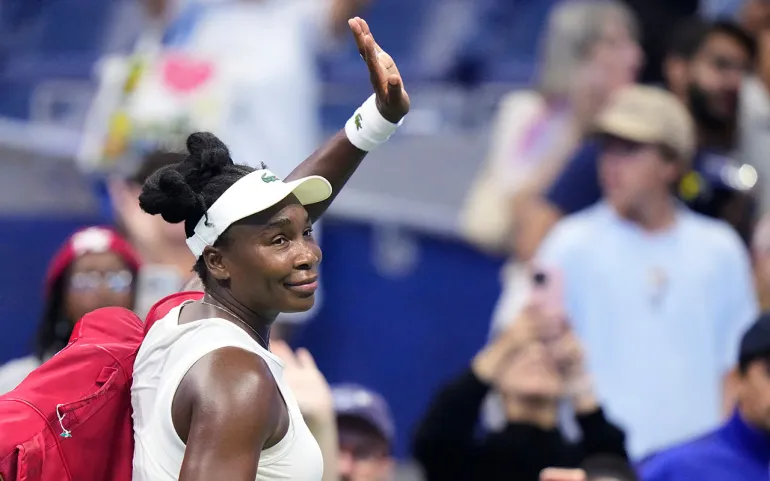





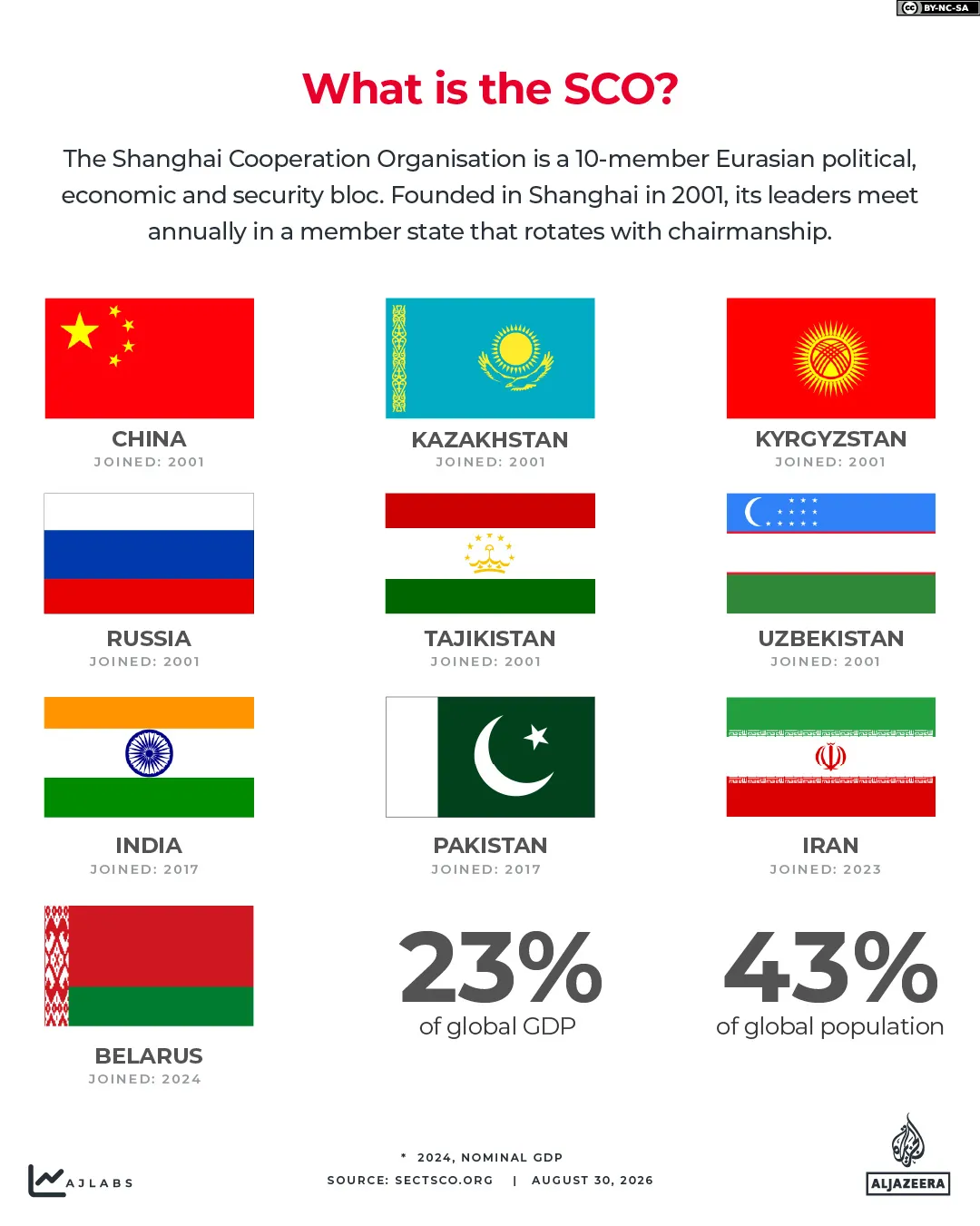


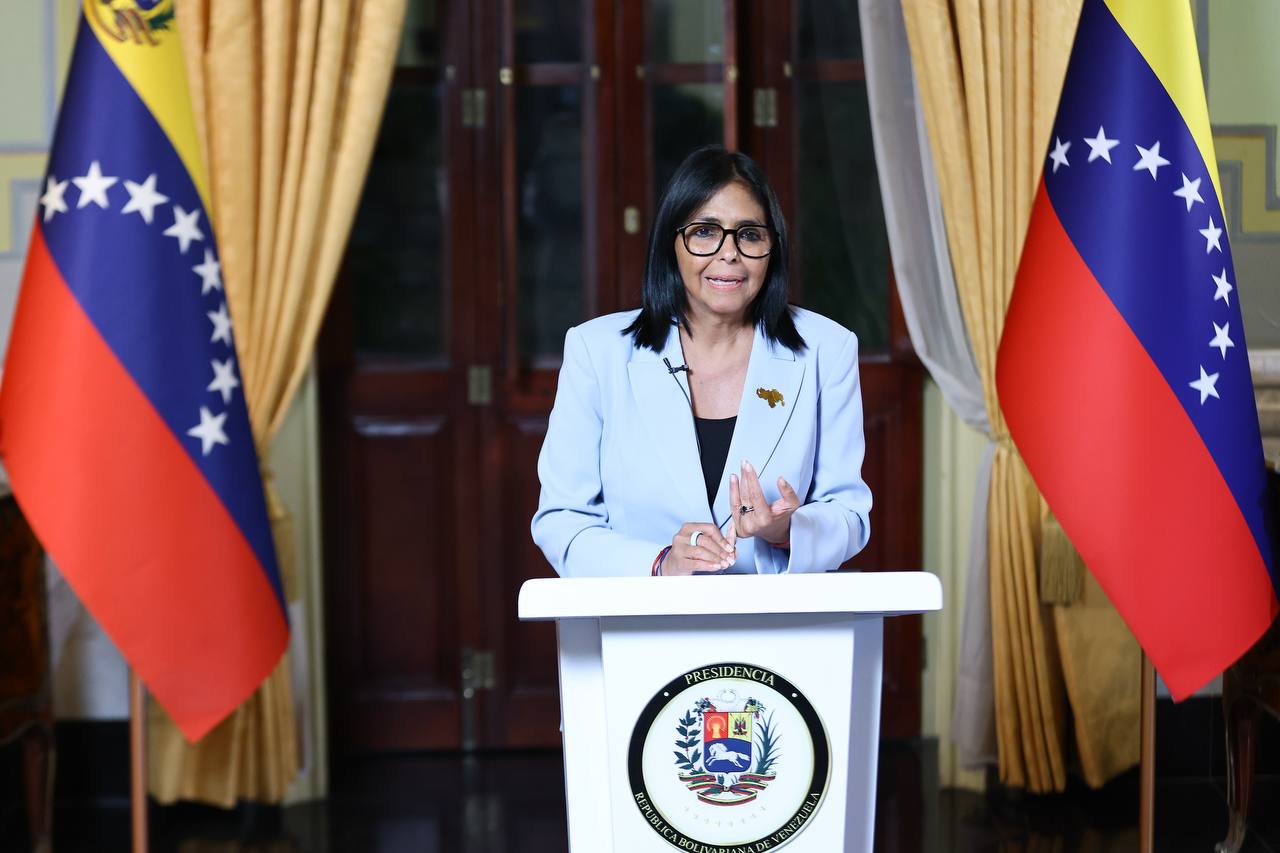



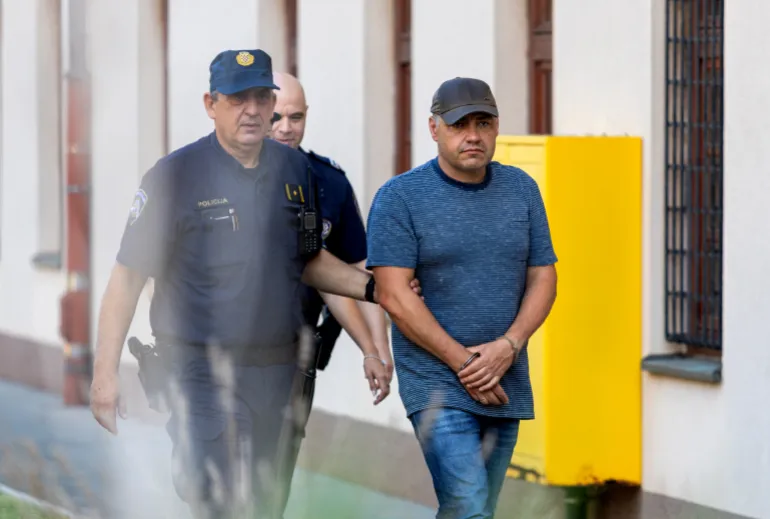
![Croatian police escort Ukrainian national Volodymyr Zhuravlev, a professional diver suspected of involvement in the 2022 Nord Stream pipeline sabotage, towards a court appearance in Pula, Croatia, on August 20, 2026 [AFP]](https://i0.wp.com/occasionaldigest.com/wp-content/uploads/2026/08/afp_6a87ff63b2dd-1787297635.jpg?w=640&ssl=1)
![Police escort Serhii K. before a hearing with the German Federal Public Prosecutor, in Karlsruhe, Germany, November 27, 2025, after Italy's top court has approved the handover to Germany of the Ukrainian man, suspected of coordinating the 2022 sabotage of the Nord Stream gas pipeline. [Thilo Schmuelgen/Reuters]](https://i0.wp.com/occasionaldigest.com/wp-content/uploads/2026/08/2025-11-27T141610Z_790974939_RC225IA95SHD_RTRMADP_3_UKRAINE-CRISIS-NORDSTREAM-1782950790.jpg?w=640&ssl=1)
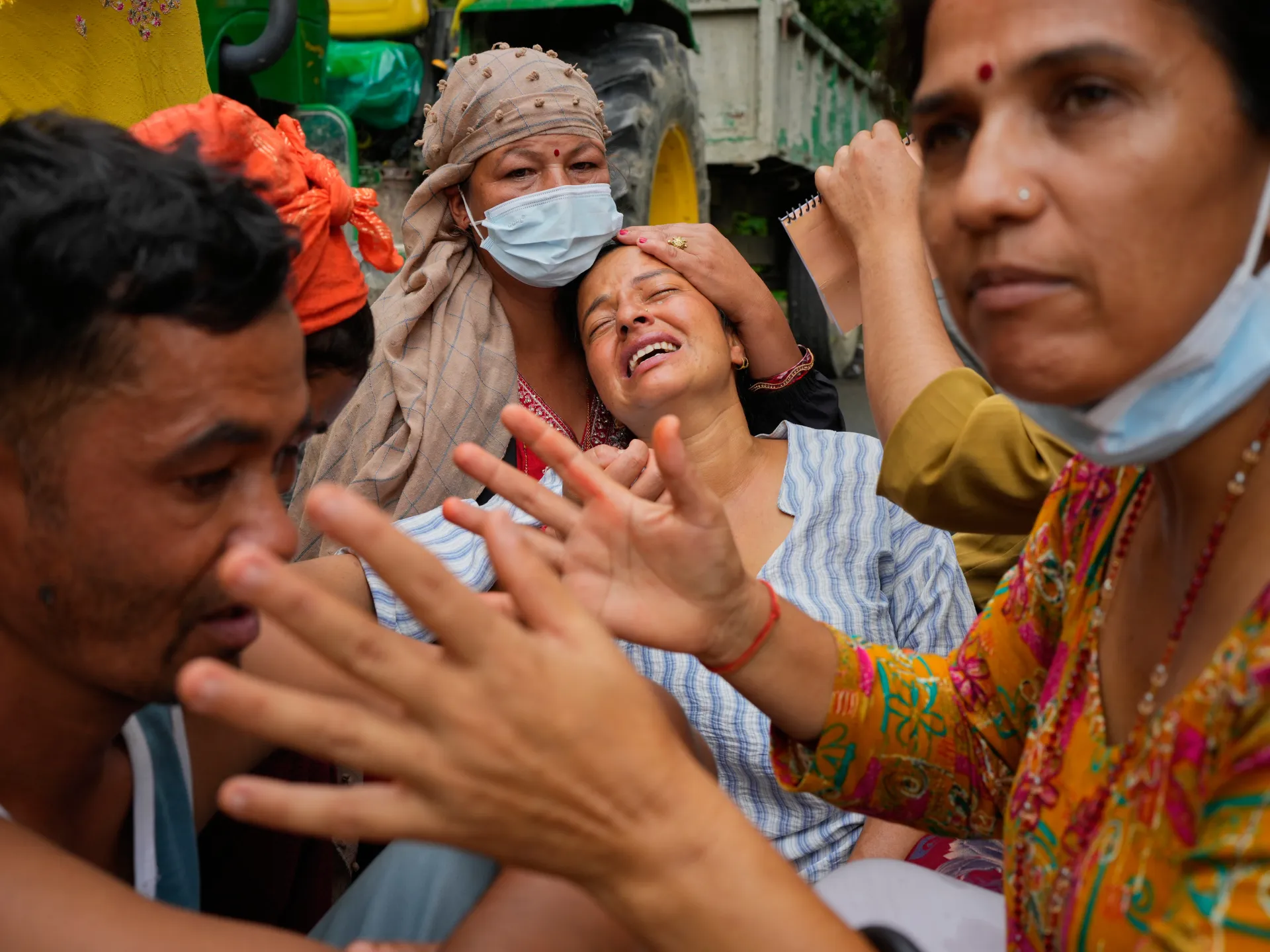
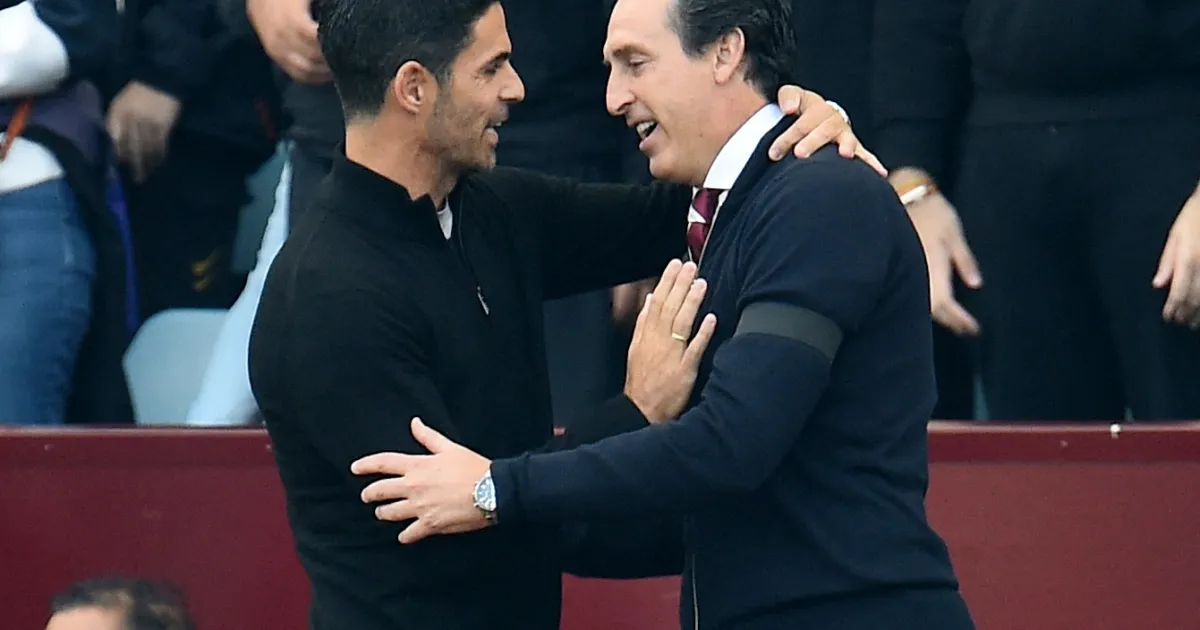
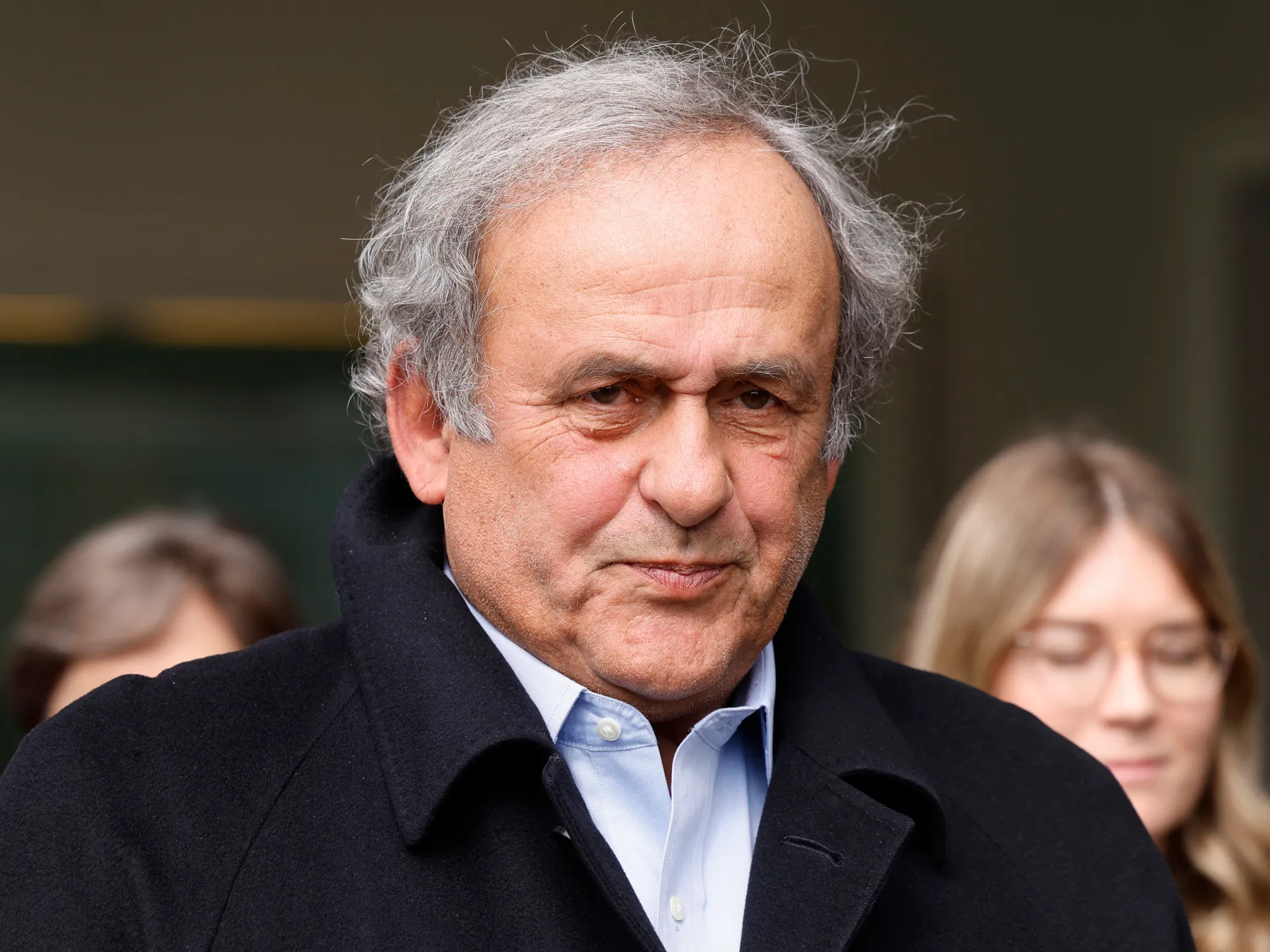




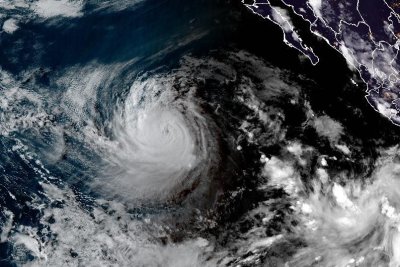

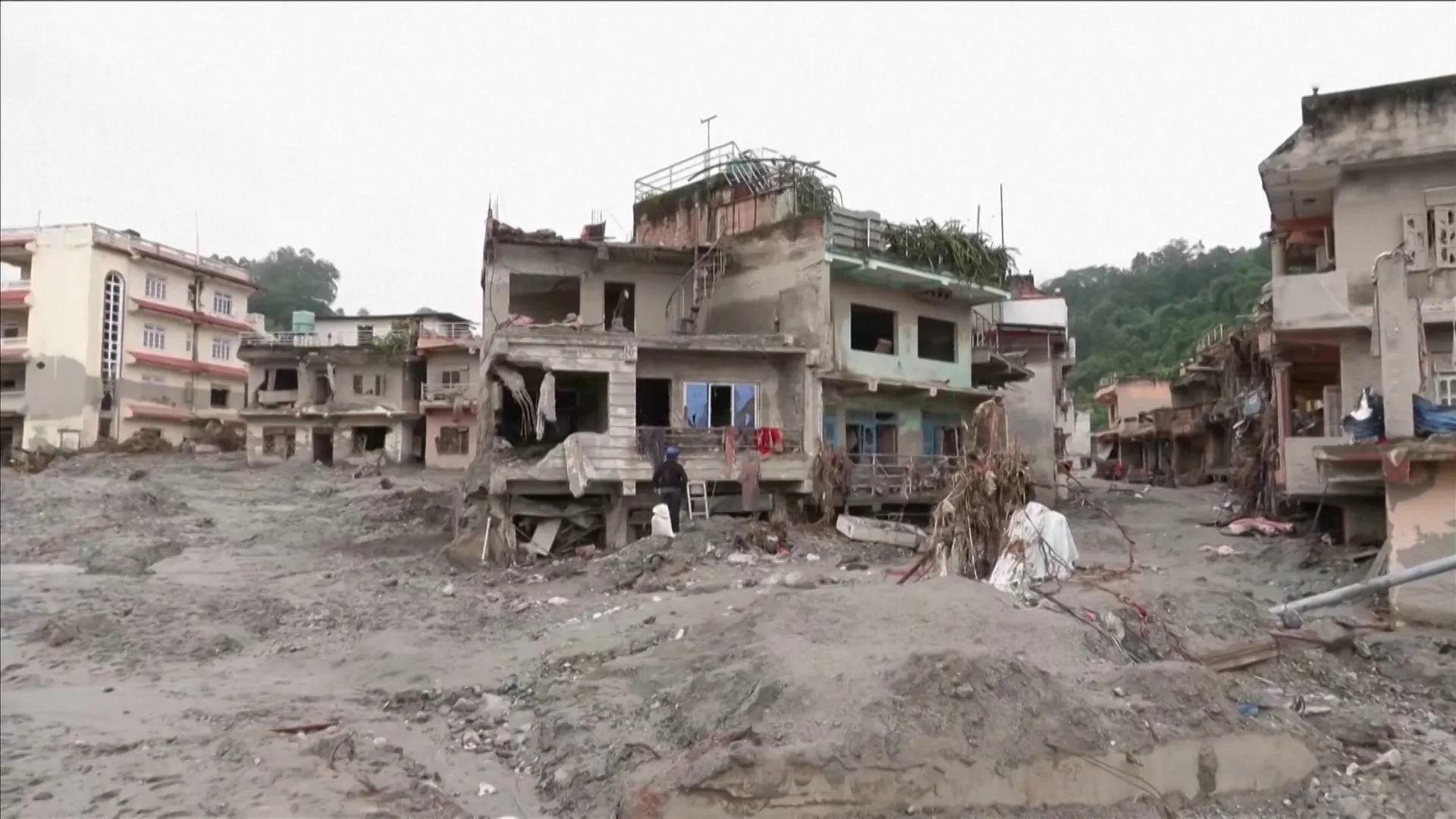





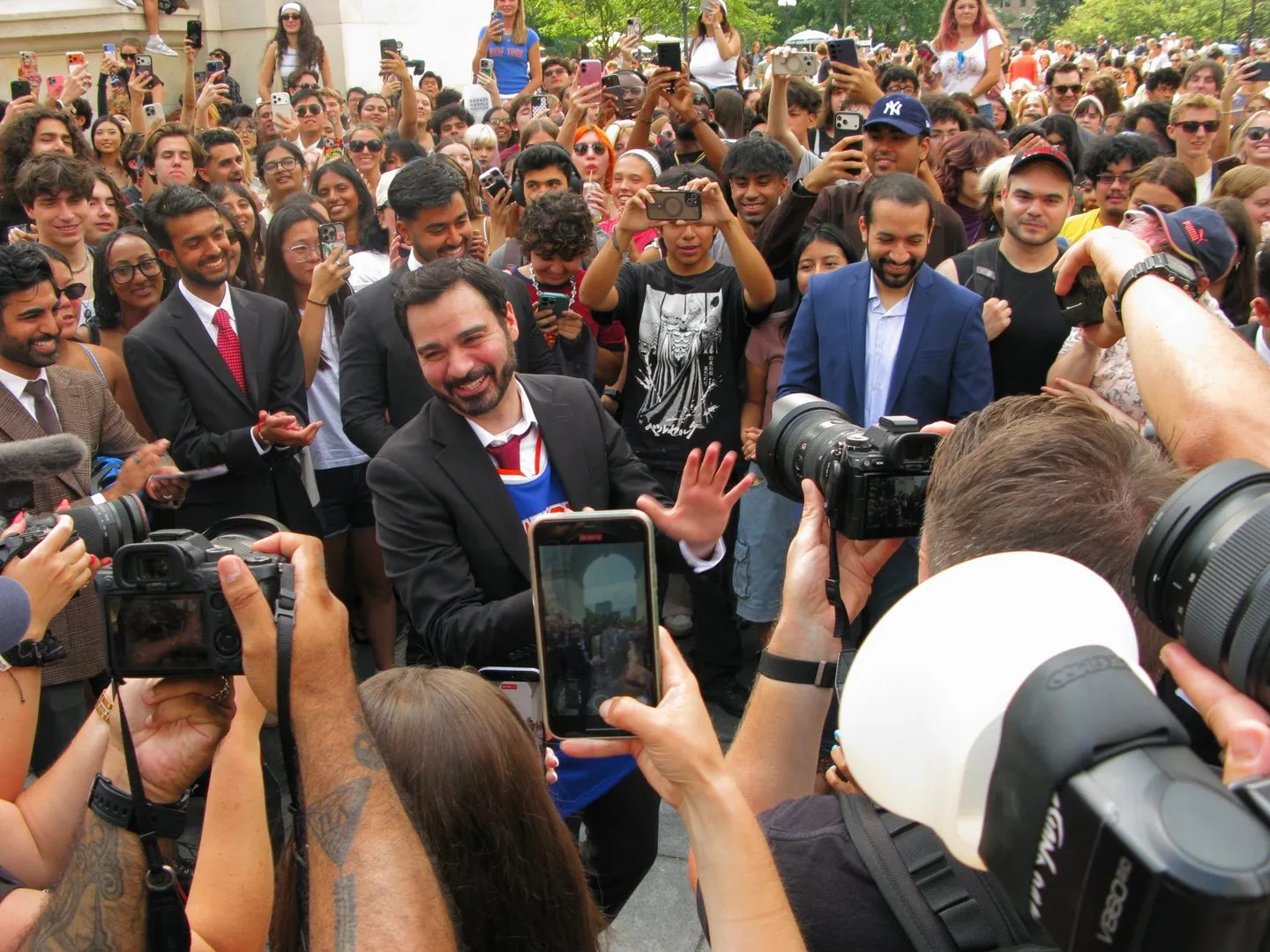



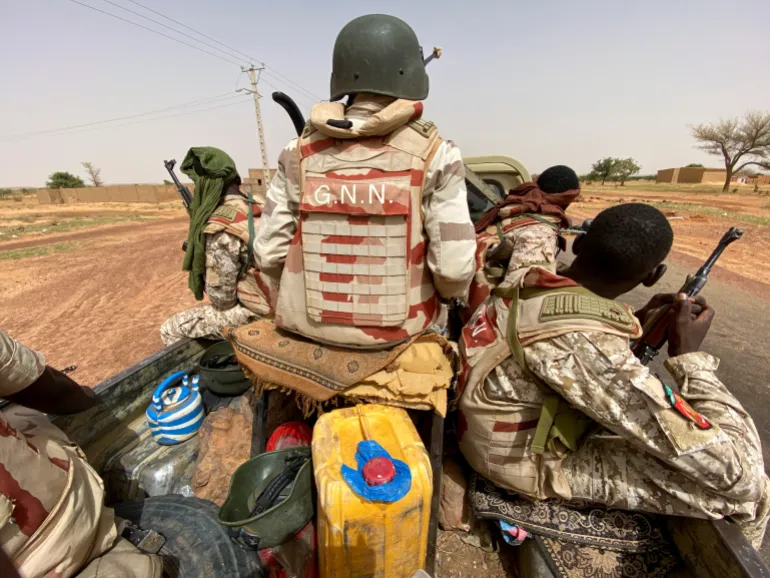
![Nigerien soldiers patrol outside the town of Ouallam, Niger [Reuters]](https://i0.wp.com/www.aljazeera.com/wp-content/uploads/2022/01/2021-10-08T050022Z_1003423593_RC22FO9GB76E_RTRMADP_3_AFRICA-ISLAMISTS-SAHEL-LEADERS.jpg?w=640&ssl=1)