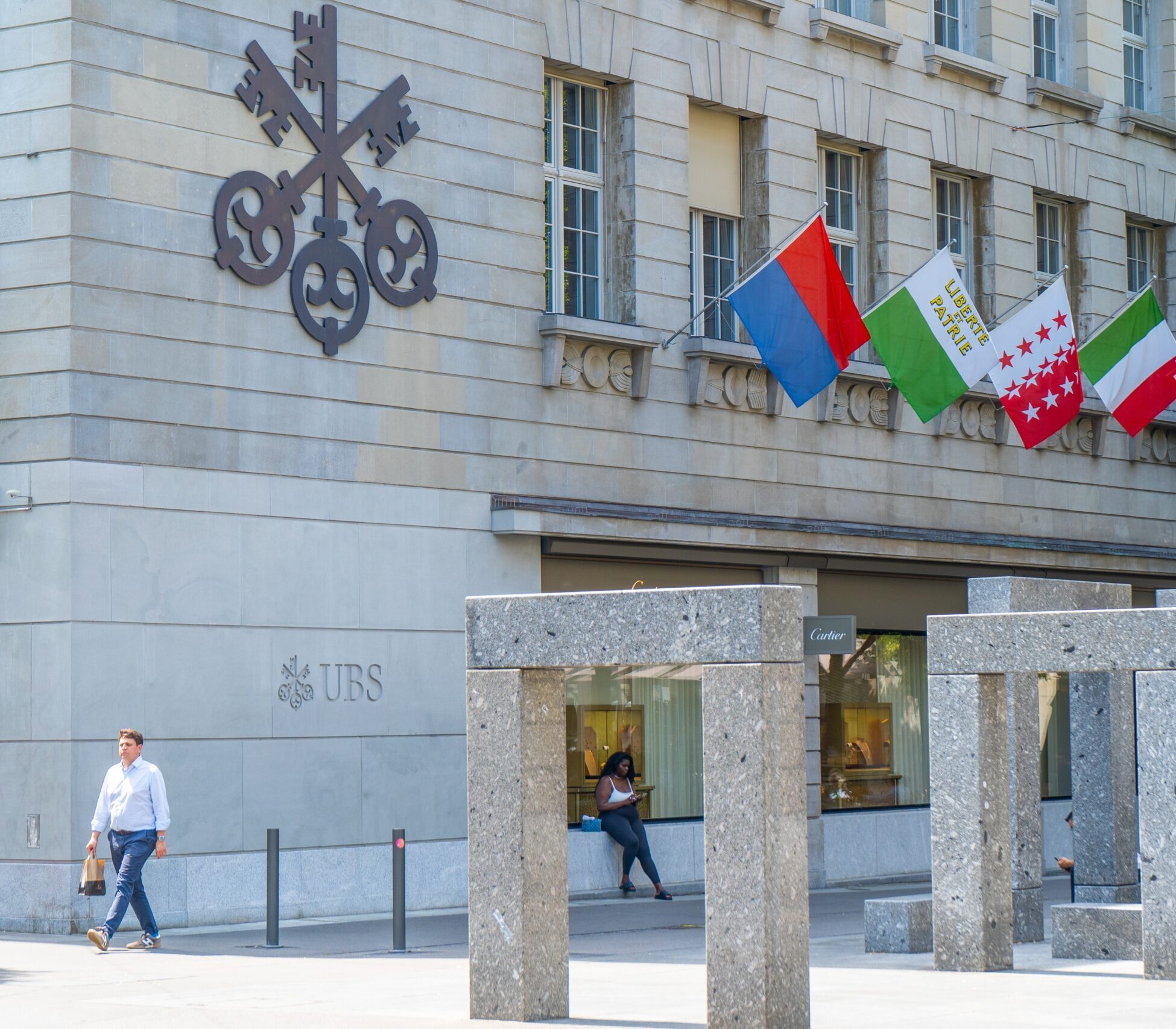
A record fine on the Swiss bank highlights U.S. regulators shifting focus to fill anti-money laundering gaps.
This article appears in the October issue of Global Finance Magazine.
A record $125 million fine handed out to UBS by U.S. regulators in August could herald increased scrutiny of banks.
How banks react to stricter compliance with anti-money laundering laws will be key as U.S. foreign policy and enforcement go together.
“As sanctions and tariffs continue to define U.S. foreign policy, this trend will likely continue. The U.S. and European banks are intertwined the most with the global economy, so the probability of them being under increased scrutiny is likely,” said Salar Ghahramani, associate professor of business law and international law & policy at Penn State Abington.
The U.S. Treasury Department’s Financial Crimes Enforcement Network (FinCEN) settlement resolves allegations made by the Securities and Exchange Commission, the Commodity Futures Trading Commission and the Financial Industry Regulatory Authority.
Johann Scholtz, senior equity analyst for Morningstar, suggests that the fine is a result of the market that the Swiss bank targets.
“These banks are particularly exposed to the risk of fines and regulatory intervention just by virtue of their business model. Banking, politically connected individuals, banking high-net-worth people, I think it exposes them to particular risk from an anti-money laundering perspective,” Scholtz said.
The fines were for not sufficiently monitoring 61,500 foreign exchange transactions and not flagging suspicious activity. The record amount is partly because UBS Group AG was fined $14.5 million in 2018 for similar activities with regulators discovering that remedial action had not been taken.
“The 2018 fine may have convinced the UBS board that they were standing on very shaky PR and legal grounds due to the previous track record, likely propelling them to agree to the terms of the fine,” added Ghahramani.
Outcome-Focused Compliance
Although there is no current political push to modify AML laws, the UBS judgement may constitute shifting priorities by U.S. regulators.
“The direction of AML regulations in the U.S. seems that it’s becoming more outcome-focused and less of a tick-box exercise. They really want banks to prove that they have a robust system in place rather than just ticking boxes,” Scholtz said.
How can banks protect themselves? By updating their risk management systems to ensure compliance through internal audits. The technical description of UBS’ settlement was unduly specific. Blaming an error in AML surveillance data feeds, a lack of verification of account holder addresses, no reliable unique identifier to match transactions, an absence of any exception queue and errors in the Excel spreadsheet used for foreign exchange transfers
“The announcement brings closure to this legacy matter. UBS has cooperated fully with its regulators and has made significant investments to remediate and strengthen its AML program in line with leading industry practices,” A UBS spokesperson said.
Nic Wirtz is a contributing writer based in Guatemala.