The colonial history of the islands is dominated by one crop – sugar cane. In the 17th century, the British started to establish sugar cane plantations. These plantations needed a plentiful supply of cheap labour which meant the arrival of African slaves, a practice which continued until the transport of slaves from Africa was banned in 1807.
The ending of slavery in Antigua and Barbuda differs in two ways to the rest of the British Caribbean colonies.
Firstly, in 1680 Charles II granted Barbuda to the Codrington family. As Barbuda was not under British control, it did not have to abolish slavery on August 1st 1834 like Antigua but decided to free its slaves anyway.
Secondly, and uniquely among the British Caribbean colonies, Antigua gave immediate full emancipation rather than having a four-year ‘apprenticeship,’ or waiting period.
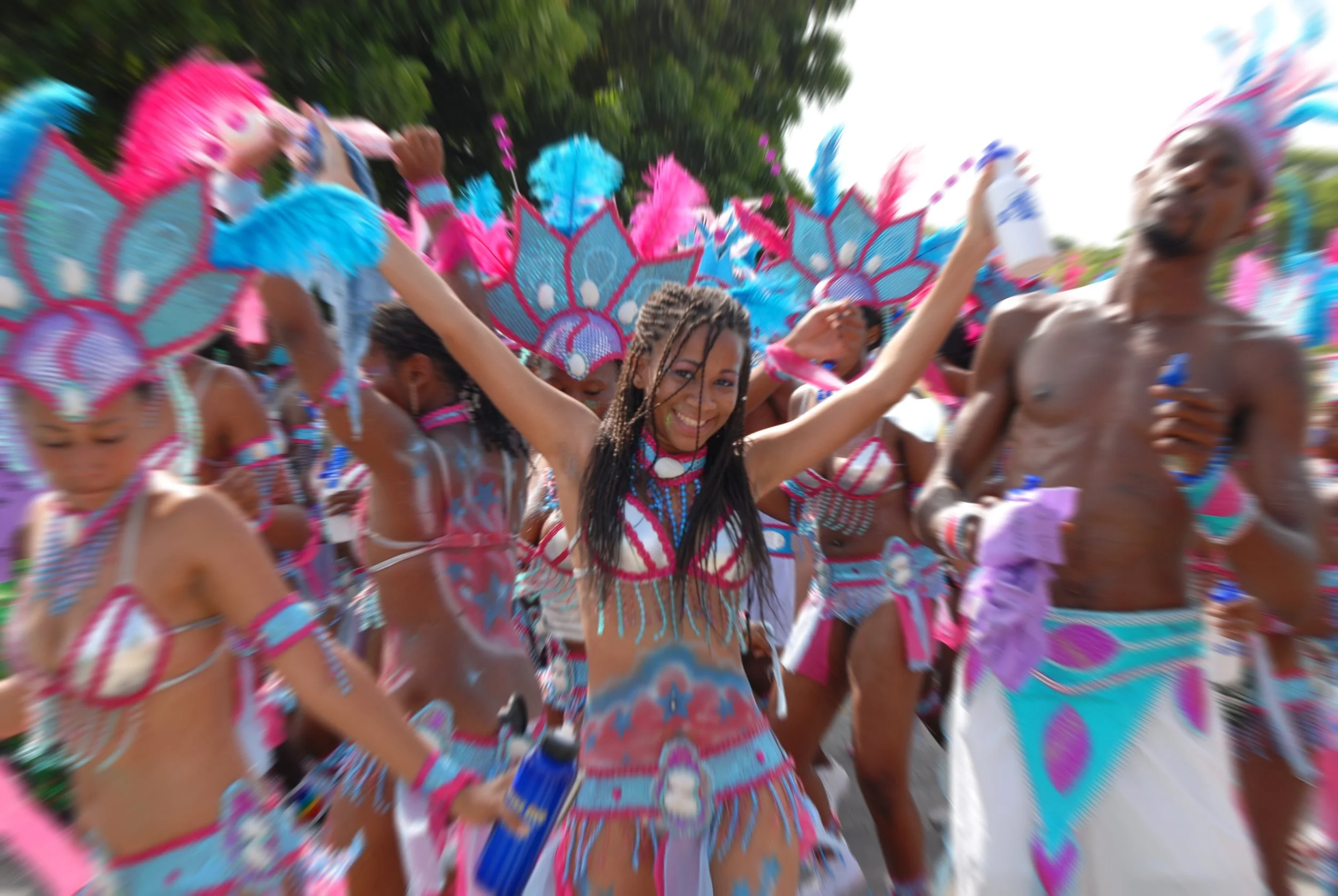
To commemorate the earliest abolition of slavery in the British Caribbean, Emancipation Day is celebrated with Antigua’s annual carnival.