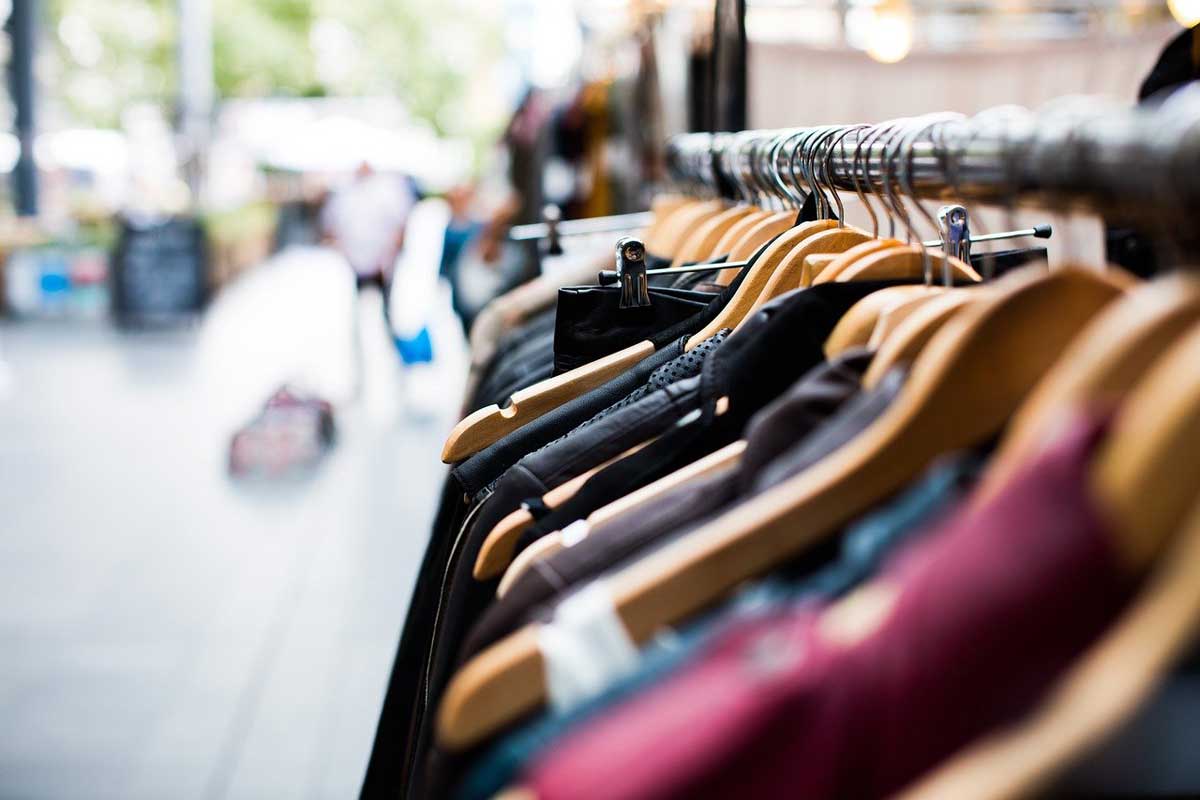
What should I wear today?
Do I want to choose between my comfort or someone else’s comfort? If I buy this shirt, it will be a bargain for me, but it risks someone else’s life. Is that worth it? Those workers need work, so I am helping by creating demand for their products. Right?
As a college student, I want to fit in: same styles, same jewelry, same colors, same brands. However, I am also in search of a job and living off savings from my high school job. I have bought clothes from Shein as well as other questionable fast fashion brands. I justified my purchase for my bank account’s comfort and to make me feel like I fit in. I pretended to know about the environmental harm and the treatment of garment workers, but it was a selfish decision.
Fast fashion is not new.
It started in the late 1970s and rose to popularity in the 1990s as companies tried to keep up with trends (Kelleher, 2026). Companies started offering lower prices to encourage consumers to continue buying more clothes. The lower prices often came at the cost of garment workers as well as the toll on the environment. Companies like Shein, Amazon, Forever 21, H&M, Primark, Uniqlo, Fashion Nova, and many other brands worldwide are accused of working with suppliers who violate international human rights.
Gender in the garment industry.
The garment industry consists of almost 100 million people, with 75% of the workforce being employed in Asia. However, with high levels of informal employment, a true number is hard to estimate, but around 60 to 80% of the workforce is female (Amnesty International, 2025). For women, the garment industry is seen as a way to enter the workforce (Tahir, 2024). These women are predominantly young women who are internal migrants without family and support networks, making them more vulnerable to abuse and exploitation by companies (Amnesty International, 2025). Common violations are wage theft, harassment, inhumane working hours and conditions, and restrictions on speaking out (Business and Human Rights Centre, 2023).
They also face discrimination from male management, reporting a lack of access to childcare, maternity pay, and other benefits. Pregnant women are also a target because they are considered “unproductive.” When workers unionize, they face threats and retaliation from management and hostility from the government, making negotiating better conditions impossible (Amnesty International, 2025).
Who is responsible?
Big-name brands are the ones who are profiting, because they get cheap labor and fast production time, and they get to blame the suppliers for the inhumane conditions. Brands demand that suppliers respect human rights in the workplace but incentivize them to do the
opposite. In Pakistan, they force suppliers to use price-bidding systems to undercut other factories to win contracts, which leads to cutting corners in terms of safety conditions for workers (Kashyap, 2023). After brands foster these conditions, they avoid responsibility by citing lack of control over international suppliers.
While the International Labor Organization (ILO) sets out freedoms for workers, it is up to member countries to supervise, enforce, and report on the implementation of standards. Bangladesh, Cambodia, India, Myanmar, and Pakistan are all member states of the ILO and should be backing up workers’ rights, but these governments often lack capacity to address these issues (Helm, 2025). This is often seen as the government overlooking the abuses as the industry benefits economic development and growth (Amnesty International, 2025).
What can I do?
Not all consumers might have bought from companies like Shein, but you probably have bought from Amazon, Gap, Walmart, Target, IKEA, and other “higher quality” brands. You should not go to your closet and throw out all brands that are unethical; that would contribute to the environmental damage from the garment sector. Students can focus on creating a wardrobe of capsule essentials rather than today’s trendy clothes. By using articles like the Fashion Transparency Index and other credible sources to inform your consumption choices, you can support ethical practices and treatment of women in the garment industry. On an international level, you can follow and sign the accord by the Clean Clothes Campaign to ensure safety in the workplace and empower workers to speak up without fear (Clean Clothes Campaign, 2026).
Now, I stare at my closet, wondering what I should wear. My clothes help express my personality, keep me comfortable, and help my confidence, but is that really worth the cost of other women suffering? These trends will be over by the time my Amazon package arrives. The women making my clothes are more than just workers and should be treated first as humans. I know I vote with my dollars, so I will vote for the protection of workers’ rights over my own comfort.