SCOTT Mills was first investigated over sex offences against a teenage boy seven years ago – but only now the BBC has acted.
In a sensational move the BBC pulled Mills off air last Tuesday – with it emerging days later that the axing was linked to a complaint about the 2018 probe into the 53-year-old.
Sign up for the Showbiz newsletter
Thank you!
Officials kept Mills on air for seven years before suddenly dismissing him on MondayCredit: Shutterstock EditorialIn March that year The Sun on Sunday revealed how an investigation was being carried out into an unnamed radio presenter
Mills was questioned over allegations of “serious sexual offences” against a boy who police confirmed was under 16 at the time of the allegations.
The case – said to have taken place between 1997 and 2000 – was later dropped in full due to a lack of evidence.
Officials decided to keep Mills on air for seven years after he informed them of the investigation before suddenly dismissing him on Monday.
It was only after a complaint was made regarding the police probe that Beeb bosses gave Mills the boot.
Mills’ £360,000 a year contract was terminated within five days of the complaint being made.
But the BBC has since apologised for not taking action on an allegation against Scott Mills raised last year. So, as the scandal unfolds, here is what was known and when.
1997 – 2000
The alleged “serious sexual offences” against a boy under 16 take place with Scott Mills joining the BBC in 1988.
Mills initially joined the corporation as a presenter on BBC Radio 1, presenting the early morning slot before earning his own namesake programme The Scott Mills Show.
December 2016
The Metropolitan Police launch a probe into allegations regarding Scott Mills.
The investigation, which related to allegations of serious sexual offences, followed a referral from another police force.
The former Radio 2 host was probed over serious sexual offencesCredit: PA
July 2018
Mills is questioned by police under caution about historical sexual offences against a teenage boy.
The former BBC Radio 2 star told the corporation about the investigation and denied the allegations.
May 2019
After it was decided there wasn’t enough evidence to bring charges against Mills the investigation is closed.
March 30 (UPI) — The founder of the orgasm-based wellness company OneTaste, Nicole Daedone, was sentenced on Monday to nine years in jail for forced labor conspiracy.
Daedone was sentenced after being found guilty last year for grooming vulnerable women into working under the guise of helping women heal from various traumas, the New York Daily News reported.
Along with her director of sales, Rachel Cherwitz, who was sentenced to six and 1/2 years in prison on Monday, Daedone recruited women to purchase sexual wellness therapy programs — which included “orgasmic meditation” — and then turned them into “handlers” who would recruit “marks” into the program, ex-employees testified during trial.
Over the course of the decade-long sex abuse scheme, Daedone forced ex-employees to engage in sex acts under the guise of meditation sessions, often forcing them to work for free, the New York Post reported.
Daedone, and her attorneys, have maintained that the company is “rooted 100% in consent.”
“If I talk to you about the practice … you can say yes or no, and no is a perfectly acceptable answer throughout the practice itself,” she told NBC News last year. “It’s all based in consent. We had an ethics committee. This is the antithesis of what this company was.”
Although Daedone was not sentenced to the 20 years in prison that prosecutors sought, she will have to forfeit the $12 million she sold OneTaste for and pay $900,000 to ex-employees who were not paid for their work.
“Ms. Daedone exploited certain women in a calculated way and made money off of that exploitation,” Federal Court Judge Diane Gujarati said at the sentencing.
“What she was doing was not about enlightenment or operating on a different dimension,” Gujarati said. “It wasn’t a game or a show. It wasn’t ‘Harry Potter‘ or ‘The Matrix.’ It was criminal.”
OneTaste operated centers in cities across the United States that offered it’s orgasmic meditation practice, which involved sessions where one person performed a sex act on another for 15 minutes “with no goal except to feel.”
Former employees who testified during the trial called the company a sex cult that was ruled through fear and intimidation, The New York Times reported.
The women said that they were tasked with offering sexual services to clients and investors, as well as care for the company’s communal homes.
One woman testified that she was forced to receive a meditation session and prosecutors alleged that Daedone used the practice as a “means of encouraging productivity,” The Times reported.
After Daedone and Cherwitz were convicted, the Department of Justice said the jury had revealed the duo as “grifters who preyed on vulnerable victims by making empty promises of of sexual empowerment and wellness only to manipulate them into performing labor and services for the defendants’ benefit.”
People who continue to support the company, which has attempted to re-brand itself, have said the trial is prosecuting consenting adults who have chosen to participate in its programs.
While women who testified during the trial said they fell into Daedone’s trap as vulnerable targets — who were referred to internally as marks, according to trial testimony — the company’s current CEO, Anjuli Ayer, called the sentence “a terrifying day for freedom.”
“Once persuasion becomes a crime, anyone can be a defendant, and anyone can be a victim,” Ayer said. “We must correct the record or everyone will suffer.”
Attorney Alan Dershowitz told NBC News earlier this month that he considers the conviction to be “a miscarriage of Justice” based on his reading of the trial materials and plans to help both Daedone and Cherwitz request a presidential pardon.
“With a few changes of words, this indictment could have been directed against Mormon groups, against Hasidic groups, against various Protestant or Catholic sects,” he said. “There’s so many people who join ideological or religious groups, volunteer their time and later become disillusioned.”
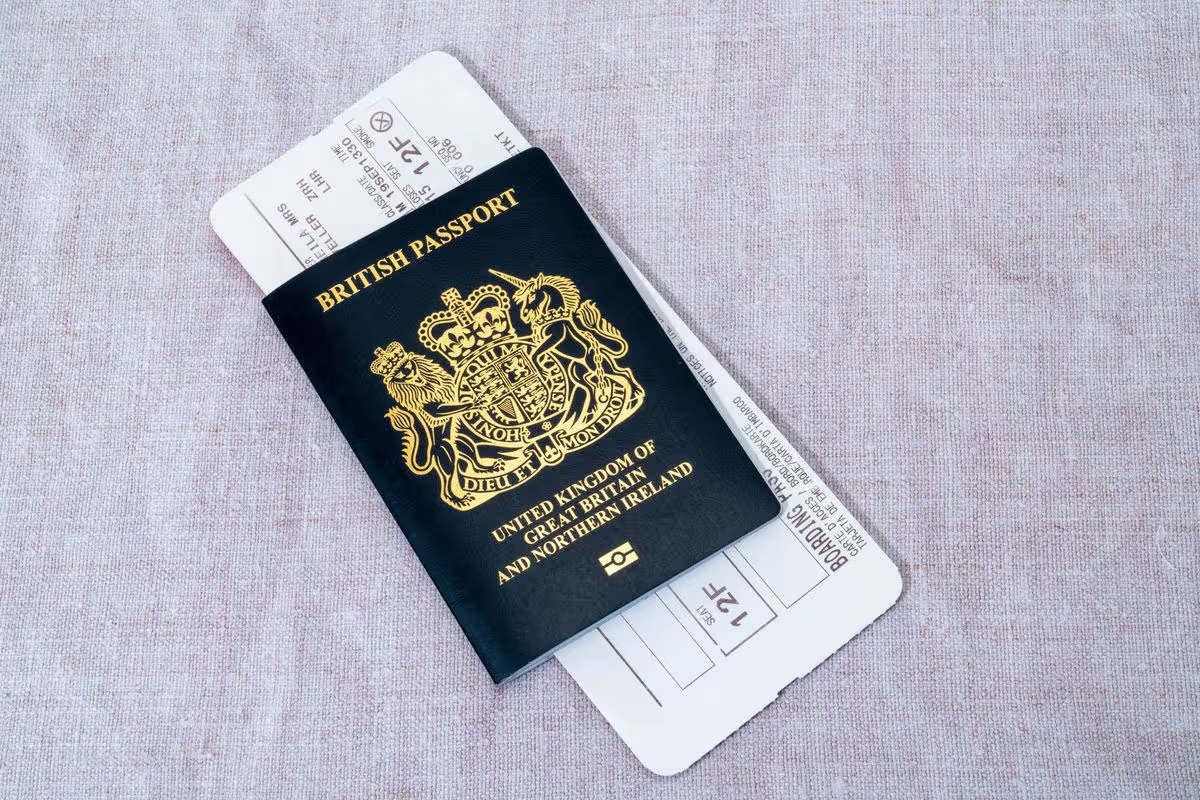
Selen Ozcan, who has dual citizenship, claims that, despite finally obtaining a British passport, she still puts it to one side while travelling as her original passport is ‘stronger’
Alan Johnson Social News Reporter
13:00, 31 Mar 2026Updated 13:00, 31 Mar 2026
A woman claims her first passport is ‘stronger’ than her British one (stock image)(Image: clubfoto via Getty Images)
A woman who endured a seven-year battle to secure a British passport has shared her clever airport time-saving technique. Selen Ozcan, who splits her time between London and Bahrain, used TikTok to showcase her trick in a brief video.
The travel content creator now possesses dual citizenship, and always keeps her native Romanian passport to hand as well. While navigating security at an airport, Selen posted footage with the caption: “When the immigration line is too long so I have to pull out the stronger passport.” Brandishing her blue British passport, she swiftly moved it aside to display her maroon Romanian one beneath.
During Britain’s membership of the European Union, UK nationals enjoyed the freedom to visit, reside, work, or study in member states without requiring a visa. However, this privilege ceased when the Brexit transition period concluded on December 31, 2020.
Consequently, British passport holders can no longer access the – typically faster – EU citizen border control lanes at airports.
“British citizens also usually need to have their passport stamped upon entry/exit to the EU unless they are family members of EU citizens and resident in the EU,” the Government clarifies online.
Content cannot be displayed without consent
Writing in response to Selen, one TikTok user remarked: “Got my British kid a Romanian passport and now she’s my fast track pass through EU airports haha. My missus is Romanian.”
Another person recounted a similar scenario, saying: “All my UK boys had to wait 15 minutes in a queue at Amsterdam Airport. I skipped all that with my Romanian passport.”
A third commenter argued: “Romania passport is just stronger than UK when entering Schengen and EU. But UK has more access than Romania worldwide.”
While a fourth TikTok user pointed out to Selen: “Travel to USA with Romanian passport and you’ll see the difference between British and Romanian. No offence intended.”
The Henley Passport Index evaluates the world’s passports based on how many destinations holders can enter without needing to obtain a visa beforehand.
“The index is based on exclusive data from the International Air Transport Association (IATA) – the largest, most accurate travel information database – and enhanced by Henley & Partners’ research team,” Henley & Partners clarify.
Covering 199 passports and 227 travel destinations, the index receives monthly updates. Based on Henley & Partners’ figures, Singapore claims the top spot with the “strongest” passport, granting visa-free entry to 192 countries.
Japan, South Korea, and the United Arab Emirates share second position with 187, while Sweden occupies third with 186.
Britain sits in joint sixth alongside Malaysia and Poland, offering access to 183 destinations – actually ranking higher than Romania, which shares 11th place with Bulgaria, at 177.
HOT cross buns; sticky, sweet, delicious and a sign that Easter is on its way – but where did the original bun come from?
Ironically, the origins are in my stomping ground of St Albans, so I went to see where it all began – and you can still buy a classic bun now.
Sign up for the Travel newsletter
Thank you!
The hot cross bun originates in St Albans – and you can still buy them todayCredit: Ricky Barnett PhotographyYou can enjoy an old school hot cross bun outside the historic St Albans AbbeyCredit: Sophie Swietochowski
In trying times, nothing quite provides comfort like a freshly-baked bun.
That was certainly Brother Thomas Rocliffe’s thinking when he handed out his humble creation to the poor and disgruntled townspeople of St. Albans back in 1361, a couple of decades before the Peasant Revolt.
The 14th century monk had just invented a treat that would become a symbol of Easter for hundreds of years to come: the hot cross bun.
The original recipe relied on a traditional bread dough, laced with exotic spices and dried fruit, which was then rolled into balls and scored with a cross symbol ahead of baking.
Today, the buns we see in supermarkets feature a piped cross, not scored, and they are a little more sweet and cake-like in flavour, relying primarily on cinnamon for spice.
If you’re keen to sample the traditional version, though, Brother Thomas’ original recipe is still being baked today within the same centuries-old walls of St Albans Cathedral, where it was first concocted.
The ingredients are a secret, of course, but those heading down this Easter may be lucky enough to uncover them with the help of one of the cathedral’s expertly knowledgeable guides.
“How much did Rocliffe charge?” my guide asks me. “One a penny? Two a penny?”
The answer is still unknown – but just shy of a fiver seems more apt in these times, I tell him.
These buns weren’t just for Easter in Rocliffe’s era. In fact, in the mid-1500s they became an emblem of protection and soared in popularity.
Everyday folk would buy them year round and nail them to their doors under the belief that it would stop their houses from burning down.
Queen Elizabeth I was not amused by such superstitions, though, so banned the sale of the hot cross bun (it’s colloquial name by this point) on all dates except for Christmas, funerals and, of course, Good Friday.
Traditions change over time and now most of the local bakeries in St Albans sell the treat at Easter only, including the cathedral’s Abbot’s Kitchen.
You can still try the original hot cross recipe in St AlbansHead baker Graca at Abbots Kitchen makes 120 buns everyday at Easter timeOther local bakeries sell the sweet treats too – like ProtoCredit: Sophie Swietochowski
Head baker Graca whips up a whopping 120 of these buns a day at this time of year and locals will order in batches – a sign that they’re still adored in these parts.
Round, fluffy and fresh out of the oven, the original Alban Bun is definitely a massive step above the supermarket variations.
I love its breadlike flavour and whack of cardamom. The fact that it’s not overly sweet means you can eat three in a row – what a win.
After tucking into them, make sure to explore the rest of the cathedral.
Daily tours are thoroughly fascinating – and completely free, although donations are heavily relied upon, so don’t forget to pop some cash in the box on your way out.
If you’re looking for even more historic fun to sink your teeth into, the city’s Verulamium Park is brimming with Roman history and the remains of old, slightly battered walls can still be seen as you wander among the greenery.
Make sure to detour for a stroll along the River Ver, too, one of few remaining chalk rivers in the UK.
Then you can reward your efforts with a pint at one of the many cute and quirky pubs.
St Albans is reportedly home to more pubs per square mile than any other city in the UK, so it would be rude not to sample its tipples.
The Boot, in the city centre serves proper ales alongside its Mexican themed food menu, meanwhile Ye Olde Fighting Cocks, at the foot of the cathedral’s hill, claims to be one of the oldest boozers in the country and has a lovely pub terrace.
I wonder if Brother Thomas ever sunk a few in here.
It’s definitely worth trying some of the other bakeries too
Here’s where you’ll find the best buns in St Albans…
St. Albans is not short of excellent bakeries and in the name of good journalism I made sure to try them all.
Here’s two of my other picks.
Proto Artisan Bakery Sticky on the outside, with a glossy glaze, and fluffy on the inside, these buns look more akin to the ones you see in the shops, but are ten times more flavourful.
Baked fresh everyday, they are crammed with a great amount and variety of dried fruit and soft and light in texture, it needs nothing more than a slab of butter.
Glaze Bakery A minutes’ walk from the cathedral’s entrance, this bun is as delicious as the above.
The cross is not piped, but made from laminated dough that puffs up in the oven. The shiny crust is sprinkled with sugar crystals. Owner Oli recommends toasting it and eating with Marmite. BLOB: See enjoystalbans.com or visit @enjoystalbans on social media.
German Chancellor Friedrich Merz, right, and Syrian President Ahmed al-Sharaa attend a joint press conference during their meeting at the Federal Chancellery in Berlin on Monday, where they announced a goal of 80% of Syrian refugees who fled the country during its 14-year-long civil war to return home. Photo by Filip Singer/EPA
March 30 (UPI) — The chancellor of Germany and president of Syria on Monday said that their goal is for 80% of Syrian refugees who have fled there to return home in the next three years.
With few details offered, Chancellor Friedrich Merz and President Ahmed al-Sharaa set an ambitious goal for the majority of the roughly one million people there who sought asylum from the bloody civil war in Syria, The BBC reported.
Merz and Sharaa met Monday to discuss the return of Syrian refugees, while noting they have been a boon to Germany and are not being kicked out.
“Looking ahead over the next three years — as Sharaa has expressed his hope — around 80% of Syrians currently residing in Germany are expected to return to their home country,” Merz said during a press conference.
Sharaa thanked Merz and the country for welcoming Syrians during the civil war and said the country is “proud that Syrians have learned very quickly how to contribute to society.”
He said that his government is working with the German government to “establish a ‘circular’ migration model” that would allow Syrians to contribute to the reconstruction of Syria without abandoning the lives they have build in Germany.
Sharaa led forces that pushed former Syrian dictator Bashar al-Assd to flee the country in late 2024 after they captured Damascus. His administration is now working to reconstruct and unify the country after 14 years of civil war there.
At the press conference, Merz and Sharaa said that overall conditions in Syria have “fundamentally improved,” a point which German politicians have been debating since the new Syrian president took over, Deutche Weille reported.
A child stands atop an abandoned tank while opposition fighters spread out to areas previously controlled by Assad’s regime in the liberated areas of Daraa, in northern Syria, on December 17, 2024. Photo by Fadel Itani /UPI | License Photo
In a statement released Monday, the U.S. representative in Venezuela, Laura Dogu, confirmed that Washington “formally resumed operations” in Caracas, File Photo by Gustavo Amador/EPA
March 30 (UPI) — The United States has reopened its embassy in Caracas, Venezuela, after seven years, marking a concrete step toward restoring diplomatic relations between the two countries, according to an official statement released by the U.S. mission.
In that statement released Monday, the U.S. representative in Venezuela, Laura Dogu, confirmed that Washington “formally resumed operations” in Caracas, signaling the return of permanent diplomatic staff and the beginning of a new phase in bilateral relations.
The announcement comes weeks after a key symbolic gesture: the raising of the U.S. flag at the diplomatic compound on March 14, exactly seven years after it was lowered in 2019, when both countries broke relations.
Venezuelan media reported that the ceremony was led by Dogu, who said the act marked “a new era” in bilateral ties.
According to members of the diplomatic mission, the reactivation will allow resumption of key functions, such as engagement with political actors and civil society, outreach to the business sector and rebuilding facilities, with the aim of restoring consular services in the future.
The United States closed its embassy in Caracas in March 2019 amid Venezuela’s political crisis. Since then, diplomatic management had been handled through the United States External Office for Venezuela based in Bogotá.
Although the embassy has resumed operations, the full restoration of consular services and the appointment of an ambassador have not yet been announced, indicating the process remains in an initial phase.
The resumption of operations takes place in a context of gradual rapprochement between both governments after recent political changes in Venezuela and could have implications in areas such as energy, migration and trade relations.
Kenyan distance runner Albert Korir has admitted to doping, prompting officials on Monday to ban him for five years.
Long a fixture at the New York Marathon, Korir tested positive for a blood-boosting substance in three separate samples taken in October while he was training to run in the New York Marathon on Nov. 2. He finished third in the race.
A verdict issued by the Athletics Integrity Unit said that Korir’s results since October will be disqualified, including that third-place finish in New York.
The three positive results provide “clear evidence of the athlete’s use of a prohibited substance on multiple occasions which is expressly identified in the definition of aggravating circumstances,” the verdict stated.
The punishment was reduced by one year because Korir, 32, admitted to taking a banned substance without requesting a hearing. He is banned until January 2031.
Korir will keep his 2021 New York Marathon title. He also was runner-up in 2019 and 2023, and finished third in 2024 in addition to 2025. His other first-place finishes came in the 2019 Houston Marathon, the 2017 Vienna Street Race and the 2019 and 2025 Ottawa Race Weekend.
Korir tested positive for Continuous Erythropoietin Receptor Activator (CERA), a long-acting agent that stimulates red blood cell production much like the banned substance EPO. It is used legally to treat anemia associated with chronic kidney disease and typically is administered once every two to three weeks.
The World Anti-Doping Agency said in October that Kenya had made “significant” progress in tackling doping but the country remains on probation while it seeks to improve its monitoring.
The action by WADA occurred after Kenyan runner Ruth Chepngetich, the world marathon record holder, was banned for three years after admitting the use of Hydrochlorothiazide (HCTZ), a banned diuretic used as a masking agent.
AN AIRLINE has returned to a major UK airport for the first time in two years.
ITA Airways has returned to London Heathrow Airport after two years and has launched a route to Italy.
Sign up for the Travel newsletter
Thank you!
ITA Airways is launching two daily flights from London Heathrow to Rome, ItalyCredit: Alamy
The Italian airline is operating two flights a day between the UK and Rome, Italy after securing slots from Lufthansa.
The flights from London Heathrow will depart each day at 10:30am, landing at 2:10pm and the second flight will take off at 4:30pm and arrive at 8:10pm.
Flights from Rome to Heathrow will leave at 7:50am and arrive in London at 9:40am and then at 1:50pm, arriving at 3:40pm each day.
A one-way flight in April costs as little as £57.45 with the airline.
The awards recognise destinations with a high volume of “above-and-beyond reviews and opinions from the Tripadvisor community over a 12-month period”.
TripAdvisor stated: “In Rome, you can drink from a street fountain fed by an ancient aqueduct.
“Or see the same profile on a statue in the Capitoline Museum and the guy making your cappuccino.”
Italy might be well-known for being the home of pizza and pasta, but more specifically a number of great dishes originated from Rome.
For example, Cacio e Pepe, spaghetti carbonara and tray-baked pizza were all created in the city.
Earlier this year, Rome was also named the best city for ‘noctourism’ by Radical Storage.
The luggage storage platform assessed over 50 destinations across four categories including experiences (such as the number of night tours) and natural factors (light pollution levels).
Rome came out on top scoring 6.07 overall out of 10.
The Italian capital scored particularly well in the experience category (9.2 out of 10), offering an impressive 305 night tours.
ITA Airways used to operate flights from London Heathrow but suspended operations due to high costs.
The airline also did not own its Heathrow slots, instead it was leasing them from Etihad Airways for around £3.3million per year.
The airline hasn’t flown from Heathrow in two yearsCredit: AlamyRome was named the best city in the world for food last yearCredit: Alamy
The airline’s return to Heathrow Terminal 2 has been made possible through its partnership with the Lufthansa Group, which means the airline has been given slots at the airport by Lufthansa.
According to Travel Weekly, the airline said in a statement: “The resumption of flights from Europe’s busiest airport – the most connected airport in the world – was made possible thanks to the co-operation with Lufthansa, which made the necessary airport slots available to ITA Airways.
“Connections between the British capital and Milan Linate will continue to operate via London City Airport.”
ITA Airways chief executive Joerg Eberhart added: “Today we celebrate a major milestone: our company is back at Heathrow, the UK’s only hub airport and the most connected airport in the world.
“Returning to Heathrow will bring many advantages.
“Thanks to the characteristics of the airport, we will be able to operate flights with larger aircraft and greater capacity, increasing both passengers and revenues.”
BRISTOL Airport has submitted plans to expand with thousands more flights and long-haul journeys.
Along with more passengers the terminal will be larger, there will be new shops, restaurants as well as an extended runway at the cost of £500million.
Sign up for the Travel newsletter
Thank you!
Bristol Airport has submitted new £500million expansion plans to the local councilCredit: AlamyIt has submitted new plans for a £500million investmentCredit: Farrans
New plans have been submitted to North Somerset Council for Bristol Airport to extend its runway which will allow for long-haul flights.
The proposal revealed the airport had plans to reach “world cities within Europe and beyond”.
The amount of travellers that pass through Bristol Airport is currently 10.8million.
The increased take-offs and landings mean that there could be up to 100,000 flight movements a year- up from 85,990.
On the busiest days, there could be as many as 35 aircraft movements.
Bristol Airport added: “The plans would see around £500 million invested in improvements at the airport and local infrastructure.
“These include extending the runway to accommodate larger aircraft and increasing capacity of the terminal that includes a number of improvements to enhance the customer experience, including more space, a wider choice of retail and restaurants and the ability to walk onto aircraft without getting on a bus.”
Along with the extended runway are plans for a larger terminal with more space for a bigger immigration hall, baggage handling facilities, shops and restaurants.
Other improvements detailed in the plans include travelators, better public transport and the expansion of car hire facilities.
Chief executive Dave Lees said: “Our proposals deliver what customers have told us they want to see at their local airport.
“We will open up opportunities to visit places further afield and for businesses to expand into new international markets.”
The plans reveal increased flights and a runway expansionCredit: Farrans
There are currently 14 airlines operating from Bristol Airport which go to 115 destinations including Alicante, Majorca, Amsterdam, Edinburgh, Tenerife and Barcelona.
In 2024, Amsterdam was the most popular destination, followed by Alicante and Majorca.
Nate McFall has spent the past six years travelling the globe curating tourism content for social media, but he says a cold North East beach town is still one of his favourite places
Alan Johnson Politician and Alan Johnson
15:52, 25 Mar 2026
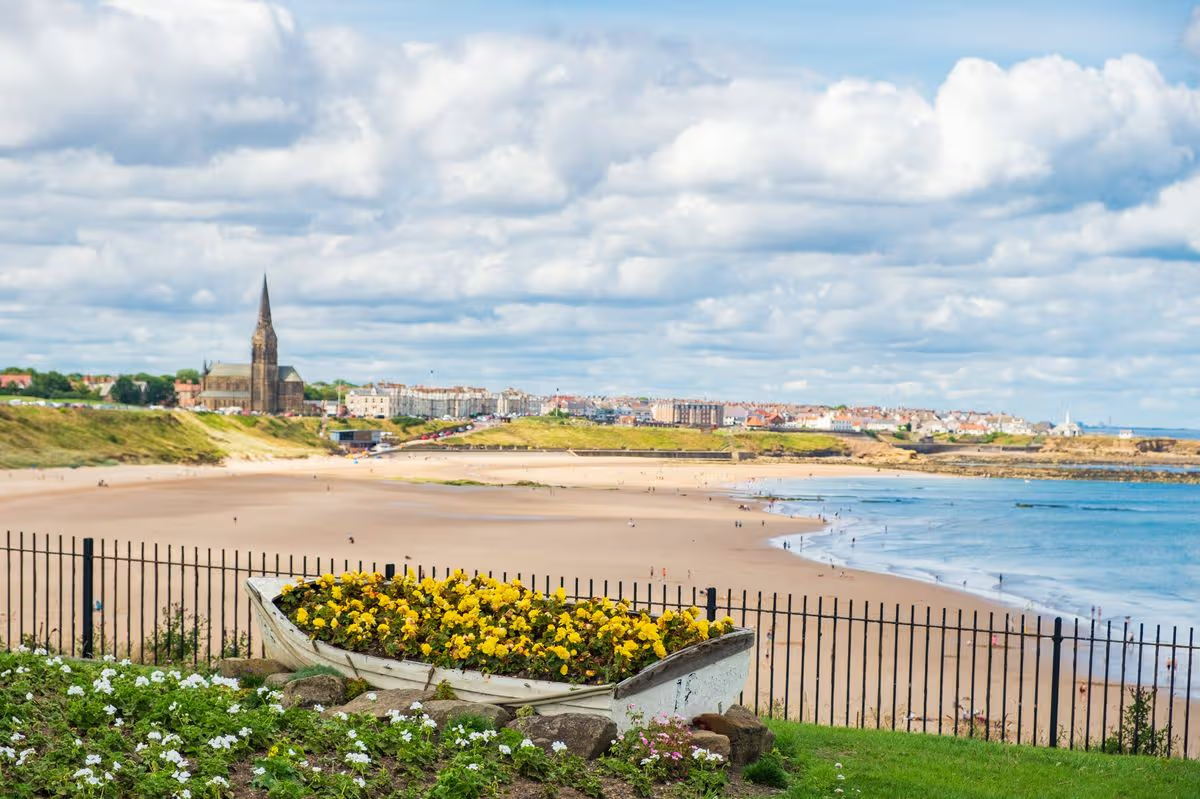
A travel content creator has highlighted a North East town as one of his favourite places in the world(Image: palliki via Getty Images)
A globetrotter who has dedicated the last six years to travelling the world claims the finest destination he’s discovered is a “cold little beach town” in the North East of England.
Nate McFall, whose videos focus on highlighting unusual accommodation and travel adventures, posted on Instagram where he admitted there’s nowhere quite like home.
“I spent six years travelling the world, and yet somehow this is still one of my favourite places I have ever been,” he opened in a clip filmed on the shoreline. “I didn’t realise when I left, but this place shaped me in more ways than I can explain.”
While he may have visited Australia, New Zealand and South East Asia recently, Nate maintains this chilly North East coastal spot still “hits different” whenever he returns.
Content cannot be displayed without consent
“It was actually here about eight years ago that I tried surfing for the first time,” he went on, displaying a photograph from the moment in 2018.
“It was cold – like properly cold – but something shifted in me that day because if I could surf in the freezing cold North Sea, what else is possible?”
Nate admitted that throughout his journeys he had been “chasing something” he’d already discovered.
“This is Tynemouth,” he revealed. “A small coastal town, but it’s full of life. Wherever you look, people are enjoying this place running along the seafront, swimming in the sea and surfing.”
Nate also pointed out the wealth of coffee shops dotted around the town, noting that at weekends, Tynemouth’s Victorian railway station “turns into a bustling market” of people selling “delicious food, crafts and handmade trinkets.”
The traveller also declared Tynemouth home to the “best chip shop in England”. He made his way back down towards the beach to show the reasons why.
“It’s served out of what is basically a shipping container [called The View],” he explained. “There’s a fresh sea breeze and with fishcake in hand, I top it off by looking at 1,000 year old ruins [Tynemouth Priory and Castle] right next to me.”
Nate concluded by stating he’s utterly convinced the UK possesses beauty that countless people fail to appreciate.
Enjoying a chilli fish empanada from Riley’s Fish Shack, he closed: “It’s proof that you don’t always need palm trees or plane tickets. Some of the most unreal places are right here on our doorstep.”
Writing in response, one Instagram user enthused: “I love this – I’m from Whitley Bay and am a wild swimmer so am always at the beach when I visit home. It’s such a special place.”
A second person declared: “Love Tynemouth and Riley’s fish shack, on a summers night as it gets a little chillier, sitting around one of the fire pits with friends is such a good way to finish a weekend.”
A third commented: “Love this. I am in New Zealand. So many beautiful places in the world. No country has the title of best place. Tynemouth looks cool. I will visit it now when I next visit UK.”
And a fourth person praised: “Thanks Nate. Spent many lovely days at Tynemouth as a child. Haven’t been back in 50 years since my family moved to Florida, USA. But still have fabulous memories. Thanks so much for reminding me.”
Welsh actress Sian Reese-Williams, who played murder victim Gennie Walker on Emmerdale, has transformed her look for a new role in Channel 5’s Huw Edwards drama
Joe Crutchley Screen Time Reporter
13:11, 25 Mar 2026
Emmerdale Gennie Walker star looks so different 14 years after exit in Huw Edwards drama(Image: ITV)
Sian Reese-Williams became a household name on Emmerdale through her portrayal of Gennie Walker – but what has the actress been up to since?
She quickly won over audiences and became a beloved character. Gennie featured in numerous major storylines – from multiple romantic disappointments to eventually finding happiness with Nikhil Sharma (Rik Makarem).
Tragically, in 2013, Gennie met her end when Cameron Murray (Dominic Power) killed her, whilst attempting to conceal the murder of Carl King (Tom Lister).
Following her departure from Emmerdale, Sian has maintained a strong television presence, with roles in productions including Netflix’s Requiem and Holby City. She also portrayed Sgt. Jane Cafferty in the BBC’s Line of Duty, reports the Daily Star.
Most recently this week, Sian featured in Channel 5’s drama Power: The Downfall of Huw Edwards. The hard-hitting one-off programme stars Martin Clunes as disgraced BBC newsreader Huw and documents the circumstances surrounding the presenter’s conviction for making indecent images of children.
Huw pleaded guilty in 2024 to three counts of making indecent images of children and was given six months imprisonment, suspended for two years, with a requirement to complete a sex offender programme.
The one-off programme centres on Huw’s alleged interaction with a 17 year old who has the fictional name ‘Ryan’. Alongside Martin, Power also features Jason Hughes and Chanel Cresswell in the cast. Sian portrays Carys, the mother of ‘Ryan’ (Osian Morgan).
Beyond her acting career, Sian is also an accomplished potter. She wrote on X in 2024: “Hello. I make pottery now. I’ll be selling these from next Friday so if you fancy a one-off piece of loveliness to brighten your January, head over to my insta.”
Last year, Sian appeared on the Celebrity Side Hustles podcast, hosted by her former Emmerdale cast mates Roxy Shahidi and Matthew Wolfenden.
Discussing her choice to pursue pottery, Sian revealed: “As I was finishing series three of Hidden [a Welsh television drama that aired from 2018 to 2021], I knew it was going to be a real loss in my life.”
She continued: “Because A.) as an actor to have something that is even remotely constant is such a luxury and you just want to hold on to it and B.) I was proud of the show and loved it, and I’d had quite a rough few years, like life, it had been hard.”
Upon discovering a six-week pottery course in Cardiff, Sian attended the classes and became “completely obsessed” with the craft. “I just wanted something to have in the diary, because I hadn’t cracked that downtime thing,” she explained.
Emmerdale airs Monday to Friday at 8:00pm on ITV1 and ITVX
There’s a massive hole in the ground at the top of Whinney Hill – a shale quarry that once supplied raw materials for Accrington’s famous Nori brickworks (as used in the Empire State Building and Blackpool Tower). It’s fitting, as there’s a chasm-wide gap in history when it comes to this unprepossessing spot on the edge of the West Pennine Moors.
On the morning of 24 April 1826, about 1,000 weavers met on the hilltop to plan their day and, no doubt, get the lie of the land and the weather before setting off. A banking crisis in December of the previous year – dubbed the Panic of 1825 by historians – had hammered the cotton industry. Lancashire’s weavers, who had already suffered years of declining wages and living standards, faced destitution and even starvation.
Desperate, they decided to carry out large-scale breakages of power looms to send a symbolic message to their employers and the government. On that fateful April day, the first of four days of action, they would split into groups to walk many miles to Clitheroe, Oswaldtwistle and Blackburn – mill towns where they were met by soldiers, cavalry and yeomanry with guns and swords. By the end of their protest marches, at least six people had lost their lives.
The views, once you get past the fencing around the old quarry, now a landfill, are extensive – especially on such a pin-sharp winter’s day as I had when I recced one of the weavers’ walks with local guide and historian Nick Burton, who is leading this year’s remembrance walks for the Weavers Uprising Bicentennial Committee (WUBC) charity. Eight guided walks, taking place across Lancashire between March and August, will follow the routes used by the 1826 protestors as closely as ipossible.
We could make out the moorlands around Darwen to the south, Burnley to the east and Pendle Hill in the north. Behind and below us was Accrington Stanley’s Wham Stadium, which has a terrace named after Whinney Hill.
We opted for the Clitheroe route, as it would take us near to home. Like the weavers, we began on the old turnpike road, now the A680, which is dotted with Victorian and earlier properties. I spotted several Mill Lanes, old access points to workplaces now turned into housing estates. There were also plenty of Moor Lanes. We passed through Clayton-le-Moors – best known for its fell running team, once presided over by the legendary Ron Hill – and Great Harwood, another textile hub, and birthplace of printing and dyeing innovator John Mercer.
James Spencer’s the Powerloom Riots in the Whitaker museum shows weavers smashing power looms in the Whitehead family’s mill in Rawtenstall. Photograph: The Whitaker
Things got greener around the Grade II-listed Martholme (former) railway viaduct, where we looked down on the River Calder. I was on familiar ground, having learned to drystone wall in the shadow of this 10-arched beauty. The Calder takes wild meanders here, as it approaches the River Ribble. We followed what was probably an old limers way (packhorse routes used by traders to carry lime) before climbing to a shoulder of the Nab, a prominent, wooded hill above Whalley, with its stirring Cistercian abbey ruins and Lancashire’s longest viaduct. With views all the way back to Whinney Hill and dramatic wintry shadows, it was time for tea and a butty. We were soon at the summit and with even bigger vistas north. As the sun crept away, it turned chilly. We more or less raced across the last few fields to get to Low Moor, where there was one final disappeared mill and clash between unarmed weavers and soldiers to note – whence to the New Inn in Clitheroe for a warming ale.
A total of 415 power looms were broken on the first day of the uprising. It wasn’t the first time workers had smashed technologies, many of which had been invented and developed in Lancashire. The spinning jenny was invented in Oswaldtwistle; Blackburn and Manchester were testbeds for the power loom. But the workers had been pushed to the limit; after tramping 10 miles or more, sometimes encountering resistance, they had to hike all the way home.
My second walk, a week later – on a colder, even crisper day – started and finished at blue plaque sites. It began in Haslingden, this time heading south. The first plaque, on the former New Inn, recorded that on 25 April 1826, handloom weavers were arrested for destroying 100 power looms in nearby Helmshore. They were charged with riot but released when an angry crowd protested. Some were transported to Australia for life. A bystander called Mary Hindle was sentenced to death, later commuted to transportation.
This route – taken by the weavers on the third day of the uprising – passed some pitstops for coffee and culture, including the Whitaker museum and art gallery, which has a social history collection featuring a painted panel capturing the moment handloom weavers smashed power looms in the Whitehead family’s mill in Rawtenstall. They destroyed 96 looms in just half an hour. A new commemorative WUBC banner, Rise Up!, by textile artist James Fox is on display. On 16 April, a newly commissioned sound and film installation by Blackburn-based artist Jamie Holman, responding to the original painting, will be unveiled.
The viaduct at Whalley, (known locally as Whalley Arches), from the grounds of Whalley Abbey. Photograph: Alamy
From the windows of the gallery you can see Hardman’s Mill, with its 49-metre (161 foot) high chimney, which postdates the uprising. Before it was bought by self-made textile magnate Richard Whitaker, the grand mansion containing the museum was the home of George Hardman. It’s said he liked to be able to see the mill from the windows.
The weavers took action at Hoyle and Ashworth’s Mill at New Hall Hey, and Longholme Mill – a site now occupied by an Asda. A lot of east Lancashire’s textile buildings have been razed, but you can see traces of foundations or old walls in some places, as well as repurposed mills used as offices or carpet shops. Wherever you see a big supermarket, it’s worth checking the old Ordnance Survey maps on the excellent National Library of Scotland website. There’s a good chance that a supermill once stood where now we buy groceries.
In the centre of Rawtenstall, we passed the famous Mr Fitzpatrick’s temperance bar (where I always take a pint of blood tonic) and a vintage chippy called Old Man Greenwood’s, which has been serving splits (chips and mushy peas) and babby’s yeds (steak and kidney pudding)since 1932 (it also sells fresh fish). After passing the terminus for the East Lancashire heritage railway, underneath the aforementioned chimney, and through a small industrial estate, we were on a path running along the side of the River Irwell (all the way to central Manchester if you’re so inclined). The busy A56 wasn’t far away, but it was peaceful and pastoral, with herons and mallards, and lots of songbirds; the all-day frost made the scene bewitching.
At the border with Greater Manchester, on Plunge Road, we went down into the woodland beside Dearden Brook. All that remained of the mill here were crumbling stone walls, draped, Angkor Wat-style, in a century of undergrowth. From Edenfield, we had distant views over the valley to Musbury Tor – a sort of miniature Pendle Hill, its pronounced profile standing out clearly amid the level moortops.
Valley of the Dearden Brook, Rossendale, Lancashire. Photograph: Martin Moss/Alamy
A hard-to-read small blue plaque on a house in Chatterton, bearing the specious title The Chatterton Fight, informs passersby that handloom weavers “were fired on by soldiers of the 60th Foot. Four men and one woman was killed. A fifth man, an onlooker, was also later shot dead.” The local magistrate, William Grant, had read the Riot Act, giving a green light to the violence. Soldiers fired 600 bullets into a crowd of 3,000 people over a period of 15 minutes. You can listen to actor Maxine Peake reading their names out loud here, on behalf of the WUBC.
Lancashire historians believe the significance of the April 1826 rising, and the Chatterton Massacre, have been unjustly overlooked. But the events of those four days – brave and tragic – are a historical bridge between the Luddite risings, Peterloo and Chartism. In the heartfelt words of Dr David Gordon Scott, founder and chair of the WUBC – who began organising remembrance walks in 2022 – “walking in the protesters’ footsteps and feeling the solidarity that arises by participating in their journey, deepens our understandings and sense of empathy with those courageous souls who 200 years ago risked their lives in a desperate attempt to ensure that their loved ones had enough to sustain them in the bleakest of times”.
See weavers-uprising.org.uk for more information on the history of the Weavers’ Uprising, plus dates and booking information for the guided walks
Chris Moss is the author of Lancashire: Exploring the Historic County that Made the Modern World, published by Old Street Publishing (£25). To support the Guardian order your copy at guardianbookshop.com. Delivery charges may apply
This is the April 21, 2021, edition of the Essential Politics newsletter. Like what you’re reading? Sign up to get it in your inbox three times a week.
Outgoing presidents often leave decisions for their successors to take on.
Over the last two decades, and four presidents, how to end America’s longest war — in Afghanistan — has been among the largest open questions. President Biden inherited it from President Trump, who inherited it from President Obama, who took it from President George W. Bush. Unpopular, seemingly unending and unwinnable, the war is a case study in how the choices of one administration echo into the next.
Last week, Biden formally announced a deadline of Sept. 11 — the 20th anniversary of the terrorist attacks that provoked the U.S. invasion of Afghanistan — to end military involvement in the country.
“War in Afghanistan was never meant to be a multigenerational undertaking,” he said.
The prospective exit also has been years in the works. Obama promised to scale back U.S. involvement, but first he sent a surge of troops. Trump vowed several times to withdraw all troops, making chaotic progress that stopped short of a full exit. Biden is now the third president to make a similar commitment.
Whether he will follow through remains to be seen. My colleagues David S. Cloud and Tracy Wilkinson have extensively covered the American involvement in Afghanistan, from Trump’s growing tensions with the Pentagon over withdrawal to the lives of Afghanistan’s youngest generation, which was born into U.S. occupation.
Taken together, their work over the last few years reveals the deep roots of Biden’s promise, and the complicated history that will color his path forward.
Get our L.A. Times Politics newsletter
The latest news, analysis and insights from our politics team.
By continuing, you agree to our Terms of Service, which include arbitration and a class action waiver. You agree that we and our third-party vendors may collect and use your information, including through cookies, pixels and similar technologies, for the purposes set forth in our Privacy Policy such as personalizing your experience and ads.
The long path to leaving
January 2017: A president who promised peace leaves office after eight years of war
During his first presidential campaign, Obama pledged to end the war in Afghanistan, as well as in Iraq. He ended his presidency as the first two-term president to see U.S. forces at war for all eight years.
Experts saw his legacy as mixed. He did reduce the number of troops in Afghanistan, cutting their ranks to 8,400, and his administration reduced American deaths — if not Afghanis’ — by relying on diplomacy and on drones to launch airstrikes. Yet intelligence officials said the U.S. faced more threats in more places than the country had seen since the Cold War. “We’re now wrapped up in all these different conflicts, at a low level and with no end in sight,” one expert told The Times.
August 2017:Trump presides over a stalemate and negotiated settlement
Trump the candidate ran as a tough-on-the-Taliban leader, promising a hard-fought and fast victory to end U.S. engagement. But Trump the president softened when it came time to reveal formal plans, Cloud and Wilkinson wrote with former Times reporter W.J. Hennigan. Fighting continued — to show U.S. forces could not be pushed out — while Trump promised that the 16-year war might end “some day” in a negotiated settlement. It was an acknowledgment that victory would elude a president who loved to win and refused to concede defeat.
“This entire effort is intended to put pressure on the Taliban, to have the Taliban understand you will not win a battlefield victory,” then-Secretary of State Rex Tillerson said. “We may not win one, but neither will you. So at some point, we have to come to the negotiating table and find a way to bring this to an end.”
By February 2018, the Trump administration proposed a defense budget that increased spending in Afghanistan by almost $2 billion, for a total of $48.9 billion in the next fiscal year.
December 2018:Trump presses for peace talks and announces a withdrawal of half of troops
That month, a series of announcements signaled Trump’s growing dissatisfaction with involvement in Afghanistan. Increased Taliban attacks had caused hundreds of Afghan civilian and military casualties a month, prompting Trump administration officials to press for a cease-fire agreement, but with dim prospects, Cloud wrote.
Less than two weeks later, administration officials announced a drastic plan: withdraw up to half of the 14,000 American troops serving in Afghanistan, potentially by summer. The backlash was swift from U.S. lawmakers, allies and even the Pentagon. Defense Secretary James N. Mattis was so furious that Trump would abandon allies in Syria and Afghanistan that he resigned in protest, as Cloud reported.
February-May 2020: A truce and a landmark agreement to withdraw
With 12,000 troops still in Afghanistan, the Trump administration brokered a temporary deal with the Taliban to reduce violence for a week in February, Wilkinson reported. The test was a success, and on Feb. 29, U.S. and Taliban officials signed an accord to end the war. The Taliban would prevent Al Qaeda and other terrorist groups from using Afghan territory to threaten the U.S., without renouncing its terrorist ties. In return, the U.S. would withdraw its troops within 14 months, setting a deadline of May 1, 2021.
The plan again drew backlash, from former Trump and Obama administration officials, who warned a complete withdrawal could backfire, Cloud, Wilkinson and Stefanie Glinksi reported. Even as conflict continued between the Taliban and the Afghan government into May, the Trump administration remained committed to removing troops.
November 2020: Hopes of exiting before the election dashed
Trump, hoping that a full exit in 2020 would boost his reelection prospects, made clear to advisors that he cared little about conditions in Afghanistan, Cloud and Wilkinson reported. He wanted out, period. By July, the number of troops on the ground had shrunk to 8,600.
But as the peace talks the U.S. hoped to broker struggled to get off the ground, administration officials said about 4,000 troops would have to remain into November. The Pentagon said too rapid a withdrawal would doom the talks, invite violence and cause American forces to have to abandon valuable equipment. Trump said he wanted a withdrawal by the end of his term in January, and in November — as he refused to concede his loss to Biden — he ordered troop levels reduced in Iraq and Afghanistan, to 2,500 in each country.
Trump’s relationship with Congress further deteriorated in December, in part over the bipartisan pushback to his withdrawal plans. It was among the reasons he cited in vetoing the annual National Defense Authorization Act, Cloud and Jennifer Haberkorn wrote.
April 2021: Biden says it’s “time to end the forever war.”
When Biden took the oath of office on Jan. 20, 2,500 troops remained in Afghanistan. But the new president faced the decision of whether to honor Trump’s May 1 deadline for withdrawing them — the final exit from the war, Cloud wrote. Once again, Defense Department officials pressured the president to delay a full withdrawal as the deadline the Trump administration negotiated with the Taliban approached.
On April 14, Biden made his decision public: The drawdown would proceed, but not so quickly. The U.S. would fully exit by Sept. 11, Cloud and David Lauter wrote.
“I am now the fourth United States president to preside over an American troop presence in Afghanistan. Two Republicans. Two Democrats,” Biden said. “I will not pass this responsibility onto a fifth.”
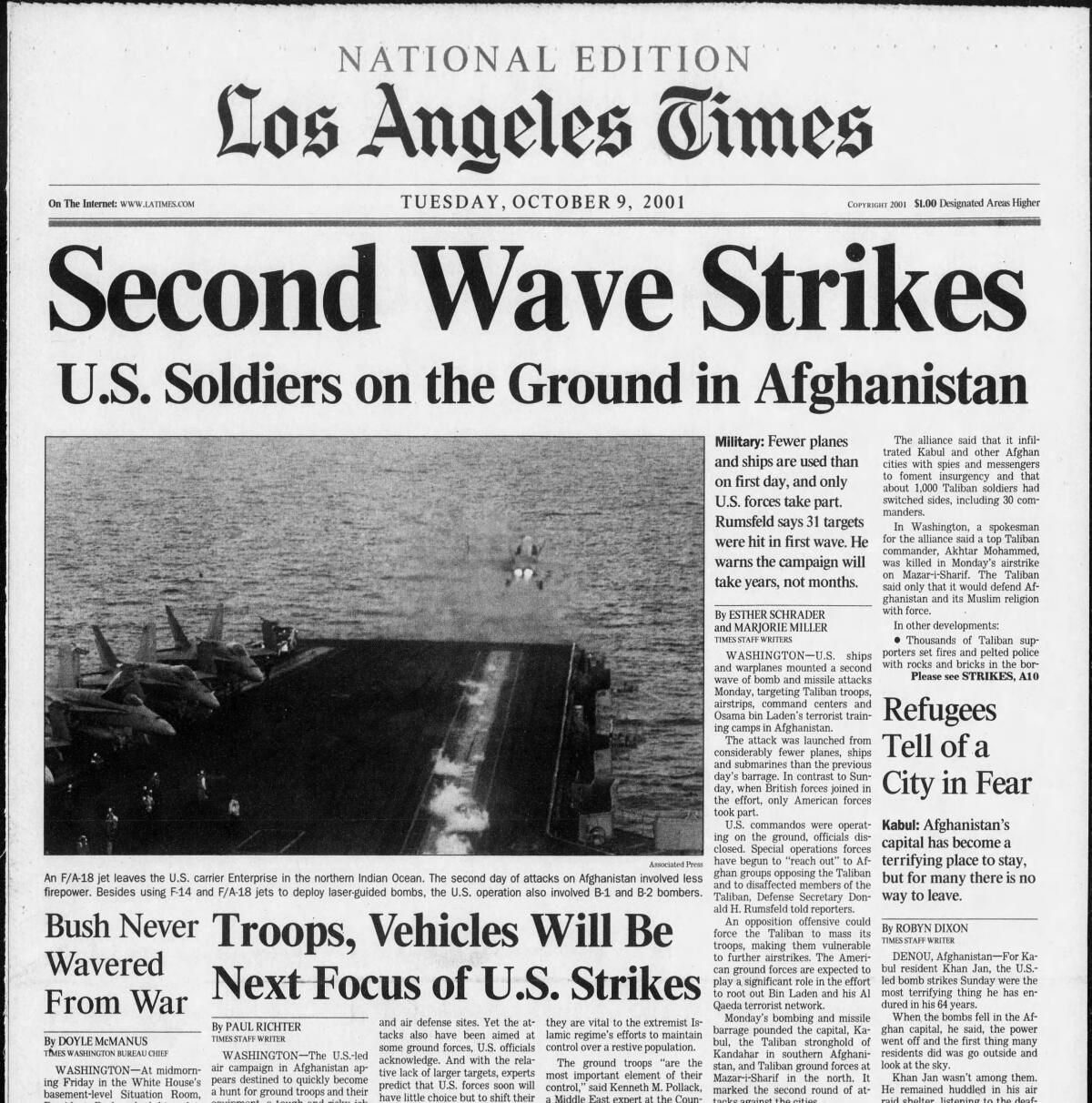
The top half of the front page of the Los Angeles Times on Oct. 9, 2001.
(Los Angeles Times)
Enjoying this newsletter? Consider subscribing to the Los Angeles Times
— The conviction of former Police Officer Derek Chauvin for the murder of George Floyd reenergized a push for sweeping criminal justice reform by President Biden and leading Democrats, who said Tuesday’s verdict was just the first step on the path to national healing, report Evan Halper, Eli Stokols and Sarah D. Wire.
— Anticipating an uproar, Facebook said it would crack down on violent content, hate speech and harassment ahead of the Chauvin verdict. But as Brian Contreras reports, critics are wondering why the platform doesn’t take those precautions all the time.
The latest on the environment
— China, Japan and South Korea are the world’s biggest funders of coal-fired power plants around the globe — and the Biden administration is looking to win their agreement to deep cuts in their greenhouse gas emissions by the end of the decade, write Anna M. Phillips and Wilkinson.
— Biden will convene leaders from around the world on Thursday and Friday as he marks the United States’ return to the global fight against climate change, Chris Megerian writes. Three people with knowledge of the White House plans say Biden will pledge to cut U.S. greenhouse gas emissions at least in half by 2030.
— Solar panels, wind turbines and electric cars will go far in helping California and the Biden administration meet their aggressive climate goals — but not far enough. As time runs short, scientists and government officials say the moment to break out the giant vacuums has arrived, Halper writes.
More from Washington
— Vice President Kamala Harris traveled to North Carolina on Monday to talk about economic opportunities and electric school buses as part of the Biden administration’s efforts to promote its roughly $2-trillion infrastructure, clean energy and jobs plan, Noah Bierman writes.
— The Supreme Court is weighing whether immigrants granted temporary protected status can get green cards — and if the Biden administration will make that decision, David G. Savage reports.
— The Justice Department has brought charges against hundreds of people who stormed the Capitol during the Jan. 6 riot, but one of its most pivotal potential cases involves a man who never set foot inside the building, writes Del Quentin Wilber.
— After Jan. 6, many of the nation’s largest corporations pledged that they would suspend donations to elected officials who opposed the certification of Joe Biden’s victory, hindered the peaceful transfer of power or incited violence. The vast majority kept their word, report Seema Mehta, Maloy Moore and Matt Stiles.
— What is there left to say about House Speaker Nancy Pelosi? Plenty, it turns out. In a new biography, Pelosi dishes on chiding Rep. Alexandria Ocasio-Cortez and using the nickname “Moscow Mitch,” writes Wire.
Plus, every time you drive, you can see the escalating average cost for a gallon of gas throughout the state that ranges from $5.77 in Orange County, $5.78 in San Diego County, $5.80 in Los Angeles County and $5.86 in San Francisco County to the high of $6.57 in Mono County, according to AAA.
It can easily make anyone think having fun is unaffordable.
Fortunately, our Travel and Experiences team has put together a list of 75 fun things to do for under $20.
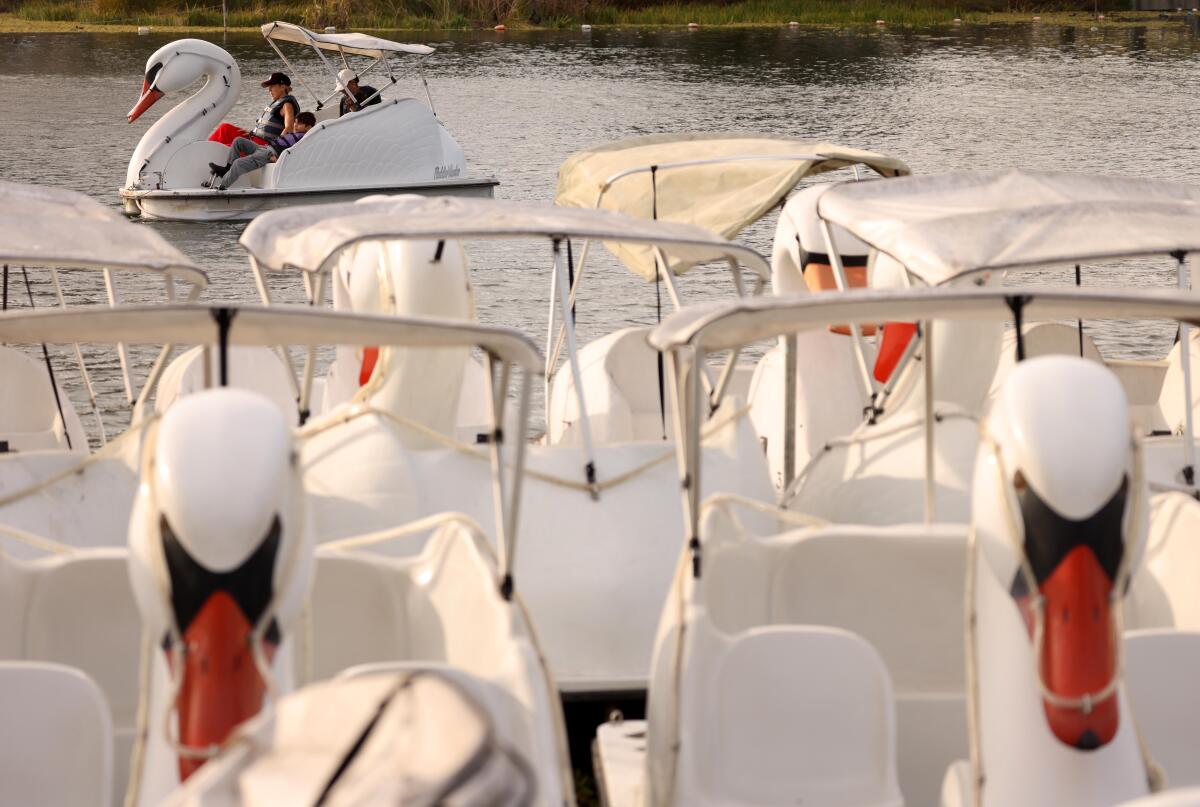
On warm days, it’s hard to beat a ride on the swan boats at Echo Park.
They’re powered by foot paddles, and the pedaling is easy because you’re in no hurry. Maybe you’ll want to do a circuit of the lake (really a man-made reservoir). Maybe you’ll sidle up to the towers of whitewater rising from the mid-lake fountain.
Maybe you’ll wait until after dark (because the swans light up).
(Christina House / Los Angeles Times)
Experience L.A.’s esoteric history at the Philosophical Research Society (Los Feliz)
Cost: Free to visit, workshops and lectures from $10 and up.
Located at the intersection of Los Feliz and Griffith Park boulevards, the Philosophical Research Society has long been a place of mystery, intrigue and, for some, apprehension.
The Mayan Revival campus painted in Southwestern shades of clay, cream and sage was built in 1935 by the celebrated author and esoteric lecturer Manly P. Hall.
Today, it hosts a dizzying array of events each week including poetry readings, death cafes, sound baths, a weekly class on Buddhism, tarot and astrology salons and musical performances — some of which have a suggested donation of just $10.
If you visit, make sure to make time to browse the excellently curated metaphysical bookstore.
(Gina Ferazzi / Los Angeles Times)
Find the perfect meditation spot at the Self-Realization Fellowship Lake Shrine (Pacific Palisades)
Cost: Free.
Whether or not you’re familiar with the work of Paramahansa Yogananda, who founded the Self-Realization Fellowship in 1920, if you live in Los Angeles you owe him a debt of gratitude for the smattering of lush, meditative gardens in Southern California that are still open to the public today.
Among those is Lake Shrine, a beautifully landscaped 10-acre property in the Pacific Palisades surrounding a spring-fed lake that is dotted with quiet meditation spots.
It is free to visit, but you will need to make a reservation online before you go. (Reservations open each Saturday at 10 a.m. for the week ahead, and they can fill up quickly.)
(Wally Skalij / Los Angeles Times)
Cozy up with a flick at the Paramount Drive-In Theater (Paramount)
Cost: $14 per adult, $7 per kid (ages 3-11).
For a night out that feels as cozy as a night in, head to the Paramount Drive-In Theater. In the comfort of your own car, you can spread out, munch popcorn and make all the commentary you want without getting looks from other moviegoers.
Tickets are purchased on arrival, and the parking lot is huge, so you’re bound to secure a good view of the big screen. There is a concession store on site with candy, chips and drinks, but you are free to bring all the snacks you want from home. Recline your seat all the way back, relax and enjoy the show.
You’re reading the Essential California newsletter
Sign up to start every day with California’s most important stories.
By continuing, you agree to our Terms of Service, which include arbitration and a class action waiver. You agree that we and our third-party vendors may collect and use your information, including through cookies, pixels and similar technologies, for the purposes set forth in our Privacy Policy such as personalizing your experience and ads.
The week’s biggest stories
(Irfan Khan / Los Angeles Times)
Heat wave and environmental news
Los Angeles mayor, city council news
Cesar Chavez fallout
California governor’s race
Crime, courts and policing
What else is going on
Must reads
Other meaty reads
For your downtime
(Illustrations by Lindsey Made This; photograph by Myung J. Chun / Los Angeles Times)
Going out
Staying in
L.A. Affairs
Get wrapped up in tantalizing stories about dating, relationships and marriage.
Have a great day, from the Essential California team
Jim Rainey, staff reporter Hugo Martín, assistant editor, fast break desk Kevinisha Walker, multiplatform editor Andrew J. Campa, weekend writer Karim Doumar, head of newsletters
A FERRY route connecting the UK to Scandinavia could return after almost 20 years.
Brits could get a direct link to the ‘Gateway to the Fjords’ without setting foot on a plane.
Sign up for the Travel newsletter
Thank you!
A ferry route connecting Newcastle to Bergen could restartCredit: AlamyDFDS Seaways was the last company to operate the service which ended in 2008Credit: Alamy
There are talks of restarting a ferry route that could link Newcastle to Bergen in Norway for the first time in 18 years.
Historically, this route existed for over 140 years, and is being looked into being brought back by Newcastle City Council.
DFDS Seaways was the last company to operate the service – but this ended 18 years ago on September 1, 2008.
The crossing was usually overnight and the sailing lasted up to 22 hours – depending whether or not it stopped at Stavanger.
In 2022 Bergen Cruise Line revealed that it was hoping to re-introduce a ferry service between Newcastle, Stavanger and Bergen starting this year.
The Newcastle City Council leader Karen Kilgour said in January of this year that she would “love to see the return of the ferry.”
The service was first introduced in 1890, just two weeks before World War Two.
It continued on and off for over 140 years which resulted in a special relationship forming between the two cities with Bergen even providing Newcastle with a Christmas tree each year.
This tradition continued right up until 2022 – the giving of a Christmas tree stopped, but the cities’ mayors now swap baubles each festive season.
Talks about bringing back the ferry route are still in the works.
Despite a journey across the seas not being available, Jet2 has direct flights from Newcastle to Bergen, taking just one hour and 25 minutes.
One-way flights in April with Jet2 start from £69.
She said: “If you take a stroll around the cobbled streets you will find an array of quirky gift shops, cafes and bars, as well as the vibrant Bryggen Nightclub.
“And the one-day Norway In A Nutshell tour is a must (£192pp, see fjordtours.com), showcasing the best of this country’s breathtaking nature.
“The carefully curated experience begins early, taking you straight from the city centre through more than 60 miles of wild mountain terrain on the Bergen Railway.”
When it comes to eating, Emily says to head to the Skyskraperen restaurant at the top of Mount Ulriken.
Here you can try ‘traditional Nordic food surrounded by nature’ – like grilled trout or a duo of beef.
There’s plenty of places to stop for a drink too – grab a pint of locally brewed lager from Ægir at the Flåmsbrygga Hotel.
TWO towns are back on the railway map for the first time in 60 years after new stations finally opened.
New stops have welcomed passengers again following a massive £185million project to restore long-lost rail links across the West Midlands.
Sign up for the Travel newsletter
Thank you!
Two Black Country towns are back on the railway map
Willenhall and Darlaston stations now sit on the line between Shrewsbury and Birmingham New Street via Wolverhampton — giving locals a direct route into the city.
The first train pulled in early on Thursday morning, marking the end of decades without rail services.
Both stations were shut in 1965 during the infamous Beeching cuts, when more than 2,000 stations across the UK were shut down.
Services will now run roughly every hour on weekdays and Saturdays, with no trains stopping there on Sundays.
Commuters can expect to pay around £8.90 for a peak return from Willenhall to Birmingham, or £6.40 off-peak, while Darlaston passengers will pay slightly less.
From Darlaston, a peak return costs £8 and an off-peak ticket is £5.90.
The stations come with lifts, shelters, ticket machines and cycle racks, plus parking for 300 cars at Darlaston and 33 at Willenhall.
Pat McFadden, the MP for Wolverhampton South East which covers Willenhall, used the new trains recently, describing them as “clean, modern and easy to use”.
He added: “This is going to save people a massive amount of time. It’s going to enable people to take up jobs they probably couldn’t have taken up.
“It’s a transport boost, it’s a morale boost and it’s an economic boost to both towns.”
Walsall Council leader Mike Bird said the openings are “a major milestone for communities and a real boost for the borough’s future”.
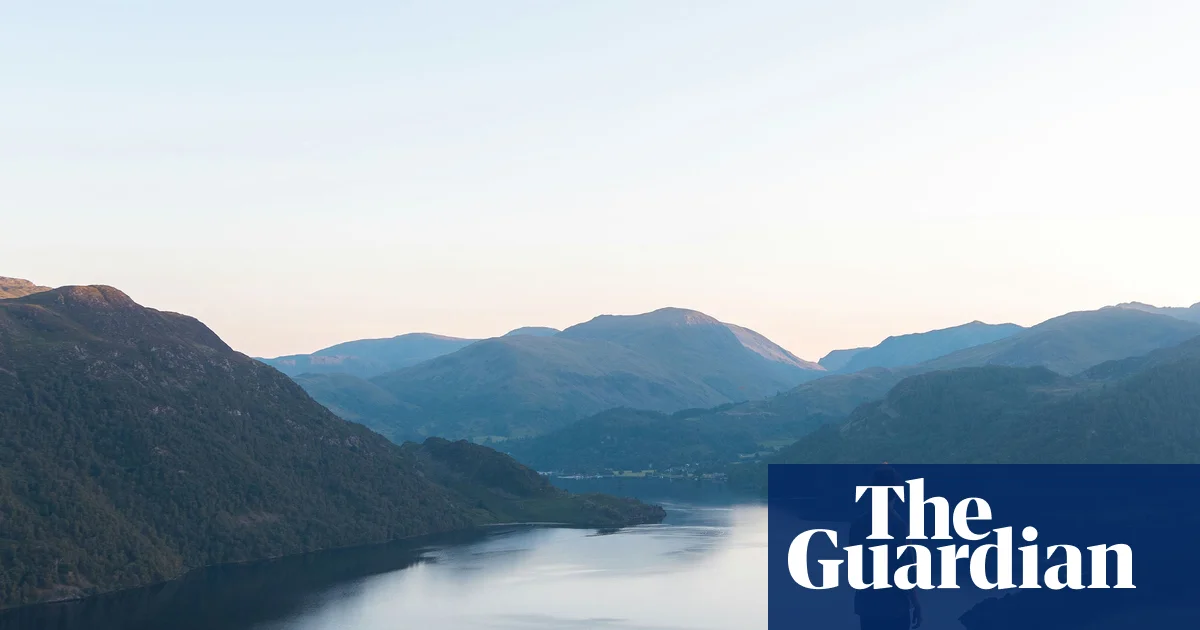
Before we enter the clouds on snow-capped Helvellyn, I glance back down at Ullswater. The early morning sun is bursting around the dark corners of High Dodd and Sleet Fell, sending a flush of light across the golden bracken and on to the hammered silver of the lake.
Further away to the south, ragged patches of snow cling to the high gullies. The nearest village, Glenridding, can barely be seen behind the leafless trees and all I can hear is the gurgle of the stream. It is the quintessential Lakeland scene: the steep slopes above the water, the soft colours and hard rock, all combining into something inimitable. And judging by the photographic and artistic record, it is one that has hardly changed since the Cumbrian wind first ruffled a Romantic poet’s curls.
Our best loved national parks – the Lake District, Peak District, Eryri (Snowdonia) and Dartmoor – all officially opened 75 years ago, in 1951. It was the result of a long campaign, arguably begun by one of those Romantics, William Wordsworth, a poet whose particular love for the Lakes led him to observe that the area should be “a sort of national property, in which every man has a right and an interest who has an eye to perceive and a heart to enjoy”. The resident of Dove Cottage at Grasmere fought, successfully, against railway building, noting the stupidity of destroying something precious in the pretence of increasing its influence.
That niggling dilemma has dogged the national parks ever since, but if Wordsworth were here now, I think he might approve, at least at first glance. The fate of some Alpine beauty spots has been avoided: no high-rise buildings break through the trees, no sports infrastructure litters the summits, and engineers have not blasted tunnels for bigger, faster, road and rail connections.
The planning process is tortuous, and woe betide anyone who likes a colour not in the Farrow & Ball catalogue, but our national parks survive, without sacrificing too much of their original charm.
Back in the 1970s my dad began taking me on his hiking trips. In those days, I didn’t share his excitement at “the views”, but I instantly grasped the magic of swimming under waterfalls, scrambling along ridges and sitting on mountain tops to eat hard-boiled eggs dipped in salt. He took us to all the national parks, and introduced us to their highlights. It was the start of a lifetime of exploration.
Dartmoor
Hiking through mossy Lydford Gorge on Dartmoor, in Devon. Photograph: Jack Jango/Alamy
The only area in England and Wales that has legal wild camping, Dartmoor is also the most threatened. A recent report detailed the sorry decline in biodiversity on its sites of special scientific interest (SSSI), but the truth is it remains in a better state than many other places. What makes Dartmoor special is the sheer extent of heathland: over 11,000 hectares of heather, gorse, bilberry and moor grasses, inhabited by birds, lizards, snakes and some rare butterflies. The top bird here is the red grouse, recently recognised as a distinct species, making it only the second reliably identifiable endemic British bird species.
Dartmoor’s reputation for other, more controversial species, is firmly established. On my first visit as a boy, I was reading The Hound of the Baskervilles and also glued to reports of escaped large cats. When we hiked past the infamous prison, and dad told us about “the Mad Axeman” inside, Dartmoor was firmly established in my head as the single most exciting area of Britain. I’ve never had reason to change that view.
Arguably the most evocative place is Wistman’s Wood, which is accessed from Two Bridges hotel, but popularity tends to destroy mystery and this is now an Instagrammed honeypot. Other excellent woodlands can be found down the Lydford Gorge near Tavistock or the Bovey Valley near Lustleigh, a village of thatched roofs where a cream tea is the acme of snackery. Try the Primrose Tearooms.
Nearby is Haytor Rocks, a magnet for climbers, and everyone else. It’s beautiful but popular. For tranquillity, try the military firing ranges: there’s nothing like an M115 Howitzer to deter most hikers, or perhaps it’s simply the need to check live firing times. It does seem to put visitors off, and there are wonderful viewpoints to be found, such as Yes Tor and High Willhays.
Eryri
Scrambling above Cwm Idwal in Eryri, where the renowned ‘staircase’ begins. Photograph: Andy Teasdale/Alamy
In Eryri, the hunt for peace and tranquillity has one rule: avoid Yr Wyddfa (Snowdon). Any other peak will be quiet in comparison. If you must go up Wales’s highest mountain, I suggest taking a less-frequented path, like the Watkin or Rhyd Ddu and go early – and I mean headtorch early. Another good option is the Ranger Path (Cwellyn), where the wind blew me off my feet as a nine-year-old. You might escape the crowds, but you can’t escape the weather.
Yr Wyddfa’s Crib Goch, one of Britain’s greatest ridge scrambles, can be a bit of a trial when oversubscribed, but there are many fine alternatives. Try Crib Lem on Carnedd Dafydd, accessible from Bethesda, or the Idwal Staircase, a tougher challenge that some might prefer to do roped up. Steve Ashton’s book Scrambles in Snowdonia is the essential guide.
One feature I love about Eryri is the way its industrial heritage has been repurposed to contemporary needs: the various slate mine attractions and the steam railways go from strength to strength. Bala Lake Railway has started work on extending its line into Bala town, a significant addition.
Lake District
The Lake District village of Grasmere, home of the Romantic poet William Wordsworth. Photograph: Andrew Roland/Alamy
The opening of the first parks triggered a wave of interest in hiking and a demand for route information. Like many others, my dad discovered Alfred Wainwright, whose hand-drawn pictorial guides are still a good way to find routes. Wainwright’s own favourite was Haystacks Fell, with an ascent from Buttermere via Scarth Gap. My own initiation into the joys of scrambling started with Wainwright routes up Lord’s Rake on Scafell Pike and Jack’s Rake on Pavey Ark, both serious undertakings.
Scrambling and its sister sports, fell-running and scree-racing, have a proud history in Lakeland. Over in Wasdale, sheep farmer Joss Naylor was an inspiration. As a teenager, I witnessed his hell-for-leather approach to scree slopes, transforming them from places to be avoided into a new challenge.
Wasdale, with its historic inn, remains a favourite. If the trail to Scafell Pike is often busy, look out for classic treks like the Mosedale Horseshoe, taking in Pillar, a stiff challenge when torn shreds of cloud are whistling around your ears. For the sure-footed, the climbers’ trail passing beneath Napes Needle is another gem. The Needle is a satisfying climb with historic importance. Photos of early pioneers the Abraham brothers, standing on top in their 1890s hobnail boots, fuelled interest in the new sport of rock climbing.
Across to the east, the 17½-mile trek from Pooley Bridge to Troutbeck over High Street is an absolute gem, with sustained panoramas on a clear day. Another classic is theKentmere Round, which normally starts at St Cuthbert’s church, near Staveley. For sheer delight in Cumbrian topographical names, the Kentmere Round is a must: Yoke Fell is followed by Wander Scar, Toadhowe Well and Shipman Knotts, among others. The best advice is to find a fell with an unfamiliar name, get the OS map and devise a route. Asking a local also usually pays off.
After an epic day of snow and ice on Helvellyn, I take my own advice. I am staying at Another Place hotel along the Ullswater north shore. The lakeside panorama tells the tale of changing times: there are paddleboards and kayaks on the water; groups heading off on wild swims; and a mobile sauna by the shore. Hotel director and local man David Vaughan tips me off about a favourite walk, on nearby Gowbarrow Fell.
The path starts at Aira Force waterfall, a well-known attraction, and the car park is busy. Beyond the falls, however, things are quieter. At 481 metres, the Gowbarrow summit is not high, but the panorama is superb. Further on comes the real climax: a balcony walk around the contours and above the lake.
A kestrel swoops past, close enough to see the wind ruffle its chestnut feathers. At the end, the path drops down to the woods and there’s a young woman, hesitating. Her kit looks fresh from the packet.
“Is there any scrambling up there?” she asks nervously.
“No,” I say, noticing her immaculate nails. “But there’s lots of mud.”
She takes a deep breath and grins. “OK.” Then sets off. Joss Naylor, my dad and the Romantic poets would all be proud. Our parks are still doing their best for us.
March 20 (UPI) — A U.S. district court has sentenced former Bolivian anti-drug chief Maximiliano Dávila to 25 years in prison for conspiring to import large quantities of cocaine into the United States.
Dávila, 54, was convicted of coordinating cocaine shipments and using heavy weapons to protect drug trafficking operations while serving in senior law enforcement roles in Bolivia under former President Evo Morales.
The sentence, imposed Thursday by U.S. District Judge Denise L. Cote in a Manhattan court, concludes a legal process that began with his arrest near Bolivia’s border with Argentina in 2022 and his extradition in December 2024, Bolivian newspaper La Razón reported.
Dávila served as head of Bolivia’s Special Force to Fight Drug Trafficking, the country’s main anti-narcotics agency, until November 2019. His tenure placed him among the most influential figures in Bolivia’s efforts to combat drug trafficking.
However, his career was marked by allegations of ties to criminal networks, which later led to international investigations, according to local outlet Red Uno.
Prosecutors in New York said Dávila used his position to facilitate drug trafficking operations rather than combat them, turning his office into a logistical hub for organized crime.
They said he ensured safe passage for aircraft carrying cocaine from Bolivian airstrips to intermediate destinations in Central America and the Caribbean, with the drugs ultimately bound for the United States.
According to the investigation, Dávila provided armed protection for cocaine shipments, Bolivian newspaper El Deber reported.
In 2022, the U.S. State Department offered a $5 million reward for information leading to his conviction, underscoring his alleged role in regional drug trafficking networks.
In addition to the 25-year prison sentence, Dávila will face five years of supervised release. His defense has indicated it may appeal, though legal experts say the strength of the evidence makes a reduced sentence unlikely.
SCREEN star Sydney Sweeney is rolling in dollar frills — after her new lingerie line helped to quadruple her fortune.
The American actress is now worth $40million, up from $10million just two years ago.
Sign up for the Showbiz newsletter
Thank you!
Sydney Sweeney’s fortune has soared to $40million after her lingerie line helped quadruple her wealthCredit: Instagram/SyrnSydney models underwear from her Syrn brandSydney’s Seductress line launches next week after her original designs sold out in the US
The news came as Sydney, 28, showed off a range of sexy pink and white underwear from her Syrn brand.
The Seductress line launches next week after her original designs sold out in the US.
Sydney launched the business on the back of becoming one of Hollywood’s most in-demand stars.
She was worth some $10million in 2024 thanks to roles in black comedyThe White Lotus, teen drama Euphoria and the rom-com movie Anyone But You.
Lucrative deals with Armani Beauty, Ford and Samsung followed — while controversial adverts for clothing brand American Eagle saw sales shoot up, along with Sydney’s profile and potential earnings.
Last year she raked in $7.5millon for her role in hit psychological thriller The Housemaid.
Sydney launched Syrn in January in a bid to take on fellow celebs Rihanna and Kim Kardashian — who have become billionaires through their clothing brands Savage x Fenty and Skims.
The star’s racy photo shoots have seen her criticised for not being a “girl’s girl”. But hitting back, Sydney said: “People will say, ‘Oh, she’s doing this for guys’.
“I’m like, ‘What’s more ‘girl’s girl’ than owning your body and doing it for yourself?’.”
The star in her controversial advert for clothing brand American EagleCredit: American EagleLast year, Sydney raked in $7.5millon for her role in hit psychological thriller The Housemaid
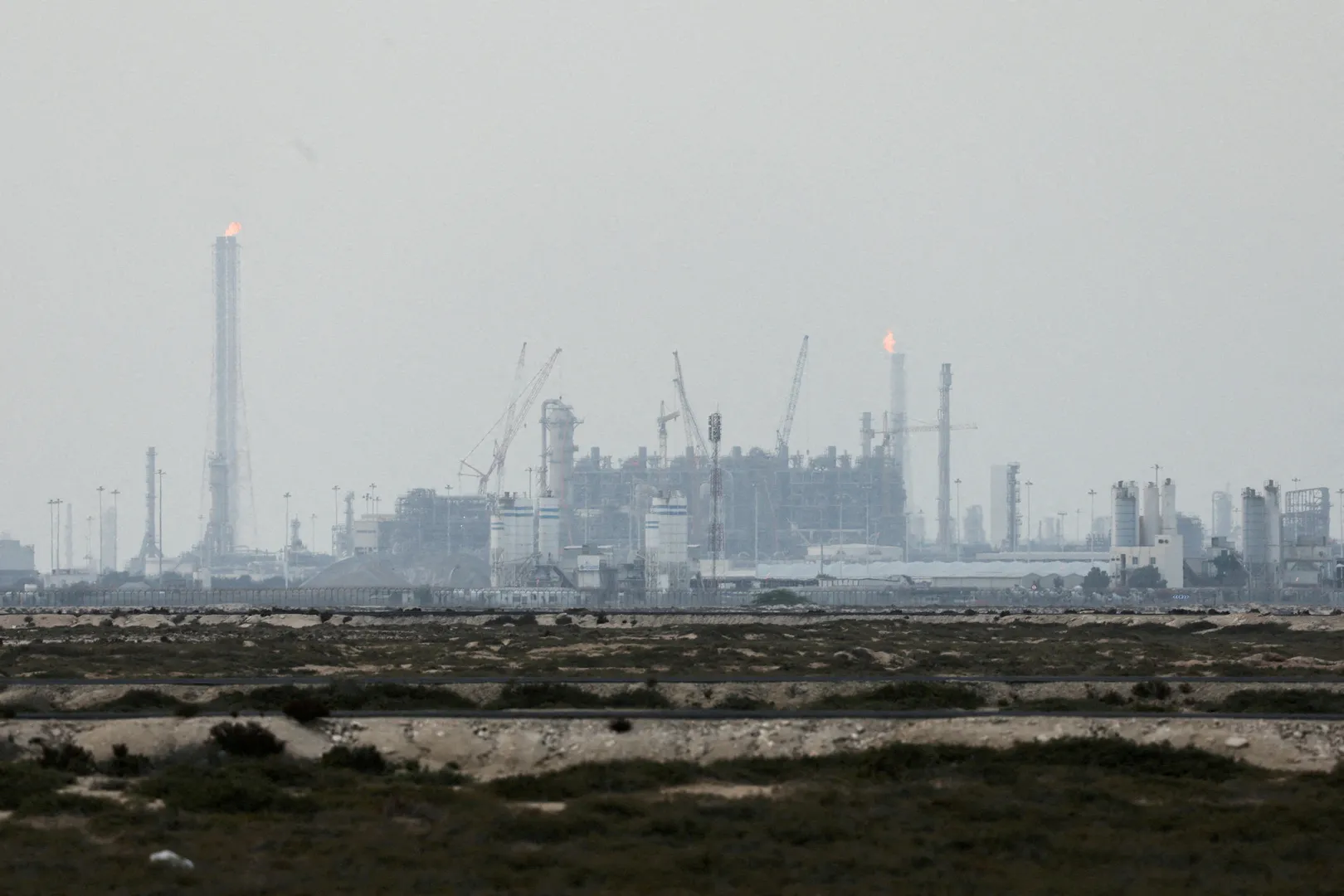
Iran’s strike on Qatar’s Ras Laffan gas facility will cut an estimated 17% of the country’s Liquefied Natural Gas export capacity for up to five years, officials say. The damage is a major blow to the global energy market, which could disrupt supplies to Europe, Asia and beyond.
Marius Borg Hoiby and his mother Norwegian Crown Princess Mette-Marit attend a government party event in Oslo, Norway, in 2022. Hoiby is facing 39 charges, including four counts of rape. File Photo by Lise Aserud/EPA
March 19 (UPI) — Prosecutors said that if Marius Borg Høiby, son of Norway’s crown princess, is found guilty, he should serve more than seven years in prison for the 39 charges he faces.
The charges include four rapes and assaults, rape and domestic abuse, multiple breaches of restraining orders, and drug and driving offenses.
One charge of violation of a restraining order has been dropped.
The final day of the trial is Thursday, but it could take months for the judges to give a verdict.
Several alleged victims have testified, including Høiby’s former girlfriend, influencer Nora Haukland.
In all four rape cases the victims were either asleep or incapacitated. Early in the trial, Høiby told the court, “I don’t sleep with women who aren’t awake.”
His mother is Mette-Marit, who is married to the crown prince of Norway. Høiby is her son from a previous relationship. He grew up in the royal family, but is not an official member of it.
Mette-Marit was a friend of the late sex offender Jeffrey Epstein, which was revealed from one of the Epstein files releases from the U.S. Justice Department. Her health has declined due to pulmonary fibrosis, and she has said needs a lung transplant.
The prosecution asked the court for Høiby to be in prison for seven years and seven months. It also asked that he be banned from contacting one of his alleged victims for two years and asked that several devices, including three iPhones and a MacBook, be confiscated. It also wants his driver’s license to be taken away for two years, and for him to have to take a new driving test after that time is up.
“These are very serious acts,” said state attorney Sturla Henriksbø. “It is among the most serious offenses in our criminal code to apply to violations of integrity. And it should entail a strict and tangible reaction in each case.”
Police attorney Andreas Kruszewski said Høiby should not be given a “penalty discount” because of media attention.
“The fact that you commit criminal acts after the media spotlight has been directed at you as a well-known person contributes to the fact that he should not receive a reduction in sentence,” Kruszewski said.
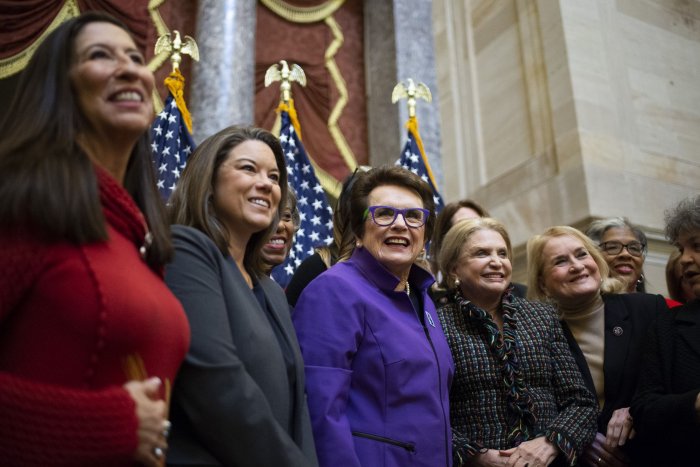
Founder of the Women’s Tennis Association and tennis great Billie Jean King (C) smiles with representatives after speaking during an annual Women’s History Month event in celebration of the 50th anniversary of Title IX in Statuary Hall at the U.S .Capitol in Washington on March 9, 2022. Women’s History Month is celebrated every March. Photo by Bonnie Cash/UPI | License Photo
CEO Saad al-Kaabi says QatarEnergy may have to declare force majeure on long-term contracts for up to five years.
Published On 19 Mar 202619 Mar 2026
Iranian attacks on Qatar have wiped out 17 percent of its liquefied natural gas (LNG) export capacity, causing an estimated $20bn in lost annual revenue and threatening supplies to Europe and Asia, QatarEnergy’s CEO says.
Saad al-Kaabi told the Reuters news agency on Thursday that two of Qatar’s 14 LNG trains, the equipment used to liquefy natural gas, and one of its two gas-to-liquids facilities were damaged in Iranian strikes this week.
Recommended Stories
list of 3 itemsend of list
The repairs will sideline 12.8 million tonnes of LNG production per year for three to five years, he said.
“I never in my wildest dreams would have thought that Qatar would be – Qatar and the region – in such an attack, especially from a brotherly Muslim country in the month of Ramadan, attacking us in this way,” al-Kaabi said in an interview.
His comments came hours after Iran on Wednesday launched a series of attacks on oil and gas facilities across the Gulf region after the Israeli military bombed its South Pars offshore gasfield.
Tehran has been firing missiles and drones across the Middle East in response to the United States-Israeli war on Iran, which began on February 28.
It also has essentially blocked the Strait of Hormuz, a critical Gulf waterway through which about one-fifth of the world’s oil and LNG supplies transit, fuelling soaring petrol prices and global concerns about rising inflation.
Iran’s attacks on energy infrastructure have heightened tensions with its Arab Gulf neighbours, who have condemned the strikes as a violation of international law.
Iranian Foreign Minister Abbas Araghchi said on Thursday that his country would show “ZERO restraint” if its infrastructure is struck again as the Israeli attack on the South Pars gasfield continued to spur condemnation.
“Our response to Israel’s attack on our infrastructure employed FRACTION of our power. The ONLY reason for restraint was respect for requested de-escalation,” Araghchi wrote on X.
“Any end to this war must address damage to our civilian sites.”
‘Stay away from oil and gas facilities’
During Thursday’s interview with Reuters, al-Kaabi said QatarEnergy may have to declare force majeure on long-term contracts for up to five years for LNG supplies bound for Italy, Belgium, South Korea and China due to the two damaged trains.
“I mean, these are long-term contracts that we have to declare force majeure. We already declared, but that was a shorter term. Now it’s whatever the period is,” he said.
QatarEnergy had declared force majeure on its entire output of LNG after earlier attacks on its Ras Laffan production hub, which came under fire again on Wednesday. “For production to restart, first we need hostilities to cease,” al-Kaabi said.
The damaged units cost about $26bn to build, al-Kaabi said. He also told Reuters that the scale of the damage from the attacks has set the region back 10 to 20 years.
“If Israel attacked Iran, it’s between Iran and Israel. It has nothing to do with us and the region,” he said.
“And so now, in addition to that, I’m saying that everybody in the world, whether it’s Israel, whether it’s the US, whether it’s any other country, everybody should stay away from oil and gas facilities.”