Winter

Spectacular winter walk offers ‘magical’ views of snow covered peaks

Derbyshire’s Peak District offers one of the UK’s most spectacular winter walks, with this 517m summit near Castleton village providing panoramic views across snow-covered countryside

As snow blankets Derbyshire and frosty temperatures settle in, many are seeking ways to soak up the magical winter atmosphere, and this particular walk could be just the ticket.

Year-round, visitors flock from far and wide to tackle the ascent of Mam Tor, regardless of the weather. However, there’s something particularly enchanting about the trail during winter months, as its sweeping vistas allow you to witness the entire Derbyshire landscape draped in a delicate layer of snow. The peak is affectionately dubbed the ‘Mother Hill’, rising majestically to 517m and providing sweeping views across the surrounding countryside. What makes the walk particularly appealing is the variety of routes on offer, ranging in difficulty, with most beginning in the picturesque nearby village of Castleton.

One walker shared their thoughts on TripAdvisor, noting: “This short walk offers an excellent chance to see unrivalled 360° panoramic views of the Peak District… It does not take long to complete the walk; we were there and back in 30 minutes. Quite a steep gradient to get to the top, but this is mainly on stone steps, so walking up is very safe. Once at the top, the views are spectacular and worth the effort to get there.”

Among the most favoured routes is the full circular walk, typically beginning from the National Trust car park at Mam Nick and continuing all the way to the summit. Walkers can traverse the ridge of the imposing hill and enjoy breathtaking views throughout their entire ascent.

Following the trek, one hiker described the vistas as nothing short of “breathtaking”. They did note, however, that most of the path is uphill, demanding a moderately challenging effort, though walkers are treated to glimpses of cattle and sheep grazing in the surrounding fields.

Another visitor shared: “I’ve been to Mam Tor on a number of occasions, and it’s one of the best hikes for me. The views are stunning, and there are routes for all types of walkers. Parking is easy to find, and it’s always a great experience to get out and get some fresh air. I’d definitely recommend getting out there if you can.”

During the winter months, walkers can anticipate stunning snow-blanketed scenery, especially along the Great Ridge. However, it’s wise to verify conditions beforehand, as ice and frost can make the terrain treacherous and necessitate proper winter hiking equipment.

Nestled conveniently at the foot of the hill lies the picturesque village of Castleton, brimming with pubs and cafés ideal for refuelling before or after a day’s ramble. For the perfect warm retreat, ramblers often pop in for a pint at establishments such as Ye Olde Nags Head, The George, The Bulls Head and the Old Club House.

Source link

Europe hit by winter storm; flights, trains disrupted

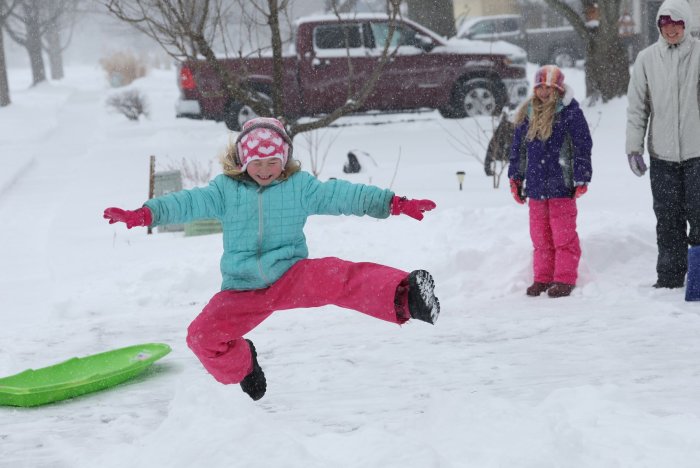
Children play in the Royal Parc in Brussels, Belgium, Wednesday. Snowfall was expected to continue in the coming days, with cold temperatures forecast to persist across the region as winter Storm Goretti hits the Atlantic coast of Europe. Photo by Olivier Matthys/EPA

Jan. 7 (UPI) — Flights and train service were delayed or canceled and driving became treacherous in parts of Europe on Wednesday as a winter storm hit the Atlantic coast.

Storm Goretti is the first named storm of the year in Europe, and it brought heavy snow, ice and cold to the area. Flights and train service were canceled or suspended in parts of France and Belgium.

About 100 flights were canceled at Paris’ Charles de Gaulle airport and 40 more at the city’s Orly airport, France’s transportation minister said.

In parts of the United Kingdom, amber snow warnings were issued for “danger to life” conditions, The Independent reported. Wind gusts of up to 90 mph were expected Thursday night, bringing large waves and debris. About 12 inches of snow was expected in Wales and the Peak District in central England.

There were four yellow weather warnings for snow and ice in Scotland, Northern Ireland and the Midlands. There were two more in eastern England and Wales, and a wind warning in the southwest.

A bus in Kent slid into a ditch, and a school coach full of children crashed into a bus in Reading after hitting black ice.

“Crews are reminding everyone to use extra caution when driving in cold temperatures as there could be black ice on the roads, so avoid sudden breaking and leave plenty of space between you and the vehicle in front,” the Kent Fire District warned.

Some intercity trains told passengers to reschedule Thursday travel to Wednesday to avoid the worst of the weather.

Flights from Amsterdam’s Schiphol Airport were canceled and delayed for the past week due to inclement weather. About 700 flights were canceled Wednesday, and Dutch airline KLM has been hit the hardest for the past six days, The Independent reported. Flightradar24 said more than 3,200 flights were canceled over the past week.

“While Schiphol certainly can operate during winter weather, the airport’s de-icing infrastructure obviously isn’t designed to handle a barrage of snow for multiple days in a row,” Daniel Gustafsson of Flightradar24 wrote on the site. He said there was also a “critical shortage” of de-icing fluid.

​​More than 1,000 people spent the night at Schiphol, the airport told Euronews. It said it set up cots and offered breakfast to travellers who had to sleep there.

Source link

Inside world’s coldest city where frostbite hits in minutes and it dips below -40C

Temperatures regularly plunge to -40C in this city and exposed skin can show first signs of frostbite within 10 minutes.

While we’re currently shivering through a British winter, with temperatures plunging below freezing in many parts of the country, it’s nothing compared to life in the world’s chilliest city.

In this frosty city temperatures regularly plummet below -40C, and every venture outdoors necessitates layers upon layers of clothing. Cars freeze solid, bus stops require heating, and if you’re not adequately prepared, you could freeze in “minutes”.

Welcome to Yakutsk, officially the coldest city on Earth.

Situated in northeastern Siberia, Yakutsk is home to over 372,800 people. The city is built on permafrost and only basks in around four hours of sunlight each day, resulting in incredibly low visibility.

Residents must be well-equipped to handle the severe conditions, and having the right attire is absolutely vital, reports the Express.

One woman, known as Kiun B on YouTube, shares her experiences of living in this icy metropolis. In one video, she reveals just how demanding (and costly) it can be to run everyday errands in such an environment.

With the mercury at a bone-chilling -42C, she explains that layering is key. Her outfit includes two pairs of leggings, thick wool bands over her knees to protect her joints from the cold, insulated trousers, and two jackets as standard.

She also dons specialised fur boots, as regular winter footwear would simply freeze. She warns that without these layers, she would freeze “in minutes.”

And quality winter gear doesn’t come cheap, with a decent coat setting you back up to £600, and boots costing even more.

Despite bundling up, Kiun revealed that the brisk five-minute stroll to her nearest bus stop can be quite a struggle.

The biting cold seeps through her clothes and her hair freezes. After just ten minutes, her nose turned white – an early sign of frostbite, forcing her to dash into the closest shop for warmth.

Another intriguing aspect of life in these conditions is the infrequent use of mobile phones. The severe cold drains batteries swiftly, so Kiun confessed she only uses hers in emergencies.

In addition to battery issues, she mentioned that using them outdoors is difficult as it necessitates removing your specialised gloves to type, risking frozen fingers.

Discussing her diet, Kiun explained that she needs more calories to keep warm in the harsh temperatures. According to her, having two breakfasts is completely normal as it helps her and other locals stay warm.

Fresh produce is considered a luxury, as nothing can really grow on the permafrost.

All fresh fruits and vegetables are imported from warmer climates, leading to prices nearly double those in central Russia. As a result, she relies on items like long-life milk and tinned beef.

Nevertheless, even without any fresh vegetables or meat, weekly groceries for one can still amount to as much as £111.

Source link

5 winter sun holiday destinations where you can get more for your money

WITH frost in the air in the UK, it’s time to head somewhere warmer for a cheap winter sun.

eurochange found five destinations where the pound is strongest right now – so these are the best value destinations to visit this January.

One place where the pound is very strong is Costa Rica
Travel Editor Kara Godfrey says it’s a great place for animal lovers and adventurers

Costa Rica

Costa Rica in Central America has it all, lush rainforests, beautiful coastlines and bustling cities like San José – not to mention great value for money for Brits.

In fact, the exchange rate is £1 to ₡669.50 Costa Rican colón so once you’ve flown there, don’t expect to pay too much for your meals or hotel stays.

Deputy Travel Editor Kara Godfrey visited last year, she said: “Costa Rica is one for the nature lovers, being home to five per cent of the world’s biodiversity (despite being just 0.03 per cent of the planet’s surface).

“With my own Pokémon-like list of animals I wanted to tick off, everything from sloths and coatis to tapirs and monkeys can easily be found on hikes through some of the National Parks.

STAR POWER

Short-haul country with the cheapest 5-star holidays money can buy


OLDE WORLD

World-class beaches, mountains & monsters make Scotland an unforgettable holiday

“Or a boat trip to Isla del Caño ended with groups of turtles and jumping whales right by out boat. And with the country named on a number of top travel lists this year, from best hotels to being most underrated, now is the time to plan a trip.”

Costa Rica is a great place to beat the January blues as during the winter months, it sees temperature highs of 30C.

Return flights in February from London Gatwick to San Jose start from £790.

The average hotel starts from £63 per person per night and a three-course meal for two people averages at ₡25,000.00 (£37.34).

Most read in Beach holidays

The exchange rate is £1 = ₡669.50 (Costa Rican colón).

Turkey

Turkey is a hit during the summertime for families thanks to lots of beautiful seaside along with an ample amount of waterparks and watersports along the coast.

Antalya can be a relaxing place for holidaymakers in JanuaryCredit: Alamy Stock Photo

But during the winter months, it makes for the perfect escape with average highs of 16C between January and March.

Head of Sun Travel (Digital) Caroline McGuire said: “Turkey really is one of those countries that has it all – great food, fascinating history, stunning beaches, beautiful nature and decent prices compared to many other top holiday destinations… it’s no wonder us Brits return to it year after year.

“In recent years, I’ve visited multiple times for markedly different trips.
A long weekend in early spring to Istanbul with my mum and aunt was filled with excellent Turkish food and souk bazaar shopping, trips to the top attractions like the Blue Mosque, and also some wonderful art galleries.”

Caroline continued: “A visit with my son to a friend in the coastal town of Urla in Turkey’s Izmir region on the Aegean sea showcased a completely different side to the country, with hardly any Brits wandering the quaint streets – that were home to several restaurants that feature in the fancy Michelin food guide.

You can head to cities like Istanbul rather than the classic coastal resortsCredit: Alamy

“We swam in the sea at a local beach club during the day and hit up a couple of the local vineyards, then gorged on delicious food and cocktails at night.

“Then there was the family holiday to TUI’s flagship Holiday Village in Sarigerme, whether we did every activity under the sun and were deeply impressed the hospitality of the staff.

“It was easily the cleanest family hotel I’ve been to, and the buffet restaurant never failed to impress. Of course, at each of these destinations, I also spent far less than I would have at similarly popular European countries.”

In January, you can get return flights from London Southend to Antalya from £62.

To stay in the city of Antalya costs from £39 per person per night and a three-course meal for two at a mid-range restaurant costs on average ₺2,000 (£34.53).

The exchange rate is £1 = ₺57.95 (Turkish lira).

Travel Reporter Alice Penwill visited one of Thailand’s popular islands last yearCredit: Alice Penwill

Thailand

Thailand has become more and more popular with Brits as a winter sun destination. It’s known for its cheap but tasty food, cocktails, and luxury hotels.

That’s exactly what Travel Reporter Alice Penwill found when she visited Koh Samui, she said: “The island of Koh Samui is a real a mix of luxurious resorts and bargain restaurants – but strangely neither will cost a lot.

“I stayed in the 5-star Anantara Lawana Koh Samui resort which you can stay in January from £182 per night.

“It has tree-top dining restaurants, a spa, quiet beach with waiter service and some rooms have swim-up pools.

“While the island is scattered with incredible hotels, outside you can find real bargains, tucked away along the streets are places serving up Pad Thai and spicy tom yum soup, with cocktails for £2.

“As for sweet treats, mango sticky rice is a revelation and costs as little as £1.65 from street vendors.”

There are incredible beaches up and down the coast in ThailandCredit: Alamy Stock Photo

There are plenty of different options around Thailand, like the Andaman Coast which is is the stunning tropical coastline in the southwest.

It’s home to islands like Phuket, Krabi, Phi Phi, and Koh Lanta with towering limestone cliffs, bright blue waters and white-sand beaches.

It’s the perfect place to enjoy winter sun with average highs of 32C between January and March.

You can get return flights from £786 from London Gatwick to Phuket in January.

The price of hotels starts from £53 per person per night and the average price of a three-course meal for two at a mid-range restaurant: ฿1,350 (£31.99).

Exchange rate is £1 = ฿42.20 (Thai baht).

Deputy Travel Editor Kara Godfrey recommends Sri Lanka for a winter sun holidayCredit: Kara Godfrey

Sri Lanka

Sri Lanka has been named a booming travel destination of 2026 thanks to its beautiful scenery and affordability.

Deputy Travel Editor Kara Godfrey loved her trip there, she said: “Sri Lanka is a great alternative to Thailand and the Maldives, with just as beautiful beaches and even better food.

“Some of the most popular things to do on the small island country is climbing Sigiriya Rock – a 5th century fortress with 1,200 steps to the top – as well as an elephant safari.

“When it comes to beaches, expect golden sands as well as amazing surf, with some of the most popular spots being Mirissa Beach and Weligama Beach.”

It’s cheap and you can choose to take on adventure or laze about on the beachCredit: Alamy

Kara added: “For amazing food, you can easily find samosas and rotis from street stalls for just a pound each. Grab a local Lion beer too, with it also costing just a few pounds from food vendors.

“And for luxury on a budget, Sri Lanka knows how to do it well. I recommend a stay at Jetwing Vil Uyana, named one of the best eco-hotels in the world, from £266 a night with breakfast.”

Between January and March there are average highs of 32C, and you can get return flights from London Heathrow to Colombo from £616.

The average accommodation price starts from £48 per person per night – the price for a three-course meal for two at a mid-range restaurant: රු7,500 (£17.97).

The exchange rate: £1 = රු.417.42 (Sri Lankan rupee).

For winter sun and affordability, visit Egypt like Assistant Travel Editor Sophie SwietochowskiCredit: Sophie Swietochowski

Egypt

Egypt is a classic destination for winter sun with popular resort towns like Sharm El Sheikh, Hurghada, El Gouna and Marsa Alam.

The reason for its popularity is the high January temperatures of around 22C, not to mention you can get return flights from £80 from London Gatwick to Sharm El Sheikh in January.

Assistant Travel Editor Sophie Swietochowski visited El Gouna last year, she said: “Five star luxury doesn’t come with a price tag that makes you wince in Egypt’s El Gouna.

“Temperatures are in the mid 20s right now in this man-made resort town – and it’s a haven for fly-and-flop getaways thanks to the plethora of plush resorts flanking winding lagoons.”

El Gouna is a place for cheap luxury with beautiful hotels and cheap food

Sophie continued: “Better still, a stay in one of these fancy hotels will cost you a fraction of what it would at a sister property in Europe. El Gouna is extremely safe and easy to walk, but why sweat it in that heat when a tuktuk will cost you less than £1 each way to travel anywhere within the vicinity?

“Catch a ride to Downtown and grab a very delicious brekkie (from around £4) in trendy cafe Daily Dose – the coffee is cheap and very good, too.
Book a lagoon tour by boat (€20 at elgouna-lagoon.com, including soft drinks) which showcases El Gouna’s weaving waterways which are comparable to those in Venice, but much less of a rip off than a gondola ride.

“Kite surfing is big in this region, too, thanks to the flat waters and blustery bays – kite rental starts from around €50 (£43.30) for around two hours.

“And if all that sounds too exhausting, a day on a sun lounger where chilled cocktails are delivered to you every hour will barely make a dent in the wallet.”

Accommodation prices vary in Egypt but can be as little as £35 per night, a three-course meal for two at a mid-range restaurant averages around 1,100 EG£ (£17.15).

The exchange rate is £1 = 43.4251 ج.م. (Egyptian pound).

For more on winter sun, here are eight affordable holidays with FOUR TIMES more sun than Britain in January.

And here are the top 9 cheapest last-minute winter sun destinations less than 5 hours from the UK.

These five winter sun destinations are great value for BritsCredit: Oleg_P

Source link

‘Absolutely stunning’ village home to the UK’s most scenic winter walk

It has been named the most beautiful spot in the UK for a winter stroll by a new study – and it’s a real gem worth visiting.

If you’re feeling the sting of the January blues, you’re not alone. This time of year can be a real struggle, with not a lot of sunlight and gloomy weather – but one pick-me-up is wrapping up warm and heading out for a brisk walk.

Us Brits are spoilt for choice when it comes to scenic strolls right on our doorstep. And there’s one trail that’s been crowned the most picturesque in all the land.

Nestled in Balloch, a quaint village perched on the stunning shores of Loch Lomond in Scotland, lies this gem. Loch Lomond & The Trossachs National Park has bagged the title of the UK’s most gorgeous spot for a winter wander.

It comes from a study by CEWE, which scoured the UK for the best walks using desk research and Google review data, reports the Express.

Each location was examined for star ratings, number of reviews and winter-related keywords such as ‘winter’, ‘cold’, ‘scenery’, and ‘peaceful’ to pinpoint the ones boasting the most captivating views.

And the lochside trail, which begins in Balloch, clinched the top spot, with a flurry of reviews raving about its wintery allure.

As Scotland’s first national park, established back in 2002, it’s home to over 22 lochs and 21 Munros.

Winter might not be the best time for tackling the more challenging peaks, but there are plenty of gentler routes to explore within the park.

Balloch Castle country park stands out as a real gem. As the only country park situated within the national park boundaries, visitors can explore plenty including a walled garden, enchanting fairy glen, and naturally the historic castle.

The Three Lochs Way represents another fantastic trail starting from Balloch, though at 34 miles in length, tackling it in manageable stages is highly recommended.

Visitors to the national park have showered it with glowing praise, with Google reviews brimming with enthusiasm. One delighted tourist said: “Love visiting Loch Lomond, regardless of the weather the views and scenes are absolutely stunning.”

A second reviewer wrote: “One of the most beautiful locations anywhere. Mountains, forests, lochs abound in a well managed national park. Great facilities across the region and second to none for hiking, cycling and camping.”

Meanwhile, a third visitor commented: “This place has something for everyone. From lochs, hills, waterfalls and mountains to quiet little villages and spa resorts.

“Massive areas of beautiful and unspoiled wilderness to explore, perfect for walking, cycling or even driving if you prefer the less strenuous approach.”

Beyond serving as the gateway to Loch Lomond, Balloch boasts a brilliant selection of exciting attractions suitable for all ages.

The Sea Life centre is worth a visit, being amongst Scotland’s rare aquariums, housing thousands of fascinating marine creatures waiting to be explored.

If you fancy a spot of retail therapy, Loch Lomond Shores is a stylish shopping destination featuring shops like Frasers and Mountain Warehouse, along with eateries, cafes and a farmers market held every first and third Sunday of the month.

Source link

6 ‘underrated’ Europe winter sun destinations with warm weather – flights from £60

Escape the cold with these hidden European gems perfect for a winter sun getaway, with budget flights for £150 or less from the UK.

As the chilly weather and shorter days persist, you might be yearning for a dose of winter sun. More and more Brits are opting to escape abroad in the early months of the year.

Data from ONS1 shows that UK residents took 18.7 million overseas trips from January to March 2025, a significant increase from the 16.7 million recorded in 2024.

While well-known destinations like Tenerife and Corfu are undoubtedly favoured during this season, Europe also boasts a plethora of lesser-known treasures ideal for a winter retreat.

With this in mind, the travel experts at Eurochange have compiled a list of top winter sun spots that won’t break the bank, with flights from the UK costing £150 or less.

Cadiz, Spain

  • Return flights: From £34 from London Stansted to Seville in January
  • Accommodation price: Starting from £51 per person, per night
  • Average January-March temperature: Highs of 17°C

The seaside town of Cadiz, just a brief train journey from Seville, is brimming with remarkable landmarks to explore, including the Castle of Santa Catalina and the Torre Tavira, which offers breathtaking views of the city. Nestled in one of Spain’s warmest regions, temperatures in Cadiz seldom dip below 10°C, even during the winter.

Formentera, Spain

  • Return flights: From £57 from London Stansted to Ibiza in March
  • Accommodation price: Starting from £62 per person, per night
  • Average January temperature: Highs of 16°C

If you’re an Ibiza enthusiast seeking a quieter, more affordable, yet equally stunning alternative, Formentera could be your perfect match. Once a ‘hippie’ commune, the island retains a laid-back atmosphere, making it an ideal destination for those seeking tranquillity during their holiday.

Karpas Peninsula, Cyprus

  • Return flights: From £62 from London Gatwick to Larnaca in March
  • Accommodation price: Starting from £55 per person, per night
  • Average Jan-March temperature: Highs of 16°C

Highlighting the Karpas Peninsula, also known simply as Karpass, the travel specialists said: “This much less densely populated area of Northern Cyprus stretches 80km to the northernmost tip of the island, and is a great winter sun destination that also offers seclusion.

“It is considered one of the most unspoiled places anywhere in the Mediterranean, with beautiful deserted beaches and natural beauty in the Dipkarpaz National Park. In terms of where to stay, there are lots of beautiful farmhouses in Iskele. But if you prefer to stay in a town, Rizokarpaso is a good option – a quaint beach town with plenty of ancient landmarks to explore and a beautiful marina.”

São Vicente, Madeira, Portugal

  • Return flights: From £37 from London Stansted to Madeira Airport in January
  • Accommodation price: Starting from £25 per person, per night
  • Average January temperature: Highs of 19°C

Famous for its breathtaking landscapes, spectacular coastlines and superb wines, Madeira makes an ideal choice for those seeking to escape Britain’s chilly winter months. São Vicente, situated in the extensive Laurissilva region, is celebrated for its valleys and vineyards, and also boasts numerous hidden beaches waiting to be discovered.

Valletta, Malta

  • Return flights: From £38 from London Gatwick to Valletta in March
  • Accommodation price: Starting from £31 per person, per night
  • Average January temperature: Highs of 16°C

Valletta, Malta’s capital, is an underappreciated European treasure, which the specialists have described as a “little oasis in the heart of the Mediterranean.” Dubbed the ‘sunny city’, Valletta enjoys an average of 2,957 hours of sunshine annually, making it an excellent winter sun escape.

Palermo, Sicily

  • Return flights: From £35 from London Stansted to Palermo
  • Accommodation price: Starting from £40 per person, per night
  • Average January temperature: Highs of 15°C

“For those who want to sample an Italian city break with fewer crowds in January, Palermo should be top of the list,” say the experts. “Situated on the North-west coast of Sicily, the southernmost island in Italy, it’s a perfect winter sun destination.

“Palermo offers both city break and beach holiday vibes, with plenty of gorgeous beaches and cute seaside towns just a short drive from the city centre. Spend your days meandering the cobbled streets, exploring the stunning Gothic architecture and the many churches and cathedrals. No Italian city break is complete without sampling the local cuisine of course, and in Palermo, the Arancini is a must-try.”

Source link

A perfect winter walk between two great pubs in Cheshire | Walking holidays

Deep in the heartland of rural Cheshire, there’s a wind-scoured ridge of sandstone that hides a two-storey cave known as Mad Allen’s Hole. Here, on the flanks of Bickerton Hill, it is said that in the 18th century a heartbroken man called John Harris of Handley lived as a hermit for several decades.

As locations to weather the storm of romantic trauma go, this – I mused as I stood above it on a crisp winter’s day – certainly takes some beating. Offering a panorama of nine counties of England and Wales from its entrance, I could spy the white disc of Jodrell Bank Observatory glistening in the sunlight, while the peaks and troughs of the Clwydian range appeared like a watermark in the distance.

A map of places the walk on the Sandstone Trail

I’d come here, not seeking solitude, but to meet up with Jose, an old friend I’d not seen for nine years, and to try a new walking package dreamed up by two Cheshire pubs along a prime section of the 34-mile (55km) Sandstone Trail between the villages of Tarporley and Malpas. The route follows the Sandstone Ridge, an ancient landscape of escarpments and rolling hills, rising from the Cheshire Plain.

A walker on the Sandstone Trail near Beeston Castle. Photograph: UK City Images/Alamy

The idea for the walk is simple: just because it’s winter doesn’t mean it has to be hard. Daylight hours are limited, the weather is less predictable, so why not stick to one 14-mile stretch, bookended with a comfy, warm room in each inn, and good food and drink – dinner on both nights and a cooked breakfast are included, as is an optional packed lunch. The pubs arrange the luggage transfer and a taxi when you finish to take you back to the start.

We met in the Swan in Tarporley – a 16th-century coaching inn, where, in front of a roaring open fire, we caught up on old times, studied the walk map and enjoyed food made from ingredients farmed practically on the doorstep. As we tucked into the cheeseboard (Tarporley blue comes highly recommended), owner Woody Barlow told us how the idea was born in the summer when they held a charity fun run between the two pubs in memory of the late owner Si Lees-Jones.

“It was so successful, we began to think – these two pubs have always been popular with walkers, cyclists and outdoor enthusiasts, especially those doing the Sandstone Trail in sections,” he said. “Many were trying to organise accommodation night by night, but we realised we could offer something much more streamlined. Plus at this time of year, the trail has a lovely stillness about it – the woods and ridgelines look magical in the winter light.”

I woke the next morning to the sound of rain on my window, but as I met Jose for breakfast – a hearty helping of eggs – the sky unexpectedly began to clear. Leaving the town, we followed country lanes, where the hedges bloomed with sloes. Acorns cracked under our boots. These nuts would once have been used for nourishing pigs before the start of medieval feasts – like those once held in Beeston Castle, the former royal fort built by the Earl of Cheshire on his return from the crusades in the 1220s, which filled the horizon.

Fog cloaks the trail high on the Sandstone Ridge. Photograph: George Pollock/Alamy

We cut through a muddy field, making a beeline for this landmark, then followed the Sandstone Trail waymarks over the Shropshire Union Canal at Wharton’s Lock. We reached the tall red walls of rubble-filled sandstone blocks and huge wooden doors of the castle, said to house treasure from Richard II.

It was a tempting prospect, but with miles still to cover we made our way instead through the network of weaving pathways on Peckforton Hills, topped with towering red pines that give shelter from the icy wind but allow light to drop to the forest floor in dazzling spindles. Here we came across a Victorian castle folly built in the 1840s and now a hotel popular with wedding parties, but we were more taken with nature’s treasures in the form of sweet chestnuts on neighbouring Bulkeley Hill. The bark of these old trees would have once been used by passing Romans to tan leather and the nuts were essential rations for legionnaires.

We stopped here a while, enjoying our sandwiches from the pub on our first exposure to some of the tor-like sandstone that the ridge is named for, before soldiering on to our next summit – Raw Head on Bickerton Hill. At 227 metres (745ft), it’s not huge, but it is the highest point on the trail. We wandered through the forest talking about its history (its rocks were formed about 250m years ago in the Triassic period, and iron oxide has caused them to become banded in hues of red, terracotta and ochre, which cement the sand together) and our own past lives, discussing friends we once shared.

As the sun hung ever lower in the sky, we still had some climbing to do on Bickerton Hill, home to the hermit’s cave. The area is replete with lowland heath, once used for grazing, thatching, and foraging. Bilberries still grow there.

The Lion in Malpas. Photograph: Phoebe Smith

We traced the edges of Maiden Castle – the remains of an iron age hill fort built between 500 and 600BC and still occupied when the Romans arrived in Britain – before descending to country lanes, where someone had kindly left a wheelbarrow of apples for hikers.

The light emanating from the windows of the 300-year-old Lion pub welcomed us to our big finish nearly as warmly as the staff, who were suitably impressed with the distance we’d walked, making us feel like we’d had a proper adventure.

Before we retired to bed we raised a glass – to the views, the hearty food and, of course, to heartbroken John Harris – in short, to our perfect winter walk. We promised not to leave it another nine years before we walked together again.

The trip was provided by The Swan in Tarporley and The Lion in Malpas, with travel from visitengland.com. The Walk, Dine & Unwind on Cheshire’s Sandstone Trail package is from £199pp, including dinner, B&B at both inns, luggage transfer, one packed lunch and a taxi back to start, plus one dog stays free

Source link

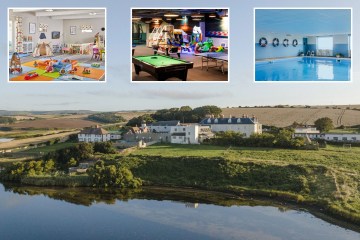
Haven Devon Cliffs Holiday Park review: ‘I stayed at a caravan park in winter and it exceeded all my expectations’

Our writer Ben Whisson visited Haven’s Devon Cliffs Holiday Park in November and discovered that off-season breaks offer brilliant family fun

As I embarked on a three-night getaway to Haven’s Devon Cliffs site in November, I was slightly apprehensive about what an off-season UK holiday park might have in store. However, as my wife, young son and I pulled up to the park’s entrance, any worries were quickly laid to rest.

Upon check-in, we navigated through the expansive grounds to find our lodge, which would serve as our base for a weekend packed with thrilling activities and lively entertainment.

READ MORE: Where to go on holiday in 2026 – from surprising EU foodie hotspot to ‘cheaper Cotswolds’

READ MORE: Beautiful European holiday destination three hours from UK and still 17ºC in December

What to do at a Haven Holiday Park

The handy Haven app allowed us to manage our booking and plan activities before even setting foot in the park. Despite visiting during the quieter season, there was no shortage of things to do – from a ‘Make A Bear’ party and an Aerial Adventure to their Football Fun Factory and Ranger Activities.

With a mix of complimentary and paid activities, there’s truly something for everyone. Moreover, a Haven PlayPass grants you 14 sessions at the site’s indoor pool throughout your stay, reports OK!. We specifically chose this site for its swimming facilities, and it certainly didn’t disappoint.

Entertainment at Haven Devon Cliffs Holiday Park

Given the timing of our visit, I expected the entertainment offerings to be somewhat limited – but I couldn’t have been more mistaken. The park boasted two entertainment venues, each offering a plethora of options from morning till night. With full-scale pantomimes, karaoke, and a host of fun and games for both children and adults, I was thoroughly impressed by the variety on offer.

The entertainment team were the absolute highlight of the park – and our holiday. This gifted bunch put on fantastic shows, interacted with the kiddies and made it a memorable trip for us and numerous other families.

Food and drink at Haven Devon Cliffs Holiday Park

Our caravan was well kitted out for whipping up home-cooked meals (which we did) – but we also had the opportunity to try the broad range of food options at the park. With Slim Chickens, Chopstix and Papa Johns among the outlets on site, we were spoilt for choice. The entertainment venues boast bars, plus there’s a sports bar and even a Wetherspoons.

Accommodation at Haven Devon Cliffs Holiday Park

We lodged in a spotless Emerald grade lodge, which was beautifully presented, featuring two bedrooms, two bathrooms and a cosy lounge/kitchen area. It had parking for two cars and was just a short stroll from the centre of activity on the site. The icing on the cake was the outdoor decking that encircled the lodge, which – during the fleeting moments of sunshine – allowed us to fully appreciate the view of the Devon coast.

With a beach accessible from the park, a snug lodge and everything you could need for an action-packed break – whenever you decide to visit – Haven’s Devon Cliffs park surpassed our expectations. Despite a typically rainy November weekend, the multi-skilled entertainment team and staff brought the sunshine for us and our little lad – and we’ll definitely be returning for more.

How much does it cost to stay at Haven Devon Cliffs Holiday Park?

Four-night breaks off-peak in March and April at Haven Devon Cliffs Holiday Park start from £99 staying in a Saver grade caravan. The park reopens in March 2026.

For alternative caravan holidays, have a look at Parkdean Resorts and Hoseasons.

Source link

I ditch life in freezing UK for sunny Benidorm as a ‘snowbird’ every winter

SUNSHINE fan Scott Dixon has spent every winter in Benidorm for the past seven years and the canny traveller insists the annual pilgrimage SAVES him money.

The 55-year-old takes his work with him on his annual lengthy getaways, saying he sleeps better and returns to the UK refreshed and energised. Sound too good to be true? Here, he explains how he gets such “staggering value’ on his winter sunshine breaks.

Scott Dixon has spent every winter in Benidorm for the past seven yearsCredit: Scott Dixon
Scott will have no food bills, no heating bills, no petrol bills and will be spending his days in 20C sunshineCredit: Scott Dixon

“It’s a no brainer,” says Scott, as he preps to jet away from his “freezing” home for the Spanish holiday resort. 

“Many people think extended winter sun breaks are a luxury but I say it’s smart budgeting.

“Covid has opened up a whole new world of possibilities to work and live anywhere affordably

“I’ll have no food bills, no heating bills, no petrol bills and I’ll be spending my days in 20C sunshine instead of enduring it in freezing Edinburgh.”

For the past few years, Scott has tried out several different kinds of accommodation in Benidorm’s Old Town for the season, including self-catering long term lets, but this year he has booked two, three week half-board holidays with Jet2

The digital nomad’s Benidorm package deals will include breakfast, evening meals with half a bottle of wine each night, flights, transfers and WiFi. 

The ‘snowbird’, a name for people who move to sunnier climes for the winter, says the three weeks in December costs him £1,443 and the three weeks in February £1,205, totalling £2,648.

This, he has worked out, breaks down to a spend of £63 a day. 

“To put it into perspective, my one bedroom flat in Edinburgh costs me up to £45 a week for electricity,” says Scott, who is mortgage free.

“Food is another £30 a week plus a load of other household costs.  

“At home, I’m paying hundreds of pounds just to sit around in the cold, cooking for myself and keeping the heating on.

“The value for money I’m getting abroad is staggering – I’m getting sunny weather, daily cleaning with no housework and cooked meals.”

Thousands of Brits head to Benidorm every winter, with the resort’s long-stay visitors attracted by its weather and British-style pubs and shops. 

“I’ve got to know a few familiar faces over the years,” says Scott, who is single and travels solo.

“Regular winter visitors, locals, bar staff and people who have become friends. 

Scott says the value for money he’s getting abroad is staggering – “sunny weather, daily cleaning with no housework and cooked meals”Credit: Alamy
While the lively, budget-conscious destination in Southern Spain has been unkindly dubbed ‘Blackpool with sunshine’ by some, Scott insists Benidorm’s Old Town is a true hidden gemCredit: Scott Dixon

“You see a lot of the same people each year and there’s a real community feel.

“It’s become quite common for people to escape the UK winters, especially pensioners, remote workers and anyone who realises they can live well for less in the sun for a few weeks.”

While the lively, budget-conscious destination in Southern Spain has been unkindly dubbed ‘Blackpool with sunshine’ by some, the writer insists Benidorm’s Old Town is a true hidden gem.

Filled with whitewashed buildings, narrow streets and traditional architecture, this area is known for its tapas bars and vibrant nightlife. 

“The Old Town is traditionally Spanish and a polar contrast to the New Town, which is where everyone forms their ‘Brits abroad’ and ‘Blackpool with sunshine’ negative opinions,” says Scott.

“People who have seen my photos can’t believe how nice and clean it is, with pristine beaches and everything you can wish for.

“It’s reliable, warm, affordable, has everything I need and only a two-and-a-half-hour flight each way.

“Benidorm is a completely different place compared to the summer peak season in general – it’s calm, clean and more chilled out.”

The weather in the winter is mild and pleasant, with an average of six hours of sunshine each day compared to less than two hours back in the UK.

“The weather is the biggest draw,” says Scott.  

“It’s perfect. Not too hot, not too busy and the weather is warm enough to sit outside with a beer on the beach front, go for long walks or just have a snooze on the beach without getting burned.

“Once you’re into January and February, it can sometimes be a bit too hot to sit out in.” 

Moderate exposure to sunlight is a primary source of vitamin D for most people and this vitamin produces the ‘happiness hormone’ serotonin that positively affects people’s mood, appetite and sleep.   

It could be why wintering in the holiday resort always has a positive effect on Scott’s mental wellbeing.  

“I started going during the winter in 2018 because I realised I didn’t need to spend it in the UK, freezing, paying high bills and feeling miserable,” he explains. 

“And the first time I tried it, I honestly couldn’t believe the difference in how I felt – more energy, better sleep, a better mood and a different mindset. 

“That made it a yearly habit.

“I eat better and walk more, and return home refreshed and energised – not run-down and drained.”

The ‘snowbird’, a name for people who move to sunnier climes for the winter, says the three weeks in December will cost him £1,443Credit: Scott Dixon
Scott says endless days of blue skies and warm sunshine really lifts his spirits and benefit his mental healthCredit: Alamy

Scott, a consumer rights expert known as The Complaints Resolver, takes his work with him on his extended holidays – and says he usually isn’t the only digital nomad around. 

“Since I freelance, I’ve built flexibility into my schedule,” he explains.

“WiFi is good, and hotel staff are used to digital nomads now.

“I have stacked my work in advance so I can relax, and do some light work in the sunshine if necessary.”

So as Scott packs his suitcase for Spain, he has a simple message for anyone thinking of becoming a ‘snowbird’: do it. 

“You don’t need to be wealthy,” he says.

“Package deals in winter are cheaper than many people think and if you compare it to the cost of staying at home you may find it’s not that expensive.

“The endless days of blue skies and warm sunshine really lift your spirits and benefit your mental health, you can’t put a price on that.

“It’s a place where you can relax without thinking about life admin, bills and the day-to-day drudgery of winter in the UK.

“I couldn’t imagine spending winters anywhere else.”

Scott says package deals in winter are cheaper than many people think and if you compare it to the cost of staying at home you may find it’s not that expensiveCredit: Alamy

Source link

Chilean cherries gain ground in U.S. winter season

The United States is the second-largest destination for Chilean cherry exports after China, with shipments exceeding 3.9 million 5-kilogram boxes in 2024. File Photo by Benjamin Hernandez/EPA

SANTIAGO, Chile, Dec. 31 (UPI) — The start of Chile’s new cherry export season is delivering strong results in the United States, where exporters are pursuing a strategy to expand consumption during the Northern Hemisphere winter.

Although the season formally began in December, the first shipments were sent Oct. 20 due to an early harvest, and figures so far are positive, Claudia Soler, executive director of the Cherries Committee of Fruits from Chile, told UPI.

Soler said that as of Dec. 22, Chile had exported 18,282 metric tons of cherries to the United States, about 20,150 tons, representing a 63% increase compared with the same period last season.

The United States is the second-largest destination for Chilean cherry exports after China, with shipments exceeding 3.9 million 5-kilogram boxes in 2024.

Chilean exporters, together with U.S.-based companies, are now working to boost consumption among American consumers, taking advantage of the earlier start of the season for the premium fruit.

Soler said the largest retail chains began promotions Dec. 15.

“They are very important to generate early-season momentum. This year, in particular, we are starting promotions much earlier,” she said.

“In the United States, a significant volume of domestic cherries is consumed during the summer — close to 40 million 5-kilogram boxes. That means there is enormous potential, because the market is still not fully aware that cherries are available during the winter season,” she said.

“We are seeking to increase visibility, awareness and consumption of Chilean cherries during the winter months,” she added, positioning the fruit as an option available from December through February.

“It is a delicious, healthy and premium snack. To achieve this, work is being done both with retailers through in-store promotions and e-commerce platforms, and directly with consumers through social media, traditional media and influencer partnerships,” she said.

North American apple grower and distributor Honeybear Brands, one of the largest importers of Chilean cherries, told Portal Frutícola it expects to import between 125 and 150 cherry shipments this year through the ports of Washington state and Philadelphia, helping to reduce logistics costs and improve stock availability.

Chuck Sinks, Honeybear Brands’ president of sales and marketing, said the company is receiving “slightly better sizing than last year, with good flavor and consistency.”

“We only bring in Chilean fruit. We feel it is a superior product compared with other growing regions in South America,” he said, noting that older consumers account for the bulk of demand.

“Buyers tend to be over 55 years old, live in two-person households and a large share of purchases come from households with annual incomes of around $100,000 or more,” Sinks said.

Chile is the world’s leading producer and exporter of cherries. In 2024, exports totaled $3.091 billion. For the 2025-26 season, production had been forecast at 131 million boxes, equivalent to 655,000 metric tons, compared with 625,000 metric tons in the previous season.

However, initial downward adjustments are being made due to weather conditions.

“According to an internal analysis conducted by the Cherry Committee in late November, exports were revised down by between 10% and 15% compared with the October estimate,” Soler said.

She said the previous season was challenging in terms of profitability due to a combination of factors. Still, “we believe that in China, the United States and other key markets for Chile, there remains significant room to grow consumption.”

According to the Monthly Trade Report from the studies department of Chile’s Subsecretariat for International Economic Relations, the new fresh cherry export season began in November, with shipments totaling $300 million that month, nearly tripling exports from November 2024, which reached $106 million.

Source link

The best ski resorts for young families according to the experts

WE HAVE officially entered ski season, and with that, experts have revealed the best spots for young families to escape to.

Skiing as a child-free grown up is VERY different to when you have kids in tow, when the number of blue ski runs, ski schools and hotels that actually allow kids in the spa become more important than the quality apres ski.

Flaine is known for having great ski slopes for both beginners and expertsCredit: Alamy

Fortunately, experts at Crystal Ski have rounded up the best spots for young families and they include a lot more than just snow.

Flaine, France

Set within the Grand Massif area, Flaine is known for having great ski slopes for both beginners and experts.

There are even scenic runs, such as Les Cascades, which is accessible from Geneva.

Crystal Ski also offers Crystal Childcare, so if adults want to head off-piste themselves they can do with their kids in good care.

Read more on travel inspo

HOL YES

I’m a travel editor & mum-of-3… my favourite family holidays from just £3pp a night


HAPPY DEAL

Disney free food deal that ‘saves THOUSANDS’ – our experts see if it’s worth it

Families can also head off ice skating, bowling or venture off on a dog sled ride, according to Crystal Ski.

The resort features a number of high-quality apartments, many of which have their own swimming pools.

The accommodation is then only a couple of minutes from the slopes.

A seven-night trip from January 10, including flights, to Flaine costs from £494pp.

Passo Tonale, Italy

If you prefer the Italian Alps, then head to Passo Tonale, which has a “relaxed atmosphere and just one main road – so you’ll quickly find your way around the accommodation, restaurants and shops,” according to Crystal Ski.

The resort also has Crystal Childcare too.

The resort itself is supposed to be one of the best places for children to learn how to ski as it has a great ski school, as well as 62 miles of quiet slopes, perfect for practicing on.

For little ones, just about getting to grips with their skis, there are more gentle runs and there is even an inflatable slide and tubing.

This super family friendly spot goes one step further on Wednesdays though – as families can get together for races, face painting and even a kids’ torchlit session.

The area is also home to a number of significant World War I sites where battles occurred.

A seven-night trip from January 10, including flights, to Passo Tonale costs from £540pp.

Passo Tonale, Italy, has 62 miles of quiet slopesCredit: Getty

Hundfjället, Sweden

Hundfjället is a popular ski destination found in the Salen mountain range.

In fact, it is one of the shortest transfers to any ski resort at 15-20 minutes according to Crystal Ski.

Slopes at the resort feature all skill levels, but if you are an expert you might want to try the black slope named ‘The Wall’, which is Sweden‘s second steepest ski run.

Families can also head to Trollskogen (Trolls Forest), which is a tree-lined run with singing trolls along the way.

There are eight children’s ski areas, including a dedicated children’s learning area that features fun obstacles.

Other fun activities for kids include snow tubes, ice karts and mini snowmobiles.

And there is resort-run childcare and babysitting too.

For when families aren’t on the snow, they can head to the Experium Leisure Centre where they will find an adventure pool and spa.

A seven-night trip from January 18, including flights, to Hundfjället costs from £814pp.

Hundfjället, Sweden, has snow tubes and ice kartsCredit: Alamy

La Plagne, France

Back over in France is La Plagne, which features 11 purpose-built ski resorts with traditional villages.

According to Crystal Ski, it is one of the top resorts in France and has a great ski school.

And there is even an ice grotto with sculptures, ice skating and an igloo village.

As for accommodation, there are lots of self-catering apartments.

A seven-night trip from January 25, including flights, to La Plagne costs from £430pp.

La Plagne, France, features 11 purpose-built ski resortsCredit: Alamy

Ruka, Finland

Ruka in Finland is like a real winter wonderland, according to Crystal Ski.

Think traditional log cabins, snowy scenery and ‘marshmallow trees’ (pine trees but covered in snow so they look like giant marshmallows).

Lots of accommodation in the area can be found right by the slopes and the resort is only 25 minutes from the airport.

Ruka even has the biggest beginner area in Finland, which means this spot is great for perhaps more cautious kids.

There is a Rosa & Rudolf Family Park too, which has “magic carpets and fun obstacles”, says Crystal Ski.

Other activities that can be found at Ruka include dog sledding, reindeer safaris and snowmobiling.

A seven-night trip from January 18, including flights, to Ruka costs from £369pp.

Ruka, Finland, has the biggest beginner area in FinlandCredit: Getty

Obergurgl, Austria

Obergurgl is a high-altitude Alpine Village found in Austria, that is home to a hidden gem ski resort.

In fact, it is the highest village in Austria which means there is usually a good snow covering.

At the resort you will find a great ski school and quiet slopes ideal for perfecting your skills without worrying about others whizzing by.

Once more confident, skiers and snowboarders can head on the Audi Quattro fun slope.

When off the slopes, the village itself is a vibrant destination at spots such as Josl Keller, where there is often late night dancing.

Surrounding the slopes are also a number of great hotels, many of which also have good family facilities such as playrooms.

A seven-night trip from January 10, including flights, to Obergurgl costs from £618pp.

Obergurgl, Austria, is the highest village in AustriaCredit: Getty – Contributor

Zell am See, Austria

Also in Austria is Zell am See, a town located on the edge of Lake Zell.

The ski area is home to one of the biggest ski schools in Austria, says Crystal Ski and a number of fun runs including Schmidolin’s Dragon Park.

For something even more thrilling, there is also an alpine rollercoaster which is a 0.8-mile-long toboggan track.

Or if you fancy something calmer, head off on a horse-drawn sleigh ride through the town.

In the town there is a variety of places to stay, including half-board hotels.

And in the wider area you could also make a trip to Sigmund Thun Gorge, which is a natural gorge carved by the Kapruner Ache river.

There are a number of wooden walkways and bridges which visitors can explore.

A seven-night break from January 24 with return flights to Zell am See costs from £362pp.

Zell am See, Austria, is located on the edge of Lake Zell and has a number of fun runsCredit: Alamy

Soldeu, Andorra

Finally, over in the small landlocked country of Andorra, you will find Soldeu, which is the best resort in Andorra for families, according to Crystal Ski.

The resort is part of the 130 mile Grandvalira area and there is a gondola that takes visitors up to the ski school and nursery slopes.

The green and blue slopes are then beautifully lined with trees.

There is also El Tarter which features a number of obstacles.

In the village itself, there are a number of hotels that have swimming pools and kid’s clubs.

And thanks to the small size of the village, you won’t have to walk far before you’re on the gondola.

There’s a number of spots to grab a bite to eat too in the warmth, such as Restaurant la Cort de Popaire, which has a cosy wood and stone interior.

A beginner-only week trip from March 1 to 8 in Soldeu costs from £1095pp and includes return flights, transfers, seven nights’ accommodation, breakfast and evening meals, ski or snowboard lessons, lift pass and equipment hire.

For more snow-based holiday inspiration, here’s what the inside the Arctic paradise of Lapland is like – a true winter adventure and slice of magic.

Plus, Eurostar Snow returns this month with trains to six popular resorts across France.

All the places to stay in Soldeu, Andorra, are close to the gondolaCredit: Alamy

Source link

Winter storm wreaking havoc in Midwest, Northeast; flights canceled

Dec. 29 (UPI) — A winter storm is hitting the Midwest with strong winds, snow, ice and canceled flights expected.

A winter rainstorm is happening in the northeast and the south. In Massachusetts and Maine, that rain could turn to freezing rain.

As of 3 p.m. EST Monday, about 1,231 flights had been canceled in the United States, and more than 23,393 others were delayed, according to FlightAware.

Delta Air Lines showed the highest number of affected flights, with 3% (128 flights) canceled, and 15% (507) flights delayed.

Buffalo Niagara International Airport had the highest number of outbound flights canceled at 48% (47 flights). The Buffalo, N.Y., area could see 1 to 3 feet of snow this week, and wind gusts up to 65 mph could create whiteout conditions.

Storms capable of creating blizzard conditions with near-hurricane-force winds in the Great Lakes will hit Monday night and bring cold temperatures to the Midwest and Northeast, Accuweather reported. The storms will also bring colder temps to the southern states.

In Iowa, Illinois, Indiana, Ohio, Kentucky, West Virginia, Pennsylvania, New Jersey, Delaware and Maryland, wind gusts of up to 45 mph are predicted, ABC News reported.

Gusts up to 65 mph are possible in Ohio, Michigan and parts of Pennsylvania.

There will also be lake-effect snow and clipper storms, which could make travel dangerous in the Midwest and Northeast.

Parts of Iowa, Wisconsin and the upper peninsula of Michigan are under a blizzard warning, and the areas are facing whiteout conditions. Minneapolis had a winter weather advisory Monday morning due to blowing snow.

East Champion, Mich., in the upper peninsula, has seen 24 inches of snow in the past 24 hours, the National Weather Service reported.

In the Northeast, the main danger Monday morning was ice. There is an ice storm warning in effect in New York and Vermont, where forecasters expect 0.4 to 0.7 inches of ice. That amount can bring down trees and powerlines, as well as make roads extremely dangerous. Rain, including possible freezing rain, will be affecting Boston and Maine on Monday afternoon.

Lake-effect snow is expected to continue around the Great Lakes throughout the week.

Source link

Six winter sun destinations with 25C temperatures for Brits this January

A travel expert has shared six winter sun destinations where it will be 25C and above.

While the UK might be in the grip of a cold snap, there’s still plenty of sunshine to be found elsewhere. If you’re not one for the chilly and dark seasons in the UK, then there are numerous other destinations to consider.

Maria Hughes, a travel expert at Good To Go Travel Insurance, has revealed to the Express her top six winter sun spots that holidaymakers should check out.

From vibrant cities to expansive beaches and lush rainforests, there’s a world of options – and these locations all boast temperatures in the mid to high 20s, ideal for soaking up some rays.

6. Valletta, Malta

This majestic walled city is a popular holiday destination for Brits because it’s just a few short hours away. Not only does Malta have some gorgeous beaches, but it also has winding streets filled with cafes and bars, perfect for exploring.

5. Cape Town, South Africa

South Africa is in full summer splendour, and the views are spectacular. Dine alfresco at the foot of the imposing Table Mountain, or take a cable car up to it and see the landscape spread out beneath you. There are white sand beaches and a bustling harbour to sit at and watch the boats sail to and from.

4. Punta Cana, Dominican Republic

White sand, turquoise seas and a gentle breeze rustling the palms as you sit back and relax. The Dominican Republic is a stunning place to explore, and this is no different. This resort town is the perfect place to kick back and enjoy a taste of luxury as the warm, balmy weather sweeps over you.

3. Tenerife, Canary Islands

Although this island is not as hot as some of the other places on the list, it’s still a popular winter sun destination for Brits because it’s so easy to get to. Tenerife has jaw-dropping black sand beaches, volcanoes and a bustling Old Town that makes for a fabulous day out.

2. Sri Lanka

January marks the beginning of Sri Lanka’s dry season, so it’s the perfect time to visit for the best weather. You can explore the misty rainforest highlands and drink tea, or just laze around on the beaches and relax.

1. Barbados, Caribbean

Just as in Sri Lanka, January in Barbados is the dry season. This island paradise is famous for its laid-back lifestyle, delicious food and beachfront resorts. You can swim with turtles, explore the coast by boat and experience true Caribbean hospitality.

Source link

I stayed in a cheap all-inclusive for a month in winter and instantly regretted it

Almost everything was bad.

Every January I try to escape Britain’s gloom for sun and wine that doesn’t cost £8 a glass. I convince my long-suffering husband to log off and join me on my yearly escapades to sunny and cheaper places like Sri Lanka and Costa Rica. In January 2025 I was itching for a new destination and ‘the Egypt saga’ was set in motion.

Cut back to Christmas 2024 when, fuelled by mulled wine and poor judgement, I was doom-scrolling and found a deal that stopped me in my tracks: almost four weeks in an all-inclusive resort in Hurghada, flights included, for just under £1,700 for both of us. I booked immediately. No research. No caution. I was so giddy with the adrenaline of having bagged a bargain I forgot the first rule of resort booking: always check the reviews. Always.

“How bad could it possibly be though?” I dreamed as I packed. As a freelancer I intended to ‘work’ during my extended jaunt – preferably with a pina colada in hand like I have seen other smug ‘world citizens’ do on Instagram. My husband stayed suspiciously quiet.

Our budget booking promised a “four-star resort and aqua park and private beach” so I was fully expecting spacious, stylish rooms with plush bedding, multiple delicious dining options, and peaceful pools and spas to unwind in after a busy morning doing important writing and sharing my new life on Instagram. In a plot twist no-one saw coming what we actually got was a rundown bargain-bin resort that clearly hadn’t been updated since 1987 with the ‘private beach’ a bus ride away.

While certain parts were pleasant (I really liked the towering palm trees, our room balcony, and the abundance of resident cats) there were vast areas that needed an update and some serious deep cleaning.

Shabby and dirty room decor, exposed wiring, freezing cold pools, and screeching groups of budget holiday punters who were already drunk by 10am. It seems Egypt’s idea of four stars is very different from mine. “Swanky”, apparently, is a relative term.

Because I’m “annoyingly positive” (according to my family) I earnestly declared that we would make “the best of it” while stepping over broken paving slabs as Pharrell Williams played on loop. However my eternal optimism eventually faltered when I tried to work.

The “free wifi” was confined to the smoke-filled chaotic lobby where everyone was glued to YouTube on their phones. You couldn’t send so much as an email as the connection was utterly dire. This meant we had to buy local sim cards with data, which felt like being back in the dial-up era. Work completely stalled so we headed to the pool, abandoning all hope of finishing my mountain of assignments. Future me could sort that out.

If blaring 2010-era music was stressful being hassled by resort staff while lounging by an icy pool was worse. Headphones, fake naps, and avoiding eye contact didn’t help. Every 20 seconds someone asked if we wanted a photoshoot, a massage, or tickets to the resort party. Yes, a party you’ve technically already paid for. Joy. To be fair I know next to nothing about all-inclusives. Most of my travel has been DIY so I was unprepared for many aspects of resort life.

I totally appreciate that staff earn most of their money from commissions but I’m only human; I have only so much patience for endless sales pitches when I’m trying to relax and drink lukewarm wine at 11am.

Back in our extremely basic room (certainly no Egyptian cotton sheets here) sleep escaped us as deafening music went on into the early hours. I’m pretty sure I now know all the lyrics to Rihanna’s Pon de Replay. Come, Mr DJ, won’t you turn the music down? I am old and tired.

Food-wise I also hadn’t considered how eating the same reheated trays of dubious pasta, watery stews, and charred meat from the all-inclusive buffet could get quite repetitive. And, yes, prompt several frantic loo dashes.

On top of that there was an awkward expectation to tip every time we sat down to eat even though the whole point of “all-inclusive” is that you’ve already paid to serve yourself from the questionable buffet.

Salvation did not arrive in the form of alcohol. The wine tasted like dishwater, the cocktails like ground-down Fruit Pastilles, yet I remain in awe of my fellow Brits who somehow managed to down enough terrible booze to render a rhino comatose.

The worst part, really, is that I’ve been to Egypt’s historic capital, Cairo, enough to know that Egyptian food and drink are worth celebrating.

Koshari, ful medames, tameya, grilled kebabs, stuffed vegetables, molokhiyya: I was ready to feast like a queen. Instead local options at the resort were sparse and what they did serve was a pale shadow of the rich, fragrant dishes I’d enjoyed in Cairo. One mediocre bite and I mourned my lost koshari (a bonkers mix of grains, legumes, and pasta).

So why, you might reasonably ask, did we not call it quits, check out, and head home after failing spectacularly to live the #nomad dream?

To take a short break from being a negative Nancy what actually saved us from despair was the town of Hurghada itself. This seaside strip is the second biggest town on the Red Sea and is one of Egypt’s busiest holiday destinations. Home to world-renowned coral reefs, bazaars, bars, restaurants, and hotels there’s actually plenty to do once you step outside the resort. Rather than wallow in buyer’s remorse we spent as much time as possible exploring Sakalla, the frenetic town centre, Hurghada’s marina, and the kaleidoscope-coloured coral reefs.

Who needs tacky poolside entertainment when, for around £25 each, you can hop on a dive boat and swim among shoals of fish and even pods of dolphins as you explore vibrant coral reefs? I honestly couldn’t believe that we witnessed dolphins in the wild in turquoise waters for less than the cost of a sad lunch in Britain.

This is what you need to come to Hurghada for – not cheap resorts but instead to float in clear waters as clownfish, angelfish, and parrotfish dart in and out of reefs.

Over in Hurghada’s surprisingly swish marina we discovered a large yacht harbour lined with shops with restaurants and buzzing bars offering outdoor seating. Here we escaped the beige hotel buffet and feasted on meaty shawarma and sweet, flaky baklava.

There are also plenty of excursions and day trips from Hurghada to keep you busy. Instead of paying the resort’s extortionate prices we haggled with local operators like seasoned diplomats. Best decision of the trip.

We booked a day-long desert safari by quad bike and 4×4 vehicle, including dinner and stargazing in a traditional Bedouin village, for around £23 each including pickup.

Hurghada sits at the edge of the Eastern Desert – a vast sweep of volcanic hills, sand flats, stony plateaus, and wind-carved gullies that look like a film set. It stretches from the Nile to the Red Sea and is where tourists head for quad biking, camel riding, and desert camps.

First they handed me my own quad bike. Within minutes I was tearing across the desert like I’d been cast in Mad Max, sand smacking me in the face as I tried to remember whether I’d purchased travel insurance. The desert rolled out around us in every direction: golden ridges, jagged red mountains, and the glorious sound of silence.

After my brief yet glorious action-hero era we swapped the quad bikes for a jeep. The driver treated dunes like a Top Gear challenge, launching us over rises and plummeting into valleys with the latent enthusiasm of a man who has never Googled “spinal compression injury”.

The scenery was astonishing: jagged dark-red mountains in the distance, rippled sand glowing gold, and long stretches of valley that made Britain feel very far away indeed.

Eventually, after enough bumps to rearrange my internal organs, we reached a small Bedouin village where we sipped sweet tea, learned about desert life, and watched a spectacular sunset.

As the sun dropped behind the mountains the whole landscape exploded in colour and, for the first time for the entire trip, I actually stopped complaining.

But the serenity didn’t last. Because eventually we had to return to our subpar resort where music boomed, food was abysmal, and the pool was arctic cold. And that’s when it hit me – perhaps the issue wasn’t Egypt.

The problem was my delusional belief that I could be a ‘digital nomad’ in a super-budget place where the wifi barely loads a weather app. Instagram told me I could work carefree from a sun lounger, cocktail in hand, living my best life. Reality suggests I need an actual desk, a functioning internet connection, and maybe fewer drunk tourists vomiting into a nearby plant pot. Yup, British people take all-inclusive bars extremely seriously.

Here’s the thing I should have known by now. In travel, as in life, you get exactly what you pay for. During my 20s, while backpacking on the cheap, I stayed in three-dollar-a-night hostels with sanitary conditions so questionable the Red Cross would have intervened.

I’m older now though. I like comfort and have learnt the hard way that “four-star” can mean very different things depending on the destination.

As an introduction to resort life this was certainly character-building. And while Hurghada itself was brilliant I have accepted that working in all-inclusive is a fantasy best left to influencers who only have to upload a single staged #blessed photo and lie down on the lounger again.

It’s safe to say that lessons have been learned and my ego has been checked. This travel writer has been suitably humbled and will do better. Next time I’ll stick to my DIY trips, read the fine print, and stop pretending a resort pool is a suitable workspace.

Source link

Winter floods wreak havoc on Gaza displacement camps as Israel blocks aid | Gaza News

Winter rain has lashed the Gaza Strip over the weekend, flooding displacement camps with ankle-deep water as Palestinians struggled to stay dry in flimsy, worn-out tents. These Palestinians have been displaced after more than two years of Israel’s genocidal war, which has destroyed much of the besieged enclave.

In Khan Younis, soaked blankets and swamped clay cooking ovens added to the misery. Children in flip-flops navigated through puddles while adults desperately used shovels and tin cans to remove water from tents or extracted collapsed shelters from mud.

“Puddles formed, and there was a bad smell,” said Majdoleen Tarabein, displaced from Rafah in southern Gaza. “The tent flew away. We don’t know what to do or where to go.”

She and her family attempted to wring sodden blankets dry by hand.

“When we woke up in the morning, we found that the water had entered the tent,” said Eman Abu Riziq, also displaced in Khan Younis. “These are the mattresses. They are all completely soaked.”

She added that her family is still grieving her husband’s death less than two weeks ago.

“Where are the mediators? We don’t want food. We don’t want anything. We are exhausted. We just want mattresses and covers,” pleaded Fatima Abu Omar while trying to stabilise a collapsing shelter.

At least 15 people, including three babies, have died this month from hypothermia following the rains and plunging temperatures, according to the authorities in Gaza.

Emergency workers have warned against staying in damaged buildings due to collapse risks, yet with most of the territory in rubble after relentless and ongoing Israeli bombardment, shelter options are scarce. United Nations estimates from July indicate nearly 80 percent of Gaza’s buildings have been destroyed or damaged.

Since the ceasefire between Israel and Hamas began, 414 people have been killed and 1,142 wounded, with the overall Palestinian death toll reaching at least 71,266, according to the Health Ministry.

Aid deliveries to Gaza fall significantly short of ceasefire-mandated amounts, humanitarian organisations report. The Israeli military authority overseeing humanitarian aid stated that 4,200 aid trucks entered Gaza in the past week, along with sanitation equipment and winter supplies, but refused to specify the quantity of tents provided. Aid groups emphasise that current supplies cannot meet overwhelming needs.

Since the ceasefire, approximately 72,000 tents and 403,000 tarps have entered Gaza, according to Shelter Cluster, an international aid coalition led by the Norwegian Refugee Council.

“People in Gaza are surviving in flimsy, waterlogged tents and among ruins,” Philippe Lazzarini, commissioner-general of the UN refugee aid organisation in Gaza, said on social media. “There is nothing inevitable about this. Aid supplies are not being allowed in at the scale required.”

Source link

How did curling become a Winter Olympics sensation?

Jason Hills grew up in a rural hamlet in southern Alberta so small there were no traffic lights. Which wasn’t a problem because there wasn’t any traffic either.

But there was a curling rink.

“There was nothing else really to do,” Hills said. “So if you weren’t curling you’d go hang out at the curling rink. It’s a community thing. It’s like everyone gets together.”

In much of the world curling is a curiosity, a sport which, like luge or the biathlon, surfaces every four years at the Winter Olympics — as it will do in February in Cortina D’Ampezzo, Italy — then quickly fades from view.

Canada's Tracy Fleury (R) releases the stone during a gold medal match against Switzerland.

Canada’s Tracy Fleury (R) releases the stone during a gold medal match against Switzerland at the World Women’s Curling Championship in Uijeongbu on March 23.

(JUNG YEON-JE/AFP via Getty Images)

In Canada, however, it’s as much a part of the culture as poutine and maple syrup.

More than 2.3 million people — or one of every 18 Canadians — participate in the sport annually. That’s about 100 times the level of participation in the U.S. And more than 11 million Canadians watched the sport on TV in 2024, according to estimates from Curling Canada, the national governing body for the sport.

“It’s just embedded in the fabric of Canada,” said Elaine Dagg-Jackson, an Olympic bronze medalist and now one of Canada’s top curling coaches. “Canadians have a real identity with what curling is and what it stands for. It’s a gracious sport where people are being polite. They shake hands before and after the game.

“The curling rink was just a really good place to be in Canada. And still is. It just really suits the culture.”

The objectives of the sport are simple: Teams of two to four players slide 44-pound granite stones, also known as rocks, down a narrow 150-foot-long sheet of ice toward a target area called the house, aiming to get their stone closest to the center of the house. One or two players from the throwing team use carbon-fiber brooms to sweep the ice in front of the moving stone, influencing its path and speed.

A round of play ends when each team has thrown eight stones; in Olympic curling, a match consists of 10 ends, eight in mixed curling, with games typically lasting two to three hours.

The simplicity of the sport is both its charm and its curse. Because there is no running, jumping or lifting of heavy objects, everyone from young children to octogenarians can, and do, compete in amateur curling in Canada.

“It’s relatively inexpensive and it’s relatively accessible,” said Heather Mair, an associate professor at the University of Waterloo. “It’s not a hard sport to play and have fun at. It’s hugely entertaining. And you can really play your whole life.

“I don’t know too many sports you could go out with your grandfather and participate. It can be really family-oriented as a sport.”

But while it looks easy, to excel at the highest levels, where millimeters separate winners from losers in competitions that can stretch for as long as seven hours over multiple days, the sport requires surprising strength, stamina, precision and agility.

Canada's Brett Gallant curls the stone during the 2022 Winter Olympics in Beijing on Feb. 17, 2022.

Canada’s Brett Gallant curls the stone during the 2022 Winter Olympics in Beijing on Feb. 17, 2022.

(LILLIAN SUWANRUMPHA/AFP via Getty Images)

“It definitely takes a toll on your body,” Rachel Homan, a three-time Canadian Olympian and three-time world champion, said during a break in training on a bright Edmonton morning. “That part of the game is maybe overlooked; the physical toll it takes. It’s definitely demanding.”

The curling events at February’s Winter Olympics will be held at the Cortina Olympic Stadium in Cortina D’Ampezzo, one of four event clusters in and around Milan. Canada, which has medaled in curling in every Olympics in the modern era, winning a record six golds, will send a dozen athletes — including Homan, the reigning world champion — to Italy to compete in the men’s, women’s and mixed doubles.

The U.S., which has won two Olympic curling medals, both in the men’s competition, will also have a dozen curlers in Italy competing in all three events. But if the sport is a national pastime in Canada, one that competes with hockey for fans and media attention, it remains something of an oddity in the U.S., where it draws huge TV audiences every four years during the Olympics, then fades from view until the next Winter Games.

“It’s so frustrating to see curling become the next best thing to sliced bread for a month and then it comes off the radar for four years,” said Korey Dropkin, a five-time U.S. champion and a 2023 world champion in mixed doubles. “I want to see something that’s on national television in the U.S. every week. I want to be able to expose our amazing sport to the U.S. audience day in, day out.

“I hope that in the near future we’ll be able to create more opportunities for exposure for curling.”

Curling was born in Scotland in the early 16th century but grew up centuries later on the Canadian prairies, where the severe weather, rural landscape and boredom provided fertile ground.

“In many parts of the country there’s long, long winters,” Dagg-Jackson said. “The farmers would be busy all summer, but in the winter they were looking for something to do. So the old adage in Canada is you could go to any town in rural Canada and find a grain elevator and a curling rink.”

Members of the Highland Curling Club, formed in 1898, play on flooded sheets of ice on Jan. 11 in Inverness, Scotland.

Members of the Highland Curling Club, formed in 1898, play on flooded sheets of ice on Jan. 11 in Inverness, Scotland.

(Jeff J Mitchell / Getty Images)

The sport, which predates hockey by several decades, was brought to Montreal by Scottish emigrants during the colonial period, more than a half-century before Canada became a country. It then moved west as settlers pushed into what would become the central provinces, where the game was played on ponds and lakes before coming indoors.

In many ways the sport and the harsh conditions in which it thrived embodied the traditional values and traits — resilience, community, politeness, resourcefulness — that have come to define Canada’s unique “northern character.”

Mair, the Waterloo professor, has studied the role curling played in creating social and inter-generational connections and found the sport may have been more important from a mental perspective than from a physical one.

“I don’t know if you can appreciate what a Canadian winter is like, but anything that gets us out of our homes and talking to one another is really, really important,” she said. “We know how necessary it is that we spend time socializing with one another, especially in the dark winter days.”

As a result, it quickly became hugely popular, but for reasons that went beyond sport. Most curling rinks, Mair said, provide social spaces where players can visit with the people they’re competing against.

“So you’re sitting there for half an hour with people that you might never run into in any other part of your life and you start to build social relationships,” she said. “In really small rural communities, those are pretty essential. That’s kind of how it started.”

Aksarban Curling Club president Steve Taylor demonstrates how to push off the hack to deliver a stone.

Aksarban Curling Club president Steve Taylor demonstrates how to push off the hack to deliver a stone in front of an all-ages group learning about the sport in Omaha, Neb., in 2018.

(Nati Harnik / Associated Press)

It’s also why the flat lands of Saskatchewan, Manitoba and Alberta became the earliest hotbeds of curling, which aligned well with the farming season. But the sport didn’t stay there. Curling clubs soon sprung up on Army bases and in fishing communities, in big cities and small towns, where it was taught in schools and played in retirement homes. (Curling has taken a different path in the U.S., where it has become popular in nontraditional winter-sports areas such as North Carolina, Florida, Texas and the San Francisco Bay area.)

“There were entire generations, for the most part, who really had a sense of the game,” Mair said. “The[re] were plumbers and carpenters and teachers, they had regular day jobs and yet they were these really talented athletes who would take the sport to these elite levels.

“So you could come from a teeny, tiny club and you might know someone who’s playing in the national championship.”

That romanticism inspired a radio play and novella by W.O. Mitchell, a writer and broadcaster who chronicled life on the Canadian prairies in the mid 20th century. In “The Black Bonspiel of Willie MacCrimmon,” which was also adapted for television, a cobbler from a small town in rural Alberta strikes a deal with the devil to trade his soul for curling success.

American John Shuster watches Matt Hamilton and Colin Hufman sweep his throw during a 2022 Olympics match.

American John Shuster watches Matt Hamilton, center, and Colin Hufman, left, sweep his throw during a match against Canada at the Beijing Winter Olympics in 2022.

(Brynn Anderson / Associated Press)

But as curling moved from the prairies to the cities, the object lessons the sport taught changed as well. If Mitchell’s tale is a decades-old take on the timeless tug of war between good and evil, “The New Canadian Curling Club,” a 2018 comedy by playwright Mark Crawford in which four immigrants show up for a learn-to-curl class, is a modern exploration of multiculturalism and acceptance.

What the immigrants share, however, is a belief that understanding Canada starts with understanding curling.

“It’s weird and wonderful. And like all good things, it takes a little time to appreciate,” Mair, who teaches in the department of recreation and leisure studies at Waterloo, said of the sport. “At first glance you’re not totally sure what’s going on. And then as the layers start to kind of unfold, you realize just how interesting and complicated and engaging it can be.

“It’s fun. It really is. It’s quirky and fun. And I think we need more of that.”

But, she added, much of that has changed since curling entered the Olympics.

“We’re at a bit of a crossroads,” she said. “Elite sport is doing just fine in a lot of ways. [But] we need to have a different conversation about community sport. It’s not about a pathway to Olympic gold. It’s about rebuilding our communities and providing safe and accessible sports for everything. And curling is just so special in that way.”

Curling debuted in the Winter Games in 1924 with just three countries taking part; Great Britain, which fielded a team of Scottish curlers, won the gold medal. But the sport didn’t return to the official Olympic program for another 74 years and when it did, the exposure fueled interest in winter sports powerhouses such as China, Japan and South Korea, but also in Afghanistan, Andorra, Bolivia, the Virgin Islands, Kuwait and Mexico, which are all among the 67 members of the World Curling Assn.

“There’s a little bit of perception from America that curling is small potatoes. And it probably is compared to the big four sports,” said Marc Kennedy, a world and Olympic champion from Canada who will be competing in his fourth Olympics in Italy. “But it’s a big deal. Arguably one of the fastest-growing sports internationally. It’s massive in Asia. Some of our most popular athletes are from Japan.”

That added competitiveness — 30 countries attempted to qualify for this year’s Olympic tournament — has not only raised the stakes and professionalized the sport, it also threatens to crush curling’s gracious and polite traditions in a stampede for the top of the medal podium. In last spring’s world championship in Canada, for example, Chinese athletes were accused of touching a stone with a broom, kicking a stone and illegal sweeping — all forbidden acts.

In most other sports, that would have been considered gamesmanship. In curling, the accusations alone were an affront to the sport’s tradition and dignity.

Team Shuster's Chris Plys throws the rock during the U.S. Olympic curling team trials in Omaha, Neb., on Nov. 20, 2021.

Team Shuster’s Chris Plys throws the rock during the U.S. Olympic curling team trials in Omaha, Neb., on Nov. 20, 2021.

(Rebecca S. Gratz / Associated Press)

“In curling you always divulge that you broke a rule … and apologize,” said Dagg-Jackson, the former Olympian turned coach.

“It’s supposed to be a gentleman’s game. You’re supposed to call your own fouls,” added Chris Plys, a three-time U.S. Olympian. “Now we’re starting to see people doing questionable things.

“It’s sad because the best part of the game is just how honest everything is. And there’s people out there 1766928496 that are willing to do whatever it takes to win.”

Those athletes certainly aren’t cheating for the money since curlers, even at the highest level, have often had to work regular jobs to pay the bills. That could change this spring with the launch of the Rock League, the sport’s first professional competition, which will begin play shortly after the Milan-Cortina Olympics.

“The Rock League is going to be a huge new chapter to the sport,” said Dropkin, the Olympian who will captain the U.S. Rock League team. “That is going to present a whole lot of opportunities to curlers. Curlers now, curlers [in] the pipeline. They can actually make a living.”

The five-week circuit will feature six teams of five men and five women — one from the Asian-Pacific, two from Canada, two from Europe and one representing the U.S. — playing a variety of formats during stops in the U.S. and Canada. Competitors will not just earn money based on performance, but will receive salaries as well.

Historically the sport has relied heavily on prize money, which doesn’t go far. Kennedy’s winning five-man team at the 2025 Brier, the annual Canadian men’s championships, split $108,000 of the tournament’s $300,000 purse last March, which didn’t leave much after paying for travel and housing at the 10-day event.

The Dodgers will pay Shohei Ohtani more than that every time he comes to the plate over the next 10 seasons.

“I don’t think any of us get into curling with the idea of making millions of dollars,” said Kennedy, 43, a father of two who sold his frozen-food franchise 14 years ago to support his curling career. “You’ve got a lot of curlers out there that still play for the love of the game and for the opportunity to represent Canada at the Olympics or World Championships.

“If money was your motivation, then you’re probably in the wrong sport.”

Rachel Homan throws a rock during Canadian Olympic curling trials in Halifax, Nova Scotia, Canada, on Nov. 25.

Rachel Homan throws a rock during Canadian Olympic curling trials in Halifax, Nova Scotia, Canada, on Nov. 25.

(Darren Calabrese / Associated Press)

For Homan, 36, a mother of three young children who has traditionally relied on sponsorships, stipends from the national federation and winnings from underfunded tours such as the Grand Slam of Curling to make ends meet, the Rock League has the potential to change not only her life, but her legacy as well.

“In this league, being a part of it, might not mean anything for me financially right now. But it’s more about what you’re leaving behind and what you’re helping create,” said Homan, who will captain one of the league’s two Canadian teams.

Financing a professional league isn’t the only challenge curling will face coming out of the Milan-Cortina Games, though. Because while the Olympics may help the sport gather viewers, it has done little to reverse a steady decline in participation at the grassroots level, which is robbing the sport of its future athletes.

“It’s just hard to get young kids introduced to it and have access to it,” Kennedy said. “Back in the ‘50s, ‘60s, ‘70s and ‘80s it was the community center. Everybody kind of learned curling, especially out west. That’s what was driving a huge part of our sport for a long time.”

Not any more. Canada, like the U.S., has seen millions of people flee rural areas for big cities over the last several decades and as a result the local curling rink is no longer the civic hub it was when Jason Hills was growing up on the frigid plains of central Alberta. And what investment there is in the sport is now being directed to events such as the Olympics, the Grand Slam of Curling or the fledgling Rock League, not to building more community rinks.

“Curling had to pivot a bit,” said Dagg-Jackson, who takes her five grandchildren curling. “It used to be all about membership, about the thousands and thousands of curlers across the country. Now those few competitive curlers that shine in the spotlight are known to all Canadians because they’re on television all the time and they draw attention to the sport.

“Fifty years ago you just waited at the rink and people showed up because it was the place to be. Big events, Olympics, pro leagues, that’s the future of curling. But the culture and the lore, the history of curling, it’ll always be there.”

Source link

I went to the beautiful English beach that is great even in winter

Collage of three smaller images and one large image of Dorset.

WHOEVER or whatever chiselled Chesil Beach did a mighty fine job.

The XXXL sandstone cliffs and 12 miles of shingle on Dorset’s Jurassic Coast are a treat for fossil hunter, swimmer and rambler alike.

Chesil Beach is a treat for fossil hunter, swimmer and rambler alikeCredit: Getty
Weymouth in a great winter travel destinationCredit: Graham Hunt
Feat on seafood at The Catch, WeymouthCredit: Andy Redgate

But for a winter getaway, whether you like a bracing seaside walk, or brooding, storied villages like from the Thomas Hardy novels, Dorset is your wonderland.

First stop on our recent break was the latter — the village of Cranborne, inspiration for Hardy’s Tess Of The D’Urbevilles with its Norman church, coaching inn and thatched cottages.

But our Victorian hotel-restaurant La Fosse was as worldly as it was olde-worlde — chef-patron Mark Hartstone’s cuisine as classy as the interior design by his French wife Emmanuelle and the dining area’s woodland mural with REAL branches.

The menu proudly lists Mark’s local suppliers and our three-course feast, £75 for two, included treats such as anchovies and rhubarb compote, pork tenderloin in apple sauce, and braised quince with praline ice cream. Our bedroom was then just as sumptuous, with church view.

‘timeless classic’

Ex-England star puts Dorset mansion with sea views on market for £12m


FIRE FEARS

Dorset Wildfire ‘may last days’ as major incident declared & blaze spreading

Our next stop, Portland Peninsula in the English Channel off Weymouth, could not have differed more — the full windsock, this wild outpost, but great for blowing away thoughts of the annual tax return.

Our home, though, was the height of comfort — literally so, for the Pennsylvania Estate’s luxury Clifftop Apartments lord it high over the Channel with grandstand terraces.

Hewn of the same Portland Stone as Buckingham Palace, these glass-fronted superpads with James Bond-style kitchen-lounge, two bedrooms, and your own telescope for whale-watching, are quite the treat for two couples sharing or a family.

We swam in nearby Church Ope Cove, named for a now ruined 11th- century chapel with pirate graves — and it was a fine appetiser before bussing into Weymouth for dinner.

Most read in Best of British

Star of the town’s bouji harbour is seafood restaurant The Catch, hailed recently by one posh critic as “the best restaurant in the world”.

Again, you are in treat land — the tasting menu and wine flight for two costs several hundred. But our fare, from oyster with fermented chilli and pickled shallot, and pickled mackerel with beetroot and salted plum, to chocolate, pear and hazelnut praline choux, was of the gods.

The harbourside Ebike Cafe, in a former grain warehouse, is also foodie heaven — its power porridges, buddha bowls, smoothies and fine wines as hipster-trendy as anything East London could serve up.

Across the harbour is Bennett’s Fish & Chips — top spot to meet the locals and admire old photos of the town — before the posh eateries then spill out on to nearby Chesil Beach.

Walk the epic shore, famed for TV drama Broadchurch, and The Watch House, Hive Beach Cafe and The Club House all offer premium bites.

The Island Sauna, overlooking Portland Harbour, is just the place to flop
B&B at La Fosse, Cranborne is from £89 a nightCredit: Supplied
Self-catering apartments at Clifftops, Portland are from £546 for three nights minimumCredit: supplied

At the first, we had the best beer-battered haddock, with craft cider, and at The Club House sea bass in seaweed butter sauce, and oysters.

If all that makes you lazy, The Island Sauna, overlooking Portland Harbour, is just the place to flop.

Another trip highlight, literally, was a tour of the Edwardian Portland Bill Lighthouse. As you climb its stair, you hear a haunting recording of the foghorn, at a polite fraction of full might, before being regaled with Spanish Armada tales.

Offshore is the Portland Brace tidal race where currents collide to create perilous turbulence, and our guide told how Sir Francis Drake suckered the Spanish into it before turning his guns on them.

Dorset get more exciting? Surely not.

Source link

Our favourite UK seaside towns to visit in winter – with seal cruises, seafront pubs and secret beaches

THE UK is home to some breath-takingly beautiful seaside towns.

So its no surprise that each summer, hoards of holidaymakers flock to the coasts to make the most of the sun.

Wells-next-the-Sea in Norfolk has an expansive beach dotted with pretty painted beach hutsCredit: Getty
Robin Hood’s Bay in the North York Moors is a hilly, picturesque seaside townCredit: Alamy

However, visiting these seaside towns in winter can actually be a much better time to go.

Visiting in winter gives you all the time, peace and quiet to enjoy the beauty of these towns – sometimes practically all to yourself.

So whether you’re looking for a big family day out with amusements and plenty to do, or a quaint and scenic spot to enjoy some fish and chips – we’ve rounded up some of the best seaside towns to visit this winter.

Robin Hood’s Bay, North Yorkshire

The dramatic cliffs of Robin Hood’s Bay, a small village in North Yorkshire, feel even more magical during the winter.

Read more on seasie towns

TIME TO GO

I lived on UK seaside town high street named one of Time Out’s coolest in world


SANDS GREAT!

I visited the English seaside town that’s better in autumn with new hotels

Weathered rock faces, continuously battered by a moody sea, and views of windswept countryside create an ambience that would fit in well with an Emily Brontë novel.

Don’t expect stereotypical seaside beauty here.

Instead it’s the ruggedness of the place that makes it special, with asymmetrical houses lining the hilly streets and pokey shops where huge bay windows showcase books and little souvenirs.

Wrap up warm for a ramble along the Cleveland Way coastal path to the neighbouring shores of Whitby before holing up in one of the cosy pubs in front of a roaring fire.

Most read in Best of British

For cracking homemade pub grub, head to the 17th century Smuggler’s Inn, so named because of the region’s history as a smuggling cove, where spirits, tea and tobacco were snuck through cavernous tunnels.

Sophie Swietochowski, Assistant Travel Editor

Robin Hood’s Bay is an old fishing villageCredit: Alamy

Broadstairs, Kent

Having made the move from London to Kent nearly four years ago, it’s fair to say I’ve explored my fair share of seaside towns.

But one that I always love visiting even in winter is Broadstairs.

The magic of the town comes alive when the crowds have gone, where you can head to The Mermaid for some fish and chips before going to the Charles Dickens for a pint.

It’s even great in the winter if you need to do some early Christmas shopping.

I’ve already half finished my list of presents thanks to the independent stores. Kope + Loko does beautiful clothing behind its coffee shop while Hope by SP is the best for interiors and knick knacks.

Make time for the award-winning,cosy Bar Ingo for some small plates, where even now I don’t understand how a simple fish of mushrooms and butter beans can be one of the best things I’ve eaten.

The fresh glass of Portuguese wine might have perhaps been one of the reasons…

If you don’t want to get the last train, book a stay at the newly-opened Smiths Townhouse, a a trendy yet intimate space that makes you feel like you are staying at your cool mate’s house.

Kara Godfrey, Deputy Travel Editor

Broadstairs Viking Bay beach is a popular spot in the summerCredit: Alamy

Southwold, Sussex

Southwold always holds a special place in my heart because of the sheer amount of weekends I’ve had there with my family over the years, especially during blustery winter.

The beach is great, but let’s face it when it gets cold, you’re just wanting to go inside

Despite this, it is worth going for a quick stroll to see the multi-coloured beach huts, as well as the traditional amusement arcades.

The town has great shops as well as an Adnams brewery – you can go and experience tastings and tours too.

There are plenty of fish and chip shops throughout the town, but for the best ones head to the Sole Bay Fish Company which is out of the town towards the harbour.

Alice Penwill, Travel Reporter

The beach huts at Southwold in Sussex brighten the beachfrontCredit: Alamy
Southwold has a traditional seaside pierCredit: Alamy

Dartmouth, Devon

Whilst not strictly a ‘seaside’ town, Dartmouth does sit on the coastline in Devon and features pretty beaches.

The waterfront town is full of charm, with cobblestones, streets and wonky buildings.

All centred around a harbour, it is the ideal place for a day trip with everything close together.

Tucked away from the more popular seaside towns of Torquay and Paignton, Dartmouth is a top coastal retreat.

It sits on the banks of the River Dart and its estuary position is ideal for boat trips and cruises that venture from the town to the sea. 

And at Castle Cove, there is a small shingle beach only accessible when the tide is low.

For those who don’t like the crowded beaches and arcades found in seaside towns across the country, Dartmouth is a great alternative.

Cyann Fielding, Travel Reporter

Castle Cove in Dartmouth is a secluded beach accessible only at low tideCredit: Alamy
Foss Street in Dartmouth is home to galleries and boutique shoppingCredit: Alamy

Seahouses, Northumberland

The vast swathes of sweeping beaches on the Northumbrian coast from Seahouses up to Bamburgh are beautiful at any time of year.

But winter means less crowds and the chance to explore the dramatic coastline on wonderful windswept walks.

This pretty fishing village has a bustling Victorian harbour – enjoy some of the freshest fish and chips at Neptune’s Fish Restaurant.

Seahouses is also a great base for joining boat trips over to the Farne Islands, home to one of the UK’s largest colonies of Atlantic grey seals.

Serenity Farne Island Boat Tours has special grey seal cruises with pups born from October to December.

The cruises also offer an insight into the heroism of Grace Darling, the lighthouse keeper’s daughter who rescued survivors of the SS Forfarshire paddle steamer in 1838.

For a cosy end to a blustery beach walk, enjoy a pint at the Olde Ship Inn that has been serving the community since 1812.

– Lisa Minot, Head of Travel

North Sunderland Harbour sits in the eastern end of SeahousesCredit: Alamy
The beach at Seahouses is backed by beautiful greeneryCredit: Alamy
Seahouses village is a quaint and pretty place to spend a winter’s dayCredit: Alamy

Wells-next-the-Sea, Norfolk

I was born and raised in this North Norfolk seaside town which surges in popularity in summer – and I can understand why we draw in the crowds!

But in the winter, you can enjoy all the beauty of the town without the chaos that comes with the summer holidays.

Next door to royal favourite Holkham, Wells-next-the-Sea has everything you could want for a day at the seaside.

This includes a fishing boat-dotted quay to go crabbing, a high street with independent shops, traditional arcades, a sweeping golden beach, and some of the best fish and chips you’ll ever eat. (Tip from a local – French’s beats Plattens for me!)

I grew up quay jumping with my friends and causing mischief at the annual carnival, which takes over the town with unique music acts, foods, crafts and events.

But one of my favourite and lesser-known parts about my hometown is that you can go alpaca trekking across the marshes.

Book an alpaca trek and bring some apples in your bag, and suddenly you’re having the most unique day out at the seaside!

Plus, the grand Albatross boat that sits on the quayside once used to serve Dutch pancakes – now it’s opening up as a quirky four-room boat B&B.

For me, Wells-next-the-Sea is the best seaside town in Norfolk, with its perfect blend of seaside tradition and quirky character.

– Jenna Stevens, Travel Writer

Travel writer Jenna Stevens grew up in Wells-next-the-SeaCredit: Shutterstock
Wells next the sea beach is popular with everyone from dog-walkers to familiesCredit: Alamy
You can hire a beach hut in Wells next the Sea for around £65 a dayCredit: Alamy

St Mawes, Cornwall

St Mawes is a bit of a unicorn in terms of Cornish seaside towns – it’s beautiful with great pubs and restaurants, but is hardly ever busy because the windy roads into the centre make it virtually impossible for coaches to get there. 

As a result, the town is a wonderfully peaceful coastal destination, where children can play on the sand while their parents sip their pint in the nearby pub

While I love St Mawes in the summer, which is also when I usually visit, it’s also a fantastic winter break thanks to all the places to eat and drink. 

The Rising Sun is great for a lunchtime drink if the sun’s shining, as it beams right down on the front courtyard. 

But the St Mawes Hotel is my favourite pub, with excellent food served too. Bagsie one of the squidgy leather sofas and play a boardgame with views of sea from the balcony and a pint of Cornish cider. 

Plus the kids can catch a movie in the hotel’s own private cinema

If you fancy a bracing walk, the Place Ferry takes you over to the SW Coastal Path along the Roseland Peninsula

Or alternatively, check out the St Mawes Castle that was built by Henry VIII – which is even more fun on a blustery day.

Caroline McGuire, Head of Travel – Digital

St Mawes in Cornwall is home to a historic fortress built by King Henry VIIICredit: Visit Cornwall
St Mawes sits opposite Falmouth in Cornwall, at the end of the Roseland PeninsulaCredit: Alamy

Blackpool, Lancashire

When it comes to the British seaside, Blackpool has a bit of everything.

Sea swimming and sunbathing are off the agenda in winter (for me, anyway) but between September and December is the best time to visit.

The Blackpool illuminations have been running for 140 years and are a staple winter attraction along the seafront.

The streets are decorated with light installations, illuminated trails and even the classic Blackpool trams are kitted out with hundreds of fairy lights. 

The seaside town’s unique attractions are just as fun in the winter months.

You can visit the iconic Blackpool Tower year-round and Blackpool Pleasure Beach is open until the end of November with special Winter Weekends on selected days until March.

You can also ice skate for free on the beach at the Christmas by the Sea village in front of Blackpool Tower. 

However, nothing beats a good fish and chip tea, sitting on a bench on the promenade. It’s what England does best, whatever the weather.

Helen Wright, Travel Writer

The Golden Mile Amusements in Blackpool houses nearly two miles of amusementsCredit: The Times
Blackpool Tower overlooks the beach and resorts belowCredit: Alamy

Source link

The all-inclusive Spanish island holiday resort that is 20C in winter with £30 easyJet flights

LYING by the pool, white wine in hand, I wonder if the Seaside Palm Beach hotel might be the most beautiful resort I’ve ever stayed in.

In front of me, hundreds of wild palm trees — the tallest I’ve ever seen — sway in the afternoon breeze as canaries sing in the shade below.

Relax by the pool at Seaside Palm Beach HotelCredit: Supplied
Enjoy breath-taking views on the desert-like sandsCredit: Getty
Watch the stunning sunset as the day draws to an end over MaspalomasCredit: Getty

The scene marked the start of a calm and relaxed weekend on the tranquil Spanish island of Gran Canaria, where temperatures can easily reach the 20s in the winter months.

Just a four-hour flight from the UK (costing less than £30 each way with easyJet from Luton), this trip was the ultimate warm oasis retreat . . . without the jet lag.

The 5-star hotel, situated on the south east coast in Maspalomas, is a haven of luxury.

The serene spa is home to a new sauna, cold plunge and hydrotherapy suite, where guests have the option to strip off completely for an authentic wellness experience.

NO LAGGING BEHIND

Five long-haul holiday destinations to book for 2026 with no jet lag


BETTER ‘BAI

I visited a Dubai-alternative four hours from UK with 24-hour champagne bars

Small but buzzing

While my pal and I weren’t that brave, we did manage to plunge ourselves into the freezing ice bath (a welcome break from the October sunshine) before treating ourselves to a massage (99 euros for one dreamy hour) in the garden rooms, which have views of the botanical plants.

After a quick dip in the pool to wake ourselves up, we headed to the terrace for lunch of prawn caesar salad, calamari and homemade bread, with an ice-cold beer to wash it down.

Unlike most all-inclusive hotels I’ve stayed in, the Palm Beach offers guests the option to order lunch a la carte from the poolside restaurant as opposed to being stuck with just the buffet area, making it a much more intimate and luxurious experience.

Dinner was an equally impressive affair, with both a la carte and buffet options available on different nights.

Highlights included the Italian barbecue, with a homemade pasta station and a selection of fresh meat and fish grilled to order.

Outside of the hotel, local Italian restaurant il PosTo served us a delicious Neapolitan pizza for 18 euros, with a night cap of limoncello on the house.

The strip here is small but buzzing, with sunset beach bars lining the boardwalk, perfect for a pre-dinner cocktail with stunning views of the Atlantic ocean.

But the most impressive place we visited had to be the natural wonder of the Maspalomas sand dunes. This protected nature reserve is home to 400 hectares of desert-like dunes and lagoons.

A ten-minute walk from the hotel, it is the perfect place to explore in the early-evening golden hour when the heat of the day has died down.

For those wanting something a little more buzzy, the resort of Puerto Rico is a 20-minute drive south.

Here you’ll find shopping malls, discos and a wider selection of restaurants, as well as dozens of daily boat excursions to explore the local coastline.

The Sun’s Jess, left, and pal in MaspalomasCredit: Supplied
Dine at the lively Maspalomas restaurantsCredit: Alamy

For 40 euros, we hopped aboard Spirit of the Seas’ whale and dolphin watching tour — a 2.5-hour excursion with local experts who have worked on the sea here for 25 years.

We weren’t fortunate enough to see any marine mammals, but the company offers visitors a free voucher to go out again if there are no sightings — so it’s worth doing this excursion at the start of your trip to allow time to try again.

The next town along, Mogan, is also well worth a visit.

We paid a visit to the Hotel Cordial Mogan Playa, one of the grandest in the town, which offers day passes for 55 euros per adult and 27.50 euros for kids, including lunch.

The terracotta hotel blocks surround a garden spa featuring luxurious day beds, an outdoor heated hydrotherapy pool, hot tub and hot and cold foot spas.

After enjoying a fresh juice here, we tried the volcanic lava exfoliation treatment inside.

The 40-minute session started with a full-body exfoliation using black sand from the island’s northern beaches, followed by a massage using locally-sourced aromatic oils.

It was the perfect end to a three-day retreat — a break I will definitely want to repeat in the cold, dark winter months.

GO: GRAN CANARIA

GETTING THERE: EasyJet flies from Luton, Manchester and Birmingham, among other airports, from £28.99 each way. See easyjet.com.

STAYING THERE: Rooms at the Seaside Palm Beach hotel cost from £192 per night including breakfast.

All-inclusive rates start from £350 per night. See hotel-palm-beach.com. For information on Hotel Cordial Mogan Playa, see hotelsone.com.

Source link