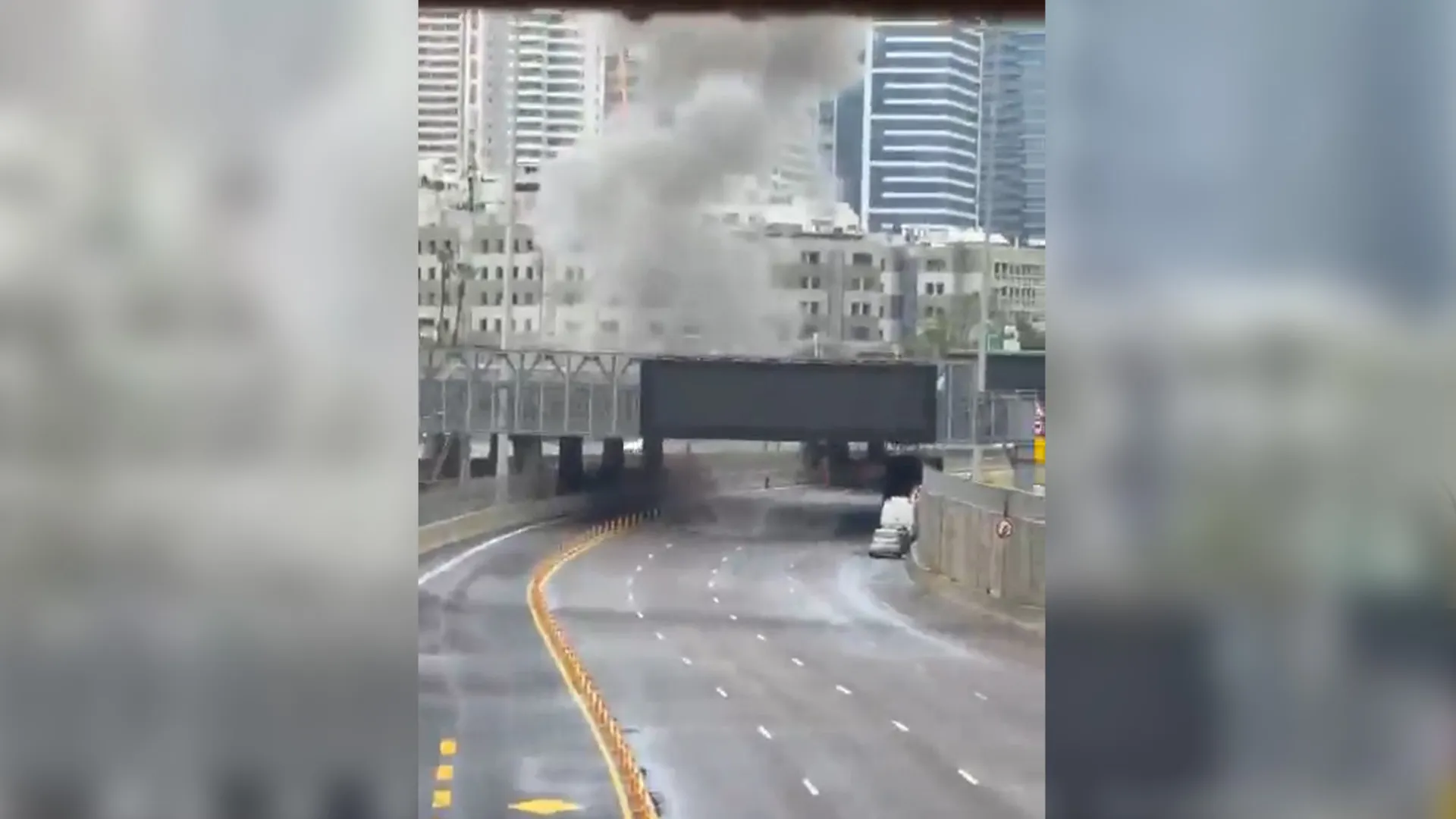
Moment Iranian strike hits central Tel Aviv | US-Israel war on Iran
Watch the moment an Iranian strike hits what appears to be a bridge in central Tel Aviv, startling pedestrians nearby with the loud blast.
Published On 22 Mar 2026
Watch the moment an Iranian strike hits what appears to be a bridge in central Tel Aviv, startling pedestrians nearby with the loud blast.
Published On 22 Mar 202622 Mar 2026
Share
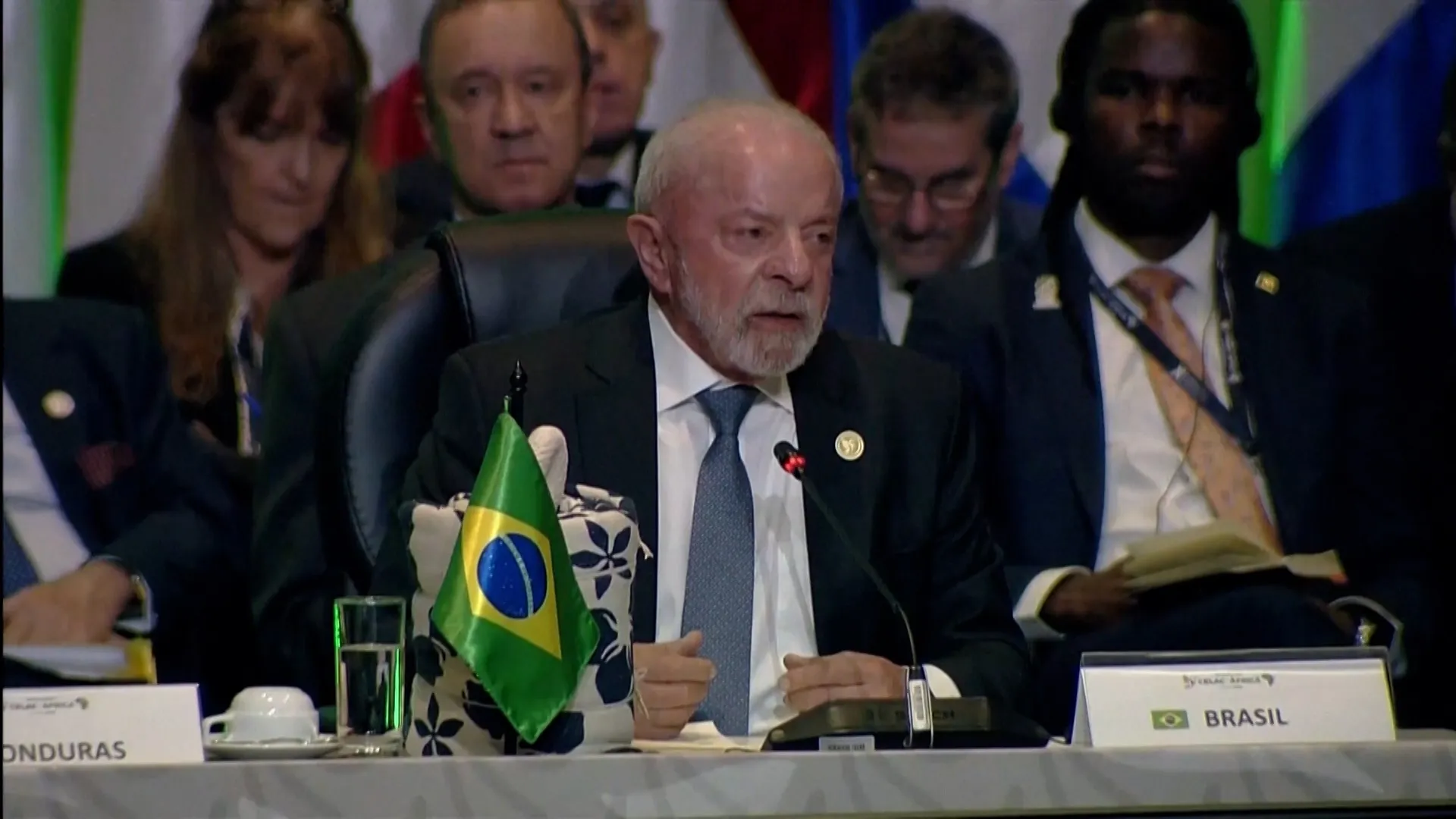
Latin American leaders met at the 10th Community of Latin American and Caribbean States (CELAC) Summit in Bogota on Saturday where Colombian President Gustavo Petro called for an immediate Middle East ceasefire to prevent a global economic crisis and ‘potential world war’.
Published On 22 Mar 202622 Mar 2026
Share
By AFP, AP, EPA and Reuters
Published On 22 Mar 202622 Mar 2026
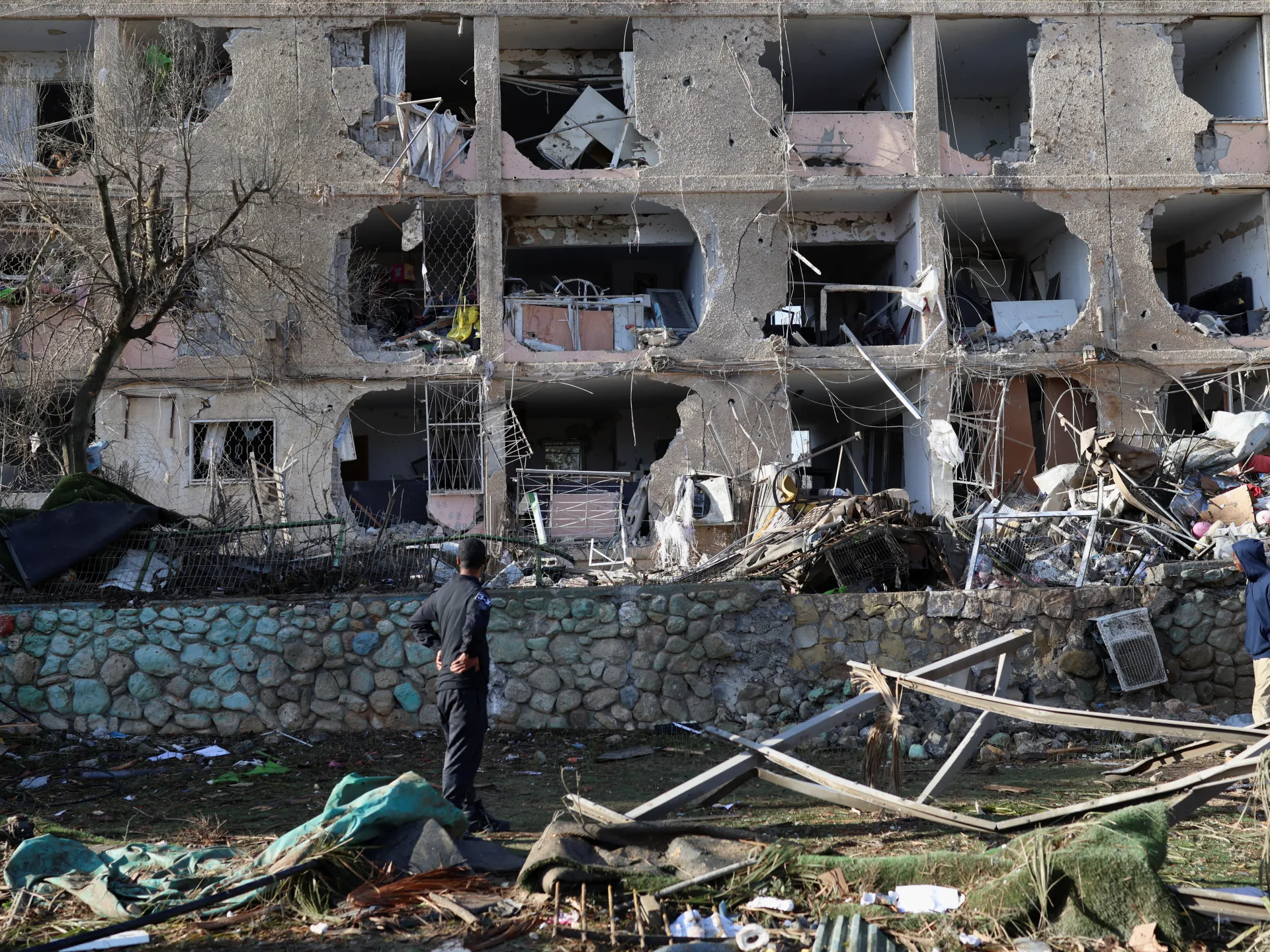
Iranian missiles struck two communities in southern Israel, leaving buildings shattered and dozens injured in dual attacks not far from Israel’s main nuclear research centre.
The Iranian strikes late on Saturday came after Tehran’s main nuclear enrichment facility at Natanz was hit earlier in the day. Israel denied responsibility for the strike on Natanz, nearly 220km (135 miles) southeast of Tehran.
The Pentagon declined to comment on the strike on Natanz, which was also hit during the first week of the war and the 12-day war last June. Russian Ministry of Foreign Affairs spokesperson Maria Zakharova said such strikes posed a “real risk of catastrophic disaster throughout the Middle East”.
Iran retaliated hours later.
Israel’s military said it was not able to intercept missiles that hit the southern cities of Dimona and Arad, the largest near the centre in Israel’s sparsely populated Negev desert. It was the first time Iranian missiles had penetrated Israel’s air defence systems in the area around the nuclear site.
The Israeli Ministry of Health said at least 180 people were wounded in the missile attacks on the southern city of Dimona and nearby Arad.
Dimona is about 20km (12 miles) west of the nuclear research centre, and Arad is around 35km (22 miles) to the north.
Israel is believed to be the only Middle East nation with nuclear weapons, though its leaders refuse to confirm or deny their existence. The UN nuclear watchdog said on X it had not received reports of damage to the Israeli centre or abnormal radiation levels.
Tehran responds to Trump’s threat by saying all US energy infrastructure in the region will be targeted if Iran is attacked.
Published On 22 Mar 202622 Mar 2026
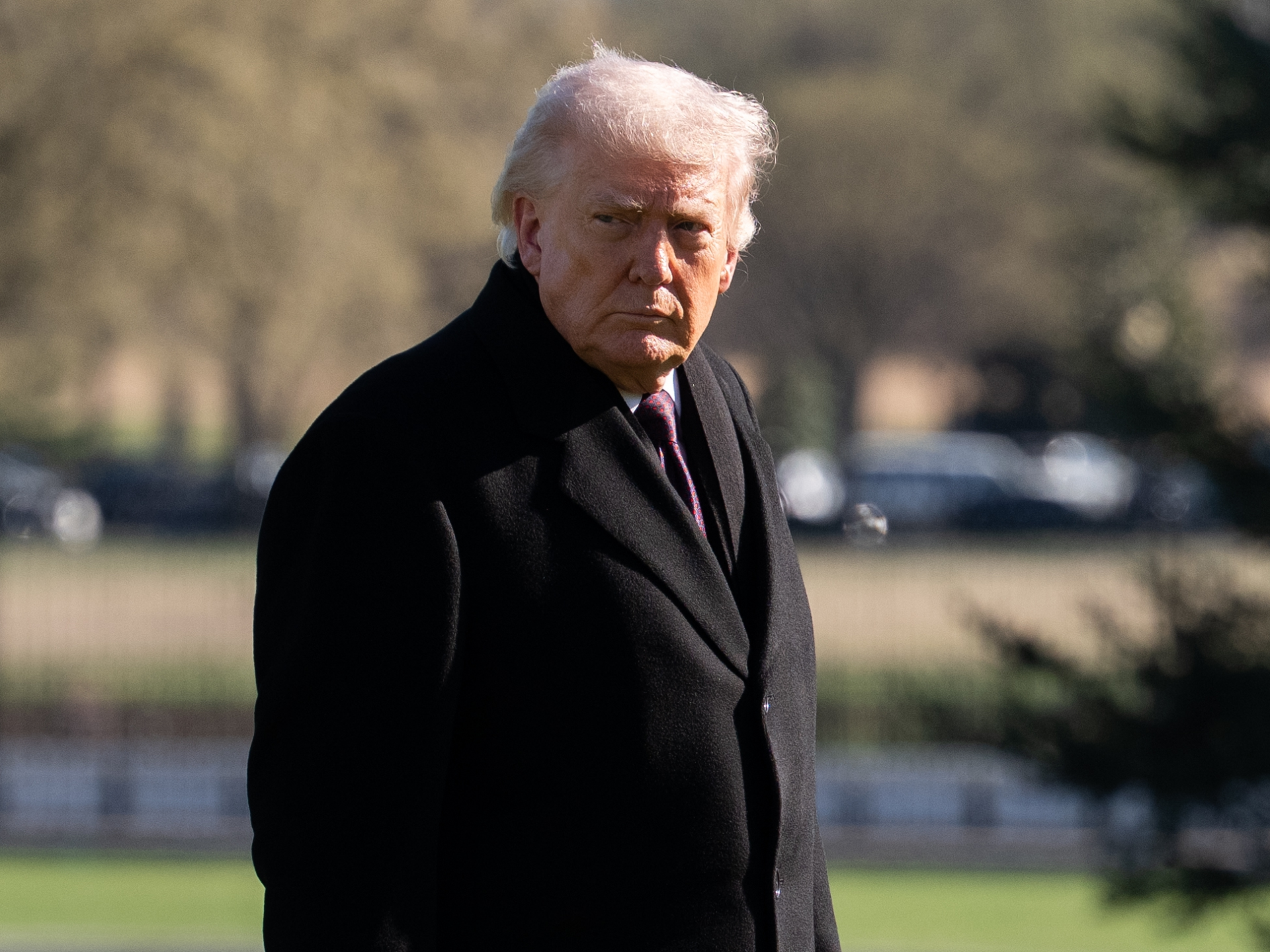
United States President Donald Trump has threatened to attack Iran’s power plants if freedom of navigation is not fully restored at the Strait of Hormuz within 48 hours, a dramatic escalation as the US-Israeli war on Iran continues for a fourth week.
The statement on Saturday came as Trump faces increasing pressure to secure the vital waterway that Iran has promised to keep closed to “enemy ships”, leading to soaring oil prices and plunging stock markets.
“If Iran doesn’t FULLY OPEN, WITHOUT THREAT, the Strait of Hormuz, within 48 HOURS from this exact point in time, the United States of America will hit and obliterate their various POWER PLANTS, STARTING WITH THE BIGGEST ONE FIRST,” Trump, who is in his Florida home for the weekend, wrote on Truth Social at 23:44 GMT.
He did not specify which plant he was referring to as the biggest.
Following Trump’s threat, the Iranian army said it would target all energy infrastructure belonging to the US in the region if Iran’s fuel and energy infrastructure were attacked.
Trump’s escalatory comments came barely a day after he talked about “winding down” the war that he launched alongside Israeli Prime Minister Benjamin Netanyahu on February 28, when the US and Iran were engaged in nuclear negotiations.
In a social media post on Friday, Trump said the US was “getting very close to meeting our objectives as we consider winding down our great Military efforts in the Middle East”.
Shipping traffic through the Strait of Hormuz, where a fifth of the world’s oil and gas passes through during peacetime, has virtually ground to a halt since the early days of the war.
Iran has said the Strait of Hormuz is open to all except the US and its allies, with Minister of Foreign Affairs Abbas Araghchi saying last week that he had been “approached by a number of countries” seeking safe passage for their vessels.
“This is up to our military to decide,” he told the US television network CBS, adding that a group of ships from “different countries” had been allowed to pass, without providing details.
The head of US Central Command, Admiral Brad Cooper, asserted on Saturday that Iran’s ability to attack vessels on the strait had been “degraded” after US fighter jets dropped 5,000-pound (about 2,300kg) bombs on an underground Iranian coastal facility storing antiship cruise missiles and mobile launchers earlier this week.
The strike also destroyed “intelligence support sites and missile radar relays” used to monitor ship movements, Cooper said.
Reporting from Washington, DC, Al Jazeera’s Manuel Rapalo said there seemed to be a “gap between what the White House appears to want in the Strait of Hormuz and what the US military says they have already accomplished”.
“It is interesting, to say at the very least, to hear Trump talking about a major escalation, given the fact that we’ve been hearing throughout the course of the day how much damage the US has done, supposedly, to Iran’s ability to target oil tankers and vessels navigating through the strait.”
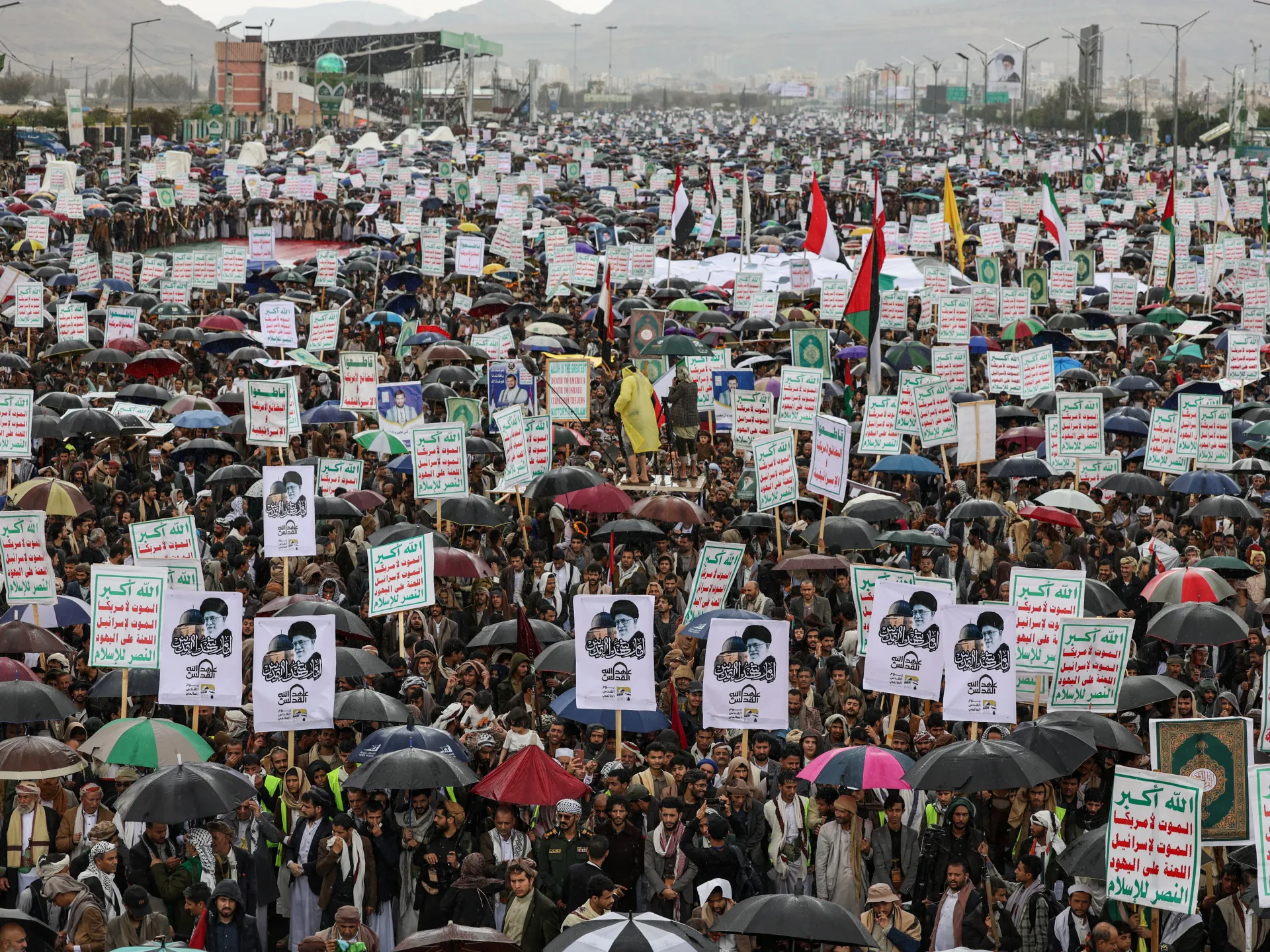
The Yemeni armed group says all options are on the table.
As the US-Israeli war against Iran drags on, Yemen’s Ansar Allah, or the Houthis, have stayed out of the conflict.
But that could change. They have said they consider themselves directly concerned and could take a position alongside Iran.
The armed group has attacked Israel and shipping in the Red Sea in recent years. If a new front opens up, global trade could be further disrupted in another maritime gateway. Shipping is already largely halted in the Strait of Hormuz, causing significant losses worldwide.
So, will the Houthis join the war? And what difference could that make for this volatile region?
Presenter: James Bays
Guests:
Farea al-Muslimi – research fellow in the Middle East and North Africa programme at Chatham House
Khaled Batarfi – political analyst who specialises in Saudi Arabian foreign policy
Rockford Weitz – director of the Fletcher Maritime Studies programme at Tufts University
Published On 22 Mar 202622 Mar 2026
Share
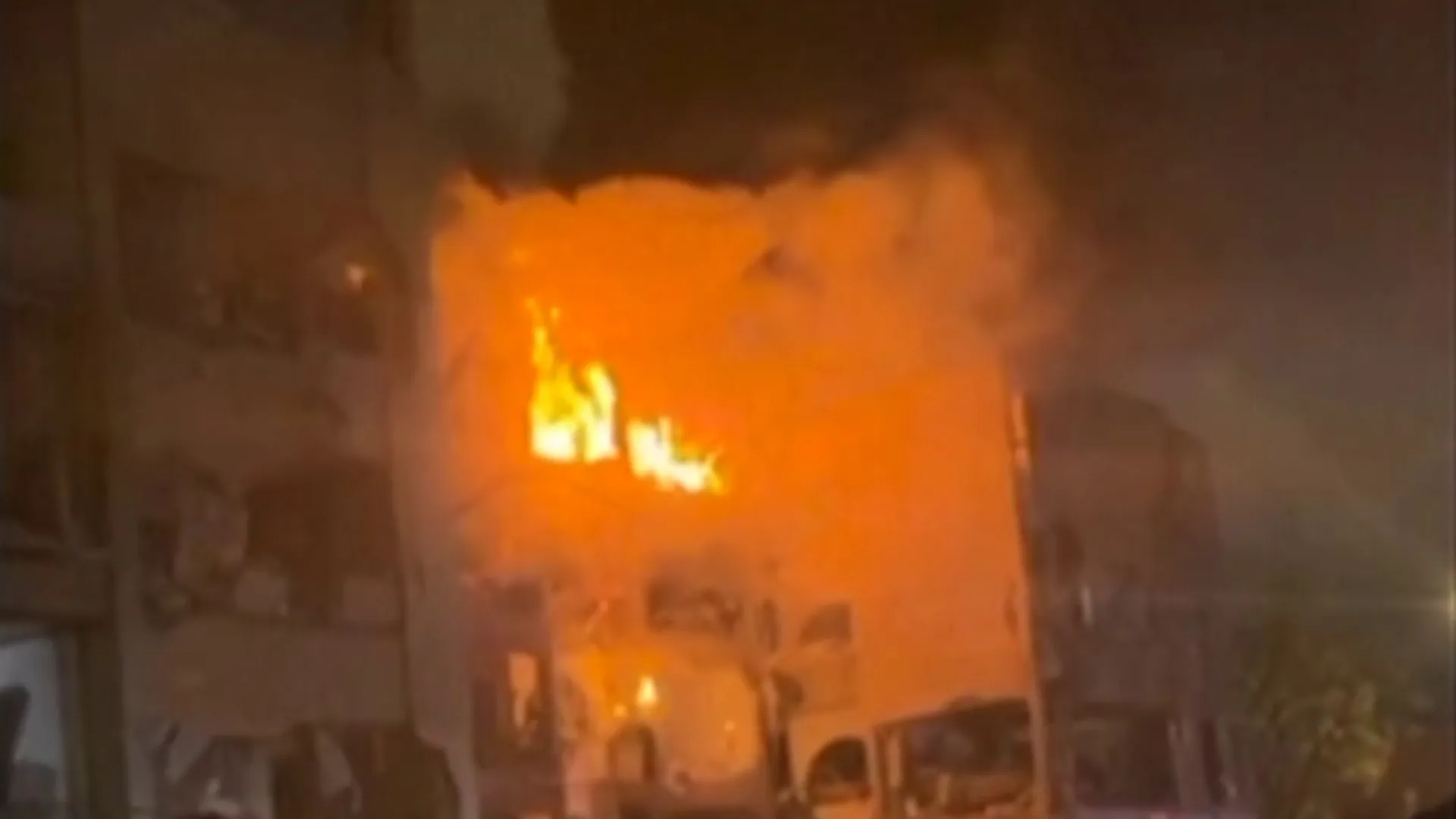
Israel’s air defence system failed to stop at least two Iranian missile strikes on southern Israel, in retaliation for an attack on Iran’s Natanz nuclear site. More than 100 Israelis have been injured in Arad and Dimona, with dozens of buildings destroyed. This is what we know.
Published On 22 Mar 202622 Mar 2026
Share
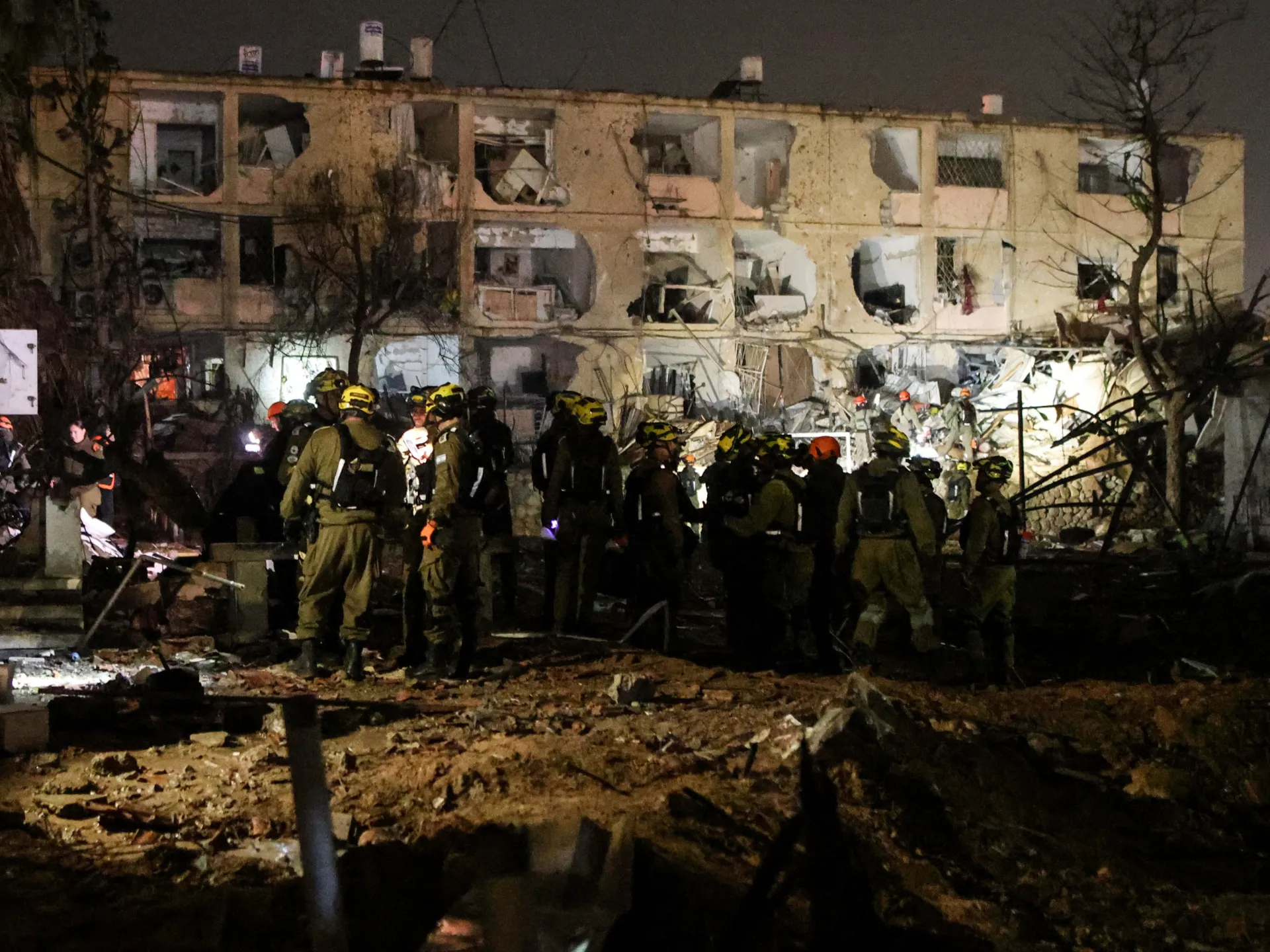
An Iranian missile has struck the southern Israeli cities of Dimona, home to the country’s main nuclear facility, and nearby Arad, wounding dozens of people and causing significant damage, in one of the most dramatic escalations since the US-Israel war on Iran began.
Iranian state television quickly reframed Saturday’s strikes as a “response” to what it said was a strike on Iran’s Natanz nuclear enrichment complex earlier in the day, marking a stark new phase of tit-for-tat targeting in the conflict, now in its fourth week.
list of 2 itemsend of list
Nearly 100 people were wounded in the attacks, according to Israel’s emergency services, including a 10-year-old boy who paramedics said was in critical condition with multiple shrapnel wounds. Seven others are also in critical condition.
An Israeli military spokesman said Israel’s air defence systems activated during the attacks, but failed to intercept some of the missiles, even though they were not “special or unfamiliar”.
The country’s Prime Minister Benjamin Netanyahu, addressing the attacks which wounded nearly 100 people, called it a “difficult” evening for Israel, and again vowed to continue attacking Iran.
The International Atomic Energy Agency (IAEA) said it had received no indication of damage to the Shimon Peres Negev Nuclear Research Center at Dimona itself, and that no abnormal radiation levels had been detected in the area.
The nuclear watchdog said it was closely monitoring the situation, with Director General Rafael Grossi urging that “maximum military restraint should be observed, in particular in the vicinity of nuclear facilities”.
Al Jazeera’s Nour Odeh, reporting from Ramallah in the occupied West Bank, said that three separate impact sites had been identified across Dimona, with one three-storey building having completely collapsed and several fires breaking out.
Witness footage verified by Al Jazeera, which is banned from operating inside Israel, showed a missile striking the city, followed by a large explosion.
Arad, another town near the nuclear facility, was also directly attacked, Israel’s firefighting service said in a statement, with extensive damage reported in the city centre.
“In both Dimona and Arad, interceptors were launched that failed to hit the threats, resulting in two direct hits by ballistic missiles with warheads weighing hundreds of kilograms”, firefighters said.
School in the surrounding Ramat Negev Regional Council was cancelled for the following day.
Earlier on Saturday, the Israeli military announced it had struck a research and development facility at Tehran’s Malek Ashtar University, which it said had been used to develop components for nuclear weapons and ballistic missiles.
The military said it “will not allow the Iranian regime to acquire nuclear weapons”.
Iran said that the US and Israel had targeted its Natanz enrichment complex that morning, though it reported no radioactive leakage.
An unnamed Israeli official, quoted by the Associated Press news agency, denied that Israel was responsible for the Natanz strike, but the Israeli army has not released a full statement on the matter.
Dimona has been at the heart of Israel’s nuclear programme since its research centre, built in secret with French assistance, opened there in 1958.
Israel is believed to have developed nuclear weapons by the late 1960s. Its policy of deliberate ambiguity, neither confirming nor denying their existence, was part of a deal quietly struck with Washington, which judged that an open declaration would risk triggering a regional arms race.
Abas Aslani, a senior fellow at the Centre for Middle East Strategic Studies in Tehran, told Al Jazeera that Iran has been pursuing an eye-for-an-eye approach designed to re-establish deterrence.
“Tehran wants to reduce the gap between words and actions,” he said, adding that Iran’s goal was to make its threats credible enough to underpin a new long-term security arrangement, not to simply force a ceasefire, but establish deterrence.
The attacks came as the broader war grinds through its fourth week.
More than 1,400 people have been killed in Iran since the US and Israeli strikes began on February 28, including more than 200 children.
Iran has retaliated across the region, launching what it described as its 70th wave of attacks on Saturday, targeting Israeli and US military positions, as millions of Iranians marked the Persian New Year, Newroz, and Eid al-Fitr under the shadow of war.
The move follows a drone strike on the Red Sea port of Yanbu, Saudi Arabia’s main oil export outlet, after Iran blocked the Strait of Hormuz.

Published On 21 Mar 202621 Mar 2026
Saudi Arabia has given Iran’s military attache and embassy staff 24 hours to leave the kingdom due to “repeated Iranian attacks” on its territory.
The Saudi Ministry of Foreign Affairs said in a statement on Saturday that it had declared personae non gratae the “military attache of the Embassy of the Islamic Republic of Iran to the Kingdom, the assistant military attache and three members of the mission staff”.
list of 3 itemsend of list
The move comes amid the US-Israeli war on Iran, which has seen Tehran target Saudi Arabia and its Gulf neighbours hosting US military assets with increasingly damaging retaliatory attacks on civilian hubs and energy facilities, unleashing chaos across the region and roiling global energy markets.
Saudi Arabia, which holds the world’s second-largest proven crude oil reserves, has come under attack by hundreds of Iranian missiles and drones since the start of the war, the vast majority of which have been intercepted, authorities have said.
Among the attacks, energy facilities in the east of Saudi Arabia have been repeatedly targeted, as well as the capital, Riyadh, where the US Embassy was hit by two drones earlier this month.
On Thursday, oil loadings at the Red Sea port of Yanbu were disrupted after a drone fell on the nearby Aramco-Exxon refinery, SAMREF.
The port is the only export outlet for Saudi Arabia after Iran effectively blocked tanker traffic leaving the Gulf via the Strait of Hormuz.
Saturday’s statement came after Saudi Foreign Minister Prince Faisal bin Farhan Al Saud said earlier in the week that trust in Iran had been “shattered”, asserting his country’s right to defend itself.
The foreign minister said that Saudi Arabia and other Gulf states had “very significant capacities and capabilities that they could bring to bear should they choose to do so”.
Saudi Arabia’s relations with Iran have historically been rocky, but the two countries embarked on a Beijing-brokered rapprochement three years ago.
On Saturday, the Foreign Ministry said that continued Iranian attacks would lead to further escalation and have “significant consequences” for current and future relations.
The statement followed Qatar’s decision on Wednesday to declare the Iranian Embassy’s military and security attaches in Doha as personae non gratae, along with their staff.
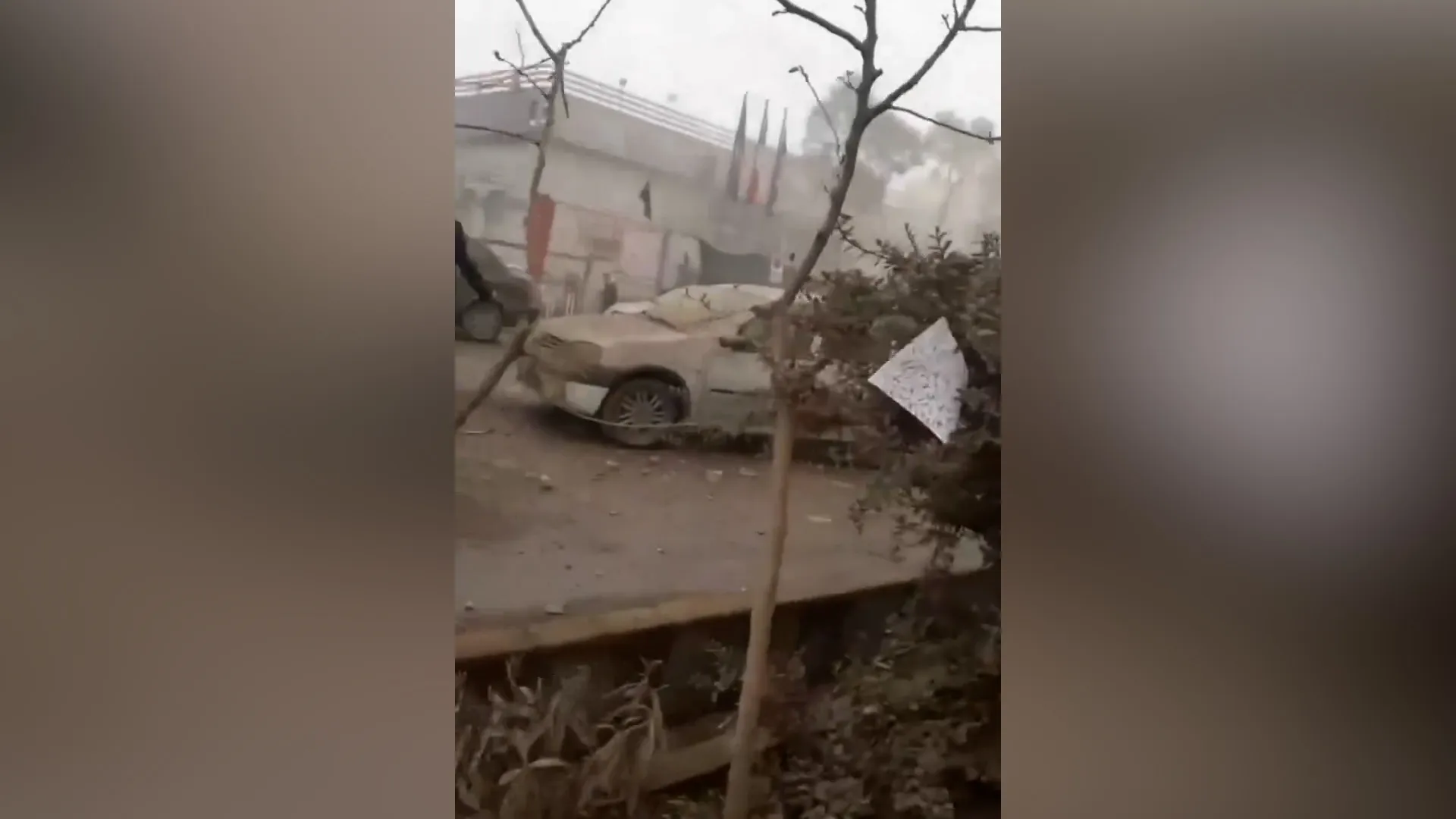
The fate of an Iranian woman caught in a US-Israeli bomb attack is unknown, after video emerged of the moments she filmed the bombardment on her phone.
Published On 21 Mar 202621 Mar 2026
Share
Japan sources more than 90 percent of its crude oil imports from the Middle East and is heavily dependent on exports transiting the key waterway.

Published On 21 Mar 202621 Mar 2026
Iran says Japanese ships will be allowed to transit the Strait of Hormuz, in the latest sign that Tehran has started pursuing a selective blockade of the strategic waterway.
“We have not closed the strait. In our opinion, the strait is open. It is closed only to ships belonging to our enemies, countries that attack us. For other countries, ships can pass through the strait ,” Iranian Foreign Minister Abbas Araghchi told Japan’s Kyodo News late on Friday.
list of 4 itemsend of list
“We are talking to them to find a way to pass safely. We are ready to provide them with safe passage. All they need to do is contact us to discuss how this route will be,” Araghchi said, according to an English transcript of the interview shared on his Telegram account.
Japan sources more than 90 percent of its crude oil imports from the Middle East and is heavily dependent on exports transiting the strait, but the waterway has been de facto closed since the United States and Israel attacked Iran on February 28.

Iran’s Islamic Revolutionary Guard Corps (IRGC) warned in the early days of the war that its forces would set “ablaze” any ships trying to transit the waterway, bringing marine traffic to a near standstill.
Over the past week, however, Iran has toned down the rhetoric to say the strait is only closed to Tehran’s enemies.
Japan may soon join the small cohort of countries – mainly China, India, and Pakistan – whose vessels have been allowed to transit the waterway in recent days, with approval from Iranian authorities.
Lloyd’s List, a shipping and maritime information service, separately reported that 10 ships have transited the strait by sailing close to Iran’s coastline – a route that is emerging as a “safe corridor” for shipping.
The latest ship, a Greek bulk carrier, transited on Friday by passing close to Iran’s Larak island , Lloyd’s said, while broadcasting the message “Cargo Food for Iran”.
While ships have been transiting on a case-by-case basis, Lloyd’s List reported that the IRGC is developing a more coordinated vetting and registration system.
As the war on Iran hits three weeks, a handful of countries – among them US allies – have already started lobbying Tehran to reopen the strait or allow their ships safe passage.
Japan, France, Germany, Italy, the Netherlands, and the United Kingdom earlier this week issued a joint statement expressing their “readiness to contribute to appropriate efforts to ensure safe passage through the Strait”.
Iraq, Malaysia, China, India and Pakistan have all reportedly held direct talks with Tehran to discuss the matter, according to Lloyd’s.
Araghchi’s remarks to Kyodo follow a call with Japanese Foreign Minister Toshimitsu Motegi on Tuesday, during which Tokyo expressed concern about the large number of Japanese vessels currently stranded in the Gulf, according to a Japanese readout of the call.
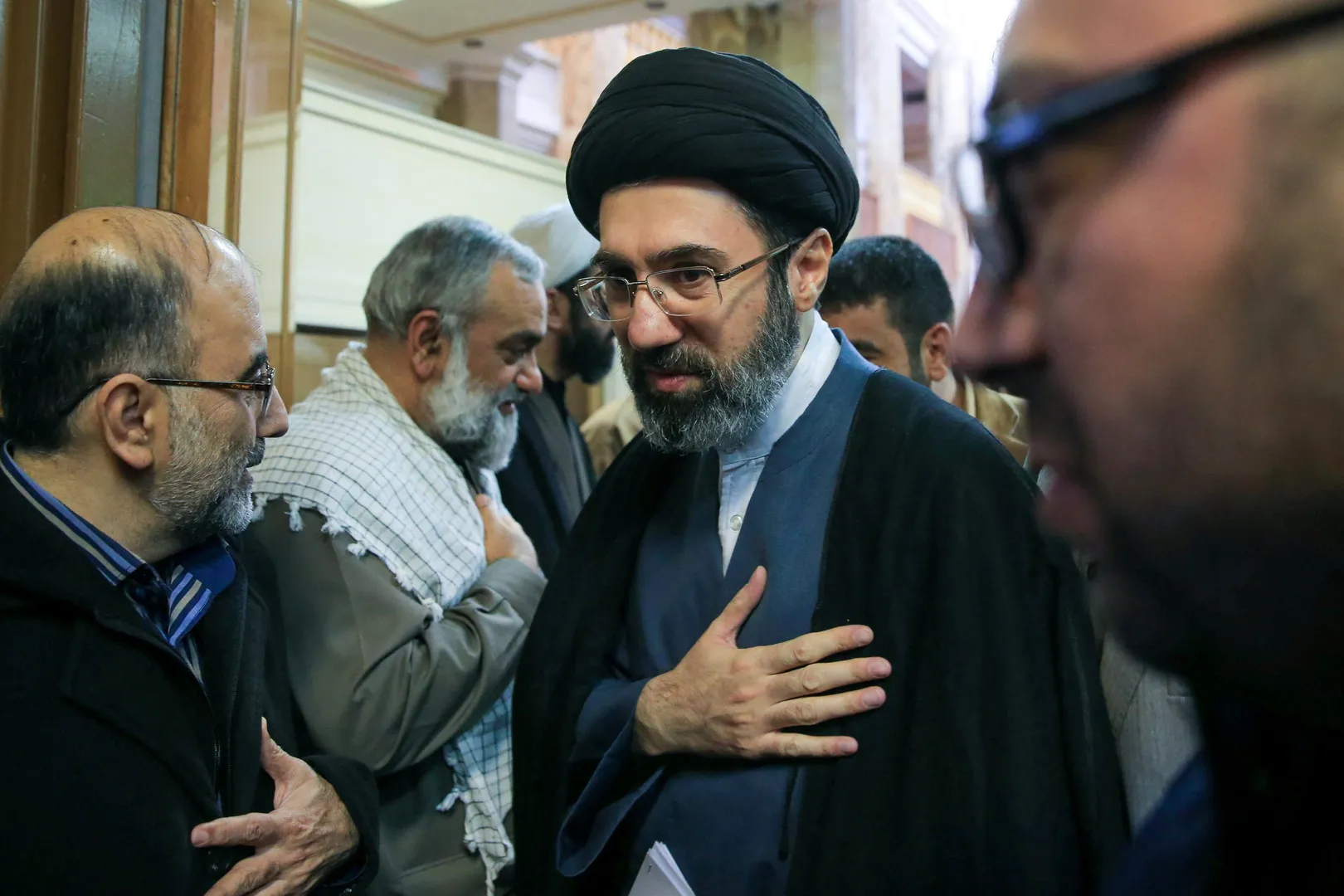
Supreme Leader Mojtaba Khamenei has released a message for the Persian New Year saying that Iran’s unity had defeated the enemy. Khamenei’s message comes amid rumours over his health following US-Israeli strikes.
Published On 20 Mar 202620 Mar 2026
Share
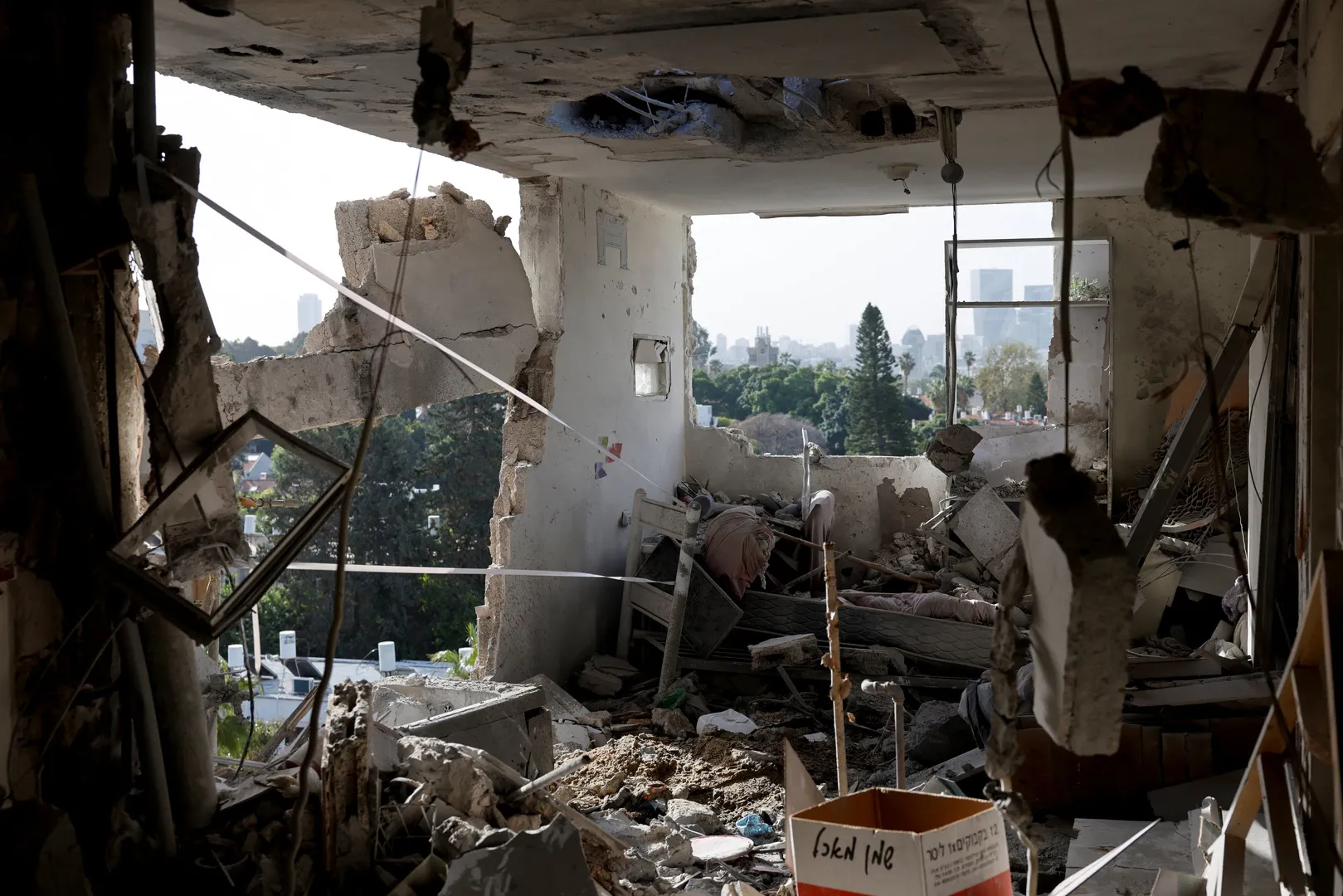
At least 15 people have been killed by attacks in Israel since the war on Iran started late last month. Israel operates a network of shelters to keep people safe, but not all Israeli citizens enjoy the same level of protection.
Published On 20 Mar 202620 Mar 2026
Share
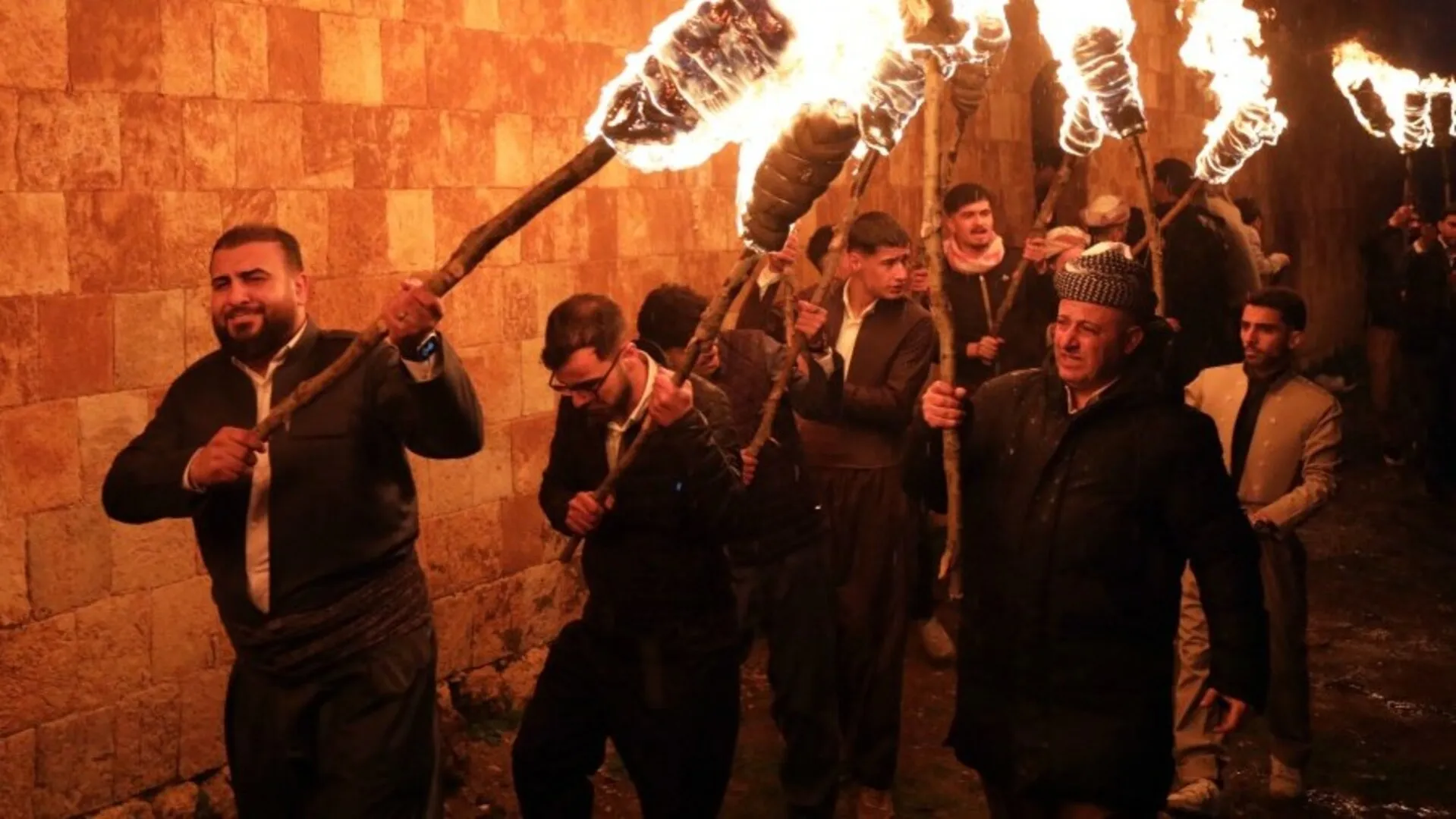
Millions of people have rung in the ancient Persian New Year, Nowruz, as war grips the Middle East. The 3,000-year-old Zoroastrian-rooted celebration marks the beginning of spring in the northern hemisphere and is celebrated by 300 million people in Iran and Central Asia.
Published On 21 Mar 202621 Mar 2026
Share

Al Jazeera’s Nicolas Haque recorded his journey on the long road from Amman, Jordan to Baghdad, Iraq as he deploys to cover the US-Israeli war on Iran. Along the 900km drive he found tight security and people largely unfazed by the conflict.
Published On 21 Mar 202621 Mar 2026
Share
Trump calls NATO cowardly over lack of support for Iran war, says Strait of Hormuz should be protected ‘by other nations who use it’.


Published On 21 Mar 202621 Mar 2026
Share
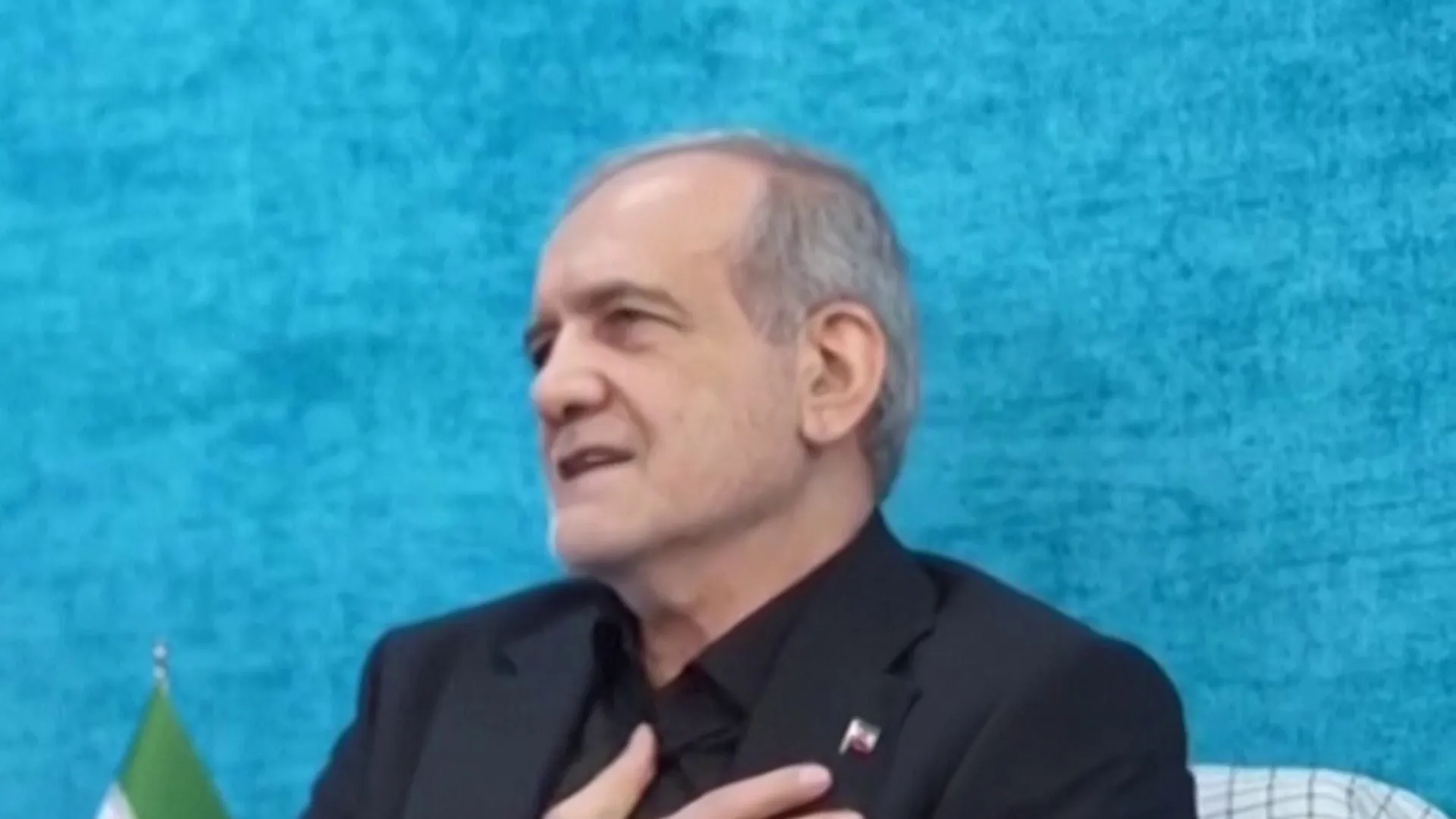
Iran’s President Masoud Pezeshkian says his country is not seeking war with its neighbours, blaming the US and Israel for creating problems. Iran has justified its attacks on Gulf states as they host US military bases.
Published On 20 Mar 202620 Mar 2026
Share
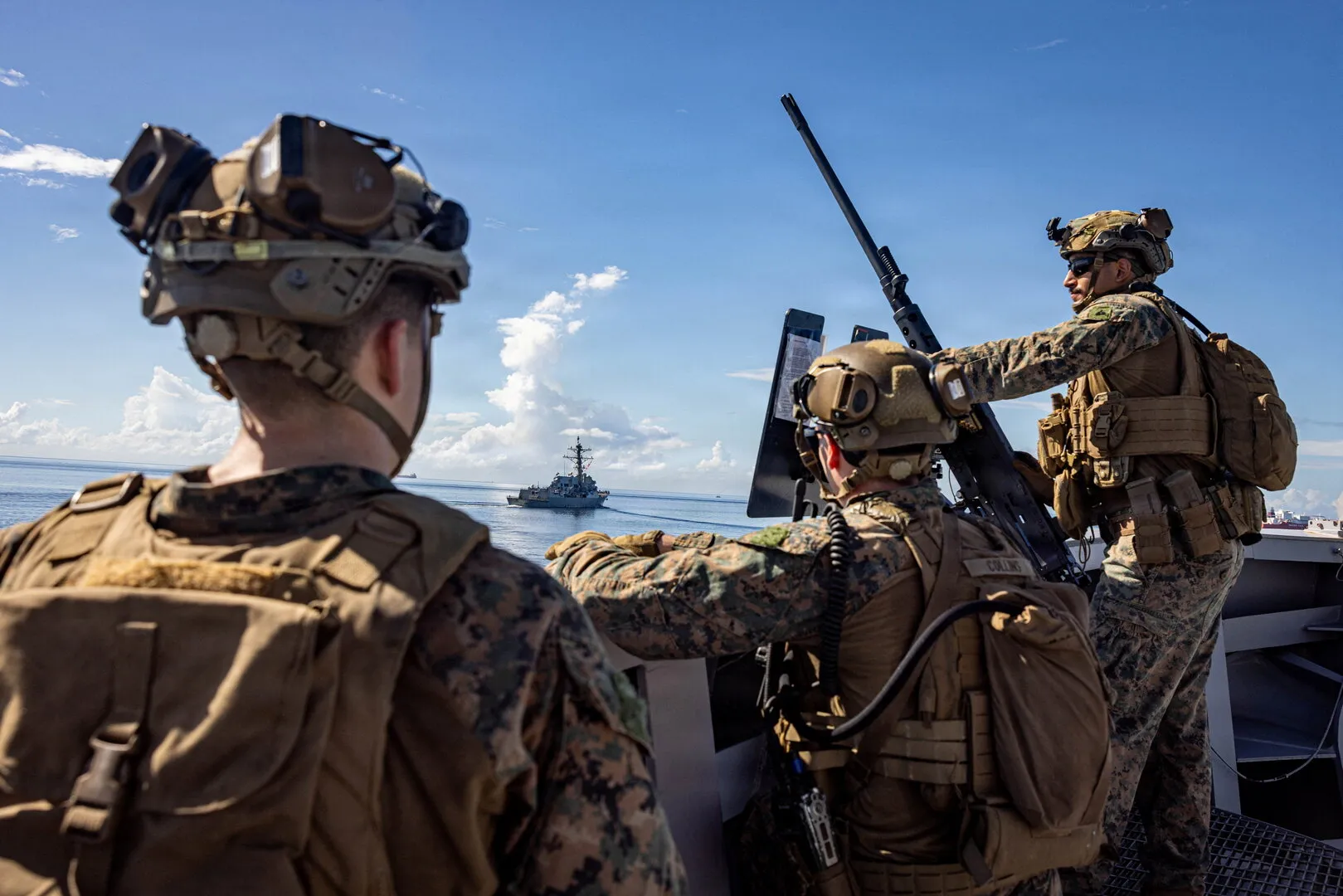
The US is moving military assets to the Middle East that are key to providing support for ground troop operations. Al Jazeera’s Kimberly Halkett says it’s the clearest sign yet of potential US boots on the ground in Iran to secure the Strait of Hormuz.
Published On 20 Mar 202620 Mar 2026
Share
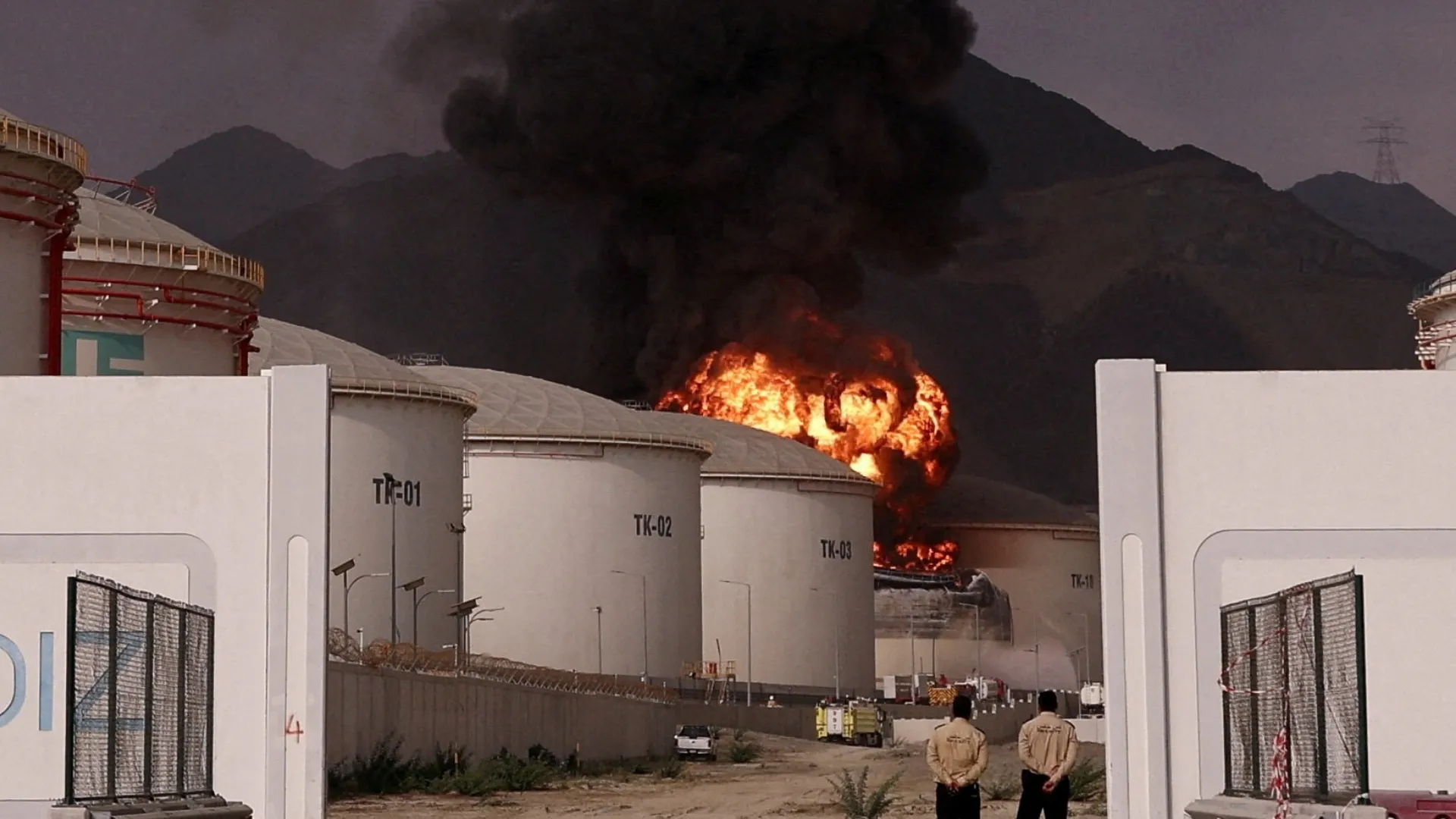
Oil and gas facilities in the Gulf have been attacked since early in the war on Iran.
The war in the Middle East took a serious turn when Israel bombed Iran’s energy facilities, pushing Iran to step up attacks on its Gulf neighbours.
The damage has been significant and will take years to repair. It also has long-term consequences, with Qatar already warning of a reduction in exports.
list of 3 itemsend of list
The escalation is dangerous, experts say, as energy exports from the Gulf region account for a fifth of global output.
So, what are the risks of turning energy facilities into battlefields?
Presenter: Imran Khan
Guests:
Mohsen Baharvand – Former Iranian ambassador to the United Kingdom
Jim Walsh – Research associate in MIT’s security studies programme
John Sfakianakis – Chief economist at the Gulf Research Center
Published On 20 Mar 202620 Mar 2026
Share
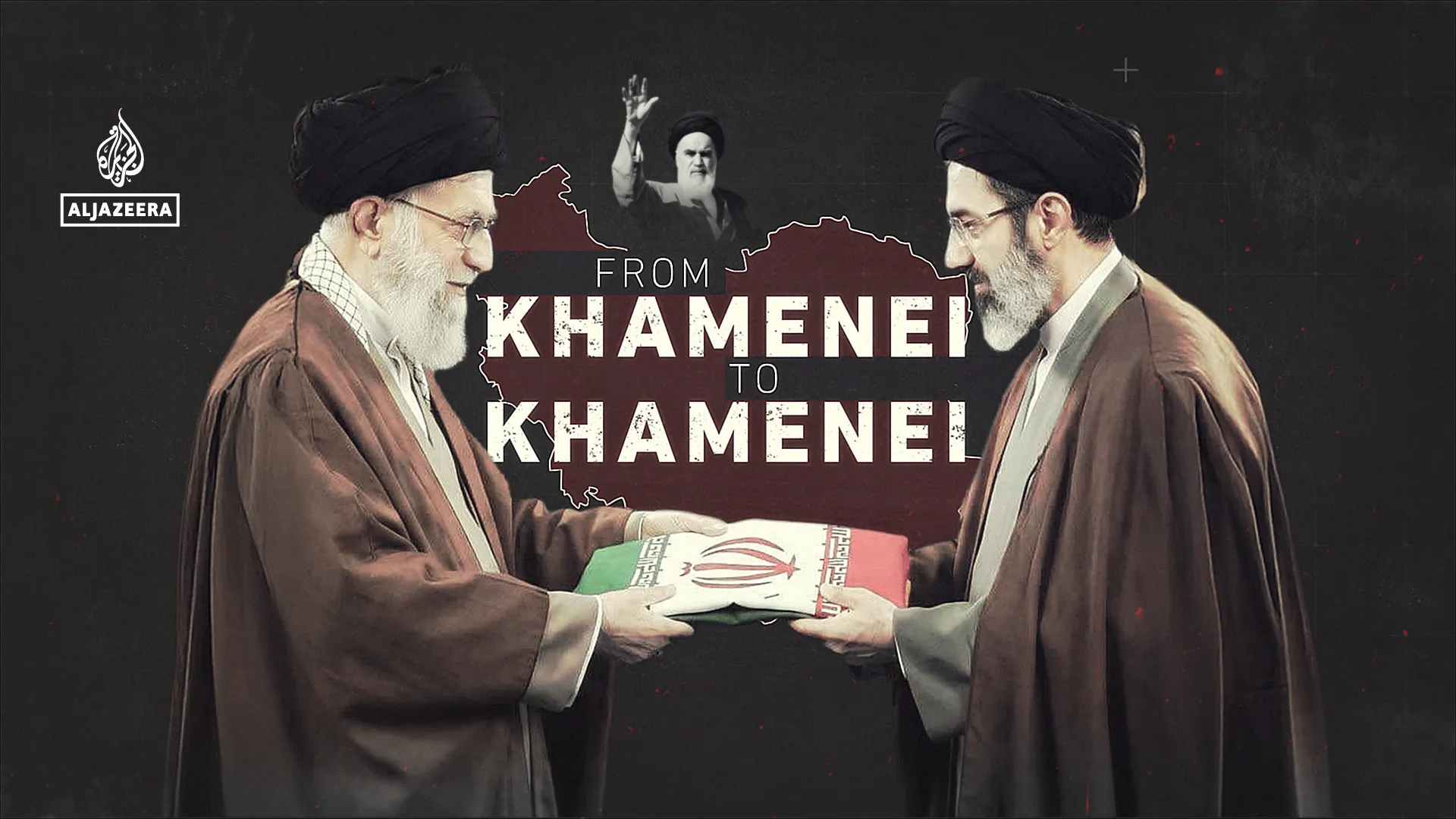
How Iran’s power structure was built, and how it survives its architect.
After a US-Israeli strike killed Iran’s Ali Khamenei, the war on Iran escalates, and the Islamic Republic faces a critical moment. Mojtaba Khamenei has been elected supreme leader, marking a rare and controversial succession. This explainer breaks down how Iran’s power structure was built after the 1979 Islamic revolution led by Ayatollah Ruhollah Khomeini, and how Ali Khamenei transformed that revolution into a complex political and security structure.
We examine how the supreme leader sits above all institutions in Iran, shaping decisions across government, the military, and the Islamic Revolutionary Guard Corps, and how this system is designed to endure beyond any single leader. As Mojtaba Khamenei takes power, questions grow over how Iran will be governed, how the IRGC will influence decision-making, and whether the system Ali Khamenei built can withstand both internal pressure and external conflict.
From Ali Khamenei to Mojtaba Khamenei, this is the story of Iran’s supreme leader, the system behind power in Iran, and what comes next.
Published On 20 Mar 202620 Mar 2026
Share
Mojtaba Khamenei has not been seen in public since he replaced his slain father as Iran’s supreme leader.
Published On 20 Mar 202620 Mar 2026
Supreme Leader Mojtaba Khamenei has said Iran’s enemies were being “defeated” in a written message for the Persian New Year, as the US and Israel continue to pound the country with attacks.
In a statement read on Iranian television on Friday, Khamenei praised the steadfastness of the Iranian people marking Nowruz, which he said ushered in the year of a “resistance economy under national unity and national security”.
list of 3 itemsend of list
“At the moment, due to the particular unity that has been created between you, our compatriots – despite all the differences in religious, intellectual, cultural and political origins – the enemy has been defeated,” he said.
Khamenei has not been seen in public since he became supreme leader, following the assassination of his father, Ayatollah Ali Khamenei, at the start of the war on February 28.
Iran’s supreme leader said that while the US and Israel believed that after one or two days of attacks, the Iranian people would overthrow the government, but this was a “gross miscalculation”.
The war was launched under “the delusion that if the pinnacle of the regime and certain influential military figures were to attain martyrdom, it would instil fear and despair in our dear people … and through this means, the dream of dominating Iran and subsequently dismembering it would be realised”, he said.
Instead, “a fracture has emerged in the enemy,” he added.
Analysts have observed that the Iranian constitution itself was drafted with the spectre of a power vacuum in mind, a “survival protocol” designed to give the system the capacity to continue even at a moment of maximum shock.
Khamenei also denied that Iran or its allied forces were responsible for attacks against Turkiye and Oman.
Those were “false flag” incidents used by Iran’s enemy to “sow discord among neighbours, and it may occur in other countries as well”, he claimed.
The Turkish Ministry of National Defence last week said NATO air defences intercepted a ballistic missile launched from Iran. Two people were killed in Oman after drones came down in the Sohar province.
The supreme leader also called on Afghanistan and Pakistan to end their fighting and said he stood ready to assist.
“We consider our eastern neighbours to be very close to us”, the supreme leader said. “I appeal to our two brotherly countries, Afghanistan and Pakistan, to establish better relations with each other … and I myself am ready to take the necessary actions.”
The neighbouring countries agreed to a temporary “pause” in hostilities during the Muslim holiday of Eid al-Fitr this week, after weeks of deadly violence.
From factories to supermarket shelves, the Iran war is disrupting global supply chains.
First came the energy shock. Now, the Iran war is hitting something even more basic: Food.
With the Strait of Hormuz blocked, vessels are being rerouted and supply chains are under strain.
The disruption is pushing up the costs of almost everything from factories to supermarket shelves thousands of miles away.
The longer the Iran conflict continues, the greater the pressure on businesses and consumers worldwide.
The United Nations warns that rising food, oil and shipping costs could push an additional 45 million people into acute hunger – taking the global total above its record of 319 million.
Published On 20 Mar 202620 Mar 2026
Share
Russian oil is emerging as a key beneficiary of the US-Israeli war on Iran, as countries scramble to charter tankers following United States President Donald Trump’s decision to temporarily ease sanctions, analysts say.
Following a phone call with Russian President Vladimir Putin on March 10, Trump said the US would waive Russian oil-related sanctions on “some countries” to ease the shortage caused by Iran’s closure of the Strait of Hormuz, which in peacetime carries 20 percent of the world’s oil and gas from producers in the Gulf.
This week, it was reported that a number of tankers carrying Russian oil bound for China had changed course and were heading for India instead.
According to figures from the Centre for Research on Energy and Clean Air (CREA), Russia earned an additional 672 million euros ($777m) in oil sales in the first two weeks of the war on Iran, which began on February 28 when Israel and the US launched strikes on Tehran, killing Ayatollah Ali Khamenei and other senior Iranian officials.
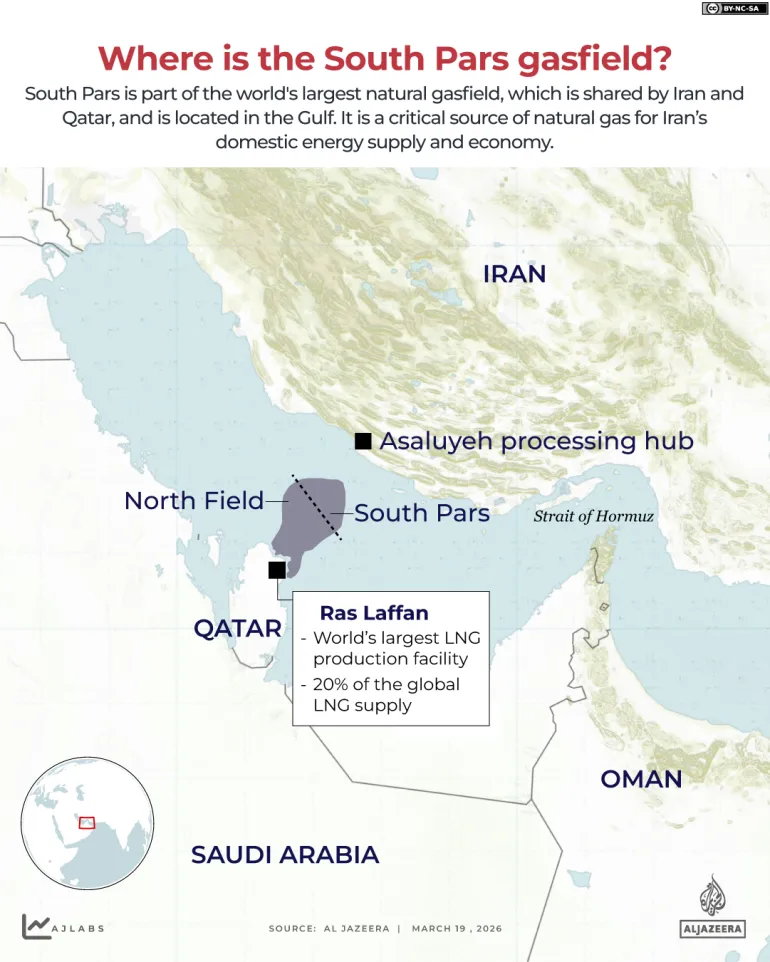
Iran has since struck back, launching thousands of missiles and drones towards Israel as well as US military assets and infrastructure in neighbouring Gulf countries. The war stepped up a level this week, when Israel bombed Iran’s critical South Pars gasfield, and Iran hit back with strikes on Gulf energy assets, including Qatar’s Ras Laffan Liquefied Natural Gas (LNG) facility – the world’s largest.

This week, the average price of Urals oil – the Russian benchmark – was significantly higher than the pre-war price of less than $60, at around $90 per barrel.
Here’s more about who is buying Russian oil and which other nations might benefit from the oil crisis.
Iran’s effective closure of the Hormuz Strait, which is the only sea route from the Gulf to the open ocean, has “walled in” 20 million barrels of Gulf oil per day, George Voloshin, an independent energy analyst based in Paris, told Al Jazeera.
This has prompted the US to, at least temporarily, ease sanctions on shipped Russian oil to slow the ensuing energy crisis and potential global price collapse. The price of Brent crude, the international benchmark, has risen to above $100 a barrel since the closure of the strait, compared with about $65 before the war began.
Many analysts say a price of $200 is no longer “far-fetched”.
“Russia has emerged as a primary beneficiary of the Middle East conflict due to the massive supply vacuum created by the closure of the Strait of Hormuz,” Voloshin said. “Global refiners are desperate for alternative medium-sour crudes, a need that Russia’s Urals grade specifically meets.”
He added that the US decision to grant a temporary reprieve for shipped Russian oil “has provided Moscow with a critical window to maximise export volumes and oil revenues, essentially allowing Russian crude to act as the world’s primary swing supply during the Iranian blockade”.
The price of Russian Urals has surged significantly, experts say. As a result of US sanctions, the oil had been trading at below $60 a barrel for some time. However, while “Urals historically traded at a significant discount to Brent due to Western sanctions”, Voloshin said, “that gap has narrowed as demand outstrips supply”.
“Since the beginning of the year, the price of Russian oil is estimated to have risen by nearly 80 percent – most recently close to $90 per barrel – and consistently trading well above the G7 price cap of $60 as buyers prioritise energy security over regulatory compliance in a high-volatility environment,” he added.
Earlier this week, Bloomberg reported that at least seven tankers carrying Russian oil had changed course mid-voyage from China to India, citing data from Vortexa, the data analytics group.
Then, Indian media quoted Rakesh Kumar Sinha, special secretary in the Ministry of Ports, Shipping and Waterways, confirming that the Aqua Titan, a Russian oil-laden tanker originally destined for China, is now expected to arrive at New Mangalore port on March 21 having been chartered by Mangalore Refinery and Petrochemicals Limited (MPCL).
India was the first country to receive a time-limited exemption from the US Treasury to import Russian oil that is already at sea, Voloshin said.
“There is clear evidence of a massive logistical redirection of Russian oil cargoes mid-voyage. Several tankers originally bound for Chinese ports have, indeed, switched trajectory to India. This shift is driven by India’s aggressive pursuit of discounted distressed cargoes to fill its strategic reserves and meet domestic demand, as well as the increased risk and insurance costs associated with long-haul shipments to East Asia via contested waters.”
Until recently, Trump had been strongly pressuring India to stop buying Russian oil, even slapping additional 25 percent trade tariffs on India last year in punishment for doing so. This was lifted earlier this year when Trump claimed he had received assurances from India’s Prime Minister Narendra Modi that India would start buying US oil, or even Venezuelan oil seized by the US, instead.
Indian media has reported that India’s purchases of Russian crude have surged in the past three weeks, since the war on Iran began and the Strait of Hormuz was closed.
“The primary buyers of Russian oil continue to be India and China, who together now account for the vast majority of Russia’s seaborne exports,” Voloshin said.
Turkiye is also a significant buyer, he added, now using Russian crude to stabilise its domestic market amid the gas shortages caused by the Israeli strikes on Iran’s South Pars field.
“Additionally, a shadow fleet of ageing tankers continues to move Russian oil to smaller, less-regulated refineries across Southeast Asia and the Middle East, often through complex ship-to-ship transfers designed to obscure the origin of the crude,” he added.
He said this shadow fleet is becoming the primary delivery mechanism for oil in several contested regions, meaning more buyers could appear. “Additionally, the degree of cooperation between the US and its European allies remains a wild card. If the EU continues to refuse participation in military operations near Iran, the diplomatic and economic pressure on the US to maintain the Russian oil reprieve will likely increase.”

If there is nowhere else to readily source oil, countries may continue to seek Russian crude even if the US reimposes sanctions, Voloshin said. The International Energy Agency (IEA) says the closure of the Hormuz Strait has caused a shortage of 8 million barrels of oil per day.
If that persists, “major importers like India may feel they have no choice but to continue buying Russian oil to prevent domestic economic collapse”, Voloshin said.
If secondary sanctions on Russian oil are reintroduced, he added, buyers may demand much lower prices to compensate for the increased legal and financial risks of dealing with Moscow. “At the same time, in the presence of a continued severe market disruption, the US is very likely to roll over [extend] current exemptions,” Voloshin said.
Two other major non-OPEC energy producers that could benefit are Norway and Canada, experts say. However, this will largely depend on their capacity to increase production.
“Norway has already signalled its intent to maintain maximum gas and oil production to support European energy security, primarily selling to EU nations seeking to replace lost Iranian and Russian volumes,” Voloshin said. “Canada is exploring ways to increase its export capacity to the US Gulf Coast. However, like Russia, its ability to significantly ramp up production in the short term is constrained by pipeline throughput and infrastructure bottlenecks.”