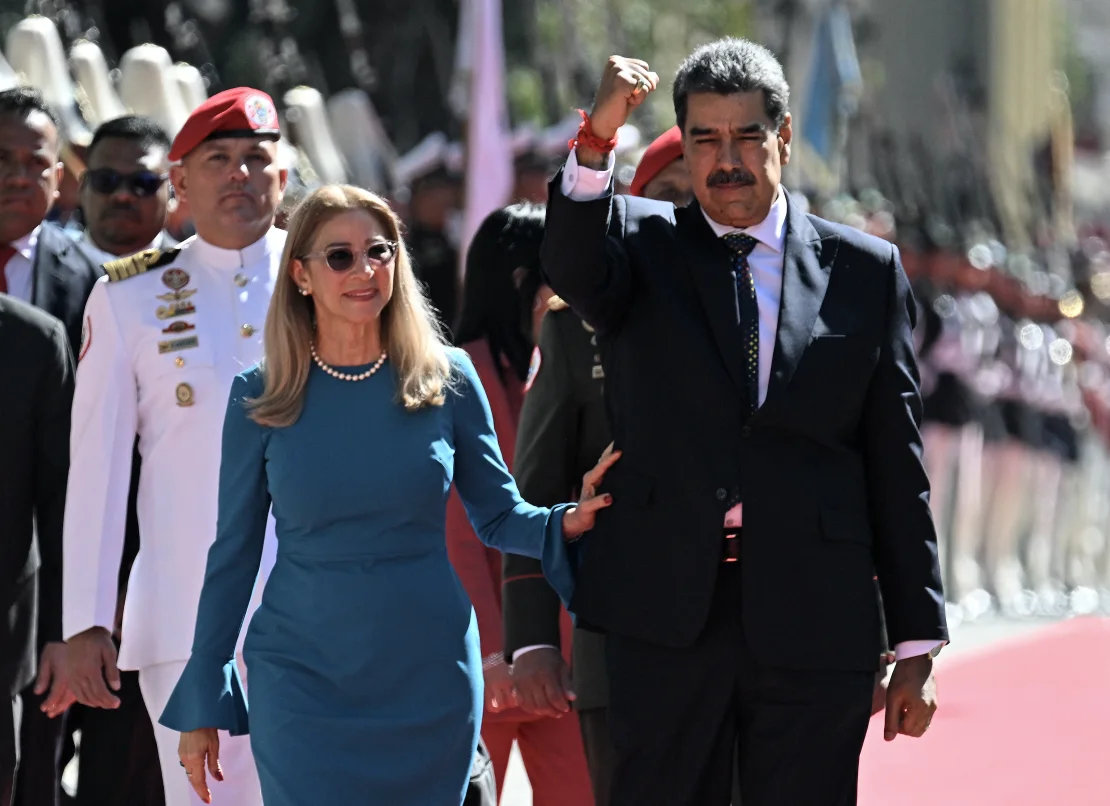
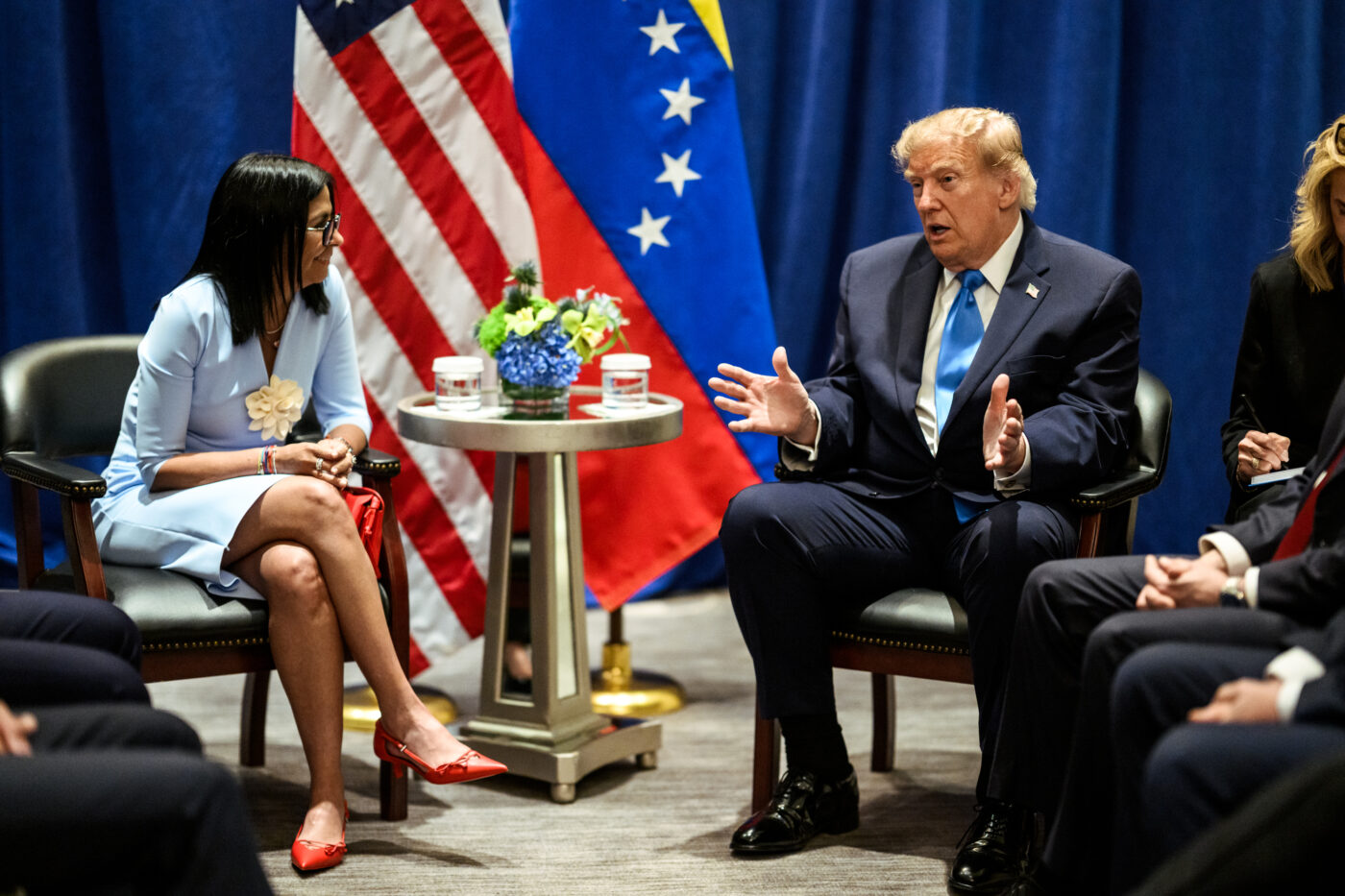
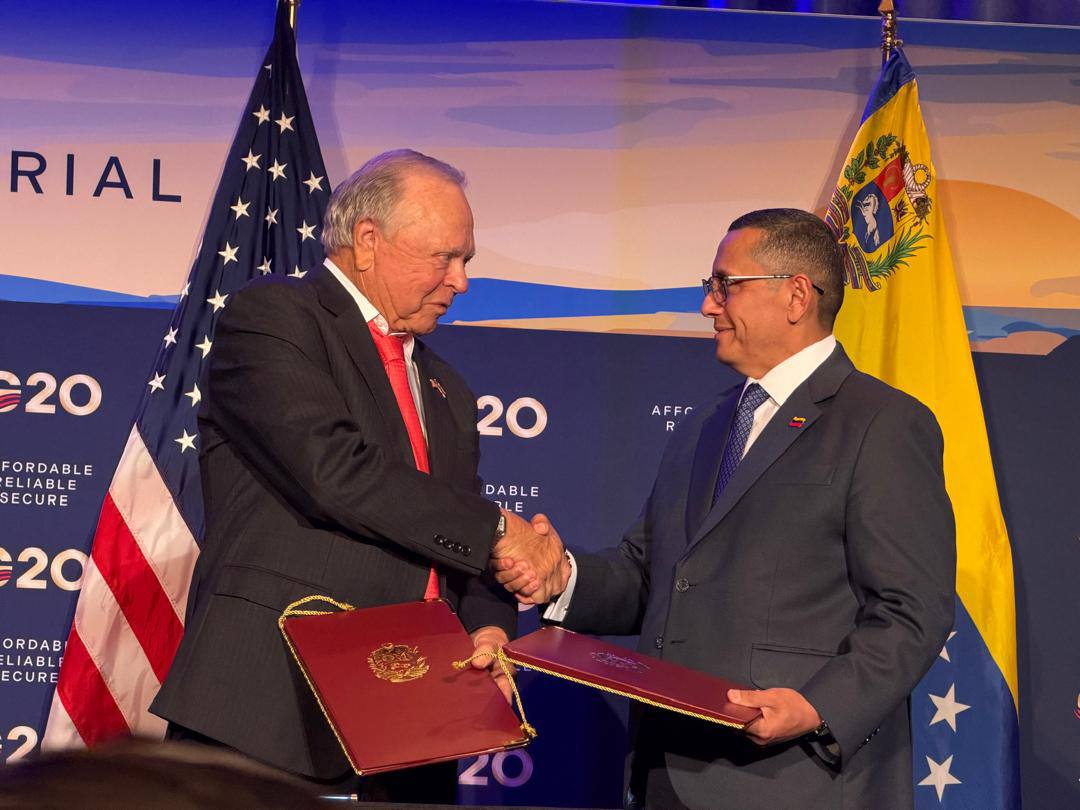
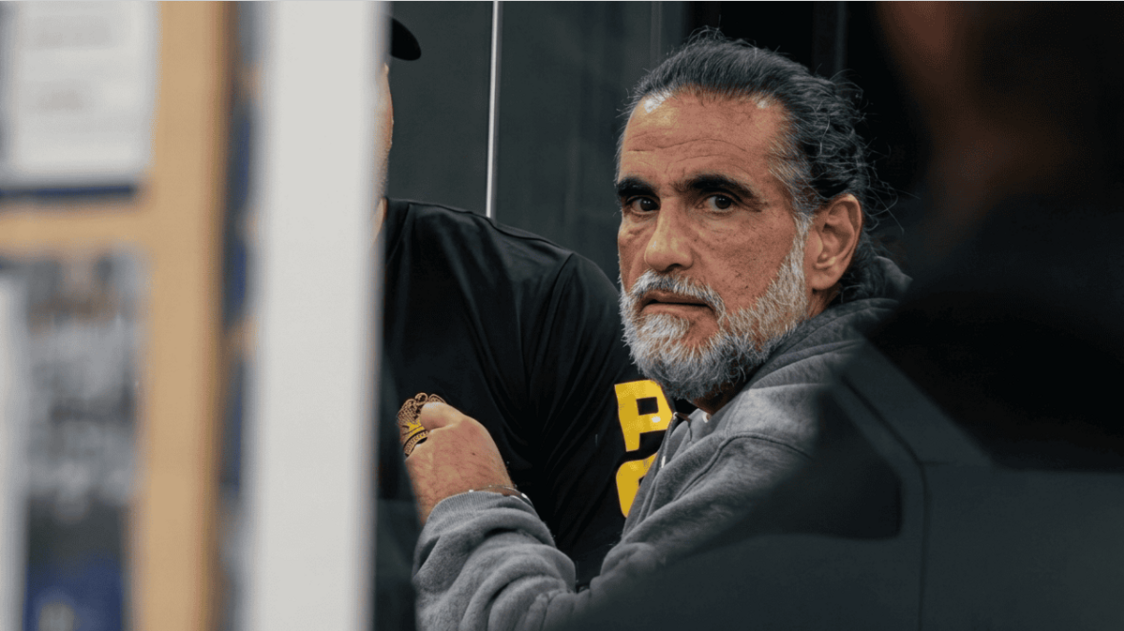
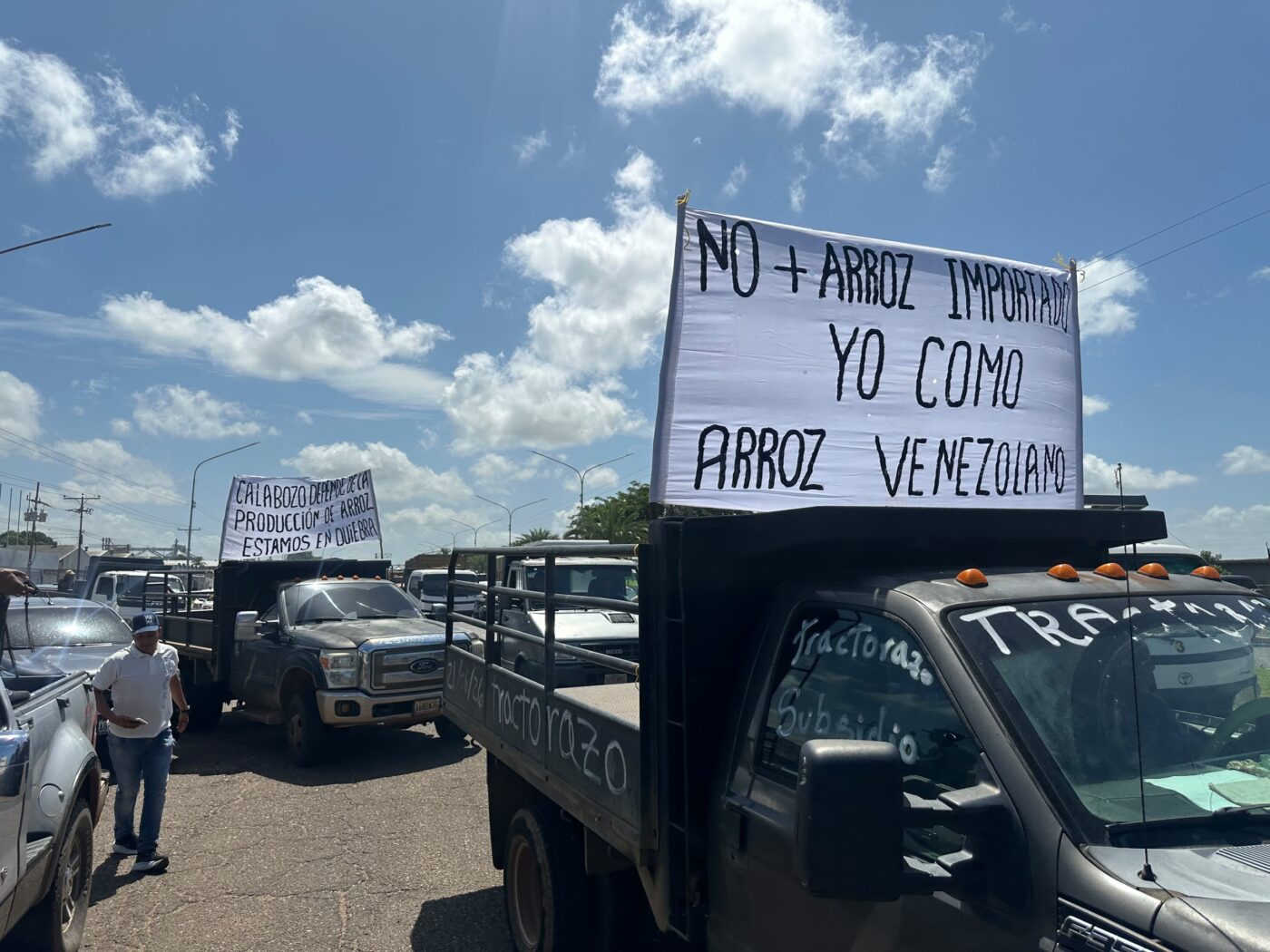
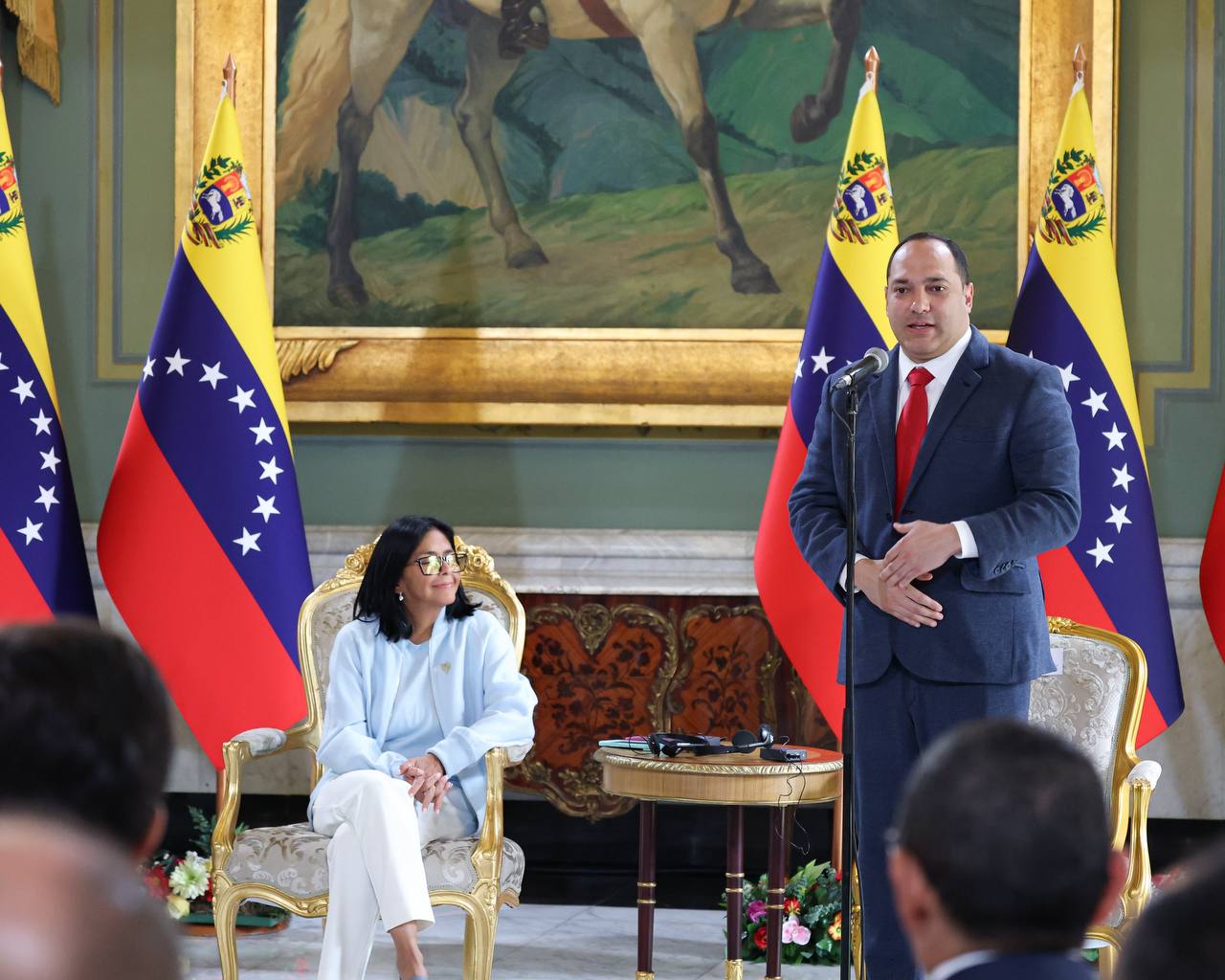
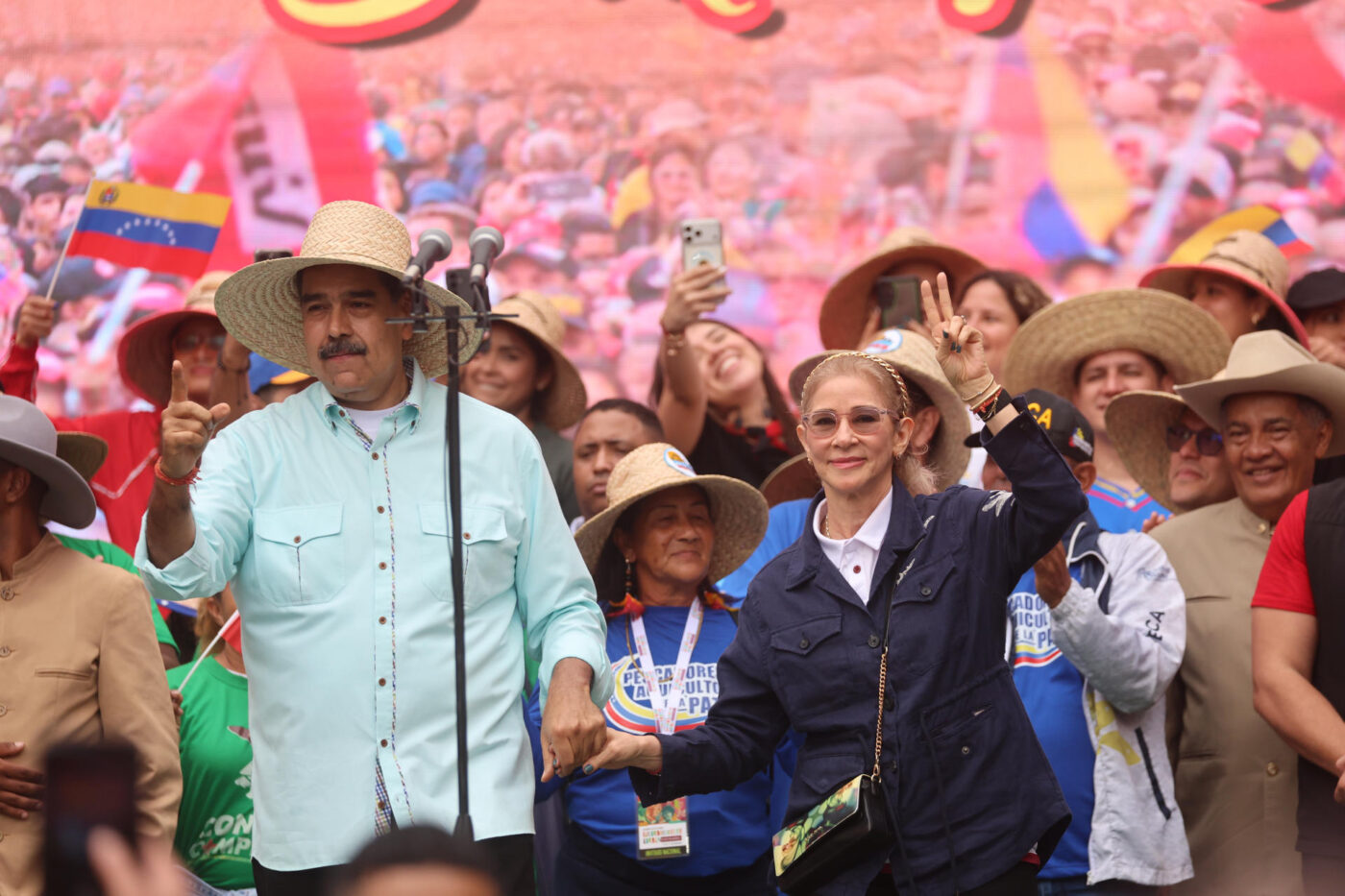
Washington has extracted major concessions from Caracas since the Jan.3 strikes and kidnapping of President Maduro. (Archive)
Between the mid-1980s and the early 1990s, amid the terminal crisis and collapse of the so-called European socialist bloc, the era of struggle that had begun following the triumph of the Cuban Revolution came to a close in Latin America. A new phase began, during which the leftist and progressive social and political organizations and movements of the subcontinent went through phases of accumulation and de-accumulation of forces.
Phases of accumulation
From 1985 to 1998, these movements accumulated enough social power to topple neoliberal governments and enough political power to secure seats in local governments and national legislatures, but not enough to take control of the national government.
From 1998 to 2009, they accumulated enough social and political power to elect—and in some countries, to re-elect several times—leftist or progressive governments.
Phases of de-accumulation
From 2009 to 2012, there were no electoral defeats for leftist or progressive governments, but there were coups d’état of a “new type” in the “weakest links in the chain”: Honduras and Paraguay.
In 2013 and 2014, there were no electoral defeats, but the margin by which the left retained power in Venezuela and El Salvador was reduced to a bare minimum.
From 2015 to 2019, electoral defeats in Argentina, El Salvador, and Uruguay, coups of a “new type” in Brazil and Bolivia, along with Lenín Moreno’s betrayal in Ecuador, broke six of the “strongest links in the chain,” and the siege against Venezuela, Nicaragua, and Cuba intensified.
Phase of partial recovery and subsequent acute loss of strength
Following the election of Andrés Manuel López Obrador as President of Mexico in 2018 and Alberto Fernández in Argentina in 2019 at the end of the phase of decline, between 2020 and 2024, the left and/or progressive movements regained power in Bolivia, Honduras, Brazil, and Uruguay, held power in Chile, Colombia, and Guatemala, and lost it again in Chile and Honduras in November and December 2025, respectively. In January 2026, President Nicolás Maduro and his wife Cilia Flores were kidnapped by the US military and are currently being held illegally in that country.
Predominant factors in the phases of accumulation (1985–1998 and 1998–2009)
The legacy of the historical accumulation of popular struggles, particularly during the period ushered in by the Cuban Revolution in which other revolutionary or reformist processes did not succeed or survive, contributed to opening up spaces for legal struggle.
The rejection of the genocidal repression traditionally employed against the peoples of the region forced the United States and its Latin American allies to seek less brutal forms of domination.
The momentum of popular movements in full swing brings into the political and electoral struggle social sectors that previously lacked the consciousness, motivation, or conditions to participate in it.
The protest vote against neoliberal governments by broad sectors of the population that were not politically conscious could nonetheless be turned against leftist and progressive forces if they failed to meet their expectations, whether fair or unfair, rational or irrational.
Predominant factors in the de-accumulation phases from 2009 onward
Historical accumulation depreciates. As time passes, with the superseding of recent realities, the emergence of new social expectations and demands – in some cases due to the fulfillment and in others due to the unfulfillment of previous ones – and the shortcomings and errors of the left and progressivism, there is a relativization or devaluation of the historical legacy.
The brutal repression of the past was replaced by “full-spectrum destabilization” against progressive and left-wing governments.
Due to their dissatisfaction with left-wing or progressive governments over the failure to fulfill their economic and social promises – due to the “constraints” of the system, pressure from the powers that be, and shifts toward the “center” to broaden their electoral base – a large part of the popular social movements that had provided decisive support in earlier phases began to exercise punitive abstention against them.
Social sectors without political ties or preferences, which in an earlier phase cast their protest votes against neoliberal parties, began to cast them against the left and progressivism.
With the exception of Uruguay, the overthrow, defeat, or betrayal of left governments was followed by the criminalization, prosecution, and, in many cases, imprisonment of their leaders, most notably Lula in Brazil.
The transformative processes with the greatest capacity to remain in power have been those in Venezuela and Nicaragua, which set out to and succeeded in establishing control over all the institutions of state. It is this concentration of power that has guaranteed the survival of the Cuban Revolution over six and a half decades. However, in Venezuela and Nicaragua there is a contradiction between the formally prevailing liberal/bourgeois system and the actually prevailing institutional system, with characteristics of state socialism, in which a political party – not the only one, but certainly the dominant one – monopolizes control of the four branches of government, the armed forces, and the security services.
The incompatibility between the formally existing institutional system and the institutional system actually in place in Venezuela and Nicaragua remained latent as long as the leaders of their respective transformative processes enjoyed widespread popularity and maintained high levels of approval, or raised expectations regarding the fulfillment of social needs and interests. However, this concentration of power has both a positive and a negative aspect:
The positive aspect is that it has been decisive in resisting the policy of encroachment, economic blockade, and political isolation that has affected Cuba since the triumph of its Revolution (1959), Nicaragua during the two periods of FSLN rule (1979–1990) and (2006 to the present), and Venezuela since the first term of Hugo Chávez’s government (beginning in 1999).
The negative aspect is that it distorts the relationship between the end and the means. The end was to develop a national project that would satisfy society’s material and spiritual needs and aspirations, and the means was to establish a power capable of guaranteeing that national project. The distortion consists in continuing to exercise power when one no longer has the capacity to satisfy society’s needs and aspirations, either because one failed to develop that capacity or because it was lost.
Given that external and/or internal forces are attempting to undermine or overthrow the established institutional systems in these countries, and given that neither of them has managed to make progress in building a new society – with this project becoming unattainable in the form and substance originally envisioned – the defense of power becomes an end in itself.
When evaluating any process of progressive social reform or revolutionary social transformation, it is necessary to consider the extent to which it has met or failed to meet its historical goals. In cases of failure to meet these goals, one must take into account the adverse and external factors that have influenced this outcome. However, it cannot be ignored that, even if resulting from such factors, the failure to meet historical goals erodes these processes. In essence, every transformative process is compelled to achieve its historical goals within a timeframe no longer than the moment society perceives it as an “eternal uphill battle.”
The Venezuela Case: Between Reality and Utopia
The kidnapping of President Nicolás Maduro and his wife Cilia Flores by the US military – along with the questions of how such an operation could have been carried out (no less than inside the headquarters of the Bolivarian National Armed Forces!), how the kidnappers knew where they would be sleeping that night, and that they were indeed there, why there was no response, which had been assured would occur in the event of any aggression against Venezuela, and, on top of all that, that the outcome is a “normalization of relations” with the aggressor power agreed upon by the very government that Maduro headed – reveals the fragility of revolutionary processes that claim to have a solid base of popular power, but events like this reveal that, in reality, they lack it.
Twenty-seven years and five months after the start of the Bolivarian Revolution – the first link in a chain of elections and re-elections of leftist and progressive governments that has become increasingly fragmented since 2009–2019 and is now practically extinct – it is time to face reality and assess to what extent the parties, movements, fronts, or coalitions that have held and/or currently hold power in their respective countries are aware of the true relationship between their rhetorical utopias and their political realities.
Between every emancipatory utopia and its corresponding reality lies a “missing link.” The “missing link” between utopia and reality creates a “gap” between the project of revolutionary social transformation or progressive social reform and the transformative or reformist process intended to bring it about. The danger lies in failing to recognize the cumulative widening of the “gap” between utopia and reality and clinging to a utopia as the foundation of a process of revolutionary social transformation or progressive social reform that is increasingly deviating from and becoming disconnected from it.
The disconnect between utopia and reality has consequences, including most notably: the conversion of utopia into dogma; the social alienation that every reformist or revolutionary process is meant to eradicate; the divergence of interests and direction between “leaders” and “followers”; the drift of the process toward disillusionment and failure; and, in well-known historical experiences, such as that of the USSR (to mention only the most prominent), the absolute empowerment of a caste that creates and defends its own political and economic interests, leading to the negation of utopia: from the very pinnacle of “power” itself!
Utopia must be systematically grounded in reality through the active, genuine, and effective participation of society, and never reaffirmed or reformed from “above.” This reevaluation and renewal led by society is the only way to ensure that utopia not only serves as a guide, as Galeano says, but also serves to walk the path that turns it into a political, economic, and social reality that is as close as possible to the vision itself.
Based on experiences and studies conducted in previous decades, since the beginning of the chain of elections and re-elections of leftist and progressive governments in Latin America, attention has focused on denouncing media warfare, cognitive warfare, cultural warfare, and fourth- and fifth-generation warfare. In recent years, Caracas has been the main venue for events and the most active platform for denouncing this form of counterrevolutionary action. These analyses and denunciations must continue “at full speed,” but we must also recognize and accept that this is not the only threat facing leftist and progressive governments and political forces.
All forms of external and internal counterrevolutionary activity must be analyzed and combated, but with the knowledge and understanding that this is not the only battlefront. Another front, just as important or even more so, is the recognition and eradication of our own weaknesses and errors, which make transformative and/or revolutionary processes vulnerable to enemy strategies and tactics. What has happened in Venezuela is proof of this omission: plenty of denunciation of the enemy and little to no self-reflection.
The moral of the story is that yes, we must denounce and unmask the enemy. But no, we cannot focus attention on denouncing the enemy at the expense of recognizing and eradicating our own weaknesses and mistakes.
Roberto Regalado is a Cuban political scientist and PhD in Philosophy. He is a professor at the Center for Hemispheric and U.S. Studies at the University of Havana (CEHSEU) and a member of the Historical and Social Literature Section of the National Union of Cuban Writers and Artists.
He is the author of, among other essays, Latin America Between Centuries: Domination, Crisis, Social Struggle, and Political Alternatives of the Left (2006), Encounters and Disagreements of the Latin American Left: A View from the São Paulo Forum (2008), The Latin American Left in Government: Alternative or Recycling? (2012), and numerous articles in specialized journals.
The views expressed in this article are the author’s own and do not necessarily reflect those of the Venezuelanalysis editorial staff.
Airlines and shipping companies must send payment receipts to PDVSA to access fuel. (Archive)
Caracas, June 3, 2026 (venezuelanalysis.com) – The Venezuelan government headed by Acting President Delcy Rodríguez has instructed airlines and shipping companies to direct fuel payments to a US Treasury account.
Spanish newspaper El Diario published a May 28 letter from state oil company PDVSA addressed to “aviation and maritime customers” that laid out the “banking coordinates” for foreign currency payments concerning JET A1, MGO, and IFO 380 purchases.
JET A1 is a kerosene-based fuel widely used by commercial airplanes, while Maritime Gas Oil (MGO) and Intermediate Fuel Oil (IFO) 380 are standard for ship engines.
“We urge our customers to take the necessary precautions and forward the payment receipt to PDVSA sales representatives so that the payment is cleared and fuel supply is assured,” the letter read.
An attached US Treasury information sheet contains details for Fedwire payments to a “Venezuela custody account” and requires information about “source of funds, e.g., oil, gold, minerals, etc.”
The leaked letter is the first publicly available document from a Venezuelan state institution directing foreign currency payments to an account run by the US Treasury Department as opposed to the country’s Central Bank (BCV) or some alternative state-run mechanism.
Since the January 3 military strikes and kidnapping of Venezuelan President Nicolás Maduro, the Trump administration has seized control of the country’s export revenues. The White House has likewise extracted concessions in the form of pro-business reforms, preferential access for Western corporations to natural resources, and external audits of the Venezuelan Central Bank.
US Treasury general licenses allowing select Western corporations to engage in oil and gas activities mandate that all Venezuela-owed payments for royalties, taxes, and dividends be deposited in US Treasury accounts. Additional sanctions waivers imposed similar constraints on mining sector services and exports.
Neither US nor Venezuelan authorities have disclosed information about the funds, the timings of their disbursements back to Caracas, and the percentage kept by the Trump administration. The US president stated in a May interview that Washington has “made a fortune” from Venezuelan oil sales.
Both Washington and Caracas have acknowledged the use of Treasury-held Venezuelan revenues for the purchase of medicines and medical equipment from US manufacturers. In January, Secretary of State Marco Rubio said in a Senate hearing in January that Venezuela would need to submit a “budget request” to access its own funds.
According to reports, Washington is mandating that the Venezuelan Central Bank distribute the returned foreign currency to private sector importers via exchange table auctions run by public and private banks. The BCV has reportedly allocated more than US $5 billion thus far in 2026.
The Rodríguez acting government’s diplomatic rapprochement with the Trump White House, coupled with reforms to attract Western investment, has led to a growing number of international airlines reestablishing flights to the Caribbean nation. American Airlines currently runs two daily direct Caracas-Miami flights, while United Airlines will launch a Caracas-Houston connection in August. Jetblue, for its part, is set to initiate its first-ever Venezuela route later in the year.
Venezuelan authorities have likewise recorded increased shipping activity at the country’s ports.
Jaua defended the importance of national unity in the struggle to reclaim sovereignty. (Venezuelanalysis)
Elías Jaua is a Venezuelan intellectual, university professor, and politician who served as vice president under Hugo Chávez in addition to several ministerial roles in the Chávez and Maduro administrations. He currently heads the Center for the Study of Socialist Democracy (CEDES). In this exclusive interview, Jaua discusses Venezuela’s post-January 3 conjuncture, the anti-imperialist struggle to reclaim sovereignty, and the role to be played by Chavismo.
Venezuela’s reality changed on January 3 with the US strikes and kidnapping of President Maduro. How would you describe the current situation? And regarding the US, there is talk of “conditional sovereignty” and “tutelage,” while officials speak of a “cooperation agenda.” What is your take on this?
Sovereignty is a comprehensive concept. You either have it or you don’t. Sovereignty means not depending on anyone. It is the foundation of a republic. A republic means independence from others, something distinct from liberal, individual freedom. Venezuela today is a state under tutelage, overseen by the Donald Trump administration. This was officially declared by Trump and White House officials such as Secretary of State Marco Rubio.
This is also clearly reflected in oil production, which must be sold primarily to the US, and the proceeds from those exports do not enter directly into Venezuela’s coffers but instead into a US Treasury account. From there, the Venezuelan government will make requests and have certain amounts necessary for the country’s basic functioning disbursed. That is a complete loss of economic sovereignty. We have also seen how reforms to strategic laws, such as those governing hydrocarbons and mining, have been rushed through. Today, there is immense pressure on labor legislation, both from the Venezuelan business community and from transnational capital, which views labor laws as yet another obstacle to attracting investment.
And finally, we have seen that Venezuela’s foreign policy – which was openly supportive of Palestine, Iran, and Cuba – has been significantly toned down. This is another clear sign that Venezuela is no longer an independent state. Its status as a republic is entirely relative.
US forces recently ran a military exercise in Caracas, with aircraft flying over the city and landing at the embassy compound. (EFE)
In light of all this, how do you feel the government and other national political groups should respond?
I view the decision made on January 3 not to respond to the US military attack as a responsible one, because the enemy clearly had military superiority and the capability to control the entire airspace using high-tech means. A response would have resulted in significant destruction of the country’s infrastructure and armed forces, as well as the killing of thousands of civilians.
Now, four months later, the Venezuelan government and all political forces should clearly denounce to the international community the coercion to which we are being subjected. On the one hand, as a public denunciation, but also to have it formally recorded before international bodies such as the International Commission on Human Rights. What occurred in January were war crimes, a fact supported by United Nations rapporteurs. Next, a complaint should be filed with the International Court of Justice to restore control over national revenues to the Venezuelan state.
One might argue that this is ineffective at the moment, that international law is irrelevant and international organizations are incapable of acting – and that is true. But the country must establish a legal precedent because these institutions still exist, and as a result they are a source of rights. These complaints set precedents so that the country can, in the future, claim the rights that have been damaged by the occupying power.
Finally, it is important to reach out to the international community, and above all to the peoples of the world, so that they know there is a nation that refuses to be placed under tutelage and subjected to these conditions, in order to build international solidarity. An internal political stance must also be established, because this attempt to conceal the gravity of the coercion to which the country is being subjected numbs popular consciousness, undermines patriotic morale, and that is contrary to what is expected of the leadership – not only of the government, but of the entire political leadership of the nation.
But what if that triggers another US military attack?
I don’t think a repeat of the January 3 incident is imminent because it would have repercussions in the US domestic political landscape. The political cost for the Trump administration would no longer be zero, as it practically was on January 3, but there would be greater resistance, especially for attacking a country that has simply exercised its rights before international bodies to claim sovereignty over resources and political self-determination.
Put another way, the option of not denouncing this, of not activating available mechanisms, is to accept and normalize this situation of neocolonialism, and I believe that is a very dangerous path that could even lead to Venezuela’s annexation by the US. I believe there are moments when peoples, nations, and their leaders must take a firm stand for the sake of history. Here it is no longer a matter of defending a party or a political movement, but rather the existence of a nation that was born free. We have a historic responsibility to ensure it remains that way for future generations.
Jaua highlighted the importance of denouncing US neocolonial impositions and calling for international solidarity. (Unión Radio)
US officials repeat their “three-phase plan,” which ends with a political “transition,” on a daily basis, while the extremist opposition demands immediate elections to seize power at any cost. From your perspective, what is the path forward, and what should the priorities be?
The priority is to regain independence. If we hold elections, that is with candidates for what? For governor of the colony? Anyone who truly wants to hold the presidency of the Republic of Venezuela must first raise their voice in favor of the immediate restoration of the country’s sovereign rights over its resources and revenues and the assertion of political self-determination.
In any case, I argue that any eventual electoral process should be the result of a national agreement, renationalizing politics and not waiting for a call from the White House one day announcing that there will be elections in six months. That would be very shameful. I believe that Venezuelan political forces would be obligated, as part of that strategy to reclaim and demand the restoration of Venezuela’s sovereignty, to also commit to the international community and the Venezuelan people to seek a political, democratic, and electoral path forward.
In a recent article, you spoke of an inability to manage the internal political conflict, which paved the way for foreign intervention. Could you elaborate on this idea? How has that situation changed since January 3?
Foreign meddling began on the very first day of the Bolivarian Revolution, and there were agents that facilitated it. The first concrete example was the April 11, 2002 coup d’état, with the open participation of the US and Spanish governments, and from that point on, that interference never ceased. But there was always a degree of autonomy that allowed, especially after 2004, for the democratic resolution of the conflict through national agreements. For instance, the recall referendum that ultimately ratified Chávez’s mandate.
But starting in 2014, after the right-wing insurrectionary attempt known as “La Salida” and its failure, the US began to intervene directly by declaring Venezuela an “unusual and extraordinary threat,” and from that point on, the opposition lost any capacity to make decisions. I was a member of the dialogue delegation in the Dominican Republic in 2018 and saw how an agreement signed by everyone was overturned by a phone call from the US embassy.
I also believe that later, over the past five years, the Venezuelan government chose to engage in dialogue with the US and bet that the conflict would be resolved directly with Washington. Therefore, everyone put all their eggs in the White House’s basket, and the decision slipped completely out of the control of the country’s internal institutions until the game came to a standstill. And indeed, at the behest of the far-right opposition, Washington intervened and attacked on January 3. That is why I say that reclaiming internal political control in order to resolve the conflict would be an act of dignity and courage on the part of the entire Venezuelan political leadership. Conflict is not going to vanish, because today the calls for a conflict-free Venezuela come alongside a set of measures that deepen it. For example, labor deregulation, social disinvestment, political exclusion, etc.
“We’re socialists and anti-imperialists!” banner in a Chavista march. (Archive)
In recent years, you have analyzed and debated the direction of Chavismo amid sanctions and the implementation of orthodox macroeconomic adjustment policies. Since January 3, we have seen a drastic overhaul of key pillars of the Bolivarian project, such as the Hydrocarbons Law, and critical voices growing louder, including Mario Silva and Luis Britto García. What is the current state of Chavismo, in your opinion?
First of all, the revision and change of course regarding fundamental aspects of Chavismo’s historic program did not begin on January 3 but much earlier. It was formalized starting in 2018 with the Program for Economic Recovery, Growth, and Prosperity, aimed at halting the advance of the transition to socialism and restoring the private sector’s hegemony in managing the economy, with clear consequences for social rights and the fight against social inequality. This was also accompanied by increasingly undemocratic mechanisms, from the political leadership, to impose a change of course in economic and social policy.
However, a fundamental core of Chavismo’s programmatic unity – the struggle for independence and national sovereignty – remained intact, and that kept Chavismo cohesive despite major differences. Today, I believe Chavismo must be situated within different spheres. There is a Chavismo within the United Socialist Party (PSUV) – no one can dispute that – but I believe there is a broader, and much larger, Chavismo, with a cultural, political, and symbolic identity rooted in a metanarrative that exists outside the PSUV and the Great Patriotic Pole. That sector currently lacks clear leadership and organizational structure, but it retains its values. It may have circumstantial views of the situation, but essentially it continues to uphold the principles that launched this process: sovereignty, participatory and protagonist democracy, democratic pluralism, freedom, political ethics, debate, speaking the truth, and social equality. It also holds a vision of a multipolar world, in solidarity with international struggles. These were, in essence, the core tenets of Chavismo from its inception and remain relevant for a significant portion of the Venezuelan population that is Chavista or was once Chavista.
You have talked about building national unity at this juncture, but also about upholding Chávez and his legacy. Are these two paths compatible?
This is a difficult and painful reflection because the figure and the project of Hugo Chávez have been burdened with a series of deviations. Practices that run completely contrary to the principles and values he defended, and upon which he built the Chavista project. For example, the case of Víctor Hugo Quero and his mother is deeply outrageous (1). It is a truly shameful incident, yet international news outlets report, “Chavismo admits to the disappearance of a detainee,” “Mother of prisoner killed by Chavismo dies.” Is it Chavismo or just a few individuals responsible? What about the men and women who, for over 25 years, laboriously dreamed, built, and dedicated part of their lives to creating well-being and the common good in their communities, to building a national project called “Chavismo”? It is very unfair because Chavismo, as a movement, is being accused of things it did not do. Chavismo is not this or that leader; it is the men and women who gave up the only thing they had – their time, their effort – to build community, a national project, to plant crops, to learn to read and write or to teach others to read and write, to study, and so on.
I stand by Chavismo as the men and women who dreamed, who continue to dream, and who have given their all to build a more humane society. For me, that will continue to be Chavismo. And those of us who have held leadership posts in this process must assume their responsibilities for the good and the bad. But it is unethical to blame a popular movement, a popular ideal like Chavismo, for the mistakes, deviations, and vile acts that some leaders may have committed.
I believe that the call for national unity, to paraphrase [revolutionary communist leader Alfredo] Maneiro, will spring from the most authentic Chavismo, but will transcend it. It will converge with other currents of the left that were not Chavista, with social democratic sectors that broke away from the extremist opposition, and with people who never took a stance on the political conflict the country has experienced in recent decades. It will be the plurality of opinions, of people, of organizations, that will provide the foundation for a necessary movement, which I see as unstoppable and already feel in the streets, in this struggle to regain independence and sovereignty.
Jaua served as Chávez’s vice-president from 2010 to 2012. (Archive)
Note
(1) Victor Quero died in state custody in July 2025 but his family was not notified. His mother, Carmen Navas, continued to search for him until his death was publicly acknowledged in May 2026 after a judge denied an amnesty request. Navas passed away shortly afterward.
Russian-made T-72B1V tanks in a Venezuelan military parade in 2011. (Archive)
Caracas, May 29, 2026 (venezuelanalysis.com) – The Russian government has urged Venezuelan authorities to “reject approaches” from the US and allies to transfer military equipment to Ukraine.
Russian Security Council Secretary Sergei Shoigu raised the concerns during a meeting with Venezuelan Major General José Ornelas Ferreira, secretary general of the Caribbean nation’s National Defense Council, on Wednesday in Moscow.
The Venezuelan official was a guest at the First International Security Forum, held from May 26-29 at the Russian capital with the presence of 140 top officials from over 120 countries worldwide.
“We are aware of the activity of Western emissaries who are attempting to involve Latin American countries in various arms supply schemes for the benefit of the Kyiv regime,” Shoigu said in a bilateral meeting with Ornelas. “We expect you to reject such approaches and inform us of any such Western attempts.”
Moscow and Caracas have maintained a longstanding military alliance through which Russia has provided Venezuela with a broad supply of weapons, equipment, and technical assistance for decades, forming the backbone of the Venezuelan arsenal. The cooperation dates back to the 2000s as Hugo Chávez sought to reverse the US dependence of the armed forces.
Though neither US nor Venezuelan officials have commented on weapons transfer proposals, Shoigu’s warning follows publicized efforts by Washington and allies to bolster the beleaguered Ukrainian forces in the war against Russia. Kiev’s backers procure Soviet-era equipment that could be easily integrated into the battlefield.
Apart from securing supplies from Eastern European NATO members, Washington has also turned to Latin America, offering to exchange Russian and Soviet-made hardware for newer US equipment. Brazilian and Colombian leaders rejected the proposal.
In February 2024, Ecuador canceled plans to send or exchange Soviet/Russian-origin weaponry with the US, which intended to reroute them Ukraine. Ecuadorian President Daniel Noboa backtracked following Russian threats to suspend banana imports from the Andean country.
According to military analysts, Venezuela’s battlefield equipment — including T-72B1V tanks, BMP-3 infantry vehicles, Mi-17 helicopters, and 152 mm artillery systems — would be valuable on the Ukrainian battlefield and help address chronic ammunition shortages.
The recent Moscow security summit also saw Shoigu condemn the US’ “brutal armed invasion” of Venezuela on January 3 that led to the kidnapping of President Nicolás Maduro and First Lady Cilia Flores.
“We strongly condemn Washington’s actions on January 3, during which the legitimate head of state, Nicolás Maduro, and his wife were captured, and dozens of Venezuelan and Cuban citizens were killed,” the former Russian defense minister stated.
Shoigu criticized the Trump administration for “violating all fundamental norms of international law” and breaking “the principles governing coexistence among nations and respect for state sovereignty.”
The Russian official went on to reaffirm the Vladimir Putin government’s “unwavering support” for Caracas and the desire to “strengthen cooperation” in order to avoid future acts of aggression.
Shoigu likewise commented on the Venezuelan government, led by Acting President Delcy Rodríguez, pursuing a “new modality of relations” with the US and expressed hope that it would protect the Caribbean country’s “sovereignty and national interests.”
Following the January 3 attacks, the Trump White House has exacted major concessions from the acting Rodríguez administration, including seizing control of Venezuelan oil revenues, auditing its Central Bank, pushing pro-business legislative reforms, and securing the handover of former government envoy Alex Saab to face money laundering charges in Florida.
The growing US influence in Venezuela saw the Southern Command hold “rapid response” military exercises on May 23, with Osprey MV-22B aircraft flying over Caracas and landing near the US embassy compound.
US officials have acknowledged a growing “collaboration” with Caracas. During a press conference on Wednesday, Secretary of War Pete Hegseth highlighted Washington’s self-declared anti-narcotics operations in the Western hemisphere and the joint work with local governments.
“Just think about the fact that our Southern Command commander landed by helicopter at the US Embassy in Caracas peacefully,” Hegseth said alongside Trump. “He was welcomed by the Venezuelans because we are now partnering with them, hopefully even in our counter-cartel missions.”
The Trump official referred to Venezuela as “fundamental to securing our energy future and defending the homeland.”
The US has leveraged threats to extract major concessions from Caracas, with Claver-Carone allegedly playing a key role. (Archive)
A mastermind of Trump’s hardline Latin American policies, Mauricio Claver-Carone no longer serves in the administration. But according to well-placed sources, he’s “picking who can operate” in Venezuela, controlling access to the government, and creating conflicts of interest.
Speaking with reporters on May 21, US Secretary of State Marco Rubio announced that Venezuelan President Delcy Rodriguez was on her way to New Delhi to discuss energy issues, and that he would be in India as well.
“This is an important trip, I’m glad we’re able to do it,” Rubio chirped after explaining the trio of nations would discuss how to increase Venezuelan oil sales to India.
His statement — and his announcement of Rodriguez’s trip before she had — perfectly illustrated Washington’s newfound dynamic with the Venezuelan government. Following over twenty years of hostile relations with Venezuela’s socialist-oriented leadership, the US Secretary of State was apparently so intimately involved with day to day affairs in Caracas that he was claiming responsibility for Rodriguez’s international itinerary.
In fact, according to an insider who enjoys close contacts within both the Venezuelan and US governments, Rubio’s influence over Rodriguez is said to be traced to one “gatekeeper”: former Trump Latin America envoy Mauricio Claver-Carone. “Mauricio [Claver-Carone] is picking who can operate and Delcy [Rodriguez] is taking instructions,” the source told The Grayzone.
A former senior US official with access to leadership in both Caracas and Washington offered the same assessment, remarking to The Grayzone, “Mauricio’s calling the shots on private sector economic positions, and if anyone wants in, they have to go to him.”
Hand-selected by former National Security Advisor John Bolton to serve as his Latin America charge during Trump’s first term, Claver-Carone no longer occupies an official governmental role. Instead, he has leveraged his legacy in the public sector to establish a Miami-based investment firm called the Lara Fund which could become a key player in the MAGA financial feeding frenzy in Caracas.
Described by the New York Times as the “architect of Trump’s tough Latin America policies,” Claver-Carone is a Cuban-American regime change zealot who once engaged in fisticuffs with Cuban diplomats as a young man. During Trump’s first term, he unleashed a financial “flamethrower” on Cuba, issuing scores of new sanctions that unraveled the Obama-era normalization policy and plunged the island back into economic misery.
Claver-Carone has similarly masterminded many of the policies that define Trump’s relationship with Venezuela, from its recognition of the previously unknown Juan Guaido as the country’s “interim president” to the deportation of hundreds of Venezuelan migrants from the US to El Salvador’s maximum security CECOT prison. Many of those migrants had been prompted to journey to the US by the economically crushing sanctions unleashed at Claver-Carone’s direction.
The Grayzone’s sources described the Trump veteran as the architect of the military invasion that saw Maduro spirited away to a federal penitentiary and installed Rodriguez as president following a stand-down by Venezuelan security forces.
“If he was in charge of implementing the kinetic side, maybe [Rodriguez] thinks she has to listen to him on finance,” the Venezuela insider said of Claver-Carone.
A report this January by investigative journalist Aram Roston described Claver-Carone as a “key backer” of Rodriguez following Maduro’s abduction, and cited sources who claimed he exercised decisive influence over Venezuela policy despite having left the administration.
Claver-Carone is now said to be at the heart of the most sensitive and consequential task Venezuela faces: the restructuring of its $170 billion in defaulted sovereign debt. Forced from several previous positions by corruption scandals and rancorous clashes, an operative with no official governmental position appears to be shaping the economic contours of Project Venezuela.
“He’s got a lock on everything”
This May, the US Treasury Department authorized Caracas to hire a financial advisor to assist with the herculean task of restructuring its debt. The Venezuelan government selected Centerview Partners, a top-drawer investment and financial advisory firm based in New York City.
According to the former US senior official, Claver-Carone’s romantic partner and business colleague, Jessica Bedoya, boarded a private jet to Caracas soon after the big announcement, arriving with a top advisor from Centerview. It was her second trip to the Venezuelan capital, they said, after visiting in February to discuss financial matters.
Claver-Carone did not respond to calls to his personal phone from The Grayzone, or to detailed questions sent by text and email.
His partner, Bedoya, is the founder of the Lara Fund investment firm where he serves as managing partner. Her bio notes that she has also worked in the CIA and National Security Council.
Jessica Bedoya and Mauricio Claver-Carone’s headshots, as featured on Lara Fund’s webpage
Some insiders worry that her reported presence in the Venezuelan capital, together with Claver-Carone’s outsized influence, could represent a conflict of interest, allowing them to steer debt restructuring agreements to their own personal benefit.
“Now he’s got a lock on everything,” the Venezuela insider said of Claver-Carone. “He could say to anyone who wants to work in Venezuela, I’m the guy. I have the keys. If you want to play ball, invest with me.”
The former US official said Claver-Carone was raising capital for his Lara Fund while he served as a special government employee at the State Department. While Bedoya was running the firm, they said Claver-Carone was leveraging his position inside the Trump administration to pitch potential investors.
“Arbitrary and authoritarian actions that showed him to be a real thug”
When Trump appointed Claver-Carone to serve as the first American president of the Inter-American Development Bank (IDB) in 2020, he hired Bedoya as his chief-of-staff. The couple’s secret romance at the bank triggered an embarrassing ethics investigation after a hand-written contract was discovered showing they had agreed to pursue “absolute happiness,” and included a clause with punishments including “candle wax and a naughty box” if either party breached the deal.
An independent probe ordered by the IDB discovered that Claver-Carone had increased his paramour’s salary by 40% – a $133,000 reward in less than a year. Investigators also found that the couple had racked up expenses on an IDB credit card during romantic getaways.
Claver-Carone refused to participate in the investigation while accusing its authors of “fabrications.” In the end, IDB governors voted unanimously in favor of his firing. The US government endorsed their decision.
“President Claver-Carone’s refusal to fully cooperate with the investigation, and his creation of a climate of fear of retaliation among staff and borrowing countries, has forfeited the confidence of the bank’s staff and shareholders and necessitates a change in leadership,” they wrote.
The Argentine governor of IDB, Guillermo Francos, delivered a similarly harsh assessment of Claver-Carone’s tenure. “Claver was a disaster for several reasons,” Francos remarked in 2022. “For having an inappropriate relationship, for having disproportionately increased the salary of this inappropriate relationship, for having lied, and for these arbitrary and authoritarian actions that showed him to be a real thug.”
When Claver-Carone returned to the second Trump administration, it was not long before his proclivity for conflict jeopardized his position.
Throughout 2025, Claver-Carone’s spiteful attitude reportedly complicated Trump administration attempts to prop up a key right-wing ally in South America, Argentine President Javier Milei. Milei’s chief of staff happened to be Guillermo Francos – the former IDB governor whom Claver-Carone held personally responsible for outing his secret relationship with Bedoya. According to the Argentine paper Clarin, Claver-Carone attempted to retaliate by unsuccessfully pressuring Milei to fire Francos. He then attempted to undermine a major IMF loan package to Argentina by demanding the country first sever its credit line from China. This was met with an apparent rebuke from Treasury Secretary Scott Bessent, who visited Buenos Aires to express confidence in the IMF loan just weeks after Argentina’s central bank extended its credit line from Beijing.
The following month, in May 2025, Claver-Carone announced he was leaving the State Department to return to his Lara Fund. His departure gave the appearance that he had been forced out of his job. However, he maintained his clout through his direct line to Rubio.
The former US official told The Grayzone that Claver-Carone is now angling to become a Cuban American version of Jared Kushner, the Trump son-in-law who has leveraged his proximity to the president and role as Middle East negotiator to rake in billions from Israel and several Gulf monarchies despite having no official government title. To do so, he has allegedly inserted himself into the byzantine process of restructuring Venezuela’s debt.
When the Trump administration announced that Venezuela could hire a financial advisor to assist with its sovereign debt, Rodriguez initially planned a public bidding process for the coveted position. But then, according to the ex-US official, Claver-Carone issued support for Centerview, leading to the firm’s selection. (Opposition bloggers have speculated that Centerview was chosen because one of its partners, Matthieu Pigasse, is a self-described “pro-market socialist” who previously worked on deals with Maduro and Venezuela’s state owned PDVSA oil company.)
In recent weeks, according to sources, Claver-Carone has attempted to undermine financial advisors who had been working with the Venezuelan government to restructure its debt since 2014.
They said that when Claver-Carone’s partner, Bedoya, arrived in Caracas this month, allegedly on a private jet with Pigasse, she began pushing to remove the advisory mandate from David Syed, a seasoned French lawyer who had advised Caracas on debt-related issues for over a decade, and is considered incorruptible.
“The effort to push [Syed] out created a lot of tension,” remarked the Venezuela insider. “You can’t understand debt restructuring by parachuting in without his knowledge.”
Syed did not respond to The Grayzone’s request for comment. Hamouda Chekir, another Centerview partner who works on Venezuela’s debt, did not respond to calls and text messages sent to his personal phone.
Scandal-stained firms as vehicles for extracting profit from Venezuela
Just before leaving the State Department in May 2025, Claver-Carone convinced Rubio not to renew a sanctions waiver that allowed Chevron to sell Venezuelan oil in the US market. In doing so, he eliminated a mechanism which was explicitly designed to promote transparency and prevent local officials from skimming cash.
This January, after abducting Maduro, the Trump administration granted confidential licenses to a pair of notoriously corrupt trading houses, Vitol and Trafigura, to export Venezuelan oil. The deal came months after Trump’s re-election campaign received a whopping $6 million donation from a senior trader at Vitol.
Robert Bachmann, an analyst at the Swiss watchdog Public Eye, told the Washington Post at the time, “Trump is taking advantage of firms that know how to circumvent regulation.”
Both companies had been caught engaging in a series of elaborate bribery schemes across Latin America and Africa. In 2020, the Department of Justice (DOJ) forced Vitol to pay a $135 million penalty for bribing officials for licenses in Mexico, Ecuador and Brazil. Trafigura paid a similarly staggering fine in 2024 for a lucrative bribery scheme in Brazil. In the US, Vitol was rung up by the California Attorney General for manipulating spot market prices of oil.
But almost as soon as the Trump administration entered office, it neutered the DOJ corrupt foreign practices division charged with enforcing the judgments against Trafigura and Vitol on the grounds that it was “impeding America’s national security objectives.”
Now, the profits these scandal-stained firms generate through oil sales abroad – including to Israel – are channeled back into a US-run account with little public oversight. A percentage of sales is then delivered back to the Venezuelan government. Where the rest goes is anybody’s guess.
“The Venezuelans are the owners of the oil, and we know nothing. There is no transparency,” said José Guerra, an economist aligned with the Venezuelan opposition, complained to the Washington Post about the Trafigura and Vitol licensing agreements.
Trump, for his part, has essentially admitted Venezuelan oil profits are channeled into a slush fund for his international rampage. “We’ve taken out so much oil in Venezuela, we’ve paid for the cost of the war [with Iran] about 25 times over,” the president boasted during a May 23 campaign rally. While the president’s claim was absurd, as Venezuela is currently exporting only about one million barrels of oil a month – hardly enough to cover a full day of warfare – it revealed his avaricious attitude toward the entire operation.
Among certain Venezuelan opposition activists, Claver-Carone has become a figure of contempt who is partially blamed for Trump’s declaration that their de facto leader, the coup plotter and Nobel Peace Prize winner Maria Corina Machado, “doesn’t have the support within, or the respect within, the country.”
The Trump administration’s embrace of Delcy Rodriguez, and the Venezuelan president’s faithful compliance with Washington’s financial schemes, have prompted some top Democrats to adopt Machado as a partisan cudgel. This January, Chris Murphy, a ranking Democrat on the Senate Foreign Relations Committee, praised the opposition leader as “impressive” following a meeting on Capitol Hill, while taking a nasty swipe at Rodriguez. Machado “reminded us that Trump replaced Maduro with Maduro’s head of torture,” Murphy proclaimed.
We held a bipartisan meeting with Maria Corina Machado, the opposition leader in Venezuela.
Machado is impressive, and is walking a fine line – standing up for her country while trying to placate Trump. She reminded us that Trump replaced Maduro with Maduro’s head of torture. pic.twitter.com/WsamMv5eG7
If the Democrats take Congress after this year’s midterm elections, the Trump administration’s dealings in Venezuela will face intense scrutiny from the House Oversight Committee. Bipartisan pressure will then build for fresh elections to usher in a new government. “Delcy Rodríguez is a terrible person,” the regime change-obsessed Florida Republican Sen. Rick Scott told the Wall Street Journal this month. “We’ve got to have an election soon.”
In the meantime, a flock of MAGA-aligned financial vultures has swooped into Caracas to feast on the petro-state’s post-Maduro carcass. Donald Trump Jr. is said to be hunting for opportunities in the capital for his 1789 Capital fund, while a startup backed by pro-Trump tech oligarchs Peter Thiel and Palmer Luckey, Erebor Bank, just struck a lucrative deal to reconnect Venezuela’s central bank to the global economy. In the midst of this frenzy, a figure with no government title, Claver-Carone, appears to be establishing the new pecking order.
The views expressed in this article are the author’s own and do not necessarily reflect those of the Venezuelanalysis editorial staff.
“No to the yankee drill” and “Yankee go home” banners during a protest on Saturday. (Rome Arrieche)
Caracas, May 24, 2026 (venezuelanalysis.com) – Venezuelan grassroots organizations took to the streets on Saturday to protest the US holding “rapid response” military drills in Caracas.
Dozens of activists from multiple collectives belonging to the ALBA Movimientos coalition gathered in the morning in front of the Indigenous Resistance monument in Plaza Venezuela and read a statement expressing “outrage” at the US holding an exercise in Caracas less than five months after its January 3 bombings and kidnapping of President Nicolás Maduro and First Lady Cilia Flores.
“As Venezuelan popular organizations, 141 days since the brutal US military attack and kidnapping of President Maduro and Deputy Cilia Flores, […] we repudiate yankee militarist imperialism and are outraged that the US is executing military exercises in our country,” the organizations expressed.
Speakers, including National Assembly deputies Rigel Sergent and Oliver Rivas, condemned the US-Israel war against Iran and the growing threats against Cuba while reiterating support for the Venezuelan government led by Acting President Delcy Rodríguez.
Also on Saturday, several leftist organizations held a rally in Chacaíto to protest the violation of the country’s sovereignty and denounce the Venezuelan government’s accommodation of US impositions.
“This exercise is extremely serious because it makes concepts like sovereignty appear hollow for younger generations,” trade unionist Adelmo Becerra told those present. “Our challenge is to maintain the idea of sovereignty alive in collective memory.”
Demonstrators painted posters reading “Yankee go home!” and chanted slogans such as “We refuse to be a US colony!” Participating organizations included the Communist Party (PCV), Corriente Comunes, and the Socialist Workers’ League (LTS).
A third rally, called by members of the ruling United Socialist Party (PSUV), took place in Plaza Bolívar, with participants shouting anti-imperialist slogans and burning posters of US President Donald Trump and Secretary of State Marco Rubio.
On Saturday morning, US forces flew two Osprey MV-22B aircraft over Caracas before landing near the embassy compound in the southeast of the capital. The tiltrotor transport aircraft took off from the USS Iwo Jima, one of the warships that participated in the January 3 attacks and where Maduro and Flores were airlifted to after being kidnapped by US special forces.
“Ensuring the military’s rapid response capability is a key component of mission readiness, both here in Venezuela and around the world,” a social media statement from the US embassy read.
US Southern Command (SOUTHCOM) Commander General Francis Donovan oversaw the military drills and visited Caracas for a second time. He flew in on an Osprey alongside a marine contingent.
According to US officials, Donovan met with “senior” Venezuelan government leaders at the embassy. At the time of writing, there is no public information on which officials were present. Donovan’s previous visit in February saw him hold talks with Rodríguez, Interior Minister Diosdado Cabello, and then-Defense Minister Vladimir Padrino López.
In a statement, SOUTHCOM reiterated US forces’ commitment to the Trump administration’s “three-phase plan,” which ends with a political “transition.”
For its part, the Venezuelan government did not comment on the US military drills. Caracas issued a statement on Thursday announcing that it had authorized “evacuation exercises” for eventual “medical emergencies and catastrophic events.” Foreign Minister Yván Gil read the communiqué in a video published through official social media channels.
However, amid fierce public backlash, Venezuelan authorities deleted the statement and video from all accounts. A similar incident occurred in late February when the Foreign Ministry published a statement that criticized Iran’s response to the US-Israeli aggression and then withdrew it following outcry from grassroots and solidarity movements.
On Saturday night, the Communications Ministry posted a video stressing the importance of “controlling emotions and waiting for the right moment.” Though making no reference to the US exercises, it stressed that the priority is safeguarding “the existence and the security of the state.”
Since the January strikes, the Trump White House has exacted major concessions from the acting Rodríguez administration, including taking control of Venezuelan oil revenues, auditing its Central Bank, pushing pro-business legislative reforms, and securing the handover of former diplomatic envoy Alex Saab to face money laundering charges in Florida.
Saturday’s military exercises also elicited strong anti-US reactions on social media from Chavista and opposition figures alike. Writer José Roberto Duque, a staunch government supporter, urged people to paint patriotic murals and express their repudiation of “imperialist arrogance.”
Claudio Fermín, a longtime opposition politician, expressed his “outrage” in a social media message, comparing US forces to “cats marking their territory.” Jesús “Chuo” Torrealba, former secretary-general of the opposition MUD coalition, argued that the US actions appeared to be a “demonstration of military prowess.”
A union worker holds a sign with the message “No more starvation wages” at a May Day rally in Caracas, Venezuela, on May 1, 2026. (Graphic by Truthdig; images by AP Photo, Adobe Stock)
More than 1,000 workers, union members and retirees marching toward downtown Caracas were blocked by riot police during a May Day demonstration. Chanting, “A bonus is not a salary,” they took to the streets in Caracas to protest the only-modest increase in the so-called comprehensive minimum wage, from the equivalent of $190 per month to $240. A short distance away, a small group of workers — convened by the Bolivarian Socialist Workers Federation of Venezuela — celebrated the raise. For the first time in over 20 years, the government had not organized a large rally. Instead, it provided a concert — a Festival for Peace — featuring dozens of international performers.
“People are really happy. They are dancing in the streets because there is a lot of money coming in through the big oil companies,” U.S. President Donald Trumpsaid a few days later. His administration is still managing a political transition process following U.S. military attacks and the abduction of Venezuelan President Nicolás Maduro earlier this year.
But even ultraright-wing polling firms such as Meganálisis suggest Trump is wrong about the mood in Venezuela. According to the firm, the proportion of Venezuelans who are “grateful” to the U.S. for its intervention has dropped from 92% in January to just 47% in April. Trump’s attempt to cast himself as the savior of Venezuela’s economy isn’t working — especially as Venezuelans say they haven’t seen any improvements since January, nor since the U.S. imposed economically devastating sanctions in 2015.
Venezuelan workers demanded better wages at a May 1 protest in Caracas. (Jessica Dos Santos Jardim)
Wages are too low
Rafael Venegas, Jacques Derose and Yrma Rivero have different work situations. Venegas works in the public sector, Derose is in the private sector and Rivero is self-employed. But all three have something in common: Their income is not enough to live on.
Venegas is 70 years old and has spent 14 years teaching undergraduate and graduate courses at the Central University of Venezuela, the country’s oldest and largest higher education institution. However, his latest proof-of-employment document, seen by Truthdig, shows his salary is the equivalent of $1.37 a month. Any benefits like severance pay, end-of-year bonus and holiday pay are calculated based on that amount.
At the same time, Venegas, who survived a stroke and who is looking after his 93-year-old mother, receives — as all public sector workers do — a monthly food bonus of $40, and what is called an “economic war bonus” worth $150. The explanation is as simple as it is complex: Venezuela’s legal minimum wage has been frozen at 130 bolivars (about 27 cents) a month for four years. To bring actual take-home income closer to a living wage, workers get monthly bonuses paid in bolivars at the official exchange rate. Together, these amounts are known as the “comprehensive wage” and are only for formal workers.
Thirty kilometers away, Derose, a 27-year-old who dropped out of the university to work at a hardware store in La Guaira, receives a comprehensive wage of $200 a month, which may sometimes go up to $230 or $260 if he takes on extra work loading or moving merchandise.
Jacques Derose, 27, earns around $200 a month working in a hardware store. (Jessica Dos Santos Jardim)
Derose, who does not have children, tells Truthdig that his income goes to food, transit and paying rent for a single room. The room costs $120, while an apartment in Caracas costs at least $250 a month.
“That’s why my other two brothers, though they’re older, are still living with our parents,” he says.
Meanwhile, Rivero travels around the city cleaning apartments to support herself, as well as her son’s university studies.
“He got into a public university, but we spend a lot on transportation and food, not to mention medical expenses. Right now, my son has severe sinusitis, and an MRI of his sinuses costs $300,” she says.
She charges $30 to $40 for each deep clean, depending on the size of the property. She tries to have at least four clients a week in order to earn around $400 a month. As the highest earner of the three, Rivero’s situation illustrates why many young people are choosing not to study but to work informally or in trades instead.
All three workers tell Truthdig they use the same strategy to get by: working multiple jobs. Venegas earns intermittent extra income by proofreading books or giving workshops, Derose works as a bricklayer some weekends and Rivero sometimes irons or cooks. They all say that no one can get by on less than $400 a month, and a family of five requires at least $1,500.
According to the Caracas-based, union-run research center Center for Documentation and Social Analysis, the basic food basket for a family of five, which includes 61 essential products, reached $703.11 in March, a 7.2% increase from February. Venezuelans must also pay for transportation or gasoline, utilities, rent or condominium fees, medicine, clothing and much more.
Thousands of workers, especially in sectors like education, healthcare and public services, share this sentiment and have been protesting in the streets of Caracas for weeks, demanding a living wage. But how would that be achieved?
“It would be difficult to have a salary — not bonuses, but a legal minimum wage — that covers basic needs. But there are no ethical or economic reasons to keep it at 27 cents,” Hermes Pérez, economist and former head of the Exchange Desk at the Central Bank of Venezuela, tells Truthdig.
He says the legal minimum wage should be at least $300, but that’s not feasible for either the public or private sector. “The resources simply aren’t there, and since wages are practically zero, raising them to that level would be very expensive. But at least $70 or $100 would be possible. Furthermore, it’s estimated that Venezuelan revenues will grow significantly in 2026 compared to last year. We received $18 billion in oil revenues alone in 2025, and that amount could rise to $33 billion,” Pérez says. Despite attempts at diversification, oil remains Venezuela’s primary source of foreign currency, and the country is dependent on oil revenue to finance public spending.
Pérez stresses that a key indicator must be addressed regardless of how much salaries increase: inflation. “According to the Central Bank, Venezuela ended 2025 with an annual inflation rate of 465%, and by March 2026 it was already at 650%. That’s enormous. In Colombia, for example, inflation is around 5%, and in Latin America, in general, it’s in the single digits,” he says.
“It’s not just the isolated [price] increase of one or two things; it’s the generalized increase across the board. Given this context, it’s very difficult for the average worker to actually perceive any economic improvement.”
Economist Asdrúbal Oliveros agrees. He believes the country will enter a phase of recovery in purchasing power this year, but a “notably slow” one, as Venezuela must first increase incomes, sustainably reduce inflation and stabilize the exchange rate.
Venezuelan government response
On April 8, acting President Delcy Rodríguez took a stance for the first time on low wages and precarious working conditions in the country. She acknowledged some of the problems and noted that there are more pensioners (5.7 million) than formally employed workers (5.3 million), a figure that reveals the extremely high rate of informality that now prevails in Venezuela.
On May 1, Rodríguez then announced a 26% income increase through the country’s bonus system. This raised the comprehensive minimum wage — which includes the official minimum wage and bonuses — from $190 to $240 per month by increasing the economic war bonus by $50. For pensioners, the war bonus increased from $58 to $70. She also announced a one-off “professional recognition” bonus for the education, health and security sectors of around $195, with the exact amount varying by job.
Organizations such as the Professors Association of the Central University of Venezuela rejected “the policy of replacing salaries with bonuses,” which they argued do not affect workers’ social security contributions and “ignore merit, experience and seniority.” The workers also demanded respect for salary scales and collective bargaining agreements.
Miguel Monserrat holds a sign with a message in Spanish, “Yankees, get out of the Caribbean,” at a May Day rally by union workers, retirees and teachers in Caracas, Venezuela, on May 1, 2026. (AP Photo/Ariana Cubillos)
The acting president acknowledged that the $240 increase is “insufficient” but said it is “a responsible increase” to improve purchasing power “without generating an excessive inflationary impact.” According to the Central Bank, annual inflation in Venezuela reached 130,000% in 2018, the peak of a four-year hyperinflationary period that ended in 2021. It was then that the government decided to freeze wages and implement a bonus policy to avoid a relapse.
However, some economists also attribute the high inflation rates to the uncontrolled issuance of money by the Central Bank to finance the fiscal deficit. Unions argue that the economy will not collapse from paying off labor liabilities like wages and benefits.
“For the past four years, salaries have been frozen and increases through bonuses have been meager. So, clearly, workers’ salaries or benefits haven’t contributed to causing the current inflation rates,” Venegas says. “There are millions of us in the public sector, but benefits are only received by those who retire, resign or are dismissed — a small amount per year.”
Venegas believes the government and business leaders are currently colluding to try to reform the Organic Law of Labor and Workers (LOTTT) in order to eliminate the country’s social benefits system.
The LOTTT, passed by then-President Hugo Chávez in 2012, is considered a bastion of workers’ rights. Among its provisions, it prohibits unjustified dismissal and subcontracting, provides 26 weeks of maternity leave, guarantees the right to work for women and people with disabilities and extends retirement pensions to all workers, including full-time mothers and the self-employed.
Now, businesspeople have argued at the Council of the International Labour Organization for reform of the LOTTT, especially Article 104, which defines what constitutes a salary, and Article 122, which establishes the basis for calculating social benefits and severance pay. They say the current model of accumulating social benefits would be structurally unsustainable if the legal minimum wage is increased.
The U.S. decides
Amid these debates, the acting Venezuelan president has said that the economic situation of workers will improve “progressively” thanks to restored relations with the U.S. and the recovery of oil production, which — after some relaxing of sanctions — has exceeded 1.2 million barrels per day.
“In 2025, Venezuela produced a similar average number of barrels, but they were sold at a 30% to 35% discount to get around the sanctions,” sociologist and political analyst Franco Vielma said on X. These discounts acted as a key economic incentive for private buyers and intermediaries to assume the high legal and financial risk of violating the sanctions imposed by the U.S. Furthermore, the price per barrel exceeded $126 at the end of April 2026, reaching its highest level in four years due to the conflict between the United States and Iran.
Rodríguez has said the latest salary increase is backed by oil and fuel oil income. But Venezuelans still do not know how much oil revenue they are receiving, where it is deposited, what percentage the U.S. is getting or what the new agreements mean.
Acting Venezuelan President Delcy Rodriguez smiles standing next to U.S. Charge D’affaires Laura Dogu after signing an agreement to allow Chevron to expand its oil operations in Venezuela in Caracas, Venezuela, on April 13, 2026. (AP Photo/Ariana Cubillos)
In January, Trump stated that the U.S. would control Venezuelan oil sales, saying Venezuela would submit monthly budgets to the White House, which would then be reviewed by auditors. Rodríguez said at the time that citizens could track every oil dollar through a new website. However, this website has not materialized.
The United States, after attacking Venezuela four months ago and, according to the Venezuelan Anti-Blockade Observatory, having imposed 1,081 sanctions on the country since 2015, has argued that increased oil income will benefit Venezuelans. Trump asserted in January that Venezuela would experience “an unprecedented economic upswing … It will earn more money in six months than in the last 20 years.”
In this regard, the U.S. Office of Foreign Assets Control issued 14 licenses in April that allow for the development of the Venezuelan oil sector and the possibility of conducting banking transactions with Venezuela, although each transaction requires OFAC approval. Payments in gold or cryptocurrencies are prohibited; Venezuela cannot trade with China, Russia, Iran, North Korea or Cuba; and the country’s frozen assets will not be released. Crucially, all revenues from oil and mineral exports must be deposited into accounts controlled by the U.S. Treasury Department, which then decides when and how much to return to Venezuela from its own resources.
Although the international media has framed this as a “lifting of sanctions,” the licenses granted by the U.S. are only conditional and temporary permits that allow some oil and banking operations in Venezuela. Executive orders blocking state assets and controlling and supervising the operations of the state oil company PDVSA remain in place, limiting the legal certainty that is necessary for long-term investments.
Many Venezuelans did believe the economic situation would improve after Jan. 3. In fact, some pollsters claimed that 70% to 80% of the population then had “hope for the future.” Now, in April, according to an AtlasIntel poll, 77% of Venezuelans rate the current economic situation as “bad,” and 76% hold a negative opinion about the state of the labor market.
According to Datanálisis, economic despair also prevails, with 55% of those surveyed identifying inflation and low wages as their main problems. These worries are followed by devaluation and failures in the electrical system.
Datanálisis also found in April that 65% of the population agrees that Venezuela’s priority should be resolving the economic crisis above any political transformation or electoral process. However, Trump hinted on May 12 that beyond the current intervention, he’s also “seriously considering” making Venezuela the 51st U.S. state, posting a map of the country with a U.S. flag. Joke, threat or a reflection of how Trump already sees Venezuela, Venezuelans have much to worry about.
The views expressed in this article are the author’s own and do not necessarily reflect those of the Venezuelanalysis editorial staff.
Washington has imposed a semi-colonial tutelage over Caracas. (Archive)
On January 3, the US bombed Venezuela’s capital region and kidnapped President Nicolás Maduro. The unprecedented attack represented the culmination of a quarter-century of imperialist hybrid war, including devastating unilateral sanctions, mercenary incursions, “color revolution”-style insurrections, media disinformation, and NGO infiltration.
The four months since have brought a flurry of developments, from renewed diplomatic ties with the US to an overhaul of key legislative pillars of the Bolivarian Revolution. Additionally, the Trump administration established semi-colonial control over Venezuelan oil revenues, with the amounts and timings of disbursements back to Caracas left entirely at US officials’ discretion. The arrangement is similar to the one Washington has forced on Iraq since the 2003 invasion.
This compromised sovereignty is a catalyst for other issues. On the one hand, it makes it tougher for the Venezuelan government to improve living standards without challenging business interests. On the other, the burden of Venezuela’s external debt might see Washington attempt to impose an IMF loan that will bury the country in debt and dependency for decades.
Venezuelan Acting President Delcy Rodríguez alongside US Energy Secretary Chris Wright at the presidential palace. (Credit: Presidential Press)
The holy grail of foreign investment
The acting Rodríguez government’s tenure has been marked by accelerated political and economic transformations. On the international front, Caracas has restored diplomatic ties with Washington and recently resumed dealings with the US-controlled International Monetary Fund (IMF) and World Bank.
Domestically, Rodríguez has changed key cabinet and military posts, while pushing through the National Assembly a number of reforms with the explicit goal of making the country more attractive for private sector investment, especially from Western multinationals.
Plans to reform pension, tax, housing, and the landmark 2012 labor law are in motion. Mining and hydrocarbons have already undergone pro-business overhauls, with slashed fiscal responsibilities, decreased oversight, and disputes subjected to international arbitration. In contrast to Chávez’s reassertion of oil sovereignty, which underpinned the massive sociopolitical achievements of the Bolivarian Revolution, the reformed energy law brings back the old concession model that puts operations and sales in the hands of private corporations.
In tandem, the Trump administration has issued licenses to pave the way for Western conglomerates to return to Venezuela, and several have already struck deals under the new highly favorable conditions. The licenses maintain and even double down on US sanctions by barring dealings with China, Cuba, Iran, North Korea, and Russia and mandating that all Venezuelan state revenues from oil and mining be deposited in US Treasury-run accounts.
The subordination to US impositions saw Venezuelan authorities extradite former diplomatic envoy and minister Alex Saab to face charges in the US with little to no explanation. The move was shocking but not out of context. In recent weeks, there has been a succession of ceremonies at Miraflores presidential palace where Trump officials get the red-carpet welcome and escort corporate executives to sign contracts under the new pro-business incentives. Far-right tech moguls, including Palantir founder Peter Thiel, are already taking advantage of Trump’s leverage to establish a lucrative foothold in the country. For his part, the US chargé d’affaires holds regular publicized meetings with Venezuelan cabinet ministers.
Caracas’ technocratic and pragmatic approach has dovetailed with a corresponding shift in discourse. On foreign policy, the anti-imperialist rhetoric has all but vanished. As Trump unleashes a savage war against Iran and threatens to “take over” Cuba, Venezuelan leaders have refrained from condemning the escalating imperialist aggression while emphasizing their desire to build good relations with Washington. At the same time, references to Maduro have drastically decreased, as documented in a recent investigation. Domestically, the central focus has become macroeconomic stability and attracting foreign investment. Both Acting President Rodríguez and her brother, National Assembly President Jorge Rodríguez, acknowledged receiving “recommendations” and “suggestions” from oil majors amid the recent hydrocarbon overhaul.
Rodríguez and the Bolivarian leadership, under ongoing US pressure, are betting that the pro-business opening will lead to accelerated economic growth that will trickle down into improved living conditions, thus allowing the government to rebuild social legitimacy and political prospects. However, this plan faces serious roadblocks.
US Chargé d’Affaires John Barrett meeting with Venezuelan Electricity Minister Rolando Alcalá. (Credit: @usembassyve)
Rising domestic pressure
The first issue is that the acting authorities may not have a lot of time to improve the living conditions of the Venezuelan people.
Over the previous seven years, with the economy asphyxiated by the US economic blockade, the Maduro government prioritized macroeconomic stability and reduced inflation first and foremost, through a strict monetarist policy package. While the approach, coupled with a modest oil industry recovery, did lead to slowed down inflation and modest economic growth, it came at a price of freezing wages, consumer credit, and public spending. The minimum wage, last raised in 2022, is now worth less than US $1 per month, with further increases replaced by non-wage bonuses that cheapen labor costs for employers.
Though these bonuses have increased periodically (the income floor is now $240/month for public sector workers), they are still far from covering living costs. On May 1, Rodríguez ignored growing calls for a minimum wage hike, the conversion of bonuses to wages, and the restoration of collective bargaining rights, instead doubling down on the bonus policy. With government officials announcing a labor reform soon, it is likely that the return of the minimum wage will come alongside a significant erosion of workers’ rights and employer responsibilities.
However, apart from its commitment to fiscal discipline, the Rodríguez acting government has little room to maneuver because of its lack of direct management over oil revenues. At the mercy of the Trump administration to return export earnings in the amount and timing of its choosing, Venezuelan authorities are unlikely to commit to anything that might unsettle the budget. Rodríguez herself warned that wage increases must be “responsible.”
There is a delicate balance to strike. To implement the current pro-business agenda, not to mention the US rapprochement, the government needs social peace, and only improved material conditions for the working-class majority can ensure that in the short term.
Venezuelan trade unions have mobilized to demand a restored minimum wage and labor rights. (Credit: La Izquierda Diario)
The specter of debt
It is not just the pressure for better living standards that looms large on Venezuela’s economic front. There is a growing expectation that creditors will soon reengage with Venezuelan authorities to collect on a sizable external debt: a combination of defaulted bonds, unpaid loans, and arbitration awards that, with interest accrued over years, may amount to as much as $170 billion. The Venezuelan government recently announced the launch of a debt restructuring process, while Washington issued a license allowing the hiring of financial and consulting services.
Given the recent overtures to foreign capital, Venezuelan leaders will be hard-pressed to honor whatever commitments necessary to render the country a favorable investment climate. Nevertheless, a major chunk of this debt is illegitimate.
On the one hand, debt ballooned in the mid-2010s as Venezuela’s credit rating was unjustifiably downgraded and borrowing costs went up, as Washington slapped its first rounds of sanctions on the Caribbean country. The Maduro government made a strategic choice to prioritize debt service as the economy reeled following a collapse of global oil prices, hoping that this “discipline” would stave off a scenario where the country was shut out of financial markets. It turned out differently.
Venezuela was gradually locked out of global finance after the Trump administration’s 2017 financial sanctions. Bonds defaulted one after another and have been accruing interest ever since. And the notoriously corrupt US-backed “interim government” also played its part in running up Venezuela’s liabilities and pilfering state assets abroad.
The diverse group of bondholders and corporations owed arbitration awards is sure to receive the backing of the White House, which holds the purse of Venezuela’s export proceeds. This mechanism could be utilized to directly transfer Venezuelan state income to creditors in what would effectively amount to international wage garnishing. Given how Venezuelan bonds have risen in recent months, investors are eagerly eyeing a significant windfall.
Venezuela’s unsustainable debt burden opens the door for further US imperial predations. Even if there is an agreement to pay 50 cents on the dollar for Venezuela’s $170 billion debt for a period of 15 years, that comes to $5.6 billion a year, roughly a quarter of the present budget. It is simply unpayable.
While Caracas may be able to settle with some creditors by privatizing Venezuelan state assets, it will not amount to much. Venezuelan leaders will stress that, with the recent reforms and US opening, the economy will grow tremendously, and they will be able to honor all commitments. But creditors are not willing to wait when they can cash in now, especially given Venezuela’s weak bargaining position. The government cannot maintain a functioning country in the short term with a huge debt burden. As a result, the US might take advantage of the crisis to impose a major loan from the IMF or some lending coalition.
Trump has pushed for the return of Western corporations to Venezuela at the expense of Russian, Chinese and other counterparts. (Credit: VCG)
Sovereignty under threat
An IMF or similar loan program is more than just an agreement to lend some amount under certain repayment conditions. It is an opportunity to impose neocolonial arrangements on Global South countries. In Venezuela’s case it is even more symbolic: it would mean exacting the proverbial pound of flesh for Chávez’s revolutionary audacity to challenge US hegemony in the Western hemisphere.
An eventual long-term credit program would surely come alongside a structural adjustment package of mass privatizations, gutted social expenditure, and all-around liberalization of the economy. Given the current leverage over Venezuela, US officials may attempt to further entrench the rollback of the Caribbean nation’s sovereignty.
Between the growing domestic demands for improved living conditions and the specter of debt renegotiation, the acting Rodríguez government will find it increasingly difficult to walk the tightrope of maintaining social peace while continuing to make one concession after another to monopoly capital and the Trump White House.
With the limits of US imperialism nakedly exposed in Iran, Trump needs a victory in Venezuela. But that victory does not entail a buoyant economic recovery with social justice, let alone the survival of a sovereign and revolutionary project. Victory for the US is a dependent country, mired in debt and underdevelopment, where Western corporations plunder natural resources and geopolitical rivals are kept at bay.
Ultimately, any long-term plan for sovereign development needs to start from the fact that US imperialism, to echo Che Guevara, is “not to be trusted even a little bit,” much less considered a “partner” in a “cooperation agenda.” It will undoubtedly be a major hill to climb. But thankfully, even if it means starting over, the Bolivarian Revolution is not starting from scratch.
Caracas, May 20, 2026 (venezuelanalysis.com) – Former Venezuelan Industry Minister Alex Saab appeared before a federal court in Miami on Monday and was formally charged with money laundering offenses.
The accusations are linked to alleged misappropriation of funds from Venezuelan government contracts, including the CLAP subsidized food program, which was created to support the country’s most vulnerable sectors.
Following his “deportation” from Caracas last Saturday, Saab — who was previously charged in the United States in 2021 but pardoned in 2023 by former President Joe Biden as part of a prisoner swap with Venezuela — was also accused of conspiracy to conduct financial transactions through the US financial system, as well as concealing and disguising the origin of funds.
According to US Deputy Attorney General Andrew Tysen Duva, Saab “allegedly used US banks to launder hundreds of millions of dollars stolen from a Venezuelan food program and from profits generated through the illegal sale of Venezuelan oil.”
The former minister, who also served as a diplomatic envoy for the Nicolás Maduro government, is accused of “secretly using shell companies, fraudulent invoices, falsified shipping records and other fabricated documents.”
The Department of Justice stated that “from 2019 through at least January 2026, the conspiracy expanded as US economic sanctions crippled Venezuelan exports, especially oil.” If convicted, Saab faces a maximum sentence of 20 years in federal prison. He will remain detained without bail, with the next hearing scheduled for June 24.
The Colombian-born businessman was previously arrested in mid-2020 during a refueling stop in Cape Verde at the behest of US authorities. Saab was headed to Iran to negotiate fuel and food imports at a time of acute shortages in Venezuela.
The Venezuelan government launched a massive international PR and solidarity campaign to protest Saab’s arrest and later extradition to the US. Authorities established his release as a foreign policy priority, even temporarily suspending a dialogue process with US-backed opposition factions. Saab’s legal and public defense centered on his diplomatic immunity and his role in securing imports that circumvented US sanctions.
Upon his release, Saab was appointed industry minister in October 2024. He was removed from the post by Acting President Delcy Rodríguez in January, weeks after the US military strikes and kidnapping of Maduro.
Rumors that the former government envoy had been arrested by security forces began to circulate in February, with authorities neither confirming nor denying them. Following his handover to US agencies, Venezuelan high-ranking officials have sought to distance themselves from Saab.
Rodríguez defended Saab’s handover on Monday, arguing that it was an administrative measure justified by national interests.
“Any decision taken by the national government will be made in Venezuela’s interest (…) Alex Saab is a citizen of Colombian origin, he carried out functions in Venezuela, and these are matters between the United States of America and him,” she said in a televised broadcast, adding that the upcoming prosecution is an issue “between the US and Saab.”
For his part, National Assembly President Jorge Rodríguez accused Saab of maintaining “ties” with “US agencies” since 2019. “We are only learning about this now (…) All of you will soon find out what kind of relationship Saab had and still has with those agencies,” he stated during a legislative session on Tuesday.
Rodríguez — who spent three years leading negotiations aimed at securing Saab’s release — insisted that he was following instructions and that it was “not his place” to investigate Saab’s background or whether he had committed any crimes.
At the same time, Venezuelan Interior Minister Diosdado Cabello claimed that Saab had fraudulently obtained Venezuelan nationality back in 2004 and went on to “defraud” the country.
“He is not Venezuelan, he is a citizen of Colombian origin,” Cabello affirmed in a Monday press conference. “He always presented an illegal Venezuelan ID card that has no backing from the immigration services.”
The Venezuelan leaders’ statements sparked doubts and criticism on social media, with users publishing Supreme Court resolutions affirming Saab’s Venezuelan nationality and questioning how Saab’s migratory status was not vetted before his high-level appointments.
New investigation against Maduro
Saab’s second arrest and prosecution by the US Justice Department have reportedly coincided with the launch of a new probe against Maduro.
According to CBS News, US authorities worry that the case against the kidnapped president in New York is “weak” and ordered federal prosecutors in Florida to open a second criminal investigation against him. It is not presently known whether the goal is to tie the new probe to Saab, whom Washington has accused of serving as Maduro’s “financial operator.”
The latest investigation was reportedly opened in March and is being led by prosecutor Michael Berger, who specializes in international criminal cases. Several FBI and Homeland Security agents are likewise participating, along with the IRS’ criminal investigation division.
Maduro and First Lady Cilia Flores pleaded not guilty to charges including drug trafficking conspiracy. Their trial is set to resume on June 30.
The latest episode of the Venezuelanalysis podcast sees VA editor Ricardo Vaz speak with Austin Cole and Michela Martinazzi about international solidarity with Venezuela and the challenges of organizing against imperialism from inside the United States.
The discussion covers solidarity initiatives, escalating US attacks abroad and repression at home, the need to connect struggles for justice domestically and internationally, and the difficulties social movements face in building meaningful solidarity and broad coalitions.
The acting Rodríguez administration received a World Bank delegation and will hold talks with the IMF later this month. (Presidential Press)
Caracas, May 19, 2026 (venezuelanalysis.com) – Venezuelan Acting President Delcy Rodríguez held a meeting with a World Bank delegation at Miraflores Palace on Friday.
In a statement, Caracas described the summit as “cordial and constructive,” with both parties “exploring possible collaboration in matters of technical assistance.”
“The Venezuelan government and the World Bank agreed on the need to deepen dialogue and agreed to work together to establish concrete areas for technical collaboration for the benefit of the Venezuelan people,” the communiqué read.
Rodríguez was flanked by Economy Vice President Calixto Ortega and Finance Minister Anabel Pereira. The World Bank delegation was led by Susana Cordeiro Guerra, the US-based organization’s vice president for Latin America and the Caribbean.
The Rodríguez administration recently reestablished ties with both the World Bank and the International Monetary Fund following a seven-year hiatus due to Washington’s non-recognition of Venezuelan authorities. However, relations with the two institutions had been frozen several years prior. Former President Hugo Chávez disengaged Venezuela from the multilateral bodies in 2007, calling them “weapons of US imperialism,” though the country remained a formal member.
Since the January 3 US attacks and kidnapping of President Nicolás Maduro, Caracas has fast-tracked diplomatic rapprochement with the Trump administration, which recognized Rodríguez as Venezuela’s “sole leader” in March. The Venezuelan government has launched a series of pro-business reforms and struck agreements with Western energy and mining corporations.
On May 13, Venezuela’s acting president announced the launch of a debt restructuring process as part of efforts to return the Caribbean nation to global financial markets. Venezuelan authorities plan to present a macroeconomic framework and debt sustainability analysis to stakeholders next month.
Venezuela’s foreign debt is estimated as high as US $170 billion, from a combination of defaulted bonds and loans with accrued interest, as well as international arbitration awards. US financial sanctions from 2017 severely exacerbated Venezuela’s economic crisis and blocked the country from fulfilling its debt obligations.
The acting Rodríguez administration has vowed that the country’s priority is to access $5 billion in IMF Special Drawing Rights and that there are “no plans” to contract IMF loans. Venezuela’s Central Bank President Luis Pérez recently announced that a delegation will head to Washington to meet with IMF officials by the end of May.
Trump billionaire allies move in
Caracas’ opening to Western conglomerates has seen multiple Trump officials visit the country alongside business executives to discuss investment opportunities.
Erebor Bank, backed by far-right tech mogul and close Trump ally Peter Thiel, has reportedly pitched its services to Venezuelan officials to restore the country’s access to the US financial system. According to Bloomberg, Erebor co-founder Jacob Hirshman has made several trips to Caracas in recent weeks and met with Central Bank authorities and private bank executives.
Hirshman reportedly told Venezuelan authorities that he counts on US government support. For its part, Erebor confirmed that it held “preliminary conversations about correspondent banking and related financial services” with Venezuelan counterparts.
Erebor is a digital-only bank registered in Ohio that received its US banking charter in February.
The lure of lucrative investment prospects has also attracted smaller players such as Yorkville Advisors, a New Jersey-based financial firm with ties to Trump’s family, which plans to raise $200 million for acquiring assets in Venezuela.
The company created a special purpose acquisition company (SPAC) and stated that businesses in Venezuela will require “substantial capital investment […] to capitalize on improving macroeconomic conditions.”
In April, Acting President Rodríguez installed a commission to evaluate the “strategic” value of Venezuelan state assets and their possible privatization. Venezuelan private sector companies have begun raising funds ahead of potential sell-offs.
Caracas’ pro-business overtures have also caught the eye of US billionaire investor Fred Ehrsam. The co-founder of crypto exchange Coinbase has likewise made multiple visits to Venezuela in recent weeks to explore “investments ranging from oil and gas to fintech and digital payments,” according to Bloomberg.
Ehrsam held discussions with Venezuelan government officials and reportedly argued that the present moment was ripe for investment as Venezuelan assets remained “deeply undervalued.”
Maduro alongside Saab following the latter’s release in December 2023. (AFP)
Caracas, May 17, 2026 (venezuelanalysis.com) – The Venezuelan government turned over former minister and diplomatic envoy Alex Saab to the US to face charges on Saturday.
The executive led by Acting President Delcy Rodríguez announced the “deportation of Colombian citizen Alex Saab Morán” through a statement issued by the Administrative Service for Identification, Migration, and Immigration (SAIME).
The statement said the measure was adopted “taking into consideration that [Saab] is implicated in various crimes in the United States of America, as is publicly known and widely reported.”
According to local media reports, Saab was transferred under custody from the El Helicoide detention center in Caracas to Simón Bolívar International Airport in Maiquetía, where a US government airplane was waiting for him. The operation reportedly involved agents from the FBI and the CIA, under the supervision of the US Justice and State Departments.
EFE confirmed Saab’s arrival at Opa-locka Airport in Miami-Dade County at 9:15 p.m. local time, escorted by Drug Enforcement Agency (DEA) personnel. Footage of his arrival showed him placing his fingerprints on a biometric scanner upon entering the airport terminal.
US authorities have yet to issue a public statement on Saab’s detention. The charges against Saab reportedly include criminal conspiracy, money laundering, and bribery of Venezuelan officials. According to the indictment filed in the Southern District Court of Florida, he is accused of having falsified documents and used intermediaries to facilitate international transfers of public funds.
Rumors of Saab’s detention in Caracas, allegedly at Washington’s request, began to circulate in February, with Venezuelan authorities offering no confirmation or denial on his status and whereabouts.
Saab after arriving in Miami on Saturday night. (Archive)
A Colombian-born businessman who later received Venezuelan citizenship, Saab was previously detained on US charges in 2020, during a plane refueling stop in Cape Verde while on a trip to Tehran to negotiate food and fuel imports amid shortages in Venezuela. He was charged with conspiracy to commit money laundering.
Saab’s arrest and subsequent forced departure to US soil saw the Nicolás Maduro administration launch a significant effort to denounce the “kidnapping” of a government diplomatic envoy and demand his release. The “Free Alex Saab” campaign saw Venezuelan authorities and international solidarity movements organize multiple demonstrations and digital campaigns demanding the envoy’s liberation from US custody.
In 2021, Venezuelan National Assembly President and lead negotiator Jorge Rodríguez suspended a dialogue process with the Venezuelan opposition in Mexico following what he described as “the brutal aggression against Saab’s diplomatic status,” insisting at the time that Venezuela would exhaust “all available legal and diplomatic resources” to secure his release.
The Maduro government secured Saab’s return in December 2023, with US President Joe Biden granting him a presidential pardon, as part of a prisoner exchange. Venezuelan authorities released 10 US citizens, including two former Green Berets who had taken part in a failed mercenary incursion. The Venezuelan government hailed Saab’s release as a “victory of truth and dignity.”
He was appointed president of the International Center for Productive Investment (CIIP) in January 2024 and minister of industry in October 2024. Acting President Delcy Rodríguez replaced him in both posts in January, three weeks after the US military strikes and kidnapping of President Maduro and First Lady Cilia Flores.
Saab’s wife, Camilla Fabri, was likewise removed from her government responsibilities as communications vice-minister and head of the “Return to the Homeland” migrant return program.
During his prior detention, Saab’s legal team argued that the Barranquilla-born businessman had acquired Venezuelan nationality and was entitled to diplomatic immunity as a government special envoy. His Venezuelan citizenship allowed him not only to serve as minister, but also to vote in the 2024 presidential elections. Under Article 69 of Venezuela’s Constitution, Venezuelan citizens cannot be extradited.
However, the SAIME communiqué refers to Saab exclusively as a Colombian citizen, without explaining the legal procedure for his removal from the country. Likewise, the statement frames the move as a “deportation” rather than an extradition, although Saab was immediately flown to US territory. At the time of writing, there has been no judicial sentence publicly issued to approve the surrender of the former minister to US authorities.
Delcy Rodríguez with US Interior Secretary Doug Burgum, one of several Trump officials to visit Caracas in recent months. (Archive)
As far as we know, the US invading forces that attacked the country on January 3 did not plant any mines on Venezuelan soil. But, figuratively speaking, they did, because every day, here and there, a situation erupts that is clearly a consequence of the bombing and the kidnapping of President Nicolás Maduro and First Lady Cilia Flores.
Some of these explosions even appear far more precise than the military operation – a term its proponents insist on using to describe it, despite the fact that it left more than a hundred people dead and caused significant material damage. In the four months that have passed since that traumatic morning, the country has witnessed what appear to be controlled demolitions at the very foundations of Venezuela’s 21st-century anti-hegemonic policy: the return of the US embassy; visits by high-ranking officials (including the head of the CIA); reintegration into the International Monetary Fund; reforms to fundamental laws; and even actions that appear motivated by a desire for symbolic humiliation, such as the removal of uranium from a historic but decommissioned nuclear reactor located on the outskirts of Caracas or Donald Trump’s alleged intention to annex Venezuela as the 51st state.
Every “mine” that explodes deepens a wound that, strictly speaking, is far from healing because it was inflicted on Venezuelan pride and hurts, above all, the Chavista base, but also people from other political camps who share a strong sense of nationalism.
Managing this systematic destruction of icons has been one of the most demanding challenges for the acting government, especially in terms of responding to its own supporters and to real internal power brokers, both within the sphere of popular power and within the military and police forces.
Peace and continuity
One of the most surprising aspects of the political period marked by the events of January 3 is that the country – which was invaded, bombed, and had its president kidnapped – has managed to maintain internal peace. Even more astonishing is that Chavismo, subjected to such a decapitation operation, has remained in power and has swiftly reestablished diplomatic and even cordial relations with the aggressor power.
This strange phenomenon was immediately exploited by internal and external opponents of the Bolivarian Revolution to disseminate accusations of treason. Those accused have responded by arguing that this was not a voluntary compromise, but rather concessions that any rational person would make in a hostage situation and under the threat of even worse attacks and reprisals.
In an unusual move, United Nations Secretary-General António Guterres weighed in on this debate, voicing his suspicion that there was internal collusion in the military operation against Maduro.
A significant portion of Chavismo understands the need to reject these hypotheses and agrees that national peace is well worth the sacrifice of some of the slogans that propelled this movement to rise and remain at the pinnacle of political power.
The conflict arises when it becomes clear that, for many revolutionary activists, these slogans embody fundamental principles and values.
The controversy surrounding this issue lies dormant beneath the surface, like a geological fault line that became active following the bombing. At times, it surfaces in the form of minor tremors, through the critical attitudes of figures associated with Chavismo. The ground also trembles from the doubts and unanswered questions in the daily lives of sectors affiliated with or sympathetic to the United Socialist Party of Venezuela (PSUV).
One of the voices that has been speaking out from the ranks of the organic intelligentsia is that of Luis Britto García, who has raised objections to the reforms of the Hydrocarbons and Mining Laws, which, in his view, will allow for the unfettered plundering of Venezuela’s abundant natural resources and enable any disputes to be settled by foreign courts. He also rejects the return of the IMF, given the role that this and other multilateral organizations have played in imposing economic policies that are fundamentally anti-popular.
Britto García is unwavering in his ideological and legal objections, but he is also extremely careful not to present himself as an internal opponent of the acting president. Drawing on his immense moral authority, he has taken on the role of being the public voice for many who lack the ability or opportunity to express their views.
Meanwhile, some who clearly do not wish to be named say they have chosen to contribute through their silence, as the timing is highly inappropriate for taking sides.
Others, however, have chosen to openly dissent. Prominent among them is journalist Mario Silva, who built his career as an opinion-maker on the provocative television show La Hojilla and was later elected to the 2017 National Constituent Assembly and the 2021–2025 National Assembly. With his opposition to the oil and mining reforms as well as amnesty policies for opposition figures who participated in insurrections and riots, Silva has stirred up controversy, particularly among segments of the grassroots Chavista movement that identify with his dramatic and incisive style, which was once strongly supported by Commander Hugo Chávez.
In the vacuous yet highly topical realm of social media influencers, “dissidents” have also emerged, such as Diego Omar Suárez, “Michelo,” an Argentine YouTuber and TikToker who moved to Venezuela in 2024 and had been a key figure in the online discourse on these and other social media platforms, supporting the government of Nicolás Maduro and, in the early weeks, that of Delcy Rodríguez. However, he changed his stance to speak out against treason and collusion with the US. (1)
The Pilgrimage strategy
These disruptions have further obstructed the path of the interim government, which is grappling with a very difficult economic situation; they have become additional “landmines” along the way, forcing the government to move forward with extreme caution while navigating these threats.
One of the strategies designed to maintain popular support and mobilization has been the Pilgrimage against the blockade and the unilateral coercive measures or sanctions imposed by the US and its allies.
The Pilgrimage sought to mobilize support from the Chavista parties, which in the days immediately following January 3 had taken to the streets demanding the return of the presidential couple. That demand was redirected toward calling for a Venezuela free of economic sanctions.
Beyond giving new momentum to the Chavista camp, the mobilization sought to broaden the government’s support base by prioritizing the elimination of the blockade and sanctions.
To achieve this new consensus, the acting president has capitalized on the groundwork laid by the Amnesty Law, the Program for Peace and Democratic Coexistence, and other reconciliation initiatives, such as the one established for labor issues, which allowed her to get through May 1 by decreeing increases in bonuses without committing to meaningful wage hikes.
Fundamental in this regard has been the willingness of Chavismo to cede institutional spaces – such as the Office of the Ombudsman, the Ministry of Higher Education, several vice ministries, and several embassies – to figures from the moderate opposition. It is clear that the support obtained outside the Chavista camp has been the result of these prior concessions.
What about the opposition?
In this complex political landscape, the opposition forces appear, now more than ever, to be watching the game from the sidelines, standing around the table, while the pieces are moved by the acting government and the United States.
The moderate opposition, which participated in the 2025 parliamentary elections and entered the new National Assembly that began its term on January 5, has since January 3 wavered between capitalizing on the moment by supporting the so-called “reinstitutionalization” of the country and reverting to old obstructionist tactics that are largely ineffective given the overwhelming majority that Chavismo holds in the national legislature.
From the perspective of public opinion, everything seems to indicate that this opposition faction has failed to present itself to the country as a genuine option for change, with a platform capable of rallying the masses to follow its leaders.
At the other extreme is the faction led by María Corina Machado, clearly identified as the one that demanded (and continues to demand) most vehemently that the country be sanctioned, blockaded, and attacked militarily, based on the premise that she would automatically be called upon to head a de facto government resulting from the bombing and the kidnapping of the constitutional president.
Donald Trump’s surprising support for Delcy Rodríguez’s government has left Machado high and dry. Neither her obsequious submission to the US president nor her lobbying of the Western corporate elites has done her any good so far, as she remains relegated to the sidelines – a situation that must be particularly humiliating for her.
Under the current circumstances, Machado appears more a part of the internal US political diatribe than of the Venezuelan political scene. Following her failed efforts to secure Trump’s endorsement (to whom she gifted her Nobel Prize), she seems to be actively working with the Democrats and elements of the Deep State with the aim of inflicting a defeat on the Republican president in the midterm elections.
It seems her allegiances have shifted, creating a bizarre paradox: Venezuela’s radical opposition is betting against Trump, while Chavismo feels more secure if the president who ordered the brutal military aggression does not emerge too battered from the November contest.
It appears, then, that the “metaphorical landmines” planted by the US during its brief invasion are also exploding, one after another, on the grounds of the right and the far right.
(1) Editor’s note: this article was written before the May 16 handover of former minister and diplomatic envoy Alex Saab to US authorities.
Clodovaldo Hernández is a journalist and political analyst with experience in higher education. He won the National Journalism Prize (Opinion category) in 2002. He is the author of the books Reinventario (poetry and short stories) De genios y de figuras (journalistic profiles) and Esa larga, infinita distancia (novel).
The views expressed in this article are the author’s own and do not necessarily reflect those of the Venezuelan editorial staff.
Venezuelan oil revenues are currently controlled by the US Treasury Department. (Archive)
Caracas, May 15, 2026 (venezuelanalysis.com) – Venezuelan oil production has moved past 1 million barrels per day (bpd) for the first time in over seven years.
The latest OPEC monthly report placed the Caribbean nation’s April output at 1.031 million bpd, as measured by secondary sources. The figure increased by 46,000 bpd compared to the previous month.
For its part, state oil company PDVSA reported April’s production at 1.136 million bpd, up from 1.095 million bpd in March. Direct and secondary measurements have differed over time due to disagreements over the inclusion of natural gas liquids and condensates.
With the oil industry under crushing US coercive measures, crude production plummeted from around 1.9 million bpd when the first sanctions were levied against PDVSA. Following the US imposition of an export embargo in January 2019, output fell under 1 million bpd, hitting decades-lows around 350,000 bpd in 2020 before a steady recovery in recent years.
Since the January 3 US military strikes against Venezuela and kidnapping of President Nicolás Maduro, the Trump administration has imposed control over the nation’s energy sector, with revenues deposited in US Treasury-run accounts before being partially returned to Caracas at US officials’ discretion.
US Secretary of State Marco Rubio stated on Thursday that “for the first time in over a decade the wealth of Venezuela is benefitting the people of Venezuela,” though he did not mention the impact of US sanctions first imposed in late 2014.
While US coercive measures remain in place, the White House has issued a series of licenses allowing Western corporations to return to the Venezuelan energy sector.
BP, Chevron, Eni, Repsol, and Shell are among the companies to have struck oil and natural gas contracts with the Venezuelan government led by Acting President Delcy Rodríguez in past weeks, taking advantage of a recent pro-business legislative overhaul that slashed royalties and taxes, granted private partners increased control over operations and sales, and opened the way for disputes to be settled in international arbitration bodies.
Lesser-known companies Overseas Oil and Crossover Energy have likewise inked agreements for energy projects in the South American country.
ExxonMobil and ConocoPhillips are also evaluating prospects for a return to Venezuela, according to the Wall Street Journal. The two oil giants saw their assets nationalized by the former Hugo Chávez government in the 2000s after refusing to accept the country’s reforms asserting sovereignty over the industry. Both corporations would go on to secure compensation via international arbitration, with an award of over US $10 billion to ConocoPhillips still outstanding.
The recent rebound in oil production coincided with an increase in US-sourced diluent imports. Exports also surged in April to 1.23 million bpd, the highest figure in over seven years. Apart from a growing number of cargoes to US refineries, Indian refiner Reliance is receiving increased shipments after securing US Treasury approval.
In contrast, two tankers reportedly headed to China and Cuba, respectively, will return their cargoes to Venezuelan ports after being intercepted by US naval forces. Prior to the January 3 operation and US control over oil exports, China had been the primary destination for Venezuelan crude. Caracas had likewise been the main supplier of oil to Cuba in the last two decades.
Venezuelan and US authorities have offered no clarity on the return of export proceeds to the South American country, with US Secretary of State Marco Rubio stating that Caracas needs to submit a “budget request” before accessing its funds. The Venezuelan Central Bank’s handling of US-disbursed resources will be subjected to outside auditing, with Pentagon and CIA contractor Deloitte reportedly among the companies hired.
Despite the absence of official data on Venezuelan export revenues and the portion being returned to the country, the Rodríguez administration’s injection of foreign currency into exchange tables run by public and private banks increased in April and May. US authorities reportedly mandated that PDVSA revenues be funneled directly to private sector importers via forex auctions as opposed to having the Venezuelan Central Bank run foreign currency assignments.
Venezuela’s liabilities include defaulted bonds and loans as well as international arbitration awards. (Archive)
Caracas, May 14, 2026 (venezuelanalysis.com) – The Venezuelan acting government announced the formal launch of a restructuring process of the country’s sizable foreign debt.
In a statement published on Wednesday, Caracas promised “comprehensive and orderly” proceedings to renegotiate liabilities owed by the country and state oil company PDVSA.
“This decision has the goal of putting the economy at the service of the Venezuelan people and freeing the country of the burden of accumulated debt,” the communique read. “This is a responsible, nationalist, and social decision.”
Venezuelan authorities added that the country’s resources should prioritize the people’s well-being over “unsustainable financial obligations” and that they seek a “substantial reduction” of the total debt.
Venezuela defaulted on a range of bonds and loans beginning in 2017 as US sanctions severely exacerbated the country’s economic crisis and shut it out of financial markets, making payments impossible. The Nicolás Maduro government had prioritized debt service in previous years as the country’s economy entered a tailspin in hopes of retaining access to international credit.
The sum total of defaulted debts and loans, on top of international arbitration awards, is estimated to be as high as US $170 billion with accrued interest. Liabilities likewise include unpaid loans to China. The restructuring process may be one of the largest in history, surpassing Russia (1998) and Argentina (2001).
According to Business Wire, the government led by Acting President Delcy Rodríguez plans to present its “macroeconomic framework and public debt sustainability analysis” to the international financial community in June. Caracas has reportedly hired Centerview Partners as a financial advisor.
On May 5, the US Treasury Department issued a license allowing the provision of financial and advisory services related to Venezuelan debt restructuring. The sanctions waiver does not allow creditors to transfer or settle debt, nor directly engage with Venezuelan authorities.
Market analyst S&P Global argued that Venezuela’s debt renegotiation process could face obstacles if some creditors hold out and reject restructuring proposals.
Financial analyst Elías Ferrer Breda called Wednesday’s announcement an expected “formality” and added that the next step will be assessing the actual size of Venezuela’s foreign debt. For his part, political commentator Luis Vicente León argued that the restructuring process will be drawn out but may “restore credibility” before financial markets.
Pramol Dhawan, head of Pacific Investment Management Company LLC (PIMCO) emerging markets team, welcomed Caracas’ “willingness to engage with bondholders.”
“Any durable resolution will need to be comprehensive and anchored by a credible macroeconomic framework to give creditors confidence in Venezuela’s capacity to service restructured obligations,” he told Reuters.
Venezuelan bonds rose again following the latest announcement, continuing a recent upward trend as investors eye windfall returns. Creditors have also met with Trump officials in recent weeks.
Since the January 3 US military strikes and kidnapping of President Nicolás Maduro, the acting authorities led by Delcy Rodríguez have fast-tracked a rapprochement with Washington. The Venezuelan National Assembly has approved pro-business reforms to its energy and mining sectors while the government has struck agreements with multiple Western multinational corporations.
Following the White House’s recognition of Rodríguez as the South American country’s “sole leader,” Caracas reestablished ties with the World Bank and the International Monetary Fund. Venezuelan officials have expressed hopes of accessing around $5 billion in Special Drawing Rights and stated that there are “no plans” to contract IMF loans.
For her part, IMF Managing Director Kristalina Georgieva stated that the Washington-based institution is willing to support a loan program for Venezuela but requires clarity on economic data and external debt.
In April, Rodríguez established a commission tasked with assessing the “strategic” value of Venezuelan state assets and their possible privatization, with private sector conglomerates already raising funds ahead of potential sell-offs.
Removal of enriched uranium from Venezuela to be transported to the United States. (@usembassyve/X)
Mérida, May 12, 2026 (venezuelanalysis.com) – The US and Venezuelan governments, in coordination with the United Kingdom and the International Atomic Energy Agency (IAEA), completed the extraction and secure transfer of 13.5 kilograms of enriched uranium.
This radioactive material had been stored since 1991 following the decommissioning of a nuclear research reactor of the Venezuelan Institute for Scientific Research (IVIC) in Miranda state.
The operation to remove the uranium, enriched over 20 percent, was carried out in late April under strict security and IAEA oversight. The shipment was transported by land to the port of Puerto Cabello, and then by sea on a British vessel to the US Department of Energy’s Savannah River Site in South Carolina.
The Venezuelan government, led by Acting President Delcy Rodríguez, released a statement on Thursday, May 7, explaining that it had “repeatedly communicated to the IAEA the need to remove the disused sources and materials that remained in the country.”
The official statement emphasized that the January 3 US military attack, in which two US missiles struck approximately 50 meters from the reactor, had “objectively increased the risk level and urgency” of extracting the radioactive material. Caracas emphasized that the transfer was carried out in accordance with safety standards and international nuclear non-proliferation treaties.
The US Embassy in Venezuela described the operation as “a victory for the United States, Venezuela, and the world.” In a statement released on Friday, the diplomatic mission praised the “decisive leadership of President Donald Trump” and the work of US on-the-ground teams that “completed in months what would have normally taken years.”
According to the official US note, the recovered material will be used for research and the development of new technologies as part of what the Trump administration calls a “nuclear renaissance.”
While the statement did not detail specific uses, the dilution and processing of highly enriched uranium can provide inputs for medical isotope production, experimentation with next-generation reactors, and fuel development for small modular reactors (SMRs), which operate at enrichment levels up to 20%.
The State Department, through Assistant Secretary for Arms Control and Nonproliferation Christopher T. Yeaw, has stated that “working alongside our DOE/NNSA, UK, IAEA, and Venezuelan counterparts, we’ve demonstrated how effective partnerships can eliminate nuclear proliferation risks and enhance global nuclear security.”
For its part, the International Atomic Energy Agency confirmed that it provided “nuclear safety and security guidance, training, and technical expertise.” In a statement, the IAEA highlighted the risk of radioactive material “falling into the wrong hands,” while Director General Rafael Grossi praised “the professionalism of all the parties involved.”
The IAEA has provided details of the transfer of uranium enriched to just above 20 percent of the fissile isotope uranium-235 from the RV-1 reactor at IVIC, located 15 km southwest of Caracas. This level is regarded as the threshold for “highly enriched uranium” (HEU), though it is significantly below the 80 percent required for a nuclear weapon.
The RV-1 was Venezuela’s first nuclear research reactor and a pioneer project in Latin America. The initiative was established in 1960 under the vision of scientist Humberto Fernández-Morán. Its primary function was the production of radioisotopes for medical purposes, as well as for experiments in the fields of physics and biology. Following the decision to close the facility permanently in 1991, the site was converted for use as a Gamma Ray Sterilization Plant (Pegamma).
The old reactor drew renewed attention during the US January 3 bombings, which included strikes that hit IVIC facilities and also saw special forces kidnap President Nicolás Maduro.
The uranium removal marks the conclusion of Venezuela’s nuclear history, which began in the 1950s under the “Atoms for Peace” program.
Rivera could face a lengthy prison sentence. (Reuters)
Mérida, May 7, 2026 (venezuelanalysis.com) – A federal jury in Miami found former US Congressman David Rivera guilty on charges related to an undisclosed lobbying campaign on behalf of the Venezuelan government of Nicolás Maduro.
The guilty verdict was issued on Friday, May 1. Rivera was convicted of acting as an unregistered agent of a foreign government, conspiracy to commit money laundering, and tax evasion. The final decision concluded a six-week trial that featured testimony from Secretary of State Marco Rubio, a former roommate and close friend of the defendant.
Rivera, a Republican who represented Florida’s 25th district in the US House of Representatives from 2011 to 2013, was accused by the Justice Department of securing a $50 million contract to secretly lobby senior US officials to improve relations and ease sanctions on Caracas during the first Trump administration.
The indictment, unsealed in 2022, alleged that the former congressman and an associate, political consultant Esther Nuhfer, manipulated political connections to advance the interests of the Maduro government at a time when Washington was ramping up regime-change efforts against the Caribbean nation.
“The ultimate goal of these efforts was to garner political support in the United States for a normalization of relations,” prosecutors argued, detailing how Rivera allegedly tried to arrange meetings for then-Foreign Minister Delcy Rodríguez, now Venezuela’s acting president, with White House officials and members of Congress.
The conviction rested on a series of meetings and communications in 2017. The lobbying efforts proved unsuccessful as the Trump administration introduced its “maximum pressure” sanctions campaign beginning in August 2017.
One of the main highlights of the trial was the testimony of Secretary of State Marco Rubio. In an unusual move for a sitting cabinet member, Rubio took the stand in a Miami federal courthouse on March 24 to detail his interactions with Rivera.
According to reports, Rubio testified that Rivera approached him in July 2017 with an urgent plan. Rivera claimed to be working with Venezuelan media magnate Raúl Gorrín on an alleged scheme to convince Maduro to voluntarily resign and step down as president in exchange for guarantees for himself and his inner circle.
“He provided me with insight into some of the key phrases that regime insiders would have wanted to hear to know this was serious,” Rubio told the jury, referencing talking points he later used in a Senate floor speech about non-retribution. “No vengeance, no retribution.”
However, Rubio, who was serving as a Florida Senator at the time, insisted he was unaware that Rivera had been hired by the Maduro government to lobby. He claimed to have been “skeptical” of the plan, which he eventually labeled a “total waste of my time” after Gorrín failed to produce a promised letter from Maduro to Trump. Had he known Rivera was working directly for Caracas, Rubio stated, he never would have agreed to deliver a rare televised address to Venezuela on Gorrín’s Globovisión network.
The back-channel talks reportedly collapsed as the Trump administration escalated unilateral coercive measures and regime-change efforts.
Rivera’s defense team, led by attorney Ed Shohat, claimed that their client had not acted as a foreign agent but rather as a “promoter of democracy.” They contended the contract focused on commercial work, specifically luring Exxon Mobil back to Venezuela, which they argued is generally exempt from the Foreign Agents Registration Act (FARA).
Furthermore, Rivera latched onto Rubio’s testimony to argue that his actions were aimed at ousting Maduro. “Marco Rubio made it abundantly clear today that everything we worked on together in 2017 was meant to remove Maduro from power in Venezuela,” Rivera said in a statement following Rubio’s testimony.
The former congressman was taken into custody immediately after the verdict and faces a potentially lengthy prison sentence. He also faces additional federal charges in Washington, D.C., related to a separate foreign lobbying case.
Rivera’s trial came amid a fast-tracked rapprochement between Washington and Caracas. Diplomatic relations, which had been severed in 2019 after Trump recognized self-proclaimed “Interim President” Juan Guaidó as Venezuela’s legitimate leader, were reestablished in March.
The White House also recognized Rodríguez as Venezuela’s “sole leader” and lifted personal sanctions against her. Rodríguez took over the Venezuelan presidency after US special forces kidnapped Maduro on January 3.
The Trump administration has also seized control over the South American country’s oil revenues and has sought to force the return of Western corporations into Venezuela’s energy and mining sectors under privileged conditions.
Venezuelan authorities have not commented on Rivera’s trial and conviction. A government social media account labeled a report from investigative portal La Tabla on the alleged Maduro resignation plan as “fake,” but officials offered no further explanations.
Venezuela’s foreign debt is estimated to stand as high as US $170 billion. (Archive)
Caracas, May 6, 2026 (venezuelanalysis.com) – The US Treasury Department has issued a sanctions waiver allowing the provision of services related to the restructuring of Venezuelan debt.
General License 58 (GL58), issued on Tuesday, authorizes the provision of “legal, financial advisory, and consulting services” to the Venezuelan government and state oil company PDVSA in relation to “potential restructuring of debt” owed by the Venezuelan state, PDVSA, and PDVSA affiliates.
The license does not allow creditors to transfer or settle debt, nor directly engage with Venezuelan authorities. It additionally forbids any payment to consultants using cryptocurrencies or gold.
The Trump administration’s latest move is a necessary step to locate creditors and assess the size of Venezuela’s foreign debt, estimated to be as high as US $170 billion, split between defaulted bonds, unpaid loans, and international arbitration awards.
Venezuelan bonds, which have steadily increased in value in recent months, rallied again on Tuesday as investor confidence in a restructuring deal grows. Bonds that fell below 10 cents on the dollar are currently trading between 40 and 60 cents on the dollar. Creditor groups have also held meetings with the Trump administration as they seek to engage Caracas.
Though the Nicolás Maduro government prioritized debt service after the Venezuelan economy fell into deep recession after 2014, US economic sanctions beginning in 2017 accelerated the economic tailspin and shut Venezuela out of financial markets, making debt payments impossible. The defaulted state and PDVSA bonds, estimated at around $66 billion, have been accruing interest ever since.
The Venezuelan government, led by Acting President Delcy Rodríguez, has not publicly disclosed plans regarding the country’s external debt. In March, the Trump administration recognized Rodríguez as Venezuela’s “sole leader,” clearing another hurdle for creditors.
Rodríguez, who previously served as vice president, took over the presidency following the US kidnapping of Maduro on January 3. In the four months since, the acting administration has fast-tracked a diplomatic rapprochement with Washington. Trump officials have made multiple visits to Caracas and have been hosted at the presidential palace.
In parallel, Venezuelan authorities have advanced multiple pro-business legislative reforms in a bid to attract foreign investment in sectors such as energy and mining. Projects to change the Caribbean nation’s labor, tax, and housing laws are currently underway.
In parallel, Rodríguez has installed a commission to assess the “strategic” value of Venezuelan state assets and their possible privatization. The Cisneros Group, one of the country’s largest private sector conglomerates, has announced plans to raise funds ahead of potential sell-offs of state assets.
Caracas also reestablished ties with the International Monetary Fund (IMF) and the World Bank in April. Economy Vice President Calixto Ortega was recently appointed as the country’s representative before the IMF. Venezuelan leaders have stated that their priority is to access around $5 billion in IMF-issued Special Drawing Rights to address urgent needs in public services and infrastructure.
Rodríguez has stated that there are “no plans” to contract an IMF loan, though a debt-restructuring agreement would place a significant burden on Venezuelan finances. The government’s budget for 2026 was estimated at around $20 billion.
For her part, IMF Managing Director Kristalina Georgieva stated that the Washington-based institution is willing to support a loan program for Venezuela but that clarity on economic data and external debt is a necessary prior step.
Venezuelan and US officials celebrated the resumption of direct Caracas-Miami flights. (EFE)
Caracas, May 5, 2026 (venezuelanalysis.com) – Venezuelan Acting President Delcy Rodríguez called US President Donald Trump a “man of action” and reiterated her commitment to long-term relations with Washington during a ceremony at Miraflores Palace on May 1.
Rodríguez received a delegation of US officials and business executives led by Jarrod Agen, executive director of the Trump administration’s National Energy Dominance Council.
“Please tell President Trump, who is a man of action, that in Venezuela there are men and women of action, but also of their word,” she told the US guests during a televised broadcast. “And we have made a commitment to build solid, long-term relations between the US and Venezuela.”
For his part, Agen first referred to Trump as a “man of action” and claimed that US-Venezuela relations are currently moving at “Trump speed” and that the White House is looking to promote oil, gas, and mining investments in the Caribbean nation.
The public statements followed the signing of contracts with Overseas Oil Company and Crossover Energy Holding for oil and gas projects in Anzoátegui, Barinas, and Monagas states, with investments of up to US $2 billion planned. Venezuelan authorities provided no details about the ventures, with Rodríguez only stating that the natural gas output would be used to strengthen the country’s electricity generation.
According to Argus Media, the two corporations will “work with” Venezuelan state oil company PDVSA on extra-heavy crude projects in the Orinoco Oil Belt. Venezuela’s recent pro-business overhaul of the Hydrocarbon Law allows PDVSA to lease out projects in exchange for a portion of the output.
While Crossover Energy does not have a track record of any past energy initiatives, Overseas Oil is a subsidiary of Hunt Oil, a 90-year-old company founded by Texas magnate H.L. Hunt. Hunt Oil previously used its close ties to the George W. Bush administration to secure oil contracts in Iraqi Kurdistan following the 2003 US invasion.
The latest oil agreements follow major energy deals struck by Chevron, Eni, Repsol, and Shell under the favorable conditions of the reformed Hydrocarbon Law, which include expanded control over operations and sales as well as reduced taxes and royalties.
On May 1, the acting Rodríguez administration also signed a memorandum of understanding in the mining sector with the US’ Heeney Capital and Switzerland’s Mercuria Energy Group.
In a statement, Mercuria, one of the world’s largest commodity traders with a history of involvement in international mining projects, explained that it had entered into “a series of strategic offtake agreements” to purchase around $2.2 billion a year of Venezuelan bulk commodities and gold.
“The transactions align with ongoing efforts by US authorities to encourage responsible foreign investment in Venezuela’s extractive industries and to facilitate offtake structures that prioritize supply to Western markets,” the communiqué read.
Mercuria and Heeney likewise expressed interest in aluminum, nickel, and ferrous products “opportunities” that could represent a further $3 billion in annual exports.
Heeney co-founder and partner Sean Pi, who signed the agreement on behalf of the foreign companies, thanked Trump for his “leadership” in defending US access to critical minerals. Pi testified before the US House of Representatives in February to back legislative initiatives deregulating and streamlining mining projects to bolster the US supply of critical minerals.
Venezuelan Mining Minister Héctor Silva hailed the deal a “first step for the strengthening of mining ties between the US and Venezuela.” The Venezuelan National Assembly recently approved a new Mining Law that establishes incentives for Western conglomerates to exploit the South American country’s vast mineral resources.
The US delegation for the energy and mining deals with Caracas arrived on board the first direct flight between the US and Venezuela. American Airlines will hold a daily Miami-Caracas connection and will add a second one beginning on May 21 due to high demand.
US Chargé d’Affaires in Venezuela John Barrett held a ribbon-cutting ceremony alongside Venezuelan Transport Minister Jacqueline Faría to mark the resumption of the direct flights.
Addressing reporters, Barrett stated that the reestablished air connection was a “milestone” and a “clear sign that Venezuela is open for business.”
Caracas and Washington fast-tracked a diplomatic rapprochement in the wake of the January 3 US military strikes and kidnapping of President Nicolás Maduro. Acting President Rodríguez has hosted several White House officials and touted investment opportunities for US corporations. For its part the Trump administration has issued sanctions waivers allowing select Western companies to participate in the Venezuelan energy and mining sectors but imposing control over Venezuelan export revenues.
Venezuela has gone through many stages in its assertion of ownership over natural resources and relationship with foreign corporations. (Venezuelanalysis / AI-generated image)
Venezuela’s recent Hydrocarbon Law reform has sparked fierce debates about its short- and long-term implications. In this essay, Blas Regnault, an energy policy analyst and researcher, offers an in-depth analysis of the new legislative framework, from the significant changes to the state’s governance over its natural resources to his perspective on a sovereign recovery of the oil industry.
The recent hydrocarbon reform: an overview
It is important to distinguish between two closely connected but analytically separate developments: first, US oversight of Venezuelan oil revenues after Maduro’s kidnapping; and secondly, the new Hydrocarbon Law itself. The first is an externally imposed mechanism that conditions oil sales, revenue collection, transport, and the distribution of oil proceeds to US interests. The second is a domestic legal reform whose constitutionality and political legitimacy have been widely questioned.
It remains unclear whether the new law is fully operative in practice, or whether it is only being applied selectively while its fiscal substance is displaced by the US revenue-control mechanism. But the outcome is largely the same: a loss of fiscal automaticity and a form of fiscal sovereignty under tutelage in relation to Venezuelan oil income.
In other words, the crisis of governance in the Venezuelan oil sector, together with its chronic lack of transparency since 2017, now culminates in a profound loss of sovereign control over all three dimensions of the business: its rentier dimension, belonging to the nation; its fiscal dimension, belonging to the state; and its shareholder dimension, linked to the role of the state oil company PDVSA as principal participant in extraction and commercialisation.
Therefore, the new law is not simply a technical reform. It is not merely about updating contracts, modernising procedures, or making the sector more attractive to investors. The deeper issue is that the reform changes the way the nation is compensated for the use of the subsoil and therefore alters the very governance of the sector. What is at stake is the relationship between sovereignty, ownership of the subsoil, and public income.
It is true that, on paper, the law formally preserves state ownership over the resource. But the business models it opens weaken the practical substance of that ownership. And that is the crucial point. Ownership is not a decorative legal formula. Ownership means that the state, acting on behalf of the nation, has the right to decide whether the resource remains underground or is extracted; and if it is extracted, under what conditions, with what public charge, and for whose benefit. The recent reform softens the link between ownership and the nation’s participation as owner of the subsoil, turning something that was once grounded in a general rule into something negotiable, adjustable, and highly discretionary.
A useful way of understanding the economic and social significance of the reform is to distinguish the different streams of public income historically associated with oil in Venezuela. Under the former hydrocarbon law, the nation participated in the oil business through three distinct channels: as owner, as tax authority, and as shareholder. The first channel, corresponding to ownership, was royalty. The second was taxation, arising from the state’s fiscal authority over the activity. The third was dividends, arising when the state participated through PDVSA and therefore received income in its capacity as stakeholder rather than as landlord or tax authority.
This distinction matters because the oil business has historically involved different claimants competing over the fruits of extraction. In a sector marked by extraordinary profitability and strategic importance, the owner of the rent, the fiscal authority, and the capitalist operator all seek to maximize their share of the value generated. In the Venezuelan framework that prevailed before 2026, those three roles were clearly present: the nation as owner of the subsoil, the state as fiscal authority, and the operator as capitalist actor. The new law alters the balance between them.
Illustration of the different revenue streams in the Venezuelan oil industry. (Venezuelanalysis)
Royalty
The royalty is where the change is most revealing. As already noted, royalty is the clearest expression of ownership. It is paid upfront. It does not depend on profit. It is charged before taxes are assessed and before the remaining income covers the factors of production; that is, wages, interest, profits, and the other claimants on the project. In other words, royalty is not part of the production costs. If the oil price is 100 dollars per barrel and the agreed royalty rate is 30 per cent, the owner receives 30 dollars per barrel straight away. That is the proprietorial logic in its purest form.This has long been a battleground in the global oil industry. The dispute over rent has historically taken place between the operating companies, whether private national oil companies acting as operators, and the owner of the resource, that is, the landlord. Depending on the property-rights regime, that owner may be a private individual, as in parts of Texas, or the state, as in Venezuela and in most oil-exporting countries. Whether in Texas, Alaska, Saudi Arabia, Kuwait, Norway, the United Kingdom, Nigeria, or Venezuela, the property-rights regime has been the principal legal instrument through which the owner secures a share of the rent. It is a legitimate exercise of sovereignty, recognised by all parties involved in the global oil business.
Table 1: Effect of royalty rates on the nation’s per-barrel income using Merey 16 prices, Venezuela, January–March 2026
Month (oil price)
30% royalty
10% royalty
1% royalty
Jan 2026 ($43.21)
$12.96
$4.32
$0.43
Feb 2026 ($52.31)
$15.69
$5.23
$0.52
Mar 2026 ($86.00)
$25.80
$8.60
$0.86
Source: author’s calculations based on OPEC-MOMR January – March 2026 for Merey 16
And yet the new law, in practical terms, empties out that proprietorial logic by turning royalty into a negotiable variable within a range of zero to 30 per cent, something highly unusual in the global oil business. The potential scale of the loss becomes immediately clear once one thinks in terms of export volumes. At an oil price of 86 dollars per barrel, a 1 per cent royalty leaves the nation with less than one dollar per barrel, whereas a 30 per cent royalty yields 25.8 dollars. If Venezuela exports 800,000 barrels per day, that means roughly 688,000 dollars per day under a 1 per cent royalty, compared with 20.64 million dollars per day under a 30 per cent royalty. This is a dramatic compression of the owner’s income. It shows that a high oil price cannot compensate for the hollowing out of the royalty. Put simply, under the new law, higher oil prices will no longer automatically translate into greater income for the nation if royalties are arbitrarily lowered to the benefit of transnational capital. This is not a marginal fiscal concession; it is a radical compression of the nation’s proprietorial income.
Taxes
Turning to taxes, under the previous legal framework, the fiscal regime included not only taxes on profits, but also local and municipal taxes on oil activity, together with other parafiscal charges and special contributions linked to extraordinary profits. These different channels gave the public side several routes through which to capture value from extraction. Under the new law, much of that architecture is displaced and compressed into an integrated tax on gross income that will also be set in a discretionary fashion up to a fixed ceiling. According to supporters of the reform, this new framework is designed to ensure the project’s “economic equilibrium.” But the political significance of that shift is considerable. What was previously structured through several distinct legal claims can now be more easily absorbed into a flexible package, negotiated project by project. In that sense, this is not simply simplification; it is a substantial thinning of the fiscal claim. Once the fiscal architecture becomes thinner, the public claim over oil value becomes weaker, more flexible, and ultimately more negotiable.
Table 2 illustrates the magnitude of the change using the March 16, 2026, marker Merey 16 price. Under the previous regime, taxes and parafiscal charges alone could amount to about $31 per barrel, or 36 percent of the barrel price. Under the post-reform interim scenario, that could fall to about $17.6 per barrel, or 20.5 percent.
Table 2: Tax and parafiscal take per barrel before and after the reform
Fiscal Component
Former Law (reference model)
Post-reform scenario
Difference
Taxes and parafiscal charges per barrel (USD)
$31
$17.6
-$13.4
As share of barrel price (%)
36%
20.5%
-15.5%
Note: Figures are illustrative and based on the March 2026 Merey 16 price of US$86 per barrel, using the reference model for the former regime and the intermediate scenario for the post-reform regime. Source: Authors’ calculations based on the comparative fiscal scenarios and March 2026 Merey 16 price data.
Dividends
Finally, there are dividends arising from state equity participation, and these too must be distinguished from both royalty and taxation. Dividends are not paid because the nation owns the subsoil, nor are they collected because the state exercises fiscal authority over the activity. They arise because the state participates in the business as shareholder and therefore receives part of the profits in its capacity as investor. In other words, dividends represent the state’s participation in the profits of the business itself. But that income is not necessarily available for immediate public use in the same way as royalty or taxation. Part of it may be retained within the company, used for reinvestment, capital expenditure, debt service, or the wider financial needs of the enterprise. So, unlike royalty, which expresses ownership, or tax, which expresses fiscal authority, dividends are tied to the corporate logic of the business. Depending on the ownership structure, this channel of participation may range, illustratively, from zero to 60 per cent of distributable profits.
International jurisdiction of potential oil litigation
There is also an important jurisdictional dimension. By reducing the fiscal share captured by the state and by placing greater weight on contractual flexibility, the reform moves the sector towards a framework that is more exposed to international arbitration. At the same time, the sanctions and licensing regime has become part of a broader architecture of control over the oil business: control over access to the fields, control over marketing channels, and control over financial access to revenues. So, this is not merely a domestic fiscal reform. It is also part of a broader reordering of the legal and financial chain through which Venezuelan oil is governed.
Key takeaways
Supporters of the new law argue that it delivers increased flexibility, greater operability, improved investment prospects, and greater bankability. And that is not a trivial argument. In a country that has experienced production collapse, sanctions, institutional erosion, and a loss of market share, it is understandable that policymakers would seek a framework that appears more attractive to capital. In that sense, the reform may indeed reduce perceived risk and make projects easier to finance. It may also simplify part of the gross take and make negotiations easier. In that sense, the reform should not be caricatured. But it also entails the abandonment of each of the nation’s and the state’s historic roles in the sector, undermining the institutional fabric that once gave the oil economy a degree of stability and rationality.
For that reason, the disadvantages of the reform ultimately outweigh its potential benefits. What is lost is fiscal automaticity. That means the nation is no longer guaranteed a stable share by rule, but must now negotiate it, justify it, or recover it through more uncertain channels. Put differently, the reform replaces payment-by-rule with payment-by-negotiation on a case-by-case basis. In practical terms, each contract will generate its own conditions over each of the principal sources of public income arising from oil activity.
What is also lost is the clarity of a system in which the state charges because it owns the resource, not because the project happens to be commercially convenient. Once royalties become variable and fiscal terms are subordinated to the “economic equilibrium” of the project, the centre of gravity shifts. The guiding principle is no longer the nation as sovereign owner; it becomes the financial viability for the investor/operator. That is a profound political change presented as technical pragmatism.
In summary: the 2026 reform does not abolish formal ownership, but it hollows it out in practice. It replaces a more proprietorial fiscal logic with a more contractualized and discretionary one. That may attract investment, but it also weakens the automatic link between national ownership and national income. Whatever mechanism one chooses to emphasize, the result is much the same:
The nation no longer receives royalty by rule, but under externally conditioned arrangements. What is presented as flexibility is a retreat from ownership.
The state compresses its fiscal participation at every level.
The state oil company weakens its position as an investor.
Once that happens, the central question is no longer simply, “How much is the state collecting?” but rather “Who decides, under what rules, with what traceability, and with what accountability?”
Shell oil wells in Lake Maracaibo, Western Venezuela, in the 1950s. (Archivo Fotografía Urbana)
The historical context of Venezuela’s oil legislation
Venezuela’s oil history is not just a history of contracts or companies; it is a history of how the nation has tried to define its authority over the subsoil. Venezuela did not begin from the same position as many oil-exporting countries in West Asia or North Africa. It was already an independent republic when it developed its mining and hydrocarbons legislation. That matters, because it means Venezuela built a national jurisdictional framework around state ownership of mines and deposits, rather than inheriting a colonial concessionary order imposed from outside. That distinction is central.
From the early twentieth century onwards, successive legal frameworks progressively consolidated the republic’s sovereign claim over oil-bearing land. In other words, Venezuelan oil law was historically moving towards a more explicit assertion of the nation’s right to charge for the extraction of its natural wealth. This is one reason Venezuela mattered so much internationally: not only because it was a major producer, but because it became a reference point for fiscal regimes and sovereign oil governance, including later in the wider OPEC environment. In that sense, Venezuela’s experience was historically complete in a way that few other oil-producing countries were.
Nevertheless, there is a paradox surrounding the 1975-1976 nationalization of the oil industry. On paper, it ought to have marked the culmination of national control, but it did not deepen sovereignty. In practice, it helped produce a shift towards a more internationalized governance structure. The Ministry, as representative of the owner-nation, was gradually displaced by state oil company PDVSA, and PDVSA increasingly operated under a logic of global business rather than one of public sovereign rule. So instead of the owner-state speaking directly, the national oil company became the intermediary, and that had long-term consequences. Put differently, PDVSA, together with international oil capital, gained ground in the long struggle to reduce the landlord’s direct grip over rent.
This is where the historical relationship with Western transnational corporations becomes more nuanced than a simple story of foreign domination versus nationalist resistance. The issue is not merely the presence of Western companies, but the governance structures they operate under. Venezuela moved from a more classic proprietorial regime towards a more cessionary one, and later, especially in the late 1980s and 1990s, towards more liberal or non-proprietorial arrangements. The oil opening (“Apertura Petrolera”) of the 1990s is especially important here, because it reduced the fiscal burden and shifted the framework in a way that centralized the operator’s conditions. That was already a major break.
The Chávez years brought a partial reversal. The restoration of the property right was not merely ideological posturing; it was a restoration of a more classical fiscal logic, in which the sovereign character of the state take was reaffirmed. But that restoration took place amid other contradictions, including the politicization of PDVSA and the accumulation of debt. So even that phase did not resolve the deeper institutional tensions.
The 2026 reform, then, does not emerge from nowhere. It is a new chapter of a long historical movement: from national jurisdiction, to nationalization, to cessionary governance, to the oil opening, to partial reassertion, to crisis and collapse, and now to a new form of contractualization from a position of weakness. Venezuela’s oil history has been a struggle not simply over who owns the oil, but over who governs the terms on which ownership is exercised. The present reform is the latest chapter in that struggle, but it is a particularly radical one because it comes after institutional erosion and under a global order that is far more contractual, litigious, and externally structured than the one Venezuela faced in the mid-twentieth century.
Chevron, Eni, Repsol, and Shell are among the corporations to have struck contracts under the new and improved conditions. (Venezuelanalysis)
Oil in the present geopolitical battle
The current geopolitical context of the US-Israeli aggression against Iran should, in principle, strengthen Venezuela’s bargaining position. When West Asia becomes more unstable, supply security rises as a strategic concern, and oil regains immediate geopolitical urgency, countries with large reserves and an established production history become more valuable.
Venezuela has occupied that position before. Venezuelan oil played an important strategic role for the Allies during the Second World War, for example. Today, renewed disruption around Iran and the Strait of Hormuz has again tightened the market and raised the geopolitical value of accessible barrels.
That is precisely why the current outcome appears so paradoxical. If global conditions improve Venezuela’s leverage, one would expect the country to negotiate from a stronger position and to demand a larger participation. One would expect a legal framework that captures more rent, not less; that uses geopolitical scarcity to reinforce state take, not to dilute it. But the current reform, alongside the sequence of deals with foreign conglomerates, and combined with US control over revenues, seem to move in the opposite direction.
This leads to the second point: the geopolitical issue is not only price or supply. It is also about control. What is emerging is a form of sovereignty under tutelage. Venezuela may formally remain the owner of the resource, but effective control over commercialization, revenue channels, and external validation appears increasingly conditioned from outside. Whether one calls that tutelage, external supervision, or subordinated reintegration, the takeaway is the same: sovereignty over the resource is no longer identical to sovereignty over the business. Recent US licenses illustrate the point very clearly. Washington has opened the door to renewed oil transactions with PDVSA, but under Treasury oversight and with proceeds channelled into US-administered accounts. That is not normal sovereign control over national oil income.
This is where the distinction between the origin and the destination of rent becomes especially useful. Even before we ask what is done with oil income socially or politically, we first need to know how that income is generated: through what pricing, what discounts, what fiscal structure, and through which payment channels. If that first level is opaque, then both the origin and the destination of rent become politically indeterminate. In other words, the problem is not only that the country may receive less revenue. The problem is that the country may not even be able to clearly verify what it is owed, how, and why. That is a much deeper sovereignty problem.
As a result, a geopolitical context that would, in theory, favor Venezuela, sees the country re-entering global markets with weakened sovereignty, under a framework of greater flexibility for operators and less certainty for the nation. That is why the debate is no longer only about production volumes or export flows. The real debate is about the jurisdictional and political order that now governs Venezuelan oil: who authorizes, who commercializes, who arbitrates disputes, who tracks the proceeds, and who answers to the country.
Blas Regnault was a guest on the Venezuelanalysis Podcast.
What does a sovereign recovery look like?
Moving from critique to programme is difficult, and the first honest thing to say is that no one can predict the exact path ahead. Venezuela is emerging from collapse, sanctions, loss of market share, institutional erosion, and a deep social crisis. Any recovery scenario, therefore, is bound to be politically fraught. But one thing is clear: if the country does not rebuild the public intelligibility of oil income, then any so-called recovery may simply reproduce opacity, distrust, inequality, and social tension.
A sovereign recovery does not mean autarky. It does not mean excluding foreign firms, nor does it mean mechanically returning to an earlier model. It means something more precise: restoring the link between ownership, public rule, and accountable income capture. In other words, if the nation owns the resource, then the nation must be able to know, verify, and govern how value is extracted from it. That means transparency over net prices, discounts, taxes, royalties, exemptions, payment channels, and the destination of funds. Without that, there can be no recovery in any meaningful sovereign sense. It would simply be resumed extraction.
A sovereign recovery also requires stripping away some of the ideological confusion that usually surrounds debates on natural resources. As Bernard Mommer argued more than twenty years ago, the governance of natural resources is, in many ways, a more elementary question than the conventional left-right divide suggests. In the case of oil and minerals, the deeper divide is above versus below. It is the tension between those who live and work on the surface (the nation, society, the public realm) and those who make their living from the subsoil.
That is why the question of ownership comes before the question of distribution, that is, before the question of what is done with the income generated by oil activity. Only after establishing the governance over the resource and the rules over its extraction does the familiar left-right question properly arise: how that income is used, whether for social spending, public services, etc., or private accumulation.
The first step, then, is transparency. Not as a slogan, but as an institutional obligation. Who is selling? At what net price? Under what discounts? With what deductions? Paid where? Audited by whom? These are not minor administrative questions. They are the very mechanics of sovereignty in an extractive economy. If the country cannot answer them, then the state is no longer exercising full command over its principal source of income.
The second step is to move away from excessive discretion and back towards intelligible general rules. Contracts will always matter in oil. But there is a difference between contracts operating within a strong public framework and contracts effectively replacing public rule. Once everything becomes negotiable in the name of investment or “economic equilibrium,” the public realm shrinks and the executive realm expands. That is politically dangerous in any country, but especially in one where oil historically underpinned a broader social pact.
The third step is to reconnect oil income with social legitimacy. This is not an abstract issue. It is whether oil wealth translates to salaries, living standards, public services, social protection, and some minimum sense of collective benefit. If the country enters a new extractive cycle in which more oil is produced but public income remains narrow, opaque, or externally conditioned, then social tensions are likely to intensify rather than diminish. That is why a sovereign recovery cannot be measured by production figures alone. It must be judged by whether the nation regains an intelligible and legitimate claim over the income stream.
In simple terms, the average Venezuelan citizen is aware of fluctuations in crude prices because they know they affect the national budget. Oil income is widely and legitimately perceived as income belonging to the nation, and therefore as something that ought to support public services and collective welfare. Even when that income is later misused (through corruption, clientelism, or mismanagement) the underlying perception remains: oil revenue belongs to all Venezuelans.
That is also why the current situation can be described as one of sovereignty under tutelage. The country may still be sovereign in formal terms, yet it operates under external supervision in practical terms. Unless that gap is closed, the language of recovery will remain politically fragile.
Blas Regnault is an oil market analyst and researcher based in The Hague, whose work explores how oil prices move across time and what they tell us about the global economy. Drawing on years of experience in central banking, energy research, and international consulting, he brings together political economy, business cycles, production costs, and petroleum governance in a way that is both rigorous and accessible.
He has spent much of his career studying the deeper forces behind oil price trends and fluctuations, always with an eye on the institutional and geopolitical realities of the global petroleum market. Later this year, he will publish his book, Political Economy of Oil Prices: Trends and Business Cycles in the Global Petroleum Market, with Routledge.
The views expressed in this article are the author’s own and do not necessarily reflect those of the Venezuelanalysis editorial staff.
The US empire has opened multiple fronts in recent months. (Edgar Serrano)
Donald Trump’s rhetoric and actions against Iran, Venezuela and Cuba over the last year have few parallels in modern history. They have to be seen as marking a new stage. As such they call for a reevaluation of analysis and strategy on the part of the Left.
Trump’s repeated threat to bomb Iran “back to the Stone Ages where they belong” is unmatched by the rhetoric of even the most notorious and brutal heads of state over the recent past. Decapitating the entire leadership of a country to compel total submission, as Washington and Tel Aviv have done in Iran, is also a novelty in war strategy. The kidnapping of Venezuela’s president and First Lady as a first step in attempting to establish a colonial relationship by taking complete control of the country’s principal source of revenue, namely petroleum, represents a throwback to practices associated with centuries-old imperial rule
These are examples of “hyper-imperialism,” a concept theorized by Samir Amin to describe the United States “as the sole capitalist superpower.” More recently, the Tricontinental: Institute for Social Research has observed that U.S. hyper-imperialism persists despite a marked erosion of its economic and, though to a lesser extent, financial power. Its military supremacy is not only unrivaled, but is complemented by hybrid warfare, most notably “hyper-sanctions” and the use of lawfare.
What needs to be added to the concept of hyper-imperialism, particularly Trump’s version of it, is its sui generis nature. To find a parallel for the kind of hegemony the United States now exercises – highlighted by the continuous indiscriminate use of force and the threat of it – one would have to look back to the Roman empire or even earlier. One of Trump’s innovations is his deployment of the military to reinforce the system of economic sanctions, examples being the interdiction of oil tankers, the quarantine of Cuban oil, and full-scale war against Iran.
Trump II’s foreign policy hardly represents a complete break from the past. The groundwork was laid by past Democratic and Republican administrations. However, his actions force the Left not only to reformulate strategies, but to reconsider past evaluations and analyses of nations of the Global South subjected to extreme forms of imperialist aggression. The resistance to U.S. aggression must be given greater weight when evaluating governments. In addition, the popular desperation and exhaustion that erode revolutionary fervor and distance people from those same governments should be understood in light of the daily trauma people endure as a direct result of imperialist actions.
What Trump’s hyper-imperialism tells us
The starting point is to recognize that since Trump’s return to the White House, Iran, Venezuela and Cuba have been in a de facto state of war, which is an escalation of the multiple forms of hostility and aggression of past years. This is key to how all three nations should be judged. While the Left’s commitment to democracy needs to remain unquestionable and unwavering, in these cases primary responsibility for democracy’s somewhat uncertain prospects lies with the siege imposed by imperialist powers. No one other than James Madison said “Of all the enemies to public liberty, war is perhaps the most to be dreaded.”
The encirclement imposed by hyper-imperialism on Iran, Cuba, and Venezuela illuminates salient features of imperialism going back in time: first, Washington has honed the sanctions regime into a powerful tool, sometimes inflicting damage comparable to armed intervention; second, imperialism is the principal driver of the pressing economic problems facing the three nations; third, the justification for the actions taken against the three nations does not hold up under scrutiny; and fourth the brutality of the sanctions system underscores the need for its complete elimination. The discussion below looks at these points.
Tehran’s response to Operation Epic Fury underscores the crushing impact of sanctions. The nation’s leaders have made clear that the lifting of sanctions – as well as “international guarantees of U.S. non-interference” in the nation’s internal affairs – is a non-negotiable condition for ending the current conflict. That is to say, the Iranian leaders place the destruction caused by the sanctions on a similar footing as the bombs.
In the case of Venezuela, the events leading up to the abduction of Nicolás Maduro and Cilia Flores on January 3, 2026 reveal the far-reaching and highly coordinated machinery underpinning the sanctions regime. The second Trump administration’s tracking of the “ghost fleet” carrying Venezuela’s sanctioned oil—and its interdiction of several of those vessels— underscores how far Washington has gone in perfecting sanctions enforcement since the early years of the Cuban Revolution.
The first Trump administration pioneered in promoting “overcompliance” in which Washington’s well-publicized monitoring was designed to assure that companies and financial institutions world-wide would shun all transactions with Venezuela, even ones not specifically targeted by the sanctions. The aim was to impose a veritable blockade. Mike Pompeyo and Elliot Abrams spearheaded a campaign – drawing on the FBI, the Treasury, U.S. embassies, and the intelligence community – to scrutinize the dealings of companies worldwide with Venezuela, in what amounted to a warning shot to companies throughout the world. Even firms that engaged in oil-for-food swaps, which were not proscribed by the sanction regime, were warned that they ran risks. Companies under investigation were likewise told that penalties could be suspended if they halted all dealings with Venezuela.
A retrospective look at the first Trump administration’s sweeping enforcement measures and their devastating impact reinforces the argument that the sanctions have been so harmful that they need to be dismantled unconditionally and entirely. This position contrasts with that of liberals such as the Washington Office on Latin America (WOLA), which criticized the sanctions against Venezuela yet called for using “negotiations to flexibilize financial and oil sanctions” as leverage to secure concessions. Indeed, power brokers in Washington also favored sanctions relief as a bargaining tool to push the Maduro government to enact market-oriented reforms to the benefit of U.S. capital.
A full grasp of the scale and severity of Washington’s “war” on Venezuela undercuts the notion upheld by some on the left who argue that the sanctions were no more to blame for the nation’s pressing problems than government mismanagement. An even harsher position on the left affirms that the sanctions “do not explain the root causes of the societal collapse we have lived through.”
Likewise, the forcible removal of Maduro and Flores demonstrates that Washington was intent on dismantling a government whose example and policies ran counter to U.S. interests. Prior to the January 3 kidnapping, some on the left in Venezuela and elsewhere denied that Washington sought to remove Maduro from power because they were convinced that he had effectively sold out. But they were wrong insofar as Washington clearly wanted Maduro out. Pedro Eusse, a leading member of the Communist Party of Venezuela (PCV), which broke with the Maduro government in 2020, wrote in July 2025, “Everything indicates that the true intention of the US and its allies’ policy of aggression toward the Venezuelan government has not been its overthrow, but its subordination.”
In the case of Cuba, the extreme measures of the Trump II administration against the nation also shine light on the cruelty and effectiveness of the system of sanctions per se. Trump’s navy-enforced quarantine on oil shipments is a first for the nation since the October 1962 missile crisis. The result has been recurring 16-hour blackouts that have disrupted water delivery, hospital operations, food production, and garbage collection.
The quarantine spotlights Cuba’s near total dependence on oil, in contrast to nearby Jamaica and the Dominican Republic, which generate a significant share of their electricity from coal and natural gas. The dependence stems precisely from the sanctions, which impeded imports and pushed Cuba into relying almost entirely on Venezuelan oil—only for Trump to cut off that supply too.
Indeed, the quarantine underscores Cuba’s reliance on Venezuelan oil and the reciprocal solidarity that saw fuel exchanged for Cuban medical personnel. That’s a plus for Maduro. The program undercuts the claim of some on the left that Maduro’s foreign policy, in the words of the PCV, never moved beyond an “anti-imperialist rhetoric” without substance.
The Washington-crafted narrative on Cuba and the reaction to it by the mainstream media and the Left are curious. In contrast to the demonization directed at Venezuela and Iran, Washington’s condemnation of Cuba has been relatively hollow and has gained little traction in mainstream outlets or left-leaning circles. The anti-Cuba vilification—driven by hardline anti-Communism—remains largely confined to the far right, epicentered in Miami. The official rhetoric is a departure from the wording in 1982 when the State Department designated Cuba as a State Sponsor of Terrorism due to “its long history of providing advice, safe haven, communications, training, and financial support to guerrilla groups and individual terrorists.” Now the Trump administration’s justification for the same designation is that the Cuban government grants “safe harbor to terrorists” and refuses to extradite them.
As false as the narco-terrorism case against Maduro is, it nonetheless offered a rationale that undoubtedly resonated with at least a slice of public opinion. Compare that to Marco Rubio’s line on Cuba which flatly denies the catastrophic effects of the oil quarantine. Rubio claims “we’ve done nothing punitive against the Cuban regime” and adds, the blackouts “have nothing to do with us.” Instead Rubio faults the Cuban leadership on grounds that “they want to control everything.” A classic case of victim-blaming, but with few buying into it. A YouGov survey in March found that only 28 percent of U.S. adults support the U.S.’s blocking of oil shipments to Cuba, as opposed to 46 percent opposed.
In addition, Rubio’s assertion that the only novelty is that Cuba is “not getting free Venezuelan oil anymore” is blatantly fallacious. Rubio is well aware of Venezuela’s swap with Cuba involving the latter’s International Medical Brigades, which maintain a sizeable presence in Venezuela and elsewhere. This is precisely why Rubio has vigorously attempted to sabotage the program throughout the region, unfortunately with a degree of success.
If the oil quarantine demonstrates anything it’s that the hardships facing the Cuban people are rooted in Washington’s war on Cuba, now going on 65 years. Criticism of Cuban government policies, or of socialism itself, comes in a distant second place.
The Trump II disaster should be an eye opener
Trump’s bullying offensive abroad has fueled mounting opposition to interventionism and has even fostered anti-imperialist sentiment in the United States. Just one week into the 2026 Iranian bombings, 53 percent of the U.S. population opposed the strikes, in sharp contrast to U.S. military involvement in Vietnam, the Gulf War, Afghanistan, and Iraq, which enjoyed large majority support at the outset. That the former editor of TheNew Republic called the U.S. war on Iran imperialistic is telling. In a New York Times op-ed, Peter Beinart wrote “Donald Trump’s foreign policy vision is imperialism.”
One lesson of recent events is particularly relevant for the Left: the demonization of heads of state is a sine qua non for military intervention. In the case of Iran and Venezuela, the discrediting combines some fact with a large dosage of fake news. In the case of Maduro, the demonization which dates back to shortly after he assumed office in 2013, was taken to higher levels as a result of the controversial presidential election of July 28, 2024, which the opposition claimed was fraudulent. Subsequently the corporate media consistently tagged the word “autocrat” and “dictator” onto Maduro’s name. Six months later, Trump was in office and the vilification escalated to a new pitch. Indeed, the branding of Maduro as a narco-terrorist was an indispensable prelude to the bombing of boats in the Caribbean and the subsequent kidnappings – notwithstanding the doubts raised by some media outlets regarding the veracity of the claim.
The takeaway is that the Left needs to distinguish between criticism and demonization and take cognizance of the possible dire consequences of the latter.
The demonization of Supreme Leader Ali Khamenei and his inner circle also set the stage for imperialist actions, but, of course, his government could not be placed in the same category as those of Cuba and Venezuela.
Furthermore, as in Venezuela and Cuba, harsh sanctions have been conducive to shadow economies, clientelistic networks, and fraudulent dealings, patterns well documented in numerous studies on sanctions throughout the world.
Eskandar Sadeghi-Boroujerdi, a prolific scholar on Iran who is highly critical of the government, told Jacobin “While the Islamic Republic is paranoid, it is also very much under siege from all sides.” He also notes the intrinsic relationship between the sanctions and the nation’s pressing problems: “Sanctions and structural weaknesses of the Iranian economy feed off one another — there’s a symbiotic relationship between them.”
In short, any serious reading of Iran must foreground the role of sanctions—an approach that inevitably tempers the tendency to cast its leadership in purely demonizing terms.
The lessons of July 28, 2024
The issue of the accurateness of the July 28, 2024 election tallies in Venezuela needs to be reframed. Those elections could not have been democratic, regardless of the announced results, because Venezuelan voters had a gun pointed at their heads: reelect Maduro and the sanctions continue; elect an opposition candidate and the sanctions will be lifted.
The overwhelming majority of Venezuelans knew full well what was at stake. Luis Vicente León – the nation’s leading pollster, himself a member of the opposition – reported that 92 percent of the population believed that the sanctions negatively impacted the economy, and most characterized the effect as “very negative.” (The poll puts the lie to the State Department’s repeated claim that the sanctions only harm government officials.)
A similar scenario played out in the Nicaraguan presidential elections of 1990 when opposition candidate Violeta Chamorro upset the Sandinistas in the midst of a devastating, U.S.-promoted civil war. But there was a fundamental difference. Far from demonizing the Sandinistas, Chamorro accepted a power-sharing transition agreement with them. In contrast, for over a decade prior to the July 28 elections the opposition’s main leader, María Corina Machado, had ruled out negotiations with those who had allegedly violated human rights. She never tired of voicing the slogans “no immunity,” ”no to amnesty,” “no agreements with criminals,” often with specific reference to the Chavistas and to Maduro himself. Maduro and his followers had every reason to fear the type of repression that the opposition initiated during the two-day abortive coup it staged in April 2002 against the Chavista government. Even opposition pollster León admitted that the fear was well-founded.
Marta Harnecker, the renowned leftist theoretician, wrote that the Sandinistas erred in holding the 1990 elections amid U.S. promoted violence and sabotage. Harnecker labeled the decision to organize elections “on terrain shaped by the counterrevolution” a “strategic error.”
A reevaluation and reinterpretation of the July 28 elections is instructive. The hard-core Chavistas accept the official results which showed Maduro winning with nearly 52 percent of the vote. The opposition refutes that claim. A third position is defended by supporters of Maduro who nevertheless express skepticism and point out that because of a massive hacking attack from outside the country, it may be impossible to ever know the true count.
The debate about the accuracy of the official results of July 28 sidesteps the overriding issue of whether the elections should have been held in the first place. Indeed, the idea of conditioning elections on the lifting of sanctions was not far-fetched. A year before the elections, Maduro, in a reference to the United States, declared: “If they want free elections, we want elections free of sanctions.” Subsequently, Elvis Amoroso, the Chavista head of the nation’s electoral council, tied the participation of European Union electoral observers to its lifting of sanctions. At the same time, the Biden administration indicated its willingness to bargain with the Venezuelan government along those lines.
Carlos Ron, a former vice-minister and currently an analyst for Tricontinental, told me that the Chavista leadership ruled out delaying the elections in order to demonstrate its democratic credentials in the face of the international smear campaign. Ron said “At that moment, greater importance was placed on the need to defend the democratic character of the Bolivarian political process and its continuity, and abide by the Constitution, in the face of imperialist pressures.”
Maduro’s intentions may have been commendable. But the decision overlooked one compelling reason to suspend the electoral process. Tying the holding of elections to the removal of the sanctions would have placed the entire blame for setbacks to democracy where it belonged: U.S. intervention in Venezuela’s internal affairs.
In defense of democracy
As a rule, the Left has always championed the defense of democracy. In this sense, the Left’s vision compares favorably with U.S.-style “liberal democracy,” shaped by the influence of big money and other inherently undemocratic practices such as gerrymandering, the Electoral College and voter suppression.
Historically, however, the Left has faced formidable obstacles on this front. For instance, it has come to power in countries like Russia, China and Cuba that were lacking in democratic tradition. That, however, was the least of the problem. Its main problem has been, and continues to be, imperialist hostility which limits options.
Precisely for that reason, the Left needs to tread cautiously in the way it frames the issue of democracy in nations that are in the crosshairs of imperialism. In the three countries discussed in this article, the Left can’t deny that democracy has been infringed upon. The Maduro government, for instance, stripped the PCV – the country’s oldest political party, forged in a history of militant struggle including two periods of clandestine resistance armed struggle in the 1950s and 1960s – of its legal status, transferring recognition to a marginal breakaway faction that appropriated its name and symbols.
Nor can it deny that discontent is currently widespread in the three nations, which became most evident in the Iranian “Woman, Life, Freedom” protests and those of the first days of this year. In Cuba and Venezuela, protests reflect widespread disillusionment, even while the mobilizations have been manipulated and financed from abroad.
One troubling sign in Venezuela is that the disturbances have spread out from upper-middle class neighborhoods where they were confined during the 4-month protests (the “guarimba”) of 2014 and, albeit less so, during those of 2017. The two days following the July 28, 2024 elections, for instance, protests were registered in Caracas barrios such as Petare, the city’s largest. Reflecting on the protests, long-standing Caracas resident and international commentator Phil Gunson reported “Petare is a traditionally Chavista zone, but ever since a few years ago, people have been distancing themselves from the government.”
The Left can’t turn its back on this reality. But nor can it join mainstream voices that channel dissatisfaction into blanket vilification of governments under imperial siege. Rather its line has to be basically: “What do you expect!” In the face of hyper-imperialist aggression these countries are at war, figuratively and in some cases literally speaking. Criticism needs to be framed within this context.
Lenin’s concept of democratic centralism – the principle designed to guide the internal workings of his political party – is instructive. In his writing throughout his political career, party democracy remained a constant, but the degree of centralism depended on the political climate in the nation. Along similar lines, the Left’s adherence to democracy can never be minimized. However, valid criticism of undemocratic practices in countries like Venezuela and Cuba in which the Left is in power needs to consider those actions as overreactions to imperialist aggression.
In this era of intensified hyper-imperialism, the Left is compelled to stand behind nations like Cuba and Venezuela, and recognize that the real blame for backsliding including violation of democratic norms lies with imperialism. The barbaric actions of Trump II are making this imperative clearer than ever.
Steve Ellner is a retired professor of the Universidad de Oriente in Venezuela where he lived for over 40 years and is currently Associate Managing Editor of Latin American Perspectives. He is the author and editor of over a dozen books on Latin American politics and history. In 2018 he spoke in over twenty cities in the U.S. and Canada as part of a Venezuelan solidarity tour.
The views expressed in this article are the author’s own and do not necessarily reflect those of the Venezuelanalysis editorial staff.
This article was originally posted in CounterPunch.
Mérida, April 28, 2026 (venezuelanalysis.com) – The US government has authorized the use of Venezuelan state assets to cover the legal defense fees of President Nicolás Maduro and First Lady Cilia Flores.
According to reports, the Treasury Department’s Office of Foreign Assets Control (OFAC) issued a waiver to its existing sanctions against the Caribbean country.
The resolution, formalized in an April 24 letter from the US Justice Department to New York District Judge Alvin Hellerstein, removes an early hurdle in the high-profile case against Maduro and Flores. The pair was kidnapped by US Special Forces on January 3 and is facing charges including drug trafficking conspiracy.
The joint letter, signed by US Attorney Jay Clayton and several assistant prosecutors, clarifies that the amended OFAC licenses allow defense counsel to receive payments under strict parameters.
“The amended licenses authorize defense counsel to receive payments from the government of Venezuela with funds made available after March 5, 2026,” the document read. US prosecutors further clarified that the defense cannot be funded with Venezuelan oil revenues that are currently controlled by the US Treasury, as well as Venezuelan state assets that have been frozen for years.
The issue of access to legal funding had previously been a central flashpoint in the case. Barry Pollack, Maduro’s defense attorney, had filed a motion to dismiss the case, arguing that the US government was effectively denying the defendants their constitutional right to a fair trial by blocking their ability to pay for attorneys of their choice.
At the latest hearing on March 26, Judge Hellerstein ruled out dismissing the charges but challenged the US prosecutors’ justifications for blocking Caracas’ ability to fund Maduro and Flores’ defense.
Following the issuance of the OFAC licenses, the defense has reportedly withdrawn its motions to dismiss the case, though it retains the right to refile should similar financial obstacles arise in the future. The Venezuelan government has yet to comment on this latest development in the case.
At present, no date has been scheduled for either a hearing or the commencement of the trial. The parties have submitted a request to the court for a status conference to be scheduled in approximately 60 days. The case has progressed slowly, with the prosecution pointing to the complexity of the discovery process.
At their January 5 arraignment, Maduro and Flores pleaded not guilty to charges. Despite repeated “narcoterrorism” accusations over the years, US officials have not publicly provided evidence tying Venezuelan leaders to narcotics activities. In addition, reports from specialized agencies including the US’ DEA have consistently found Venezuela to play a marginal role in global drug trafficking.