unlawful

Activists O’Keefe, Higby charged with unlawful voting in Minnesota

Mark Vancleave and Rebecca Boone

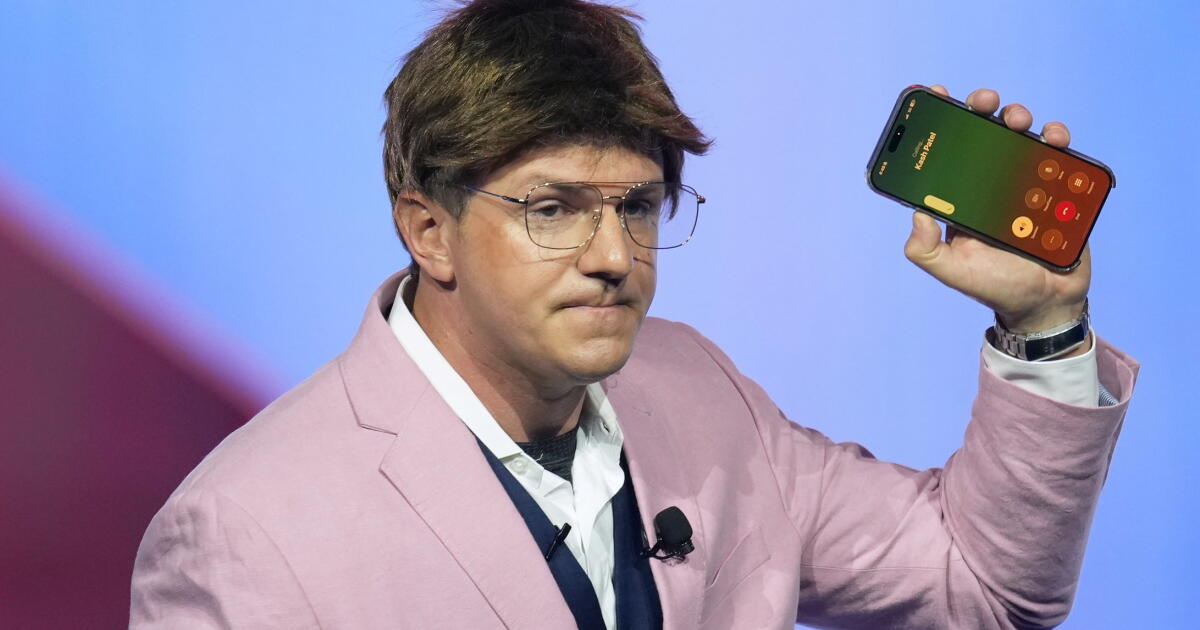
Conservative activists James O’Keefe and Cam Higby were charged Wednesday with unlawful voting and identity theft after a Minnesota prosecutor said they gave false names to poll workers during the state’s primary election. The men recorded the exchanges for a video to expose what they say are vulnerabilities in the state’s voting laws.

Hennepin County Atty. Mary Moriarty announced the felony charges at a news conference. She said O’Keefe, 42, of West Palm Beach, Fla., and Higby, 26, of Covington, Wash., wore costumes and used the names of registered state voters while starting the “vouching” process in the Aug. 11 primary. The process provides a way for unregistered voters who lack proof of their current address to register and vote after signing an oath of eligibility.

Poll workers were suspicious and reported their behavior. Moriarty said the situation shows that “the system for identifying misconduct and responding to it functioned well during the primary.”

O’Keefe, who founded and later was ousted as leader of Project Veritas, gained notoriety by publishing undercover sting-style videos such as the one made at the Minnesota polling places. He was not immediately available for comment, and court records do not name an attorney to comment on his behalf.

Higby did not immediately respond to an email requesting comment and did not have an attorney in court records. Neither of them has had an opportunity to enter a plea.

Minnesota allows registered voters to “vouch” for another voter in the same precinct by signing an oath attesting to the second person’s identity and that they live in the precinct. The person being vouched for also must sign an oath attesting to their identity and eligibility to vote, and must also provide their Minnesota driver’s license or identification card number or the last four digits of their Social Security number.

The process is rarely used but is most commonly done by older adults who have not updated their address on a driver’s license because they no longer drive. In the November 2024 election, fewer than 0.6% of votes cast used the process, according to the Minnesota secretary of state’s office website.

Workers flag ‘strange behavior’

In their video that was posted to YouTube on Aug. 13, O’Keefe, Higby and others dressed in costumes similar to attire worn by some Muslims and used fake accents while asking about the vouching process at multiple Minneapolis voting sites. Higby’s face was covered, and when talking to poll workers, O’Keefe referred to him as his wife.

Moriarty said both men “identified themselves using names of registered voters in the precinct without those voters’ knowledge or permission.”

The poll workers noticed the “strange behavior” and flagged it to election officials, who asked police to investigate, Moriarty said. The men stopped short of signing the oath required for vouching, but Moriarty said that giving false names and starting the process was enough to justify the felony charges.

“Free and fair elections are the bedrock of democracy, and their protection is one of our highest priorities,” Moriarty said.

O’Keefe’s organization, O’Keefe Media Group, posted a statement and the video on its website and said the men presented “an intentionally extreme scenario to expose what they see as the lunacy of the state’s ‘vouching’ system.”

“The team wanted to determine how election workers would respond, what safeguards they would describe, and how far they would allow the vouching process to proceed,” the statement said. “Not every election worker reacted the same way. While several workers explained how the undercover team could proceed under the vouching rules, others became suspicious of the group and took issue with the investigation. Some workers communicated concerns about the team over their radios.”

David Becker, a former Justice Department official and the executive director of the Center for Election Innovation and Research, said he wasn’t aware of any examples of vouching leading to organized or widespread fraud. But he said there have been more efforts recently by those pushing voter fraud claims to commit questionable acts themselves.

“Impersonating another voter is a very serious crime,” Becker said.

Voter ID laws vary

Voter identification laws vary from state to state. Thirty-six states have laws requesting or requiring voters to show some form of identification at the polls, according to the National Conference of State Legislatures, but that identification can range from a photo ID to documents such as a utility bill or bank statement.

In the remaining 14 states and Washington, D.C., voters can cast a ballot without showing ID. They must verify their identity in various other ways, such as signing an affidavit or providing personal information such as birth date, name or address.

Some states, such as Minnesota, allow election officials or other registered voters to vouch for people without a current ID. Alaska and New Hampshire, for instance, allow officials including a clerk or a supervisor to verify a voter’s identity if they know the voter personally. North Dakota allows people who lack ID cards because of a disability to have an attester certify that they are a qualified voter. West Virginia allows an adult who has known a voter for at least six months to sign a sworn statement verifying the voter’s identity.

Vancleave and Boone write for the Associated Press. Boone reported from Boise, Idaho. AP writer Ali Swenson contributed to this report.

Source link

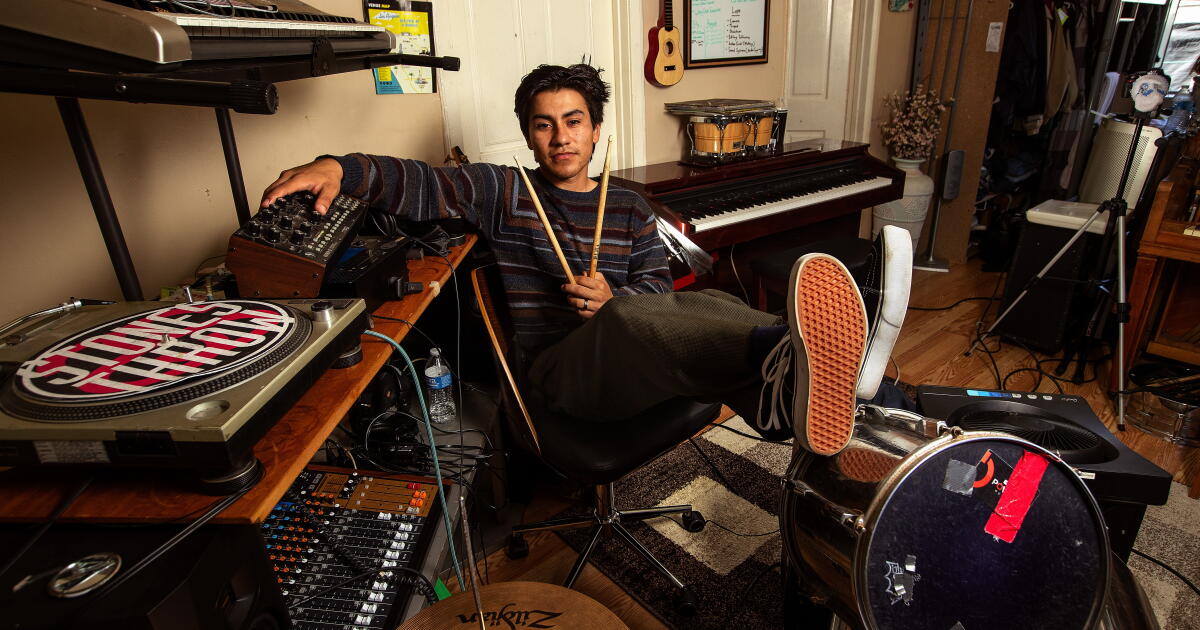
Los Retros frontman Mauri Tapia charged with unlawful acts on a child

Maurisio “Mauri” Tapia, the frontman of the popular SoCal indie rock act Los Retros, has been charged with four felony counts of unlawful acts with a child under the age of 10.

Tapia, a 26-year-old Moorpark resident was arrested on Oct. 8 and booked with bail set at $3 million. He was charged in Ventura County Superior Court on Monday, according to court records, and did not enter a plea.

The charges come with additional special allegations, around the victim’s vulnerability and that Tapia abused a trustworthy position. His next court date is Thursday.

Los Retros became an influential act in a wave of Latino bands drawing from vintage Mexican balladeers, American oldies and modern indie rock. Tapia played the Coachella Valley Music & Arts Festival this year, and singles like “Someone to Spend Time With” and “Amtrak” have millions of streams and monthly listeners.

The project was a prominent act on Stones Throw Records, which had initially booked Los Retros to co-headline its 30th anniversary festival.

In a statement posted to social media, Stones Throw said that “Yesterday we learned of extremely serious and disturbing allegations against Mauri Tapia, professionally known as Los Retros. We had previously announced the cancellation of his scheduled performance at Stones Throw 30 before we were aware of these circumstances. In light of this information, we are taking steps to disassociate ourselves from Tapia and his work. We take these allegations extremely seriously and will continue to assess the situation as more information becomes available.”


Source link

US judge rules Trump administration’s use of voter data unlawful | US Midterm Elections 2026 News

A federal judge ruled against the Justice Department’s use of voter data to cross-reference an immigration database.

A United States judge has ruled that the Justice Department unlawfully sought state voter rolls to cross-check against a federal immigration database and identify voters it considered ineligible.

US District Judge Sparkle Sooknanan’s decision on Friday marks another setback for President Donald Trump’s efforts to expand federal oversight of elections ahead of the midterms, as Republicans seek to retain control of Congress.

Recommended Stories

list of 3 itemsend of list

In a 78-page ruling siding with watchdog group Common Cause, Sooknanan said the administration had understated the risk of wrongly removing eligible citizens from voter rolls because of inaccuracies in the Systematic Alien Verification for Entitlements (SAVE) database.

“The challenged policy represents the federal government’s attempt to decide who gets to vote,” Sooknanan wrote, adding that Congress had left that authority to the states.

The Justice Department said it was reviewing the ruling.

Ming Cheung, a senior staff attorney with the American Civil Liberties Union’s Voting Rights Project, said the ruling made clear that the administration could not use the federal government to disrupt elections or put voters’ rights at risk.

“The Trump administration has repeatedly taken extreme measures to interfere with how elections are run, undermine confidence in the results, and create confusion,” Cheung said in a statement.

Last year, Trump directed the department to crack down on voting by ineligible people, despite research showing voter fraud is rare. The department subsequently demanded unredacted voter rolls from nearly all 50 states, including sensitive personal information.

Eighteen states, mostly Republican-led, complied. The department cross-checked their data against SAVE and flagged people identified as noncitizens for potential removal from voter rolls.

Sooknanan said the database could contain outdated citizenship records, potentially misidentifying naturalised US citizens.

The department has also sued 30 states and Washington, DC, over their refusal to provide voter data. Twenty-six cases have been dismissed.

In a separate case in June, Sooknanan blocked the expanded use of the SAVE database for voter roll checks, an order the US Supreme Court temporarily paused last month.

Federal law bars systematic voter roll purges in the 90 days before a federal election, which could limit the ruling’s practical effect before the November 3 vote.

Source link

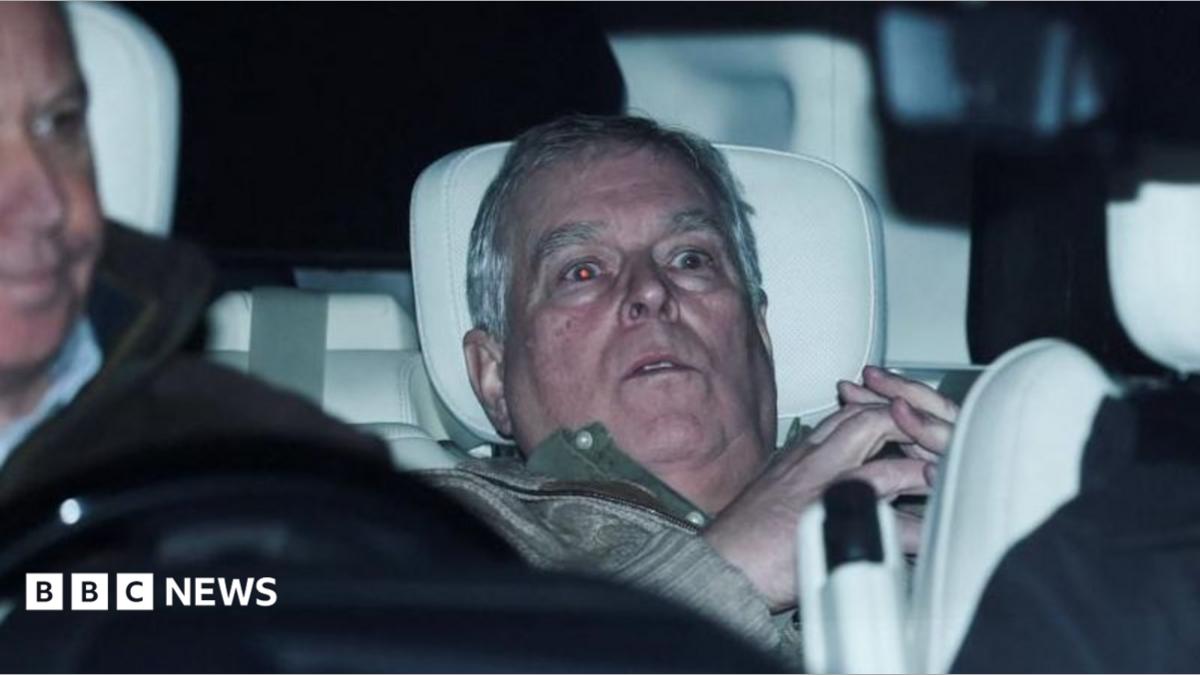
Warrants used to search Andrew’s homes were unlawful, court says

The next stage in this legal dispute will be a behind-closed-doors hearing over whether the police can still retain material seized from Mountbatten-Windsor’s homes under alternative powers designed for situations like this.

The error that has led to Thames Valley Police accepting the search warrants were unlawful relates to the particular power the judge permitted the force to use when its officers raided the properties.

Strict legal safeguards on searches bar the police from automatically seizing sensitive material without thinking through in advance the need to take it.

Examples of that material include advice from a suspect’s lawyer or material which does not really belong to them, such as copies of confidential work-related papers from an employer.

In practice, if the police find such material during a search, they should return it rather than use it in their investigation.

The category of search warrant that was granted by the court in this instance did not take into account the possibility of such protected material being seized.

However, the law says police can in fact seize that kind of material – or potentially retain it in the event of an error – providing they pass some extra tests.

Thames Valley Police must now convince a judge that the material is likely to be of “substantial value” to their investigation into Mountbatten-Windsor and, ultimately, potential evidence to present to a court.

So while the force has conceded the search warrant was unlawful, a judge will have to decide whether this alternative search power, with its extra safeguards, justifies them keeping and using the material after all.

Source link