SEVERAL new passenger rights are set to come into force across the UK and Europe.
It’s good news for Brits as there are new passenger rights coming into force that could save families hundreds.
New passenger rights are being introduced in the UKCredit: Alamy
From parents being allowed to sit with their child for no extra cost to new luggage rules, travellers won’t have to fork out as much for hidden extra costs.
Here’s a rundown of all the new rules coming into force across the UK and Europe:
Sign up for the Travel newsletter
Thank you!
Sitting with children
Under the new rules, airlines can no longer charge for certain extras including parents wanting to sit with their child.
According to the Government, a parent and child are charged up to £104 on a return journey for sitting together.
Prime Minister Andy Burnham said: “Charging parents just to sit with their children is a rip-off, plain and simple.”
Transport Secretary Heidi Alexander said: “Parents should not have to feel the pinch just to sit next to their child on a flight, or for amending a simple booking error.
“That’s why we’re scrapping these unnecessary charges for all airlines.
“Another everyday fix to help put money back in people’s pockets and give households more breathing room.”
It will bring UK traveller rights more in line with EU traveller rightsCredit: Alamy
Booking error corrections
Another rule being introduced means that passengers will have greater flexibility to correct name errors on bookings for free.
If you needed to correct something on your booking before, such as a spelling mistake in your name, then it could have cost you as much as £40 to change.
Andy Burnham added: “Being hit with a hefty fee for a simple spelling mistake on a booking form isn’t right.
“People are fed up with these little charges that add up, so I’m putting a stop to them.
“This is what our everyday fixes are all about.
“Giving people room to breathe by tackling the small irritations that catch people out, waste their time and cost them money.”
Changing your booking details could have cost you £40 previouslyCredit: AlamyEurope is in the process of changing luggage rulesCredit: Alamy
Luggage fees – Europe only
The EU is looking to make hand luggage free as part of a major overhaul of passenger rights.
Back in June, the European Parliament and EU member states agreed on new air passenger rules, which would include allowing passengers to have two pieces of hand luggage free of charge.
This would be one small personal item that usually fits under the seat in front of you and a larger cabin bag weighing up to 7kg.
The new rules are expected to come into force in October 2027 at the earliest.
However, for Brits, the rules won’t apply on outbound journeys – say from London to Majorca, in Spain.
It will apply to UK passengers on their return leg, though from an EU country, so theoretically if you wanted to do lots of shopping abroad you won’t have to pay for that extra case on the way back home.
Airlines, such as easyJet, are currently reviewing their luggage rules though and the UK Government could also make the same rule in the future.
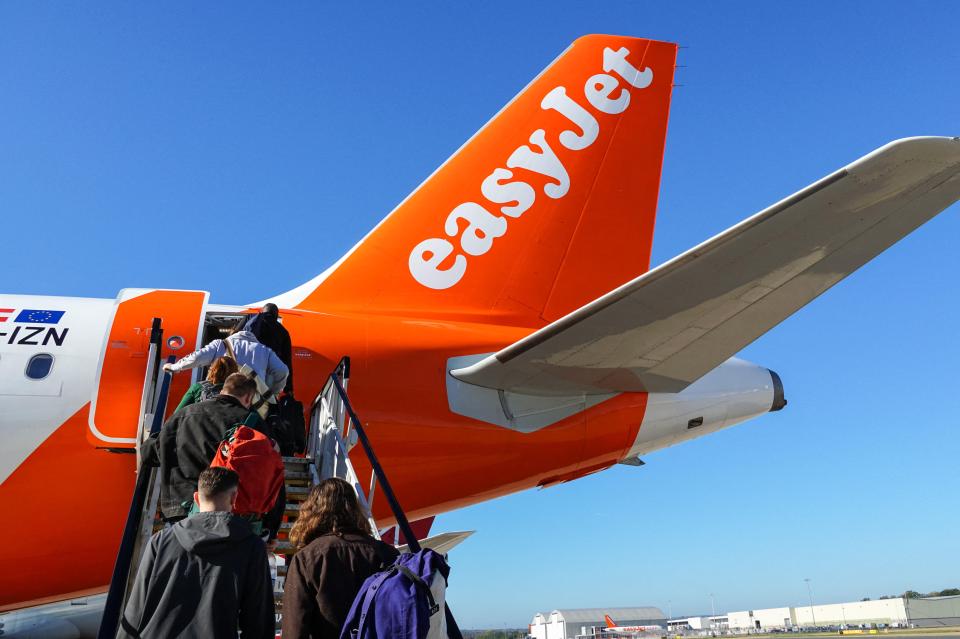
With easyJet for example, if you want a cabin bag measuring up to 56 x 45 x 25cm, you’ll need to pay extra for it and the price varies depending on demand, the route, your flight date and the time of booking.
Though if you get to the gate and haven’t paid for a cabin bag but have one with you, you will be charged £60.
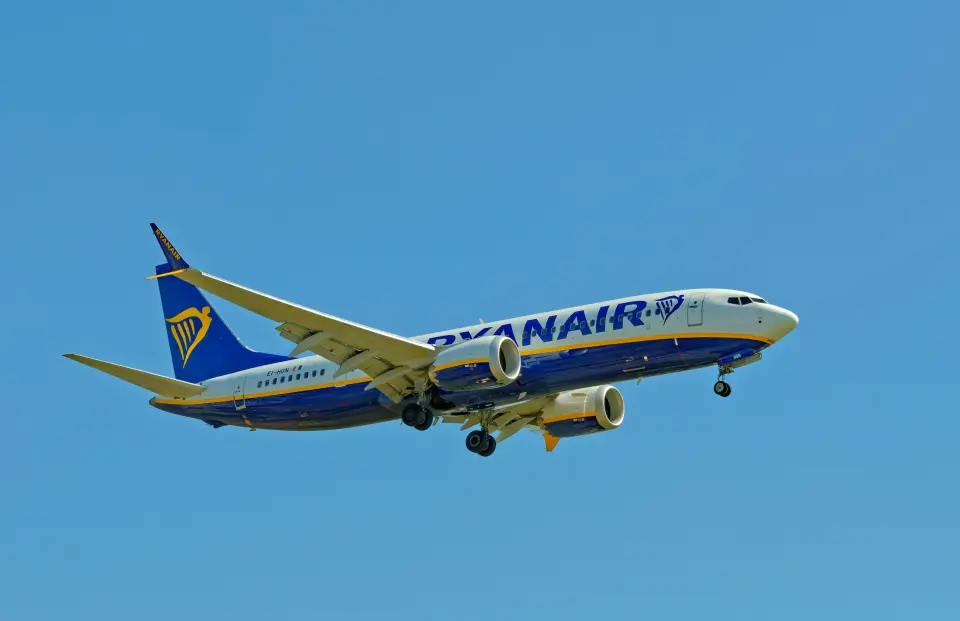
For Ryanair, if you want a cabin bag measuring up to 55 x 40 x 20cm, then it will cost you between £12 and £36 at the time of booking, or between £20 and £60 when at the airport.
For a family of four, this could cost as much as an additional £240 per way, so £480 per return flight.
IF YOU are due to head to or from Italy today you might want to check your flight as strikes across the country have seen huge cancellations.
Strike action is set to take place across Italy today between 1pm and 5pm with ENAV – the company that runs Italian air traffic control – walking out at all 33 Italian airports.
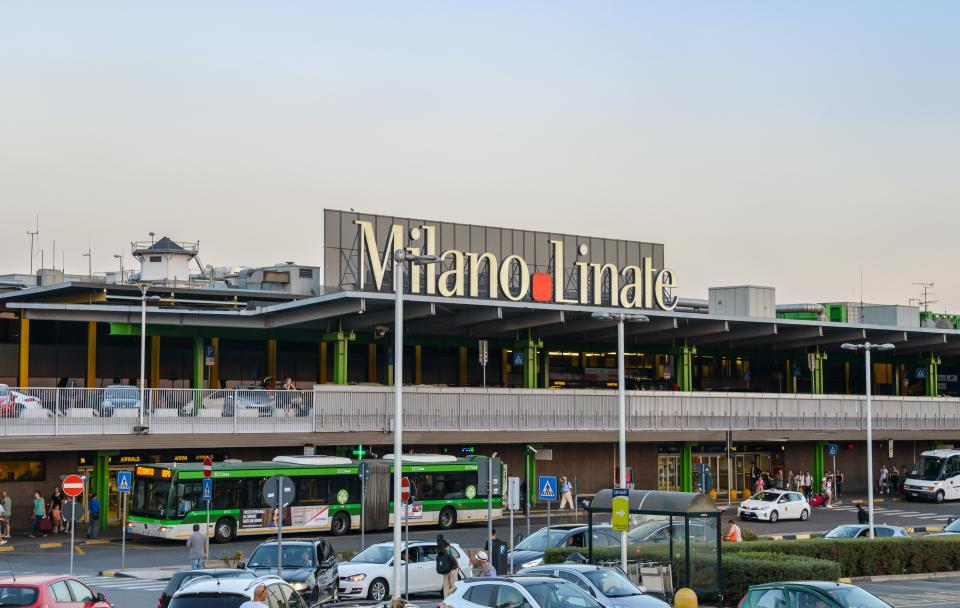
A number of major Italian airports including Milan are set to be impactedCredit: Alamy
The main airports expected to be affected include Rome, Naples, Milan and Venice.
Flights cancelled today already include:
Sign up for the Travel newsletter
Thank you!
10:15am British Airways flight to Milan from London Heathrow
3:25pm British Airways flight to London Heathrow from Milan
11:50am British Airways flight to Venice from London Heathrow
5:20pm British Airways flight to London Heathrow from Venice
1:25pm British Airways flight to Milan from London City
2:25pm British Airways flight to London City from Florence
5:50pm British Airways flight to London City from Milan
3:50pm Ryanair flight to Bologna from London Luton
Currently, flights to Italy from London Heathrow and London Gatwick state they are scheduled as planned, though this may change.
ITA Airways has already warned that 29 per cent of its scheduled flights are cancelled today.
Passengers are being advised to check their flight status with their airline and airport before travelling.
If you are due to fly this morning between 7am and 10am or this evening between 6pm and 9pm then your flight is guaranteed to go ahead as normal, under Italian law.
If you are able to move your flight, then it might be worth doing this to avoid disruption.
Airlines are advising passengers to check their flight status ahead of travelling to the airportCredit: Alamy
Unfortunately though, if your flight is delayed or cancelled you won’t get any compensation as a strike is deemed to be outside of the airline’s control.
But airlines do have a duty of care so should provide you with food and water and if necessary, accommodation overnight.
There is also set to be a strike on October 16 in Italy, lasting 24 hours – but this time it will be easyJet flight crew walking out.
RAILWAY workers are set to stage two 24-hour strikes this October in a row over doors.
The staff are making a stand against plans for driver-only operation on new services.
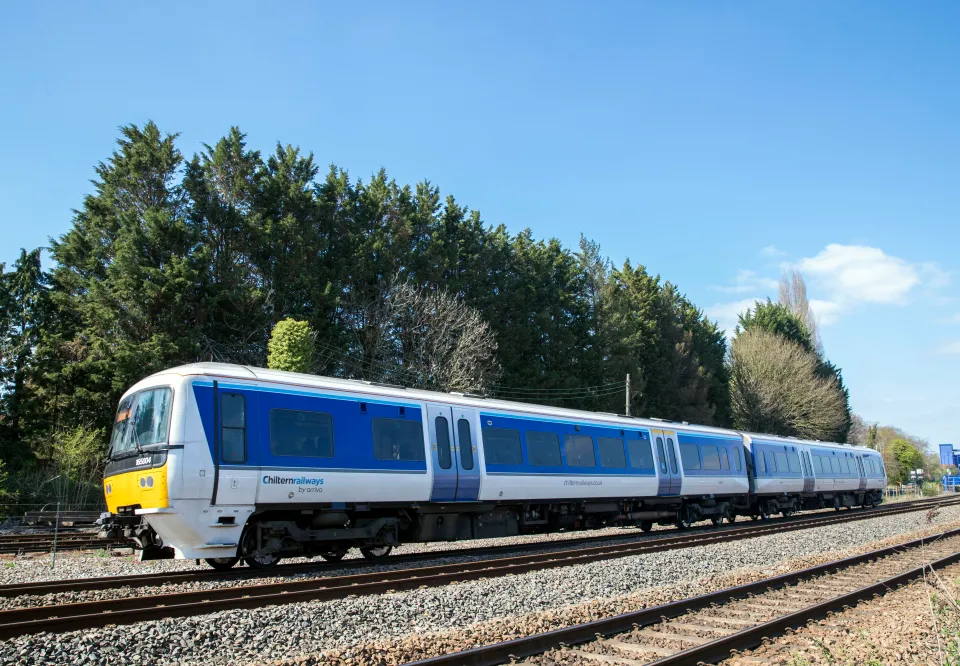
Staff at Chiltern Railways will walk out for two days this OctoberCredit: PA
Members of the Rail, Maritime and Transport union (RMT) at Chiltern Railways will walk out on October 10 and October 17.
The union said its members voted overwhelmingly in favour of industrial action over plans to introduce driver-only operation (DOO) on East West Rail services.
Sign up for the Travel newsletter
Thank you!
The dispute centres on the first stage of the new railway, which will run between Oxford and Milton Keynes.
RMT general secretary Eddie Dempsey said the proposed operation represented a “significant risk” to safety and to existing train manager roles.
He said: “RMT will not accept the watering down of safety on the rail network.”
But Chiltern Railways has rejected the suggestion that the new services will compromise passenger safety.
Interim managing director Tony Baxter said: “We have run most of our trains with the driver in control of the doors for decades, safely and as approved by the independent rail regulator.
“It also means over 100 new permanent jobs at Chiltern, and no changes to the roles of existing colleagues.”
He added that the operator expected to run the “vast majority” of its services on both days, with the timetables for the strike dates confirmed shortly.
The operator also stressed that every East West Rail service will have two people on board.
This will include the driver and another member of staff responsible for looking after passengers, checking tickets and helping people who need assistance.
The company said it remains committed to working with the RMT to resolve the dispute.
EASYJET flights are set to be disrupted across Portugal for five days due to strikes – and it starts this weekend.
Staff are staging walkouts which will see flights cancelled at airports in cities like Lisbon, Porto and Faro.
EasyJet staff in Portugal are staging walkouts which start this weekendCredit: Alamy Stock PhotoFlights to Lisbon are expected to be disruptedCredit: Getty
Members of the SNPVAC union, which the airline’s cabin crew in Portugal belongs to, has announced walkouts from October 2–6.
The union has estimated that the strike in October could ground around 500 scheduled flights overall.
Sign up for the Travel newsletter
Thank you!
Some UK flights have already been cancelled ahead of the strike action.
Two return flights and one outbound flight from Southend Airport have been cancelled.
No flights from London Stansted Airport have been affected so far, according to reports.
From the UK, easyJet operates flights to Portugal from the likes of Birmingham, Bristol, Edinburgh, Glasgow, Liverpool, Gatwick, Luton, Southend, Manchester and Newcastle.
Passengers due to travel to or from Portugal during the strike dates are being advised to monitor communications from easyJet.
The Portuguese government has ensured that there will be a minimum of one Lisbon-London-Lisbon rotation per day during the strike.
No UK service from Faro or Porto appears on the protected list, and the order does not identify specifics when it comes to flights.
Anton Radchenko, aviation expert and CEO of AirAdvisor advised that “passengers should wait for a flight-specific decision and preserve the exact time of any cancellation notice.”
As many as 500 flights could be affected by the industrial actionCredit: Markus Mainka
He added: “If easyJet cancels and they still need to travel, they should request rerouting at the earliest opportunity, including on another airline where that would reach the destination materially sooner, rather than automatically accepting a refund.”
Last month, easyJet pilots, again in France, staged a walkout across two days in September.
Members of the SNPL pilots’ union staged the strike over a pay dispute between September 13-14.
The SNPVAC union has announced further walkouts later on in the year in December between 19–23.
A spokesperson from the airline said: “We are extremely disappointed that SNPVAC is planning strike actions despite our willingness to continue a constructive dialogue.
“We had just started a conciliation process through the mediation of DGERT with the aim to reach an agreement to meet our employees’ requests and protect the sustainability of easyJet business in Portugal.
“The current union demands are unworkable especially given that our crew are already paid significantly above the Portuguese national average
“We are doing everything we can to minimize the impact of the strike on our customers including actioning some cancellations in advance to allow our customers to rearrange their travel plans.”
Flight compensation rules
A look at your rights if a flight is delayed or cancelled, when your entitled to compensation and if your travel insurance can cover the costs.
What are my rights if my flight is cancelled or delayed?
Under UK law, airlines have to provide compensation if your flight arrives at its destination more than three hours late.
If you’re flying to or from the UK, your airline must let you choose a refund or an alternative flight.
You will be able to get your money back for the part of your ticket that you haven’t used yet.
So if you booked a return flight and the outbound leg is cancelled, you can get the full cost of the return ticket refunded.
But if travelling is essential, then your airline has to find you an alternative flight. This could even be with another airline.
When am I not entitled to compensation?
The airline doesn’t have to give you a refund if the flight was cancelled due to reasons beyond their control, such as extreme weather.
Disruptions caused by things like extreme weather, airport or air traffic control employee strikes or other ‘extraordinary circumstances’ are not eligible for compensation.
Some airlines may stretch the definition of “extraordinary circumstances” but you can challenge them through the aviation regulator the Civil Aviation Authority (CAA).
Will my insurance cover me if my flight is cancelled?
If you can’t claim compensation directly through the airline, your travel insurance may refund you.
Policies vary so you should check the small print, but a delay of eight to 12 hours will normally mean you qualify for some money from your insurer.
Remember to get written confirmation of your delay from the airport as your insurer will need proof.
If your flight is cancelled entirely, you’re unlikely to be covered by your insurance.
So if you are able to move your flight, especially to the morning, then you’d be protected from a cancellation.
As a strike is outside of an airline’s control, you sadly won’t get any compensation.
But the airline does have a duty of care, which means they must provide you with food and water as well as book you into a hotel if you are stuck overnight.
Four major airports are expected to be hit, as well as other airports across the countryCredit: Alamy
Flights expected to be impacted tomorrow include a 12:30pm Wizz Air service from Milan to London Luton, a 2pm easyJet flight from Milan to London Gatwick and a 1:20pm easyJet flight from Rome to London Gatwick.
Passengers are being advised to check their flight status with their airline and airport before travelling.
There will be another strike on October 16, lasting 24 hours – but this time it will be easyJet flight crew walking out.
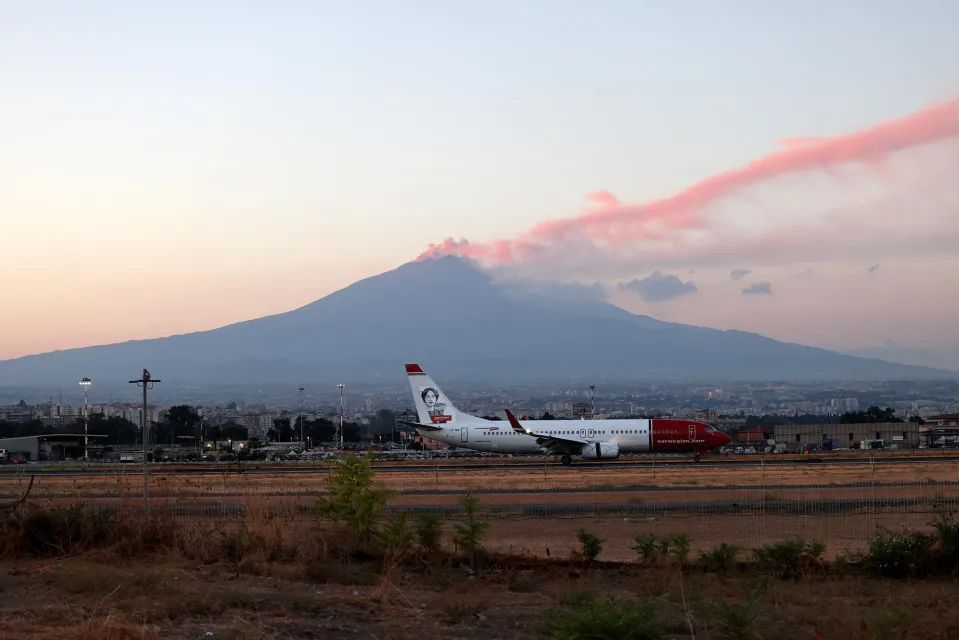
CATANIA Airport has been forced to cancel more flights until later today after a volcanic eruption on Mount Etna.
Volcanic ash drifting in the airspace means that flights have been suspended for safety.
Volcanic ash from Mount Etna continues to disrupt flightsCredit: SplashPassengers are waiting for flight updates after Catania Airport’s closure until 3PMCredit: EPA
The airport briefly opening this morning, but has since suspended “all flight operations have been suspended until 3pm today, Tuesday, 29 September.
“Passengers are kindly requested to check the status of their flight with their airline before travelling to the airport.”
Sign up for the Travel newsletter
Thank you!
Catania Airport did reopen temporarily this morning and flights resumed, but since the closure these have started being diverted or cancelled.
One easyJet flight heading into Catania from London Gatwick at 10am has been delayed.
THE UK Government has issued a new travel warning to Brits heading to Thailand following mass flooding.
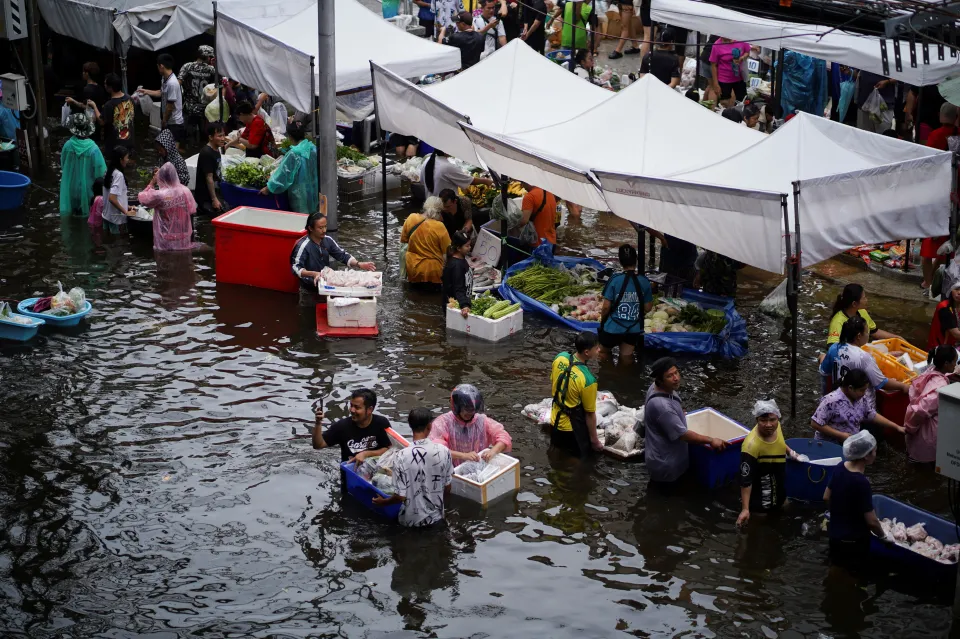
According to the Foreign Office, severe floods believed to be the worst in Bangkok in over a decade are impacting parts of Thailand caused by heavy rainfall.
Floods in Thailand are causing flights to Bangkok to be delayed or cancelledCredit: Reuters
Impacted destinations include Bangkok, Nonthaburi, Pathum Thani and Samut Prakan.
On the FCDO website it states: “All 50 districts of Bangkok have been declared disaster-affected areas. Travel disruption, including road closures and flooding of low-lying areas, is possible.
Sign up for the Travel newsletter
Thank you!
“The Thai government has declared special public holidays on 28 and 29 September in Bangkok, Nonthaburi, Pathum Thani and Samut Prakan.
“Many government offices and services may be closed or operating with reduced capacity.
CATANIA Airport in Sicily has been forced to cancel all its flights again today after yet another eruption on Mount Etna.
Volcanic ash in the airspace has resulted in the suspension of inbound flights until at least midnight tonight.
Mount Etna has erupted again resulting in cancelled flights from CataniaCredit: GettyCancelled and delayed flights has been a nightmare for passengersCredit: EPA
The airport first stopped incoming flights on Saturday due to ash in the airspace and limitations have since been placed on departures too.
This morning, a warning on the airport’s website explained that due to “volcanic activity and weather conditions” cancellations and delays are expected until “23:59pm today, Monday, September 28.”
Sign up for the Travel newsletter
Thank you!
Flights to and from London Gatwick and London Luton remain on the schedule – but are likely to be cancelled due to the flight limitations.
Some passengers took to social media over the weekend explaining they had travelled across to Palermo to get a flight home from there instead.
Some UK flights were affected then too, either being cancelled or diverted to Palermo on the northwestern coast of the island.
In August, ongoing eruptions from Mount Etna forced the airport to shut for five days in a row resulting in hundreds of cancelled flights.
Families who had their flights cancelled were left stranded with videos on social media showing holidaymakers sleeping on the airport floor and even luggage belts.
Last time Mount Etna erupted, nearby Malta International Airport had to cancel 19 flights due to volcanic ash.
Catania is Sicily’s busiest airport handling around 12.4million every year – which works out to around 40,000 passengers each day.
Ash from the volcano has disrupted the airspace in SicilyCredit: Splash
What does the disruption due to Mount Etna mean for passengers?
Anton Radchenko, air passenger rights expert and founder and CEO of AirAdvisor, explainedwhat the disruption means for customers…
“When volcanic ash closes airspace, airlines will usually class it as an extraordinary circumstance, which means fixed cash compensation is unlikely.
“However, I would urge passengers not to confuse ‘no compensation’ with ‘no rights’.
“The airline must still offer a refund or rerouting and provide reasonable meals, accommodation and transport while passengers wait.
“If you still need to get home, do not automatically accept a refund.
“Once you accept it, the airline’s rerouting and care obligations will normally end.
“Ask for the earliest reasonable alternative and, if another airline can get you back significantly sooner, ask to be transferred to that service.
“If you have to pay for reasonable essentials because the airline fails to provide them, keep every itemised receipt so you can seek reimbursement.”
This is supported by the UK Civil Aviation Authority’s current cancellation guidance which you can findhere.
TWO major tech outage have caused hundreds of flight cancellations and delays across the UK this month – yet Brits will struggle to get any compensation, according to experts.
Earlier this month a major Air Traffic Control failure in the UK resulted in thousands of flights cancelled across the globe.
Thousands of flights have been disrupted by two Air Traffic Control failures in the UK this monthCredit: Reuters
And another failure yesterday caused more than 200 flight cancellations and widespread delays.
With the two incidents less than two weeks apart, many travellers have been left out of pocket.
Unfortunately, it’s bad news – the NATS issue was classed as an “extraordinary circumstance” which means travellers are not entitled to cash compensation.
The maximum compensation you can get is for long-haul flights which are delayed four hours or more, which would be £520.
This is only for when the problems are caused by the airline, directly, however.
Lisa Minot, Head of Travel previously said: “Airlines are only required to give you compensation if the delay or cancellation is the airline’s fault, as in a technical failure on a plane or issues with crew.
The two incidents took place less than two weeks apartCredit: Getty
“In this situation, where ATC is the reason for the chaos, there is unfortunately no compensation due.”
But one thing you should note is that airlines have a duty of care.
This means that when you flight is delayed, they must provide you with food, drink and accommodation.
Sometimes the airline might provide you with a voucher, but if this isn’t provided you can keep your receipts to claim back any expenses.
Often airlines will automatically book you accommodation, but you may also be asked to book accommodation yourself through its website or a dedicated app.
Travellers are advised to always check with airport staff though before booking any hotel yourself.
And passengers are unlikely to get compensationCredit: GettyThough airlines do have a duty of careCredit: PA
And make sure to keep your receipts for your hotel as well, to claim back your costs.
Don’t book anything lavish though – airlines will usually only cover a hotel at a reasonable price.
Airlines will usually have a dedicated expenses claims page for you to fill out on its website.
The CAA also recommends asking for an itemised receipt to show what you purchased and how much was spent on each thing.
Lisa added: “Check your insurance policy to see if you have any redress if you have incurred additional costs like missing a concert or unable to pick up car hire. You may be able to claim for that.
“Generally for delays, if an airline looks after you or provides you with food and drink or hotels, you cannot claim for the same costs against your travel insurance.”
TRAVELLERS heading to a popular European country next month could face flight delays and cancellations.
Pilots and cabin crew are set to walk out over five days in France next month.
There a number of strikes taking place across France next monthCredit: GettyA nationwide strike will take place between October 17 and 21Credit: Getty
A nationwide strike is set to take place between October 17 and October 21.
Action has been called by a number of unions regarding a disagreement over being allowed to receive their retirement pension while still working.
Sign up for the Travel newsletter
Thank you!
The strike notice applies to pilots and cabin crew working for all air transport and aviation companies, covered by French labour law – which means it might not just be French airlines affected.
Though airlines expected to be affected include French-based carriers such as Air France, Transavia France and Volotea.
There may also be disruptions to easyJet and Ryanair flights.
Currently, it is not clear how many flights will be delayed or cancelled.
Travellers are being urged to check with their airline before travelling if they are due to travel in the five-day period.
Unions have stated that they remain open to discussions, so the situation may possibly change or be called off before October 17.
EasyJet are also set to strike on October 1 and 2Credit: Getty
EasyJet is also planning to strike across six French airports on October 1 and 2.
The strikes were due to take place this week but have been postponed to the beginning of October and will involve pilots walking out at Paris Orly, Paris Charles de Gaulle, Nantes, Lyon, Nice and Bordeaux airports.
EASYJET is set to be disrupted by staff walkouts next month – with flights to and from the UK expected to be cancelled.
The airline’s cabin crew in Portugal have voted to strike on two separate occasions across October and December.
easyJet cabin crew in Portugal are set to strike next month – and again in DecemberCredit: Alamy Stock Photo
Members of the SNPVAC union have announced walkouts from October 2–6 and again in December on 19–23.
The strike will affect flights from busy airports including Lisbon, Porto and Faro.
Sign up for the Travel newsletter
Thank you!
From the UK, easyJet operates flights to Portugal from the likes of Birmingham, Bristol, Edinburgh, Glasgow, Liverpool, Gatwick, Luton, Southend, Manchester and Newcastle.
The union has estimated that the strike in October alone could ground around 500 scheduled flights overall.
This is likely to include 35 return flights to and from the UK.
A spokesperson from the airline added: “We are extremely disappointed that SNPVAC is planning strike actions despite our willingness to continue a constructive dialogue.
“We had just started a conciliation process through the mediation of DGERT with the aim to reach an agreement to meet our employees’ requests and protect the sustainability of easyJet business in Portugal.
“The current union demands are unworkable especially given that our crew are already paid significantly above the Portuguese national average.
Flight compensation rules
A look at your rights if a flight is delayed or cancelled, when your entitled to compensation and if your travel insurance can cover the costs.
What are my rights if my flight is cancelled or delayed?
Under UK law, airlines have to provide compensation if your flight arrives at its destination more than three hours late.
If you’re flying to or from the UK, your airline must let you choose a refund or an alternative flight.
You will be able to get your money back for the part of your ticket that you haven’t used yet.
So if you booked a return flight and the outbound leg is cancelled, you can get the full cost of the return ticket refunded.
But if travelling is essential, then your airline has to find you an alternative flight. This could even be with another airline.
When am I not entitled to compensation?
The airline doesn’t have to give you a refund if the flight was cancelled due to reasons beyond their control, such as extreme weather.
Disruptions caused by things like extreme weather, airport or air traffic control employee strikes or other ‘extraordinary circumstances’ are not eligible for compensation.
Some airlines may stretch the definition of “extraordinary circumstances” but you can challenge them through the aviation regulator the Civil Aviation Authority (CAA).
Will my insurance cover me if my flight is cancelled?
If you can’t claim compensation directly through the airline, your travel insurance may refund you.
Policies vary so you should check the small print, but a delay of eight to 12 hours will normally mean you qualify for some money from your insurer.
Remember to get written confirmation of your delay from the airport as your insurer will need proof.
If your flight is cancelled entirely, you’re unlikely to be covered by your insurance.
“We are doing everything we can to minimize the impact of the strike on our customers including actioning some cancellations in advance to allow our customers to rearrange their travel plans.”
A GROWING number of UK airports are facing delays and cancellations following another air traffic control failure.
This comes just a fortnight after a major outage left thousands of passengers stranded at airports across the UK.
Brits are facing delays at a number of UK airports following air traffic control issuesCredit: Zenpix
London Gatwick, Glasgow Airport and Belfast International Airport are amongst airports currently seeing disruptions.
Earlier this morning, it was reported that an issue with National Air Traffic Services (NATS) was affecting airspace in the north of England and Scotland.
Sign up for the Travel newsletter
Thank you!
NATS has stressed that the issue is unrelated to the major air traffic control outage that saw over 500,000 passengers stranded.
Belfast International Airport has confirmed on its website that it is experiencing NATS-related delays, saying: “We are currently experiencing some delays to flights due to a NATS air traffic control issue.”
Passengers who do not have a confirmed flight have been instructed to not travel to the airport.
Glasgow Airport has also issued a statement on its website about the delays, saying: “A technical issue affecting NATS air traffic control services at the Prestwick Centre is causing disruption to some flight departures and arrivals.
Passengers have been seen waiting for their flights at Manchester Airport this morningCredit: ZenpixNats have now fixed the issues, but delays are expected to continueCredit: Zenpix
“As a result, some services operating to and from our airports are experiencing delays, primarily at Glasgow Airport, and further disruption is expected due to the knock-on impact across the network.”
London City Airport said on X: “We are experiencing some disruption due to an issue at @NATS Prestwick.
“We are monitoring the situation closely and working with NATS as they resolve the issue.“
It also told passengers to check with their airline to find out the latest flight information.
Both London Gatwick and Stansted are “operating as normal”, the airports have confirmed, but a handful of departing flights may be delayed.
After over an hour of fixing delays, NATS has now confirmed the issue at its Prestwick centre in Scotland is now fixed.
Full list of airports facing delays following NATS outage
Aberdeen Airport
Belfast City Airport
Belfast International Airport
Bristol Airport
Glasgow Airport
Highlands and Islands Airport
Leeds Bradford Airport
Liverpool John Lennon Airport
London City Airport
London Gatwick Airport
London Stansted
Manchester Airport
Newcastle Airport
The air traffic control firm has apologised for today’s flight disruption and said it is working with airports and airlines to “minimise any further disruption”.
Transport Secretary also commented on the incident, calling the disruptions “deeply frustrating” and warning passengers of “some delays”.
A WOMAN from the UK was stopped at the border abroad after she was told she had overstayed in Europe – despite her not.
Paula Pugh was going on holiday to Italy but was taken back to the UK after systems showed she had overstayed her limit of 90 days in a 180-day period in the Schengen Area.
One British woman was deported from Italy after an EES errorCredit: AlamyHer exit from a previous European country had not been correctly recordedCredit: Alamy
EES has been causing chaos for lots of Brits since it was first introduced earlier this year including airport delays and missed flights,
But now, it is also causing problems for passengers by incorrectly claiming they are staying too long in Europe.
Sign up for the Travel newsletter
Thank you!
Talking to The Telegraph, Paula Pugh, 60, explained how she was escorted out of Italy and taken back to the UK because of the error.
Travelling with her husband and cousin for a five-day trip to southern Italy, Paula was flagged at border control shortly after landing.
She was accused of overstaying her 90 limit in the Schengen Area despite taking just three short visits to Spain and one to France – which totted up to 22 days.
Talking to the publication Paula explained she “wasn’t allowed to go anywhere without a police presence.”
Paula was put on a flight home on the same day from another airport with Ryanair along with her family.
Her passport was given to the captain for the duration of their flight.
She added: “My husband then asked the cabin crew where I would get my passport, and we had to walk to the front of the plane.
“Somebody came onto the plane, took me off the plane, had a look, gave me my passport, and said ‘There you go.’ As though it was all over and all forgotten.
“I’m still very upset when I think about it.”
The cancelled trip and return flights home cost the family around £2,000.
EES has replaced the need for manual stampsCredit: REUTERS
Now, Paula is trying to get her record corrected.
Previously, Brits were manually stamped in and out of a country at border control. EES has replaced that with the taking of biometrics and fingerprints.
However, in some cases where EES has been turned off at airports due to faults, or delays, the exit for Brits has not been recorded and the days spent in the Schengen Area continues without them knowing.
A UK Government spokesman told The Telegraph: “While EES is anEU scheme, we recognise this is a significant change for British travellers, and advise that they read the latest Foreign, Commonwealth & Development Office (FCDO) Travel Advice about the scheme before travelling.“
In August, the UK Foreign Office altered its advice to Brits asking them to carry evidence of when they last left the EU, to avoid being wrongly refused entry.
Brits travelling from the UK to Europe can spend 90 days out of every 180 in the EU – staying over this limit will mean both refusal of entry and a fine.
In some cases a fine can be as much as £8,550.
Advice from the Foreign, Commonwealth & Development Office (FCDO) reads: “If you believe you have been incorrectly entered into EES or your record of time spent in the Schengen area is incorrect, approach border officials when you next cross the Schengen border and request a correction.
“If you are exempt, carry documentation confirming your status. If you believe your time spent in the Schengen area has been recorded incorrectly, raise this with border officials and be prepared to provide supporting evidence if requested.”
If you want to check the days left on your record before travelling, the The European Commission has anEES online tool.
THE under fire boss of air traffic control has been told he “must quit” after a number of UK airports were hit with delays following another technical glitch.
Thousands of passengers saw their flights disrupted after an issue with the National Air Traffic Services [Nats] affected airspace in the north of England and in Scotland.
Passengers faced lengthy delays after another air traffic control failureCredit: ZenpixMartin Rolfe, the head of NATS, Britain’s air traffic control service is under-fireCredit: Alamy
Holidaymakers are facing lengthy delays after the issue which began at Nats’ Prestwick centre in Scotland.
Airports in Edinburgh, Belfast and Manchester were registering delayed flights and urged passengers to check with their airlines while Luton Airport said domestic flights had been disrupted.
Sign up for the Travel newsletter
Thank you!
Nats has stressed that the issue was unrelated to a massive outage that saw hundreds of flights cancelled just two weeks ago.
In a statement on the most recent air traffic control outage, a Nats spokesperson confirmed the issue was now fixed – but disruption is still on the cards for many holidaymakers.
But calls for Nats chief Martin Rolfe to resign have intensified after the latest debacle.
The 51-year-old senior executive of National Air Traffic Services was paid £1.5 million, including £871,000 in bonuses, last year and has already faced questions over his future.
The executive has previously been accused of overseeing a “litany of failures” during his time as CEO of the UK’s air traffic control services.
At least 200 flights departing or arriving into the UK have been cancelled so far today, aviation analytics company Cirium has said.
Ryanair has said more than 25,000 of its passengers are expected to be disrupted after the latest air traffic control incident and called for Rolfe to resign.
Chief operations officer Neal McMahon said: “Just three days after Nats assured airlines and passengers that it had introduced robust ‘mitigation plans’, its flight data processing system has failed again.
“More than 25,000 Ryanair passengers have already suffered disruption, with over 140 Ryanair flights delayed, yet Nats still cannot tell passengers when this disruption will end.
He added: “Rolfe has presided over repeated system failures, repeated passenger disruption and repeated failures to deliver an effective back-up system.
“Enough is enough. Martin Rolfe should resign today.”
Easyjet said in a statement: “A NATS Air Traffic Control system failure in its Prestwick Centre is causing delays to flights with some unable to operate.
“This, once again, calls into question the resilience of NATS’ systems and demonstrates the need for firm actions to prevent these repeated failures.
“We will do all we can minimise the impact of this for our customers and advise anyone due to fly today to check our flight tracker for the latest information.”
The airline said the latest disruption “calls into question the resilience of Nats’ systems.”
The firm said earlier this morning that engineers were working to resolve the issue but that regulations had been imposed to “maintain safety.”
Some passengers were left stuck on the tarmac while the issue was dealt withCredit: WovenPete/XQueues build up at Manchester Airport this morning after the latest technical glitchCredit: ZenpixDisgruntled passengers at the major airportCredit: Zenpix
And, British Airways said it is “disappointing” that some customers may experience disruption after “yet another technical fault with Nats”.
A spokesperson for the airline said: “Yet another technical fault with Nats means some of our customers are likely to experience disruption to their travel plans today.
“This is disappointing and whilst it is an issue that is entirely out of our control, we’re doing everything we can to limit the impact on customers and are keeping them updated.”
A Nats statement this afternoon read: “The issue in our Prestwick centre is now fixed. We are working with airports and airlines to safely lift air traffic regulations as quickly as we can to minimise any further disruption.
“Passengers should still check the status of their flight with their airline.
“We apologise for the disruption.”
Passengers tpoday are being advised to check with their airline for information on their flights.
Holidaymakers at Glasgow airport were reportedly been left waiting on the tarmac for hours amid the delays.
Meanwhile, Luton Airport said domestic flights had been disrupted by the air traffic control issue.
And several flights at Manchester Airport have been delayed with passengers warned to expect further disruption.
However, most airports south of Manchester are broadly unaffected by the issue but flights travelling north may be subject to some delays, Nats said.
British Airways and Easyjet have issued messages to passengers hoping to travel today, warning them that some delays are expected.
Highlands and Islands Airports Limited has said flights are being disrupted across all of the airports it operates.
Meanwhile, Belfast International Airport said it is experiencing some delays amid the air traffic control issue.
Passengers and airlines “deserve better”, an aviation industry body has said after the second air traffic control issue within two weeks.
Tim Alderslade, chief executive of Airlines UK, said: “The UK’s ATC (air traffic control) system is critical national infrastructure and it must be resilient enough to keep people moving.
“Passengers and airlines deserve better and the independent CAA (Civil Aviation Authority) report, together with the forthcoming Civil Aviation Bill, must address the underlying weaknesses in the system so that these failures stop happening.”
The previous Nats failure affected thousands of passengers with many stuck abroad amid the chaos.
Nats announced that a “technical issue” with its “flight processing system” had caused the widespread travel chaos just two weeks ago.
A majority of the UK’s biggest airports were brought to a standstill by the failure, which is understood to have been caused by a software error.
It led to calls for Nats chief Martin Rolfe to resign with furious airline executives blaming him for the failure.
TransportSecretary Heidi Alexander previously demanded Rolfe launch a rapid review into the chaos last week and said that she did not believe the most recent air traffic control issue was “unavoidable.”
He previously faced turbulence in 2023 when he oversaw his first failure in air traffic control, which affected more than 250,000 passengers.
The August bank holiday failure was sparked when a small piece of incorrect data set off a mass system failure lasting just a few hours.
Looking at today’s schedule, it’s mostly arrivals into the airport after 9.30pm that are affected.
Only two flights from the UK are affected by the strike action today.
The first is a flight from Manchester Airport to Charleroi which was scheduled for 10.55pm and has since been cancelled.
The second is a flight from Charleroi to Manchester Airport which was scheduled for 19.35pm and has also been cancelled.
Ryanair has asked passengers to monitor their Ryanair App for the latest updates regarding their flight.
In a previous statement, the airline said: “We sincerely apologise for any inconvenience caused as a result of these ATC strike delays/cancellations, which are entirely beyond airlines’ control.”
Yesterday, about 40 flights in total were cancelled at Charleroi Airport.
According to Skeyes, the Belgium‘s official national air navigation service provider, the nightly strikes are expected to affect more than 800 flights.
The strike is set to continue until October 10Credit: Getty
PASSENGERS are facing disruption today at an airport in Sicily following a volcanic eruption.
Catania Airport has suspended all flights until this afternoon due to an eruption on Mount Etna – and it’s not for the first time as hundreds of flights were forced to cancel last month.
Catania Airport has been forced to close again after more eruptions on Mount EtnaCredit: Roby Fazio / SplashNews.comAsh has drifted into the airspace resulting in flight cancellations and diversionsCredit: Roby Fazio / SplashNews.com
An ash cloud has caused airspace closures in Sicily which is affecting both arrivals and departures at Catania Airport.
Due to volcanic ash into the atmosphere, flights have been suspended until at least 2.30pm (local time) today.
Sign up for the Travel newsletter
Thank you!
The airport said: “Passengers are kindly requested to check the status of their flight with their airline before travelling to the airport.
For Brits, the disruption today has affected one easyJet flight so far, it is departing London Gatwick at 10am and will be diverted to Palermo.
Another easyJet flight heading to London Gatwick from Catania Airport remains on the schedule for 10.35am – although it’s likely to be cancelled following the suspension.
Later today, a BA flight scheduled to depart London Gatwick for Catania Airport remains scheduled for 7.55pm.
Flights first started being cancelled and diverted yesterday when Mount Etna erupted again.
Last month, ongoing eruptions from Mount Etna forced Sicily’s busiest airport to shut for five days in a row resulting in hundreds of cancelled flights.
Families who had their flights cancelled were left stranded with videos on social media showing holidaymakers sleeping on the airport floor and even luggage belts.
Last time Mount Etna erupted nearby Malta International Airport had to cancel 19 flights due to volcanic ash.
What does the disruption due to Mount Etna mean for passengers?
Anton Radchenko, air passenger rights expert and founder and CEO of AirAdvisor, explainedwhat the disruption means for customers…
“When volcanic ash closes airspace, airlines will usually class it as an extraordinary circumstance, which means fixed cash compensation is unlikely.
“However, I would urge passengers not to confuse ‘no compensation’ with ‘no rights’.
“The airline must still offer a refund or rerouting and provide reasonable meals, accommodation and transport while passengers wait.
“If you still need to get home, do not automatically accept a refund.
“Once you accept it, the airline’s rerouting and care obligations will normally end.
“Ask for the earliest reasonable alternative and, if another airline can get you back significantly sooner, ask to be transferred to that service.
“If you have to pay for reasonable essentials because the airline fails to provide them, keep every itemised receipt so you can seek reimbursement.”
This is supported by the UK Civil Aviation Authority’s current cancellation guidance which you can findhere.
TRAVEL chaos caused by a major tech outage across all UK airports earlier this week has left thousands stranded – with many left out of pocket when booking back up flights and hotels.
An Air Traffic Control failure in the UK on Tuesday saw thousands of flights cancelled, resulting in travel chaos across the globe.
An Air Traffic Control issue in the UK left thousands of travellers stranded this weekCredit: EPA
Many have since been asking if they can claim compensation back, with flights both delayed and cancelled for days.
However, as the NATS issue was classed as an “extraordinary circumstance” travellers are not entitled to cash compensation.
Sign up for the Travel newsletter
Thank you!
The maximum compensation you can get is for long-haul flights which are delayed four hours or more, which would be £520.
This is only for when the problems are the caused by the airline, directly, however.
Lisa Minot, Head of Travel said: “Airlines are only required to give you compensation if the delay or cancellation is the airline’s fault, as in a technical failure on a plane or issues with crew.
“In this situation, where ATC is the reason for the chaos, there is unfortunately no compensation due.”
Yet, airlines do have a duty of care, so you can recoup some of your costs.
When affected by flight delays, airlines must provide travellers with food and drink as well as accommodation.
‘Care’ you should receive includes food and drink, two phone calls, accommodation and transport between the airport and where you are staying.
Usually, an airline will provide you with a voucher to get food or drink, however if a voucher isn’t provided, make sure you keep your receipts to claim back expenses incurred.
As the issue was outside of airlines’ control, it is class as an “extraordinary circumstance” meaning passengers cannot claim cash compensationCredit: EPA
While an airline might automatically book your accommodation when your flight is delayed or cancelled, sometimes you might be asked to book it yourself via its website or a dedicated app.
Although, it is advised to always ask airport staff before booking a hotel yourself.
If you pay for your own hotel, you must make sure to keep all your receipts so you can claim back your costs.
Airlines will cover a hotel with a reasonable price though, so don’t go booking a five-star stay.
Then head to your airline’s website and find their expenses claims page and fill out the form with the relevant details.
The CAA also recommends asking for an itemised receipt to show what you purchased and how much was spent on each thing.
Lisa added: “Check your insurance policy to see if you have any redress if you have incurred additional costs like missing a concert or unable to pick up car hire. You may be able to claim for that.
“Generally for delays, if an airline looks after you or provides you with food and drink or hotels, you cannot claim for the same costs against your travel insurance.”
A technical glitch on September 8 triggered chaos at major air transport hubs across the countryCredit: GettyIt lead to the cancellation of more than 2,000 flights arriving or departing the UKCredit: Getty
With the weekend fast approaching, families are wondering: “Will my holiday still go ahead, and who is footing the bill?”
Here is everything you need to know about the current travel situation, why flights have still been grounded, and what aviation bosses are saying.
Aviation analytics company Cirium confirmed that cancellations are slowing down, with schedules expected to return to normal later today (September 10).
BA said it was “sorry” to its customers, but stressed the meltdown was “out of our control”.
Taking a swipe at air traffic bosses, a BA spokesperson said: “Our customers and colleagues are tired of dealing with these issues, time after time. This needs to be addressed as a matter of urgency.”
Meanwhile, Heathrow has assured passengers that it is working with airlines to ensure the majority of flights operate normally.
If your flight was cancelled or delayed due to the outage, you’re unlikely to see a payout.
The Civil Aviation Authority (CAA) has said that the National Air Traffic Services (NATS) meltdown is considered an “extraordinary circumstance”.
Under passenger rights rules, this means airlines do not legally have to pay out compensation for delays or cancellations caused by the incident.
But airlines are still legally required to “look after” passengers, meaning they must provide food, drink, and overnight accommodation if you’re severely delayed or rebooked onto a flight the next day.
Who is to blame?
NATS chief executive Martin Rolfe is facing mounting pressure to resign over the fiasco, with Ryanair boss Michael O’Leary branding Rolfe’s position as “untenable”.
Despite the backlash, Downing Street has said it still has confidence in Rolfe, who stated he takes “full responsibility” for the outage.
Transport Secretary Heidi Alexander confirmed the outage was due to a technical issue at NATS’ Swanwick site, ruling out a cyberattack.
She told MPs she did not believe the issue was “unavoidable” and ordered the CAA to conduct an independent, six-month review into what went wrong.
FURTHER disruption to air travel could be on the horizon with easyJet pilots confirming strike action in Europe.
The walkout is set to take place across two days meaning flights could be delayed or cancelled – including some to and from the UK.
easyJet pilots in France are set to strike across two days next weekCredit: Alamy Stock PhotoFlights to destinations like Strasbourg could be disrupted next weekCredit: Alamy
Affecting flights in France, members of the SNPL pilots’ union have said that its members who work for easyJet will walk out over a pay dispute.
It will start at 4.59am on September 13 and end at 11.59pm on September 14.
Sign up for the Travel newsletter
Thank you!
According to a statement by Syndicat National des Pilotes de Ligne (SNPL) which is the main French national union for airline pilots, the dispute is around the pilots’ rosters with the airline.
Currently, there is no official estimate of how many flights could be cancelled or delayed as a result of the strike.
The amount of disruption will depend on how many pilots participate in the strike and how easyJet changes its schedule.
For Brits, it could affect the airline’s flights to the likes of Paris Charles de Gaulle, Paris Orly, Lyon, Nice, Nantes, Bordeaux, Toulouse, Rennes, La Rochelle and Strasbourg.
It’s likely that not every easyJet flight from these airports will be affected and passengers should check their flight status before travelling on these days for updates on their journey.
Last month another strike by easyJet staff in France resulted in almost 100 flights being cancelled.
The news comes after there were huge delays across all UK airports this week due to a NATS tech outage that left thousands of passengers stranded.
A look at your rights if a flight is delayed or cancelled, when your entitled to compensation and if your travel insurance can cover the costs.
What are my rights if my flight is cancelled or delayed?
Under UK law, airlines have to provide compensation if your flight arrives at its destination more than three hours late.
If you’re flying to or from the UK, your airline must let you choose a refund or an alternative flight.
You will be able to get your money back for the part of your ticket that you haven’t used yet.
So if you booked a return flight and the outbound leg is cancelled, you can get the full cost of the return ticket refunded.
But if travelling is essential, then your airline has to find you an alternative flight. This could even be with another airline.
When am I not entitled to compensation?
The airline doesn’t have to give you a refund if the flight was cancelled due to reasons beyond their control, such as extreme weather.
Disruptions caused by things like extreme weather, airport or air traffic control employee strikes or other ‘extraordinary circumstances’ are not eligible for compensation.
Some airlines may stretch the definition of “extraordinary circumstances” but you can challenge them through the aviation regulator the Civil Aviation Authority (CAA).
Will my insurance cover me if my flight is cancelled?
If you can’t claim compensation directly through the airline, your travel insurance may refund you.
Policies vary so you should check the small print, but a delay of eight to 12 hours will normally mean you qualify for some money from your insurer.
Remember to get written confirmation of your delay from the airport as your insurer will need proof.
If your flight is cancelled entirely, you’re unlikely to be covered by your insurance.
THE UK’s second biggest airport may face even more delays this month as workers are set to strike over pay.
This comes as thousands of planes were grounded yesterday following a nationwide technical glitch.
More than two hundred workers could strike later this month if pay conditions are not metCredit: Getty
Around 220 staff members at London Gatwick Airport are set to strike later this month, following a dispute between Unite members and employer Wilson James.
The workers, who provide assisted travel, have been engaged in pay talks since May and previously rejected a two-year offer of a 3.4 per cent salary increase.
Sign up for the Travel newsletter
Thank you!
The union said it was “not enough to address years of low pay at the firm”.
As a result, Unite regional officer Ben Davis, said that “industrial action will inevitably disrupt services throughout Gatwick” as negotions continue.
Strikes are expected to take place from September 17 to September 21.
Just two days later, another set of strikes will occur from September 23 to September 26.
This will mean passengers who rely on assistened travel will take longer to board and disembark, leading to flight delays across both short-haul and long-haul services to and from Gatwick.
Davis added: “Strikes can be avoided but that requires the company making a significantly improved offer.”
This comes as travellers have already faced extensive delays and cancellations following a major technical issue with the UK’s air traffic control provider yesterday.
The National Air Traffic Services (NATS) suffered an issue with its “flights processing system”, resulting in tens of thousands of passengers stranded in terminals and over 1,000 journeys cancelled.
Although the issue preventing departures was fixed yesterday evening, knock-on delays and cancellations – mainly affecting Heathrow Airport – continue to disrupt passengers today.
TRAVELLERS face another day of chaos across UK airports today following a major tech outage cancelling flights yesterday.
Thousands of passengers were hit by flight cancellations and delays yesterday due to an air traffic control issue emerging around 1pm.
Thousands of travellers have been left stranded at airports after a Air Traffic Controller tech outageCredit: Shutterstock EditorialThe outage impacted all airports across the UKCredit: Shutterstock Editorial
People reported being stuck on planes on the tarmac for hours and many travellers are currently stranded abroad with new flights home only available next week.
NATS has now warned that delays are expected to continue as it tries to “clear a backlog of flights” – but here is all you need to know if you have been impacted.
Sign up for the Travel newsletter
Thank you!
My flight has been cancelled, what do I do?
Contact your airline immediately and ask to be rebooked onto the next available flight.
Airlines must provide you with this option. Unfortunately, in a situation like this where so many flights have been cancelled, it may be that they offer you a flight well into the next few days.
You do not have to accept this. If you can find an alternative flight with a different airline that will get you to your destination sooner, you have the right to either have the airline book you onto this or book it yourself.
Use a credit card, keep all receipts and claim it back from your airline. In situations like this, the last thing you should do is simply get a refund if you have no alternative means of getting to your destination.
If you do this, your airline no longer has any duty of care and does not have to get you home.
Only request a refund if you are happy for the airline to no longer have any responsibility for your travel options. – Lisa Minot, Head of Travel
At several airports, travellers reported being stuck on planes for hours on the tarmacCredit: Shutterstock Editorial
How do I contact my airline?
You will likely be contacted by your airline directly if your flight has been affected by the air traffic control meltdown.
If you are already at the airport or on your way there, the best thing to do is speak to someone on the ground.
Phones will be ringing off the hook right now so the check in desk or your airline help desk is your best bet.
Anyone who is at home and has not been provided with a satisfactory alternative flight or the option to a refund should either call the airline via the customer services number or make contact via the live chat option on the website.
Some airlines, like British Airways, will allow you to rebook within their airline app.
If the changes are complicated, however, phone or in-person is best. – Sophie Swietochowski, Assistant Travel Editor
Some travellers are also stuck abroad struggling to get back to the UKCredit: PA
What if I have a holiday package booked?
If you have a holiday package booked, you have more protection than flight-only bookings.
This is because they are ATOL protected, which means your money is safeguarded by a a UK financial protection scheme (often needed for when holiday companies go bust).
If your flight is cancelled, your tour operator must offer an alternative flight or replacement holiday.
If neither work you, then you must be given a full refund – Kara Godfrey, Deputy Travel Editor
Can I get compensation?
No. Airlines are only required to give you compensation if the delay or cancellation is the airline’s fault, as in a technical failure on a plane or issues with crew.
In this situation, where ATC is the reason for the chaos, there is unfortunately no compensation due.
Check your insurance policy to see if you have any redress if you have incurred additional costs like missing a concert or unable to pick up car hire. You may be able to claim for that.
Generally for delays, if an airline looks after you or provides you with food and drink or hotels, you cannot claim for the same costs against your travel insurance. – Lisa Minot, Head of Travel
How do you claim compensation?
If your flight has been cancelled strictly as a result of yesterday’s incident, you will not be entitled to compensation.
This is because the situation is deemed to be outside of the airline’s control and falls under the category of extraordinary circumstances.
Airlines do, however, still have a duty of care to their passengers and anyone experiencing delays of between two to four hours will be entitled to food and drinks vouchers.
These are usually handed out according to the distance you are flying.
For example if your trip is short haul then you are entitled to vouchers once the delay reaches two hours.
The delay must be at least three hours for mid haul or four hours for long haul.
If you are stranded and need to stay in a hotel, this also falls under duty of care and the airline should assist you in this.
As mentioned above, if you end up paying for anything yourself, you must keep receipts so that you can claim this back. – Sophie Swietochowski, Assistant Travel Editor
There have been further cancellations and delays today across EuropeCredit: Getty
Am I covered by travel insurance?
This is strictly down to what your insurance policy says. It really depends on the level of policy you paid for, so it’s worth checking the small print.
You’ll need to be covered for things like delay, travel disruption, cancellations and missed connections.
If you went for the cheaper option when booking your policy, it’s likely there may be some holes in your cover.
Always make sure you take out travel insurance and check the details before signing on the dotted line – instances like this are why it’s worth protecting yourself. – Caroline McGuire, Head of Travel (Digital)
I missed an event can I get my money back?
It depends what you booked and how.
For a missed concert, theatre show or other event, check your travel insurance to see if it is covered because of the delay or cancellation – you may be able to claim.
The same applies for car hire or missed accommodation expenses but only if your travel insurance policy includes such disruption.
If you paid by credit card and the value is over £100 it may be worth calling your credit card provider and seeing if you can claim under Section 75 of the consumer credit act. – Lisa Minot, Head of Travel
Passengers are unable to get cash compensation as the issue is classed as an “extraordinary circumstance”Credit: AFP
What about if you’re supposed to be flying soon?
If you’re due to jet off in the coming days and have not yet been contacted by your airline, take this as a good sign.
The specific issue that resulted in yesterday’s chaos was fixed within four hours and many airports have said that they are operating as normal today.
Despite this quick fix, yesterday still saw over 1000 cancellations across UK airports which has had a dramatic knock on effect that could continue for days.
Keep a look out for any changes to your flight and act immediately if a cancellation arises.
If your flight is not cancelled, be warned that it could be busier than anticipated, with airlines struggling to find space for passengers who are trying to reach their destination after a cancellation. – Sophie Swietochowski, Assistant Travel Editor