GETTING around the capital is about to get harder for three weeks of the school summer holidays.
Charing Cross and Waterloo East train stations will close today until the middle of next month.
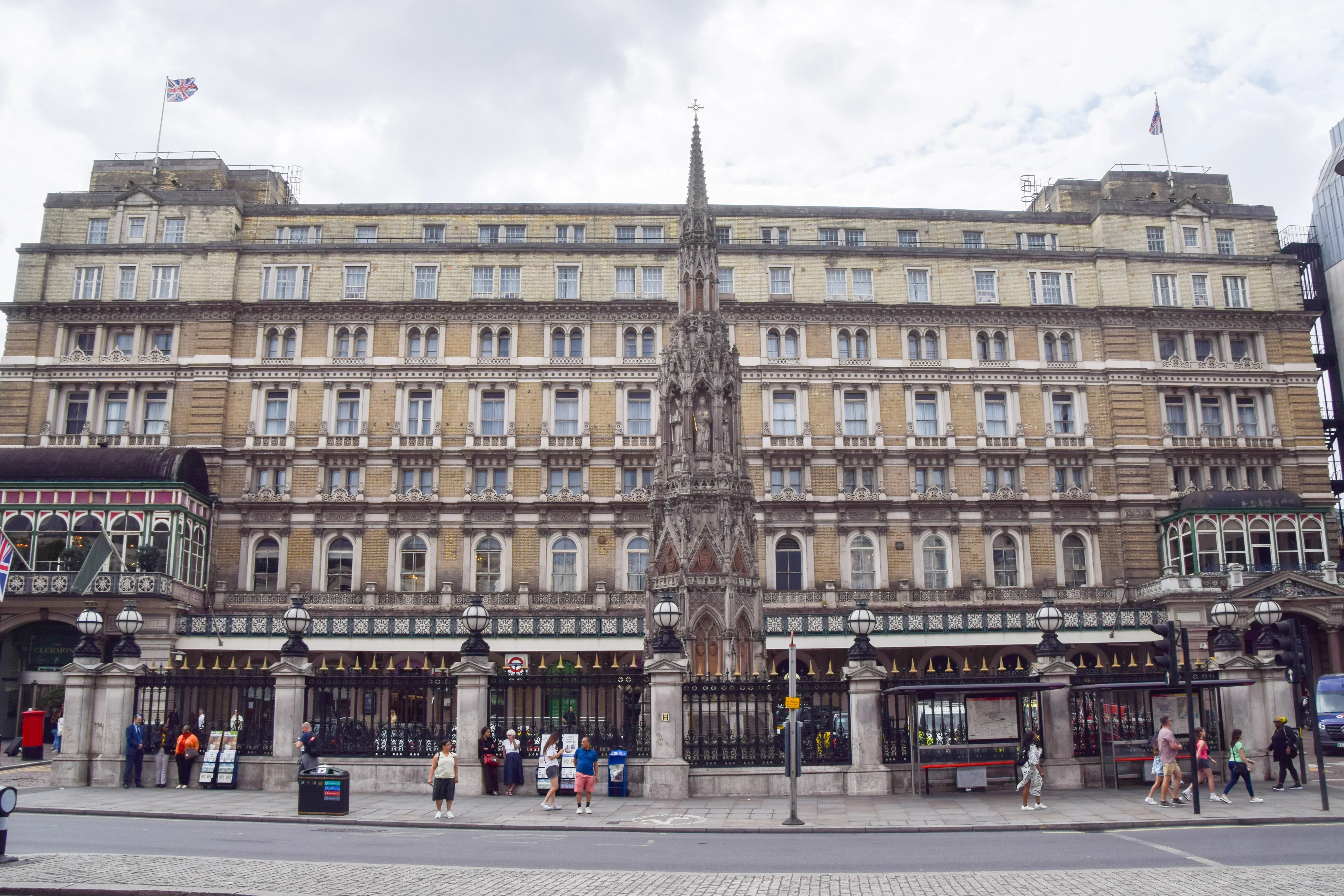
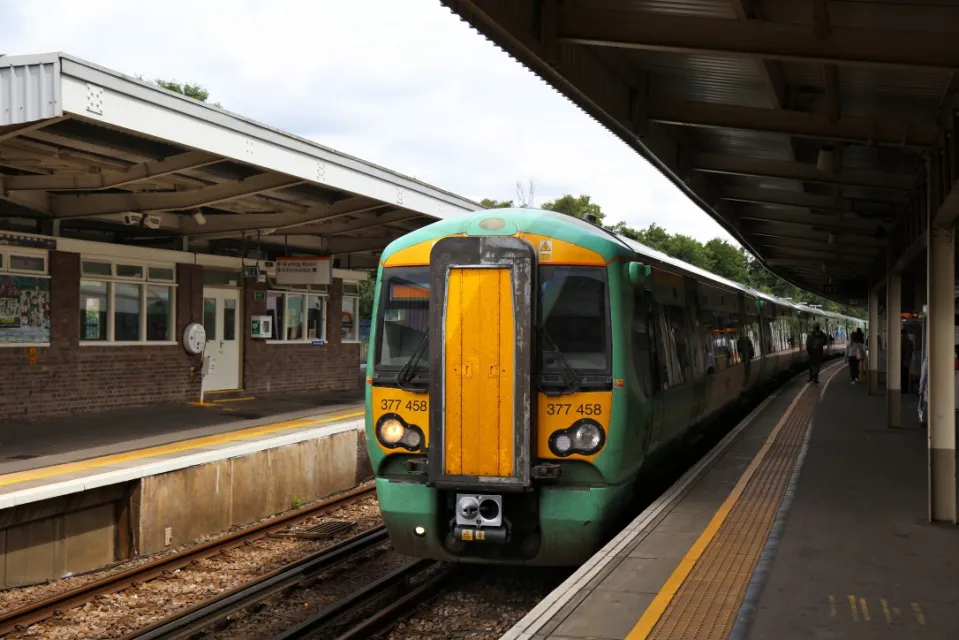
Waterloo East and Charing Cross train stations will close for three weeksCredit: Getty
It comes as both stations are set to get an upgrade, costing £20million overall.
The stations will then both reopen on August 16.
Sign up for the Travel newsletter
Thank you!
However, this won’t be the end of closures for the two stations as there will be further closures between August 22 and 23 and between October 10 and 11.
Across the initial first closure, travellers will need to head to London Victoria, London Bridge, London Cannon Street or London Blackfriars instead.
Though, commuters will be able to use alternative routes, including on the Underground and on buses, for no extra cost.
Works on the stations include repairing the 175-year-old Hungerford Bridge, which trains head over the River Thames on.
During the closures, maintenance work will be carried out on the stationsCredit: Alamy
A number of commuters have taken to social media to share their outrage at the closure.
One person commented: “All these upgrades they do, and yet their still rail replacement most weekends.”
Another person said: “With Charing Cross and Waterloo East closed for three weeks, this will inconvenience a huge number of passengers.
“The least Southeastern could do is provide more off-peak trains during the morning rush hour to help cope with the increased demand.”
A third person said: “R.I.P. my commute I guess.”
Scott Brightwell, train services director at Southeastern Railway, previously said: “The £20 million investment we are delivering will see 1990s track and platforms upgraded to make journeys safer and more reliable, and Victorian- era structures strengthened to remain fit for the future.
“By consolidating the work into a 22-day closure, supported by preparation and follow-up weekends, we can complete the work more quickly and with less disruption overall than the alternative options of 60 weekend closures or four to five, nine-day closures.”
He added: “We have planned the closure for the summer, when passenger numbers are around 20 per cent lower and schools are closed, to help manage the impact on customers.”
Travellers are urged to plan ahead and check before they travel.
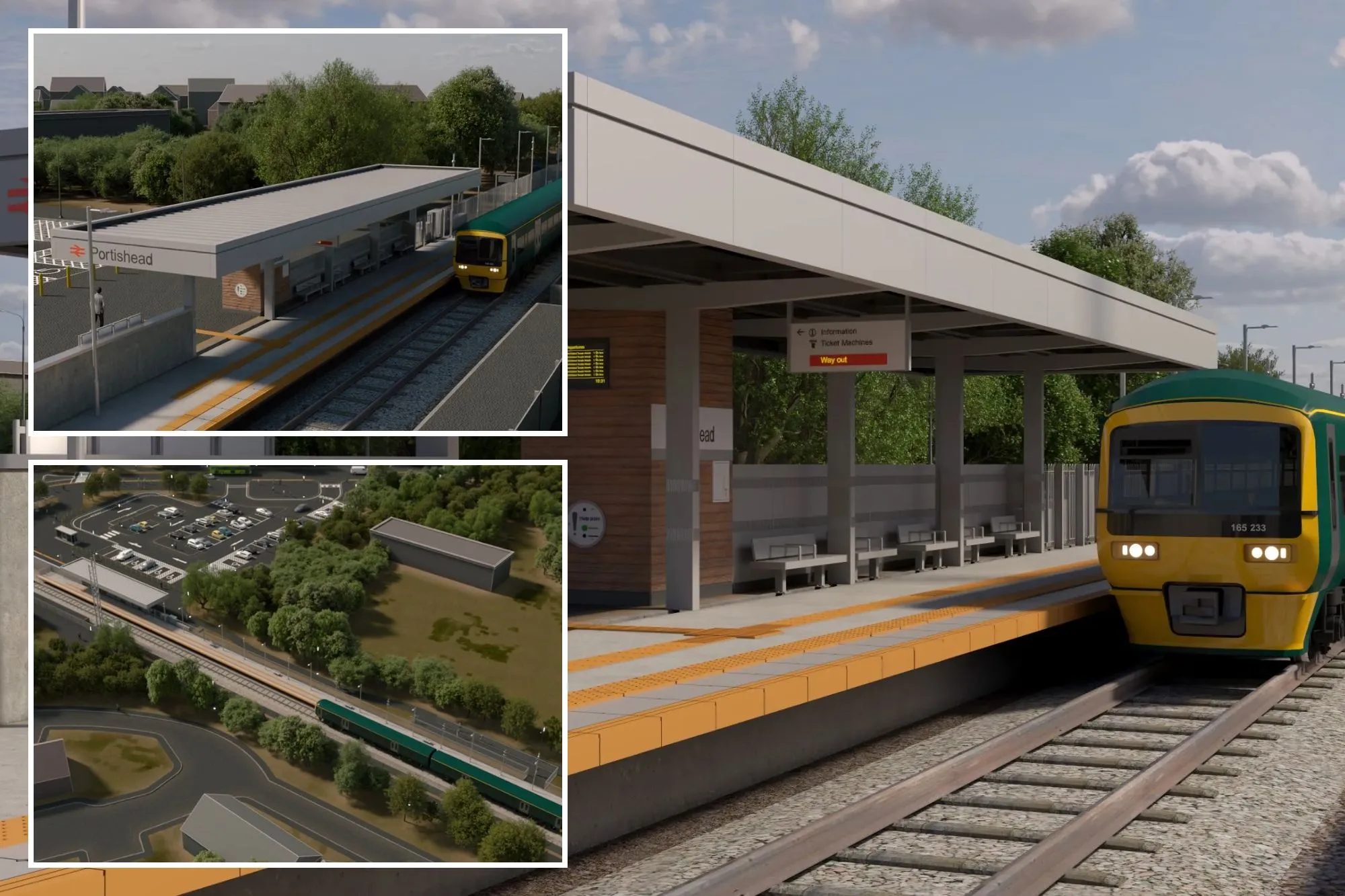
The route runs under the Clifton Suspension Bridge and through the Avon Gorge, with services due to be run by Great Western Railway.
According to a local councillor, the new station and reopened line will “enable an estimated £43million of economic growth each year”.
Niall Spencer, senior sponsor for Network Rail‘s Great Western route, said: “There’s now visible progress right across the route, from bridge upgrades and site clearance to preparations for the new stations themselves.
“It’s exciting to see this long-awaited railway taking shape and moving another step closer to reconnecting local communities with the rail network for the first time in more than six decades.”
There will be services to Bristol Temple Meads from the stationCredit: National Rail
Helen Godwin, Mayor of the West of England, said: “I know so many people have been waiting so long for passenger trains to return to the Portishead to Bristol Temple Meads line, and it is great to see work is well underway.
“Through this new £200 million train line, the West of England and North Somerset, alongside our industry partners, can connect more people to work, nature, and leisure.”
IF you were planning to head to the capital this weekend, you might want to check your train journey.
London will see two train stations close this week for major revamps.
Two major train stations will close for nearly a monthCredit: Alamy
Both Charing Cross and Waterloo East train stations will close on Sunday, July 26, for three weeks.
The two stations, which handle millions of passengers between them each year, will undergo a £20million glow-up.
Sign up for the Travel newsletter
Thank you!
The stations will then both reopen on August 16.
Across the 22-day closure, all services will be cancelled, with commuters instead having to go to London Victoria, London Bridge, London Cannon Street, or London Blackfriars for alternative services.
Upgrades include structural repairs to the 175-year-old Hungerford Bridge, which trains head over the River Thames on.
Later this year there will also be two weekend closures – one between August 22 and 23 and another between October 10 and 11.
Travellers will be able to use tickets on alternative routes including the Underground and buses, for no extra charge during the closure period.
Scott Brightwell, train services director at Southeastern Railway, previously said: “The £20 million investment we are delivering will see 1990s track and platforms upgraded to make journeys safer and more reliable, and Victorian- era structures strengthened to remain fit for the future.
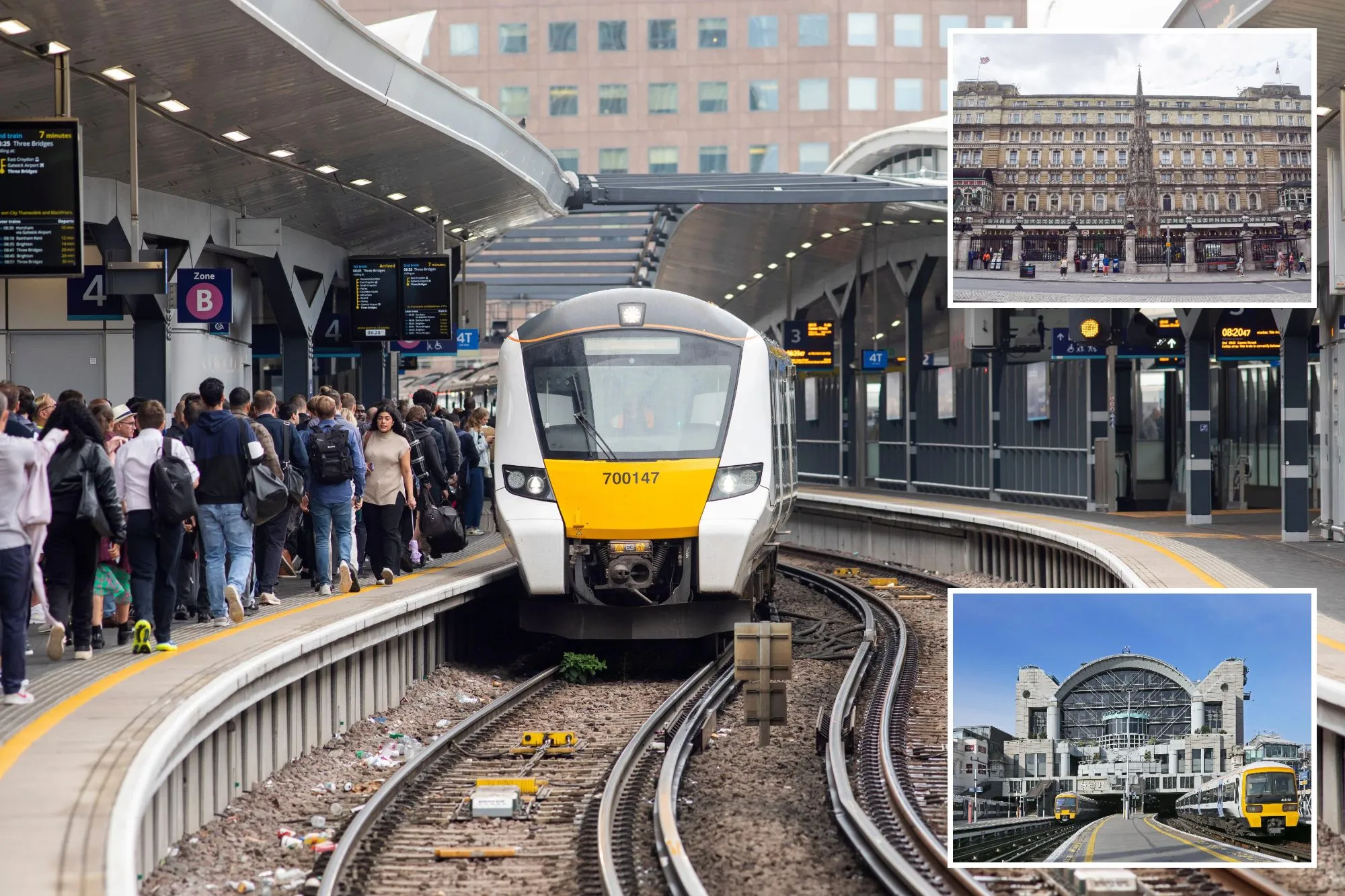
Charing Cross and Waterloo East will close this week, for three weeks, for a £20million revampCredit: GettyThere will also be two other closures later in the yearCredit: Alamy
“By consolidating the work into a 22-day closure, supported by preparation and follow-up weekends, we can complete the work more quickly and with less disruption overall than the alternative options of 60 weekend closures or four to five, nine-day closures.”
He added: “We have planned the closure for the summer, when passenger numbers are around 20 per cent lower and schools are closed, to help manage the impact on customers.”
Travellers are urged to plan ahead and check before they travel.
India joins a handful of countries that have successfully deployed the zero-emission technology in their rail networks.
By Reuters and The Associated Press
Published On 17 Jul 202617 Jul 2026
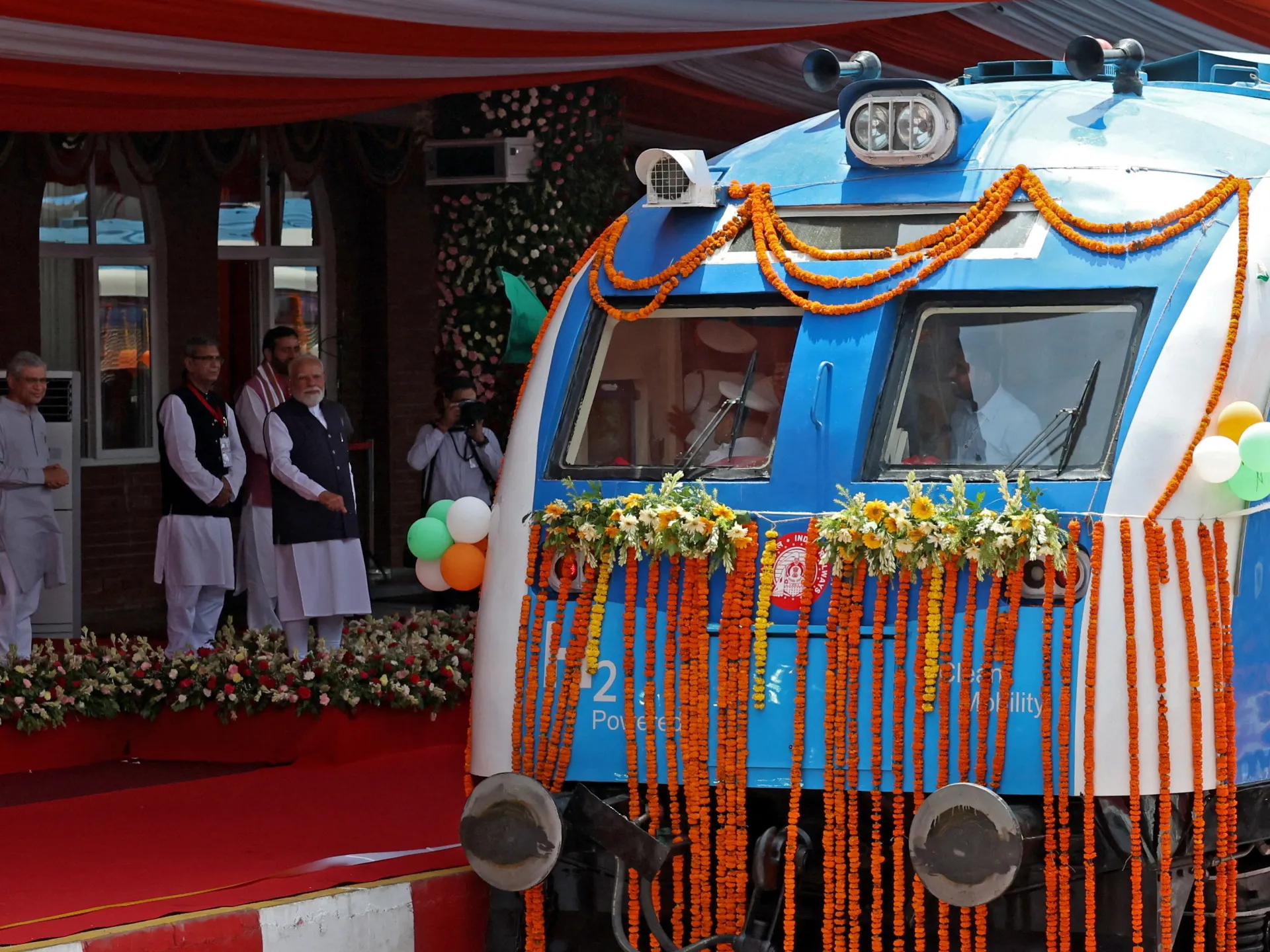
India has launched its first domestically built, hydrogen-powered train, as it pushes its efforts to expand clean energy use.
Prime Minister Narendra Modi inaugurated the locomotive ahead of its first trip on Friday, hailing the event as a significant day for India’s drive to become self-reliant and sustainable. The introduction of the train sees India join just a handful of countries that have successfully deployed the zero-emission technology in their rail networks.
Recommended Stories
list of 2 itemsend of list
Dubbed the “NaMo Green Rail”, including an abbreviation of the PM’s first and last names, the train will make two return trips each day along a 90km route linking the cities of Jind and Sonipat, in the state of Haryana. The 10-coach train can seat about 2,600 passengers and can travel at speeds of up to 75km/h.
Designed, engineered and built in India, the NaMo produces only heat and water vapour when running, making it an attractive alternative to diesel.
While India has already electrified almost all of its 70,000km railway network, one of the largest in the world, hydrogen trains can plug the gap where electrification is not possible.
The rollout is part of India’s wider push to expand use of hydrogen and cut its carbon emissions, with the government aiming to make the country’s railways net-zero by 2030.
Avanti West Coast has partnered with Family Holiday Charity to offer free family train tickets to vulnerable families, supporting summer holiday breaks at destinations on the West Coast Main Line from London to Glasgow and Edinburgh
Milo Boyd Deputy Travel Editor & Commercial Writer and Neil Lancefield Press Association Transport Correspondent
10:47, 17 Jul 2026
Some families will get free train travel(Image: Getty Images)
A rail operator is offering free travel to vulnerable families so they can enjoy a holiday this summer.
Avanti West Coast has revealed it’s teamed up with Family Holiday Charity to enable breaks at destinations along the West Coast Main Line, which runs from London through to Glasgow and Edinburgh via the West Midlands and north-west England.
The getaways will be made available to families facing challenges including financial struggles, bereavement, caring duties, housing insecurity and domestic abuse.
Avanti West Coast customer experience director Kathryn O’Brien said the firm is “really proud” to help families embark on holidays they “may otherwise not have the chance” to experience.
She continued: “We serve many picturesque towns and seaside destinations along the West Coast Main Line that will be the perfect destination for the families to enjoy new experiences and escapism from their day-to-day reality.
“The trips will offer something that many could take for granted – the opportunity to nurture relationships, create memories and reconnect with one another.”
Family Holiday Charity depends on referrals from sources such as social workers and the NHS to identify people it can assist.
Rob Parkinson, chief executive of Family Holiday Charity, said: “While many of the families we support have not been on a holiday before, it will also be the case that some have never travelled together by rail.
“Providing new experiences and opportunities to make enduring memories is central to what we do as a charity, and so we’re very excited to be working with Avanti West Coast on this summer pilot project.”
Avanti West Coast confirmed it will initially assist six families with summer holiday travel, calling the trial a “first for the rail industry”.
Family Holiday Charity’s mission is to help “families’ children who have never seen the sea, for teenagers who can’t remember when they last saw their mum smile. For parents having to choose between a day out and a new pair of school shoes. For young carers, kinship carers, families facing illness isolation and bereavement.”
Its philosophy is that holidays open up new possibilities and provide a time to reconnect, to try new things, and to make happy memories together.
The charity’s website features stories of those it has helped, as well as details on how you can support it.
One family who received help is Tobi’s. The 12-year-old has Takayasu arteritis, a type of vasculitis that causes inflammation in his blood vessels, damaging his large arteries. It’s treatable but not curable. He’s had two major heart surgeries this past year and life has been so hectic. If Tobi has to go to the hospital, all his family have to go.
“We could be there for months at a time, with Lanny commuting from the hospital to his school. At one point, Tobi was going in every three days for blood transfusions and he missed three years of school,” his mum Fathimas said.
Family Holiday Charity paid for Tobi, his siblings and mum to stay at the seaside in Essex.
“We were so happy to hear it was near the sea. We all love the beach and it reminded us of our days in Ghana. We hugged each other as we started making plans. I checked how far Clacton-on-Sea was from London’s Great Ormond Street Hospital by train, just to be sure we could get there quickly if we had to. That helped ease my mind,” Fathimas said.
TOURS are now available of a secret network of rivers located under a major UK city.
However, adventure-seekers will want to be quick as tickets are selling out fast.
The Sheaf & Porter Rivers Trust are currently running tours of the underground river systemCredit: The Sheaf and Porter Rivers TrustThe Trust has been working to restore the underground system, with ticket sales going towards fundingCredit: The Sheaf and Porter Rivers Trust
These tours will be run by volunteers, who will take explorers on twice-daily trips around Sheffield’s underground.
Sign up for the Travel newsletter
Thank you!
Dating back to the mid-1800s, the Megatron is a large maze of tunnels located under various parts of the city, including the railway station, BBC Sheffield, the Sheffield Archives, and Red Tape Studios.
The extravagent system was originally constructed to contain the overflow from the rivers Sheaf, Porter, and the Don.
Trust volunteers run the tours, which will take place twice daily throughout July, August, and SeptemberCredit: The Sheaf and Porter Rivers TrustTour tickets have already sold out for JulyCredit: The Sheaf and Porter Rivers Trust
However, the system of rivers eventually became polluted and even covered over the years.
Now, the Trust is working to uncover and restore these historic features, even taking those who dare venture into the depths of the Megatron on tours in order to fund the project.
On these tours, volunteers share their passion for the ecology of the city’s waterways and other interesting facts as they guide you on the two-mile water walk.
Ticket prices help to fund everything from river clean-ups to the installation of “light wells”, which cast some light onto the hidden rivers for the first time in 150 years.
If you’re looking to participate, make sure you have the proper attire before you embark on this underground adventure.
Varying water depths throughout the tour mean waders and sturdy footwear are recommend.
You will also want to be fairly agile for this experience, with lots to navigate, from slippery algae-covered rocks to tight gaps that require crouching.
This tour also provides glimpses into the city’s industrial past, with aged grindstones, crucible caps, even some tools found along the way.
You may also spot some stalactiteshanging from the tunnels, but make sure you don’t touch these.
And Broad Street West, the culvert transforms into a large single looming arch, named “Megatron” by urban explorers.
The name was chosen in response to Manchester’s “Optimus Prime” culvert, both of which took inspiration from after the comic and movie series “Transformers”.
While the first section of the culvert is built from huge stone blocks from theold Castlefolds Wholesale Market, a shorter stretch of blue brick under Exchange Street was built around 1890 to serve as a ramp for electric trams travelling from Rotherham to central Sheffield.
You may also spot some wildlife on your tour, with a variety of birds, invertebrates, and even the Daubenton’s bat taking up residence.
The public is advised that points of the water can reach chest height on this tour, with rainfall impacting both the current and depth.
While the Sheaf and Porter River Trust Megatron Tour has sold out for July, more information on ticket releases for August and September can be found here.
TWO busy UK train stations will close next week for nearly a month.
Thousands of Brits heading to the capital will have to find different routes next week from both Charing Cross and Waterloo East stations.
Two major UK train stations will be closing next weekCredit: Getty
The two London stations, which handle millions of passengers each year, will close next Sunday – July 26 – for three weeks.
This is so that both the stations can undergo a £20million makeover.
Sign up for the Travel newsletter
Thank you!
The stations will then reopen on August 16.
Across the 22-day closure, all services will be cancelled as Network Rail carries out improvements to the stations including replacing a track that dates back to the 1990s.
Other upgrades include new surfaces and structural repairs to the 175-year-old Hungerford Bridge which takes trains over the River Thames.
Later on this year, there will also be two additional weekend closures between August 22 and 23 and October 10 and 11.
For travellers who usually use Southeastern services from Charing Cross, they will now need to head to either London Victoria, London Cannon Street, London Blackfriars or London Bridge.
Passengers will also be able to use their ticket on alternative routes, the Underground and buses at no charge.
Charing Cross is one of the stationsCredit: GettyAnd the other is Waterloo East StationCredit: Alamy
Scott Brightwell, train services director at Southeastern Railway, previously said: “The £20 million investment we are delivering will see 1990s track and platforms upgraded to make journeys safer and more reliable, and Victorian- era structures strengthened to remain fit for the future.
“By consolidating the work into a 22-day closure, supported by preparation and follow-up weekends, we can complete the work more quickly and with less disruption overall than the alternative options of 60 weekend closures or four to five, nine-day closures.”
He added: “We have planned the closure for the summer, when passenger numbers are around 20 per cent lower and schools are closed, to help manage the impact on customers.”
All passengers are now being urged to plan ahead and check before they travel.
The carriage also has a kitchen so you can rustle up your evening meals and breakfast.
And then in the other carriage – Penzance – you’ll find a sofa bed, as well as more original seats and tables.
The carriage also has a lounge area with wood flooring and a Smart TV.
Other original features have been kept across the carriages too such as the windows, classic glass sliding doors and even safety signs.
One carriage is called Paddington and the other is called PenzanceCredit: Coolstays.comInside there are still some original features such as tables and chairsCredit: Coolstays.com
And for those who have always had the urge to push a big red button in their life, they can do so by pulling the original red emergency lever.
Outside of the carriage there is a small garden with a fire pit and patio.
There’s even a hot tub for the ultimate relaxation.
And if you really want to amplify your train experience, you can order an afternoon tea to be delivered to you, with scones, jam, cream, cakes and several sandwiches – all served with a big pot of English Breakfast of course.
It costs from £180 per night to stay in the carriage, with a minimum stay of two nights.
One recent visitor said: “Just WOW, just as expected lovely location, great accommodation, friendly owners.
“We had the afternoon tea on arrival – excellent. Will definitely stay again.”
Another visitor added: “Fantastic place to stay, so different and such a tranquil setting, loved the hot tub, plus all the little touches, dressing gowns, slippers, biscuits, chocolates, canned drinks plus fresh milk.”
Stays cost from £180 per nightCredit: Coolstays.comAnd outside on the patio, there is even a hot tubCredit: Coolstays.com
The carriage is also only a five-minute drive from the city of Ely, where you can head to the cathedral or even Oliver Cromwell’s House.
If you want to spend even more time outdoors, head to The Fens where there are a number of walking and cycling trails.
Midfielder Declan Rice and defenders Marc Guehi and Reece James all train with England on the eve of Saturday’s World Cup quarter-final against Norway.
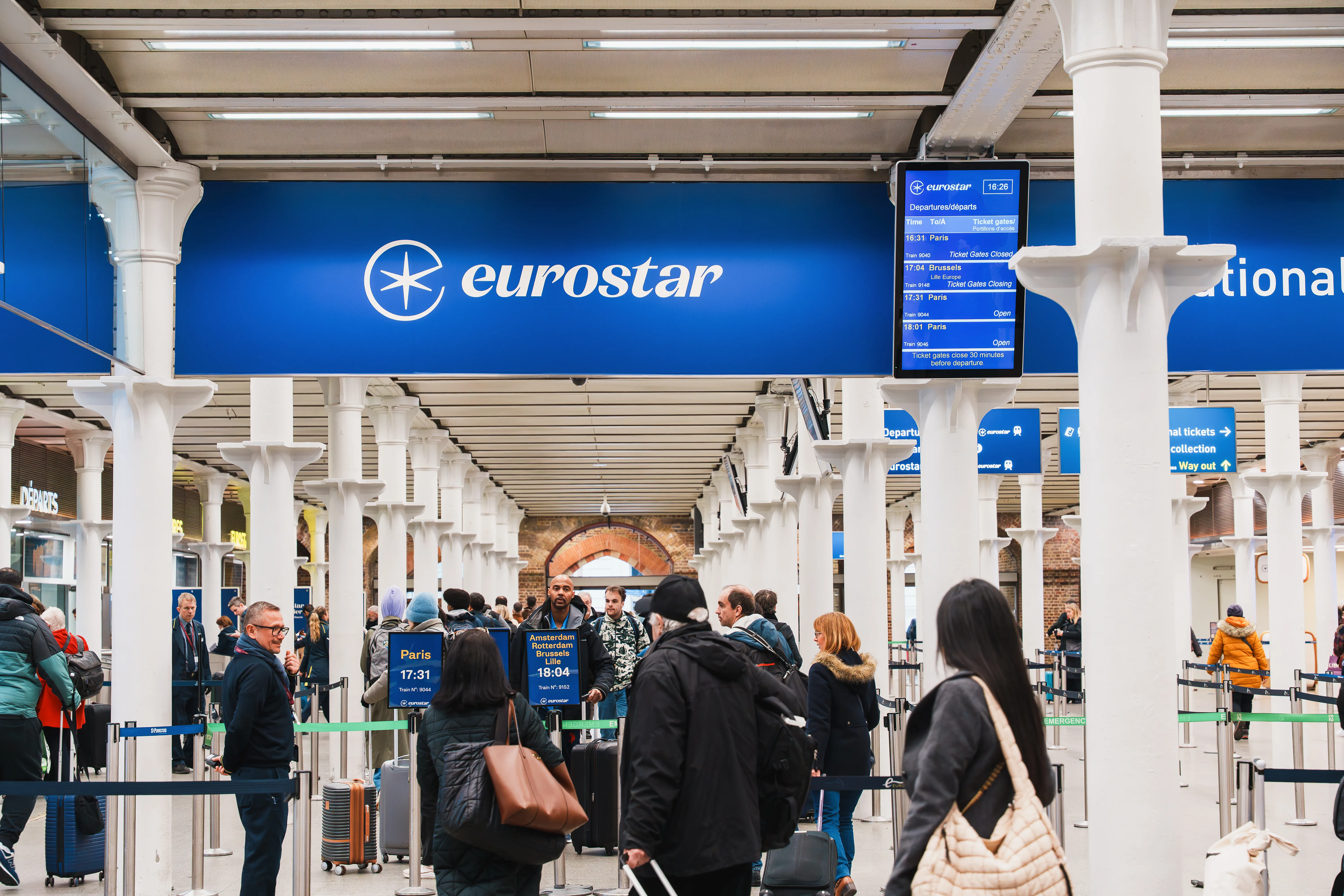
EUROSTAR is warning of delays across Europe due to an incident on a track, with some services already cancelled.
Trains heading to and from Europe are experiencing delays and cancellations “due to emergency services attending an incident near the tracks in Lille Europe”.
Sign up for the Travel newsletter
Thank you!
Eurostar services are experiencing delays and cancellations across EuropeCredit: Getty
Cancelled trains include:
3:31pm service from London to Paris
5:56pm service from Brussels to London, via Lille
6:04pm service from London to Amsterdam, stopping at Brussels, Rotterdam and Lille
6:40pm service from Amsterdam to London, stopping at Brussels, Rotterdam and Lille
7:01pm service from London to Paris
8:02pm service from Paris to London
There are also a number of delays to services including the 2:42pm, 3:12pm, 4:12pm, 4:40pm and 5:12pm services from Paris Gare du Nord to London St Pancras.
A service from London St Pancras to Paris at 2:31pm was also delayed.
Services from Brussels to London have also been impacted including the 2:52pm and 3:52pm services.
The Eurostar website currently states: “We expect our trains between London and Lille/Brussels/Rotterdam/Amsterdam to be subject to severe delays on 07/07/2026 due to emergency services attending an incident near the tracks in Lille Europe.”
The operator is advising that if passengers would prefer to rearrange their plans, then you can change your ticket for free.
It comes as services still face disruptions following from an incident in the Netherlands last week where there was a major fire at Rotterdam Centraal.
At the time, Eurostar commented: “We’re very sorry that, due to a fire near station Rotterdam Centraal, train services across the Netherlands are currently severely disrupted and extremely limited.
“As a result, our trains are subject to significant delays and cancellations, and we’re unfortunately unable to offer alternative travel options.
“This situation will continue until 3rd July 2026. We recommend that you do not attempt to travel to or from the Netherlands until 3rd July. Instead, please cancel your journey or postpone it to a later date.”
Sun Travel has contacted Eurostar for further comment.
This incredible feat of engineering took 17 years of continuous construction to finish.
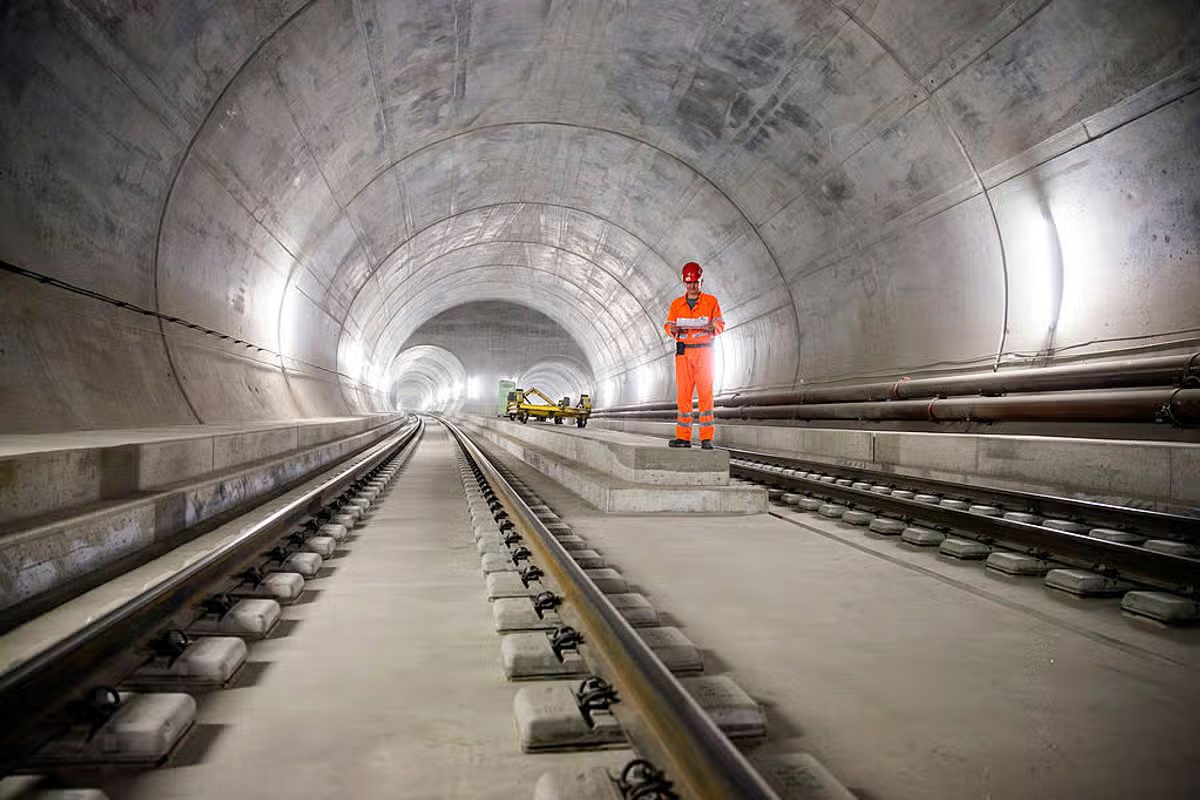
This tunnel is an incredible feat of engineering(Image: Getty)
Ten years ago this month, construction finished on one of the most impressive feats of engineering in the world. The Gotthard Base Tunnel – a railway tunnel below the Lepontine Alps in Switzerland – is the longest and deepest transport tunnel in the world.
It opened in June 2016 and has provided a high-speed rail link between northern and southern Europe. Specifically, the train runs between Rotterdam in the Netherlands and Genoa in Italy.
It’s called a Base Tunnel as it travels through the base of the mountain, rather than trying to snake over the ranges.
This means that the journey on this train is by and large straight and flat.
The high speed trains that travel through it can reach speeds of 250km/h, slicing the journey time significantly.
Construction of this incredible tunnel took a whopping 17 years of continuous labour, and approximately CHF 12.2 billion (£11.2billion) to build.
Engineers and construction crews excavated more than 28 million tonnes of rock using massive boring machines to dig it out, as well as precious blasting to clear the way for the tunnel.
Before its construction, trains had to carefully traverse the winding mountain routes which meant travel speed and cargo capacity was significantly hampered.
Now, trains can whip through the solid rock mountain and travel between Erstfeld in the north to Bodio in the south in just 20 minutes.
This incredible tunnel runs for 57km and at its deepest point it is thousands of feet deep.
At the deepest point, trains are travelling at 7,546 feet below the surface.
Since its construction, the train has carried thousands of people with data showing that the number of people travelling through the Gotthard by train has almost doubled in 10 years
In 2025 the average was 16,400 a day, compared with 9,000 in 2015, according to the Swiss Federal Railways.
COMMUTERS were left stunned when they realised they were sharing a train platform with A-list acting royalty.
One eagle-eyed passenger spotted a Hollywood star casually waiting at the station before boarding a train – but would you recognise her?
Sign up for the Showbiz newsletter
Thank you!
Tourists were left shocked when they spotted a major Hollywood actress in a Paris train station recentlyCredit: TikTok/@livingthedevinelifeMargot Robbie was simply amongst other commuters as she kept a low profile in a hat and floral dressCredit: TikTok/@livingthedevinelife
With no security team in sight and not even a friend with her, Margot Robbie was seen alone at a Paris train station.
Disguised beneath a huge floppy hat, the actress blended into the commuters going through the station as she patiently waited for her train to arrive.
The 35-year-old stood scrolling on her phone, seemingly oblivious to both the video being recorded and the excited fans around her.
An onlooker later shared the clip online, soundtracked by a song from Barbie, the blockbuster film in which Margot famously starred.
Margot is known for appearing in blockbusters such as Wuthering Heights and BarbieCredit: GettyShe spent time in France earlier this year for Paris Fashion Week and has been in the country gearing up for the new Ocean’s 11 prequel, which will begin filming in ParisCredit: Alamy
In the short video, the fan appeared unable to believe their luck after spotting the Australian-born actress.
Fans quickly took to the comments to speculate about why Margot might be in the French capital, with one suggesting she is likely gearing up for filming of the new Ocean’s 11 prequel.
Production on the prequel is expected to begin in Paris in July before moving to the south of France,
The movie is set at the 1962 Monaco Grand Prix and filming is set to take place in Nice and Monaco from August to October.
The film, which Margot is producing and which stars and is directed by Bradley Cooper, is due for release nextsummer.
Another commenter said the fan should have introduced themselves, before sharing their own story about meeting the actress.
They wrote: “In 2022, I met her and her husband in a small pub in the Lake District, of all places.
“I had just got engaged 10 minutes earlier, so everything already felt surreal. I went over to her table and told her about the engagement. She was the first person I told and the first person to congratulate me.
“She introduced herself and was just so, so lovely. I love telling that story.”
A hiker has shared a video of herself exploring a stunning coastal town which is just over an hour’s train journey from London and offers visitors the luxury of a hidden beach with its own shipwreck
This article contains affiliate links, we will receive a commission on any sales we generate from it. Learn more
A hiker travelled via train for just over an hour to a hidden beach (stock)(Image: Ray Wise/Moment via Getty Images)
A hiker has highlighted a breathtaking town which boasts a secluded beach complete with its own shipwreck. Zoe Tehrani, who is based in the London, posted footage of herself climbing down a rusty ladder onto the shingle beach before setting off on a winding trail across the cliff face.
“There might also be a creepy tunnel that used to be a smuggling route,” she enthused in a TikTok video. Zoe went on to describe her journey, explaining she boarded the train at London St. Pancras and travelled for 66 minutes.
The town she visited is Dover, which has a railway station located just a 10-minute walk from the coastline. “It’s not the most scenic to get there, but at least there’s a mist tunnel along the way,” Zoe continued.
“I followed signs for the White Cliffs of Dover, passed colourful houses, headed up the chunky hill then at the top the trail levelled out nicely.”
Content cannot be displayed without consent
Zoe then aimed her camera down towards the beach, and headed off once more on another winding trail, making a steady descent. She warned that inside the smugglers’ tunnel there are no lights, which is “a little bit creepy”.
“There’s a few things you need to know about this beach,” she added. “It’s underwater at high tide, so it needs to be out a bit – and you don’t want to sit [directly] below the cliffs because they are crumbling.”
Zoe decided to take a swim in the Channel, which meant carefully picking her way through seaweed to reach the water.
“You definitely want sea shoes for this one,” she suggested. “And it’s much nicer to get in when the tide is a little higher, so I chilled for a bit, had some lunch and then it was perfect.”
The White Cliffs of Dover paths are managed by the National Trust, which advises online: “There is a wheelchair-friendly footpath that leads to a viewing point, ideal if you just want a short route to see the famous cliffs.
“This all-weather path is built with a staggered incline, which allows for a few breathers on the way up. At the top is one of the best views of the cliffs, with the rolling green landscape and sheer chalk edge, dropping to the sea below.”
Venturing further along gives walkers a choice of routes, which are steeper closest to the cliff edge and more gentle further inland.
“These will take you to Fan Bay Deep Shelter and South Foreland Lighthouse,” the National Trust continues. “Beyond the lighthouse, you can continue walking the coast path to St Margaret’s, Kingsdown, or even Walmer or Deal.
“The ground can be uneven and the weather unpredictable, so please wear stout shoes and dress appropriately.”
Responding to Zoe’s clip, one TikTok user commented: “[I] went. Worth it for the views and the challenge but the beach/water is pretty bad. And the ladder was so scary, almost vertical.”
It’s also the pedestrian bridge between Waterloo East and London Waterloo.
Network Rail said that the improvements should reduce the number of recent faults which “have caused over 21,000 minutes (350 hours) of delays to customers.”
As well as the closures between July and August, the stations will also shut on June 7.
Then there will be two full weekend closures later on in the year.
These dates will be August 22 to August 23 – and again on both October 10 and October 11.
During the closure, Southeastern services that normally run into Charing Cross will be diverted to London Victoria, London Cannon Street, London Blackfriars or terminate at London Bridge.
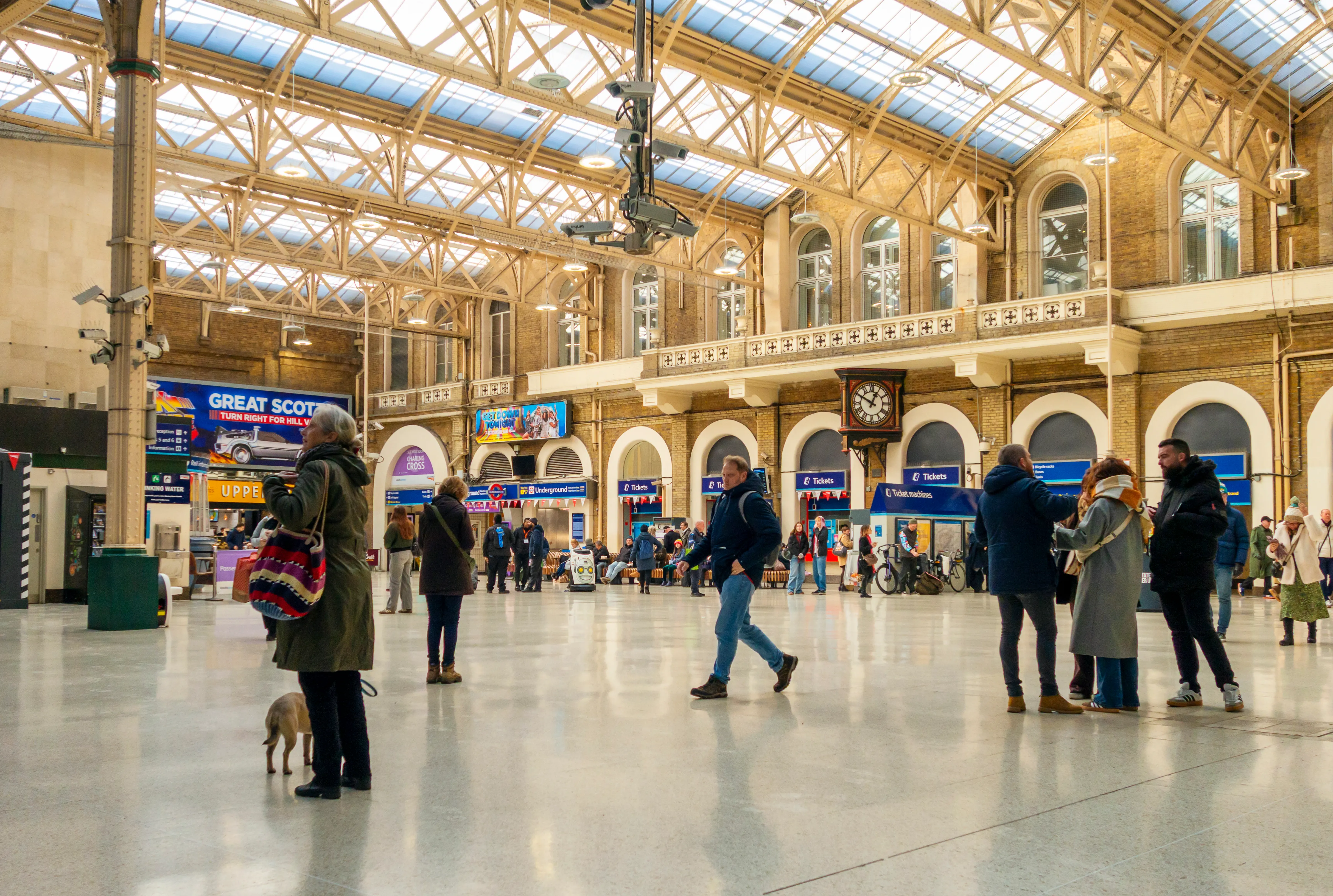
Charing Cross Station is a major hub but will close for three weeksCredit: Alamy
Passengers will be able to use their ticket an no extra cost on alternative rail routes as well as on the London Underground and buses.
Scott Brightwell, train services director at Southeastern Railway, said: “The £20 million investment we are delivering will see 1990s track and platforms upgraded to make journeys safer and more reliable, and Victorian era structures strengthened to remain fit for the future.
“By consolidating the work into 22‑day closure, supported by preparation and follow‑up weekends, we can complete the work more quickly and with less disruption overall than the alternative options of 60 weekend closures or four to five 9-day closures.”
He added: “We have planned the closure for the summer, when passenger numbers are around 20 per cent lower and schools are closed, to help manage the impact on customers.”
And urged passengers to “plan ahead and check before they travel”.
The station is located next to the famous Cambridge Biomedical Campus and boasts four platforms that will see up to nine trains per hour pass through.
The site also offers over 1,000 bicycle parking spots, ticket vending machines and lifts that provide step-free platform access.
The arrival of the new station will “deliver better transport options and connectivity for 1.8 million passengers”.
It’s also hoped the transport boost will “grow and level up the economy” by increasing employment opportunities.
Paul Bristow, Mayor of Cambridgeshire and Peterborough, said: “With up to nine trains per hour and all passing services stopping, Cambridge South will make a real difference from day one.
“Cambridge South will bring London, Stansted Airport and international markets closer, supporting the investment and skilled people we need, and creating opportunities locally too.”
A woman has shared her experience on board a popular train route through Switzerland, which offers stunning views of Alpine lakes, waterfalls and mountain villages – and it’s only £30
The train journey offers stunning views (stock image)(Image: JJ Landscapes via Getty Images)
A train journey boasting spectacular views of sweeping lakes, mountain villages and much more has been turning heads – and it’ll only set you back £30. Visiting new destinations ranks among life’s most fulfilling and thrilling experiences, opening up fresh cultures, cuisines, ways of living, and a wealth of things to see and activities to do.
For those eager to book a trip away but anxious about the financial burden, a scenic rail journey could be just the ticket. Switzerland sits near the top of many people’s travel bucket lists, owing to its breathtaking alpine landscapes, world-class public transport network, and its legendary reputation for chocolate and cheese.
There’s something for everyone, whether you’re after an action-packed outdoor adventure such as skiing or hiking, or something more laid-back like soaking in mineral-rich thermal baths, leisurely cruises across glacial lakes, or exploring car-free alpine villages such as Mürren or Wengen.
One woman has been full of praise for the iconic Luzern-Interlaken Express, which is billed as “an unforgettable journey right into the heart of Switzerland”.
The nearly two-hour trip carries passengers “along the shores” of at least five “crystal-clear lakes”, “past romantic waterfalls and over the magnificent Brünig mountain pass”.
Sweeping panoramic windows ensure travellers can fully soak up the stunning scenery throughout the journey.
Travel enthusiast Dani Dimitrova captured her onboard experience on camera and posted the footage to TikTok. Over the clip, she included text referencing Switzerland’s notoriously pricey reputation: “‘Switzerland is so expensive’. This panoramic train is only £30.”
Content cannot be displayed without consent
In the caption, she went into further detail: “Everyone says Switzerland is expensive… and then I found the panoramic train from Interlaken to Lucerne for around £30.
“The Lucerne-Interlaken Express is one of the most scenic train journeys in Switzerland, taking just under 2 hours and passing lakes, waterfalls, mountain villages and some of the most incredible Alpine views along the way.”
Dani also shared some handy tips for those thinking about making the journey. She said: “Sit on the right-hand side when travelling from Interlaken to Lucerne for some of the best lake and mountain views.”
She also encouraged travellers planning to visit during the busy summer season to “book in advance”. Dani also noted that for those holding a Swiss Travel Pass, the journey is covered but “seat reservations are optional and cost extra”.
Lastly, she suggested keeping cameras at the ready for “the entire trip” as “the views change every few minutes”.
Dani added: “Honestly, if you’re visiting Switzerland and only have time for one train journey, make it this one.”
In the comments section, other TikTok users asked how to book, with one person describing the train route as “magical”.
Train tickets can be booked directly through the Luzern-Interlaken Express website. If you’re eager to secure the best views, seat reservations can be made as early as six months before your departure date.
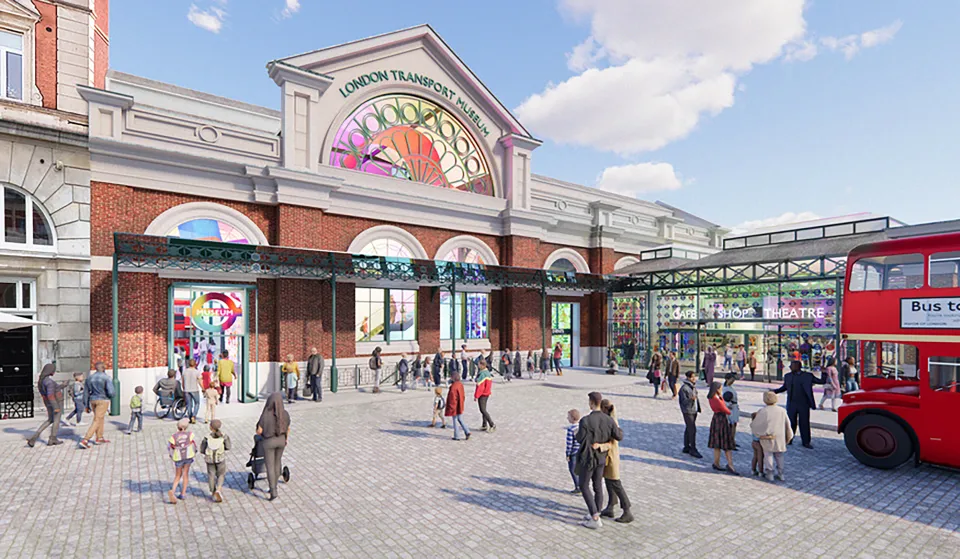
The attraction is next to Covent Garden market and last year welcomed 450,000 visitors.
The entire project is predicted to cost £26million and is set to be complete before 2030.
Elizabeth McKay, LTM’s director and CEO told the Museum Association: “The capital project is £26m, but the good news is we are more than halfway there.”
Inside will be 500 square metres of gallery and exhibition spaceCredit: London Transport Museum
London Transport Museum Friends charity, is donating £300,000 between now and 2030 to support the redevelopment.
TfL commissioner Andy Lord said: “For more than 200 years, London’s public transport has shaped the capital and improved people’s lives in so many ways, from the world’s first underground railway to the iconic red bus, Oyster card and the Elizabeth line.
“I’m thrilled to support the new plans that showcase our transport heritage and the future of transport in the heart of Covent Garden.”
Visitors need an Annual Pass and a timed entry ticket to visit London Transport Museum in Covent Garden – these start from £22.50.
Flat fields of poppies and ox-eye daisies stretch out to a wide horizon. There are butterflies, vetches, salad burnet. Skylarks sing overhead and a cuckoo calls from the trees near the river. Legend has it that the poet Lord Byron swam here as a Cambridge undergraduate and, 20 years later, Charles Darwin surveyed its beetles. Heading through flowering meadows towards a nature reserve known as Byron’s Pool, I’ve walked a mile from the new £250m Cambridge South station.
Opening to passengers on 28 June, Cambridge South will be the first Great British Railways-branded station. The towering Biomedical Campus next door is Europe’s biggest medical research facility, with about 40,000 visitors a day. The station itself, with its 1,000 cycle-parking spaces, living roof and solar panels, feels like a model for sustainable transport.
The new Cambridge South station, with its living roof. Photograph: Bav Media
Like other scenic medieval cities, Cambridge itself suffers from congestion. Its cobbled alleys are crowded with tourists, its roads gridlocked with cars. But you can reach some wild and peaceful corners without adding to the traffic. There are layers of human and natural history, a newly devised art trail, bat safaris by punt and a peaceful botanic garden near the busy central station.
Cambridge has been my nearest city for the last 15 years. With lots of buses and now three stations, it’s easy to get around without a car. I’ve spent countless days exploring, and published guides to the long-distance Harcamlow Way, a 140-mile (227km) figure-of-eight walking route that loops between Cambridge and Harlow. The best rural bus routes include the busway from Cambridge North station (opened in 2017) to Fen Drayton lakes and bus 1 to Fulbourn for orchid-rich fens and chalk-flowered Saxon Fleam Dyke.
Walking and cycle paths head out in all directions from the new station at Cambridge South, and I am following one of these to Trumpington, stopping for bao buns and peach oolong tea at the Dao cafe. In the village church, I find one of England’s oldest brass monuments. Sir Roger de Trumpington, who died in 1289, is lying in prayer and full chain mail, with a little lion-clawed dog biting his broadsword. Just south of the church, archaeologists unearthed the grave of a young Anglo-Saxon woman, with a delicate gold-and-garnet cross on her chest.
Heading north through Grantchester Meadows, I have a dip in the reedy River Cam, keeping my head above the willow-shaded water. Sun glints off ripples as I swim past waterlilies, moorhens and straggling blue forget-me-nots. Walking on towards the city through Paradise nature reserve, there are birds everywhere: a cetti’s warbler sings loudly from a reedbed and a song thrush from a waterside alder. A mother duck quacks warnings from a nest-topped tree stump as ducklings paddle underneath.
Cambridge University Botanic Garden. Photograph: Travelbild/Alamy
Twenty minutes further on, Cambridge University Botanic Garden (adults from £8.60, children free) is at its fragrant best. Bees are buzzing through sage, lemon balm and lavender in the scented garden; roses sprawl above foxgloves and cranesbill. There are benches in the cow parsley under walnut and cherry trees, where I sit and listen to blackcaps and chiffchaffs. I detour five minutes up the road to buy a slice of apricot tart from Maison Clement bakery and eat it on the train home.
In the last decade or so, several hotels have (re)opened near the central station, from the right-next-door Ibis (doubles from about £80) to the fancy University Arms (from about £175), where Parker’s Tavern brasserie can pack you a gourmet picnic hamper (£45pp) with 24 hours’ notice. Nearby, one of the city’s newest offerings, Hobson by Adina, has studios from about £125.
The next day, I catch bus 13 three stops to the iron age hill fort at Wandlebury, stroll round its wooded ramparts and past flax-blue meadows, sweet with wild marjoram. The grassy track of an old Roman road runs through shady beeches and pink dog roses.
Heading back into the city, I time-travel to Victorian Cambridge, when designers such as William Morris commissioned master painter FR Leach to decorate halls and churches. I thought I’d visited nearly all the city’s 30-odd museums and galleries, but until recently I hadn’t even heard of David Parr House, which is 10 minutes’ stroll from the main station. Parr was a working-class artist, employed by Leach to paint flowers, fruit, foliage and ornate text for Arts and Crafts designers across the country. By 1886, he had saved enough to buy a terrace house on Gwydir Street, which he decorated in the style of the interiors he worked on every day. A visit to the cosy house (from £15) reveals decades of hand-painted decoration and illuminates the city’s social history.
The house is just off Mill Road, now one of Cambridge’s foodie meccas, lined with indie eateries serving noodles, souvlaki, bibimbap, bamya stew or exceptional plant-based tasting menus. Once a rough track to a windmill, Mill Road expanded with the railway into closely packed terraces. Parr’s house stands opposite an old redbrick brewery, now a stylish coffee shop. The house recently produced a new FR Leach walking map, which takes me to All Saints’ church on Jesus Lane, with its red, gold and green decor, and the Michaelhouse Cafe in a converted church, where Leach paintings can even be found in the loo. Down the road, Great St Mary’s has a360-degree view from the tower (adults £7.50).
The hand-painted interior of All Saints’ church. Photograph: Adrian Powter
After a cone of tangy blackcurrant ice-cream at Jack’s Gelato, I wander down the road to the Museum of Archaeology and Anthropology (free) to see the jewelled Trumpington cross of that young Anglo-Saxon woman, alongside a gallery of Cambridge finds, from stone-age axes to eel-catching prongs. Over the road in the Museum of Zoology (also free), I pass through sea stars and rock pythons to find Darwin’s box of neatly labelled beetles.
As the museum closes, it’s time for supper at Jordanian Little Petra: crisp-and-creamy aubergine fatteh, topped with a jewel-like layer of nuts, parsley and pomegranate seeds, and Bedouin tea, brewed with fresh mint and sage. Finally, heading to the river, swifts are whirling and screaming as the sun sinks behind the colleges.
Iain Webb, community conservation officer at the local wildlife trust, dreamed up the bat safari 15 years ago and regularly guides punts full of nature-lovers along the Cam towards Grantchester on summer evenings (£71 for two). “We need nature more than nature needs us,” says Webb. Despite all the pressures on the Cambridgeshire countryside, it’s a rich, idyllic scene.
A kingfisher flashes past, herons fly overhead with huge, slow wingbeats, and the banks are gold with carpets of buttercups. Daubenton’s bats skim low over the water, while pipistrelles swoop between dark willow branches, flickering in and out of visibility, like creatures from some parallel dimension. A few stars are coming out, the darkling air is full of birdsong, and tawny owlets are calling from a nest among the trees.
TRAIN passengers have been told to expect significant delays and cancellations over fears of rails ‘buckling’ in the hot weather.
Hundreds of journeys have been affected as temperatures of up to 40C could be recorded in the UK this week.
Sign up for the Travel newsletter
Thank you!
Railway operators face cancelling services over hot weather warningsCredit: tupungatoRailway tracks can buckle if exposed to temperatures above 30CCredit: Kanda Peeraoranan
Railway operators have begun cancelling services, as red weather warnings have been issued in parts of England and Wales for the coming days.
Network Rail has urged passengers to only take essential journeys to, from or within areas affected by extreme heat, and to prepare for the conditions ahead of time.
They added: “For safety reasons, trains will operate at reduced speeds and to amended timetables, meaning journeys will take longer and there is a heightened risk of delays, cancellations and last-minute alterations.”
Several operators, including Avanti West Coast, Great Western Railway and South Western Railway, have planned to run reduced services during the hottest days.
Between Tuesday, Wednesday and Thursday, Chiltern Railways has also ceased more than half its services “to ensure the safe operation of the railway”.
This is over fears of rails “buckling” – a term used to describe steel rails expanding and curving as they heat up – which can occur as temperatures reach 30C.
Lineside fires create another risk to railways, as vegetation near tracks may be set alight from a combination of train sparks and dry conditions.
A number of tube lines, namely the Elizabeth and Mildmay Lines, have been further affected by flooding as a result of overnight thunderstorms as well as the hot weather.
This follows record-breaking temperatures expected this June.
Met Office spokesman, Grahame Madge, said: “The Met Office is flagging 39C as a headline maximum temperature on Thursday, most likely for somewhere in London or the South East.
“It is possible we could see temperatures higher than the 39C.”
Northern Network – Reduced services between several routes
Cleethorpes and Barton-on-Humber – No trains
Transport for Wales – Reduced services between Wrexham General and Bidston, Coryton and Penarth. No services between Shrewsbury and Birmingham International, and services cancelled at 13.00pm between Pontypridd and Cardiff Bay
Avanti West Coast – Reduced services
Great Western Railway – Reduced services
London Paddington and Heathrow Terminals – Severe disruption
Elizabeth Line – Partially flooded
MerseyRail – Speed restriction to Headbolt Lane line
CrossCountry – Routes affected
Chiltern Railways – Lines between Between Birmingham and London Marylebone, Oxford and London Marylebone, and Aylesbury and London Marylebone (via Amersham) severely affected.
The travel specialist has issued a plea for anyone travelling by train over the coming days
11:50, 23 Jun 2026Updated 12:53, 23 Jun 2026
Simon Calder shared his advice on Good Morning Britain(Image: ITV)
Travel expert Simon Calder has issued a new alert for anyone travelling by rail this week, sharing his latest advice for millions of people across the country as a heatwave hits. His warning comes as train passengers face significant disruptions, with operators across Britain reducing services due to the hot weather this week.
According to the Met Office, temperatures could reach 40C in parts of the UK, with the weather agency issuing a red extreme heat warning. Britain is facing what could be its hottest June since 1976.
Appearing on today’s (June 23) episode of Good Morning Britain, the travel journalist and broadcaster offered a word of warning to viewers. He urged people to change their travel plans this week and, if possible, swap to another date due to the severe heat over the next couple of days.
He said: “My advice to anyone booked to travel by rail over the next few days is, please, if you can, move your journey to the end of the week, then do so. It will be much more comfortable and have a higher degree of actually working as it is supposed to. Otherwise, I’m afraid, just be prepared for delays and disruption.”
The rail industry is preparing for problems that can arise from extreme heat, such as sagging overhead power lines, warped tracks, and fires along the tracks. Travellers are encouraged to leave earlier in the day if they can and to bring a water bottle. Online journey planners may not display accurate schedules until the day of travel due to last-minute cancellations.
Content cannot be displayed without consent
What are my rights if my train is delayed or cancelled due to hot weather?
According to Citizens Advice, if your train is cancelled, you can receive a full refund if you can’t catch the next train or choose not to travel. If you’re delayed and reach your destination over 30 minutes late, you can typically get some money back.
Some train companies may even offer compensation if your train is late by more than 15 minutes. Make sure to keep your train tickets to request a refund. It’s best to file your claim within 28 days, although some train companies may allow a longer period.
For those who travelled with Transport for London (TfL), like on the London Underground, you can check its website to see how much you could receive and the process for claiming.
Content cannot be displayed without consent
What have UK railway lines said about the hot weather affecting services?
Avanti West Coast said it plans to run fewer services than usual between Tuesday and Thursday, and “there’s a risk of further disruption”. The company eased ticket restrictions, enabling passengers to use an earlier service than the one they booked at no extra cost. Those with tickets booked for departures between Tuesday and Thursday are eligible for a full refund if they no longer want to travel.
Chiltern Railways has axed more than half its services over those three days “to ensure the safe operation of the railway”. This affects London Marylebone services to and from Birmingham, Oxford and Aylesbury via Amersham.
The operator said: “We strongly advise you to avoid travelling if possible. Trains are running at greatly reduced levels to ensure everyone’s safety, which means you may experience significant delays and very busy conditions.”
Great Western Railway requested that people use its services only for “essential travel” on Wednesday and Thursday, coinciding with a severe red warning from the Met Office. The company explained that extended high temperatures can impact the equipment on its older regional train fleet, including engines and cooling systems.
It is operating fewer trains than usual between London Paddington and Reading until Friday. This is due to Network Rail not moving certain points—metal pieces that allow trains to switch tracks—on that route to reduce the risk of failures, which are more probable in high heat.
LNER said passengers travelling on Tuesday can board an earlier service, adding “we strongly advise that you do not travel across the LNER route” on Wednesday or Thursday. There is disruption across the Transport for Wales network, including between Pontypridd and Cardiff Bay, and between Coryton and Penarth.
South Western Railway issued an alert stating it will run fewer services than normal between Tuesday and Thursday. Its services in Hampton, south-west London were also affected by flooding on Tuesday morning after heavy rain overnight.
Flooding also caused severe delays on the Elizabeth line between Heathrow airport and London Paddington. Several London Underground lines were suffering from major disruption on Tuesday morning. This included the entire Circle line being suspended because of a signalling failure.
FOR the past eight years I’ve wasted hours on busy, overpriced trains, travelling between London and my hometown of Devon.
But I recently discovered I could skip the sweaty crowds and do the journey in my sleep for the same price.
Sign up for the Travel newsletter
Thank you!
The Riviera Sleeper travels between London and CornwallCredit: The Sun – Cyann Fielding
While you might have heard of the Caledonian Sleeper from London to Scotland, I bet you aren’t familiar with Great Western Railway’s Riviera Sleeper from London to Cornwall.
The full journey from London to Penzance in Cornwall takes eight hours overnight, compared to the daytime five hour journey.
With the normal route being popular (and often packed with chaotic carriages where I arrive home disheveled and sweaty) I thought I would opt for the overnight option to Devon instead.
It takes just over five hours compared to my usual 2hr30, departing at 11:45pm and arriving at 5am.
I booked the cheapest seats on offer, paying £47.50 with a railcard, although the cheapest without a railcard is £43.
This got me an upright seat – if I had opted for a sleeper berth with a single or twin cabin, this would have set me back an extra £49 or £59, respectively, on top of the ticket price.
(Although for my journey, I couldn’t find any for less than £200).
The major benefit of booking a cabin is that you can use the fancy lounges – which have showers – at Paddington, Penzance, and Truro, with breakfast also included onboard.
People in the cheap seats get access to an onboard cafe for drinks and snacksCredit: The Sun – Cyann Fielding
I, however, was not one of the lucky ones, and instead boarded my seat shortly after arriving at London Paddington Train Station at around 11pm.
The train itself is weirdly clean – quite different from your standard daytime Great Western Railway train – and devoid of the usual crowds as well.
Replacing the loud beeping mechanical doors are retro-style doors you need to lean out of the window to open.
Then it comes to the part I was both dreading and anticipating – the seats.
Unlike the daytime trains, the Riviera Sleeper has a different style seat, with an overhead reader lightCredit: The Sun – Cyann Fielding
The operator claims they are similar to airline seats and at first glance, look a lot nicer than what you find on Ryanair.
But when it comes to the actual comfort – I think I would have preferred a budget flight middle seat.
It felt like sitting on a stack of squashed cardboard boxes, and bizarrely even more uncomfortable than the daytime GWR seats.
The head rest is annoyingly high, and the promise of extra legroom was unfounded.
Just the same as a daytime carriage you get a tray table, and then you’ll find plug and USB sockets by your feet.
Additions that you don’t get on the daytime trains include an overhead reading light and swish curtain on the window.
The service departs London for Cornwall at 11:45pmCredit: Alamy
So, how did I sleep? Well, I didn’t.
I simply couldn’t get comfortable as the seats are too small to lie across comfortably.
The minutes I did manage to get some sleep was when I put my feet on the seat next to me, I was quickly awoken by someones shouting “FEET” as they walked through the cabin.
I may be just 5″1, but the headrest didn’t help either – I knocked my head a few times just fidgeting and ended up slumping down in my seat to avoid it.
And all of this is without mentioning the disruption of passengers boarding at half-midnight, with the football playing on their phones at full volume.
Even though I saved money compared to a cabin, I definitely would only book this seat again if it was a last resort – I’d rather just stick to the daytime trains (which even in the noise I manage to get quick naps on).
There was one perk to trying this overnight train, however.
My train got into Exeter St David’s around 4:37am and because this was the stop before mine, I was starting to stir.
I also knew what was coming – a section of the track which I believe is home to the most beautiful train journey in the UK.
The biggest perk is getting to see the sunrise as you chug along the Devon coastCredit: The Sun – Cyann FieldingThough you’ll have to get up early to see itCredit: The Sun – Cyann Fielding
From Exeter, the train runs past Starcross, Dawlish Warren, Dawlish and Teignmouth with beaches and red cliffs on the left side of the train.
And at this time in the morning, a beautiful summer sunrise adds washes of orange, red and yellow.
While getting up early to see this might not be attractive and of course it depends on the time of year you are on the sleeper train, I would definitely recommend it.
The sea was perfectly calm, with only a couple of people entertaining their dogs on the beach, the sand was untouched and the water reflecting all the bright colours of the sky made it look like something from a postcard.
It almost made the seriously uncomfortable seat worth it… almost.