Arab News | Threads of tradition: How miniature art is bridging Saudi Arabia and Uzbekistan

Uzbek and Saudi creative communities gathered in Riyadh’s Diplomatic Quarter to mark the 35th anniversary of Uzbekistan’s independence through a unique celebration of shared artistic heritage.
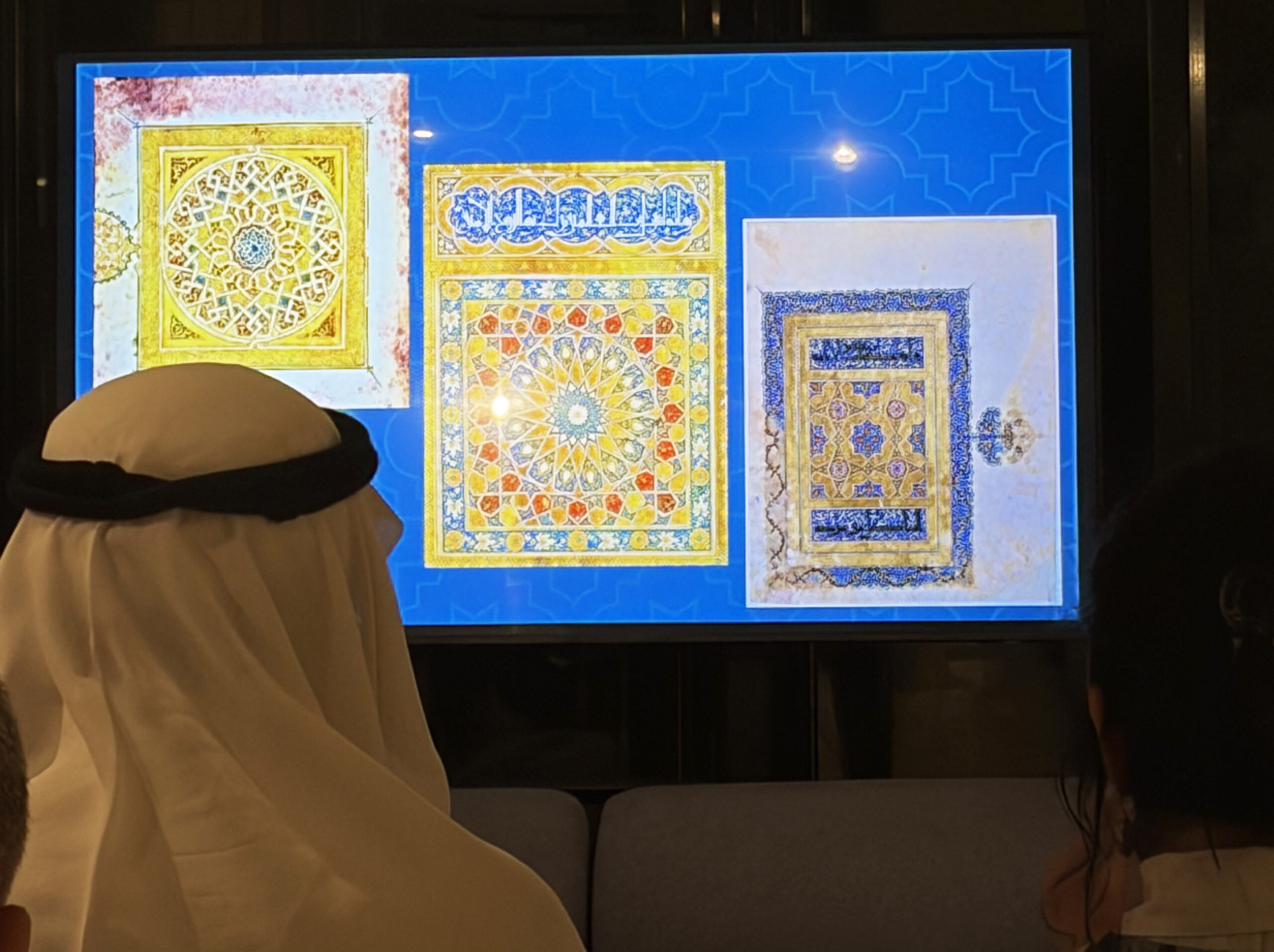
Titled The Art of Al-Mounamnamat: From Bukhara to Arabia — Stories Along the Routes of the Sacred, the exhibition at The Space in Al-Mashtal brought together artists, academics, and diplomats to examine how Islamic miniature art serves as a living bridge between Central Asia and the Arab world.
The event featured panel discussions on how manuscript illustration, sacred geometry, and visual storytelling have documented spiritual and cultural practices across generations. Tracing the historic journey of miniature painting from Transoxiana to the modern Middle East, participants explored how the borderless medium continues to evolve.
Nodirjon Turgunov, ambassador of Uzbekistan to Saudi Arabia, said: “Events like The Art of Al-Mounamnamat strengthen ties between Saudi Arabia and Uzbekistan by bringing people together through Islamic art and our shared cultural heritage. They offer an opportunity to learn about one another’s traditions, exchange ideas and build friendships that deepen the relationship between our countries.
“Holding this event in Riyadh is particularly meaningful. Saudi Arabia has great potential in the field of Islamic art, and we see opportunities for closer cooperation between our artists and cultural institutions. We want to develop cultural diplomacy as a way to bring our peoples closer together, encouraging exhibitions, creative exchanges and joint initiatives. Through these connections, we can celebrate our shared heritage while creating new opportunities for future generations.”
Turgunov added: “As a next step, we plan to organize a similar exhibition featuring Saudi artists in Uzbekistan in the coming years, giving Uzbek audiences an opportunity to discover and appreciate Saudi artistic traditions. We also hope to expand these exchanges to other art forms that reflect the rich cultural heritage of our two nations, building a lasting dialogue between our artists and communities.”
In a session titled From Bukhara to Arabia: Contemporary Practice and Artistic Dialogue, contemporary miniature painter Firuz Kurbanov from Bukhara joined Fahad Al-Jebreen, a Saudi visual artist and assistant professor of art education at King Saud University, to discuss how traditional techniques inform modern creative education.
Highlighting the diplomatic weight of cultural programming, Mirzohid Eshonkulov, first secretary at the Embassy of Uzbekistan in Riyadh, highlighted the role of creative engagement in deepening bilateral ties.
“It’s a very important part of bilateral and multilateral relations, because we also call this ‘people-to-people’ diplomacy, because when people love each other, the governments strengthen bilateral relations,” Eshonkulov said. “That’s why we are, as an embassy, ready to boost these cultural ties in Mounamnamat.”
The personal resonance of the art form was highlighted during a joint presentation by Kurbanov and Saudi artist Afnan Tash, founder of Al-Mihrab.
Tash recalled how her journey into miniature painting began following her experience during the Hajj pilgrimage in Makkah in 2018.
“Once I went to this journey and I came back, I was unable to talk; I was unable to express my feelings,” Tash said, adding that she subsequently discovered miniature art as an expressive outlet. She said that her recent works draw inspiration from historic Hajj certificates, created to honor her parents who completed the pilgrimage seven decades ago.
Responding to her narrative, Kurbanov said that while Tash’s work echoes the pattern work of his own Central Asian cultural tradition, his individual practice approaches miniatures through mathematical algorithms and a structured scientific lens.
The evening illustrated how Islamic storytelling continues to serve as an effective mechanism for soft diplomacy, uniting artists across regions through a shared aesthetic tradition.