top news

Senate Republicans block Democrat’s war powers resolution

March 19 (UPI) — Senate Republicans have blocked a Democrat-led effort to curb President Donald Trump‘s powers to wage war against Iran, as the nearly three-week-old conflict escalates and rattles global energy markets.

The Senate voted 53-47 mostly along party lines Wednesday night to reject a resolution that would withdraw U.S. armed forces from conflict with Iran absent congressional approval.

Sen. Rand Paul of Kentucky was the only Republican to join his Democratic colleagues and vote in favor of the motion, while Democratic Sen. John Fetterman of Pennsylvania was the only member of his caucus to vote against it.

“We do not have a king. We are a democratic republic with a constitution and no one is above the law,” Sen. Cory Booker, D-N.Y., said Wednesday from the Senate floor before the vote.

“This president cannot take us to war without coming through this body. He is not able to do that unless this body supplicates itself before that man and surrenders its responsibilities.”

Senate Democrats forced the vote on the resolution that Booker sponsored as the conflict escalated on Wednesday, with Iran attacking Persian Gulf energy facilities in retaliation for Israel striking its South Pars gas field.

Thirteen American service members have been killed, and another 200 have been wounded so far in the conflict, which is threatening to become a regional war as Iran has retaliated by attacking U.S. bases and its allies in the Middle East.

Democrats of both chambers of Congress have been attempting to rein in Trump’s war powers through resolutions since the war with Iran began late last month. They argue the United States’ ongoing war with Iran violates the Constitution, which mandates that only Congress has the power to declare war.

The conflict has also seen the cost of oil surge. On Thursday, Brent crude reached nearly $110 a barrel, up from an average $71 before the war began on Feb. 28.

Wednesday’s vote is the third time — and the second by the Senate — that the majority Republicans have blocked war powers motions.

From the floor, Senate Minority Leader Chuck Schumer said, “Enough is enough.”

“To my Republican colleagues: The American people are watching. They oppose this war. They expect us to do our jobs,” he said.

“No more senseless wars in the Middle East. No more gas prices shooting through the roof. No more U.S. service members fighting and dying for in endless wars.”

Though the war has exposed fissures in the Republican Party, its members still mostly stand behind the president, who campaigned on ending conflicts and warning Americans that the Democrats would wage war with Iran if they won the White House.

Sen. Lindsey Graham, a staunch Trump ally, argued on the Senate floor that the war is intended to prevent Iran from securing a nuclear weapon.

He said during the prior negotiations the United States offered Iran what he called “a lifetime fuel supply for free” if the Islamic regime agreed to hand over its cache of highly enriched uranium. It is believed that Iran had enriched uranium to 60%, according to a recent International Atomic Energy Agency report, which is below weapons grade enrichment at 90%.

Graham compared the Islamic regime of Iran to Nazi Germany.

“If you do not see this as an imminent threat, then you’re blind from your hatred of Trump,” he said.

“There are people on the left and people in my own party that are more afraid of Trump being successful than the Ayatollah having a nuclear weapon. That’s sick.”

Source link

Are Iran’s athletes political pawns? | Digital Series

Game Theory

While in Australia, members of Iran’s women’s football team found themselves at the centre of an international political storm. As several players choose to return home, difficult questions are being raised about athlete safety, agency and Western intervention. Samantha Johnson looks at how Iran’s women footballers became caught in the middle of something they had nothing to do with, and asks whether they were being used as political pawns.

Source link

US East Asian allies in legal quandary as Trump seeks help in the Middle East | US-Israel war on Iran News

South Korea and Japan are facing uncomfortable questions about their mutual defensive obligations as the United States seeks support from its allies in the war on Iran, now nearly three weeks in and escalating by the day.

Earlier this week, US President Donald Trump urged the United Kingdom, China, France, Japan, and South Korea to send warships to the Strait of Hormuz, which has remained de facto closed since Washington launched its war with ally Israel on Tehran on March 28.

Recommended Stories

list of 4 itemsend of list

The president backpedalled on his position on Tuesday – declaring on social media that “we no longer ‘need,’ or desire, the NATO Countries’ assistance – WE NEVER DID! Likewise, Japan, Australia, or South Korea” – but observers say US allies may not yet be out of the hot seat.

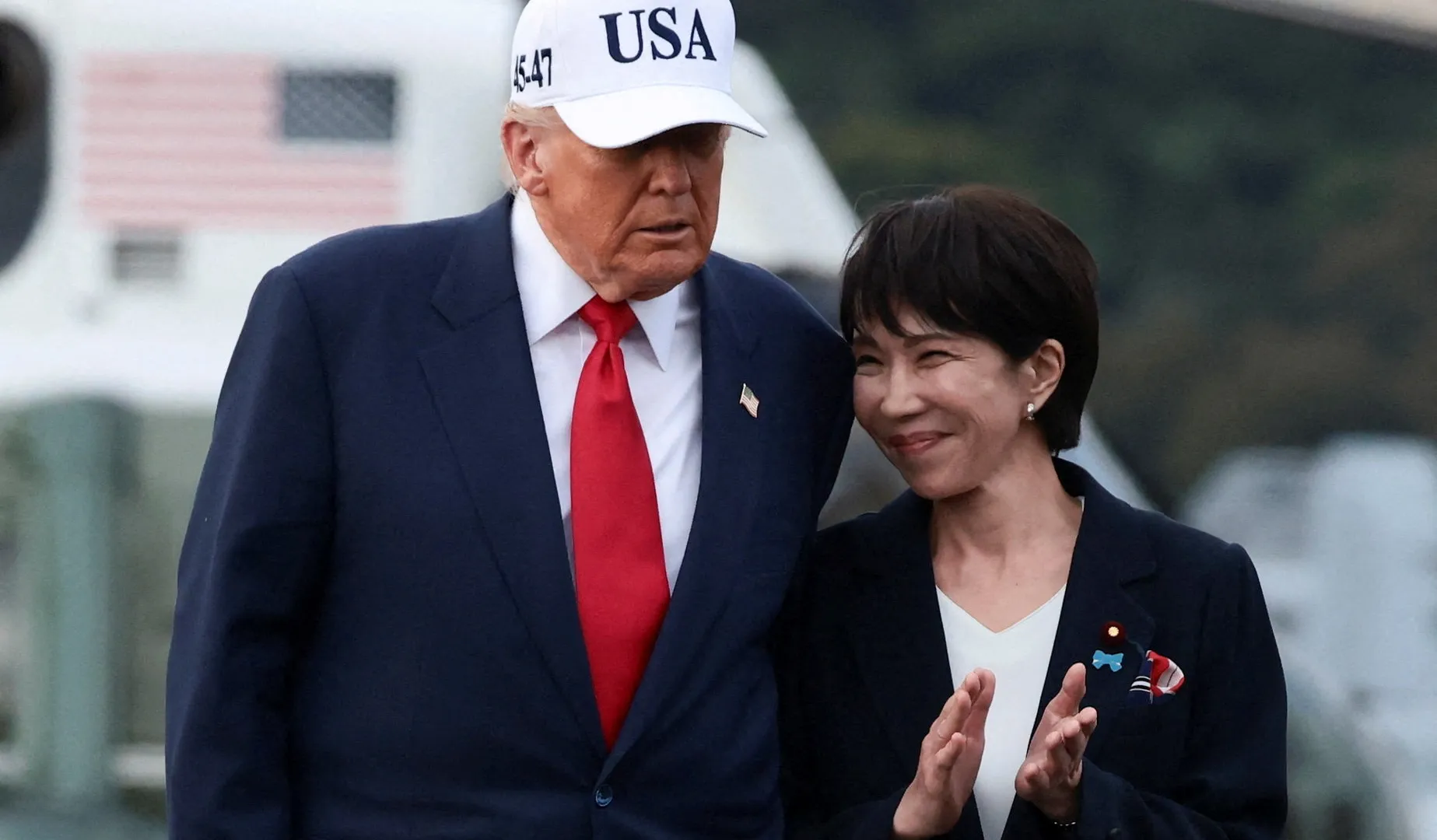
Trump is expected to raise the issue of warships when he meets with Japanese Prime Minister Sanae Takaichi at the White House on Thursday, according to Al Jazeera correspondent Jack Barton.

“People do expect him to put pressure on Takaichi again to send warships to the Strait of Hormuz. It makes sense in a way because Japan is so dependent on energy supplies” from the Middle East, Barton said on Thursday from Seoul.

Japan’s Maritime Self-Defence Force is one of the largest and most advanced navies in the world, he said, which makes it an attractive target for the Trump Administration.

Although Japan and the US share a mutual defence, Tokyo’s pacifist constitution places restrictions on when it can deploy its Self-Defense Force. Legal scenarios include when it is attacked or facing a “survival-threatening” scenario, as well as acting in “collective self-defence” of its allies.

Takaichi told legislators this week that her government is considering what can legally be done to protect Japanese ships and interests, according to Japanese public broadcaster NHK World, although deployment is still a hypothetical scenario.

Japan relies heavily on Middle Eastern oil imports, of which 70 percent pass through the Strait of Hormuz, according to Japanese media. Tokyo began releasing oil from its strategic reserve on Monday to make up for the shortfall.

Stephen Nagy, a professor at the International Christian University, Tokyo, told Al Jazeera it was not unexpected that the US – a treaty ally – would call on it for help, but Japan will need to consider what is expected.

“The question is if they are going to be on the front line of the attack from Iran or if they are going to provide some kind of supporting role, such as anti-mining activities, refuelling missions, maritime domain awareness,” he said.

“It’s not so much of a problem going there and being involved in the challenges associated with the Hormuz Strait; what is more important is what exactly they are going to do in that role. I think the Japanese are going to find a way to legally add value to the Trump administration, but don’t expect warships there fighting Iranian proxies,” he continued.

South Korea finds itself in a similar predicament as it is both a US treaty ally and a country that is heavily dependent on Middle Eastern oil and gas exports.

Seoul last week took the extraordinary measure of imposing a price cap on domestic fuel prices for the first time since the 1997 Asian financial crisis, to keep prices from rising too quickly for consumers. Despite their concerns, legislators continue to urge caution from the government in deploying its navy or military assets to the Middle East, according to Al Jazeera’s Barton.

In-Bum Chun, a retired South Korean lieutenant general, told Al Jazeera that it is not immediately clear whether Seoul’s Mutual Defense Treaty with the US applies to the Strait of Hormuz.

Seoul must also weigh helping the US against maintaining a credible deterrence against North Korea. Recent media reports suggest that the US is considering moving some of its Terminal High Altitude Area Defense (THAAD) missiles from South Korea to the Middle East. The missiles were installed to deter North Korea, and their removal, along with naval assets, could make voters nervous.

“Seoul must also consider the persistent threat from North Korea and the fact that a South Korean warship is already deployed to the Middle East,” Chun told Al Jazeera. “At the same time, because about 70 percent of Korea’s oil imports pass through the Strait of Hormuz, freedom of navigation is not an abstract principle but a core national interest. These competing realities must all be weighed before any final decision is reached.”

Source link

Reports: FBI investigates Joe Kent as White House attacks his credibilty

March 19 (UPI) — The FBI is investigating Joe Kent, who resigned this week as the counterterrorism director in protest over the war with Iran, over allegations that he leaked classified information, according to reports, while Trump administration officials attack his credibility.

Kent resigned Tuesday as director of the National Counterterrorism Center, a position to which the MAGA supporter and far-right conspiracy theorist with ties to White nationalist groups was nominated in early 2025 by President Donald Trump, stating that “Iran posed no imminent threat to our nation.”

“I cannot in good conscience support the ongoing war in Iran,” he said.

The FBI investigation into Kent predates his resignation, unidentified sources told Semafor, the first to report on the development. The New York Times, NewsNation and others have since corroborated that story.

Kent is the first senior Trump administration official to resign over the war that has divided Republicans and supporters of the president, who campaigned on ending conflicts while warning Americans that if the Democrats were to return to the White House, the United States would be lured into a war with Iran.

Little information about the allegations against Kent was known. The revelations of the investigation come as the White House was attempting to undermine and dismiss the man Trump had repeatedly called “a Great American Hero” for his service as a soldier, Green Beret and CIA officer.

In his resignation letter, Kent argued that Trump was pulled into the war by Israel, claiming the Middle Eastern country had deployed a disinformation campaign to convince Americans that Iran posed an imminent threat to the United States.

Trump told reporters on Tuesday that he thought of Kent as a “nice guy” who was “very weak on security.”

“I didn’t know him well, but I thought he seemed like a pretty nice guy. But when I read his statement I realized that it’s a good thing that he’s out because he said that Iran was not a threat. Iran was a threat.”

White House press secretary Karoline Leavitt refuted the allegation as “insulting and laughable.” Speaking to reporters Wednesday, she attempted to distance Trump from Kent, saying he has not been involved with the president’s intelligence briefings for several months and has not been seen at the White House “for quite some time.”

“The president feels it is deeply disappointing that after the president gave him an opportunity in this administration to serve the American people that he would resign with a letter filled with falsehoods — accusing the president of the United States of being controlled by a foreign country.”

The war began late last month after the United States and Israel attacked Iran. Secretary of State Marco Rubio has said that the U.S. attack on Iran was preemptive. He said they knew Israel was going to attack Iran, which would result in Iran attacking U.S. bases and allies in the region.

The U.S. attack was intended to preempt an Iranian response, he said.

Source link

Social media making young people less happy, report finds | Social Media

Heavy social media use has contributed to ‘worrying decline’ in wellbeing in Western countries, World Happiness Report says.

Social media has played a large role in declining happiness among young people in Western countries, a United Nations-backed report has found.

Heavy social media use partly explains a “worrying decline” in the wellbeing of young people in the West, the latest edition of the annual World Happiness Report said on Wednesday.

Recommended Stories

list of 4 itemsend of list

In total, 15 Western countries, including the United States, Canada, Australia and New Zealand, saw significant declines in youth wellbeing over the past two decades, according to the report.

The trend was not observed globally, with young people in regions covering 90 percent of the world’s population reporting higher life satisfaction than before.

“The trends are caused by many factors, which differ between continents. However, the evidence in this report does suggest that heavy social media use, especially in some countries, provides an important part of the explanation,” researchers John F Helliwell, Richard Layard, Jeffrey D Sachs, Jan-Emmanuel De Neve, Lara B Aknin, and Shun Wang said in an executive summary of the report.

“Outside the English-speaking world and Western Europe, the links between social media use and wellbeing are more positive, and they vary between platforms,” the researchers added.

The report, published by the University of Oxford’s Wellbeing Research Centre in partnership with Gallup and the UN Sustainable Development Solutions Network, cited data from sources including the Programme for International Student Assessment (PISA) and research by the American social psychologist Jonathan Haidt.

Despite the decline in youth wellbeing, Western countries, particularly in Scandinavia, dominated the overall happiness rankings across age groups.

Finland ranked as the world’s happiest nation for the ninth consecutive year, followed by Iceland, Denmark, Costa Rica, Sweden and Norway.

The Netherlands, Israel and Switzerland also made the top 10.

Middle Eastern and African countries had the lowest happiness scores.

Afghanistan reported the lowest life satisfaction, with Zimbabwe, Malawi, Egypt, Yemen and Lebanon also ranking among the bottom 10 countries.

Social media use among young people has been a growing concern for governments amid reports linking platforms to bullying, sexual exploitation and worsening mental health.

Australia last year introduced the world’s first social media ban for under 16s, with plans for similar restrictions under way in Indonesia, France and Greece.

Source link

Civic group urges reform over ex-police joining law firms

The logo of the National Police Agency is displayed in Seoul. Photo by Asia Today

March 18 (Asia Today) — A South Korean civic group on Wednesday called for changes to ethics laws after finding that dozens of former police officers took jobs at law firms shortly after retirement, raising concerns about potential conflicts of interest.

The People’s Solidarity for Participatory Democracy said 144 retired police officials joined law firms between January 2020 and February 2026, based on data from the government ethics oversight body.

Of 228 post-retirement employment reviews during that period, 63.2% were approved, allowing former officers to take positions at law firms, the group said.

Nearly half of those cases – 68 out of 144 – involved individuals who joined law firms within three months of leaving the police force.

The group said the trend raises concerns that former officers could still wield influence over active investigators, particularly because many held mid-level supervisory roles directly involved in criminal investigations.

Such overlap could undermine the neutrality and fairness of police work, it added.

The civic group also noted that the expanding role of police following recent criminal justice reforms has increased the need for stronger safeguards to ensure impartial investigations.

It called for revising the Public Officials Ethics Act, arguing that current rules do not sufficiently restrict employment at law firms for retired officials who hold legal qualifications.

The group urged lawmakers to amend the law to require stricter review of such employment and prevent potential conflicts of interest.

— Reported by Asia Today; translated by UPI

© Asia Today. Unauthorized reproduction or redistribution prohibited.

Original Korean report: https://www.asiatoday.co.kr/kn/view.php?key=20260318010005507

Source link

Iran strikes Persian Gulf energy infrastructure after Israeli gas-field attack

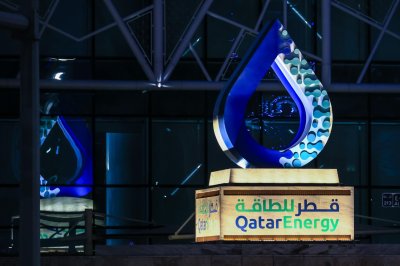
The logo of state-owned petroleum company QatarEnergy in front of the headquarters, in Doha, Qatar, March 3. QatarEnergy has halted production of liquefied natural gas and related products due to military attacks on its facilities in Ras Laffan Industrial City and Mesaieed Industrial City. Photo by Hannibal Hanschke/EPA

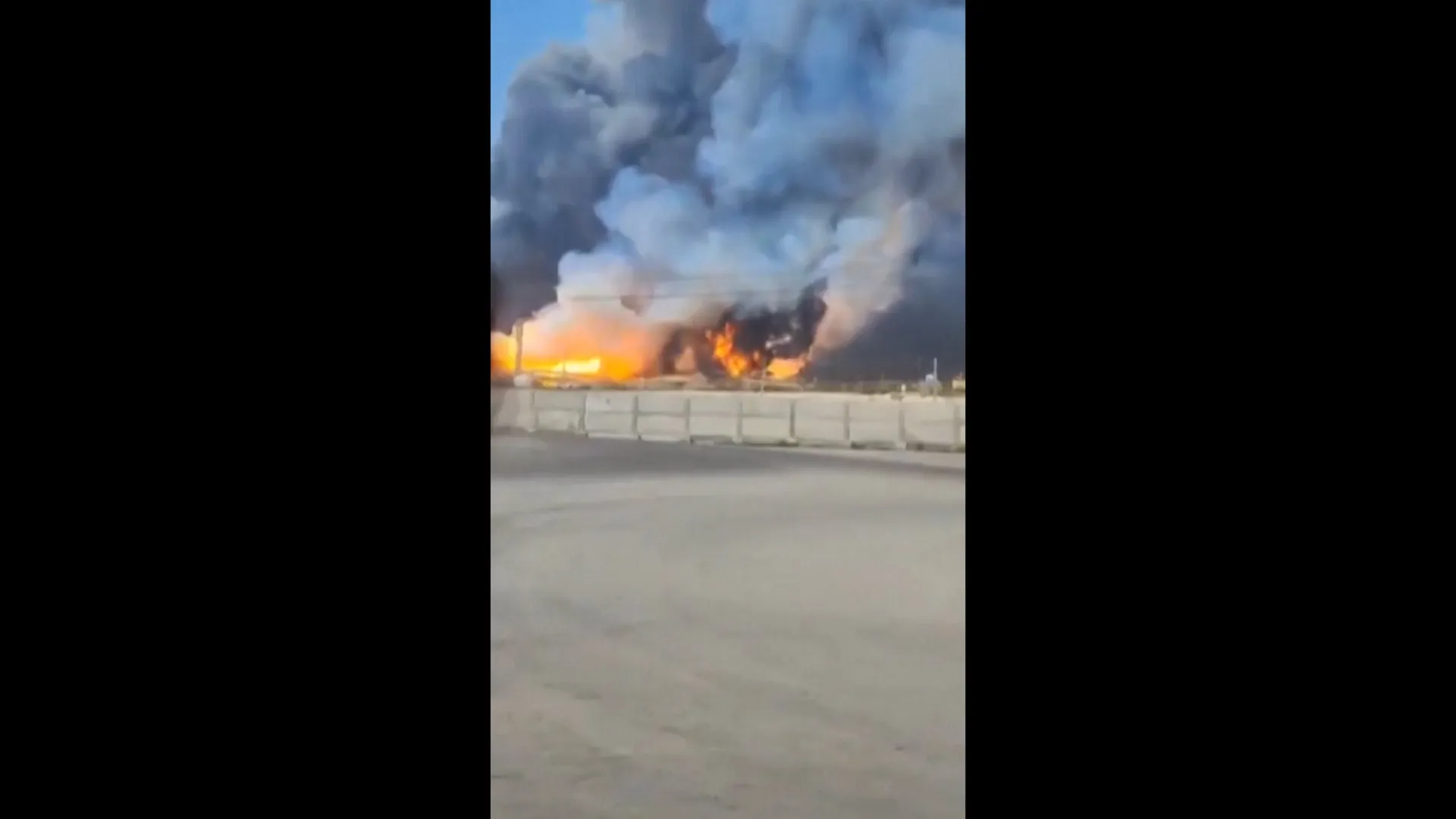
March 19 (UPI) — Iran on Thursday attacked major energy facilities in Qatar and the United Arab Emirates after vowing to retaliate for Israel striking its gas field a day earlier, escalating a war that is driving up energy prices and rattling global markets.

Qatar said Iranian ballistic missiles struck its Ras Laffan Industrial City, the centerpiece of the nation’s LNG production and export, while the United Arab Emirates said its Habshan gas facilities and Bab field had come under attack.

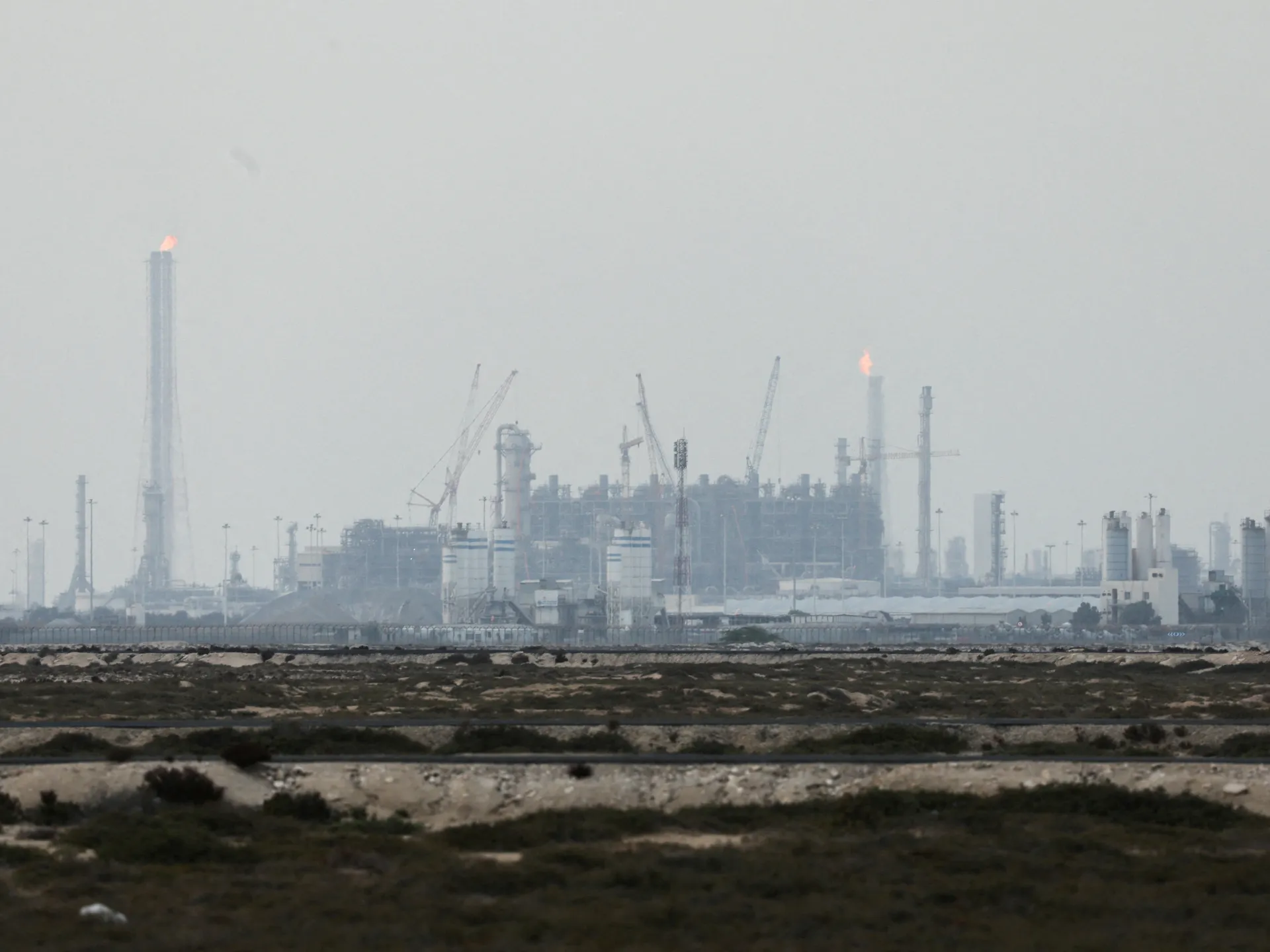
Several liquefied natural gas facilities at the Ras Laffan Industrial City, which is responsible for about one-fifth of global LNG supplies, were struck early Thursday, igniting what state-owned QatarEnergy said in a statement were “sizeable fires.” Extensive damage was reported.

Two of three fires that ignited from the attack were contained as of 5 a.m. local time Thursday, according to a statement from Qatar’s Ministry of the Interior.

Iran attacked the complex’s Pearl gas-to-liquids facility late Wednesday, which was dealt “extensive damage” and prompted emergency teams to be deployed to the site.

Rockets launched at the UAE facilities were successfully intercepted, but falling debris prompted Abu Dhabi authorities to respond to unspecified incidents at the Habshan gas facilities and the Bab gas field, the Abu Dhabi Media Office said in a statement.

The facilities have been shut down in response, it said, adding that no casualties were reported.

Iran also targeted gas facilities in eastern Saudi Arabia, but all projectiles and drones were intercepted, its Ministry of Defense said in a statement.

The attacks mark an escalation in the war, and come after Israel attacked Iran’s South Pars gas field, one of the world’s largest resources of natural gas.

Israel’s attack was condemned by several countries, including Qatar. Foreign Ministry spokesman Majed Al Ansari said it was “a dangerous & irresponsible step amid the current military escalation in the region.”

“Targeting energy infrastructure constitutes a threat to global energy security, as well as to the peoples of the region & its environment,” he said in a statement.

Following Iran’s attack on Wednesday night, Qatar gave Tehran’s embassy officials 24 hours to leave the country.

The targeting of Persian Gulf energy facilities is expected to further drive surging energy costs. On Thursday, Brent crude reached nearly $110 a barrel, up sharply from $71 before the war began in late February.

Iran had vowed to attack the region’s energy facilities after Israel attacked its South Pars gas field.

Oil facilities “associated with America are now on par with American bases and will come under fire with full force,” Alireza Tangsiri, chief of Iran’s Islamic Revolutionary Guards Corps Navy, said on X.

“You have heard a lot about #hell; we will paint its picture for you,” the IRGC said Thursday in a social media statement.

“Stay away from energy facilities…”

Following the attacks, U.S. President Donald Trump said on his Truth Social platform that there would be no more Israeli attacks on the South Pars field.

Trump claimed the United States “knew nothing” about Israel’s plan to attack the gas site and that Qatar was also neither involved.

He said Iran was unaware of that, but warned that if it again attacks Qatar, the United States will join Israel and “massively blow up the entirety of the South Pars gas field at an amount of strength and power that Iran has never seen or witnessed before.”

Source link

S. Korean refiners boost output to prevent fuel shortages

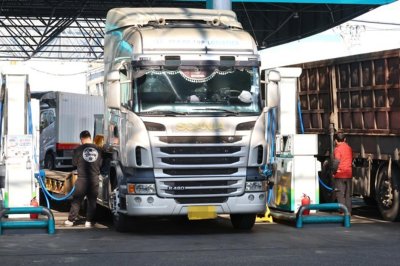
Drivers pump gas into their cargo trucks at a gas station in Incheon, South Korea, 13 March 2026. The government implemented a temporary fuel price cap system the same day to ease cost burdens amid supply concerns linked to the Middle East crisis. YONHAP / EPA

March 18 (Asia Today) — South Korea’s four major oil refiners are ramping up production and delaying maintenance to stabilize domestic fuel supply amid rising global energy risks, industry officials said Tuesday.

The move comes as refining margins approach $30 per barrel, far above the industry break-even level of about $4 to $5, signaling what analysts describe as a “super cycle.”

Despite strong profitability, refiners said the decision reflects a priority on supply stability as concerns grow over potential fuel shortages linked to Middle East tensions and disruptions in the Strait of Hormuz.

GS Caltex has postponed major maintenance at its Yeosu refinery by about two months to May, opting to keep production running during the current high-margin period. Such maintenance typically lasts about 40 days and costs hundreds of billions of won.

Industry officials said the delay was driven not only by profitability but also by the need to ensure stable supply, including naphtha, a key feedstock for petrochemical production.

Naphtha prices have surged to about $1,009 per ton, roughly double the level seen a year earlier.

Refiners said maintaining high operating rates will also support petrochemical companies by ensuring a steady supply of raw materials.

SK Energy said it will continue operating at full capacity while complying with the government’s oil price cap policy. Authorities are monitoring refinery inventories and shipments in real time through a joint task force.

S-Oil and HD Hyundai Oilbank are also prioritizing domestic supply in line with government measures limiting exports of gasoline and diesel.

Industry sources said other refiners may follow GS Caltex in adjusting maintenance schedules, as shutting down facilities during a period of elevated margins would reduce efficiency.

Analysts said refiners are seeking to balance strong earnings with their role in preventing a domestic fuel crisis as geopolitical tensions persist.

— Reported by Asia Today; translated by UPI

© Asia Today. Unauthorized reproduction or redistribution prohibited.

Original Korean report: https://www.asiatoday.co.kr/kn/view.php?key=20260317010005107

Source link

Saudi FM warns Iran that patience in Gulf not ‘unlimited’ amid attacks | US-Israel war on Iran News

Saudi Arabia’s Foreign Minister warns Iran that regional neighbours have ‘significant’ capabilities with which to respond to Tehran’s aggression.

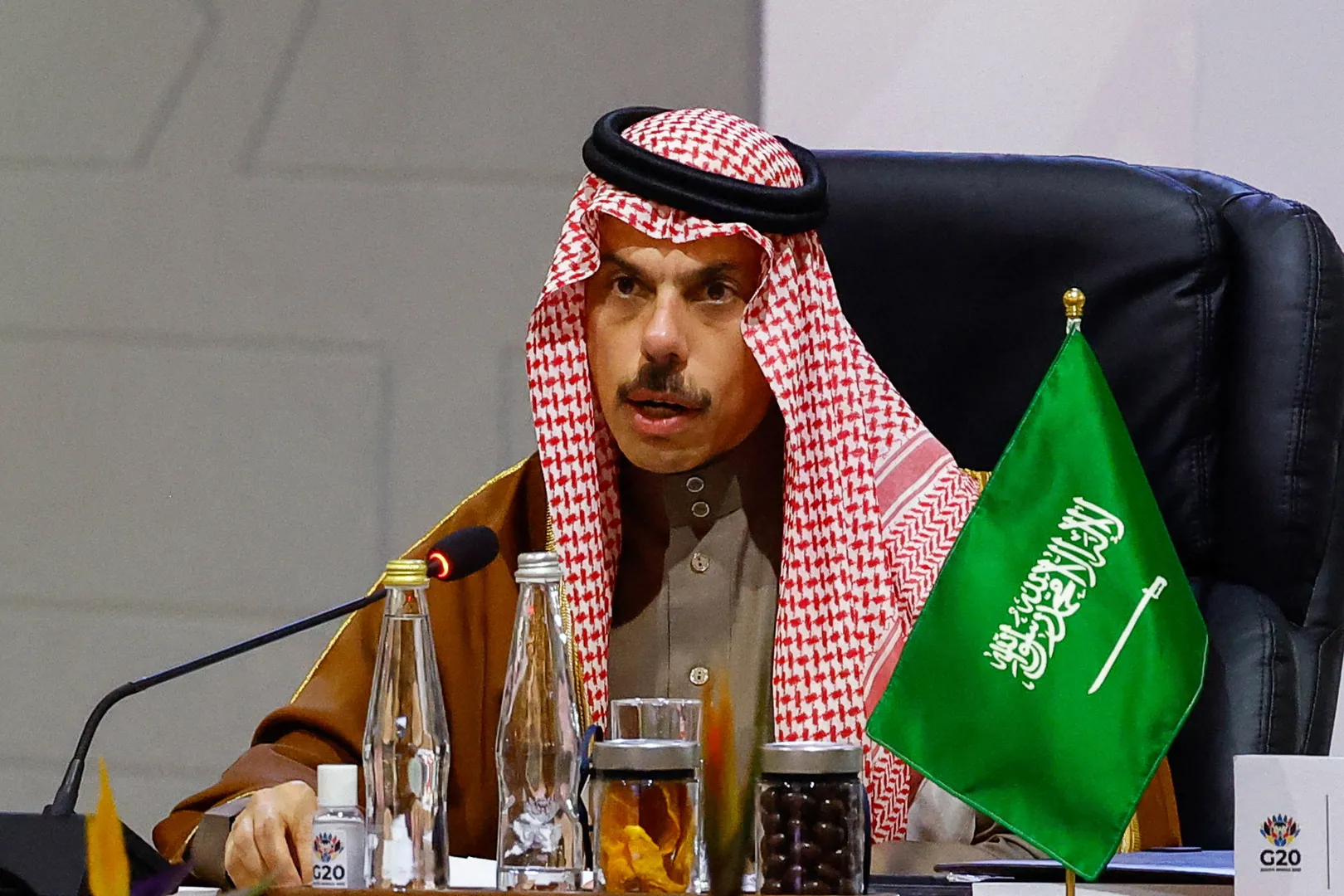
Saudi Arabia’s Foreign Minister Prince Faisal bin Farhan Al Saud has warned Iran that tolerance of its attacks on his country and those of neighbouring Gulf states is limited, calling on Tehran to immediately “recalculate” its strategy.

Warning that Saudi Arabia and other Gulf states have “very significant capacities and capabilities” that could be drawn on should they “choose to do so”, the foreign minister told a news conference early on Thursday that Iran had carefully planned its strategy for striking regional neighbours, despite denials from Tehran’s diplomats.

Recommended Stories

list of 4 itemsend of list

“The level of accuracy in some of this targeting – you can see it in our neighbours as well as the kingdom – indicates that this is something that was premeditated, preplanned, preorganised and well thought out,” Prince Faisal said.

“I’m not going to lay out what would and would not precipitate a defensive action by the Kingdom [of Saudi Arabia] because I think that is not a wise approach to signal to the Iranians,” the foreign minister continued.

“But I think it’s important for the Iranians to understand that the kingdom, but also its partners who have been attacked and beyond, have very significant capacities and capabilities that they could bring to bear should they choose to do so,” he said.

“The patience that is being exhibited is not unlimited. Do they [the Iranians] have a day, two, a week? I’m not going to telegraph that,” he added.

“I would hope they understand the message of the meeting today and recalculate quickly and stop attacking their neighbours. But I am doubtful they have that wisdom.”

Prince Faisal’s warning followed a meeting of foreign ministers from Arab and Islamic countries in the Saudi capital earlier in the day to discuss the expanding war in the region, which on Wednesday saw Iranian attacks on Gulf energy sites, including Qatar’s Ras Laffan gas facility, where significant damage was reported, and the United Arab Emirates’ Habshan ⁠ gas facility.

Qatar’s Ministry of Foreign Affairs expressed its “strong condemnation and denunciation of the blatant Iranian attack targeting Ras Laffan Industrial City”, located 80km (50 miles) northeast of the Qatari capital Doha, which is the world’s largest liquefied natural gas (LNG) production facility, producing some 20 percent of the world’s LNG supply.

Iran’s Islamic Revolutionary Guard Corps (IRGC) had warned earlier that oil and gas facilities in Qatar, Saudi Arabia and the UAE would face retaliation for an Israeli strike on Iran’s South Pars gasfield.

Iranian state media reported that facilities linked to the country’s huge offshore South Pars field – located off the coast of southern Iran’s Bushehr province – had come under attack.

Saudi Arabia’s Ministry of Defence also said on Wednesday that its air defences had intercepted four Iranian ballistic missiles that targeted Riyadh and two launched towards the country’s eastern region.

Air defences in the UAE dealt with 13 ballistic missiles and 27 drones, according to the country’s Defence Ministry, while operations ⁠were ⁠suspended at the Habshan ⁠gas facility as authorities responded to ⁠incidents caused by fallen debris after the successful interception of a ‌missile.

The Saudi foreign minister also told the news conference on Thursday that while the war will end one day, it will take much longer to restore relations with Iran as trust “has completely been shattered” due to Tehran’s tactics of targeting its neighbours.

“We know for a fact that Iran has been building this strategy over the last decade and beyond,” Prince Faisal said.

“This is not something that is a reaction to an evolving circumstance where Iran is improvising. This has been built into their war planning: targeting their neighbours and using that to try and put pressure on the international community,” he said.

“So when this war eventually ends, in order for there to be any rebuilding of trust, it will take a long time. And I have to tell you, if Iran doesn’t stop … immediately, I think there will be almost nothing that can re-establish that trust,” he added.

Source link

Postmaster general: USPS will run out of money in 12 months

March 18 (UPI) — Postmaster General David Steiner told Congress that the U.S. Postal Service would be out of money in less than a year if changes aren’t made to boost revenue.

During a hearing Tuesday, Steiner and members of the House Oversight Subcommittee on Government Operations appeared divided on how best to avoid a full stoppage in mail service in 12 months’ time.

Steiner asked lawmakers to allow him to borrow more money to cover costs as well as to increase the price of a U.S. first class stamp from 78 cents to 95 cents. He said the cost to mail a single letter in the United States is the lowest in the industrialized world.

“Compare it to France at almost $3 and England at $2.50, and the longest distance those letters have to travel is about 600 miles smaller than the state of Texas,” he told lawmakers.

“We deliver from the tip of Puerto Rico to the tip of Alaska for 78 cents. That’s a distance of 5,000 miles.”

He said if the USPS increased first class stamp costs to 95 cents, it “would largely solve our controllable loss” while still remaining the lowest-priced stamp in the industrialized world.

Subcommittee Chairman Rep. Pete Sessions, R-Texas, told Steiner he’s against increasing the cost of postage to nearly $1.

“It’s going to come down to the three or four of us who are going to have to make some tough decisions that we can look at other people and say, ‘That was a problem. The postmaster general laid it on our doorstep, and we’re not going to kick the can down the road.”

Steiner also asked for greater freedom to borrow more money.

“One easy action, increasing our borrowing authority, buys us time,” he said. “Time that we can use to best determine what the Postal Service should do to best serve the American public.”

Steiner said the USPS has faced a dramatic reduction in the use of mail, from a maximum of about 213 billion pieces of mail per year to about 109 billion pieces of mail.

“For perspective, if all of that lost volume was paid at the current price of a stamp, which is 78 cents, that’s about $81 billion of lost revenue,” he said. “No company could weather that much revenue loss, so it’s not hard to see how we got here.”

In fiscal year 2025, the USPS had a net loss of about $9 billion.

Rep. Virginia Foxx, R-N.C., appeared reluctant to allow Steiner to borrow more money.

“I am very concerned with the caliber of service that we are getting and with the fact that the post office continues to come to us for more money,” she said.

Rep. Kweisi Fume, D-Md., reluctantly sided with the suggestion of raising the USPS’ debit limit.

“It may be hard to sell, but I think most people feel like I do — that rather than do nothing and watch the Titanic sink, that we need to do something.”

President Donald Trump receives a bowl of shamrocks from Irish Taoiseach Micheal Martin to celebrate St. Patrick’s Day at the White House on Tuesday. Photo by Yuri Gripas/UPI | License Photo

Source link

What are Iran’s options as war goes on? | US-Israel war on Iran

Tehran defiant as US and Israeli attacks continue.

Relentless United States and Israeli attacks on Iran. Senior officials killed, with thousands of air strikes across the country.

Iran has retaliated, hitting Israel and its Gulf neighbours, targeting energy facilities and supply routes.

So what are Iran’s options now?

Presenter: Imran Khan

Guests:

Elijah Magnier – Military and political analyst specialising in wars in the Middle East

Setareh Sadeqi – Assistant professor in the Faculty of World Studies at the University of Tehran

Mehran Kamrava – Iranian studies unit at the Arab Center for Research and Policy Studies

Source link

Liverpool thrash Galatasaray 4-0 to reach Champions League quarterfinals | Football News

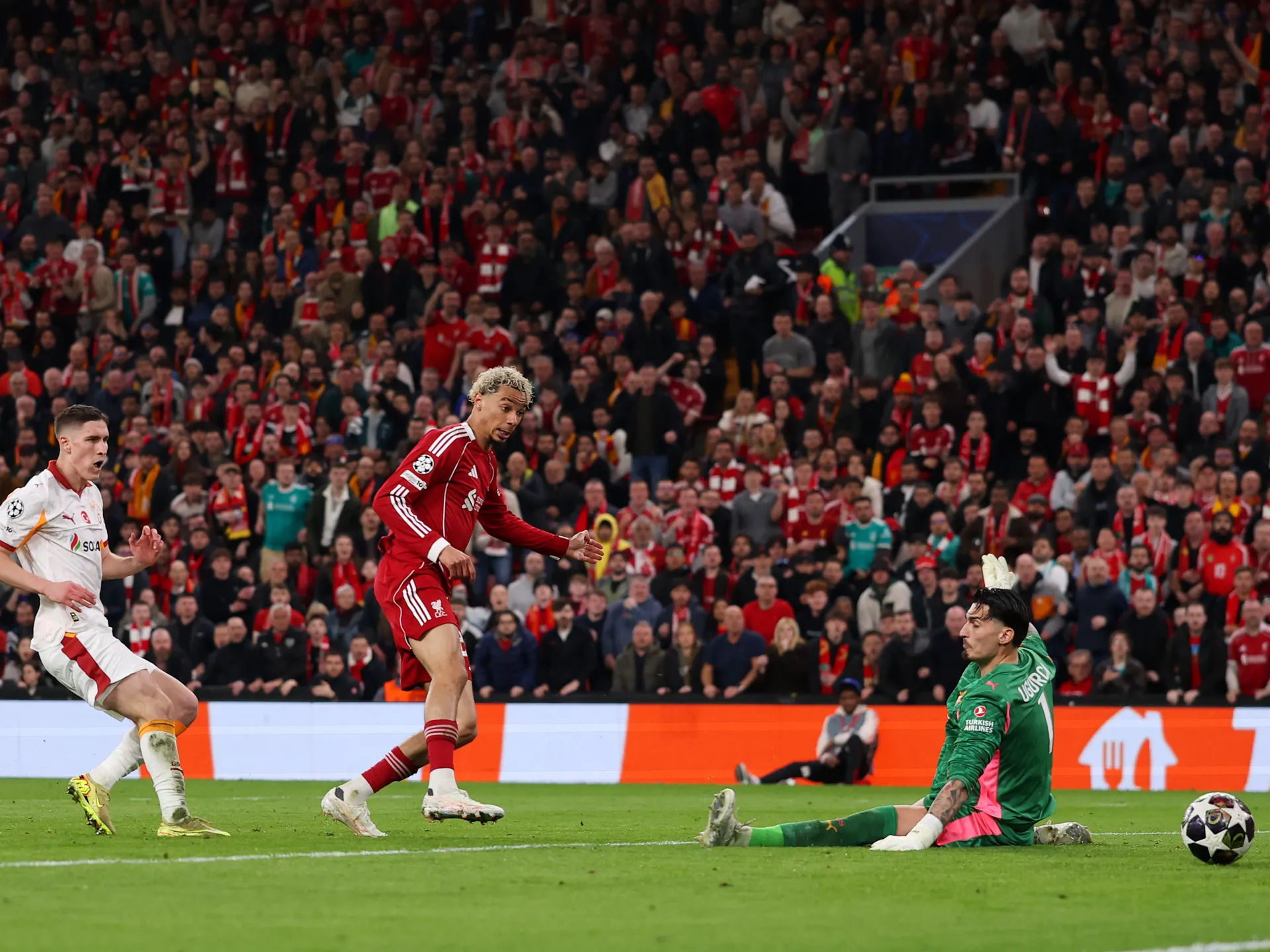
Liverpool shrugged off their Premier League malaise to storm into the Champions League quarterfinals by thrashing Galatasaray 4-0 at Anfield.

Goals from Dominik Szoboszlai, Hugo Ekitike, Ryan Gravenberch and Mohamed Salah on Tuesday overturned a 1-0 first-leg deficit for Arne Slot’s men to set up a reunion with defending champions Paris Saint-Germain in the last eight.

Recommended Stories

list of 4 itemsend of list

Slot needed a reaction from the English champions after they were booed off at Anfield on Sunday for the latest in a series of lacklustre displays in a 1-1 draw against struggling Tottenham.

Languishing fifth in the Premier League, the Champions League could save Liverpool’s season and Slot’s job.

The Dutchman had given a rest to some of his stars at the weekend and was rewarded with a dominant display that could have resulted in an even more comprehensive scoreline.

Galatasaray’s hopes of causing an upset were dealt a massive blow inside the first few minutes when star striker Victor Osimhen injured his forearm in a clash with Ibrahima Konate.

The Nigerian international was clearly hobbled as he continued on until half-time, when he was replaced by Leroy Sane.

By that point, the Turkish champions’ advantage had already been erased.

Szoboszlai has been Liverpool’s outstanding performer in a troubled season and levelled the tie with a cushioned finish from a well-worked corner on 25 minutes.

Galatasaray somehow escaped further punishment before the break.

Salah missed a glorious chance to immediately double the Reds’ lead when he failed to chip Ugurcan Cakir.

Florian Wirtz’s deflected effort flew just over, and Cakir repelled another sweet Szoboszlai strike.

The Turkiye goalkeeper then saved Salah’s poor penalty after Szoboszlai was upended inside the box.

But the floodgates opened on the visitors in the second half. Salah atoned for the penalty miss with an inch-perfect pass for Ekitike to slot home.

Two minutes later, Gravenberch fired in the rebound off a Salah shot that had been saved.

Salah has been a shadow of his former self this season, either side of a public bust-up with Slot after being dropped in December.

He could and should have had many more on the night, but did register his 50th Champions League goal in some style with a spectacular strike from Wirtz’s backheel.

Salah also hit the bar before asking to be replaced due to an injury concern, as Galatasaray offered little resistance to the waves of Liverpool attacks.

The Reds face a very different challenge against PSG, who crushed Chelsea 8-2 on aggregate to reach the last eight.

Slot has repeatedly spoken in glowing terms of the French champions.

Liverpool came as close as anyone to stopping PSG last season as Luis Enrique’s men emerged victorious on penalties in the last 16 after a titanic tussle.

Szoboszlai said he was delighted to get the win in such emphatic style, but warned that PSG would pose a formidable task.

“Today, we showed the right direction where we want to go and what we want to show everybody,” he told TNT Sports.

“I watched [PSG] play against Chelsea yesterday, they didn’t become a worse team than last season. But we showed today that we are able to do everything.”

Elsewhere, Harry Kane scored a brace in Bayern’s 4-1 over Atalanta to complete a 10-2 aggregate win.

Barcelona were not far off when they thrashed Newcastle United 7-2 for an overall 8-3 score, with captain Raphina getting two goals and assists apiece, and Robert Lewandowski also claiming a brace.

Tottenham Hotspur put up a fight against Atletico and won 3-2 from Xavi Simons’s late penalty for a personal brace, but the damage was done last week in Spain, where they lost 5-2.

The results mean that Liverpool and Arsenal are the only two of six Premier League teams to progress, as Chelsea and Manchester City went out on Tuesday against title-holders Paris Saint-Germain and record winners Real Madrid, respectively. Arsenal, for their part, ousted Bayer Leverkusen.

The quarterfinals, to be played April 7-8 and 14-15, are Real vs Bayern, Atletico vs Barcelona, PSG vs Liverpool and Sporting vs Arsenal.

Source link

Gabbard tells Senate panel only Trump can determine imminent threats

1 of 2 | Director of National Intelligence Tulsi Gabbard prepares to testify during a Senate Intelligence Committee hearing on worldwide threats in the Hart Senate Office Building on Capitol Hill in Washington, D.C., on Wednesday. Photo by Annabelle Gordon/UPI | License Photo

March 18 (UPI) — Director of National Intelligence Tulsi Gabbard defended U.S. military strikes on Iran during a Senate Intelligence Committee hearing Wednesday, calling them a strategic success.

Senators challenged Gabbard to reconcile the words of President Donald Trump with the intelligence her department has received on Iran. When pressed, Gabbard yielded that Trump has the final say on what threats the United States faces.

When the United States performed strikes on Iranian nuclear facilities in June, Trump said Iran’s nuclear capabilities were “obliterated.” Earlier this month, he said Iran’s development of nuclear weapons posed an imminent nuclear threat to national security, justifying military action.

Gabbard affirmed Wednesday that Iran’s nuclear enrichment program was “obliterated” in the June strikes.

“It is not the intelligence community’s responsibility to determine what is and is not an imminent threat,” Gabbard said. “That is up to the president, based on a volume of information he receives.”

Gabbard was once a vocal opponent of engaging in a war with Iran, even selling shirts that read “No War With Iran” in 2019 while she campaigned for the Democratic presidential nomination.

Iran is one of the United States’ top adversaries, the Office of the Director of National Intelligence’s “Annual Threat Assessment” said. China, Russia and North Korea are also on that list.

In the 19 days since the war with Iran began, Gabbard said the Iranian regime “appears to be intact but largely degraded.”

“Even so, Iran and its proxies remain capable of and continue to attack U.S. and allied interests in the Middle East,” Gabbard said. “The IC assesses that if a hostile regime survives it will seek to begin a yearslong effort to rebuild its missiles and UAV forces.”

President Donald Trump receives a bowl of shamrocks from Irish Taoiseach Micheal Martin to celebrate St. Patrick’s Day at the White House on Tuesday. Photo by Yuri Gripas/UPI | License Photo

Source link

US Fed keeps interest rates steady amid economic, geopolitical uncertainty | Banks News

The United States Federal Reserve will hold interest rates steady as the labour market cools and prices on goods and services surge following the US and Israel’s joint strikes on Iran.

The central bank will maintain its benchmark rate at 3.5–3.75 percent, consistent with the Fed’s decision last month, when it also held rates steady.

Recommended Stories

list of 4 itemsend of list

“The Committee seeks to achieve maximum employment and inflation at the rate of 2 percent over the longer run. Uncertainty about the economic outlook remains elevated. The implications of developments in the Middle East for the US economy are uncertain,” the central bank said in a statement announcing its policy decision and referring to its Federal Open Market Committee.

“The Committee is attentive to the risks to both sides of its dual mandate.”

Holding rates steady was in line with estimates. CME FedWatch, a tool that tracks monetary policy decisions, forecast that there was a 99 percent chance that rates would hold steady.

The stall comes after three rate cuts in 2025.

Global gripes

Consumers are also facing the repercussions of US President Donald Trump’s trade and military policies in their daily expenses.

“Despite meaningful progress on inflation in 2024, Trump’s tariffs have stalled progress and kept inflation persistently above the Fed’s target. Wholesale prices are running hot as service prices surge, and now, Trump’s war in Iran is rocking commodity markets around the globe,” Elizabeth Pancotti, managing director of policy and advocacy at Groundwork Collaborative, an economic think tank, said in comments provided to Al Jazeera.

Last month, the US Supreme Court ruled against the president for his use of the International Emergency Economic Powers Act (IEEPA). The high court said the president exceeded his authority and that the tariffs imposed under that order must be refunded. However, the president then imposed new tariffs not covered by IEEPA.

The White House announced a 15 percent tariff through Section 122, which allows the president to impose tariffs for 150 days. Those changes were reflected in the producer price index report released by the US Department of Labor’s Bureau of Labor Statistics on Wednesday.

Wholesale prices rose by 0.7 percent for the month, marking the biggest one-month surge in a year. Goods prices rose 1.1 percent overall after tumbling for two months. Energy prices rose by 2.3 percent, with the cost of gas or petrol rising by 1.8 percent. Those costs are expected to get higher as tensions rise in the Strait of Hormuz following joint US-Israel strikes on Iran in late February and the subsequent retaliation.

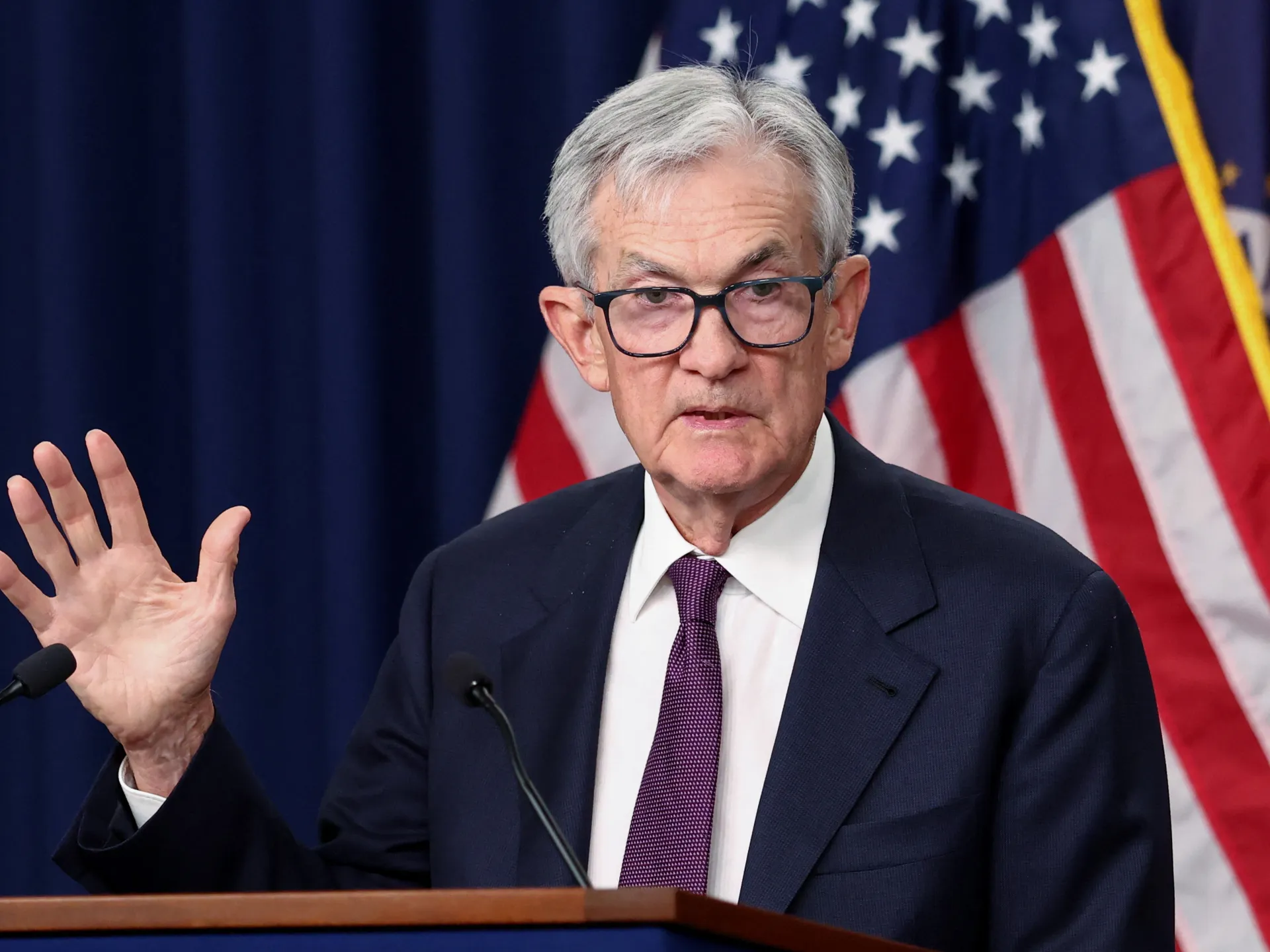
“In the near term, higher energy prices will push up overall inflation; however, it is too soon to know the scope and duration of the potential effects on the economy,” Fed Chair Jerome Powell told reporters.

In the last month, petrol prices have jumped for US consumers. The average price for a gallon of regular gasoline is $3.84, up from $2.92 this time last month.

“The Fed’s inflation worries extend beyond weathering a fleeting wave of one-off price hikes associated with tariffs and, more recently, an energy price spike,” Stephen Stanley, chief US economist at Santander US Capital Markets, told the Reuters news agency.

Labour market stalls

Holding rates steady also comes as the job market stagnates. The latest jobs report, which was released earlier this month, showed that the US economy lost 92,000 jobs, with unemployment rising to 4.4 percent.

Meanwhile, the Job Openings and Labor Turnover Survey, or JOLTS report, which came out last week, showed 6.9 million open jobs in the US, unchanged from the month prior. That shows that employer hiring has stalled and that those who have jobs are seldom leaving for new ones.

“This might be one of the toughest moments in recent memory for the Federal Reserve’s Open Market Committee,” Michael Linden, Senior Policy Fellow at the Washington Center for Equitable Growth, said in remarks provided to Al Jazeera. “Recent data has revealed that economic growth in the back half of last year was extremely weak, the labour market seems to be on the precipice of disaster, and prices keep rising faster than anyone feels comfortable with.”

Political undercurrents

Wednesday’s decision is the second-to-last one of current Fed Chair Powell, whose term is up in May. Powell, who was first appointed by Trump during his first administration, has been a target of Trump’s scorn and criticisms for not cutting interest rates fast enough.

“When is ‘Too Late’ Powell lowering INTEREST RATES?” Trump posted on his social media platform Truth Social on Wednesday morning ahead of the decision.

Previously, Trump said he would not nominate someone to lead the central bank unless the nominee agreed with his position.

“Anybody that disagrees with me will never be the Fed Chairman!” Trump said in a post on Truth Social in December.

“We at the Fed will continue to do our jobs with objectivity, integrity and deep commitment to serve the American people,” Powell told reporters.

Trump’s nominee to succeed Powell, Kevin Warsh, has his nomination in flux as Republican Senator Thom Tillis said he would not vote to advance any of Trump’s nominees to the central bank until a criminal probe into the current chairman, Powell, is closed.

Tillis sits on the Senate Banking Committee, which vets nominees for the central bank, including Warsh. He said he will not approve Trump’s Fed nominees until the probe of Powell is closed. The criminal probe of Powell centres on Fed building renovations after a judge quashed grand jury subpoenas and called the investigation a pretext to pressure the central bank to lower interest rates.

If Warsh has not been confirmed by the Senate in time for the Fed’s June 16–17 meeting, Powell would continue to lead the rate-setting Federal Open Market Committee.

“If my successor is not confirmed by the end of my term as chair, I would serve as chair pro tem until he is confirmed. That is what the law calls for,” Powell said.

“On the question of whether I will leave while the investigation is ongoing, I have no intention of leaving the board until the investigation is well and truly over with transparency and finality.”

Source link

Qatar says Iran missile attack sparks fire, causes damage at gas facility | US-Israel war on Iran News

Qatar’s Foreign Ministry strongly condemns attack that caused “extensive damage” at the Ras Laffan complex.

Qatar’s Ministry of ⁠Interior says civil ⁠defence teams are responding to a fire at the country’s main gas facility after an Iranian attack.

In a statement on Wednesday, QatarEnergy said there was “extensive damage” following the “missile attacks” on Ras Laffan Industrial City.

“All personnel have been accounted for and no casualties have been reported at this time,” the world’s largest liquefied natural gas (LNG) producer added.

The announcements came hours after Iran threatened to attack oil and gas facilities across the Gulf region in retaliation for an Israeli attacks on its South Pars gasfield as the fallout from the United States-Israeli war on the country continues to escalate.

Iran’s warning was directed at Qatar’s Mesaieed Petrochemical Complex, Mesaieed Holding Company and Ras Laffan Refinery; Saudi Arabia’s Samref Refinery and Jubail Petrochemical Complex; and the United Arab Emirates’s Al Hosn Gas Field.

In a statement, Qatar’s Foreign Ministry strongly condemned “the brutal” Iranian targeting of Ras Laffan Industrial City.

“Qatar considers this assault a dangerous escalation, a flagrant violation of its sovereignty, and a direct threat to its national security,” it said.

On March 2, Qatar suspended LNG production following an attack on at its giant Ras Laffan facility, as well as on a water tank at a power plant in Mesaieed Industrial City.

Source link

Fed holds interest rates steady amid Iran war, poor inflation report

March 18 (UPI) — The Federal Reserve announced that it is leaving its benchmark interest rate untouched Wednesday in its first Federal Open Market Committee statement since the start of the war with Iran.

The Fed’s benchmark interest rate remains at a 3.5% and 3.75% range as the committee held on to its projection of at least one rate cut coming this year.

“Available indicators suggest that economic activity has been expanding at a solid pace,” the FOMC statement said. “Job gains have remained low and the unemployment rate has been little changed in recent months. Inflation remains somewhat elevated.”

As for the war in Iran, the statement said its impact on the U.S. economy is “uncertain.”

The Fed continues to pursue monetary policies it believes will bring the rate of inflation down to 2%. In its statement it said it is “committed to supporting maximum employment,” in pursuit of its target.

Economic reports that inform the Fed’s decision have indicated pressures from inflation remain and economic growth has slowed.

Wednesday’s announcement comes on the heels of a producer price index report earlier in the day that showed the largest increase to the index for final demand goods since August 2023.

Last week, the U.S. Bureau of Labor Statistics reported that nonfarm payrolls fell by 92,000 in February. The unemployment rate increased to 4.4%.

These reports have economists and traders cooling on the potential for interest rate cuts. Eugenio Aleman, chief economist at Raymond James, said in a statement that the wholesale inflation report on Wednesday, “likely reinforces a hold decision.”

Data from the producer price index report predates the beginning of the war with Iran.

President Donald Trump receives a bowl of shamrocks from Irish Taoiseach Micheal Martin to celebrate St. Patrick’s Day at the White House on Tuesday. Photo by Yuri Gripas/UPI | License Photo

Source link

U.S. eyes Chile’s dominant global rhenium supply

SANTIAGO, Chile, March 18 (UPI) — The United States is continuing efforts to secure supplies of critical minerals deemed vital to national security. Alongside copper, lithium and silver, one lesser-known metal is drawing increased attention: rhenium.

Used primarily in the aerospace, energy and petrochemical industries, rhenium plays a key role in high-performance applications. Experts say it also holds potential in the global energy transition because it can act as a catalyst in producing green hydrogen.

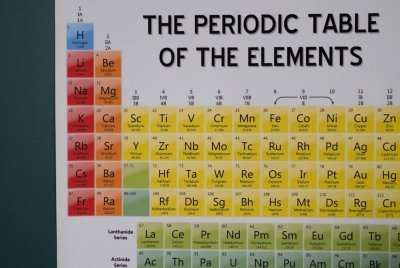
Chile is the world’s largest rhenium producer, accounting for about 50% of global output. The metal is atomic No. 75 on the Periodic Table of Elements.

Since Friday, Chilean officials have held consultations on critical minerals and rare earth elements with the administration of President Donald Trump, seeking a bilateral agreement to strengthen supply chains and promote strategic investment.

“Chile controls nearly half of a mineral that the United States and China cannot produce in sufficient quantities. Washington reinstated rhenium to its critical minerals list in 2025 and explicitly included it in the bilateral mining agreement with Chile. That makes it a genuine geopolitical asset, not just a mining one,” mining market specialist Víctor Pérez, an engineering professor at Adolfo Ibáñez University, told UPI.

Manuel Reyes, a mining engineering professor at Andrés Bello University, said the United States considers rhenium a national security priority because of its critical role and a lack of substitutes in aerospace and defense.

“Although rhenium does not carry the financial weight of copper or lithium, it functions as a reputational asset that keeps Chile on global strategic radars. More as a necessary logistics partner than as a decision-making power,” he said.

Pérez said Chile’s rhenium exports are expected to range between $100 million and $200 million this year, compared with an estimated $60 billion in copper exports. Still, he said its strategic importance is unique “because it has no real substitute in aerospace and defense applications.”

Chile holds the world’s largest reserves at 1,300 metric tons, followed by the United States with 400 metric tons, Russia with 310 metric tons and Kazakhstan with 190 metric tons, according to Reyes.

Rhenium trades at about $2,000 per kilogram, though prices have climbed in 2026 to roughly $6,000 per kilogram, he said.

About 70% to 80% of global rhenium is used in superalloys for aviation and defense turbines. “It is the metal that allows aircraft engines and military turbines to withstand extreme temperatures without deforming,” Pérez said.

Rhenium is known as a by-product mineral because it is not found alone, but rather extracted from copper-related ores, which makes production complex. Chile’s large-scale copper mining operations enable its recovery, as processing captures gases released during molybdenum concentrate roasting and chemically extracts the metal.

Reyes said Chile remains highly dependent on external demand.

“Reserve management and supply continuity depend on the technical and national security requirements of powers such as the United States, which ultimately drive demand,” he said.

Source link

New Korea Hydro & Nuclear Power CEO vows to expand global footprint

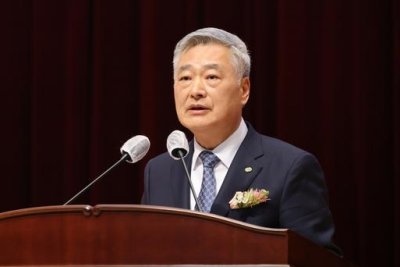
Korea Hydro & Nuclear Power CEO Kim Hoe-chun speaks during his inauguration ceremony
at the state-run company’s head office in Gyeongju on Wednesday. Photo courtesy of Korea Hydro & Nuclear Power

March 18 (UPI) — Korea Hydro & Nuclear Power said Wednesday that new CEO Kim Hoe-chun has officially taken office to lead the state-run company over the next three years.

The chief executive said that he would establish a dual-track strategy of focusing on large-scale nuclear reactors and small modular reactors, or SMRs, at the same time to gain a stronger foothold in the global market.

SMRs refer to next-generation nuclear power plants, which are smaller but considered safer than traditional massive reactors. Korea Hydro & Nuclear Power, or KHNP, has worked on its own models, known as “innovative SMRs.”

“We will successfully carry out already secured overseas projects while pursuing tailored bidding strategies to enter new markets,” Kim said during an inauguration ceremony at the firm’s head office in Gyeongju, around 180 miles southeast of Seoul.

“We will develop the KHNP-style integrated management model as an export product and take a leading position in the international nuclear power market through innovative SMR technologies,” he said.

In June 2025, KHNP signed a contract to build two nuclear reactors in the Dukovany region of the Czech Republic. The agreement is estimated to be worth about $18 billion.

The company also has been competing with global players to win nuclear contracts in other countries.

Before taking the helm at KHNP, Kim spent decades at Korea Electric Power Corp., where he held a series of key positions after joining it in 1985. Between 2021 and 2024, he served as CEO of Korea South-East Power, an affiliate of KEPCO.

Source link