In a sweeping crackdown, Iranian security and judicial authorities have arrested several reformist politicians on charges of attempting to “disrupt the country’s political and social order” and working “for the benefit” of Israel and the US during recent protests.
If the proposal is implemented, workers would not be able to seek remedy through an independent review board.
Published On 9 Feb 20269 Feb 2026
Share
The administration of United States President Donald Trump is making it harder for fired federal employees to get their jobs back by limiting their right to appeal dismissals to an independent review board.
The change was proposed as part of a government plan released on Monday by the Office of Personnel Management (OPM). Under the proposal, federal employees seeking to challenge their termination would be required to appeal directly to OPM, which reports to the president, rather than to an independent body known as the Merit Systems Protection Board (MSPB).
Recommended Stories
list of 4 itemsend of list
The MSPB acts as a mediator between federal workers and the government and has been in place since 1978. After Trump took office, the board’s caseload surged by 266 percent between October 2024 and September 2025. Federal workers who were cut in early 2025 and accepted buyouts received their final paycheques at the end of September.
If implemented, the proposal would build on Trump’s broader push to shrink the federal government and limit workers’ ability to challenge those decisions. The administration forced out roughly 317,000 federal employees last year.
The move comes amid a separate proposal announced last week that would reclassify high-level career civil servants as “at will” employees. That change would give the administration broader authority to fire career officials who do not align with the sitting president’s agenda, affecting roughly 50,000 workers at the nation’s largest employer.
Outlined in a more than 250-page document, the directive would allow workers to be fired if they were “intentionally subverting Presidential directives”.
“Congress gave OPM the authority to set how reduction-in-force appeals are handled, and this rule puts that responsibility to work,” an OPM spokesperson told Al Jazeera in a statement. “It replaces a slow, costly process with a single, streamlined review led by OPM experts. That means agencies can restructure without years of litigation, and employees get faster, fairer resolution if mistakes occur.”
The proposal also comes as the administration has sought to fire political appointees from previous administrations without just cause. Since last year, the White House has been attempting to remove US Federal Reserve Governor Lisa Cook over alleged mortgage fraud.
Cook challenged the decision in federal court, which ruled that the president did not have the authority to fire her. The White House appealed, and the case is now before the Supreme Court.
While the court has not yet issued a ruling, a decision in the president’s favour would make it easier to remove political appointees who do not align with a given administration’s agenda.
In October 2001, two years into his presidency, Hugo Chávez made a trip to London to meet with then UK prime minister Tony Blair and other high-level officials.
Official records detail how the Venezuelan president’s proposed Hydrocarbons Law, a major restructuring of Venezuela’s oil industry, was high on the British agenda.
The law aimed to assert sovereignty over Venezuela’s resources by mandating at least 50% state ownership in mixed enterprises and increasing royalties on foreign oil interests.
This was a serious cause for concern for Britain, whose main interests in Venezuela centred on Shell, BP, and BG Group’s investments in the oil and gas industry.
“British companies have over $4bn already invested” in Venezuela, noted one Foreign Office official, with new investments of another $3bn planned for the oil industry.
Blair was thus instructed by advisers to impress on Chávez that the UK government was “following your proposed hydrocarbons legislation very closely”.
In private, Blair’s adviser and future MI6 chief John Sawers wrote that “the only reason for seeing him is to benefit British oil and gas companies”.
Sawers’ note drove at the core issue which had been guiding Britain’s relations with Venezuela for over a century: oil.
Declassified has combed through dozens of files in the National Archives which expose how the UK government has repeatedly sought to thwart the nationalisation of oil in Venezuela since it was first discovered during the early twentieth century.
Working in partnership with Britain’s leading oil corporations, the Foreign Office has resorted to political pressure, propaganda activities, and covert operations to maintain control over Venezuela’s lucrative crude.
The origins of Britain’s interest in Venezuela’s oil
In 1912, Royal Dutch-Shell began operations in Venezuela and, two years later, the company – alongside US firm General Asphalt – discovered a petroleum field in the small town of Mene Grande.
George Bernard Reynolds, a geologist at Venezuelan Oil Concessions Limited (VOC), a Shell subsidiary, described the supplies as “enough to satisfy the most exacting”.
By 1920, the CIA reported that practically all of Venezuela’s oil production and its most promising concessions were held by Royal Dutch-Shell and two American companies, Jersey Standard (SOCNJ) and Gulf.
Indeed, Venezuelan oil controlled by Royal Dutch-Shell had increased by over 600% from 210,000 barrels in 1917 to 1,584,000 in 1921.
“Is there any other company more conclusively British than this”, asked Sir Marcus Samuel, chairman of the Shell Transport and Trading Company, in June 1915, “who have proved themselves more willing and able to serve the interests of the Empire?”
But foreign control over oil had serious consequences for Venezuela’s land and people.
In 1936, oil workers in Maracaibo called a general strike in response to low wages, poor living conditions and the association of oil firms with the late dictator, Juan Vicente Gómez. It lasted for 43 days, during which time oil production decreased by 39%.
In response, Venezuelan president General Eleazar López Contreras introduced a series of reforms to improve labour conditions.
This made him unpopular with the British and US oil executives, who were described by US ambassador Meredith Nicholson as belonging to “the old school of ‘imperialists’ who believed that might – in the business sense – was right”.
Venezuela’s oil nonetheless remained central to the British imperial project and, by the outbreak of World War Two, Venezuelan oil “took on particular significance within the British war effort as oil from the Middle East became less accessible following the closure of the Mediterranean in 1940”, according to research by academic Mark Seddon.
Officials therefore became increasingly worried about nationalisation in Latin America, particularly after foreign oil interests – including those of Shell – had been expropriated in Mexico in 1938.
That year, for instance, British diplomat John Balfour wrote: “We should do all we can to show that it is not in the interests of a Latin-American country like Mexico to eliminate British interests from participating in the exploitation of its oil resources”.
A dangerous opponent of capital
Concerns around nationalisation arose once again during the Rómulo Betancourt administration in the 1940s.
He was described by the Foreign Office in 1945 as “by far the most dangerous opponent of capital in Venezuela”, while the oil companies worried about his past support for communism.
These concerns proved overblown as Betancourt developed into a staunch anti-communist. According to a CIA file dated March 1948, Betancourt and his predecessor, Rómulo Gallegos, met to discuss “the proposed outlawing of the Communist Party in Venezuela.”
The first step, according to the document, “was the dismissal from the [oil workers union] Fedepetrol of all Communist Party petroleum syndicate delegates”.
Shell’s directors nonetheless responded positively to the military coup which toppled Betancourt in 1948.
They believed, as UK ambassador John H. Magowan noted in February 1949, that the new administration would “reverse the Betancourt tendency to hostility towards the ‘capitalists’ and ‘colonial’ powers”.
While US-owned SOCNJ had emerged as Venezuela’s main oil producer by this time, Shell remained the second most important player and, by 1950, the company had centralized its operations, building a modernist headquarters in northern Caracas.
The propaganda campaign
During the 1960s, as the shadow of the Cold War cast over Latin America, a propaganda unit within the Foreign Office secretly worked to protect Britain’s oil interests in Venezuela.
That unit, named the Information Research Department (IRD), had been set up in 1948 to collect information about communism and distribute it to contacts worldwide.
The goal was to build resilience against communist and other national liberation movements while cultivating foreign agents of influence such as journalists, politicians, military officers, and businessmen.
By 1961, the IRD viewed Venezuela as the third most important country in Latin America in light of the risk of left-wing “subversion” and Britain’s strategic stake in the country’s oil industry.
That year, the IRD worked with Britain’s intelligence services to promote a boycott of El Nacional, the largest newspaper in Venezuela, with the goal of forcing it “to abandon its campaign in favor of expropriating foreign companies and promoting communist agitation”.
The campaign not only had the backing of powerful conservative and anti-communist groups in Venezuela but also the foreign oil companies, who agreed to suspend their advertising in the newspaper.
By 1962, IRD officer Leslie Boas was able to boast that El Nacional had “changed its tone in a great way”, with the newspaper’s circulation also dropping from 70,000 to 45,000 per day.
Reactionary networks in Venezuela were also being covertly funded by Shell in this period, according to recently declassified files.
In April 1962, Boas wrote to IRD chief Donald Hopson about the Latin American Information Committee (LAIC) which was “now doing quite active work… in Venezuela”.
The first director of LAIC was Enno Hobbing, who divided his work between Time/Life magazine and the CIA and later played a role in Chile’s 1973 coup d’état.
Boas explained that he “had a long talk with Hobbing […] and there do seem to be one or two ways in which we can be of mutual help without either of us burning our fingers”.
A 1962 letter sent from Information Research Department officer Leslie Boas to his boss at the Foreign Office (National Archives)
Such help would include “an unattributable supply of IRD material to contacts” of LAIC in return for LAIC supplying Boas with access to and information about local anti-communist networks.
Remarkably, Boas disclosed that Shell was “contributing financially to” LAIC alongside US retailer Sears Roebuck and other “International Business Machines”.
He added that “none of the local branches of these companies such as Shell de Venezuela are cooperating either financially or overtly in any way, it is being done through their head offices and LAIC who have their own offices in New York”.
It was during this period that Shell and BP were also providing direct, “handsome” subsidies to the IRD to promote their oil interests across Latin America, the Middle East, and Africa.
Nationalisation rekindled
The IRD continued to promote Britain’s oil interests in Venezuela through the 1960s and 1970s, until the unit was closed down in 1977.
In a country assessment sheet for Venezuela, dated 1969, an IRD official noted how “we have considerable investments in the country, particularly those of Shell, whose fixed installations alone have been conservatively valued at £300 million”.
The official continued: “Shell’s operations in Venezuela play an important role in the company’s very substantial contribution in invisibles [earnings through intangible assets] to our balance of payments”, noting that Britain’s key objective was therefore “to protect our investments”.
Two years later, IRD field officer Ian Knight Smith wrote to London with concerns about how “the emotional issue of economic nationalism, always a potent force in a country whose main natural resources are largely in the hands of foreign companies, was [being] rekindled”.
Worse still, the Venezuelan president, Rafael Caldera, had “made his own contribution to the new nationalism – in the shape of a law nationalising all natural gas deposits”.
The IRD consequently prepared briefings “on communist instigation of charges against the international oil companies” to be shared with contacts across Venezuela.
In addition, the propaganda unit “cast around for material with which to brief IRD contacts who are in a position to influence government policy or legislation affecting foreign investments in Venezuela”.
Officials were particularly interested in commissioning a “well-researched paper on the positive aspects of foreign investment in developing countries, helping to counter the growing assumption, carefully fostered by the extreme left, that all foreign investment is basically suspect”.
It was within this context that the Foreign Office privately advised that “we should protect as far as we are able Shell’s continued access to Venezuelan oil”.
Share of the gravy
For all its efforts, the IRD was not able to turn the tide of nationalisation in Venezuela, with plans developed during the 1970s for the early reversion of foreign oil interests to the state.
Venezuelan oil was officially nationalised in 1976, with foreign companies including Shell being replaced by the state-owned Petróleos de Venezuela (PDVSA).
In 1976, President Carlos Andres Pérez and well-wishers celebrate as Venezuela’s oil industry is nationalised (Photo: Alamy)
But this was by no means the end of the road for Britain’s oil interests in Venezuela.
In a background briefing for a visit by Venezuelan president Carlos Andrés Pérez, dated November 1977, the Foreign Office observed that “Shell is still our largest single interest”.
The official added: “It should not be forgotten that despite nationalisation our largest commercial stake in this country is still Shell, and although they no longer, since nationalisation, produce oil here, they earn millions of dollars from their service and marketing contracts with their former company”.
The company also continued “to off-take very large volumes of Venezuelan oil for sale mostly in the US and Canada”.
Another official remarked upon the “furious activity of all European countries, including ourselves, in trying to get our share of Venezuela’s economic gravy”.
By 1978, the New York Times went so far as to say that Shell was “busier in Venezuela than before the oil industry was nationalized”.
‘Shell has been active‘
Even still, Britain’s oil firms wished to return to Venezuela’s oilfields.
Those hopes were stoked in the early 1990s by the “Oil Opening” of President Carlos Andrés Péres, whose austerity measures led to an explosion of poverty and street protests, but dashed once again by Chávez’ proposed Hydrocarbons Law in 2001.
In the lead-up to Chávez’ visit that year to London, Britain’s leading oil companies were once again in the prime minister’s ear about the projected impact on their interests.
Blair’s briefing noted unambiguously that UK and US companies were “concerned” about the oil reforms and wanted them watered down.
Days before the visit, Shell’s chairman Philip Watts offered suggestions on how Blair might handle Chávez.
Letter sent in 2001 from Shell chairman Philip Watts to the Foreign Office (National Archives)
“As you may have appreciated, Shell has been active in helping in the preparations for the visit through the Foreign Office”, Watts wrote.
“Considering the importance of the energy sector for both the Venezuelan and UK economies, I thought the PM may appreciate a small briefing on our… plans in Venezuela”, he added.
Those plans involved ameliorating the “uncertain investment climate” and softening the “fiscal and legal framework” in the country.
As part of the charm offensive, Watts also hosted a “farewell” banquet for Chávez, to which foreign secretary Jack Straw and other senior ministers were invited.
BP and BG Group also “registered their interest with No.10 about the visit”, with BP preparing “to put their case… forcefully” in favour of a meeting between the two leaders.
‘The Americans are concerned‘
The US government also weighed in on the matter.
On 18 October, an official in the British embassy in Washington wrote to London that “the Americans are concerned about the impact that the Hydrocarbons Law will have on investment in the energy sector”.
They continued: “The major oil companies, including BP, had all made clear that its tax and restrictive joint venture productions would hinder their operations”.
The US state department “thought it would be particularly useful for Chavez to hear these concerns in London, given his tendency to discount messages from the US”.
To this end, the George Bush administration hoped Blair would “talk sense into [Chávez] on the Hydrocarbons Law, where BP are among those who stand to lose”.
Blair hosts Chávez at Downing Street in October 2001 (Photo: Gerry Penny / Alamy)
Further pressure was applied by Gustavo Cisneros, a Venezuelan billionaire and media mogul who was introduced to Blair in 2000 by Daily Telegraph owner Conrad Black.
Sawers, Blair’s adviser, noted that Cisneros’ “sole message” for Blair “was that Chávez was a real danger to stability and free markets (and, of course, rich Venezuelans like himself)”.
A briefing document prepared by Cisneros, for instance, warned that “Chavez will likely react” to oil prices dropping “by lashing out at the private sector”.
Sawers viewed Cisneros with suspicion but broadly agreed that Chávez was objectionable. There was, he wrote, “a chance that the picture [with Chávez] at the front door [of Downing Street] would come back to haunt us”.
He continued: “This is one of the World’s tyrants whose hand I won’t have to shake”.
The coup against Chávez
A coup against Chávez broke out in April 2002, orchestrated by dissident military and political figures with support from Washington.
Pedro Carmona, an economist who was unconstitutionally appointed Venezuela’s president, quickly set about dismantling the country’s democracy and reversing Chávez’s oil reforms.
He happened to be in the offices of Cisneros, the mega mogul who had taken the opportunity to “pour poison” into Blair’s ears about Chávez, when the coup broke out.
The declassified files show how Britain quietly hoped the Carmona regime would be more accommodating to foreign interests while noting the unconstitutional nature of the coup.
“The Cabinet is strong on experience and business” and “hopefully its management capability will be much higher”, wrote the British embassy in Caracas.
The embassy was also informed by UK business leaders in Venezuela that “their operations should be back to normal by 15 April”, while Shell’s “production of oil was unaffected”.
At the same time, however, the Foreign Office was disturbed by the fact that “no one” had “ever elected” the Carmona regime.
“Venezuela may or may not have wanted to get rid of Chavez, but not necessarily to lose the other parts of their democratic system”, one official wrote. “The right-wing businessmen seem to have shot themselves in the foot”.
Notably, the UK government seemed to have some knowledge of Washington’s role in the events.
On 14 April, with Chávez imprisoned in a military barracks, the British embassy in Caracas cabled to London that the US ambassador had been spending “some hours in the Presidential Palace”.
“Please protect [the information]”, they instructed.
The opposition
The coup was short-lived.
Chávez was reinstated within 47 hours following a wave of popular mobilisations across Caracas.
With Chávez back at the helm, the Foreign Office quietly hoped that “the events of the last few days” would be seen as “a serious warning to change his ways”.
But the situation remained tense, with UK foreign secretary Jack Straw noting in July 2002 that Chávez’s position “remain[ed] shaky”.
The political opposition in Venezuela was seen by Whitehall as particularly intransigent, with Straw declaring that Chávez looks “positively resplendent compared with [them]”.
The Venezuelan opposition, Straw continued, “appear to be united, indeed motivated, by sheer indignation that someone like Chávez (not one of them and above all not white) should be in charge and have such a popular power base”.
An official in Britain’s embassy in Caracas similarly noted in 2002 that the Venezuela opposition “looks like a train that tried to breach a wall on one track in April and are now seeking to do the same on a slightly different track and at a slightly different angle”.
They added: “The opposition’s self-delusion is growing worse by the day: they claim alternately they are living in either a fascist or communist dictatorship”.
One of the key opposition figures in this period was María Corina Machado, with whom the UK government is currently in talks amid a renewed regime change campaign in Venezuela.
The Chadian government has launched the 2026 National Humanitarian Response Plan (NHRP) and the Refugee Response Plan (RRP) to coordinate assistance for vulnerable people uprooted by war. Amid a growing refugee crisis, including the arrival of 7,000 new Sudanese refugees at the eastern Oure Cassoni camp, the Chadian authorities established these schemes to tackle the humanitarian crisis overwhelming the country.
At an event held on Feb. 5, in N’Djamena, Chad’s capital city, the coordinator of the initiatives, Francois Batalingaya, commended humanitarian actors for their “constant engagement, which is essential for support to populations confronted by multiple crises”. He stressed the importance of mobilisation at both national and international levels, recognising the contributions of government, technical, financial, and humanitarian partners.
According to Batalingaya, the humanitarian plan is based on an analysis of four major drivers of crisis: conflicts and displacement, food and nutritional insecurity, sanitary emergencies, and climatic shocks. He revealed that 4.5 million people in Chad need assistance, with 3.4 million identified as priority targets, requiring nearly US$1 billion in financing.
He acknowledged persistent challenges, including financial deficits, insecurity, administrative constraints, and the need for stronger national appropriations and leadership. “Faced with these stakes, we must reinforce collective action and increase advocacy in order to avoid certain populations going without assistance,” he said.
The Minister of Social Action, National Solidarity and Humanitarian Affairs, Zara Mahamat Issa, described the launch of the NHRP and RRP as “a key moment for strategic planning and an exercise in accountability towards vulnerable populations.” She noted Chad’s continued solidarity in hosting refugees despite regional security crises, climate change, forced displacement, and socio-economic fragility.
“The government reaffirms its engagement to place the protection of vulnerable populations at the heart of its public action, considering humanitarian response as a factor of stability, social cohesion and sustainable development,” Zara said. She noted that transparency, accountability, and localisation of assistance are priorities, and called for better coordination amid limited resources.
During Batalingaya’s visit to the Oure Cassoni refugee camp, where more than 7,000 Sudanese refugees had recently arrived, he highlighted issues around the humanitarian crisis in Chad. He described the visit as “an immersion into an increasing humanitarian crisis which necessitates immediate responses.”
Testimonies from refugees, community leaders, and aid partners revealed feelings of uncertainty, exhaustion, and a shortage of basic necessities in the refugee camps. “Behind each of these problems are the suspended lives of children lacking access to education and families deprived of shelter,” stated a local humanitarian worker.
The refugees urgently need water, sanitation, healthcare, nutrition, food security, shelter, household items, protection, and education. “Oure Cassoni is an alarm signal. Without rapid and reinforced mobilisation, humanitarian needs would continue to overwhelm response capacities. The urgency is real, and inaction is no longer an option,” Batalingaya warned.
The Chadian government has launched the 2026 National Humanitarian Response Plan and the Refugee Response Plan to manage aid for people affected by conflicts, including an influx of 7,000 new Sudanese refugees.
Francois Batalingaya, initiative coordinator, emphasized the need for national and international cooperation, recognizing factors such as conflicts, food insecurity, sanitary issues, and climate shocks affecting 4.5 million Chadians, with 3.4 million needing urgent support.
Challenges like financial shortfalls, insecurity, and administrative barriers were highlighted, stressing the importance of collective action and increased advocacy to prevent assistance gaps. Minister Zara Mahamat Issa underscored the government’s commitment to protect vulnerable populations and maintain transparency, accountability, and local engagement in humanitarian efforts.
Concerns were raised about the growing crisis at the Oure Cassoni refugee camp, indicating urgent needs for water, sanitation, healthcare, and education, with calls for immediate and enhanced mobilization to address the crisis effectively.
For the second straight Winter Olympics, Mathilde Gremaud bests Eileen Gu in the women’s blue ribband freeski event.
Published On 9 Feb 20269 Feb 2026
Share
Switzerland’s Mathilde Gremaud has retained her Olympic title in the slopestyle freestyle skiing competition at the Milano Cortina 2026 Winter Games in a gripping race in the Italian Alpine town of Livigno.
China’s Eileen Gu, who had been hoping to convert her Beijing 2022 silver medal into gold this time, came in second on Monday after tumbling at the start of her last run.
Recommended Stories
list of 4 itemsend of list
Canada’s Megan Oldham, 24, took the bottom step of the podium despite a big crash on her second run.
Earning herself a day-late birthday present, Gremaud skied well above the already very high bar set by Gu on her first run with three spectacular runs of her own, wearing the Swiss flag like a cape as she came down the last time, having already ensured herself the gold medal.
Gremaud competes in the women’s slopestyle final [Kirill Kudryavtsev/AFP]
Gremaud rolls out new trick
On a crisp and sunny day in the high-altitude ski resort close to the Swiss border, Gremaud kicked off the final by performing – for the first time by a woman – an elite-level trick known as the nose butter double cork 1260.
In this trick, the skier presses the tips of the skis on the takeoff to start the spin and then performs a double cork 1260, two distinct off-axis, inverted flips combined with three-and-a-half full, horizontal rotations.
Known for her variety of tricks on the slope, the Swiss champion veered towards the very technical ones, followed by breathtaking acrobatic jumps during her second run, earning her the eventual highest score overall of 86.96, just pipping Gu’s first-run score of 86.58.
Despite the big crash on her second run, Oldham picked up in the third run, soaring through the rails and performing conservative yet still very acrobatic jumps at the end, winning her a score of 76.46.
At the end of the race and during the prize-giving ceremony, the crowd was painted in different hues of red as the flags of the three winning countries – Switzerland, China and Canada – all waved in the air to the beat of loud music and cheering. The medals were handed out by Britain’s Princess Anne, a former Olympic equestrian.
Gu won her second straight Olympic silver medal in the freestyle slopestyle event [Kirill Kudryavtsev/AFP]
High competition
Double Olympic champion Gu, 22, set the bar high on the first run with big tricks on the rails and stunning jumps, adding flair to all of her tricks and putting herself in first place early on.
After a poor second run when she stumbled on the rails at the beginning of the beautifully sculpted piste, Gu knew she would need something special on her final run to grab the title away from Gremaud. But she tumbled into the snow almost immediately, ending her hopes of reclaiming top spot in the competition.
American-born Gu, who represents her mother’s country of China at the Olympics, said last week that she had nothing left to prove after her two gold and one silver medal from Beijing.
She will be defending her big air and halfpipe titles later in the Games.
Police in the Australian city of Sydney have used pepper spray against pro-Palestine protesters who have rallied against a visit by Israeli President Isaac Herzog.
A journalist with the AFP news agency witnessed police arresting at least 15 demonstrators during the confrontation on Monday. Media members covering the event were also affected by pepper spray.
Thousands of demonstrators gathered in Sydney’s business district with more protests planned across the country on Monday night.
In Melbourne’s city centre, simultaneous protests took place with participants demanding an end to Israel’s occupation of Palestinian territory. About 5,000 protesters gathered outside downtown Flinders Street Railway Station before marching several blocks to the State Library, blocking evening peak-hour traffic, according to police.
The protests continued despite Palestine Action Group organisers losing a court challenge of a police order barring them from marching from the Town Hall in Sydney to the New South Wales Parliament.
A 20-year-old woman was arrested after allegedly burning two flags and causing fire damage to a tram stop. Police released her but said she was expected to face wilful damage charges.
Activists said Herzog, whom a United Nations commission of inquiry has found to be responsible for inciting genocide against Palestinians, should not be immune to protests.
“President Herzog has unleashed immense suffering on Palestinians in Gaza for over two years – brazenly and with total impunity,” Amnesty International’s Australia chapter said. “Welcoming President Herzog as an official guest undermines Australia’s commitment to accountability and justice. We cannot remain silent.”
Herzog characterised the protests as mostly attempts to “undermine and delegitimise” Israel’s right to exist.
Earlier, Prime Minister Anthony Albanese had called for respectful behaviour during Herzog’s visit, noting he would join the president to meet families of the victims of the December Bondi Beach mass shooting.
New South Wales authorities implemented recently expanded police powers under new protest management legislation. Protesters’ legal challenge to these measures was rejected by the state’s Supreme Court shortly before the demonstrations began.
Herzog had earlier laid a wreath in the rain at Bondi Pavilion to honour victims of the attack that killed 15 people during a Hanukkah celebration.
The Israeli president began his four-day Australian visit there. He also met with survivors and victims’ families.
“This was also an attack on all Australians,” Herzog said at the site. “They attacked the values that our democracies treasure, the sanctity of human life, the freedom of religion, tolerance, dignity and respect.”
“I’m here to express solidarity, friendship and love,” he added.
Tim Allan steps down a day after Starmer’s chief of staff, Morgan McSweeney, quits, adding pressure on the PM.
Published On 9 Feb 20269 Feb 2026
Share
United Kingdom Prime Minister Keir Starmer’s communications chief, Tim Allan, has stepped down as the leader of the governing Labour Party faces fallout from the Jeffrey Epstein scandal.
The move on Monday came a day after Starmer’s chief of staff, Morgan McSweeney, also quit.
Recommended Stories
list of 4 itemsend of list
“I have decided to stand down to allow a new No. 10 team to be built,” Tim Allan said in a short statement.
Starmer has come under criticism for appointing Peter Mandelson as ambassador to the United States despite his known links to Epstein, a convicted late US sex offender.
The prime minister said on Monday politics should be a force for good and emphasised the importance of moving forward after the resignations.
“We must prove that politics can be a force for good. I believe it can. I believe it is. We go forward from here. We go with confidence as we continue changing the country,” Starmer told his Downing Street staff.
Mandelson has been under investigation since his name appeared in files on the Epstein investigations released by the US Department of Justice.
He was sacked by Starmer in September over his friendship with Epstein and last week also quit the Labour Party and House of Lords, the upper chamber of the UK Parliament. The Foreign and Commonwealth Office said it is reviewing an exit payment made to him after he was fired.
The entrance of the Armenian Church in the Old City of occupied Jerusalem witnessed a new assault on Sunday, carried out by Israeli settlers. Surveillance camera footage and eyewitness testimonies showed several of them deliberately spitting in front of the church entrance, in a provocative attack that violates freedom of worship and targets Christian holy sites.
Local sources said Israeli occupation forces also raided the town of al-Issawiya, northeast of occupied Jerusalem, and the al-Bustan neighbourhood in Silwan, south of Al-Aqsa Mosque. The occupation forces were deployed in streets and residential areas, causing tension among residents.
The sources added that the occupation municipality in Jerusalem imposed a fine of 5,000 shekels on the manager of the post office in Silwan, claiming that a “no smoking” sign was not displayed, despite the sign being inside the office. The move was seen as part of ongoing administrative pressure targeting Palestinian institutions.
In the same context, Israeli forces raided shops in the Ain al-Lawza neighbourhood in Silwan and checked the identities of workers. This disrupted commercial activity and caused losses to local businesses.
These incidents come amid a series of continued violations targeting the holy city and its residents, as part of an ongoing escalation by Israeli forces and settlers against Palestinian neighbourhoods and holy sites.
IT’S 9AM in Spain and I’ve just taken my first cold sip from a foam-topped pint of lager as the enthusiastic buzz of holidaymakers fills the airport’s departures lounge.
When in Rome… Except I’m actually west of there, in the Spanish city of Alicante, where the first international Wetherspoons has just opened its doors.
Sign up for the Travel newsletter
Thank you!
I went to the first ever Wetherspoons in SpainThe new pub even has an outdoor terraceExpect a great menu of Spanish beers
I’m one of the lucky few getting a slightly advanced preview of the boozer on opening day.
But I can already see a queue forming at the door – mainly all Brits who are excitedly posing for snaps under the large sign.
What’s not British, however, is the pub’s name: Castell de Santa Barbara, after Alicante’s glorious 9th century castle which is perched high on a hill, with impressive views of the coastline and sprawling city.
The first punter to order a Guinness is Sun reader Kelvin from Salisbury who says that the opening of the British boozer was “a nice surprise” when he turned up today.
“When the taxi dropped me off, I saw the Wetherspoons sign from the outside and thought: perfect. I headed straight here.”
He visits his local ‘Spoons a couple of times a month and an 11:30am pint isn’t out of the ordinary for him.”
Kelvin’s usual: “a small breakfast and a pint – easy peasy”, is on this international menu.
In fact, all the familiar favourites are, bar a few nods to stereotypical Spanish cuisine like the garlic prawns and Spanish tortilla, priced at a reasonable price of €12.45 and €4.95 respectively.
“It’s nice to get something different when you go abroad,” Kelvin says, eyeing up the European selection of beers on tap.
The man sat opposite us is sticking to the classics, though – burger and chips, washed down with a pint of lager.
Another couple, stood at the bar – admittedly not mega Wetherspoons fans, but familiar with the chain – say: “We saw the sign and said ‘we’ve got to try it’.
“We’ll definitely be telling our friends, who fly here regularly, about it”.
It would make sense that most of the faces here are British.
The pub has pitched itself in the non-Schengen area, close to the gates for UK flights to draw in the near 650,000 Brits that pass through this airport monthly.
Expect full fry ups as well as Spanish classics like tortilla and prawnsBrits can order a ‘cana’ beer – a smaller version popular in Spain – as well as sangria
The decision to open here feels like a wise move, especially with last year being a bumper year for UK travellers to this Spanish airport, which sits a 45-minute drive from the popular resort town of Benidorm.
Last October saw a surge of 5.9 per cent of British passengers passing through the airport compared to the same month the year before – and that number is expected to grow even more.
It certainly feels much brighter than other airport Wetherspoons I’ve visited.
Floor-to-ceiling windows flood the small space with light, while candy floss, glossy tiles give it a warm atmosphere.
There’s a tea and coffee station in the corner, while behind the bar there’s not a whiff of scampi fries or walkers in sight.
These have been replaced by the European holiday favourite, Lays.
This one boasts something that all other airport Wetherspoons do not, however – an outdoor terrace, where you can catch those last glimpses of Spanish sunshine before jetting off home to drizzly England.
The only thing it’s missing is that familiar smell of well-trodden carpet and old chip fryer oil. Give it time, though.
And keep your eyes peeled for the appearance of more Wetherspoons, internationally.
Wetherspoon founder and chairman Tim Martin says: “We aim to open a number of pubs overseas in the coming months and years, including those at airports.”
Jeffrey Epstein pressured a media tycoon he did business with to quash coverage of allegations of his sexual abuse of girls, according to documents released by the United States Department of Justice.
Epstein leveraged close personal and professional ties with the Canadian-American billionaire Mortimer Zuckerman to try to influence the New York Daily News’s coverage of allegations against him after his 2008 conviction for soliciting a minor for prostitution, the documents show.
Recommended Stories
list of 4 itemsend of list
After Epstein reached out to Zuckerman, the then-owner of the Daily News, the tabloid first delayed its coverage of the allegations and then omitted details that the late financier had specifically requested be left out, according to the documents.
In an email dated October 9, 2009, Epstein shared a “proposed answer” to questions from the newspaper with Zuckerman that disputed allegations made against him and his girlfriend Ghislaine Maxwell, who is currently serving a 20-year sentence for child sex trafficking.
The allegations, which had been put to Epstein and Maxwell by then-Daily News journalist George Rush, included accusations that the pair had subjected a minor known as “Jane Doe No 102” to routine sexual abuse and had engaged in threesomes with “various underage girls”.
The allegations also included claims that Maxwell kept a computer database of “hundreds of girls and oversaw the schedule of girls who came to Epstein’s homes”.
In the proposed response that he shared with Zuckerman, Epstein said “no sex occurred” with Jane Doe No 102 and she had admitted in a deposition to being an “escort, call girl, and a massage parlor worker since the age of 15”.
“All of the adult establishments in which she admitted working require proof of age. Rc the rest of the questions,” Epstein’s email to Zuckerman said.
“These are all malicious fabrications designed to get Mr Edwards clients more money than they normally receive though she did testify under oath that she made as much as 2000 per day,” the email said, referring to Bradley J Edwards, a Florida-based lawyer who has represented many of Epstein’s accusers.
Later that day, Zuckerman told Epstein in an email that the Daily News was “doing major editing over huge objections” and he would “c copy asap”.
“take ghislaine out. if possible,” Epstein responded in an email a few minutes later.
“the very first plaintiff, deposed admitted in a sworn videotaped statement that she lied and was an escort , call girl since age 15. SHE took the fifth. over 40 times.. its crazy.. thanks for you help.”
“Please call me asap,” Zuckerman wrote to Epstein several hours later, before asking Epstein to call him again later that night.
The Daily News ultimately published an article on December 19, 2009, that described Epstein reaching a settlement with his accuser for an undisclosed amount of money.
The article noted that Epstein was facing “more than a dozen” lawsuits from women who accused him of sexually abusing them but made no mention of Maxwell or the allegations against her.
Zuckerman, a staunch supporter of Israel who served as head of the America-Israel Friendship League and the Conference of Presidents of Major American Jewish Organizations, has never been accused of any involvement in Epstein’s crimes.
The front page of the New York Daily News on August 12, 2020 [Bebeto Matthews/AP]
Rush, who left the Daily News in 2010, confirmed that Epstein had tried to “cajole” Zuckerman, the current owner of US News & World Report, into burying or shaping the story to Epstein’s liking.
Rush said the Daily News decided to delay publication after Epstein offered the newspaper an interview.
“Unfortunately, Epstein immediately insisted that the interview be off the record. He also used the conversation to make remorseless claims that he was a victim of overzealous prosecutors and shyster lawyers,” Rush told Al Jazeera.
Rush said Zuckerman, who sold the Daily News in 2017, never suggested that the newspaper cancel the story altogether or publish coverage that was favourable to Epstein.
“I do recall being advised to leave Ghislaine Maxwell out of the story,” Rush said.
“At the time, the paper’s lawyers had libel concerns, and I saw it as a necessary compromise.”
Rush said he had objected to the efforts to interfere in his story but the episode did not cause a “newsroom furore”.
“Most people hadn’t heard of Epstein at that point. I didn’t like Epstein and Maxwell trying to appeal to the owner,” he said.
“But I was relieved that the story wasn’t killed, just delayed, and hopeful that Epstein might say something quotable in the interview. It speaks to Epstein’s arrogance that he thought he had the power to get Mort to do his bidding.”
Zuckerman’s personal assistant and the Zuckerman STEM Leadership Program, an initiative founded by the billionaire to fund scientific collaboration between the US and Israel, did not reply to requests for comment from Al Jazeera.
Ties for two decades
Zuckerman’s ties to Epstein stretch back more than 20 years.
In 2005, Zuckerman, who also owned The Atlantic magazine from 1984 to 1999, worked with Epstein on the short-lived relaunch of the gossip-and-entertainment magazine Radar.
After a US congressional panel in September released a scrapbook prepared for Epstein’s 50th birthday in 2003, Zuckerman was among a slew of high-profile names revealed to have sent the financier their well-wishes.
But the latest tranche of files from the 2019 prosecution of Epstein, released last week by US authorities, show that Zuckerman’s relationship with the sex offender was much closer than previously believed.
In 2008, Zuckerman sought Epstein’s advice on his plans for passing on his estate, sharing sensitive details about his financial affairs in the process, including a copy of his will and an evaluation of his assets that put his net worth at $1.9bn.
In 2013, Epstein drafted several agreements to provide Zuckerman with “analysing, evaluating, planning and other services” related to the billionaire’s plans for passing on his wealth.
Epstein proposed a fee of $30m in a proposal drafted in June 2013 before offering his services for $21m in a revised proposal that December, according to the documents.
In correspondence around this period, Zuckerman appeared to hold Epstein’s claimed expertise in high regard.
“Your questions have been critical to my growing understanding of how much lies ahead before my finances are properly organized,” Zuckerman wrote to Epstein in an email dated October 12, 2013, after the financier had earlier claimed to have identified “wild errors” in Zuckerman’s accounting of his finances.
“You have been an invaluable friend and In the most constructive way a provocateur I am completely grateful and am now beginning to focus, in on the issues you have raised. With appreciation from a hesitant amateur Mort.”
Documents that were included in the release by the US Department of Justice of its Jeffrey Epstein investigative files [File: Jon Elswick/AP]
It is not clear whether Zuckerman ultimately signed the agreement proposed by Epstein.
Zuckerman and Epstein communicated regularly, and the two men arranged numerous dinners and other meetings over the years, according to the documents, including at the financier’s Manhattan home.
“Mort is now booked for tonight at 8:30…i am being asked if you could see him this weekend…please advise,” Lesley Groff, Epstein’s personal assistant, wrote on May 5, 2015, in one of many emails detailing appointments.
While Zuckerman turned to Epstein for financial advice, he also appeared to regard him as a friend.
“Hi there. You are very special. And a great friend. Mort,” Zuckerman wrote to Epstein in an email dated August 24, 2014.
The rules will make it easier for Israeli settlers to buy land in the occupied West Bank and give Israeli officials more powers to enforce its laws on Palestinians in the area.
LDP looks set to secure 316 seats in Japan’s 500-member house, marking its best result since its founding in 1955.
Japan’s Prime Minister Sanae Takaichi has promised to cut taxes and keep her cabinet intact as she celebrated her Liberal Democratic Party’s (LDP) landslide victory in Sunday’s general election.
Takaichi’s pledge on Monday came as projections by the NHK broadcaster showed the conservative LDP securing 316 seats in the 500-member National Assembly and winning a “historic” two-thirds majority in the lower house.
Recommended Stories
list of 3 itemsend of list
The results marked the best result for the LDP since its founding in 1955, surpassing the previous record of 300 seats won in 1986 under then-Prime Minister Yasuhiro Nakasone.
LDP’s junior partner Japan Innovation Party won 36 seats, while the main opposition Centrist Reform Alliance managed to keep only 49 of the 172 seats it previously held.
Analysts credited the LDP’s triumph to the extraordinary popularity of Takaichi, who is Japan’s first female leader, and say it will allow her to pursue significant changes in Japan’s security, immigration and economic policies.
In a televised interview with NHK on Monday, Takaichi said she will emphasise policies meant to make Japan strong and prosperous.
She told NHK that she will push for the reduction of consumption taxes as promised by the LDP. During the campaign, the governing party had said it would ease household living costs by suspending the 8 percent food sales tax for two years.
“Most parties are in favour of reducing the consumption tax, such as reducing the tax on food items to zero, or to 5 percent, or reducing the tax on all items to 5 percent,” Takaichi said.
“The LDP has also campaigned for a consumption tax cut. I strongly want to call for the establishment of a supra-party forum to speed up discussion on this, as it is a big issue.”
Takaichi also indicated that she will not make any changes in her cabinet, calling it a “good team”.
The head of Japan’s top business lobby, Keidanren, also welcomed the result, saying it will help in restoring political stability.
“Japan’s economy is now at a critical juncture for achieving sustainable and strong growth,” Yoshinobu Tsutsui said.
United States President Donald Trump, who endorsed Takaichi ahead of the election, congratulated Takaichi in a post on social media and wished her “Great Success”.
South Korea’s President Lee Jae Myung also offered his congratulations and said he hoped to see her soon in Seoul.
The leaders of India, Italy and Taiwan also welcomed Takaichi’s win.
Al Jazeera’s Patrick Fok, reporting from Tokyo, said the message from Taiwan’s President William Lai Ching-te to Takaichi could upset China.
“Remember that Takaichi triggered Chinese anger after suggesting that Japan might intervene in the event of a Chinese attack on Taiwan,” he said, referring to the diplomatic storm the Japanese leader set off last year shortly after taking office.
“How she handles that relationship between Tokyo and Beijing is likely to define Japan’s foreign policy,” Fok added.
China regards Taiwan as part of its territory and has been keeping a close eye on Takaichi and the results of the polls.
The strong mandate for Takaichi could also accelerate her plans to bolster military defence, which Beijing has cast as an attempt to revive Japan’s militaristic past.
“Beijing will not welcome Takaichi’s victory,” said David Boling, principal at the Asia Group, a firm that advises companies on geopolitical risk.
“China now faces the reality that she is firmly in place – and that its efforts to isolate her completely failed,” Boling told the Reuters news agency.
“I have mental fortitude, I am physically stronger, but I cannot undo what was done to me. Why do they do things like this and get away with it?” Aria John’s* voice cracked from the weight of her grief, the realisation that justice was not attainable, and the knowledge that her struggles were seen as disposable.
Aria’s first sexual experience was at 16, when she became involved with a 23-year-old. In Nigeria, sexual relations between a minor and an adult are regarded as statutory rape according to the Child’s Rights Act. Still, it would be many years before she could name what happened.
She first met him at a party. That night, he tried to make physical contact with her repeatedly without her consent. She found it uncomfortable, but did not understand the gravity of his actions at the time.
It was a case of sexual coercion, where someone is pressured or manipulated into a sexual activity against their freely given consent. Such experiences can take many forms, including violence, persistent insistence, verbal threats, and emotional manipulation, among others, which can manifest in the form of verbal sexual abuse, forceful penetration, threats of abandonment, withholding support, transactional sex, and other economic incentives. These acts violate fundamental human rights and can negatively impact an individual’s social, reproductive, mental, and economic well-being. Children and young women are the biggest victims of sexual coercion in Nigeria.
Two days later, the man invited Aria to his house, and she accepted. The visit culminated in rape; she was in pain throughout, and she asked him to stop, but he did not.
“Afterwards, he asked me if I was sure I was a virgin because I did not bleed,” she recalls.
During their time together, his friends also became her friends. When he started to push her away, it left her isolated, adding to the trauma she experienced as a result of the sexual abuse.
Halima Mason, a psychologist and sex and relationship therapist, describes coercion as a form of sexual violence that exists on a spectrum.
“It occurs when a person is pressured, manipulated, intimidated, or emotionally worn down into sexual activity they do not freely want. It often happens without physical force, which is part of why it is so frequently minimised or misunderstood. Many survivors describe agreeing to sex even when they did not want it, driven by fear of the consequences, exhaustion from ongoing pressure, or a sense that resistance was too costly or dangerous,” she explained.
A study in Ibadan, southwestern Nigeria, shows a prevalence rate of 59.1 per cent of sexual coercion against female school students. It also highlighted the high rates of paedophilia, especially affecting primary school students, leaving them vulnerable to both teachers and fellow students.
“When consent is shaped by fear, pressure, or obligation, genuine choice is absent,” Halima told HumAngle.
“Within long term relationships and marriages, sexual coercion can become especially entrenched. Cultural expectations around commitment, duty, and endurance often make refusal feel unacceptable. Pressure may be framed as normal relationship maintenance, compromise, or marital responsibility. Partners may imply that sex is owed, accuse the other person of withholding, or suggest infidelity or abandonment as consequences of refusal,” she added.
At the time, Aria said she did not consider “pursuing justice because even people who were raped with evidence are not believed”. “This is not my first experience,” she lamented. “How many men do I want to take revenge against? When things hurt you, you grow around your pain; it’s not crippling, but it’s still very painful. It hurts so much. If you speak out, they will call you an ashewo and say you must have wanted it.”
Aria started going to the gym and running to become physically stronger and avoid situations where people force her to do things she doesn’t want to do.
She expressed the belief that things might have been different for her if she had received sufficient love growing up, which would have discouraged her from seeking it elsewhere.
“If your daughters know love, they will not look for it in places where there isn’t any, because they know what love looks like. I still find myself in similar situations even when I know it’s illogical,” she told HumAngle.
Another experience started one evening during a conversation with her neighbour. He asked her out, and she turned him down. Aria also told him that she was celibate at the time, and if anything was to happen between them, it wouldn’t lead to sex. He became infuriated.
“He was furious, leaving me shocked, especially when he said it’s probably because I was sexually abused in the past, and that’s why I did not want to sleep with him. I never explicitly told him that,” she recounted.
This guilt-tripping is a tactic often used by predators to get the victim to lower their guard and give in, in an attempt to defend themselves or prove something. She said she saw through this manipulation and refused to give in to his tantrum.
Aria has suppressed her memories over the years because they feel suffocating, and her childhood experience with bullying led her to become obsessed with being perceived as strong, causing her to close off.
Get our in-depth, creative coverage of conflict and development delivered to you every weekend.
Subscribe now to our newsletter!
“I don’t let myself get vulnerable because people can hurt me, and I don’t have any defences,” she said.
Halima pointed out that life experiences also shape vulnerability, as children who grow up with emotional neglect, inconsistent caregiving, or conditional affection may develop patterns that influence how they understand love and safety.
“When care was unpredictable, some people learned to earn closeness through compliance and self-silencing. As adults, they may prioritise others’ needs over their own discomfort, struggle to recognise safe relationships, or tolerate pressure to please. These patterns do not cause coercion. Responsibility always lies with the person who chooses to exploit, pressure, or manipulate. Early relational wounds can, however, make it harder to recognise coercion early and to act on internal warning signals,” she explained.
This mirrors Aria’s experience as she explained how the experiences shaped her relationships: “I struggle to keep friends and get close to people, making me emotionally unavailable. I don’t have long-term relationships. Even when men treat me well, I just keep them at arm’s length,” she told HumAngle.
A social issue
The social manifestations of sexual coercion come in ways other than what Aria experienced. In addition to being the subject of gossip, some women experience pressure from society to succumb to romantic or sexual advances.
Oye Peter’s* story started in a place she considered a sanctuary. As a devout Anglican, she regularly attended church services. Even though she was in her early twenties, she knew exactly the kind of man she wanted to date, and Joseph* did not fit the picture. The people around her believed otherwise.
She met him during a Youth Convention in 2023. He first approached her through other youth leaders. She politely told them she was not interested in pursuing a relationship with him. Joseph was a respected youth leader, and there was a natural expectation of trust in him, which made it easier for him to gain access to her life.
“I was in my final year then, preparing for my project and everything. But they kept reaching out to me even after I graduated. Most times, I don’t even respond to his messages,” she said.
Oye had a good relationship with her church leaders, and they tried many times to convince her to give him a chance as he is ‘a good person’. His influence on their mutual acquaintances created subtle pressure and made his behaviour seem normal and acceptable. The age gap did not seem to raise any concern for them, even though she was only 23 and he was around 35.
During her National Youth Service in Onitsha, Anambra State, southeastern Nigeria, she was invited to a church programme in nearby Asaba, Delta State. She expected, due to past experience, that accommodation would be provided. However, when she arrived, she was told there was only one room available to share with Joseph. She was uncomfortable but confident that nothing could happen between them.
However, he started to make sexual advances towards her during the night, but she refused to give in.
“I felt bad, used, and manipulated. Later on, I reached out to one of the youth leaders to express my concern, and not long after, I discovered that the man was even married. I was so angry that some of the youth leaders who knew he was married were trying to use their influence to force me into a relationship with him,” she recounted.
They insisted they meant well and that he would take care of her if she agreed to be with him. When Oye pointed out his marriage, one of her diocesan youth leaders laughed and dismissed it as ‘something men do’, which made her feel invalidated and unsupported. They also blamed her for ‘not being respectful’ to him when she turned him down.
Even though Oye was grateful nothing happened between them, the manipulation tactics used and the lack of desire to hold him accountable for his actions caused her to withdraw from the youth activities because she no longer felt safe or respected.
“I wish people understood that discomfort is enough; if someone feels uneasy or pressured, that means that consent is not present. No one should assume they know what another person wants. I did not pursue formal justice; I blocked him and everyone associated with him. The dismissal I experienced the first time I spoke up discouraged me,” she lamented.
Halima, the psychologist, said that the impact of sexual coercion on survivors is deep and far-reaching, as many experience anxiety, depressed mood, shame, dissociation, trauma symptoms, and confusion about what happened, particularly when there was no overt violence.
“When coercion comes from a trusted partner, leader, or authority figure, it creates a specific kind of trauma rooted in betrayal, which can damage self-trust and make it difficult to rely on one’s own perceptions,” she explained.
Oye believes that the fear of judgment, victim-blaming, and the belief that some men cannot engage in this type of coercion keep many survivors worrying that they will not be believed. She believed that a fair hearing, genuine validation, and people taking her discomfort seriously would have helped her feel better.
“I later confided in a friend who is a psychologist. Her support was very helpful and validating,” she said.
Within the lines of matrimony
A Nigerian study of 12,626 women aged 15 to 24, from the six geopolitical zones, shows that spousal coercion is more common in the northern part of the country, with 54 per cent of respondents reporting physical or unwanted sexual coercion in their marriages, while non-spousal coercion is more prevalent in the south, with 74 per cent of respondents reporting experiences of coercion from people other than their partners.
Illustration: Akila Jibrin/HumAngle. Data source: African Journal of Reproductive Health
Halima says sociocultural and religious beliefs shape this form of violation, sometimes leading to laws that protect perpetrators.
“In Nigeria, these dynamics are intensified by strong social and religious narratives that prioritise marital stability and female submission. Many women are socialised to believe that endurance is part of being a good wife and that sexual access is a husband’s right.
“Religious texts and teachings are sometimes selectively interpreted or weaponised to justify coercion, with scripture used to reinforce submission rather than mutual respect and care. When women seek help from religious leaders, they may be counselled to endure or submit rather than being supported in setting boundaries or leaving harmful situations,” she explained.
Even in professional environments
Sexual coercion also happens in professional settings. Nafisa Isiaka’s* experience took place during a teaching job at a private Islamic school in North Central Nigeria in 2021.
“I could sense from the beginning that he probably wanted more than an employer-employee relationship,” she said of the man who interviewed her for the job.
“He kept saying things like, you are very pretty, you are so smart, and so on. I did not trust him, especially after he once tried to hug me without consent,” she recalled.
Nafisa is a Muslim woman who stays away from skinship with non-related men, so this was a major violation for her, but since she needed the job, she tried to put it behind her.
She felt uncomfortable with his stares, leading her to finally open up to her mother, holding back some parts because she knew her mother would encourage her to leave the job, and she couldn’t afford to at the time due to her financial situation and her desperation to leave her old job.
“I thought that since he wasn’t my direct employer, I should be fine, but he would text me outside of work hours, and come to my class during work hours. He talked to me in suggestive ways and probably about me as if we had a closer relationship than simply employer and employee. A colleague later confessed that she had honestly thought something was going on between us,” Nafisa recalled.
One time, he said they weren’t children and that she shouldn’t pretend not to know what he meant. Once, when she complained to a colleague, she simply said, “Yes, he can be like that sometimes.”
The man also implied that she was ‘prudish’ multiple times, and often came close to her and tried to touch her. He was very tall, and she believed he would close in to intimidate her. Over time, he started picking on her and often criticised the way she did her job. She sometimes talked back to him.
“I am not sure if it was the right thing to do at that time, but he irritated me so much. I would lean back when he leaned too close and make it obvious I was avoiding him. After the school break, I got wind of the fact that they were planning to sack me because they were carrying out a revamp, and they eventually did,” she recalled.
But that did not make him leave her alone. After she left, he continued trying to establish contact.
When the student feels unsafe
Sexual coercion in professional relationships happens in many layers, often leaving the victim carrying the weight of the damage in their lives. Murjanatu Habeeb’s* experiences were punctuated by her own questions, wondering if what happened to her was really as violating as it seemed.
Her experience, which began in 2024, was so subtle that it took her a long time to recognise it for what it was. The man was a lecturer at her university. As the class representative, she had her lecturers’ contact information, including his, to better manage her tasks of coordinating her classmates and obtaining appropriate information about schedule changes. She estimates that he was in his 30s.
Illustration: Akila Jibrin/HumAngle.
At the end of that session, the then 19-year-old, in need of guidance, reached out to him to ask for help with her curriculum vitae. That was when he started to make her uncomfortable.
“Initially, I pretended not to understand the hints he was dropping… It got to a point when he just started to get more direct.”
Due to a flood that happened in Maiduguri, northeastern Nigeria, where she was based at the time, she couldn’t resume school on time and had to go to her lecturers’ offices to explain her absence.
“I started getting help from him, but he started to ask me to meet him outside school. I declined and told him I was only in contact with him to establish a professional relationship, but he kept pushing. I even told him I was in a relationship,” Murjanatu recounted. He also made inappropriate compliments about her looks.
One day, in the middle of a conversation, she mentioned in passing the area where she lived. Days later, he sent her a message saying he was in her area and was probably ‘even close to her home’, she recalled.
“He said he thought we should greet and asked if I could come out. I naively went to meet him; he was in a car, and I refused to get in at first, but he managed to convince me to. While I was in the car, he kept insisting that we hold hands. I refused. Looking back now, I am so glad that I did not fall for it, but it felt very uncomfortable,” she says.
The power imbalance between them worsened the situation. After this encounter, he became hostile towards her. Once, during rehearsals for an event at school, Murjanatu took off her veil because of a headache from the tight plaiting of her hair. The lecturer, who was present at the rehearsal, became upset.
“He started to lecture me on the inappropriateness of opening my hair. He started attacking me over random things that did not have much to do with him. When I woke up the next day, I messaged him and expressed how I felt about the situation… I told him to be careful and wary of me,” she recounted. Murjanatu felt she could have set better boundaries earlier, but she did not take his advances seriously at first.
He stopped for a while, but in her third year, during her Student Industrial Work Experience Scheme (SIWES), where she did so well that she was recognised by the organisation she was attached to, he was one of the lecturers at her defence. He downgraded her. When she confronted him, he claimed her slides were inaccurate.
“That was the first time I felt like I was deprived of something I knew I deserved,” she said. “The second time was during our test in the last semester, when we asked him for an extra five minutes, which he granted. But before time was up, he came to my seat and demanded that I submit my paper, even though everyone else had received the same extension. He insisted that if he skipped my seat, he would not collect my paper. I gave up and submitted.”
The hostility persisted until she finally confided in her mother, who immediately suggested that she change her supervisor. She believes that her mother being an anti-gender-based violence advocate made it easier for her to understand her perspective.
“She said his reaction was unprofessional, and when I opened up to my therapist, she also insisted that I change him as a supervisor. I don’t know what to say to access any formal support, because he did not harm me physically, and I don’t know how to explain it,” she added.
She reported to the Head of Department (HOD) and said she wanted her supervisor changed, explaining the situation, but not giving too many details. He requested evidence, and she informed him that, although she used to keep a record of the chats, she had lost them after changing her phone. She added that a friend could corroborate her story. The HOD made her feel listened to, and she is currently following up on that, hoping the much-needed change comes through.
“I felt like if I did not get support from my mother, therapist, and partner, it would have destroyed me,” the now 21-year-old said.
Halima says that the benefits of trauma-informed sharing of the stories of victims help shift the focus from self-blame to accountability.
“While the impacts of sexual coercion are profound, healing is possible. With proper therapeutic support, safe relationships, and a community that believes and validates survivors’ experiences, many people are able to rebuild trust in themselves and others, reclaim their sense of agency, and experience intimacy that is genuinely mutual and free,” she said.
*Names marked with an asterisk are pseudonyms used to protect the identities of the sources.
The Seattle Seahawks produced a devastating defensive display to beat the New England Patriots and claim their second Super Bowl victory.
Two of the NFL’s strongest defences battled it out in Sunday’s showpiece and the Seahawks emphatically came out on top to win 29-13 at Levi’s Stadium.
It was a defensive performance for the ages and Briton Aden Durde played a pivotal role, becoming the first overseas coach to win America’s biggest game.
Seattle’s 46-year-old defensive coordinator has helped create the most-feared defence in the NFL, which has become known as ‘the Dark Side’, and they showed why on American football’s biggest stage in Santa Clara, California.
New England’s second-year quarterback Drake Maye narrowly missed out on this season’s Most Valuable Player award but was stifled by the Seahawks, who claimed six sacks, forced three turnovers and scored a defensive touchdown.
After Seattle led 9-0 at half-time, Maye’s first turnover resulted in the game’s opening touchdown for tight end AJ Barner early in the fourth quarter.
Linebacker Uchenna Nwosu then returned an interception for a 45-yard touchdown, while Jason Meyers kicked a record five field goals.
“We were the better team, we’re the best team. We loved each other, we believed in each other and now we’re champions,” said Seahawks head coach Mike Macdonald.
“We went to the dark side tonight, we love our players, they made it happen. They made it come to life and we won the game.”
Iranian authorities have arrested four people on charges of attempting to “disrupt the country’s political and social order” and working “for the benefit” of Israel and the United States during the antigovernment protests of January.
The detainees, who were arrested on Sunday, included three prominent reformist politicians, according to Iranian media.
Recommended Stories
list of 4 itemsend of list
They are Azar Mansouri, head of Iran’s Reform Front, Mohsen Aminzadeh, a former diplomat, and Ebhrahim Asgharzadeh, a former parliamentarian.
The fourth remains unnamed.
Iran’s judiciary accused the group of “organising and leading extensive activities aimed at disrupting the political and social situation” at a time when the country faced “military threats” from Israel and the US, according to the official Mizan news agency.
The individuals had done their utmost “to justify the actions of the terrorist foot soldiers on the streets”, it said.
Iran’s Reform Front confirmed the arrests in a statement on X.
It said Mansouri was arrested from the “door of her home under a judicial order” by the intelligence forces of Iran’s Revolutionary Guard Corps (IRGC).
It added that the IRGC has also issued summons to other senior members, including its deputy chairman, Mohsen Armin, and its secretary, Badral Sadat Mofidi.
The arrests come amid anger in Iran over the deaths of thousands of Iranians during the January unrest. The protests began in the capital, Tehran, over a worsening economic crisis, but escalated into a nationwide antigovernment movement.
Iranian authorities labelled the protesters as “terrorists” and blamed the “riots” on foreign interference from Israel and the US.
The government later said that 3,117 people were killed during the unrest, and rejected claims by the United Nations and international human rights organisations that state forces were behind the killings, most of which occurred on the nights of January 8 and 9.
Thousands of others were also arrested during the unrest.
Al Jazeera’s Tohid Asadi, reporting from Tehran, said the latest politicians arrested on Sunday face “serious allegations”.
He said Aminzadeh was a former deputy foreign minister during the presidency of Mohammad Khatami, who governed from 1997 to 2005, and that Asgharzadeh is a former lawmaker who was a student leader “involved in the takeover of the US embassy” in 1979.
“These figures have a background of political activism and imprisonment,” Asadi said. “So this is not the first time that they are facing such allegations, and they are going through a trajectory which could pave the way for other imprisonment for them,” he said.
The Iranian crackdown in January also ratcheted up tensions with Washington.
US President Donald Trump, who is seeking to curb Iran’s nuclear and missile programmes, threatened Tehran with new attacks if it used force against the protesters. Trump, who ordered the US military strikes on three Iranian nuclear sites last June, went on to order the deployment of a naval “armada” to the Gulf region.
The move prompted Iranian Supreme Leader Ayatollah Ali Khamenei to warn of a “regional war” if Iran is attacked and as well as diplomatic push by regional powers to try and ease tensions.
The diplomacy resulted in Iran and the US holding indirect talks in Oman on Friday. President Masoud Pezeshkian described the discussions as “a step forward” in a social media post and said his government favoured continued dialogue.
Another round of negotiations is scheduled for next week.
“While being prepared, we genuinely have no desire to see the outbreak of a regional war,” Major-General Abdolrahim Mousavi told a gathering of air force and air defence commanders and personnel.
“Even though aggressors will be the target of the flames of regional war, this will push back the advancement and development of the region by years, and its repercussions will be borne by the warmongers in the US and the Zionist regime,” he said in reference to Israel.
A court in Hong Kong has sentenced pro-democracy media tycoon Jimmy Lai to 20 years in jail following his conviction under a sweeping national security law imposed by Beijing.
A summary document by the court on Monday said 18 years of Lai’s sentence should be served consecutively to the existing five-year jail term in his fraud case.
Recommended Stories
list of 3 itemsend of list
The 78-year-old founder of the now defunct Apple Daily has already spent more than five years behind bars and was found guilty in December on two counts of foreign collusion and one count of seditious publication.
Given his age, the prison term could keep him behind bars for the rest of his life.
Ahead of the sentencing, rights groups and Western governments called for Lai’s release, with some denouncing the case as “nothing but a charade”.
Lai’s family, lawyer, supporters and former colleagues have warned that he could die in prison as he suffers from health conditions, including heart palpitations and high blood pressure.
Before Lai left the courtroom, he looked serious, as some people in the public gallery cried.
In addition to Lai, six former senior Apple Daily staffers, an activist and a paralegal were also sentenced on Monday.
His co-defendants received jail terms between 6 years and 3 months and 10 years.
The convicted journalists are publisher Cheung Kim-hung, associate publisher Chan Pui-man, editor-in-chief Ryan Law, executive editor-in-chief Lam Man-chung, executive editor-in-chief responsible for English news Fung Wai-kong and editorial writer Yeung Ching-kee.
Ahead of the sentencing, the Committee to Protect Journalists said in a statement that Lai’s trial “has been nothing but a charade from the start and shows total contempt for Hong Kong laws that are supposed to protect press freedom”.
Reporters Without Borders said the sentencing “will resonate far beyond Jimmy Lai himself, sending a decisive signal about the future of press freedom in the territory”.
Beijing has dismissed such criticism as attempts to smear Hong Kong’s judicial system, while Hong Kong authorities maintain that Lai’s case “has nothing to do with freedom of speech and of the press”.
Lai was one of the first prominent figures to be arrested under the security law, imposed in 2020. Within a year, some of Apple Daily’s senior journalists also were arrested. Police raids, prosecutions and a freeze of its assets forced the newspaper’s closure in June 2021.
The final edition sold a million copies.
Lai’s sentencing could heighten Beijing’s diplomatic tensions with foreign governments. His conviction has drawn criticism from the United Kingdom and the United States.
UK Prime Minister Keir Starmer said he had raised Lai’s case during his meeting with Chinese leader Xi Jinping in Beijing last month, adding that the discussion was “respectful”.
Lai is a British citizen.
US President Donald Trump said he felt “so badly” after the verdict and noted he spoke to Xi about Lai and “asked to consider his release”.
Lai’s daughter, Claire, told The Associated Press news agency that she hopes authorities see the wisdom in releasing her father, a Roman Catholic. She said their faith rests in God. “We will never stop fighting until he is free,” she said.
Ahead of the sentencing, Hong Kong Free Press reported that police detained a woman outside the West Kowloon court after finding an Apple Daily keychain in her possession.
At least two other activists were also searched, including Tsang Kin-shing, a member of the now-disbanded League of Social Democrats.
The sentencing comes against the backdrop of heightened restrictions on the Hong Kong press.
The Hong Kong Journalists Association said in 2024 that dozens of journalists faced “systematic and organised” harassment and intimidation, including leaked personal information and death threats.
According to Reporters Without Borders, at least 900 Hong Kong journalists lost their jobs in the four years following the enactment of the national security law in the city.
Women’s rights activist Mohammadi was arrested in December while attending a memorial ceremony in Mashhad.
Published On 8 Feb 20268 Feb 2026
Share
Iranian human rights activist and 2023 Nobel Peace Prize laureate Narges Mohammadi has been sentenced to more than seven years in prison, according to her lawyers and a group that supports her.
Mohammadi, 53, was on a week-long hunger strike that ended on Sunday, the Narges Foundation said in a statement. It said Mohammadi told her lawyer, Mostafa Nili, in a phone call on Sunday from prison that she had received her sentence on Saturday.
Recommended Stories
list of 3 itemsend of list
“She has been sentenced to six years in prison for gathering and collusion to commit crimes,” Nili told the AFP news agency.
She was also handed a one-and-a-half-year prison sentence for propaganda activities and is to be exiled for two years to the city of Khosf in the eastern province of South Khorasan, the lawyer added.
She also received a two-year ban on leaving the country, according to the report.
Nili said the verdict was not final and could be appealed, expressing hope that the activist could be temporarily “released on bail to receive treatment,” due to her health issues.
Mohammadi had on February 2 begun a hunger strike to protest the conditions of her imprisonment and the inability to make phone calls to lawyers and family.
“Narges Mohammadi ended her hunger strike today on its 6th day, while reports indicate her physical condition is deeply alarming,” the foundation said.
Mohammadi told Nili she was transferred to the hospital just three days ago “due to her deteriorating health”, it added.
“However, she was returned to the Ministry of Intelligence’s security detention centre in Mashhad before completing her treatment,” the foundation said.
“Her continued detention is life threatening and a violation of human rights laws.”
Mohammadi is the second Iranian woman to win the Nobel Peace Prize after Shirin Ebadi won the award in 2003 for her efforts to promote democracy and human rights.
A prominent writer and journalist, Mohammadi serves as deputy director of the Defenders of Human Rights Center (DHRC), an organisation long dedicated to defending political prisoners and promoting broader human rights reforms in Iran. Beyond her advocacy for gender equality, she campaigns vigorously against the death penalty and corruption.
Her 20-year fight for women’s rights made her a symbol of freedom, the Nobel Committee said in 2023.
Mohammadi was arrested on December 12 after denouncing the suspicious death of lawyer Khosrow Alikordi.
Prosecutor Hasan Hematifar told reporters then that Mohammadi made provocative remarks at Alikordi’s memorial ceremony in the northeastern city of Mashhad and encouraged those present “to chant norm-breaking slogans” and “disturb the peace”.
Mumbai, India — For most of a warm and breezy Sunday afternoon in Mumbai, the Wankhede Stadium felt closer to Kathmandu than India’s southern metropolis as thousands of Nepalese fans sang, danced and dared to dream while their cricket team took on the mighty England in the ICC Men’s T20 World Cup 2026.
A sea of red and blue replica shirts heaved in every nook and corner of the iconic 33,000-capacity venue, with supporters turning the famed Indian stadium into their adopted home.
A banner, saying “Feel the Thrill” stretched across stands and captured the mood perfectly as chants, drums and Nepali tunes echoed throughout the ground.
From children arriving with flags painted on their faces to elderly supporters proudly wearing the traditional Dhaka topi – a traditional Nepalese hat – fans of all ages turned up for what felt like a cricketing festival drenched in Nepali culture.
A sea of red and blue engulfed the Wankhede Stadium as Nepalese fans took over on Sunday [Pankaj Nangia/Getty Images]
‘We almost won’
On the pitch, Nepal’s players delivered one of their most memorable performances in recent years, with the match ending in heartbreak as the team’s spirited chase fell agonisingly short on the final ball.
With the odds stacked heavily against them, Nepal walked out to face two-time champions England fully aware of the vast gulf in experience and pedigree compared to their opponents.
They hoped, though, that their hunger, intensity and fearless approach to the game could keep them firmly in the contest.
Chasing a challenging target of 185, the Rhinos proved why they are one of the most promising teams in associate cricket, as Lokesh Bam’s late heroics, coupled with Rohit Paudel and Dipendra Singh Airee’s onslaughts, pushed the contest to the last ball.
“We almost won but couldn’t go through because the players lack experience,” Nepal fan Subodh Dhakal, who travelled from Kathmandu, told Al Jazeera. “Experience will come with time, but the team played well.”
Dhakal, a doctor and passionate Nepal supporter, planned a quick two-day trip to attend the match with his wife, after watching the Nepal Premier League – the domestic league whose growth has been central to the nation’s progress in the sport.
Like Dhakal, Satyam Pokhrel also made his way to Mumbai from the Nepalese capital. Joined by a group of friends, Pokhrel revealed his plans to stay for the remaining three Nepal games, all of which are scheduled at the same venue.
“Nepal had a really good chance [to win], but were unlucky,” he said. “The match was very close; I’m proud of the team. They showed great energy and are capable of winning the upcoming games.”
Sunday’s heroics against England were not the first time Nepal troubled stronger opponents. Five months before the World Cup, they beat the West Indies 2-1 in a three-match series — their first bilateral series victory over a full member of the International Cricket Council (ICC) — while in 2024 they came within a run of upsetting South Africa at the T20 World Cup.
Nepal’s debut at the tournament, in 2014, led to a famous win over a highly-rated Afghanistan team.
Nepal fans gather outside Wankhede Stadium around Marine Drive in Mumbai [Manasi Pathak/Al Jazeera]
‘Don’t count us out’
For many in the stands, being part of the atmosphere required journeys just as memorable as the match itself.
Bhuvan Rawal travelled from Tikapur in far-western Nepal, spending three days on the road to reach Mumbai by bus.
“I wasn’t bothered by the time or money taken to come here. Watching Nepal play at a World Cup is a once-in-a-lifetime opportunity for me,” said the 26-year-old.
“I’ve come with around 200 to 300 supporters from Nepal. We were aware of the match schedule since last year and were excited to be at Wankhede Stadium… Mumbai is our second home now!”
Rawal, who played cricket in his younger years and works as a gym trainer, believes lowly-ranked teams such as Nepal aren’t just here to make up the numbers at the expanded 20-team T20 World Cup.
“We may be a small country, but Nepal is very beautiful and can play wonderful cricket. I understand there’s a difference between full ICC members and associate teams, but don’t count us out.
“No team is too small to challenge the giants,” he said.
Bhuvan Rawal was among the thousands of Nepalese fans who undertook a long journey to Mumbai from their homeland [Manasi Pathak/Al Jazeera]
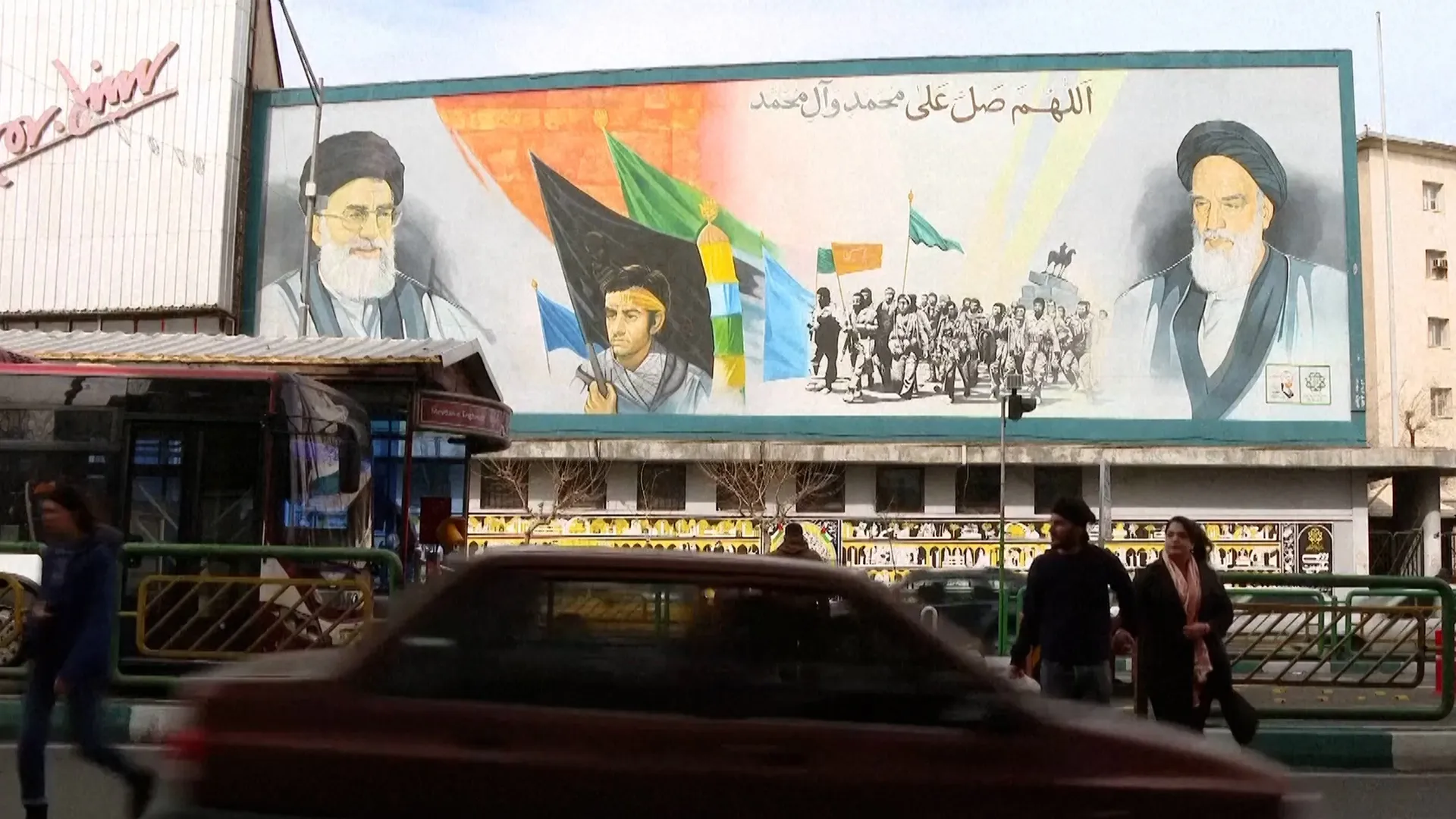
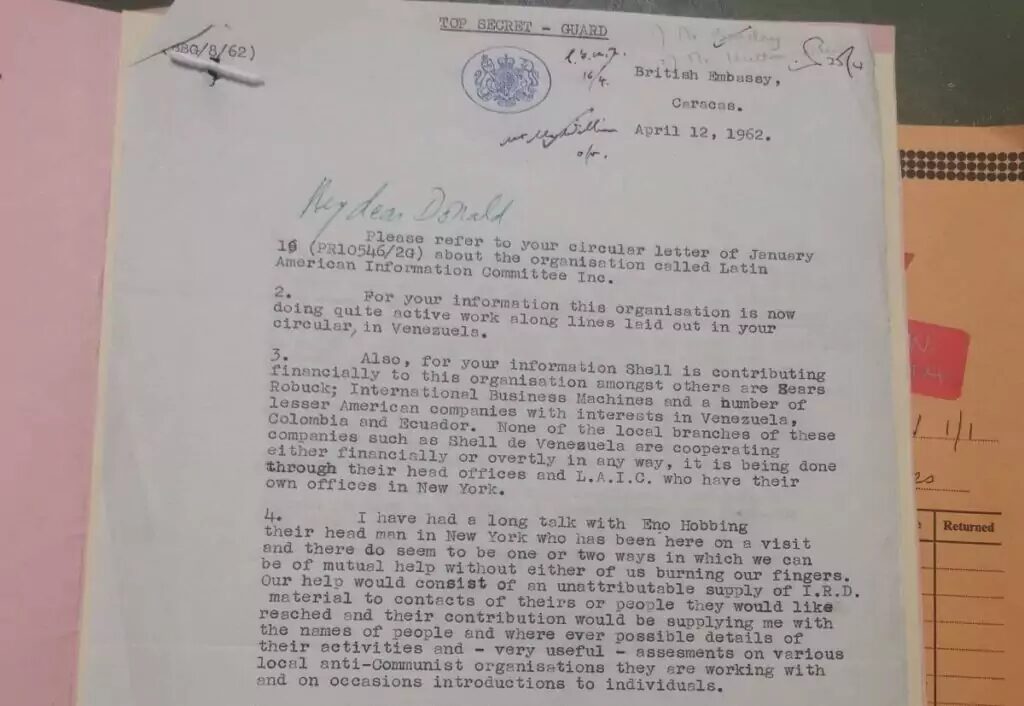







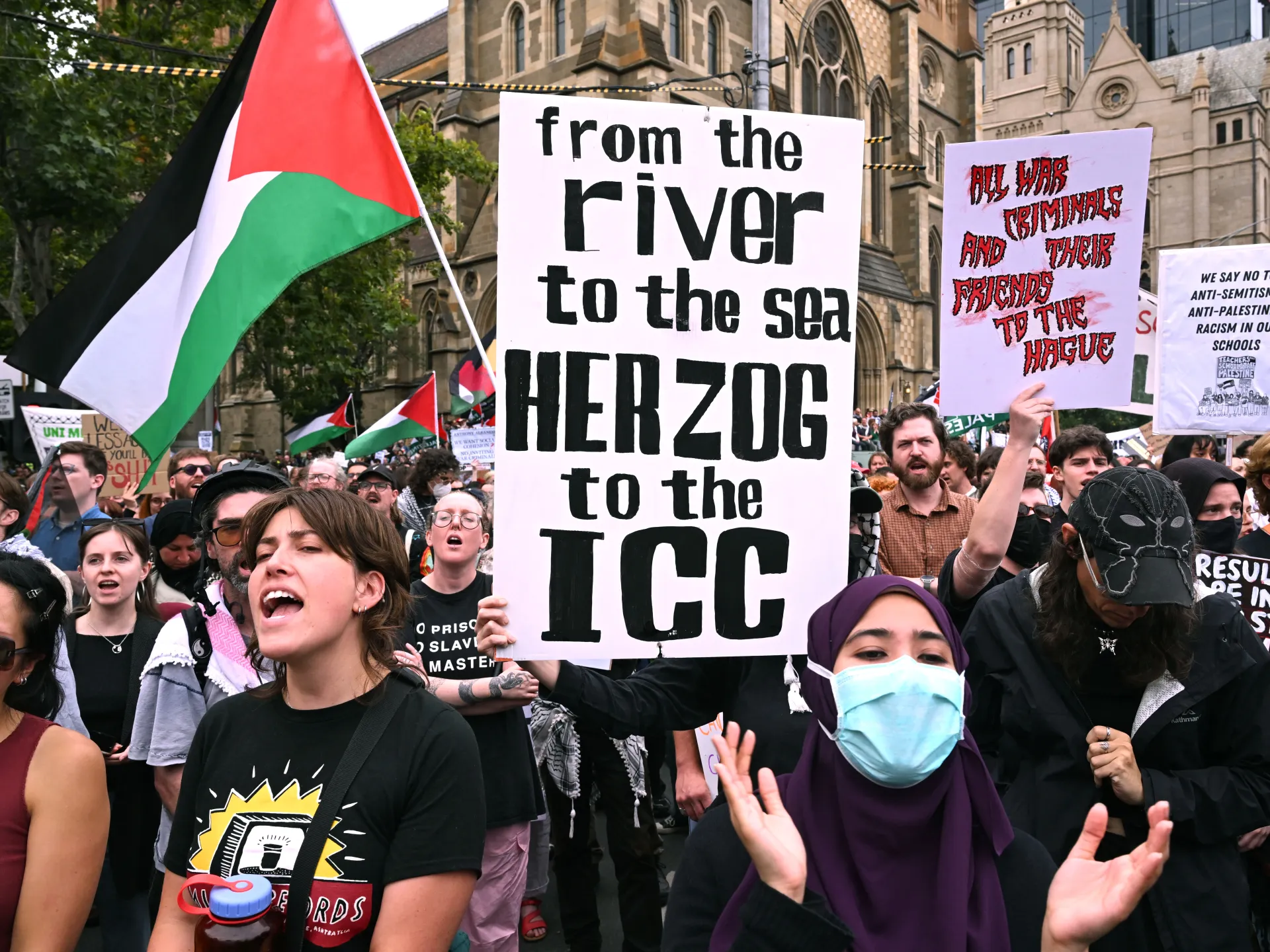
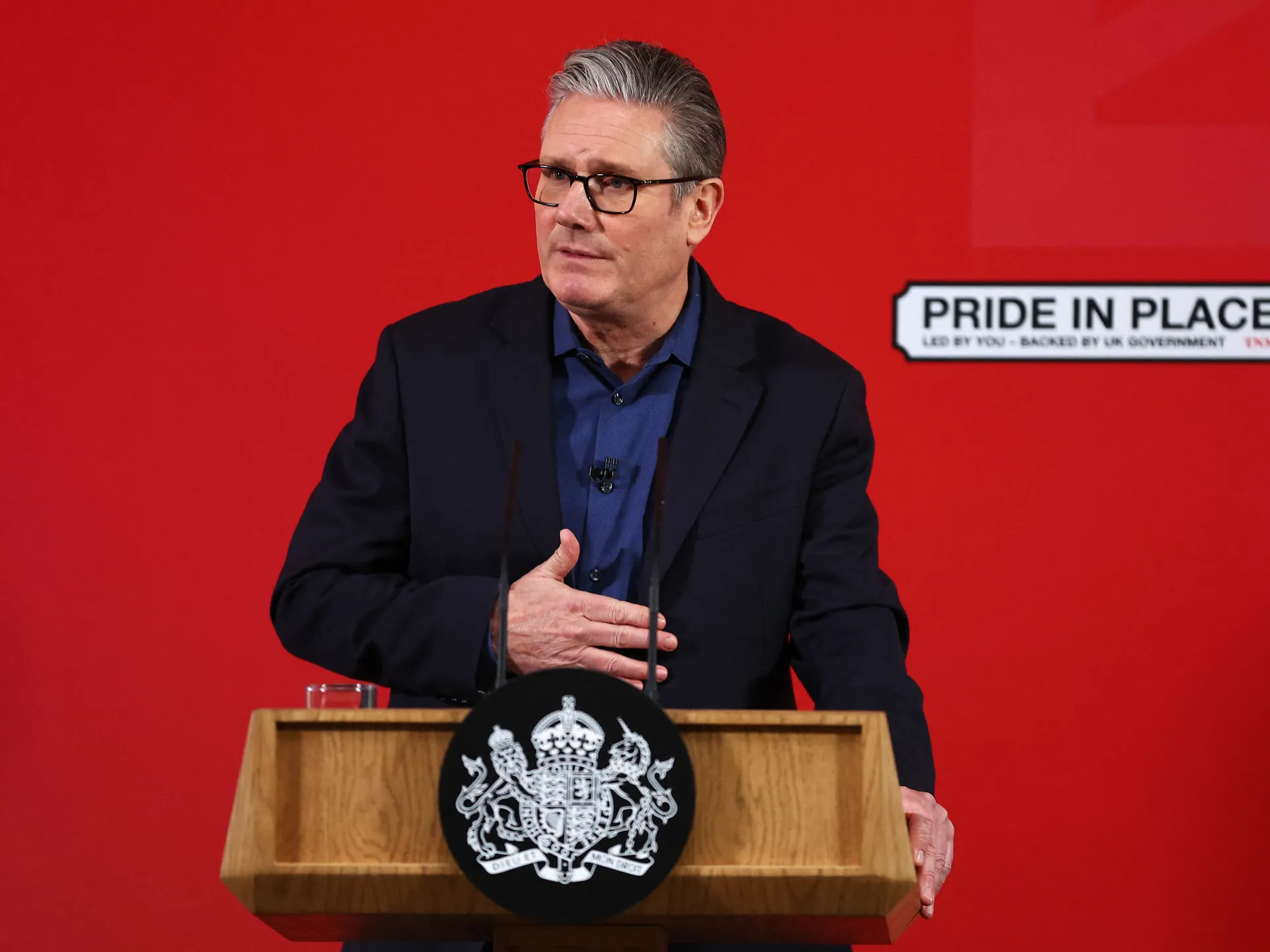




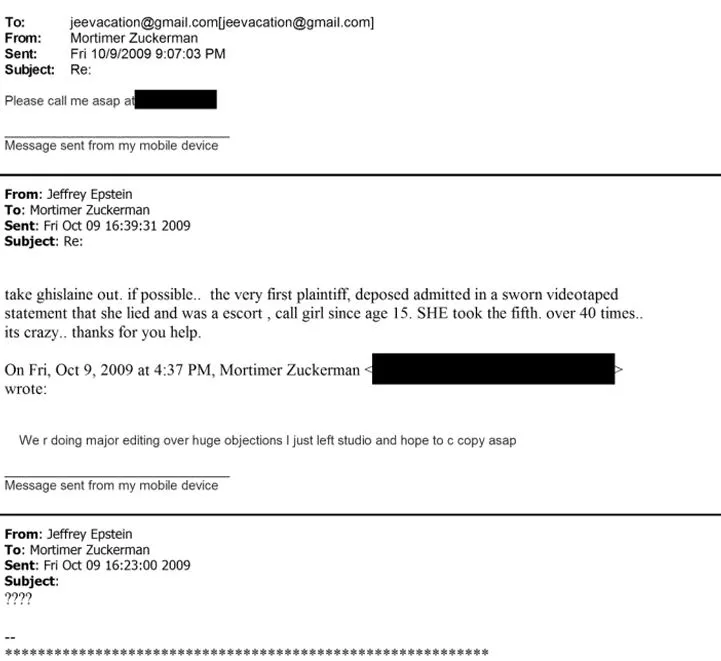


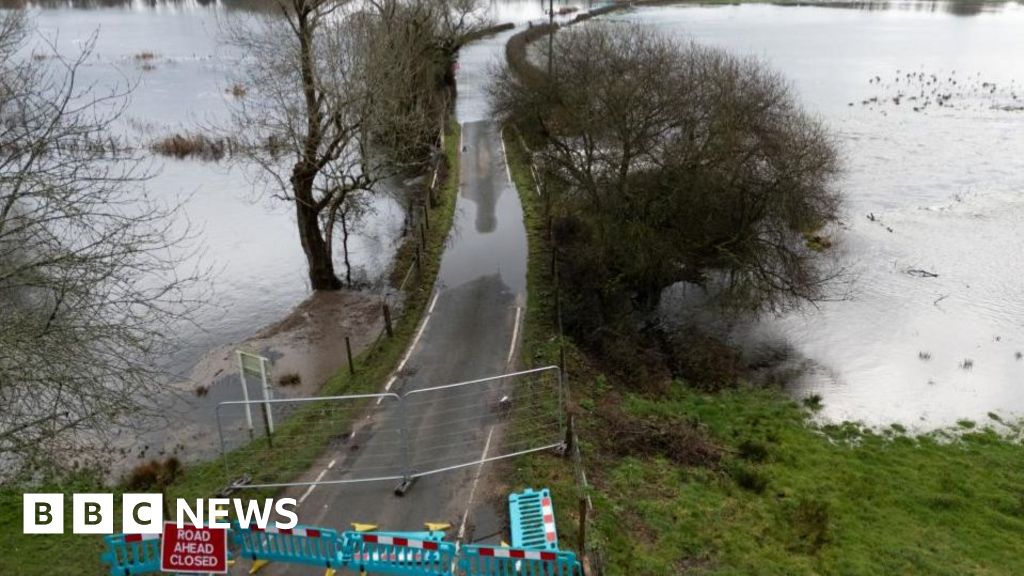


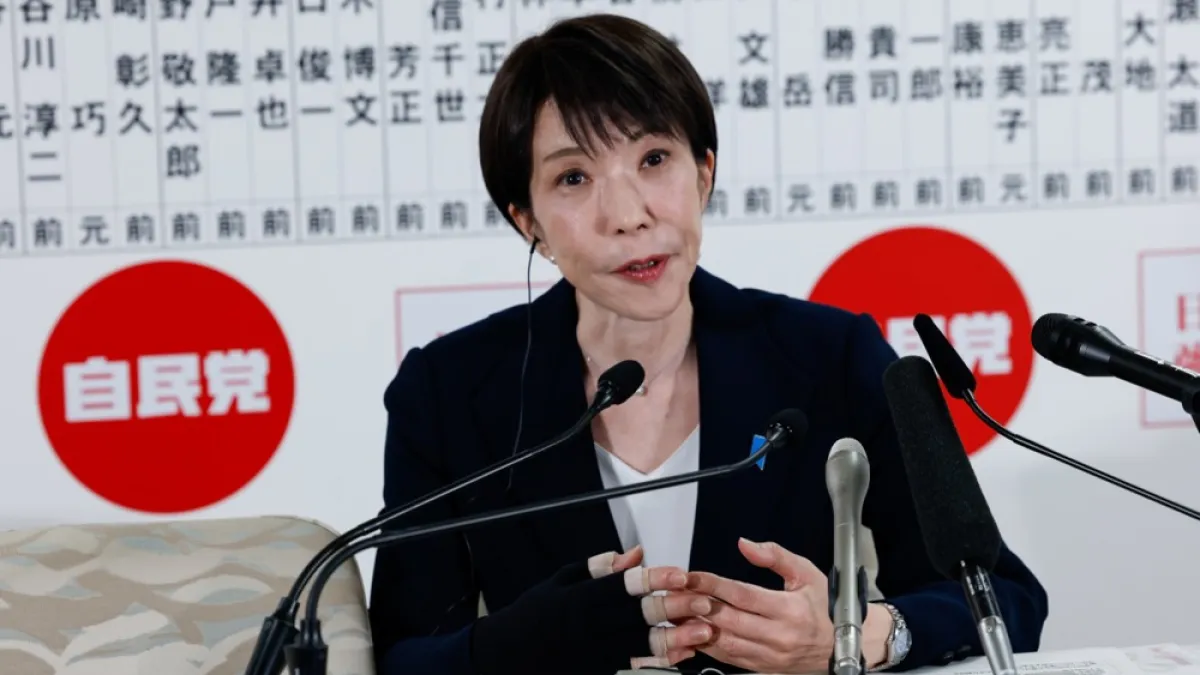
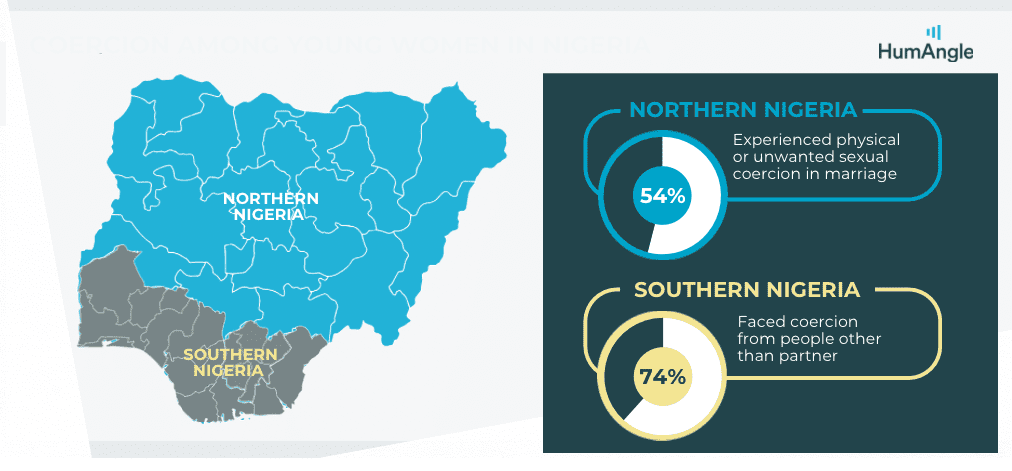



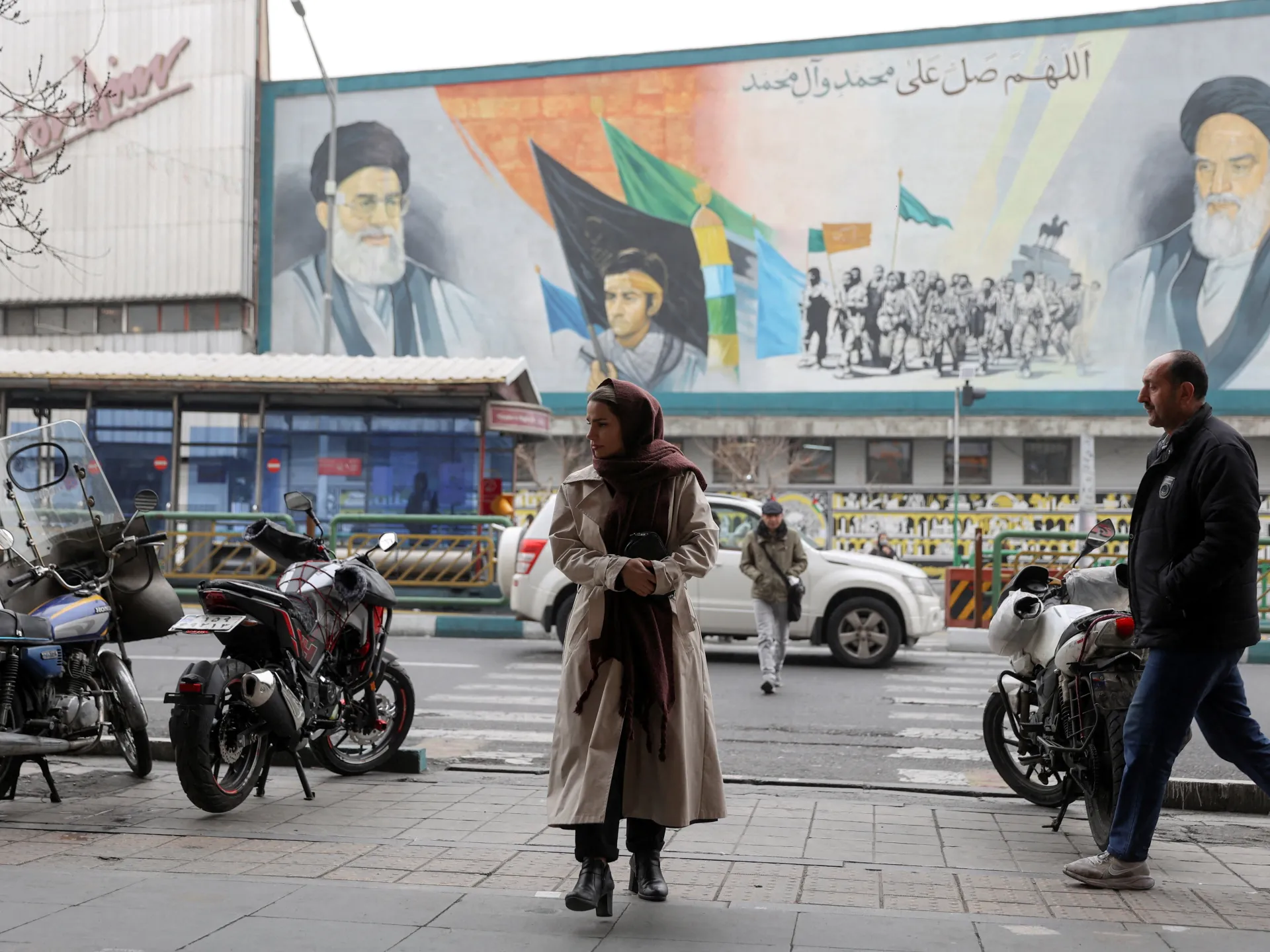
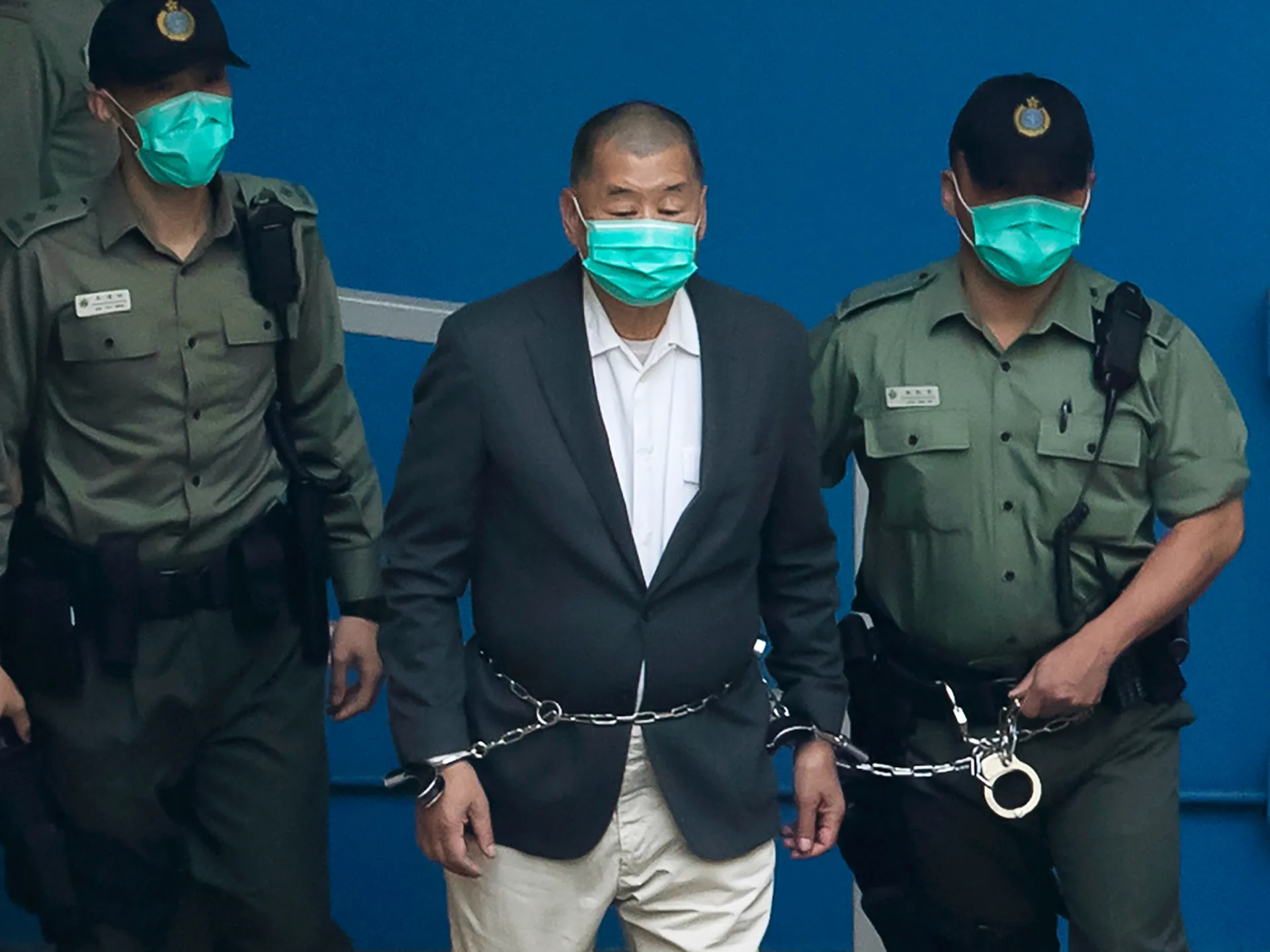
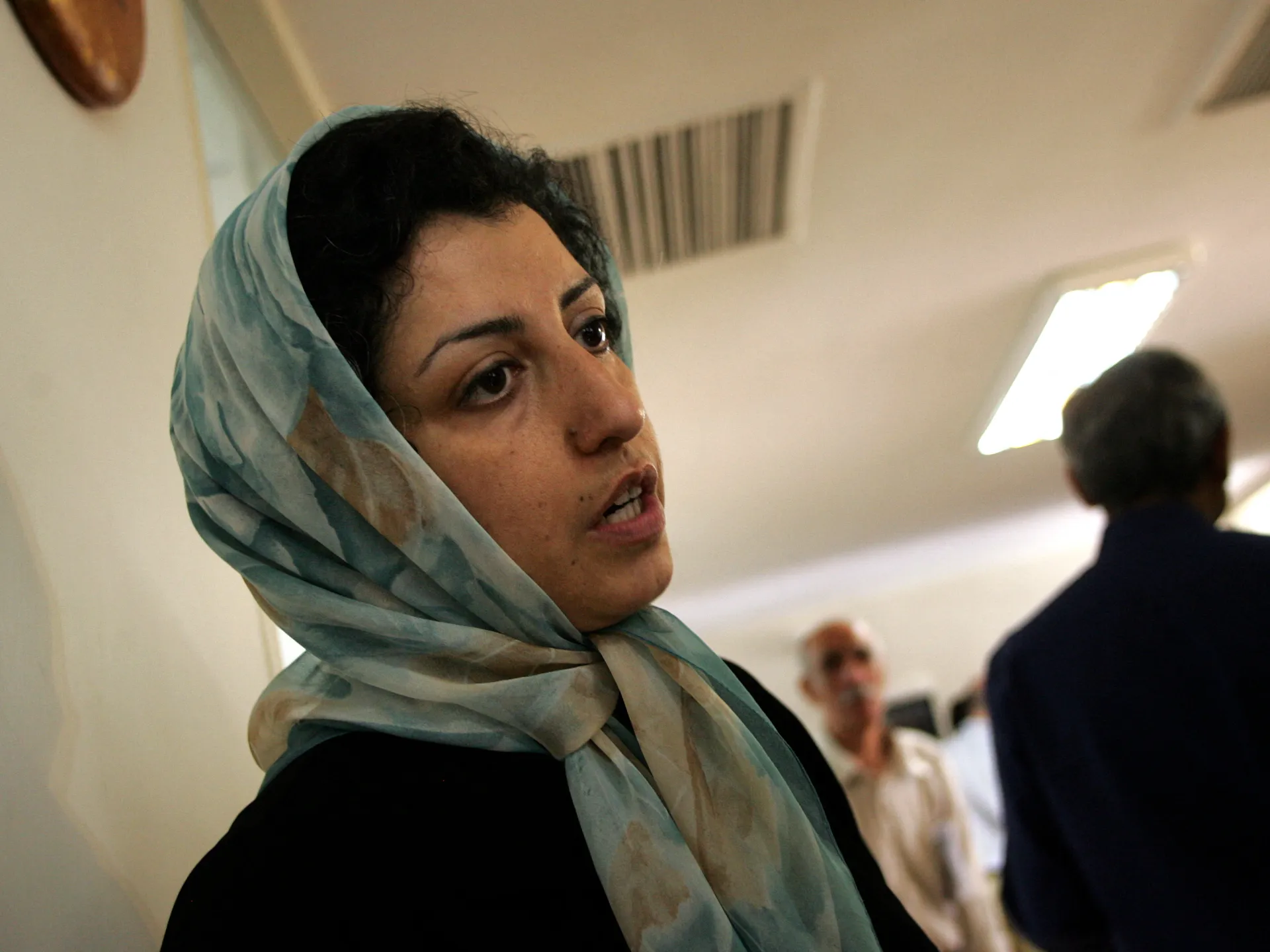

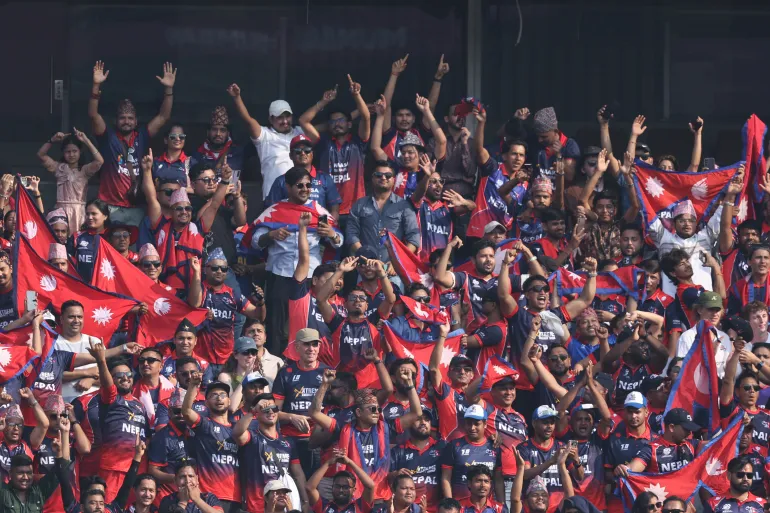

![Nepal fans gather outside the Wankhede Stadium around Marine Drive in Mumbai [Manasi Pathak/Al Jazeera]](https://i0.wp.com/www.aljazeera.com/wp-content/uploads/2026/02/IMG_0009-1770575295.jpeg?w=640&ssl=1)
![Bhuvan Rawal Nepal fan T20 World Cup Mumbai [Manasi Pathak/Al Jazeera]](https://i0.wp.com/www.aljazeera.com/wp-content/uploads/2026/02/IMG_0012-1770548292.jpg?w=640&ssl=1)