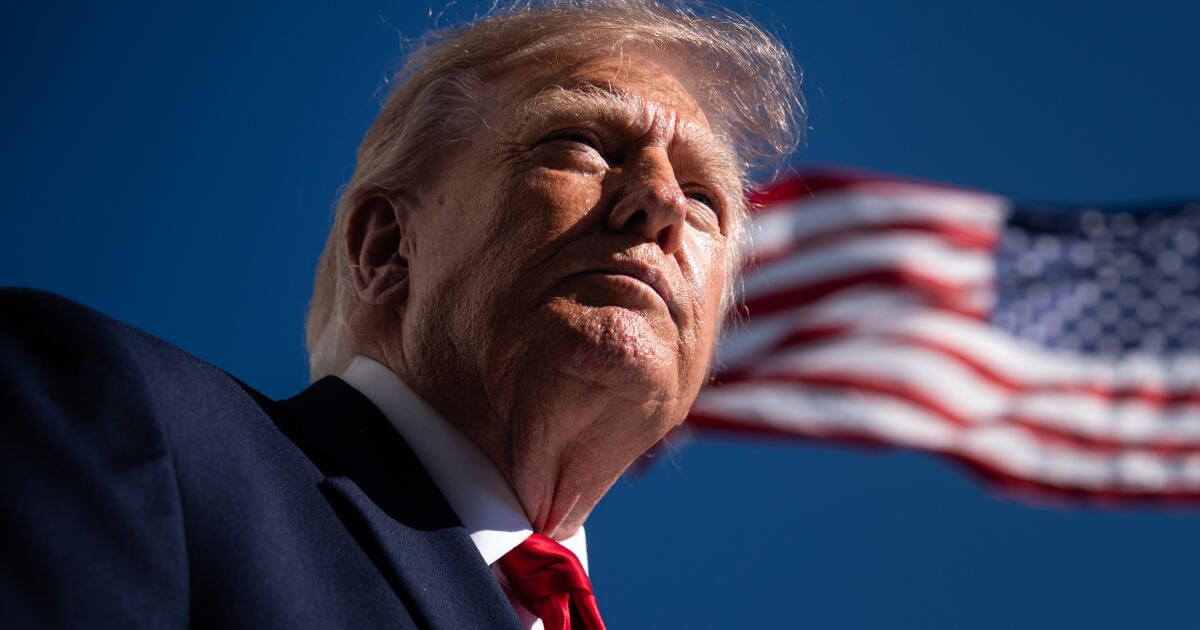
taxpayerfunded

Judge orders Trump to cancel taxpayer-funded TV ads

President Trump must cancel any remaining television commercials paid for with millions of dollars in taxpayer money to promote his political message, a federal judge ordered Sunday night, even as the administration said the ad campaign was coming to an end.

U.S. District Judge Jennifer L. Rochon in New York sided with a coalition, including the nonpartisan watchdog Common Cause, that challenged the ads and called them an illegal misuse of funds. She told the administration to cancel any remaining ads, including any set to air Sunday night, in granting a temporary restraining order.

“Defendants shall not enter into, renew, or expand any agreement authorizing the development, creation, dissemination, placement, or airing of the challenged advertisements” during the two-week duration of her order, the judge said.

The White House did not immediately respond to an email requesting comment Sunday night. In a court filing late Saturday, the Justice Department argued that the temporary restraining order was unnecessary because “the alleged offending conduct will end tomorrow.”

The Department of Homeland Security tapped $20 million in taxpayer money for the ads. Legal experts have suggested that violated a federal statute against congressionally appropriated money being used for “publicity or propaganda” and potentially other laws.

“We are pleased the court acted swiftly to prevent more taxpayer dollars from being used for such blatantly unlawful political propaganda,” the plaintiffs said in a statement issued by Democracy Forward, the nonprofit legal organization that represents them. “There is no legal justification — and no precedent — for the president to use the machinery of the government and funds set aside by Congress for other uses to influence electoral outcomes that further his own agenda.”

In a court declaration Saturday, senior Homeland Security official Holly Mehringer wrote that the money came from funds appropriated by Congress that are “available for, among other things, ‘commemorating efforts and events related to border security.’”

The White House has defended the ads as public service announcements akin to what past administrations have done to promote various policies. But the recent ads differ from many past public service announcements in that they aren’t aimed at helping members of the public benefit from specific government programs.

The ads, which began airing in late September, glorify Trump and echo his political messaging going into the midterms. One features a clip of the president talking about the threat of communism and another is a replay of an ad from his last presidential campaign. The fifth ad in the campaign began airing Tuesday, focusing on his administration’s capture of Venezuelan leader Nicolás Maduro.

The use of public funds to pay for the ads drew heavy criticism — including from some in the GOP.

“It shouldn’t be paid for with taxpayer dollars,” Senate Majority Leader John Thune (R-S.D.) told reporters.

The Democratic National Committee has separately sued the Republican administration over the ads.

Amid the backlash, Trump said he would start paying for the ads with a campaign account. A White House official said there were no immediate plans to reimburse the government for money already spent.

Johnson writes for the Associated Press. Johnson reported from Seattle. AP reporters Collin Binkley in Washington and Ali Swenson contributed to this report.

Source link

Democrats sue US President Trump over taxpayer-funded ad campaign | Donald Trump News

The Democratic National Committee has filed a lawsuit against United States President Donald Trump over television advertisements that were publicly funded and allegedly used to promote his political policies.

Ken Martin, who heads the Democratic Party’s leadership body, suggested in a statement on Wednesday that the ads were designed to bolster Republican odds in the upcoming November 3 midterm elections.

Recommended Stories

list of 3 itemsend of list

“Donald Trump is misusing millions of taxpayer dollars to fund pure propaganda ads in a last-ditch attempt to save Republicans in November,” Martin said.

Later that day, Common Cause, a democracy watchdog group, filed a second lawsuit over the same set of ads.

It argued that the ads were “overtly political” and therefore ran afoul of laws that bar public funds from being used for political propaganda.

“These ads are not public-service announcements,” Common Cause said in its lawsuit, citing a justification Trump has offered for the television spots. “They are personal publicity and political propaganda through and through.”

Both lawsuits argue that, to create the ad campaign, Trump directed the White House to repurpose $20m in funds that Congress allocated for commemorative activities related to border security, including for those killed in the line of duty.

That manoeuvre, they argue, violates the separation of powers established in the US Constitution.

“The founders made clear more than 200 years ago that the executive can spend money only according to Congress’s direction,” Common Cause’s lawsuit said.

The two lawsuits also point to a provision Congress includes in its appropriations bills barring the use of taxpayer funds for “publicity or propaganda purposes”.

Both complaints seek to have the ads declared illegal, and the expenditures stopped. They also call for steps to be taken to recover any money already spent on the ads.

The Democrats’ lawsuit was filed in Washington, DC, while the Common Cause complaint will be heard in the Southern District of New York.

Trump has faced mounting criticism over the ads, which began airing in September.

So far, the advertising campaign has cost more than $12m to run, according to the media tracking firm AdImpact.

The $20m Trump tapped for the ads comes from a $175m package Congress assigned to the Department of Homeland Security as part of Trump’s immigration enforcement agenda.

Critics have pointed out that one of the ads appears nearly identical to a television spot Trump used in his 2024 re-election campaign.

Three ads have aired so far. In one, a choir sings “love me” over a montage of Trump as he declares the US will “never be a communist country”. Another uses images of Mount Rushmore as Trump heralds a new “golden age of America”.

The third is darker: Trump walks towards the camera in black and white, warning of a “final battle” against the “deep state” and other perceived enemies.

On Wednesday, the news agency Reuters and the research firm Ipsos released a poll showing the ads are highly unpopular. Some 86 percent of the Americans surveyed, including four out of five Republicans, said it was inappropriate for Trump to have used public money for them.

Trump has defended the ads as “promotion for the country”, and he has argued they were similar to public outreach campaigns put out by previous administrations.

But after a bipartisan backlash, Trump said on Monday that taxpayer funds would no longer be used for future ads.

He did not, however, commit to paying back the money already spent on the existing ads.

Members of Trump’s Republican Party have been among those speaking out against the ad campaign.

Senator Thom Tillis, a Republican from North Carolina, said the advertisements resembled something former Hungarian leader Viktor Orban would put out.

Senate Majority Leader John Thune, meanwhile, indicated he agreed with the message in one of the advertisements, but he emphasised that “it shouldn’t be paid for with taxpayer dollars”.
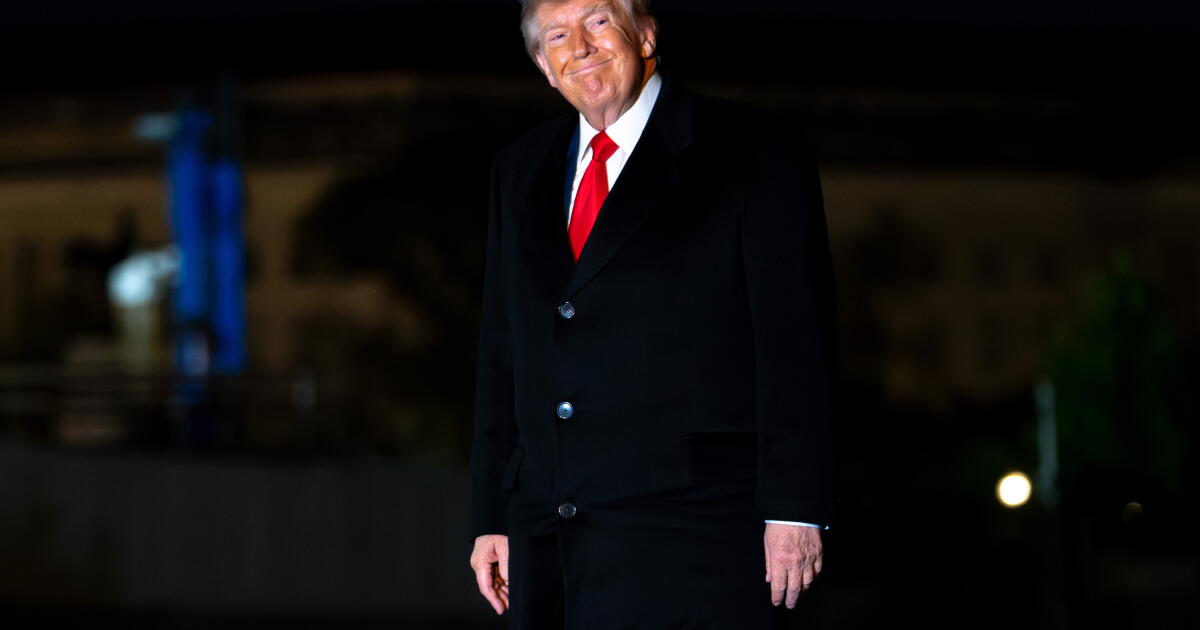
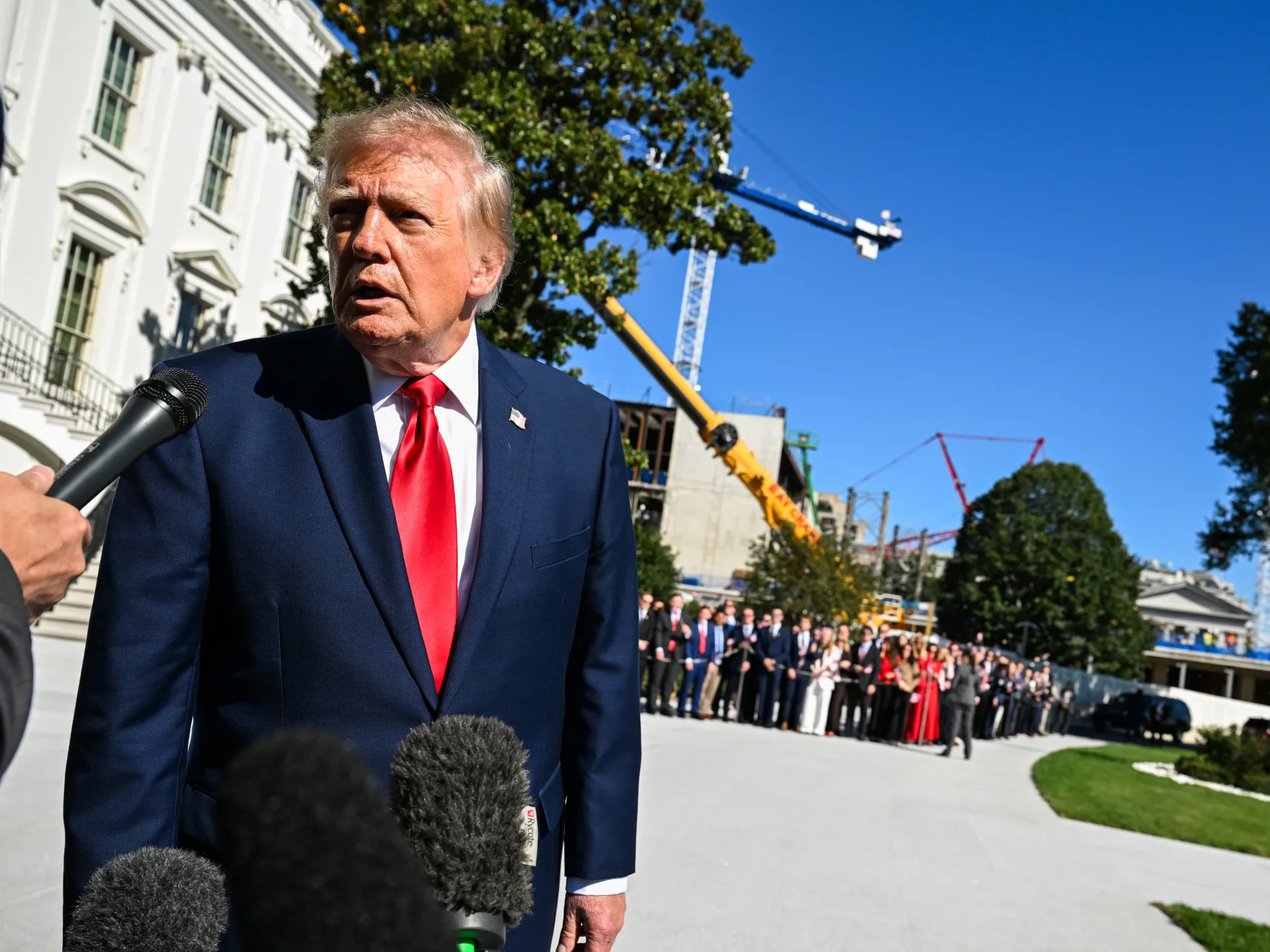
Source link

DNC sues Trump administration, alleging taxpayer-funded ads violate propaganda law

The Democratic National Committee on Wednesday sued President Trump’s administration for recent television advertisements that promoted his political message while costing taxpayers millions of dollars.

The complaint, filed in the U.S. District Court for the District of Columbia, alleges that the ads are illegal government-sponsored propaganda and accuses Trump of personally directing them. It asks the court to declare the ads illegal and stop the use of federal funds to pay for them.

Trump has faced bipartisan backlash for the ads, which glorify him and echo his campaign pitch as voters cast early ballots with the midterm elections less than a month away.

The spots, which began airing in September, already have cost more than $12 million to run, according to the media tracking firm AdImpact, and a total of $20 million in Homeland Security Department funding has been tapped to pay for them.

Responding Monday to the criticism, Trump defended the ads as “positive promotion for our Great U.S.A.” but said he’d pay for them using his MAGA Inc. super PAC going forward.

But on Tuesday, the fifth ad in the campaign began airing with the notice “paid for by the U.S. Government,” promoting Trump’s military actions in Venezuela earlier this year. The same day, Trump made it clear he hasn’t committed to reimbursing any money that has already been spent, telling reporters “we’ll decide.”

DNC Chair Ken Martin said in a statement that Trump is misusing taxpayer dollars in “a last-ditch attempt to save Republicans in November.”

“Americans deserve better than to have their hard-earned tax dollars used for Trump’s illegal schemes,” he added.

Legal experts have suggested the ads run afoul of a federal statute against congressionally appropriated money being used for “publicity or propaganda,” and potentially other federal laws. The Homeland Security money tapped for the ads comes from a $175 million package Congress gave to the department as part of Trump’s immigration enforcement agenda.

The White House has defended the ads as public service announcements akin to what past administrations have done to promote various policies. Legal experts have said the recent ads differ from many past public service announcements because they aren’t aimed at helping members of the public benefit from specific government programs.

The defendants in the lawsuit — Trump, the White House, DHS and the Office of Management and Budget — didn’t immediately respond to requests for comment.

Swenson writes for the Associated Press.

Source link