Hospital in Yemen’s Taiz warns of collapse in days because of Houthi siege | Conflict News
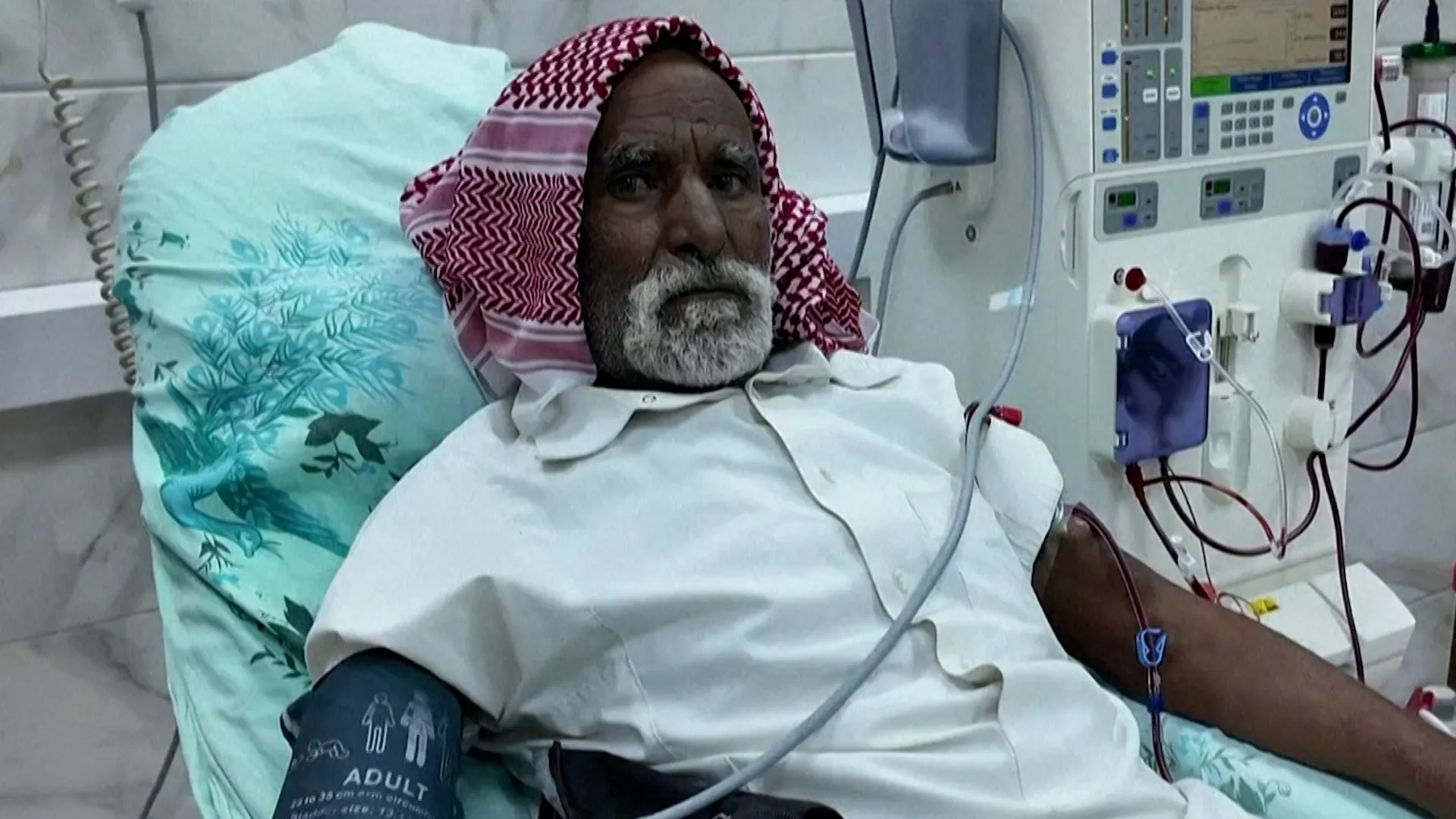
Taiz, Yemen – It was approaching 10:30am in the dialysis centre of the Republican Hospital in Taiz when a machine began filtering excess fluids, toxins and salts from the blood of Omar Mukhtar Hammoud.
The 16-year-old suffers from kidney failure and is one of 270 patients who regularly receive dialysis at the centre in the government-held city in southwest Yemen. But with essential medical supplies and fuel running critically low under the renewed Houthi siege, doctors fear they may soon be unable to provide the treatment that keeps their patients alive.
Recommended Stories
list of 3 itemsend of list
Dr Essam Mahyoub Dahan, the centre’s director, warned that a complete shutdown could happen within days.
“Because of the siege and the shortage of diesel and medical solutions, we have recently been forced to reduce dialysis sessions from four hours to just two and a half,” Dahan told Al Jazeera. “We know this is not adequate, but we have no choice if we are to keep the centre operating for as long as possible before it shuts down completely.”
Dahan said the centre’s remaining stocks of specialised dialysis solutions were also close to running out.
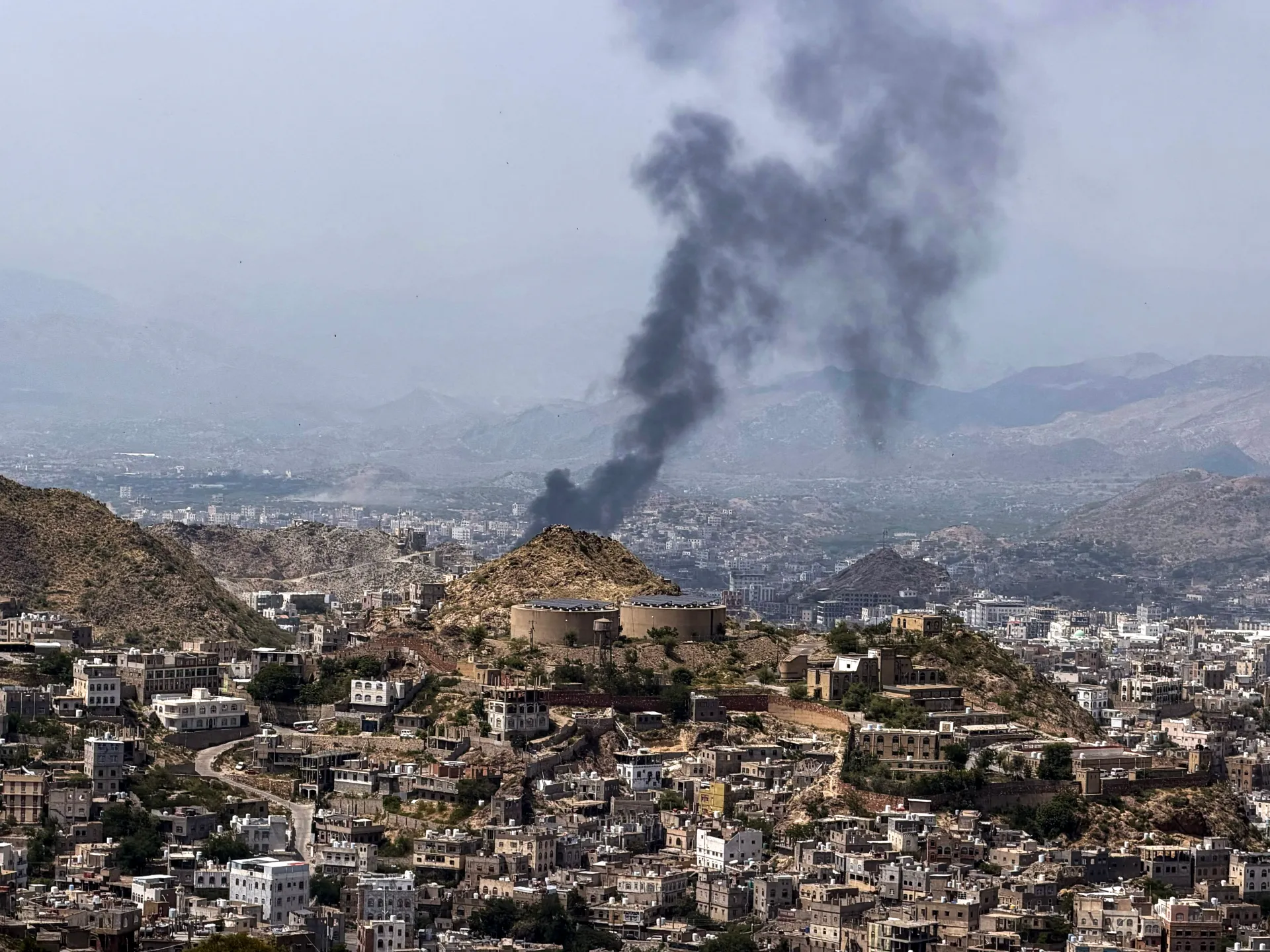
The supplies, which are expensive, are normally provided by the Yemeni Ministry of Health every three months. But the latest delivery which was due earlier this month failed to arrive because of the Houthi siege on Taiz city. It began in the first week of October after Houthi advances in the Taiz countryside.
The city was previously under complete Houthi siege between 2015 and 2016, in the early years of Yemen’s ongoing war.
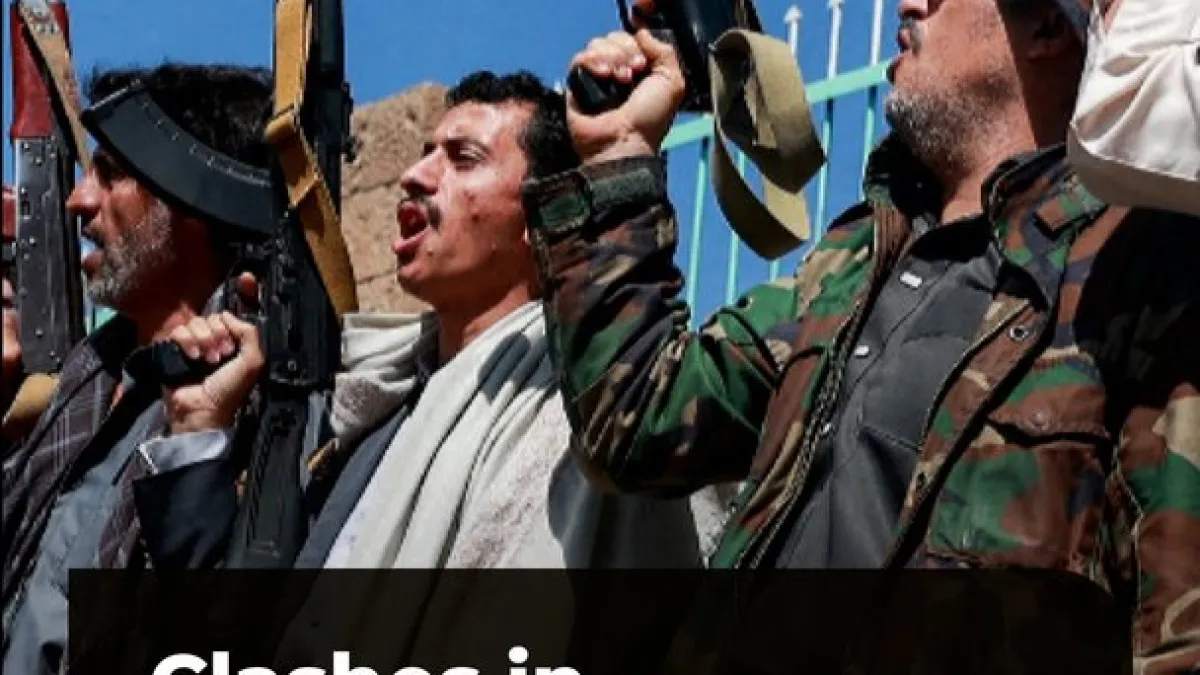
Across Taiz governorate, where battles are raging between the Saudi-backed Yemeni government forces and Iranian-allied Houthi fighters, the number of patients at risk is far greater.
In an October 12 statement, the governorate’s health office warned that the continued siege and obstruction of essential supplies could endanger the lives of 1,110 patients with kidney failure. They depend on dialysis services in the governorate’s hospitals, which collectively provide about 210 dialysis sessions a day.
International humanitarian and health organisations have issued similar warnings about the impact of the siege on the already fragile healthcare system in Taiz.
On Thursday, Amnesty International called on the Houthis to immediately reopen vital roads into and around the city, warning that the closure of the main road between Taiz and the southern port city of Aden threatened hundreds of thousands of civilians with losing access to food, water and healthcare.
Fuel: A lifeline for hospitals
Taiz’s hospitals depend heavily on diesel-powered generators because much of the city’s electricity infrastructure was destroyed during the war that began 11 years ago and has not been restored.
The renewed Houthi siege has severely disrupted the entry of fuel, including the diesel needed to run hospital generators and lifesaving medical equipment.
Dr Shaheed al-Ameri, deputy director-general for technical affairs at the Republican Hospital, said the shortages have had a devastating impact on medical services.
“A very large part of this suffering is because of the shortage of diesel,” he told Al Jazeera. “We have no reserve diesel supplies. Our stocks ran out early in the siege and we are now buying it on the black market almost every day, at prices that have reached five times what they were before the siege.”
Al-Ameri warned that the longer the siege continues, the more prices will rise and the further medical services will deteriorate.
The hospital has already suspended operations in some departments, including essential units, he said.
“If this situation continues much longer, we fear we will reach a complete and comprehensive collapse of healthcare services,” he said.
The shortages are not confined to the Republican Hospital. On October 22, the World Health Organization (WHO) warned that critical shortages of fuel, oxygen, medicines and medical supplies were threatening lifesaving healthcare throughout Taiz governorate, with some hospital services already disrupted.
According to the WHO, 42 health facilities in Taiz city had reported severe shortages of essential supplies. Hospitals and ambulances require at least 156,000 litres of fuel a month to continue functioning.
The organisation also warned that diesel shortages threaten to disrupt oxygen production, water pumping, vaccine refrigeration and sanitation services, increasing the risks of disease outbreaks, particularly among displaced families and other vulnerable groups.
The United Nations has separately warned that the restrictions on supplies are bringing Taiz’s health system close to collapse and urged the Houthis to allow humanitarian assistance and essential goods to enter without obstruction.
Oxygen shortages deepen crisis
In its October 12 statement, Taiz’s health office warned that continued restrictions on fuel deliveries could lead to the shutdown of medical oxygen production plants, further endangering patients.
Taysir al-Samei, the health office’s media officer, said that would dramatically worsen the crisis.
“Many medical departments depend on oxygen, particularly operating theatres, inpatient wards, intensive care units and incubators for premature babies,” al-Samei said.
“Most hospitals have already suspended services in some units because of the shortage of diesel and the lack of necessary medical solutions, as well as shortages of medical staff who are struggling to get to work because of the lack of transport,” he added.
He warned that if conditions continued to deteriorate at the same pace, some hospitals could stop providing services in the coming days.
At the Republican Hospital, al-Ameri said that shortages were also affecting diagnostics and treatment. The availability of laboratory reagents had fallen to just 10 to 15 percent of previous levels, he said, while approximately half of the medicines normally available were now out of stock.
Prices for the remaining medicines had doubled, he said, placing them further out of reach for patients already struggling with Yemen’s worsening economic crisis.
The continued fighting and shelling around Taiz have increased the number of wounded people requiring emergency care – placing additional pressure on facilities already struggling with shortages of surgical supplies, anaesthetics and intravenous fluids.
Abdul Badi Abdulwuhab, 53, is another dialysis patient in the Republican Hospital, struggling to cope with the shorter dialysis sessions.
His voice was filled with desperation.
“Because of these measures, I suffer from weakness and I cannot bear the pain,” Abdul Badi told Al Jazeera. “Two and a half hours is not enough to remove all the fluids and toxins from my body.”
Dr Dahan said that the patient’s condition had deteriorated since his sessions were shortened.
“These measures are not effective for many patients,” Dahan said. “The only solution is to end the siege and return things to the way they were.”

![Khadija al-Majidi, a local activist, has begun gathering donations for weapons as well as food for government forces in Taiz [Courtesy of Khadiji al-Majidi]](https://i0.wp.com/occasionaldigest.com/wp-content/uploads/2026/10/%D8%A7%D9%84%D9%86%D8%A7%D8%B4%D8%B7%D8%A9-%D8%AE%D8%AF%D9%8A%D8%AC%D8%A9-%D8%A7%D9%84%D9%85%D8%AC%D9%8A%D8%AF%D9%8A-%D8%A5%D9%84%D9%89-%D8%AC%D8%A7%D9%86%D8%A8-%D8%B3%D9%8A%D8%A7%D8%B1%D8%A9-%D9%85%D9%84%D9%8A%D8%A6%D8%A9-%D8%A8%D8%A7%D9%84%D8%BA%D8%B0%D8%A7%D8%A1-%D8%AF%D8%B9%D9%85%D8%A7-%D9%84%D9%84%D8%AC%D8%A8%D9%87%D8%A7%D8%AA-%D8%B5%D9%88%D8%B1%D8%A9-%D8%AE%D8%A7%D8%B5%D8%A9-%D9%85%D8%B1%D8%B3%D9%84%D8%A9-%D9%84%D9%84%D8%AC%D8%B2%D9%8A%D8%B1%D8%A9-%D9%85%D9%86-%D8%A7%D9%84%D9%86%D8%A7%D8%B4%D8%B7%D8%A9-%D8%A7.webp?w=640&ssl=1)
![Supplies are regularly delivered to government forces on Taiz’s frontlines [Courtesy of Khadiji al-Majidi]](https://i0.wp.com/occasionaldigest.com/wp-content/uploads/2026/10/%D9%85%D9%88%D8%A7%D8%AF-%D8%BA%D8%B0%D8%A7%D8%A6%D9%8A%D8%A9-%D8%A7%D9%84%D9%85%D8%AC%D9%8A%D8%AF%D9%8A-1792596341.jpg?w=640&ssl=1)