spreads

Uganda declares itself Ebola-free as virus spreads in DRC

Uganda on Tuesday declared itself Ebola-free on Tuesday as the virus spreads through the Democratic Republic of Congo. File Photo Marie Jeanne Munyerenkana/EPA

July 29 (UPI) — Uganda has declared itself Ebola-free, as the virus continues to spread in neighboring the Democratic Republic of Congo.

Uganda’s Foreign Ministry made the declaration Tuesday, saying Uganda discharged its last confirmed Ebola patient on June 16.

“The declaration follows the successful completion of all outbreak response measures and confirms that there has been no further transmission of the virus,” the ministry said in a statement.

Uganda declared an Ebola outbreak on May 15, after infected individuals crossed into Uganda from the DRC.

A total of 20 people were infected in Uganda’s outbreak, including 15 Congolese nationals and five Ugandans — four health workers and a driver. Two patients died from the virus, according to ministry statistics.

Despite the declaration, the ministry said the risk of Ebola importation remains high due to the ongoing outbreak in the DRC.

Minister Chris Baryomunsi urged residents online to remain alert and continue to observe health measures.

“We shall continue to support our brothers and sisters in DRC to contain the Ebola disease there,” he said.

The outbreak that affected Uganda and remains ongoing in the DRC is caused by the Bundibugyo virus, with the first suspected case reported involving a DRC health worker on April 24. The health worker later died.

There is no approved vaccine for the Bundibugyo virus.

According to the World Health Organization, there were 3,262 cases and 1,437 deaths to the outbreak, making it the largest outbreak caused by the Bundibugyo virus to date.

The United Nations health agency said the outbreak in the DRC continued to “intensify” with sustained transmission, increasing mortality and ongoing geographic spread within the country.

“Although no new cases have been reported outside the Democratic Republic of the Congo, persistent transmission in areas connected by major national and cross-border mobility corridors continues to sustain a high risk of regional spread,” the WHO said earlier this week.

Source link

Thick, hazardous wildfire smoke spreads from Great Lakes to East Coast

July 16 (UPI) — Thick smoke from Canadian wildfires poured into northeastern quarter of the United States on Thursday after similarly darkening skies across and prompting health warnings across much of the Great Lakes region.

Dangerous levels of smoke were noted across Canada and the northeastern and midwestern United States, sparking memories of the historically severe wildfire smoke outbreak in 2023.

Entire states including New York, New Jersey, Connecticut, Delaware, Massachusetts, Michigan, New Hampshire, Ohio, Pennsylvania, Rhode Island and Wisconsin were under air quality alerts.

By early Thursday, Minneapolis, Duluth, Minn., and Detroit were among the most heavily impacted areas of the country.

Very heavy smoke from large wildfires in northern Minnesota and northwestern Ontario spread over Minnesota from late Wednesday into Thursday morning, the Minnesota Pollution Control Agency reported.

Hourly observations of smoke concentrations broke records for the Twin Cities on both days, the agency said.

In Detroit, businesses and attractions closed due to poor air quality.

A planned concert by rocker John Mellencamp at Pine Knob Music Theatre in Clarkston, Mich., was canceled while some workers inside Ford Motor‘s Michigan Assembly plant in Wayne, Mich., were hospitalized amid the smoky haze and intense heat, the Detroit Free Press reported.

Michigan’s statewide air quality alert was extended through Friday before cooler weather was expected to move the smoky pall out of the Great Lakes region.

In Chicago, the city closed all of its public beaches and outdoor pools, while Milwaukee recorded the worst air quality in its history — a record-breaking Air Quality Index measured at over 600, according to the Milwaukee Journal.

Further east, smoke from the Canadian wildfires enveloped New York City, prompting Mayor Zohran Mamdani to urge residents to “take precautions to stay cool and out of harm’s way” while dealing with both the smoke and high temperatures.

“In our city, we pride ourselves on being resilient,” the mayor told reporters early Thursday. “Today is not a day to say, ‘In spite of the air quality, I’m going to do everything I was going to do yesterday.’ This is very serious. We are reaching into a level of air quality that is dangerous for every single New Yorker.”

Smoke from fires in Northern California lowers visability of the Bay Bridge and San Francico as viewed from Yerba Buena Island on October 2. Photo by Terry Schmitt/UPI | License Photo

Source link

Dangerous heat dome spreads from west to east across middle of U.S.

July 12 (UPI) — A major heat dome expanded from the interior West into the Upper Midwest on Sunday on its way to smothering the East later this week, forecasters said.

The heat in the East is expected to be shorter and less intense than the early July heat wave, but parts of the West are coming within a few degrees of all-time record highs.

Dangerous heat is also gripping even the Desert Southwest, where communities are used to extreme temperatures. The pattern will raise the risk of heat exhaustion, heatstroke and heat-related deaths.

Motorists are urged to carry plenty of water with them in the event of a breakdown.

Temperatures climbed well above 100 degrees Fahrenheit across much of the Great Basin, the Cascades and Sierras east to the western Rockies, eastern Washington, eastern Oregon, Nevada, Idaho, Utah, western Colorado and northern Arizona this weekend.

The building heat dome has already pushed season-high temperatures into the 110s in Phoenix, Las Vegas and Palm Springs, Calif.

The heat expanded north this weekend, bringing highs of 106 in Salt Lake City, 107 in Bismarck, N.D., and 110 in Billings, Mont. Those temperatures are 10-25 degrees above historical averages during what is typically the hottest part of the year.

As the heat shifts east into the north-central United States early this week, some daily record highs will be challenged. As the hot air spreads east of the Rockies into more humid air, AccuWeather RealFeel Temperatures will run as much as 10-15 degrees higher than the actual air temperature.

While the North American monsoon will begin to temper the heat across parts of the West with increasing clouds and thunderstorms, multiple days of 90-degree heat are forecast across the Midwest, including Minneapolis, Chicago, Detroit and Cleveland.

Minneapolis and Chicago can expect at least four consecutive days with highs at or above 90.

“Temperatures will peak in the mid- to upper 90s in the Interstate 95 cities of the mid-Atlantic and New England during the heat surge this week,” AccuWeather Vice President of Forecast Operations Dan DePodwin said. “While high temperatures will still create dangerous conditions, the heat will be somewhat less intense and shorter-lived than the early July heat wave.”

Humidity levels with the heat in the Midwest and Northeast this week will be significantly lower when compared to the week of Independence Day.

Source link

More than 70 medics infected with Ebola as DRC outbreak spreads ‘fast’ | Ebola News

Aid cuts and poor sanitation are deepening fears that Ebola is spreading through displacement camps.

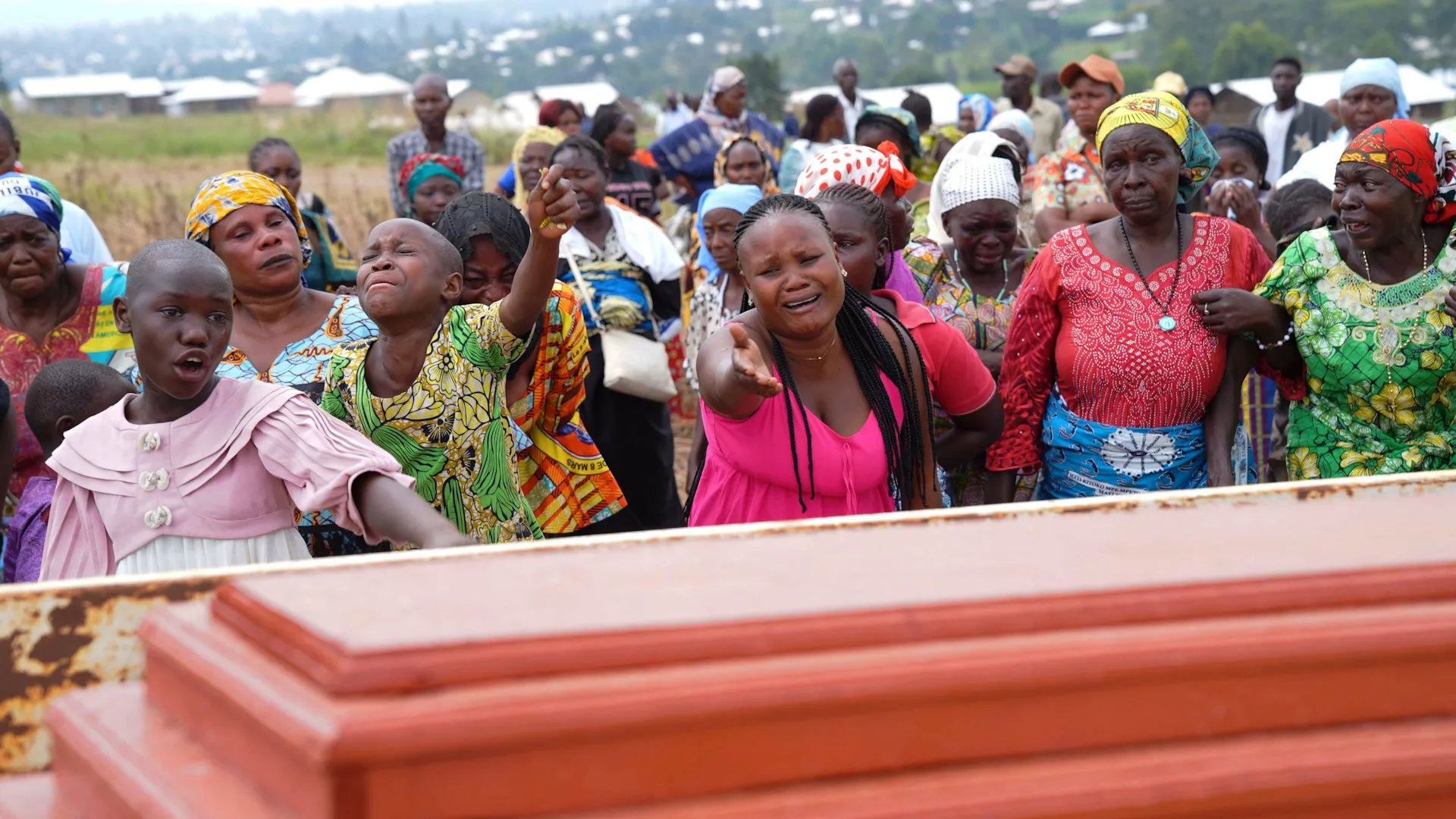
Seventeen medics have died from Ebola in the Democratic Republic of the Congo (DRC) as the death toll surpasses 200 in an outbreak tearing through a health system already weakened by years of conflict, displacement and chronic underfunding.

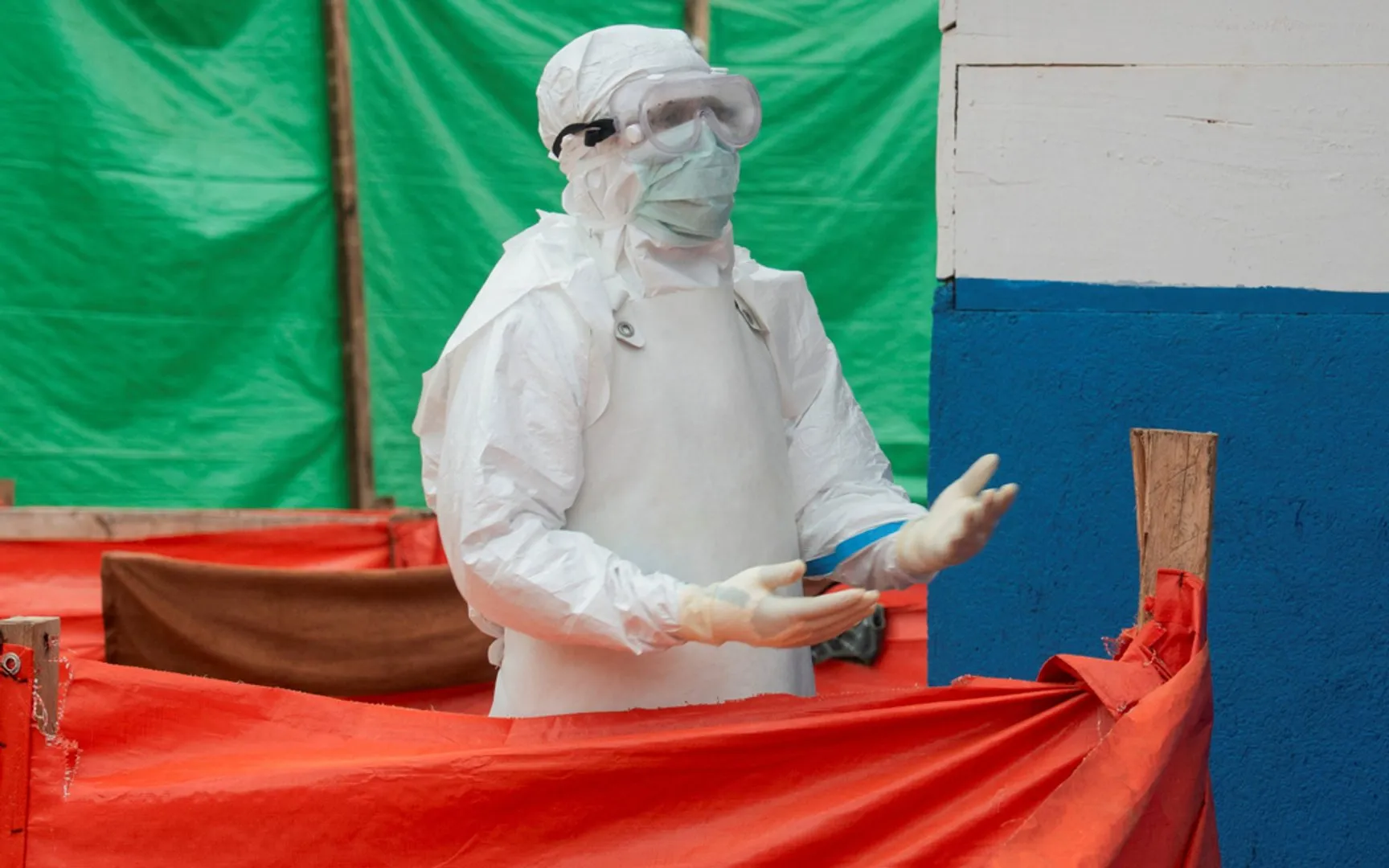
A senior World Health Organization (WHO) official confirmed the death toll on Friday and said that 75 healthcare workers had contracted the virus since Congolese authorities declared the outbreak on May 15 .

Recommended Stories

list of 3 itemsend of list

“The outbreak remains serious” and is “evolving so fast”, said WHO emergency director Marie Roseline Belizaire.

“It is a really high price that the system, the healthcare system, is paying, because we don’t have enough of healthcare workers in DRC,” she told reporters by video link from the outbreak epicentre in eastern DRC.

Health officials believe the rare Bundibugyo strain of Ebola had been spreading for months before the government formally announced the outbreak, leaving doctors, nurses and other medical staff exposed before they knew the virus was present.

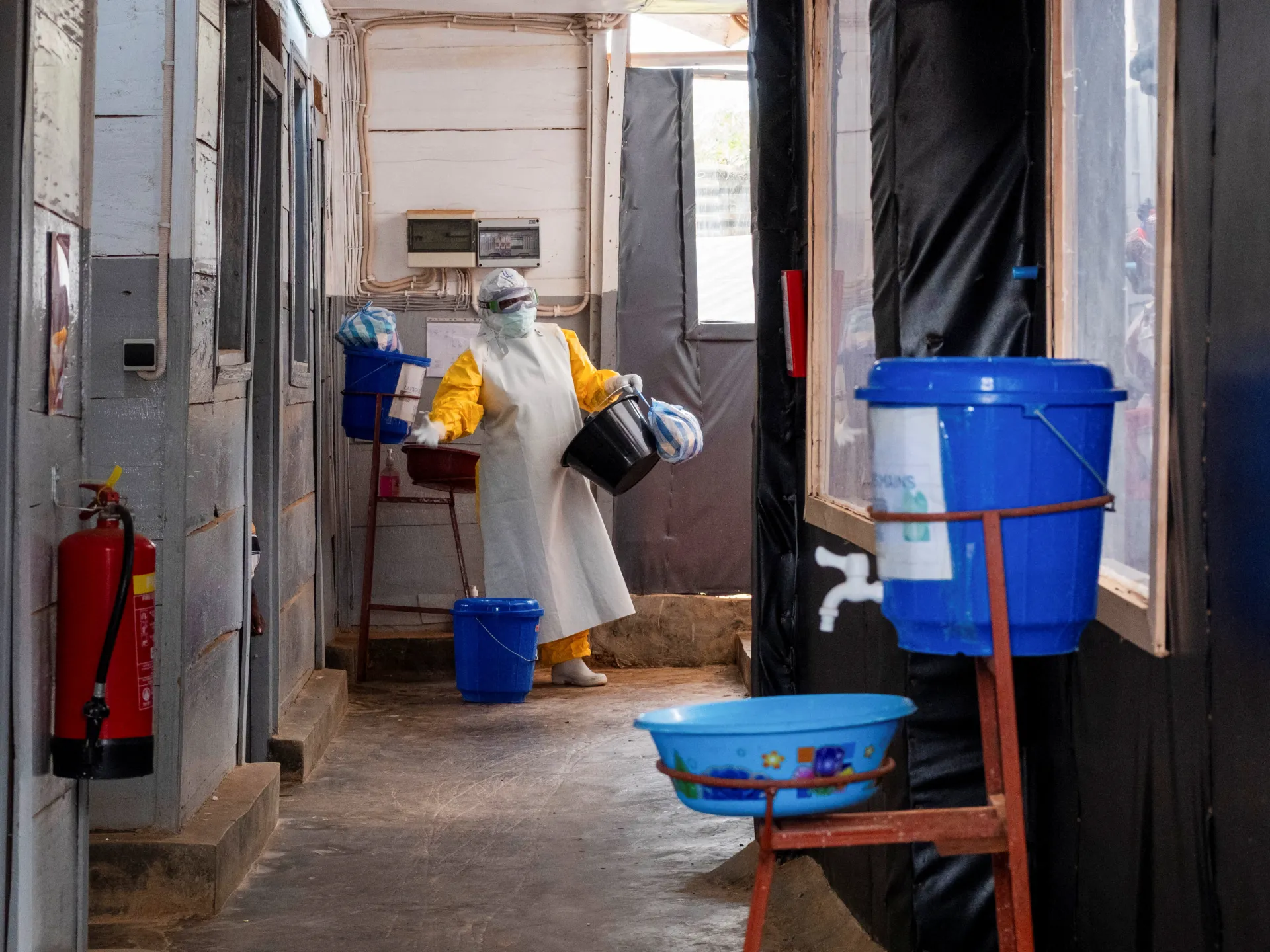
Even now, basic protective equipment remains in short supply, with some facilities struggling to secure gloves, masks and other essentials needed to limit infection.

The DRC has one of the world’s lowest ratios of healthcare workers to population, with about 11 health workers for every 10,000 people, according to WHO data. Belizaire said China and Uganda were sending medical teams to support the response.

She added that the WHO was providing psychological support to medics who feared treating patients after seeing colleagues fall sick.

“When they are explaining to you how they live it, how they were infected … [it] can break your heart.”

Outbreak yet to reach its peak

Congolese authorities said on Thursday that the outbreak has killed 232 people and infected 896 others across 31 health zones in the country.

African Union member states have pledged nearly $1bn to respond to the emergency in eastern DRC and neighbouring Uganda, which has confirmed 19 cases and two deaths.

Health officials warn that the outbreak has not yet reached its peak.

The crisis is also raising alarm in camps for displaced people, where overcrowding, poor sanitation and resistance to testing could allow the virus to spread undetected.

At least 30 people have died since early May in Kigonze camp in Bunia in Ituri province, the epicentre of the outbreak. Camp officials described the death rate as unprecedented.

Authorities could not confirm the causes of death because patients and relatives had refused testing of both the living and the dead until Thursday, according to a camp spokesperson and aid organisation Caritas.

But witnesses and aid sources told Reuters that the dead had symptoms linked to Ebola, including headaches, fever and vomiting.

“People didn’t just die like this before,” camp spokesperson Desire Grodya Bapi told Reuters.

Kigonze is home to more than 15,000 people. The rising number of deaths there has increased fears that Ebola may be spreading among the more than five million displaced people in eastern DRC.

Aid workers say funding cuts have made the emergency more dangerous. Donors, including the United States under President Donald Trump, have reduced support for water, hygiene, and sanitation programmes, which are vital in fighting the disease spread through bodily fluids.

UN data shows funding for toilets and handwashing stations in DRC more than halved between 2024 and 2025, falling to about $38m. This year’s $80m appeal is only 21 percent funded.

DRC has hundreds of displacement camps, some housing up to 100,000 people. Ebola deaths have already been recorded in another camp in Ituri province, which accounts for more than 90 percent of nearly 900 confirmed cases.

Source link