DISNEY Cruise Line has just unveiled its newest ship – and it’s the company’s glitziest yet.
With themed dressing-up parties, glam stage shows and immersive dining experiences featuring much-loved characters, kids will love everything about Disney Believe.
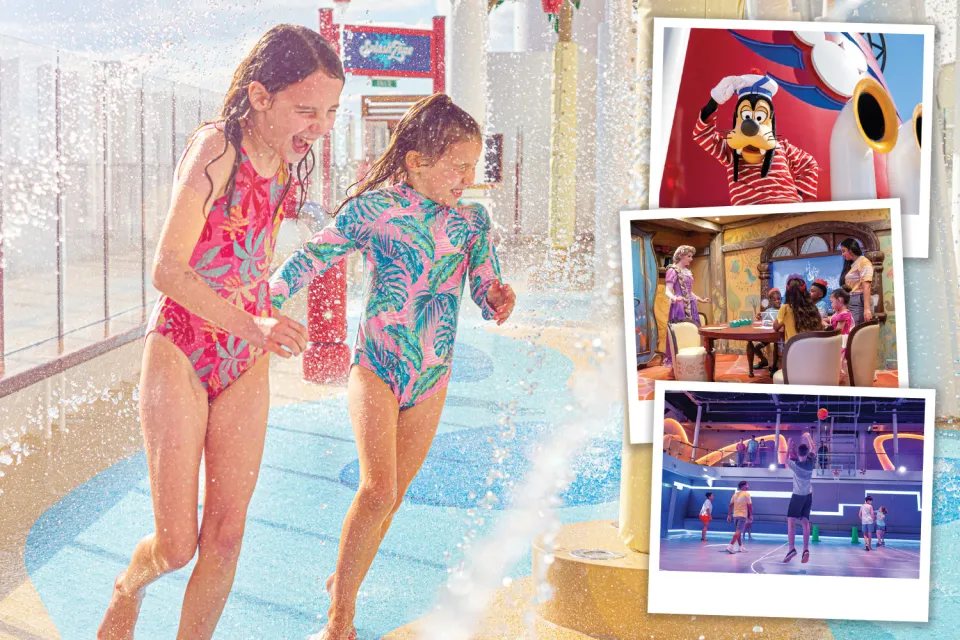
The splash zone on P&O Cruises’ ArviaEnjoy basketball on board Disney BelieveCredit: Disney Believe
But it’s not just the House of Mouse putting little ones at the forefront.
Many cruise lines are introducing activities, meals and entertainment options to keep youngsters happy – which means more downtime for Mum and Dad.
Sign up for the Travel newsletter
Thank you!
Here, Sophie Swietochowski shares her pick of the most child-friendly cruise ships for 2027.
DISNEY CRUISE LINE
Have some meet and greet fun with Frozen’s ElsaCredit: Disney BelieveGoofy on board Disney BelieveCredit: Disney Believe
LITTLE ones can just Let It Go on board Disney Believe, which is home to a sparkling Frozen-themed dining venue.
Oaken’s Table: A Frozen Family Feast is more than just a restaurant.
Here, youngsters are surrounded by characters Oaken, Anna and Kristoff as they tuck into dinner with live singalongs and performances throughout.
The kids’ clubs here take things to new heights, and children will love checking out the first ever Encanto musical, too.
But parents are not forgotten about.
While teens are soaring on the ship’s water coaster AquaMouse, unleashing their inner Spider-Man at the Hero Zone or paddling in the Toy Story-themed splash zone, adults can knock back cocktails at Sea Notes — the Little Mermaid-inspired piano bar.
GO: The ship makes its debut in December next year. More info, including cruise packages, will be released on Monday next week. See disneycruise.com or call 0800 171 2317.
ROYAL CARIBBEAN CRUISES
Splashaway Bay on Freedom of the SeasCredit: Supplied
ROYAL CARIBBEAN is renowned for its family-friendly offering, and has enough high-energy activities to keep rugrats happy for at least two weeks on the trot.
Freedom of the Seas, in particular, ranks highly for its adrenaline-pumping fun.
While tiny tots play with cannons and drench buckets in Splashaway Bay, teens can race each other on the Perfect Storm waterslides or unlock new surf skills on the FlowRider surf simulator.
On top of some excellent kids’ clubs, there’s laser tag, rock climbing, mini golf, an arcade and even an ice rink.
Pizzas, tacos and burgers will ensure they never go hungry, although the ice cream counter is sure to be the biggest hit — and it’s free for all cruisers.
GO: A five-night Northern Europe sailing is from £579.50pp for a family of four, departing from Southampton on August 17 next year. The cruise calls at Hamburg and Zeebrugge (for Bruges). Check out seascanner.co.uk.
This ship has a properly immersive escape room that takes you well below sea on a fictional submarine.
Families will rely on interactive consoles, motion simulators and high-tech controls to succeed in their mission and retreat from the submarine safely.
Kids can reward themselves with a sundae from the gelateria afterwards but most of the time they’ll be itching to get to the youth club.
There is also the Altitude Zone with a high-ropes course, mini-golf and splash zone.
Families can also benefit from a Children’s Tea at the buffet.
It’s at 5pm daily so parents can get little ones fed before dropping them at the night nursery.
GO: A 14-night Spain and France sailing is from £1,049pp, based on a family of four sharing and departing Southampton on July 18 next year. Ships calls at Vigo, Malaga, Alicante, Toulon, Barcelona and Cadiz. See pocruises.com.
NORWEGIAN CRUISE LINE
Let’s play on the Norwegian AuraCredit: NCL
AURA is the newest ship to grace Norwegian Cruise Lines’s fleet and definitely one for action-seekers.
Its thrill zone, Ocean Heights, is spread across three decks and features so many spine-tingling activities you won’t know where to start.
Along with rock climbing, a high-ropes course and funfair, there are three waterslides and a main pool deck with sea-view hot tubs.
Best of all, grown-ups with their eyes on the speciality dining can bag free meals for kids under the age of 12.
GO: A seven-night Eastern Caribbean sailing is from £907pp departing Miami on August 7 next year. Calls at Puerto Plata, St. Thomas, Tortola and Great Stirrup Cay, NCL’s private island. See iglucruise.com or call 020 3733 5557.
MSC CRUISES
Have fun on the slide on MSC World EuropaCredit: MSC Rights
THE highlight for children on MSC’s World Europa is the dry slide that drops 11 decks, making it the longest slide at sea and sending riders spinning down 240ft in a matter of seconds.
With Lego on board as official sponsor, children will have their fill of building-block games at the kids’ clubs, while teens can get stuck into video games.
The waterslides integrate virtual reality and project animations while riders whizz to the bottom.
The high-tech fun does not end there, either.
The ship also has a Formula 1 simulator, 5D interactive cinema and virtual reality arcades.
GO: A seven-night Western Mediterranean sailing is from £574pp based on a family of four sharing and departing from Civitavecchia in Italy on May 1, 2027. It calls at Palma de Mallorca, Barcelona, Marseille, Genoa and La Spezia. See msccruises.co.uk.
Caledonia Mining (CMCL) fell 2.6% in Friday’s trading after reporting Q3 gold production at its Blanket mine in Zimbabwe declined 11% Y/Y to 19,106 oz, citing a shortage of compressed air at certain high-grade, high-volume mining areas and
THE UK’s biggest waterpark is about to be the best place to start your weekend.
Sandcastle Waterpark, which is the largest and recently voted best in the country will be open for more hours of fun on Friday evenings.
Sandcastle Waterpark in Blackpool has launched new evenings eventsCredit: Sandcastle Waterpark Blackpool / FacebookOn Friday nights it will be open for an extra four hoursCredit: PR Handout image
The Blackpool waterpark has launched its Friday Night Splash event, so now you can spend your evening on its 18 slides and in the swimming pool.
Usually the waterpark is open is until 2:30pm in the week and 4pm on the weekends.
Sign up for the Travel newsletter
Thank you!
But the new Friday sessions will let you visit from 4pm until 8pm, for a post-work splash before the weekend.
The tropical waterpark, which is always heated to 28C, has something for everyone whether you’re after family-friendly splash zones or thrilling flumes.
There are 18 slides in total, and those wanting to try out the speedy rides should head to The Master Blaster which is described as “white knuckle”.
There’s also Sidewinder, the world’s first indoor half-pipe waterslide and Montazooma, a high-speed ride with hairpin bends and 360 degree helixes on the way from top to bottom.
For families, head to Thunderfalls, which are two twisting waterslides for side-by-side racing.
There are also treehouses and forts for kids to play in and that’s where you’ll find the country’s biggest water cannon.
The slower moving Ushi Gushi River Creek is the lazy river ride while the Typhoon Lagoon is the waterpark’s huge wave pool.
While the kids are splashing about, adults can escape to the Sea Breeze Spa for an extra £7 to unwind in the sauna, steam room, and aromatherapy lounge.
The waterpark has just been voted the best in the countryCredit: PR Handout image
For the ultimate VIP day out, the £60 Tiki Cabana package gets you park entry, lunch and soft drinks, spa access, and the private retreat comes with a TV and hot tub.
Tickets to the waterpark for a three-hour session costs from £25.50 per person over the age of eight (if booked in advance).
Tickets for kids between three and seven-years-old cost from £16.50 per person and children under three go free.
The waterpark is two minutes from Blackpool Pleasure Beach – so it’s easy to make a day out of it and see all the attractions.
The main season runs until October 31, with opening dates from Wednesday to Sunday – this drops down to just weekends after this.
WHEN the unpredictable British weather strikes, a tropical indoor waterpark is the ideal escape for families.
We’ve hunted down the UK’s absolute best indoor waterparks, packed with terrifying near-vertical drops for adrenaline junkies and giant interactive pirate ships to entertain the little ones.
Alton Towers has its own on-site waterpark at the Splash Landings hotelCredit: Not known clear with picture desk
Parents haven’t been forgotten either, as plenty of these indoor resorts have luxurious adults-only spas, bubbling spa pools, and peaceful lazy rivers to help you escape the chaos.
Best of all, these waterparks won’t break the bank, with tickets from £5.31 for adults and £2.50 for kids.
Sandcastle Waterpark, Blackpool
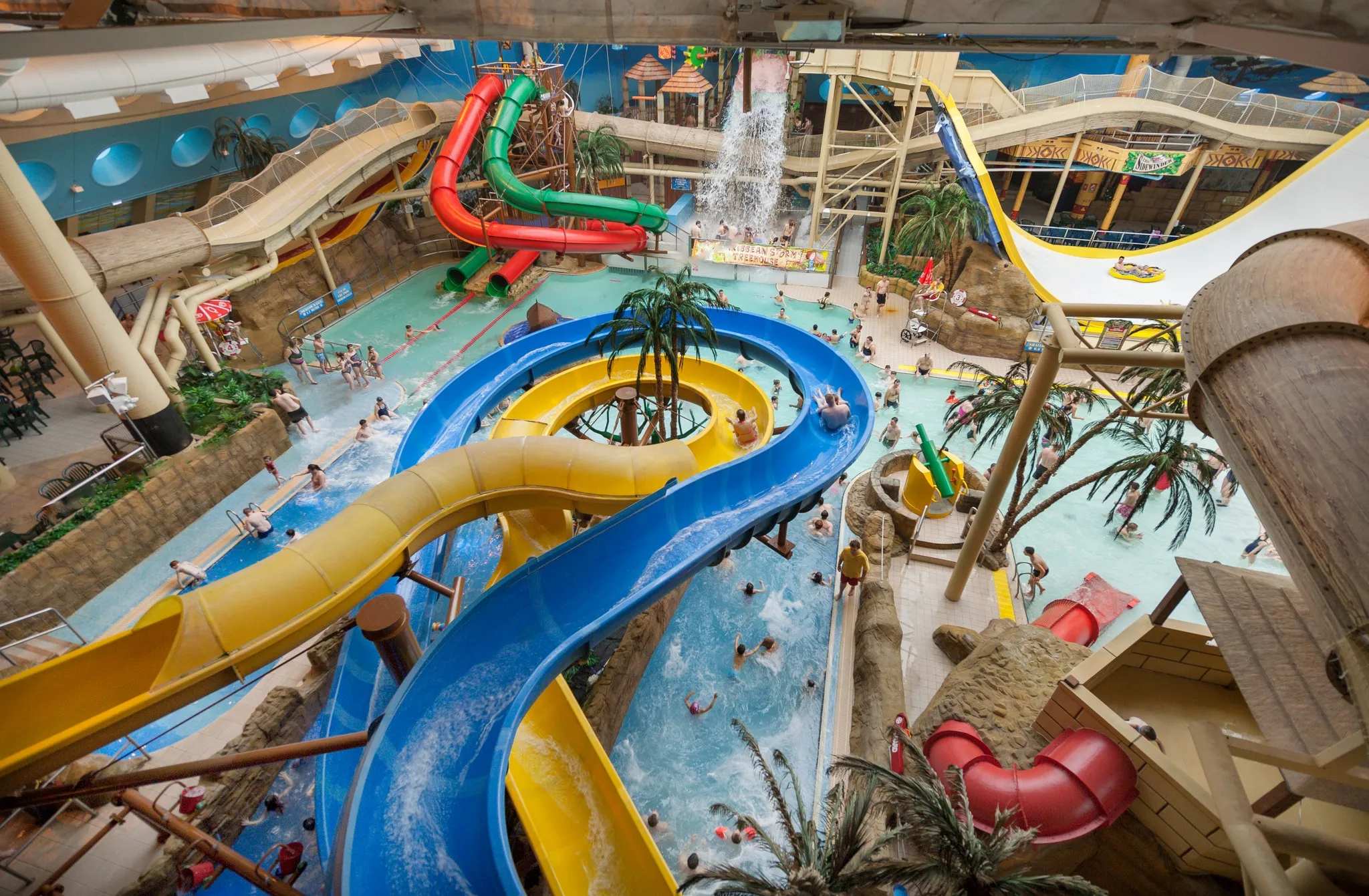
Sandcastle Waterpark in Blackpool is the UK’s largestCredit: Sandcastle Waterpark Blackpool / Facebook
As the UK’s largest waterpark, it’s safe to say there’s absolutely loads of indoor fun to be had at Sandcastle Waterpark in Blackpool.
The attraction boasts 18 slides, ranging from the toddler-friendly treetops water chutes to a climbing frame where a giant coconut dumps 600 gallons of water onto unsuspecting swimmers.
Older thrill-seekers can tackle five record-breaking white-knuckle rides, including the Sidewinder, the world-first indoor half-pipe, and the Masterblaster, the UK’s longest indoor water rollercoaster.
While the kids run wild, adults can escape to the Sea Breeze Spa for an extra £7 to unwind in the sauna, steam room, and aromatherapy lounge.
For the ultimate VIP day out, the £60 Tiki Cabana package gets you park entry, lunch and unlimited drinks, spa access, and a private retreat complete with a TV and hot tub.
Standard tickets start at £24.95 for those aged 12 and over, £15.95 for kids aged three to seven, and under-threes get to splash around for free.
Waterworld, Stoke-on-Trent
Waterworld Aqua Park in Stoke on Trent has over 30 different rides and attractionsCredit: Waterworld Leisure Resort
This waterpark with tropical temperatures packs in over 30 different rides and attractions under one roof.
Test your nerves on the lightning-themed Hurricane ride that descends at 17mph, or brave the Thunderbolt – the UK’s first trap-door flume that plummets you downwards at a terrifying 25mph.
If you want something a bit gentler, toddlers will love the gentle twists of the newly refurbished Python slide, while the whole family can enjoy the swirling rapids and wave pool.
When you need a breather, you can chill in the calming bubble pools and fuel up on pizza, bubble waffles, and milkshakes at the on-site restaurant.
Outside of the waterpark, the wider leisure resort contains the M Club Spa and fitness centre as well as a tiki-themed adventure mini-golf course.
General admission tickets start at £24pp.
Blue Lagoon Water Park, Wales
Zip down a rubber ring ride at Blue Lagoon WaterparkCredit: bluestonewales
Beneath its giant, curved glass dome, the Blue Lagoon Water Park hides a massive wave pool, four high-speed flumes, a lazy river, bubbling spa pools and more.
Here the kids can make a splash on mini slides and water cannons at Nippers Cove, or even join in on magical mermaid schools and pirate-themed events.
While the pool complex is normally reserved for holiday park guests, you can still visit without booking an overnight stay by grabbing tickets to a public open day.
The next public open day takes place on October 28 between 6.30pm and 9pm, with entry costing a budget-friendly £11.55 per person.
The complex is completely free however for guests staying on-site at Bluestone National Park Resort, making it the perfect excuse to book in a staycation.
You can bag a three-night break in a stylish wooden lodge sleeping four from £420, working out to £35pp per night.
Alton Towers Waterpark, Staffordshire
Alton Towers Waterpark at Splash Landings Hotel has tropical temperaturesCredit: Alamy
You don’t need to brave the theme park’s giant rollercoasters for an action-packed day out at Alton Towers.
The attraction boasts its own massive tropical waterpark with toasty temperatures right in the Staffordshire countryside.
Adrenaline junkies can tackle the epic Master Blaster water rollercoaster, twist down the indoor Rush ‘N’ Rampage slides, or brave the outdoor Flash Floods flume before splashing into the giant pool.
Meanwhile, little ones can run wild in the Wacky Waterworks Treehouse, a sprawling play zone packed with over 70 interactive features including water cannons and tipping buckets.
If you prefer a more relaxing pace, you can drift peacefully along the lazy river or simply kick back on a lounger with a drink while the kids wear themselves out.
When hunger strikes, you can grab burgers and chicken strips at the Calypso Cave, or treat the family to ice cream sundaes and floats from the Ice Cream Shack.
Standard tickets start at £18 when booked online, with kids under 90cm going completely free.
There are also parent-and-toddler passes available from £23.
Coral Reef Waterworld, Bracknell
Kids can play in the pirate ship at Coral Reef Bracknell
Bracknell’s Coral Reef Waterworld is one of England’s largest indoor water parks. With 30C temperatures and a giant pirate ship to play in, it makes for the ideal rainy-day family escape.
Little ones can run wild in the pirate ship and battle against each other with water cannons, or even dodge the ‘eruptions’ of the giant water volcano.
Older kids can tackle five high-tech waterslides, including the 67-metre high-speed Cannon chute and Poseidon’s Peril, a neon-lit, colour-changing raft ride built for two.
If you need to catch your breath, the main swimming pool has plenty of calmer spots to float around, featuring a swirling rapid river and relaxing bubble pools.
There’s even an adults-only Coral Spa where you can completely unwind on heated sun loungers, chill in a Japanese steam room, or sweat it out across three saunas.
Tickets from £18.60 for adults and £13.20 for kids.
Alpamare, Scarborough
Alpamare has four intense water rides themed around ski runsCredit: TripAdvisor
Scarborough‘s Alpamare is a totally unique waterpark that truly lives up to its claim of being “unlike any waterpark you’ve seen before”.
Here you’ll find four massive, ski-themed waterslides: the Cresta Run, Olympic Run, Black Run, and Snowstorm.
Each will send you flying through high-speed twists, turns, and giant spinning funnel bowls.
There’s also a huge main indoor pool, which ripples with waves every 30 minutes. You can also brave the outdoor chill and take a dip in a heated outdoor infinity pool.
Alpamare also has its own spa, which might just be the most unique of the bunch.
The spa offers a hammam, LED ice showers, foot baths and even a Sauna World complex with plenty of room for sitting down and heating up.
Plus there’s a totally bizarre Hay Bath aromatherapy experience, where you relax on a lounger surrounded by fresh local Yorkshire hay – where the natural scent is designed to soothe the senses.
Tickets start at £10 for adults, £7.50 for kids, and £2.50 for toddlers when you book ahead online.
The Wave, Coventry
There are six water rides to choose from at The Wave in CoventryCredit: TripAdvisor
The Wave is a giant indoor waterworld containing the UK’s largest wave pool, which churns over 20 million litres of water every single day.
Zip down your choice of six high-octane flumes, including the stomach-churning Riptide – a massive half-pipe slide that blasts rubber ring riders down a terrifying near-90-degree drop.
You can also take on the dizzying Cyclone ride that spins swimmers around a giant open bowl, while younger children can safely splash away from the big drops in The Reef, a vibrant play area packed with mini slides and fountains.
If the parents need some well-deserved peace and quiet, they can escape the chaos and head over to the luxurious on-site Mana Spa.
Here you can swim gentle lengths in a quieter pool, sweat it out in the sauna and steam room, or switch off in the soothing aromatherapy suite.
Adult tickets cost £15, kids aged 11 and under £13, and babies under one go for free.
Time Capsule Water Park, Scotland
Time Capsule waterpark in Scotland is one of the most affordable on our listCredit: Active NL
Time Capsule Water Park in Coatbridge, Scotland is a brilliant budget-friendly option that even comes attached to an indoor ice rink for the ultimate action-packed day out.
Inside the massive water complex, you’ll find a lazy river, twisting waterslides, and kids splash zones lined with water cannons.
Thrill-seekers will want to make a beeline for Tornado Tantrum, a tall flume packed with twisting drops alongside dramatic thunder and lightning effects.
Younger kids can safely splash around the toddler-friendly Cove Island, or dry off and run wild in the Tiny Tots indoor soft play area.
When it’s time to refuel the family, grab a cold drink and a poolside burger at the on-site Tsunami Cafe.
This waterpark is one of the cheapest on our list, with adult tickets costing £6.50 and kids £4.50, plus the bonus of completely free parking.
LC Swansea Waterpark, Wales
Learn to surf on the Boardrider simulator at LC Swansea, WalesCredit: LC Swansea
Taking the crown as Wales‘ biggest waterpark, LC Swansea goes way beyond your standard indoor pool and slide.
Here you can learn to surf on the Boardrider simulator, or hop on a rubber ring ride that blasts you uphill before gravity sends you plummeting back into the pool.
The Volcano Bay zone is the perfect place for the kids to burn off energy with interactive fountains, toys and tipping buckets.
But you can always escape the madness by floating down the peaceful lazy river or sinking into the bubbling whirlpool.
The fun doesn’t stop once you dry off, thanks to a massive underwater-themed indoor play area spanning four storeys of obstacles just next door, as well as a 30ft climbing wall.
Plus there’s a Costa Coffee for well-deserved snacks and drinks and a handy shop for forgotten swim gear.
You won’t have to empty your wallet to enjoy it all either, with tickets starting at £5.31 for adults and older kids.
Toddler tickets (ages one to three) cost £2.97, and babies go free.