UN rights chief condemns worsening repression in Nicaragua, urging the restoration of freedoms and the rule of law.
Published On 22 Jul 202622 Jul 2026
The United Nations human rights chief has condemned Nicaragua’s escalating crackdown on civil and political rights, days after President Daniel Ortega announced a plan to block elections and shut out the opposition.
UN High Commissioner for Human Rights Volker Turk said on Wednesday that the “latest developments further deepen the severe restrictions on fundamental freedoms, the dismantling of civic space, and the steady erosion of the rule of law” in the Central American country.
Recommended Stories
list of 3 itemsend of list
Ortega, a former leftist fighter who has ruled Nicaragua for almost two decades alongside his wife, Vice President Rosario Murillo, said on Sunday that “there won’t be elections” in the country, a move that would remove any prospect of a challenge to the couple’s rule.
General elections were due in November, but constitutional reforms passed 18 months ago extended the presidential term from 5 to 6 years, pushing the vote back to 2027.
Turk said power in Nicaragua was increasingly being concentrated “under the co-presidency”, with the ruling Sandinista party already holding full control over parliament, all municipalities and the regional councils on the North and South Caribbean Coast.
He called on the authorities to “reopen civic space, and restore the rule of law”, warning that “independent expression of thought or opinion is systematically suppressed”, urging that “people of all political viewpoints must be allowed to vote and run for office, in line with the State’s international human rights obligations”.
The statement also cited the government’s abrupt revocation of several lawyers’ credentials earlier this month, which it said had no legal justification, and noted that at least 46 people remain arbitrarily detained on political grounds.
Turk further raised concern over the treatment of religious groups, pointing to the unclear whereabouts of Bishop Abelardo Mata Guevara, 80, who was detained on June 29, and urged Managua to release all those held arbitrarily “with humanity and dignity”.
Since a deadly crackdown on protests in 2018 – in which more than 300 people were killed, according to UN figures – Ortega and Murillo have tightened their grip on Nicaraguan society.
WASHINGTON — The U.S. Department of Justice civil rights division was created in 1957 with an initial focus on combating racial inequality and protecting voting rights.
But in the first two years of President Trump’s second term, its mission has been reimagined.
Now, the division is focused on combating diversity initiatives, rolling back pro-transgender policies and rooting out allegations of election fraud.
It had for decades investigated police departments for using excessive force. Now it investigates police departments with excessive delays in approving gun permits.
California has served as the division’s laboratory for all of these changes, or, as one former civil rights staffer put it, its “punching bag.”
The civil rights division has been involved in twice as many cases in California as in any other state, according to a Times analysis of cases brought by the Justice Department.
And an examination of press statements by the civil rights division shows that California has accounted for a higher proportion of actions in the second Trump administration than during the same time period in the Biden administration.
The division is led by Harmeet Dhillon, a Californian and a conservative legal crusader, who made her name bringing legal challenges against many of the state’s institutions and once served as the chair of the San Francisco Republican Party.
More recently, she was a leading legal figure in challenges to COVID-19 mandates and has shown steadfast support for Trump; her firm represented him in his successful 2024 fight to remain on the ballot in Colorado.
The Times spoke with a dozen former attorneys in the division, nearly all of whom said that the division has taken on a more partisan approach under Dhillon’s leadership and that the changes in the second Trump administration are far more dramatic than anything that occurred during Trump’s first term.
“It is an ideological civil rights division in a way that we’ve never seen before,” said Regan Rush, the former chief of the division’s special litigation section, which largely focused on investigations into police departments and prisons.
Rush is now director of the Red Line for Civil Rights at Democracy Forward, a nonprofit group that tracks the division’s activities.
In response to questions from The Times, Dhillon wrote that the division’s actions aren’t political.
“This Department speaks plainly and directly when we identify violations of federal law. Being clear about violations of federal civil rights law isn’t political or combative — it’s transparent,” Dhillon said. “I stand behind the work we’ve done since I took over the Civil Rights Division.”
While California produced President Reagan — a hero on the right who as governor frequently sparred with UC Berkeley, as Dillon does today — the state has now become, in conservative circles, a symbol of everything wrong in America.
“If there’s any state that is the antithesis of the Trump administration, it’s California,” said Erwin Chemerinsky, dean of the law school at UC Berkeley.
Dhillon said the division brings cases wherever it sees violations of federal law.
“California is where some of the most significant violations of federal civil rights law have occurred, as our enforcement actions demonstrate,” she said.
Former attorneys in the division said the desire to target California was obvious to them.
As one example, the division has announced more than a dozen actions involving universities in California, largely focused on allegations of antisemitism — the subject of an earlier Trump executive order — at University of California campuses and alleged racial preferences in hiring in the UC system and in the admissions practices at several medical schools in the state.
The division concluded that the medical schools at UC Davis and UCLA racially discriminated against white and Asian applicants and that UCLA failed to adequately respond to complaints of antisemitic harassment of Jewish and Israeli students. Other investigations are ongoing.
A pro-Palestinian encampment at UCLA in 2024.
(Michael Owen Baker / For The Times)
“We were never explicitly told that California institutions are of a particular interest, but it was something that was very easy to notice,” said Ejaz Baluch, a former Justice Department attorney who worked on the employment litigation team that looked into allegations that antisemitism at UC campuses had created a hostile work environment.
Trump’s priorities
Dhillon told podcast host Michael Malice in May that she was in “constant contact” with the White House on a “daily, sometimes several-times-a-day basis.”
That represents a major shift from how the division previously operated, said her predecessor, Kristen Clarke, who was the assistant attorney general overseeing the division during the Biden administration.
“There was a fairly sturdy and necessary wall between the Justice Department and the White House,” Clarke said. “This is a complete 180.”
Dhillon has said she sees her job as enforcing civil rights law through the lens of Trump’s executive orders, which took aim at diversity, equity and inclusion efforts, immigration and pro-transgender policies, among other conservative priorities.
She said that while the division “operates within the administration’s law enforcement priorities … investigative and prosecutorial decisions, including which matters to pursue and how, are made by the Division based on the law and the facts.”
Sen. Adam Schiff (D-Calif.), a former federal prosecutor in Los Angeles, said that the division’s changes under Dhillon represent a stark shift from how it operated in the past.
“It is now very much the anti-civil rights department,” Schiff said. “We’re living in this upside-down world where departments that were set up for one purpose are acting in a way that’s antithetical to the purpose of the department.”
Dhillon said that under her leadership, the division “enforces federal civil rights laws evenhandedly, on behalf of all Americans.
“That includes protecting religious liberty, Second Amendment rights, and women’s and girls’ spaces, standing against illegal race-based policymaking and DEI, and defending parents’ fundamental right to direct their children’s upbringing and education.”
Her reorientation of the division led to a mass exodus of career staff — nearly three-quarters of the roughly 400 attorneys who were there at the beginning of 2025, by Dhillon’s telling.
That’s far more departures than in the first Trump administration.
“I said, ‘My way or the highway,’ and my way isn’t my way, it’s President Trump’s way,” Dhillon told Malice.
Dhillon told The Times that the division has added 100 new lawyers and staff in the last 15 months and plans to hire 100 more.
Prisons and police
As the division has shifted its focus to align with the priorities laid out in Trump’s executive orders, it has shut down a number of cases brought during prior administrations.
Former attorneys in the division worry that other preexisting cases are languishing.
In March, the division opened an investigation into two women’s prisons in California — California Institution for Women in Chino and the Central California Women’s Facility in Chowchilla, 35 miles northwest of Fresno — over whether they had violated the rights of other female inmates by housing transgender women in the facilities.
“There have been allegations of sexual assaults, rape, voyeurism and a pervasive climate of sexual intimidation due to the presence of males in the women’s prison,” the Justice Department said in announcing the investigation, misgendering transgender inmates.
Former attorneys in the division said that leadership also sought to open an investigation into the impact of transgender housing policies on juvenile institutions in California, but didn’t find sufficient evidence to warrant opening an investigation.
The investigation into transgender inmates at the women’s prisons came as a prior investigation into the same two prisons remains unresolved over reports from hundreds of women that they had been sexually abused by guards, even as evidence supporting the allegations mounts.
Separate from the civil rights investigation, one of the former guards at the Chowchilla facility was found guilty in January 2025 of more than 60 counts of sexual abuse of inmates and sentenced to 224 years in prison.
“We haven’t seen any kind of relief,” said Megan Marks, former deputy chief in the division’s special litigation section and the deputy director and managing editor for the Red Line for Civil Rights at Democracy Forward.
Dhillon said both investigations into the two women’s prisons are “being pursued vigorously and simultaneously.”
For the last three decades, the division has investigated allegations of police misconduct, authority it was granted by Congress after the 1991 beating of Rodney King by Los Angeles Police Department officers.
But in the second Trump administration, the division has closed a number of active police investigations and moved away from what Dhillon characterized to Malice as a “standing order to persecute police departments and impose nonsense restrictions on them.”
Instead, the division has brought actions against law enforcement agencies deemed to have failed to protect the rights of gun owners.
California was the first target.
The division filed a first-of-its-kind lawsuit in September 2025, alleging that the Los Angeles County Sheriff’s Department had systemically denied people their 2nd Amendment rights because of long delays in approving concealed carry permits.
Last month, it filed a second gun rights lawsuit in California, this time against the state and Atty. Gen. Rob Bonta, over the state’s ban on Glock pistols, which acting U.S. Atty. Gen. Todd Blanche characterized as a “blatant trampling of our rights by the California government.”
Changing tone
Former attorneys in the civil rights division say the pugnacious tone in press releases, such as the one announcing the lawsuit opposing the Glock ban, and in numerous social media posts by Dhillon announcing her intent to open investigations, represents a major shift from how the department has operated in the past.
“What really stands out more than any other civil rights division is how much they demonize and personalize,” said Christy Lopez, a former attorney in the division who is now a professor at Georgetown Law. “We tried to build rapport with the jurisdiction.”
Dhillon defended the approach she and the division have taken.
“Our job is to enforce the law and ensure compliance,” Dhillon said. “That includes public messaging to ensure the public is both aware of what the law requires and knows when others violate the law. We’ve designed our messaging strategy with this goal in mind, and we are pleased with the effect it’s had.”
Numerous former lawyers in the division also said that the current leadership has put its thumb on the scale at the outset of investigations.
“We were basically fed an answer before we conducted an investigation, which is the total antithesis of how these investigations are supposed to be conducted,” said one former Justice Department attorney who worked on the investigation into allegations of antisemitism in the UC system and requested anonymity for fear of reprisal.
Attorneys visited UC Berkeley and UC Davis, but found enough evidence only at UCLA to bring a lawsuit on claims that antisemitism created a hostile work environment.
One of Dhillon’s early top deputies, former Huntington Beach City Atty. Michael Gates, denied that politics played a role in decision-making in his time in the division.
“We evaluated every case on a case-by-case basis,” he said. “There was nothing about politics that influenced any of that.”
Gates, who left the department in November, is now the Republican candidate challenging Bonta to be state attorney general.
Dhillon said to The Times that she is “proud of the record we’ve built” and believes the division has been “active and effective.”
But its former leaders worry that with the exodus of attorneys and the changing nature of the division’s approach, it has lost the ability to fulfill its mission.
“Where does it leave the division today?” said Clarke, its former leader. “It’s a broken agency not able to adequately stand up and defend the civil rights of all Americans.”
A protest by India’s youth-led Cockroach Janta Party has intensified after activist Sonam Wangchuk was forcibly moved to a hospital on the 21st day of his hunger strike. Party founder Abhijeet Dipke was splashed with ink after beginning a fast in solidarity.
A video showing two plainclothes ICE agents tackling a man at the Las Vegas airport before walking away after bystanders intervened has reignited criticism of the agency’s arrest tactics. ICE later said he was arrested at Los Angeles Airport for overstaying his visa.
WASHINGTON — Dozens of people held at a sprawling Immigration and Customs Enforcement facility in Texas say they were either beaten by guards or witnessed others being beaten, according to a new report issued by legal and human rights advocates.
The 84-page report issued jointly Wednesday by Human Rights Watch and the American Civil Liberties Union also says men and women held at Camp East Montana, located at the U.S. Army’s Fort Bliss in El Paso, recounted being denied necessary medical care, forced to live in filthy conditions and fed inedible meals. Detainees also said they were prevented from contacting their lawyers or family members.
Of the 71 detainees contacted over a five month period, 64 — about 90% of those interviewed — said they had either personally been assaulted by the staff or had seen others physically abused, according to the report.
“ICE’s Camp East Montana is a human rights disaster,” said Angélica César, a fellow at Human Rights Watch and the ACLU who was a lead researcher for the report. “The U.S. government should shut it down, conduct independent investigations into all abuses and deaths in custody, and put an end to mass deportations and mandatory immigration detention.”
The Department of Homeland Security, which includes ICE, did not immediately respond to a request for comment.
The new accounts of violence and substandard living conditions inside Camp East Montana are consistent with earlier reports by The Associated Press and others. At least three detainees held at the facility since it opened in August have died, including a 55-year-old Cuban migrant who was handcuffed and stopped breathing earlier this year after being held down by guards.
A local medical examiner later ruled that death a homicide and a federal report issued last month said evidence in the case was “missing or destroyed.” That report by the Government Accountability Office found mismanagement by the Department of Homeland Security had created unsafe conditions that contributed to detainee deaths and suffering even as millions of wasted tax dollars enriched contractors.
In March, ICE replaced Acquisition Logistics, LLC, the prime contractor that had been awarded a deal last year worth up to $1.3 billion to build and manage the camp. The Virginia company had no prior experience running an ICE detention facility, had never won a federal contract worth more than $16 million and lacked a functioning website.
The change came as an internal ICE review documented 49 deficiencies, which it defines as violations of detention standards or policies, in areas including the use of force and restraints, security and medical care.
Despite the change in contractors, interviews conducted by Human Rights Watch and the ACLU as recently as last month found serious problems at the camp have persisted.
Detainees recounted degrading and inhumane living conditions that included bathrooms covered in feces, flooded housing units and no access to soap or other basic hygiene supplies, according to the report. They also reported being held indoors for weeks without meaningful access to recreation, sunlight or fresh air.
People also described receiving spoiled food and inconsistent meal schedules, with delays of up to 12 hours between meals.
The report recounts detainees saying that guards beat detainees in response to hunger strikes, requests for medical attention and complaints regarding detention conditions. Several people said that guards imposed collective punishment, striking or assaulting multiple people after accusing one detainee of violating rules, according to the report.
Researchers found that staff pressured and coerced those held there into abandoning immigration claims and accepting removal to third countries if they could not be sent back to their own country. The detainees said they were threatened with violence, criminal prosecution, and indefinite detention if they refused deportation.
In some cases, the report concluded, the circumstances of ICE detention could amount to enforced disappearances, a potential violation of international human rights law.
Human Rights Watch and the ACLU called on the Trump administration to close Camp East Montana and to allow independent investigations into deaths in custody, excessive force, medical neglect and enforced disappearances.
“The abuses documented at Fort Bliss are the predictable outcome of the Trump administration’s mass deportation agenda, its brutal expansion of immigration detention, and the erosion of federal oversight mechanisms,” said César, the lead researcher. “People at Camp East Montana are human beings who deserve to be treated with dignity and protected from harm.”
Hungarian parliament passes amendment that would remove President Sulyok, appointed under ex-Prime Minister Viktor Orban.
Published On 14 Jul 202614 Jul 2026
Hungary’s parliament has approved a constitutional amendment to remove President Tamas Sulyok from his largely ceremonial position, the latest move to dismantle the power of figures associated with former Prime Minister Viktor Orban.
The measure, passed on Monday with 139 votes in favour and only six opposing, would immediately bring an end to Sulyok’s term in office and pave the way for parliament to elect a new president.
Recommended Stories
list of 3 itemsend of list
Hungarians voted out the right-wing nationalist Orban in April, with new Prime Minister Peter Magyar’s Tisza Party winning in a landslide. The election result ended 16 years of power for Orban’s Fidesz party, which had come to dominate many aspects of the country.
Since Magyar’s victory, he has sought to erode that power, including by removing the current president. The constitutional amendment also introduces a series of judicial reforms, creates a body to investigate alleged financial abuses under the previous government, and imposes a 12-year term limit on lawmakers.
Sulyok now has five days to sign the constitutional amendment passed by parliament. Magyar has said that parliament will launch an impeachment procedure against Sulyok if he does not sign it.
The president and other members of Fidesz boycotted Monday’s parliamentary session.
Sweeping away the old order
The parliament elected Sulyok, a former chief of the Constitutional Court of Hungary, in February 2024. He was nominated to replace Katalin Novak, who resigned after pardoning a man convicted of covering up child sexual abuse.
But days after Magyar’s centre-right Tisza Party won a two-thirds parliamentary super-majority in April, the new prime minister declared Sulyok “unworthy to embody the unity of the Hungarian nation” and demanded that he leave office once the new government was formed.
In June, after the deadline to resign had passed, Magyar branded the president a “puppet” of Orban and promised to strip him and other holdovers from office by constitutional means. Weeks later, he unveiled a reform programme, dubbed “Operation Cleansing Fire”, which seeks to install a new constitution, purge state institutions and establish an anticorruption office.
While the presidency is a largely symbolic post, it is empowered to approve laws and can refer them to the Constitutional Court for review, raising fears that Sulyok might use his presidential powers to stymie Tisza’s ambitious reform agenda.
The government of Daniel Ortega and Rosario Murillo has been accused of human rights abuses against critics.
Published On 10 Jul 202610 Jul 2026
Nicaragua’s government has stripped masses of lawyers of their licences to practise, in what critics see as yet another attack on the country’s critics.
On Friday, a United Nations expert called the government’s actions a “purge of the legal profession”, aimed at eroding the country’s final shreds of democratic checks and balances.
Recommended Stories
list of 3 itemsend of list
Nicaragua’s husband-wife co-presidents, Daniel Ortega and Rosario Murillo, have led a government that has increasingly carried out an all-out crackdown on dissent.
That effort intensified after mass social protests in 2018 that the government violently repressed.
Since then, the government has imprisoned adversaries, religious leaders, journalists and others, forcing thousands to flee the country. It has also stripped hundreds of their Nicaraguan citizenship and possessions.
Since 2018, it has also shut down more than 5,000 nongovernmental organisations, largely religious groups, but also local rotary clubs and scouting organisations.
In recent days, lawyers noticed that their licences to practise law in Nicaragua were removed without explanation from the Supreme Court of Justice’s registry, according to Reed Brody, an American human rights lawyer and member of a UN panel of experts on the Central American country.
Other lawyers also confirmed their certifications were revoked.
There was no official notification by the government, and Nicaragua’s government did not respond to a request for comment by The Associated Press news agency.
Brody said the full scope of the revocation was not immediately clear, but it “would certainly appear to be at least hundreds, if not thousands of lawyers” who were affected.
“This follows the pattern that we’ve been seeing for years. First, they closed the NGOs, the universities, the independent media. You know, they’ve gone after the churches, and now it seems the legal profession,” Brody said. “Anyone who might stand between the government and citizens.”
Brody said he knew of at least 20 lawyers who had been affected.
Juan Diego Barberena, a lawyer and human rights defender exiled in Costa Rica since 2022, was among those stripped of his official certification and said he knew of at least 25 more colleagues like him.
On Thursday, Barberena tried to access his legal accreditation on the government’s database and said his name and licence number were wiped clean from the system.
“This is a means of exercising totalitarian control over the legal profession,” Barberena said. “This means that the dictatorship can decide who gets to practise and who doesn’t.”
The move echoes other steps the government has taken in recent years.
Many Nicaraguan exiles who were stripped of their citizenship and rendered “stateless” have reported similar stories. They or their family members would search for their birth certificates and other legal documents in official databases, only to be told they do not exist.
But Barberena and Brody said the move this week by authorities went a step further, noting that those erased from the system were not just dissenters. Some were simply Nicaraguans living abroad.
Others practised criminal or family law that didn’t touch on politics, while some were government sympathisers, Barberena said.
Brody framed it as a move to whittle away at any last remaining shred of independence in a judicial system already firmly under control of Ortega and Murillo.
“On one hand, it’s an arbitrary measure to punish political dissent,” Barberena said. “On the other, it’s the dictatorship looking medium-term and wanting to prevent lawyers, experts and academics from participating in the future of the country’s institutions.”
Syria regains voting rights in the OPCW as new leadership makes progress in addressing chemical weapons issues.
Published On 9 Jul 20269 Jul 2026
The global chemical weapons’ watchdog has announced it has handed voting rights back to Syria because “concrete steps” have been taken to address outstanding issues since the fall of the Bashar al-Assad regime.
In a statement published on Thursday, the Organisation for the Prohibition of Chemical Weapons (OPCW) said the decision follows a “significant change” in circumstances since Syria was suspended in 2021. That was due to the former government’s failure to declare the full scope of its chemical weapons programme and the repeated use of poison gas during the civil war.
Recommended Stories
list of 3 itemsend of list
Since a lightning offensive ousted long-time ruler al-Assad in 2024, “the new Syrian authorities committed to fulfilling Syria’s obligations under the Convention and have since taken concrete steps to cooperate with the Technical Secretariat to achieve this goal”, read the statement.
Actions taken by the new government of President Ahmed al-Sharaa include facilitating verification activities and taking initial steps in destroying identified remnants.
“These decisions reflect the tangible progress achieved through continued cooperation and constructive engagement between the Technical Secretariat and the Syrian Arab Republic, with the support of the wider community of States Parties,” said OPCW Director-General Fernando Arias.
In 2013, Syria joined the OPCW and agreed to the destruction of its weapons to be supervised by the watchdog. Back then, Syria was believed to possess about 1,000 tonnes of toxins and had agreed to destroy them under a joint Russian-US proposal designed to avert a US military strike on its territory.
Syria’s decision followed a global outcry over a suspected chemical attack that same year in Ghouta, an eastern suburb of the capital Damascus.
US intelligence estimated that at least 1,400 people, including 426 children, were killed in that attack which it attributed with “high confidence” to the Syrian government. Al-Assad denied involvement and blamed rebels.
According to OPCW, while Syria submitted an initial declaration of its chemical weapons programme, the former government did not declare all its chemical weapons programme and attempted to mislead inspectors about its overall scope and scale.
CHEYENNE, Wyo. — She refused to ban books, many of them about racism and the experiences of LGBTQ+ people. And for that, Suzette Baker was fired as a library director in a rural county in central Texas.
“I’m kind of persona non grata around here,” said Baker, who had headed the Kingsland, Texas, library system until she refused to take down a prominent display of several books people had sought to ban over the years.
Now, Baker is fighting back. She and two other librarians who were similarly fired have filed workplace discrimination claims with the U.S. Equal Employment Opportunity Commission. And as culture war battles to keep certain books from children and teens put public and school libraries increasingly under pressure, their goal is redemption and, where possible, eventual reinstatement.
So far, it’s a wait-and-see whether the claims will succeed — and set new precedent — in the struggle between teachers and librarians around the country who oppose book bans and conservative activists who say some books are inappropriate for young minds.
The fight has involved a record number of book-banning efforts, some libraries cutting ties with the American Library Assn. — which opposes book bans — and even attempts to prosecute librarians for allowing children to access books some consider too graphic.
At least one terminated librarian has gained a measure of success.
Brooky Parks, who was fired for defending programs on anti-racism and LGBTQ+ stories she organized for teens at the Erie Community Library north of Denver, won a $250,000 settlement in September. Reached through the Colorado Civil Rights Division, the settlement requires her former employer to give librarians more say in decisions involving library programs.
Parks’ settlement with the High Plains Library District capped a stressful eight-month period without work, when community donations helped her avoid losing her home. And it will probably resolve Parks’ claim with the EEOC, said attorney Iris Halpern, who represents Parks and the other two librarians.
“I just wasn’t going to back down from it. It was just the right thing to do,” said Parks, now a librarian at the University of Denver.
After her firing in 2022, Baker filed an EEOC claim against her employer, the Llano County Library System in Kingsland. And in September 2023, Terri Lesley filed a claim over her firing last summer as executive director of the Campbell County Public Library System in Gillette, Wyo.
Halpern, with the Denver firm Rathod Mohamedbhai, compared the wrongful-termination claims to civil rights-era legal battles.
“It is honestly sad that we’ve gotten to this point. But history is a constant struggle, and we have to learn from our past,” she said.
The 1964 Civil Rights Act established the EEOC to enforce laws against workplace discrimination. One legal expert thinks the librarians might be able to prevail on the grounds that, under those laws, employees may not be discriminated against for associating with certain classes of people.
“With any case, the devil can be in the details in terms of how the facts come out and what they can present. But these are definitely actionable claims,” said Rutgers University law professor David Lopez, a former EEOC general counsel.
An EEOC investigation can take more than a year. After that, the EEOC may attempt to reach a settlement with the employer out of court, sue on the employee’s behalf or issue a letter saying the employee has grounds to sue on their own.
The librarians haven’t yet received an EEOC response and none is expected before the end of next year.
“I would love to be optimistic,” Baker said. “I know there are a lot of people in this community who are just absolutely behind the library being open and free and equal for all. And there’s a lot of people who aren’t. So it’s a hard, hard situation.”
EEOC spokesperson Victor Chen declined to comment on specific filings, saying, “We can’t even confirm or deny we have these complaints.”
The county attorney offices and other representatives of the government officials who fired Parks, Baker and Lesley did not return phone and email messages seeking comment, or declined to comment.
At her Texas library, Baker displayed several books that have been targeted in recent book bans and a sign that read: “We put the ‘lit’ in literature” — a reference to a Tennessee pastor’s recent burning of books.
Baker was fired after refusing to take down the display and signs — considered the last straw after she resisted book banning in her library.
In March, a federal judge ordered 17 books returned to Kingsland library shelves while a citizen lawsuit against book banning proceeded. The works ranged from children’s books to award-winning nonfiction, including “They Called Themselves the K.K.K: The Birth of an American Terrorist Group,” by Susan Campbell Bartoletti; and “It’s Perfectly Normal: Changing Bodies, Growing Up, Sex, and Sexual Health,” by Robie Harris.
“Content-based restrictions on speech are presumptively unconstitutional and subject to strict scrutiny,” Texas U.S. District Judge Robert Pitman wrote in his March 30 ruling. He cited a 2015 U.S. Supreme Court ruling that barred communities from banning signs because of what they say.
The Llano County Commissioners Court decided against closing the county’s three libraries in response to the ruling. Closing the libraries would have echoed the history across the U.S. of closing swimming pools rather than desegregating them, Halpern said.
Like Baker, Lesley had trouble finding work after being fired from the library system she directed in Gillette, Wyo. Her dismissal followed two years of turmoil over challenges to the books available and library programs.
Some of the same county officials who opposed a transgender magician’s plans to perform at the library went on to join local residents in seeking to ban books, according to Lesley’s EEOC filing.
Baker and Lesley both were fired after local officials appointed new library board members willing to be more aggressive about pulling books.
“Our county commissioners appointed board members who were sympathetic to the people who wanted to remove the books. And it was a long dance to try to get it there. And in the end they had to fire me, I think, in order to be able to meet their goal,” Lesley said.
The Campbell County Commission skirted a deputy county attorney’s recommendation not to appoint past applicants for the board without reinterviewing them along with new candidates, according to Lesley’s EEOC claim.
“I saw this as a well-executed attack on the library by a group of citizens and elected officials. It was an attack on the LGBTQ+ community as well,” she said. “And it was an attack on the books.”
Elyas Abu Safia says his father can barely breathe or speak after more than 555 days in Israeli prison.
Published On 5 Jul 20265 Jul 2026
The son of a prominent Palestinian doctor abducted and held by Israel without charge has issued an urgent appeal for his father’s release, warning that his health has sharply deteriorated after more than 555 days in prison, as a rights group warned that his life was in danger.
Elyas Abu Safia, the son of Dr Hussam Abu Safia, said in a video message on Sunday that his father, the director of Kamal Adwan Hospital in northern Gaza, showed signs of severe abuse after Israeli authorities transferred him to solitary confinement in a maximum-security prison.
Recommended Stories
list of 3 itemsend of list
“The day before yesterday, the lawyer Nasser Odeh managed to visit my father, where he told us painful details about this visit,” said Elyas, who is also a doctor.
“My father was unable to breathe. My father was unable to speak,” he said, adding: “His face was disfigured from the marks of torture and pain, and the blood he endured inside the prison, especially after the last court session held in Jerusalem.”
Israeli forces arrested Abu Safia at work on December 27, 2024, as they intensified their attacks on northern Gaza’s healthcare system as part of the genocidal war against Palestinians in Gaza. Two months earlier, an Israeli drone attack killed another of his sons, Ibrahim, at the entrance of the hospital where he worked.
Elyas accused Arab and Muslim leaders of abandoning his father.
“You deprived us even of your voices, your solidarity and your support, which should have been there from the start of the detention,” he said.
“But sadly, your silence is a betrayal and a crime, and complicity in torturing my father and the hostages inside Israeli prisons,” he added.
‘The most shocking testimony’
Physicians for Human Rights Israel warned that Abu Safiya’s life is in immediate danger after his transfer to the Rakefet section of Nitzan prison.
The group said lawyer Nasser Odeh visited Abu Safia on July 2 and documented severe injuries, signs of assault, difficulty breathing and repeated loss of consciousness. It said guards brought him into the visit with his hands and feet bound and surrounded him with masked officers.
Odeh also saw fresh bruises and injuries on Abu Safiya’s head, around his eyes, ears and neck. The wounds were so severe that the lawyer struggled to recognise him, the group said.
“The information we received raises serious and immediate concerns for Abu Safiya’s life. The lawyer’s testimony is among the most shocking we have heard since the beginning of the war: a man detained without charge tells his lawyer that he believes they will kill him, after he arrived for the visit injured, suffering from difficulty breathing, and on the verge of losing consciousness,” Naji Abbas, director of the Prisoners and Detainees Department at Physicians for Human Rights, told the official Palestinian news agency Wafa.
Israeli authorities have not filed charges against Abu Safia. They classified him as an “unlawful combatant”, a designation Israel has used to hold Palestinians for prolonged periods without trial.
Physicians for Human Rights has demanded his release, along with other imprisoned Palestinian doctors. In March, United Nations experts also called on Israel to free Abu Safia immediately and ensure he receives medical care.
He is one of 14 Palestinian doctors from Gaza currently held by Israel without charge.
The Potomac isn’t just the name of a river, it’s part of a much older story. Al Jazeera’s Emma Withrow explains, from Alabama to Yosemite, our latest online interactive explores the Native American origins of 50 names across the United States, what they mean, and how they were originally pronounced by Indigenous speakers.
Sudan has been engulfed in a devastating civil war since April 2023, when fighting erupted between the Sudanese Armed Forces (SAF), led by Abdel Fattah al-Burhan, and the Rapid Support Forces (RSF), commanded by Mohamed Hamdan Dagalo. The conflict has evolved into one of the world’s worst humanitarian crises, displacing millions, collapsing healthcare and public services, and triggering repeated warnings of famine and ethnic violence.
The latest concern centres on Al-Obeid, the capital of North Kordofan. The city is strategically important because it links central Sudan with the western Darfur region and serves as a major logistical and commercial hub. Control of Al-Obeid would provide whichever side captures it with a crucial military corridor for moving troops and supplies across Sudan.
According to the Office of the United Nations High Commissioner for Human Rights, civilians in the city have endured siege-like conditions for around 18 months, with dwindling food, water and medical supplies, while drone strikes and shelling have intensified.
Stay ahead of the geopolitical week.
MD Briefing delivers expert analysis across five global fronts — the Indo-Pacific, energy, geoeconomics, European security, and the Middle East — every Monday morning. Free.
Why it matters
The warning from UN High Commissioner Volker Türk suggests international concern that Al-Obeid could become another major atrocity site similar to previous battles in Darfur.
Several factors make the situation particularly alarming:
Strategic military battle: Both the SAF and RSF view Al-Obeid as critical to controlling supply routes between central and western Sudan.
Civilian catastrophe: Thousands of civilians remain trapped as fighting intensifies, with limited humanitarian access and worsening shortages of clean water, food and healthcare.
Risk of mass atrocities: Britain requested the emergency UN debate amid fears that an RSF offensive could result in large-scale civilian killings similar to previous episodes documented elsewhere in Sudan.
Humanitarian spillover: Further escalation would increase refugee flows into neighbouring countries already struggling to absorb displaced Sudanese populations.
Key stakeholders
Sudanese Armed Forces (SAF)
Controls parts of central and eastern Sudan.
Seeks to prevent RSF advances into North Kordofan and maintain control over key transport routes.
Rapid Support Forces (RSF)
Attempting to expand territorial control after major campaigns elsewhere.
Surrounding Al-Obeid could strengthen its position in western and central Sudan.
United Nations
The OHCHR is documenting civilian casualties and warning of possible mass atrocities.
UN agencies are pushing for humanitarian access before conditions deteriorate further.
United Kingdom
Requested the urgent debate at the United Nations Human Rights Council, highlighting growing Western concern over another possible humanitarian disaster.
Humanitarian organisations
Aid agencies face increasing difficulties reaching civilians due to insecurity and siege conditions.
Regional countries
Neighbours including Chad, South Sudan and Egypt remain vulnerable to additional refugee inflows and regional instability.
Future outlook
The immediate outlook depends on whether the RSF launches a full-scale assault on Al-Obeid or negotiations produce humanitarian access.
Possible scenarios include:
Escalation: A major offensive could trigger another urban battle marked by heavy civilian casualties, infrastructure destruction and further displacement.
Prolonged siege: Even without a direct assault, continued encirclement could deepen shortages of water, food and medicine, increasing disease and starvation risks.
International pressure: The UN and Western governments may increase diplomatic pressure for humanitarian corridors, though previous efforts have had limited success.
Limited accountability: Despite mounting documentation of alleged abuses by both sides, meaningful international enforcement remains difficult given the fragmented nature of the conflict.
Volker Türk’s warning reflects growing concern that Sudan’s conflict is entering another dangerous phase rather than improving. Al-Obeid represents more than a humanitarian hotspot—it is a strategic military objective whose capture could reshape the balance of power between the SAF and RSF.
The battle also illustrates a recurring pattern throughout the war: military gains are increasingly achieved through sieges, attacks on civilian infrastructure and restrictions on humanitarian access. These tactics magnify civilian suffering even before major ground offensives begin.
For the international community, the warning underscores a familiar challenge. The UN can document abuses and raise alarms, but translating those warnings into protection for civilians has repeatedly proven difficult. Without stronger diplomatic leverage or sustained international engagement, there is a significant risk that Al-Obeid could become the latest symbol of Sudan’s worsening humanitarian crisis rather than the point at which the conflict’s trajectory changes.
The Israel-Lebanon framework agreement “threatens to betray the victims of war crimes” in Lebanon, according to six prominent human rights and media freedom organisations.
In a joint statement released on Friday by Amnesty International, Human Rights Watch, the Lebanese Center for Human Rights (CLDH), Legal Agenda, Reporters Without Borders (RSF) and the Union of Journalists in Lebanon, they warned that parts of the agreement “appear to be aimed at preventing victims of serious international crimes from seeking justice before international forums”.
Recommended Stories
list of 4 itemsend of list
The organisations pointed out that clauses 3 and 13 of the agreement, brokered by and signed in the United States on June 26, were particularly concerning as they would “prevent Lebanon and Israel from having recourse to international courts, including the International Criminal Court and the International Court of Justice”.
The six organisations warned that “Clause 3 further violates international law and the prohibition of forced displacement, conditioning the return of residents to specified zones along the border, currently occupied by Israel, to the ‘successful disarmament of non-state armed groups and dismantlement of their infrastructure”.
“Under international humanitarian law, people must be allowed to return once hostilities have ended or the reasons for their displacement cease to exist,” their joint statement said.
The organisations said that Clause 13 was particularly concerning as it prevents civilians from “actions in international political or legal fora [forums]”. This comes after “months of hostilities resulting in immense civilian harm, including as a result of war crimes, violations of international humanitarian law, and gross human rights abuses”.
Many in Lebanon have protested and criticised the government for signing the agreement with Israel.
Many critics of the framework deal, which does not force the Israeli army to withdraw from the areas it occupies, are people most impacted by the war, which has killed at least 4,300 people, injured over 12,000 and forced hundreds of thousands from their homes since early March.
The six organisations said the US-brokered agreement appears to “contradict the countries’ international legal obligations to pursue accountability for serious international crimes committed on their territories,” although it “does not appear to commit Israel to halt any initiatives in international forums against Hezbollah”.
“Victims of war crimes and other violations deserve justice,” said Agnes Callamard, Secretary General of Amnesty International. “Any agreement that fails to center their rights to justice, accountability and reparations will falter underneath the very impunity it builds.”
Ghida Frangieh, head of litigation at Legal Agenda, added: “Accountability and respect for international law are not bargaining chips. They are legal obligations. International law is clear: States cannot waive or negotiate away their obligation to investigate and prosecute the most serious crimes of concern to the international community as a whole. Nor can states extinguish individual rights to truth, justice and reparation”.
But Lebanon’s President said on Friday that the framework deal with Israel “does not legitimise the continued Israeli occupation of Lebanon”, but instead empowers the Lebanese army to extend its authority across the country’s territory.
Joseph Aoun made the remarks during a meeting with a delegation from the Association of Lebanese Universities, the Lebanese Order of Physicians and the Lebanese Maronite Order, according to a statement from the presidency.
“Our sovereign decision to separate our track from the Iranian-US track is a problem for some who have become accustomed to being under guardianship that controls us, decides for us and negotiates on our behalf,” Aoun said, adding that the Lebanese army will “fully assume its responsibilities in achieving security and stability in the south after the withdrawal of Israeli forces”.
Meanwhile, with a “ceasefire” in Lebanon agreed on June 21 as part of a deal between Iran and the US, and the Israel-Lebanon framework agreement signed five days later, many displaced Lebanese have been returning to their homes in southern Lebanon.
In a report on Thursday, the International Organisation for Migration (IOM) said 646,107 IDPs (internally displaced persons) have begun returning to their communities, while about 500,000 others remain displaced, based on data collected with local authorities since June 22.
Lebanese authorities said they were working to remove informal encampments in and around capital Beirut and to reduce the number of official shelters.
However, many people in southern Lebanon said they have nowhere to return to, as dozens of towns and villages near the border have been destroyed by Israeli forces.
Israeli Prime Minister Benjamin Netanyahu has said the military “will not leave” southern Lebanon as long as Hezbollah remains a “threat”. Hezbollah has rejected the deal with Israel as “null and void”, saying any attempt to link an Israeli withdrawal to its disarmament crossed “all red lines”.
WASHINGTON — Holiday gatherings and major life events have come with an empty seat. Certain dates on the calendar meant time at a cemetery, standing before granite stones.
They are a relatively small group of people, scattered across different states, but they share a common bond that stretches decades: Each had a family member die violently in the struggle for voting and civil rights, victims on a long and difficult path marked by blood that ended when the country seemed to mature into the nation of its creed.
But 61 years later, and as the country approaches its 250th anniversary this weekend, those sacrifices are in question. In a series of decisions over the last dozen years, including one in April, the Supreme Court has essentially dismantled the law that their family members died to see enacted, the Voting Rights Act of 1965.
“My mother’s blood is on that bill. We were always proud of that, and now it’s gone,” said Anthony Liuzzo, whose mother, Viola Liuzzo, died on an Alabama highway between Selma and Montgomery while driving marchers in 1965.
Critics of the law contend that times have changed, an argument Chief Justice John G. Roberts Jr. made in a 2013 decision that was the first major step in rolling back the law.
Survivors of lost loved ones disagree, pointing to the speed with which Republican-led state legislatures eliminated majority-Black congressional districts after the court’s April ruling, which severely weakened a section of the law that had protected voting rights for minority communities. They feel anger and sadness that a milestone political victory decades ago has been reversed, but they are committed to keep fighting.
A church bombing and a chunk of concrete
Lisa McNair was born Sept. 19, 1964. Her older sister, Denise, died in the Sept 15, 1963, bombing of the 16th Street Baptist Church in Birmingham, Ala. The church had been a central organizing point for civil rights protest.
The explosion killed Denise McNair, 11, and 14-year-olds Addie Mae Collins, Carole Robertson and Cynthia Morris Wesley. Nearly two dozen others were injured. Three Ku Klux Klansmen were convicted years later.
One of Lisa McNair’s early memories of her sister was of the box that their grandmother kept from the funeral home. It included Denise McNair’s shoes, a purse and a rock-sized piece of concrete that had been embedded in her skull.
The crime brought the civil rights struggle onto the national stage and outraged President Kennedy.
The times were tumultuous, McNair said, but it seemed the nation was heading in the right direction. Most of her life, “I’ve seen advances” on television, in commercials, with interracial marriages, civil rights and voting rights, “a plethora of rights that we got over the greater part of my lifetime.” But that has changed, she said.
McNair, 61, said she is “physically sick” about the Supreme Court decision and subsequent actions by lower courts and legislatures.
“I am constantly working to pray my way through it, so I can get up and go to work in the morning and do what I need to do. But I just want to ask every white person I see, ‘What more do you want?;” she said. “‘Why do you hate us so?’”
They left for Freedom Summer and never came home
Michael Schwerner, known as Mickey, came from a family in which human rights activism and challenging social norms were expected. He was in Mississippi in 1964 as part of Freedom Summer when he, Andrew Goodman and James Chaney vanished one day in June while investigating a bombing at a Black church.
Their bodies were found weeks later, buried in an earthen dam in a rural area of Neshoba County. Schwerner, 24, and Goodman, 20, were white; Chaney, 21, was Black.
Stephen Schwerner, who died earlier this year and was a social activist in his own right, told the Associated Press in a 2023 interview that as soon as the family heard his younger brother and the other men were missing, they knew they were dead.
“Our family was very out front in the media that the only reason there was international attention was two of the young men were white,” said Stephen’s daughter, Cassie Schwerner. “Had all three of those young men been Black, they would have ended up absent from our history and our narrative.”
The executive director of Morningside Center for Teaching Social Responsibility, Cassie Schwerner, said her family has followed voting rights through their ups and downs. That includes the 2013 Supreme Court decision that allowed states and counties with a history of discriminatory voting rules to make changes without prior approval from the Department of Justice.
The court’s April decision, she said, brought rage “and a good deal of sadness — not for me and my family, but for this country.” There is, she said, work to be done on multiple fronts.
Rights paid for in blood turned out to be fragile
Tamara Orange said among her many thoughts when she heard of the Supreme Court decision in this year’s Voting Rights Act case, there was relief — “relief that my dad is not here to see that; that Jimmie Lee Jackson is not here to see it; that Viola Liuzzo is not here to see it,” she said. “I’m relieved for them because to me, it’s as though the sacrifices that were made were done in vain.”
Her father, James Orange, was working with the Southern Christian Leadership Conference to organize voting rights protests in Marion and Perry County, Ala., in 1965. When juveniles joined the effort, he was arrested for contributing to the delinquency of minors. Concern arose that Orange was going to be taken out of the jail and lynched.
A protest to intervene ended with Jackson, a 26-year-old Black church deacon, being shot in the stomach by a state trooper while Jackson tried to shield his mother and grandfather.
His death was the catalyst for what became the Selma-to-Montgomery march and “Bloody Sunday.”
Orange stayed in the movement all his life and died in 2008, Tamara Orange said. But even after the Voting Rights Act passed, “he would say, ‘Be careful or we’re going to lose it.’”
‘We got bad news for you’
Anthony Liuzzo had just turned 10 when his mother, 39, left their middle-class neighborhood in Michigan and headed for Selma. She had cried as she watched scenes from “Bloody Sunday” on television.
Viola Liuzzo participated in a portion of the second march and then helped drive other civil rights protesters around the Black Belt region of the state. On March 25, 1965, she was driving one protester between Selma and Montgomery when a vehicle pulled alongside and fired into the car.
The phone call came around midnight. Anthony Liuzzo remembers the caller asking his dad, “Is your wife Viola? We got bad news for you. She’s been shot.” When his father asked whether she was all right, the caller said, “No, she’s dead,” and then hung up.
An informant for the FBI quickly identified members of the Ku Klux Klan as her killers. The three men charged would escape conviction on state charges but be convicted in federal court.
Anthony Liuzzo and his siblings lived with the lost birthdays and other missed milestones. His comfort was that the voting rights she had died for had become a reality. But the April ruling by the Supreme Court and the subsequent rush by Republican-led legislatures in several Southern states to eliminate congressional districts represented by Black lawmakers left him angry and distraught.
Even so, he said he is still proud his mother had the courage to go to Selma “when others sat in their pretty little houses.”
One morning, the Klan returned
The inscription at the bottom of Vernon Dahmer Sr.’s tombstone reads simply: “If you don’t vote, you don’t count.”
It is a message that embodies his life’s work and the story behind his death.
Even after President Johnson signed the Voting Rights Act, not every state was eager to implement the new law. In Mississippi, it came with a poll tax. The amount was $2, but in a world where a farmworker’s wages might only be $5 a day, that was substantial, said Dahmer’s son, Dennis Dahmer Sr.
The elder Dahmer, 57 at the time of his death, was a successful businessman who owned a store, sawmill and farm near Hattiesburg. He also was a civil rights leader and NAACP president in Ford County. He offered to pay the $2 for Black residents who wanted to register to vote.
He had already been under scrutiny by the local Ku Klux Klan. There was harassment and there were threatening phone calls. The windows were shot out of his store, but no one challenged him directly because his sons were always present and armed.
That seemed to tail off after Johnson signed the law.
“The Klan quit calling,” Dennis Dahmer said. “They quit shooting out the windows, so my family thought that all of this was behind us.”
That changed in the early hours of Jan. 10, 1966, when two carloads of Klansmen showed up. They firebombed the house and adjacent grocery store and began shooting at the house. The elder Dahmer shot back, using his ample arsenal to fight off the attack.
His wife and the three children who were home survived, but he suffered severe injuries from inhaling the smoke and fumes from the flames. He died later that day.
Dennis Dahmer was 12 as he stood next to his dad’s hospital bed. He wondered why some people wanted his father dead just for trying to help Black people vote.
A former Imperial Wizard of the Ku Klux Klan, Sam Bowers, was convicted in 1998 for the attack and sentenced to life in prison.
Like the families of other survivors, Dennis Dahmer’s family has witnessed the methodical dismantling of the Voting Rights Act.
“Finally, they basically turned it into a relic,” he said.
His plan now is activism, to speak out and promote the need for a massive voter turnout. He also wants to remind people of the price that certain families paid for everyone to have the right to vote and be represented by someone of their choosing.
“We’re living in a time when America has a lot of the same characteristics of the 1960s that I grew up in,” he said. “People say, ‘Are we going back?’ Hell, we’re already there.”
Deaths of immigrants held in US detention centres have surged during Donald Trump’s second term.
Published On 26 Jun 202626 Jun 2026
The United Nations High Commissioner for Human Rights, Volker Turk, has called for an independent investigation into the severe uptick in deaths in migrant detention centres during President Donald Trump’s second term in office.
In a statement on Friday, Turk expressed concern over the lack of transparency over those deaths, at least 19 of which have occurred so far this year, according to US government statistics.
Recommended Stories
list of 3 itemsend of list
“Those responsible for violations of the law must be held to account, and the rights of the victims’ families to truth, justice and reparation and guarantees of non-recurrence must be upheld,” the UN rights chief said.
Deaths in immigrant detention centres have surged during Trump’s second term in office, a by-product of what rights groups and immigration lawyers have depicted as systematic neglect, inhumane conditions and abuses.
The Trump administration has sought to rapidly expand the network of immigrant detention centres, some operated by private contractors, as it seeks to carry out the mass deportation of immigrants in the US.
Trump stated in a social media post on Friday that his administration has the “Highest Average Daily Arrest Rate by ICE and CBP, including Total Detention, with Final Orders of Removal, than any other president, by far!”
The reported death of a Georgian man, Mamuka Artmeladze, in a detention facility in Louisiana on June 4 increased the number of fatalities so far this year to 19, compared to 33 last year and 11 in 2024.
“The mortality rate of deaths in ICE custody is at its highest level in over a decade and has more than doubled since Trump’s second term began,” the watchdog group Human Rights Watch wrote in a report on detention deaths earlier this month. “The rate is nearly four times that of the Biden administration and more than two and a half times as high as that of the first Trump administration.”
That report said the 52 people who have died in detention during Trump’s second term ranged in age from 19 to 75 and came from 20 different nationalities.
Turk wrote on Friday that there have been “concerning allegations regarding the use of force” at such facilities and that five of the deaths recorded in 2026 were classified as suicides.
He also expressed concern over the reported use of solitary confinement, which is associated with a heightened risk of suicide and considered a form of torture by the UN after a period of 15 days.
“All these factors exacerbate vulnerability and raise serious concerns as to whether some of these deaths in ICE custody could have been prevented,” he said.
WASHINGTON — Prison inmates whose religious rights are clearly violated by guards and wardens may not sue them for damages, a divided Supreme Court ruled Tuesday.
In a 6-3 decision, the justices said federal law protecting religious liberty allows for suits against state prison systems, but not employees of the prison.
The decision came in the case of a devout Rastafarian in Louisiana. Damon Landor had grown dreadlocks for nearly two decades. He had three weeks left in a five-month prison term when he was transferred to another prison in Louisiana.
He had with him a copy of a federal appeals court opinion that said Rastafarian inmates had a protected religious right to wear dreadlocks.
But the guards threw the appeals court decision in the trash, and the warden ordered the guards to handcuff Landor to a chair and shave his head.
Shortly after he was released, Landor sued the warden and the guards for violating the 2000 law, known as RLUIPA, which promised “appropriate relief” to those whose rights were violated.
But a federal judge, the 5th Circuit Court and now the Supreme Court have tossed out Landor’s suit.
Justice Neil M. Gorsuch wrote for the six conservatives.
He explained that when the federal government gives states money for prisons, education, healthcare and other matters, it can require them to follow the law but it does not authorize private lawsuits against their employees
“To know that is enough to know the Court of Appeals was correct. Mr. Landor does not have a federal RLUIPA cause of action against the officers,” Gorsuch wrote. “Congress lacks regulatory authority to impose liability on them directly.”
The three liberals dissented.
“Today’s decision magically transforms a federal statute into an invitation to be accepted or declined, deemed binding only if each particular defendant has explicitly agreed to be penalized,” wrote Justice Ketanji Brown Jackson. “Prisoners like Landor who suffer violations of their religious freedom in state prisons — no matter how blatant — will often be left remediless.” Justices Sonia Sotomayor and Elena Kagan agreed.
Civil liberties advocates denounced the decision.
“Our justice system is built on the promise of accountability when rights are violated,” said Rachel Rossi, president of the Alliance for Justice. “If there is no remedy for such a transgression, then there is no justice. This ruling will further erode critical civil rights protections of the far too many incarcerated people in this country.”
Rachel Laser, chief executive of Americans United for Separation of Church and State, said today’s decision “endangers the religious freedom of incarcerated people, like Damon Landor, who are particularly vulnerable to abuse and having unnecessary burdens placed on their religious exercise. Once again, we see a court that will bend over backward for the religious freedom of Christians, but allows the government to trample the religious freedom of non-Christians.”
Those trapped in the compounds include Chinese, Philippine, Taiwanese, Malaysian and Brazilian nationals.
Published On 23 Jun 202623 Jun 2026
More than 5,300 people remain trapped in online scam centres in Myanmar near the Thai border, despite a multinational crackdown in the region last year, a human rights group says.
The Thai-based Civil Society Network for Human Trafficking Victim Assistance (CSNHTV) sent a letter to Thai police urging them to take action. It said many of those trapped were foreign nationals held at four locations inside areas controlled by the Myanmar Democratic Karen Buddhist Army militia.
Recommended Stories
list of 3 itemsend of list
According to the CSNHTV, an estimated 1,600 people trapped are Chinese nationals, and about 200 are people of Myanmar, along with people from the Philippines, Taiwan, Malaysia, Brazil, Russia, Kenya, Uganda, Rwanda, and Zimbabwe.
“Many of these compounds have yet to be dismantled or subjected to rescue operations to free all remaining victims,” it said.
“As a result, these syndicates continue to engage in online fraud and human trafficking, causing harm to victims around the world, particularly in the United States and Europe.”
Scam centres in Southeast Asia, including those in Myanmar and Cambodia, run illegal online schemes that are designed to defraud people worldwide.
“Litany of abuse”
The centres grew significantly during the COVID-19 pandemic in the region, and were initially tied to poorly run casinos and online gambling. They have now become a multibillion-dollar industry, according to the United Nations.
A UN report in February said the facilities are mostly staffed by foreign nationals who have been trafficked by criminal gangs and subjected to abuse.
It found instances of “torture and other ill-treatment, sexual abuse and exploitation, forced abortions, food deprivation, solitary confinement, among other grave human rights abuses”.
“The litany of abuse is staggering and at the same time heart-breaking,” UN Human Rights chief Volker Turk said.
“Yet, rather than receiving protection, care and rehabilitation as well as the pathways to justice and redress to which they are entitled, victims too often face disbelief, stigmatisation and even further punishment.”
New Delhi, India – On a searing hot afternoon in a dense working class neighbourhood of the Indian capital, Shehnaz Bano sits on the dilapidated floor of her one-room home, deftly stitching pieces for a new leather jacket.
To make each piece – a sleeve, a front or back panel or a shoulder yoke – the 38-year-old mother of two teenage sons spends hours, but is paid a mere 100 rupees (about $1) for each piece.
Recommended Stories
list of 4 itemsend of list
“Imagine if I was a regular employee and I did the same work for the same hours, but on a factory floor. I would have been paid more, right?” Bano asked.
“Just because I work from home, I don’t get equal pay or rights.”
That is because Bano, like nearly 260 million others across the world, is a home-based worker (HBW) – people employed to produce goods or services in or near their homes. The HBWs are part of what is referred to as the global informal economy. Such a form of employment is characterised by low wages, denial of workers’ rights, lack of social security or established hours of work, or paid leave.
The HBWs are also a highly-feminised workforce, with nearly 57 percent being women, according to a 2024 estimate by Women in Informal Employment: Globalising and Organising (WIEGO), a United Kingdom-based global research organisation focused on improving conditions for the working poor, especially women, in the informal economy.
On this day 30 years ago, however, an effort was made to change the condition of the HBWs – with little success so far.
The International Labour Organisation (ILO), a United Nations’ body, during a conference at its headquarters in Geneva, Switzerland, adopted the landmark “Convention 177”, or the Home Work Convention on June 20, 1996, recognising HBWs at the same level as traditional wage earners.
It was the first comprehensive call to set an international standard for the HBWs. The convention called upon ILO members to adopt and implement policies that promote equality of treatment between HBWs and other wage earners.
Convention 177 officially came into force on April 22, 2000.
However, only 13 countries have ratified it so far and none from South Asia. That is despite Asia and the Asia-Pacific regions accounting for the largest concentration of HBWs, as well as being the hub of global fashion and manufacturing supply chains.
Renana Jhabvala was in the room in Geneva – along with hundreds of government and non-government delegates – when the home-based worker Convention was adopted.
As a member of the Self Employed Women’s Association (SEWA), a prominent Indian trade union of women workers, the 73-year-old activist was at the ILO’s International Labour Conference (ILC), and still remembers the exhilaration and optimism in the room.
“Discussions had gone on for nearly 21 days, but none of us knew whether the Convention would get adopted or not. We were all in a really big hall at the ILC… There was a majority in the final vote and the Convention got passed,” she told Al Jazeera.
But labour rights activists, experts and labour economists say a lack of recognition of the HBWs despite three decades of adopting the ILO convention has deepened structural inequalities among the workers, especially in a developing country like India.
According to them, the HBWs, especially women, remain largely “invisible” to the policymakers, while they are forced to work for inadequate wages under unsafe and exploitative working conditions.
“Convention 177 has been instrumental in recognising home work as ‘real work’ and home workers as workers entitled to labour rights,” Deepa Bharathi, a senior specialist of gender and non-discrimination at ILO’s Bangkok-based Decent Work Team, emailed Al Jazeera.
“In South Asia, home-based work is often embedded in complex subcontracting arrangements, making employment relationships difficult to identify and regulate. Challenges in labour inspection, gaps in data and the invisibility of home workers in policy frameworks have also slowed progress,” Bharathi said in response to a question on the low ratification of the Convention, particularly in South Asia.
With most home-based workers in the region being women, their work is often seen as an extension of household responsibility, Bharathi said. “This undervaluation, combined with broader gender inequalities, has been a significant barrier to ratification and implementation,” she added.
When asked about the ILO’s priorities for strengthening the Convention’s implementation, Bharathi said: “For women home-based workers in particular, the focus must remain on visibility, fair pay, social protection, safe working conditions, access to training and childcare and a stronger collective voice.”
‘I cannot go out and work’
Bano lives in New Delhi’s Kapashera area, a settlement of mainly migrant workers on the city’s southwestern edge whose name literally translates to a “cotton settlement” in English. The area is known for its cotton and leather garment manufacturing units.
In its congested alleys lie buildings that rent out single room units to informal worker families. In one such room lives Bano with her sons and her husband who works as a lift operator in an upscale mall in Gurugram, a business district housing several Fortune 500 companies on the outskirts of New Delhi.
The leather panel of a jacket that Bano is working on in New Delhi, India [Anuja/Al Jazeera]
Bano epitomises the arc of a typical HBW in India. She began working as a beedi (a tiny, hand-rolled cigarette) roller in her village in neighbouring Uttar Pradesh state’s Azamgarh district. After marriage, she joined her husband in New Delhi and took to stitching leather jacket pieces from home.
The move from her rural employment as a beedi roller to a piece-rate worker in the city did not change her continuing precarious situation: long hours, irregular work, low wages and work that leaves her eyes strained and fingers aching.
She is paid barely one dollar for her work on each piece of a leather jacket that is sold in a foreign market for $200 or more – more than double Bano’s average monthly income. Moreover, to cut costs and maximise profit, the contractors often split such work among several workers.
“Only those who are in distress do this kind of work. We have rent, bills, grocery and school fees to pay. How much will my husband do alone?” Bano told Al Jazeera.
The HBWs fall into two categories: own account workers with direct access to markets and piece rate workers who are usually employed through intermediaries. Bano belongs to the latter, which is considered more vulnerable due to low and arbitrary piece rate payments.
In another corner of Kapashera, Sangeeta Devi, 30, puts the final touches – buttoning, repairing, finishing – before the garments she makes return to the factories.
She is doing all this inside an 8×8 foot (2.4m) room, where her family of six, including four schoolchildren sleep, eat, work and study. She cooks, cleans and even bathes in the same room.
“I cannot go out and work because then who will take care of my children?”
“On any given day, there are 100 pieces of clothing in this tiny room. Each time, I have to keep them aside while doing household chores,” the migrant worker from Bihar, one of India’s poorest states, told Al Jazeera.
Sangeeta Devi gets a dollar for every 100 garment pieces she completes.
“I really want to do a job where I can work easily from home, take care of my children and get paid well. I don’t know if that’s even possible,” she told Al Jazeera.
Her neighbour, Putul Devi, does similar work and earns about $20 a month.
“I have been cooking on firewood because of high fuel costs. And when it rains, I don’t know what to save from spoiling – the firewood or the cloth pieces that I bring home,” she told Al Jazeera.
Putul Devi at her home in New Delhi, India [Anuja/Al Jazeera]
Shalini Sinha, home-based work sector specialist at WIEGO, said female HBWs in India face “continued invisibility” even after three decades of recognition of their work.
“Home continues to be seen as a place of habitat and not as a place of work,” Sinha told Al Jazeera.
“There is also the broader issue of women’s economic work not being adequately recognised in labour discourse when it is done from home. It is often seen as an extension of her care work,” she added.
From an Indian perspective, said Sinha, there is an “urgent need for better statistics and a dedicated policy or law for home-based workers, which still does not exist”.
Elizabeth Khumallambam, who works for Community for Social Change and Development (CSCD), an NGO that works with women HBWs in Kapashera, said a social security code introduced in India in 2020 mentions HBWs, but “no one knows” how it will be implemented on the ground.
Introduced as part of India’s labour reform laws, the code consolidated nine social security-related laws into a single framework to ensure social security protection for all workers, including those in the unorganised sector.
“Frankly, for us the challenge begins at making workers understand the value of their own work. Many don’t consider this as work and so they do not think it needs due rights and protection,” Khumallambam told Al Jazeera.
Alakh N Sharma, a labour economist and director at New Delhi-based non-profit, the Institute for Human Development, said there is a “bias in the system”, due to which women’s work is being left behind in statistics and official counting.
According to him, technology-aided counting, probing questions and sensitivity among investigators, could help in addressing the statistical blind spot.
“Safety concerns, mobility constraints and social norms – all these factors stop women from joining formal workplace-based employment. But the single biggest reason is often care work responsibility, particularly childcare,” Sharma told Al Jazeera.
In 2022, Sandosh Kumar P, a Communist Party of India (CPI) parliamentarian moved a legislation aimed at the welfare of the BHWs, but the parliament did not take it up for discussion.
In December 2024, India’s ministry of labour and employment was again asked in parliament whether it has an official assessment of the HBWs, and if it was proposing to enact a law on them. It replied that the Code on Social Security 2020 provides social security to the unorganised workers, including the HBWs. It also said the government has created a national database of such workers.
Looking back at the 30 years since the historic recognition of HBWs, Jhabvala said she did not view such Conventions or laws from the lens of success or failure.
“It is like a weapon, a tool of change. If we want to fight, this option is available,” she said.
Former US President Barack Obama opened his presidential centre in Chicago, using the occasion to call for unity, urging Americans to reject division and invest in the next generation.
WASHINGTON — A unanimous Supreme Court ruled Thursday for gun rights and against drug laws.
In a 9-0 ruling, the justices struck down part of the longstanding federal gun control law that makes it a crime for an “unlawful user” of illegal drugs to possess a gun.
The Trump administration had urged the court to uphold the conviction of a Texas man who was investigated for alleged terrorist ties and admitted to being a regular user of marijuana.
Rejecting that claim, Justice Neil M. Gorsuch, speaking for the court, said the law was far too broad and overly harsh.
“The law automatically bans an individual from possessing a gun from the moment he becomes an unlawful user of any controlled substance until he ceases being one,” he wrote. “It doesn’t matter what controlled substance an individual uses, in what amounts he does so, or whether his drug use has ever made him a danger to himself or others.”
And it can lead to a 15-year prison term, he added.
He noted, however, the court was not ruling on “addicts” or people who were under the influence of drugs when they were arrested.
The American Civil Liberties Union welcomed the ruling.
“Today’s unanimous 9-0 decision makes it clear that the government cannot make it crime for people to own a gun, which the Supreme Court has held is a fundamental constitutional right, simply because they use marijuana,” said Cecillia Wang, legal director at the American Civil Liberties Union. “With nearly half of Americans reporting marijuana use at some point in their lives, this ruling protects the rights of millions and curbs the government’s ability to impose arbitrary and discriminatory penalties.”
Since 1968, federal law has prohibited gun possession by felons, fugitives and other persons deemed to be dangerous. Included was anyone who is “an unlawful user of or addicted to any controlled substance.”
But the 5th Circuit Court of Appeals ruled in a Texas case this restriction on guns violated the 2nd Amendment. It said “there is no historical justification for disarming a sober citizen not presently under an impairing influence.”
Appealing to the Supreme Court, the Trump administration urged the justices to uphold the law.
“Habitual illegal drug users with firearms present unique dangers to society—especially because they pose a grave risk of armed, hostile encounters with police officers while impaired,” said Solicitor Gen. D. John Sauer.
He asked the court to rule in the case of a Pakistani native who was investigated by the FBI for his suspected ties to the Islamic Revolutionary Guard Corps.
In 2020, Ali Danial Hemani and his parents “traveled to Iran to participate in a celebration of the life of Qasem Soleimani, an Iranian general and terrorist who had been killed by an American drone strike the month before,” the administration told the court last year.
The FBI obtained a warrant to search Hemani’s family home.
Agents found a Glock 9mm pistol, 60 grams of marijuana and 4.7 grams of cocaine.
Hemani said he used marijuana about every other day.
A federal grand jury in Texas charged him with possessing a firearm as an unlawful habitual user of marijuana.
Toronto, Canada – When Diana Gallego listened to Canadian Prime Minister Mark Carney’s widely touted speech at the World Economic Forum at the start of this year, she couldn’t help but feel a disconnect.
Carney had made an impassioned plea to the world’s “middle powers” to break with a United States-led international order that he said was no longer working, and his words found receptive audiences around the world.
Recommended Stories
list of 3 itemsend of list
But for Gallego, co-executive director of FCJ Refugee Centre, an organisation that supports refugees and asylum seekers in Canada’s largest city, the prime minister’s statements rang hollow amid his government’s hardening approach to immigration.
“We saw the [prime] minister going to Davos [with] this beautiful discourse, saying we should not copy our neighbours … But internally, the policies are telling us another story,” Gallego told Al Jazeera. “Canada is closing the doors now.”
Gallego is among more than a dozen experts – from lawyers to professors, rights advocates and former government officials – who told Al Jazeera that Canada is at a “troubling” crossroads in its policies towards migrants and refugees.
As Canadians have grappled with rising economic and social pressures in recent years, a decades-old consensus on the benefits of immigration has frayed.
Hostile rhetoric blaming newcomers for Canada’s ills has intensified, and Carney’s government has slashed temporary visas and restricted access to asylum. Experts say a “generational shift” is under way.
“The general rhetoric is, ‘We don’t want you here’,” said Gallego.
Canadian Prime Minister Mark Carney’s Liberal Party won the 2025 elections [File: Christoffer Andersen/EPA]
Influx in temporary migration
A settler-colonial state, Canada has encouraged successive waves of immigration throughout its history, from largely European settlement in the early to mid-1900s to specialised programmes that brought refugees and high- and low-skilled workers to Canadian shores.
For decades, that influx of newcomers was widely viewed as a positive thing: immigration was fuelling the country’s economy, staffing key job sectors and counteracting a rapidly ageing population.
But over the past few years, Canada has seen one of the most dramatic shifts in how the public views immigration – and the government has tapped into increasingly negative sentiment to cut programmes and pass new, restrictive laws.
The policy changes began under former Prime Minister Justin Trudeau, whose Liberal Party government had dramatically increased temporary immigration during the COVID-19 pandemic to fill labour market gaps.
The figures shot up rapidly and, by October 2024, there were nearly 3.15 million non-permanent residents in Canada, accounting for roughly 8 percent of the population, according to official figures.
At the same time, systemic issues – from a shortage of affordable housing to high grocery costs and long hospital wait times – were putting the squeeze on many Canadian households.
Public attitudes quickly hardened, and a 2024 poll (PDF) found a majority of Canadians saying for the first time in decades that there was “too much immigration”.
Since then, several incidents of xenophobic violence have been reported, including in some of Canada’s largest cities, where the influx of migrants has been among the most visible.
Under pressure as angry discourse soared, the Trudeau government promised in 2024 to get immigration back to “sustainable” levels, and the cuts began, including most notably to international student visas.
“The reality is that not everyone who wants to come to Canada will be able to – just like not everyone who wants to stay in Canada will be able to,” Marc Miller, Canada’s former immigration minister, said in September that year.
A major intersection in Toronto, Canada’s largest city [Jillian Kestler-D’Amours/Al Jazeera]
‘Erroneous beliefs’
The numbers of arrivals dropped quickly as student and work visas were cancelled, forcing thousands of people to leave Canada or remain without legal status. By the start of this year, non-permanent residents totalled about 2.67 million, according to government figures, a 15 percent drop from the peak in October 2024.
“I don’t think you can blame the housing crisis in Canada on immigration, but there’s no doubt that the radically increased numbers under Justin Trudeau’s regime had a political effect,” Allan Rock, a former Canadian justice minister and Liberal lawmaker, told Al Jazeera.
The government, Rock explained, has been “reading the room and sensing that Canadians were connecting local economic and financial difficulties with migration”.
At the same time, right-wing politicians have seized on those public attitudes, with the opposition Conservative Party earlier this year pushing the governing Liberals to cut healthcare for people it described as “fake refugees”.
The Conservatives, also, have echoed US President Donald Trump in advocating for changes to “birthright citizenship”, claiming that the “outdated rule” that grants citizenship to anyone born in Canada “presents yet another strain on our immigration system that Canada can’t handle”.
“With over 7 per cent of Canada’s population here on temporary status – and arrivals massively outpacing the capacity of our housing, healthcare and jobs markets – something needs to change,” the party said.
Rights advocates have denounced that rhetoric while accusing policymakers of falsely linking migrants and refugees to social problems to absolve themselves of responsibility for a years-long failure to properly fund healthcare, education and other services.
On the housing issue, for instance, experts have found (PDF) that, while immigration increases demand for housing stock, its effect on prices is far less important than public discourse would have people believe.
“Leadership means not simply caving into public opinion when it’s based on erroneous beliefs,” Rock told Al Jazeera. “We’re buying into, and we’re supporting, a growing international trend to tighten borders and build walls and validate erroneous beliefs about refugees and migrants.”
“It’s a betrayal of values that this country has always stood for, and I find it troubling.”
Carney doubles down
Yet, since taking office in April 2025, Carney – the prime minister – has continued where his predecessor Trudeau left off on immigration.
In late March, Carney’s Liberal government passed a sweeping new law that grants Ottawa the power to cancel visas en masse, including for permanent residents, if it deems it in the “public interest” to do so.
The law, known as Bill C-12, also restricts access to Canada’s refugee status determination system in ways that lawyers told Al Jazeera are “arbitrary” and likely run counter to the country’s constitution, the Canadian Charter of Rights and Freedoms.
The government has justified the measure – which is expected to face a constitutional challenge in court – as part of an effort to streamline a backlogged asylum system and prevent “fraud”.
At the end of last year, nearly 300,000 cases were pending at the independent tribunal that adjudicates refugee claims in the country, known as the Immigration and Refugee Board of Canada (IRB).
A spokesperson for Immigration, Refugees and Citizenship Canada (IRCC), the federal immigration department, told Al Jazeera that it had introduced Bill C-12 “as global migration pressures intensify”.
The law introduces “measures to address challenges such as sudden increases in asylum claims and situations where existing processes may be used to circumvent regular immigration pathways”, the spokesperson said in an emailed statement.
“This means we can provide faster protection for those in need,” they said, adding that Bill C-12 also respects Canada’s obligations under the United Nations Refugee Convention as well as the Canadian Charter of Rights and Freedoms.
But experts say the law will do little to address the backlog at the IRB. They have also accused lawmakers of failing to dispel – and even of playing into – xenophobic rhetoric rather than addressing the real concerns of Canadians or structural problems in the asylum system.
The government is “creating this sense in the public that people are scamming us, they’re taking advantage of the system [and] there’s something broken that needs to be fixed”, said Julia Sande, a lawyer at Amnesty International Canada.
“People’s struggles are real. People are facing a housing crisis, inflation and unemployment, wage stagnation and widening inequality,” she told Al Jazeera.
“Then, instead of taking responsibility or making the changes needed to address these things, governments look for a group to blame – and who’s better to blame than people who don’t have the right to vote and can’t vote you out?”
Healthcare workers protest against cuts to a refugee health programme in Toronto, Canada, in April 2026 [Jillian Kestler-D’Amours/Al Jazeera]
Carney’s ‘honeymoon’ phase
Despite such concerns raised by rights advocates, Canada’s changing immigration policies do not appear to have drawn much attention – or pushback – from the wider public.
A wide-reaching effort by civil society groups earlier this year to get the government to make amendments to Bill C-12 failed to secure any meaningful changes.
In addition to that law, the Carney government also has rolled back a healthcare programme for refugees, extended a freeze on refugee resettlement applications, and announced significant funding cuts to several ministries, including the immigration department.
Planned cuts at the IRB – the board that adjudicates refugee claims – have also been reported, fuelling concerns that delays may get worse.
“The fact that there is no real plan in place to deal with this backlog [at the IRB] then contributes to negative opinion by the public about refugees,” said Maureen Silcoff, a refugee lawyer who previously served as a member of the tribunal.
“I think the government has a responsibility to proactively undo some of the myths that are circulating,” Silcoff told Al Jazeera. “This is especially important in times where we see in other countries that there’s a surge of anti-immigrant and anti-refugee rhetoric.”
Nevertheless, Carney continues to enjoy high approval ratings as he has justified government policies during his first year in office as part of an “elbows up” response to pressure from the Trump administration.
“The Carney government still seems to be [enjoying] a honeymoon of sorts,” said John Carlaw, an assistant professor at Toronto Metropolitan University who specialises in Canadian politics and immigration.
“We’re seeing a major withdrawal of social spending and then an investment in militarism and border enforcement,” Carlaw told Al Jazeera, describing it as a “troubling period” in Canada.
“I think C-12 really showed the government is not interested in hearing from communities that work with migrants and immigrants to make policies that are consistent with a human rights framework. They just don’t want to listen to dissent.”
Luisa Ortiz-Garza, a migrant rights organiser at Parkdale Community Legal Services, speaks during an event in support of migrants and refugees in Toronto in late April [Jillian Kestler-D’Amours/Al Jazeera]
‘Not immune’ to backsliding on human rights
Despite that, rights advocates say they will continue to push back against the direction Canada is heading on immigration.
“We can’t stop fighting,” Luisa Ortiz-Garza, a migrant rights organiser at Parkdale Community Legal Services, told a packed gymnasium at Trinity-St Paul’s United Church in downtown Toronto in late April.
Several dozen people joined the event, dubbed “No More Divide and Rule”, to denounce xenophobia and urge the government to grant legal immigration status for all migrants and refugees in Canada.
“What [the government is] doing is actually just putting people against each other,” Ortiz-Garza told Al Jazeera in an interview at her organisation’s office a few days before the gathering.
“It’s citizens against migrants [and] migrants against migrants because there is this idea that some migrants did things right and other migrants just jumped the queue or abused the system,” she said.
“We’re trying to have these conversations and bring people together: allies, citizens, migrants … so that we can actually talk about this and remind people about unity.”
That was echoed by Sande at Amnesty International, who warned that Canada is “not immune” to a backsliding on human rights. “Things will just continue to get worse until governments feel they’re held to account,” she said. “Yes, scapegoating may start with migrants, but it never ends there.”
THE EU is in the midst of making huge changes when it comes to air travel and all of them will greatly benefit passengers.
These include no extra fees, better compensation rights and families heading on holiday can sit together at no extra charge – but now we’re out of the EU, the new rights will only carry weight for Brits on certain flights.
Sign up for the Travel newsletter
Thank you!
Changes to travel rules in the EU means families no longer have to pay to sit togetherCredit: Alamy
The new regulations were agreed by the EU Council and Parliament yesterday, making it the first overhaul in over 20 years and will come into play in 2027.
Some of the biggest changes include allowing families to sit together at no extra cost, as well as passengers having a free personal item to take onboard.
It will be easier for passengers to get money back for delays or cancellations too.
Airlines will need to immediately acknowledge a claim and then reply within 30 days.
For those who experience delays, there is a right to assistance which includes refreshments every two hours of waiting time, a meal after three hours, internet access and phone calls.
When passengers need overnight stays, they should be given the hotel free of charge and get free transport from the airport to the accommodation and back.
After a cancelled flight or denied boarding, passengers who choose to reroute must be given an alternative journey within three hours.
This all sounds great doesn’t it? Well, there is some bad news – this won’t count for all British travellers leaving the UK.
The new rules will only count on certain flights leaving the UKCredit: Alamy
As a result of Brexit, British holidaymakers won’t necessarily benefit from this as in some cases their flights will fall under passenger rights called UK261.
Whereas for those living in the EU, the new regulations count for all.
For Brits heading on holiday, taking advantage of these EU changes will depend on the route and the airline.
For example, a flight leaving the UK for Malaga with Ryanair will fall under EU rules as Ryanair is an EU airline.
The Malaga to UK return leg will also be under the EU rules – on the return journey, it doesn’t matter if the airline is EU or non-EU, because the flight departs from the EU.
Along with Ryanair, the likes of Wizz Air, easyJet and Lufthansa are all EU-airlines so the new rules automatically count for Brits on both journeys to EU countries.
There will however, be a gap on flights leaving the UK on a non-EU airline.
On EU operated airlines like Ryanair – the new EU rules will apply to Brits on both legsCredit: MoreISO
For example, if a British passenger flies from London to Madrid on a UK airline like British Airways, that outbound leg would remain under UK261 rules rather than the new EU regulations.
But the return would fall under the EU rules because it departs from Madrid in the EU.
So Brits heading on holiday will only get the new benefits if they are travelling on EU-covered flights.
They will not get them automatically on all flights from UK airports.
UK-airlines like British Airways, Virgin Atlantic and Jet2 won’t fall under the new EU rules.
But these do have their own guidelines and policies regarding families sitting together and luggage costs.
AirAdvisor CEO Anton Radchenko, a renowned aviation lawyer, added: “This agreement is a meaningful step forward for European passengers, and it throws the position of UK travellers into sharp relief.
“For the first time since Brexit, we are looking at a real divergence in the everyday rights of passengers flying from the UK versus those flying from the EU.
“The headline compensation amounts remain broadly aligned, but on the things passengers deal with on every single trip, being penalised for a missed leg, paying to sit next to your own child, comparing fares that hide the cost of a bag, EU travellers are about to pull ahead, and UK travellers are at risk of being left behind.”
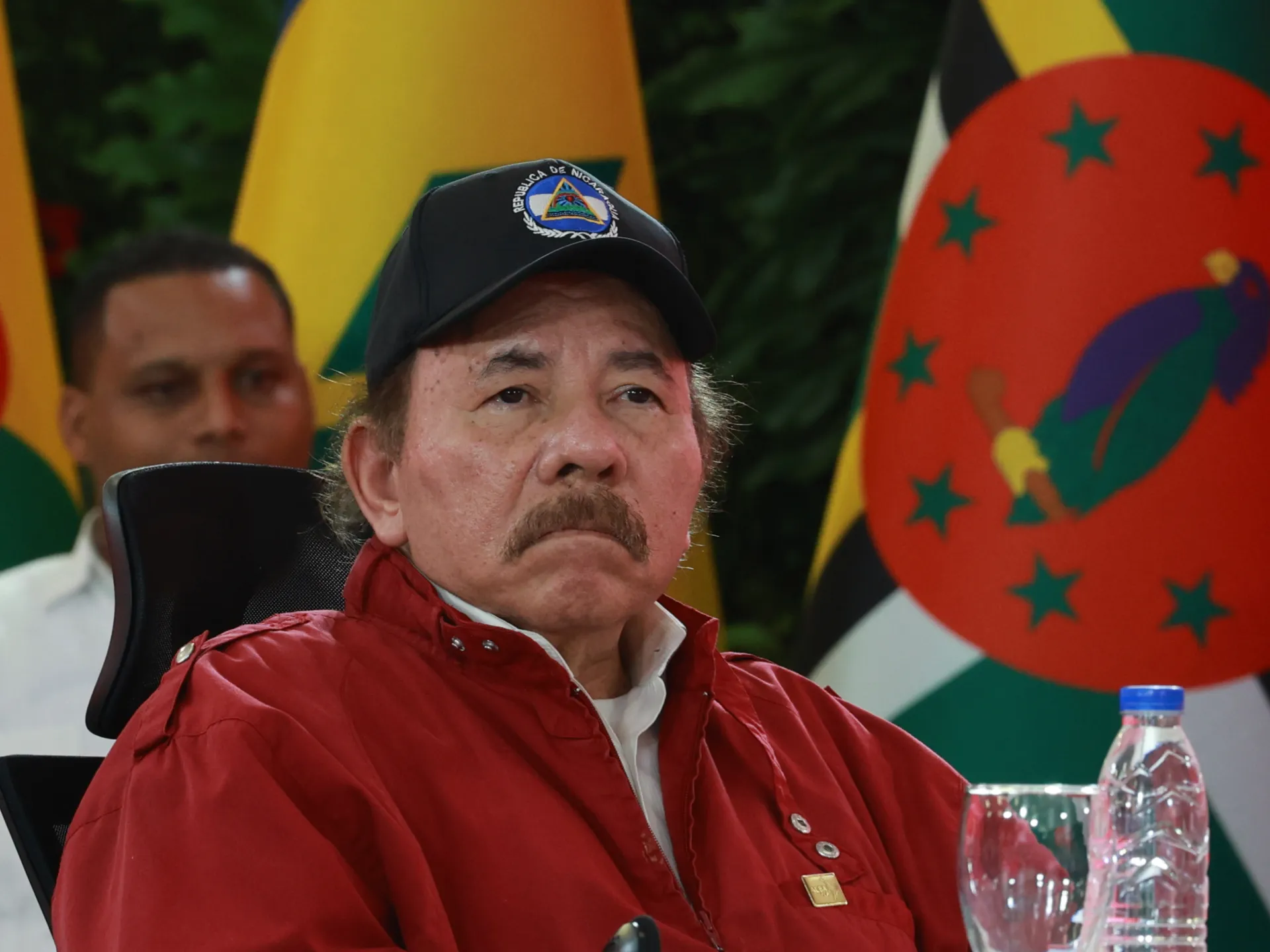
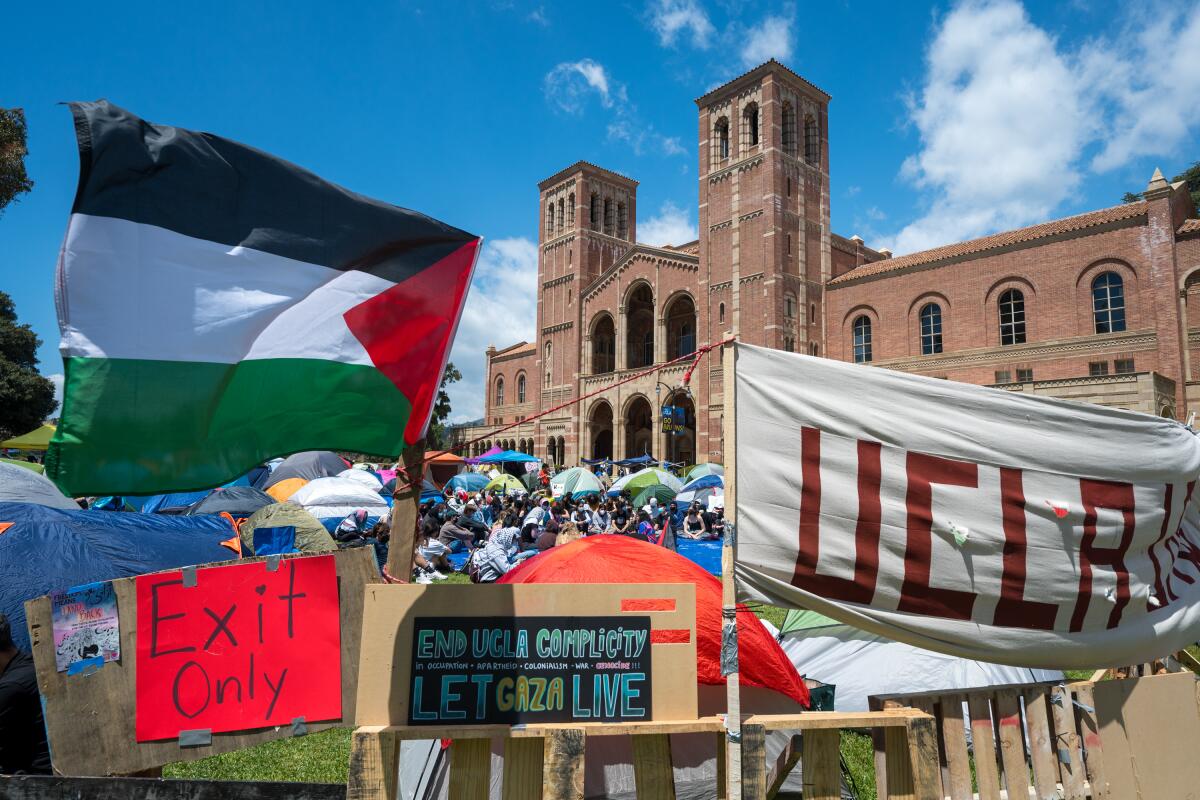

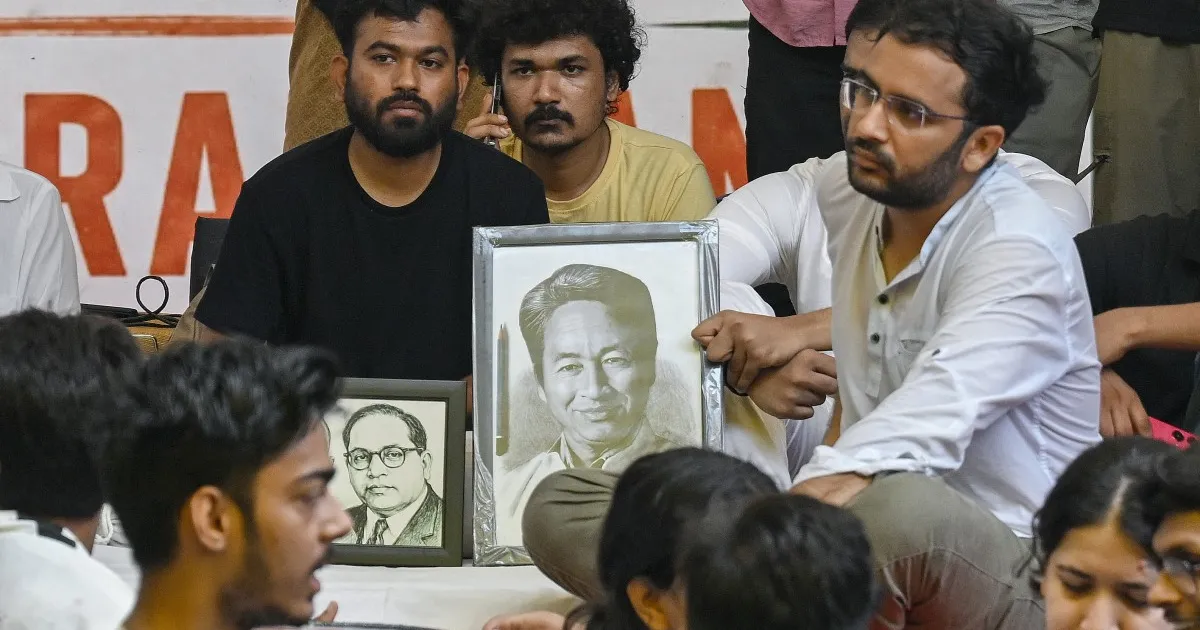
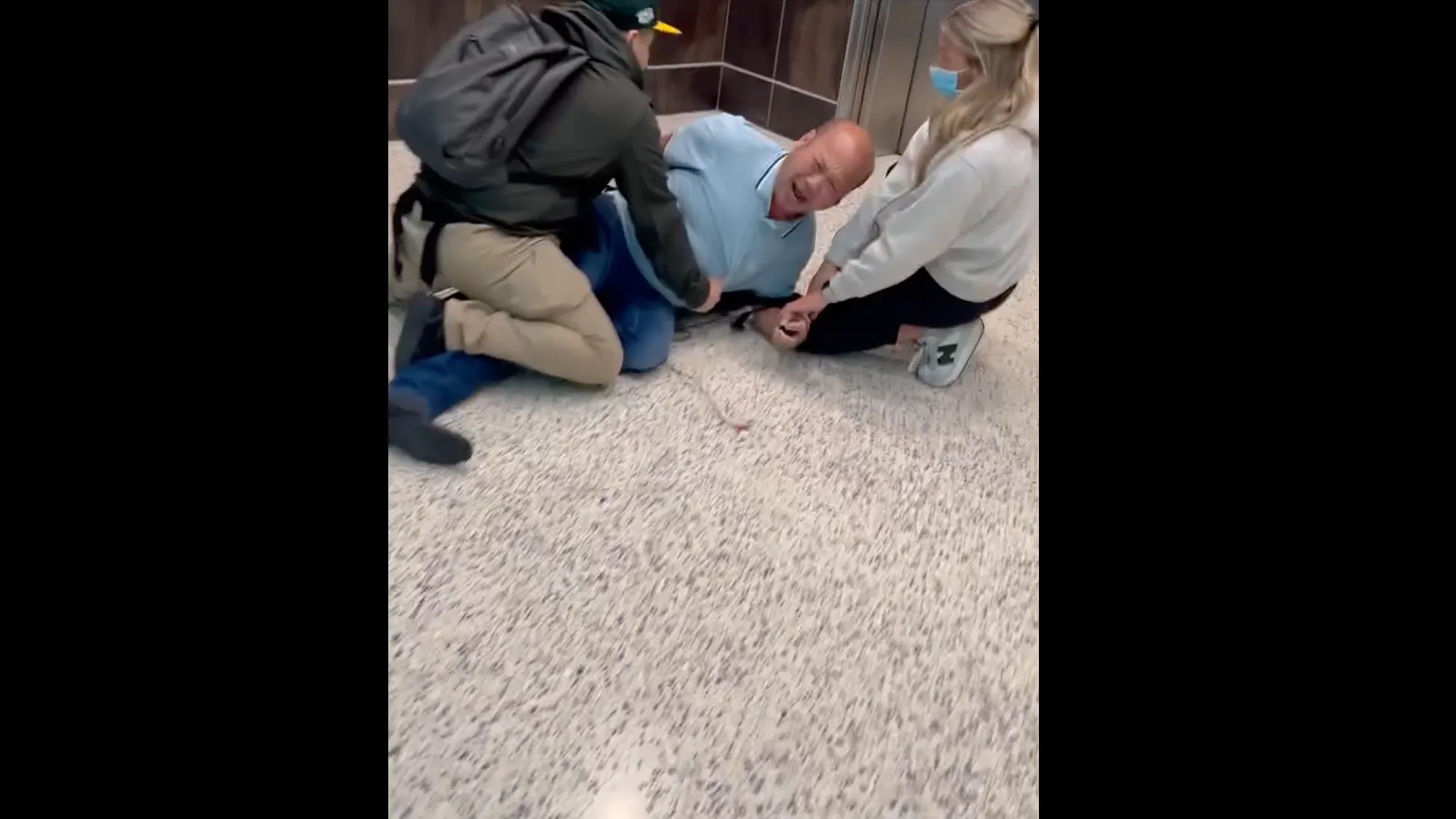
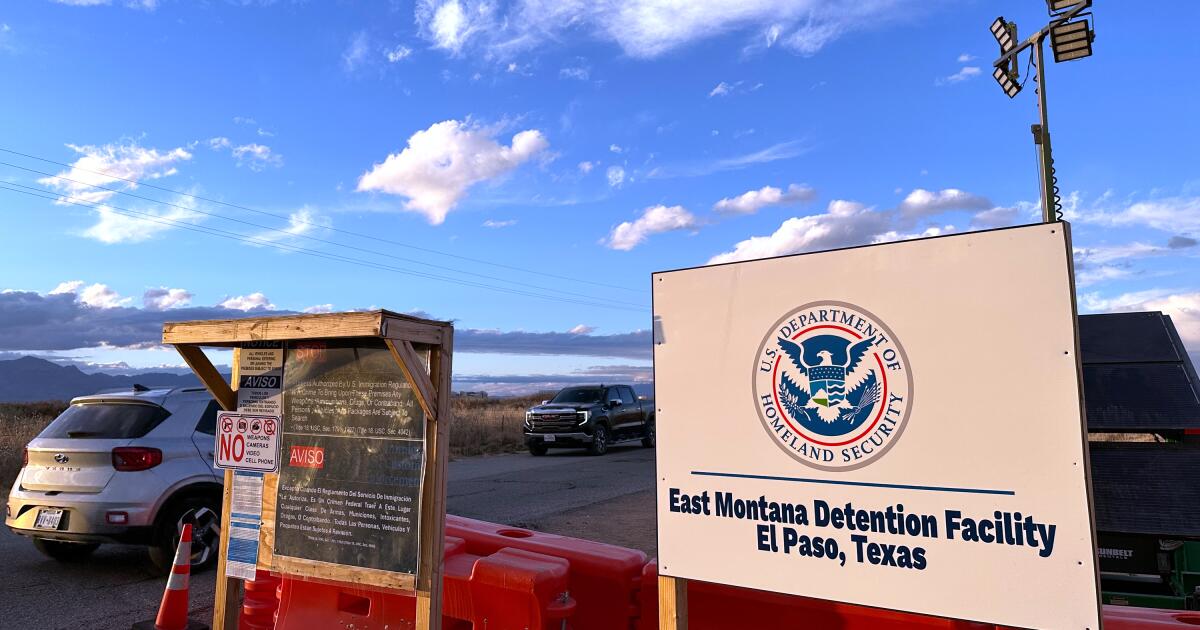



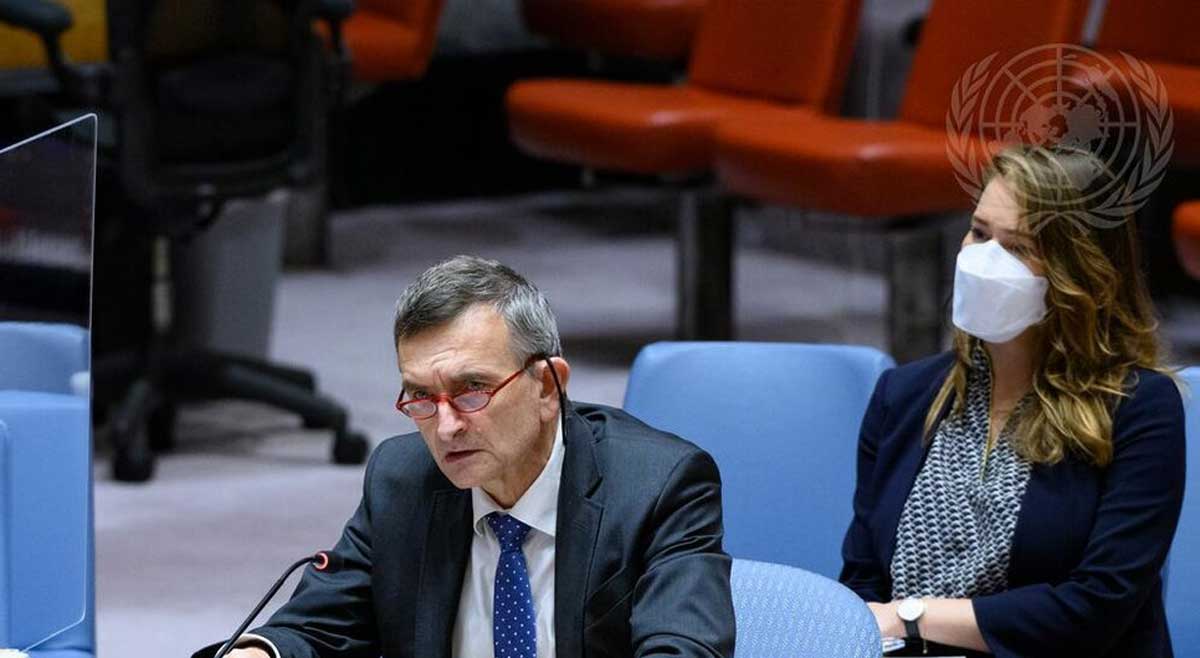
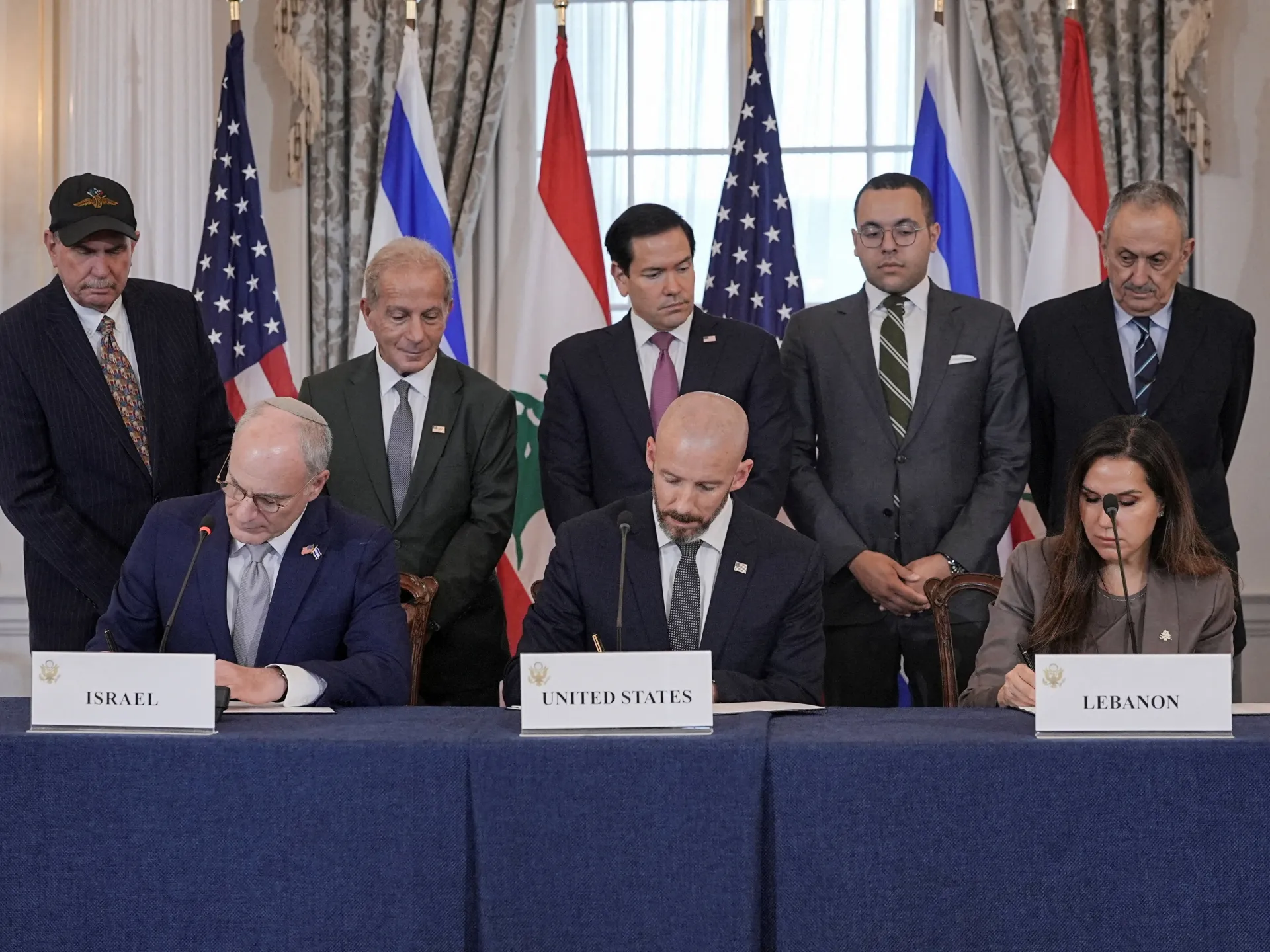
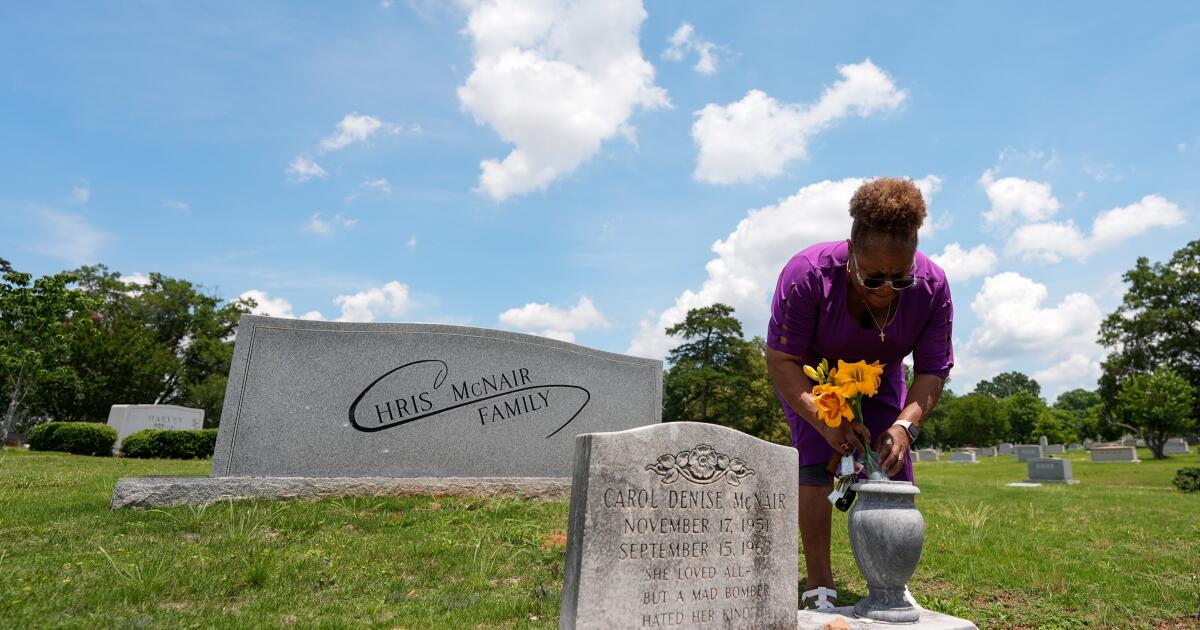

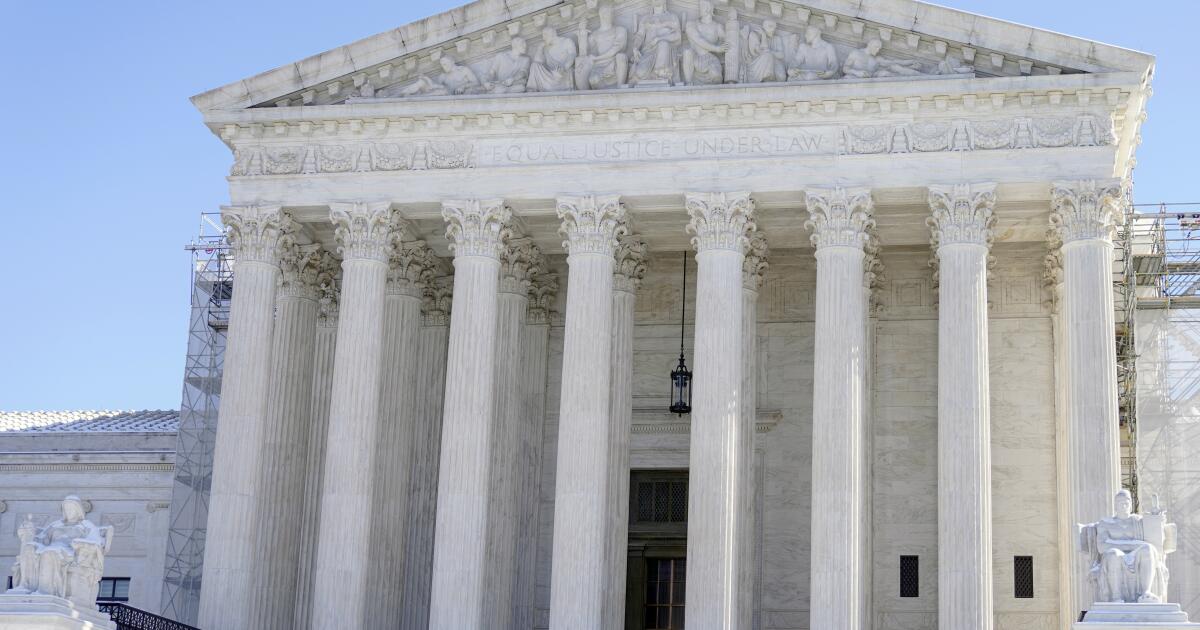


![India home-based workers [Anuja/Al Jazeera]](https://i0.wp.com/occasionaldigest.com/wp-content/uploads/2026/06/HBW-Putul-Devi-at-her-one-room-home-in-New-Delhi-1781976215.jpg?w=640&ssl=1)