The Nobel laureate’s homecoming follows national protests demanding free elections.
Published On 25 Oct 202625 Oct 2026
Venezuela’s opposition leader Maria Corina Machado has successfully returned to the country after more than 10 months in exile.
Machado announced her arrival on social media on Sunday, writing, “I am here. With you.”
Recommended Stories
list of 3 itemsend of list
The current opposition leader, Edmundo Gonzalez, confirmed the news, writing on X that “our leader, my dear Maria Corina, is on Venezuelan soil”.
The Comando Con Venezuela political organisation shared footage of Machado arriving at a church in Lara, where she was greeted by supporters.
Machado first disappeared from public life after being briefly arrested in January 2025. She re-emerged last December in Norway, where she won the Nobel Peace Prize for her efforts to challenge Venezuela President Nicolas Maduro. Maduro was abducted from Caracas by the United States military in January 2026.
Venezuela’s Vice President Delcy Rodriguez has stood in as acting president since then, with the endorsement of US President Donald Trump, and has cooperated with his administration regarding reforms in the country, as well as a deal to grant the US control of over 65 billion barrels’ worth of Venezuela’s oil reserves.
Delcy Rodríguez, acting president of Venezuela, addresses the 81st session of the United Nations General Assembly at UN headquarters in New York City on September 23, 2026 [Frank Franklin/AP]
Calls for elections to be held
Rodriguez’s presidency has extended far beyond the 90-day period she was authorised to serve following Maduro’s removal. But she has yet to call an election despite public demand and despite her promise to do so at the United Nations General Assembly in September. The US maintains that the country is not ready yet.
Earlier this week, thousands of Venezuelans took to the streets to call for elections in the first nationwide opposition protest in nearly two years.
Demonstrators hold up a sign supporting opposition leader Maria Corina Machado in Caracas, Venezuela on October 22, 2026 [Jesus Vargas/Getty Images]
Although the opposition is widely believed to have won Venezuela’s disputed 2024 elections, Trump has cast doubt on Machado’s abilities to lead, claiming in January that she “doesn’t have the support within or the respect within the country”.
Machado presented Trump with her Nobel medal when visiting him in the White House weeks later, in what she said was “a recognition for his unique commitment with our freedom”. The US leader has repeatedly voiced his desire to be awarded the Nobel Peace Prize himself.
Machado has made previous unsuccessful attempts to enter Venezuela. In September, her team said she had made seven attempts in the space of a few weeks.
US Secretary of State Marco Rubio announced on X that “the conditions allowing for the safe return of Ms. Machado to Venezuela is the direct result of the U.S. supported reconciliation talks which has already seen hundreds of political prisoners freed and hundreds of political opposition figures return from exile.”
Asked to comment about Machado’s return, Trump told reporters on Sunday, “I don’t know anything about it, but I think she’s a very nice woman.”
“She gave me her Nobel Prize, so how can I say anything else? And I hope she’s safe.”
A HISTORIC town will host a festive wonderland with real reindeers for just one day.
The UK’s largest single-day Christmas market is returning with more than 120 stalls this December.
Beverley Festival of Christmas is branded the UK’s largest single-day Christmas marketCredit: East Riding of Yorkshire CouncilThe festive event even features a real reindeerCredit: Visit East Yorkshire
The Beverley Festival of Christmas will return on Sunday, December 13, bringing thousands of visitors to the East Yorkshire town for one of the country’s biggest festive events.
Shoppers will be able to browse more than 120 stalls selling everything from handmade gifts and Christmas decorations to jewellery, homeware and locally produced food.
Sign up for the Travel newsletter
Thank you!
The market will spread across Beverley’s historic Saturday Market, Wednesday Market and North Bar, with independent traders offering plenty of inspiration for anyone still searching for Christmas presents.
The day will kick off with a spectacular parade at 10am, setting off from Wednesday Market and travelling along Toll Gavel towards Saturday Market.
Santa Claus will lead the procession alongside his reindeer, with live music, comedy acts, Steampunks, majorettes and Bernese mountain dogs also expected to take part.
Visitors can browse through over 120 market stalls for freeCredit: East Riding of Yorkshire Council
After the parade, Father Christmas and his reindeer will remain in Saturday Market until mid-afternoon, giving families the chance to see them up close and take photographs.
Visitors can also expect traditional Victorian fairground rides, face painting, birds of prey displays and ice sculptures throughout the day.
Brass bands, carol singers and dancers will provide a festive soundtrack as shoppers explore the town centre.
The festival will be running from 10am until 4pm and the entry is free.
The event was first established in 1995 by local shop owner John Bird, who brought Beverley’s traders together to create a special day of Christmas shopping.
It has since grown into one of East Yorkshire’s best-known festive traditions, with 2026 marking its 30th year.
Doctors say they are seeing ‘continued improvement’ after the US-born pope had a lump removed from his lung on Tuesday.
Published On 17 Oct 202617 Oct 2026
Pope Leo has returned to the Vatican, four days after receiving surgery for lung cancer in Rome.
The pope said he was feeling “much better” when asked about his health as he was driven away from the Gemelli University Hospital against cries of “holiness” from onlookers on Saturday.
Recommended Stories
list of 3 itemsend of list
Leo had the lower lobe of his right lung removed on Tuesday. The surgery confirmed he had adenocarcinoma, which is the most common type of lung cancer.
He is set to resume some duties on Sunday, when he greets the faithful with the Catholic Church’s traditional Angelus blessing.
Doctors have said tests confirmed his “continued improvement”.
Since having surgery, the pope has had a phone call with Russian President Vladimir Putin, held meetings with senior aides and celebrated mass in a makeshift hospital chapel.
Leo thanked staff in the Rome hospital for the work they do every day “taking care of the sick in their fragility”, as well as for “what they had done for him”, a Vatican spokesperson said.
Pope Leo’s next major engagement is a trip to Latin America in mid-November, giving him about three weeks to recover for an ambitious journey that includes a dozen flights and two helicopter trips.
Leo is the first pope from the United States, hailing from Chicago. However, he has spent decades living and working across South America and is a naturalised Peruvian citizen.
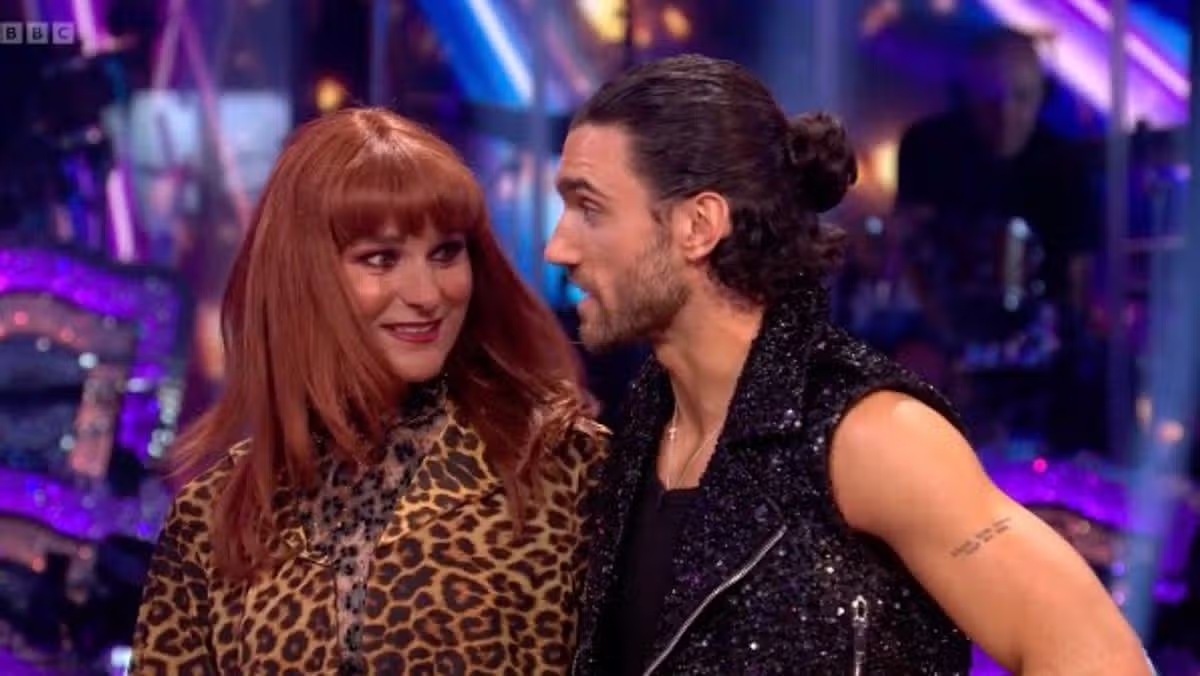
Sarah Storey’s performance with Julian(Image: BBC)
Sarah Storey’s performance didn’t just have the judges talking!
Judge Anton told Britain’s most successful Paralympian that she was better than she thought she was.
Craig told her she looked “fantastic”, but her solo dancing saw her “drop the ball”. Motsi didn’t agree entirely with Craig, saying she was “playing the role”.
As the scores came in, Sarah was given a message from icon Shania Twain herself, leaving them screaming.
Shania shared her hopes to see Sarah and Julian’s Tango at one of her UK shows. As for the scores, they were 5, 5, 5, 6, equalling a total of 21.
When it comes to City Section sports royalty, the Johnson family at Crenshaw High is in a class by itself.
Marques Johnson started the legacy in 1971, igniting the rise of Crenshaw basketball before moving on to UCLA and the NBA. He’s a City Section Hall of Famer. His son, Kris, was a City Section player of the year and led Crenshaw to consecutive state titles.
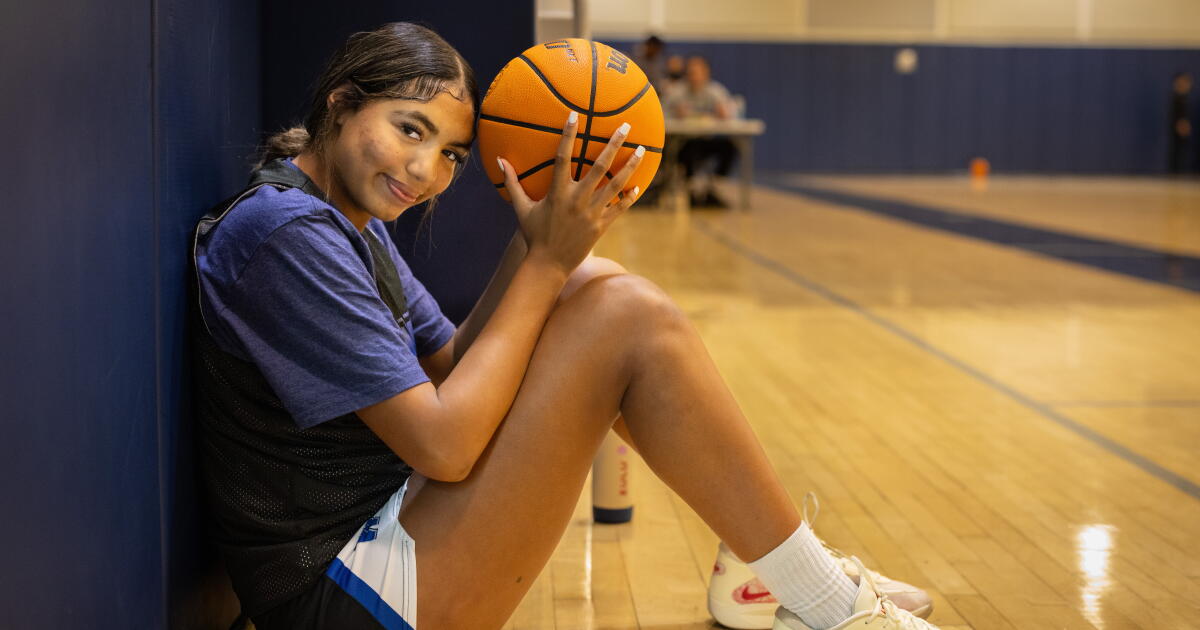
Now the last of the Johnsons for at least awhile — 6-foot-1 Shiloh Johnson — has transferred to Crenshaw from Windward. She’s the daughter of Marques and is a top junior girls’ basketball player.
Marques has been a strong supporter of the Crenshaw community and authored the book, “Crenshaw Chronicles.”
Just seeing him in the Crenshaw gym this winter with all the City and state championship banners on the walls will be something to enjoy. And look for Shiloh’s siblings and cousins to drop by, too.
“It’s always a great feeling,” Marques said.
Shiloh is now walking through the halls where her grandfather was a teacher, her aunt was a counselor and four of her five siblings went to school.
This is a daily look at the positive happenings in high school sports. To submit any news, please email eric.sondheimer@latimes.com.
The cultural exchange comes amid strengthening ties between the two countries.
Published On 14 Oct 202614 Oct 2026
Israel has returned 22 ancient artefacts stolen from Greece, a cultural exchange that comes as the two countries strengthen ties.
Greek and Israeli officials did not provide details on Tuesday on how the artefacts were discovered in Israel or the circumstances surrounding their illegal removal from Greece.
Recommended Stories
list of 3 itemsend of list
The Israel Antiquities Authority’s Theft Prevention Unit had located the items, Pninat Yanay, Israel’s ambassador to Greece, said.
Greek Minister of Culture Lina Mendoni accepted the objects from the Israeli Antiquities Authority at a ceremony held at the National Archaeological Museum in Athens.
“It is the first time that Israel has returned antiquities to Greece, marking the starting point of closer cooperation between the two countries for the protection of cultural heritage,” Mendoni said.
“Every return of a cultural object to its place of origin has a broader symbolic and moral dimension.”
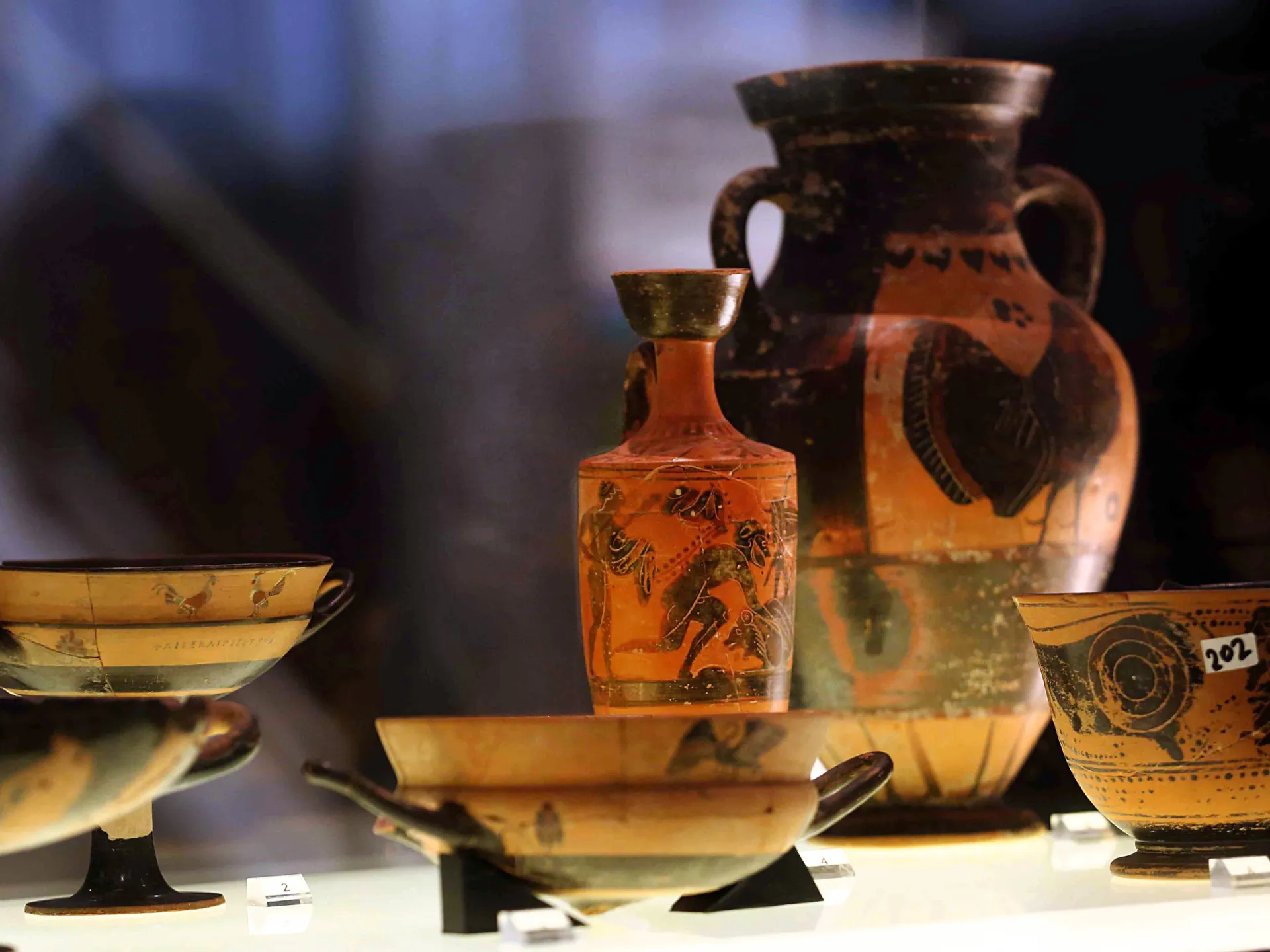
The collection includes 15 Attic vases, six Corinthian vases, and a bronze female statuette.
The objects are dated between 700 BC and 320 BC.
Yanay said the return of the antiquities created “the conditions for further strengthening cooperation between Greece and Israel”.
Greece-Israel relations
Greece and Israel have strengthened energy and defence ties in recent years.
In August, Israel signed a $3.5bn defence deal to build a multi-layered air defence system in Greece, called the Achilles Shield. It is the largest defence deal between the two countries, and one of the most significant export agreements in Israel’s recent history.
For the ODIs, Jofra Archer is back in the pace attack after being rested for the tri-series in Pakistan in October.
Archer’s return means the 50-over squad is close to full strength, bar the absence of wicketkeeper Jos Buttler who is set for a lengthy spell on the sidelines following hamstring surgery.
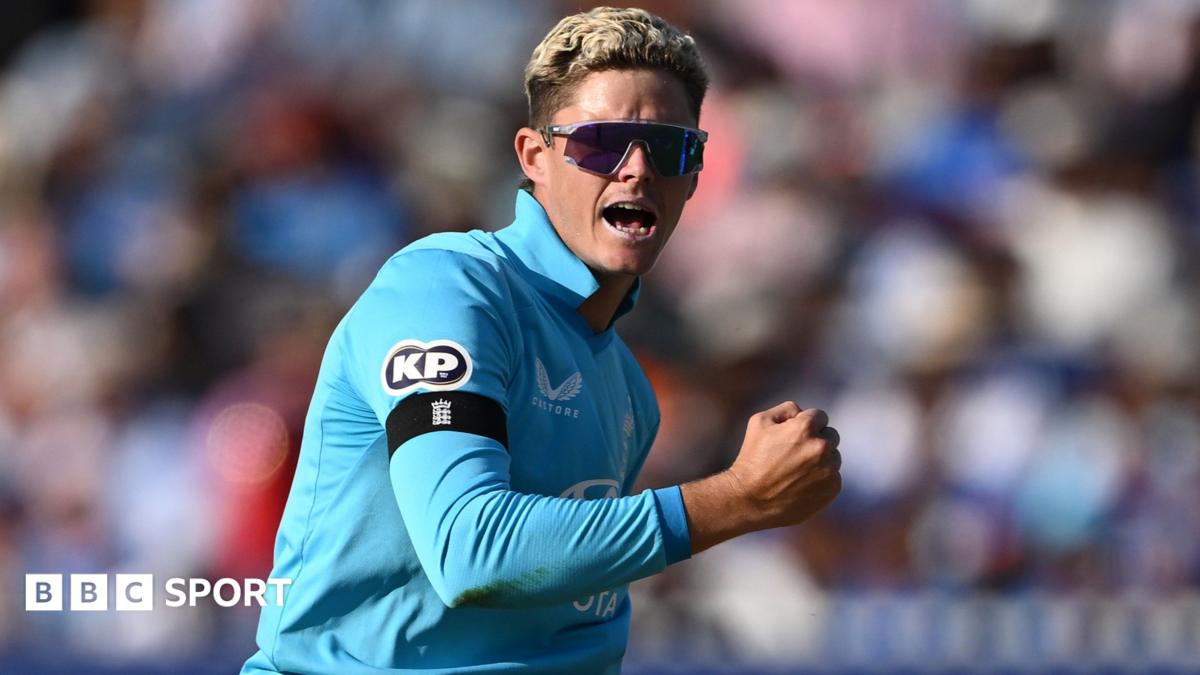
After the ODIs, all of seamers Archer, Gus Atkinson, Josh Tongue and Sonny Baker, along with batter Ben Duckett, miss out on the T20s in order to prepare for South Africa.
The re-shuffle means eye-catching call-ups for Rew and Jack, while opener Aneurin Donald keeps his place after making his debut in the series against Sri Lanka last month.
The addition of Rew and Jack, who were awarded development central contracts on Monday, offers the tantalising prospect of a first international cap against England’s fiercest rivals in one of the most iconic venues in cricket. The first T20 is at the colossal Melbourne Cricket Ground on 21 November.
Rew does not turn 19 until 29 November. If he plays on the tour, he would become the third-youngest man to make his England debut in any format after Rehan Ahmed and Brian Close, and the youngest man to play for England against Australia.
Rew is the younger brother of James, who made his Test debut for England against New Zealand at The Oval in June.
Thomas captained England Under-19s to the final of the World Cup earlier this year and made two centuries for Somerset in the County Championship during the summer.
Jack, who has the middle name Vaughan after former England captain Michael, has been on England’s radar since last year.
He looks likely to earn a debut in Australia because he is one of only three specialist fast bowlers in the squad. Uncapped Henry Crocombe is down under for both series after earning a two-year central contract on Monday, while Luke Wood is part of the T20 squad despite losing his central deal.
Bethell’s return to both squads is an indication of the selection decision England will face for the Test series in South Africa.
In the left-hander’s absence for the home Test series against Pakistan this summer, Emilio Gay, Jordan Cox and Dan Lawrence came into the England XI. Bethell’s comeback could displace any one of that trio.
Harry Brook captains England on both legs of the tour and is once again set to play across formats in every game of the winter. He has not missed an international since a raft of players were rested for the T20 series in Ireland last September.
The trip will be Brook’s first return to Australia since a nightclub incident in Wellington, New Zealand, last October was revealed on the final day of the Ashes series in January.
During the Ashes, England’s players came under intense scrutiny from the local media, not helped by a series of off-field misdemeanours. Though a white-ball tour will not have the same profile as the Ashes, the tourists can still expect a degree of hostility from the home fans.
There will also be the spectre of former Test captain Ben Stokes, whose stint with Adelaide Strikers in the Big Bash League begins shortly after England’s tour ends.
Atletico vs Man United and Man City vs PSG headline the Champions League match day two action as the competition returns.
Published On 12 Oct 202612 Oct 2026
The UEFA Champions League (UCL) 2026-27 enters its second round of matches this week, with 36 teams in action across Europe as clubs return to the elite football competition.
After the first set of league fixtures, two-time title holders Paris Saint-Germain lead the points table with three points, followed by six-time champions Bayern Munich and five-time winners Barcelona, who also won their opening matches.
Recommended Stories
list of 4 itemsend of list
The competition’s league phase format, now in its third year, started in September and runs until January 2027. It will be followed by the knockout rounds, with the champions crowned in early June.
Here’s all you need to know about this year’s competition:
What is the Champions League?
The Champions League is an annual club competition that features the best teams from across Europe.
This season marks the third time that 36 teams will participate in the main round, an increase from 32 under the old format.
What is the 2026-27 Champions League format?
Since 2003, the UCL has featured 32 clubs split into eight groups of four, with the top two from each section advancing to the last 16.
That has changed radically in recent years.
From the 2024-25 season, the 36 clubs are pooled into a single league in a “Swiss system” more commonly associated with chess.
Earlier, participating teams played six games in the group stage, facing each opponent home and away. Now, each club plays eight games, one each against eight different opponents.
How does the Champions League knockout format work?
At the end of the league phase, the top eight qualify directly for the knockouts, while those between the ninth and 24th places have to compete in two-legged knockout-phase playoffs.
Teams ranked 25th and below are eliminated.
The UCL knockout format is straightforward – it begins with the round of 16, followed by the quarterfinals, semifinals and the final.
When are the league phase and knockout matches?
The league phase matches are scheduled for:
Match day 1: September 8-10
Match day 2: October 13 and 14
Match day 3: October 20 and 21
Match day 4: November 3 and 4
Match day 5: November 24 and 25
Match day 6: December 8 and 9
Match day 7: January 19 and 20
Match day 8: January 27
The knockout phase matches are scheduled for (all dates in 2027):
Playoffs: February 16, 17 and 23, 24
Round of 16: March 9, 10 and 16, 17
Quarterfinals: April 6, 7 and 13, 14
Semifinals: April 27, 28 and May 4, 5
Final: June 5
Which are the best Champions League matches to watch?
The key matches to follow on matchdays two and three are as follows:
Top five UCL matches to watch this week
Arsenal vs Lille, Tuesday 19:00 GMT
Atletico vs Manchester United, Tuesday 19:00 GMT
Galatasaray vs Barcelona, Tuesday 19:00 GMT
Manchester City vs PSG, Wednesday 19:00 GMT
AS Roma vs Real Madrid, Wednesday 19:00 GMT
Top five Champions League matches to watch next week:
PSG vs Barcelona, October 20, 19:00 GMT
Liverpool vs Villarreal, October 20, 19:00 GMT
Como vs Manchester United, October 21, 16:45 GMT
Bayern Munich vs Arsenal, October 21, 19:00 GMT
Real Madrid vs RB Leipzig, October 21, 19:00 GMT
What are the key UCL storylines to follow?
Man City’s home clash with PSG headlines the upcoming round of matches, marking the troubled Etihad club’s first Champions League match since an independent commission found them guilty of breaking more than 100 Premier League financial rules.
Elsewhere, City’s crosstown rivals, under-fire Man United, are also in action this week. They head to Madrid to face an in-form Atletico, hoping to register just their third win this season.
Meanwhile, manager Jose Mourinho will face his former club AS Roma when Real travel to the Italian capital.
Who are the top players to watch in the Champions League?
PSG’s Ferran Torres, who scored a hat-trick in the first UCL match, is a joint top scorer in this year’s UCL alongside Ermedin Demirovic of Stuttgart.
Also watch out for Man City’s Erling Haaland, Bayern Munich’s talented Michael Olise and PSG forward Ousmane Dembele, all of whom scored two goals in their respective UCL openers.
Cristiano Ronaldo opened the scoring for Al-Nassr in their 3-0 win over Diriyah, his first game since Portugal walkout.
Published On 10 Oct 202610 Oct 2026
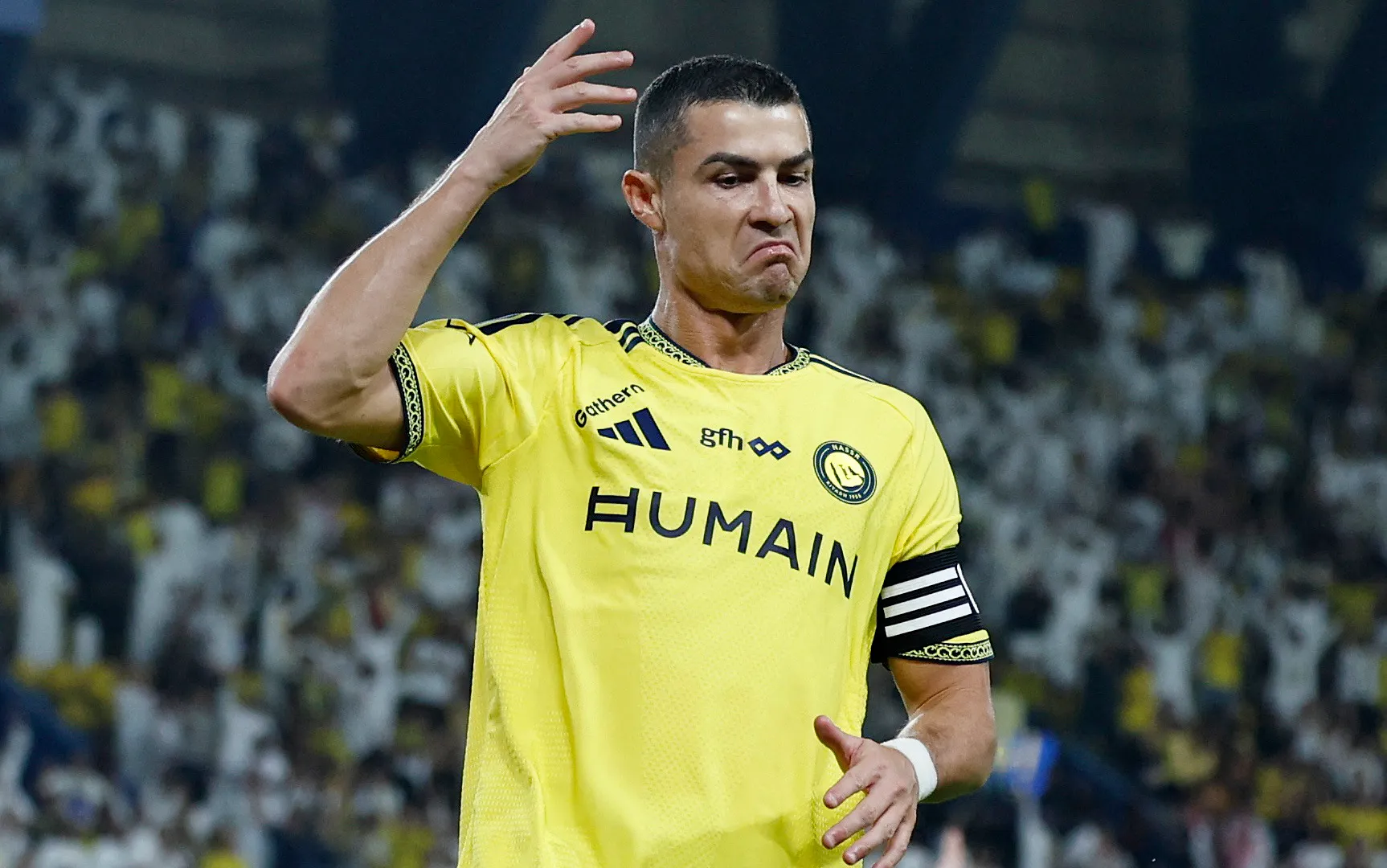
Cristiano Ronaldo returned to club football action on Friday after a controversial international break with Portugal and scored the opening goal as Al-Nassr beat Diriyah 3-0 in the Saudi Pro League.
The victory put the defending champions level on points behind leader Al-Qadsiah on goal difference in the eighth round.
Recommended Stories
list of 4 itemsend of list
During the international window, the 41-year-old Ronaldo walked out of the Portugal squad, for which he has scored 146 goals in 234 appearances.
In a long statement posted on Tuesday, Ronaldo said Portugal coach Jorge Jesus had not been true to his word about when he would play the striker in the Nations League.
Ronaldo won the Saudi Arabia title in May with Jesus as Al-Nassr coach, and opened the scoring on Friday midway through the first half.
Kingsley Coman’s shot from outside the area was blocked by goalkeeper Waleed Abdullah, and Ronaldo was there to shoot home the rebound from close range for goal number 980 in his career.
Samu Costa added a second for Al-Nassr, coached by former Tottenham Hotspur boss Ange Postecoglou, just before the break, and Coman sealed the win with 13 minutes remaining.
Al-Qadsiah earlier thrashed Al-Kholood 5-0, with Dutch international Tijjani Reijnders opening the scoring and Italy’s Mateo Retegui and Mexico’s Julian Quinones also finding the target.
Barry Manilow has returned to the stage after taking a break following his summer tour.
Manilow performed at the International Theater at the Westgate Las Vegas Resort & Casino on Thursday night, telling the audience, “This is the first time back in a long time. I have some medical problems, but I’m back!”
The audience cheered and a couple of crowd members tossed underwear onto the stage. He picked up a pair of full-coverage briefs and asked if they needed to go to the laundry, and then a pink lacy thong and joked, “I’ll keep this pair.”
“God, I feel like I’m a teenage idol again.”
Last year, Manilow revealed that he had been diagnosed with lung cancer and that surgery would require him to postpone several performances. The star returned to the stage in June following a six-month hiatus, in support of his latest album, “What a Time,” his first LP loaded with new material in almost 15 years.
But in August, he canceled shows because of vocal and technical problems before telling fans he needed to pause. “We just finished a fantastic summer tour, 29 shows in 68 days,” the singer said. “The shows were fantastic. The audiences were fantastic. And I sounded fantastic. But it seems that we were pushing a little too hard.
“Now we all need to sit down and shut up,” Manilow said. “So, we’re going to take a break until we return to the Westgate Las Vegas on Oct. 8. When I’ll be singing like a bird. I hope to see you then.”
The “Copacabana” singer is slated to hit the stage again on Friday evening.
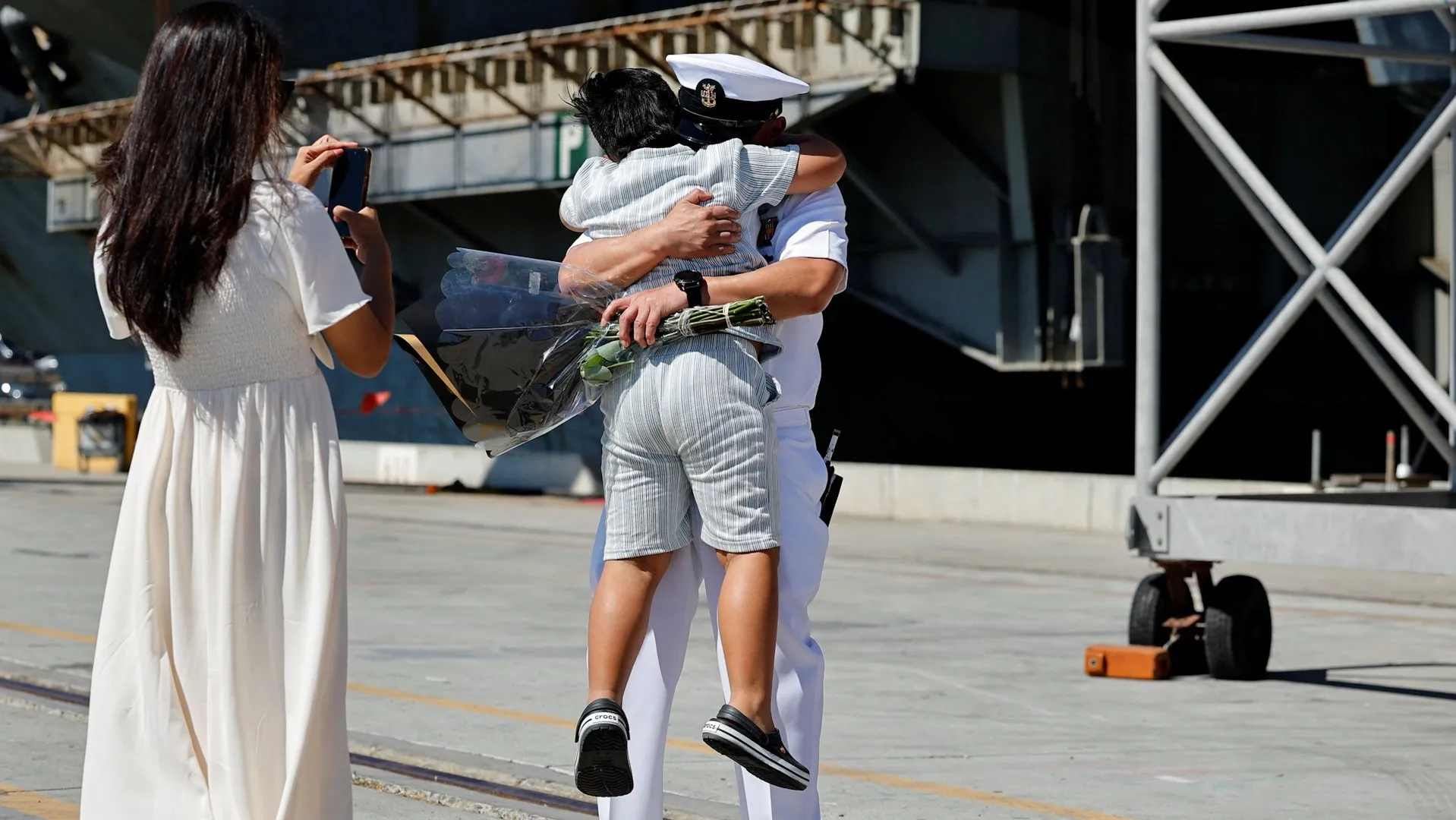
Families cheered and embraced their loved ones as the USS Abraham Lincoln returned home to San Diego after more than 300 days at sea to support the US-led war on Iran. The extended deployment led to supply shortages, facility breakdowns and reports of suicide attempts.
Crew members express relief upon return from record-breaking deployment of 265 days that strained conditions on board.
Published On 9 Oct 20269 Oct 2026
The United States aircraft carrier USS Abraham Lincoln has returned to its home port after a 322-day deployment, including a record 265 consecutive days at sea, during which it helped wage the US-Israel war on Iran.
The vessel returned to Naval Air Station North Island in San Diego, California, on Thursday, where members of its crew were greeted by family and friends.
Recommended Stories
list of 3 itemsend of list
“It feels amazing,” 20-year-old Abel Ramirez told The Associated Press news agency, adding that his parents had driven from Texas to meet him. “There was a certain point when I never thought I would come off.”
The record-setting deployment of the USS Lincoln became a symbol for larger criticisms of the US war effort, which has dragged on since February with no clear end in sight and has strained US military stockpiles.
The prolonged deployment prompted a series of news reports calling attention to deteriorating conditions, food shortages and a series of reported suicide attempts by crew members.
Pentagon chief Pete Hegseth praised the sailors on Wednesday in remarks that accused the media of trying to turn the ship into “a symbol of dysfunction or a symbol of low morale or a symbol of a failed mission”.
President Donald Trump and members of his administration have frequently lashed out at the news media for critical reporting on the war on Iran. Trump himself has called the reporting about the USS Lincoln “fake news”.
“The Lincoln has been out there for a period of time, a good period of time,” he said at an Oval Office meeting on August 17. “I know people on the Lincoln, and they say it’s beautifully maintained and beautifully taken care of.”
Earlier that month, when confronted with the amount of time the USS Lincoln had spent at sea without a port stop, Trump quipped that its deployment was “not nearly long enough“.
The reports of mental health strain on the USS Lincoln come as public opinion polls show low approval ratings among US voters for the war against Iran.
On Thursday, the Pew Research Center released a poll that found 65 percent of Americans disapproved of Trump’s handling of the war, compared with 33 percent who approved.
The war has also fuelled concerns about the cost of living ahead of the upcoming midterm elections. Since the war began, Iran has hindered commercial traffic through the Strait of Hormuz, a critical waterway for the trade of fuel, fertiliser and other goods.
Sailors returning home on the USS Lincoln said that they were looking forward to fresh meals and spending time with their families.
Alma Solano Velez said that her husband, one of the US service members on board, shared a list of foods he had been craving over his 10-month deployment: oxtail, barbecue chicken, broccoli and shrimp empanadas, among others.
She added that he had spoken about “the lack of food and showers” and was looking forward to seeing their four-year-old daughter.
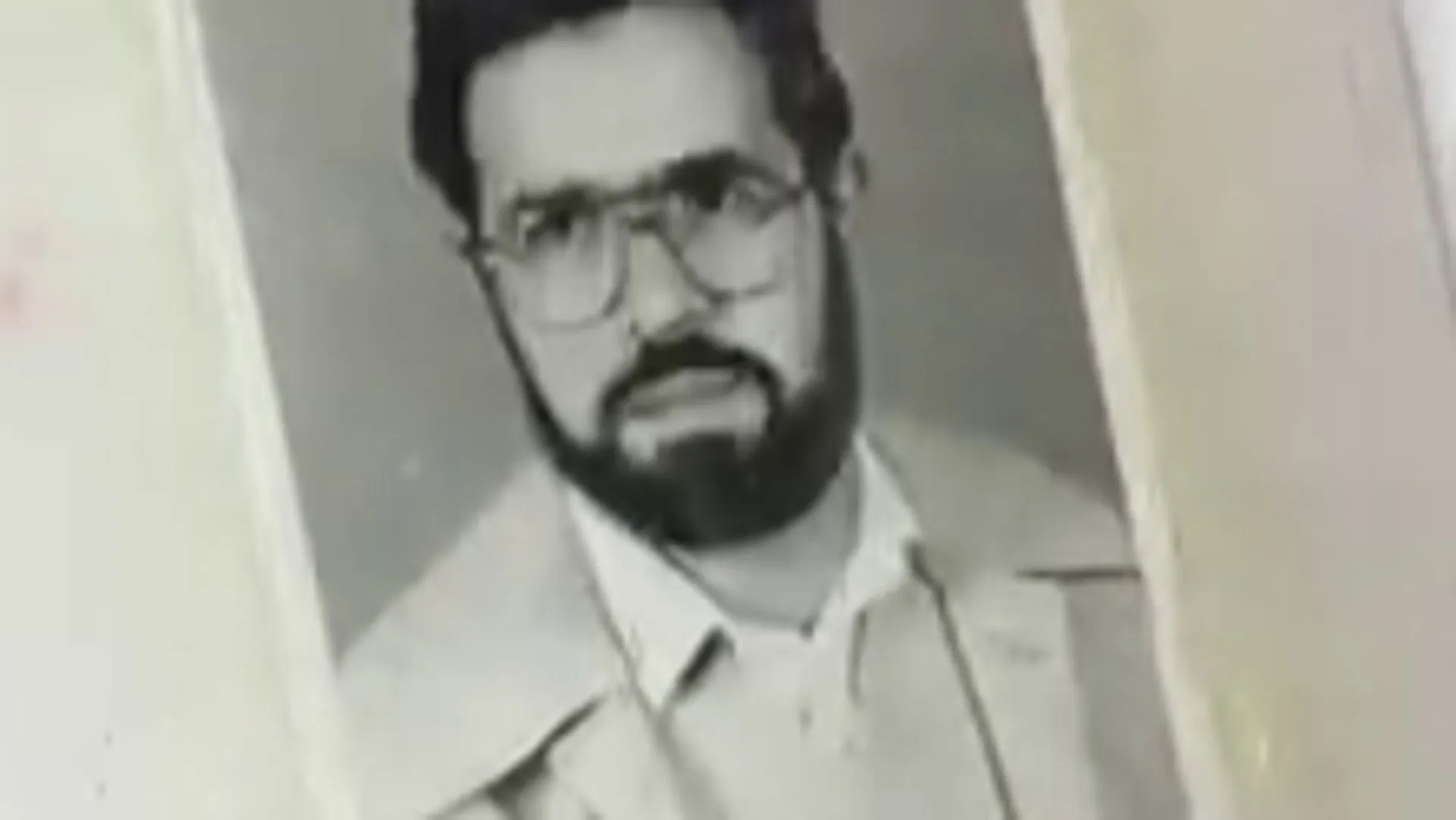
The Syrian embassy in Berlin has returned the passport of a citizen that the former Assad government seized 43 years ago. Adnan Wahoud, a mechanical engineer and inventor residing in Germany, says his passport was confiscated because he refused to cooperate with the former government.
Salman Agha axed before T20 home series against Sri Lanka, but Shaheen Shah Afridi is retained as ODI captain.
Published On 6 Oct 20266 Oct 2026
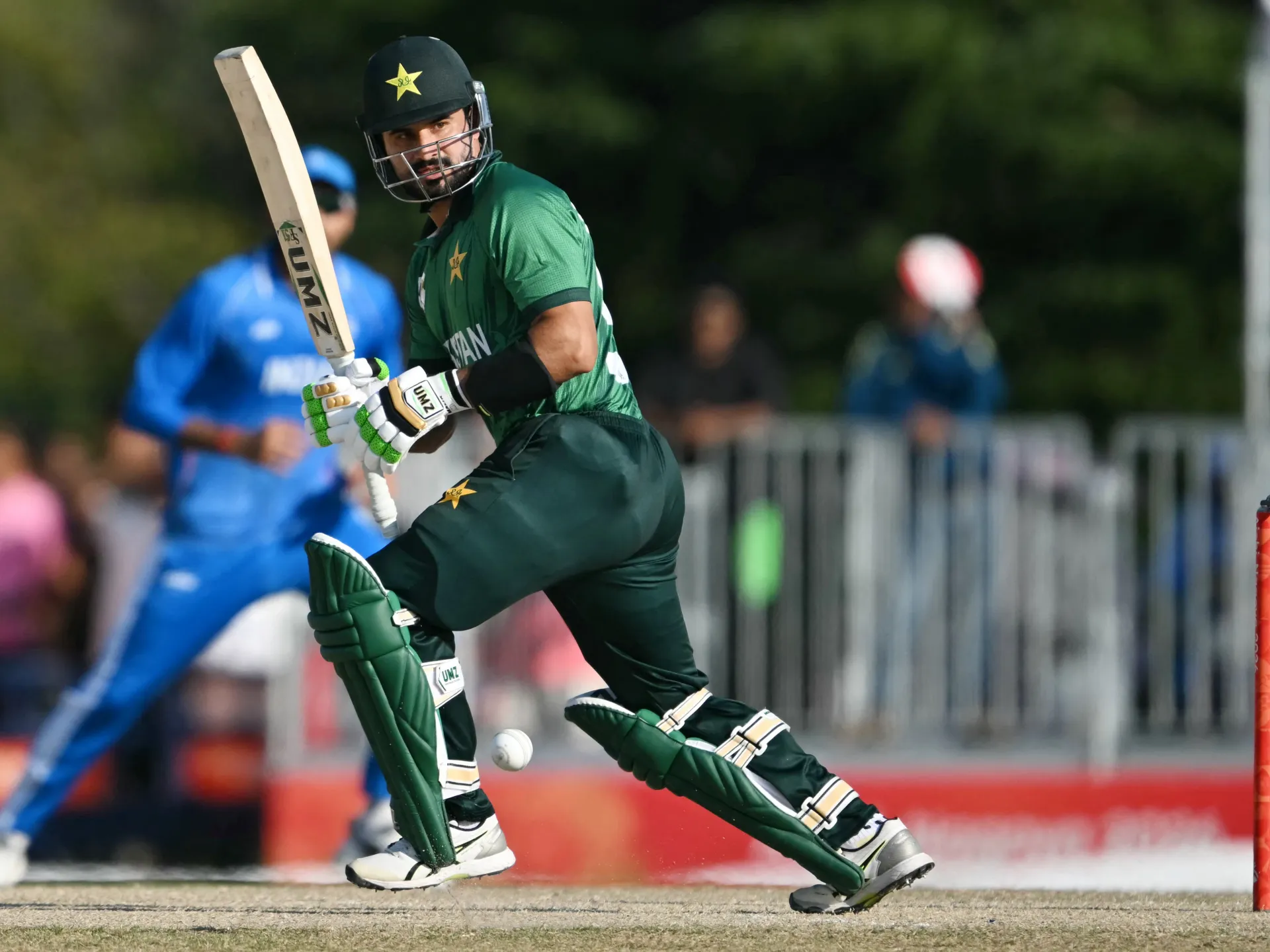
Sahibzada Farhan has replaced Salman Ali Agha as Pakistan’s Twenty20 cricket captain, ushering in changes to the leadership and squad for the upcoming three-match home series against Sri Lanka.
Farhan led Pakistan to a silver-medal finish at the Asian Games, losing to India in the final on Sunday.
Recommended Stories
list of 4 itemsend of list
Batter Hasan Nawaz and fast bowler Naseem Shah were recalled to the T20 squad.
Nawaz had been out of favour since November, but in the Asian Games final he hit 96 and was out off the final ball as Pakistan lost by 19 runs.
Shah last played in the shortest format at the T20 World Cup in February. He was also added to the one-day international squad for the following tri-series with Sri Lanka and England.
Rising star Razaullah was rewarded for his impressive performance on his Test debut against England last month in Birmingham and was included in the T20 and ODI squads. He is yet to make his white-ball debut.
Fast bowler Shaheen Afridi was retained as ODI captain of a team that included Agha and Babar Azam.
But the selectors ignored Mohammad Rizwan because the wicketkeeper was under investigation by the National Cyber Crime Investigation Authority. Rizwan was one of the seven players who were summoned home after Pakistan lost the second Test to England at Lord’s in August.
Khawaja Nafay was the specialist wicketkeeper for the T20s while Ghazi Ghori, who made his Test debut in England, was the first-choice gloveman for the ODIs.
Rawalpindi will host the three Sri Lanka T20s from October 9-13. The tri-series begins on October 18.
Tait back as bowling coach
Former Australian fast bowler Shaun Tait was named as Pakistan’s bowling coach after his recent stint with the Bangladesh team. Under Tait, Bangladesh beat Pakistan 2-0 in the Test series this year.
Tait replaced Ashley Noffke, who has been contracted by the Netherlands.
Pakistan T20 squad: Sahibzada Farhan (captain), Abdul Samad, Abrar Ahmed, Arafat Minhas, Fakhar Zaman, Hasan Nawaz, Muhammad Imran Randhawa, Khawaja Nafay, Maaz Sadaqat, Naseem Shah, Razaullah, Saim Ayub, Mohammad Salman Mirza, Shadab Khan, Sufiyan Moqim.
Pakistan ODI squad: Shaheen Shah Afridi (captain), Abrar Ahmed, Salman Ali Agha, Arafat Minhas, Babar Azam, Faheem Ashraf, Fakhar Zaman, Ghazi Ghori, Haris Rauf, Hasan Nawaz, Naseem Shah, Razaullah, Saad Baig, Saim Ayub, Shadab Khan, Sufiyan Moqim.
CALUM Best shared a sweet tribute to his ‘fighter’ mum Angie as she returned to the UK after treatment amid her colon cancer battle.
Angie, 74, announced that she was diagnosed with the disease in January and in July was told that she was cancer free.
Proud son Calum shared a tribute to his ‘fighter’ mum Angie as she returned to the UKCredit: UnknownAngie has been seeking alternative mistletoe therapy in SwitzerlandCredit: Instagram
Over the past year she has kept fans up to date while undergoing traditional medicine, chemotherapy and immunotherapy, as well as an alternative mistletoe therapy in Switzerland.
Now Angie is back in the UK with her son.
Sign up for the Showbiz newsletter
Thank you!
Calum shared a snap of their pair cuddled up together in the airport car park, as well as one of her approaching him in arrivals.
He captioned the post: “Right then, she’s back on UK soil, let’s get you healed, fed healthy and fighting fit!
“From me to you mother, I’m so proud of what a strong fighter you are, this last year has been hell and u have managed it with such grace, a year or treatments.
“Surgerys and all the rest are not easy and you have powered through it so well and we will continue to.
“What I also want to say is a huge thank you to everyone so far on this journey, so many people asking and involved both in person and through social media, thank you for caring about Angie.”
Many rushed the comments section to share the love.
One said: “Oh wow.. so pleased to see this, right where you belong.. no place like home!”
Another wrote: “Such a beautiful Mother and Son relationship. Rest up now Angie, you’re incredible.”
A third chimed in: “Sending you both love and hugs.”
A fourth commented: “How incredible to go through such a journey and looks so beautiful and be an inspiration to us all!!!!!”
“Wonderful news ,you mum is definitely a true fighter 💪❤️wishing her well,” a fifth added.
Last month Angie revealed that she’s back in hospital after suffering a ‘setback’ following battle with cancer.
Taking to her page earlier today, Angie said: “Update my homies. I find myself back in the hospital.
“I have an infection. They think it’s bacterial. Bt I have to stay here a few days for results and to make it better.
“See you on the other side.”
After major surgery to remove a tumour from her colon in July, Angie revealed that she was cancer free.
Angie and footballer ex George Best are Calum’s parents.
Calum is a reality star who has been on Celebrity Love Island, Celebrity Big Brother and Celebrity SAS.
Portadown, Northern Ireland – When the summer holidays arrived, Chris Nelson worried about his mother.
At night, he lay awake waiting for her to return. During the day, he rang family members to ask if she was safe. There were threats and letters through the door.
Recommended Stories
list of 4 itemsend of list
“I was afraid to leave the house,” he told Al Jazeera.
His mother, Rosemary Nelson, was a lawyer representing the Catholic residents opposing the Protestant Orange Order parade along Portadown’s Garvaghy Road in Northern Ireland in the late 1990s.
Every July, as marching season approached, there was a standoff.
Orangemen sought to return from Drumcree church along what they regarded as their traditional route. Residents opposed the passage of the anti-Catholic organisation through a majority Catholic street. In some years, police forced the parade through. In later years, it was blocked.
Rosemary would spend summer evenings alongside the residents on Garvaghy Road. Before leaving home each evening, she told her son that she was going to look after families and make sure their children were okay. She compared them to his friends at primary school.
“She was a big believer in helping the underdog,” said Chris, now 39. “She did a lot of work for free.”
His mother helped people from both sides of the community. When work allowed, the family went to Bundoran, across the border, and for a day the fear would pass.
But one night, during a standoff in 1997 when the state police force, the Royal Ulster Constabulary (RUC), used batons to clear Catholic locals from the road, “she was beaten by the police”, said Chris. “She was spat on”, bruised and bloodied.
“That was very traumatic. I was always thinking something was going to happen to my mum.”
On a Monday in March 1999, nearly a year after the Good Friday Agreement brought an end to the conflict, Rosemary drove away from her home in Lurgan.
As she braked at a nearby junction, a bomb beneath her car exploded. Her eight-year-old daughter, Sarah, was at primary school nearby and heard the blast. The family had spent the previous weekend in Bundoran together.
Chris, 11 at the time, and his older brother were away on a school ski trip when they received a phone call with the news of her death.
“That was hard”, he said, his voice tailing off.
A legacy of loss
Nearly three decades later, another standoff has recast these childhood memories into fears for the next generation, with a renewed attempt by the Protestant Orange Order to march through the Catholic neighbourhood, threatening to unravel a fragile peace.
The Troubles began in the late 1960s as protests by Catholics against discrimination were met by repression and violence. Republican paramilitaries fought for a united Ireland as loyalists and the army battled to preserve British rule, in a conflict that killed more than 3,500 people.
The 1998 Good Friday Agreement established a framework for peace and power-sharing.
Under the agreement, the people of Portadown have lived in relative peace for the past 28 years.
But this was suddenly unsettled by a last-minute decision by the High Court to allow the march. In response, Catholic residents blocked the road. Many camped out as Orange men gathered at the top of the road, awaiting police permission to pass – an image of division that never truly left.
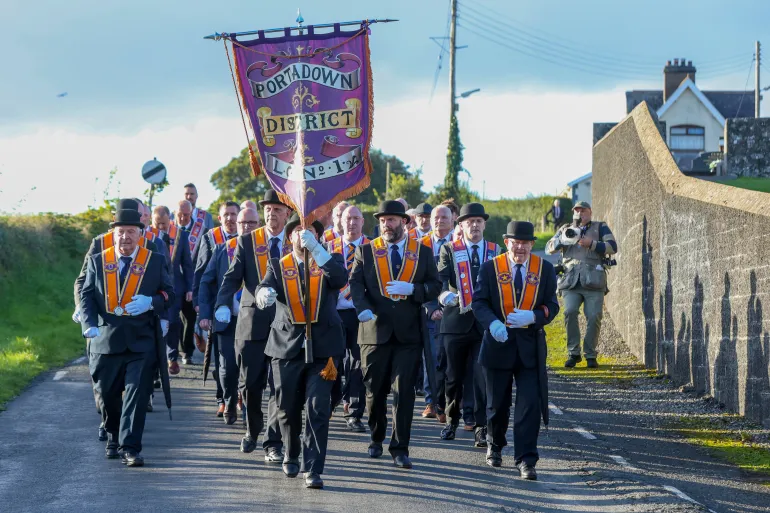
Portadown Orangemen march from Drumcree Church to start their march towards Garvaghy Road, which was stopped a short distance later by police, in Portadown, Northern Ireland on September 27, 2026 [AFP]
Many of the Garvaghy Road residents are now parents, and fear what their children might inherit from a dispute they hoped had been left behind.
Paul O’Connor, of the Pat Finucane Centre human rights group in Northern Ireland, said Rosemary Nelson is among 21 people whose deaths were linked to the Drumcree dispute.
Many are still being investigated, with families continuing to seek justice and pressing for public inquiries amid concerns about collusion between the British state and loyalist paramilitaries, many of which were members of the Orange Order.
“These murders encompass LVF (Loyal Volunteer Force) killings at that time, and are all linked to the Drumcree disputes. They were responsible for many of the killings around the Mid Ulster area at that time. They were trying to destabilise the peace process, with many riots spreading around, including into Derry,” O’Connor told Al Jazeera.
He worked with Rosemary Nelson and is now seeking a public inquiry into the murder of Sean Brown, another Drumcree-linked case, he believes. The 61-year-old father of six from Bellaghy, County Derry, was abducted and murdered in May 1997.
The following year, the three Quinn brothers – Richard, 10, Mark, nine, and Jason, eight – died after loyalists petrol-bombed their home in Ballymoney, County Antrim, as they slept. Their deaths, during the unrest surrounding Drumcree, brought widespread calls for the Orange Order to end its standoff.
Protesters block the Garvaghy Road in Portadown, Northern Ireland on September 27, 2026, preventing a parade of marchers from the Orange Order using the route through the mainly nationalist area of the town [AFP]
Fear and loathing in Mid Ulster
In Portadown town centre, a Union flag flies among plinths dedicated to the Ulster Defence Regiment, a locally recruited unit of the British army and the Ulster Covenant – a document signed when nearly 500,000 people opposed a form of self-government for Ireland in 1912.
Around the corner, in the Edgarstown housing estate, Ulster Volunteer Force (UVF) flags hang from lampposts, and the kerbs are painted red, white and blue, alongside a mural of a Rangers FC badge.
The area is one of the heartlands of unionism. The Orange Order was founded in 1795 in the village of Loughgall, a few miles from Drumcree.
The Orangemen say they have marched the route through Garvaghy Road since 1807. The parade has been blocked from Garvaghy Road since 1998, but the Orangemen have continued submitting requests to march.
The latest Parades Commission decision permitted 35 men to walk without music. Since then, Orangemen have repeatedly approached the police line before returning to the church.
UVF flags fly alongside UK flags in the Edgarstown estate, Portadown, Northern Ireland, on October 1, 2026 [Caolán Magee]
Irish nationalists have criticised the police assessment underpinning the decision to allow the march, while unionists have denounced police for failing to forcibly remove protesters blocking the route.
Al Jazeera contacted the three main unionist parties – the Democratic Unionist Party (DUP), the Traditional Unionist Voice (TUV) and the Ulster Unionist Party (UUP) – for comment but received no response.
Addressing around 200 supporters in Portadown, loyalist activist Jamie Bryson described protesters as “an unlawful snarling mob”.
He has called for the First Minister, Sinn Fein’s Michelle O’Neill, and police Chief Constable Jon Boutcher to resign, and demands that the Orange men must be allowed to walk the Garvaghy Road.
O’Neill has faced criticism for standing beside the protesters.
At Drumcree Church, the Orangemen were not marching, but sitting down drinking tea and eating crisps. Around six men, one wearing his sash, huddled under a gazebo in the cold.
“We are waiting patiently for the chief constable to apply the law of the land,” Nigel Dawson, the Portadown Orange Order district master, told Al Jazeera.
“Portadown District has never in its history stopped a parade down the road to have a confrontation with its neighbours, ever. So I don’t know where the fear and trepidation comes from.”
Another Orangeman, who requested anonymity, added: “We are determined to get home after Sunday service … We just want to go home.”
Orange Order members sit outside Drumcree church as they await passage along Garvaghy Road in Portadown, Northern Ireland, on October 1, 2026 [Caolán Magee]
Around a mile further down the Garvaghy Road, Irish folk band the Mary Wallopers performed to hundreds of residents and supporters.
Children danced and slid down the embankment, as parents watched from above. Palestine and Ireland flags flew in the wind.
Linda O’Neill, 51, a Garvaghy Road resident, told Al Jazeera the scene would have been unimaginable 30 years ago.
“It was horrendous growing up as a teenager. We stayed in our own community. We didn’t access the town centre … This community was a ghetto. And that was deliberate.”
Another resident, Ciaran O Ferghail, remembered summers spent surrounded by British forces.
“This community was turned into a war zone. There were tanks and British Army everywhere, thousands of RUC. This community was completely under siege every summer, by the Orange Order, the British military, the RUC and loyalist paramilitaries. We were surrounded on every road and in every direction.”
O’Neill said the confrontation changed as residents began asserting their rights.
In 1995, hundreds sat down on Garvaghy Road to block the parade. The ensuing violent standoff between security forces and Orangemen and their loyalist supporters ended in a compromise allowing the march through. Residents say they understood it would be the last.
But the following summer, the parade returned. Police initially blocked it, then reversed course after five days of widespread loyalist attacks. Officers forced residents off the road and beat them, sparking riots in Catholic communities.
In 1997, security forces sealed off the Catholic neighbourhood before dawn and allowed the parade through at midday amid loyalist threats to kill Catholics if it was stopped. Nationalist protests and violence followed. From 1998, the march was banned from Garvaghy Road. But for residents, summers remained marked by the army’s steel barricades until 2000.
Children play on the embankment as music rings out along Garvaghy Road in Portadown, Northern Ireland, on October 1, 2026 [Caolán Magee]
Lessons from the past
Chris Nelson, almost 40, is around the same age his mother was when she was killed.
The Garvaghy Road protests mark the first time he has chosen to speak publicly about his mother.
He went on to study law at university, but says his life would have followed a different trajectory if she were still here.
The public inquiry into his mother’s death found no evidence that state security agencies had “directly facilitated” her murder, but it “could not exclude the possibility” that individual members of those agencies had helped the perpetrators.
The inquiry brought the past back repeatedly as he tried to get on with his life. But seeing photographs of families linking arms on Garvaghy Road brought back unavoidable memories of his mother.
“If she were here, that’s where she would be,” he said, “standing with the people of the Garvaghy Road”.
While there has been no violence in Portadown, in Derry’s Waterside, two recent nights of disorder saw petrol bombs and masonry thrown at police. Officers described the crowd on the second night as mostly young people.
The renewed attempt to bring the Orange Order parade through Garvaghy Road risks leaving its mark on children on both sides. With some schools closed, Chris Nelson worries about parents having to explain to their kids what is happening.
“Children don’t forget things“, he said. “They absorb everything.”
He remembers how it felt waiting for his mother each night, and how that worry followed him through the summer holidays. He wants something different for the children growing up now.
“Children shouldn’t grow up knowing the difference between Catholic and Protestant.
“It isn’t something that should be brought into the mind of a child.”
A ‘Garvaghy Road says no’ sign with an Irish tricolour in the background in Portadown, Northern Ireland, on October 1, 2026 [Caolán Magee]
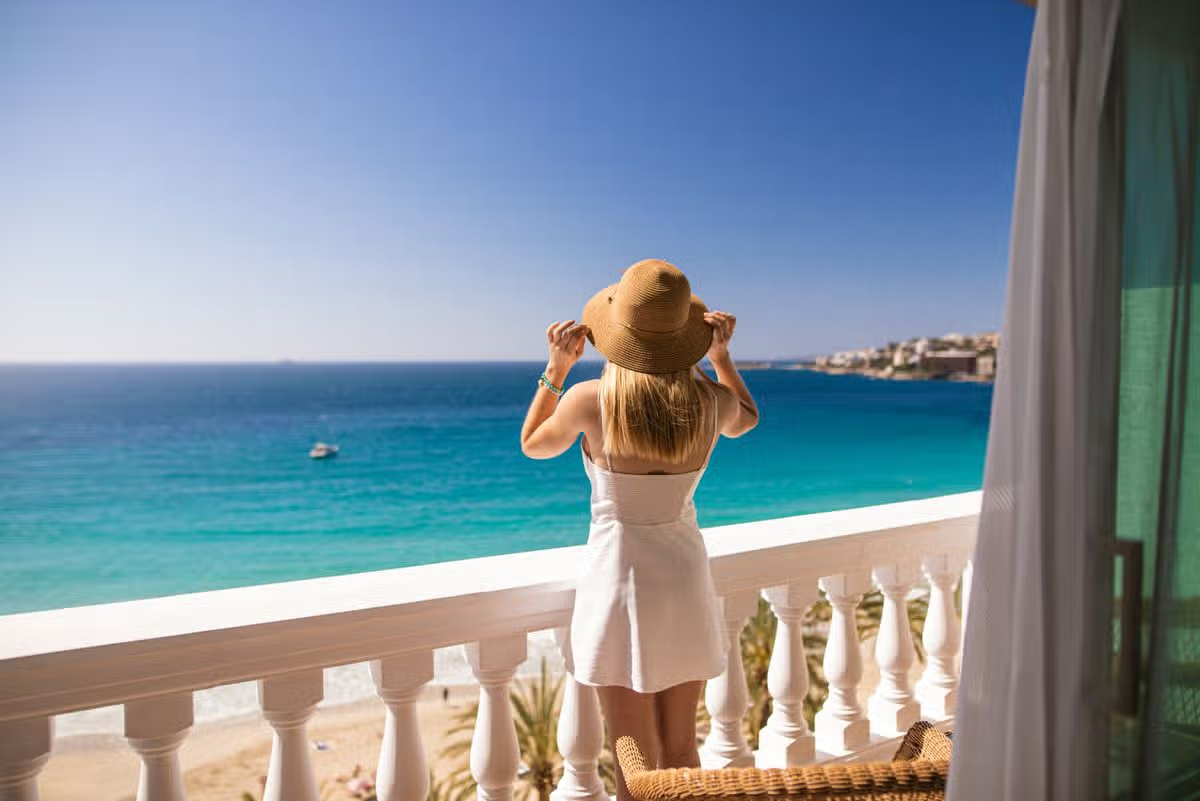
A content creator who returned to Majorca after spending over three years living in the Dominican Republic has taken to social media to express her sadness over what she found when visiting home
A woman who returned to Majorca after years away was left saddened by what she saw (stock)
A woman who returned to Majorca after over three years living elsewhere expressed her sadness at what she found in the Spanish holiday hotspot.
Carol Vásquez, a native of the popular Balearic island in Spain, had been living in the Caribbean town of Punta Cana in the Dominican Republic for three and a half years, when she decided to come back for a visit.
However, upon her return this summer Ms Vásquez said she was saddened by what she discovered as she noted a massive influx of tourists. Majorca is a major travel hub for Brits during the spring and summer months due to the warm seas and hot climate.
So upset was Ms Vásquez that she took to TikTok to share her dismay admitting she was “a bit sad” over how peak tourist season had changed how she felt about her home island.
The content creator said: “I am feeling a bit sad because I am from Mallorca. I have actually lived in Punta Cana for three and a half years, and every time I come back to Mallorca, especially now in the summer, I don’t enjoy it.
“I get really overwhelmed because there are many tourists. There are so many tourists that the local people cannot enjoy the island.”
However, Ms Vásquez said that her criticism of Majorca was not just about the typical tourism hotspots such as the beaches, but parts of the island where locals who live there year round gather.
She added: “I’m not talking about the beaches anymore; I’m talking about the town centre, the places where we’ve always gone to eat.”
Ms Vásquez subsequently claimed that there was “no way to enjoy the island” and that the only way to do so was by “dodging people”.
Ms Vásquez’s comments come as Spain continues to try and find ways to manage an annual overtourism crisis that sees millions of people travel to its towns and cities, often affecting local people.
Majorca is often one of the hardest hit, welcoming around 13.6m last year alone. In fact, the problem has become so acute that Marga Prohens, President of the Balearic Government, has called for “limits” on tourism.
In a statement during the Forbes Economic Summit 2026, the politician declared the situation was not sustainable. She said: “We cannot continue growing at this pace and with this model.
“We can’t keep measuring the success of tourist seasons by the number of tourists coming each year; we need to talk about limits and manage them.”
This doesn’t mean Ms Prohens is against tourism, but she emphasised the need to think about it beyond things such as beaches and hotels to help the region best utilise its biggest economic driver without making the overtourism situation worse.
She added: “Tourism is much more than hotels, sun, and beaches, or managing visitor flows; it is innovation, artificial intelligence, digitalisation, and new technologies.”













![Portadown Orangemen march from Drumcree Church to start their march towards Garvaghy Road, which was stopped a short distance later by police, in Portadown, Northern Ireland on September 27, 2026 [AFP]](https://i0.wp.com/www.aljazeera.com/wp-content/uploads/2026/10/afp_6abfeb6d30a8-1790962541.jpg?w=640&ssl=1)

![UVF flags fly alongside UK flags in the Edgarstown estate, Portadown, Northern Ireland, on October 1, 2026 [Caolán Magee]](https://i0.wp.com/www.aljazeera.com/wp-content/uploads/2026/10/DSC00033-1790961495.jpg?w=640&ssl=1)
![Orange Order members sit outside Drumcree church as they await passage along Garvaghy Road in Portadown, Northern Ireland, on October 1, 2026 [Caolán Magee]](https://i0.wp.com/www.aljazeera.com/wp-content/uploads/2026/10/DSC00113-1790961532.jpg?w=640&ssl=1)
![Children play on the embankment as music rings out along Garvaghy Road in Portadown, Northern Ireland, on October 1, 2026 [Caolán Magee]](https://i0.wp.com/www.aljazeera.com/wp-content/uploads/2026/10/DSC00134-1790961539.jpg?w=640&ssl=1)
![A ‘Garvaghy Road says no’ sign with an Irish tricolour in the background in Portadown, Northern Ireland, on October 1, 2026 [Caolán Magee]](https://i0.wp.com/www.aljazeera.com/wp-content/uploads/2026/10/DSC00064-1790961515.jpg?w=640&ssl=1)