renee good

Trump says his deportation policy ‘might have been too tough’ for voters

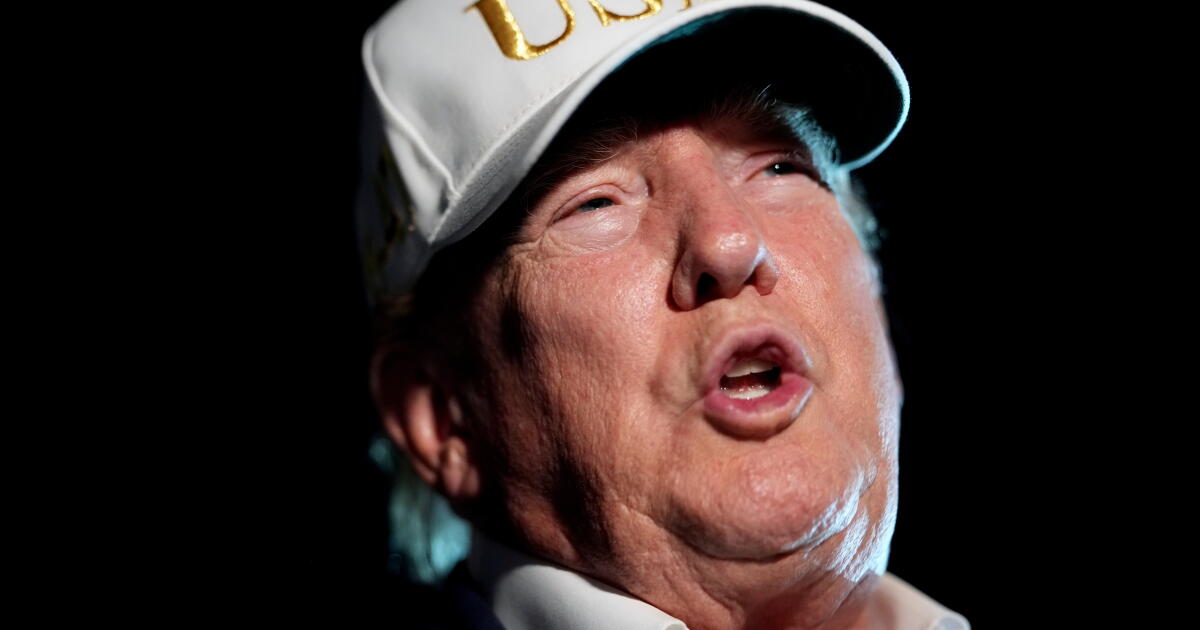
President Trump in his first major interview since his party lost control of the House and Senate in the midterm elections said he thinks his administration was too aggressive on deportations and that he believes he can work with Democrats in the new Congress on some kind of immigration deal.

Trump said his deportation policy was part of the reason Republicans lost, telling CBS’ “60 Minutes” in an interview that aired Sunday: “I think it might be too tough, yeah.”

He added that he thinks he could reach an agreement with the new Democratic majority. “The deal would be we would work something out. And I think it’s something — I think that’s something that’s actually doable,” he said in the interview.

Trump did not give specifics about what that deal would look like — and shortly after taping the interview Friday, Trump named the key architect of his hard-line immigration agenda, Stephen Miller, as his new chief of staff.

“Trump says his immigration crackdown went too far,” Senate Democratic leader Chuck Schumer scoffed on social media Sunday after the interview aired. “Apparently, his solution was to put the man responsible for it in charge of the White House. That’s not a course correction. That’s a promotion.”

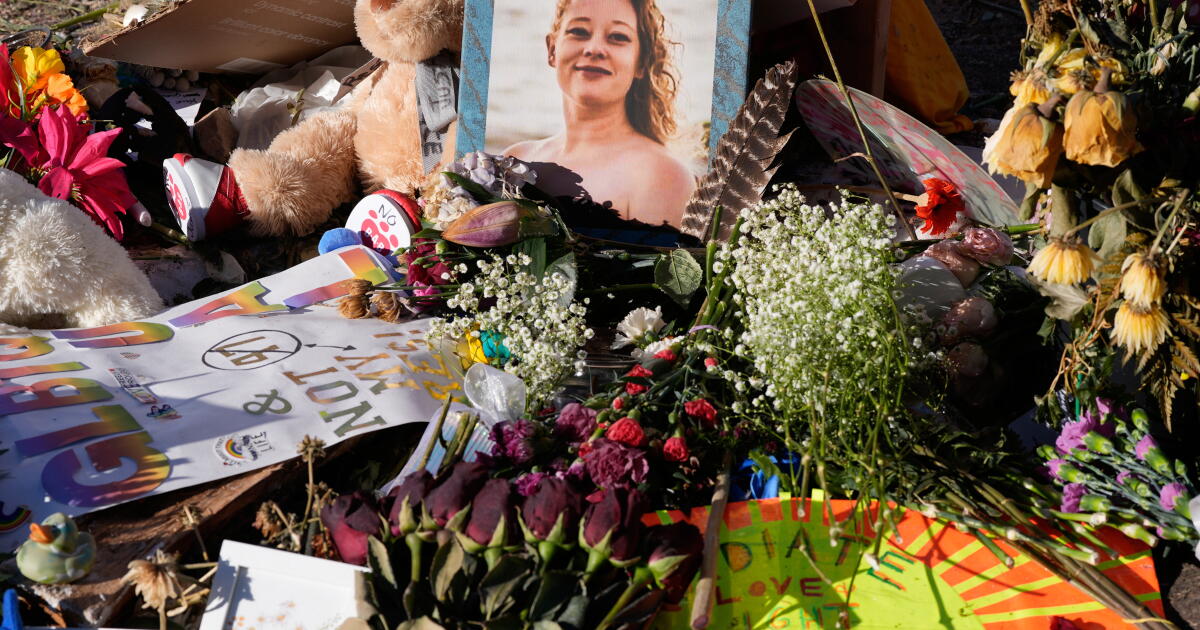
The president’s immigration crackdown has been a prominent feature of his second term with major operations in Los Angeles and other cities sending arrests soaring. Two U.S. citizens — Renee Good and Alex Pretti — were killed by federal officers during protests against the operations.

Democrats have said oversight of Immigration and Customs Enforcement and the Department of Homeland Security is a priority for the new Congress.

Trump said he believes that “killers” and “drug dealers” in the country illegally should be deported, but suggested he was open to the idea of a deal that would let others stay “if they’re good people working in a landscaping company, or working in a hotel, or doing something, right? And in some cases, paying taxes.”

Catalini writes for the Associated Press.
Source link

Trump administration stopped sharing evidence in Good and Pretti killings, Minnesota officials say

The federal government has stopped sharing evidence with Minnesota authorities who are investigating the killings of Renee Good and Alex Pretti by federal officers, state officials said in recent court filings.

Minnesota officials sued President Trump’s administration in March for access to materials they said they needed to independently investigate the shootings during Trump’s immigration crackdown in Minneapolis earlier this year. The Trump administration has suggested that state prosecutors don’t have jurisdiction to investigate federal officers, while Minnesota officials have said they don’t trust the federal government to investigate itself.

The state is still seeking the cell phones of the officers involved in both shootings and recordings of key interviews.

State prosecutors announced in July that the federal government had begun turning over evidence in the cases, including police body camera video and hard drives containing statements. Hennepin County Attorney Mary Moriarty said at the time that the state expected to receive “all the evidence.”

But Minnesota investigators said in October court filings that the transfer of evidence stopped soon after the July announcement. Moriarty said the U.S. Attorney’s Office for Minnesota told her on Sept. 10 that evidence sharing would be on pause indefinitely “in light of challenges with D.C.,” according to the documents.

State prosecutors have again asked a judge to order federal agencies to hand over the evidence, arguing they “have identified no legal authority or rational basis justifying their obstruction of state criminal investigations.”

In a reply filed Tuesday, attorneys for the Justice Department argued it’s within their discretion to decline to share information with state authorities. They cited the department’s rules for responding to record requests, known as the Touhy regulations, which apply only when formal legal proceedings are underway. The attorneys said there was no active court case when Minnesota made its requests.

Drew Evans, superintendent of the Minnesota Bureau of Criminal Apprehension, said in a legal declaration that federal authorities still have Good’s clothing, the cell phone of the officer who killed her and interview recordings that state authorities have never been able to view.

An Immigration and Customs Enforcement officer fatally shot Good, a 37-year-old mother of three, while she was leaving a Minneapolis protest on Jan. 7. Bystander video shows Good in the driver’s seat of an SUV, repeatedly honking the horn, when masked immigration officers order her to step out of the vehicle. She starts to pull forward, and an officer standing in front of the car fires at her windshield. The officer, now standing about an arm’s length from the open window on the driver’s side, fires twice more, according to an analysis of the videos by The Associated Press and others.

Federal officials at the time said the officer acted in self-defense.

Good’s death and that of Pretti, a 37-year-old intensive care nurse who was killed weeks later by a federal officer in Minneapolis, ignited nationwide protests against the Republican president’s immigration enforcement efforts.

No criminal charges have been filed in connection with the fatal shootings.

Evans said the federal government also has not shared a recorded statement from an officer who shot Pretti, the firearms used by the officers, their phones, projectiles and casings, and a gun taken from Pretti before he was shot.

Schoenbaum writes for the Associated Press.

Source link