The World Health Organisation (WHO), a United Nations specialised agency, has declared the resurgence of the Ebola epidemic in the Democratic Republic of Congo (DRC) a case of international concern. Following the declaration of the 17th Ebola epidemic in Ituri province on Saturday, May 16, the WHO announced that the resurgence is attributed to the Bundibugyo strain found in both the DRC and Uganda.
Tedros Ghebreyesus, WHO’s Director General, said the declaration is based on several elements, notably the high level of positivity of the first samples of tests, the already documented propagation outside Congolese borders, as well as the absence of a vaccine or approved treatment against the specific strain. He noted that the current epidemic does not meet the criteria for a pandemic emergency at this time.
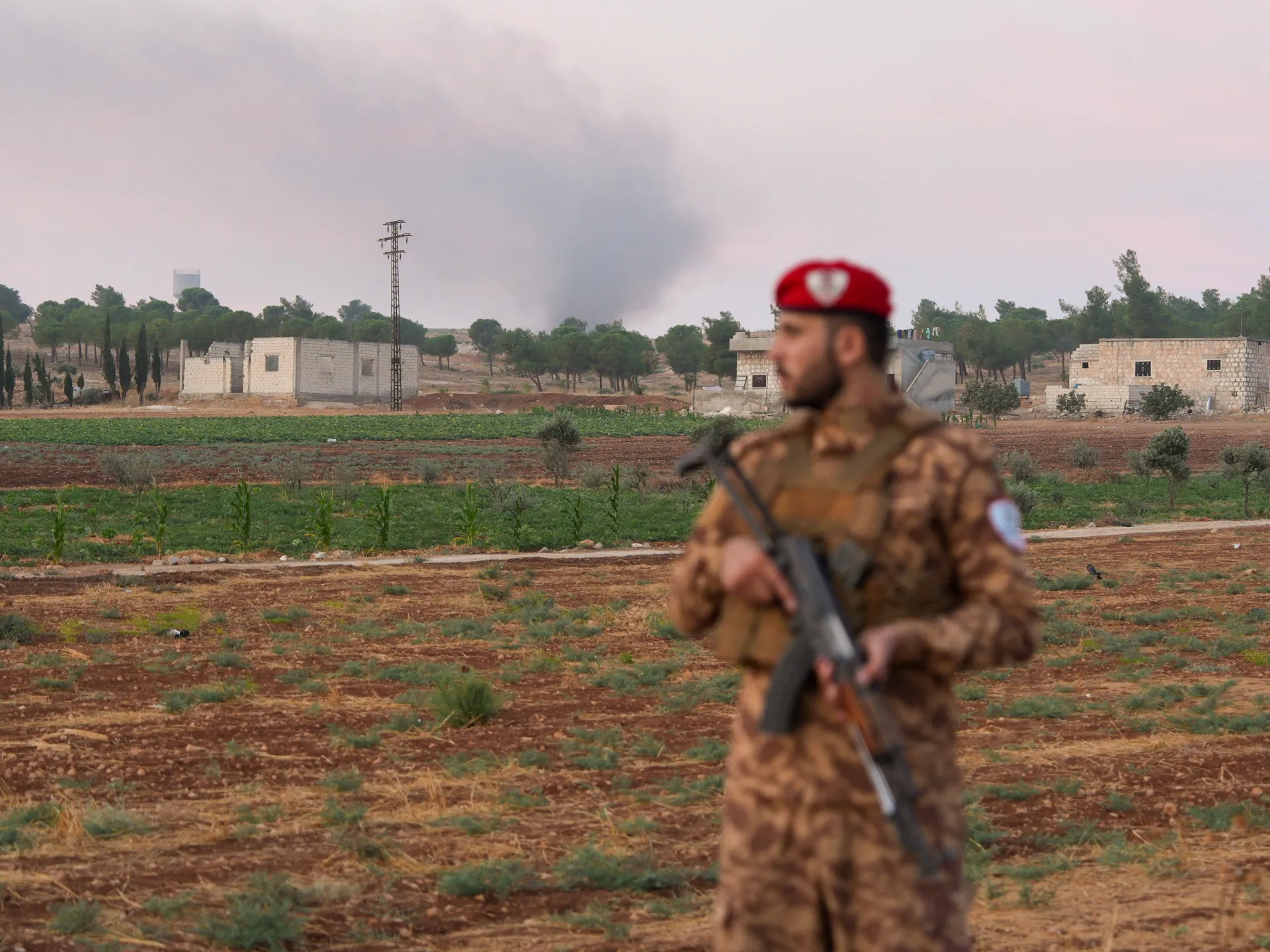
The recent Ebola virus outbreak is occurring in an area of the country plagued by violence against civilians, which is linked to the Allied Democratic Forces (ADF) rebels, who continue to inflict suffering on the local population despite ongoing joint military efforts by the Congolese armed forces and the Ugandan Peoples Defence Forces (UPDF). In addition to the joint operations, various local militia groups are also active, including the Cooperative for the Development of Congo (CODECO), the Zaire faction, the Convention pourla Revolution Populaire (CRP), and others. This situation has deteriorated the humanitarian conditions in this region of the DRC, leading to a significant displacement of people.
However, the government of Rwanda, through its Ministry of Health, has said it is closely monitoring the resurgence of the Ebola epidemic in the DRC’s Ituri province, noting that no cases of the virus have been detected in Rwanda so far. The government noted that it has taken some measures, including increased vigilance on border posts with the DRC.
“As a precautionary measure, Rwanda has reinforced the testing and vigilance at entry points situated along the border with the DR Congo. Health teams have been mobilised, and the surveillance systems have been reinforced in order to ensure early detection and a rapid intervention in case of need”, the Rwanda Ministry of Health announced in a statement dated May 17.
Sabin Nsanzimana, the country’s Minister of Public Health, who is also an epidemiologist, noted that his ministry would continue to collaborate with national, regional, and international partners to protect the health and security of the Rwandan population.
The epidemic in Ituri province arose nearly six months after the Congolese government announced the end of the 16th Ebola epidemic in Kasai province on Dec. 1, 2025. Following the recovery of the last patient on Oct. 19, 2025, no cases were recorded during the subsequent 42 days.
However, Roger Kambathe, DRC’s Minister of Public Health, Hygiene, and Social Welfare, rejected speculations in the country’s socio-political circles that the resurgence of the Ebola virus is due to negligence on the part of relevant health infrastructure and authorities. During a press conference on Saturday, May 16, the minister addressed accusations of failure in the sanitary surveillance system to manage alerts about the new Ebola epidemic in Ituri.
“You have said something that surprises me. You have said: ‘What did not work, the epidemic has been here for one month and you did not react’. I want to remind you that there was a patient, a nurse, who died in Bunia of an illness which was not reported. I gave the date: 24th April,” the minister said, clarifying that the corpse was eventually transferred to Mungwalu, where local traditional funeral rites caused the propagation of the virus.
“It was during the funeral ceremony that people were crying, thinking that the nurse died from a mysterious disease and touching the corpse, that cases of the virus started appearing,” Roger noted, adding that the first official notification of the virus was on May 5. “This first social notification was through social networks.”
“Three days afterwards, our teams made the official notification. Samples were taken”, the minister continued and stressed that the first analysis did not permit the identification of the particular Ebola strain. “We first researched the Zaire strain, but the results were negative.”
He also said samples were eventually sent to the national biomedical research institute in Kinshasa for complementary analyses, “and it was before yesterday that we received the confirmation of another strain. Thus, I do not know why you say ‘what did not work?’”.
Samuel argued that “there is a rule called ‘7-1-7’: be alerted in 7 days, intervene immediately, and post the diagnosis promptly. And that is what was done”. He assured that response measures are currently in place, particularly through logistics and aerial resources. Between May 8 and May 17, aircraft were already dispatched. This spans just under nine days, and the minister stated that the issue does not lie with the system.
One day before the official government communication on May 16, Jean Kaseya, the Director General of the Africa Centres for Disease Control and Prevention, warned of the high risk of regional spread of the epidemic. Faced with the situation, a high-level regional meeting was convened with the health authorities of the DRC, Uganda, and South Sudan, as well as several international partners, including the WHO and the United Nations International Children’s Emergency Fund (UNICEF).
According to Jean, who is in charge of the African Union’s health agency, the efforts would be centred on strengthening epidemiological surveillance, laboratory capacities, infection control, community engagement, and transborder coordination.
In a related development, measures to fight against the virus are being intensified in Ituri province. At least five tons of medical supplies were sent to Bunia on Sunday, May 17, to support teams fighting the virus. The material arrived at Murongo airport aboard a humanitarian flight, coordinated by the WHO and its partners. On arrival in Bunia, Anne Ancia, WHO representative in DRC, confirmed that the logistical support aims to urgently reinforce response capacities in the zones affected by the epidemic. According to her, the situation requires rapid mobilisation and coordination to prevent the disease from spreading further in the province, which is already weakened by insecurity and population displacement.
“We call on the population to collaborate with the health teams, to rapidly report suspected cases and to respect preventive measures. The response cannot succeed without the involvement of the community”, Anne Ancia charged. The equipment, including individual protective gear, tents, and hospital beds, would enable intensified frontline interventions, strengthened prevention, and infection control to protect communities in the affected zones.
This medical assistance comes while several suspected cases and deaths linked to Ebola have been reported in certain health zones of Ituri, notably in Rwampara and Bunia, forcing the health authorities to reinforce the surveillance and prevention measures. On the ground, medical teams continue community sensitisation, follow-up contacts, and the installation of health control mechanisms to limit the chain of transmission.
Taiwan has expressed openness to a direct conversation between US President Donald Trump and Taiwanese President Lai Ching te, following heightened diplomatic attention after Trump’s recent summit with Chinese leader Xi Jinping in Beijing.
The discussion comes amid renewed sensitivity over Taiwan’s political status and security, an issue that remains one of the most contested points in US China relations. During the summit, Taiwan was reportedly discussed, with Xi warning of potential conflict if the issue is not handled carefully.
Trump made several public comments on Taiwan following the meeting, including uncertainty over future arms sales and remarks interpreted as cautious on Taiwan independence.
Why the Issue Matters Now
A direct call between a US president and Taiwan’s leader would be highly significant, as no such conversation has taken place since Washington switched diplomatic recognition from Taipei to Beijing in 1979.
Taiwan relies heavily on the United States for security support and arms supplies, making US political signaling on the issue highly consequential for regional stability.
Taiwanese officials said recent remarks had created some uncertainty domestically, even as the government maintains that its core policy position has not changed.
Taiwan Diplomatic Position
Taiwan’s foreign ministry indicated that it would welcome a direct conversation if the opportunity arises, while also seeking clarity on Washington’s intentions.
Officials emphasized that Taiwan continues to view its relationship with the United States as stable, even amid shifting rhetoric following high level US China engagement.
Taipei reiterated that its political future must be determined by its own population, rejecting Beijing’s sovereignty claims.
US China Taiwan Triangle
The situation reflects the broader strategic competition between United States and China, where Taiwan remains a central geopolitical flashpoint.
Beijing considers Taiwan part of its territory, while Washington maintains a policy of strategic ambiguity, supporting Taiwan’s defense capabilities without formally recognizing it as an independent state.
Analysis
The possibility of direct engagement between Trump and Lai would represent a notable diplomatic signal, even if symbolic in nature. It would likely be interpreted differently by Washington, Taipei, and Beijing, each of which assigns distinct strategic meaning to Taiwan related communication.
For Taiwan, such contact would reinforce political visibility and strengthen informal ties with its key security partner. For the United States, it could serve as a calibrated message of support while still avoiding formal diplomatic recognition.
However, it also carries escalation risks. Any perceived shift in US Taiwan engagement often triggers strong reactions from Beijing, increasing regional tension.
Overall, the development highlights how Taiwan remains a central pressure point in US China relations, where even limited diplomatic gestures can have outsized geopolitical impact.
United States President Donald Trump concluded his final round of discussions with Chinese President Xi Jinping in Beijing while attempting to present the visit as a major economic success. The summit came at a sensitive moment for both countries as tensions over trade, Taiwan, artificial intelligence technology, and the Iran conflict continue to shape relations between the world’s two largest economies.
Trump emphasized trade agreements and commercial cooperation during the visit, hoping to strengthen his political standing ahead of important midterm elections in the United States. China, however, used the occasion to deliver clear warnings regarding Taiwan and to criticize the ongoing Iran conflict, signaling that major strategic disagreements remain unresolved despite the positive diplomatic atmosphere.
Trump Highlights Economic Progress
During meetings at the Zhongnanhai leadership compound in Beijing, Trump promoted what he described as successful trade negotiations between Washington and Beijing. He stated that both sides had reached agreements that would benefit their economies and help stabilize commercial relations after years of tariff disputes and economic uncertainty.
The United States announced several proposed agreements involving agricultural exports, beef, and energy sales to China. Officials also discussed mechanisms to manage future trade disputes and identified billions of dollars in potential goods trade between the two countries.
One of the most closely watched announcements involved aircraft manufacturer Boeing. Trump claimed China had agreed to purchase 200 Boeing aircraft, marking China’s first major order of American commercial planes in nearly ten years. However, investors reacted negatively because markets had anticipated a significantly larger agreement. Boeing shares declined after the announcement, reflecting disappointment over the scale of the deal.
The summit also failed to produce a breakthrough regarding advanced artificial intelligence technology exports. Expectations had been growing that restrictions on the sale of advanced AI chips from NVIDIA to China might ease, especially after company chief executive Jensen Huang joined the trip. No major agreement emerged on that issue.
China Pushes Back on Iran Conflict
While Trump focused publicly on economic achievements, China used the summit to voice frustration over the war involving Iran. Beijing stated that the conflict should never have started and called for diplomatic efforts to restore peace.
The Iran crisis has become a major international concern because of its impact on global energy markets. Rising instability in the Middle East has pushed oil prices upward and increased fears about disruptions to energy supplies traveling through the Strait of Hormuz, one of the world’s most critical shipping routes.
China’s position reflects both economic and strategic interests. Beijing relies heavily on stable energy imports and also views Iran as an important geopolitical partner that can balance American influence in the Middle East. Analysts believe China is unlikely to pressure Tehran aggressively because maintaining strong relations with Iran supports Beijing’s broader strategic goals.
Although Trump stated that he and Xi shared similar views on Iran, Chinese officials avoided publicly endorsing Washington’s approach. This difference highlighted the continuing gap between the two powers on international security issues.
Taiwan Remains the Most Sensitive Issue
Despite the friendly diplomatic setting, Taiwan emerged as one of the summit’s most serious areas of tension. Xi warned that mishandling the Taiwan issue could lead to conflict, reinforcing Beijing’s longstanding position that the island is part of China.
Taiwan remains one of the most dangerous flashpoints in global politics. China has repeatedly stated that it does not rule out the use of military force to bring Taiwan under its control, while the United States continues to support Taiwan’s defensive capabilities under American law.
American officials maintained that United States policy toward Taiwan had not changed. Secretary of State Marco Rubio emphasized that Washington continues to support regional stability while maintaining its established position on Taiwan.
The issue remains highly sensitive because any military escalation involving Taiwan could severely disrupt global trade, semiconductor production, and international security across the Indo Pacific region.
A Fragile Trade Truce Continues
One of the summit’s most important outcomes may simply be the continuation of the fragile trade truce reached during earlier talks between the two leaders. Previous negotiations had temporarily paused extremely high tariffs and reduced tensions over rare earth mineral exports that are essential for modern technology manufacturing.
However, uncertainty remains about whether the current trade arrangements will continue beyond the end of the year. American officials indicated that no final decision had been made regarding the future of tariff suspensions and broader economic cooperation.
This uncertainty reflects the deeper structural rivalry between the United States and China. While both countries benefit economically from stable trade relations, they remain competitors in technology, military influence, and geopolitical leadership.
Human Rights Concerns Surface
Human rights issues also appeared during the summit. Trump reportedly raised the case of Hong Kong media businessman and democracy advocate Jimmy Lai, who was sentenced to prison under Hong Kong’s national security law.
American officials expressed hope that Lai could eventually be released, while China maintained that Hong Kong affairs are internal matters and rejected foreign criticism.
The discussion demonstrated that human rights disputes continue to complicate relations between Washington and Beijing even during periods of economic cooperation.
Analysis
The Trump Xi summit demonstrated the increasingly complex nature of United States China relations. Both sides attempted to project stability and cooperation, particularly on trade and economic matters, yet major disagreements remained visible beneath the surface.
Trump sought to frame the visit as proof of economic leadership and diplomatic success. However, the relatively modest scale of announced agreements and the lack of major breakthroughs on technology exports limited market enthusiasm.
China, meanwhile, used the summit to reinforce its strategic priorities. Beijing signaled that Taiwan remains a non negotiable issue, defended its relationship with Iran, and resisted external pressure on human rights matters.
The summit ultimately reflected a broader reality in global politics. The United States and China are deeply interconnected economically, but they are also strategic rivals competing for influence across multiple regions and industries. Cooperation may continue in trade and commerce, but tensions over security, technology, and global power are unlikely to disappear soon.
“I’m very pleased to report that 2026 is off to a strong start” and the company “deliver[ed] first quarter net revenue of $16.7 million, an increase of 65% year-over-year and 16% sequentially,” with “first quarter gross margin” at “77.7%,” according to (Executive chairman, CEO & president
Seeking Alpha’s Disclaimer:This article was automatically generated by an AI tool based on content available on the Seeking Alpha website, and has not been curated or reviewed by humans. Due to inherent limitations in using AI-based tools, the accuracy, completeness, or timeliness of such articles cannot be guaranteed. This article is intended for informational purposes only. Seeking Alpha does not take account of your objectives or your financial situation and does not offer any personalized investment advice. Seeking Alpha is not a licensed securities dealer, broker or US investment adviser or investment bank.
PLUCKED from obscurity and then dropped when fans lose interest, men in reality TV shows often fare worse than their female counterparts.
While women regularly earn a fortune from brand endorsements, the guys can find themselves struggling after they are no longer on our TV screens.
Former Towie star Jake Hall was found dead at a villa in MajorcaCredit: ShutterstockRight from the start of his telly career, Jake was open about being uncomfortable with fameCredit: Shutterstock Editorial
Now the untimely deaths of The Only Way Is Essex cast members Jake Hall and Jordan Wright within a few months of each other has raised fears that ITV is failing in its duty of care for former reality TV stars.
A TV insider told The Sun: “The tragic deaths of Jake and Jordan have raised some serious red flags.
“No one is blaming ITV but there is definitely a pattern which emerges time and time again on all reality shows.
“Measures were put in place a number of years ago but it doesn’t seem to be enough.”
Artist and designer Jake, who joined Towie in 2015, had been living in Spain.
He was found dead in a pool of blood in a villa in Majorca last Wednesday morning after he seemingly crashed through a window.
A police source said witnesses described Jake as “agitated”, possibly from “alcohol and other substances he may have consumed”.
He had a number of struggles in recent years, from losing his fashion brand Prevu to being hit with a restraining order by ex-girlfriend Misse Beqiri, a model and the mother of his eight-year-old daughter River.
Jake had faced struggles from being hit with a restraining order by ex Missé Beqiri to losing his fashion brandCredit: Shutterstock EditorialTragic Jake with his eight-year-old daughter RiverCredit: Instagram
Yet right from the start of his telly career, Jake was open about being uncomfortable with fame.
Shortly after his debut on Towie, Jake said on This Morning: “The privacy part has been quite difficult because everyone knows your life within days of being on the show.”
The former firefighter said: “I had an enjoyable career for six years before I resigned to pursue a life in the limelight of reality TV — a choice that left me hugely unfulfilled, stagnant and lost.
“People think it’s glitz and glamour but the truth is very far from public perception.
“I really struggled.
“When I left I lost a huge part of myself and my sense of purpose.”
Jordan returned to firefighting in 2023 but he struggled to settle and in December moved to Thailand where he was looking forward to a “very exciting year ahead”.
He shared his new life with his 21,500 Instagram followers, but in March was found dead face down in a drainage canal on the island of Phuket.
Jordan Wright, 33 was found dead in a ditch in Thailand in MarchCredit: MTVJordan returned to firefighting in 2023 but he struggled to settle and in December moved to ThailandCredit: instagram
CCTV footage appeared to show Jordan pacing erratically outside a hotel before bolting out of the complex shortly before his body was found.
Unfortunately, the two deaths were not Towie’s first.
In January 2021, Mick Norcross took his own life, aged 57.
The Sugar Hut owner and businessman had joined the show with his son Kirk, who now runs a waste removal business.
Addiction has also taken hold of a number of cast members, including James Argent, who suffered two near-fatal overdoses at home.
Arg’s drug binges cost him his relationship with co-star Lydia Bright, his job on Towie and other high- profile TV work.
Last year he was in trouble after pushing his former Miss Sweden partner Nicoline Artursson down some steps on holiday in Spain.
He admitted an offence of gender violence and was given a six-month prison sentence, suspended for two years.
CCTV footage appeared to show Jordan pacing erratically outside a hotelCredit: Asia Pacific Press via ViralPressJordan was found dead in a drainage canal on the island of PhuketCredit: Asia Pacific Press via ViralPress
Jake and Jordan’s deaths sent shockwaves through fans of Towie and its stars.
Charlie King, who was on the show in 2012 and 2013, has faced his own demons since he left the programme but believes his fellow cast members must “take responsibility”.
He told The Sun: “Reality stars in general are seeking something — whether it’s fame, attention or validation.
“It’s a two-way street — stars want to appear on the shows for that lifestyle and experience, and shows need the participants.
“I can’t say Towie gave me the best support when I finished on the show.
“I remember feeling lost and redundant, trying to navigate a life post the show and still having eyes on me.
“It was hard.
“I missed the show deeply and all that came with it.
“I think access to a counsellor or therapy in those first months or years after appearing is always a good idea.
“But I also don’t think it’s fair to point the finger at these shows for how individuals live their lives after — we have to take responsibility.”
James Lock battled body dysmorphia and says he has spent around £100k on getting work doneCredit: InstagramFollowing his stint on Towie, Charlie King was diagnosed with body dysmorphiaCredit: Shutterstock Editorial
Charlie added that producers offer much better support for their on-screen talent these days and that ITV “isn’t afraid to pull out cast members if they think it’s getting too much or they need a breather, which is great to see”.
Following his stint on Towie, Charlie was diagnosed with body dysmorphia and had a botched nose job.
Other lads from the show have also gone under the knife in a quest for perfection.
Bobby Norris is now almost unrecognisable after having a full deep plane facelift, neck lift and lower eyelid surgery.
James Lock has also battled body dysmorphia and says he has spent around £100,000 on getting work done.
On rival ITV show Love Island, telly bosses brought in a revised set of welfare measures in 2021, including “comprehensive” psychological support, after former stars Sophie Gradon and Mike Thalassitis took their own lives.
Their relatives blamed a lack of support from the show for contributing to their mental anguish.
Love Islanders are offered a minimum of eight therapy sessions when they return home.
They also get advice on coping with their finances.
Bobby Norris is now almost unrecognisable compared to when he was on the showCredit: Shutterstock EditorialBobby has had a full deep plane facelift, neck lift and lower eyelid surgeryCredit: Andrew Styczynski
But unlike Love Island, Towie cast members often appear on the show for years at a time.
A number of its former stars, including Yazmin Oukhellou and Tommy Mallet, have praised the support they have received while on the show — but what happens when the cameras stop rolling?
A telly insider revealed: “When women finish on a reality show, brand deals, an influencing career and other avenues are open to them — but it’s very different for men.
“They can get club PAs but that involves late nights and lots of booze.
“Some people like Jake or Tommy launch a career in fashion, but many struggle to achieve the dizzy heights they once enjoyed.”
Women, meanwhile, have made millions off the back of Towie, thanks to very successful business models.
Former glamour model Sam Faiers owns global collagen brand Revive and is worth £9million, and Gemma Collins is now a huge TV star with £7million in the bank.
Lucy Mecklenburgh — famed for throwing drinks on cheating Mario Falcone — now owns a thriving fitness brand and shows off her happy life on social media.
But there have also been a number of male Towie successes too.
Lucy Mecklenburgh now owns a thriving fitness brand and shows off her happy life on social mediaCredit: GettyGemma Collins is now a huge TV star with £7million in the bankCredit: Getty
These days he is worth at least £10millon thanks to a lucrative reality TV career, savvy personal branding and business ventures.
Another success story is Tommy Mallet, who launched luxury footwear and apparel brand Mallet London and more recently Ctrne trainers.
Tommy, Joey and Mark are living up to Towie’s theme tune The Only Way Is Up — and fans will hope there will be more men from the show who enjoy similar success.
LONDON — Paymentology, the leading global issuer-processor, today announced a $175 million investment co-led by Apis Partners (”Apis”), a private equity firm specialising in financial infrastructure and services, and Aspirity Partners (“Aspirity”), a pan-European Private Equity firm focused on Financial Technology & Services and Enterprise Technology & Connectivity Services.
THIS CONTENT IS RESERVED FOR SUBSCRIBERS ONLY
Subscribe now to read the latest news in your city and across Canada.
Exclusive articles from Barbara Shecter, Joe O’Connor, Gabriel Friedman, and others.
Daily content from Financial Times, the world’s leading global business publication.
Unlimited online access to read articles from Financial Post, National Post and 15 news sites across Canada with one account.
National Post ePaper, an electronic replica of the print edition to view on any device, share and comment on.
Daily puzzles, including the New York Times Crossword.
SUBSCRIBE TO UNLOCK MORE ARTICLES
Subscribe now to read the latest news in your city and across Canada.
Exclusive articles from Barbara Shecter, Joe O’Connor, Gabriel Friedman and others.
Daily content from Financial Times, the world’s leading global business publication.
Unlimited online access to read articles from Financial Post, National Post and 15 news sites across Canada with one account.
National Post ePaper, an electronic replica of the print edition to view on any device, share and comment on.
Daily puzzles, including the New York Times Crossword.
REGISTER / SIGN IN TO UNLOCK MORE ARTICLES
Create an account or sign in to continue with your reading experience.
Access articles from across Canada with one account.
Share your thoughts and join the conversation in the comments.
Enjoy additional articles per month.
Get email updates from your favourite authors.
THIS ARTICLE IS FREE TO READ REGISTER TO UNLOCK.
Create an account or sign in to continue with your reading experience.
Access articles from across Canada with one account
Share your thoughts and join the conversation in the comments
Enjoy additional articles per month
Get email updates from your favourite authors
Sign In or Create an Account
or
Article content
The investment will support Paymentology’s continued global expansion, product development and strengthening of its team, as the company builds on strong demand for modern issuer processing on a global scale.
Article content
Article content
Article content
The transaction brings together two investors with deep experience in the payments industry and a shared focus on advancing payments infrastructure, united by the view that issuer processing represents one of the most significant opportunities in the sector. For Apis, the investment, made by Apis Growth Fund III1, marks the firm’s 16th payments investment. Both Apis and Aspirity will draw on their deep sector and global network of payments experts to support the next phase of Paymentology’s growth.
Article content
Top Stories
Get the latest headlines, breaking news and columns.
By signing up you consent to receive the above newsletter from Postmedia Network Inc.
Thanks for signing up!
A welcome email is on its way. If you don’t see it, please check your junk folder.
The next issue of Top Stories will soon be in your inbox.
We encountered an issue signing you up. Please try again
Article content
Joe O’Mara, Founder and Managing Partner at Aspirity Partners commented:
Article content
“Payments is a core pillar of our investment strategy, and Paymentology represents the kind of category-leading platform we look to back: modern technology, global relevance and strong exposure to long-term growth in digital payments. As Aspirity’s first investment from our inaugural fund, this partnership reflects our sector-specialist approach and was the downstream outcome of our proactive thematic origination model, including the valuable contribution of our Innovator & Leader network. We have been particularly impressed by the execution and ambition shown by Jeff and the team, and look forward to supporting the company through its next phase of international growth.”
Article content
Matteo Stefanel, Co-Founder and Managing Partner, Apis commented:
Article content
“We are thrilled to partner with Paymentology – a company that operates at the centre of an attractive and fast
Article content
Article content
growing segment in the global payments ecosystem – and build on our decade plus relationship with the executive team. Leveraging our global connectivity and sector expertise across the payments value chain, we look forward to supporting management as they continue to scale, extend their capabilities and deliver meaningful, lasting impact by improving access to modern financial services worldwide.”
Article content
Despite the global payments market being estimated at $49 trillion by 2026, much of the issuing layer remains constrained by legacy infrastructure, limiting innovation, speed and the quality of end-user payment experiences. Paymentology is addressing this gap through its highly configurable, cloud-native platform, enabling real-time processing at scale for clients across 68 countries and giving issuers the flexibility to launch, adapt and manage card and digital payment experiences more efficiently across markets.
Article content
Article content
Jeff Parker, CEO at Paymentology, commented:
Article content
Article content
The future of finance is already here, but legacy infrastructure continues to hold back innovation. At Paymentology, we see a significant opportunity to remove that friction and enable our clients to move at the pace the market demands. We’ve built an issuing platform designed for growth, helping digital banks, fintechs and financial institutions launch, scale and expand their card programmes with confidence. By combining global capability with the flexibility to adapt locally, we enable our clients to compete more effectively with speed, control and efficiency, in an increasingly dynamic landscape.
Article content
This investment and the strength of our partnership with Apis and Aspirity is a strong endorsement of our platform and strategy. It positions us to accelerate our growth, expand our capabilities, and continue supporting our clients as they build momentum, and unlock truly unstoppable progress.
Article content
Article content
This momentum is reflected in Paymentology’s performance, with new sales rising 117% year-on-year in FY25 and transaction volumes increasing 65%. Growth has been driven by strong demand from digital banks, embedded finance providers, digital asset-linked card programmes and expense management platforms, alongside established banks modernising legacy systems. The business also benefits from a highly diversified international client base and significant exposure to high‑growth regions including the Middle East, Latin America, Africa and APAC.
Article content
Paymentology’s strong customer relationships, ability to operate across diverse regulatory environments and continuity of management further strengthen its position as a trusted global infrastructure partner. The company will use the capital to support the growth and innovation ambitions of its current and future clients, while expanding beyond core issuer processing into adjacent areas including credit, stablecoin, tokenisation and AI-driven services. Paymentology supports clients in close to 70 countries, including leading FinTechs (for example: M-Pesa by Safaricom, RedotPay, Rain, TrueMoney, ARQ, and many others), and some of the world’s fastest growing neobanks (such as GoTyme, Snappi, Wio Bank, D360, Albo, among others).
Article content
Udayan Goyal, Co-Founder and Managing Partner, Apis added:
Article content
“As the 16th investment Apis has made in the global payments sector, this deal reinforces our strong conviction in the opportunity within issuer processing. This partnership represents a shared vision to accelerate the democratisation of card issuance, broaden access to digital financial infrastructure and expand into new geographies and adjacent capabilities. This further exemplifies our approach of backing proven mission-critical infrastructure providers, capital‑light business models that generate attractive returns while driving measurable positive impact demonstrating that long‑term value creation and impact go hand in hand.”
“We achieved 30% revenue growth, including 28% in the U.S. and 45% internationally,” and “we are raising our full year 2026 total company revenue growth guidance from 20% to 22% to 21% to 23%.” (CEO, President & Director Ashley McEvoy)
Seeking Alpha’s Disclaimer:This article was automatically generated by an AI tool based on content available on the Seeking Alpha website, and has not been curated or reviewed by humans. Due to inherent limitations in using AI-based tools, the accuracy, completeness, or timeliness of such articles cannot be guaranteed. This article is intended for informational purposes only. Seeking Alpha does not take account of your objectives or your financial situation and does not offer any personalized investment advice. Seeking Alpha is not a licensed securities dealer, broker or US investment adviser or investment bank.
ASML occupies a critical position in the global semiconductor supply chain as the sole producer of extreme ultraviolet lithography systems. These machines are essential for manufacturing the most advanced chips used in artificial intelligence applications. As demand for AI computing has surged, driven by data centre expansion and high performance processing needs, the semiconductor industry has entered a new investment cycle focused on capacity growth.
Strong earnings and upgraded forecast
ASML reported first quarter earnings that exceeded expectations and raised its 2026 revenue outlook to between 36 billion and 40 billion euros. This revision signals stronger than anticipated order inflows and reinforces the scale of demand emerging from the AI sector.
The company’s performance reflects a broader trend in which chip demand is outpacing supply. According to CEO Christophe Fouquet, customers are accelerating expansion plans well beyond the near term, indicating confidence in sustained AI driven growth.
ASML as a strategic enabler of AI growth
Investors increasingly view ASML as a foundational player in the AI ecosystem rather than a conventional manufacturer. Its tools are used by leading chipmakers such as TSMC, which produces advanced processors for firms like Nvidia and Apple.
This positioning places ASML at the upstream end of the value chain. Instead of competing in chip design or production, it supplies the essential infrastructure that enables both. As a result, its growth is tied to the entire semiconductor sector rather than any single company.
Supply constraints and industrial limits
Despite strong demand, structural constraints remain significant. Semiconductor fabrication plants require years to build and involve complex global supply chains. ASML itself faces production bottlenecks due to the precision and cost of its machines, which can reach hundreds of millions of dollars per unit.
Even with plans to increase shipments of its leading systems in 2026 and 2027, capacity expansion is gradual. This creates a persistent imbalance where demand continues to exceed supply, reinforcing pricing power across the industry.
Geopolitical and regulatory risks
A key uncertainty for ASML lies in export controls, particularly regarding sales to China. Proposed restrictions in the United States, including the MATCH Act, could limit the company’s ability to supply Chinese customers. Currently, China represents a significant portion of ASML’s revenue.
However, the global shortage of advanced chips may mitigate this risk. Reduced access to one market could be offset by demand from others, especially as countries and companies compete to secure semiconductor supply chains.
Market response and valuation concerns
ASML’s share price has risen sharply, reflecting investor optimism around AI driven growth. The company is often described as a “picks and shovels” investment, benefiting from the broader expansion of the industry regardless of which firms dominate end products.
At the same time, analysts caution that valuations are elevated. The current pricing assumes sustained high growth, leaving limited room for setbacks related to supply constraints or regulatory changes.
Analysis
The upgrade in ASML’s forecast highlights a structural shift rather than a temporary cycle. AI is not only increasing demand for chips but also reshaping the entire semiconductor value chain. ASML’s monopoly in EUV technology gives it a unique strategic advantage, effectively making it a gatekeeper for next generation chip production.
However, this dominance also exposes the company to geopolitical pressures and operational challenges. The interplay between technological leadership, supply limitations, and regulatory dynamics will determine whether current growth trajectories can be maintained.
ASML’s stronger outlook underscores the depth of the AI driven semiconductor boom. While demand momentum remains robust, the company operates within a constrained and politically sensitive environment. Its future performance will depend on balancing rapid industry expansion with the physical and geopolitical limits shaping the global chip ecosystem.