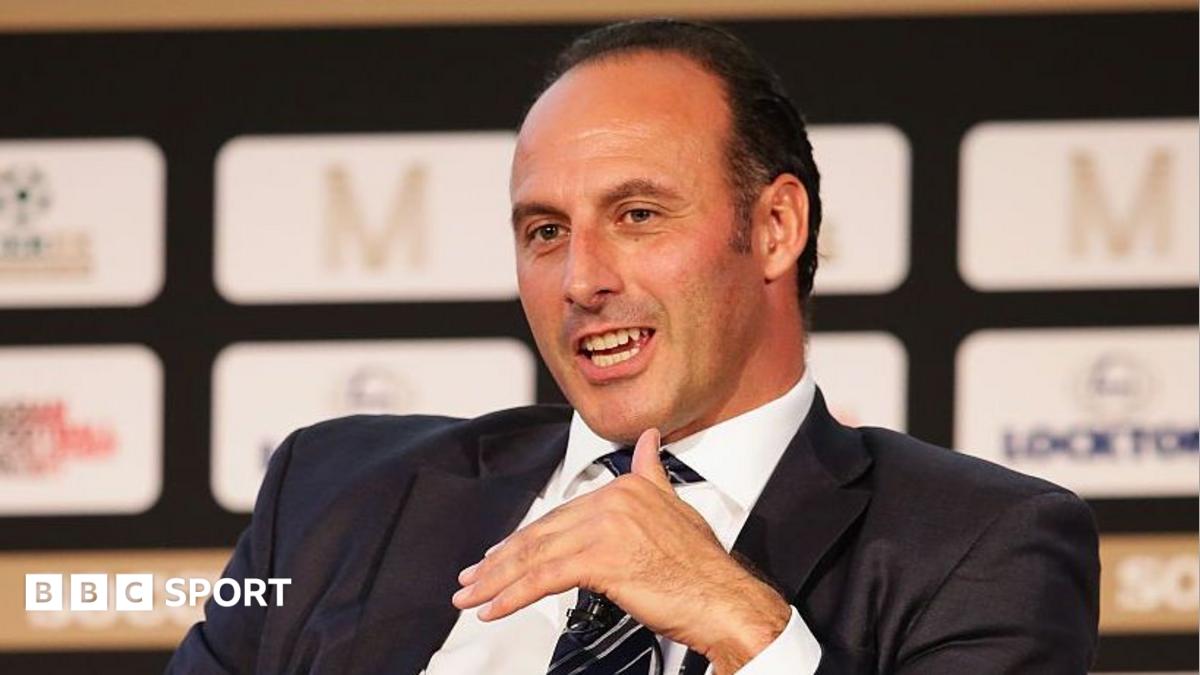
Former Tottenham Hotspur defender Ramon Vega says he intends to stand as a candidate in next year’s Fifa presidential election.
The 55-year-old is the first person to confirm they want to challenge Gianni Infantino, who has defied calls to step down in the wake of his failed plan to sell off stakes in the World Cup to private investors, which has sparked a major backlash across football.
A former Switzerland centre-back, Vega also played for Celtic and Watford and has worked in finance since retiring from football in 2004.
“I am standing to reunite the global football family, deliver genuine and lasting reform, modernise Fifa for the 21st Century, restore stability and credibility, and rebuild the trust that our game urgently needs,” he said.
Meanwhile, Sheikh Salman bin Ibrahim Al Khalifa – president of the Asian Football Confederation – has written to Infantino, distancing himself from an external review of Fifa’s governance system.
In his letter – seen by BBC Sport – Sheikh Salman proposes that Fifa’s council sets up a working group to examine potential reforms, “rather than being outsourced to an external party”.
Last month, Infantino said he was “fully committed to leading Fifa” despite Uefa, Concacaf and the Asian Football Confederation calling for him to quit.
Vega considered running for Fifa’s top job in 2015 following the suspension of former president Sepp Blatter.
Four years later he said he would stand against Infantino, but failed to garner enough support to be included in the ballot, having required the backing of five of Fifa’s 211 member federations.
Candidates must also be proposed by a member association and have played an active role in the game for two of the past five years, as well as passing an eligibility check by a review committee.
“I am standing because my life has prepared me to serve the game,” Vega said in a statement announcing his candidacy.
“Football does not belong to presidents, confederations or administrators. Football is greater than any position, any individual or any institution.
“It is the people’s game and belongs to everyone: the players, coaches, referees, supporters, volunteers, clubs, leagues, associations and communities that give football its life.
“It belongs to every child discovering the game, every professional carrying the hopes of a nation, and the billions of supporters whose passion makes football the world’s game.
“Football must always come first. Yet for too long, division has fractured our football family.
“The current leadership has demoralised the game. Weak governance has damaged Fifa’s credibility and eroded trust across the global football family. We must stop this conflict from escalating.
“Ego-driven battles within football administration must never be allowed to damage those who matter most: the players, coaches, referees and supporters around the world. They are not responsible for these conflicts. They deserve better.”
Vega concluded: “Football is in the emergency room, on life support. We cannot wait any longer. Fifa needs a new direction and fundamental reform.
“We must reunite the football family, restore trust, bring stability and modernise Fifa’s governance. This requires decisive change – not cosmetic adjustments.”
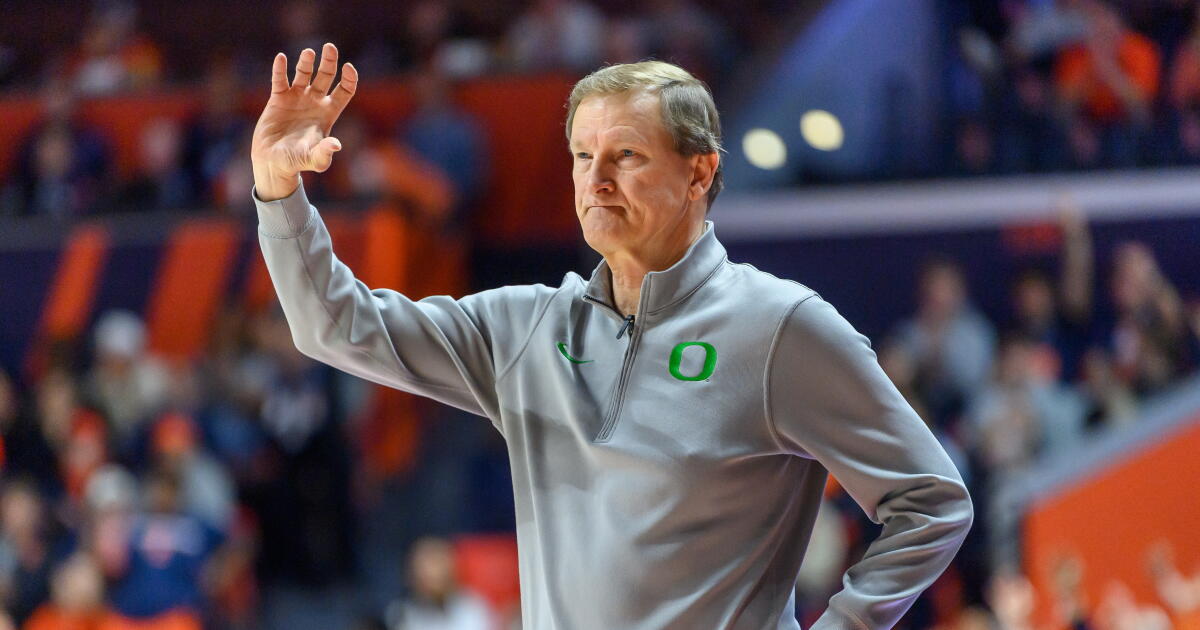
Longtime Oregon Ducks men’s basketball coach Dana Altman is retiring effective immediately, the school announced on Wednesday.
Altman, 68, took over ahead of the 2010-11 season and is the winningest coach in Oregon history with a 382-182 record. The Ducks made nine NCAA Tournament appearances over that span, including a Final Four berth in 2017.
Oregon also won four Pac-12 regular season titles and four Pac-12 tournament titles during his tenure.
Over the course of his 37-year career as a head coach, Altman’s record is 792-425. Before he came to Eugene, Altman was the head coach at Creighton for 16 years.
“I have had to make two really tough decisions in my coaching career,” said Altman. “The first was leaving Creighton, a place my family and I dearly loved, to come to Oregon. This is the second,” Altman said in a statement. “I’ve loved every minute of coaching here, and stepping away is difficult and truly painful. I love coaching, it’s what I know best and what I’ve been fortunate enough to do for almost five decades. I’m going to miss my coaches, my players and our incredible fans more than I can express. But I know this is the right thing to do at this time.”
Oregon will begin the national search for Altman’s successor after the season. Assistant coach Tony Stubblefield will coach the Ducks for the 2026-27 season.
The Ducks struggled last season, going 12-20, and the program lost nine players to the transfer portal and three to graduation in the offseason.
Stubblefield has spent two stints as an assistant to Altman at Oregon. He left to become head coach at DePaul from 2021-24 before returning to the Ducks.
“Winning 382 games over 16 years, including making nine NCAA Tournaments and a Final Four, is an incredible track record. But the record book tells only part of the story,” Oregon athletic director Rob Mullins said. “Dana and Reva have given so much of themselves to this university and to the young men who played for him, and we thank him for all his contributions to Oregon student-athletes, the game of basketball, and the University of Oregon.”
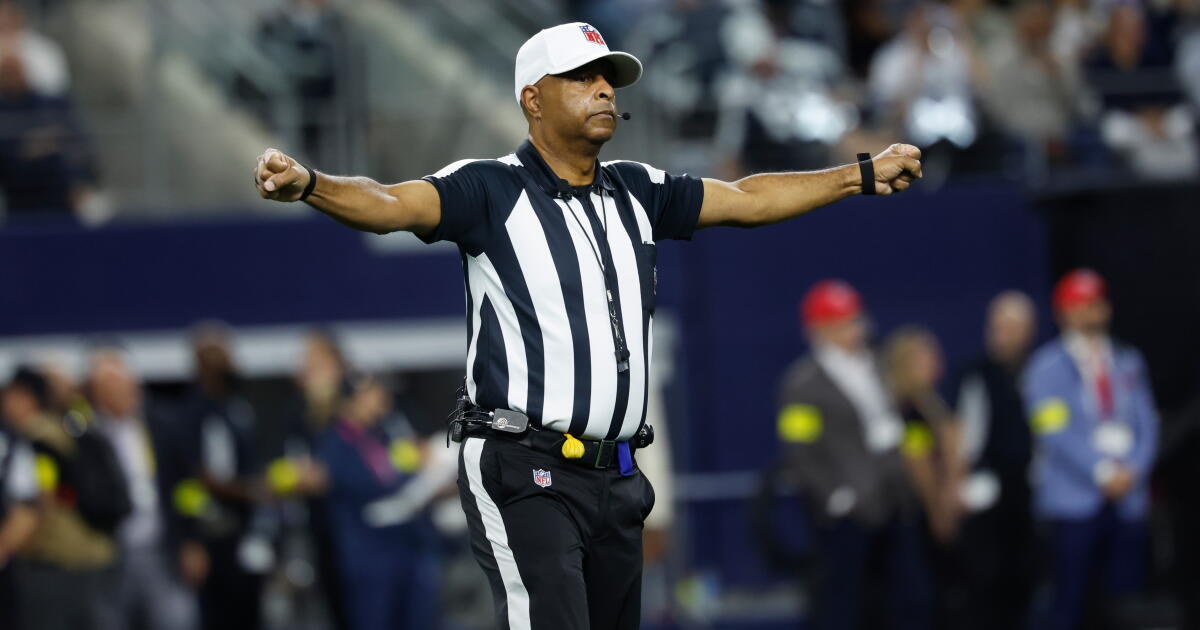
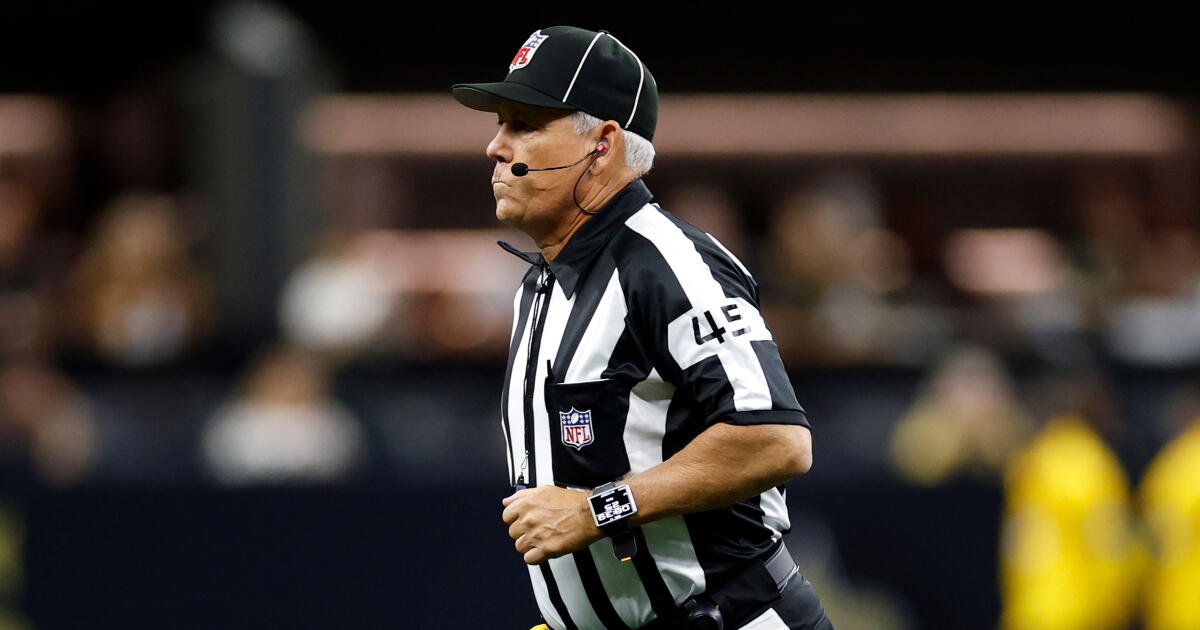
The NFL Referees Assn. says the suspensions handed out by the league to two game officials this week went too far and that it will attempt to get them reduced.
On Monday, the NFL issued a two-game suspension for line judge Jeff Seeman and a one-game suspension for referee Adrian Hill for separate instances of “unprofessional conduct toward a player” during games they were working the previous day.
The NFLRA said in a news release Tuesday that it “believes the suspensions imposed by the NFL on two officials following incidents this past weekend were excessive and inconsistent with past precedent.”
“Given these concerns, the NFLRA will challenge the severity of those suspensions and meet with the NFL Officiating Department to discuss the League’s disciplinary standards,” the NFLRA said. “The association also plans to meet with NFL Players Association leadership to address on-field conduct and the growing levels of confrontation between players and officials.”
Late in the Arizona Cardinals’ 36-24 loss to the New York Giants, Cardinals tight end Trey McBride argued a non-call with Seeman. A video of part of the interaction between McBride and Seeman, posted on X by ESPN’s Adam Schefter, appears to show the line judge shouting profane language at McBride.
“This kind of behavior from an official towards a player is unacceptable,” NFL Players Assn. executive director JC Tretter wrote with a repost of the footage. “Players are consistently held accountable when the roles are reversed. We expect the NFL to hold officials to the same standard.”
Early in the Minnesota Vikings’ 15-10 victory over the Miami Dolphins, Vikings linebacker Eric Wilson appeared to be shoved into Hill, who was knocked to the ground. When Wilson attempted to help Hill to his feet, the official jumped up and appeared to yell at the player and point for him to move away.
“I ended up apologizing to him and explained the situation,” Wilson told reporters after the game. “He was cool about it. He understood what was happening. He just said he was trying to get me — he didn’t want us fighting apparently, me and the Dolphins guy. So he was just trying to break us up.”
NFLRA executive director Scott Green acknowledged that both officials “fell short” in conducting themselves professionally on the field, but he also suggested that players often do the same.
“Officials are routinely subjected to highly charged interactions and, at times, verbal abuse from players and coaches,” Green said in the association’s news release. “While that never excuses misconduct by an official, it shouldn’t be dismissed as simply part of the game. The League expects the highest level of professionalism from its officials, and it should demand the same from everyone on the field.
“We will defend the principle that discipline must be fair, consistent and proportionate,” Green continued. “Holding officials accountable while ignoring or minimizing the conduct directed at them is neither fair nor an effective way to address this issue. We look forward to working with the League and NFLPA toward that shared goal.”
The newbies have a lot of work to do: The Lakers lost 50.8% of their points, 55.7% of their rebounds and 47% of their assists from last year. As coach JJ Redick acknowledged during his preseason press conference alongside Rob Pelinka, “There’s a lot of minutes … up for grabs.”
All things Lakers, all the time.
Get all the Lakers news you need in Thuc Nhi Nguyen’s weekly newsletter.
By continuing, you agree to our Terms of Service, which include arbitration and a class action waiver. You agree that we and our third-party vendors may collect and use your information, including through cookies, pixels and similar technologies, for the purposes set forth in our Privacy Policy such as personalizing your experience and ads.
We know three of the starters. We start with the biggest question mark in that rotation:
Position battle we’re watching most this preseason
Austin Reaves has tormented the NBA with his crafty finishes in the lane and step-back threes. In many of his new Lakers’ teammates, he has found equally frustrating counterparts, defenders that twist him into knots like he does to them.
It’s the best — and most important — problem for the Lakers to have. The Lakers’ deep group of perimeter defenders have the most to prove and could be the biggest X-factor in the season’s success.
The wing group felt so unsettled late into the offseason that the Lakers were among the final teams willing to wait out the Jonathan Kuminga sweepstakes. The 6-foot-7 forward did not make his decision until Aug. 26, spurning the Lakers for the Minnesota Timberwolves.
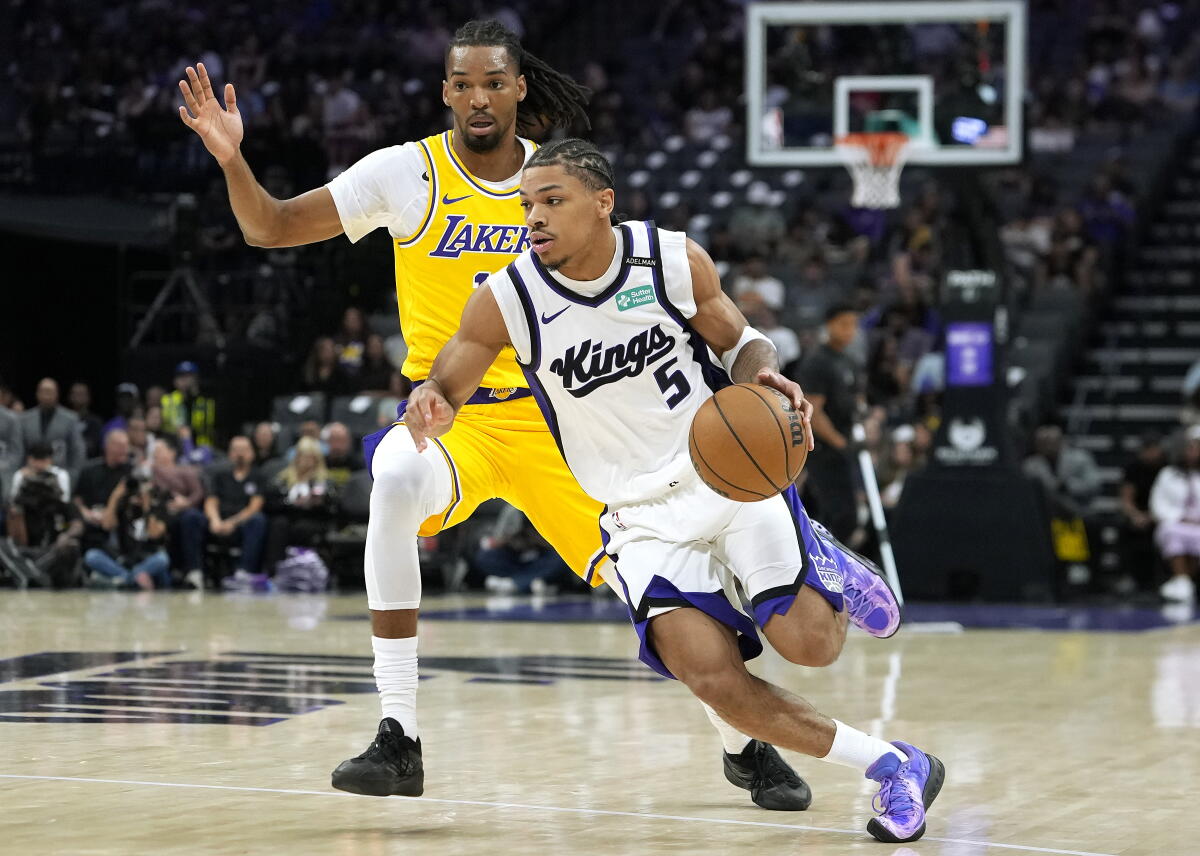
The Kings’ Darius Acuff Jr. dribbles under pressure from Laker Ziaire Williams during a preseason game in Sacramento on Monday.
(Thearon W. Henderson / Getty Images)
The only other offseason bandaids the Lakers could acquire were Williams and Thybulle. After signing minimum contracts, they were both in the starting lineup for the Lakers’ preseason opener Monday.
Williams, the 6-foot-9 forward from Sierra Canyon High, is relishing the chance to play for his hometown team. The former top-10 pick is on his third NBA team in six seasons, never finding solid footing with Memphis or Brooklyn. He is coming off a career-high 10.3 points per game for the tanking Nets. The expectations will be drastically different with the Lakers and the Lancaster native is ready to meet them.
“There’s not really anything I’m not comfortable with,” said Williams, who reported he currently weighs 215 pounds, up 30 from his previously listed weight with Brooklyn. “If it’s a smaller guy bringing the ball up, I pick up 94 [feet]. If it’s a bigger wing who likes to play off a live dribble and jab step, being more physical off the ball.”
Thybulle is listed at 6-foot-5, but renowned for a nearly 7-foot wingspan. Not only does he torment opponents with his length, his defensive anticipation is “top-tier,” Reaves gushed.
The Washington alumnus was a two-time second-team all-defensive honoree with the Philadelphia 76ers. The hope has always been that his three-point shot could match that defensive talent.
Thybulle is a 34.9% three-point shooter, averaging only 2.6 attempts per game during his career, although his attempts increased in Portland. Thybulle and Williams (32.2% on threes in his career, four attempts per game) are consistently shooting threes after every practice. Williams made all three of three-point attempts in Monday’s preseason game while Thybulle made two of four.
Lakers forward Sandro Mamukelashvili drives to the basket in front of Kings guard Daeqwon Plowden during a preseason game in Sacramento on Monday.
(Sara Nevis / Ap Photo/sara Nevis)
“For me personally, at this point, [it’s about] having the confidence in my shot to know that when it comes, I’m ready for it, as opposed to just hoping for the best,” Thybulle said. “I think it goes a long way as well.”
Mamukelashvili offers three-point shooting that stretches the floor. Redick described the 6-foot-9 forward as “an offensive connector” who can revive seemingly dead plays with a simple pass or a cut. After shooting 38.9% from three last season (115-of-296) with Toronto, he’s a potential starter at power forward, but the defensive matchups could be different when he and Walker Kessler share the floor compared to one of the other perimeter-oriented wings pairing with Kessler.
Young wing players including Adou Thiero and Cameron Carr have also impressed coaches and teammates with their athleticism and eagerness to learn. Reaves affectionately hailed Thiero, who was Reaves’ primary matchup during offseason pickup games, as a “freak of nature” and “one of the best athletes in the league.” That talent was obvious during his injury-plagued rookie season when Thiero scored his first NBA basket on a high-flying dunk last November.
Redick said Thiero’s development in the summer has been “unbelieveable.” The most critical part has been his health, said Thiero, who battled nagging injuries to both knees last season.
Between the veterans trying to prove themselves and the young players hoping to make an impact, the Lakers could go six or seven deep at the wing, Redick said. Depth is a critical ingredient of this era of the NBA. The Lakers are confident in theirs.
“We got some dogs on this team,” Williams said. “Everyone plays one through four. All the wings are great. There’s no slack; you see four or five wings out there playing hard, everybody else has to pick it up a notch.”
Position we should watch this preseason
Lakers center Kevon Looney drives to the basket under pressure from Kings Dylan Cardwell and Nique Clifford during a preseason game in Sacramento on Monday.
(Thearon W. Henderson / Getty Images)
There is no reason to panic about Kessler’s preseason absence. He jammed his left pinky finger on the backboard in practice last week and Redick said Kessler is “day-to-day.”
But the sight of the star center on the sideline is still an unnerving way to start preseason games, especially after the Lakers invested so much to get Kessler. The 7-foot-2 center, who cost the Lakers four first-round draft picks and a four-year, $130-million contract, is supposed to be a lynchpin of their defense. Without him, the Lakers’ entire plan could fall apart.
The only true center the Lakers have behind Kessler — who only played in five games last year because of a shoulder injury — is Kevon Looney. The former UCLA star started in Kessler’s place Monday, playing 18 minutes with nine rebounds, three assists and two points. Mamukelashvili, a power forward, can also rotate to center.
The Lakers have so much riding on the center position this year. Their backup options don’t feel strong enough to bear the weight of a possible Kessler injury. But Redick said the team’s wing players could shoulder some of that burden.
“Loon, Mamu, those guys, they’re not going to be Kessler,” Redick said. “Mamu is versatile enough that he can do different things, whether that’s a hedge or a switch or a drop, and we’ll figure out what works best for this team with that when we’re in man. Then with Loon, I think he’s smart enough and savvy enough that he can get the job done. But again, none of that matters if we’re not guarding the basketball.”
Looney, 30, is the unexpected veteran on a team of 20-somethings. Redick used the three-time champion’s experience with the Warriors for inspiration on the first day of practice, saying Looney faced plenty of adversity during those years. The Warriors fell behind in multiple series and still clawed back to win, Redick said. The Lakers expect Looney to stablize the team during the inevitable rocky periods of the season.
“What a great vet,” Kessler said. “He’s done it before. He knows what it takes to win a championship on and off the court.”
On tap
Tuesday at Warriors, 7 p.m. PDT
The Lakers open the preseason with a road back-to-back. Expect that while the Lakers have no pressing injury concerns, most of the key players will be on an early load management schedule.
Thursday vs. Kings, 7:30 p.m. PDT
The Lakers’ third game in four days – a workload that should be banned in the preseason – will be the debut of Lakers public address announcer Derrin Horton. The former KTLA broadcaster will take over for franchise legend Lawrence Tanter, who died last week at 76. Tanter retired from his game day role in June after 43 iconic years as the “Voice of the Lakers.”
Favorite thing I ate this week
From Broken Spanish Comedor, the ceviche (left) and the camote, a coal-roasted Japanese sweet potato served with pork rinds.
(Thuc Nhi Nguyen / Los Angeles Times)
I’d been reading great things about Broken Spanish Comedor, and after finally trying the new Culver City restaurant, I’m surprised to report that my favorite dish from a modern Mexican restaurant was a Japanese sweet potato. The camote was an ideal combination of textures thanks to the creamy coal roasted sweet potato and crunchy pork rinds and sweet, smokey and spicey flavors. We also ordered the ceviche, which came with a deserved heat warning, and the chicharron. The server insisted we get the hand-pressed tortillas and who’s saying no?
All things Lakers, all the time.
Get all the Lakers news you need in Thuc Nhi Nguyen’s weekly newsletter.
By continuing, you agree to our Terms of Service, which include arbitration and a class action waiver. You agree that we and our third-party vendors may collect and use your information, including through cookies, pixels and similar technologies, for the purposes set forth in our Privacy Policy such as personalizing your experience and ads.
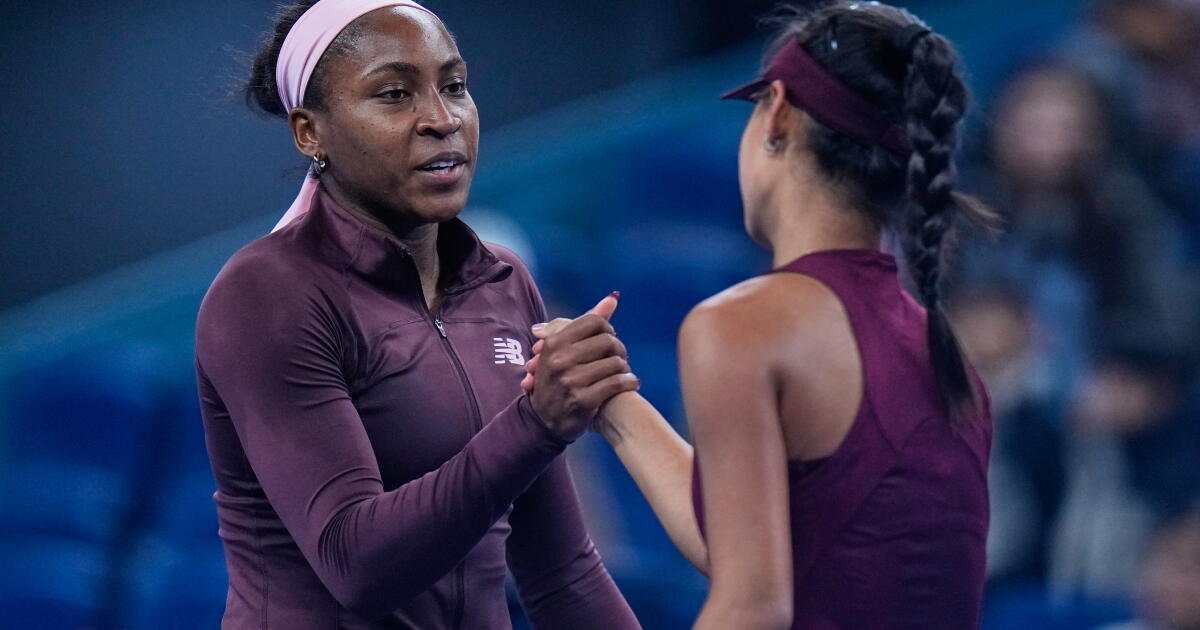
Coco Gauff is calling out the racist abuse she’s received online after following the rules during her latest match at the China Open.
The two-time Grand Slam champion defeated 16-year-old Sun Xinran 7-5, 6-1 on Monday to move on to the round of 16 at the Beijing event. After the match, Gauff took to social media to address the racist comments and messages she’d received for halting a point mid-rally and explained the point in question.
“[H]ey everyone, you can dislike me or disagree about what happened without being racist,” Gauff wrote in a post on X, replying to a user who directed profanity and a racist slur toward her. “[T]he amount of racist comments/dms I’ve received in the last few hours is insane. Lastly, I’m not a cheater or a thief.”
The tennis star then shared a screenshot of the lengthy explanation she posted to Instagram explaining the rules and why she stopped play when she did.
The point in question occurred during the first set, when Gauff was serving and down 4-5. She raised her hands to halt the point toward the end of a lengthy rally, just before Sun returned a volley that could have put her just two points shy of winning the first set.
But just as Sun closed into position to take her shot, the electronic advertising boards around the court flickered as it changed what was displayed.
“I saw it flicker in the beginning of the point but was not sure if that is what I actually saw,” Gauff wrote in her explanation. “[W]hen it flickered again I raised my hands before she hit her shot because this is when I was sure I saw the light flicker and it wasn’t my mind doing tricks.”
The chair umpire then conducted a video review of what happened, and ruled that the flickering ad constituted a “hindrance” outside of the control of the players, like some paper getting blown onto the court. According to the WTA rules, a point should be replayed from the beginning in such instances.
In her Instagram post, Gauff also explained that players are told that they can keep playing a point and challenge once it is over. Both Sun and Gauff would have been permitted to challenge the point regardless of who won it.
She called it an “unfortunate situation” and added that “it’s weird” that she’s “getting hate for following the rules.” Gauff also praised Sun and her talents, saying “it was an honor to share the court in front of her home crowd.”
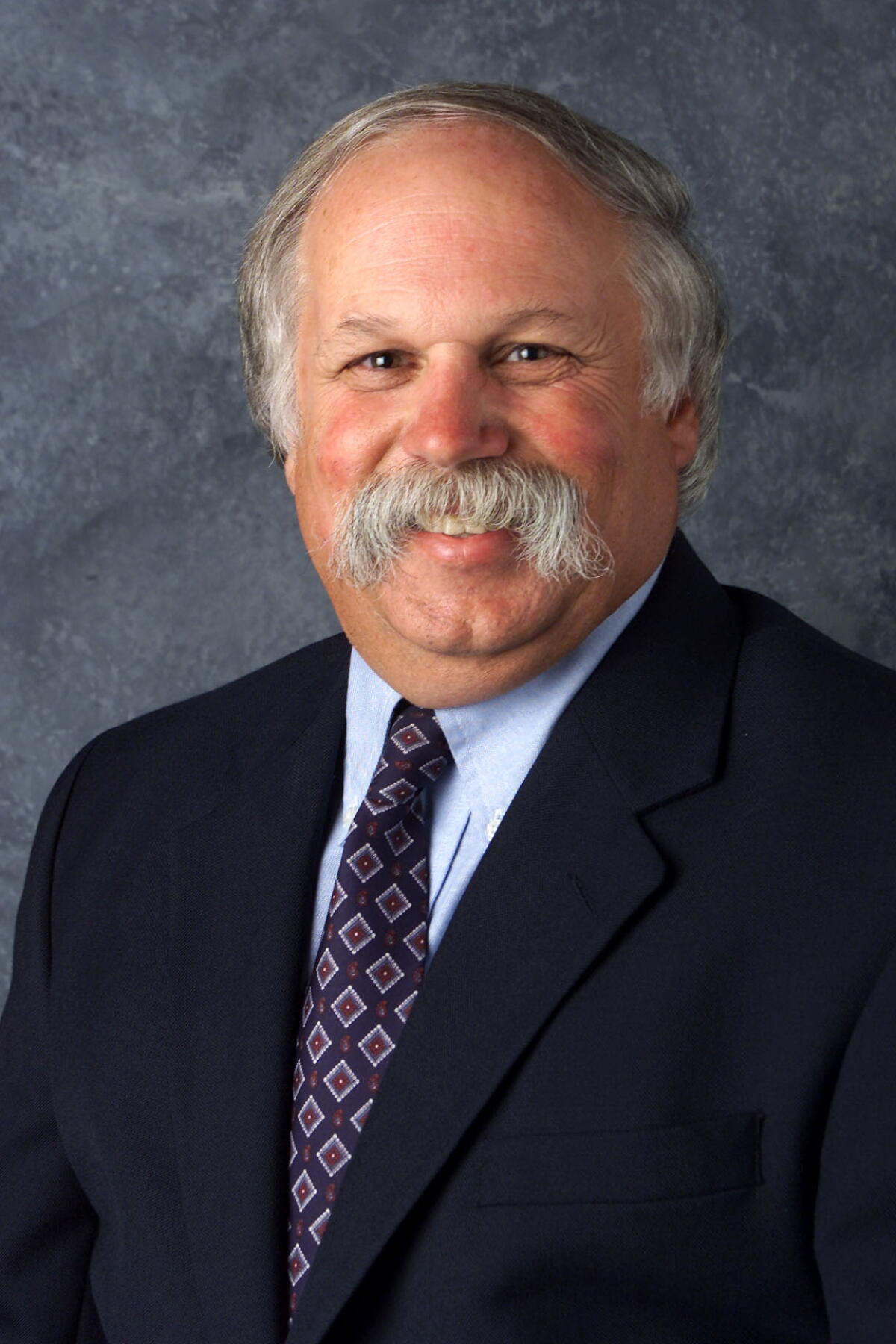
The baseball world was captivated by left-handed pitching prospect Jim Abbott ahead of the 1988 major league draft mostly because he didn’t have a right hand. Seven teams passed on him before the Angels picked him.
Why? Largely because Angels scouting director Bob Fontaine Jr. ignored the potential limitations that others fixated on when evaluating Abbott. Rather than dwelling on the absence of a right hand, Fontaine saw something wondrous coming out of Abbott’s left hand — a cut fastball.
“He’s actually more suited to the pro game than the amateurs with the aluminum bats,” Fontaine told The Times after the draft. “He’s going to be breaking off a lot of these wood bats with that cut fastball.”
As usual, Fontaine, who died Saturday at age 73, was prophetic in his assessment. Abbott became the rare pitcher to go straight from college — he’d starred at Michigan — to the major leagues, skipping the minors entirely and enjoying a 10-year MLB career while inspiring numerous fans in disabled communities.
Bob Fontaine Jr. as director of player development for the Seattle Mariners.
(Seattle Mariners)
“I think every scout, if they scout for any length of time, is going to have one player that just is special to you. Jimmy Abbott was that,” Fontaine told JapanBall in 2022. “There were people that were even kind of saying, ‘Oh, they did it for a publicity stunt.’ I remember saying, ‘Yeah, we took the eighth player in the country for a publicity stunt? Give us some credit!’”
Fontaine was showered with plenty of posthumous credit over the weekend. He scouted for six teams, and a highlight of his resume was drafting the nucleus of the Angels’ roster that won the 2002 World Series.
“What a character … what a storyteller … and what a talent evaluator … there is no 2002 World Series title for the #Angels without Bob Fontaine Jr. … RIP,” wrote former longtime Times baseball writer Mike DiGiovanna on X.
What a character … what a storyteller … and what a talent evaluator … there is no 2002 World Series title for the #Angels without Bob Fontaine Jr. … RIP https://t.co/1eHIStuWWY
“Crushed regarding Bob Fontaine Jr.’s passing, as he was a special man who I was lucky to work closely with three times @WhiteSox @Mariners, and @BlueJays. Fun as hell, elite evaluator, and phenomenal people skills. RIP, Robert,” added former Dodgers general manager Dan Evans.
“A gifted talent evaluator and mentor, Bob helped shape generations of Angels by overseeing the signing and development of numerous Halos, including Jim Abbott, Jim Edmonds, Garret Anderson, Tim Salmon and Darin Erstad,” the Angels said in a statement. “Bob left a lasting mark on baseball by devoting over five decades to the game. Our thoughts are with his family and loved ones.”
The Angels frustrated Fontaine at times by declining to spend big on players from talent-rich Latin America. Rather than sulk, however, he scoured the globe, in 1992 signing three players from Russia and a fast-pitch softball player from New Zealand named Gus Leger.
Asked by The Times’ Bill Shaikin if he had ever played baseball, Leger responded, “I haven’t. Would it help?”
The experiment failed — none of the quartet advanced beyond Class A — yet Fontaine maintained the sunny outlook he inherited from his father. Bob Fontaine Sr. was a scout who worked under the legendary Branch Rickey with the Brooklyn Dodgers before becoming scouting director of the Pittsburgh Pirates for 18 years and the first scouting director of the expansion franchise San Diego Padres. He also served as general manager of the Padres from 1977 to 1980.
“[My father] told me when I got started, ‘Don’t you ever, ever not appreciate where you are and what you’re doing, because you’re lucky. You’re going to a ballpark to make a living, so your bad days aren’t that bad,’” Fontaine Jr. said. “I never forgot that, I never forgot how lucky I am.
“Hey, you’re looking at a guy that barely squeaked through high school, who doesn’t have any ability, and I lasted almost 50 years. It’s because in baseball, if you listen, and you’re not afraid to take a chance once in a while, even somebody with my lack of ability can stay around for a while,” he said.
Fontaine got his foot in the door through his father. His first job as a teenager was as a minor league bat boy with the Pirates. Next he became a peanut vendor at Forbes Field. By age 19, he caught on with the Padres as an area scout.
Both Fontaines were scouts well ahead of the deep empirical and objective analysis of baseball data — sabermetrics is the catchall term — that some believe has made scouts obsolete. Fontaine maintained the best evaluations come when scouting is utilized along with numbers.
“What the traditional scout gives you is personal reference, like with things I learned on players that I missed on,” he said. “Analytics didn’t do that. I’m a firm believer that the best video camera is your eyes, the best model is your brain, and the best way to make a tough decision is with your heart.”
Fontaine’s methods produced results. Under his guidance in 1977, the Padres drafted future Hall of Fame shortstop Ozzie Smith in the fourth round. Four years later Fontaine plucked another future Hall of Famer, taking outfielder Tony Gwynn in the third round.
And when Fontaine moved to the Montreal Expos in 1985, he took a 6-foot-11 left-handed pitcher out of USC named Randy Johnson in the second round — another Hall of Famer.
Fontaine co-authored a memoir in 2021, “In Search of Millionaires (The Life of a Baseball Gypsy): The Accounts of Bob Fontaine Jr.”
“Baseball has provided me with a fabulous opportunity to see the world and work in an industry that most people envy,” he wrote in the book. “I didn’t get rich, except in experiences. To meet and work against so many fine people, as well as some great general managers and owners, has been a privilege.”
Times sports columnist Bill Shaikin contributed to this story.
The NFL has issued suspensions for two officials involved in confrontations with players during Sunday’s games, including one who was caught on camera apparently cursing at Arizona Cardinals tight end Trey McBride.
“The NFL confirmed today that line judge Jeff Seeman has been suspended for two games and referee Adrian Hill has been suspended for one game, each for an instance of unprofessional conduct toward a player in Sunday’s Arizona-New York Giants (Seeman) and Miami-Minnesota games (Hill),” the league said Monday in a statement. “The suspensions were issued by NFL Vice President of Officiating Ramon George.”
Late in the Cardinals’ 36-24 loss to the New York Giants, McBride argued a non-call with Seeman. A video of part of the interaction between McBride and Seeman, posted on X by ESPN’s Adam Schefter, appears to show the line judge shouting, “F— you!” at McBride two times.
NFL Players Assn. executive director JC Tretter posted a clip of the interaction that zoomed in on Seeman as he shouted toward McBride.
“This kind of behavior from an official towards a player is unacceptable,” Tretter wrote. “Players are consistently held accountable when the roles are reversed. We expect the NFL to hold officials to the same standard.”
CBS reporter Aditi Kinkhabwala reposted Tretter’s post and commented that she was “standing right there” during the interaction between McBride and Seeman.
McBride “was heated for sure, but I never heard a curse from him,” Kinkhabwala wrote. “The harshest he got was, ‘You’re ruining the game.’”
The other incident took place early in the Minnesota Vikings’ 15-10 victory over the Miami Dolphins. On a play that was whistled dead because of a neutral zone infraction, Vikings linebacker Eric Wilson appeared to be shoved into Hill, who was knocked to the ground. When Wilson attempted to help Hill to his feet, the official jumped up and appeared to yell at the player and point for him to move away.
“That was funny, honestly,” Wilson told reporters. “I ended up apologizing to him and explained the situation. He was cool about it. He understood what was happening. He just said he was trying to get me — he didn’t want us fighting apparently, me and the Dolphins guy. So he was just trying to break us up.”
The NFLPA said it had no further comment on either incident other than Tretter’s X post. The NFL Referees Assn. did not immediately respond on Monday to multiple requests for comment.
There are so many ethical dilemmas in high school sports that earning a teaching credential or gaining life experiences from participating in sports won’t always provide a clear path on how to proceed.
And when you bring in rules and regulations set forth by the California Interscholastic Federation, the state’s governing body for high school sports, everyone has an opinion or complaint — especially when there is a perception of inconsistency in how punishment for a rule violation is assessed.
It really comes down to how coaches hold themselves accountable and what a principal believes in supporting. For example, some principals have dismissed coaches for using profanity. Others do nothing.
Here are some of the ethical questions administrators, coaches, parents and players now face:
If cheating is wrong, how come so many cheat?
Should a player who transfers and has superior talent immediately get to start over a player who has been in the program for three years busting his butt?
How do you figure out when it’s OK to share playing time at quarterback if you have two good players or even three?
When is it OK for a parent to ask about their son‘s or daughter’s playing time, if ever?
How important is winning games compared to team grade-point average?
What is the most appropriate punishment for showing up late to practice?
What is a legitimate excuse for missing practice?
When should a coach allow players to wear whatever shoes they want compared to having one universal shoe and color?
Why are coaches allowed to use profanity but players can’t?
Why can’t coaches welcome multi-sport athletes instead of seething when they have to miss an offseason game?
Should benching a player for receiving a technical foul be automatic?
Should a player be immediately removed for committing a personal foul in football?
How much consideration should be given to the parent with money versus the parent with no money?
How much acting is required to pull off a pregame or halftime speech to inspire your players?
How can you teach teamwork and unselfishness for the team but lay low and suddenly go silent when the top player doesn’t follow the example away from the team?
When a parent offers to become an assistant coach, what instructions and guidelines must be imposed to prevent other parents complaining about “daddy ball?”
When is yelling at an official ever appropriate?
When is the margin of victory too large?
Why is it OK to recruit players, then complain when someone else recruits your players?
For years, baseball coaches have broken rules by holding batting practice before playoff games, resulting in teams forfeiting and coaches learning ignorance of a rule is no excuse. That leads to how can a coach receive only a two-game suspension from his district for playing three ineligible players during an out-of-state football game while claiming he didn’t know the ineligible players couldn’t play outside of California when he’s been coaching for more more than 10 years?
Any coach who says “I don’t want to know” where a transfer lives to escape accountability might want to start realizing an entire program can go down when they abdicate responsibility.
Finally, many claim whatever they are doing “is for the kids,” but when is it time for an adult to enter the room and explain the end doesn’t justify the means?
As someone who has seen virtually every kind of behavior, both good and bad, during 50 years of covering high school sports, I can say I don’t have all the answers to many of the questions posed. But when it comes to education-based high school sports. everyone has a responsibility to follow high ethical standards so that maybe a little bit might rub off on their players and help them navigate their future real-life decisions from a position of strength and confidence.
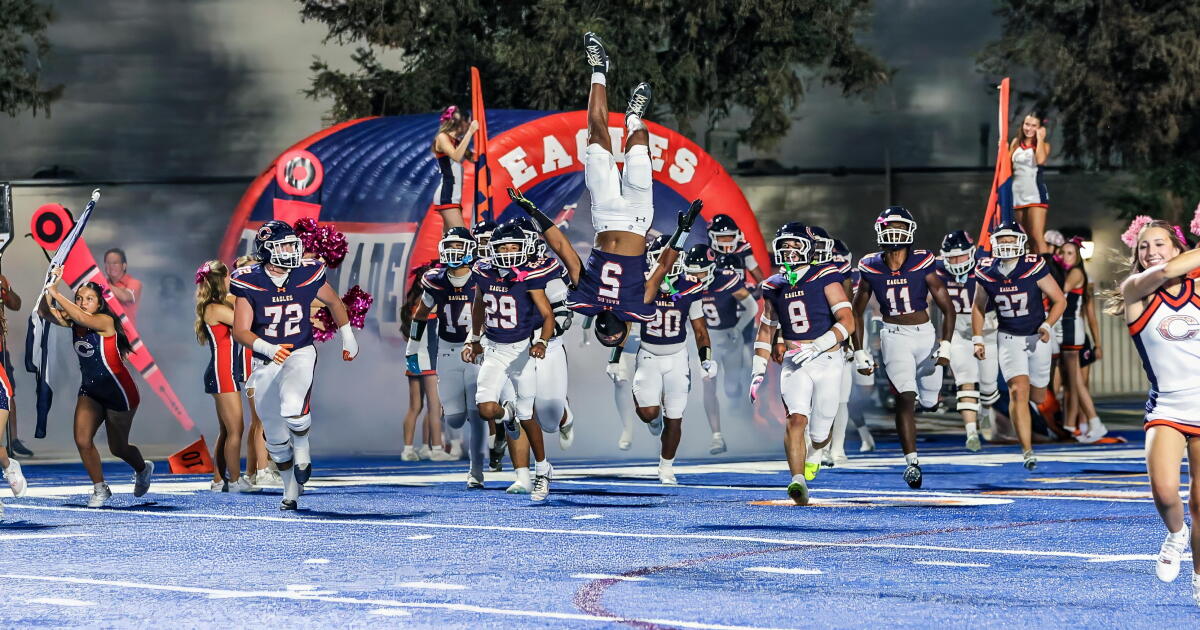
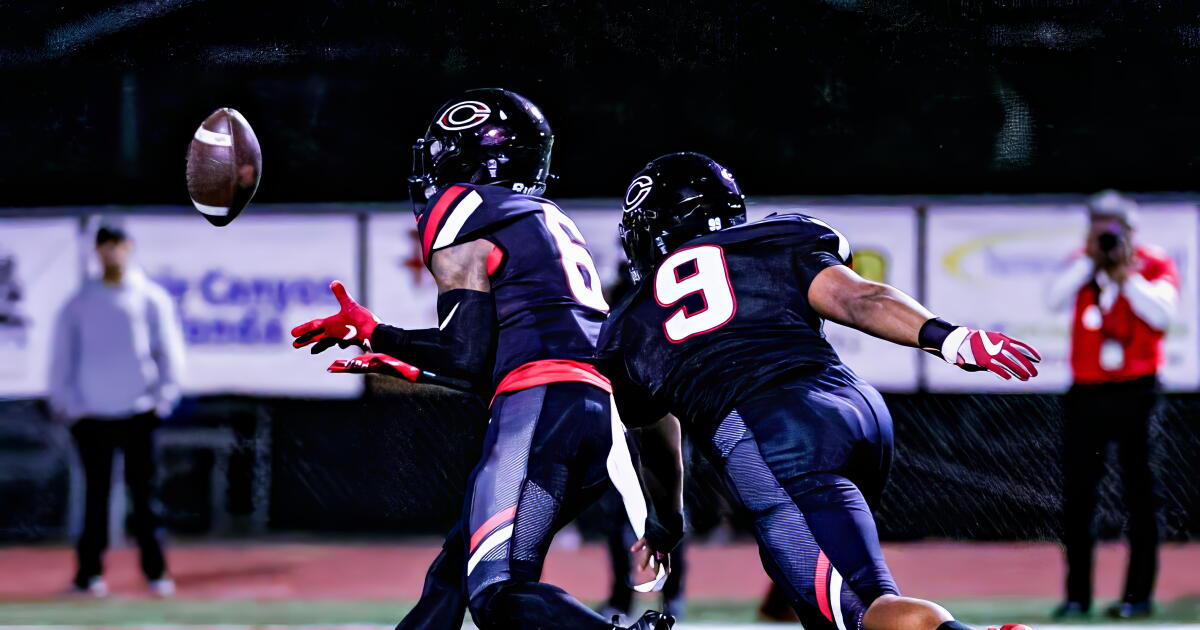
The Corona Centennial High football team has an interesting blend of players spelling their similar first names differently, leaving coach Matt Logan to be the referee as to which parents got the spelling correct.
There’s Jaden Jefferson, Jaden Walk-Green, Jaden Bynum, Jayden Steeber, Jayden Rodriguez and Jaiden Sapp on varsity.
Asked for a comment on what the correct spelling should be, Logan replied, “Which one?”
With six player possibilities, he better be specific as to which Jaden, Jayden or Jaiden he’s trying to alert when shouting the name.
Luckily, Logan isn’t the freshman or JV coach because there’s also Jayden Morales, Jayden Bullard and Jaidon Wilkerson. That’s nine players who qualify to join a club or create a T-shirt: Which first name is spelled correctly?
This is a daily look at the positive happenings in high school sports. To submit any news, please email eric.sondheimer@latimes.com.
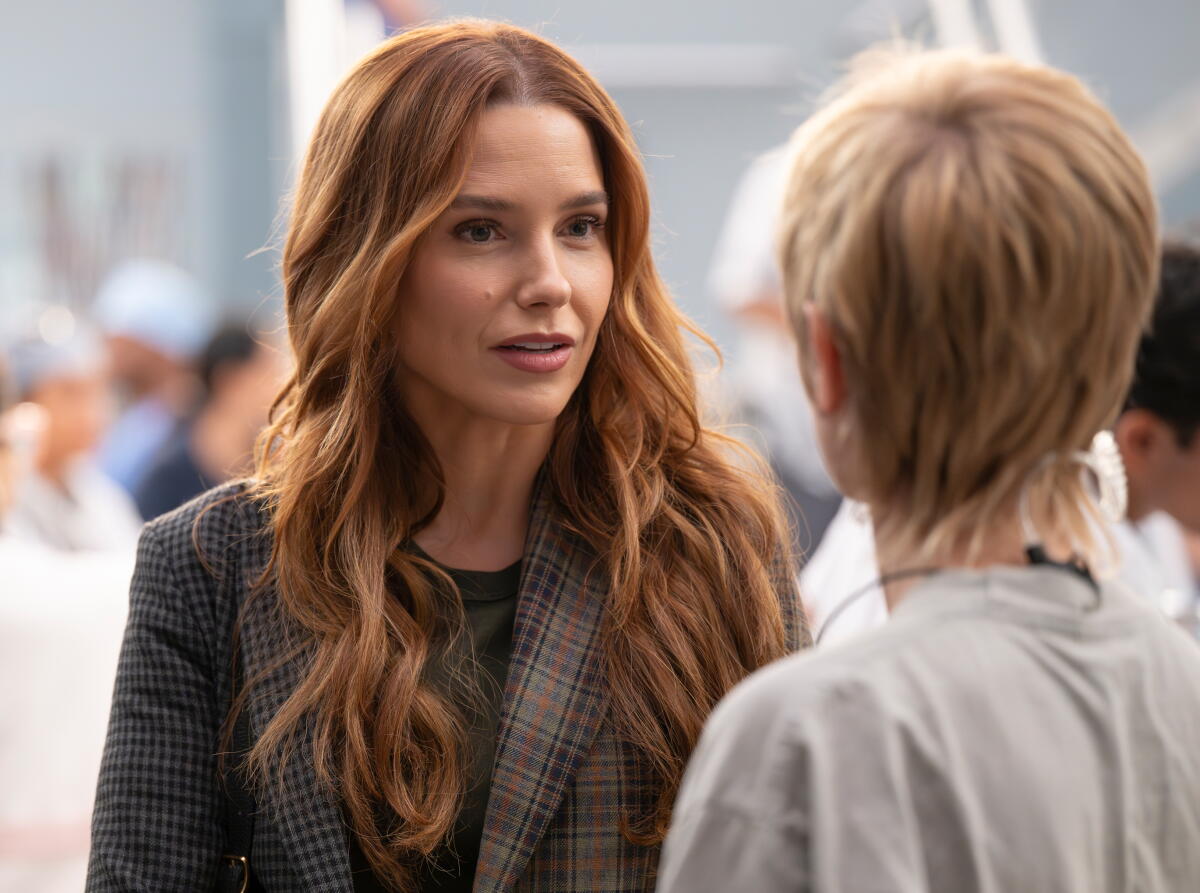
“Grey’s Anatomy” and “One Tree Hill” actor Sophia Bush reveals in her new memoir, “And I Will Tell You Mine: Notes From a Life in Progress,” that she married former professional soccer player Ashlyn Harris in summer 2025.
The private ceremony took place in upstate New York with Harris’ children, Sloane and Ocean, attending, Bush and Harris revealed in a Vogue exclusive published Wednesday. The couple said they later made the rounds, visiting friends and family to divulge their secret nuptials.
Sophia Bush, in a 2025 episode of “Grey’s Anatomy,” told Vogue she married Ashlyn Harris in a private ceremony with Harris’ children in attendance.
(Anne Marie Fox / Disney)
“We got to have personal experiences with everyone we love, and once we got through all of those, how do we put it out? Because I don’t want to keep sitting on panels or in interviews and being like, ‘My partner,’” Bush told Vogue over Zoom, then turning to Harris. “You’re not my partner, you know? You’re my wife. And it feels so amazing to say that.”
After Harris described her kids running around, picking flowers and generally having fun, stepmom Bush recalled the family roasting marshmallows on their wedding night: “It was so precious, and zero pressure. I will never forget it.”
The newlyweds also explained that, though they value privacy, optics are important for at least one very important reason.
“We understand how sacred and how pure our love is. But the visibility piece matters,” Harris said, “because there are still kids hiding who don’t feel seen, and if we make room and space for one person, that’s worth maybe costing us a little bit of peace in the public eye.”
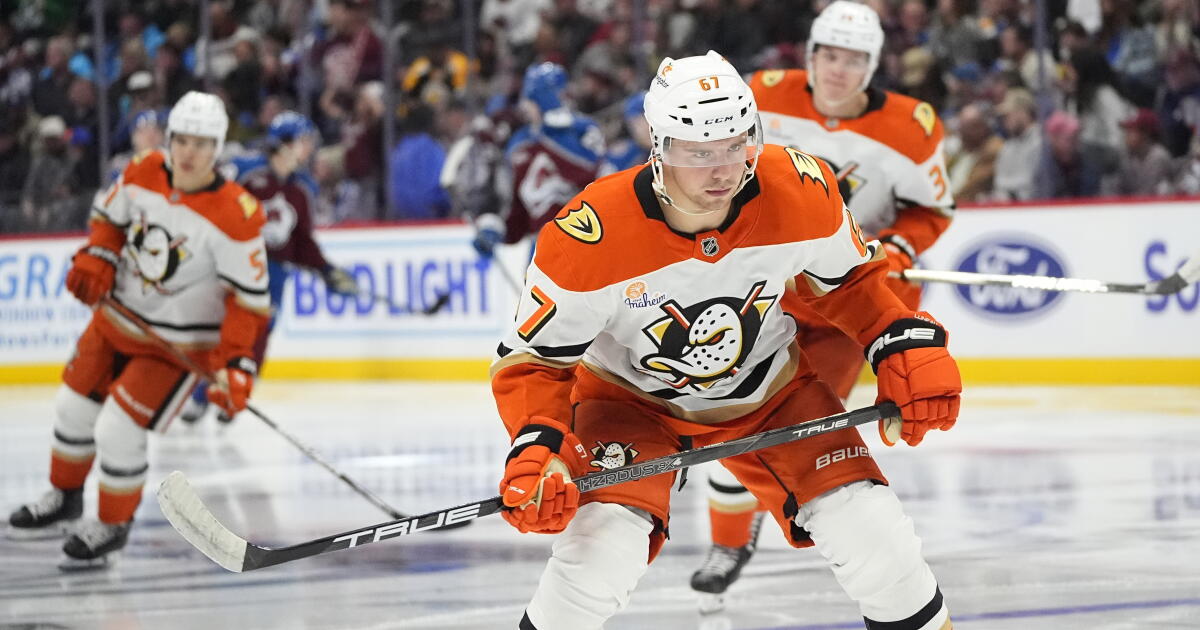
The Ducks have signed promising young defenseman Tristan Luneau to a six-year contract extension worth $43.2 million after just 14 NHL appearances.
The Ducks announced the deal Thursday with the 22-year-old Luneau, whose promising career has been slowed by injury. Now healthy and ready for a full-time NHL role, he inked a long-term deal with the team that drafted him in the second round in 2022.
Luneau was the Quebec major junior league’s top defenseman in the 2022-23 season and he made the Ducks’ roster out of training camp the next fall. But Luneau came down with a viral infection that winter while practicing with Canada’s national junior team, forcing him to miss the rest of the year.
Anaheim took a deliberate approach with Luneau’s health for the past two seasons, keeping him with its AHL affiliate in San Diego for most of that time. But the Ducks never wavered in their belief that Luneau will be an above-average defenseman, and they proved it with a long-term contract for a player who suited up in just one game for the NHL club last season.
Luneau will be expected to play a significant role this season for the Ducks, who lost four veteran defensemen — Jacob Trouba, captain Radko Gudas, John Carlson and Olen Zellweger — from last season’s already mediocre blue line group over the summer.
Ducks general manager Pat Verbeek moved aggressively to lock up Luneau after being burned repeatedly in restricted free agency over the offseason.
Verbeek spent months failing to reach a deal with center Leo Carlsson, who then signed a $90-million offer sheet with Philadelphia that briefly made him the NHL’s highest-paid player before Anaheim matched it. Carlsson is among the best young centers in hockey, but his deal is worth much more than he was expected to get as a restricted free agent — as is the five-year, $36 million deal given to Pavel Mintyukov by Verbeek after other teams began to sniff around the Russian defenseman in the wake of Carlsson’s massive offer sheet.
Verbeek then signed high-scoring forward Cutter Gauthier to a six-year, $81 million extension last month, but the resulting salary cap constraints from Verbeek’s summer of misadventure effectively forced the Ducks to waive 22-goal scorer Chris Kreider, damaging their depth.
Luneau will join Jackson LaCombe and Mintyukov as the new core of the Ducks’ defense. Rising star LaCombe agreed to an eight-year, $72-million extension a year ago.
Anaheim ended a seven-year playoff drought last spring, advancing to the second round under coach Joel Quenneville. The Ducks open the regular season Friday at Vegas before their home opener Sunday against Florida.
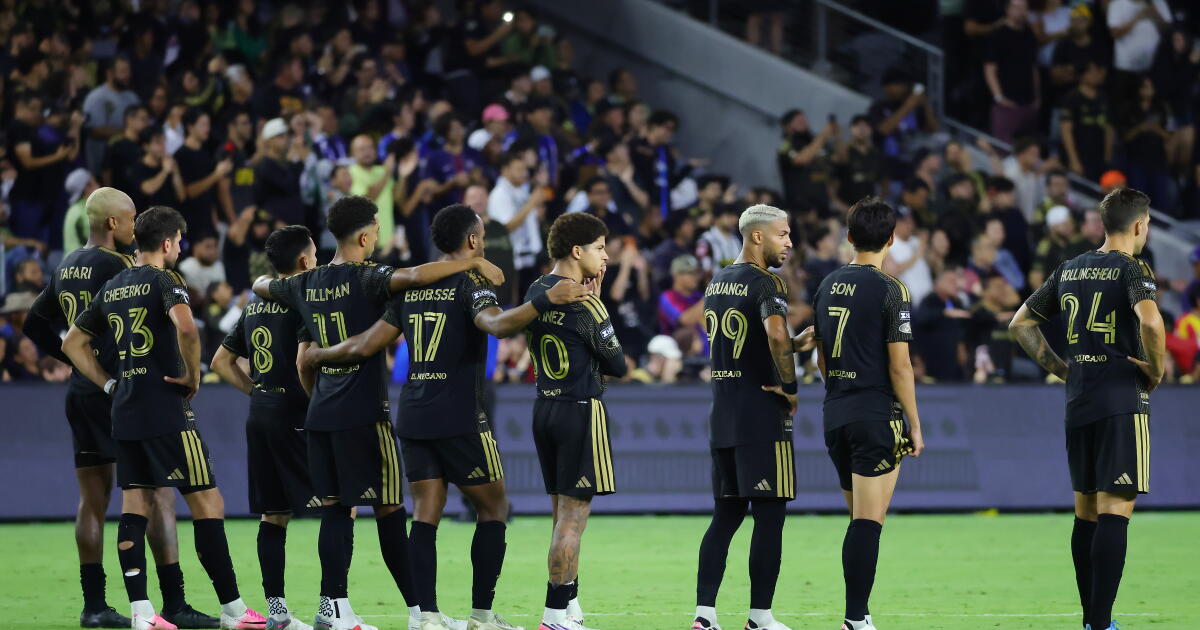
LAFC on Thursday named Xavi Tamarit its interim head coach, replacing Marc Dos Santos, who was fired Sunday amid a slump that has seen the team win just two of its last 13 games in all competition.
Tamarit, 44, was named to Dos Santos staff last January. He has more than two decades’ worth of elite coaching experience, including stints in the English Premier League, Spain’s La Liga and Argentina’s top division. A Spanish citizen, he is fluent in English, Spanish and Portuguese.
“Xavi brings a wealth of experience at the highest levels of the game and a clear understanding of our players, their strengths and what this group needs now,” John Thorrington, LAFC’s president of soccer operations, said in a statement. “We have full confidence in Xavi and the rest of the staff to get the best out of this team. Our standards and ambitions remain unchanged, and we are committed to giving everything to finish the 2026 season strong.”
LAFC (11-9-8) is sixth in the 15-team Western Conference table with six regular-season games left. That’s good enough for a playoff berth but two places and five points out of home-field advantage for the postsesason. LAFC is 3-6-6 on the road by 8-3–2 at home this season.
Dos Santos, an assistant for both Bob Bradley and Steve Cherundolo at LAFC, was named the third manager in team history last winter and was unbeaten in its first 11 matches in all competition, outscoring opponents 27-3 and advancing to the semifinals of the CONCACAF Champions Cup, where LAFC lost to Mexico’s Toluca, the eventual winner. But the team has gone 6-9-7 in MLS play since then, including a 1-0 loss to FC Dallas last Saturday in which Dos Santos was without six key players — including leading scorer Denis Bouanga and captain Son Heung-min — who were with their national teams.
Tamarit’s first game as manager will be at home on Oct. 10 against conference-leading Vancouver.
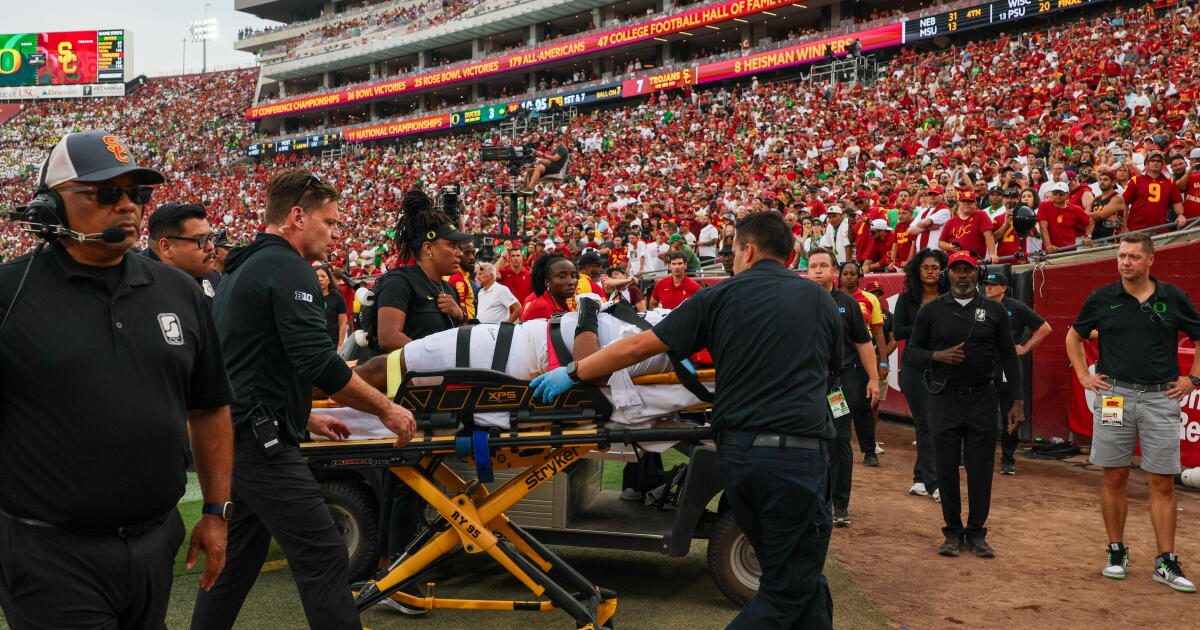
If there’s one positive to come out of the controversial play and video from Saturday’s USC vs. Oregon football game during which Oregon quarterback Dante Moore suffered a concussion after a late hit by USC’s Desman Stephens, it’s that high school football coaches are using it as a teachable moment on how not to react after a player is injured.
Stephens received a one-game suspension from USC after he was seen celebrating when hitting Moore in the head as he gave himself up on a slide to end a running play.
Whittier coach Lorenzo Hernandez said he reminded his players, “You’re always in someone’s lens.”
“You have to be compassionate about someone being injured,” he said.
St. John Bosco coach Jason Negro said there were plenty of lessons to point out to his players.
Negro said in a text, “As mentors, educators, and coaches we are constantly using moments like this to educate our players on how not to be. Football is a small fraternity and regardless of rivalries or spirited competitions we have to respect the health and safety of our opponents. Celebrating in a moment like that is disheartening and would never be tolerated here at Bosco.
“It wasn’t just the Dante Moore situation. It was also the situation from the Texas vs Tennessee game, too, with the unnecessary antics that draw penalties.
“We have to do better in making our kids realize there is a proper way to conduct yourself in an athletic contest. Personal character is revealed in these moments so choose wisely when you plan your actions after you make a good play.”
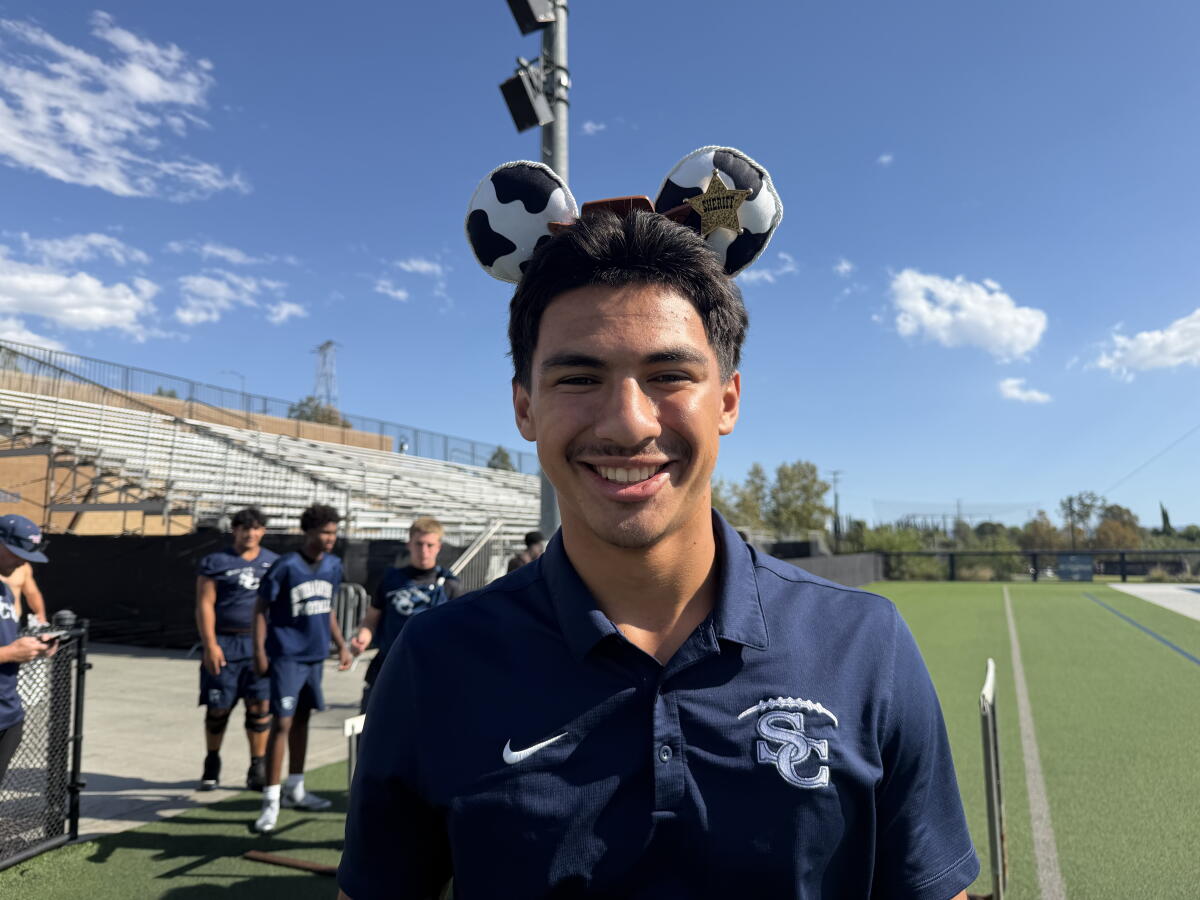
It was Disney Day at Sierra Canyon High, so standout sophomore linebacker Eli Zamorano showed up at football practice wearing Mickey Mouse ears atop his head on Monday.
Walking past, teammates either stared or smiled at the ears.
“He’s a kid who beats to his own drum,” coach Jon Ellinghouse said.
It makes perfect sense, for it was Zamorano as a freshman who was walking in rain and freezing temperatures last November on the field two hours before Sierra Canyon’s playoff game against Santa Margarita going through his pregame routine listening to music from Nirvana and not letting any elements disrupt him.
Freshman Eli Zamorano of Sierra Canyon thinks he’s in Green Bay with freezing temperatures walking in the rain to show everyone he’s ready. pic.twitter.com/FxJppvIfUk
“I’m not gonna let the weather determine my pregame,” he said. “And I’m actually used to the cold experience. My dad taught me to swim in cold water. That’s who I am.”
At 6 feet 2, 205 pounds, Zamorano is showing signs of becoming one of the best linebackers in the state for a 5-0 Sierra Canyon team that opens Mission League play on Friday against Loyola. He can be the player who’s in on every tackle up the middle or the player covering running backs out of the backfield. He watched his brother, Roman, now at Air Force, play for the Trailblazers last season at middle linebacker and has been taught by his father, Antonio, a former Garfield football player, to focus on toughness and fundamentals.
“It’s the mental toughness our dad taught both of us,” he said. “He played old-school football.”
Linebacker Eli Zamorano wearing his Mickey Mouse ears on Disney Day at Sierra Canyon.
(Eric Sondheimer / Los Angeles Times)
His father became a doctor, his mother a lawyer. They’ve shown their boys a path to success but each must find their own way, though having a doctor in the family while playing football is pretty neat.
“When we were little, 7 or 8 years old, he would take us to see his patients at the hospital,” Zamorano said. “So we learned a lot there. It’s like we have free health care. He walks in our room and feels the [ankle]. He knows what the risks are.”
Zamorano can play the ukulele, listens to music created years ago and doesn’t pay attention to what others think.
“I would like to say I’m a very enthusiastic kid,” he said. “I still like to live life to its fullest. I’m not going to let any outside voices determine what makes me, me. I kind of don’t listen to the music that people do nowadays, and a lot of people call me out. It makes me Eli. And you know, it’s just who I am.”
When he was 15, he spent nearly three months living in Rapa Nui, one of the world’s most remote Polynesian islands. His grandmother was born there. It’s also known as Easter Island and is a special territory of Chile. There’s wilderness, beautiful beaches, amazing sunsets and time for a teenager to reflect on the future.
“I was down there training hard, learning more about my culture, where my family’s from,” he said. “I actually did dancing. It was a really fun experience.”
Whether walking in freezing rain without an umbrella or wearing Mickey Mouse ears around campus, Zamorano always knows what he’s doing.
“A couple girls said they were cute,” he said of his borrowed ears.
James Trafford: Made a good save in the second half. Trafford was very calm with the ball at his feet and showed his passing range which pleased Tuchel throughout. 6
Trent Alexander-Arnold: Started his first England game for nearly two years. Not much to do defensively but put in a great ball for the England opener. 7
Trevoh Chalobah: A shaky start from the centre back who lost possession a couple of times and lost out in challenges which frustrated manager Thomas Tuchel. But Chalobah settled and ensured England kept a clean sheet against 10-man Czech Republic. 6
Marc Guehi: The usual reliable performance from Guehi. England didn’t have much defending to do but he put in a couple of important blocks. 6
Lewis Hall: The left-back combined well with Anthony Gordon and offered a good outlet for England. Hall was a threat going forward and should have scored in the second half. 7
Elliot Anderson: Dominated the midfield, kept the ball ticking for England and won possession back the few times that the Czech Republic ventured forward. A mature performance. 7
Myles Lewis-Skelly: Started the game well and was given a lot of responsibility in England’s build up play. However, Lewis-Skelly was booked for a mis-timed tackle and then taken off at half time. 6
Morgan Rogers: Played Bukayo Saka through with a nice pass early on and hit the post twice. Not given much room by a Czech side who defended very deep. 6
Bukayo Saka: Not much of note to mark for Saka in what was a cagey match as England laboured when breaking down the Czech defence before Gordon’s goal. 6
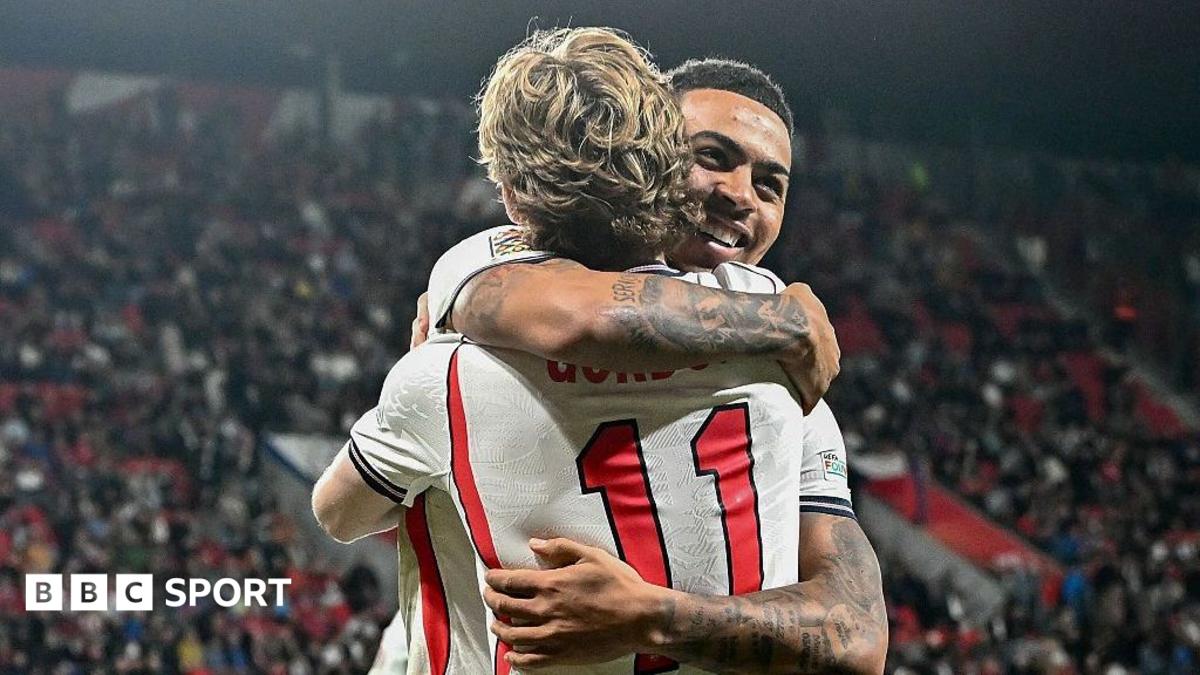
Anthony Gordon: A constant threat in behind and put in a dangerous cross in the first half that deserved to end up with a goal. Scored the opener and continues to show why he is becoming so important for the Three Lions. 8
Harry Kane: A quieter night for Kane who dropped deep and went looking for the ball but the England captain still got on the score sheet with a good finish inside the area in the second half. 7
Subs:
Eberechi Eze (on 46, Lewis-Skelly): Added a spark to midfield. 6
Jude Bellingham (on 70, Kane): Took the captains armband and led the line. 6
Alex Scott (on 70, Anderson): Made his England debut. 6
Rio Ngumoha (on 71, Saka): His first thought was to go forward. 6
Morgan Gibbs-White (on 81, Gordon):
Subs not used: Pickford, Steele, Konsa, Branthwaite, Garner, Calvert-Lewin, Quansah
It’s about moving on, or attempting to, after the franchise endured a nightmare offseason.
“My entire summer’s been basketball,” guard Darius Garland nonchalantly said during media day at Intuit Dome. “My main thing is to come in here and win games. So, that’s my main focus.”
The Clippers’ offseason was engulfed by the NBA’s salary-cap circumvention investigation into the team’s endorsement deals with Kawhi Leonard. The NBA fined the Clippers $30 million, stripped them of five first-round picks, dealt suspensions to owner Steve Ballmer and president of basketball operations Lawrence Frank — and the Clippers ultimately traded Leonard, who was fined merely $700,000, back to Toronto.
Garland represented his teammates in prioritizing hoops.
But for Trent Redden, the Clippers’ interim president of basketball operations, things weren’t that simple. The admittedly nervous executive started Monday’s news conferences by apologizing to the Clippers’ faithful for the aftermath of the Leonard situation.
“Our fans deserve to hear from us before this, and for that we’re sorry,” Redden said. “We’ve been listening to the thoughts, the concerns, and feeling the emotions of our fan base. They mean everything to us. … We hope to fulfill our promises to them, to build their trust and move forward through this time.
“This franchise often has done its best work with its back against the wall … We hope to represent our fans the same way we always have in dark times, by coming out fighting.”
Fighting is all the new-look Clippers can do as they enter the 2026-27 season.
Leonard is back north of the border. Other stars, such as Paul George, James Harden and the recently retired Russell Westbrook, are distant memories in L.A. For the first time in years, the Clippers aren’t entering a season with championship aspirations.
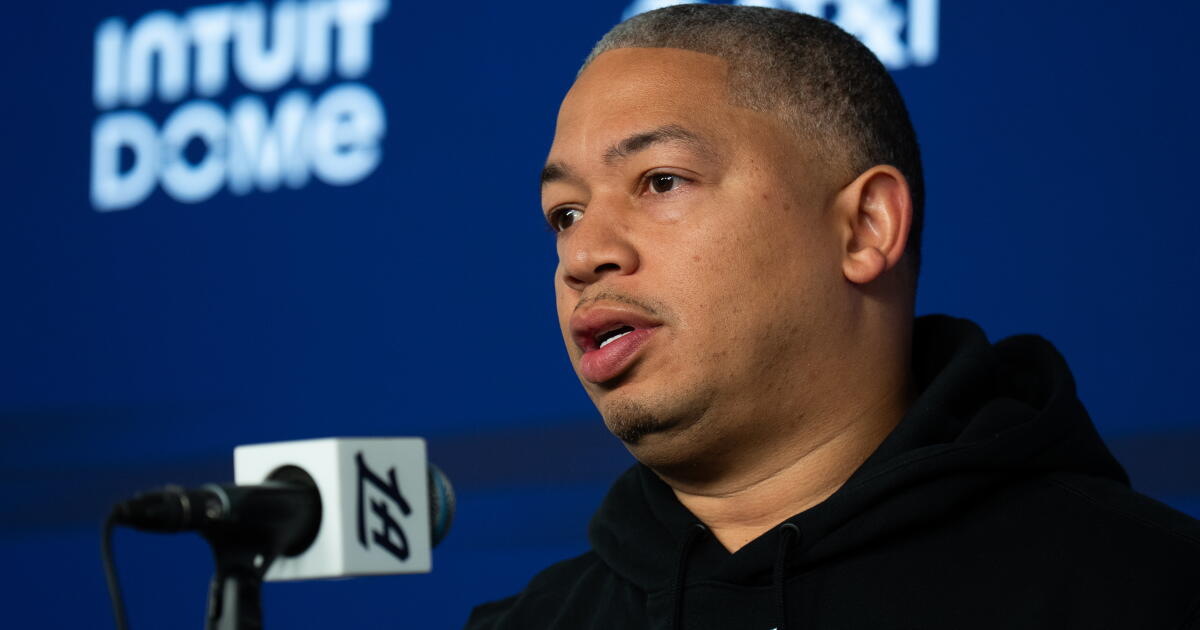
“It’s been difficult,” said Ty Lue, who enters his seventh season as the Clippers’ coach. “But I give our players a lot of credit … the leadership is great [and] the morale is great, even in these tough situations. That’s good to see, when you have your players coming in every day, giving everything they have; a lot of teams don’t have that.”
The Clippers’ league-record streak of 15 consecutive winning seasons is in jeopardy. Nonetheless, the team will still feature plenty of intrigue roster-wise, with a mix of youngsters “doing TikToks” and “old heads” trying to keep up, as Garland described it.
“I think we can surprise a lot of people,” he said.
Garland himself, 26, enters his first full season in L.A. as the team’s go-to scorer. A two-time All-Star, he’s primed to lead a promising backcourt alongside 19-year-old rookie Keaton Wagler, the Clippers’ No. 5 pick in the 2026 draft.
Wagler is one of the team’s promising young players, alongside fellow rookie Baba Miller, Kobe Sanders and the rehabbing Jordan Miller and Yanic Konan Niederhauser.
“I’m just going to do my best to stay mentally focused,” Wagler said when asked about the pressure of being the team’s first top-five pick since Blake Griffin in 2009. “Not worry about all the outside noise.”
The Clippers return key role players like Derrick Jones Jr., Kris Dunn, Bradley Beal and Brook Lopez, and sport new ones like Max Strus and Gradey Dick via trades.
However, the team’s ceiling will rest on the influence of new forwards Brandon Ingram and Rui Hachimura. Hachimura is coming off a strong playoff run and four-year stint with the Lakers.
“One thing about here … everybody talks about how they take really good care of their players,” Hachimura said of signing a two-year, $28-million contract with the Clippers this offseason.
Ingram, the centerpiece of the Leonard trade, is a solid three-level scorer and will shoulder much of the offensive load alongside Garland — when healthy.
Redden shockingly shared that Ingram is recovering from a partially torn Achilles tendon in addition to heel surgery.
“I had been dealing with some pain throughout the year with the Raptors, especially coming down crunch time with the Raptors,” Ingram said. “I didn’t quite know what it was. Near the end of the season, we figured out what it was, and surgery was the best thing to do.”
The 29-year-old Ingram, though, should make a full recovery and claims his best days are still ahead of him.
He feels the same way about his new Clippers team.
“I know [there are] little to no expectations for us this year,” Ingram said. “We have enough in the building to compete. This is what we love to do. So, we’ll go out and compete every single night, learn, go on to the next game and get better and better.”
Let’s get the rose-colored story line out of the way, right away.
The postseason starts Tuesday, and it could be the last we see of Major League Baseball for a long, long time. The owners expect to lock out the players when the collective bargaining agreement expires Dec. 1, and the owners have made their pitch loud and clear: No new agreement without a salary cap, for they believe there can be no true competitive balance without one.
You’ll hear a lot about how the way this postseason sets up, or how it plays out, could impact the bargaining.
Don’t believe a word of it. Nothing that happens this October will be relevant to the new labor agreement.
Come on. The team with the lowest payroll — the Cleveland Guardians — won their division. So competitive balance can’t be completely out of whack, can it?
Cleveland hasn’t won the World Series since 1948. The opponent was the Boston Braves, who subsequently moved to Milwaukee and then Atlanta.
What about the team with the best record in the American League: the Tampa Bay Rays, who beat up on big-market bullies in the New York Yankees and Boston Red Sox?
The Rays never have won the World Series.
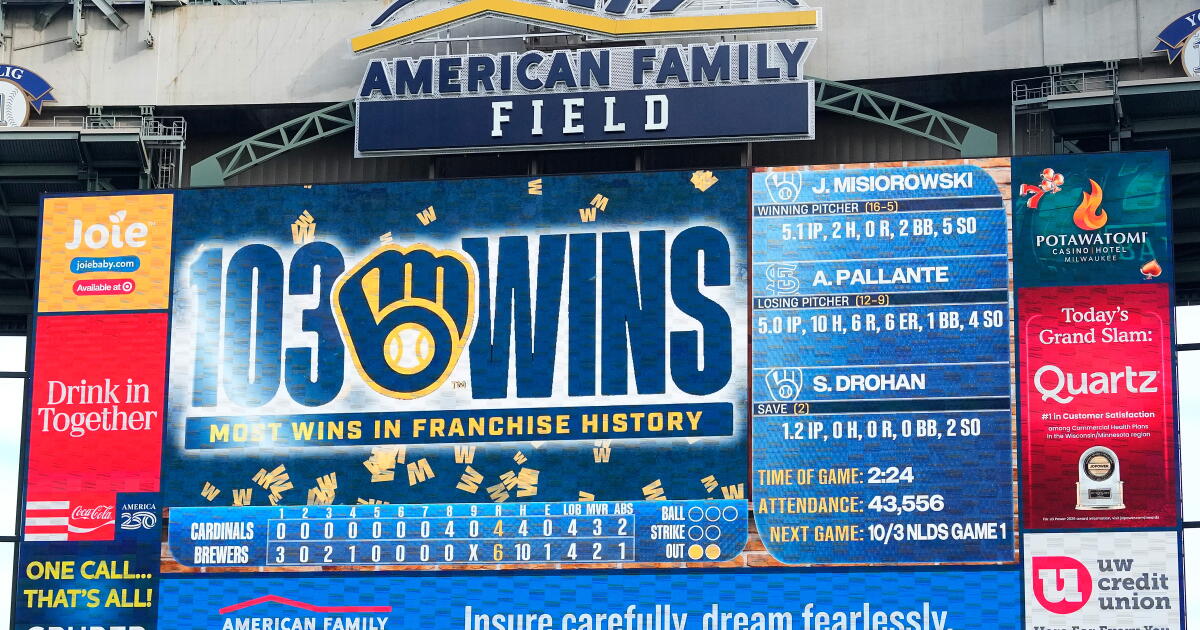
Well, what about the Milwaukee Brewers? For the second consecutive season, the team in baseball’s smallest market posted baseball’s best record.
The Brewers got swept in last year’s National League Championship Series. They never have won the World Series.
But aren’t the Brewers the best example of a team playing beyond its payroll instead of using it as an excuse?
Isn’t that what got everyone agitated? Doesn’t everyone outside L.A. know the Dodgers have destroyed competitive balance, and the owners are trying to fix it?
The owners were ready to fight for more than a year before the Dodgers helped themselves to Díaz, Tucker and Skubal. For years, the commissioner’s office touted baseball’s competitive balance, citing in part how the league championship series and World Series matchups changed almost every year.
After the Dodgers won in 2024, the commissioner’s office redefined competitive balance as how often a small-market team won the World Series, last accomplished by the 2015 Kansas City Royals. The seeds for this winter’s labor war had been planted.
If the Dodgers flop this October, the owners are not going to suddenly back off a salary cap. If, say, the Brewers or Rays win, the owners will say that’s the exception that proves the rule.
There are ways for owners to direct more revenue to small-market teams without the salary cap the players insist they will not accept, and without limiting the definition of success to winning the World Series, which risks devaluing the product among 29 fan bases every year. Whether the owners wish to consider them without the cost certainty that comes with a salary cap will be the story line of the cold winter ahead.
The Dodgers are scheduled to open next season on March 25. Neither owners nor players would have lost any significant revenue by then — ticket sales and broadcasting rights for owners, salaries for players — so a new agreement by then is uncertain at best.
So enjoy the postseason.
So, at least for now, isn’t the postseason tilted toward the Dodgers and Yankees?
Those screams you hear are coming from New York, where Yankees fans are annoyed that their team finished with the second-best record in the AL and still could be eliminated in two or three days. The Yankees finished behind the Rays and received a wild card.
The Yankees lost 13 fewer games than the AL West champion Houston Astros and 10 fewer games than the AL Central champion Guardians, both seeded ahead of them. The Astros are a .500 team, the worst record a division champion has taken into the postseason. The Guardians get a bye, just like the Dodgers.
The Yankees drew the Red Sox, which means painful amounts of national commentary will focus on (1) how the system victimized the Yankees and the Red Sox; and (2) baseball’s most hyped rivalry.
Until baseball realigns its divisions or seeds its playoffs by wins, regardless of division, the Yankees should simply do what Aaron Judge said about how they should respond to criticism of their fundamentally frightening 2024 World Series: “Play better.” And baseball’s best rivalry will be on October display only if the Dodgers and San Diego Padres meet in the NL Championship Series.
Still laughing, though, at sanctimonious Yankees fans believing baseball is somehow unfair to the poor, gutty Yankees.
Can anyone save baseball in 2027?
We should try Pope Leo. He’s a long-suffering Chicago White Sox fan. In his first full year as pope — and after three consecutive 100-loss seasons — the White Sox made the playoffs.
Some fans call it a miracle, a reporter told the pope. Did the pope have anything to do with the turnaround?
He smiled.
“No comment,” he said, then paused.
“Great things happen in Chicago,” he said.
The Cubs made the postseason too. The Cubs and White Sox have shared Chicago since 1901. This is the fourth time both have qualified for postseason play. Deep dish pizza for all, but a World Series in Chicago this fall might truly require divine intervention.
Joel Quenneville had one mission when he took over as coach of the Ducks last year: get them back to the playoffs.
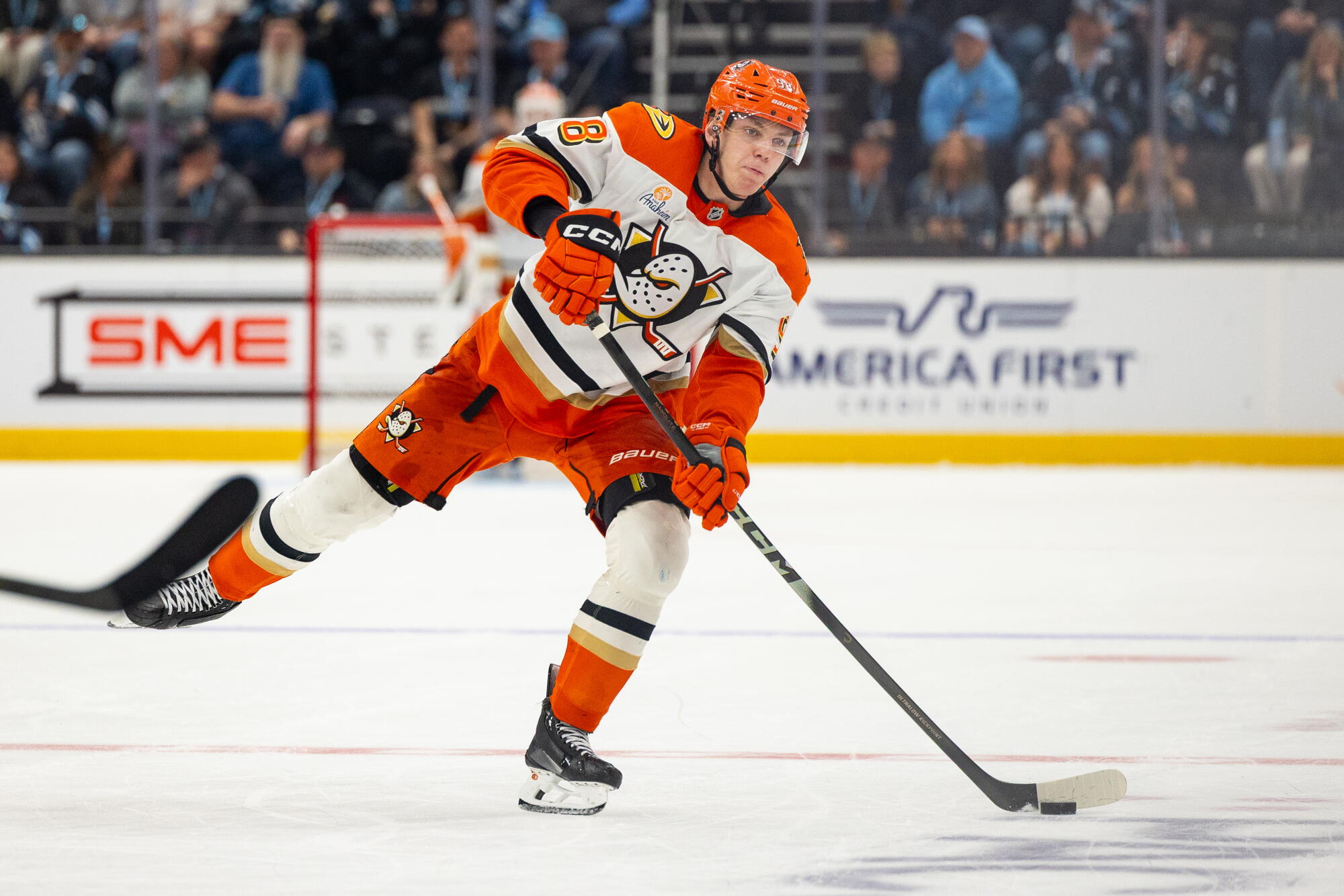
He did much better than that. The Ducks scored a franchise-record 273 goals, spent much of the season atop the Pacific Division and knocked off the powerful Edmonton Oilers in the first round of the playoffs before falling to the Vegas Golden Knights, the eventual conference champions, in the second round.
All of which raises a question for Quenneville and the Ducks coming off a summer of upheaval and turnover: What can they do for an encore?
“Expectations are going to be higher across the board,” said Quenneville, whose team opens the season Friday in Las Vegas against the Golden Knights. “That’s healthy. But at the same time, it’s an everyday thing that that challenge is going to be out there.”
Before Quenneville arrived, the Ducks stumbled through a franchise-record seven straight losing seasons. Now many of the players in his locker room are thinking beyond just making the postseason.
“The culture change, we can really feel it,” goaltender Lukas Dostal said. “What we did last year, obviously we want to improve and move even further.
“You don’t play hockey to just think like ‘OK, we want to make the playoffs.’ You want to go as far as possible. So the sky’s the limit. I really trust this team.”
“At the end of the day, you want to win a Stanley Cup,” added new captain Mikael Granlund. “You have to have that one goal. We’re going to do everything we can to be better than last year.”
Many Ducks are certainly going to be better paid than last year. General manager Pat Verbeek had no choice but to overspend on center Leo Carlsson, signing him to a five-year, $90-million contract after the Flyers offered Carlsson the same deal. The 21-year-old, who had a career-high 29 goals and 38 assists last season, is the NHL’s highest-paid player this season.
Verbeek also re-signed restricted free agents Cutter Gauthier, (six years, $81 million) and Pavel Mintyukov (five years, $36 million) and gave center Tim Washe a $9-million contract extension. Gauthier led the team with 41 goals and 69 points last season.
“It’s a sign you’re doing something correctly,” Quenneville said of his players being rewarded. “But at the same time, I don’t think we change too much our demands. They know we work on a meritocracy and the better you do, the more you’re going to play.”
Ducks defenseman Pavel Mintyukov passes against the Utah Mammoth on March 20.
(Melissa Majchrzak / Associated Press)
All that spending left the team with nothing to offer veteran winger Chris Kreider, who was released this summer, joining an exodus that included key defensemen John Carlson, Radko Gudas, Olen Zellweger and Jacob Trouba.
The Ducks will also be without forward Troy Terry, who averaged 24 goals over the past five seasons, until well into the winter as he recovers from hip surgery.
As a result, the Ducks start with several new pieces up front and thin experience on the blue line, which isn’t a good look for a team that gave up 288 goals last season, fourth-most in the NHL.
Despite the additions of veterans A.J. Greer, a Stanley Cup winner in Florida who was acquired to add a physical presence in the attack, and Nick Jensen, 36, who was signed to stabilize the defense, the Ducks will once again have one of the youngest rosters in the NHL. But Quenneville has a history of turning young teams into champions. Nineteen years ago he took over a Chicago Blackhawks team that was the youngest in the league and led it to the conference final. A year later that team captured the Stanley Cup, the first of three Quenneville won in Chicago.
For the Ducks to match that, their summer additions will have to add up to more than the subtractions. And the investment Verbeek made in Carlsson, Gauthier and Mintyukov will have to pay off. What’s certain, however, is after last season’s breakthrough, the Ducks won’t be sneaking up on anyone.
“We made it a little harder for ourselves,” Washe said. “We’ve got a little target on our back.”